6 REASONS YOU WAKE UP TIRED EVERY MORNING
Reader Theme:
Font Size:
24px
6 REASONS YOU WAKE UP TIRED EVERY MORNING
Waking up tired every once in a while is normal. A late night, a stressful day, or an occasional interruption in your sleep can leave you feeling less refreshed the next morning. But if you wake up exhausted day after day—even after spending enough hours in bed—it may be your body's way of telling you that something isn't quite right.
Feeling persistently tired in the morning isn't always caused by a lack of sleep. The quality of your sleep, your overall health, certain medications, and even your hydration level can all affect how rested you feel when you wake up.
Understanding the possible reasons behind morning fatigue can help you identify healthy changes to discuss with your healthcare provider if needed.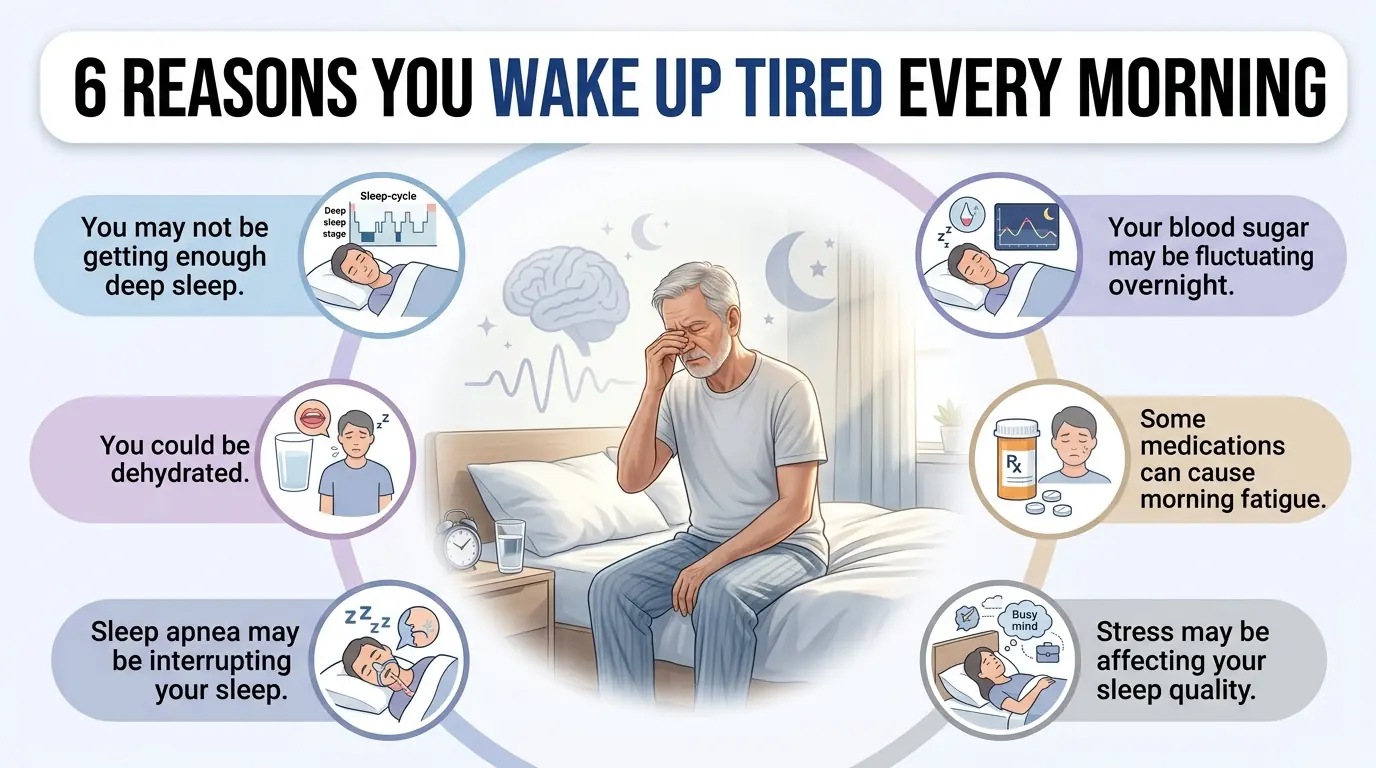
Why Do You Wake Up Tired?
Sleep is not simply a period of rest. While you sleep, your body cycles through several stages, including light sleep, deep sleep, and REM (rapid eye movement) sleep. Each stage plays an important role in restoring your body, supporting brain function, regulating hormones, and strengthening your immune system.
If these sleep cycles are interrupted or your body isn't getting enough restorative sleep, you may wake up feeling unrefreshed—even after seven or eight hours in bed.
Morning fatigue often has more than one contributing factor, so it's important to consider both your sleep habits and your overall health.
1. You May Not Be Getting Enough Deep Sleep
The number of hours you sleep isn't the only thing that matters.
Deep sleep is the stage during which your body repairs tissues, strengthens the immune system, and restores physical energy. If you spend too little time in deep sleep, you may wake up feeling as though you barely slept at all.
Several factors can reduce deep sleep, including:
- Irregular sleep schedules.
- Alcohol before bedtime.
- Chronic stress.
- Noise or light during the night.
- Certain medical conditions.
Improving sleep quality often begins with maintaining a consistent bedtime and creating a quiet, comfortable sleeping environment.
2. You Could Be Dehydrated
Even mild dehydration may contribute to feelings of sluggishness in the morning.
While you sleep, your body continues to lose water through breathing and perspiration. If you don't drink enough fluids during the day—or if you've been sweating heavily or drinking alcohol—you may wake up mildly dehydrated.
Possible signs include:
- Dry mouth.
- Dark yellow urine.
- Headache.
- Fatigue.
- Feeling lightheaded.
Drinking water regularly throughout the day and having a glass of water after waking may help support normal hydration.
3. Sleep Apnea May Be Interrupting Your Sleep
Obstructive sleep apnea is a common condition in which breathing repeatedly stops and starts during sleep.
Many people with sleep apnea don't realize it's happening because the interruptions occur while they're asleep.
Common signs include:
- Loud snoring.
- Gasping or choking during sleep.
- Morning headaches.
- Excessive daytime sleepiness.
- Difficulty concentrating.
Because sleep apnea repeatedly interrupts deep sleep, many people wake up feeling exhausted despite spending enough time in bed.
Untreated sleep apnea has also been linked to high blood pressure, heart disease, stroke, and type 2 diabetes, making proper diagnosis and treatment especially important.
4. Your Blood Sugar May Be Fluctuating Overnight
Changes in blood sugar during the night may affect how rested you feel in the morning.
For people with diabetes or prediabetes, blood sugar may become too high or too low while sleeping. These fluctuations can sometimes contribute to:
- Restless sleep.
- Night sweats.
- Morning headaches.
- Fatigue upon waking.
Even people without diabetes may notice that eating large, high-sugar meals late at night affects how they feel the next morning.
If you frequently wake up tired and have risk factors for diabetes, your healthcare provider may recommend blood sugar testing.
5. Some Medications Can Cause Morning Fatigue
Certain prescription and over-the-counter medications may cause drowsiness that continues into the morning.
Examples include some:
- Allergy medications (antihistamines).
- Sleep aids.
- Certain antidepressants.
- Anti-anxiety medications.
- Blood pressure medications.
- Muscle relaxants.
Never stop taking prescribed medication on your own. If you suspect a medication is contributing to morning fatigue, discuss your symptoms with your healthcare provider. Sometimes adjusting the dose or the timing of a medication may help.
6. Stress May Be Affecting Your Sleep Quality
You may sleep for eight hours and still wake up tired if your mind never truly relaxes.
Chronic stress can make it difficult to reach the deeper stages of sleep, even if you don't remember waking during the night.
Stress-related sleep problems may include:
- Racing thoughts at bedtime.
- Frequent nighttime awakenings.
- Vivid dreams.
- Feeling mentally exhausted in the morning.
Healthy stress-management techniques such as regular physical activity, mindfulness, relaxation exercises, limiting screen time before bed, and maintaining a calming bedtime routine may improve sleep quality over time.
Other Possible Causes of Morning Fatigue
Persistent morning tiredness isn't always related to sleep.
Other possible causes include:
- Iron deficiency anemia.
- Vitamin B12 deficiency.
- Thyroid disorders.
- Depression or anxiety.
- Chronic pain.
- Chronic fatigue syndrome.
- Certain infections.
- Other underlying medical conditions.
If fatigue continues despite healthy sleep habits, a medical evaluation can help identify the cause.
Who Is Most at Risk?
Morning fatigue is more common among people who:
- Work night shifts or rotating schedules.
- Have obesity.
- Have diabetes or prediabetes.
- Experience chronic stress.
- Have sleep apnea.
- Take medications that cause drowsiness.
- Have untreated depression or anxiety.
- Maintain inconsistent sleep schedules.
Recognizing these risk factors can help guide discussions with your healthcare provider.
How to Wake Up Feeling More Refreshed
Healthy sleep habits can improve both sleep quality and daytime energy.
Consider these strategies:
- Go to bed and wake up at the same time every day.
- Aim for 7 to 9 hours of sleep each night.
- Keep your bedroom cool, dark, and quiet.
- Avoid caffeine late in the day.
- Limit alcohol before bedtime.
- Stay physically active during the day.
- Drink enough fluids throughout the day.
- Limit screen time for at least an hour before bed.
Small, consistent changes often have a greater impact than dramatic overnight adjustments.
When Should You See a Doctor?
Schedule an appointment with your healthcare provider if:
- You wake up tired most mornings for several weeks.
- Fatigue interferes with work or daily activities.
- You snore loudly or someone notices pauses in your breathing during sleep.
- You frequently wake with headaches.
- You experience unexplained weight changes, persistent low mood, or other concerning symptoms.
Seek urgent medical care if fatigue is accompanied by chest pain, severe shortness of breath, confusion, or loss of consciousness.
Key Takeaways
- Waking up tired isn't always caused by too little sleep—sleep quality matters just as much.
- Inadequate deep sleep, dehydration, sleep apnea, and overnight blood sugar changes can all contribute to morning fatigue.
- Some medications and chronic stress may also interfere with restorative sleep.
- Healthy sleep habits, regular hydration, and stress management can improve sleep quality for many people.
- Persistent morning fatigue should be evaluated by a healthcare professional to identify possible underlying medical conditions.
Medical Disclaimer
This article is for educational purposes only and is not intended to replace professional medical advice, diagnosis, or treatment. If you regularly wake up feeling exhausted despite getting adequate sleep, or if your symptoms are severe or persistent, consult a qualified healthcare provider for a thorough evaluation. Early diagnosis and treatment of underlying sleep or medical conditions can improve both your sleep quality and overall health.
News in the same category
6 SIGNS AN OLDER PARENT MAY BE FEELING FORGOTTEN
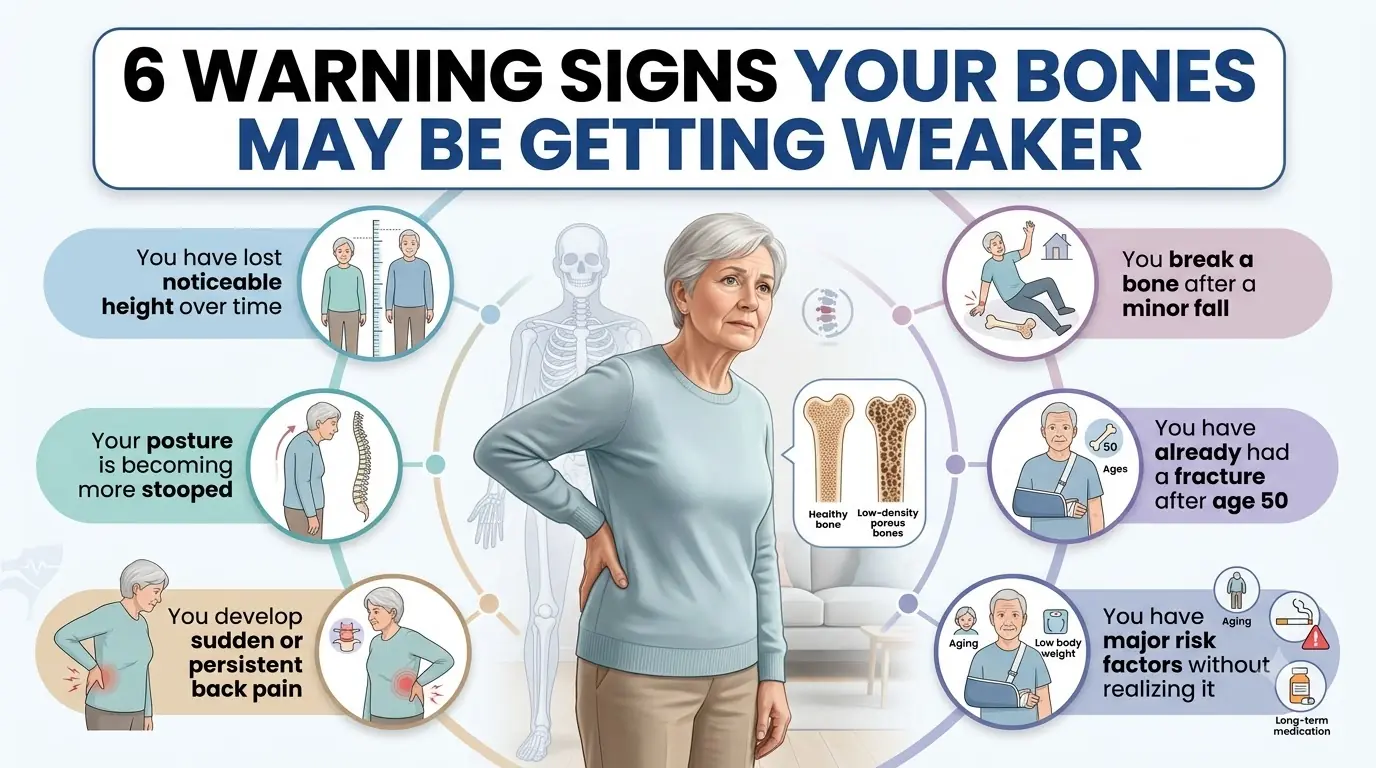
6 WARNING SIGNS YOUR BONES MAY BE GETTING WEAKER
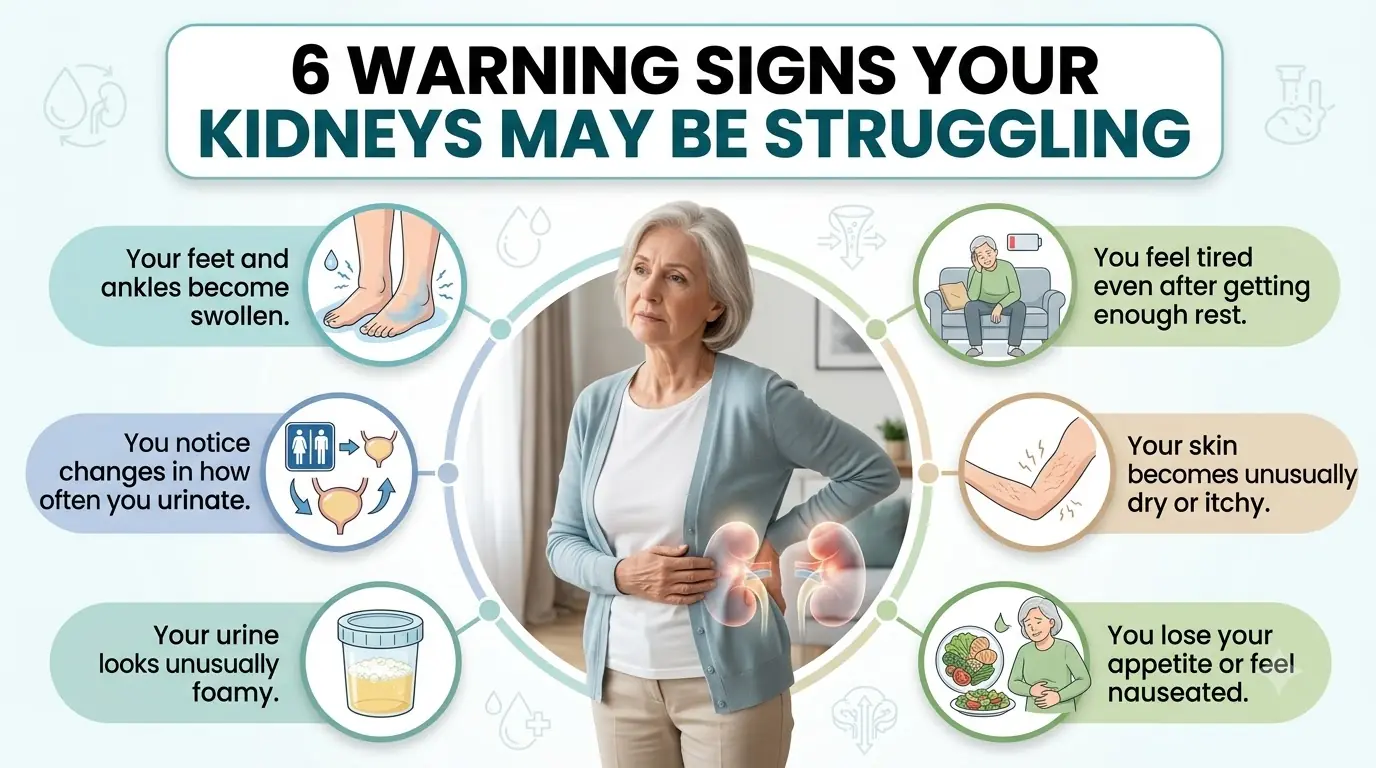
6 WARNING SIGNS YOUR KIDNEYS MAY BE STRUGGLING
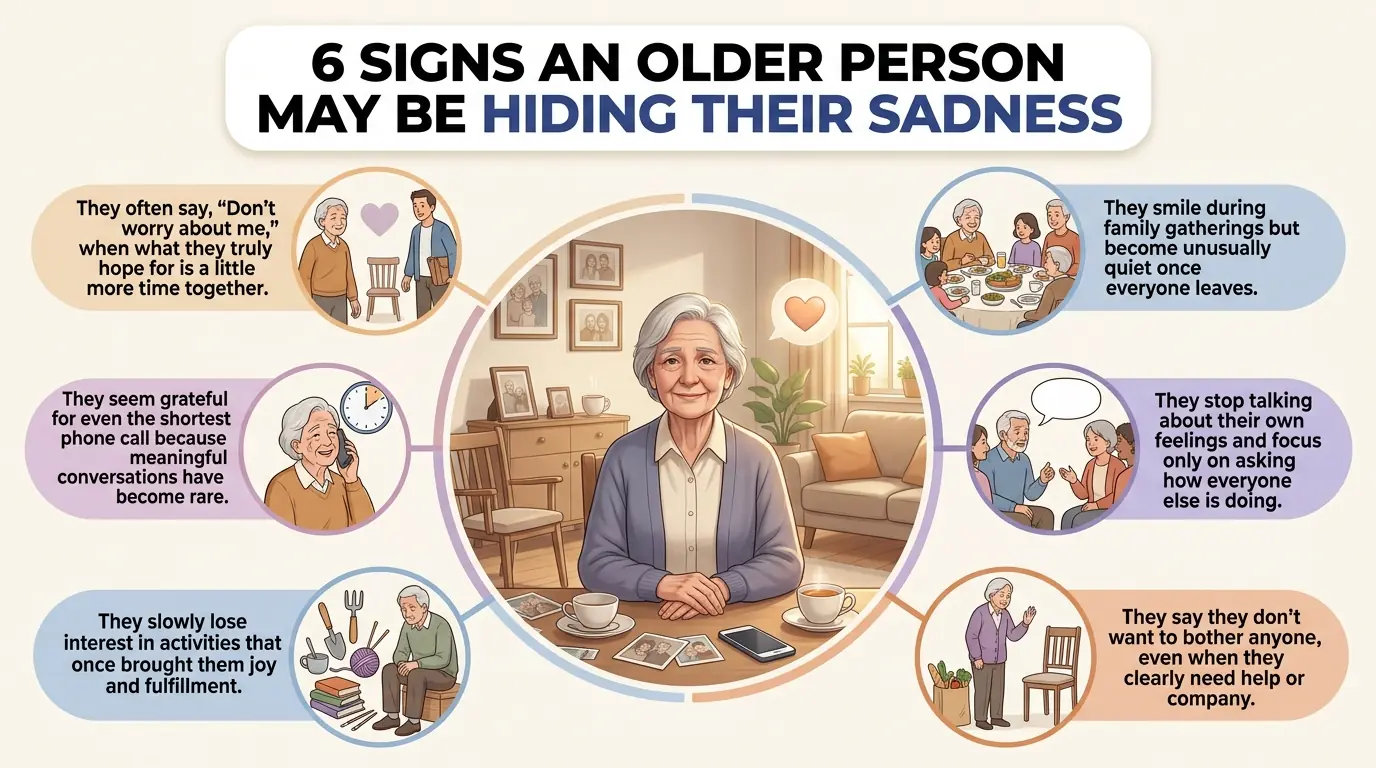
6 SIGNS AN OLDER PERSON MAY BE HIDING THEIR SADNESS
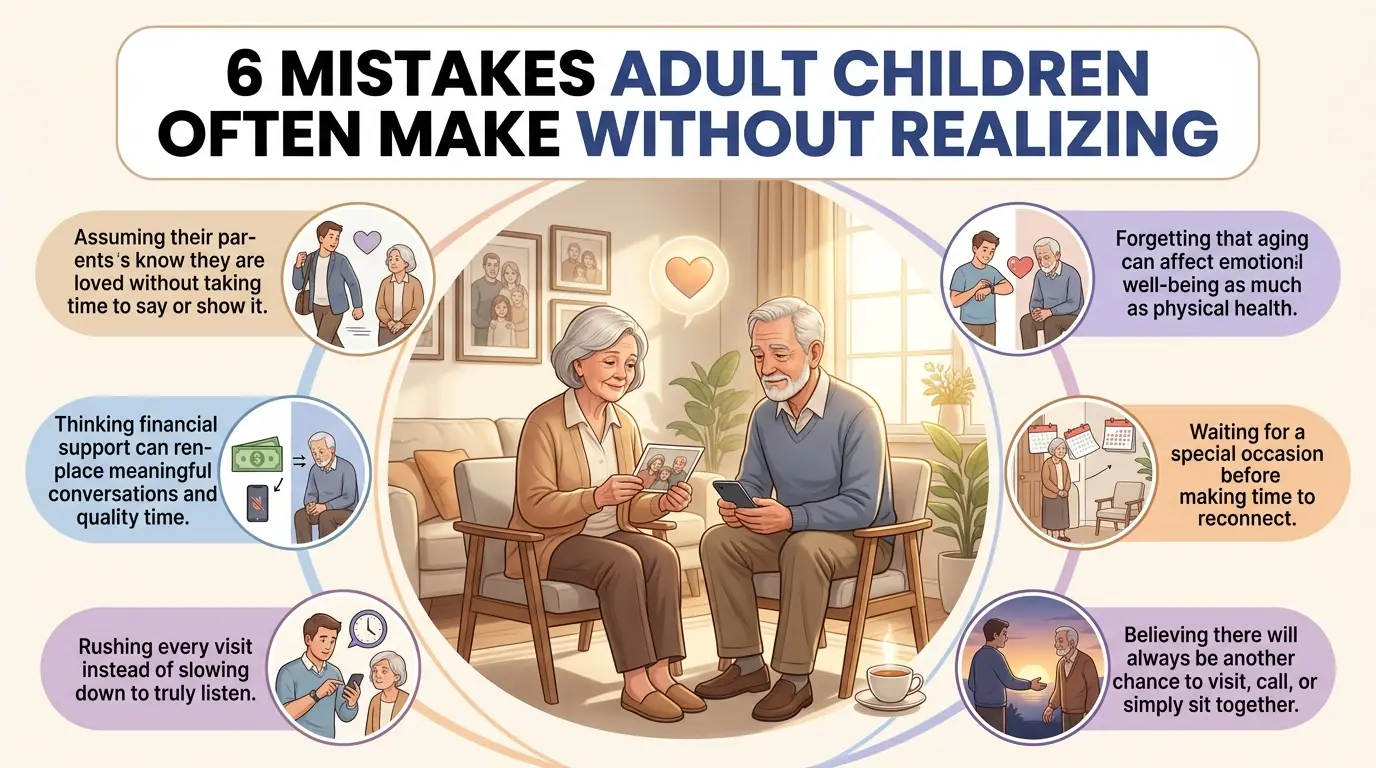
6 MISTAKES ADULT CHILDREN OFTEN MAKE WITHOUT REALIZING
6 WARNING SIGNS YOUR LEGS MAY HAVE POOR CIRCULATION
6 WARNING SIGNS YOUR BODY MAY BE DEVELOPING DIABETES
6 WARNING SIGNS YOUR HEART MAY NOT BE GETTING ENOUGH BLOOD
7 SIGNS YOUR ELDERLY PARENT MAY NEED MORE EMOTIONAL SUPPORT
6 WARNING SIGNS YOUR BODY MAY BE LOW IN MAGNESIUM
6 WARNING SIGNS YOUR BODY MAY BE LOSING MUSCLE AFTER 60

6 SIGNS YOUR BODY MAY NEED MORE PROTEIN AFTER 60

6 WARNING SIGNS YOUR ARTERIES MAY BE CLOGGED

"She Doesn't Speak Chinese," A Millionaire Bet $100K a Black Waitress Couldn't Speak Chinese
6 THINGS OLDER PEOPLE RARELY SAY OUT LOUD

6 WARNING SIGNS YOUR BODY MAY HAVE TOO MUCH INFLAMMATION