6 SIGNS AN OLDER PARENT MAY BE FEELING FORGOTTEN
Reader Theme:
Font Size:
24px
6 SIGNS AN OLDER PARENT MAY BE FEELING FORGOTTEN
As parents grow older, their world can gradually become smaller. Retirement may reduce everyday social contact, longtime friends may move away or pass on, mobility can become more difficult, and adult children often have increasingly busy lives of their own. Through all these changes, an older parent may begin to feel less connected to the people who once filled their days.
Yet many parents never say, “I feel forgotten.” They may understand that their children have careers, relationships, and responsibilities, and they may be reluctant to ask for more attention. Instead, their feelings can sometimes appear through subtle changes in what they say and how they behave.
These signs don't necessarily mean an older parent is lonely or experiencing emotional distress. But they can be useful reminders to check in, listen, and make sure someone important still feels included.
Why Feeling Connected Matters as We Age
Social connection is an important part of healthy aging.
Regular interaction with family, friends, neighbors, and community members can provide companionship, emotional support, and a sense of belonging and purpose.
Social isolation and loneliness, on the other hand, are associated with poorer mental and physical health among older adults. Major life transitions can make maintaining connections more difficult, including:
- Retirement.
- Loss of a spouse or close friends.
- Hearing or vision problems.
- Reduced mobility.
- Giving up driving.
- Moving away from familiar communities.
- Chronic illness.
Importantly, living alone doesn't automatically mean someone is lonely. Some people enjoy substantial time alone. What matters is whether they have the level of meaningful connection they want.
1. They Stop Asking When You Will Visit
An older parent who once regularly asked, “When are you coming over?” may eventually stop asking altogether.
It's tempting to assume they've simply become more independent.
Sometimes, however, they may have stopped asking because they don't want to put pressure on you or repeatedly experience disappointment when schedules don't work out.
They might say:
- “Come whenever you have time.”
- “Don't worry about me.”
- “I know you're busy.”
Rather than waiting for them to request a visit, consider taking the initiative.
Even when frequent in-person visits aren't practical, scheduling the next phone call or visit can give both of you something concrete to anticipate.
2. They Become Noticeably Happier When Someone Calls
A short phone call may seem ordinary to you, but it can become an important social moment for someone who spends much of the day alone.
Your parent might suddenly sound more energetic when the phone rings, extend a conversation that was supposed to last five minutes, or enthusiastically tell you about seemingly minor details from their day.
That doesn't necessarily mean they're lonely. They may simply enjoy talking with you.
But if these reactions occur alongside increasing isolation or withdrawal from other relationships, they may indicate that opportunities for meaningful conversation have become less frequent.
Regular contact doesn't have to mean hours-long conversations.
A few dependable calls throughout the week can sometimes feel more meaningful than one long conversation every few months.
3. They Rarely Talk About Their Own Problems
Parents spend decades worrying about their children. That instinct doesn't necessarily disappear when their children become adults.
Some older parents begin withholding their own worries because they believe their children already have enough responsibilities.
They may minimize:
- Loneliness.
- Financial concerns.
- Health worries.
- Difficulty managing everyday tasks.
- Fear about losing independence.
Instead, conversations become almost entirely about you, your work, your children, or other family members.
Try asking open-ended questions rather than simply, “Are you okay?”
Questions such as “What has your week been like?” or “What has been on your mind lately?” may create more room for an honest conversation.
Most importantly, give them enough time to answer.
4. They Fill Their Days With Small Routines
Daily routines can be extremely valuable in later life.
Gardening, taking a morning walk, watching a favorite television program, reading the newspaper, preparing meals, or caring for a pet can provide structure and purpose.
So having routines isn't itself a sign of loneliness.
However, pay attention if those routines seem to have replaced nearly all meaningful social interaction.
Someone who once had an active social life may gradually spend most days alone, following the same schedule with few opportunities to connect with other people.
If that's happening, gently explore activities they might genuinely enjoy rather than simply telling them they need to “get out more.”
That could include visiting friends, attending community programs, joining a hobby group, volunteering, or simply having regular meals with family.
5. They Remember Tiny Details From Your Last Conversation
Your parent may remember the name of a coworker you mentioned briefly, ask how an appointment went, or remember exactly what your child was doing the last time you spoke.
That can simply reflect a loving, attentive parent.
But it also demonstrates something important: your conversations matter to them.
When social interactions become less frequent, individual moments of connection may take on greater significance.
Returning that attention can strengthen the relationship.
Ask about something they previously mentioned. Remember an upcoming appointment. Follow up on a story they told you.
Being remembered works both ways.
6. They Often Say, “I Know You're Busy”
These words can have several meanings.
Sometimes your parent is simply acknowledging reality. Adult children often are busy with careers, children, relationships, and other responsibilities.
But repeated comments about how busy you are may occasionally be an indirect way of expressing that they miss spending time with you.
Instead of responding only with reassurance, consider offering something specific:
“I have some time Saturday afternoon. Would you like me to come over?”
A concrete plan can communicate something powerful: spending time together isn't an obligation you're trying to fit into your schedule. It's something you intentionally chose to make time for.
Loneliness Isn't Always Obvious
An older adult experiencing loneliness won't necessarily appear sad.
Possible changes can include:
- Calling family more frequently—or stopping calls altogether.
- Withdrawing from hobbies or social activities.
- Spending significantly more time alone.
- Becoming less interested in personal care.
- Changes in appetite or sleep.
- Seeming unusually quiet or withdrawn.
- Expressing feelings of uselessness or hopelessness.
None of these symptoms proves that loneliness is the cause. Depression, grief, medication effects, cognitive changes, chronic illness, and other medical problems can produce similar changes.
That's why persistent behavioral changes deserve attention rather than assumptions.
How Adult Children Can Help Them Feel Included
You don't need to reorganize your entire life to maintain a meaningful relationship with an aging parent.
Consistency often matters more than elaborate gestures.
Consider:
- Establishing a regular time to call.
- Sharing meals when possible.
- Inviting them to ordinary family activities, not only holidays.
- Asking for their opinions and advice.
- Sending photos or updates between visits.
- Helping them maintain friendships and community connections.
- Giving them your full attention during conversations.
If distance makes frequent visits difficult, video calls, family group chats, letters, and scheduled phone conversations can help maintain connection.
The goal isn't to fill every hour of their day. It's to help preserve meaningful relationships while respecting their independence and preferences.
When Emotional Changes May Need More Attention
Loneliness and depression are not the same thing, although they can occur together.
Talk with a healthcare professional if an older parent develops persistent changes such as:
- Sadness or low mood.
- Loss of interest in activities they previously enjoyed.
- Significant social withdrawal.
- Changes in appetite or sleep.
- Difficulty concentrating.
- Unexplained changes in behavior or personality.
- Increasing difficulty managing everyday activities.
These symptoms may have psychological, neurological, or physical causes, and some are treatable.
Taking emotional changes seriously is part of taking overall health seriously.
Key Takeaways
- Older parents may hesitate to tell their adult children when they want more companionship.
- Stopping requests for visits doesn't necessarily mean visits have become less important.
- Short calls and ordinary conversations can provide meaningful social connection.
- Some parents minimize their own concerns because they don't want to burden their children.
- Daily routines are healthy, but they shouldn't necessarily replace meaningful human interaction.
- Regular, intentional contact can help an older parent continue to feel included in family life.
- Persistent withdrawal, sadness, or major behavioral changes deserve professional evaluation.
Medical Disclaimer
This article is for educational purposes only and is not intended to diagnose loneliness, depression, or any other medical or mental health condition. Every older adult has different social needs and preferences, and the behaviors described above can have many explanations. If an older parent develops persistent sadness, social withdrawal, cognitive changes, or significant changes in daily functioning, consider discussing those changes with a qualified healthcare professional.
News in the same category
6 WARNING SIGNS YOUR KIDNEYS MAY BE STRUGGLING
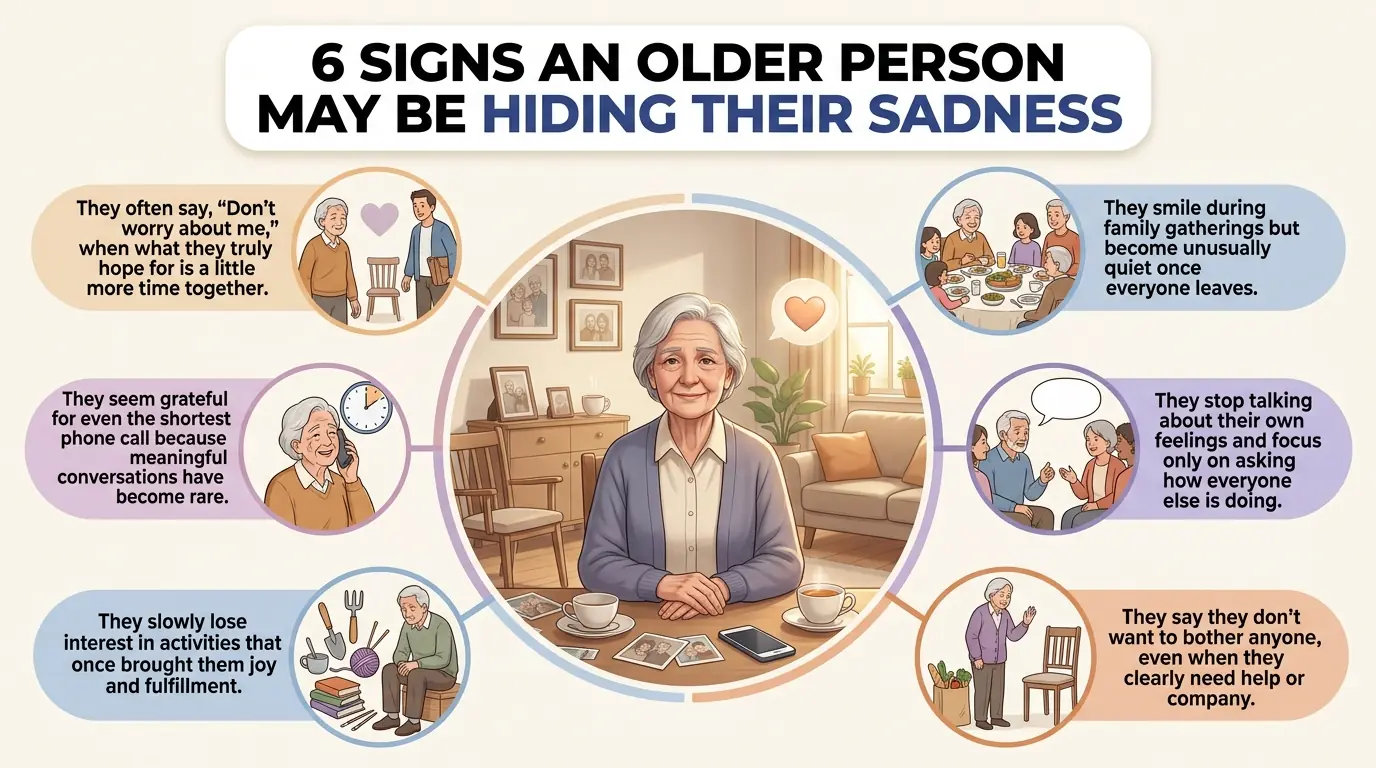
6 SIGNS AN OLDER PERSON MAY BE HIDING THEIR SADNESS
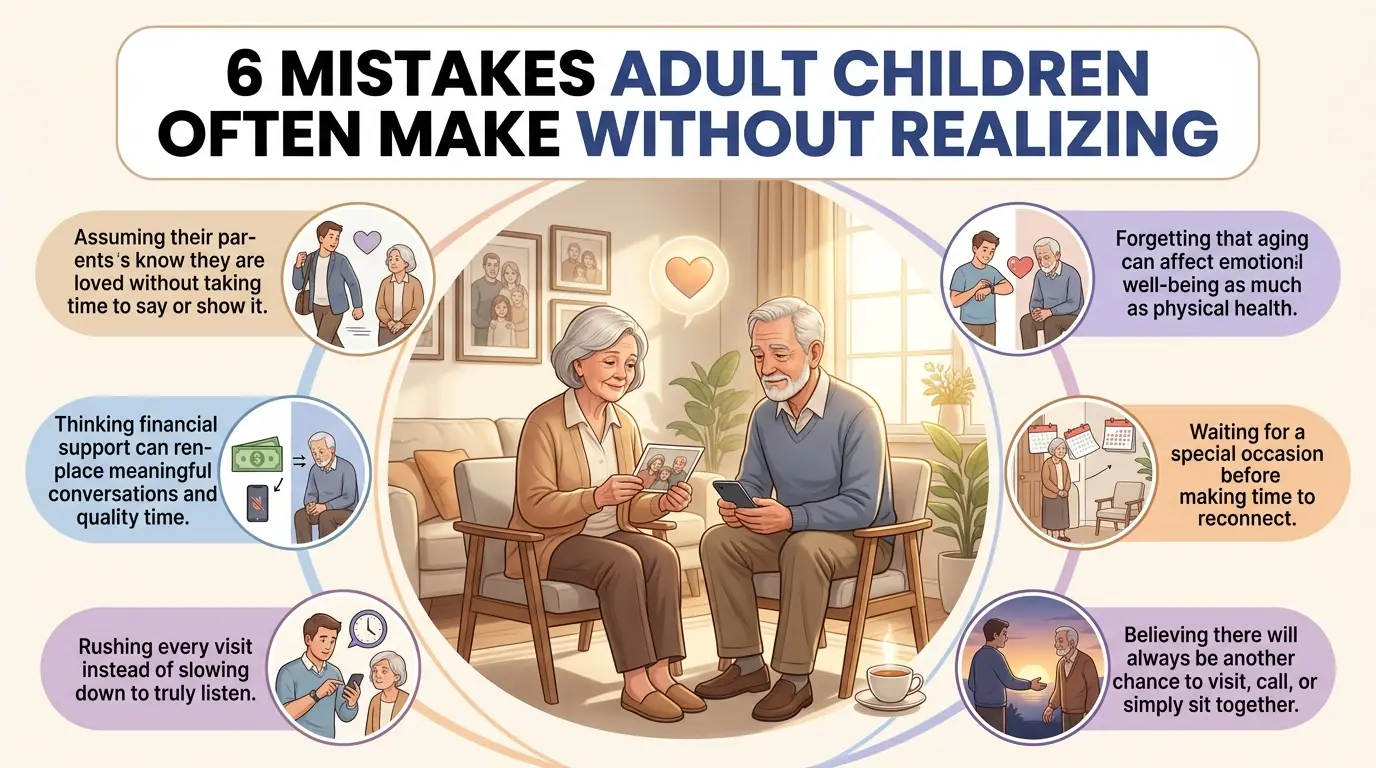
6 MISTAKES ADULT CHILDREN OFTEN MAKE WITHOUT REALIZING
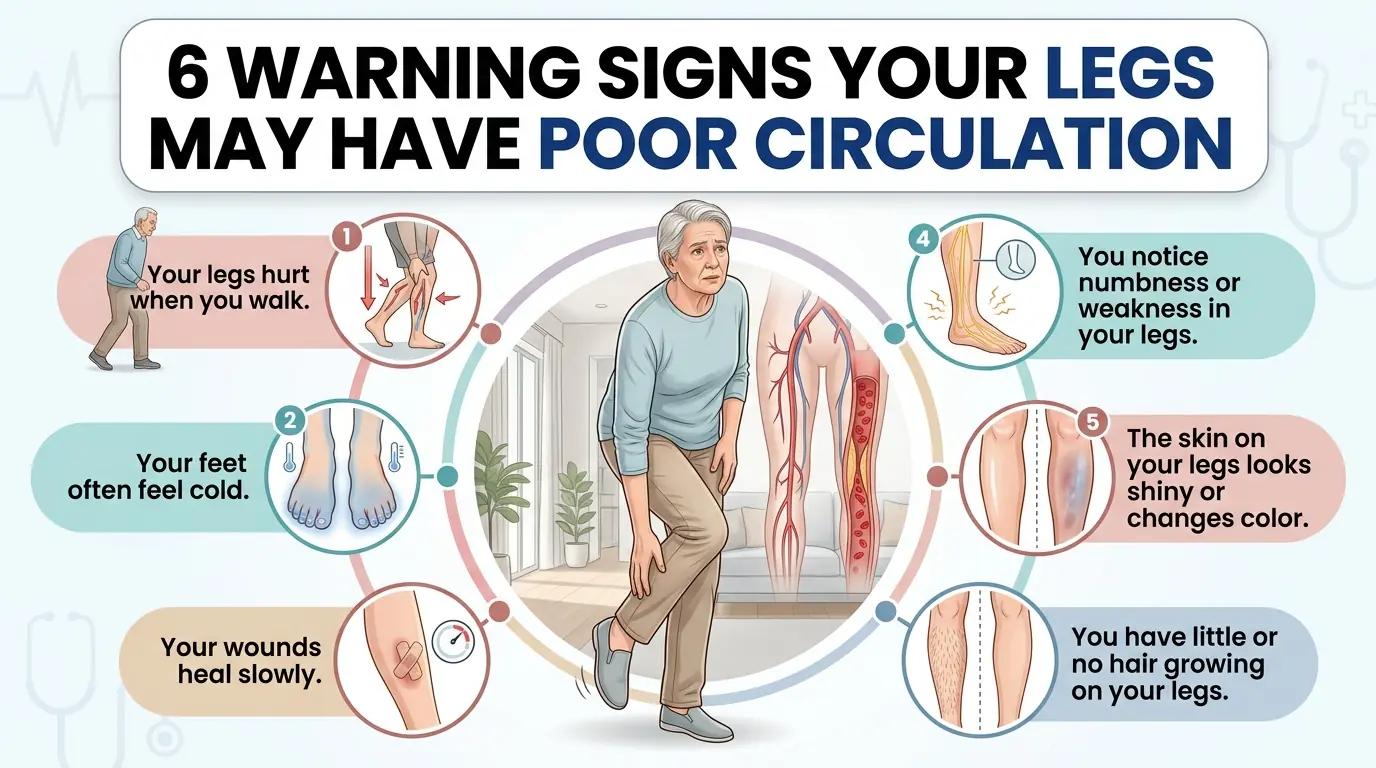
6 WARNING SIGNS YOUR LEGS MAY HAVE POOR CIRCULATION

6 SIGNS YOUR MEMORY CHANGES MAY NOT BE NORMAL AGING
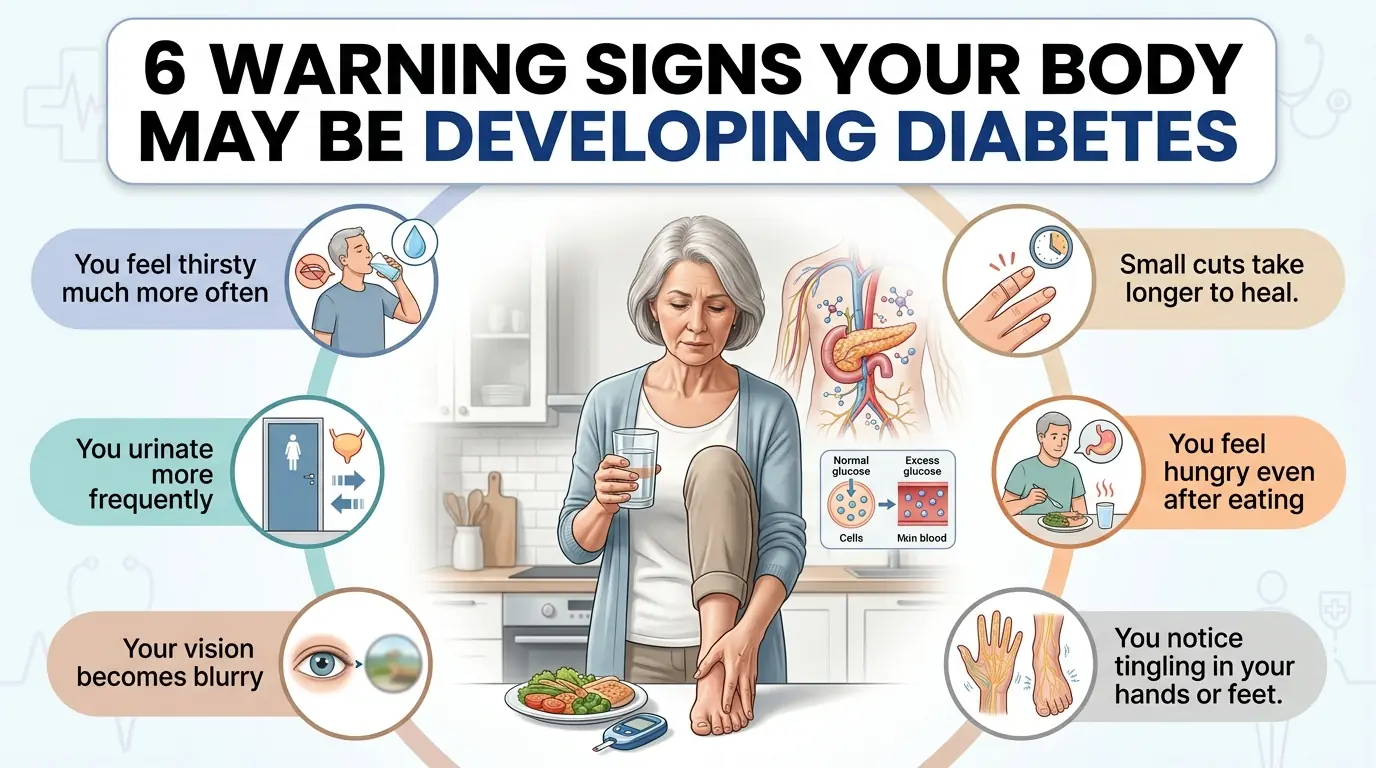
6 WARNING SIGNS YOUR BODY MAY BE DEVELOPING DIABETES
6 WARNING SIGNS YOUR HEART MAY NOT BE GETTING ENOUGH BLOOD
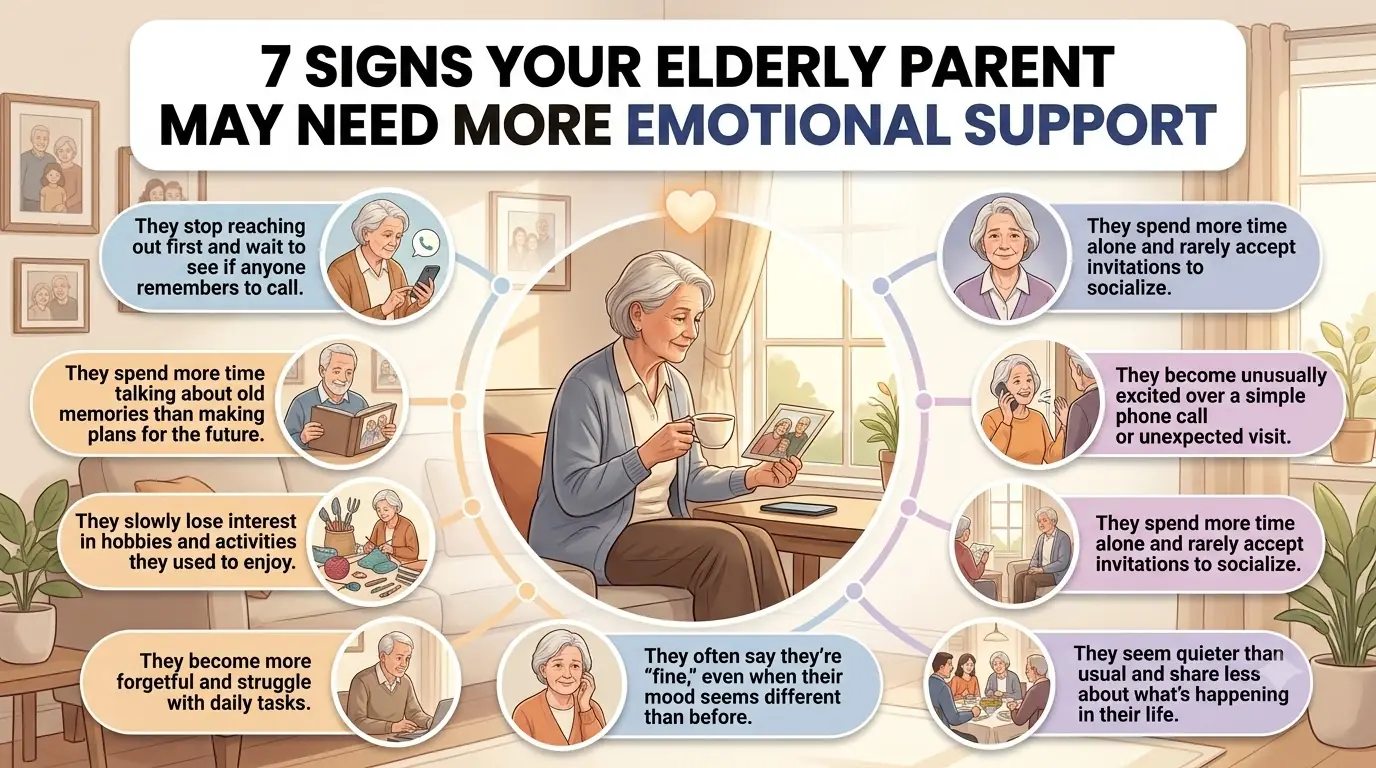
7 SIGNS YOUR ELDERLY PARENT MAY NEED MORE EMOTIONAL SUPPORT
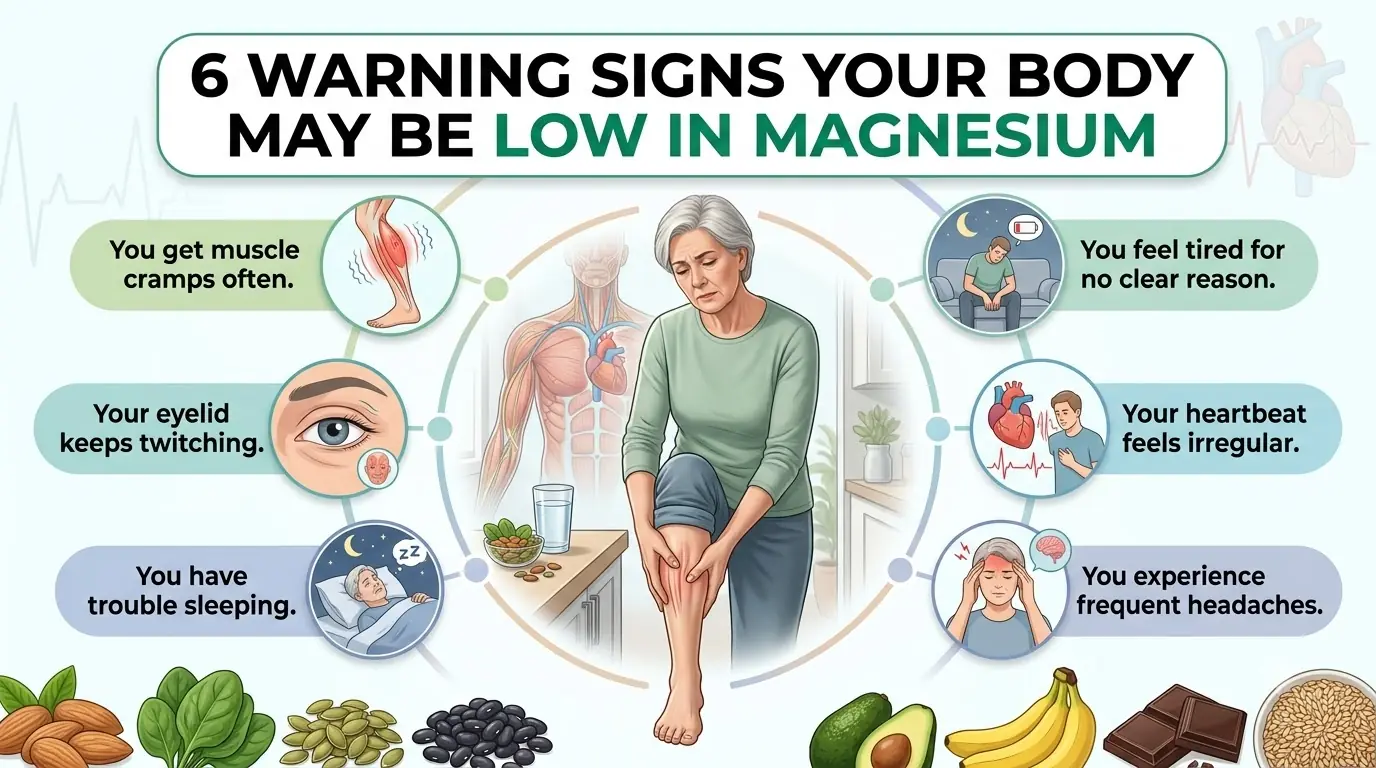
6 WARNING SIGNS YOUR BODY MAY BE LOW IN MAGNESIUM
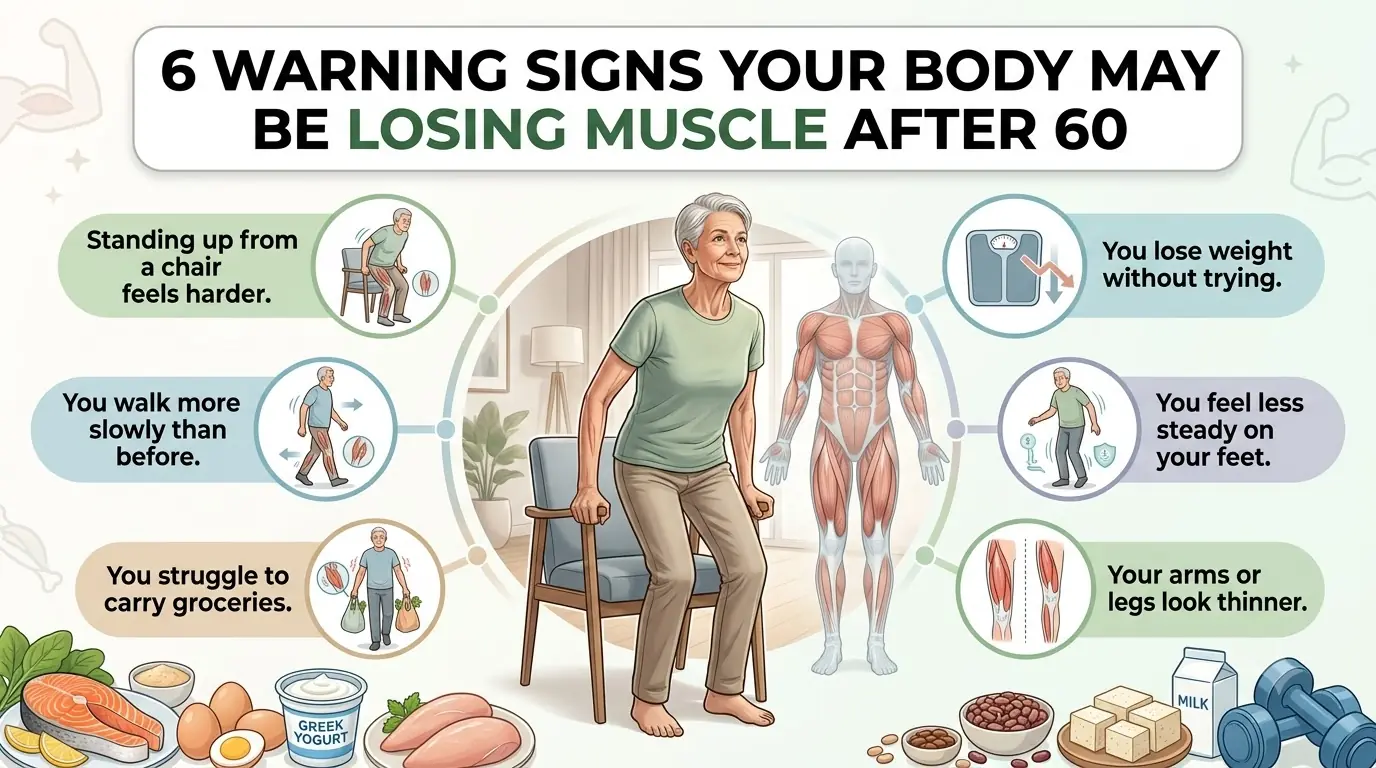
6 WARNING SIGNS YOUR BODY MAY BE LOSING MUSCLE AFTER 60

6 SIGNS YOUR BODY MAY NEED MORE PROTEIN AFTER 60

6 WARNING SIGNS YOUR ARTERIES MAY BE CLOGGED

"She Doesn't Speak Chinese," A Millionaire Bet $100K a Black Waitress Couldn't Speak Chinese
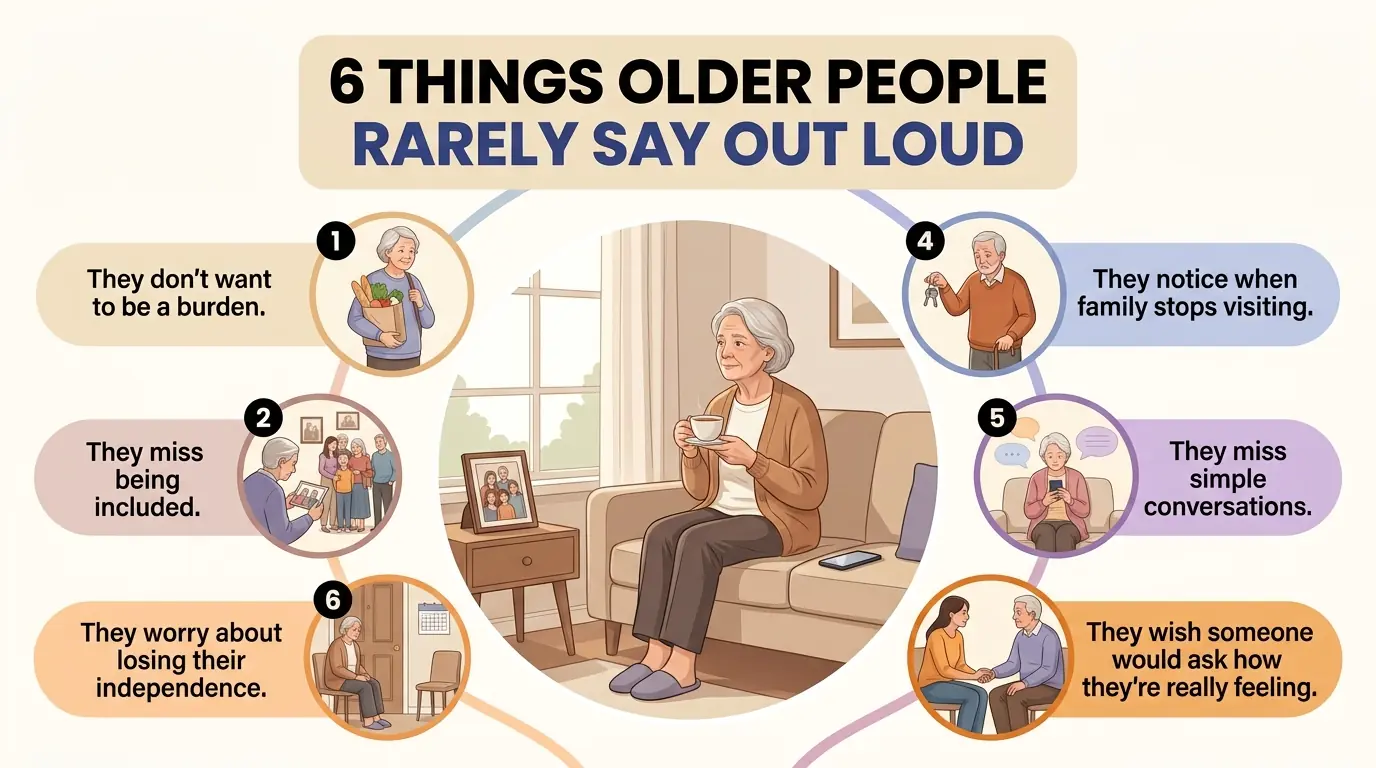
6 THINGS OLDER PEOPLE RARELY SAY OUT LOUD

6 WARNING SIGNS YOUR BODY MAY HAVE TOO MUCH INFLAMMATION
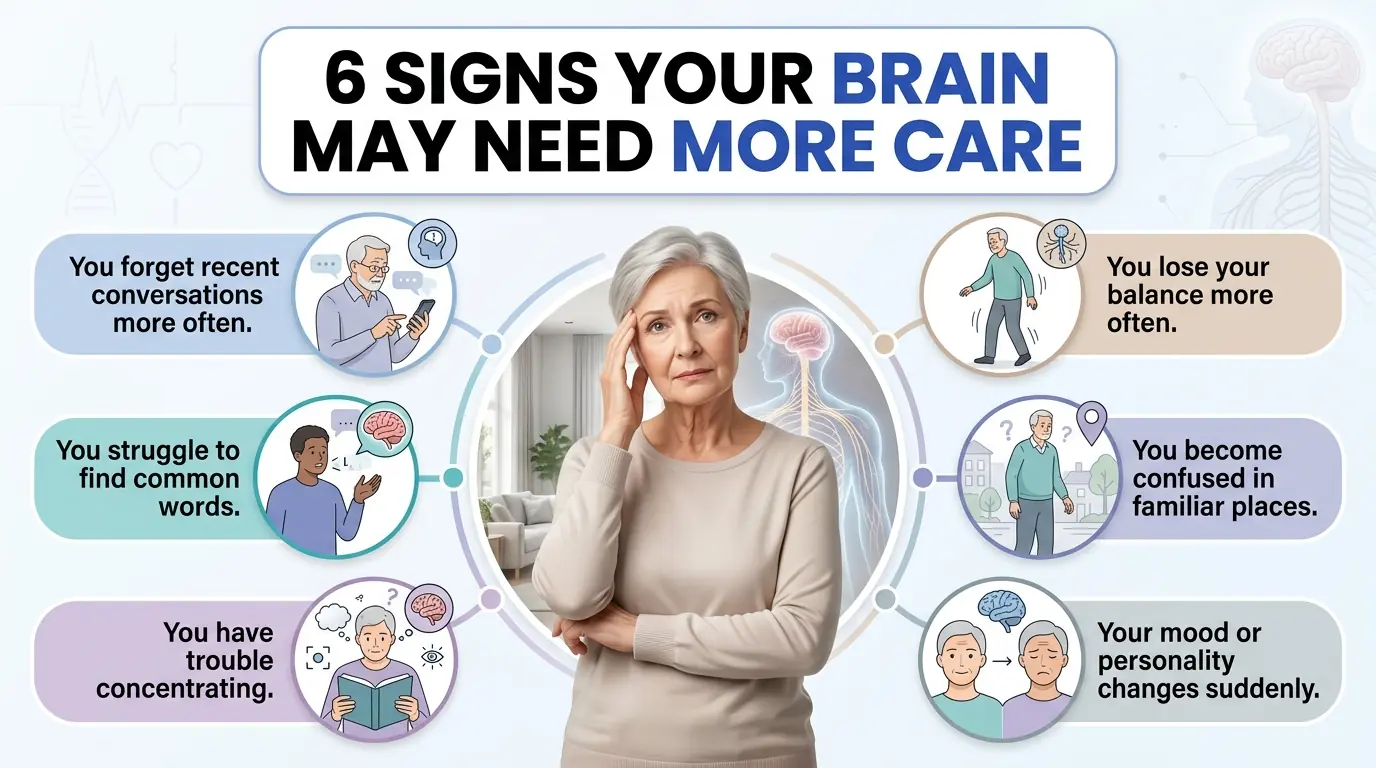
6 SIGNS YOUR BRAIN MAY NEED MORE CARE