6 SIGNS YOUR BODY MAY NEED MORE PROTEIN AFTER 60
Reader Theme:
Font Size:
24px
6 SIGNS YOUR BODY MAY NEED MORE PROTEIN AFTER 60
As we grow older, maintaining good nutrition becomes increasingly important. One nutrient that deserves special attention is protein. Protein helps preserve muscle mass, supports the immune system, repairs tissues, and plays a role in maintaining healthy skin, hair, bones, and organs. Yet many older adults don't consume enough protein to meet their body's changing needs.
Beginning around age 30, people naturally start losing muscle mass, and this process tends to accelerate after age 60. Without adequate protein and regular physical activity, this age-related muscle loss—known as sarcopenia—can reduce strength, mobility, and independence.
Your body may quietly signal that it needs more protein. While these signs don't always mean you're protein deficient, they may be worth discussing with your healthcare provider or a registered dietitian.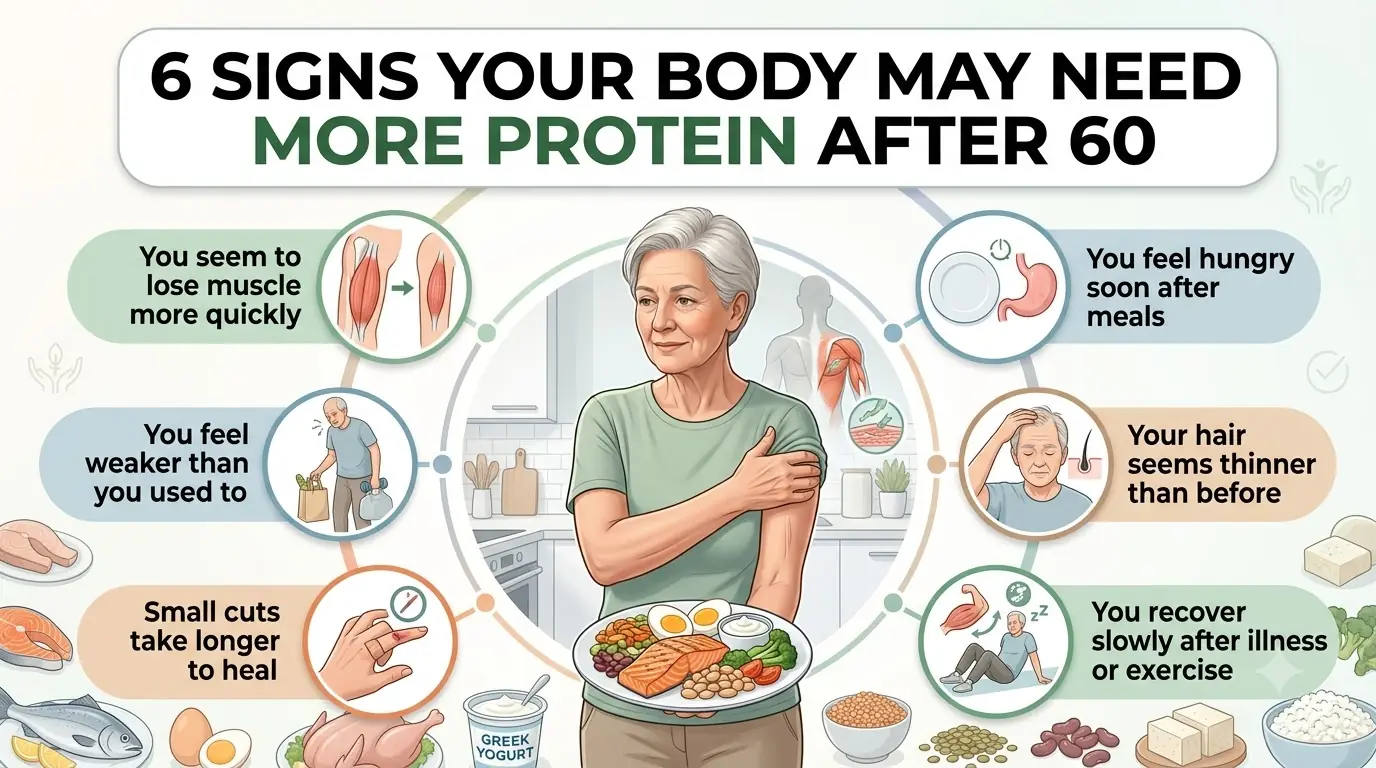
Why Protein Becomes More Important After 60
Protein is made up of amino acids, which serve as the building blocks for muscles, skin, organs, enzymes, hormones, and many other tissues.
As people age, the body becomes less efficient at building and maintaining muscle, a phenomenon sometimes called anabolic resistance. This means older adults often need slightly more dietary protein than younger adults to achieve the same benefits.
Getting enough protein—combined with regular resistance exercise—can help support:
- Muscle strength.
- Physical function.
- Bone health.
- Wound healing.
- Immune function.
- Recovery after illness.
Rather than eating most of your protein at dinner, experts often recommend spreading protein intake throughout the day.
1. You Seem to Lose Muscle More Quickly
One of the earliest signs of inadequate protein intake is gradual muscle loss.
You may notice:
- Smaller arms or legs.
- Clothes fitting more loosely around your muscles.
- Difficulty carrying groceries.
- Trouble climbing stairs.
Although muscle loss is a normal part of aging, insufficient protein may accelerate the process.
Maintaining muscle is important because it helps preserve balance, mobility, and independence while reducing the risk of falls.
2. You Feel Weaker Than You Used To
Strength naturally declines with age, but inadequate protein may contribute to weakness beyond what's expected.
You might notice:
- Difficulty opening jars.
- Trouble standing up from a chair.
- Reduced grip strength.
- Feeling less steady during daily activities.
Protein provides the amino acids needed to maintain and repair muscle tissue.
Regular strength-training exercises combined with adequate protein intake are among the most effective ways to help preserve muscle function in older adults.
3. Small Cuts Take Longer To Heal
Protein plays a key role in tissue repair.
After an injury, your body needs protein to build new skin, repair damaged tissues, and support the immune system during healing.
If protein intake is too low, wounds may take longer to heal.
Delayed healing may also occur because of:
- Diabetes.
- Poor circulation.
- Vitamin or mineral deficiencies.
- Certain medications.
Persistent slow-healing wounds should always be evaluated by a healthcare provider.
4. You Feel Hungry Soon After Meals
Protein is one of the most satisfying nutrients.
Meals that contain adequate protein often help you stay full longer by slowing digestion and influencing hormones involved in appetite regulation.
If your meals consist mainly of refined carbohydrates with very little protein, you may find yourself hungry again shortly after eating.
Good protein-rich foods include:
- Fish.
- Chicken.
- Turkey.
- Eggs.
- Greek yogurt.
- Cottage cheese.
- Beans.
- Lentils.
- Tofu.
- Nuts and seeds.
Combining protein with fiber-rich foods may help keep you satisfied between meals.
5. Your Hair Seems Thinner Than Before
Hair is composed primarily of a protein called keratin.
Although hair thinning is common with aging and may be influenced by genetics, hormones, certain medical conditions, or medications, inadequate protein intake may also contribute.
When dietary protein is insufficient, the body prioritizes protein for essential organs and tissues before supporting hair growth.
If hair thinning develops suddenly or is accompanied by other symptoms, it's important to seek medical evaluation to identify the underlying cause.
6. You Recover Slowly After Illness or Exercise
Whether you're recovering from a cold, surgery, or physical activity, your body depends on protein to repair and rebuild tissues.
Older adults who consume too little protein may notice:
- Longer recovery after exercise.
- Prolonged fatigue after illness.
- Slower return to normal activity.
- Reduced physical resilience.
Adequate nutrition becomes especially important during recovery because illness often increases the body's protein needs.
If you've recently been ill, your healthcare provider or dietitian may recommend increasing protein intake as part of your recovery plan.
Who Is Most at Risk of Low Protein Intake?
Protein needs vary from person to person, but certain groups may be more likely to consume too little, including:
- Adults over age 60.
- People with poor appetite.
- Individuals who live alone.
- People recovering from illness or surgery.
- Those with chewing or swallowing difficulties.
- Adults following restrictive diets without careful planning.
- Individuals with chronic medical conditions affecting nutrition.
Some kidney conditions require individualized protein recommendations, so dietary changes should always be discussed with a healthcare provider.
How to Get More Protein After 60
Most older adults can meet their protein needs through a balanced diet.
Healthy protein sources include:
- Fish and seafood.
- Skinless poultry.
- Lean beef.
- Eggs.
- Milk, yogurt, and cheese.
- Beans and lentils.
- Soy foods such as tofu and edamame.
- Nuts and seeds.
Experts often recommend including a source of protein at each meal rather than consuming most of it at dinner.
Pairing adequate protein intake with regular strength-training exercise provides the greatest benefit for maintaining muscle and physical function.
When Should You See a Doctor?
Schedule an appointment with your healthcare provider if you notice:
- Significant or unexplained muscle loss.
- Progressive weakness.
- Persistent fatigue.
- Slow-healing wounds.
- Unintentional weight loss.
- Difficulty eating enough because of poor appetite or swallowing problems.
A healthcare provider or registered dietitian can help determine whether your protein intake is appropriate for your age, health conditions, and activity level.
Key Takeaways
- Protein becomes increasingly important after age 60 because the body naturally loses muscle with aging.
- Muscle loss, weakness, and slower recovery may be signs that protein intake needs attention.
- Protein supports tissue repair, immune function, and healthy hair growth.
- Including a protein-rich food at each meal may help preserve muscle strength and improve fullness.
- Regular strength-training exercise works together with adequate protein to support healthy aging.
- Before making major dietary changes, especially if you have kidney disease or other chronic conditions, consult your healthcare provider.
Medical Disclaimer
This article is for educational purposes only and is not intended to replace professional medical advice, diagnosis, or treatment. Protein needs vary depending on age, activity level, body weight, and medical conditions. If you are concerned about your nutrition, muscle loss, or overall health, consult a qualified healthcare provider or registered dietitian for personalized guidance.
News in the same category
6 SIGNS AN OLDER PARENT MAY BE FEELING FORGOTTEN
6 WARNING SIGNS YOUR BONES MAY BE GETTING WEAKER
6 WARNING SIGNS YOUR KIDNEYS MAY BE STRUGGLING
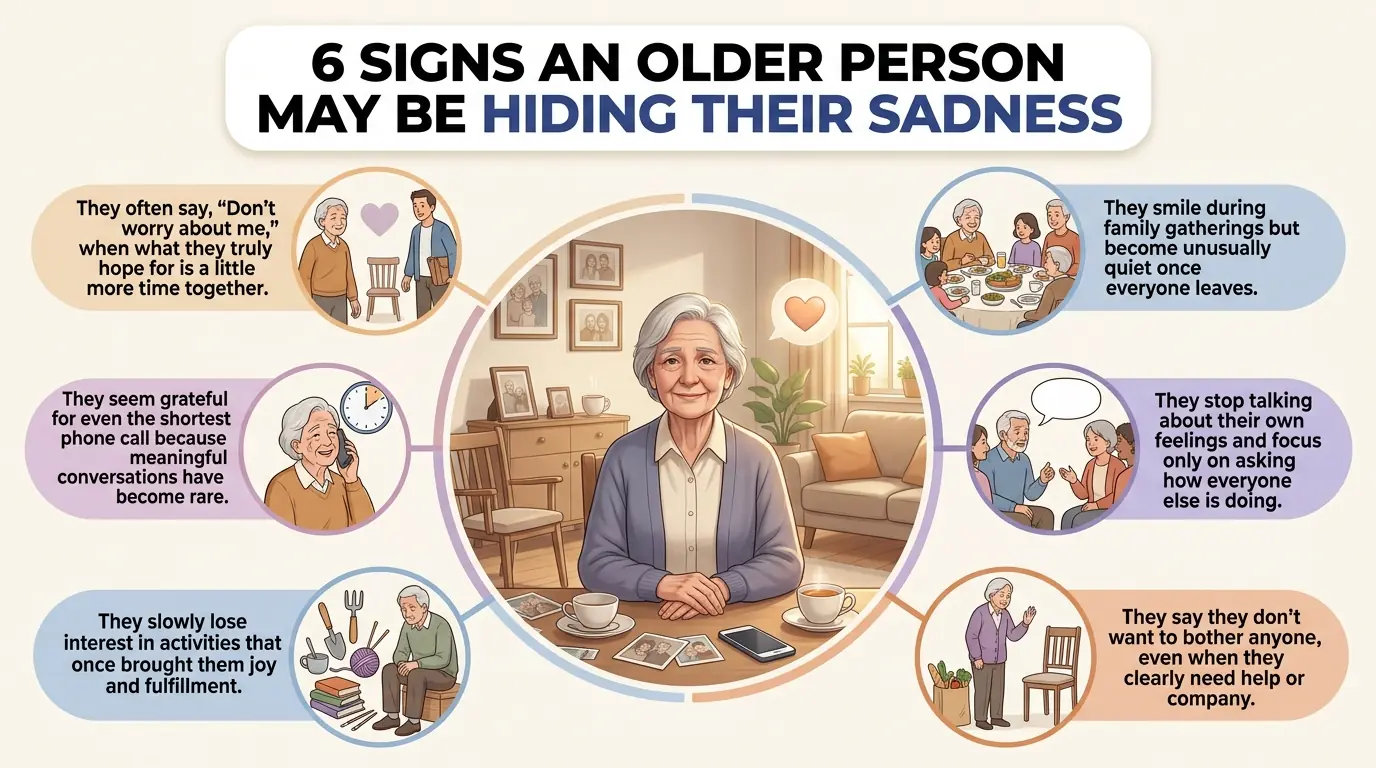
6 SIGNS AN OLDER PERSON MAY BE HIDING THEIR SADNESS
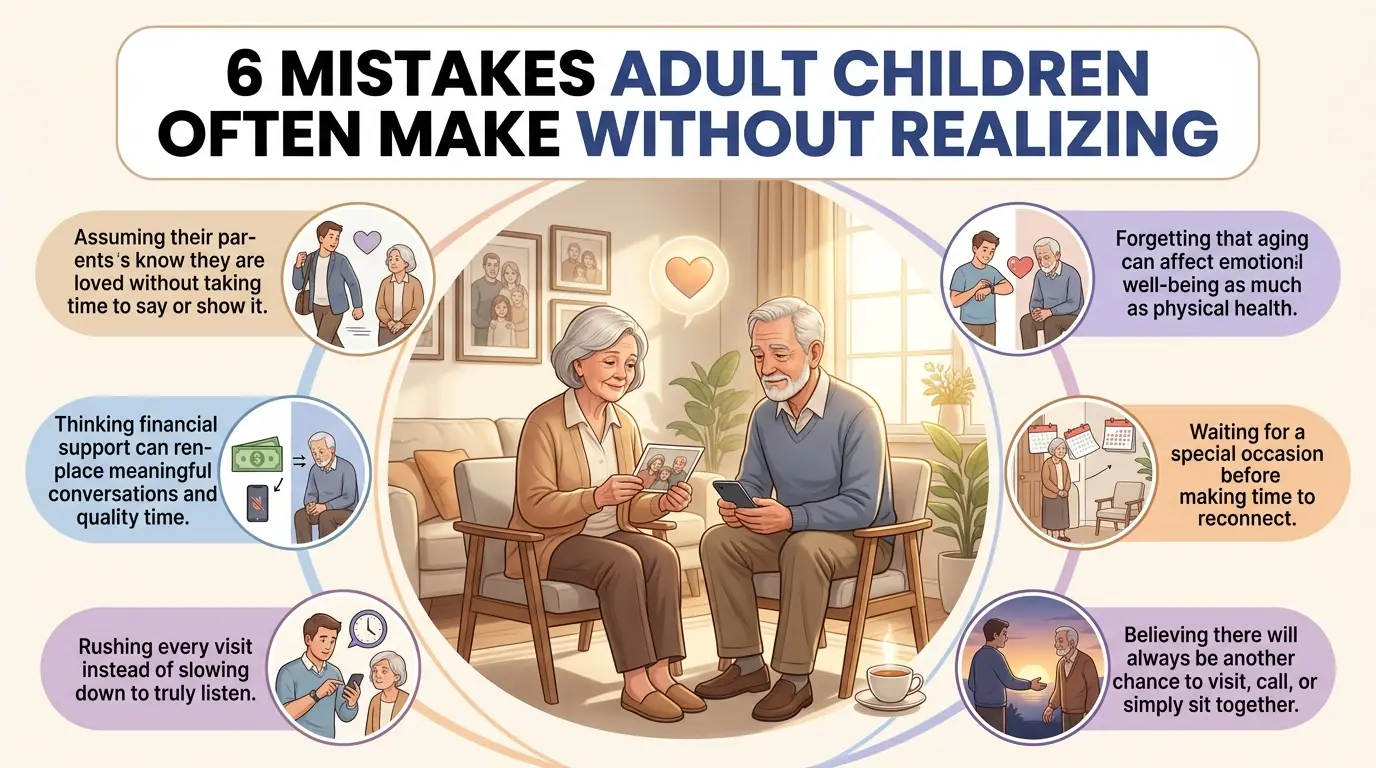
6 MISTAKES ADULT CHILDREN OFTEN MAKE WITHOUT REALIZING
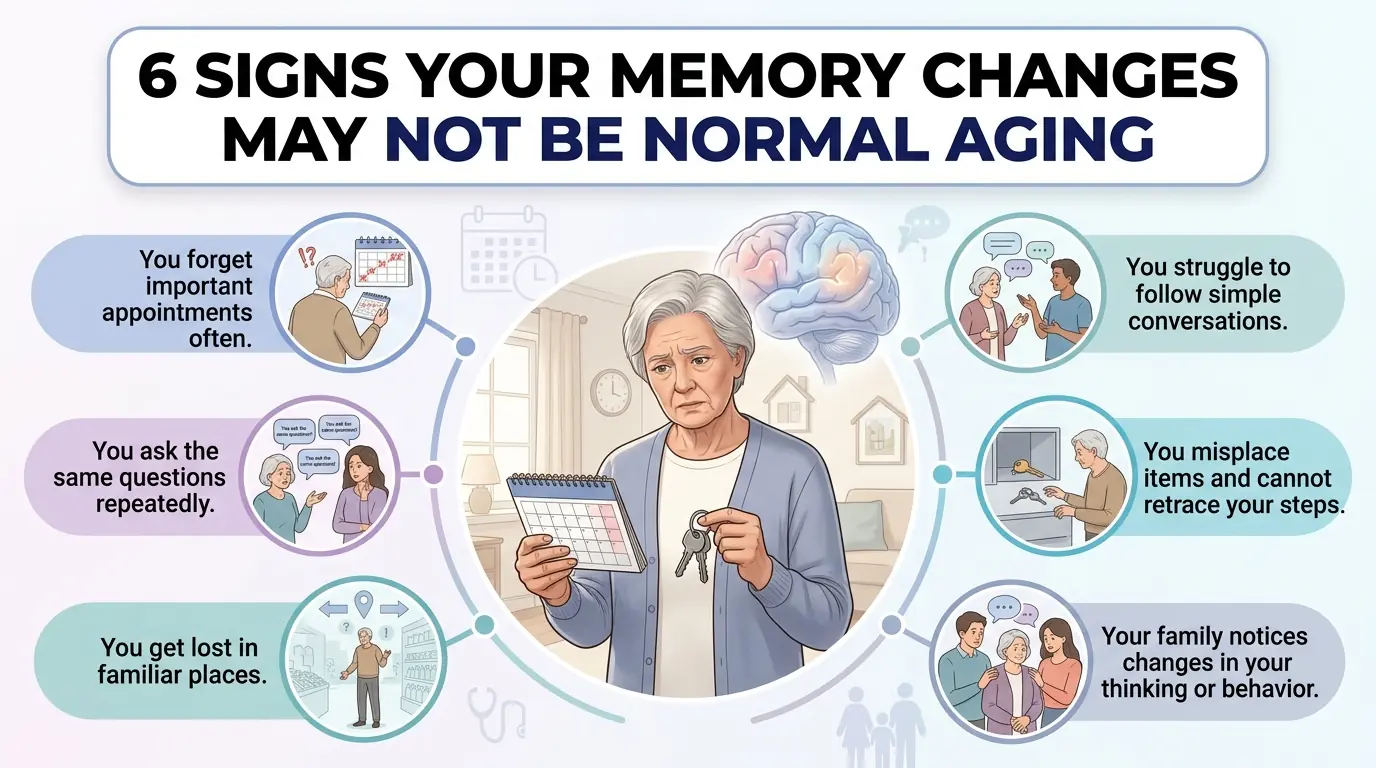
6 WARNING SIGNS YOUR LEGS MAY HAVE POOR CIRCULATION
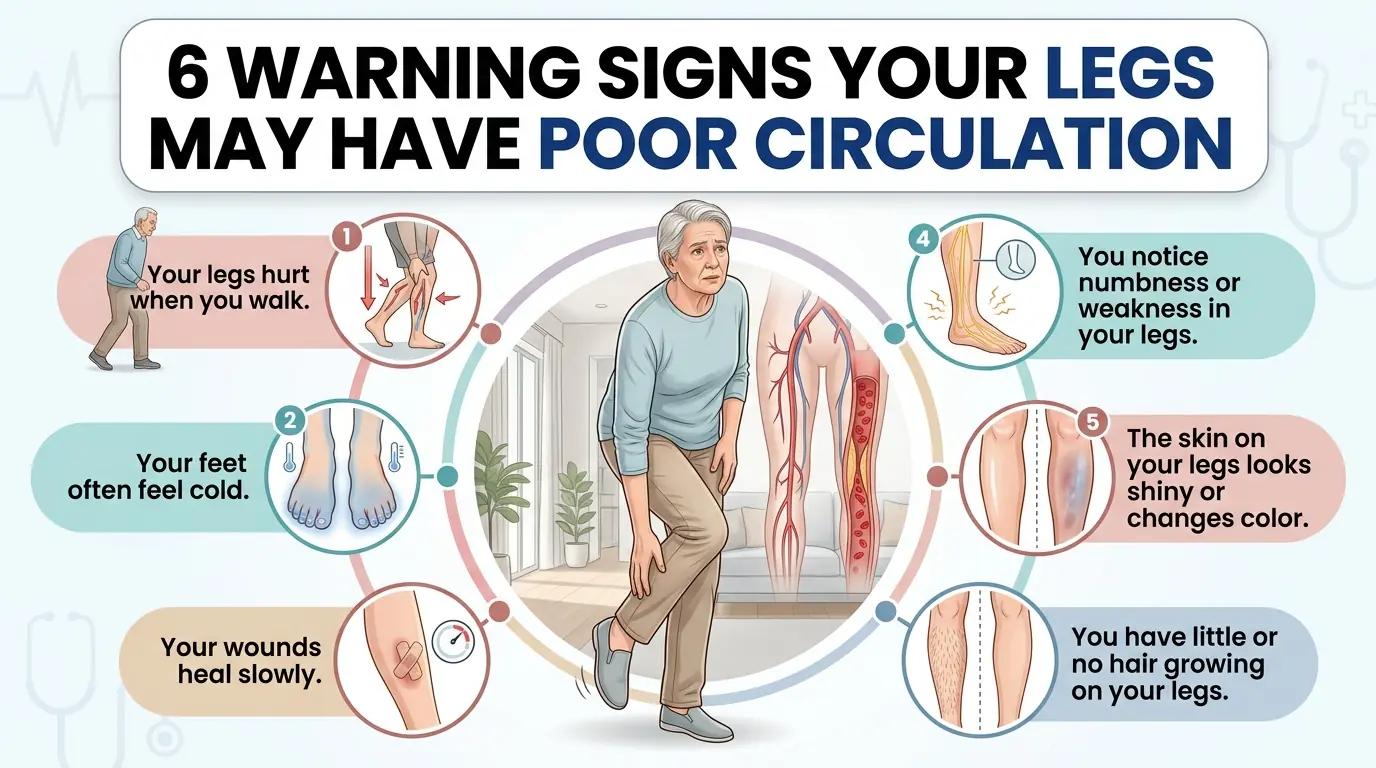
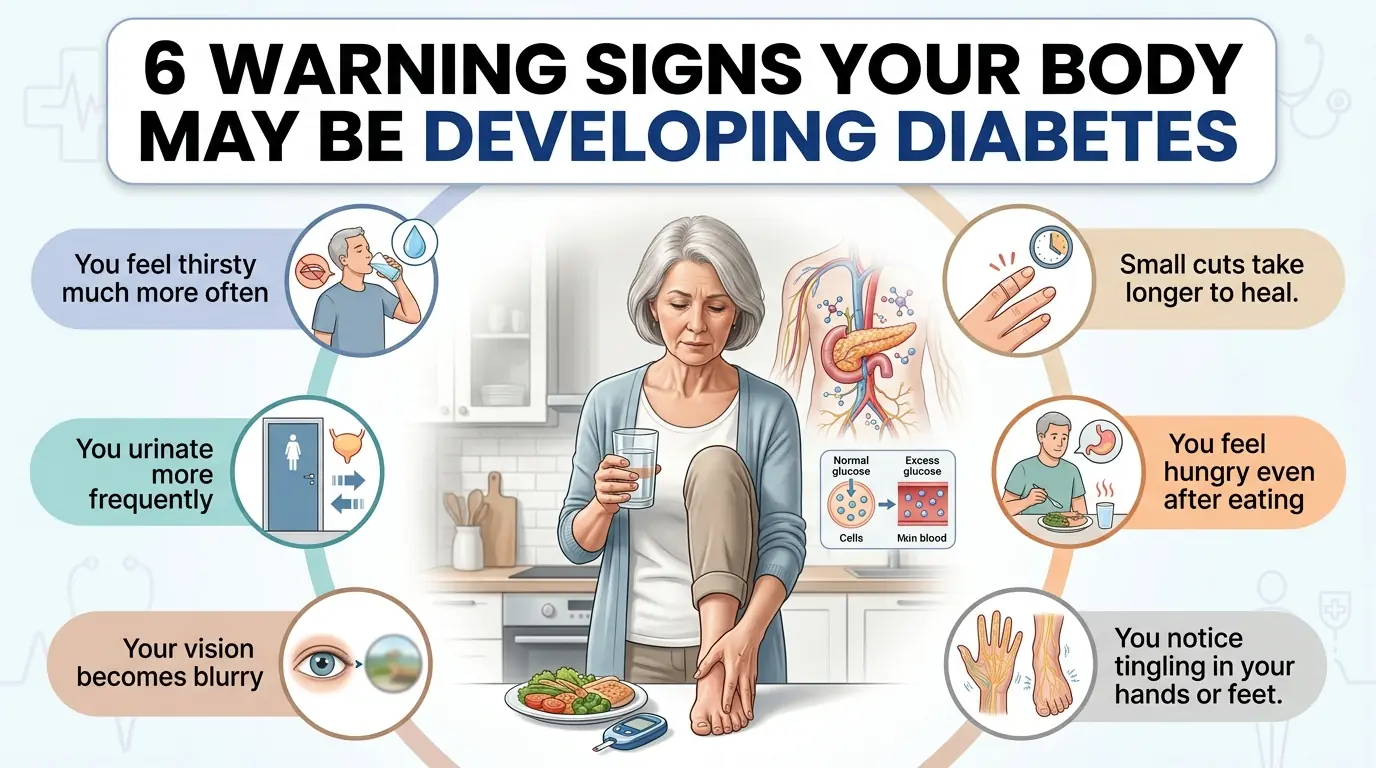
6 WARNING SIGNS YOUR BODY MAY BE DEVELOPING DIABETES
6 WARNING SIGNS YOUR HEART MAY NOT BE GETTING ENOUGH BLOOD
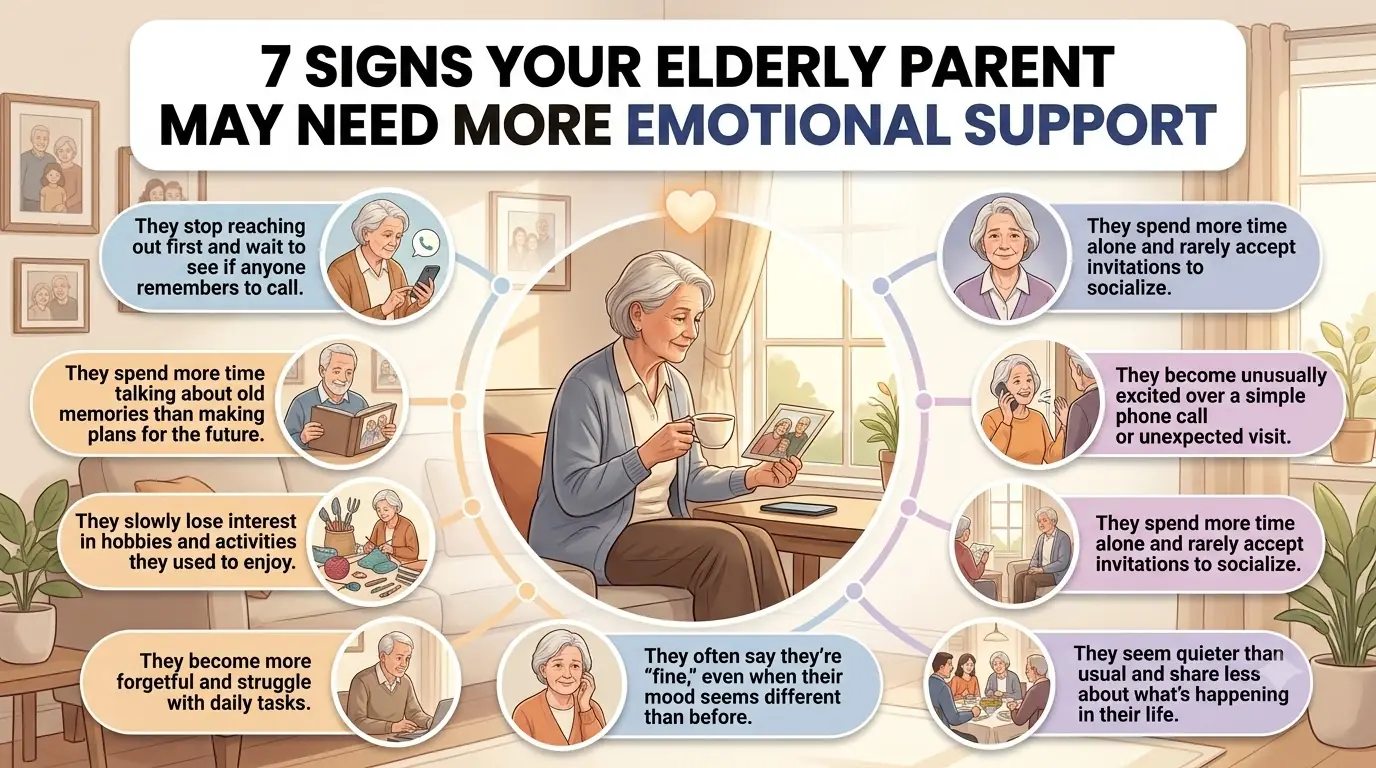
7 SIGNS YOUR ELDERLY PARENT MAY NEED MORE EMOTIONAL SUPPORT
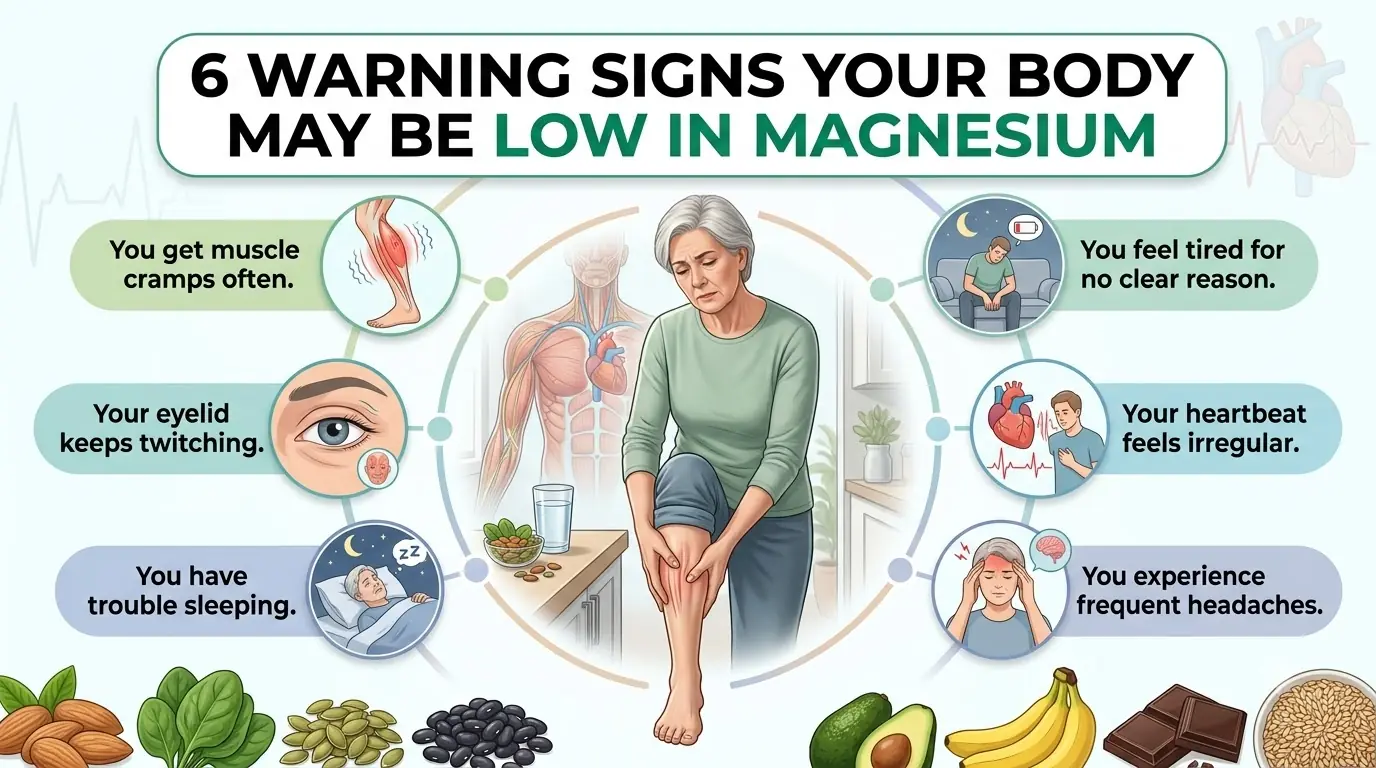
6 WARNING SIGNS YOUR BODY MAY BE LOW IN MAGNESIUM
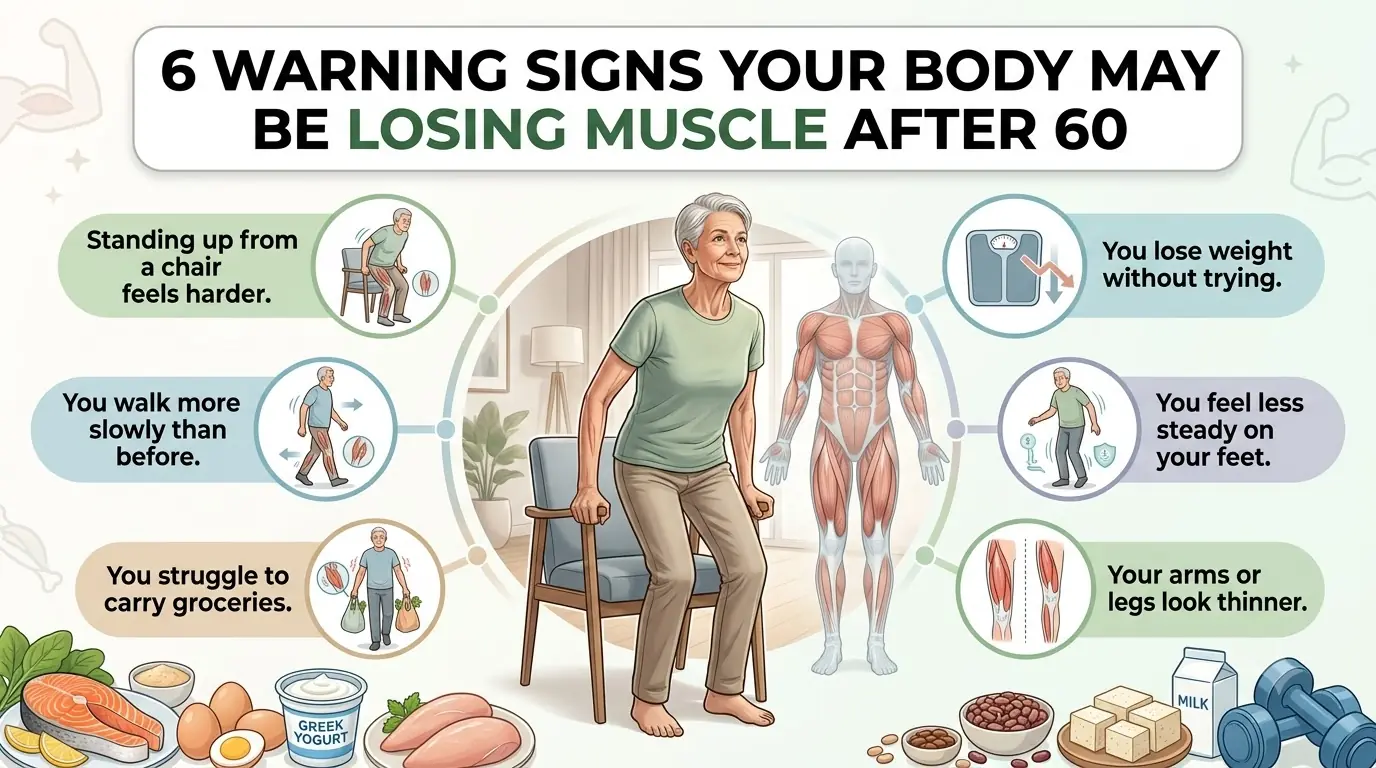
6 WARNING SIGNS YOUR BODY MAY BE LOSING MUSCLE AFTER 60
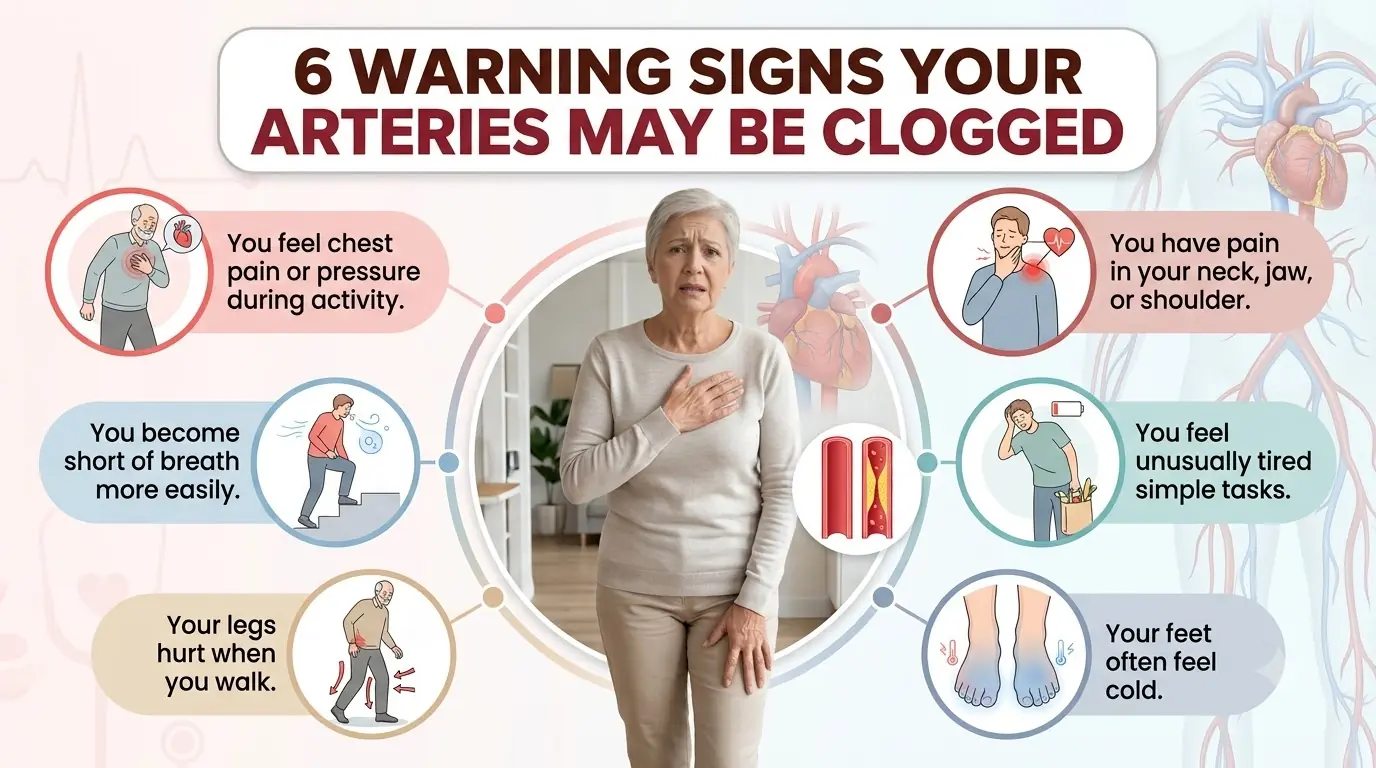
6 WARNING SIGNS YOUR ARTERIES MAY BE CLOGGED

"She Doesn't Speak Chinese," A Millionaire Bet $100K a Black Waitress Couldn't Speak Chinese
6 THINGS OLDER PEOPLE RARELY SAY OUT LOUD
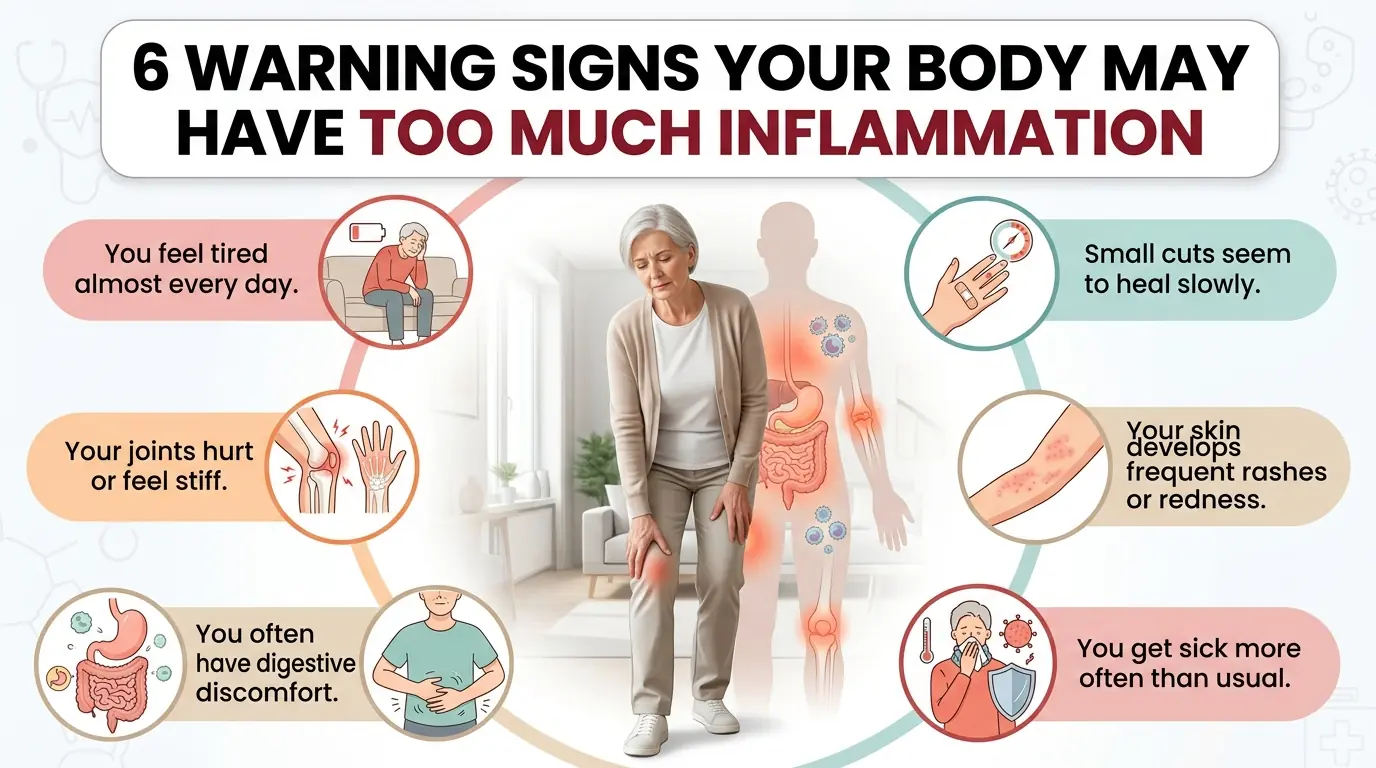
6 WARNING SIGNS YOUR BODY MAY HAVE TOO MUCH INFLAMMATION
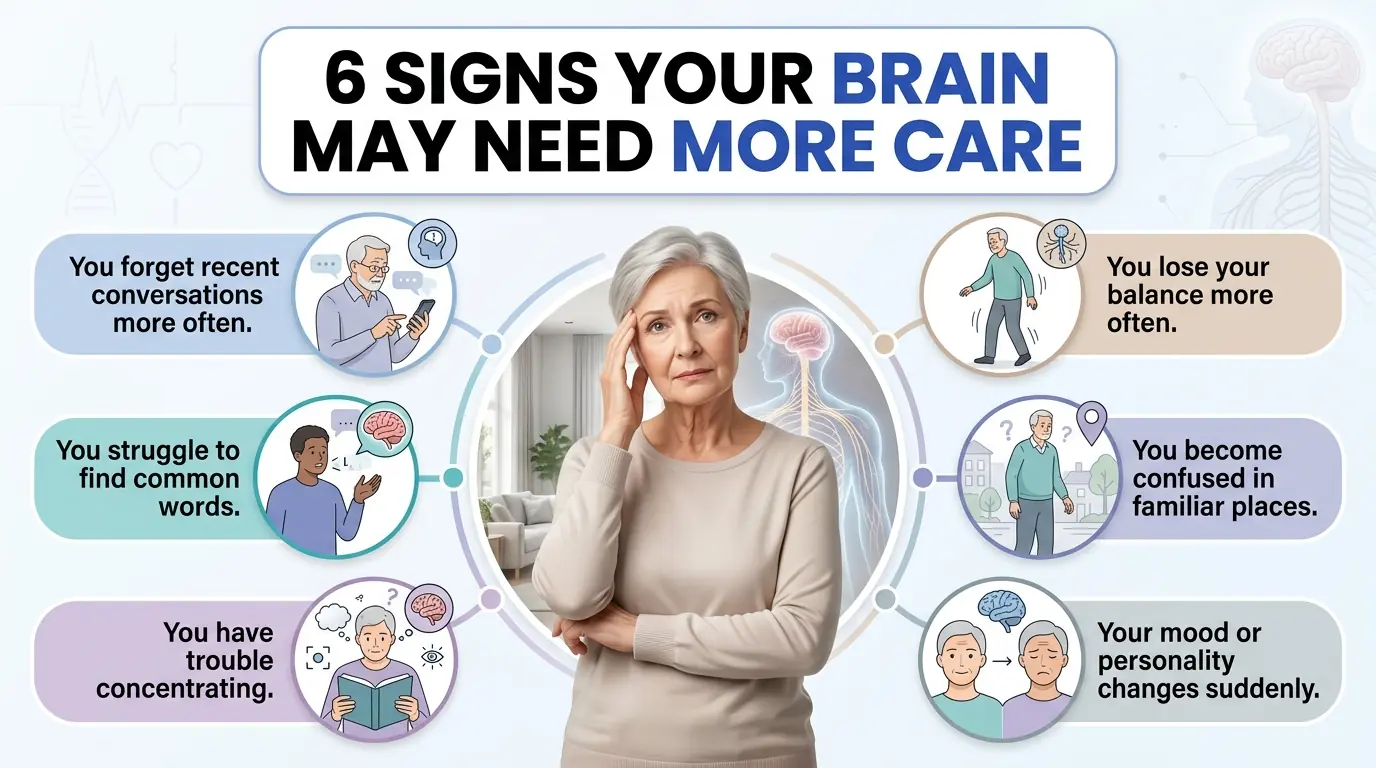
6 SIGNS YOUR BRAIN MAY NEED MORE CARE