6 SIGNS YOUR BRAIN MAY NEED MORE CARE
Reader Theme:
Font Size:
24px
6 SIGNS YOUR BRAIN MAY NEED MORE CARE
Your brain is responsible for everything from memory and language to movement, decision-making, and emotions. Like the rest of your body, it changes with age. While occasionally forgetting a name or losing your train of thought is a normal part of life, persistent or worsening cognitive changes should never be dismissed as "just getting older."
Many conditions can affect brain function, including poor sleep, stress, vitamin deficiencies, medication side effects, depression, thyroid disorders, stroke, and neurodegenerative diseases such as Alzheimer's disease. Some causes are treatable, especially when identified early.
Recognizing the warning signs and seeking timely medical evaluation can help identify underlying problems and improve the chances of effective treatment.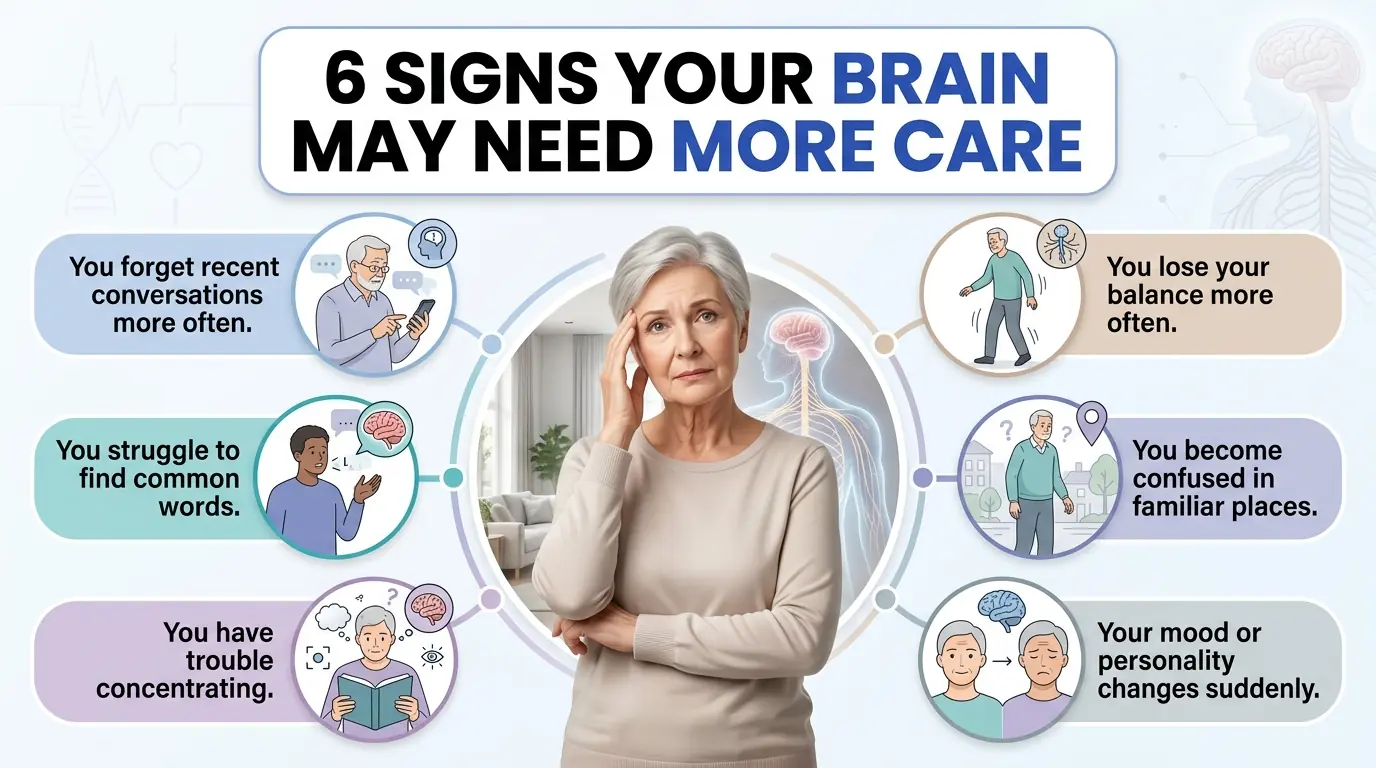
What Does Brain Health Mean?
Brain health refers to your ability to think clearly, remember information, communicate, solve problems, control movement, and regulate emotions.
Maintaining a healthy brain depends on many factors, including:
- Good blood flow.
- Adequate sleep.
- Balanced nutrition.
- Regular physical activity.
- Social interaction.
- Management of chronic conditions such as diabetes and high blood pressure.
Changes in brain function can occur gradually, making early symptoms easy to overlook.
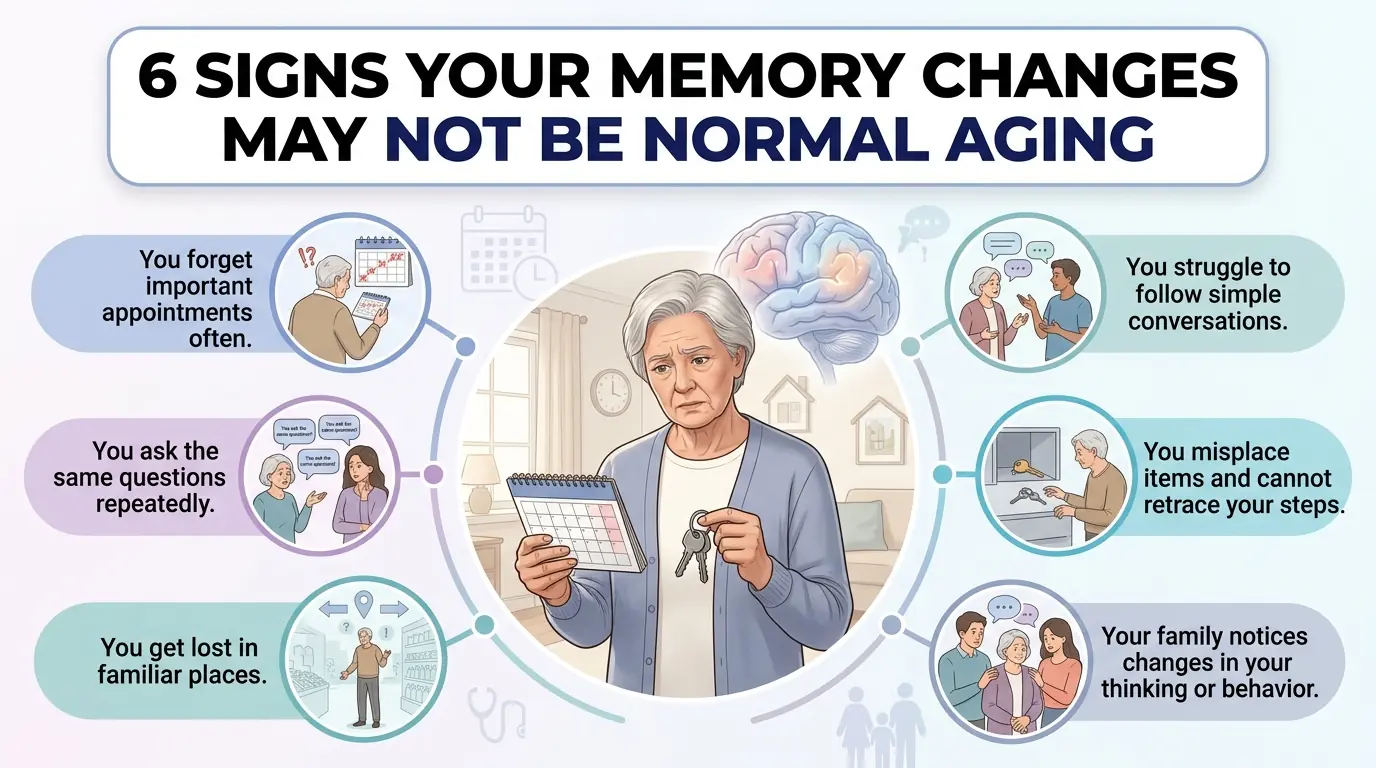
1. You Forget Recent Conversations More Often
Everyone forgets things occasionally.
You may misplace your keys, forget an appointment, or need a reminder from time to time. These occasional lapses are usually a normal part of everyday life.
However, frequent difficulty remembering recent conversations, repeatedly asking the same questions, or forgetting information that was just discussed may deserve further evaluation.
You might notice:
- Asking someone to repeat information multiple times.
- Forgetting plans made earlier the same day.
- Relying increasingly on notes or reminders for everyday tasks.
Persistent memory problems are not always caused by dementia. Sleep deprivation, stress, depression, vitamin deficiencies, thyroid disorders, and certain medications can also affect memory.
2. You Struggle to Find Common Words
Occasionally searching for the right word happens to everyone.
But if you regularly have difficulty recalling familiar words, lose your train of thought during conversations, or substitute incorrect words, it may indicate changes in language function.
You may notice:
- Pausing frequently while speaking.
- Calling familiar objects by the wrong name.
- Having trouble following conversations.
- Finding it harder to express your thoughts clearly.
Language difficulties can have many causes, including neurological conditions, stroke, medication effects, and other medical problems.
3. You Have Trouble Concentrating
Difficulty focusing isn't always related to brain disease.
Poor concentration may result from:
- Lack of sleep.
- Chronic stress.
- Anxiety or depression.
- Certain medications.
- Vitamin deficiencies.
- Medical conditions such as thyroid disorders.
However, persistent problems with attention, decision-making, or completing familiar tasks may indicate that your brain needs further evaluation.
If concentrating becomes noticeably more difficult than it used to be, discuss your symptoms with your healthcare provider.
4. You Lose Your Balance More Often
Your brain, inner ears, eyes, muscles, and nerves all work together to help maintain balance.
When one part of this system isn't functioning properly, you may notice:
- Frequent stumbling.
- Difficulty walking in a straight line.
- Feeling unsteady.
- Increased falls.
Balance problems become more common with age, but they should never be dismissed automatically as a normal part of getting older.
Conditions affecting the brain, nervous system, inner ear, vision, or circulation can all contribute to balance difficulties.
5. You Become Confused in Familiar Places
Occasionally taking a wrong turn happens to everyone.
However, becoming confused in places you've visited for years—or getting lost while driving familiar routes—may be more concerning.
You may notice:
- Difficulty navigating your own neighborhood.
- Forgetting how to get home.
- Feeling disoriented in familiar stores.
- Confusion about where you are or why you're there.
These symptoms should always be discussed with a healthcare professional, especially if they are new or worsening.
6. Your Mood or Personality Changes Suddenly
The brain plays a major role in regulating emotions and behavior.
Changes in mood or personality may sometimes be one of the earliest noticeable signs that something is affecting brain function.
Family members may notice that a person becomes:
- More withdrawn.
- Easily irritated.
- Unusually anxious.
- Less interested in favorite activities.
- More impulsive than usual.
Mood changes can also result from depression, anxiety, medication side effects, hormonal changes, or other medical conditions.
A healthcare professional can help determine the underlying cause.
Other Symptoms That May Occur
Depending on the underlying condition, changes in brain health may also include:
- Difficulty solving problems.
- Trouble making decisions.
- Repeating stories or questions.
- Difficulty following instructions.
- Changes in vision.
- Tremors or unusual movements.
- Headaches.
- Sleep disturbances.
Not every symptom indicates a serious neurological condition, but persistent changes should be evaluated.
Who Is Most at Risk?
The risk of cognitive decline may be higher among people who:
- Are over age 65.
- Have high blood pressure.
- Have diabetes.
- Have high cholesterol.
- Smoke.
- Have a family history of dementia.
- Have experienced a stroke.
- Have untreated hearing loss.
- Are physically inactive.
Managing these risk factors may help support long-term brain health.
How to Support Brain Health
While no single habit can prevent every brain disorder, research suggests that healthy lifestyle choices may help maintain cognitive function.
Consider these strategies:
- Stay physically active most days of the week.
- Eat a balanced diet rich in fruits, vegetables, whole grains, fish, nuts, and healthy fats.
- Aim for 7 to 9 hours of quality sleep each night.
- Keep your blood pressure, cholesterol, and blood sugar under control.
- Stay socially connected with family and friends.
- Challenge your brain by learning new skills, reading, or solving puzzles.
- Avoid smoking and limit excessive alcohol consumption.
These habits benefit both brain health and overall well-being.
When Should You See a Doctor?
Schedule an appointment with your healthcare provider if you or a loved one experiences:
- Persistent memory problems.
- Frequent difficulty finding words.
- Ongoing confusion.
- Increasing balance problems.
- Noticeable personality or behavioral changes.
- Difficulty completing familiar daily activities.
Seek emergency medical care immediately if these symptoms develop suddenly, especially if they occur along with:
- Weakness on one side of the body.
- Slurred speech.
- Vision loss.
- Severe headache.
- Facial drooping.
These may be signs of a stroke and require immediate treatment.
Key Takeaways
- Occasional forgetfulness is normal, but persistent memory problems deserve medical attention.
- Difficulty finding common words or concentrating may have many possible causes, including treatable medical conditions.
- Frequent balance problems and confusion in familiar places should never be ignored.
- Sudden changes in mood or personality may sometimes signal underlying neurological or medical conditions.
- Healthy lifestyle habits and regular management of blood pressure, cholesterol, diabetes, and sleep can help support long-term brain health.
- Early evaluation can identify treatable causes of cognitive changes and improve long-term outcomes.
Medical Disclaimer
This article is for educational purposes only and is not intended to replace professional medical advice, diagnosis, or treatment. If you notice persistent changes in memory, thinking, language, balance, or behavior, consult a qualified healthcare provider for a comprehensive evaluation. Sudden neurological symptoms such as facial drooping, arm weakness, difficulty speaking, or severe confusion require immediate emergency medical attention, as they may indicate a stroke.
News in the same category
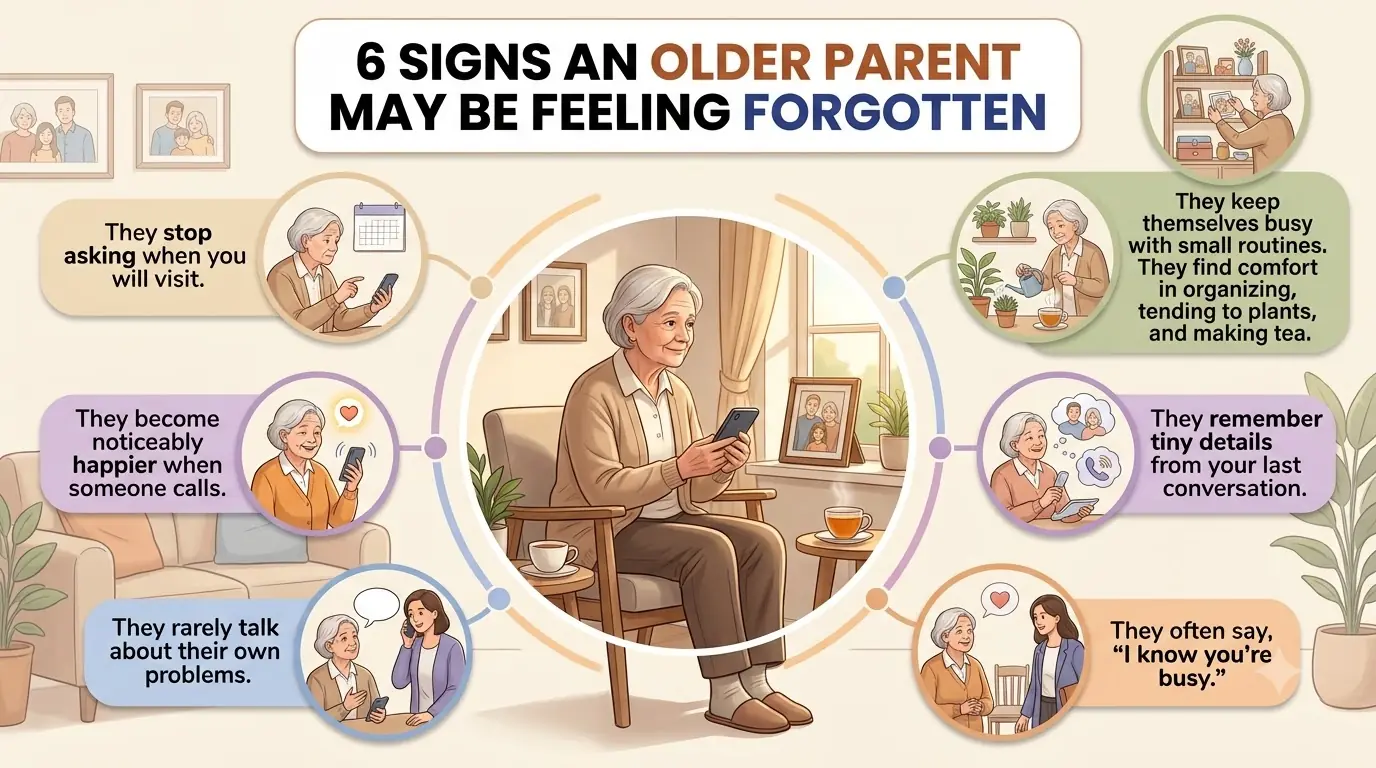
6 SIGNS AN OLDER PARENT MAY BE FEELING FORGOTTEN
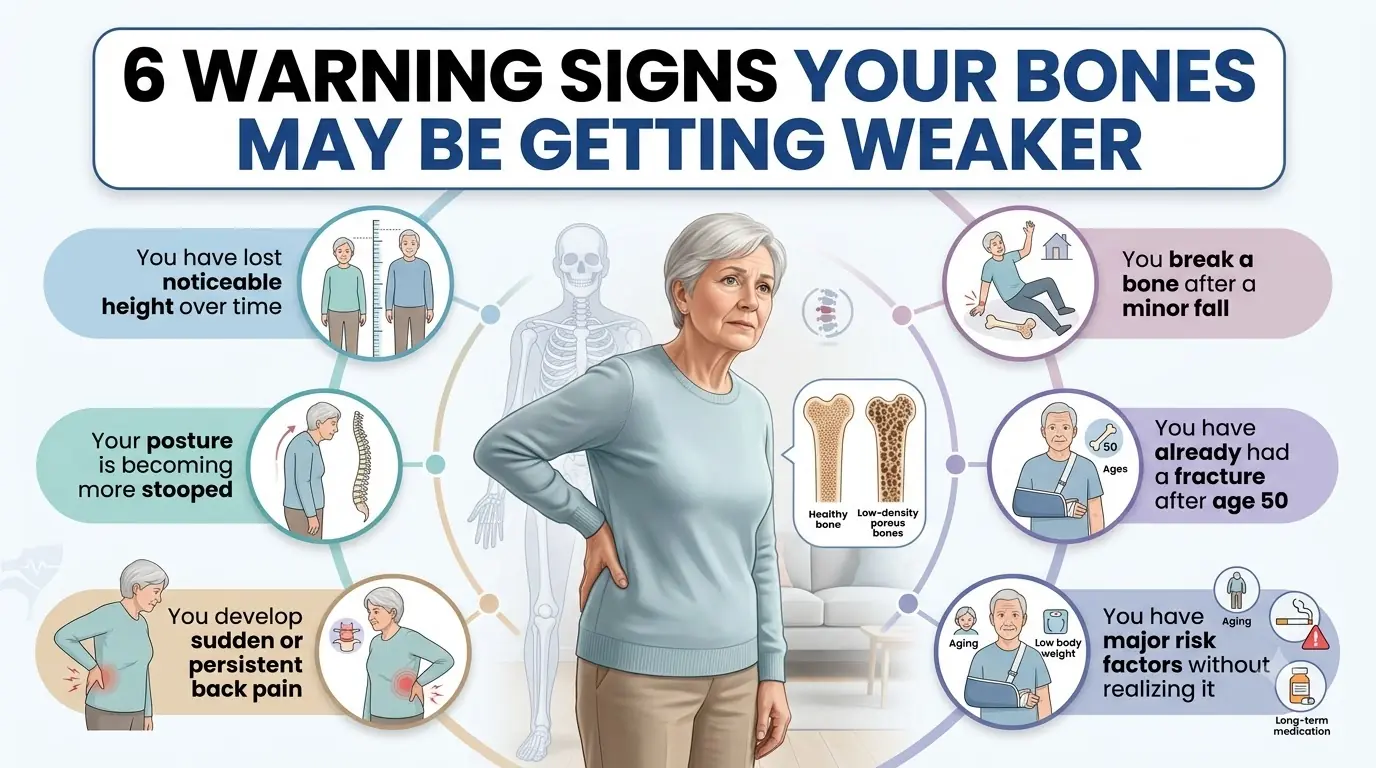
6 WARNING SIGNS YOUR BONES MAY BE GETTING WEAKER
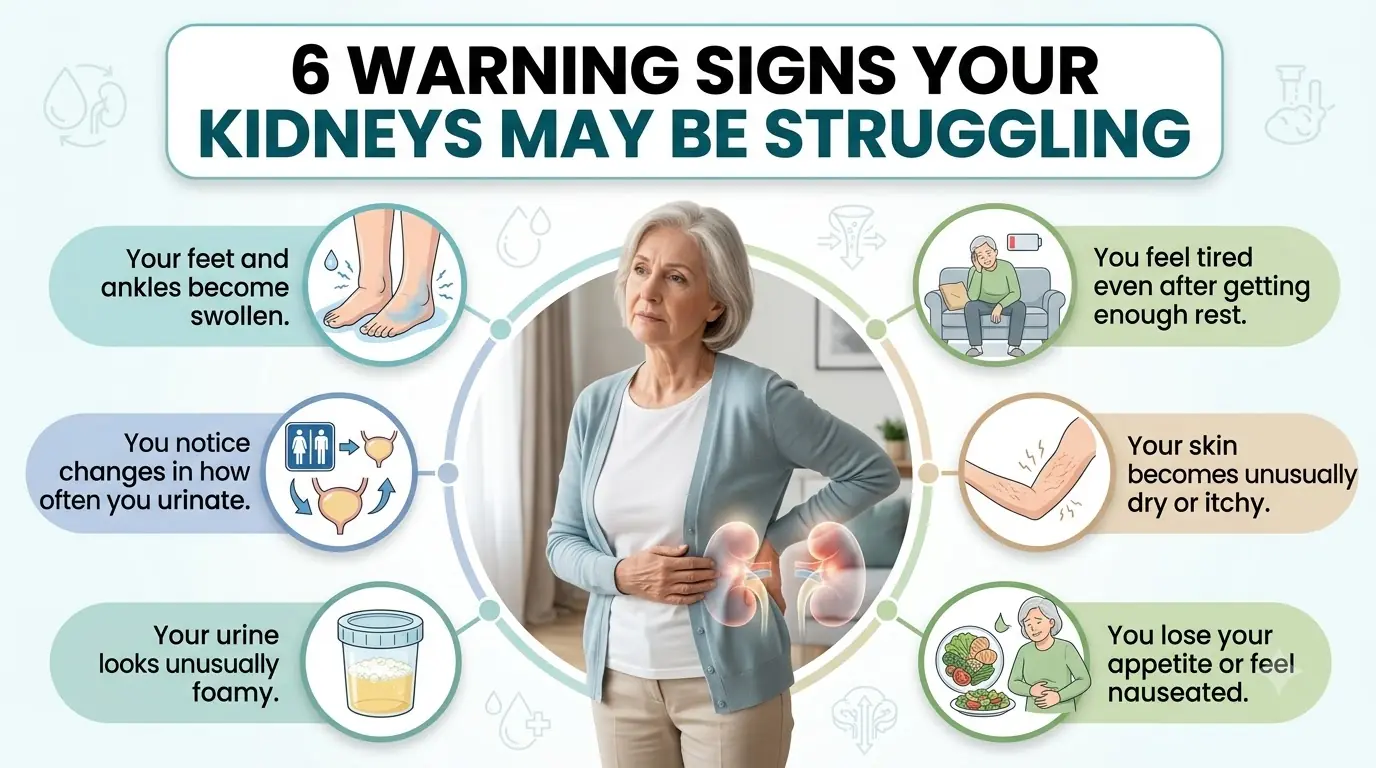
6 WARNING SIGNS YOUR KIDNEYS MAY BE STRUGGLING
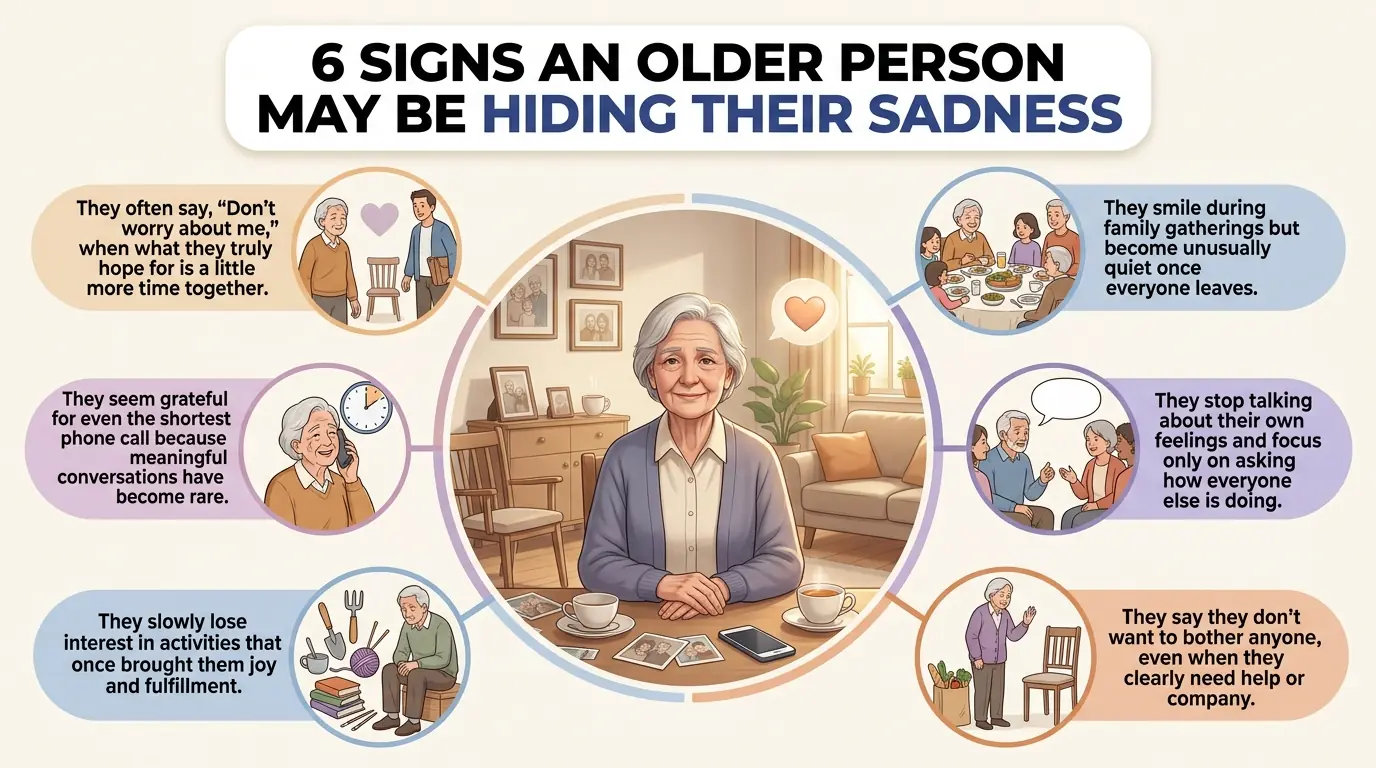
6 SIGNS AN OLDER PERSON MAY BE HIDING THEIR SADNESS
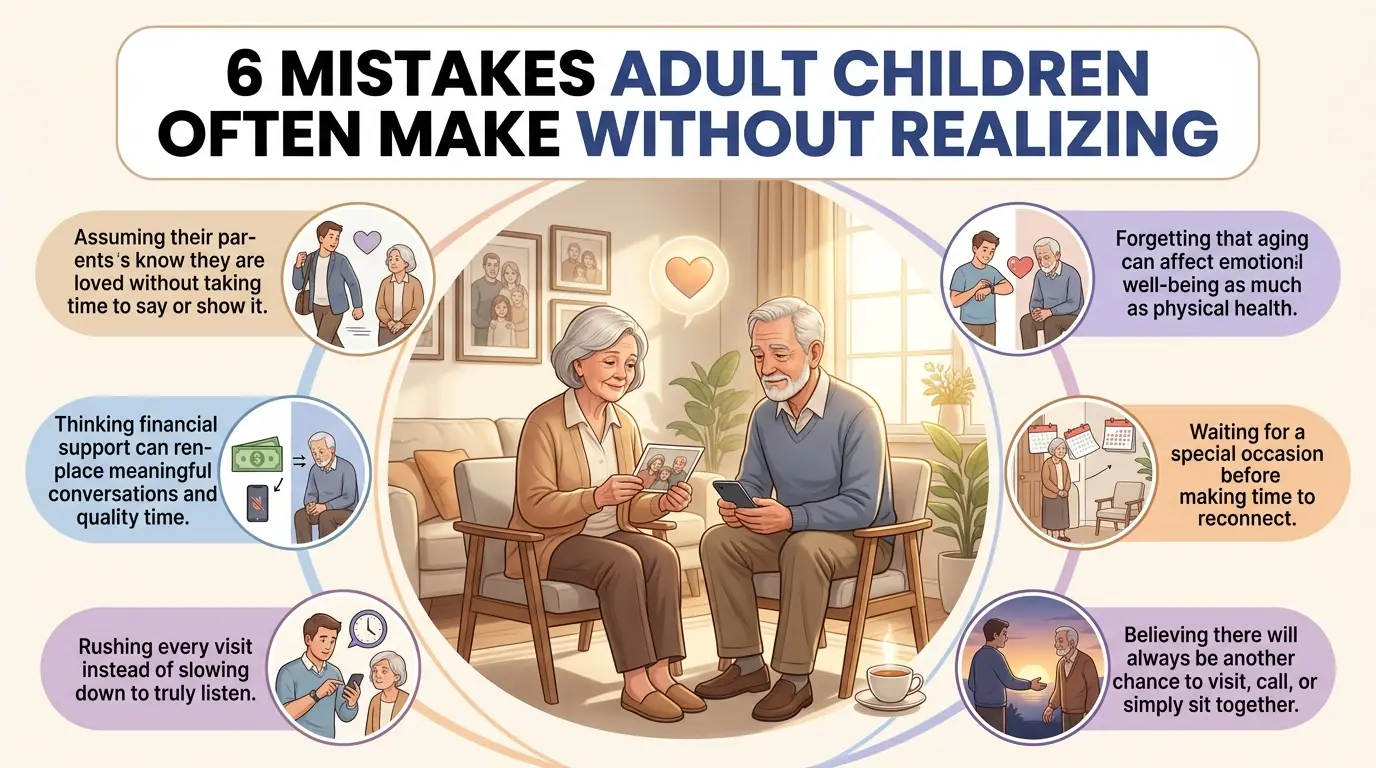
6 MISTAKES ADULT CHILDREN OFTEN MAKE WITHOUT REALIZING
6 WARNING SIGNS YOUR LEGS MAY HAVE POOR CIRCULATION
6 WARNING SIGNS YOUR BODY MAY BE DEVELOPING DIABETES
6 WARNING SIGNS YOUR HEART MAY NOT BE GETTING ENOUGH BLOOD
7 SIGNS YOUR ELDERLY PARENT MAY NEED MORE EMOTIONAL SUPPORT
6 WARNING SIGNS YOUR BODY MAY BE LOW IN MAGNESIUM
6 WARNING SIGNS YOUR BODY MAY BE LOSING MUSCLE AFTER 60
6 SIGNS YOUR BODY MAY NEED MORE PROTEIN AFTER 60
6 WARNING SIGNS YOUR ARTERIES MAY BE CLOGGED

"She Doesn't Speak Chinese," A Millionaire Bet $100K a Black Waitress Couldn't Speak Chinese
6 THINGS OLDER PEOPLE RARELY SAY OUT LOUD
6 WARNING SIGNS YOUR BODY MAY HAVE TOO MUCH INFLAMMATION