6 SIGNS YOUR MEMORY CHANGES MAY NOT BE NORMAL AGING
Reader Theme:
Font Size:
24px
6 SIGNS YOUR MEMORY CHANGES MAY NOT BE NORMAL AGING
Forgetting where you left your keys or occasionally walking into a room and forgetting why you went there happens to everyone. As we age, it's normal for memory to become a little slower. However, some memory changes go beyond typical aging and may signal an underlying medical condition that deserves attention.
Memory problems can result from many causes, including poor sleep, stress, depression, medication side effects, vitamin deficiencies, thyroid disorders, stroke, or neurodegenerative diseases such as Alzheimer's disease. Some of these conditions are treatable, especially when identified early.
Recognizing the difference between normal forgetfulness and more concerning symptoms can help you or a loved one seek medical evaluation before cognitive changes begin interfering with daily life.
What Is Normal Aging vs. Cognitive Decline?
Normal aging may involve occasionally forgetting names, taking longer to learn new information, or misplacing items from time to time.
In contrast, cognitive decline affects memory, thinking, language, judgment, or the ability to carry out everyday activities. When these changes become frequent or begin interfering with independence, they should be evaluated by a healthcare professional.
Early assessment does not always mean a diagnosis of dementia. Many reversible medical conditions can also cause memory problems.
1. You Forget Important Appointments Often
Missing an occasional appointment happens to everyone.
However, regularly forgetting medical visits, family events, birthdays, or important commitments despite reminders may indicate more significant memory changes.
You may notice:
- Frequently missing scheduled appointments.
- Forgetting conversations about upcoming plans.
- Relying heavily on family members to remember important dates.
- Missing medication doses because you forgot the schedule.
Persistent difficulty remembering important information deserves medical attention.
2. You Ask the Same Questions Repeatedly
Repeating questions without remembering that they've already been answered is one of the early warning signs families often notice.
For example, someone may ask:
- "What time are we leaving?"
- "Did you call the doctor?"
- "When are the grandchildren visiting?"
only to ask the same question again a few minutes later.
This differs from simply forgetting a detail after several days or weeks. Frequent repetition may suggest difficulty forming new memories.
3. You Get Lost in Familiar Places
Knowing how to navigate familiar surroundings is a skill most people rely on every day.
Becoming confused while driving home, getting lost in your own neighborhood, or having difficulty finding your way around places you've visited for years is not considered a normal part of aging.
You may notice:
- Missing familiar turns.
- Forgetting how to get home.
- Feeling disoriented in familiar stores.
- Becoming anxious in places that once felt comfortable.
These changes should always be discussed with a healthcare provider.
4. You Struggle to Follow Simple Conversations
Everyone occasionally loses track of a conversation, especially in noisy environments.
However, persistent difficulty understanding discussions or keeping up with simple conversations may indicate changes in cognitive function.
You may notice:
- Losing track of what others are saying.
- Asking people to repeat themselves frequently.
- Difficulty following television programs or group conversations.
- Trouble understanding simple instructions.
Hearing loss can also contribute to communication difficulties, so both hearing and cognitive function should be evaluated when appropriate.
5. You Misplace Items and Cannot Retrace Your Steps
Misplacing your glasses or keys occasionally is common.
What's more concerning is placing objects in unusual locations and being unable to remember how they got there.
Examples include:
- Finding a wallet in the refrigerator.
- Placing car keys in a kitchen cabinet.
- Losing important items and being unable to retrace your steps.
- Accusing others of moving or stealing belongings because you cannot remember where you placed them.
These behaviors go beyond ordinary forgetfulness and should not be ignored.
6. Your Family Notices Changes in Your Thinking or Behavior
Family members often recognize subtle cognitive changes before the person experiencing them does.
Loved ones may notice:
- Increased forgetfulness.
- Repeating stories.
- Poor judgment.
- Personality changes.
- Difficulty managing finances.
- Trouble completing familiar tasks.
It's common for people with cognitive decline to have limited awareness of their own symptoms, making family observations especially valuable during medical evaluation.
Listening to these concerns can lead to earlier diagnosis and appropriate treatment.
Other Symptoms That May Occur
Depending on the underlying cause, cognitive changes may also include:
- Difficulty finding common words.
- Problems making decisions.
- Mood or personality changes.
- Reduced attention span.
- Trouble organizing daily activities.
- Difficulty performing familiar household tasks.
Not every memory problem is caused by dementia. Many medical conditions can affect thinking and memory.
Who Is Most at Risk?
The risk of cognitive decline increases with age, but several factors may also contribute, including:
- High blood pressure.
- Diabetes.
- High cholesterol.
- Smoking.
- Physical inactivity.
- Untreated hearing loss.
- Depression.
- Family history of dementia.
- Previous stroke.
Managing these risk factors may help support long-term brain health.
How to Support Brain Health
Although no single strategy can prevent every cause of cognitive decline, research suggests several healthy habits may help maintain brain function.
Experts recommend:
- Stay physically active most days of the week.
- Eat a balanced diet rich in vegetables, fruits, whole grains, fish, beans, and healthy fats.
- Aim for 7 to 9 hours of quality sleep each night.
- Keep blood pressure, cholesterol, and blood sugar under good control.
- Stay socially engaged with family and friends.
- Challenge your brain through reading, puzzles, learning new skills, or hobbies.
- Avoid smoking and limit excessive alcohol consumption.
- Treat hearing loss if present.
These habits also support heart health, which is closely connected to brain health.
When Should You See a Doctor?
Schedule an appointment with your healthcare provider if you or a loved one experiences:
- Frequent memory loss that interferes with daily life.
- Repeating questions or conversations.
- Getting lost in familiar places.
- Difficulty managing medications or finances.
- Changes in judgment or personality.
- Increasing confusion.
Early evaluation may include a medical history, physical examination, cognitive screening, blood tests, medication review, and, when appropriate, brain imaging to identify treatable causes.
Seek emergency medical care immediately if confusion or memory changes develop suddenly, especially if accompanied by:
- Facial drooping.
- Arm or leg weakness.
- Difficulty speaking.
- Vision changes.
- Severe headache.
These symptoms may indicate a stroke and require immediate treatment.
Key Takeaways
- Occasional forgetfulness is a normal part of aging, but memory loss that interferes with daily life is not.
- Frequently forgetting important appointments or asking the same questions repeatedly may be early warning signs of cognitive decline.
- Getting lost in familiar places and difficulty following conversations deserve prompt medical evaluation.
- Family members often notice changes in thinking or behavior before the affected person does.
- Early assessment can identify treatable medical conditions and allow earlier management of cognitive disorders.
- Maintaining a healthy lifestyle supports both brain health and overall well-being.
Medical Disclaimer
This article is for educational purposes only and is not intended to replace professional medical advice, diagnosis, or treatment. Memory changes can have many causes, including reversible medical conditions. If you or a loved one experiences persistent changes in memory, thinking, or behavior, consult a qualified healthcare provider for a comprehensive evaluation. Sudden confusion or neurological symptoms require immediate emergency medical attention.
News in the same category
6 SIGNS AN OLDER PARENT MAY BE FEELING FORGOTTEN
6 WARNING SIGNS YOUR BONES MAY BE GETTING WEAKER

6 WARNING SIGNS YOUR KIDNEYS MAY BE STRUGGLING
6 SIGNS AN OLDER PERSON MAY BE HIDING THEIR SADNESS
6 MISTAKES ADULT CHILDREN OFTEN MAKE WITHOUT REALIZING
6 WARNING SIGNS YOUR LEGS MAY HAVE POOR CIRCULATION
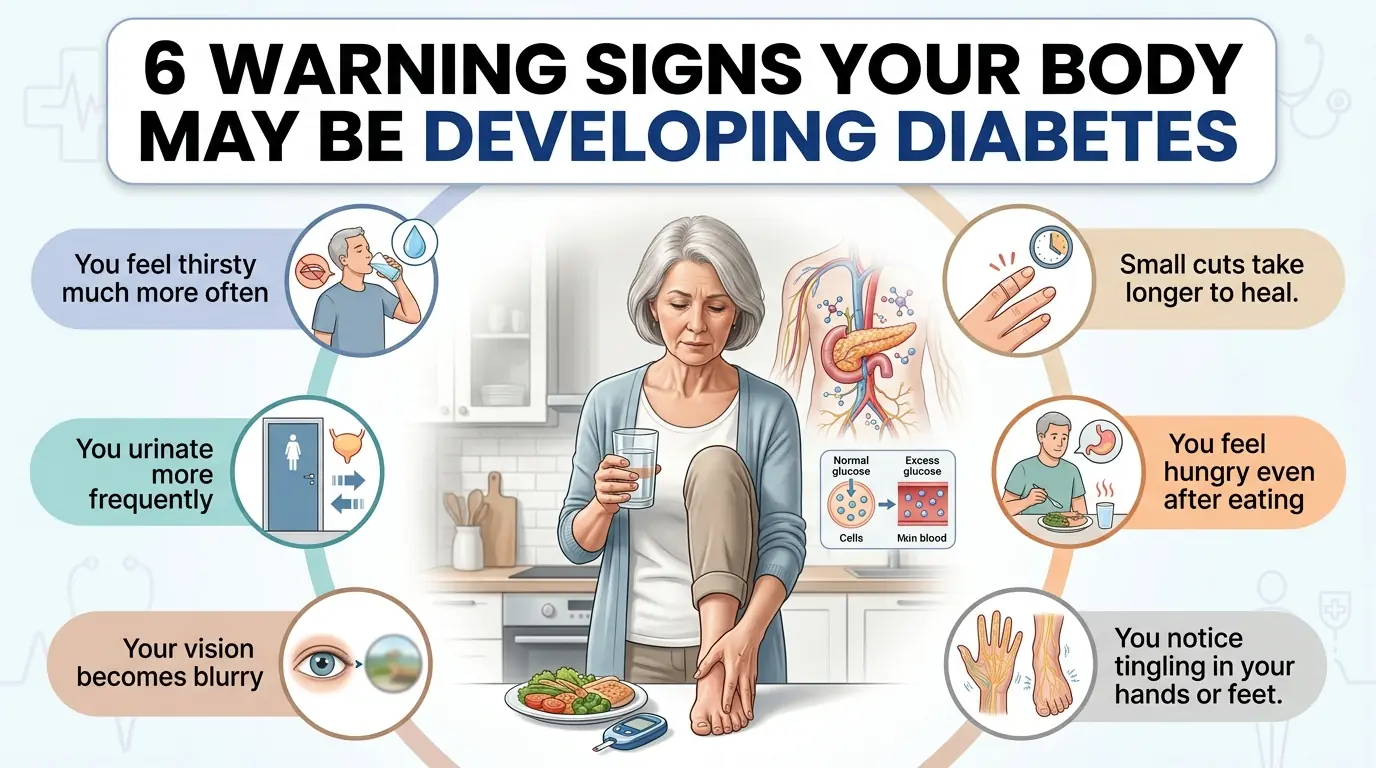
6 WARNING SIGNS YOUR BODY MAY BE DEVELOPING DIABETES
6 WARNING SIGNS YOUR HEART MAY NOT BE GETTING ENOUGH BLOOD
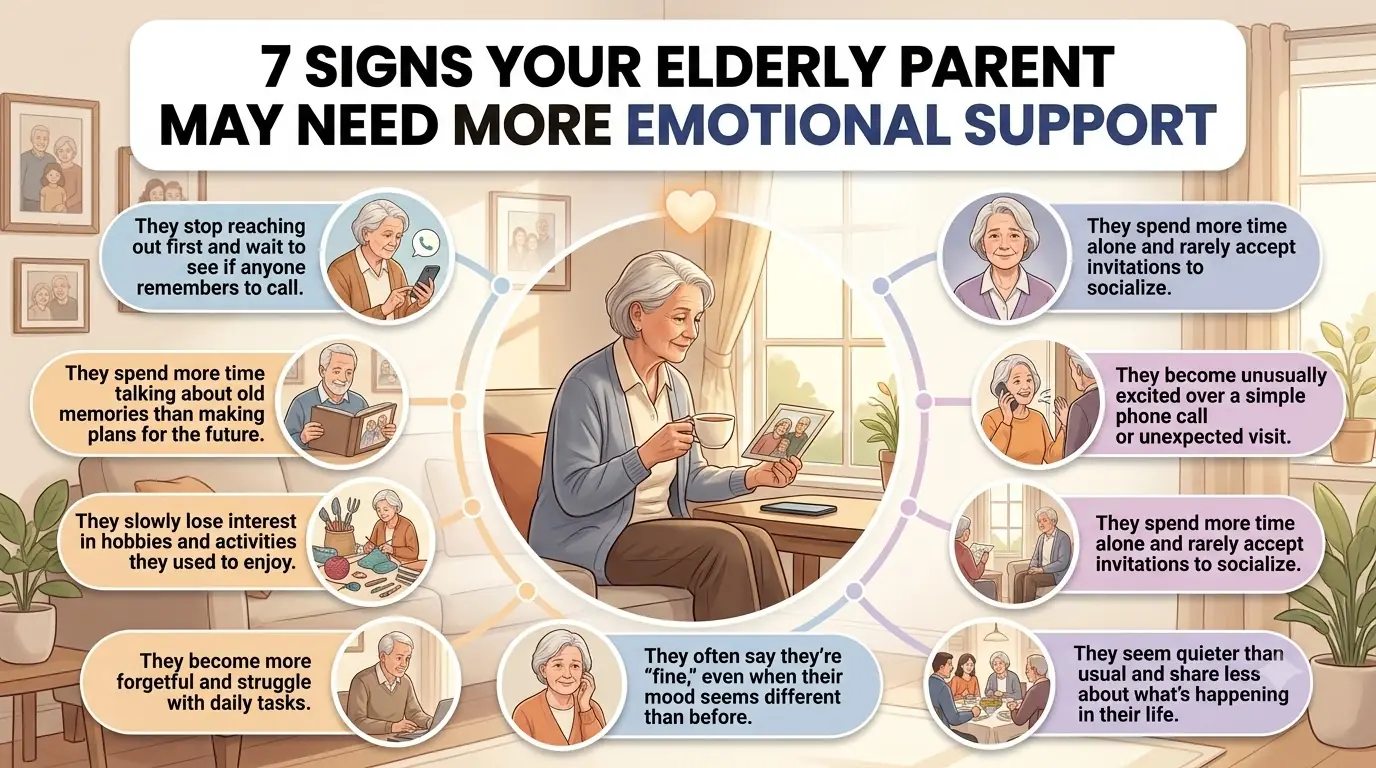
7 SIGNS YOUR ELDERLY PARENT MAY NEED MORE EMOTIONAL SUPPORT
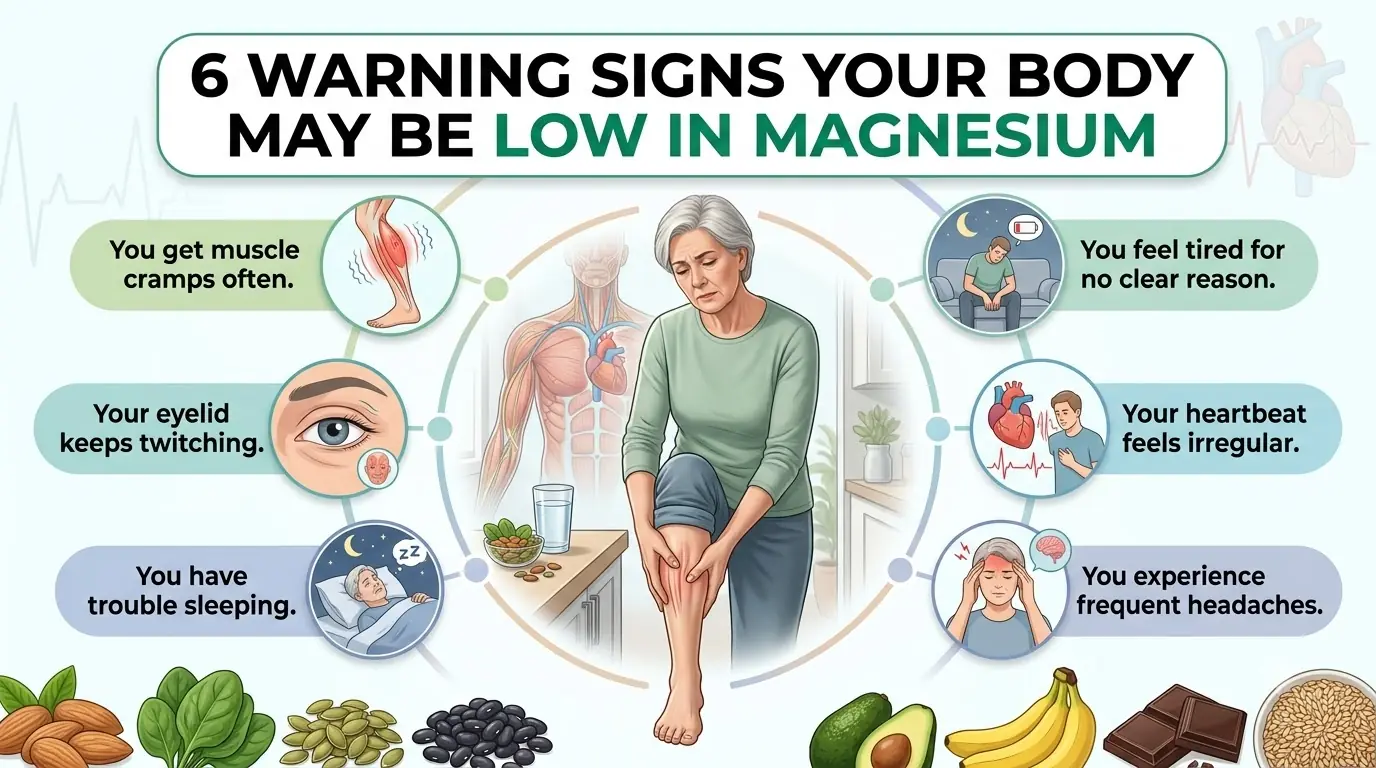
6 WARNING SIGNS YOUR BODY MAY BE LOW IN MAGNESIUM
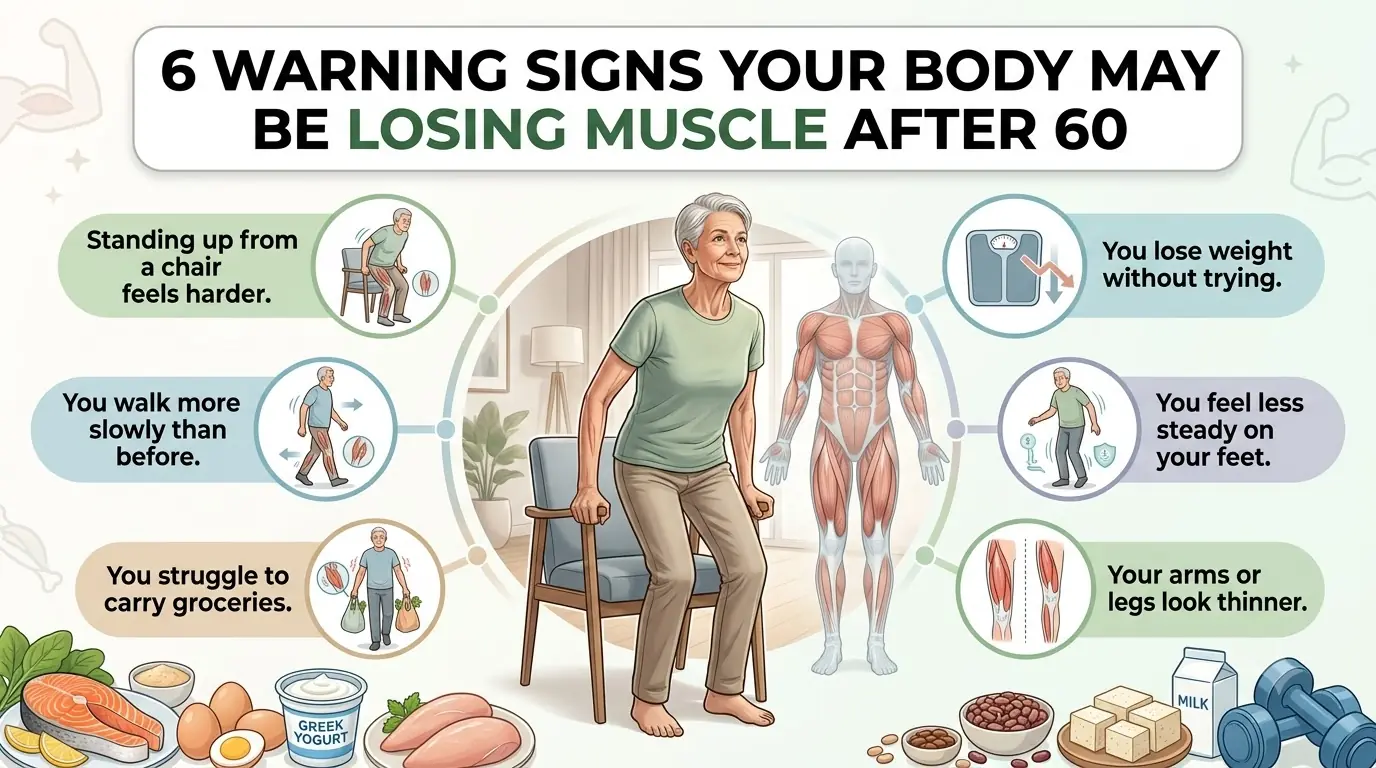
6 WARNING SIGNS YOUR BODY MAY BE LOSING MUSCLE AFTER 60

6 SIGNS YOUR BODY MAY NEED MORE PROTEIN AFTER 60
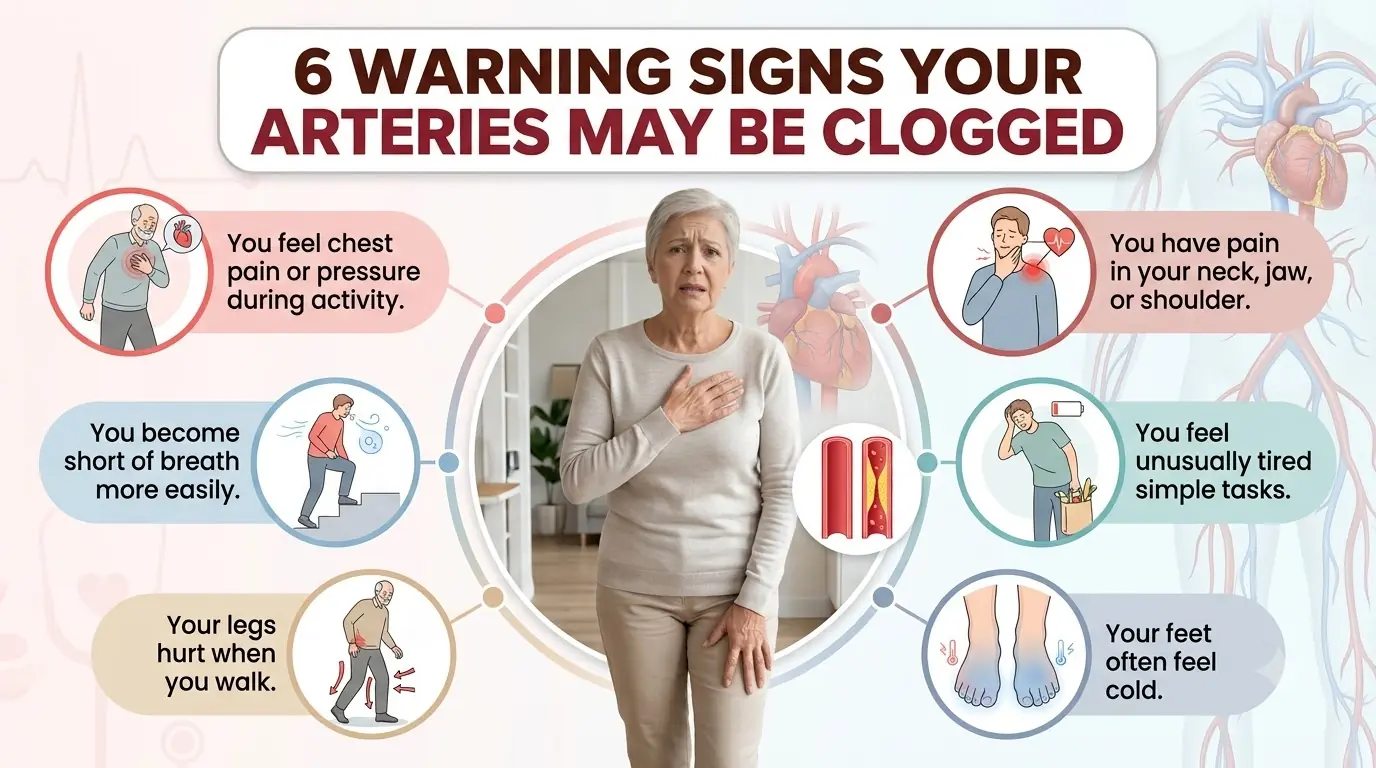
6 WARNING SIGNS YOUR ARTERIES MAY BE CLOGGED

"She Doesn't Speak Chinese," A Millionaire Bet $100K a Black Waitress Couldn't Speak Chinese
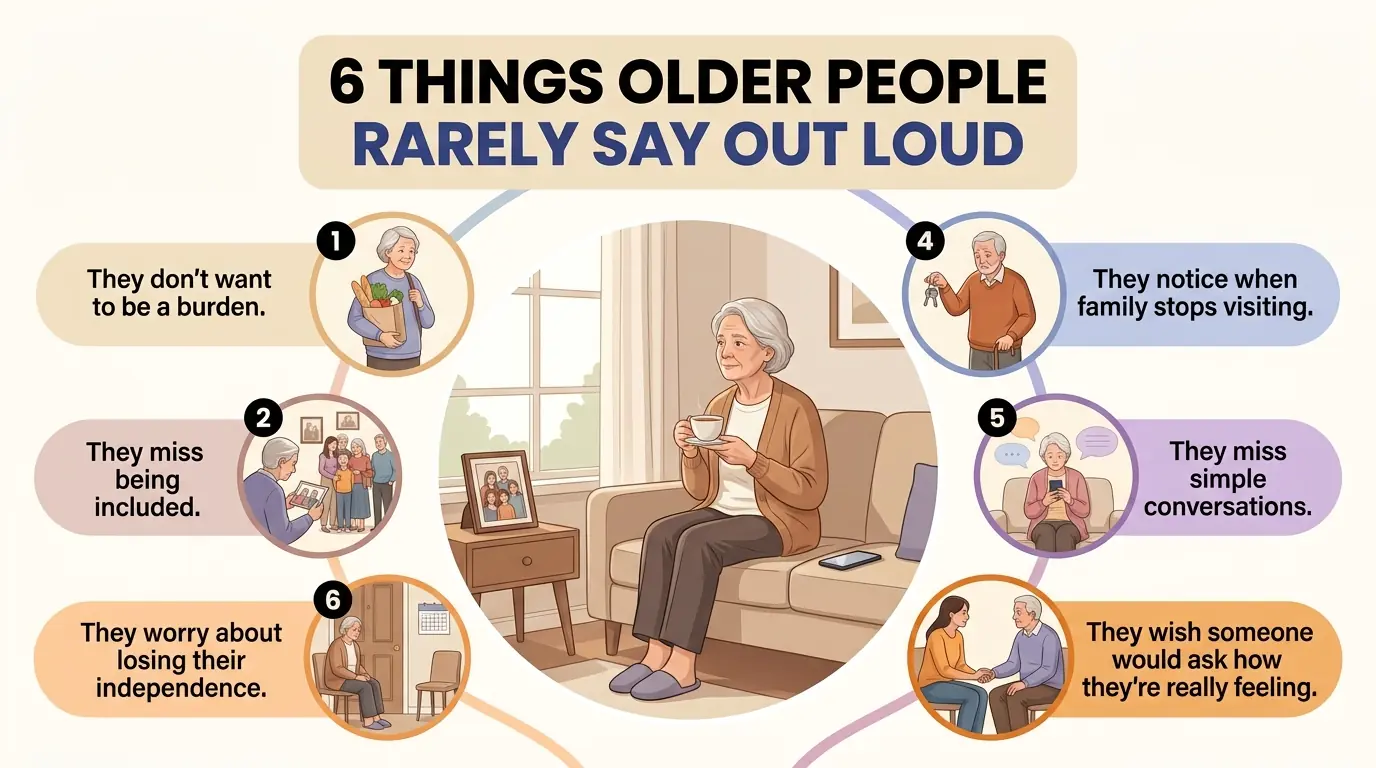
6 THINGS OLDER PEOPLE RARELY SAY OUT LOUD

6 WARNING SIGNS YOUR BODY MAY HAVE TOO MUCH INFLAMMATION
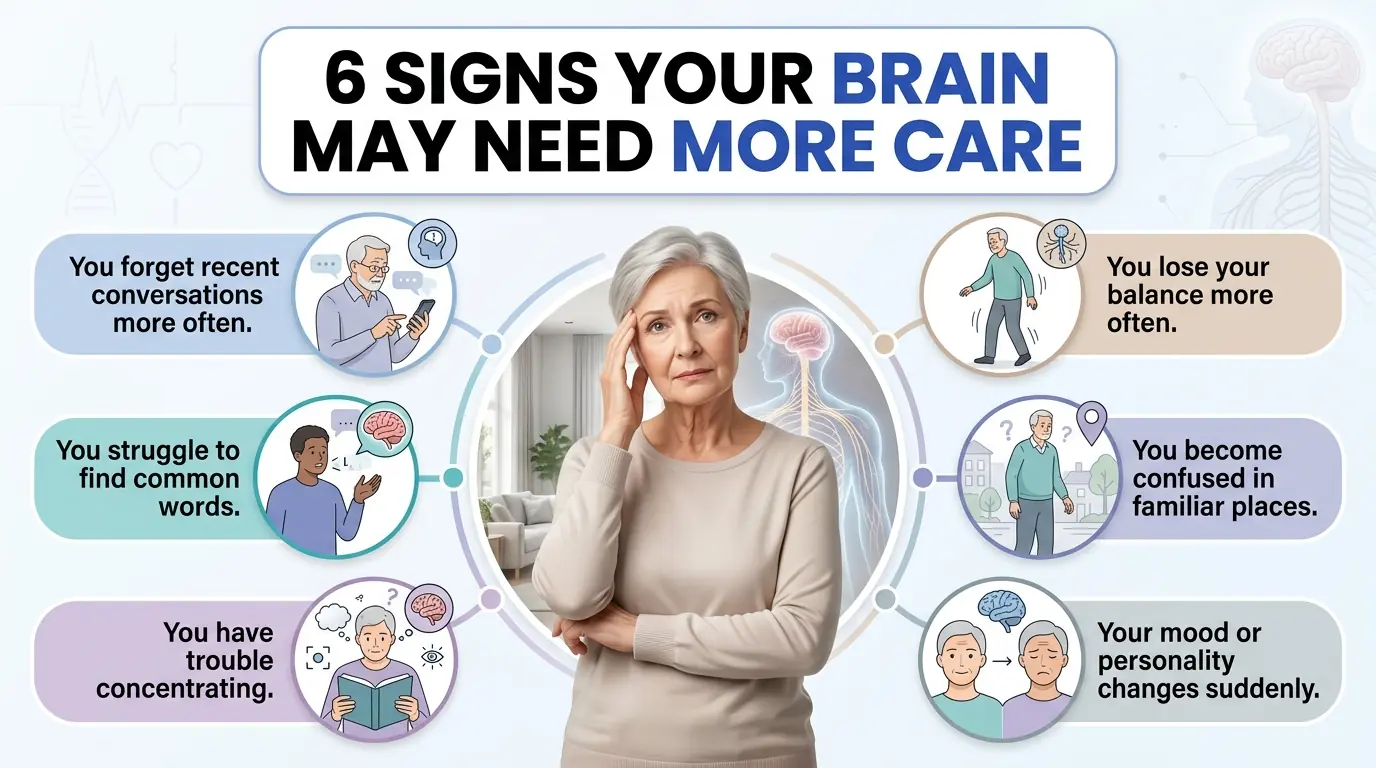
6 SIGNS YOUR BRAIN MAY NEED MORE CARE