6 WARNING SIGNS YOUR BODY MAY BE LOSING MUSCLE AFTER 60
Reader Theme:
Font Size:
24px
6 WARNING SIGNS YOUR BODY MAY BE LOSING MUSCLE AFTER 60
As we age, it's natural to lose some muscle mass and strength. In fact, adults begin losing muscle gradually as early as their 30s, and the process often accelerates after age 60. This age-related decline, known as sarcopenia, can affect mobility, balance, independence, and overall quality of life.
Because muscle loss usually develops slowly, many older adults don't notice it until everyday activities become more difficult. The encouraging news is that sarcopenia is not an inevitable part of aging. Regular strength training, adequate protein intake, and a healthy lifestyle can help slow muscle loss and maintain physical function.
Recognizing the early warning signs allows you to take action before muscle weakness begins interfering with daily life.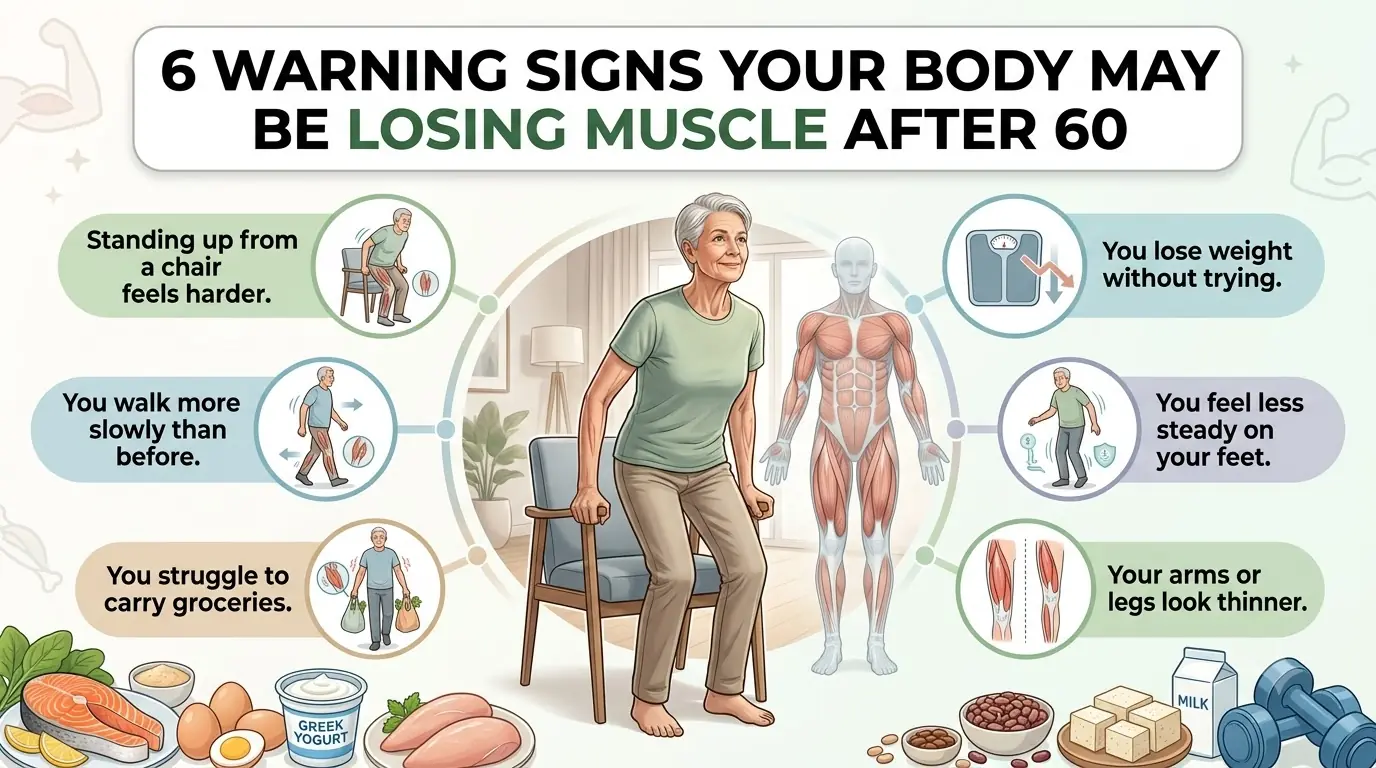
What Is Age-Related Muscle Loss?
Sarcopenia is the gradual loss of skeletal muscle mass, strength, and function that occurs with aging.
Several factors contribute to muscle loss after age 60, including:
- Reduced physical activity.
- Lower protein intake.
- Hormonal changes.
- Chronic medical conditions.
- Inflammation.
- Recovery after illness or hospitalization.
Muscle loss affects much more than strength. It can increase the risk of falls, fractures, disability, and loss of independence.
Fortunately, muscle tissue remains adaptable throughout life, and even adults in their 70s, 80s, and beyond can build strength through appropriate exercise.
1. Standing Up From a Chair Feels Harder
One of the earliest signs of declining muscle strength is difficulty standing up from a chair without using your hands.
This movement depends heavily on the muscles in your thighs, hips, and core.
You may notice:
- Pushing off the armrests to stand.
- Rocking back and forth before standing.
- Feeling unstable when getting up.
- Needing extra effort after sitting for a while.
Although joint pain can also contribute, increasing difficulty with this simple movement may suggest reduced muscle strength.
2. You Walk More Slowly Than Before
Walking speed is often considered an important indicator of overall health in older adults.
If you find yourself walking noticeably slower than you used to, it may reflect changes in muscle strength, endurance, or balance.
You might notice:
- Difficulty keeping up with family or friends.
- Shorter walking distances.
- Taking more frequent breaks.
- Feeling tired sooner during walks.
A gradual decline in walking speed shouldn't automatically be dismissed as "just getting older." It may be an opportunity to improve strength and physical fitness.
3. You Struggle to Carry Groceries
Daily activities often reveal changes in muscle strength before formal exercise does.
Tasks that once felt easy may become surprisingly difficult, such as:
- Carrying grocery bags.
- Lifting laundry baskets.
- Moving small pieces of furniture.
- Carrying grandchildren.
- Opening heavy doors.
If everyday tasks require significantly more effort than they once did, reduced muscle strength may be contributing.
Resistance exercises can often improve functional strength and make daily activities easier.
4. You Lose Weight Without Trying
Unintentional weight loss should never be ignored.
While losing excess body fat may be beneficial in some situations, unexpected weight loss in older adults often includes the loss of valuable muscle tissue.
Possible causes include:
- Poor appetite.
- Illness.
- Chronic disease.
- Depression.
- Difficulty chewing or swallowing.
- Inadequate protein intake.
Any unexplained weight loss should be evaluated by a healthcare provider to determine the underlying cause.
5. You Feel Less Steady on Your Feet
Strong muscles are essential for maintaining balance.
As muscle strength declines, the risk of stumbling or falling increases.
You may notice:
- Feeling unsteady when walking.
- Difficulty climbing stairs.
- Trouble stepping over curbs.
- Needing furniture or walls for support.
- Fear of falling.
Balance problems have many possible causes, including inner ear disorders, vision changes, medications, and neurological conditions, so medical evaluation may be appropriate.
6. Your Arms or Legs Look Thinner
Visible changes in muscle size often develop gradually.
You may notice:
- Smaller upper arms.
- Thinner thighs or calves.
- Looser clothing around the legs.
- Less muscle definition than before.
These changes can occur even if your overall body weight remains relatively stable.
Maintaining muscle mass is important because muscles support movement, metabolism, posture, and bone health.
Other Signs That May Accompany Muscle Loss
As sarcopenia progresses, some people also experience:
- Reduced grip strength.
- Difficulty climbing stairs.
- Slower recovery after illness.
- Fatigue during routine activities.
- Increased falls.
- Lower endurance during exercise.
These symptoms are not unique to muscle loss and may have other medical causes, making professional evaluation important.
Who Is Most at Risk?
The risk of sarcopenia increases with age, but certain factors make muscle loss more likely.
These include:
- Being over age 60.
- Physical inactivity.
- Low protein intake.
- Prolonged bed rest or hospitalization.
- Chronic illnesses such as diabetes or heart failure.
- Smoking.
- Vitamin D deficiency.
- Hormonal changes.
People who recover from surgery or prolonged illness may also lose muscle rapidly.
How to Help Preserve Muscle After 60
Research consistently shows that healthy lifestyle habits can slow age-related muscle loss.
The most effective strategies include:
- Perform resistance or strength-training exercises at least two to three times each week.
- Stay physically active with regular walking and balance exercises.
- Include a high-quality source of protein at every meal.
- Eat enough total calories to maintain a healthy weight.
- Ensure adequate vitamin D if recommended by your healthcare provider.
- Stay socially engaged and physically active.
It's never too late to begin building strength, and even modest improvements can enhance mobility and independence.
When Should You See a Doctor?
Schedule an appointment with your healthcare provider if you notice:
- Progressive muscle weakness.
- Difficulty standing or walking.
- Frequent falls.
- Unexplained weight loss.
- Significant changes in muscle size.
- Increasing difficulty with everyday activities.
A healthcare provider may evaluate for underlying medical conditions, nutritional deficiencies, or other causes contributing to muscle loss.
Key Takeaways
- Muscle loss becomes more common after age 60 but is not an inevitable part of aging.
- Difficulty standing, walking more slowly, and struggling with everyday tasks may be early signs of declining muscle strength.
- Unintentional weight loss and visibly thinner arms or legs may indicate loss of healthy muscle.
- Regular strength training and adequate protein intake are among the most effective ways to help preserve muscle mass.
- Staying physically active throughout life supports mobility, balance, independence, and overall health.
- Early evaluation can identify treatable causes of muscle weakness and help prevent falls and disability.
Medical Disclaimer
This article is for educational purposes only and is not intended to replace professional medical advice, diagnosis, or treatment. If you experience persistent muscle weakness, unexplained weight loss, frequent falls, or increasing difficulty with daily activities, consult a qualified healthcare provider for a comprehensive evaluation. Appropriate exercise, nutrition, and medical care can help maintain muscle health and improve quality of life as you age.
News in the same category
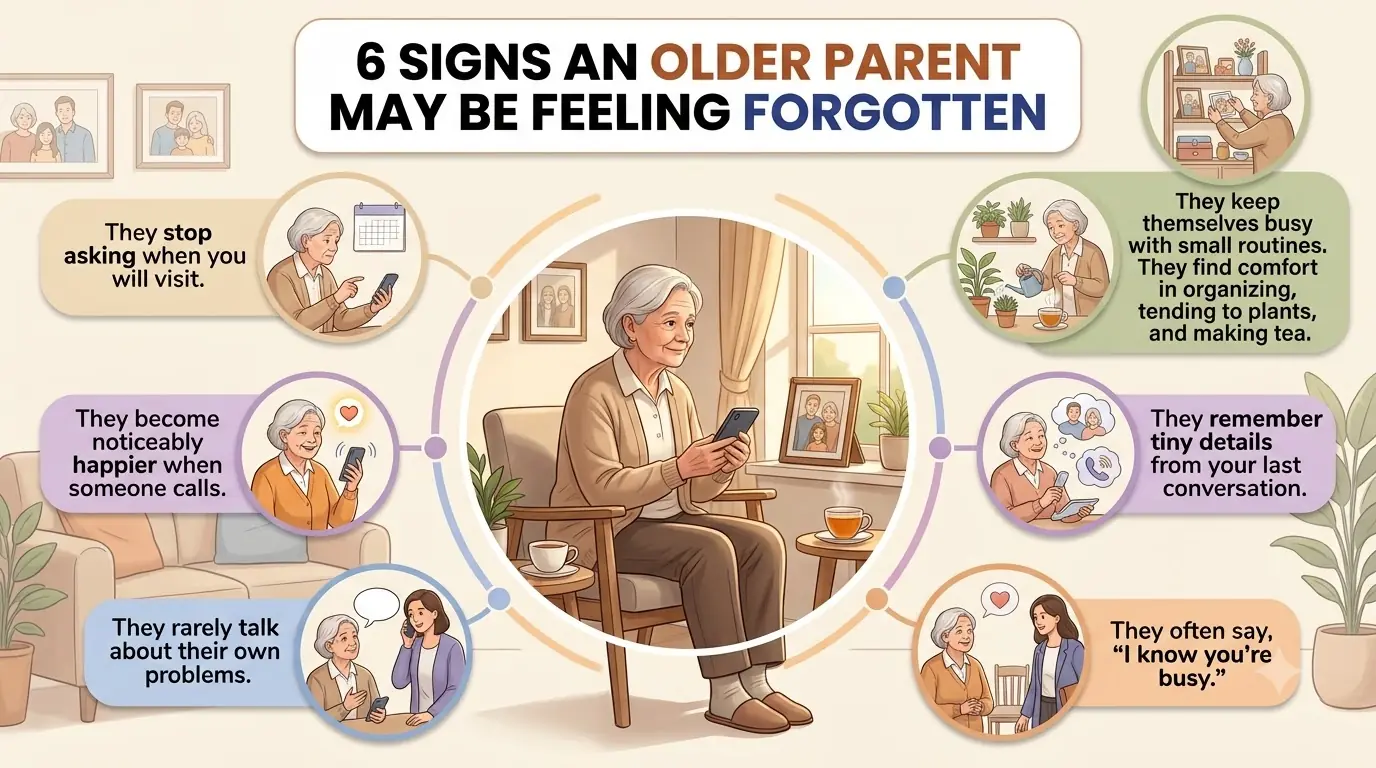
6 SIGNS AN OLDER PARENT MAY BE FEELING FORGOTTEN
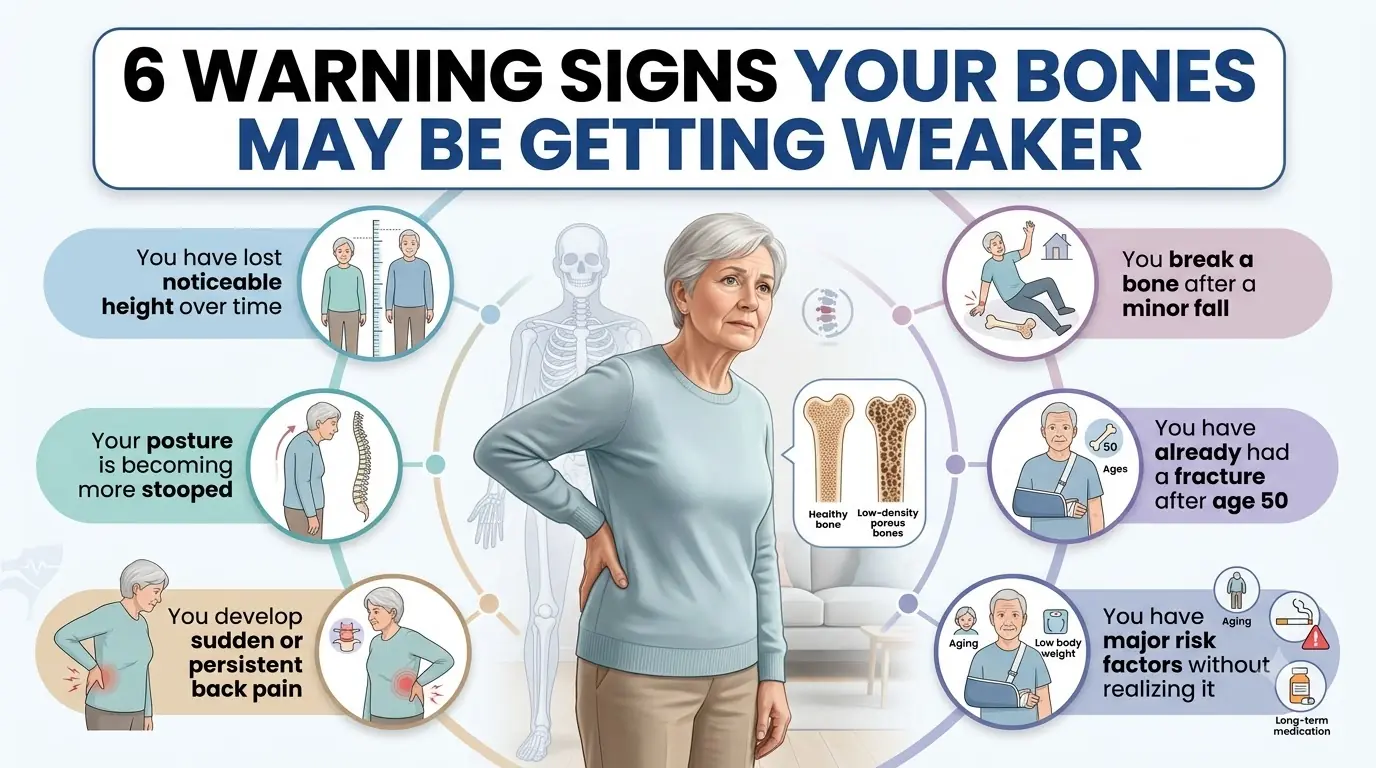
6 WARNING SIGNS YOUR BONES MAY BE GETTING WEAKER
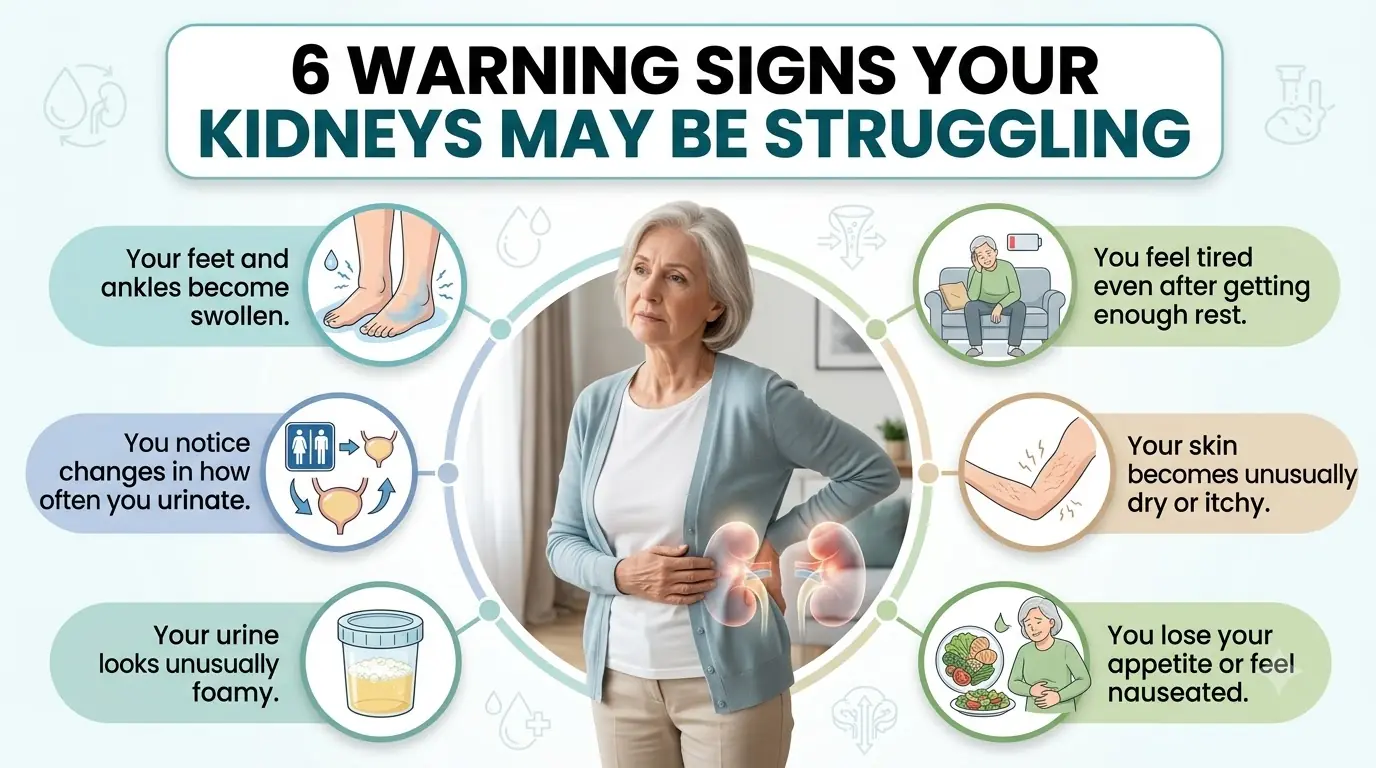
6 WARNING SIGNS YOUR KIDNEYS MAY BE STRUGGLING
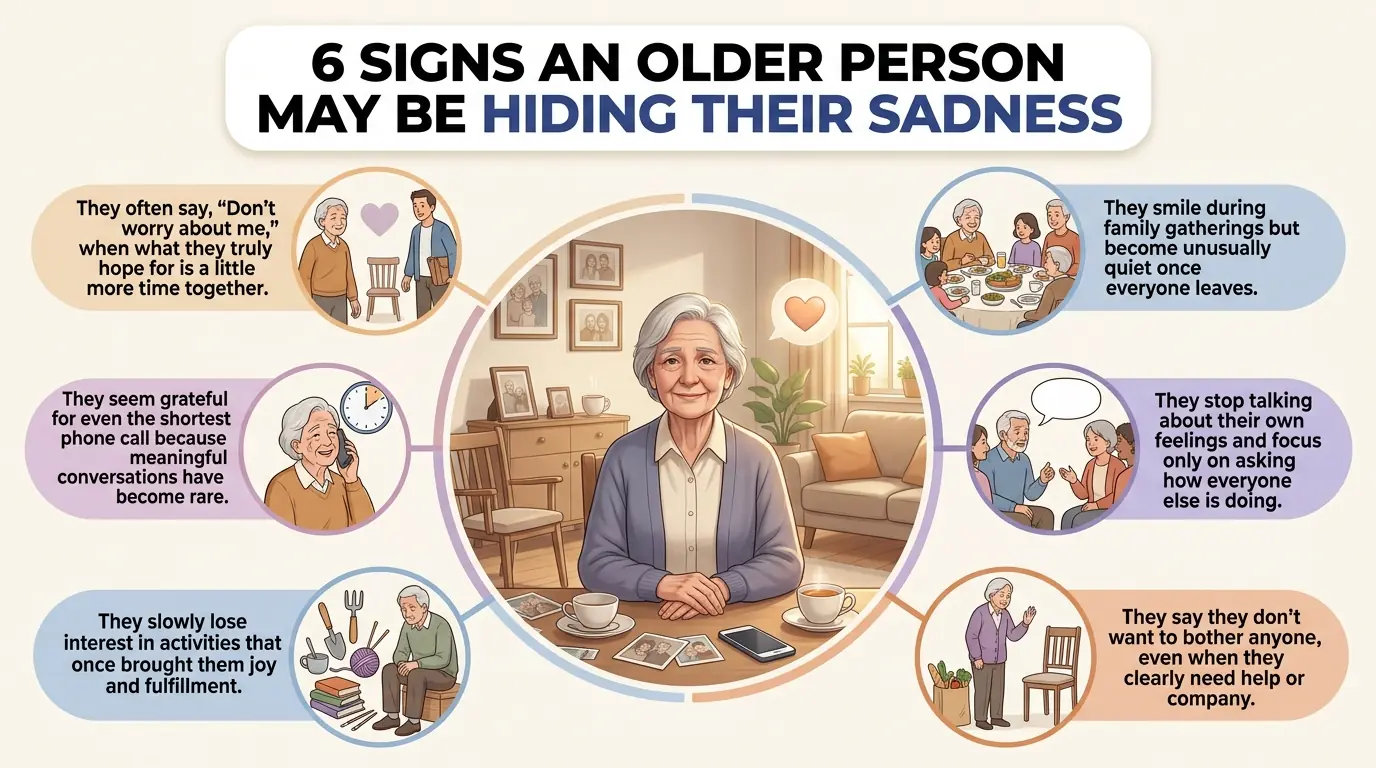
6 SIGNS AN OLDER PERSON MAY BE HIDING THEIR SADNESS
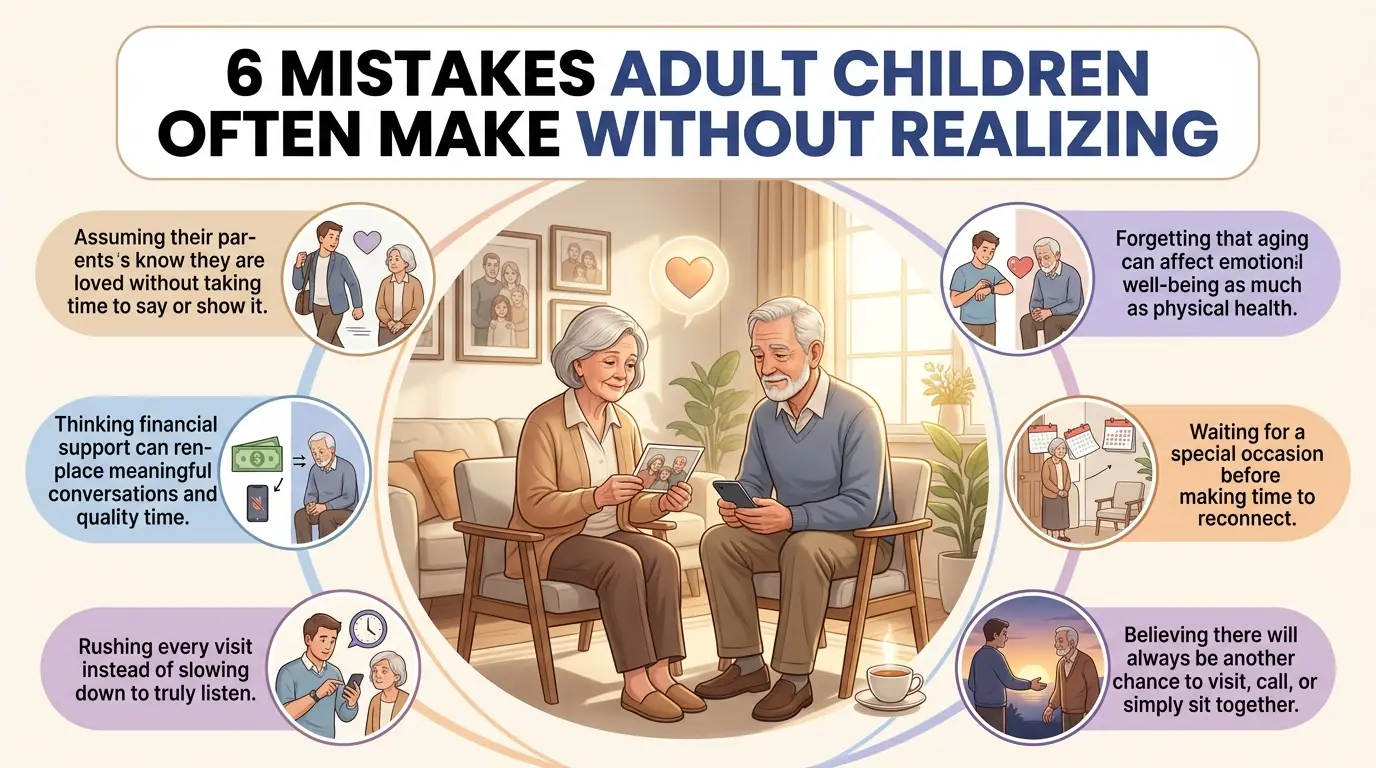
6 MISTAKES ADULT CHILDREN OFTEN MAKE WITHOUT REALIZING
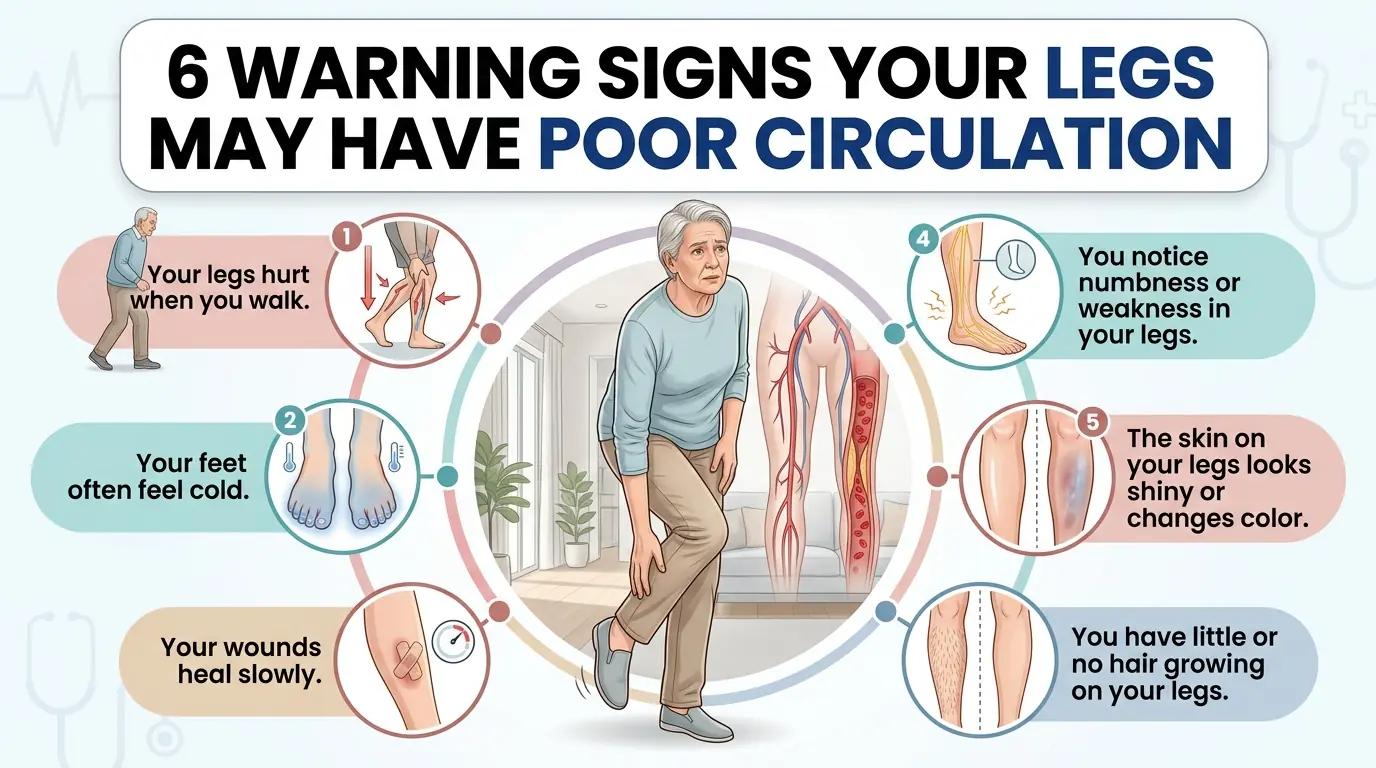
6 WARNING SIGNS YOUR LEGS MAY HAVE POOR CIRCULATION
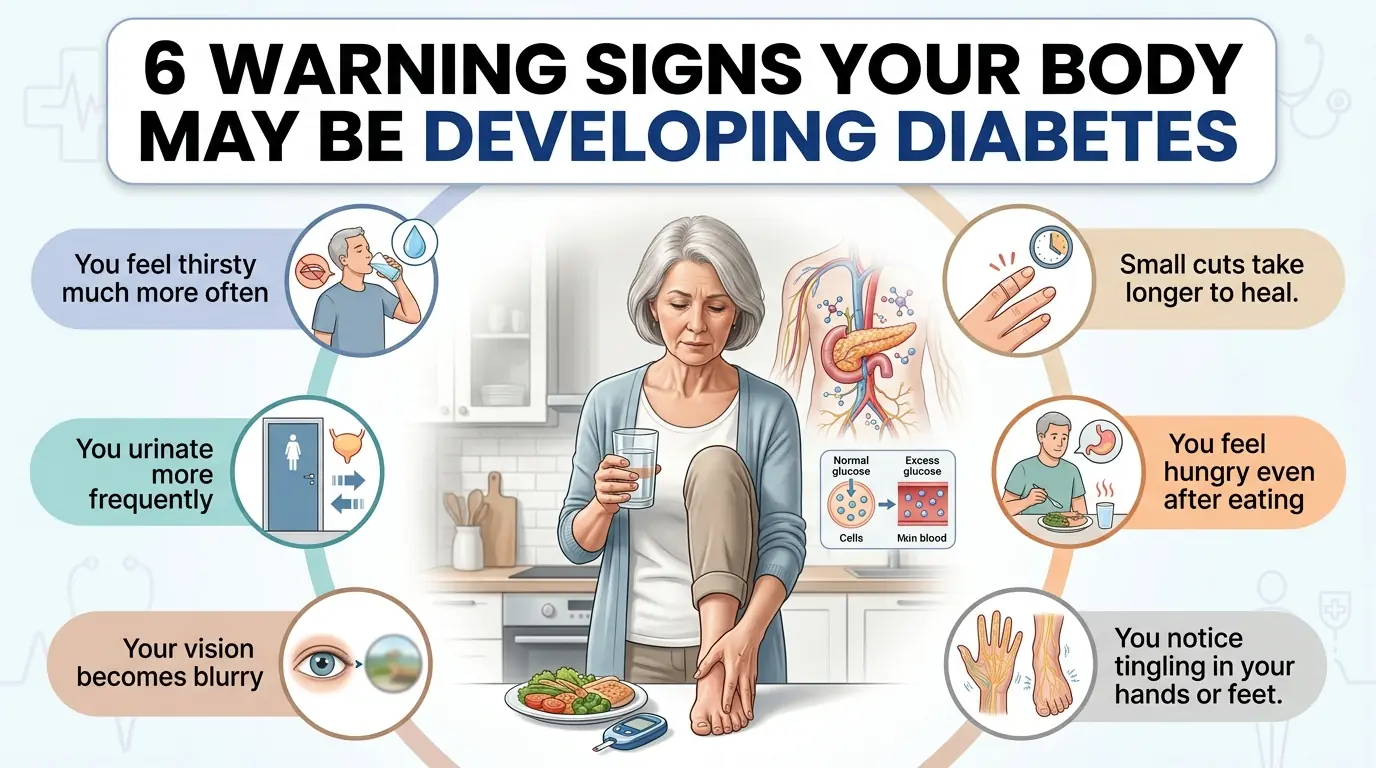
6 WARNING SIGNS YOUR BODY MAY BE DEVELOPING DIABETES
6 WARNING SIGNS YOUR HEART MAY NOT BE GETTING ENOUGH BLOOD
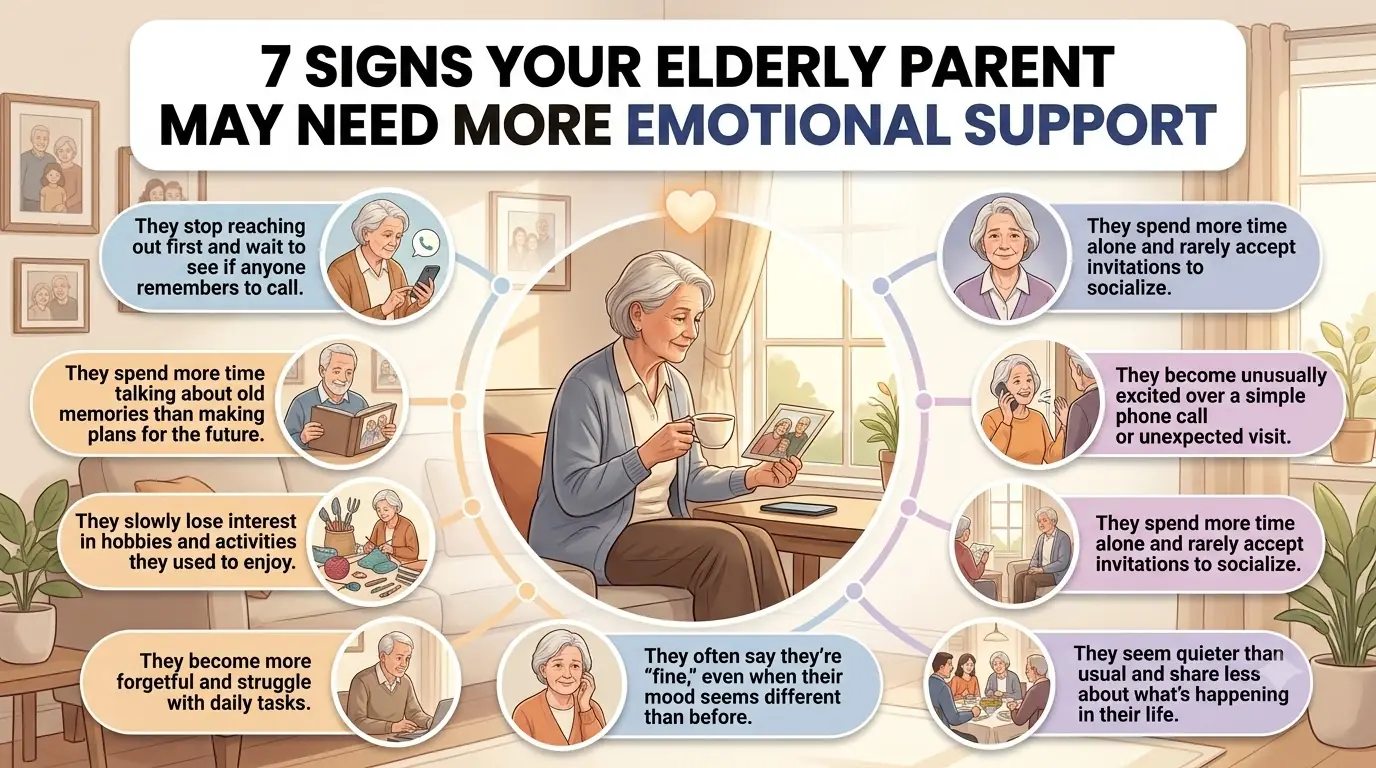
7 SIGNS YOUR ELDERLY PARENT MAY NEED MORE EMOTIONAL SUPPORT
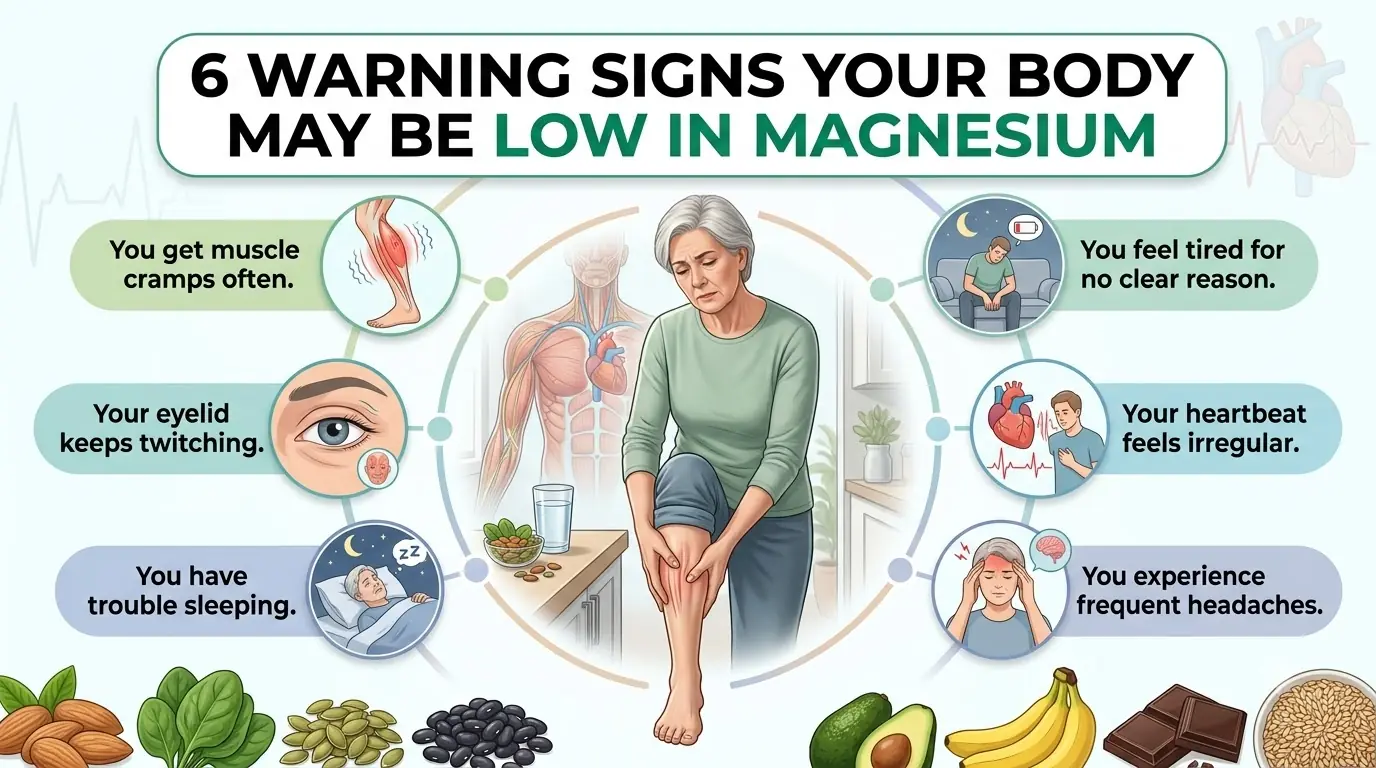
6 WARNING SIGNS YOUR BODY MAY BE LOW IN MAGNESIUM
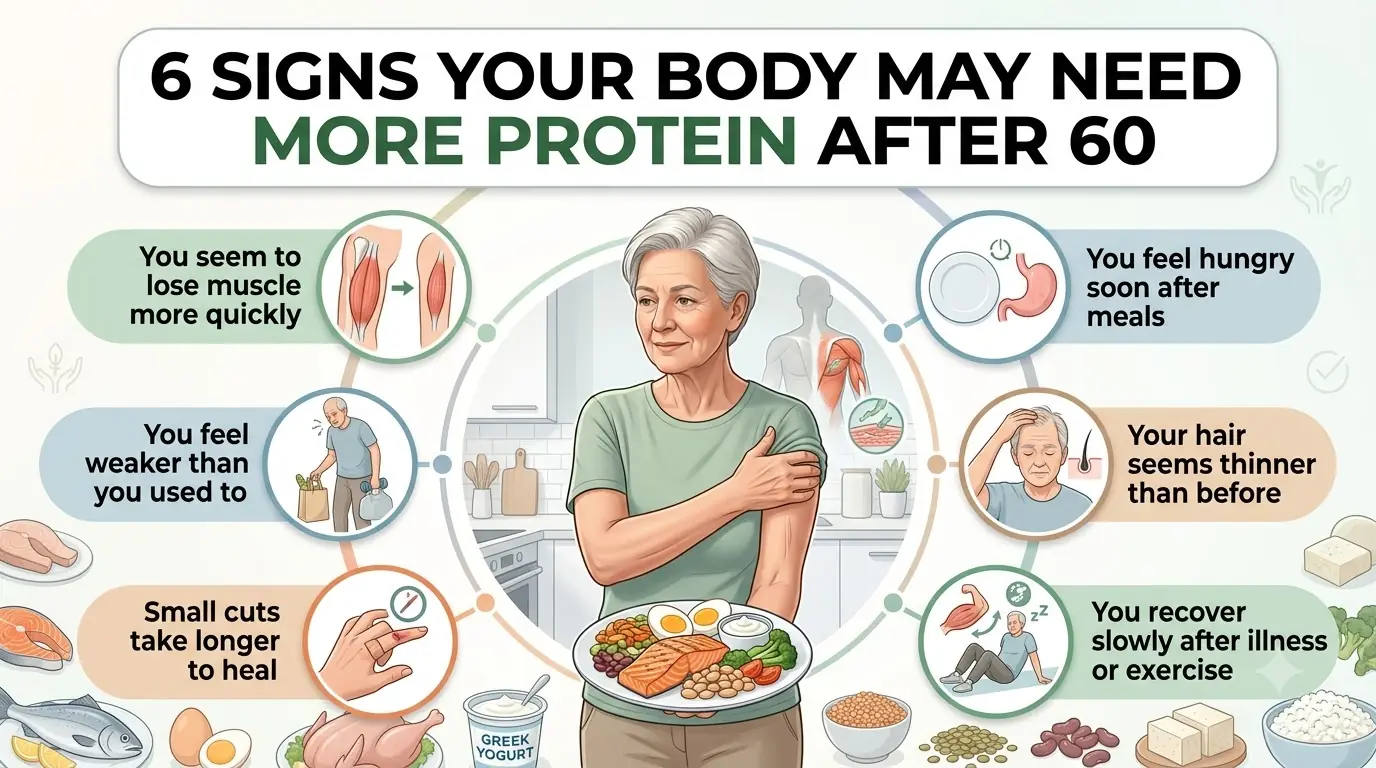
6 SIGNS YOUR BODY MAY NEED MORE PROTEIN AFTER 60
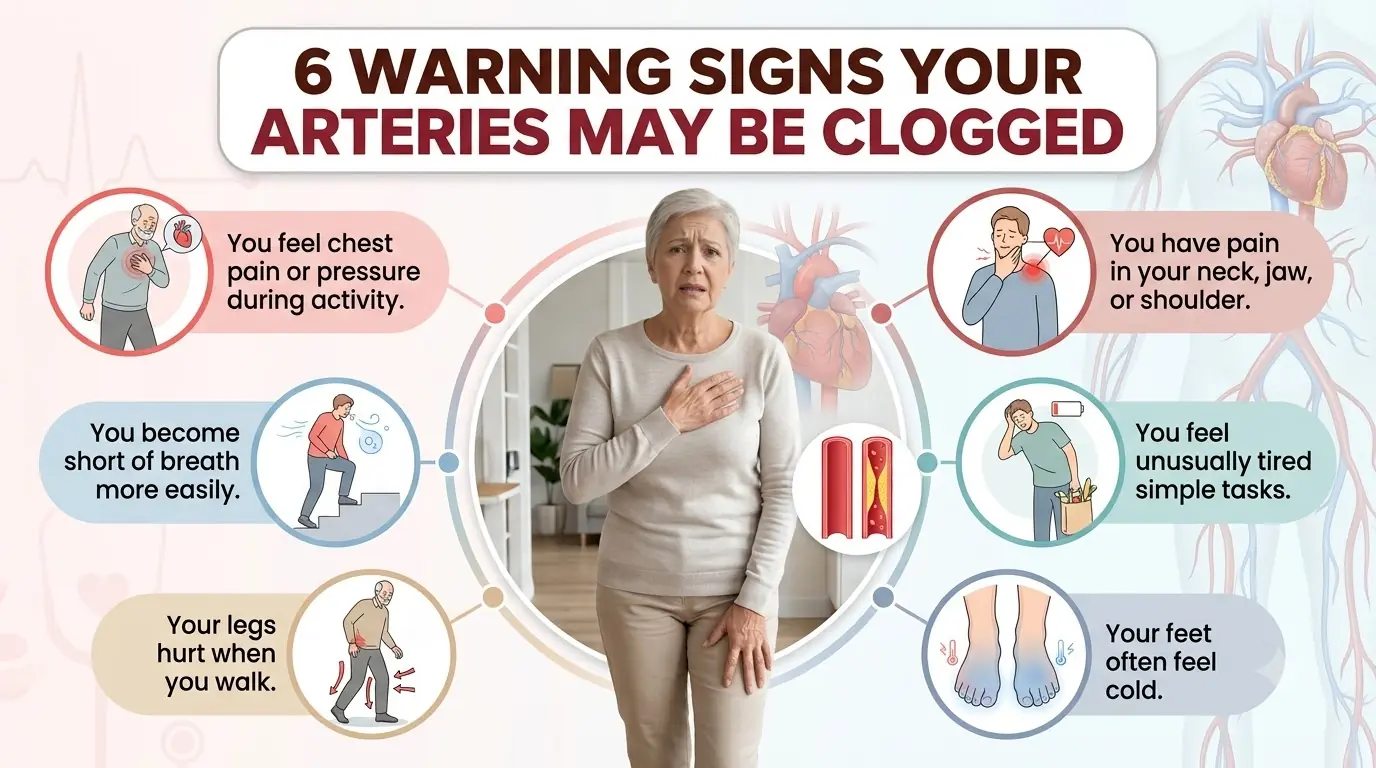
6 WARNING SIGNS YOUR ARTERIES MAY BE CLOGGED

"She Doesn't Speak Chinese," A Millionaire Bet $100K a Black Waitress Couldn't Speak Chinese
6 THINGS OLDER PEOPLE RARELY SAY OUT LOUD
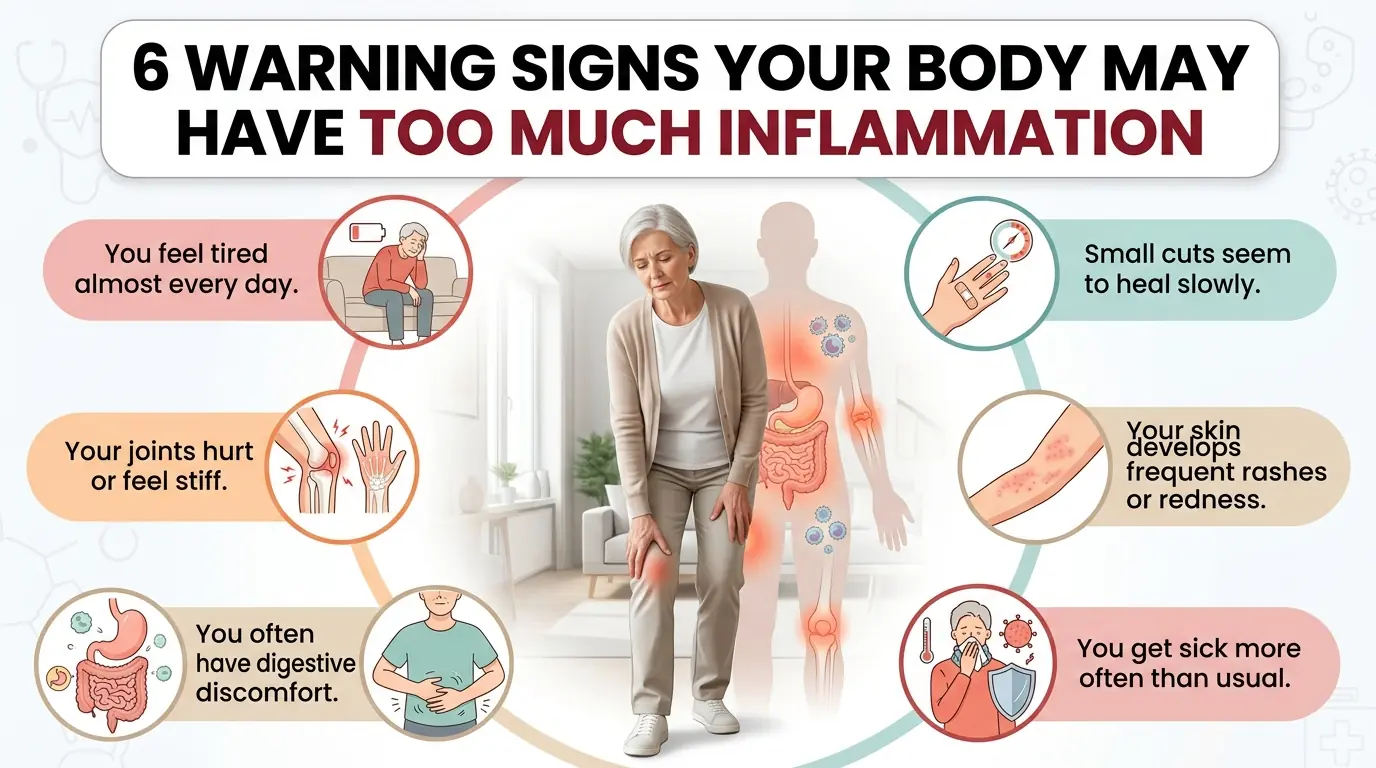
6 WARNING SIGNS YOUR BODY MAY HAVE TOO MUCH INFLAMMATION
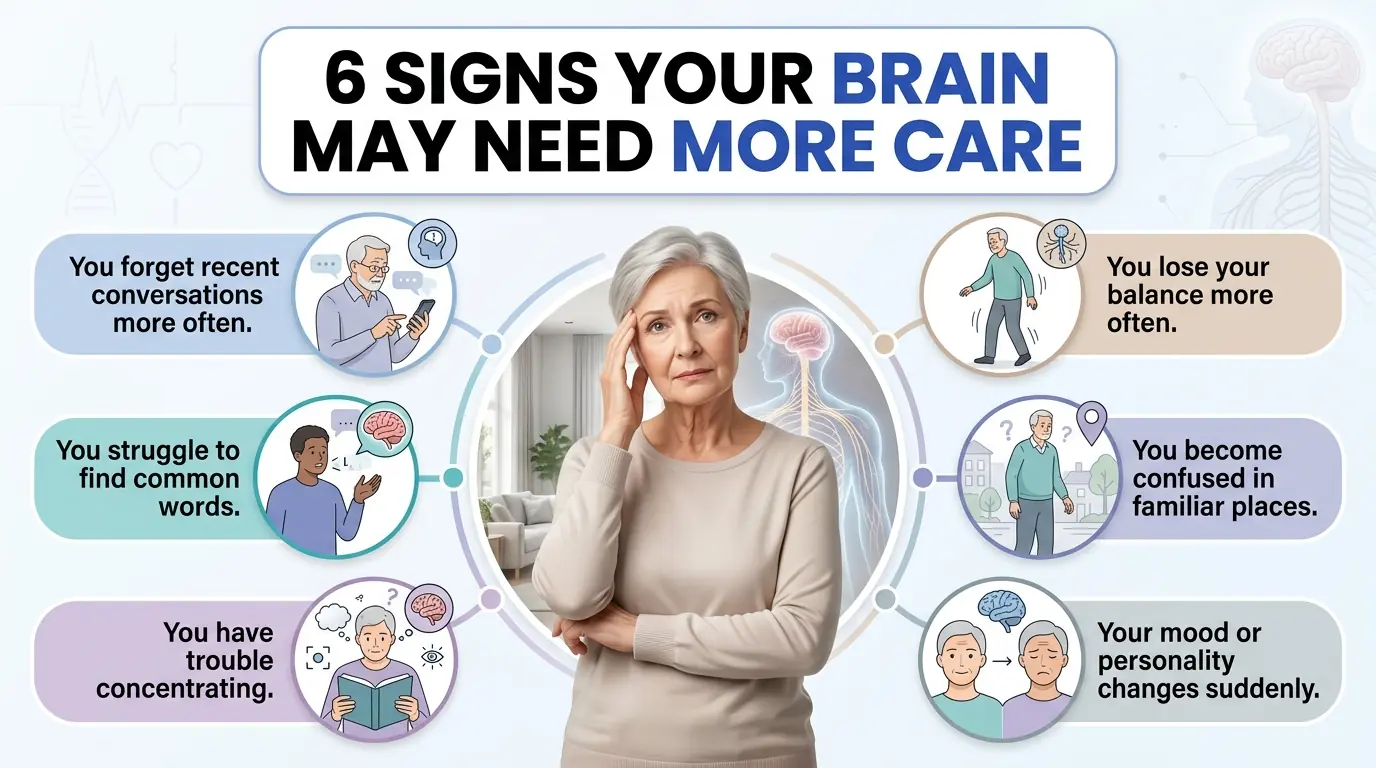
6 SIGNS YOUR BRAIN MAY NEED MORE CARE