6 WARNING SIGNS YOUR BONES MAY BE GETTING WEAKER
Reader Theme:
Font Size:
24px
6 WARNING SIGNS YOUR BONES MAY BE GETTING WEAKER
Bone loss often happens quietly. Unlike many health conditions, osteoporosis usually doesn't cause noticeable symptoms while bones are gradually becoming weaker. For some people, the first obvious sign is a fracture after a relatively minor fall or everyday movement.
This becomes especially important with age. As bone density decreases, the bones of the spine, hip, wrist, and other areas can become more vulnerable to fractures. Some spinal fractures can even happen without a memorable injury and may initially be mistaken for ordinary back pain.
Knowing the warning signs and your personal risk factors can help you discuss bone-density testing and prevention with your healthcare provider before a serious fracture occurs.
What Happens When Bones Become Weaker?
Bone is living tissue that is constantly being broken down and rebuilt.
During childhood and early adulthood, the body generally builds bone faster than it loses it. Later in life, bone breakdown can begin to exceed new bone formation.
When bone mineral density becomes lower than normal but hasn't reached the threshold for osteoporosis, it may be classified as osteopenia. More substantial loss of bone strength may lead to osteoporosis.
Osteoporosis makes bones more fragile and increases the likelihood that an ordinary fall—or sometimes even movements such as bending or lifting—can cause a fracture.
1. You Have Lost Noticeable Height Over Time
Getting slightly shorter with age can happen for several reasons, including changes in the discs between the vertebrae.
However, significant or progressive height loss can sometimes indicate compression fractures in the spine.
These fractures occur when weakened vertebrae partially collapse.
Surprisingly, vertebral compression fractures don't always cause severe pain. Some people develop several without realizing it.
Over time, you may notice:
- Clothes fitting differently.
- Difficulty reaching things that were once easy to reach.
- A measurable decrease in height.
- Changes in the shape of your upper back.
Noticeable height loss is worth discussing with your healthcare provider, particularly if you have other osteoporosis risk factors.
2. Your Posture Is Becoming More Stooped
A progressively rounded or stooped upper back can sometimes result from osteoporosis-related compression fractures.
When vertebrae weaken and collapse, the spine may gradually curve forward. This exaggerated curvature of the upper back is known as kyphosis.
In more severe cases, changes in posture may affect:
- Balance.
- Mobility.
- Ability to perform daily activities.
- Breathing capacity.
A stooped posture doesn't automatically mean someone has osteoporosis. Muscle weakness, arthritis, spinal conditions, and habitual posture can also contribute.
However, a new or worsening spinal curve should be medically evaluated.
3. You Develop Sudden or Persistent Back Pain
Back pain is extremely common and is usually caused by muscles, joints, or discs rather than osteoporosis.
But sudden back pain—particularly in an older adult or someone at high risk for osteoporosis—can sometimes indicate a vertebral compression fracture.
A weakened vertebra may fracture after relatively minor stress, including:
- Bending.
- Lifting something.
- Coughing forcefully.
- A minor fall.
Pain may begin suddenly or develop gradually.
Persistent unexplained back pain, particularly when accompanied by height loss or changes in posture, deserves medical evaluation.
4. You Break a Bone After a Minor Fall
Breaking a bone after an accident doesn't automatically mean your bones are weak.
The circumstances matter.
A fracture that occurs after a relatively minor event—such as falling from standing height—may be considered a fragility fracture.
Common osteoporosis-related fracture locations include the:
- Hip.
- Wrist.
- Spine.
- Upper arm.
A fragility fracture can be an important warning sign that your bones are less resistant to everyday stresses than they should be.
If this happens, ask your healthcare provider whether osteoporosis evaluation and bone-density testing are appropriate.
5. You Have Already Had a Fracture After Age 50
A previous low-trauma fracture is one of the most important clues that future fracture risk may be elevated.
This doesn't mean every fracture occurring after age 50 is caused by osteoporosis. A fracture from a major car accident or high-impact injury is very different from one caused by a simple fall.
However, fractures resulting from relatively minor trauma deserve particular attention.
After a fracture, your healthcare provider may assess:
- Bone mineral density.
- Calcium and vitamin D status when appropriate.
- Medications that affect bone health.
- Fall risk.
- Other medical conditions that contribute to osteoporosis.
Identifying the underlying problem can help reduce the likelihood of another fracture.
6. You Have Major Risk Factors Without Realizing It
Perhaps the most important warning sign is one you cannot see.
Because osteoporosis can remain silent for years, knowing your risk factors is critical.
Risk may increase with:
- Older age.
- Menopause and lower estrogen levels.
- Low body weight.
- Smoking.
- Heavy alcohol consumption.
- Family history of osteoporosis or hip fracture.
- Long periods of physical inactivity.
- Certain medical conditions.
- Long-term use of medications that weaken bones.
Long-term treatment with corticosteroid medicines such as prednisone is an especially important medication-related risk factor.
Having one risk factor doesn't mean you'll develop osteoporosis, but multiple risk factors may justify earlier screening.
Who Is Most at Risk for Osteoporosis?
Osteoporosis becomes more common as people age, particularly among postmenopausal women.
However, men can develop osteoporosis too and may be underdiagnosed.
Risk may also be increased among people who have conditions affecting nutrient absorption, certain hormonal disorders, rheumatoid arthritis, or diseases requiring prolonged corticosteroid treatment.
Your healthcare provider can consider your age, medical history, medications, previous fractures, and other factors when estimating your fracture risk.
How Is Osteoporosis Detected?
Because osteoporosis often produces no symptoms before a fracture, testing can be much more useful than waiting for warning signs.
The most common test is a DXA or DEXA scan, which measures bone mineral density.
It is quick, noninvasive, and usually focuses on areas where osteoporosis-related fractures commonly occur, such as the hip and spine.
Screening recommendations vary according to age, sex, and individual risk factors. Your healthcare provider can determine when testing is appropriate for you.
How to Help Keep Your Bones Strong
Bone health depends on more than calcium alone.
Several lifestyle habits can help maintain bone strength and reduce fracture risk:
- Perform regular weight-bearing activities such as walking.
- Include resistance or strength training.
- Get adequate calcium through food whenever possible.
- Maintain adequate vitamin D.
- Eat enough protein as part of a balanced diet.
- Avoid smoking.
- Limit excessive alcohol consumption.
- Maintain a healthy body weight.
- Reduce fall hazards around the home.
For older adults, exercises that improve balance and strength are particularly valuable because preventing falls can substantially reduce fracture risk.
Some people with osteoporosis also need prescription medication to reduce fracture risk. Treatment should be individualized by a healthcare professional.
When Should You See a Doctor?
Talk with your healthcare provider if you:
- Have lost noticeable height.
- Develop a progressively stooped posture.
- Experience unexplained or sudden back pain.
- Break a bone after a minor fall.
- Have experienced a low-trauma fracture after age 50.
- Have multiple osteoporosis risk factors.
- Have taken corticosteroid medications for an extended period.
Seek prompt medical attention after a fall if you develop severe hip or back pain, cannot stand or walk normally, or suspect that you may have broken a bone.
Key Takeaways
- Osteoporosis often causes no symptoms until a fracture occurs.
- Significant height loss and increasingly stooped posture can sometimes result from spinal compression fractures.
- Sudden unexplained back pain may occasionally indicate a weakened vertebra.
- Breaking a bone after a minor fall is an important reason to evaluate bone health.
- A previous low-trauma fracture after age 50 can predict increased risk of future fractures.
- Age, low body weight, smoking, certain diseases, and some medications can increase osteoporosis risk.
- Weight-bearing exercise, strength training, adequate nutrition, fall prevention, and appropriate medical screening can help protect your bones.
Medical Disclaimer
This article is for educational purposes only and is not a substitute for professional medical advice, diagnosis, or treatment. Osteoporosis frequently develops without symptoms, so symptoms alone cannot determine whether your bones are healthy. If you have experienced a low-trauma fracture, significant height loss, persistent back pain, or have risk factors for osteoporosis, speak with a qualified healthcare provider about appropriate evaluation and bone-density testing.
News in the same category
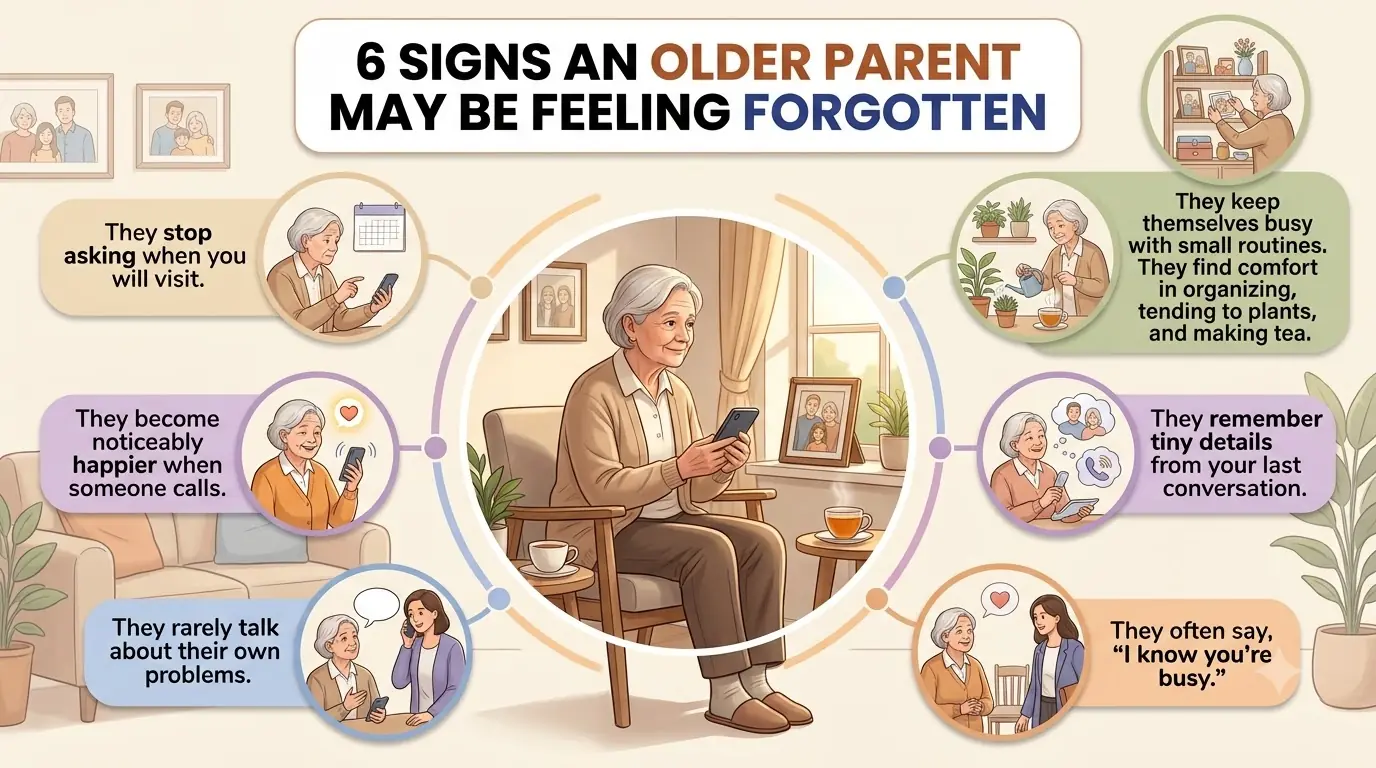
6 SIGNS AN OLDER PARENT MAY BE FEELING FORGOTTEN
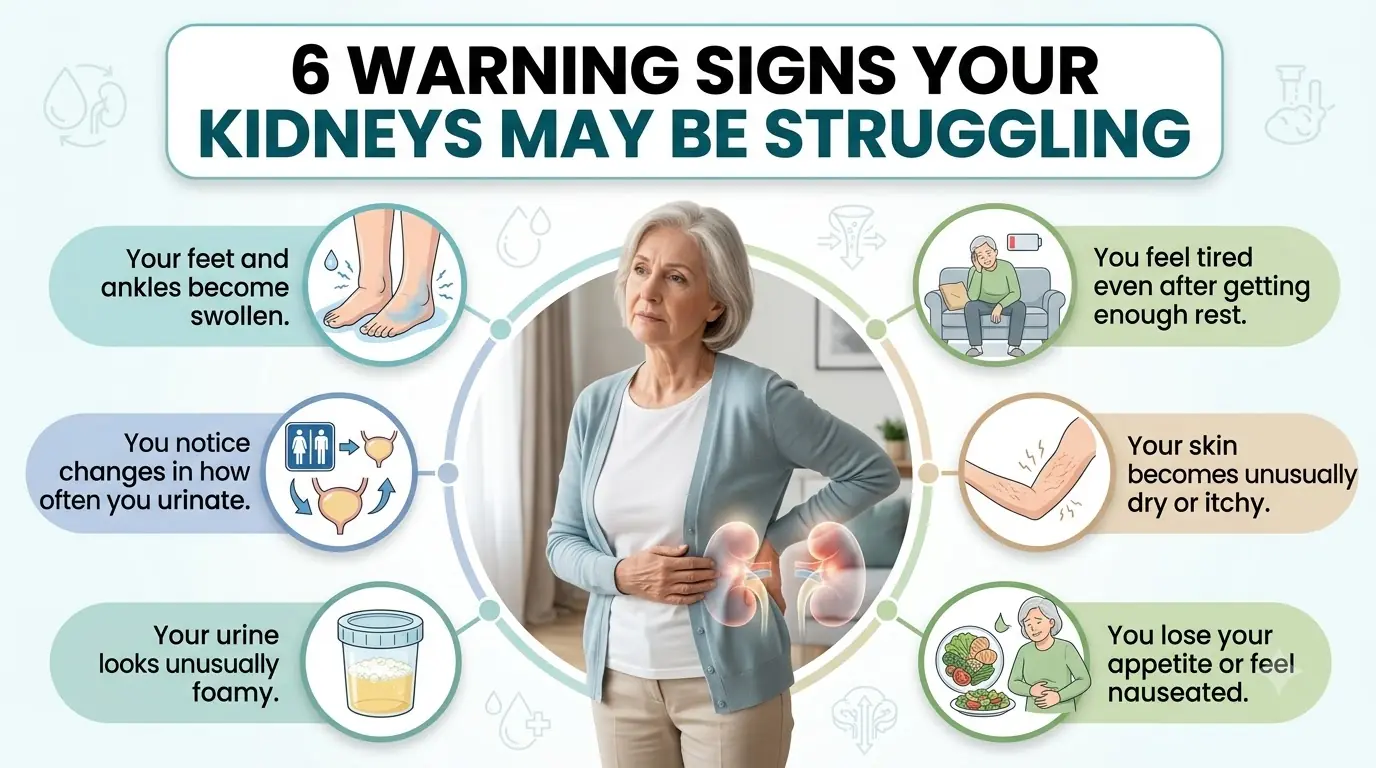
6 WARNING SIGNS YOUR KIDNEYS MAY BE STRUGGLING
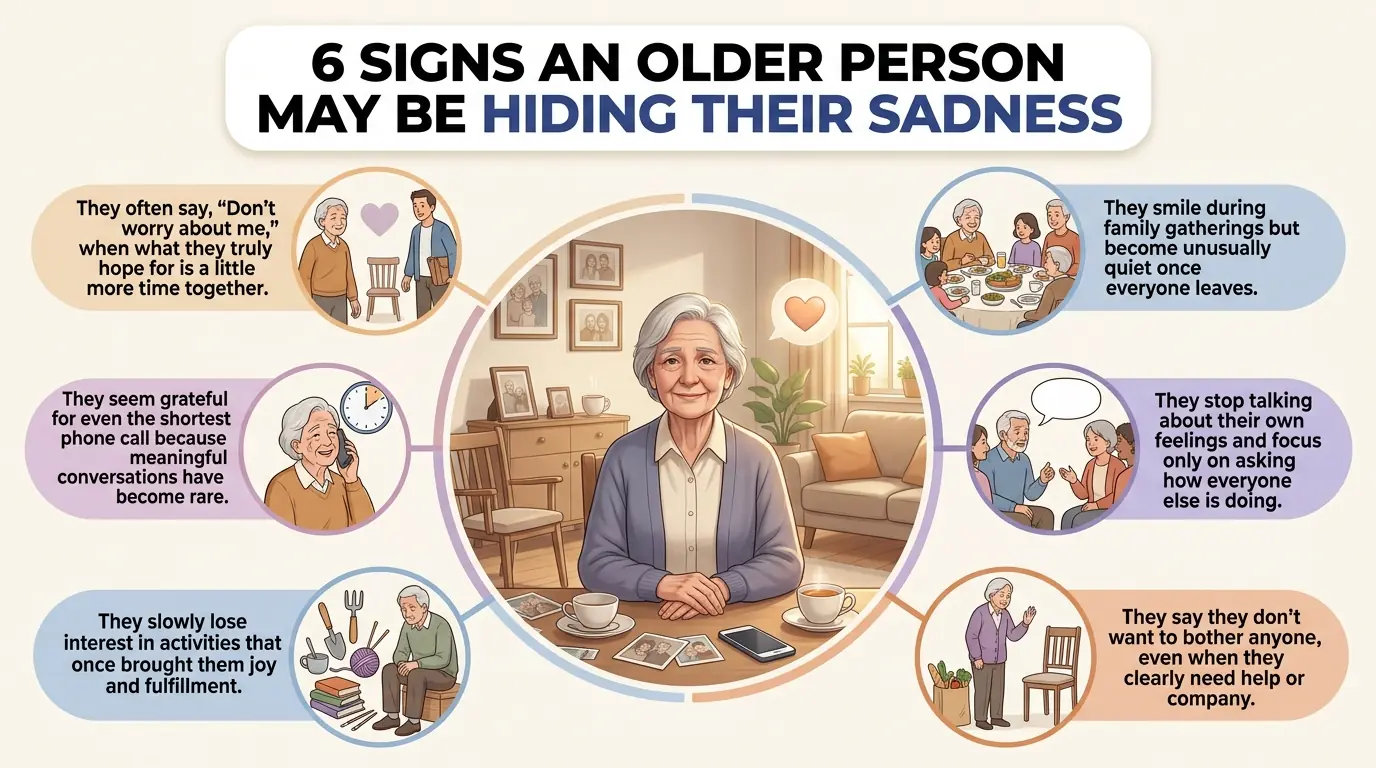
6 SIGNS AN OLDER PERSON MAY BE HIDING THEIR SADNESS
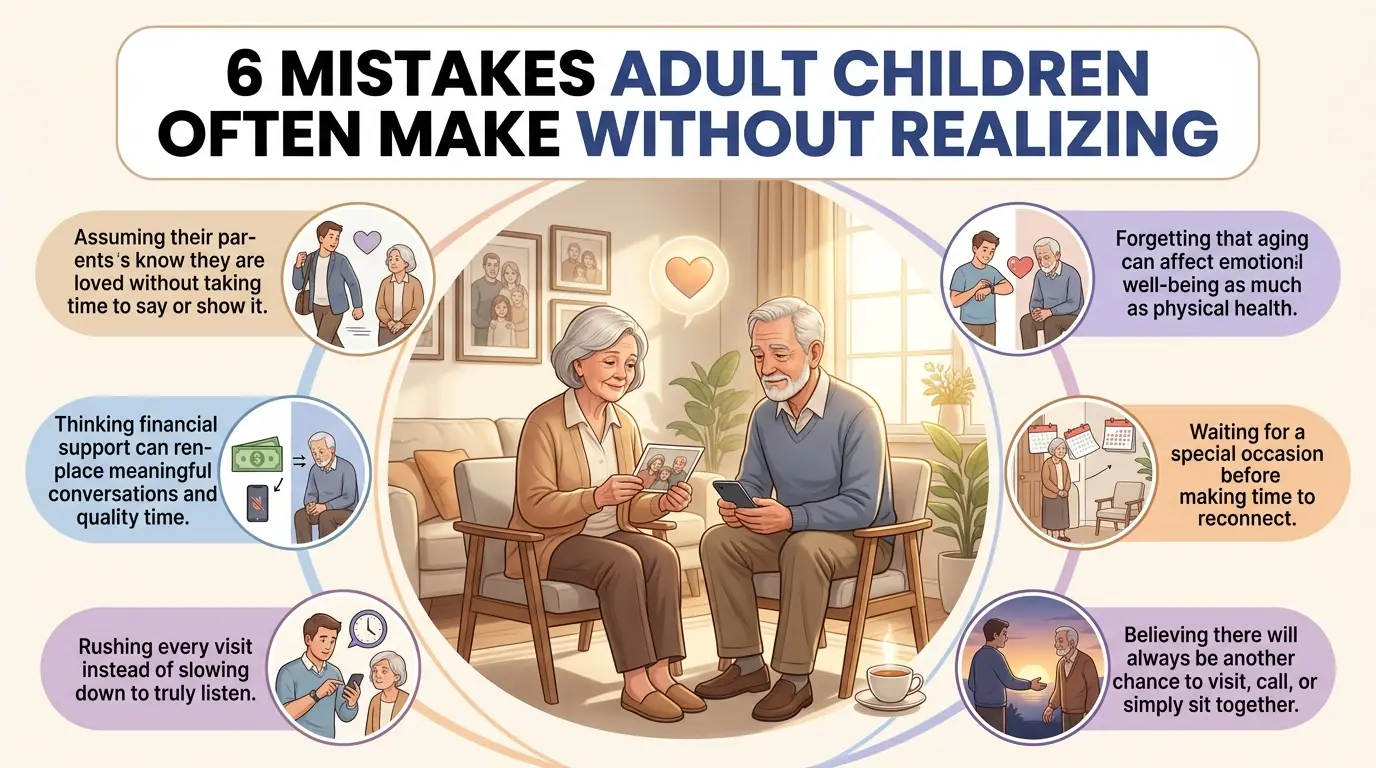
6 MISTAKES ADULT CHILDREN OFTEN MAKE WITHOUT REALIZING
6 WARNING SIGNS YOUR LEGS MAY HAVE POOR CIRCULATION
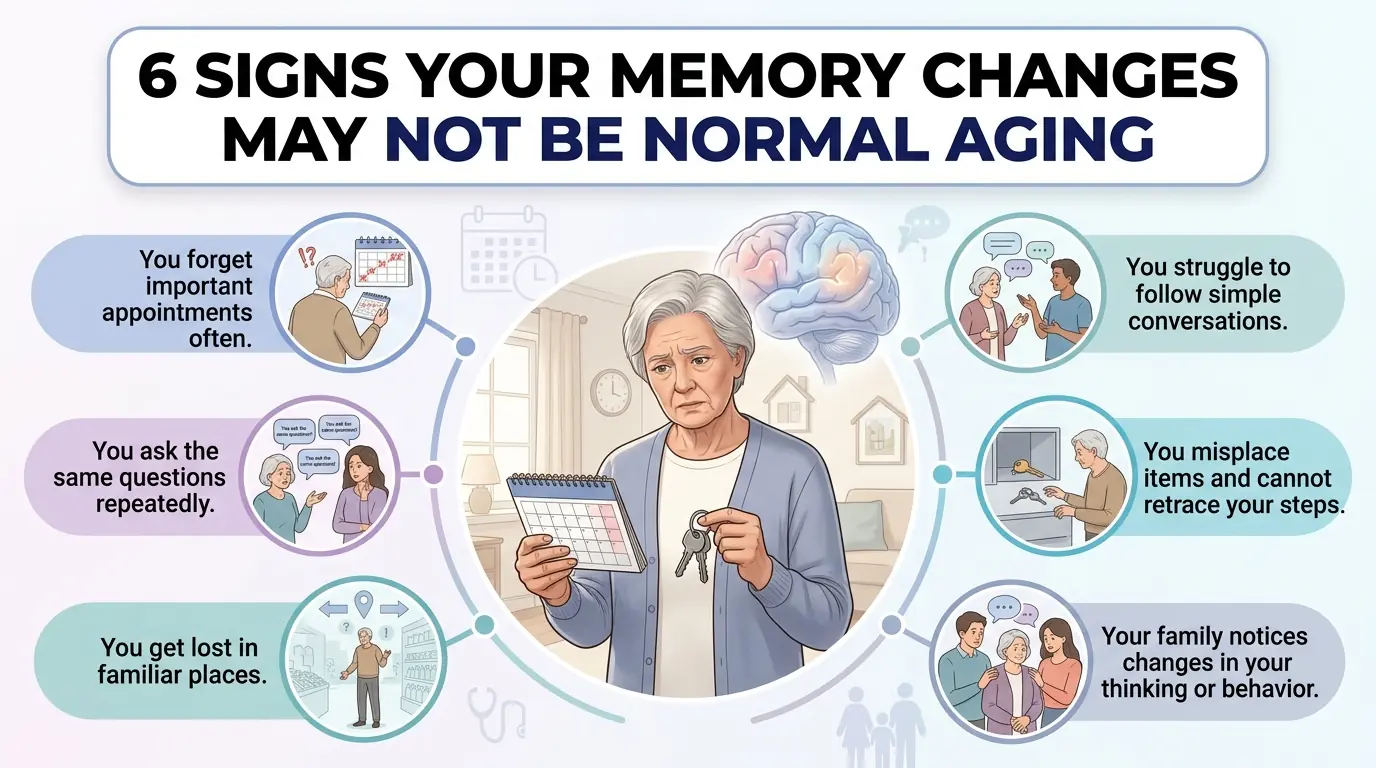
6 SIGNS YOUR MEMORY CHANGES MAY NOT BE NORMAL AGING
6 WARNING SIGNS YOUR BODY MAY BE DEVELOPING DIABETES
6 WARNING SIGNS YOUR HEART MAY NOT BE GETTING ENOUGH BLOOD
7 SIGNS YOUR ELDERLY PARENT MAY NEED MORE EMOTIONAL SUPPORT
6 WARNING SIGNS YOUR BODY MAY BE LOW IN MAGNESIUM
6 WARNING SIGNS YOUR BODY MAY BE LOSING MUSCLE AFTER 60
6 SIGNS YOUR BODY MAY NEED MORE PROTEIN AFTER 60
6 WARNING SIGNS YOUR ARTERIES MAY BE CLOGGED

"She Doesn't Speak Chinese," A Millionaire Bet $100K a Black Waitress Couldn't Speak Chinese
6 THINGS OLDER PEOPLE RARELY SAY OUT LOUD
6 WARNING SIGNS YOUR BODY MAY HAVE TOO MUCH INFLAMMATION
6 SIGNS YOUR BRAIN MAY NEED MORE CARE