6 WARNING SIGNS YOUR LEGS MAY HAVE POOR CIRCULATION
Reader Theme:
Font Size:
24px
6 WARNING SIGNS YOUR LEGS MAY HAVE POOR CIRCULATION
Healthy circulation is essential for keeping your legs and feet supplied with oxygen and nutrients. When blood flow becomes reduced, your muscles, skin, and nerves may not receive everything they need to function properly. One common cause is peripheral artery disease (PAD), a condition in which fatty deposits narrow the arteries that carry blood to the legs.
Poor circulation often develops gradually, so many people dismiss the early symptoms as a normal part of aging. However, recognizing these warning signs early can lead to timely treatment and help reduce the risk of serious complications, including non-healing wounds, infections, heart attack, and stroke.
While these symptoms don't always mean you have poor circulation, persistent or worsening changes should always be evaluated by a healthcare professional.
What Is Poor Circulation?
Poor circulation occurs when blood cannot flow efficiently through the arteries to deliver oxygen and nutrients to tissues.
One of the most common causes in the legs is peripheral artery disease, which develops when plaque made of cholesterol, fat, calcium, and inflammatory cells builds up inside the arteries.
As blood flow decreases, the muscles, skin, and nerves may not receive enough oxygen, especially during physical activity.
People with PAD are also more likely to have coronary artery disease and carotid artery disease because atherosclerosis often affects multiple blood vessels throughout the body.
1. Your Legs Hurt When You Walk
Pain that develops while walking and improves with rest is one of the hallmark symptoms of peripheral artery disease.
This symptom is called claudication.
You may notice:
- Cramping in the calves.
- Pain in the thighs or buttocks.
- Aching after walking a certain distance.
- Symptoms that disappear after a few minutes of rest.
The discomfort occurs because narrowed arteries cannot deliver enough oxygen-rich blood to the working muscles during exercise.
As the condition progresses, the walking distance before pain begins may become shorter.
2. Your Feet Often Feel Cold
Reduced blood flow may cause one or both feet to feel noticeably colder than the rest of your body.
You may also notice:
- Cold toes.
- Difficulty warming your feet.
- Pale or bluish skin.
- One foot feeling colder than the other.
Cold feet can also result from cold weather, thyroid disorders, nerve problems, or other medical conditions, but persistent temperature changes should not be ignored.
3. Your Wounds Heal Slowly
Healthy circulation is essential for wound healing.
Oxygen and nutrients carried by the blood help repair damaged tissue and fight infection.
When circulation is poor, even small cuts, blisters, or sores may:
- Heal very slowly.
- Become infected more easily.
- Reopen after appearing to heal.
- Develop into chronic wounds.
People with diabetes are especially vulnerable because diabetes and poor circulation often occur together.
Any foot wound that doesn't improve within a reasonable time should be evaluated promptly.
4. You Notice Numbness or Weakness in Your Legs
Reduced blood flow may affect both muscles and nerves.
You may experience:
- Numbness.
- Tingling.
- Weakness.
- Heaviness in the legs.
- Difficulty walking long distances.
Although nerve disorders, spinal problems, and vitamin deficiencies can also cause these symptoms, poor circulation should be considered—especially when symptoms occur during activity or are accompanied by leg pain.
5. The Skin on Your Legs Looks Shiny or Changes Color
Poor circulation can gradually change the appearance of your skin.
You might notice:
- Smooth, shiny skin.
- Pale skin when the leg is elevated.
- Red or purplish skin when the leg hangs down.
- Thin, fragile skin.
- Thickened toenails.
These changes occur because tissues aren't receiving enough oxygen and nutrients to maintain normal skin health.
Any persistent color changes or sores should be evaluated by a healthcare provider.
6. You Have Little or No Hair Growing on Your Legs
Hair follicles depend on a healthy blood supply.
When circulation is reduced over a long period, hair growth on the legs and feet may gradually decrease.
You may notice:
- Sparse hair on the lower legs.
- Hair disappearing around the ankles.
- Smooth, hairless skin where hair once grew normally.
Hair loss on the legs alone doesn't confirm poor circulation, but when it occurs alongside other symptoms, it may suggest reduced blood flow.
Other Symptoms That May Occur
Depending on the severity of reduced circulation, additional symptoms may include:
- Weak or absent pulses in the feet.
- Burning pain in the feet during rest.
- Foot ulcers.
- Thick or brittle toenails.
- Muscle cramps at night.
- Difficulty climbing stairs.
Some people have very few symptoms until circulation becomes significantly impaired.
Who Is Most at Risk?
Your risk of poor circulation and peripheral artery disease is higher if you:
- Smoke or have smoked in the past.
- Have diabetes.
- Have high blood pressure.
- Have high cholesterol.
- Are over age 65.
- Have obesity.
- Live a physically inactive lifestyle.
- Have chronic kidney disease.
- Have a history of heart attack or stroke.
Managing these risk factors can significantly reduce the likelihood of developing peripheral artery disease.
How to Help Improve Circulation
Healthy lifestyle habits can help protect your blood vessels and support healthy circulation.
Experts recommend:
- Walk regularly, as supervised walking programs can improve symptoms of peripheral artery disease.
- Stop smoking if you use tobacco.
- Control blood pressure, cholesterol, and blood sugar.
- Eat a heart-healthy diet rich in fruits, vegetables, whole grains, legumes, and healthy fats.
- Maintain a healthy weight.
- Stay physically active.
- Take prescribed medications exactly as directed.
- Inspect your feet regularly, especially if you have diabetes.
Early treatment can improve symptoms and reduce the risk of complications.
When Should You See a Doctor?
Schedule an appointment with your healthcare provider if you experience:
- Leg pain while walking.
- Persistent cold feet.
- Slow-healing wounds.
- Numbness or weakness in your legs.
- Skin color changes.
- Hair loss on your legs accompanied by other circulation symptoms.
Seek immediate medical care if you develop:
- Sudden severe pain in one leg.
- A leg that becomes pale, cold, or numb suddenly.
- Loss of movement in the foot or leg.
- A rapidly worsening wound or signs of infection such as increasing redness, swelling, or fever.
These symptoms may indicate a medical emergency requiring urgent treatment.
Key Takeaways
- Poor circulation in the legs is commonly caused by peripheral artery disease, which narrows the arteries that supply blood to the lower limbs.
- Leg pain during walking that improves with rest is one of the most common warning signs.
- Cold feet, slow-healing wounds, numbness, and skin changes may also indicate reduced blood flow.
- Hair loss on the legs can occur when circulation has been reduced over a long period.
- Healthy lifestyle habits, including regular exercise, smoking cessation, and management of diabetes, blood pressure, and cholesterol, can help protect your circulation.
- Early diagnosis and treatment can improve symptoms and reduce the risk of heart attack, stroke, and limb complications.
Medical Disclaimer
This article is for educational purposes only and is not intended to replace professional medical advice, diagnosis, or treatment. Symptoms of poor circulation can have many causes and require proper medical evaluation. If you experience persistent leg pain, slow-healing wounds, sudden changes in skin color, or severe pain with a cold or numb leg, seek prompt medical care. Early diagnosis and treatment can help prevent serious complications.
News in the same category
6 SIGNS AN OLDER PARENT MAY BE FEELING FORGOTTEN
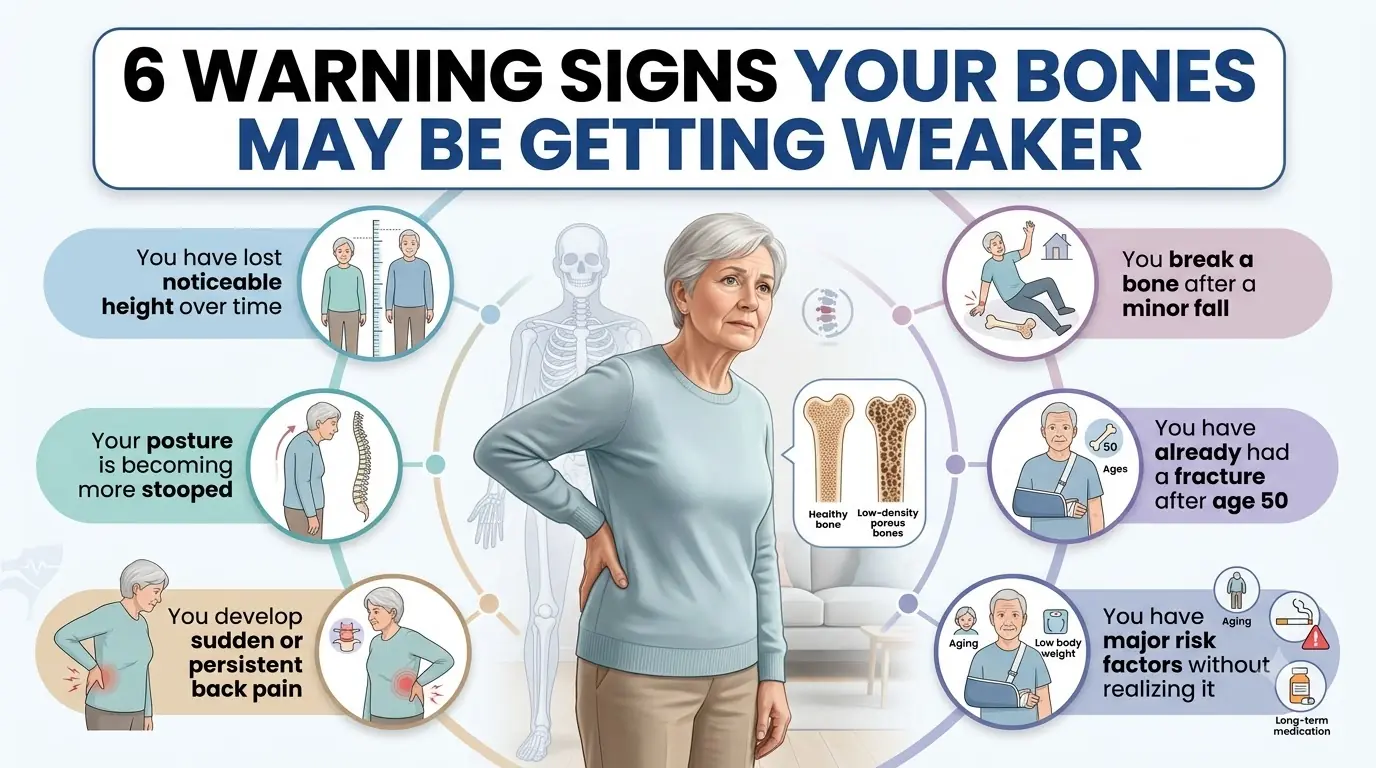
6 WARNING SIGNS YOUR BONES MAY BE GETTING WEAKER
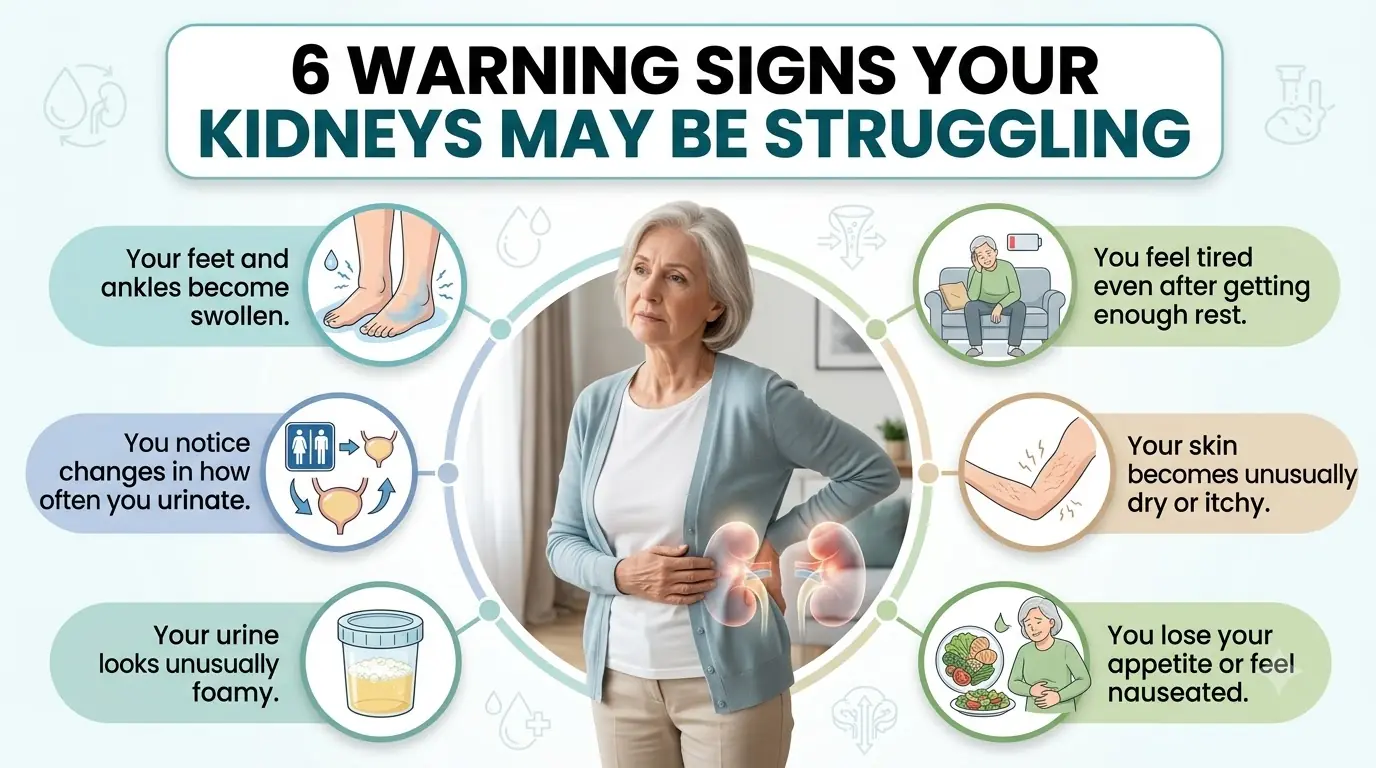
6 WARNING SIGNS YOUR KIDNEYS MAY BE STRUGGLING
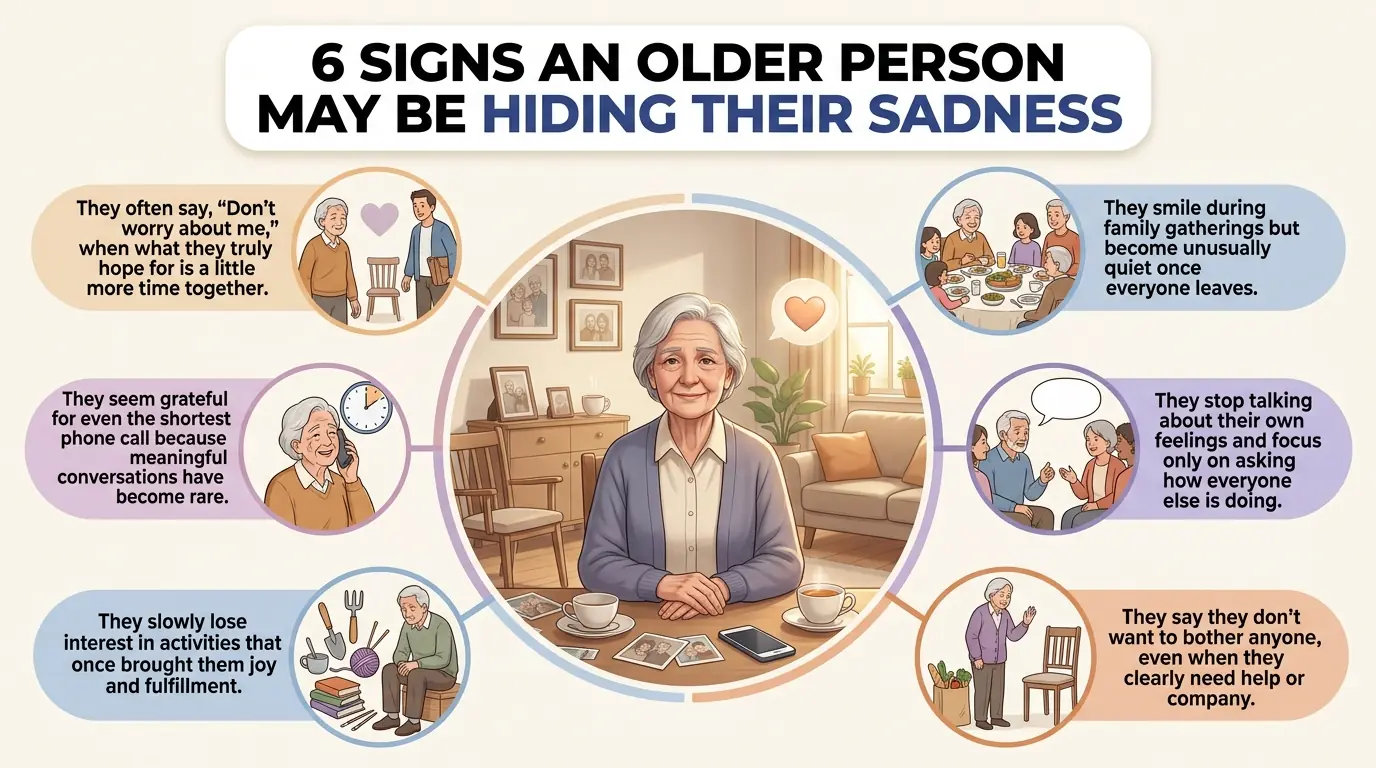
6 SIGNS AN OLDER PERSON MAY BE HIDING THEIR SADNESS
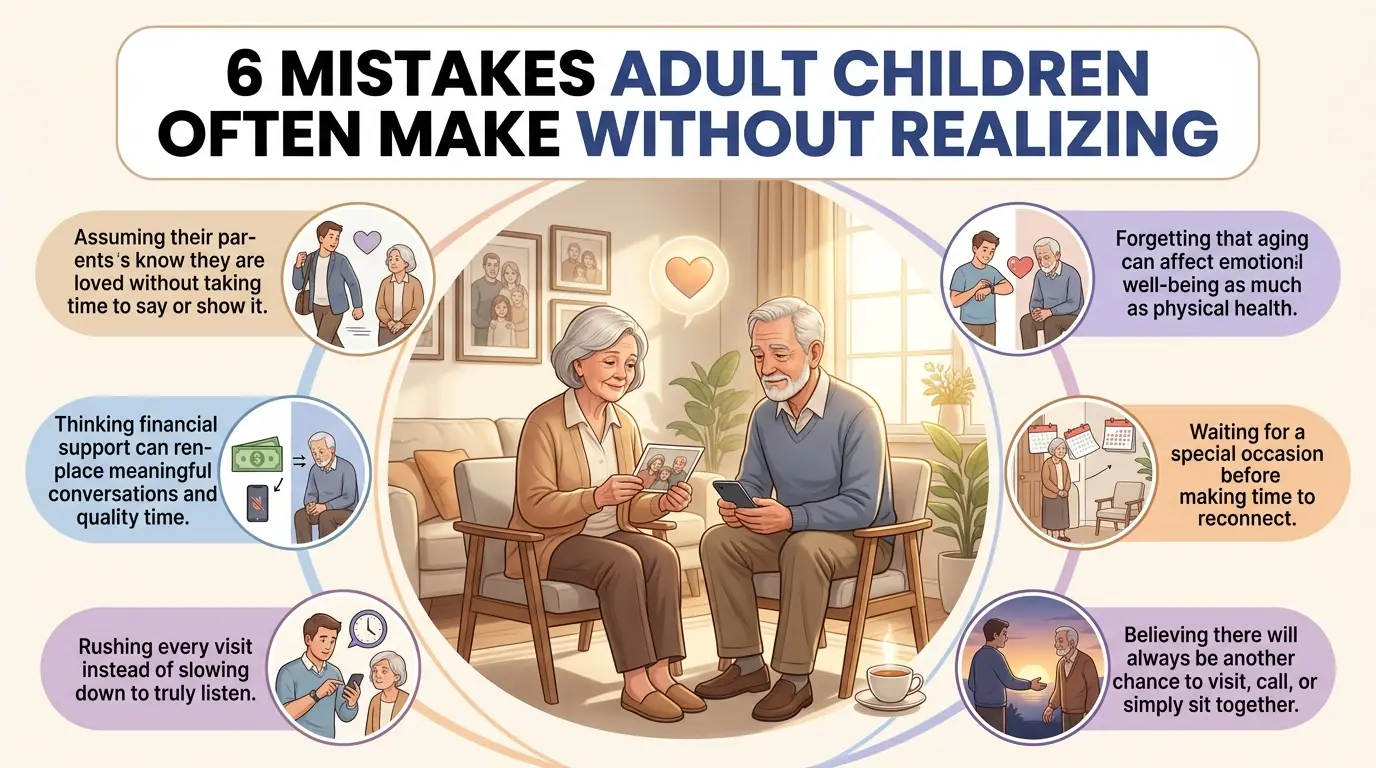
6 MISTAKES ADULT CHILDREN OFTEN MAKE WITHOUT REALIZING
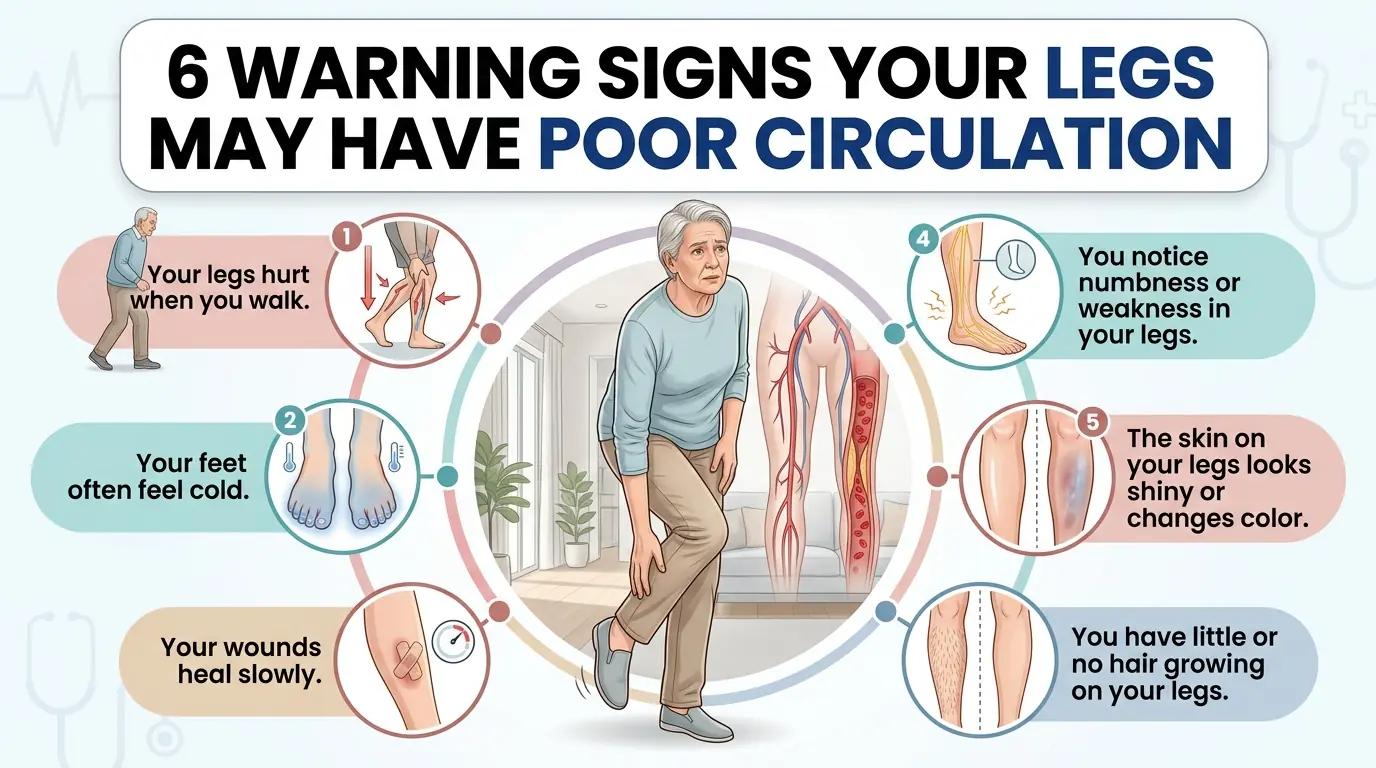
6 WARNING SIGNS YOUR BODY MAY BE DEVELOPING DIABETES
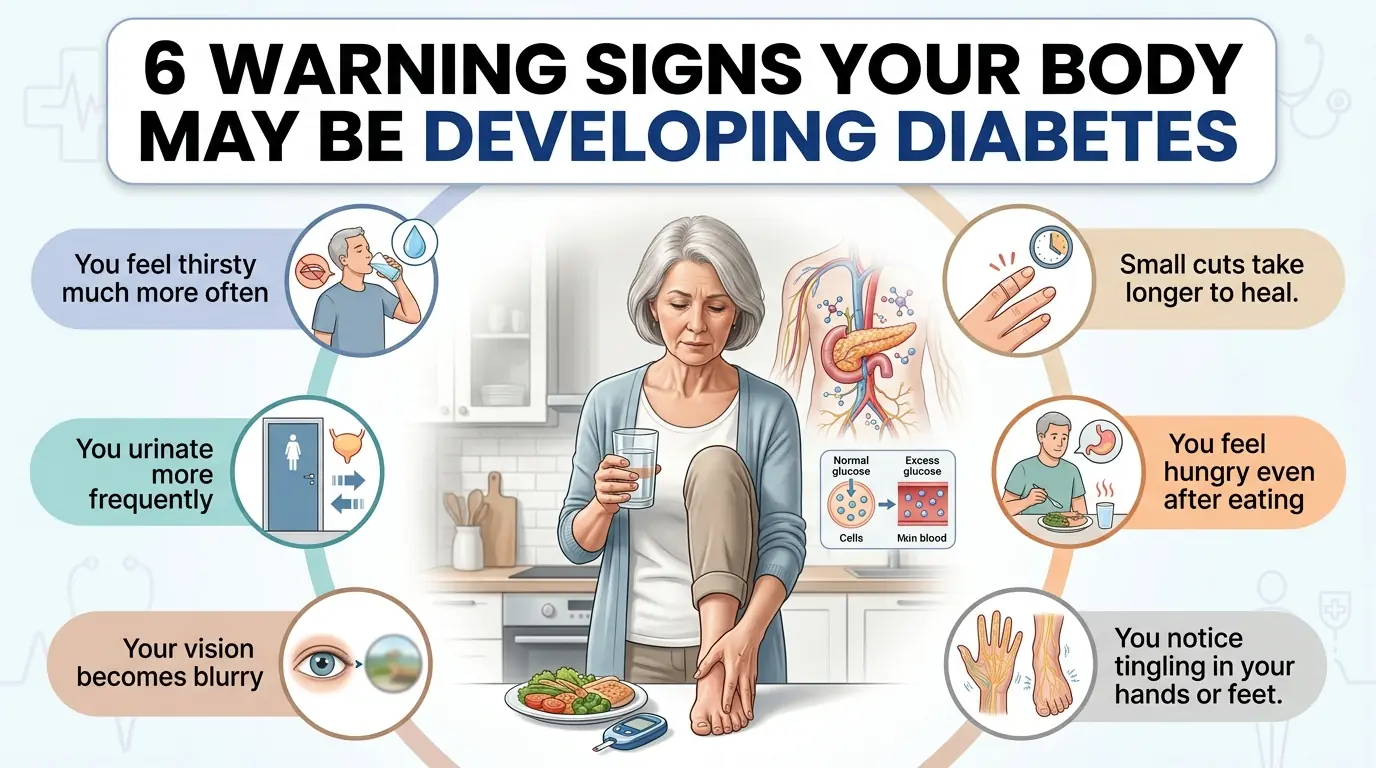
6 WARNING SIGNS YOUR HEART MAY NOT BE GETTING ENOUGH BLOOD
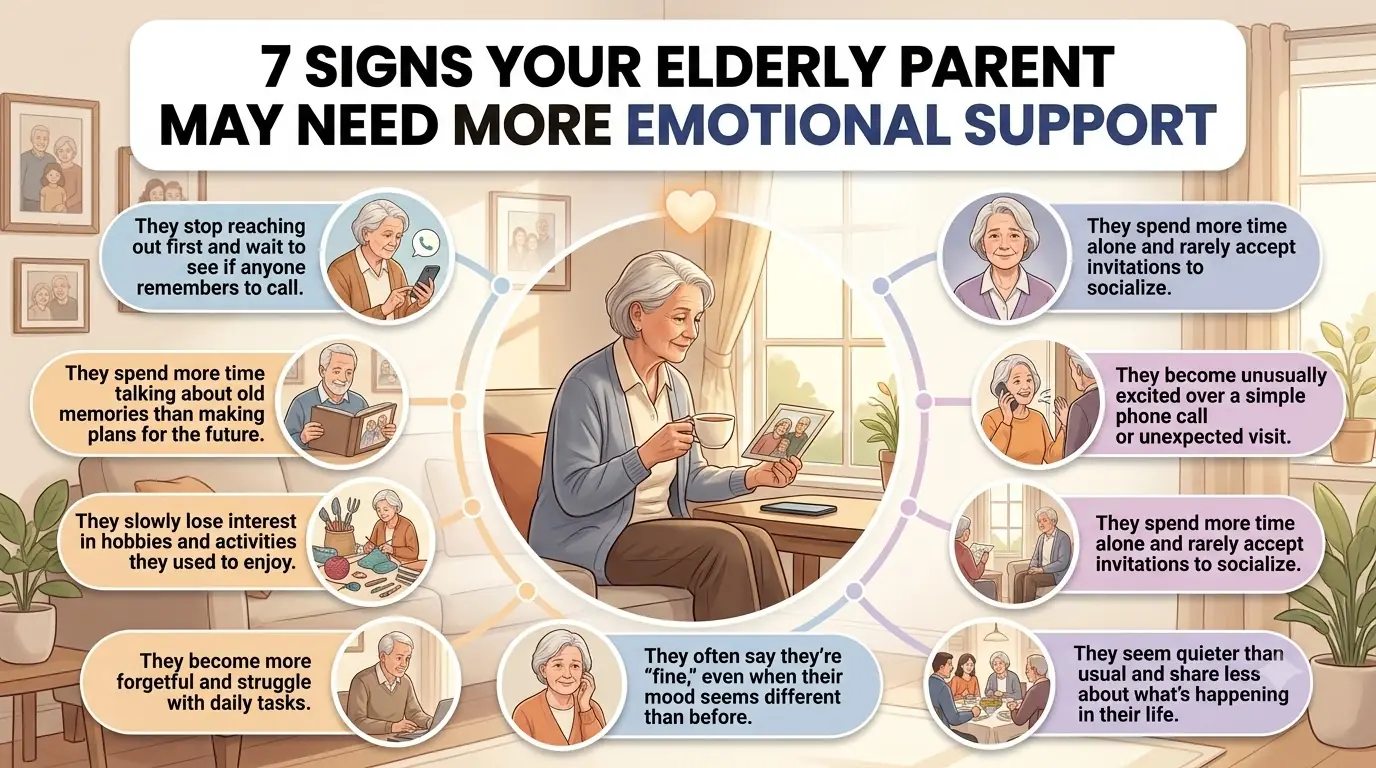
7 SIGNS YOUR ELDERLY PARENT MAY NEED MORE EMOTIONAL SUPPORT
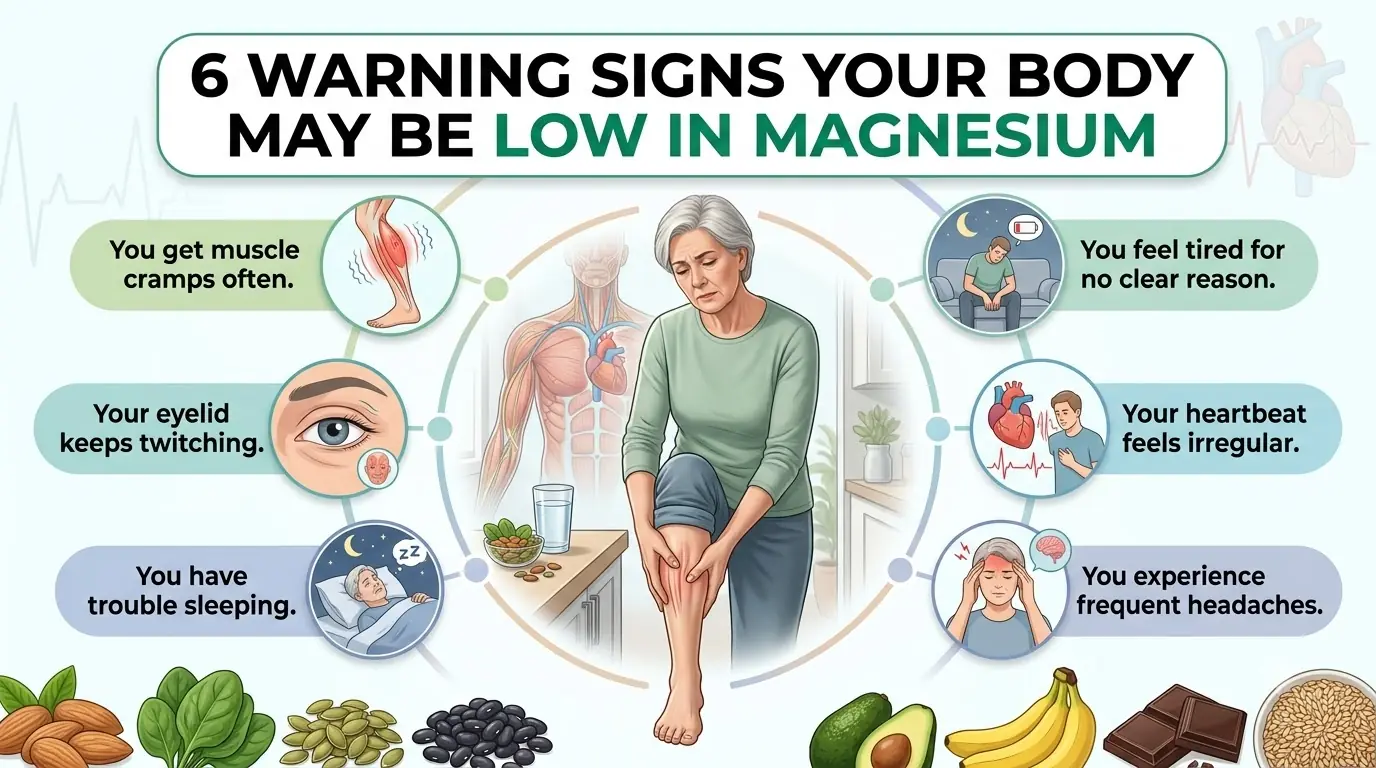
6 WARNING SIGNS YOUR BODY MAY BE LOW IN MAGNESIUM
6 WARNING SIGNS YOUR BODY MAY BE LOSING MUSCLE AFTER 60
6 SIGNS YOUR BODY MAY NEED MORE PROTEIN AFTER 60
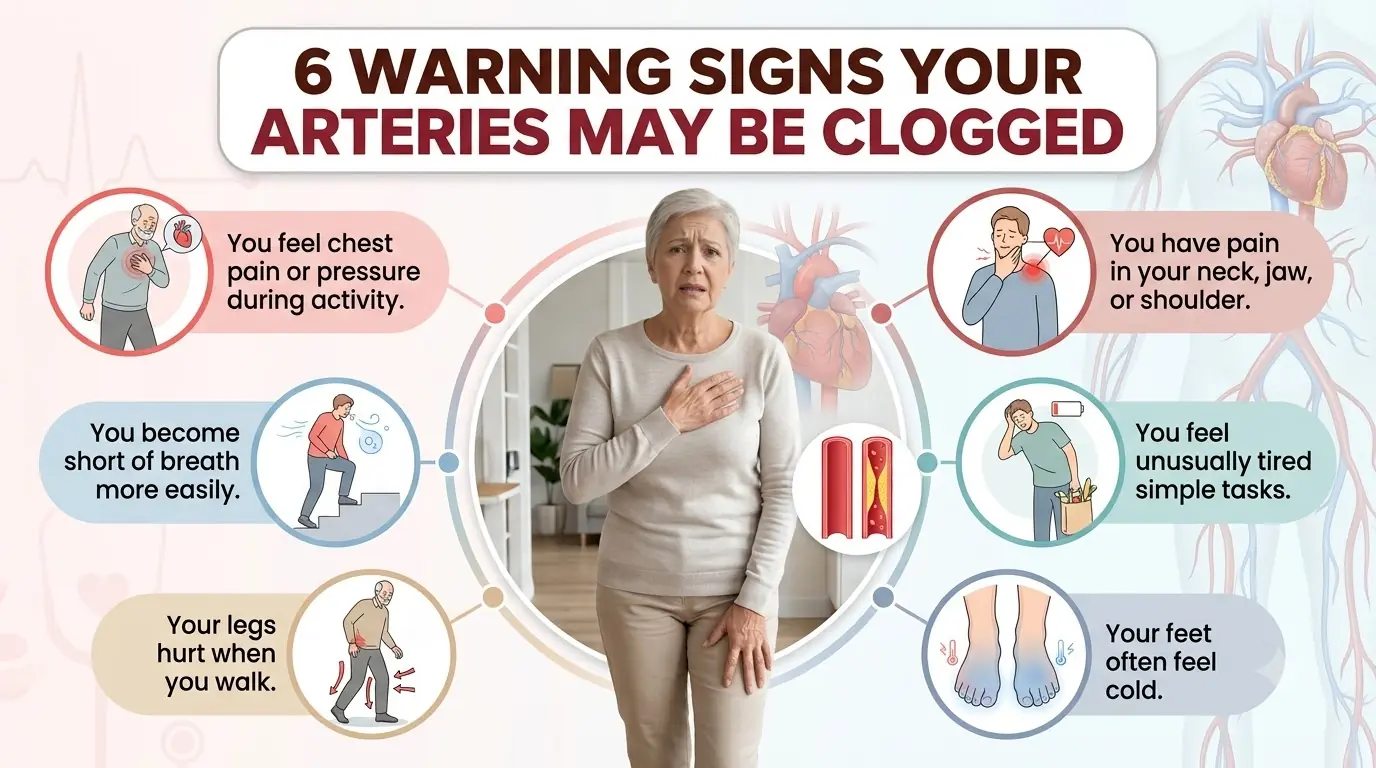
6 WARNING SIGNS YOUR ARTERIES MAY BE CLOGGED

"She Doesn't Speak Chinese," A Millionaire Bet $100K a Black Waitress Couldn't Speak Chinese
6 THINGS OLDER PEOPLE RARELY SAY OUT LOUD
6 WARNING SIGNS YOUR BODY MAY HAVE TOO MUCH INFLAMMATION
6 SIGNS YOUR BRAIN MAY NEED MORE CARE