7 EMOTIONAL NEEDS OLDER ADULTS MAY NOT TALK ABOUT
Reader Theme:
Font Size:
24px
7 EMOTIONAL NEEDS OLDER ADULTS MAY NOT TALK ABOUT
Growing older changes many parts of life, but it doesn't remove the basic human need to feel respected, connected, useful, and valued. Older adults may experience retirement, changes in physical ability, the loss of friends or loved ones, or an increasing need for assistance. Yet focusing only on these challenges can overlook something equally important: emotional well-being.
Many older adults don't openly discuss what they need emotionally. Some don't want to burden their families, while others have spent much of their lives being independent and find it difficult to ask for attention or support.
Understanding these often-unspoken needs can help families build stronger relationships while allowing older loved ones to maintain dignity, purpose, and independence.
Why Emotional Well-Being Matters With Age
Healthy aging isn't simply about avoiding disease.
Mental, emotional, and social well-being can influence quality of life at every age. Relationships, meaningful activities, independence, and a sense of purpose can remain important throughout later adulthood.
Social isolation and loneliness are also associated with poorer physical and mental health. However, emotional support isn't simply about preventing loneliness.
Older adults generally want what people of every age want: to have meaningful relationships, make choices about their own lives, contribute to others, and know that their opinions matter.
Here are seven emotional needs families sometimes overlook.
1. They Want to Feel Included in Family Decisions
Imagine discovering that your family has made an important decision that affects you—and you're the last person to hear about it.
That experience can be frustrating at any age.
Yet older parents may gradually find themselves excluded from conversations about:
- Family celebrations.
- Holiday plans.
- Living arrangements.
- Travel.
- Finances.
- Decisions involving grandchildren.
Sometimes families do this with good intentions. They may believe they're protecting an older relative from stress or simplifying things for them.
But whenever possible, including older adults in decisions that affect them can reinforce autonomy and respect.
Even when the final decision isn't theirs to make, being asked for their perspective can communicate an important message: your voice still matters.
2. They Want People to Listen to Their Opinions
Age doesn't automatically make someone's opinions irrelevant.
Older adults have decades of experiences, relationships, successes, mistakes, and lessons behind them. Yet they may sometimes feel that their views are dismissed simply because they're older.
Family members may interrupt, correct, or make decisions on their behalf without fully listening.
Respect doesn't mean agreeing with everything someone says.
It means giving them the same opportunity to express themselves that you would give anyone else.
Ask what they think. Let them finish their thoughts. Consider their perspective before responding.
Being heard is a fundamental part of feeling respected.
3. They Need Conversations That Aren't Only About Their Health
As parents age, conversations can gradually become dominated by practical questions:
“Did you take your medication?”
“When is your doctor's appointment?”
“How is your blood pressure?”
“Does your knee still hurt?”
These questions are important, particularly when someone needs assistance managing their health.
But nobody wants their identity reduced to a collection of medical problems.
Older adults may still want to talk about:
- Family.
- Books and movies.
- Current events.
- Hobbies.
- Memories.
- Travel.
- Relationships.
- Ideas and opinions.
- Plans for the future.
Ask about what interests them—not only what hurts.
A meaningful conversation can remind someone that they're still a whole person rather than simply a patient who needs monitoring.
4. They Want Opportunities to Help Others
Receiving help can become more common with age, but older adults may still have a strong desire to contribute.
Being useful can provide purpose and strengthen social connection.
Contribution doesn't need to involve physically demanding work.
An older family member might enjoy:
- Sharing a family recipe.
- Helping a grandchild with homework.
- Giving advice about something they know well.
- Teaching a skill.
- Preparing a simple meal.
- Helping plan a family gathering.
- Caring for plants or pets.
Instead of assuming what someone can no longer do, consider what they can still contribute.
Everyone benefits from occasionally being the person who gives rather than always being the person who receives.
5. They Need Companionship That Feels Genuine
Older adults can often tell when someone is visiting because they genuinely want to be there—and when someone is simply fulfilling an obligation.
Companionship doesn't need to be elaborate.
It might mean drinking coffee together, watching television, taking a short walk, preparing dinner, looking through old photographs, or simply sitting and talking.
Quality can matter more than quantity.
Twenty minutes of undistracted attention may feel more meaningful than several hours spent together while everyone is looking at their phones.
Rather than treating time together as another responsibility to complete, make room for ordinary moments.
Those ordinary moments often become the most meaningful ones.
6. They Want Their Independence Respected
One of the most difficult parts of aging can be needing help with tasks that were once effortless.
Driving, shopping, cooking, managing finances, or maintaining a home may become more challenging. Family members naturally want to protect someone they love, but helping too much can unintentionally reduce their sense of control.
Whenever safely possible, involve the older adult in decisions about their own life.
Instead of automatically taking over, ask:
“What would make this easier for you?”
“Would you like some help with this?”
“How would you prefer to handle it?”
Sometimes support means doing something for someone.
Other times, it means helping them continue doing it themselves.
7. They Want to Know They Still Matter
Perhaps the deepest emotional need is also the simplest: knowing that your existence continues to matter to other people.
Older adults may experience major changes in roles that once provided identity and purpose. They may retire from a career, stop raising children, lose a spouse, or become less involved in activities that previously structured their lives.
That doesn't mean their value has diminished.
Small actions can reinforce their importance:
- Ask for their opinion.
- Remember something they told you.
- Invite them to ordinary family activities.
- Call without needing anything.
- Celebrate their accomplishments.
- Ask them to share stories.
- Tell them directly that you appreciate them.
People shouldn't have to guess whether they're valued.
Sometimes they need to hear it.
Emotional Needs Don't Disappear With Age
It's easy for conversations about aging to focus primarily on physical needs.
Does someone have enough food?
Are they taking their medication?
Can they safely live alone?
Can they still drive?
Those questions matter. But emotional well-being deserves attention too.
Older adults may continue to need:
- Belonging.
- Purpose.
- Autonomy.
- Respect.
- Companionship.
- Meaningful relationships.
- Opportunities to contribute.
Supporting these needs doesn't require treating older adults as fragile. In fact, it often means doing the opposite—recognizing their individuality and allowing them as much control over their lives as possible.
How Families Can Provide Meaningful Support
Small changes in everyday interactions can strengthen emotional connection.
Consider making an effort to:
- Call regularly without needing a specific reason.
- Ask open-ended questions and listen carefully.
- Include older relatives in family plans.
- Encourage friendships and social activities.
- Ask for their advice or expertise.
- Support hobbies and meaningful activities.
- Offer assistance without automatically taking control.
- Spend some time together without phones or other distractions.
Most importantly, ask the person what they actually want.
Not every older adult wants more social activity, frequent visits, or help with everyday tasks. Respecting individual preferences is part of meaningful emotional support.
When Emotional Changes May Signal Something More
Wanting companionship or reassurance doesn't mean someone has a mental health condition.
However, persistent behavioral or emotional changes shouldn't automatically be attributed to normal aging.
Talk with a healthcare professional if an older adult develops:
- Persistent sadness or hopelessness.
- Significant withdrawal from family or friends.
- Loss of interest in activities they previously enjoyed.
- Major changes in sleep or appetite.
- Increasing difficulty concentrating.
- Significant personality or behavioral changes.
- Memory problems that interfere with everyday life.
Depression, medication effects, cognitive disorders, hearing loss, chronic illness, and other conditions can sometimes affect mood and social behavior.
Identifying the cause is more helpful than simply assuming someone is lonely.
Key Takeaways
- Emotional needs don't disappear simply because someone gets older.
- Older adults benefit from being included in decisions that affect their lives.
- Listening to their opinions helps preserve dignity and respect.
- Conversations should involve more than medications and physical health.
- Opportunities to contribute can support purpose and connection.
- Genuine companionship often matters more than elaborate gestures.
- Independence should be preserved whenever it can be done safely.
- Sometimes the most meaningful message an older person can receive is simply: you still matter to us.
Medical Disclaimer
This article is intended for general educational purposes and is not a substitute for professional medical or mental health advice, diagnosis, or treatment. Emotional and behavioral changes in older adults can have many causes. If an older loved one develops persistent sadness, social withdrawal, significant cognitive changes, or difficulty with everyday functioning, consider discussing these changes with a qualified healthcare professional.
News in the same category
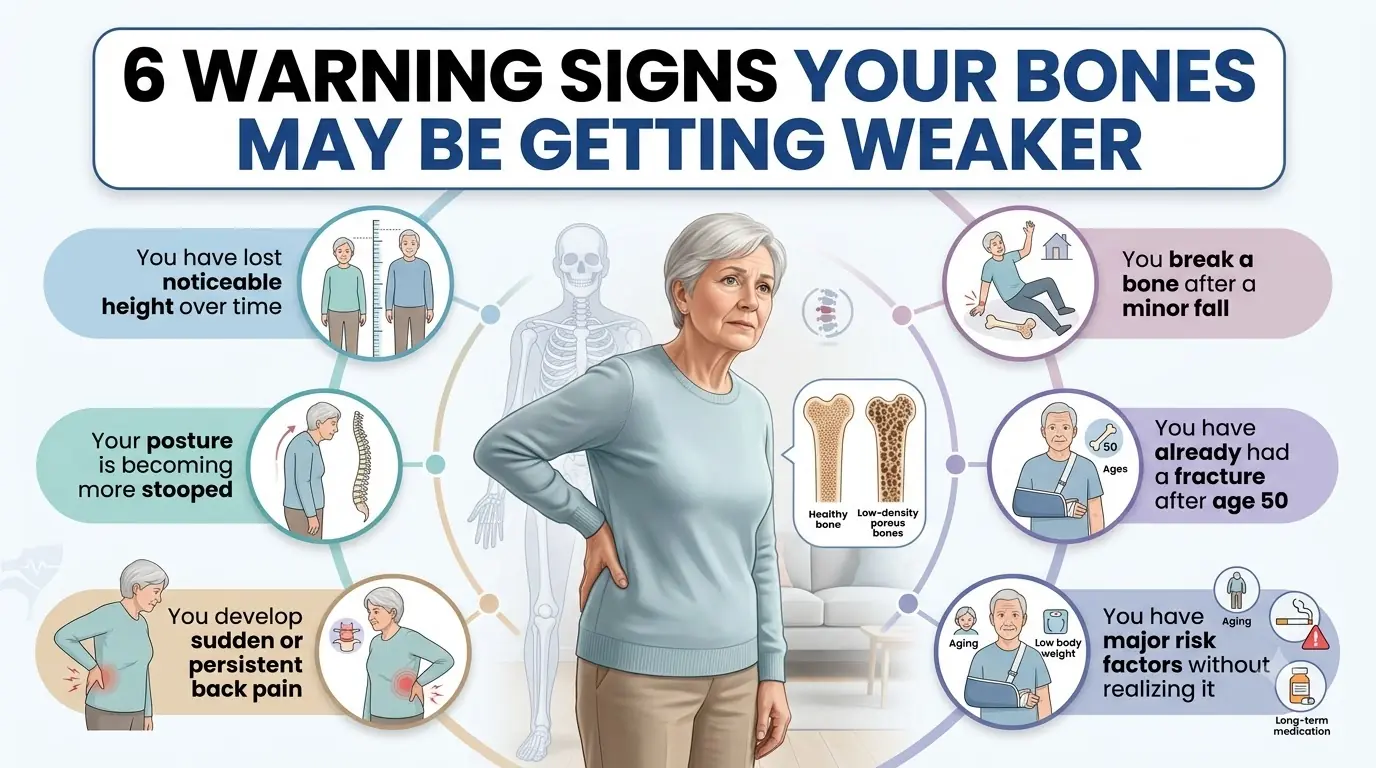
6 WARNING SIGNS YOUR BONES MAY BE GETTING WEAKER
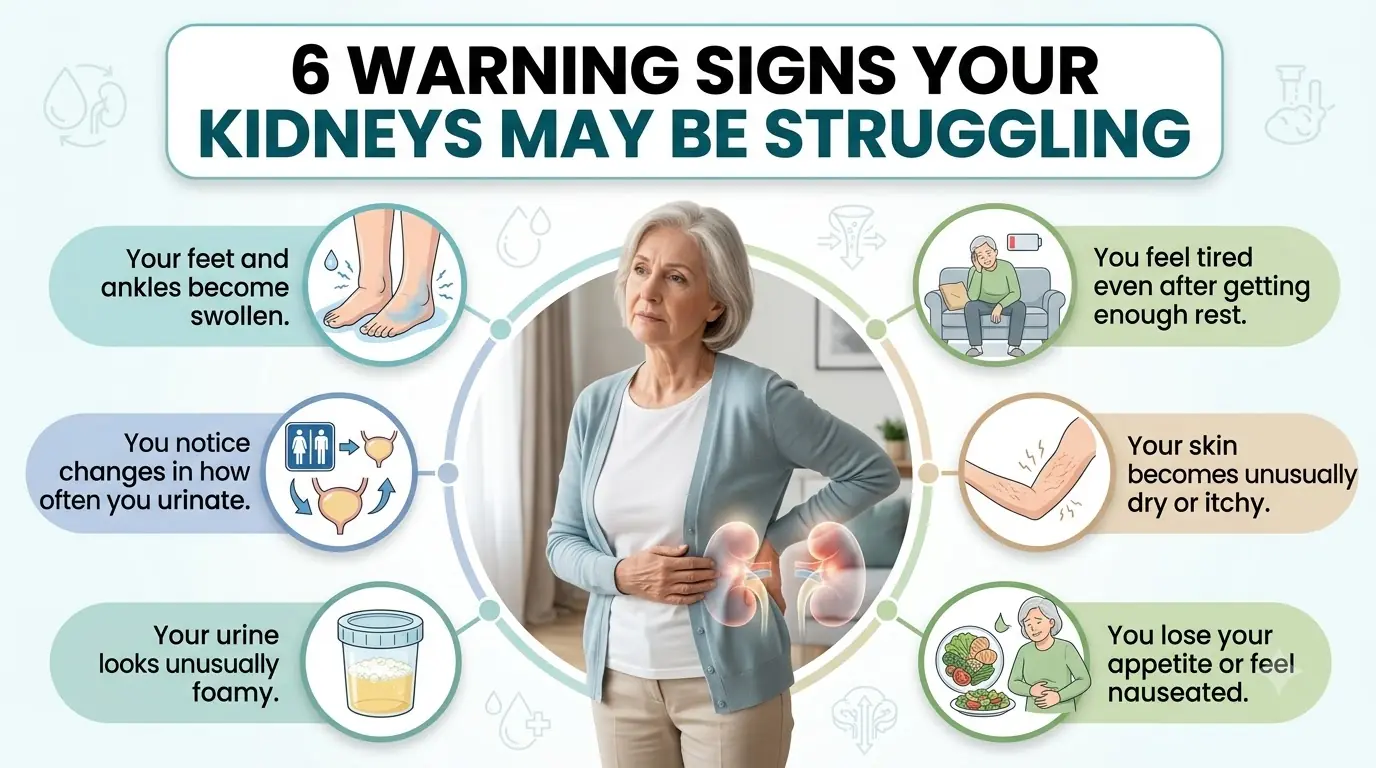
6 WARNING SIGNS YOUR KIDNEYS MAY BE STRUGGLING
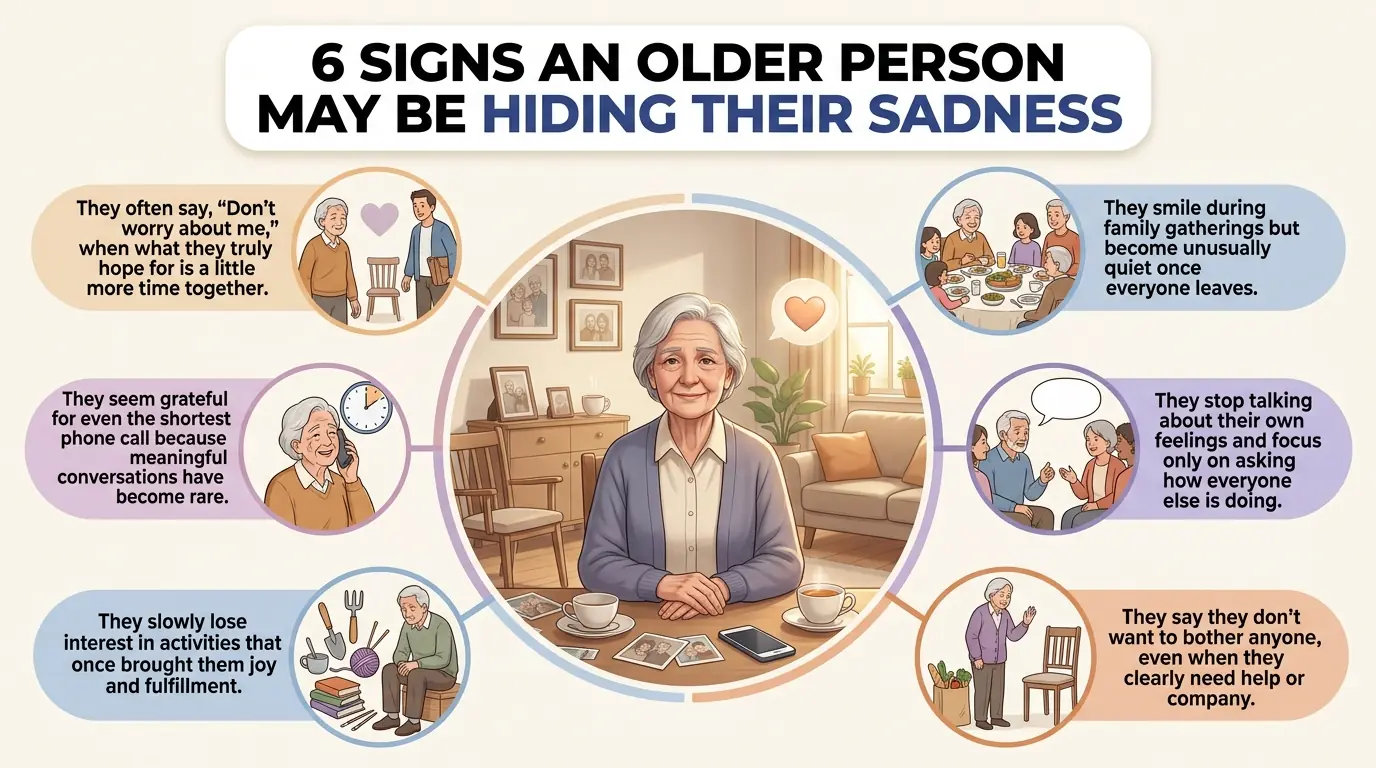
6 SIGNS AN OLDER PERSON MAY BE HIDING THEIR SADNESS
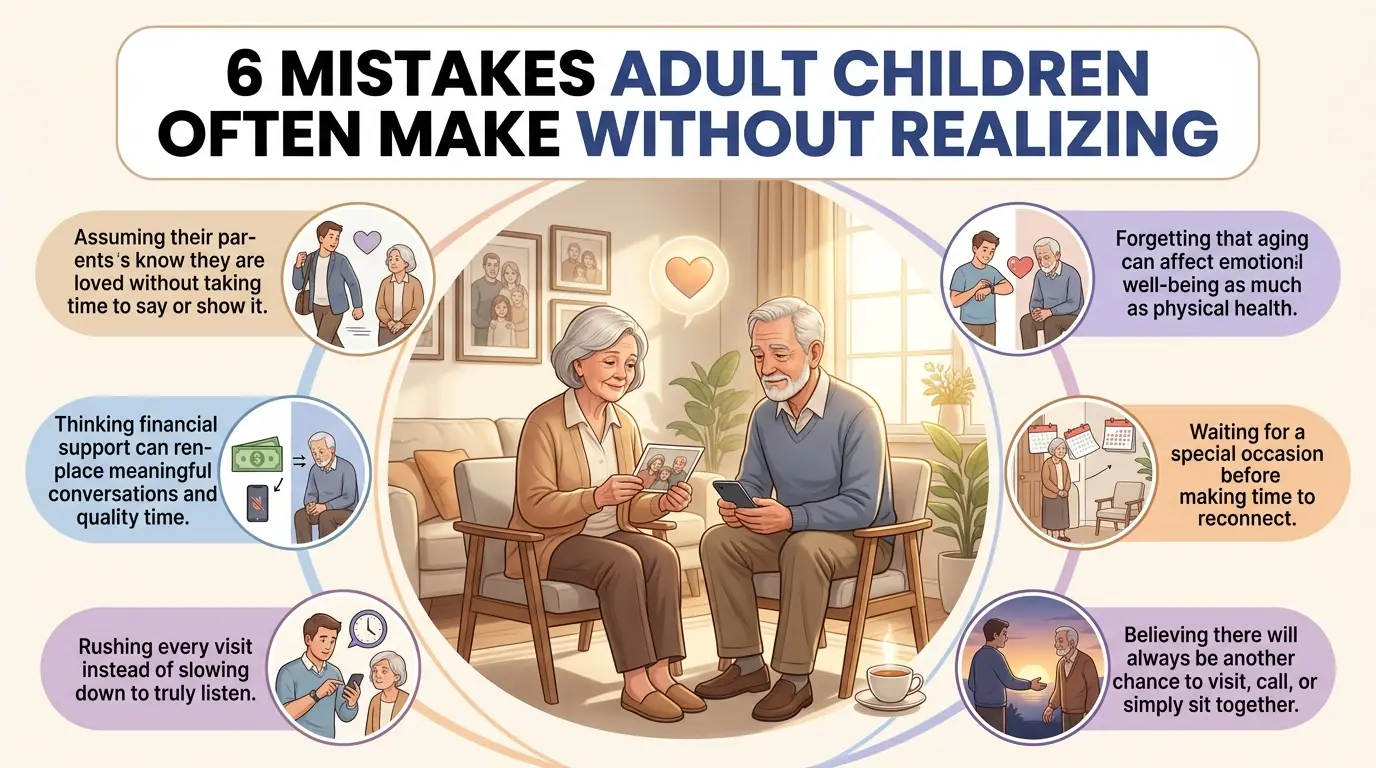
6 MISTAKES ADULT CHILDREN OFTEN MAKE WITHOUT REALIZING
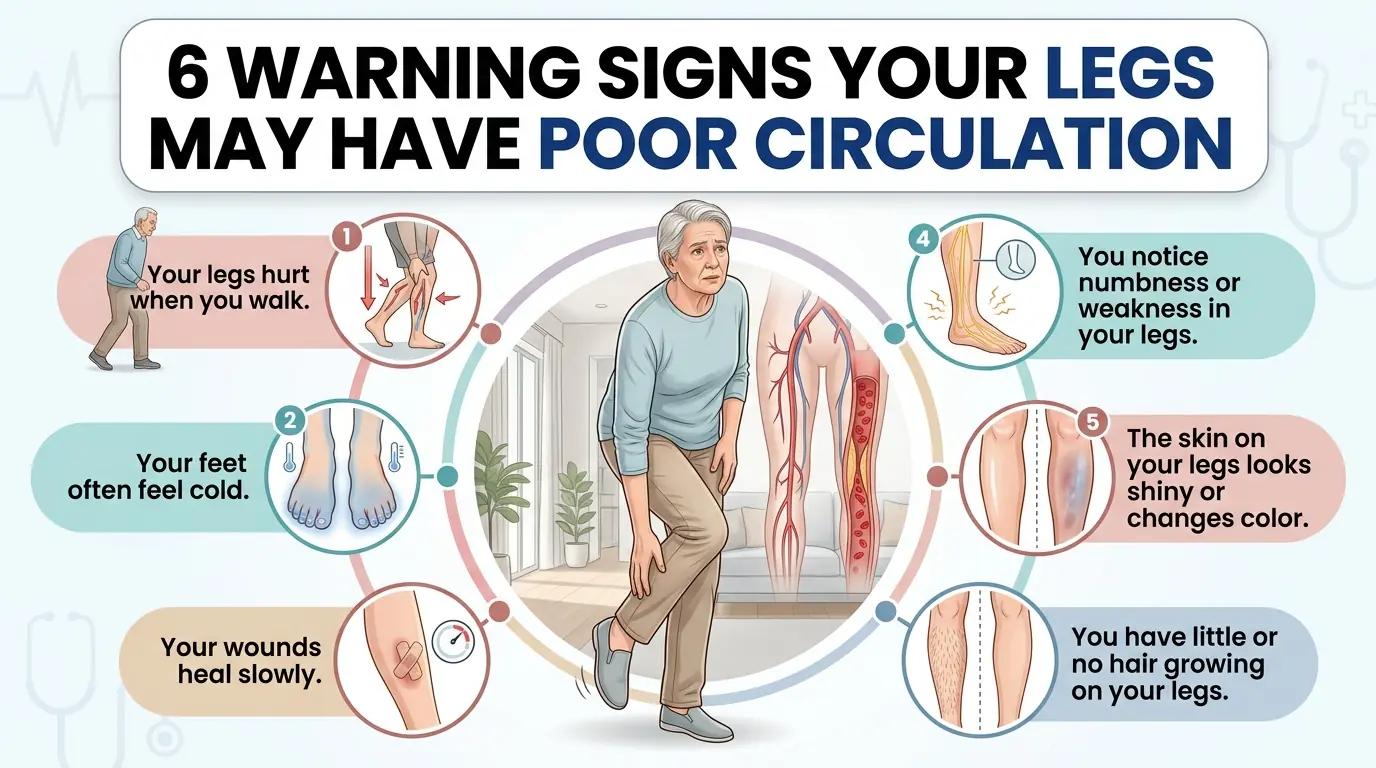
6 WARNING SIGNS YOUR LEGS MAY HAVE POOR CIRCULATION
6 SIGNS YOUR MEMORY CHANGES MAY NOT BE NORMAL AGING
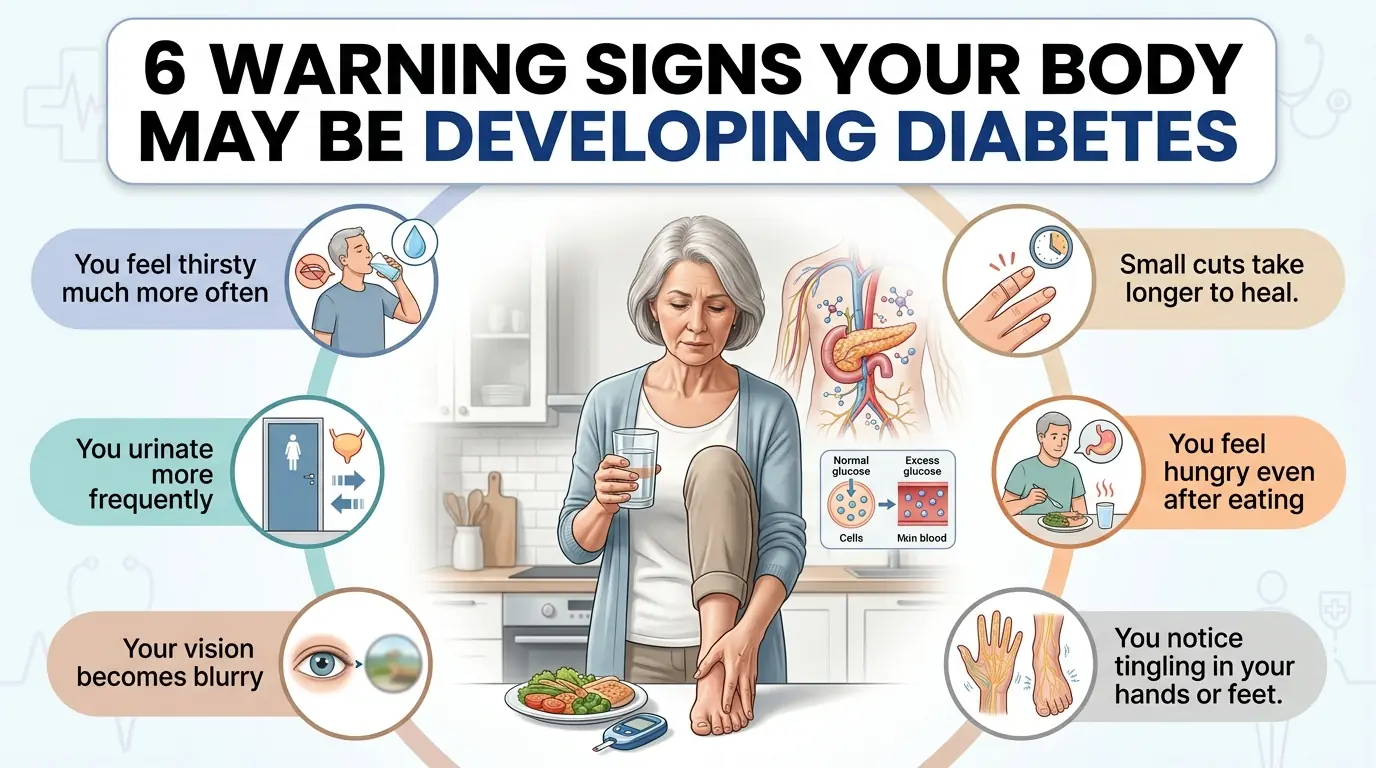
6 WARNING SIGNS YOUR BODY MAY BE DEVELOPING DIABETES
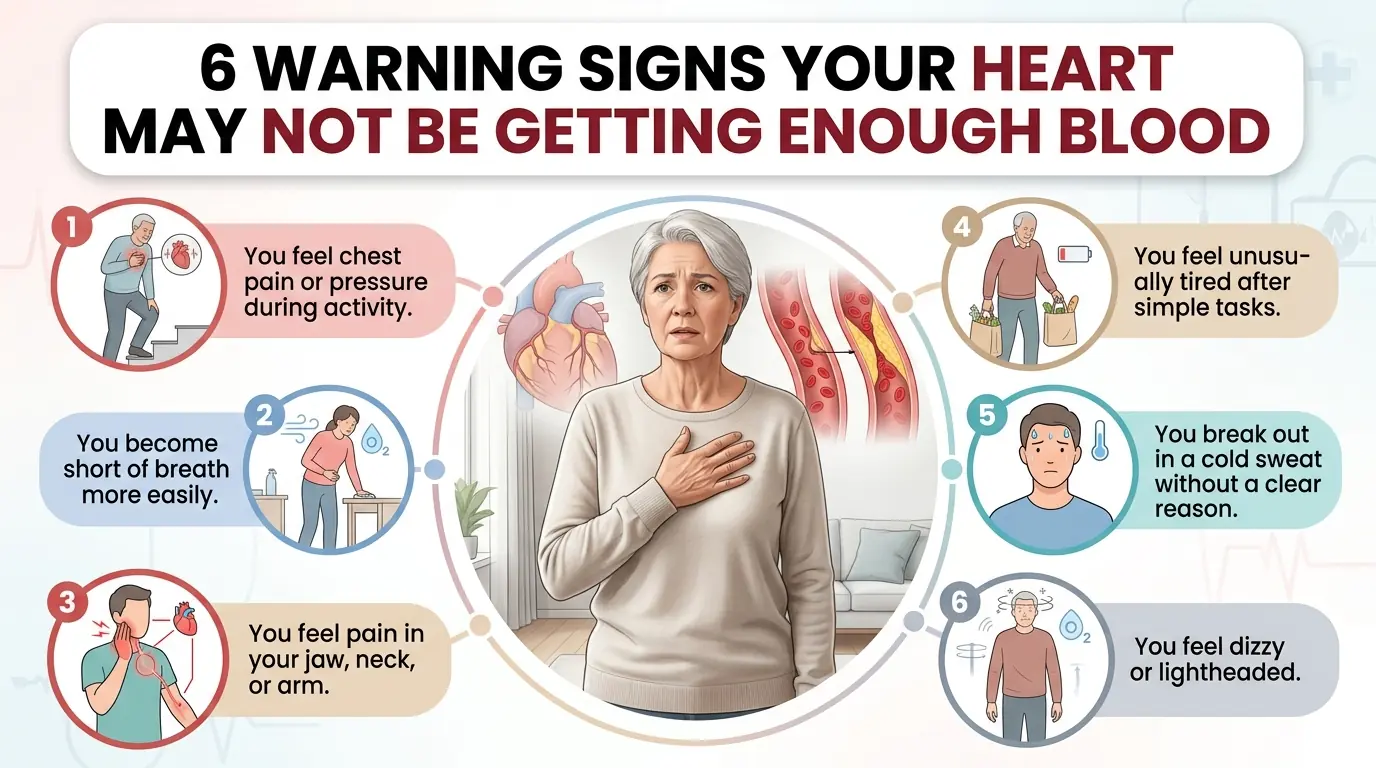
6 WARNING SIGNS YOUR HEART MAY NOT BE GETTING ENOUGH BLOOD
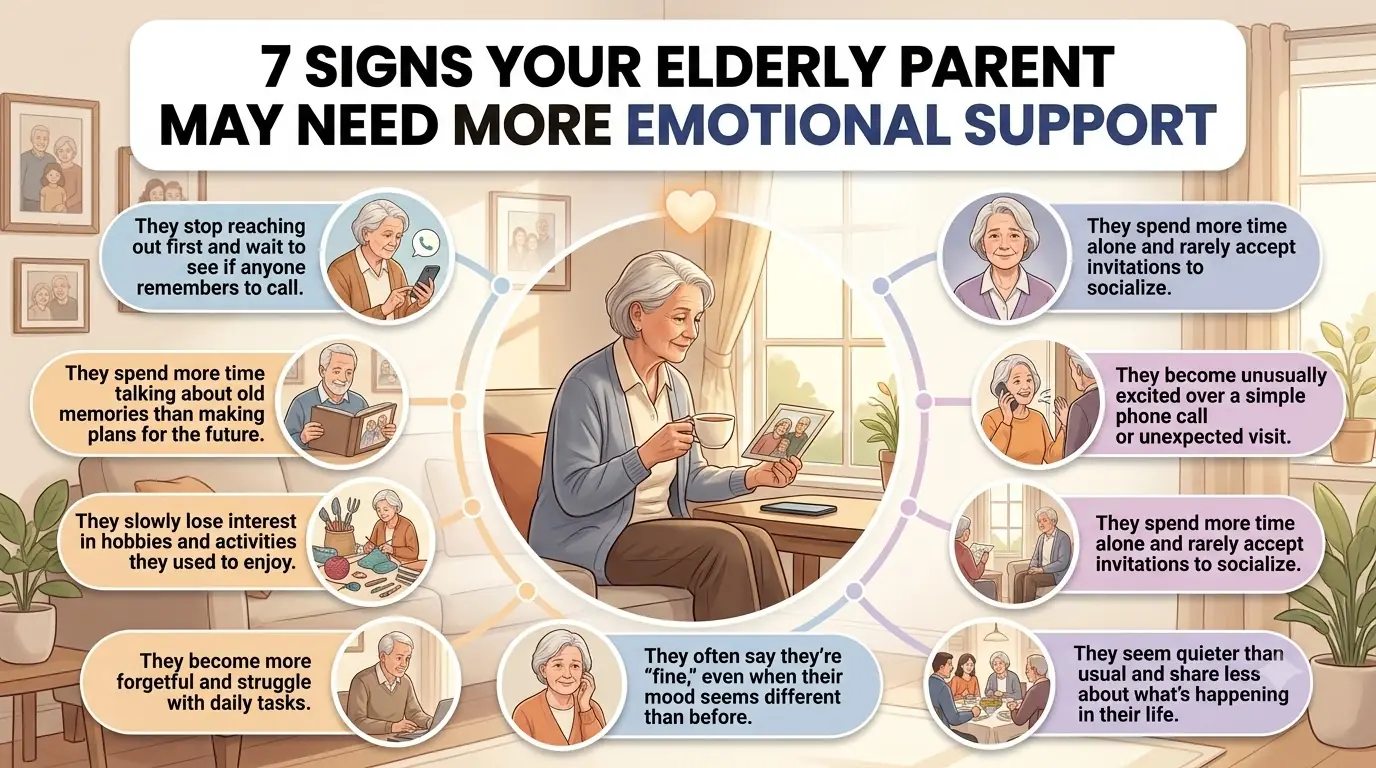
7 SIGNS YOUR ELDERLY PARENT MAY NEED MORE EMOTIONAL SUPPORT
6 WARNING SIGNS YOUR BODY MAY BE LOW IN MAGNESIUM
6 WARNING SIGNS YOUR BODY MAY BE LOSING MUSCLE AFTER 60
6 SIGNS YOUR BODY MAY NEED MORE PROTEIN AFTER 60
6 WARNING SIGNS YOUR ARTERIES MAY BE CLOGGED

"She Doesn't Speak Chinese," A Millionaire Bet $100K a Black Waitress Couldn't Speak Chinese
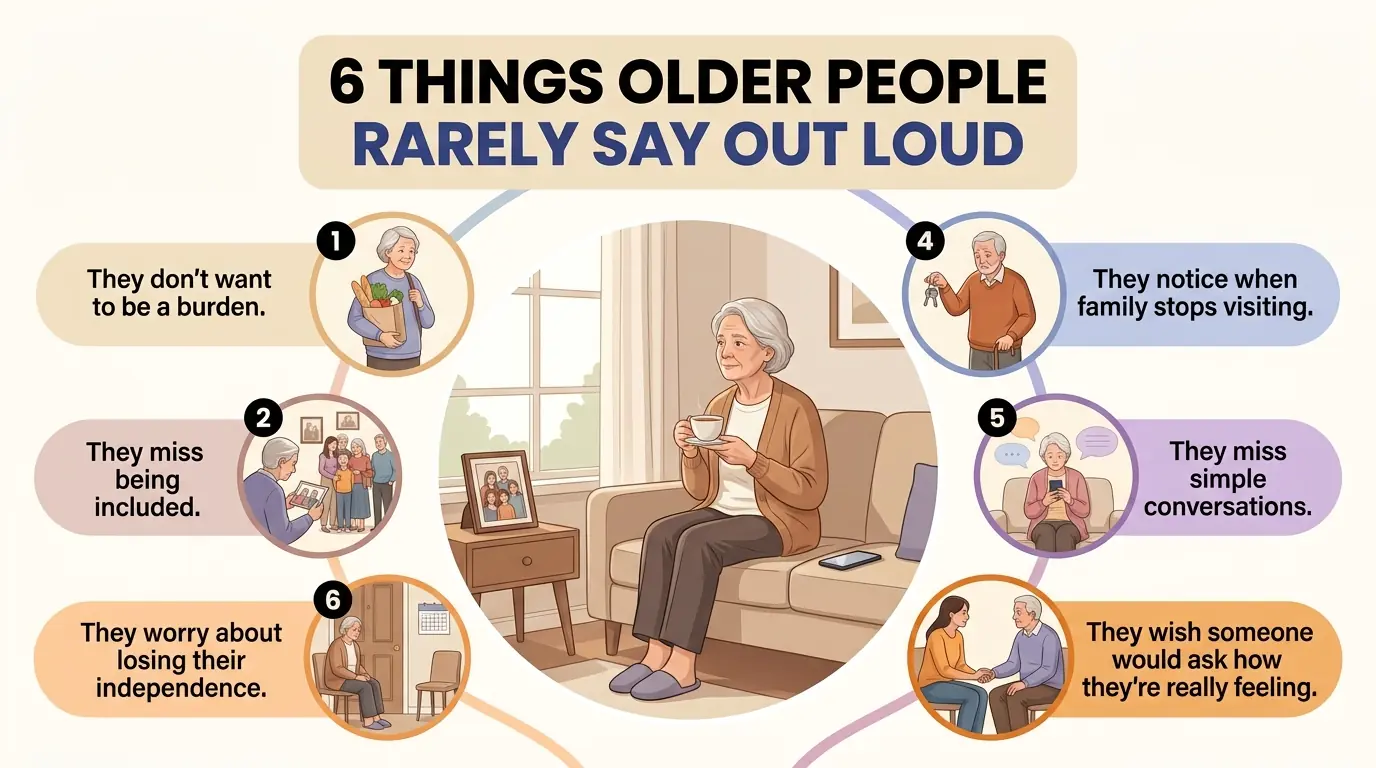
6 THINGS OLDER PEOPLE RARELY SAY OUT LOUD
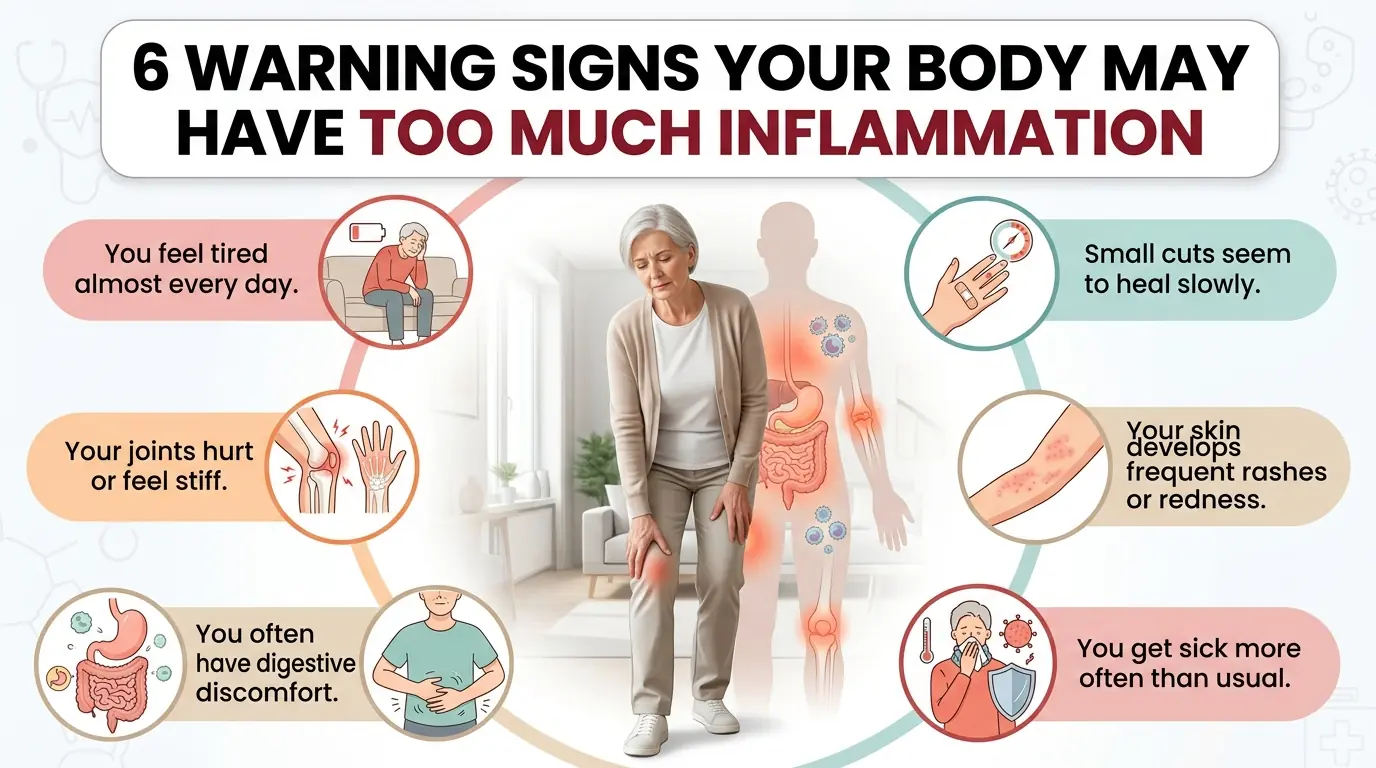
6 WARNING SIGNS YOUR BODY MAY HAVE TOO MUCH INFLAMMATION
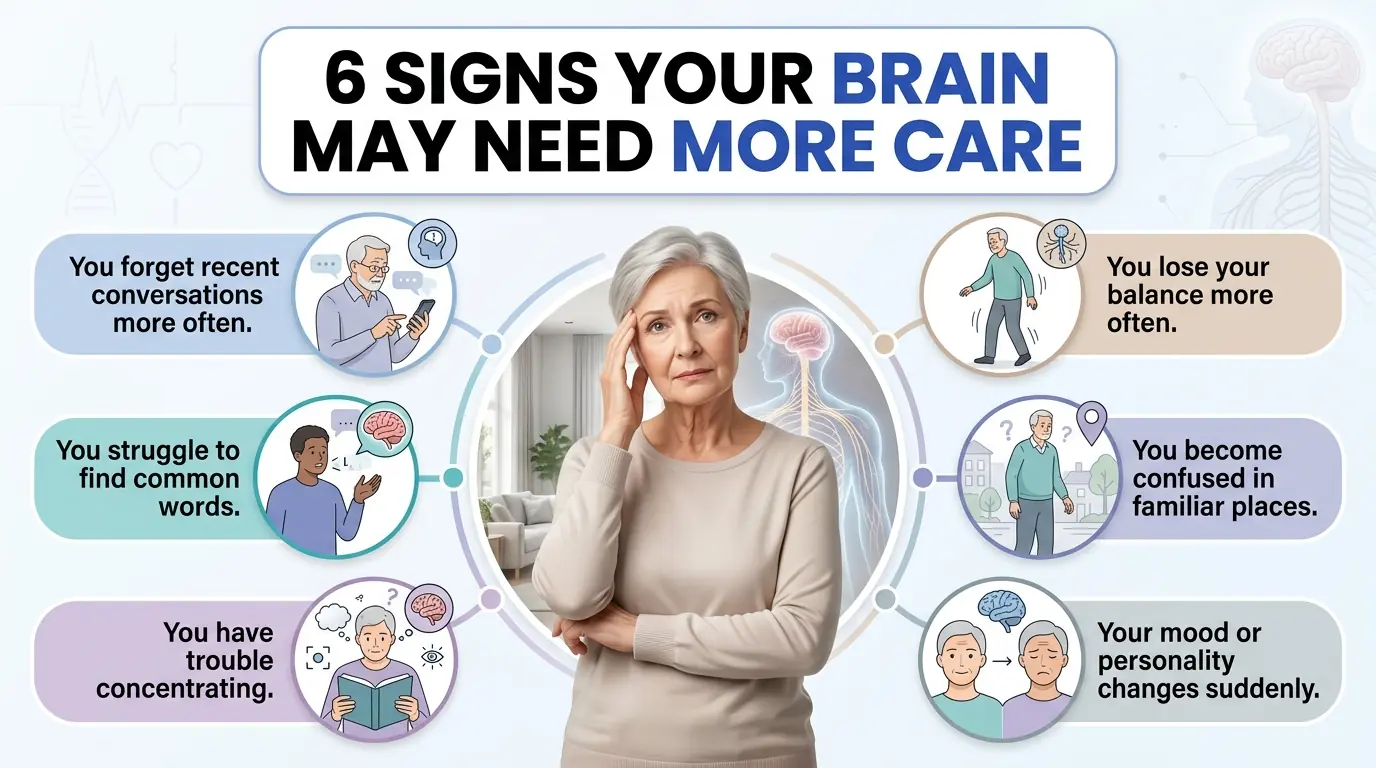
6 SIGNS YOUR BRAIN MAY NEED MORE CARE