7 SIGNS YOUR ELDERLY PARENT MAY NEED MORE EMOTIONAL SUPPORT
Reader Theme:
Font Size:
24px
7 SIGNS YOUR ELDERLY PARENT MAY NEED MORE EMOTIONAL SUPPORT
As parents grow older, their emotional well-being becomes just as important as their physical health. While many families pay close attention to medications, doctor appointments, and mobility, emotional needs often go unnoticed. Many older adults quietly experience loneliness, grief, or feelings of isolation without ever saying so out loud.
The reason is simple: many parents don't want to worry their children or feel like they're becoming a burden. Instead of asking for help, they may express their feelings through subtle changes in behavior. Learning to recognize these quiet signs can help you provide support before emotional struggles begin to affect their overall health.
Sometimes, a simple conversation or visit can mean more than you realize.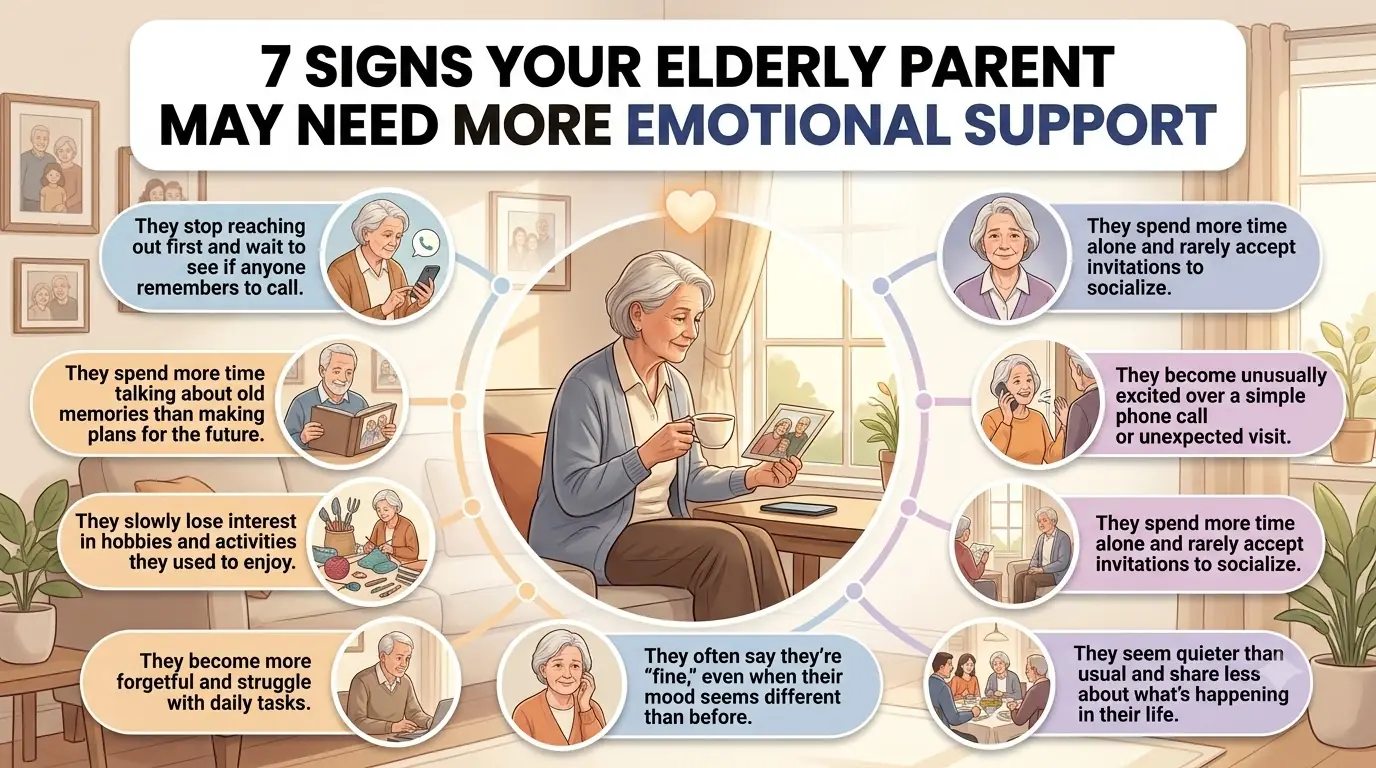
Why Emotional Support Matters for Older Adults
Healthy aging involves more than staying physically well. Emotional health plays a major role in maintaining quality of life, cognitive function, and overall well-being.
Research has shown that chronic loneliness and social isolation are associated with an increased risk of depression, anxiety, heart disease, cognitive decline, and even premature death. While loneliness is not an inevitable part of aging, it becomes more common after retirement, the loss of a spouse or close friends, reduced mobility, or living alone.
Recognizing emotional changes early allows families to offer meaningful support before loneliness becomes overwhelming.
1. They Stop Reaching Out First
Many parents who once called regularly suddenly become quiet.
Instead of picking up the phone, they begin waiting to see whether anyone remembers to call them first.
This isn't always because they no longer want to talk. Often, they worry about interrupting your busy schedule or don't want to seem needy.
If you notice that your parent rarely starts conversations anymore, consider reaching out more often—even a brief phone call can reassure them that they're still an important part of your life.
2. They Talk More About the Past Than the Future
Sharing memories is a normal and meaningful part of aging.
However, if nearly every conversation focuses on the past while they rarely discuss future plans, it may suggest they're feeling disconnected from what's ahead.
You may notice they:
- Frequently tell childhood stories.
- Talk about loved ones who have passed away.
- Rarely mention upcoming events.
- Show little excitement about future plans.
Creating simple activities to look forward to, such as family dinners or weekend visits, can help restore a sense of anticipation and purpose.
3. They Slowly Lose Interest in Hobbies
A parent who once loved gardening, cooking, reading, fishing, crafting, or attending community events may gradually stop participating.
Loss of interest can occur for many reasons, including:
- Loneliness.
- Depression.
- Chronic illness.
- Pain.
- Reduced mobility.
- Cognitive changes.
Rather than assuming they're simply "slowing down," ask whether they'd enjoy doing these activities together or explore new hobbies that fit their current abilities.
4. They Always Say They're "Fine"
Many older adults hide emotional struggles because they don't want their children to worry.
Even when they're feeling lonely or overwhelmed, they may automatically respond with:
"I'm fine."
Pay attention to changes in behavior rather than words alone.
You might notice:
- Less enthusiasm.
- Less laughter.
- More silence during conversations.
- A quieter tone of voice.
- Reduced interest in everyday life.
Gently asking follow-up questions such as, "How are you really doing?" may encourage a more honest conversation.
5. They Become Unusually Excited About Small Visits
A quick visit, a five-minute phone call, or a surprise stop at the house may become the highlight of your parent's entire week.
They may:
- Prepare for your visit hours in advance.
- Keep talking long after you planned to leave.
- Mention the visit repeatedly afterward.
- Become unexpectedly emotional when you arrive.
These reactions often reflect how meaningful human connection has become.
Small moments that seem ordinary to you may carry tremendous emotional value for them.
6. They Spend More Time Alone
As parents age, it's natural for social circles to become smaller.
However, consistently declining invitations or avoiding opportunities to spend time with others may suggest emotional withdrawal.
Possible reasons include:
- Fear of becoming a burden.
- Depression.
- Anxiety.
- Mobility limitations.
- Loss of confidence.
- Loneliness.
Encouraging regular social interaction—whether through family, friends, faith communities, or local senior programs—can help reduce isolation.
7. They Share Less About Their Life
Parents who once enjoyed telling stories about their day may gradually stop sharing much at all.
You may notice conversations becoming shorter, with simple answers like:
- "Nothing much."
- "Everything's okay."
- "Just the usual."
Sometimes this reflects emotional withdrawal rather than a lack of things to say.
Taking extra time to ask open-ended questions and listening without rushing can help them feel comfortable sharing again.
Other Signs They May Need Emotional Support
Some older adults may also experience:
- Changes in sleep habits.
- Poor appetite.
- Increased irritability.
- Frequent expressions of loneliness.
- Loss of confidence.
- Neglecting personal care.
- Increased forgetfulness related to stress or depression.
These symptoms may have emotional, medical, or cognitive causes and should not be ignored.
How You Can Make a Difference
Supporting an aging parent doesn't require grand gestures.
Small, consistent acts often have the greatest impact:
- Call regularly, even for a few minutes.
- Visit whenever possible.
- Include them in family activities.
- Encourage hobbies and social opportunities.
- Ask how they're feeling emotionally, not just physically.
- Listen without distractions.
- Remind them that they are loved and valued.
Sometimes your attention is the greatest gift you can give.
When Should You Seek Professional Help?
Encourage your parent to speak with a healthcare provider if they experience:
- Persistent sadness lasting more than two weeks.
- Withdrawal from family and friends.
- Loss of interest in nearly all activities.
- Significant changes in eating or sleeping habits.
- Feelings of hopelessness.
- Memory or thinking changes that interfere with daily life.
These symptoms may be related to depression, anxiety, cognitive impairment, or another medical condition that can often be treated.
Key Takeaways
- Older adults often express emotional struggles through changes in behavior rather than words.
- Waiting for others to call, withdrawing from hobbies, and talking mostly about the past may be subtle signs of loneliness.
- Becoming unusually emotional over simple visits often reflects how meaningful connection has become.
- Regular conversations, visits, and genuine attention can significantly improve an older parent's emotional well-being.
- Early recognition and compassionate support may help prevent loneliness from affecting both mental and physical health.
Medical Disclaimer
This article is for educational purposes only and is not intended to replace professional medical advice, diagnosis, or treatment. Persistent emotional changes in older adults may be related to depression, anxiety, cognitive decline, or other medical conditions. If your parent shows ongoing changes in mood, behavior, memory, or daily functioning, consult a qualified healthcare provider or mental health professional for a comprehensive evaluation.
News in the same category
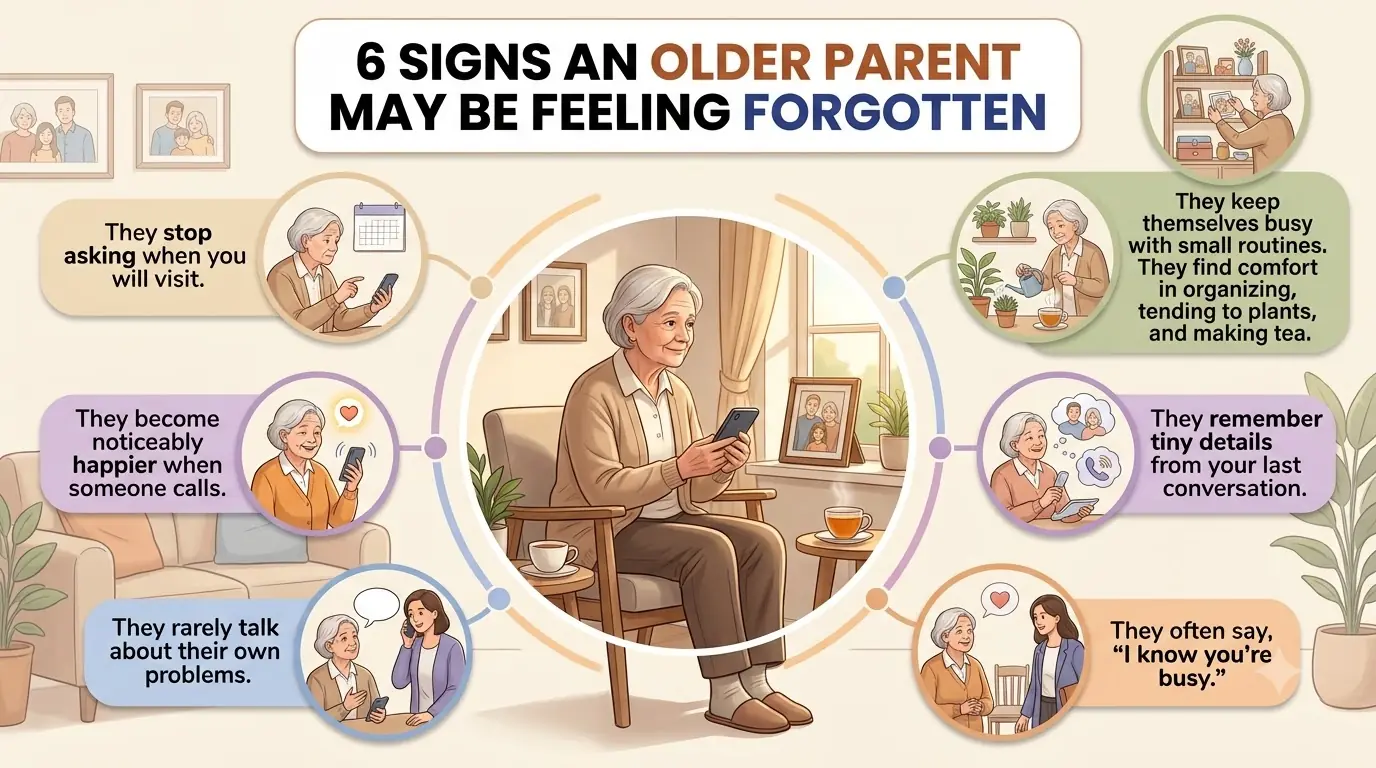
6 SIGNS AN OLDER PARENT MAY BE FEELING FORGOTTEN
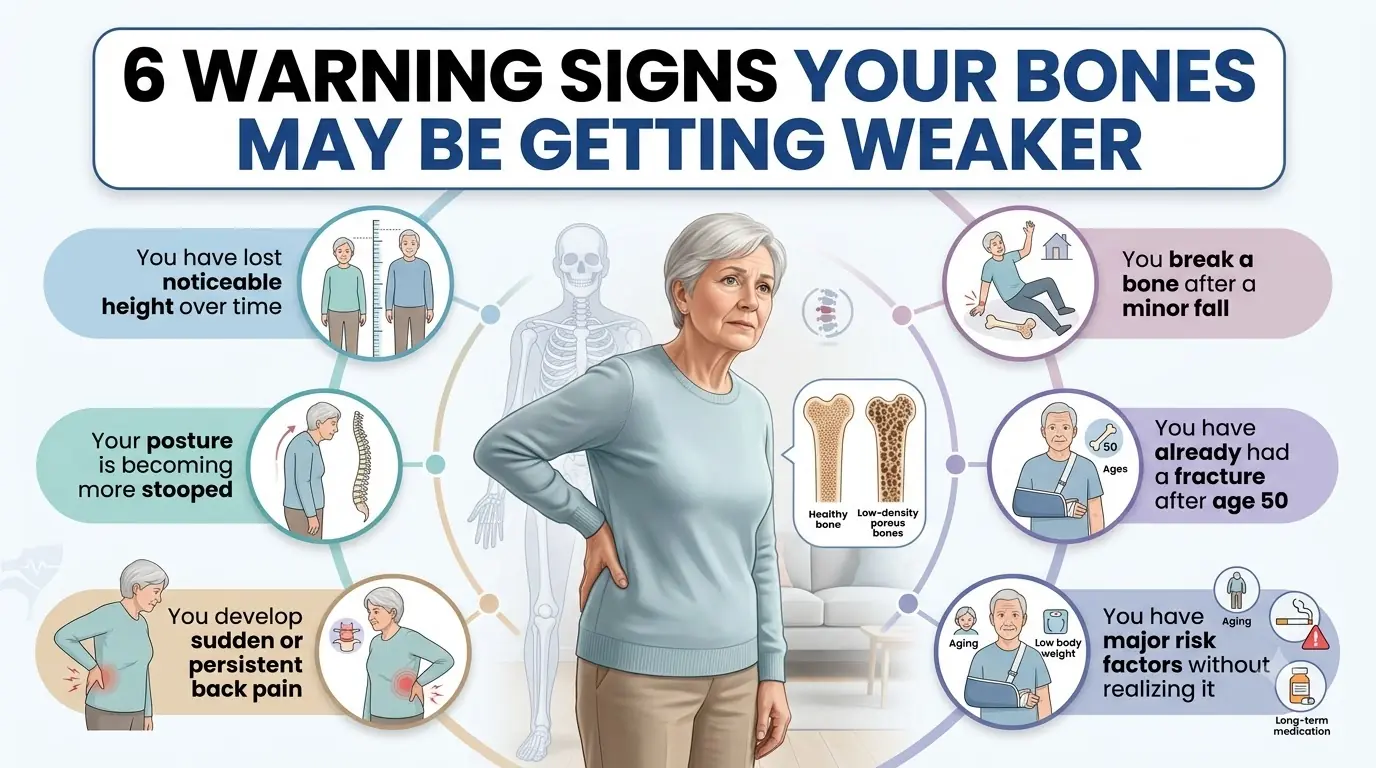
6 WARNING SIGNS YOUR BONES MAY BE GETTING WEAKER
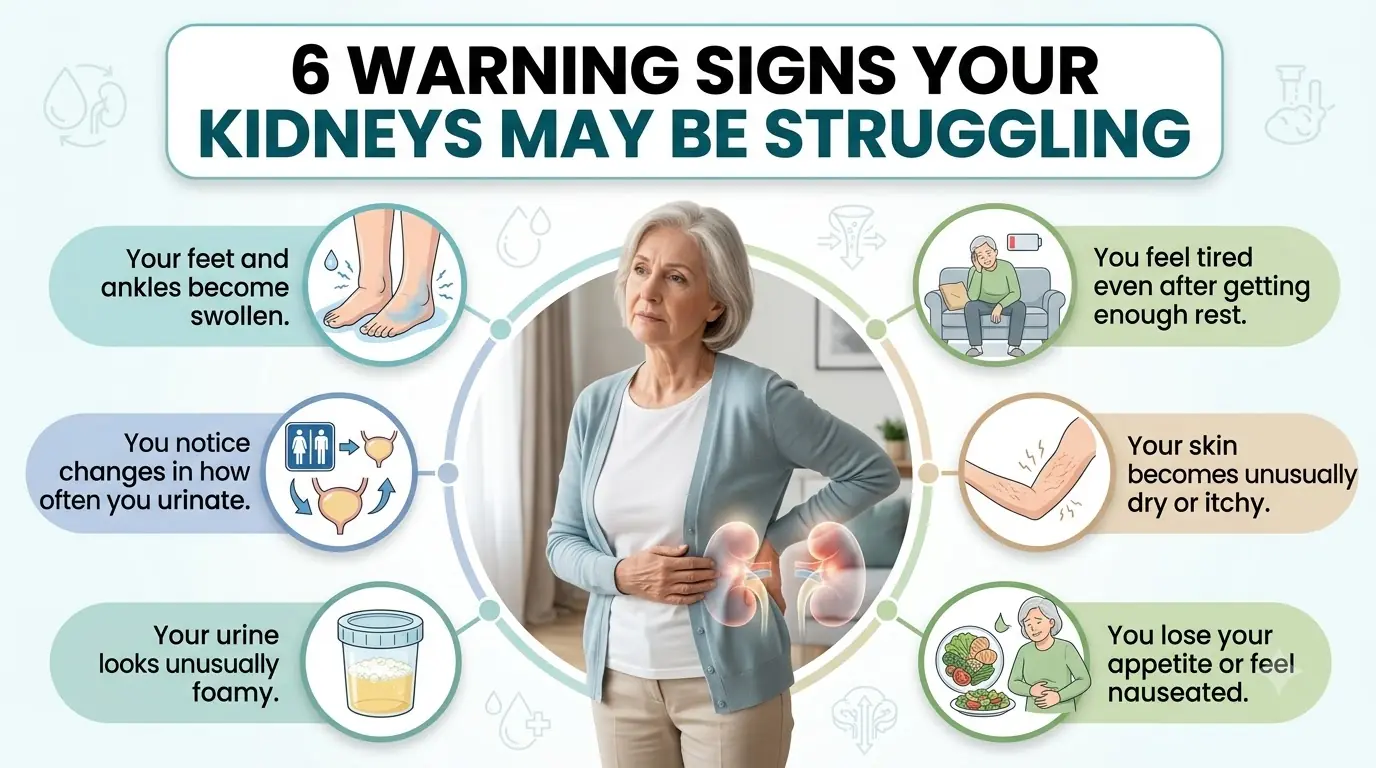
6 WARNING SIGNS YOUR KIDNEYS MAY BE STRUGGLING
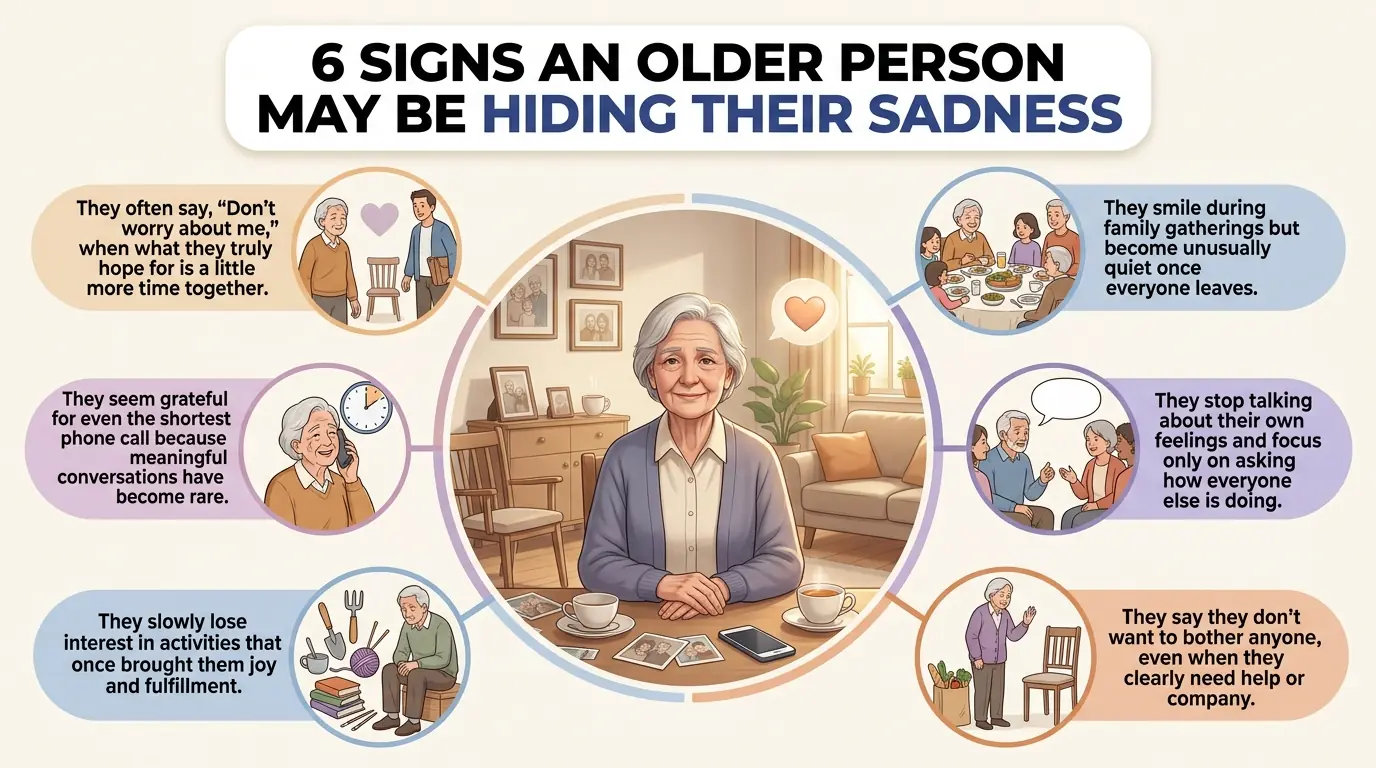
6 SIGNS AN OLDER PERSON MAY BE HIDING THEIR SADNESS
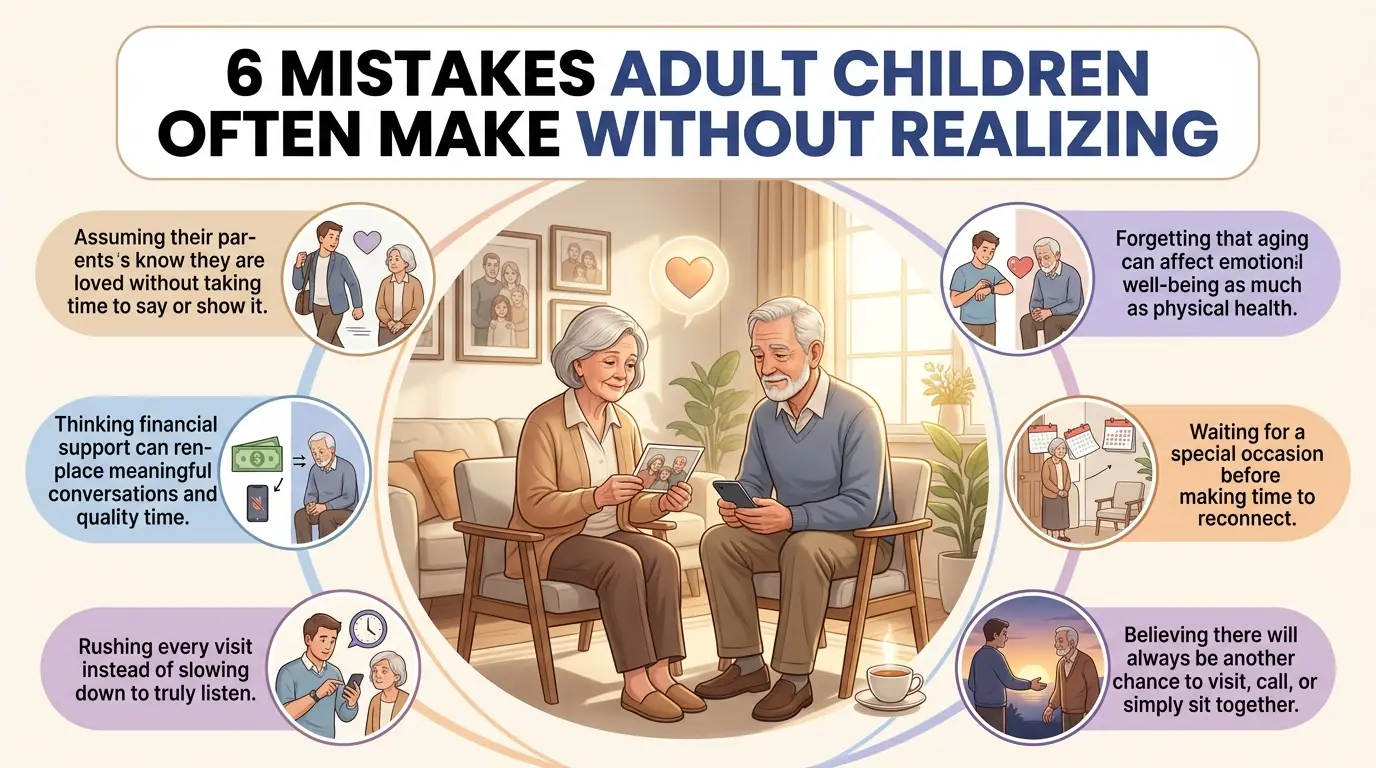
6 MISTAKES ADULT CHILDREN OFTEN MAKE WITHOUT REALIZING
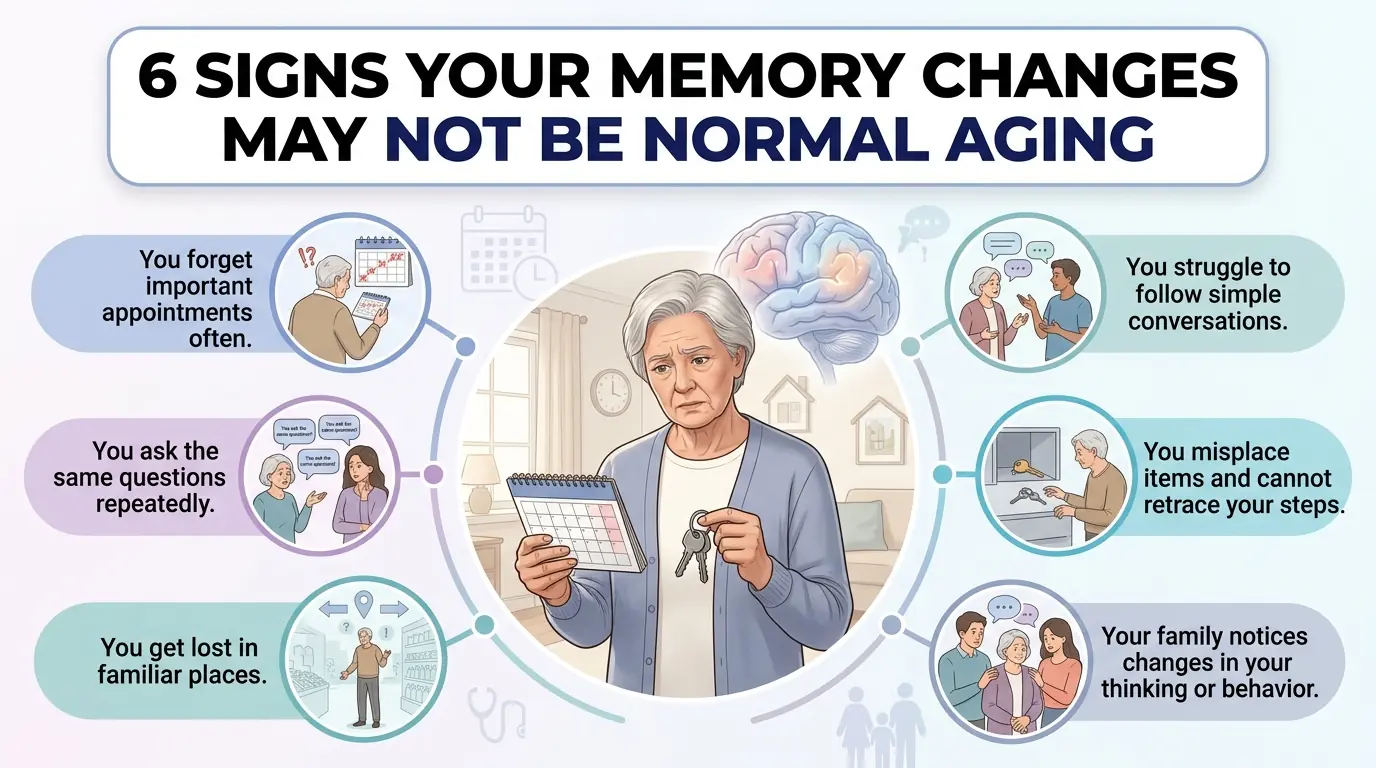
6 WARNING SIGNS YOUR LEGS MAY HAVE POOR CIRCULATION
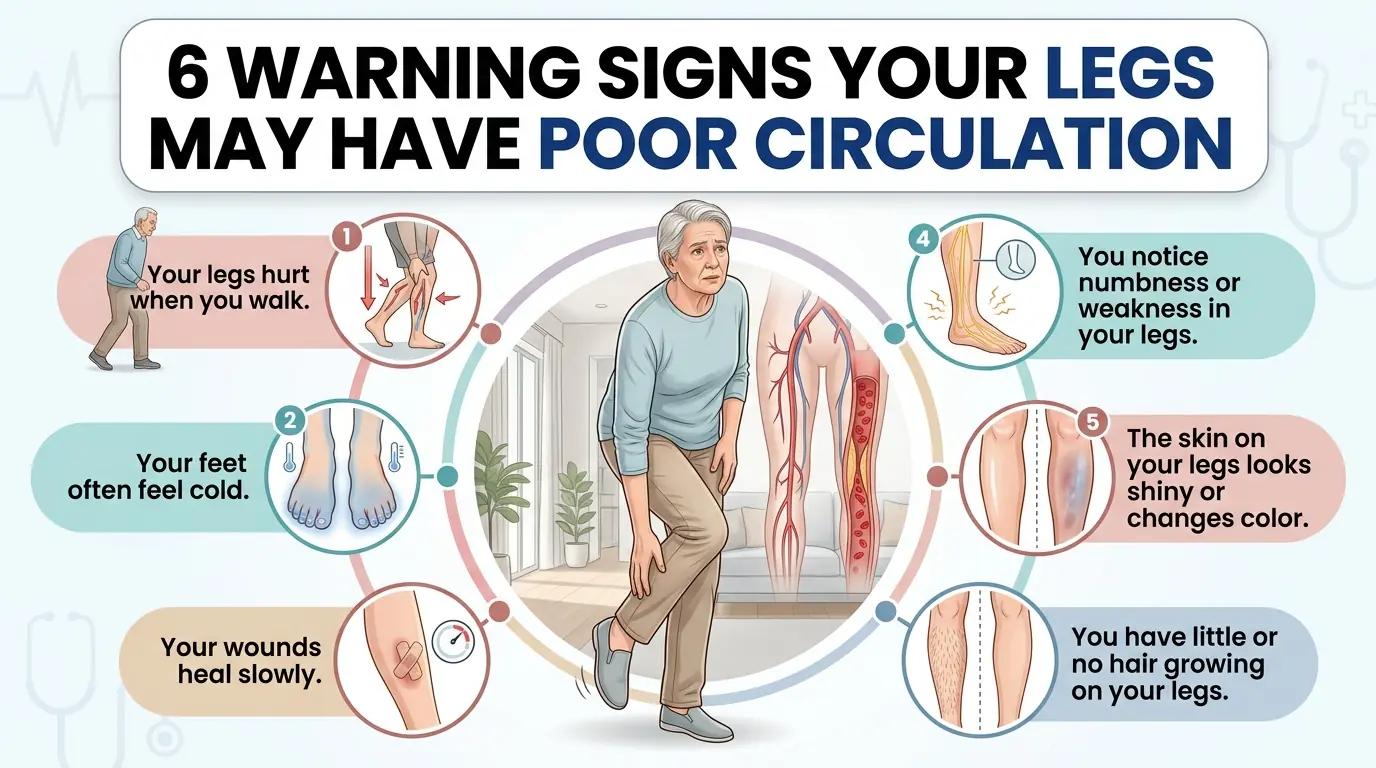
6 WARNING SIGNS YOUR BODY MAY BE DEVELOPING DIABETES
6 WARNING SIGNS YOUR HEART MAY NOT BE GETTING ENOUGH BLOOD
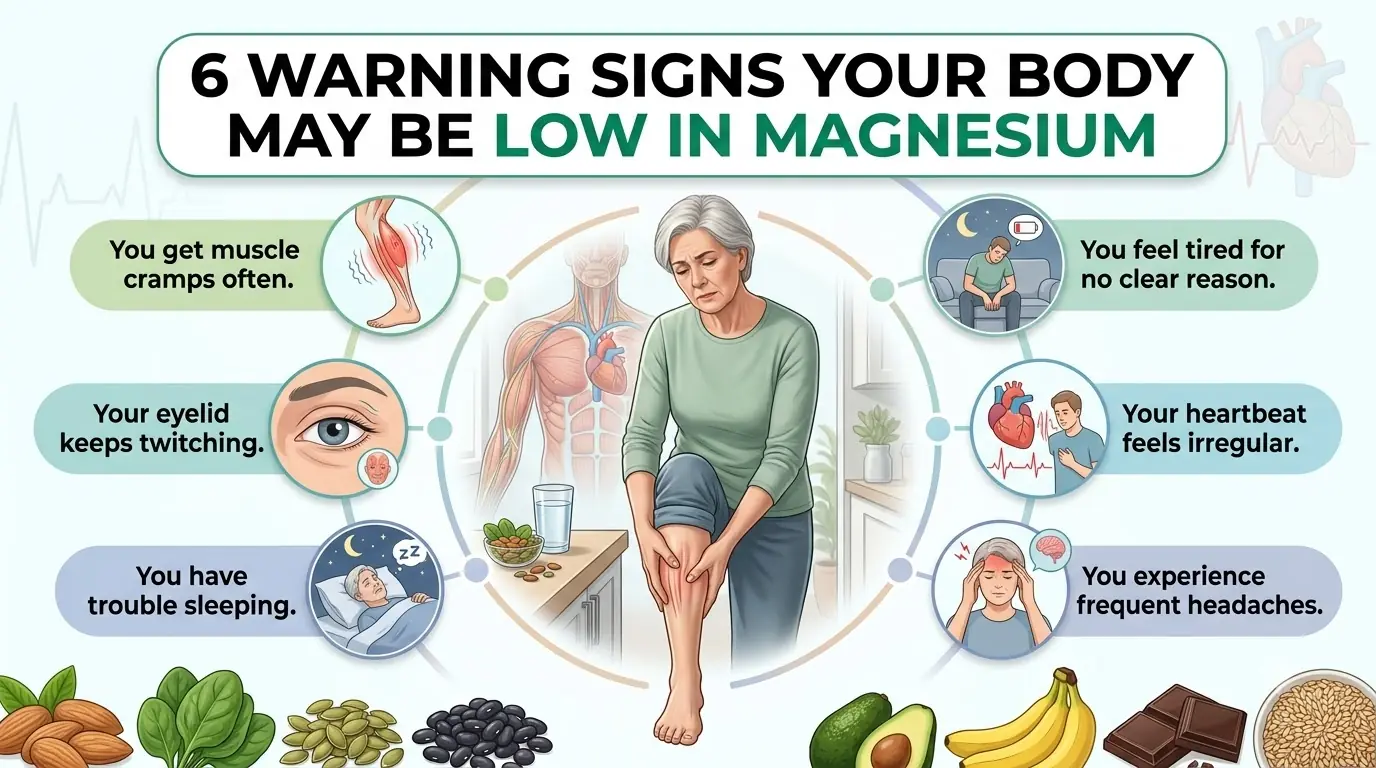
6 WARNING SIGNS YOUR BODY MAY BE LOW IN MAGNESIUM
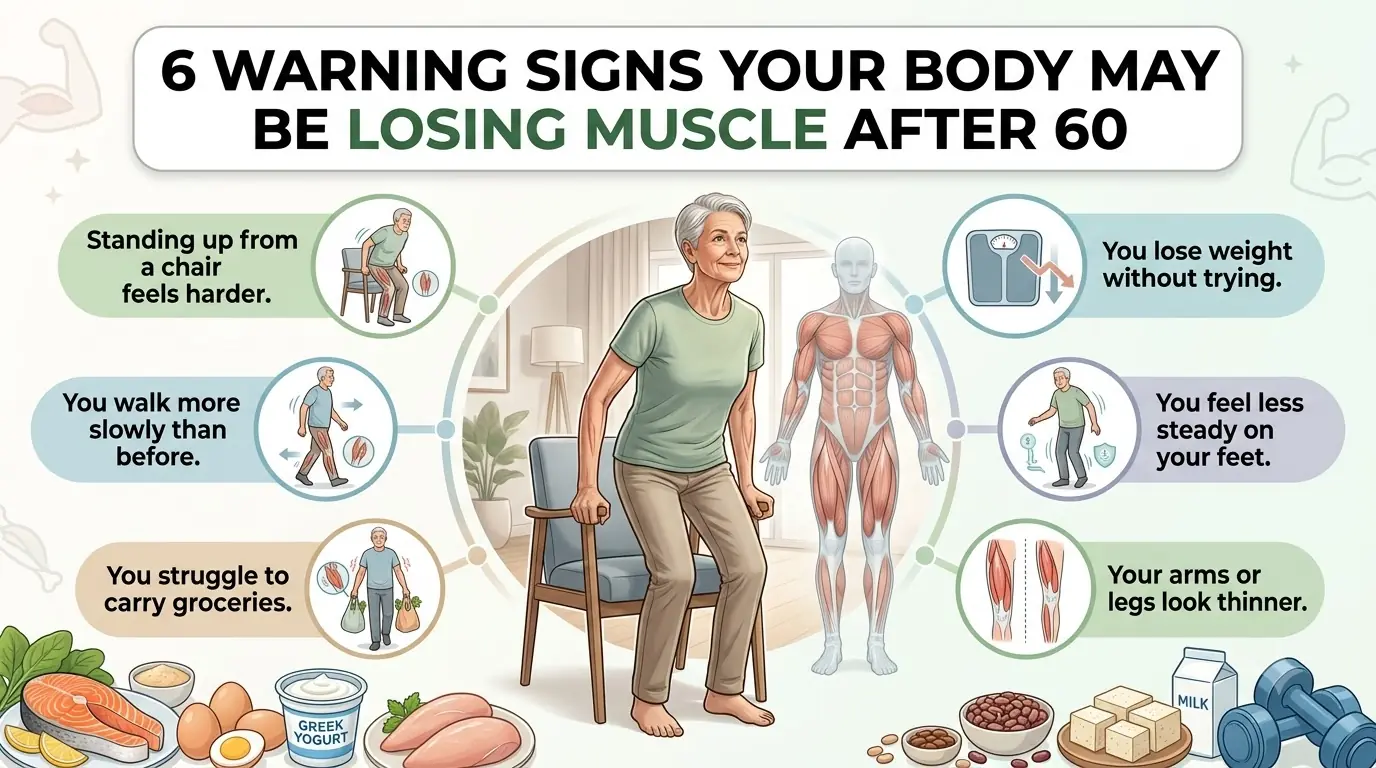
6 WARNING SIGNS YOUR BODY MAY BE LOSING MUSCLE AFTER 60
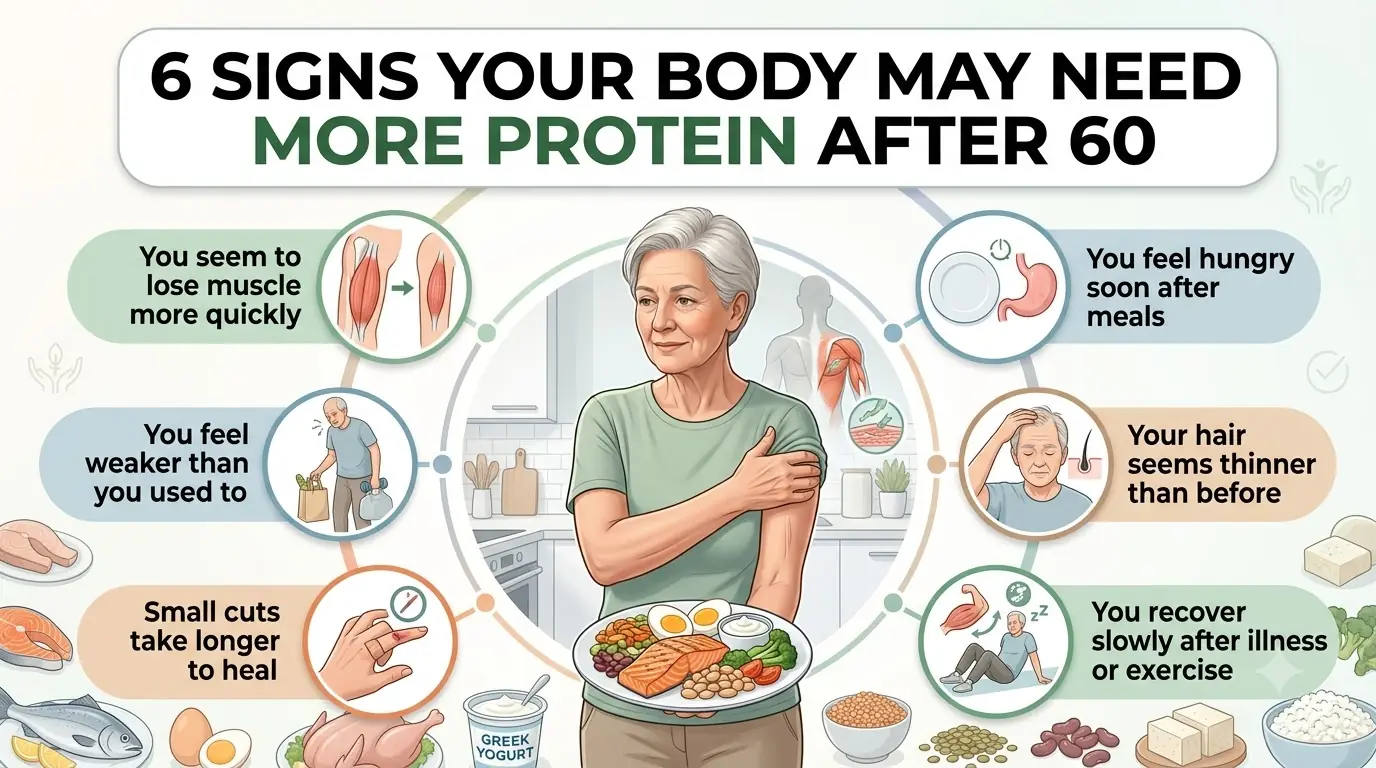
6 SIGNS YOUR BODY MAY NEED MORE PROTEIN AFTER 60
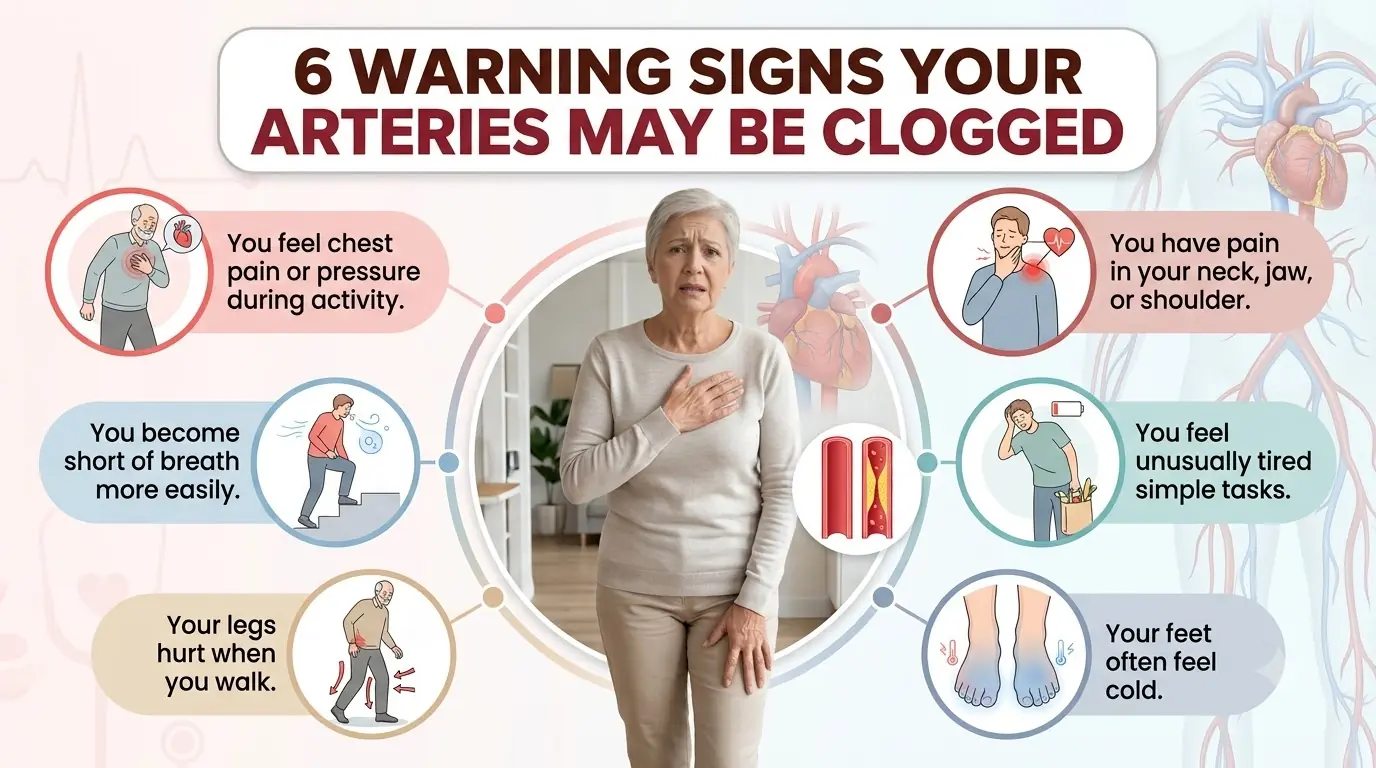
6 WARNING SIGNS YOUR ARTERIES MAY BE CLOGGED

"She Doesn't Speak Chinese," A Millionaire Bet $100K a Black Waitress Couldn't Speak Chinese
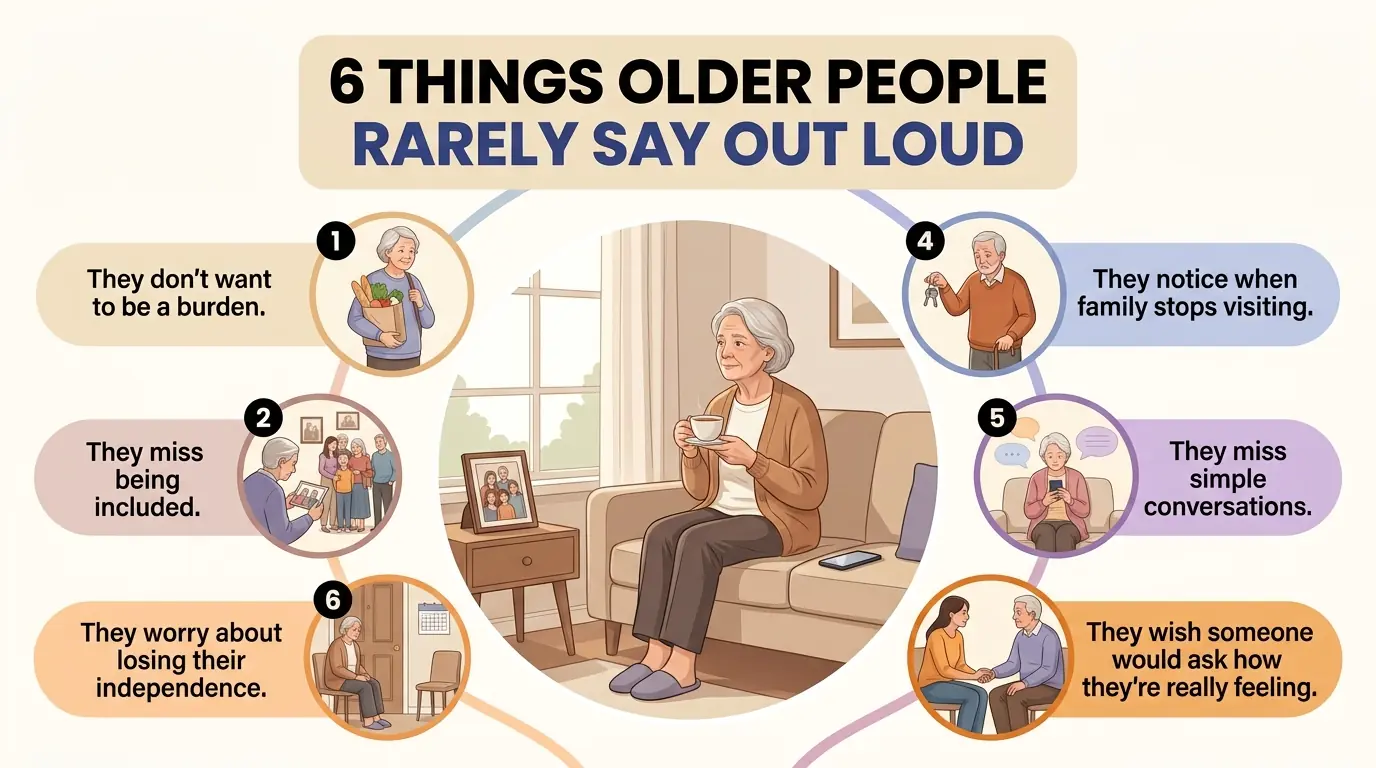
6 THINGS OLDER PEOPLE RARELY SAY OUT LOUD

6 WARNING SIGNS YOUR BODY MAY HAVE TOO MUCH INFLAMMATION
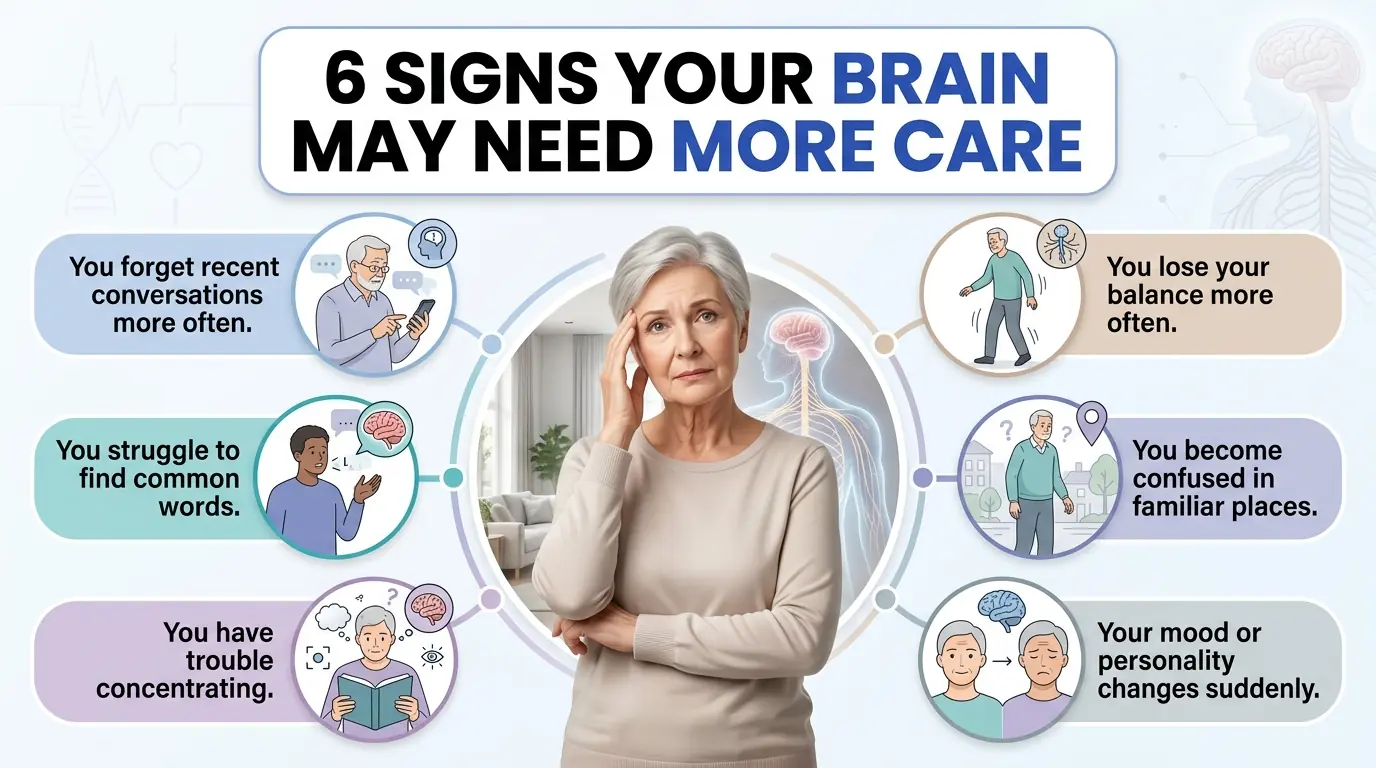
6 SIGNS YOUR BRAIN MAY NEED MORE CARE