A Starving Dog Was Rescued After Being Trapped Without Food for Days
Reader Theme:
Font Size:
24px
The rescuers found the dog trapped beneath an abandoned structure, where fallen boards and tangled debris had sealed off the only way out. No one knew exactly how long he had been there, but his skeletal body, open sores, and desperate thirst suggested he had survived for days without enough food or water.
After carefully clearing a narrow passage, a rescuer crawled inside and carried him into the daylight. The dog was too weak to stand, resting silently in her arms as the team rushed him toward the veterinary clinic. But beneath his damaged skin, doctors soon discovered a condition that made his recovery far more uncertain.
The rescue began after a property worker heard a faint scratching sound beneath an abandoned roadside structure.
At first, he believed a small animal had crawled under the collapsed boards. When he moved closer, however, he saw the face of a large gray dog watching him through a narrow opening.
The dog did not bark.
He attempted to rise, but his front legs immediately folded beneath him. Broken wood, wire, and discarded material surrounded his body, leaving no clear path to safety.
The worker placed a bowl of water near the opening and contacted a local rescue team.
By the time rescuers arrived, the dog had dragged himself close enough to reach the bowl. He drank rapidly until one volunteer pulled it back, worried that consuming too much water at once could make him ill.
The team began calling him Asher.
No one knew how Asher had become trapped. Part of the structure appeared to have collapsed around him, and the ground behind it was blocked by thick vegetation. It was possible that he had crawled inside seeking shelter before loose boards and debris shifted across the entrance.
There was no way to pull him through the small opening without causing further injury.
Two rescuers used hand tools to remove the outer boards while another remained beside Asher, speaking calmly and offering tiny amounts of water. Every sound made him flinch, but he no longer had enough strength to retreat.
After nearly an hour, they created an opening wide enough to reach him.
A rescuer crawled through the debris and gently slipped a blanket beneath his body. Asher tried once to stand, then collapsed against her arms.
He was shockingly light for a dog of his size.
His ribs, spine, and hip bones were clearly visible beneath his patchy coat. Much of the hair along his legs and abdomen was missing, exposing irritated skin, scabs, and several open wounds. His paws were swollen, and his nails had become cracked from repeatedly scraping against the debris.
The team carried him directly to the rescue vehicle.
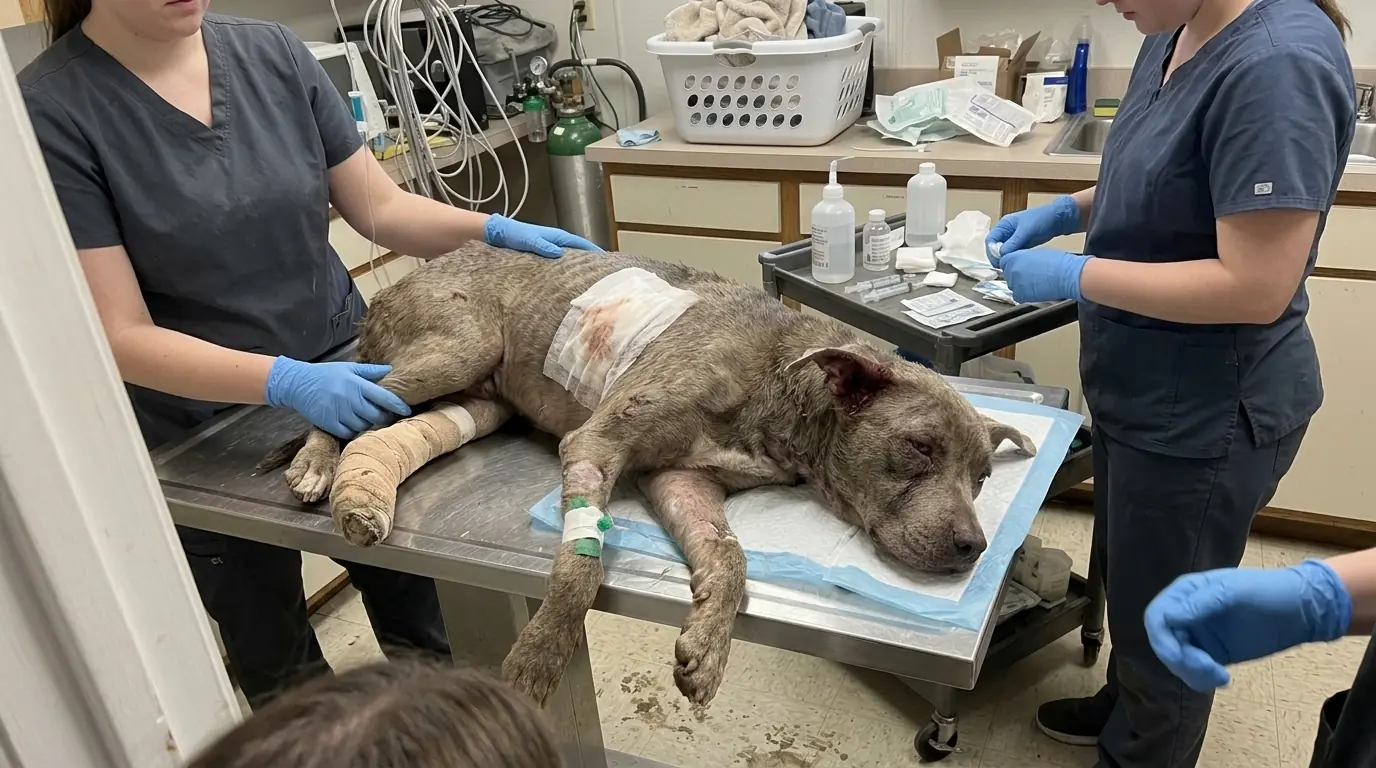
At the veterinary clinic, Asher’s temperature was low and his gums were dangerously pale. He was severely dehydrated, profoundly underweight, and too weak to remain standing during the examination.
Blood tests revealed anemia and dangerously low protein levels. A heavy parasite infestation had worsened his malnutrition, while infection had developed in several of the sores across his body.
The veterinary team could not safely offer him a large meal.
After prolonged starvation, suddenly consuming too much food can create life-threatening changes in the body’s electrolytes. Asher was therefore given carefully measured portions of soft food throughout the day while his blood values were repeatedly monitored.
During his first feeding, he pushed his muzzle urgently into the bowl.
A technician held it back and allowed him to take only a few bites at a time. When the food was removed, Asher searched the blanket with his nose and tried weakly to follow her.
She remained beside him until he settled.
His wounds were cleaned, and medication was started for pain and infection. Because his skin was extremely fragile, staff avoided bathing him immediately. They used warm cloths to remove dirt from small areas before covering him with clean blankets.
The first night remained uncertain.
Asher’s blood pressure dropped several times, and he needed intravenous fluids given at a carefully controlled rate. He slept almost constantly, raising his head only when he smelled food or heard his regular technician enter the room.
The following morning, he ate another small meal.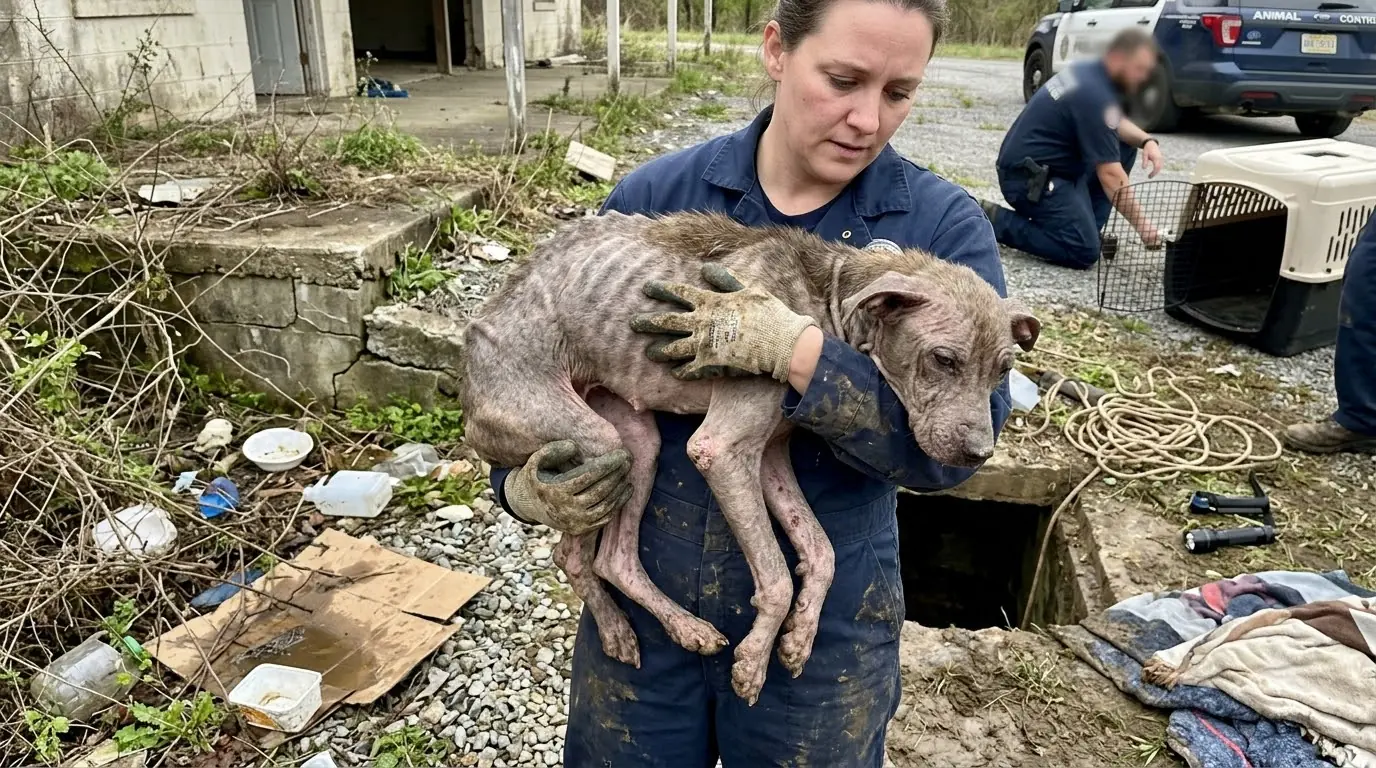
Later that afternoon, Asher attempted to stand when the technician approached with his bowl. His legs trembled, and he managed only a few seconds before sinking back onto the bedding, but it was the first time he had lifted himself without assistance.
Over the next several days, his meals gradually increased.
The veterinary team treated his parasites in stages so his weakened body would not be overwhelmed. Blood tests showed that his anemia remained serious but stable, allowing doctors to avoid an immediate transfusion.
Asher began drinking without assistance and could sit upright for short periods. A padded sling supported him during bathroom breaks, protecting his weak legs from bearing his full weight.
He remained fearful of sudden movement.
Whenever someone lifted a large object near his enclosure, Asher flattened himself against the bedding. The sound of metal striking the floor caused him to tremble uncontrollably.
His regular caregiver began announcing herself before entering and kept every interaction slow and predictable. Within several days, Asher stopped shrinking away from her hands. He occasionally rested his heavy head against her shoulder while she changed his bandages.
One week after the rescue, Asher took his first supported steps outside.
He moved slowly across a small patch of grass, pausing after nearly every step. After reaching the shade, he lowered himself beside his caregiver and remained pressed against her leg.
His recovery will take months.
Asher must regain weight gradually, rebuild the muscles lost during starvation, and continue treatment for his skin and wounds. Doctors are also monitoring his liver, kidneys, and blood values for complications that may not become apparent immediately.
No microchip or identification was found, and no owner has yet been located. The rescue is investigating where he came from and how long he remained trapped.
For now, Asher is still painfully thin, and the marks across his body have not disappeared. But he is eating every scheduled meal, standing for longer periods, and beginning to recognize the people caring for him.
When rescuers first reached through the debris, Asher could not crawl toward them.
Now, each time his caregiver enters with a bowl, he slowly lifts himself from his bed and takes another unsteady step toward her.
News in the same category
Captain’s Recovery After Seven Months in a Concrete Kennel
Daily’s Recovery After Losing Her Owner at Age 11
A Frightened Dog Was Found Trapped in a Thorn Bush Beside the Highway
Big Bear's viral eagle Jackie dies after weeks of intensive care
NEW UPDATE: Jackie the eagle endures 'difficult' 24 hours
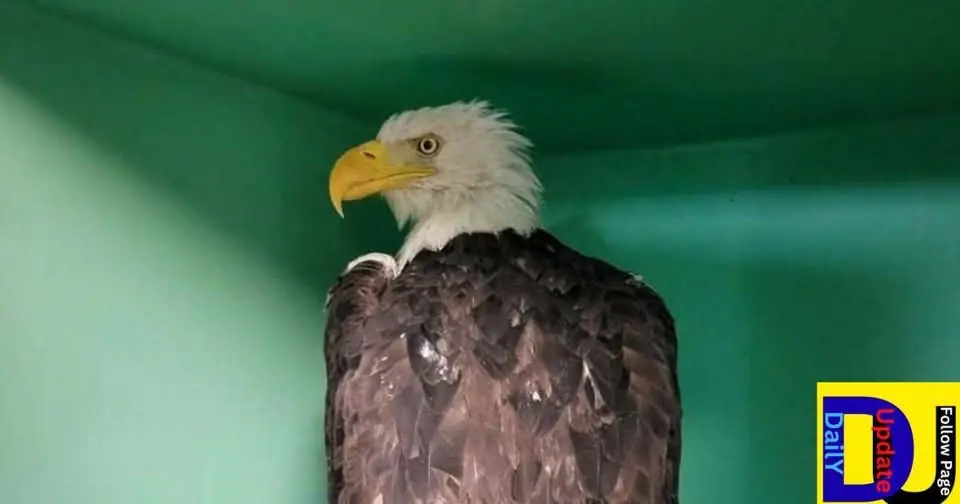
NEW UPDATE: Vets share 'difficult news' about Big Bear bald eagle Jackie
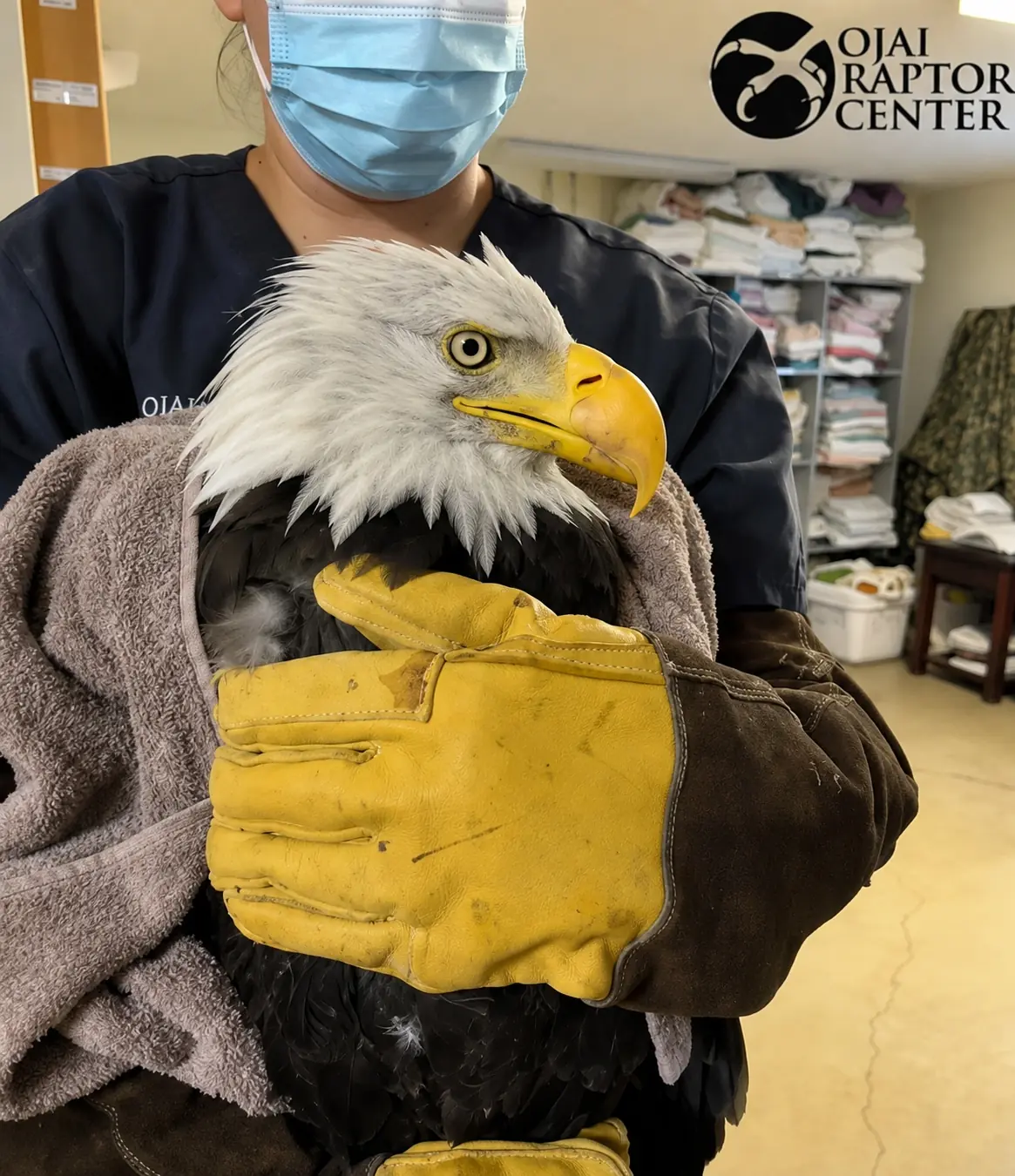
Jackie the eagle’s caregivers face intense response
Jackie the eagle’s caregivers face intense response
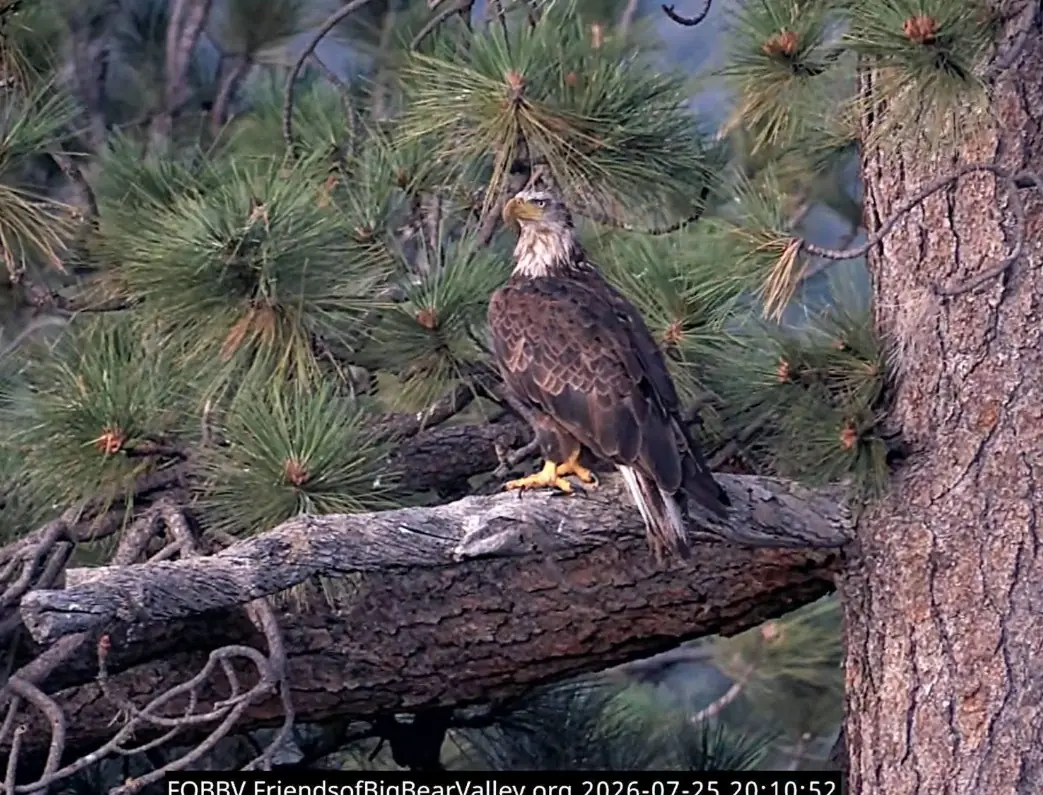
Jackie the bald eagle's recovery takes a worrying turn after latest health update
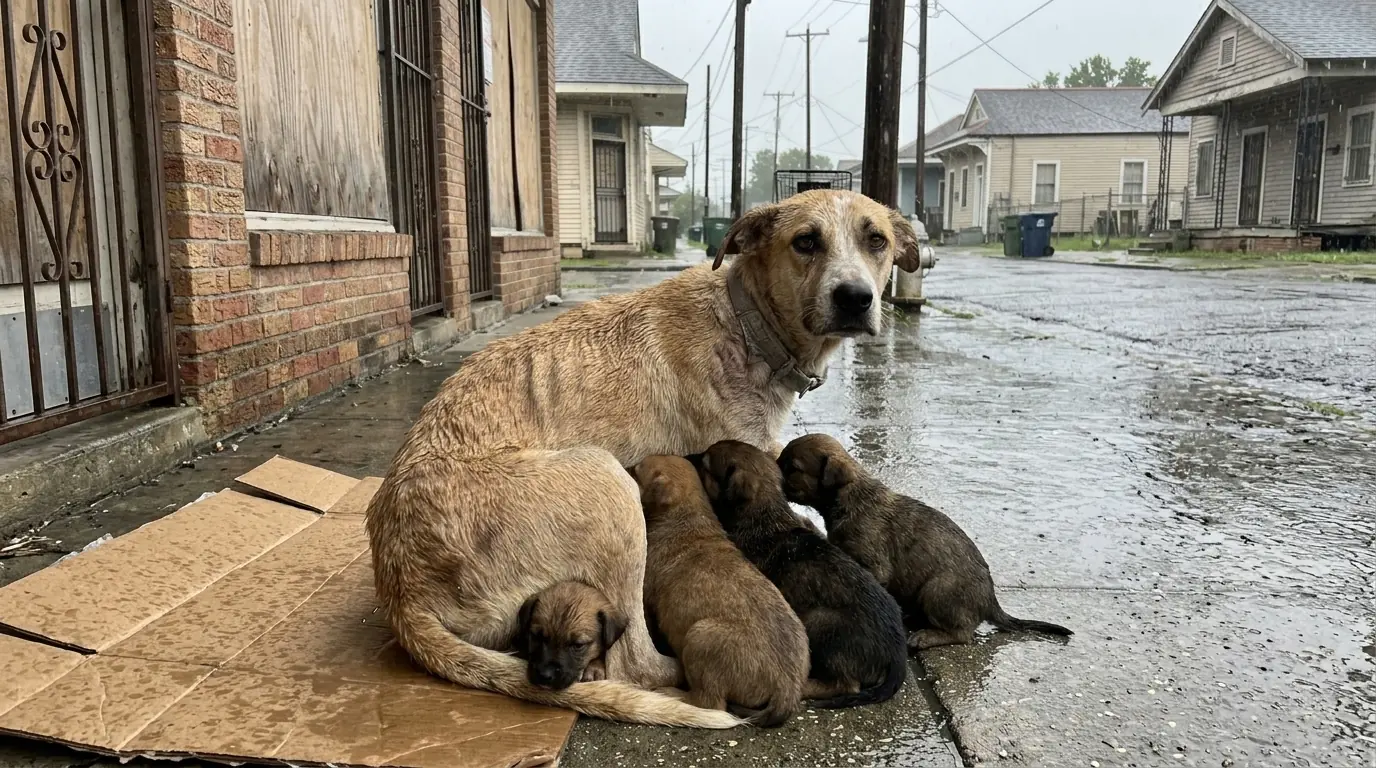
A Mother Dog Shielded Her Five Puppies Through a Violent Rainstorm
The Blind Dog Who Refused to Let Go of His Tattered Stuffed Lamb
Bingo Celebrates His First Birthday After Spending an Entire Year at the Shelter
Sam Still Sleeps on the Blanket Left Behind When His Family Moved Away
Big Bear bald eagle Jackie's fight for survival continues as mystery illness remains unknown
Toby’s Recovery After Being Found Exhausted on a Street Corner
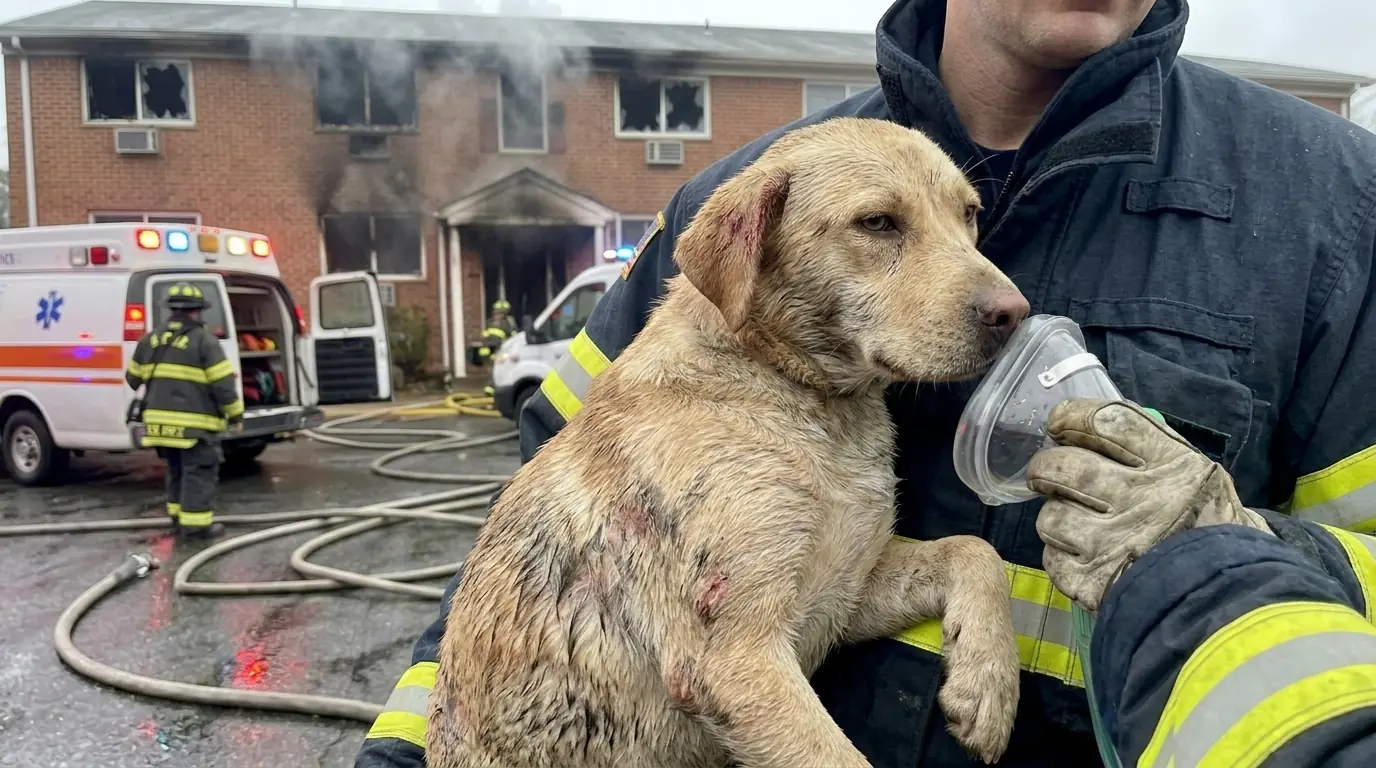
Bailey’s Recovery After Being Rescued Last From a House Fire
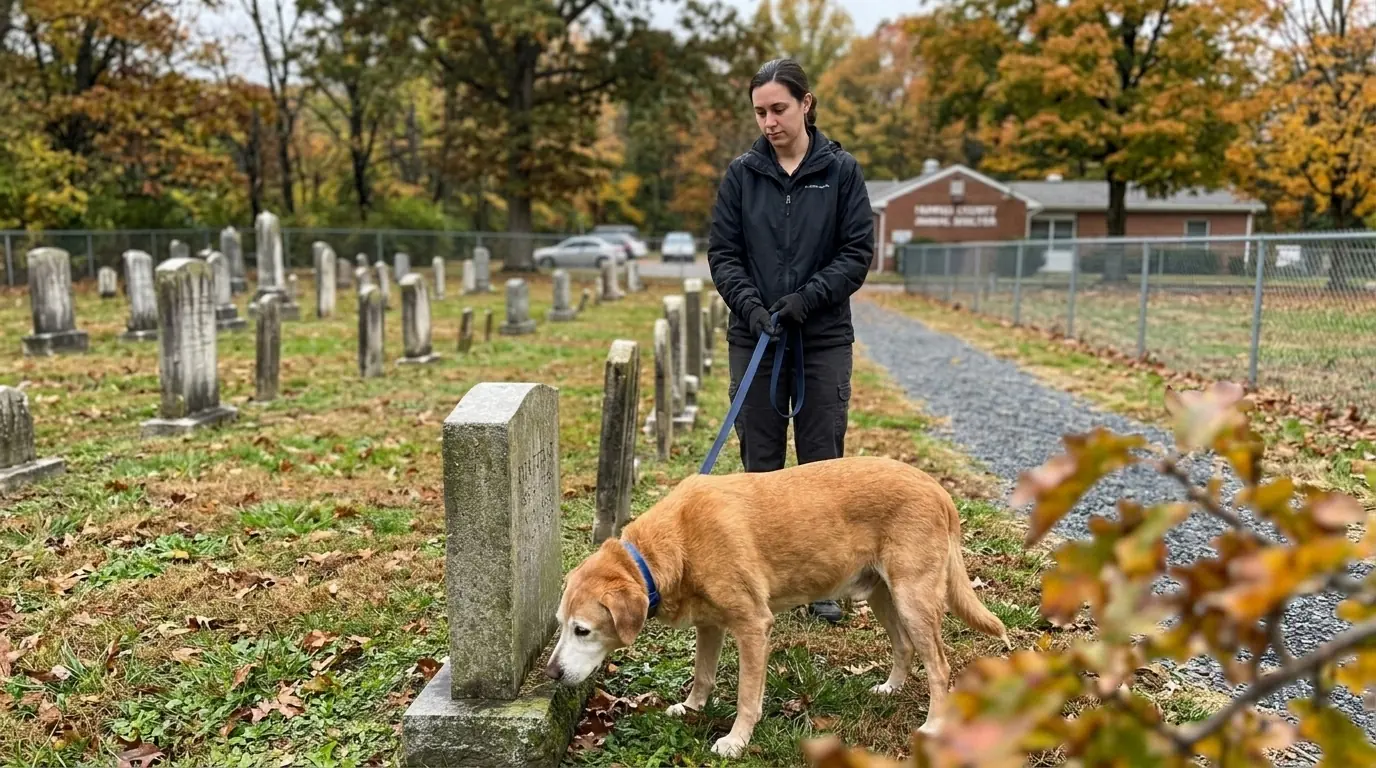
Charlie’s Daily Walk to His Former Owner’s Grave