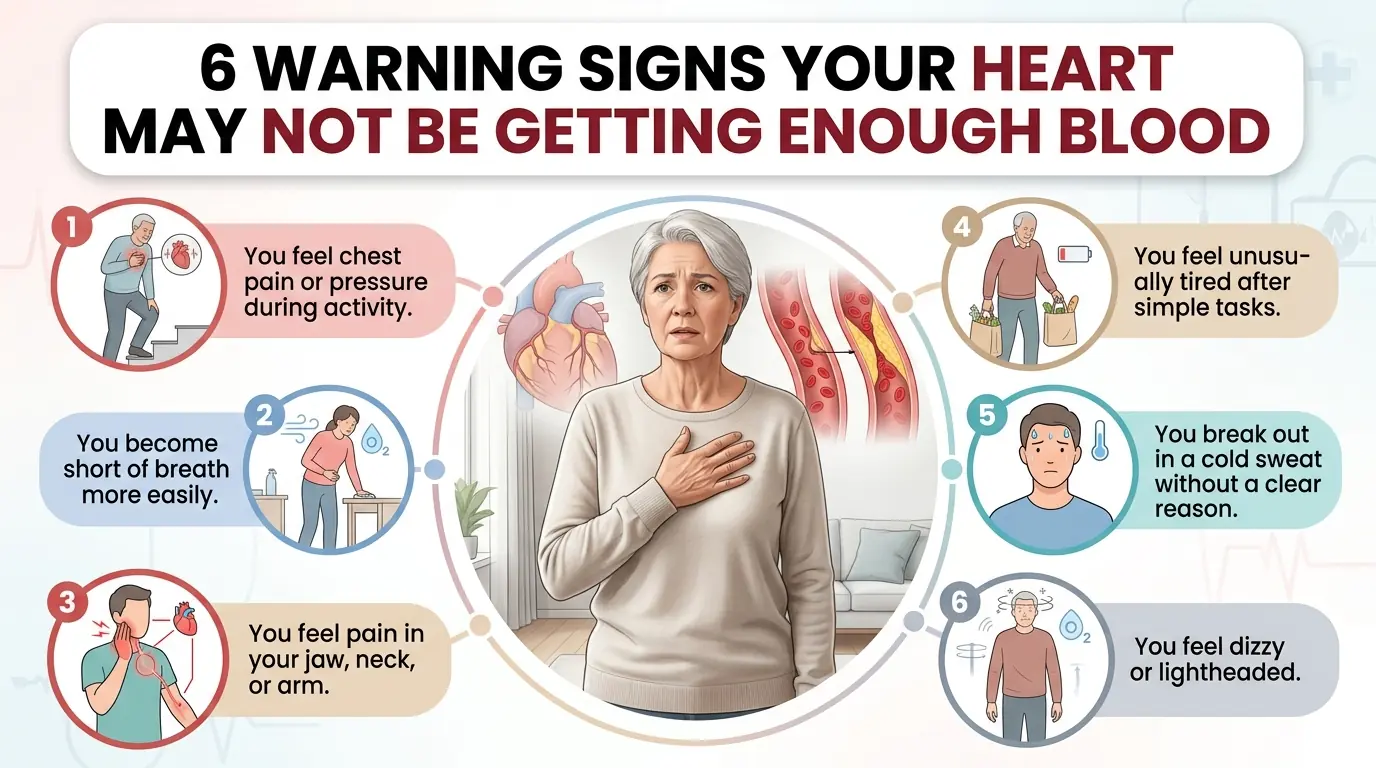
AFTER 60, YOUR BODY DOESN’T HANDLE SUGAR THE SAME WAY
Reader Theme:
Font Size:
24px
AFTER 60, YOUR BODY DOESN’T HANDLE SUGAR THE SAME WAY
Blood sugar can become more difficult to manage as we get older—even if our eating habits haven't changed dramatically. Changes in muscle mass, physical activity, sleep, body composition, medications, and insulin sensitivity can all influence how effectively the body handles glucose.
This doesn't mean everyone over 60 will develop diabetes. Aging itself is only one piece of a much larger picture. However, the risk of prediabetes and type 2 diabetes does increase with age, making healthy lifestyle habits and appropriate screening increasingly important.
The encouraging part is that many factors affecting blood sugar are modifiable. Maintaining muscle, staying active, getting adequate sleep, choosing high-quality carbohydrates, and having routine blood tests can help protect metabolic health well into later life.
What Happens to Blood Sugar as You Age?
When you eat carbohydrates, your digestive system breaks many of them down into glucose. Glucose enters the bloodstream and becomes an important source of energy.
The pancreas responds by releasing insulin, a hormone that helps glucose move from the bloodstream into cells.
Muscle tissue is particularly important because skeletal muscle is a major site for glucose disposal, especially after meals and during physical activity.
With aging, several changes can make this system less efficient.
Muscle mass often decreases. Physical activity may decline. Body composition can change, and some people become more insulin resistant, meaning their cells don't respond to insulin as effectively.
As a result, maintaining healthy blood sugar may require more attention than it did earlier in life.
1. Muscle Loss Can Affect How Your Body Uses Glucose
Beginning in adulthood, people gradually lose muscle unless they actively work to preserve it. This process often accelerates later in life.
Because skeletal muscle plays an important role in glucose metabolism, losing substantial muscle may reduce one of the body's major places for using glucose.
Muscle loss can also contribute to:
-
Reduced strength.
-
Slower walking.
-
Difficulty performing everyday activities.
-
Greater risk of falls.
-
Reduced metabolic health.
This is one reason resistance training becomes particularly valuable with age.
Strength exercises don't necessarily require a gym. Depending on your abilities and health, options can include resistance bands, body-weight exercises, machines, free weights, or supervised exercises recommended by a physical therapist.
Even people who begin strength training later in life can improve strength and physical function.
2. Physical Inactivity Can Make Blood Sugar Harder to Manage
Movement helps muscles use glucose.
During physical activity, working muscles increase their demand for energy. This can increase glucose uptake and improve insulin sensitivity.
When people become less physically active, the opposite can occur.
Unfortunately, activity often decreases gradually with age.
Retirement may remove daily walking associated with work. Joint pain may make exercise uncomfortable. Driving may replace walking, and more time may be spent sitting at home.
These small changes can add up.
For many adults, a combination of aerobic activity and resistance training provides important metabolic and cardiovascular benefits.
The goal doesn't have to be intense exercise.
Walking, gardening, swimming, cycling, strength exercises, and other forms of movement can all contribute.
If you've been inactive for a long time or have significant medical conditions, ask your healthcare provider what level of exercise is appropriate for you.
3. Poor Sleep Can Interfere With Blood Sugar Regulation
Sleep isn't simply downtime for the brain.
It plays an important role in hormone regulation, appetite, metabolism, and glucose control.
Repeatedly getting inadequate or disrupted sleep may reduce insulin sensitivity and make blood sugar regulation more difficult.
Poor sleep can also affect appetite.
When you're exhausted, you may be more likely to reach for highly processed, calorie-dense foods while having less motivation to exercise.
Older adults may experience disrupted sleep because of:
-
Chronic pain.
-
Frequent nighttime urination.
-
Certain medications.
-
Sleep apnea.
-
Restless legs.
-
Changes in sleep patterns.
If you're spending enough time in bed but still wake exhausted every morning, don't automatically assume it's normal aging.
Conditions such as sleep apnea can repeatedly interrupt sleep without you realizing it and deserve medical evaluation.
4. Sugary Drinks Can Raise Blood Sugar Quickly
Not all carbohydrate-containing foods affect the body in exactly the same way.
Sugary beverages are particularly easy to consume quickly and generally provide little or no fiber.
Examples include:
-
Regular soda.
-
Sweetened tea.
-
Energy drinks.
-
Many sweetened coffee beverages.
-
Fruit drinks with added sugar.
Because liquid sugar can be consumed rapidly, it can deliver a substantial amount of carbohydrate without producing the same fullness as many solid foods.
Replacing sugary drinks with water, unsweetened tea, sparkling water without added sugar, or other low-sugar alternatives can be a practical way to reduce added sugar intake.
This doesn't mean carbohydrates need to be eliminated.
Higher-quality carbohydrate sources such as vegetables, beans, whole grains, and whole fruits also provide fiber and valuable nutrients.
5. Moving After Meals Can Help Your Muscles Use Glucose
You don't necessarily need a strenuous workout to benefit your blood sugar.
Even light-to-moderate activity after eating can encourage working muscles to use glucose.
A simple walk after a meal can therefore be a practical habit for many adults.
Depending on your health and mobility, you might:
-
Walk around your neighborhood.
-
Walk indoors.
-
Perform light household activities.
-
Use a stationary bicycle.
-
Do gentle movement recommended by a physical therapist.
The important principle is to avoid remaining completely sedentary for long periods whenever possible.
If walking is difficult because of arthritis, balance problems, heart disease, or another condition, ask your healthcare provider about safer alternatives.
Small amounts of movement performed consistently can still contribute to overall metabolic health.
6. Routine Blood Tests Can Detect Problems Before Symptoms Appear
One of the most important facts about elevated blood sugar is that you may feel completely normal.
Prediabetes frequently causes no obvious symptoms.
Type 2 diabetes can also develop gradually, meaning some people live with elevated blood sugar for years before realizing something is wrong.
That's why screening matters.
Two commonly used tests include:
A1C Test
An A1C test estimates your average blood glucose over approximately the previous two to three months.
Fasting Blood Glucose
This test measures blood glucose after you haven't eaten for a specified period, usually overnight.
Depending on your circumstances, healthcare professionals may use additional testing.
Screening becomes particularly important if you have risk factors for type 2 diabetes.
Who Is Most at Risk for Type 2 Diabetes?
Age increases the risk, but it is far from the only factor.
Your risk may be higher if you:
-
Have overweight or obesity.
-
Have a family history of type 2 diabetes.
-
Have prediabetes.
-
Are physically inactive.
-
Have high blood pressure.
-
Have abnormal cholesterol or triglyceride levels.
-
Previously had gestational diabetes.
-
Have cardiovascular disease.
-
Have certain other metabolic risk factors.
Because diabetes can remain silent, knowing your risk is often more useful than waiting for symptoms.
Your healthcare provider can recommend an appropriate screening schedule based on your individual health.
Warning Signs of High Blood Sugar
When blood glucose becomes sufficiently elevated, symptoms can develop.
Possible signs include:
-
Increased thirst.
-
Frequent urination.
-
Blurred vision.
-
Unexplained fatigue.
-
Increased hunger.
-
Slow-healing wounds.
-
Recurrent infections.
-
Unexplained weight loss in some cases.
Tingling or numbness in the feet can occur when prolonged diabetes damages peripheral nerves.
However, the absence of these symptoms doesn't guarantee that your blood sugar is normal.
Testing is the only reliable way to know.
What Should You Eat for Better Blood Sugar Control?
You don't need a special “diabetic food” to support healthy blood sugar.
Focus on an overall nutritious eating pattern.
Include more:
-
Non-starchy vegetables.
-
Beans and lentils.
-
Whole grains.
-
Whole fruits.
-
Nuts and seeds.
-
Lean protein sources.
-
Fish.
-
Healthy unsaturated fats.
Fiber is particularly valuable because it can slow digestion and moderate the absorption of carbohydrates.
Protein can also help make meals more satisfying and becomes especially important for preserving muscle as people age.
Try to limit frequent consumption of:
-
Sugar-sweetened beverages.
-
Candy and sweets.
-
Highly refined carbohydrates.
-
Heavily processed snack foods.
You don't necessarily need to eliminate favorite foods completely.
Consistency, portions, and the overall quality of your diet matter more than trying to achieve perfection.
Don't Forget About Muscle After 60
Blood sugar advice often focuses almost entirely on reducing sugar.
But preserving muscle deserves just as much attention.
Resistance training and adequate nutrition can help maintain muscle mass, physical function, and metabolic health.
Consider including a source of protein at meals, such as:
-
Eggs.
-
Fish.
-
Poultry.
-
Greek yogurt.
-
Cottage cheese.
-
Beans.
-
Lentils.
-
Tofu.
Individual protein needs vary, particularly for people with certain medical conditions such as kidney disease, so personalized recommendations may be appropriate.
Combining good nutrition with regular resistance exercise is generally more effective for maintaining muscle than focusing on either one alone.
Small Daily Habits Can Make a Difference
Protecting metabolic health doesn't require changing everything overnight.
Start with sustainable habits.
You might:
-
Replace one sugary drink with water.
-
Take a short walk after dinner.
-
Add vegetables to lunch.
-
Include protein with breakfast.
-
Perform resistance exercises several times per week when appropriate.
-
Break up long periods of sitting.
-
Maintain a consistent sleep schedule.
-
Attend recommended health screenings.
Small habits are easier to maintain, and consistency matters.
When Should You See a Doctor?
Talk with your healthcare provider about blood sugar testing if you're due for routine screening or have risk factors for diabetes.
You should also seek medical advice if you develop persistent:
-
Excessive thirst.
-
Frequent urination.
-
Unexplained fatigue.
-
Blurred vision.
-
Slow-healing wounds.
-
Unexplained weight changes.
-
Tingling or numbness.
These symptoms have many possible causes and don't necessarily mean diabetes, but they deserve appropriate evaluation.
If you already have diabetes, don't make major changes to medications or severely restrict carbohydrates without professional guidance. Exercise and dietary changes can affect blood sugar and sometimes require adjustments to treatment.
Key Takeaways
-
Aging can influence glucose metabolism, but developing diabetes isn't an inevitable part of getting older.
-
Loss of muscle can affect an important site where the body uses glucose.
-
Regular physical activity helps support insulin sensitivity and metabolic health.
-
Poor-quality sleep can interfere with normal glucose regulation.
-
Sugary drinks can deliver large amounts of rapidly absorbed carbohydrate with little fiber.
-
Moving after meals can help working muscles use glucose.
-
Prediabetes and type 2 diabetes may develop without obvious symptoms.
-
Routine blood tests can identify elevated blood sugar before symptoms appear.
-
Maintaining muscle, staying active, eating a balanced diet, sleeping well, and getting appropriate screening become increasingly important with age.
Medical Disclaimer
This article is for educational purposes only and is not a substitute for professional medical advice, diagnosis, or treatment. Blood sugar regulation varies between individuals, and age alone does not determine whether someone will develop diabetes. If you're concerned about your blood sugar or have risk factors for prediabetes or type 2 diabetes, consult a qualified healthcare professional about appropriate testing and personalized recommendations.
News in the same category
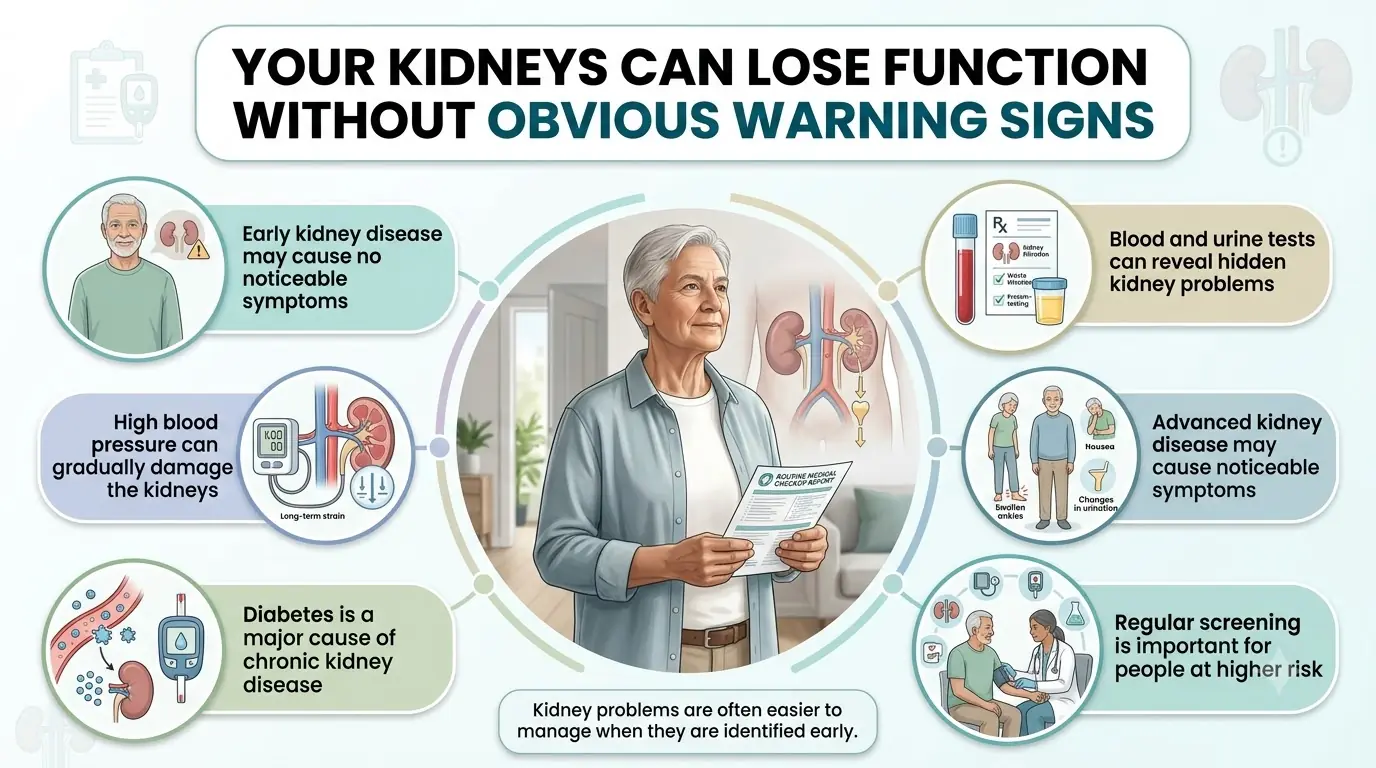
YOUR KIDNEYS CAN LOSE FUNCTION WITHOUT OBVIOUS WARNING SIGNS
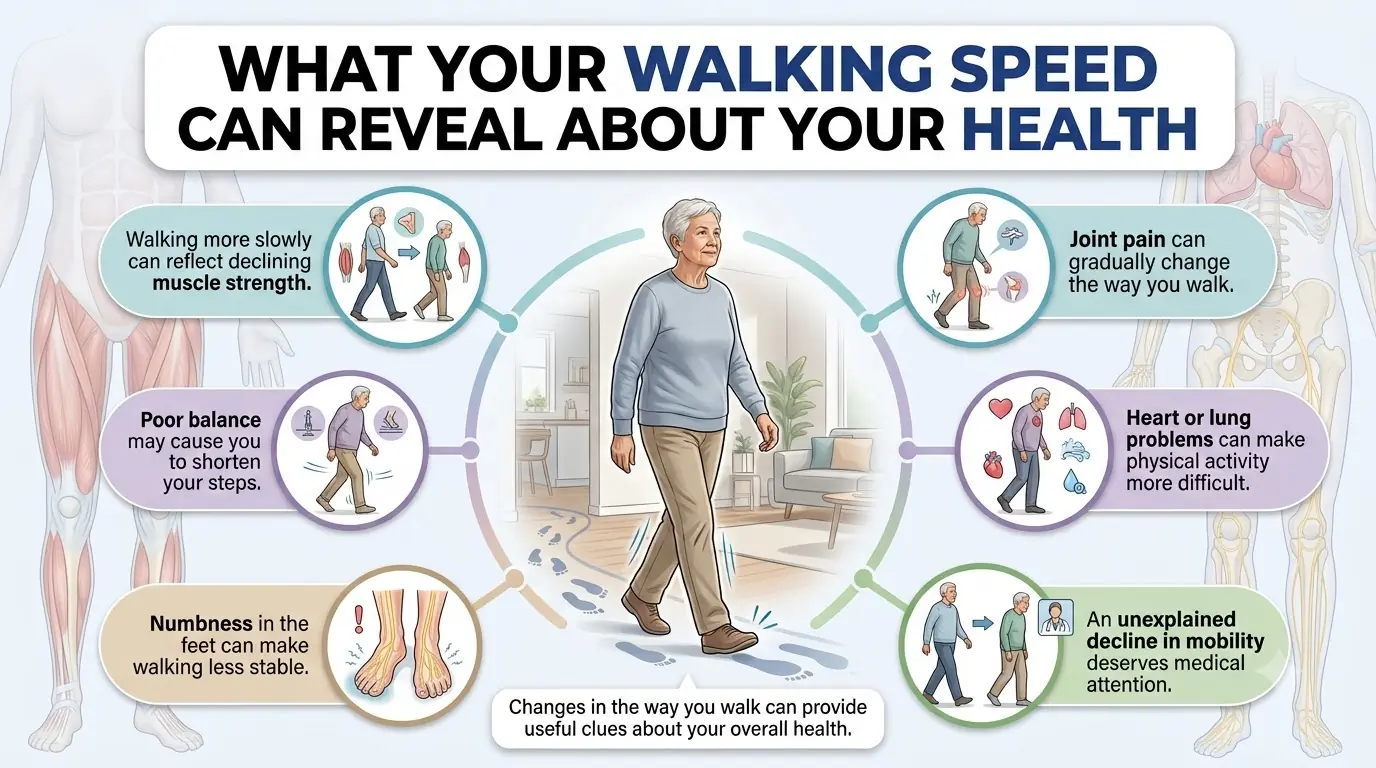
WHAT YOUR WALKING SPEED CAN REVEAL ABOUT YOUR HEALTH
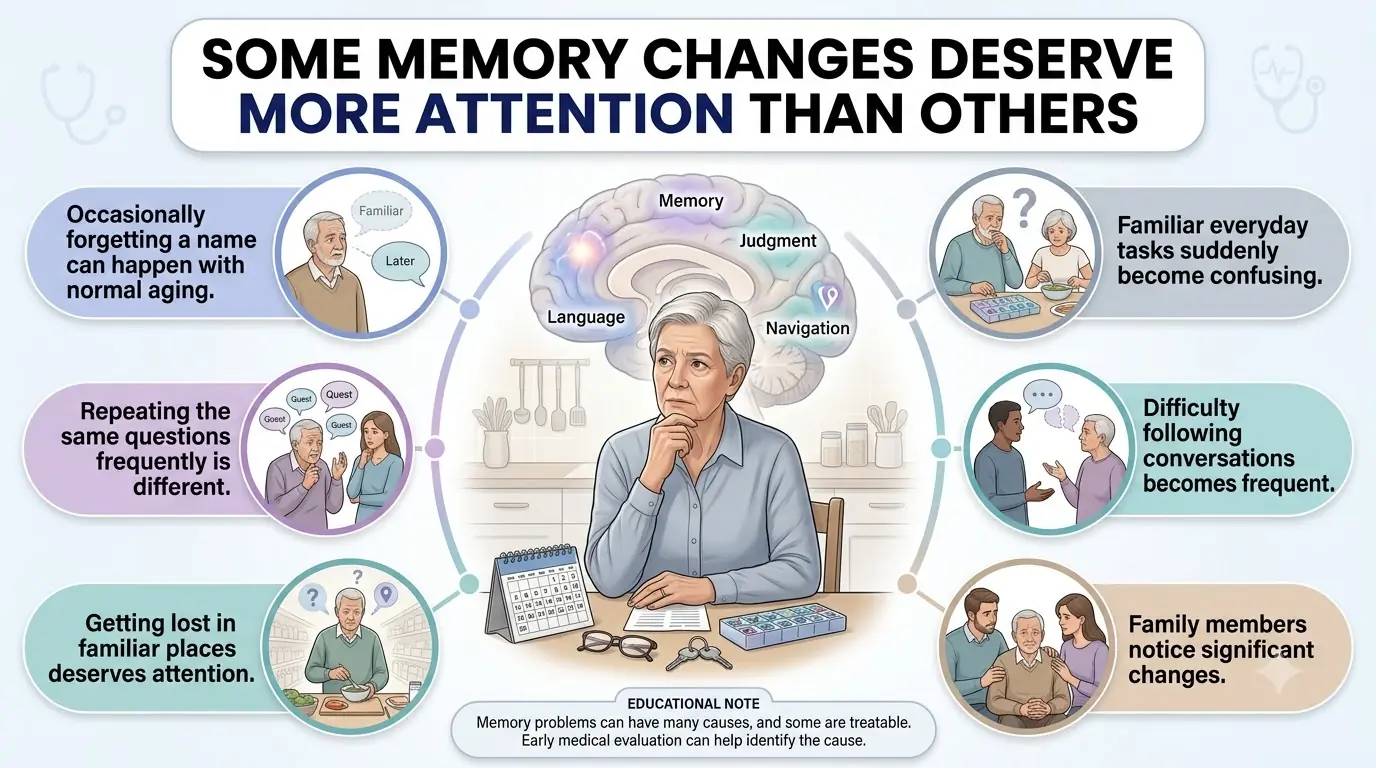
SOME MEMORY CHANGES DESERVE MORE ATTENTION THAN OTHERS
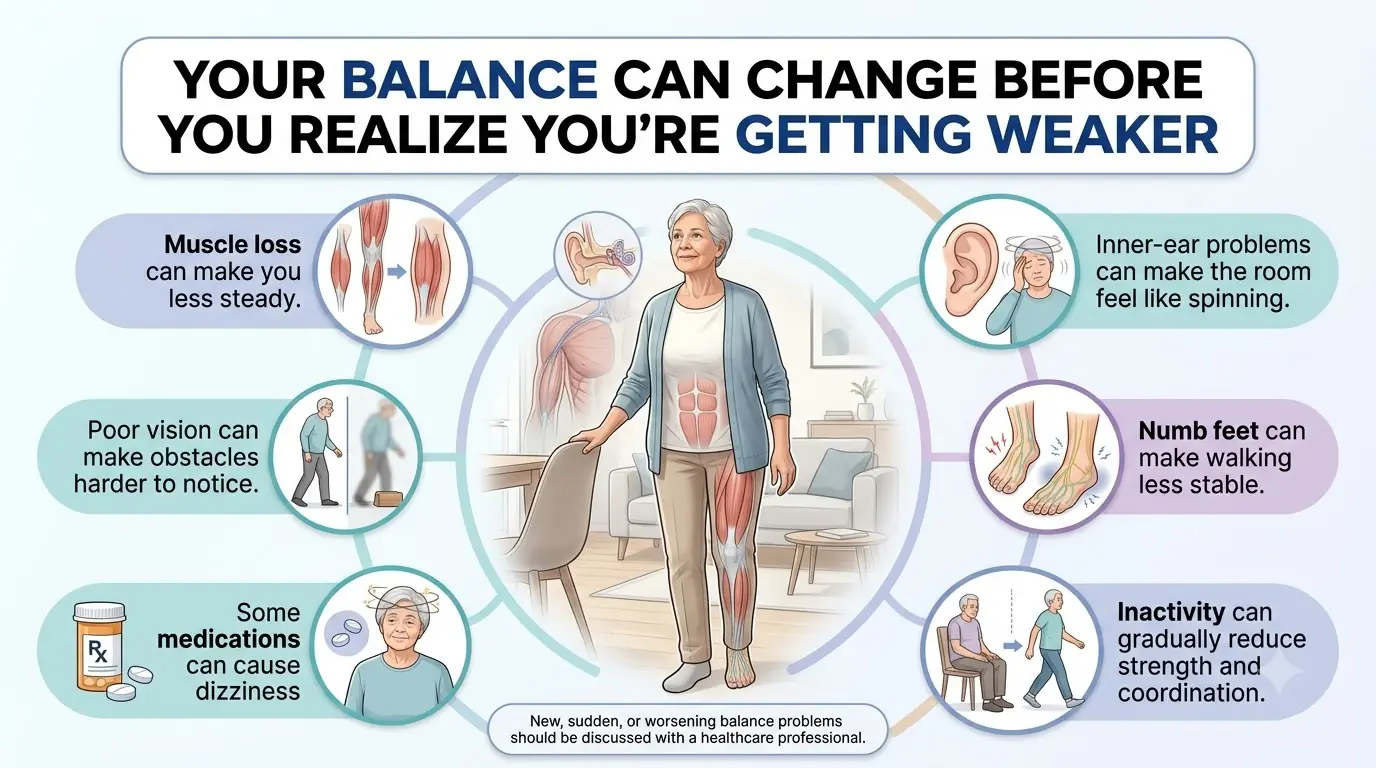
YOUR BALANCE CAN CHANGE BEFORE YOU REALIZE YOU’RE GETTING WEAKER
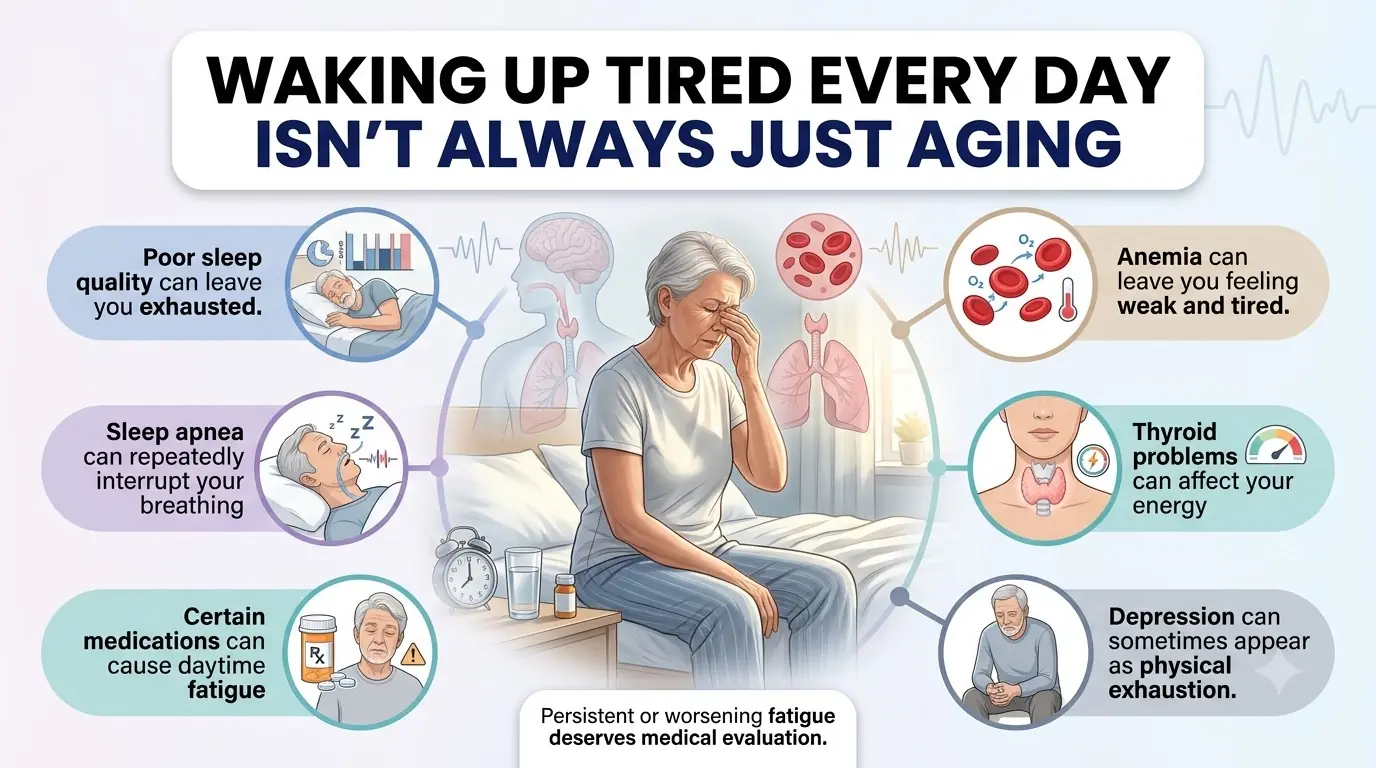
WAKING UP TIRED EVERY DAY ISN’T ALWAYS JUST AGING
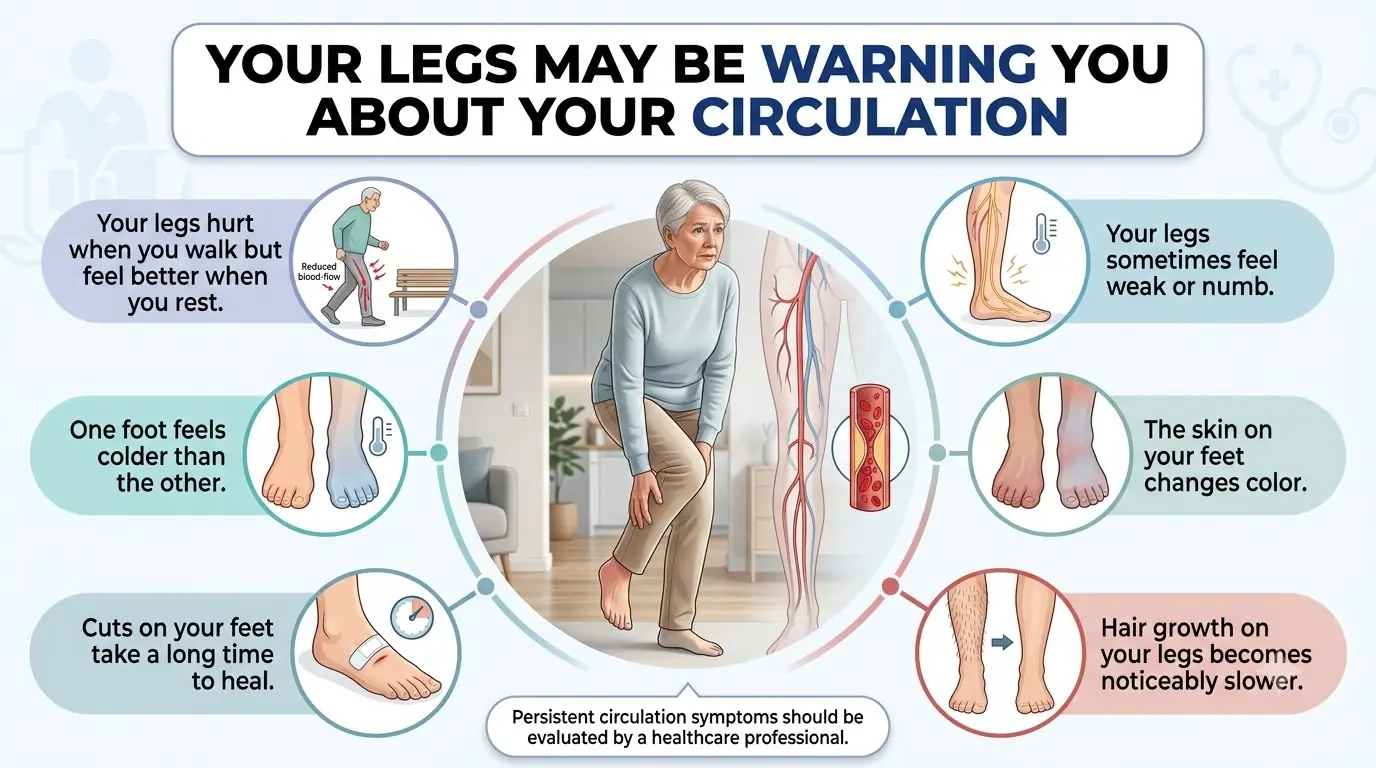
YOUR LEGS MAY BE WARNING YOU ABOUT YOUR CIRCULATION
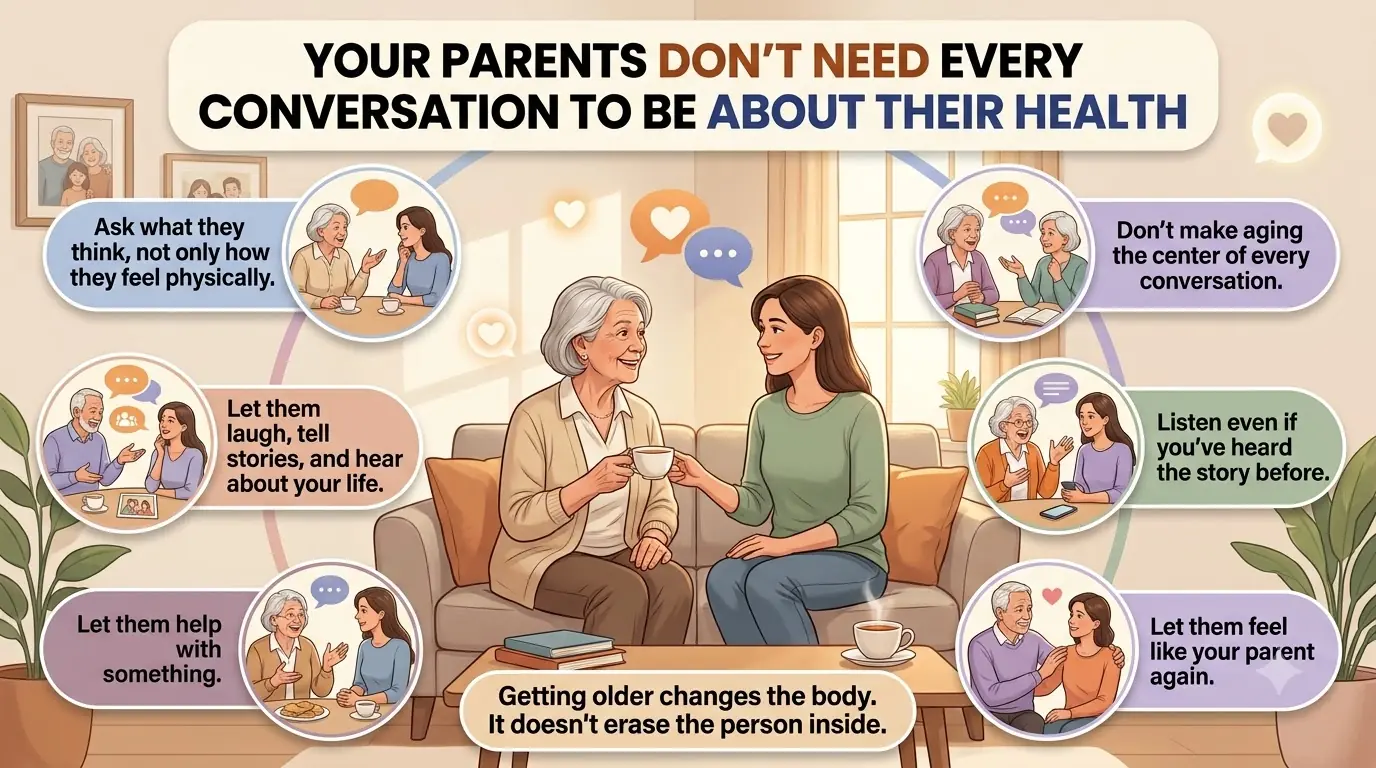
YOUR PARENTS DON'T NEED EVERY CONVERSATION TO BE ABOUT THEIR HEALTH
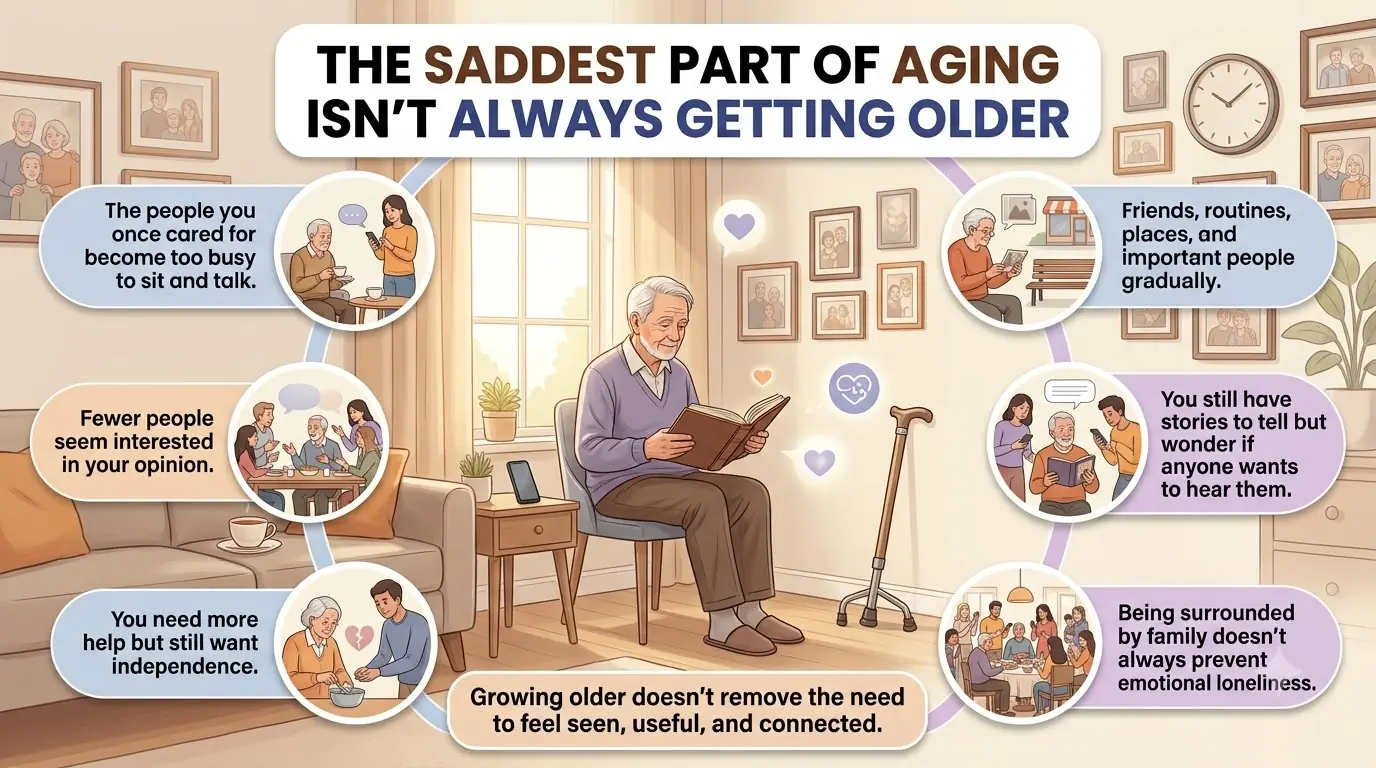
THE SADDEST PART OF AGING ISN'T ALWAYS GETTING OLDER
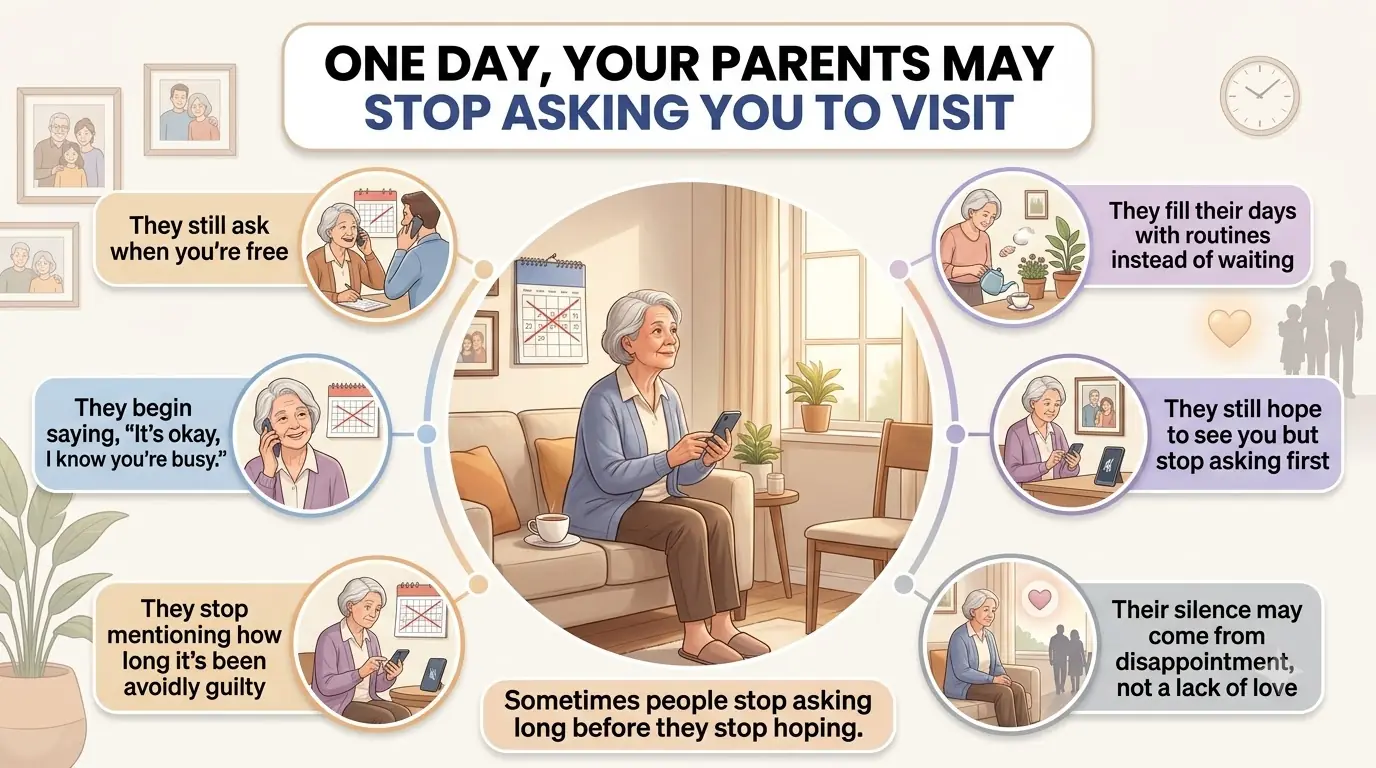
ONE DAY, YOUR PARENTS MAY STOP ASKING YOU TO VISIT
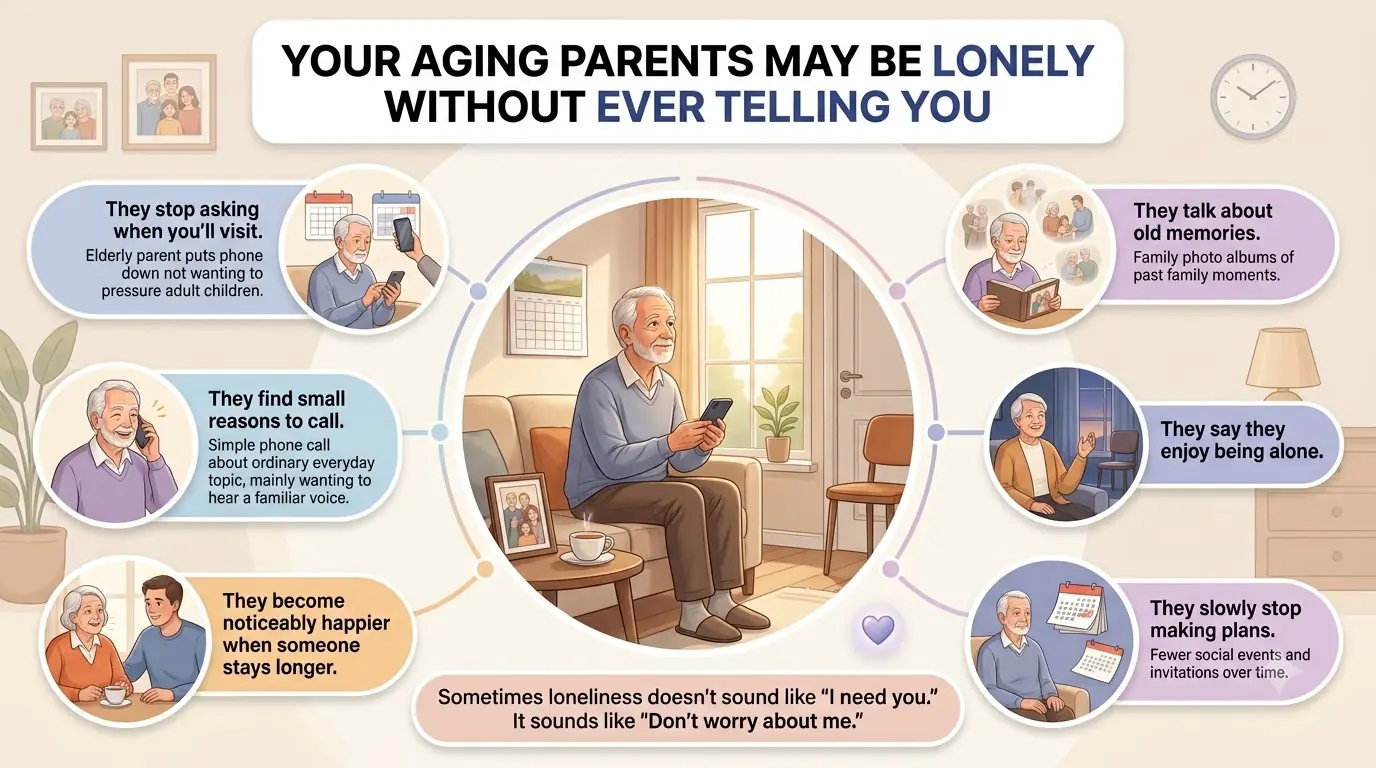
YOUR AGING PARENTS MAY BE LONELY WITHOUT EVER TELLING YOU
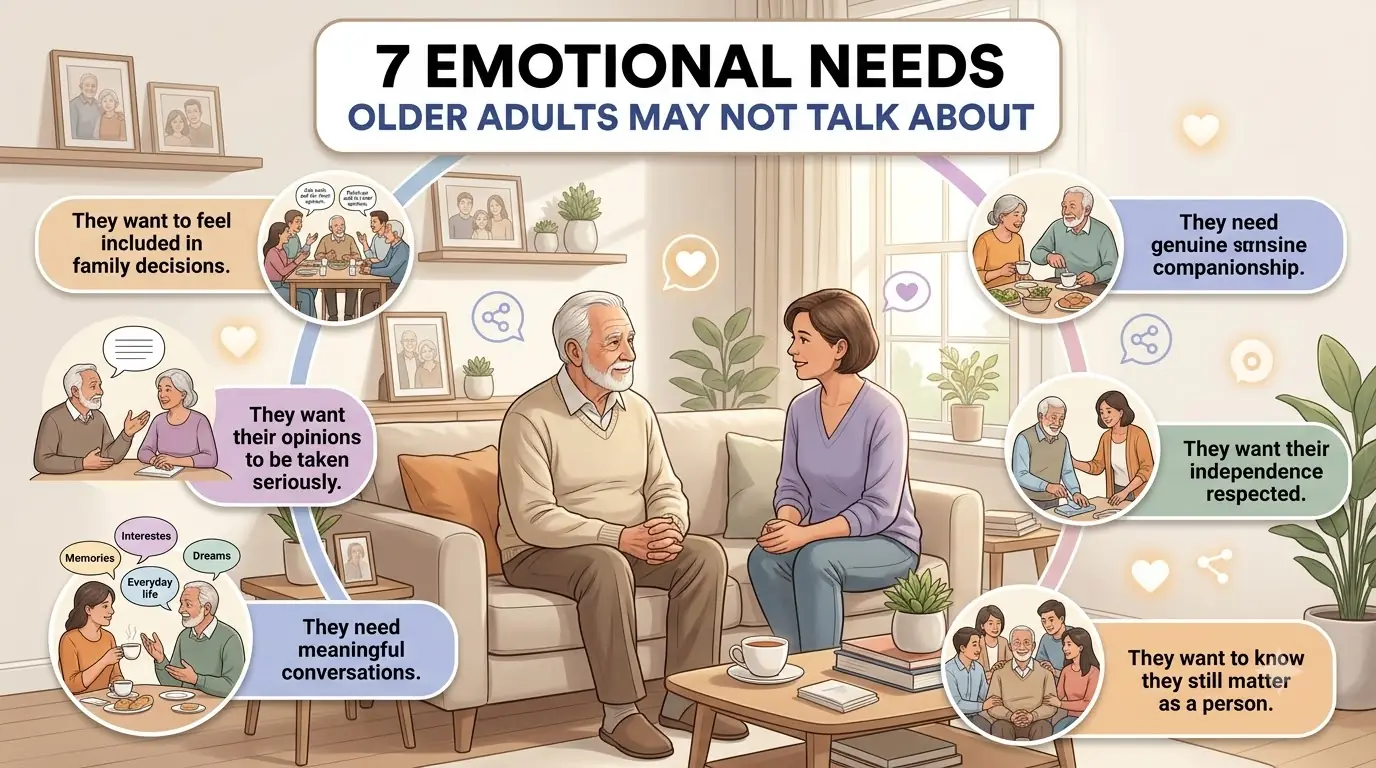
7 EMOTIONAL NEEDS OLDER ADULTS MAY NOT TALK ABOUT
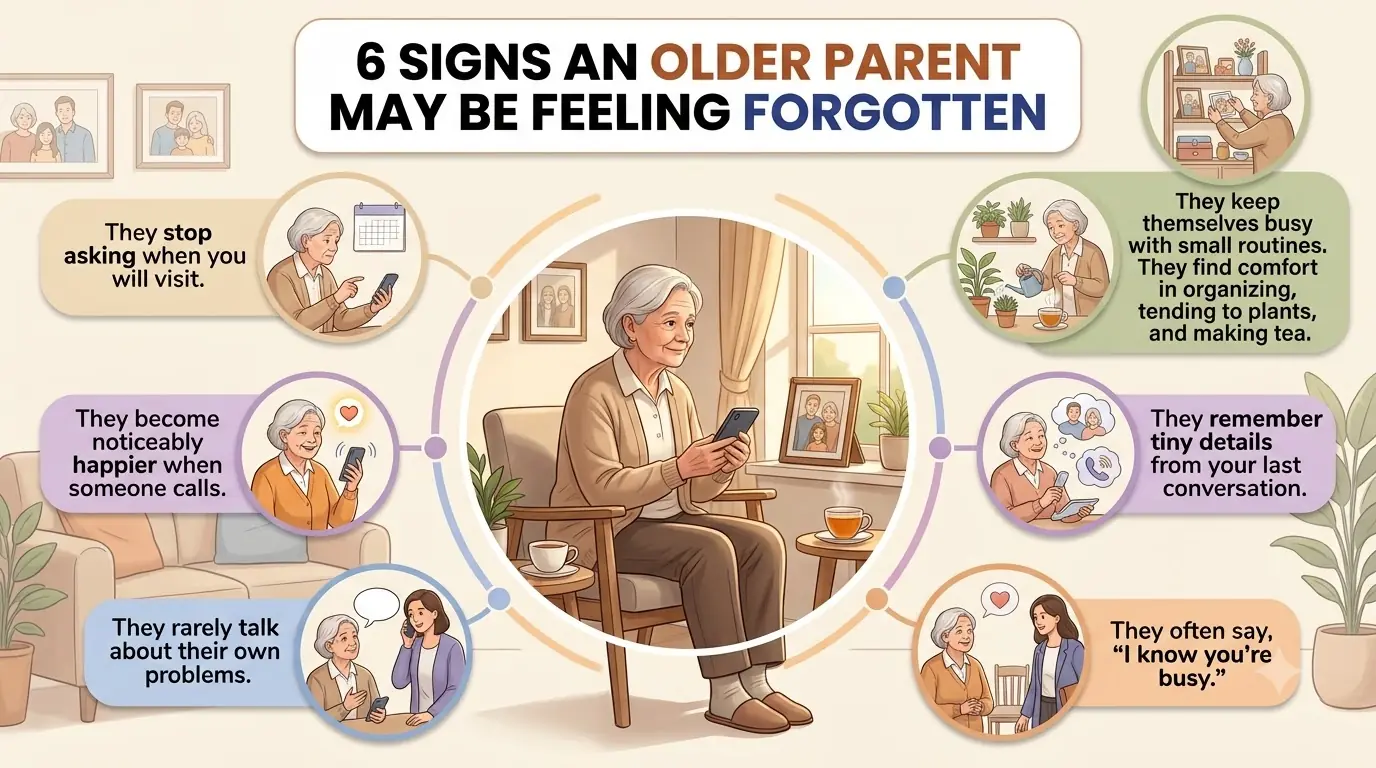
6 SIGNS AN OLDER PARENT MAY BE FEELING FORGOTTEN
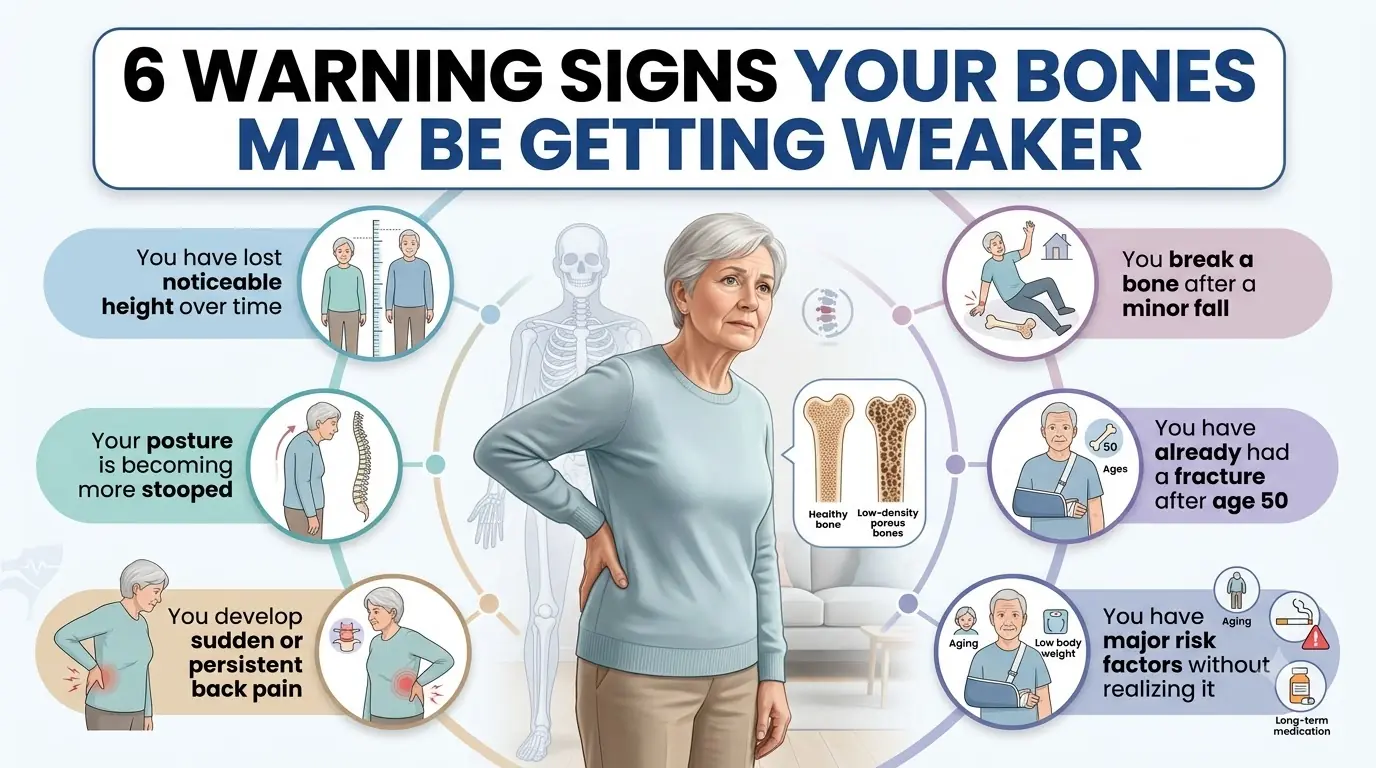
6 WARNING SIGNS YOUR BONES MAY BE GETTING WEAKER
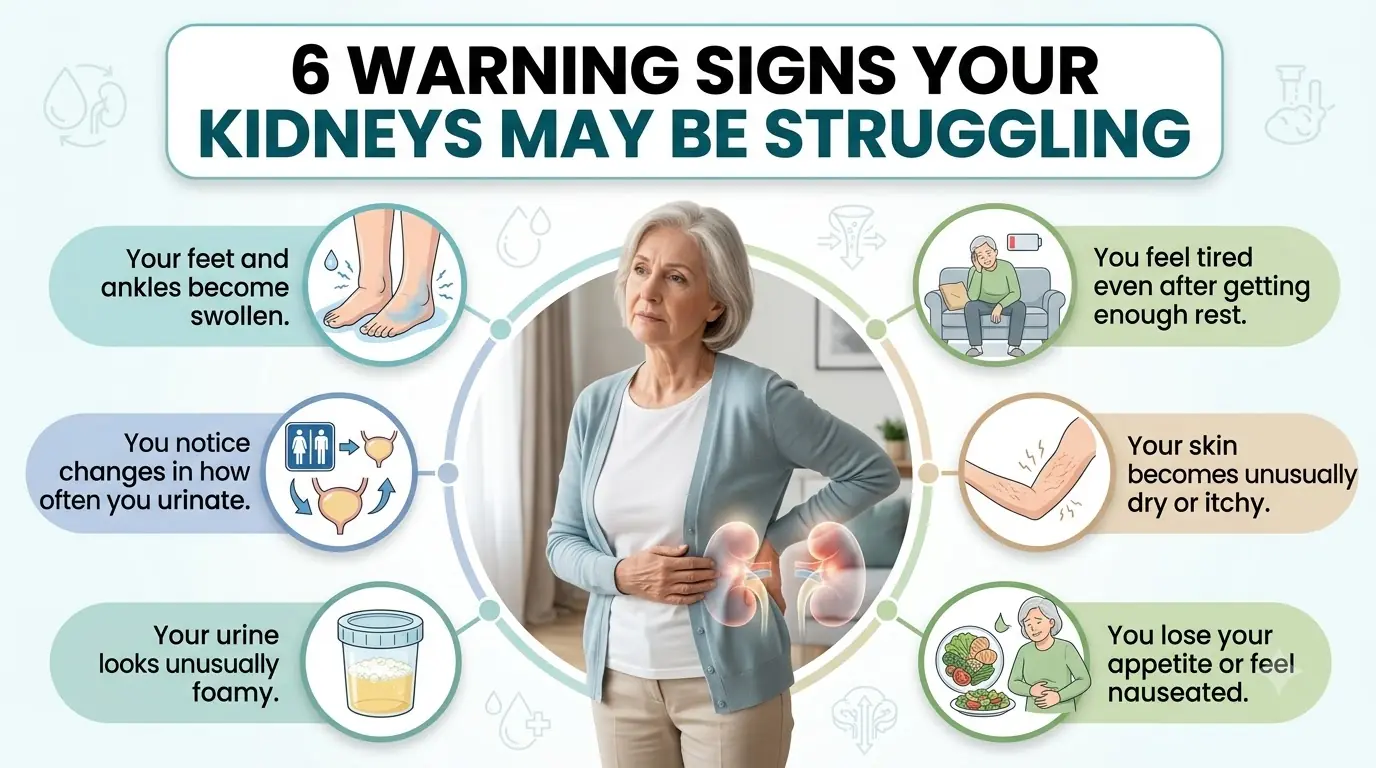
6 WARNING SIGNS YOUR KIDNEYS MAY BE STRUGGLING
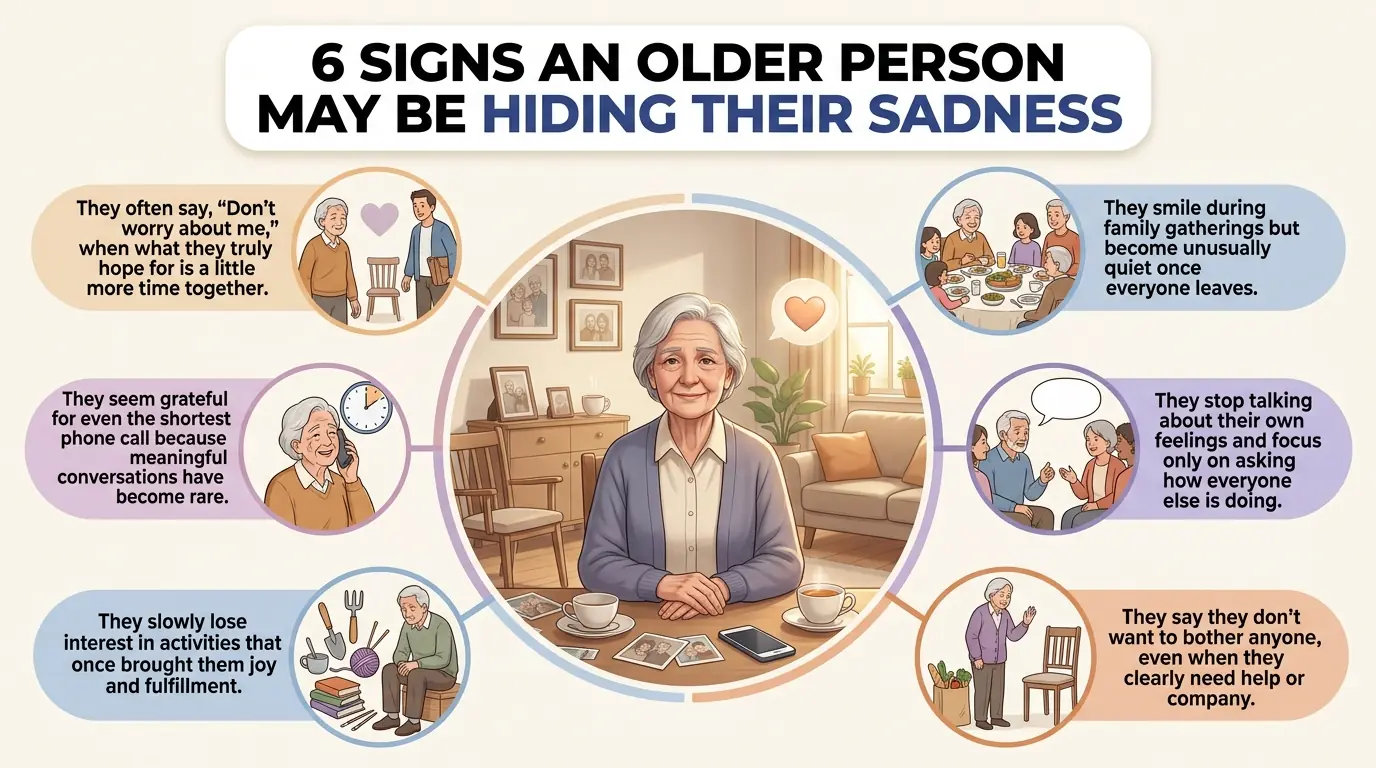
6 SIGNS AN OLDER PERSON MAY BE HIDING THEIR SADNESS
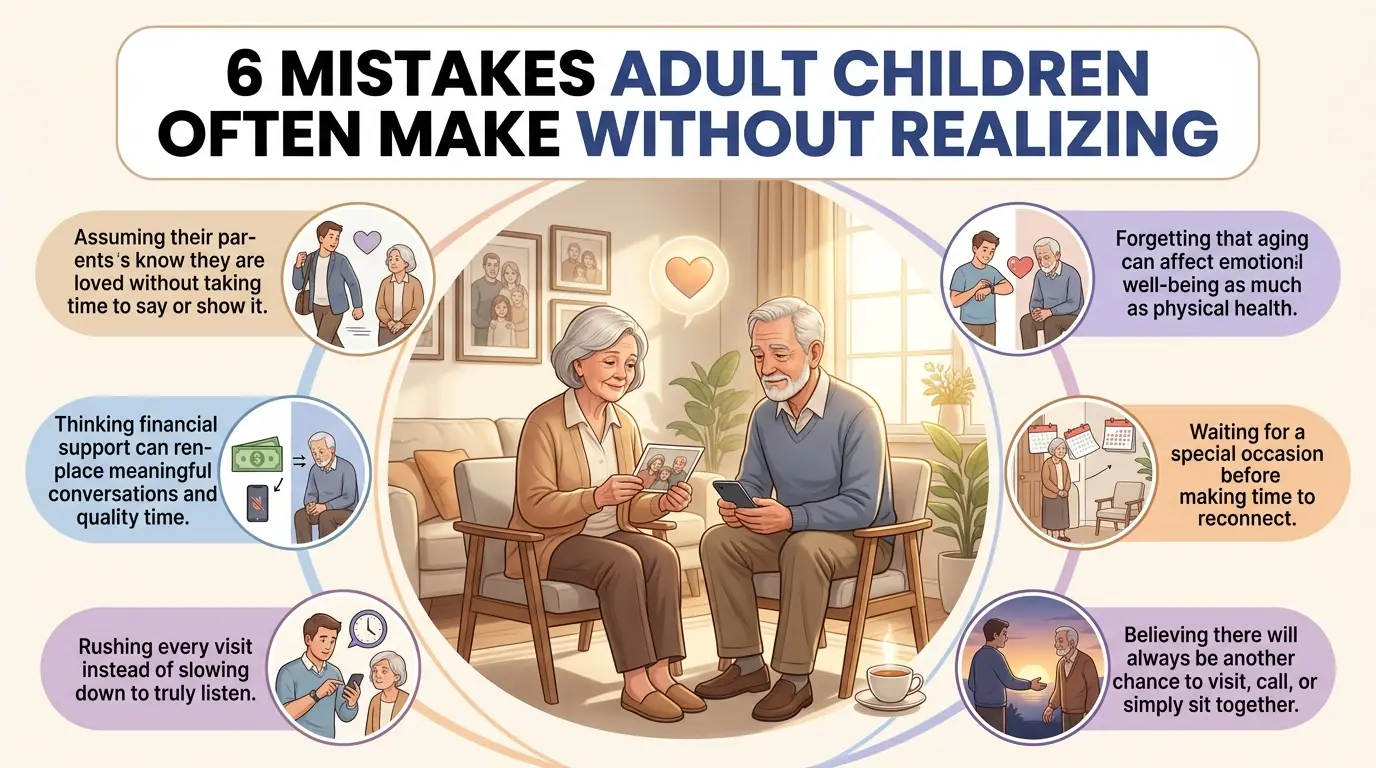
6 MISTAKES ADULT CHILDREN OFTEN MAKE WITHOUT REALIZING
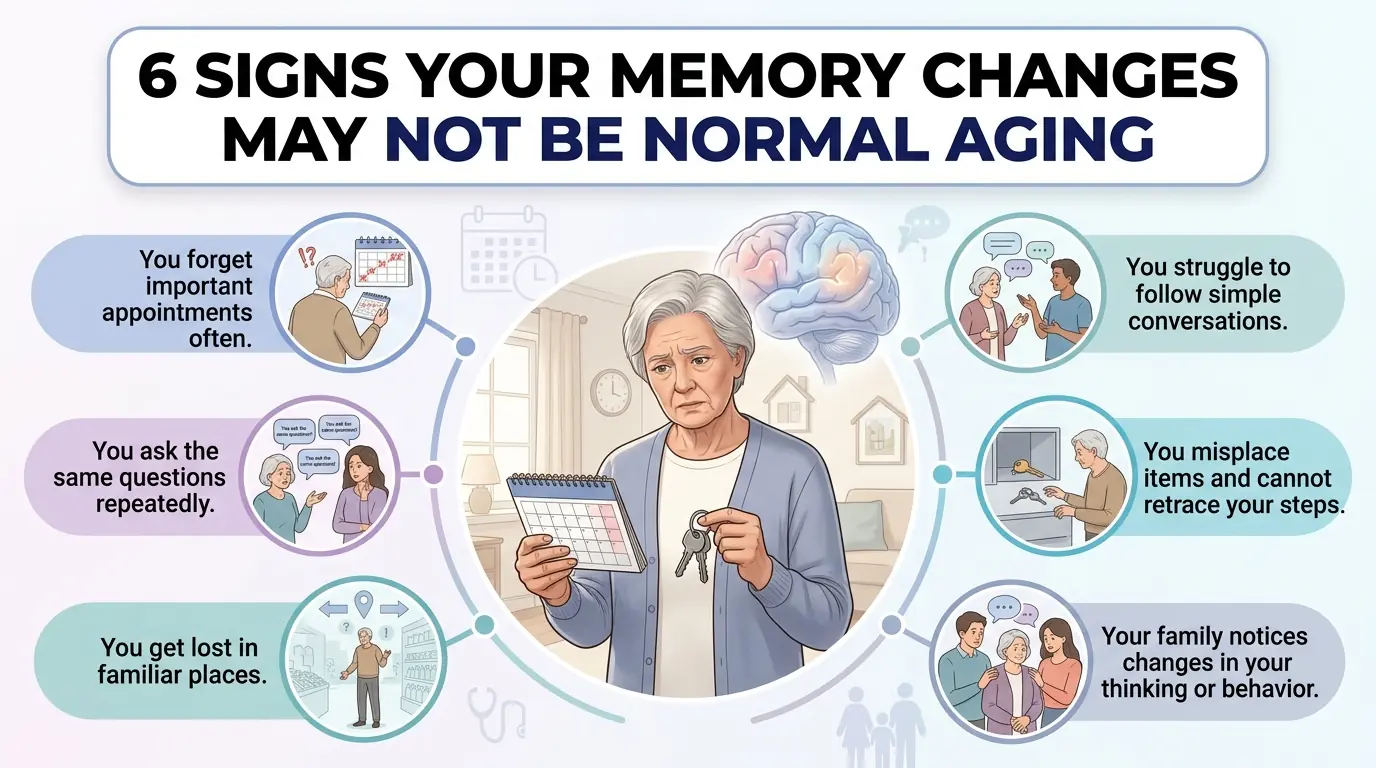
6 WARNING SIGNS YOUR LEGS MAY HAVE POOR CIRCULATION