At 72, I Thought My Best Days Were Behind Me—These 10 Habits Changed How I Think About Aging
Reader Theme:
Font Size:
24px
At 72, I Thought My Best Days Were Behind Me—These 10 Habits Changed How I Think About Aging
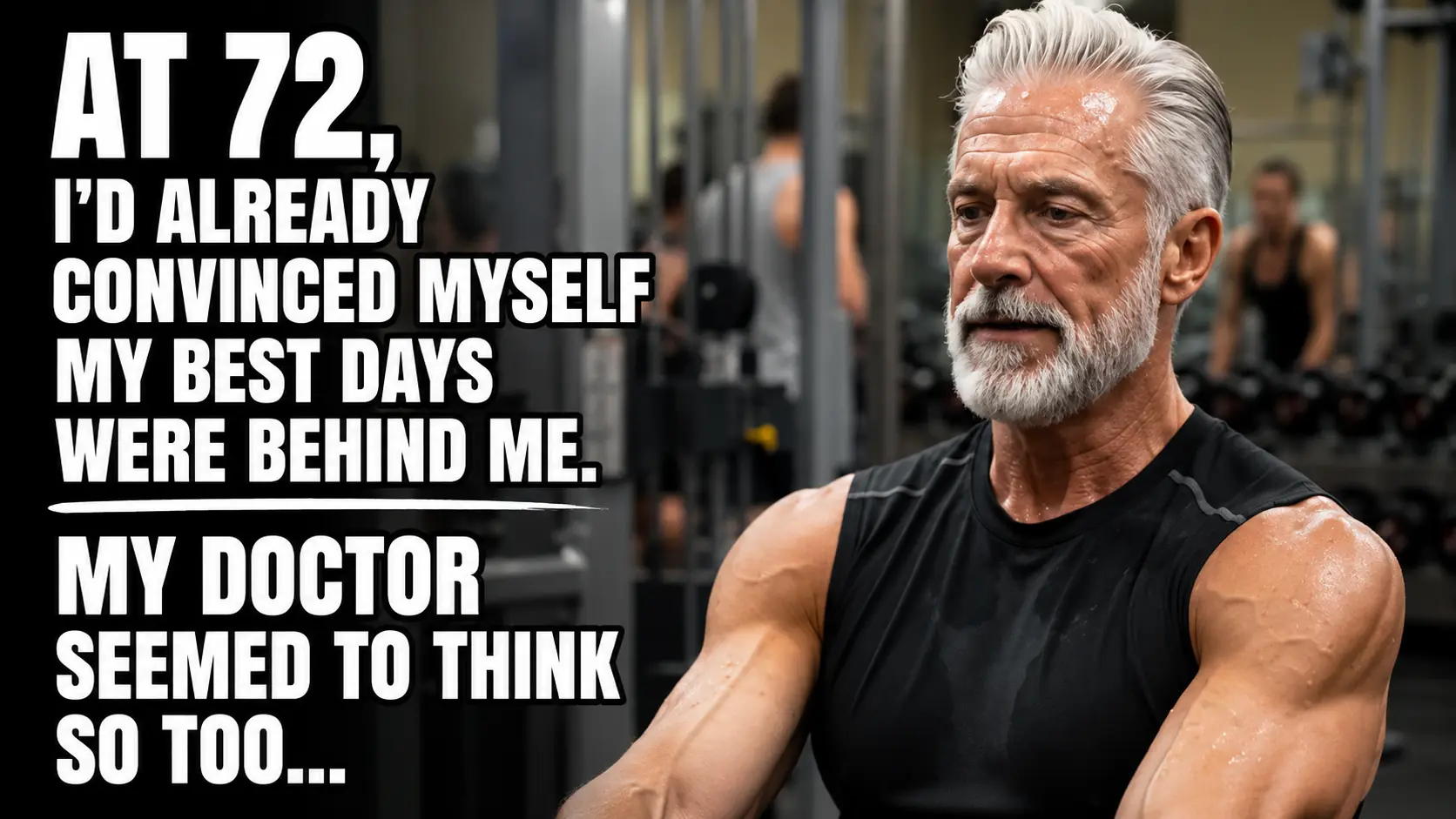
At 72, I had started making quiet assumptions about myself.
I assumed stairs were supposed to feel harder.
I assumed getting tired earlier was simply part of the deal.
I assumed losing strength was something you noticed, accepted, and worked around.
And slowly, without realizing it, I began organizing my life around doing less.
I carried fewer grocery bags at once. I avoided getting down on the floor. I chose the elevator more often. I stopped considering outings that involved a lot of walking.
None of those decisions seemed important by themselves.
Together, they were changing what I expected from my body.
That is one of the biggest lessons I've learned about aging: there are biological changes we cannot prevent, but that doesn't mean every loss of physical capacity should automatically be accepted as inevitable.
At 72, the goal isn't to become 42.
It's to protect as much strength, mobility, balance, stamina, confidence, and independence as realistically possible.
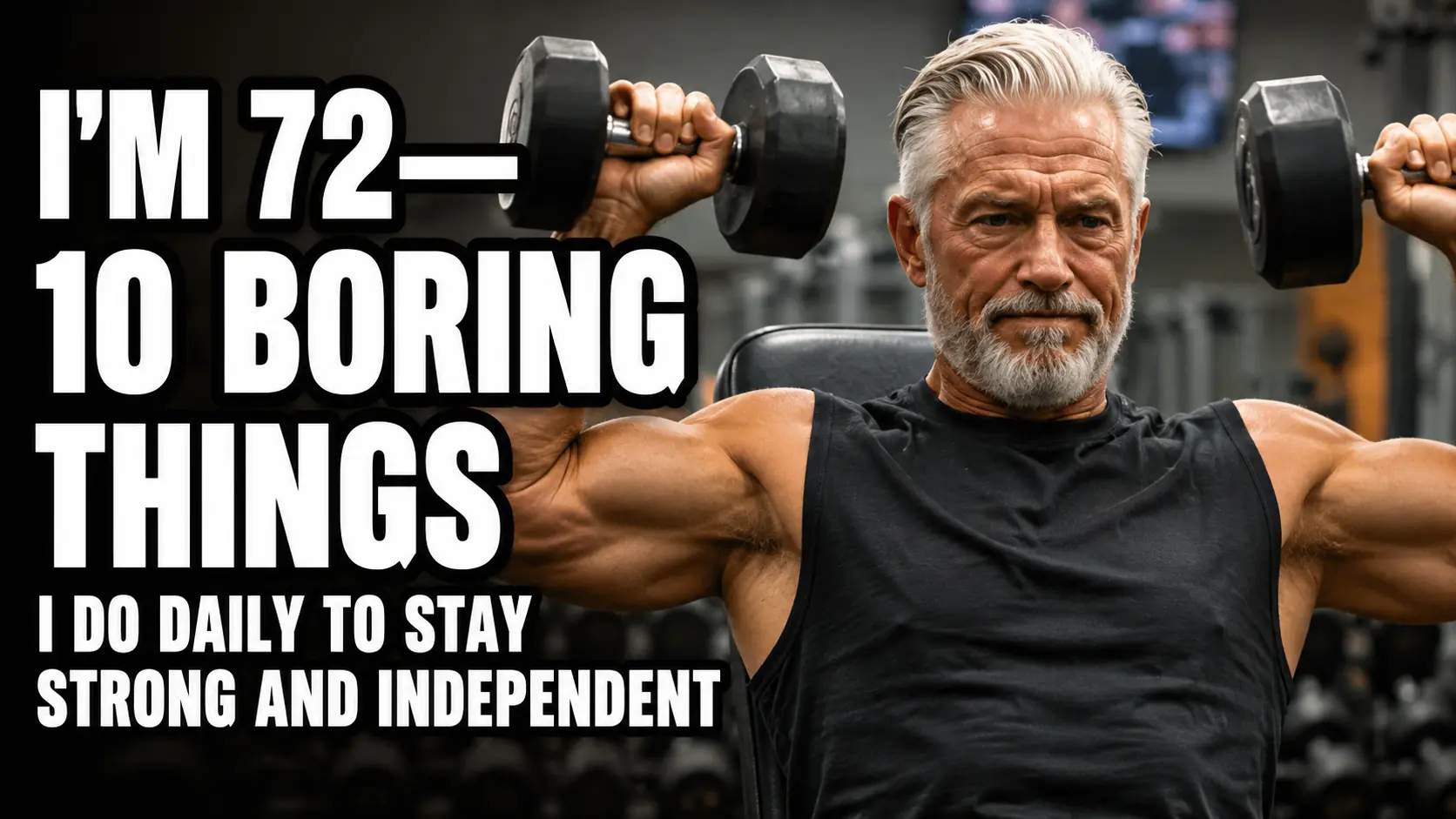
These are 10 habits I wish I'd understood much earlier.
1. I Stopped Treating Walking as Too Simple to Matter
For years, I thought exercise had to feel difficult to count.
Walking seemed ordinary.
Now that's precisely what I appreciate about it.
Walking is something many people can incorporate into everyday life without special equipment or complicated planning. It contributes to aerobic activity, keeps the legs working, and can help reduce the amount of time spent sitting.
More importantly, walking is itself an essential life skill.
You need it to shop independently.
You need it to move through an airport.
You need it to explore a park or museum.
You need it to visit places where parking isn't directly outside the door.
The ability to walk comfortably determines how large your world can remain.
I don't need every walk to become a workout.
Sometimes I walk briskly enough to raise my breathing rate. Other times I simply walk around the neighborhood, through a store, or after a meal.
For someone who has been inactive, starting with manageable amounts can make more sense than suddenly attempting long, exhausting walks.
The goal is consistency.
Walking isn't too basic to matter.
It's basic enough to keep doing.
2. I Started Taking Muscle Seriously
The first time getting out of a low chair feels noticeably difficult, it's easy to blame the chair.
Then another chair feels low.
Then stairs feel steeper.
Then carrying something heavy requires more planning.
Those experiences can reflect many things, but declining muscular strength is one possibility.
Age-related muscle loss can contribute to reduced physical function, particularly when combined with inactivity. In some older adults, clinically significant loss of muscle strength and function can become part of a condition known as sarcopenia.
Resistance training is one of the most important tools available for maintaining and improving muscular strength.
That doesn't mean a 72-year-old needs to train like a competitive athlete.
It means muscles still need appropriate challenges.
Depending on ability and health, that might involve sit-to-stands, resistance bands, machines, light or moderate free weights, step-ups, rows, presses, or other exercises targeting the major muscle groups.
Federal physical activity guidelines recommend muscle-strengthening activity involving all major muscle groups on at least two days each week.
For me, the purpose is practical.
I want my legs strong enough to stand.
My hips strong enough to climb.
My back and arms strong enough to carry.
My whole body strong enough to keep participating in daily life.
Muscle isn't merely something you see in a mirror.
At 72, it's something you use to protect independence.
3. I Practice Standing Up Without Automatically Using My Hands
This became one of my simplest habits.
When it's safe and comfortable, I pay attention to how I get out of a chair.
Instead of automatically pushing myself upward with both hands, I let my legs do more of the work.
It's essentially a movement I perform every day anyway.
Sit down.
Stand up.
Repeated sit-to-stand exercises are also commonly used in strength and rehabilitation settings because the movement closely resembles an essential daily activity.
But this isn't a challenge to prove how fit you are.
If you need your hands, use them.
Someone with substantial weakness, balance problems, pain, or a history of falls shouldn't deliberately make a normal movement unsafe.
The point is awareness.
Are ordinary movements becoming harder?
Are you compensating more than you used to?
Are you avoiding certain chairs because you're worried about standing afterward?
Those changes are useful information.
If you're physically able, strengthening the muscles involved in standing can make everyday life easier.
If you're struggling significantly, a physical therapist or healthcare professional can help identify why.
4. I Eat to Support the Body I Still Want to Use
My relationship with food changed when I stopped thinking exclusively about weight.
At 72, I care about maintaining muscle too.
Adequate protein provides amino acids needed for maintaining and repairing body tissues, including muscle.
So I try to include protein-rich foods regularly rather than accidentally eating very little until dinner.
Depending on preferences, that can include eggs, Greek yogurt, cottage cheese, fish, poultry, lean meat, beans, lentils, soy foods, nuts, seeds, and other options.
Protein is only one piece.
I also want vegetables and fruits, fiber-rich foods, whole grains, legumes, and other nutrient-dense choices in my overall eating pattern.
Appetite can sometimes decline with age. Dental problems, medications, illness, changes in taste or smell, social isolation, and difficulty shopping or cooking can also affect food intake.
That's why unexplained weight loss in an older adult shouldn't automatically be celebrated.
If your clothes are suddenly getting looser without trying, you're losing weight unexpectedly, or your appetite has changed substantially, mention it to your healthcare professional.
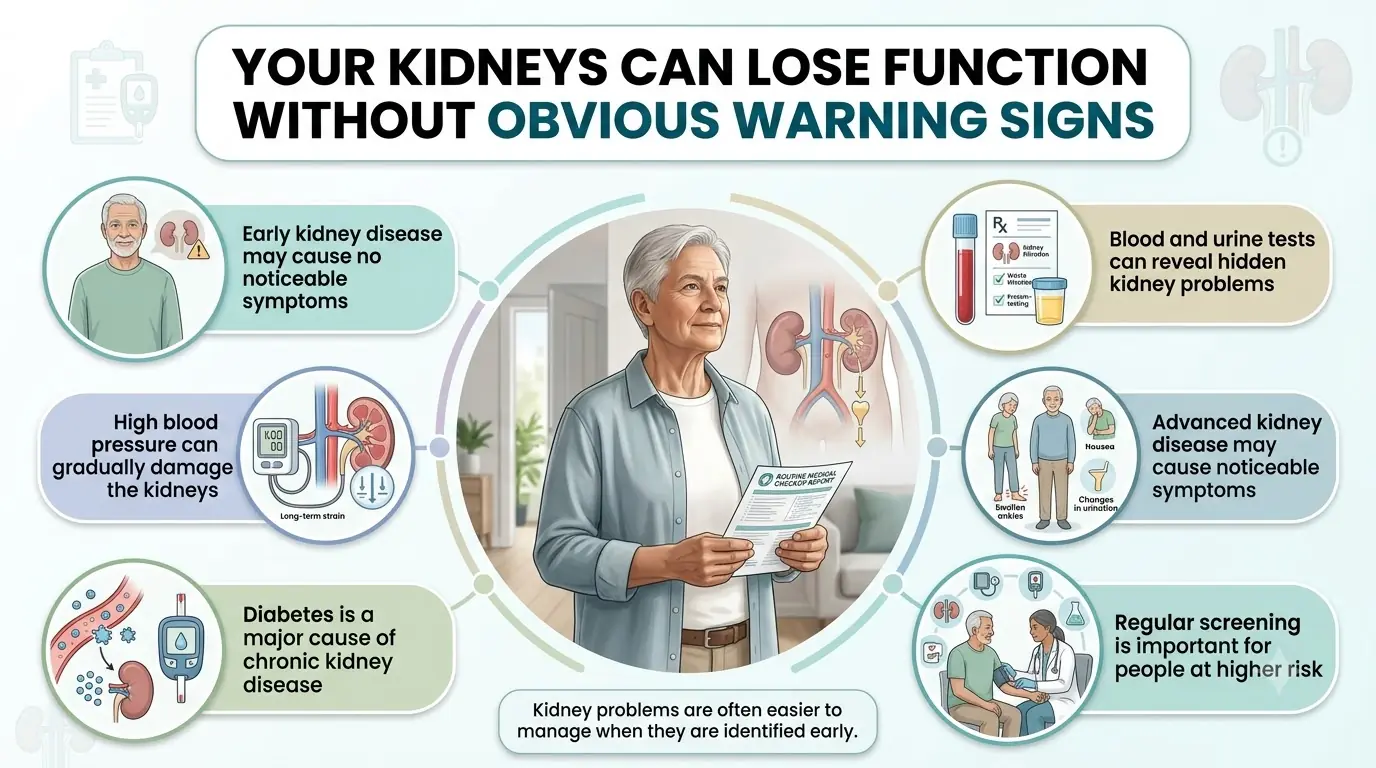
And if you have kidney disease or another condition that affects dietary recommendations, don't dramatically increase protein simply because you read that muscle matters.
Your individual medical needs come first.
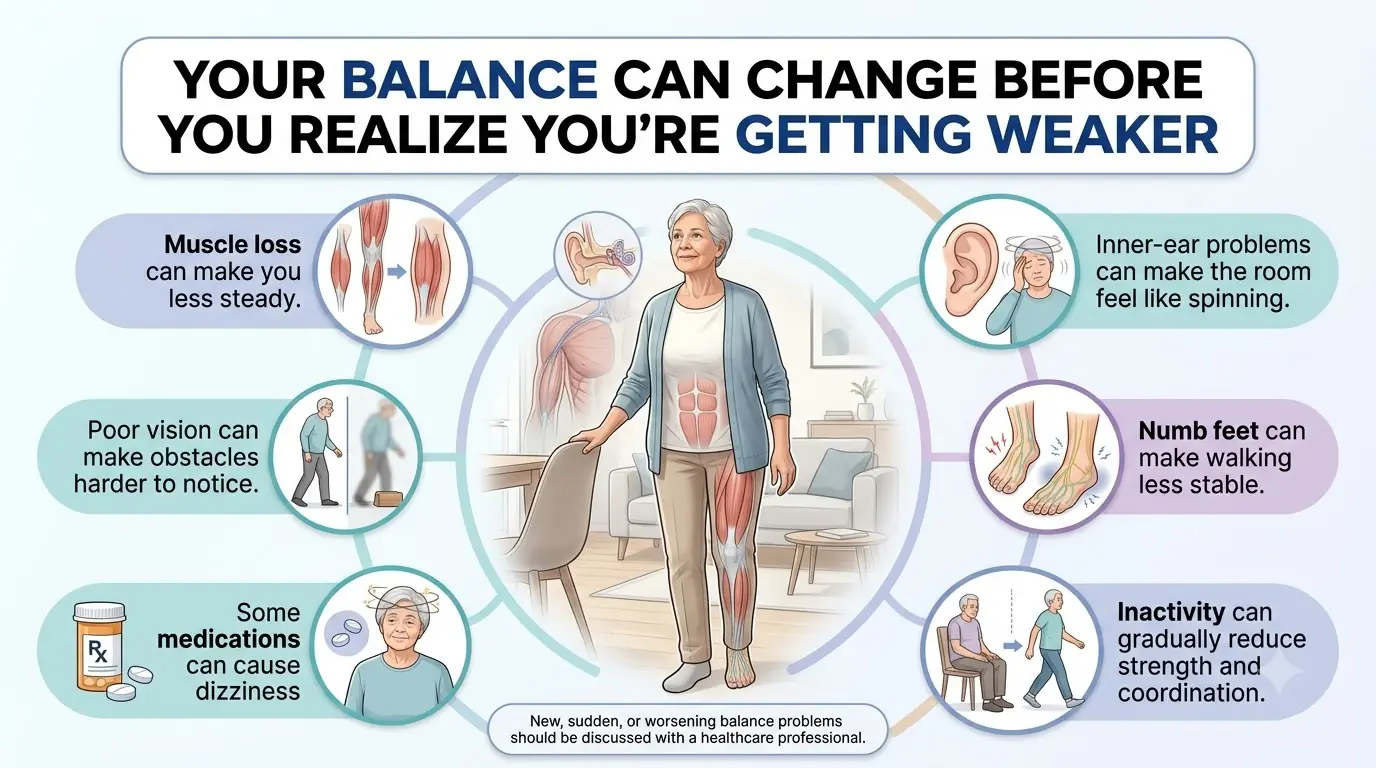
5. I Train My Balance Before I Need Someone Else to Catch Me
Balance becomes easy to appreciate once you begin worrying about losing it.
A small trip on uneven pavement may require your body to react almost instantly.
Your foot moves.
Your leg catches you.
Your trunk stabilizes.
Your brain processes what happened.
If several of those systems have become less effective, recovering from the stumble may be harder.
Falls are a major concern for older adults because they can cause serious injury and sometimes lead to a cycle of fear, reduced activity, further weakness, and additional fall risk.
So I don't treat balance as an afterthought.
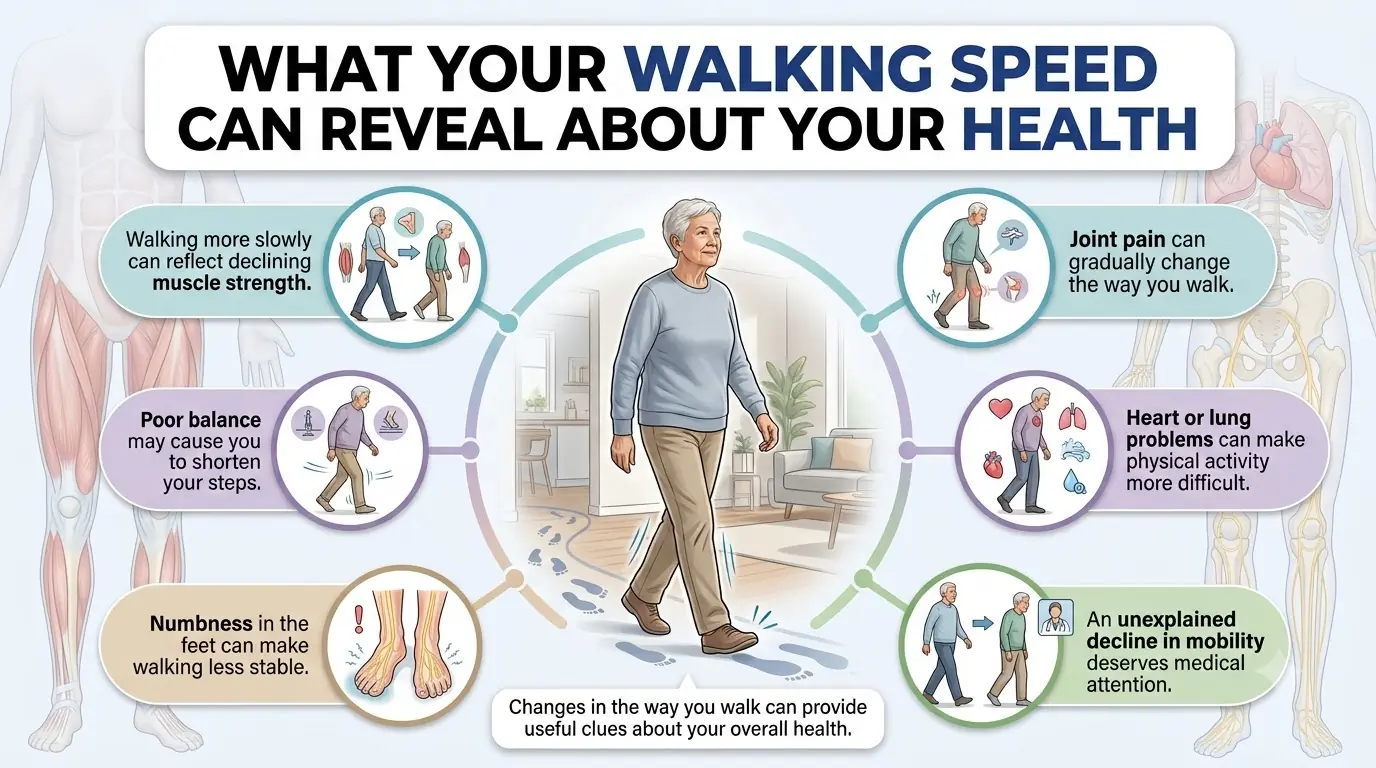
Depending on ability, balance practice might include standing with a narrower base of support, carefully practicing single-leg standing near a sturdy surface, heel-to-toe walking, controlled stepping exercises, or activities such as tai chi.
Strength training is also relevant because balance recovery requires muscular capacity.
But balance exercises should be challenging without being reckless.
If you already fall frequently, feel persistently dizzy, suddenly become unsteady, or have significant weakness or numbness, that's not a reason to practice alone in the middle of the room.
It's a reason to discuss the problem with a healthcare professional.
6. I Keep Getting Down to the Floor
The floor can quietly disappear from your life.
You stop sitting on it.
Stop kneeling.
Stop playing on it.
Stop doing anything that requires getting down because you're no longer confident you can get back up.
That can become self-reinforcing.
If you never practice a movement, you may become even less comfortable performing it.
Getting from the floor to standing can require strength, balance, mobility, coordination, and problem-solving.
For someone physically capable of doing it safely, occasionally practicing floor transfers can help preserve familiarity with the movement.
I don't turn it into a performance.
I use support if I need it.
A sturdy chair can provide assistance. Half-kneeling positions can make the transition manageable.
And there are people for whom floor practice isn't appropriate without professional guidance.
Severe arthritis, recent joint surgery, substantial osteoporosis, major balance problems, or other medical limitations may require modifications.
A physical therapist can be especially helpful here.
The objective isn't to get off the floor in an impressive way.
It's to maintain as much practical movement as possible.
7. I Protect My Sleep Instead of Bragging About Needing Less
There was a time when functioning on very little sleep felt almost impressive.
Not anymore.
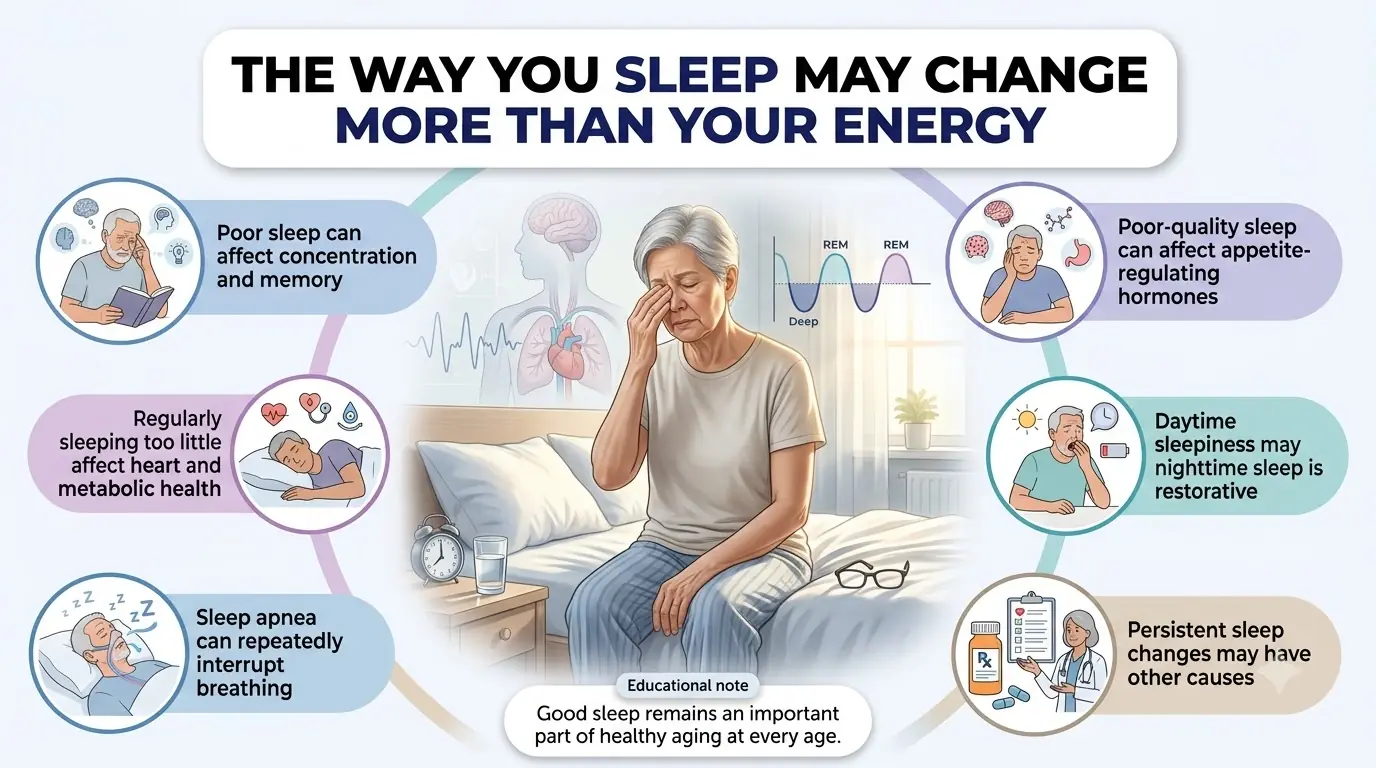
Sleep remains important throughout adulthood.
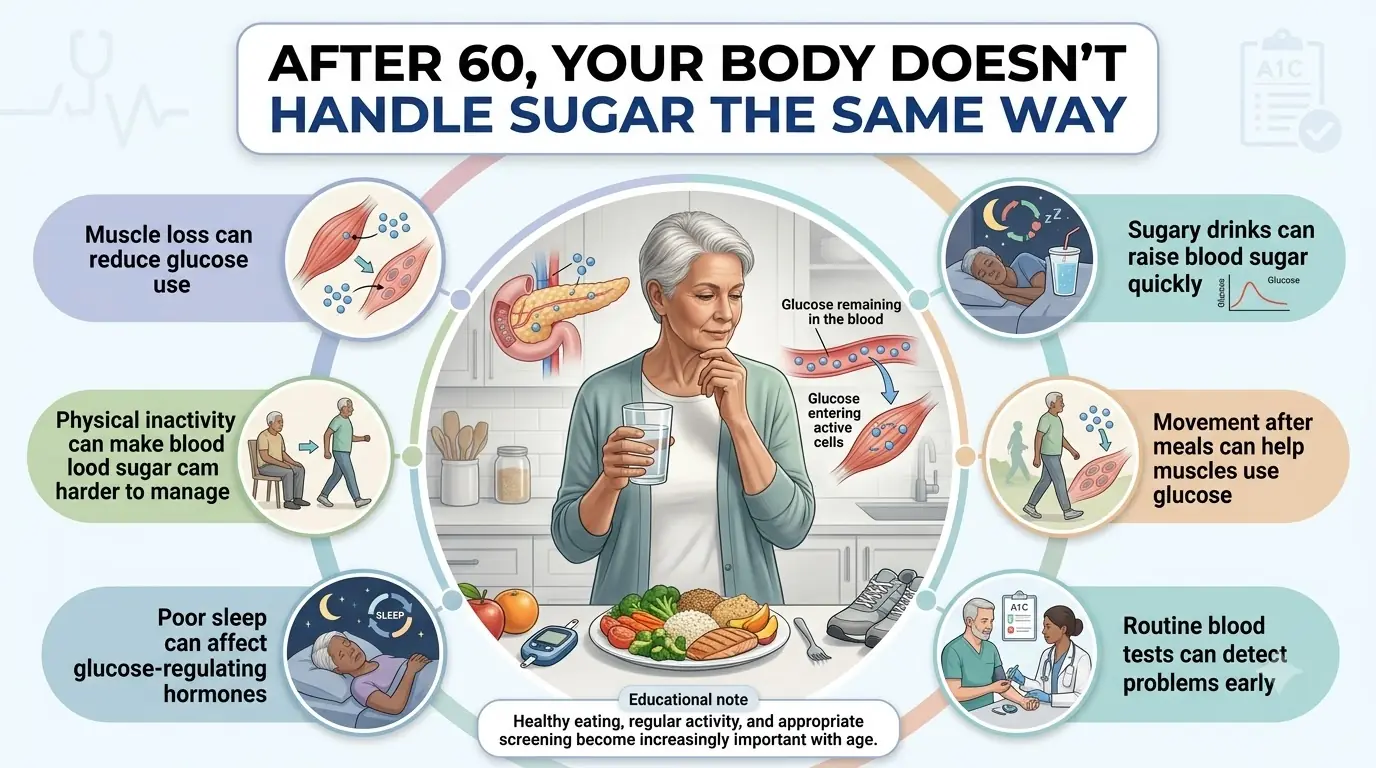
It supports attention, mood, immune function, metabolic and cardiovascular health, and physical recovery.
Older adults don't suddenly stop needing sleep simply because they're older. Most adults generally need at least seven hours, although individual requirements vary.
Sleep patterns can change with age, but persistent poor sleep shouldn't always be dismissed as normal.
I pay attention to my routine.
I try to keep reasonably consistent sleep and wake times.
I give myself an actual opportunity to sleep rather than spending another hour scrolling or watching television and then complaining that the night was too short.
I also pay attention to symptoms.
Habitual loud snoring, pauses in breathing, nighttime gasping, persistent insomnia, or significant daytime sleepiness may warrant evaluation.
Sometimes fatigue has a treatable explanation.
And sometimes what looks like “slowing down because I'm 72” deserves a closer look.
8. I Challenge My Heart Without Trying to Prove Anything
Strength helps me get out of a chair.
Cardiovascular fitness helps determine how much I can do once I'm standing.
Walking through an airport.
Climbing several flights of stairs.
Exploring a new city.
Gardening.
Dancing.
Keeping up during a family outing.
These activities require endurance.
Adults are generally encouraged to accumulate at least 150 minutes of moderate-intensity aerobic physical activity per week, 75 minutes of vigorous activity, or an equivalent combination, alongside muscle-strengthening activity.
But guidelines are targets—not permission to ignore your individual starting point.
If you've been inactive for years, you don't need to go from the couch to intense exercise immediately.
Start appropriately.
Walking faster, cycling, swimming, water exercise, dancing, or using cardiovascular equipment can all be options depending on your joints, health, preferences, and access.
I want exercise to challenge me.
I don't want it to become a test of whether I can ignore warning symptoms.
People with cardiovascular disease, significant lung disease, major medical conditions, or concerning exercise-related symptoms may need individualized advice before substantially increasing intensity.
At 72, the objective isn't to prove that I'm still 25.
It's to build enough endurance for the life I'm living now.
9. I Stay Connected Even When Staying Home Is Easier
This habit surprised me.
When people talk about aging well, the conversation often focuses on food, exercise, blood pressure, and medications.
Those are important.
But people matter too.
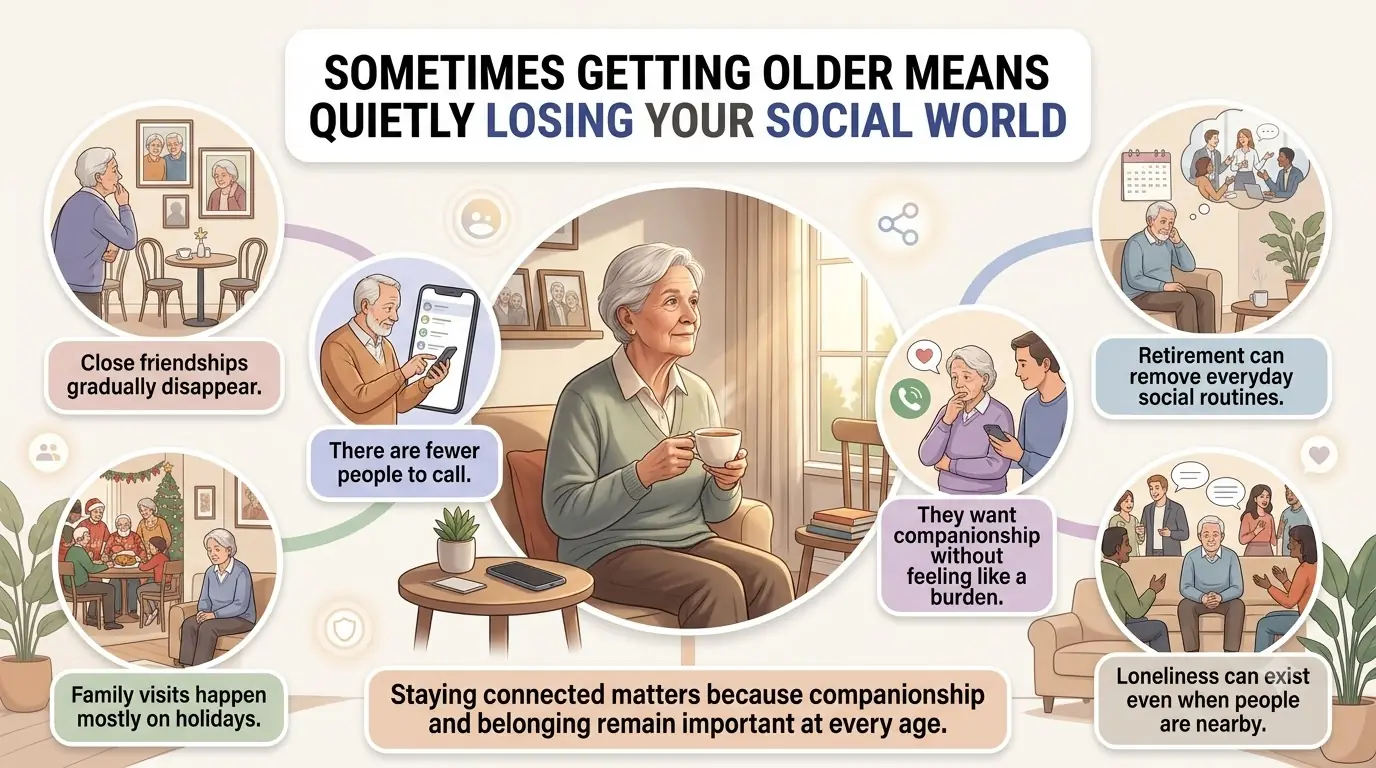
Loneliness and social isolation are associated with poorer health outcomes in older adults.
And isolation can develop gradually.
You retire.
Coworkers disappear from everyday life.
Friends move.
Someone stops driving.
A spouse becomes ill.
Physical limitations make going out harder.
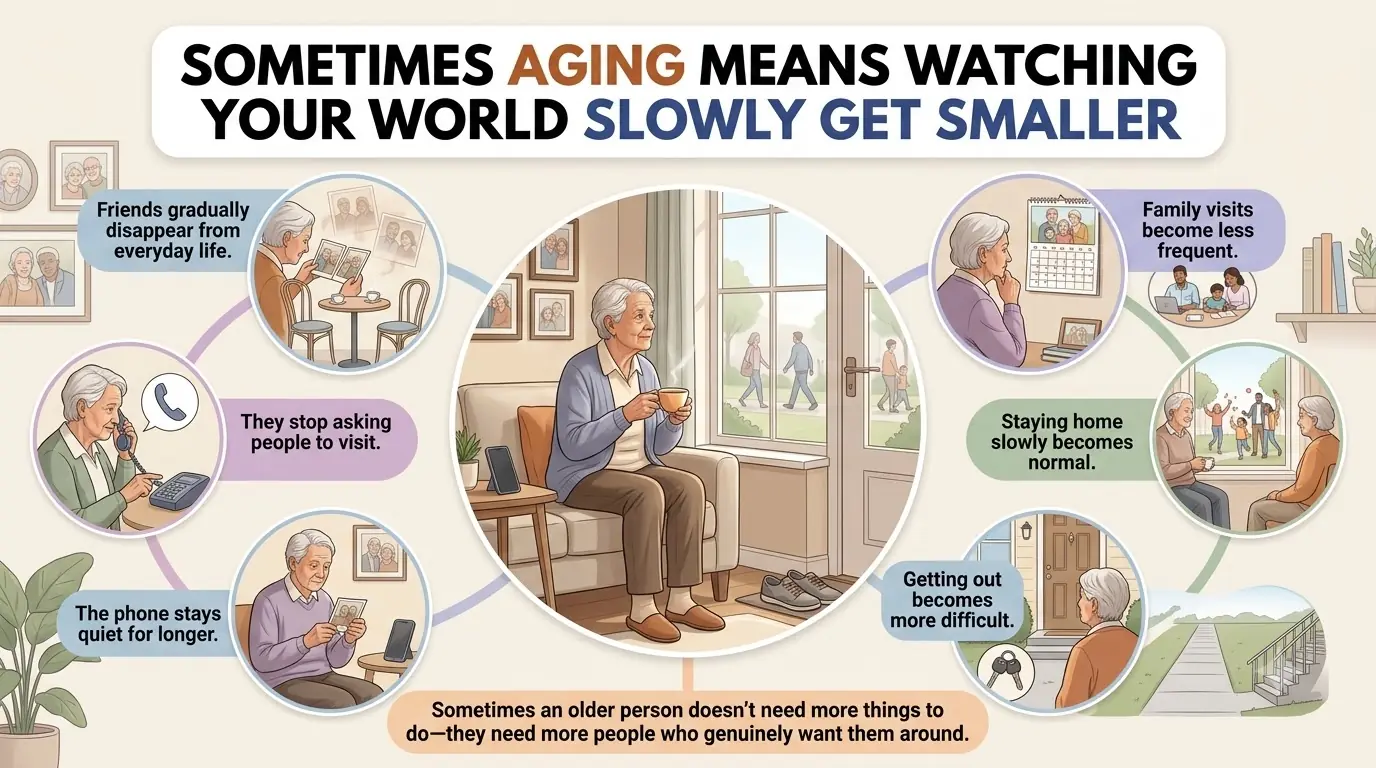
Without planning it, your world becomes smaller.
So I deliberately protect connection.
I call people.
Meet someone for coffee.
Walk with a friend.
Join activities.
Spend time with family.
Help someone when I can.
Sometimes the healthiest thing I do all afternoon doesn't look like health advice at all.
It's sitting across from another person having a conversation.
Social connection also gives physical health a purpose.
I don't want stronger legs merely to have stronger legs.
I want them so I can go places with people I care about.
10. Every Day, I Give Myself a Reason to Need Tomorrow's Strength
This is the habit that ties everything together.
I make plans.
Not enormous plans.
Real ones.
I plan to go somewhere.
I keep hobbies.
I take walks.
I cook.
I visit people.
I work on things.
I look for activities that require me to participate rather than simply observe.
Because once you start believing your best days are behind you, something subtle can happen.
You stop preparing for future days.
You move less because you expect to become less mobile.
You stop making plans because you expect to have less energy.
You stop challenging yourself because you think challenge belongs to younger people.
Eventually, expectation and behavior can begin reinforcing each other.
That doesn't mean positive thinking can prevent disease or erase biological aging.
It cannot.
It means expectations can influence what we choose to do with the abilities we currently have.
My goal is therefore realistic.
I don't expect my 72-year-old body to perform exactly like my 40-year-old body.
I expect it to remain involved.
What Aging Really Changes—and What It Doesn't
Aging involves genuine biological changes.
Muscle mass and strength can decline.
Cardiorespiratory capacity may decrease.
Bones can become more vulnerable.
Vision and hearing can change.
Reaction speed may slow.
Risk for many chronic diseases rises with age.
Pretending otherwise doesn't help anyone.
But there's an equally important truth.
People of the same chronological age can have dramatically different levels of physical function.
Genetics and medical history matter, but so do physical activity, nutrition, smoking, sleep, medications, injuries, environment, social circumstances, and chronic disease management.
That means aging isn't simply something happening to you.
There are aspects of health and function you may still be able to influence.
Not perfectly.
Not indefinitely.
But meaningfully.
The Real Goal Is Reserve
Think about physical capacity like having a reserve.
Suppose climbing one flight of stairs requires a certain amount of leg strength and cardiovascular effort.
If your maximum capacity is far above that requirement, the stairs feel easy.
If your capacity gradually falls closer to the minimum required, the same staircase suddenly feels demanding.
The stairs didn't change.
Your reserve did.
This is one reason building and maintaining fitness matters.
You aren't training only for today's activities.
You're trying to maintain a cushion between what everyday life requires and the maximum your body can provide.
That cushion becomes especially valuable when illness or inactivity temporarily reduces your capacity.
This is also why small losses can eventually become noticeable in ordinary life.
The objective isn't extraordinary athletic performance.
It's enough reserve to keep ordinary tasks ordinary.
Who Should Pay Extra Attention?
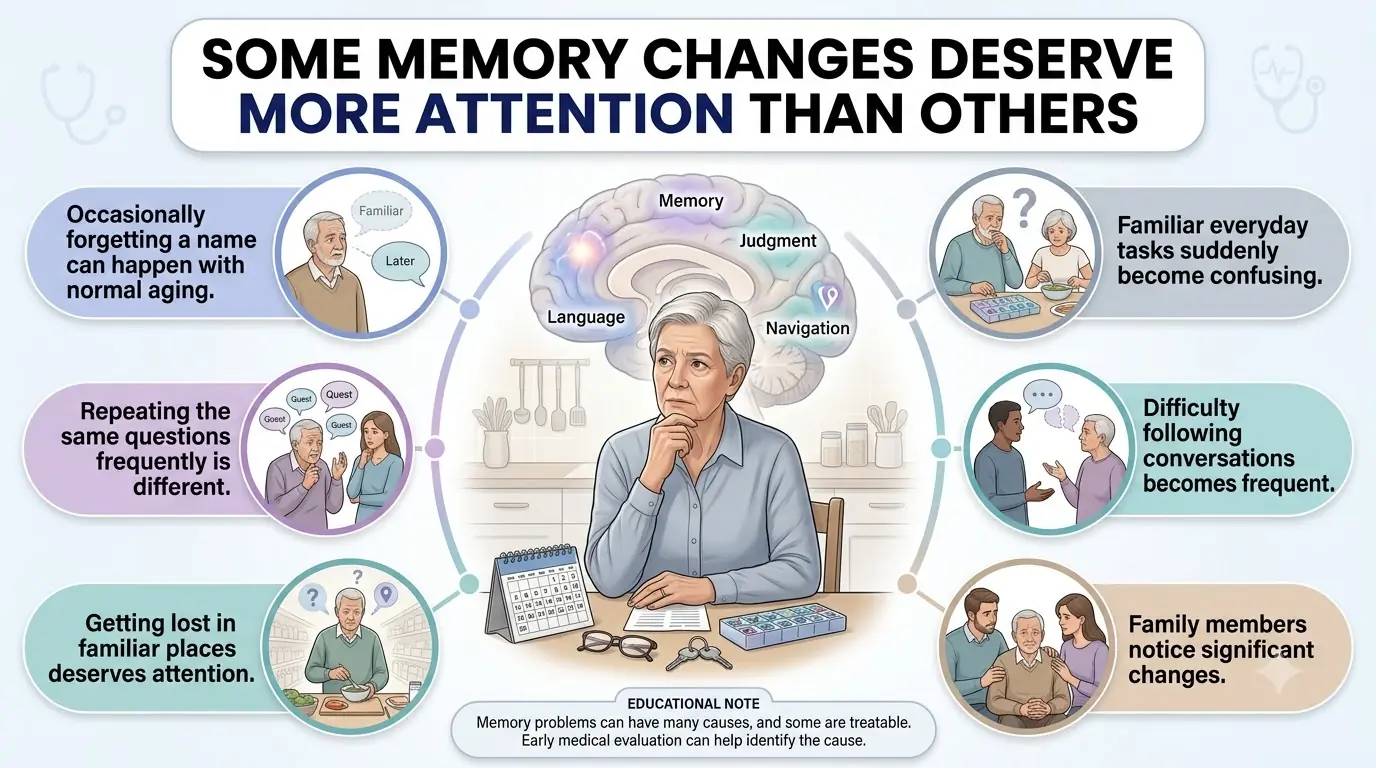
Anyone noticing a meaningful decline in normal physical abilities should pay attention, particularly if the change is new or progressing.
Maybe you're walking substantially less than you did last year.
Maybe you suddenly need your arms to get out of chairs.
Maybe you've fallen more than once.
Maybe you're avoiding stairs.
Maybe your appetite has declined and you're unintentionally losing weight.
Maybe you're becoming exhausted after activities you previously tolerated.
Don't automatically label every change “old age.”
Medical conditions, medication effects, nutritional deficiencies, cardiovascular or lung problems, neurological conditions, arthritis, vision problems, and many other factors can affect physical function.
Some are treatable or manageable.
A clinician can help determine when a change is expected, when rehabilitation or lifestyle modification may help, and when further evaluation is necessary.
When to Talk to Your Doctor
Gradual deconditioning after months of inactivity can often be addressed by carefully rebuilding activity, but unexplained or substantial changes deserve medical attention.
Schedule a medical discussion if you experience persistent unexplained fatigue, progressive weakness, repeated falls, new balance problems, unexplained weight loss, major appetite changes, persistent dizziness, or a noticeable reduction in your ability to manage everyday activities.
Seek prompt or emergency care for potentially serious symptoms such as severe or sudden shortness of breath, fainting, concerning chest pain or pressure, or sudden neurological symptoms such as facial drooping, one-sided weakness, confusion, or difficulty speaking.
Don't assume serious symptoms are simply part of being 72.
And don't substitute an exercise program, supplement, or diet for medical evaluation when something clearly isn't right.
You Don't Need a Perfect Routine
If you've reached this point thinking you need to completely reorganize your life tomorrow, you don't.
Start smaller.
Walk for a manageable amount of time.
Practice getting out of a chair.
Ask someone knowledgeable to teach you basic resistance exercises.
Add a useful protein source to meals where one is missing.
Go to bed at a reasonable hour.
Call someone.
Schedule the checkup you've been postponing.
Practice balance safely.
Then repeat.
The most effective healthy-aging routine isn't necessarily the most impressive one.
It's the one you can actually continue.
My Best Days Don't Have to Look Like My Youngest Days
At 72, I've stopped using youth as the standard.
Maybe my fastest mile is behind me.
Maybe I'll never recover from hard exercise as quickly as I did decades ago.
Maybe there are physical changes I simply have to accommodate.
That's okay.
A good day at 72 doesn't have to look like a good day at 32.
A good day can mean waking up and taking a walk.
Carrying my own groceries.
Getting out of a chair easily.
Having enough energy to meet friends.
Walking through an airport with my suitcase.
Getting down on the floor and knowing I can stand again.
Making plans without first asking whether my body can handle them.
That isn't reversing aging.
That's maintaining function.
And function is a much more useful goal.
The Big Picture
There is no morning ritual that guarantees a long life.
No exercise makes aging disappear.
No food prevents every disease.
No supplement guarantees independence.
Healthy aging is more ordinary than that.
It's movement repeated over years.
Muscles being challenged instead of abandoned.
Meals that generally support health.
Adequate sleep.
Cardiovascular activity.
Balance practice.
Preventive healthcare.
Relationships that keep you connected.
And a willingness to continue using the abilities you still have.
If you're 40, start building those habits while everyday movement still feels effortless.
If you're 50 or 60, don't wait for another decade.
And if you're already 72, don't assume you've missed your chance to make meaningful changes.
The goal isn't to get your younger body back.
It's to take care of the body you have now so it can continue carrying you into the life that's still ahead.
Because sometimes the most important change in healthy aging isn't discovering how to become younger.
It's realizing that getting older doesn't require you to stop expecting more good days.
Medical disclaimer: This article is for general educational purposes only and is not a substitute for individualized medical advice, diagnosis, or treatment. Health and exercise needs vary based on medical history, medications, physical ability, and other factors. Consult a qualified healthcare professional about significant symptoms and before making major changes when appropriate.