Atlas’s Recovery After Five Months of Watching Visitors Pass
Reader Theme:
Font Size:
24px
Atlas’s Recovery After Five Months of Watching Visitors Pass
PART 2 — CURRENT CONDITION UPDATE
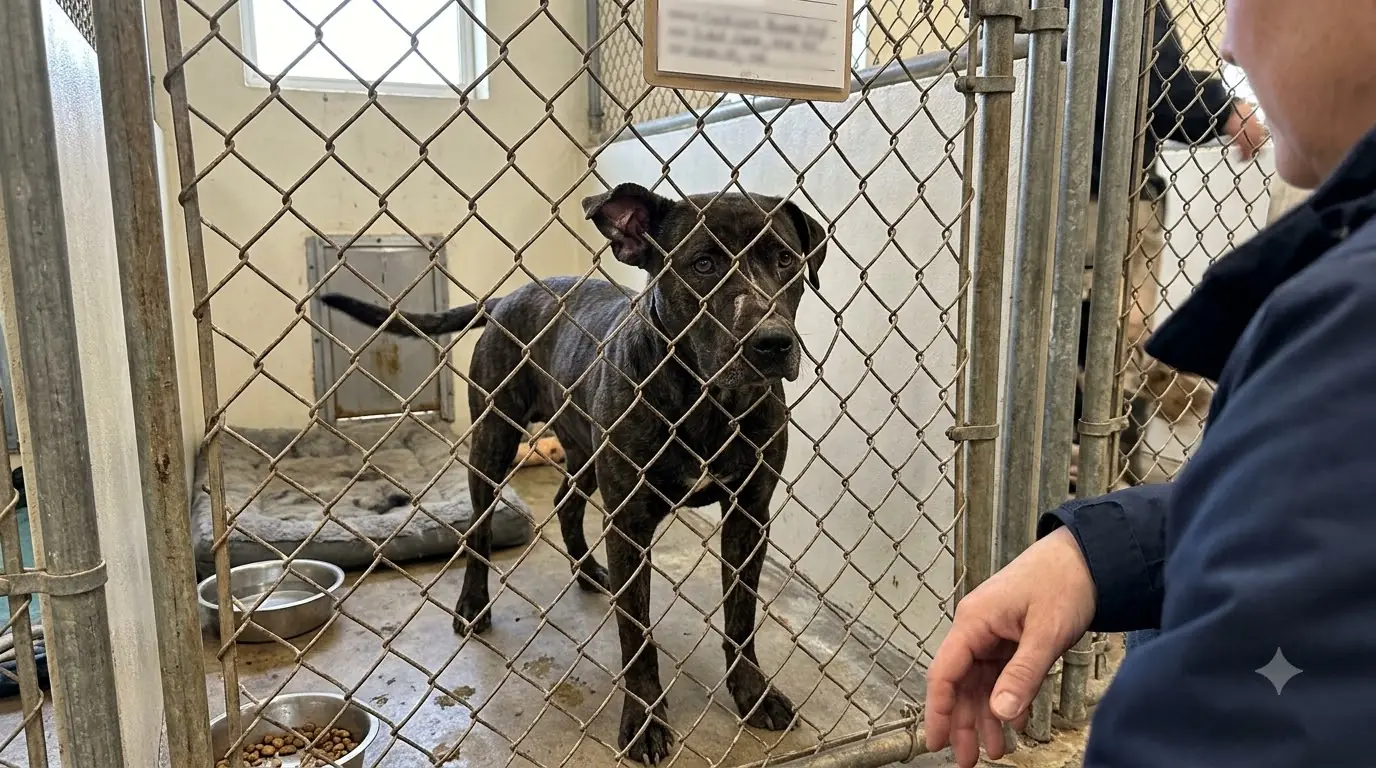
Atlas is now resting in a quiet medical foster home while our veterinary team investigates the cause of his low platelet count. His condition is currently stable, but the abnormal result is being treated seriously. Platelets help blood form clots, and when their numbers fall too low, even a minor injury can cause prolonged or internal bleeding.
A second blood sample was examined manually to make sure the original result was accurate. Platelets sometimes clump together in a collection tube, causing laboratory equipment to report a falsely low number. In Atlas’s case, the manual count confirmed that the decrease was real.
Fortunately, Atlas was not showing signs of active internal bleeding when he left the clinic. His gums were pink, his blood pressure was stable, and an abdominal ultrasound did not reveal free fluid. The veterinary team also found no blood in his urine or stool. Small red spots were visible on the skin inside one ear, however, suggesting that tiny vessels had already begun leaking beneath the surface.
The immediate goal is to determine why his immune system may be destroying or consuming platelets faster than his body can replace them. Tick-borne infections are one possible cause, particularly in a dog who spent an unknown amount of time outdoors. Certain medications, severe inflammation, immune-mediated disease, and some cancers can produce similar findings.
Atlas’s first screening test for several common tick-borne diseases was negative. Because screening tests do not detect every infection at every stage, a more comprehensive panel was sent to an outside laboratory. While those results are pending, the veterinarian has started treatment that covers the most likely infectious causes without placing unnecessary strain on his body.
His other blood values provided cautious reassurance. Atlas was mildly anemic, but his red blood cell count was not falling rapidly. His white blood cell count was slightly elevated, which may reflect inflammation in his skin, paws, or respiratory tract. His kidney and liver measurements remained within acceptable limits.
Blood tests will be repeated frequently. The team is not relying only on Atlas’s outward behavior because dogs can appear relatively normal even when platelet levels are dangerously low. If his count drops further or signs of bleeding develop, hospitalization and more aggressive immune-suppressing treatment may become necessary.
For now, Atlas must avoid rough activity. He is walked on a secure harness instead of a collar so pressure is not placed on his neck. He cannot wrestle with other dogs, jump from furniture, chew hard objects, or run through dense brush. His foster home has been arranged to reduce the possibility of falls or collisions.
The caregiver checks his gums, belly, ears, and inner legs each day for bruising or new red spots. She also watches for nosebleeds, dark stool, blood in his urine, sudden weakness, pale gums, rapid breathing, or collapse. Any of those changes would require immediate emergency care.
Atlas has not developed new bruising since entering foster care. The tiny spots inside his ear have begun fading, though that alone does not confirm that his platelet count has recovered. His most recent blood test showed a small improvement, but the number remains well below the safe range.
The veterinarian is encouraged that the count is moving in the right direction rather than continuing to fall. Still, Atlas will need several consecutive tests before the team can say that the danger has passed. His medication plan may change when the infectious-disease results return.
Atlas’s persistent cough is being monitored separately. Chest X-rays showed a bronchial pattern consistent with inflammation in the lower airways, but no obvious lung mass or advanced pneumonia. His heart was normal in size, and there was no fluid around his lungs.
A fecal test and additional screening were performed to look for parasites that can affect the respiratory system. Those tests were negative. The veterinarian suspects that Atlas may have chronic bronchial irritation from prolonged exposure to dust, smoke, cold air, or another environmental trigger.
He currently coughs most often after waking or becoming excited. The episodes are brief and do not leave him struggling to breathe. His foster caregiver records when they occur so the medical team can determine whether they are becoming more or less frequent.
Because of the low platelets, the veterinarian is cautious about adding medications that could increase bleeding risk or interfere with his current treatment. Atlas sleeps in a room without scented sprays, smoke, or strong cleaning products. His walks are kept away from construction areas and heavy traffic where airborne dust could aggravate his airways.
Since moving into the foster home, his cough has become less frequent. During his first night, he had several short episodes after pacing through the house. Now he may cough once when rising in the morning and then remain comfortable for most of the day.
If the cough continues after his other medical problems have stabilized, Atlas may need specialized airway testing. That could include collecting a sample from the lower respiratory tract while he is sedated. The team will not schedule an invasive procedure until his platelet count is high enough for it to be performed safely.
Atlas’s paw pads were also painful when he arrived. The outer layers were dry and cracked, and two pads had shallow infected areas caused by repeated contact with rough surfaces. Gravel, hot pavement, long periods outdoors, and the concrete kennel floor may all have contributed.
The wounds were cleaned carefully, and no glass, wire, or other foreign material was found. Atlas received an antibiotic for the infection and a veterinary paw treatment to protect the damaged skin. He wears lightweight protective boots during necessary outdoor trips, but they are removed as soon as he returns inside so moisture does not collect around his feet.
At first, Atlas repeatedly lifted his front paws and tried to pull the boots away. His caregiver introduced them one at a time and rewarded him for standing calmly. He now walks comfortably in them for short distances, although his first few steps still look unusually careful.
The cracks are gradually closing, and the surrounding redness has decreased. Atlas no longer licks his paws throughout the night. His bedding is changed regularly to keep the healing surfaces clean, and his exercise routes are limited to grass or smooth walkways.
The old injury in his left shoulder appears unrelated to the paw damage. X-rays showed a small area of arthritis and evidence of a previous soft-tissue injury, but no current fracture or dislocation. Atlas sometimes shortens his stride on that side, particularly after he has been lying down for a long time.
Pain control presents a temporary challenge because common anti-inflammatory medications may not be safe while his platelet count is low. His veterinarian has selected an alternative medication that does not interfere with normal clotting. Warm compresses and gentle range-of-motion exercises are used only when Atlas is relaxed.
He does not need orthopedic surgery at this stage. Once the platelet problem is under control, a rehabilitation specialist will assess his gait and create a strengthening program. Improving the muscles around the shoulder should reduce strain on the damaged joint and help preserve mobility as he ages.
Atlas arrived moderately underweight. His ribs were not sharply visible beneath his brindle coat, but they were too easy to feel, and there was clear muscle loss along his back and shoulders. His weight suggested inconsistent access to food rather than a sudden period of starvation.
He receives three measured meals daily so his digestive system can adjust gradually. The food is nutritionally complete and contains enough protein to help rebuild muscle. His caregiver adds warm water to each serving, which increases hydration and releases more aroma.
During his first evening in foster care, Atlas would not approach the bowl while anyone remained in the room. His caregiver placed it several feet from his bed, sat sideways without watching him, and waited. After almost twenty minutes, Atlas stood, smelled the food, and ate several bites.
By the fourth day, he was finishing every meal. He still pauses occasionally to glance toward the doorway, but he no longer carries food back to his bed. He has gained a small amount of weight, and his waist is beginning to look less sharply tucked.
Atlas takes treats with remarkable care. He does not grab, even when excited. He reaches forward slowly, touches the food with his lips, and then steps back to chew. This gentle behavior has made medication easier because tablets can be placed inside small portions of soft food.
His digestion remains stable. He has not experienced vomiting, persistent diarrhea, or abdominal pain. His stool is checked for dark coloration that could indicate bleeding, and none has been observed. He drinks normally and does not guard his food or water.
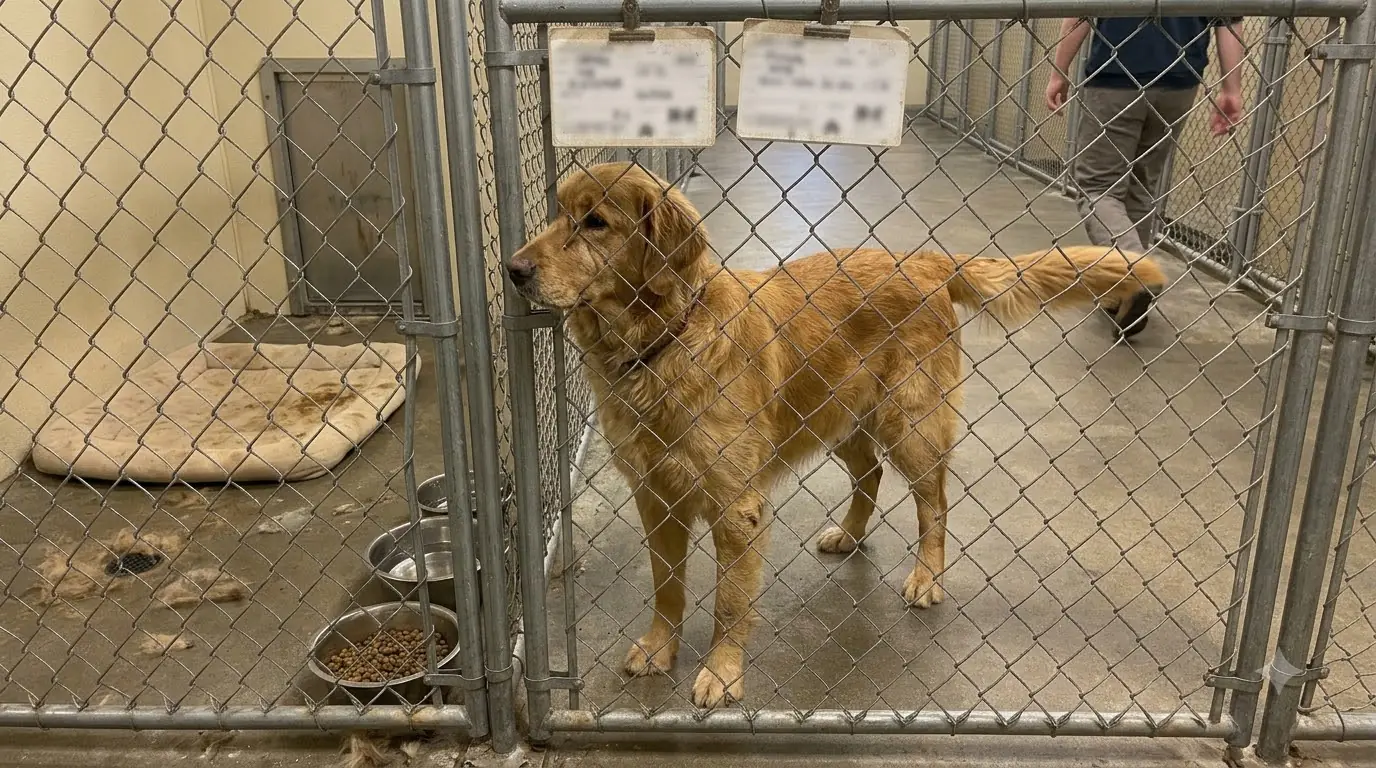
Atlas’s emotional adjustment is progressing more slowly than his appetite. At the shelter, staff members noticed that he memorized visitors. Some people interpreted his fixed gaze as intimidating, but those who spent time beside his kennel realized that he was gathering information rather than threatening them.
That same behavior continues in foster care. Atlas watches each new person’s hands, feet, and face before deciding whether to approach. He needs more time when someone wears a hat, carries a large object, or moves quickly through a doorway.
He does not bark or lunge at visitors. Instead, his body becomes still, his ears tilt forward, and his tail lowers. If the person looks directly at him and reaches out immediately, Atlas steps backward. If they turn slightly away and remain quiet, he usually begins sniffing the air and moving closer.
His foster caregiver asks visitors to ignore him at first. They sit in the living room, keep their hands relaxed, and allow Atlas to observe from his bed. Once he feels safe, he approaches in a wide curve and investigates their shoes or clothing.
The first visitor in the foster home waited almost half an hour before Atlas came near. During the second visit from the same person, he recognized her voice and approached within five minutes. On her third visit, he met her near the hallway and gave a slow wag before returning to his bed.
These interactions support what the shelter staff observed: Atlas remembers people. He does not offer immediate trust, but he retains calm experiences and uses them when deciding how to respond the next time.
His relationship with his foster caregiver began the same way. During the first day, Atlas followed her movements with his eyes but remained several feet away. He would not walk through a doorway if she was standing in it, so she stepped aside and allowed him to pass without pressure.
That evening, she sat on the floor near his bed and read quietly. Atlas did not approach, but he eventually lowered his head and closed his eyes. It was the first time he had slept while she remained close.
Two days later, he walked over and touched his nose to the sleeve of her sweatshirt. She did not reach for him. Atlas smelled her hand, moved away, and returned a few minutes later. On the third approach, he stood close enough for her to touch his chest.
He now greets her each morning by stretching and moving his tail in a slow circle. He still dislikes being hugged or having someone lean over him, but he seeks gentle contact along his shoulders. When he has had enough, he steps away rather than freezing.
At night, Atlas sleeps on a thick bed near the bedroom doorway. For the first week, he woke whenever his caregiver changed position. He now sleeps on his side for several hours and occasionally stretches onto his back with his paws loose.
He has begun showing brief moments of playfulness. A soft rubber ball rolled across the living room frightened him at first, and he moved behind the couch. Later, he approached it on his own, tapped it with one paw, and followed it when it rolled a few inches.
Atlas does not yet chase toys energetically because his activity must remain restricted. Instead, his caregiver offers scent games that require little physical strain. Small pieces of food are hidden in folded towels or placed inside a simple puzzle feeder.
The first puzzle took him nearly ten minutes to investigate. He watched his caregiver touch it, waited until she stepped away, and then used his nose to move one section. He now begins working as soon as the puzzle is placed on the floor.
These quiet activities provide mental stimulation without increasing his risk of injury. They also allow Atlas to make choices, something that is especially valuable for a dog who spent months with little control over his environment.
He has observed another calm dog from a distance but has not been introduced directly. His response was curious rather than aggressive. He stood still, smelled the air, and then looked toward his caregiver for guidance.
Direct contact will wait until his platelet count is safely improved. Even friendly play could result in bruising or injury. His compatibility with other dogs will therefore remain unknown until medically supervised introductions can be arranged.
Atlas has not been tested with cats or young children. Any future home will need to respect this uncertainty. Because sudden movement makes him uncomfortable, a calm adult household or a family with older, dog-aware children may ultimately be the best match.
The next major decision depends on his laboratory results. If an infection is identified, treatment will be adjusted to target it specifically. His platelet count will continue to be measured throughout therapy, and recovery may take several weeks.
If infectious testing is negative and the platelet count remains low, the team may diagnose an immune-mediated condition. In that situation, Atlas could require medication that suppresses the immune system and prevents it from destroying platelets. Such treatment must be monitored closely because it can increase vulnerability to infection and cause other side effects.
A bone marrow problem is considered less likely because Atlas’s other blood cell lines are relatively stable, but it has not been eliminated completely. If he fails to respond to treatment, a veterinary internal-medicine specialist may recommend further imaging or bone marrow testing.
The medical team is encouraged by his stable vital signs, improving appetite, fading skin spots, and modest rise in platelets. These are meaningful developments, but Atlas is not yet out of danger. His activity restrictions and daily monitoring must continue until his count reaches and maintains a safer level.
Atlas is not available for adoption while these questions remain unresolved. He needs time for his paws to heal, his respiratory symptoms to be assessed, and his blood values to recover. He also needs a carefully planned transition rather than another sudden change.
When he is ready, his permanent family will need to understand that he may not greet them with instant affection. Atlas builds trust through repetition. He remembers the person who sits quietly, the hand that does not reach too soon, and the voice that returns day after day.
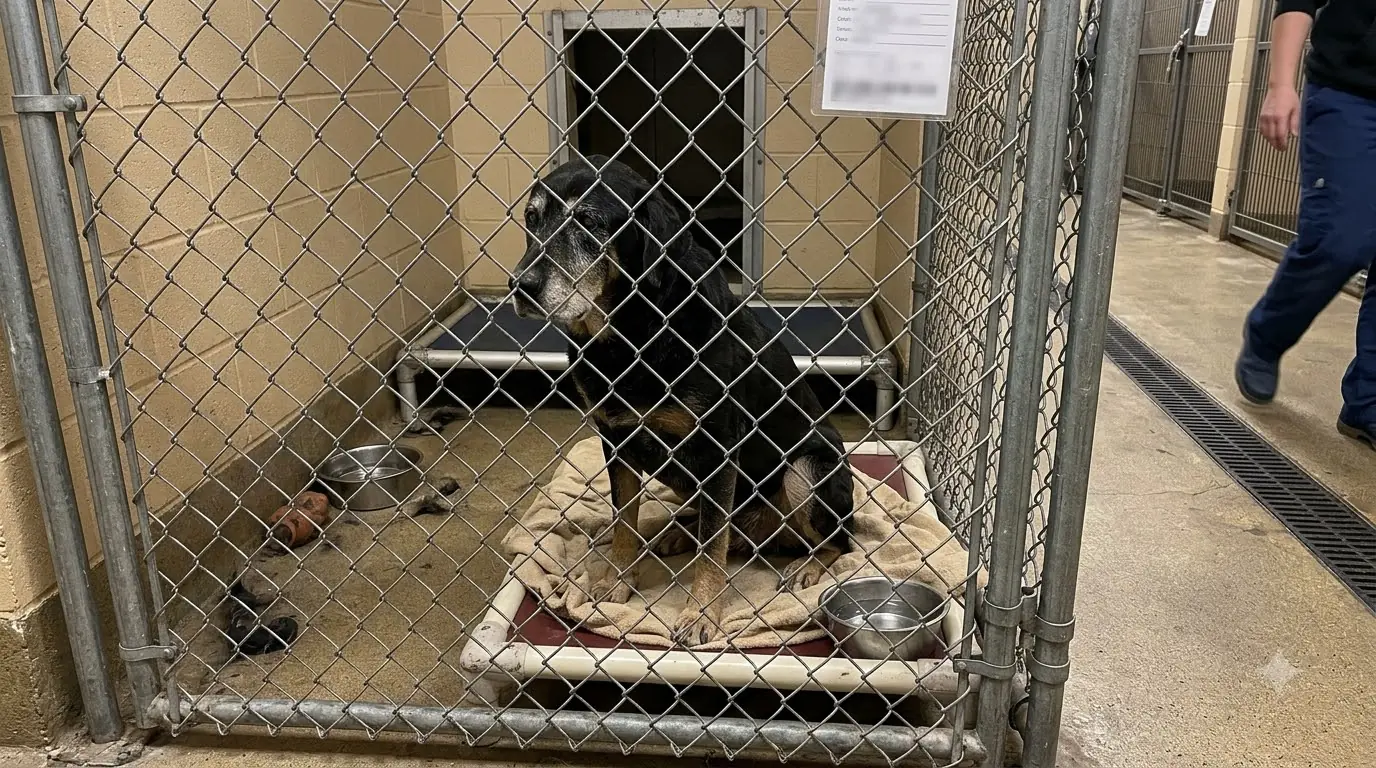
For now, he no longer has to collect faces from behind a chain-link door. He recognizes the sound of his foster caregiver preparing breakfast and the footsteps that come down the hallway each morning. He knows which bed belongs to him and where the afternoon sunlight reaches the living room rug.
Atlas still studies people, but the meaning of that watchfulness is beginning to change. He is no longer only waiting for someone to pass. Little by little, he is learning that one of them may finally stay.
News in the same category
A Starving Dog Was Rescued After Being Trapped Without Food for Days
Captain’s Recovery After Seven Months in a Concrete Kennel
Daily’s Recovery After Losing Her Owner at Age 11
A Frightened Dog Was Found Trapped in a Thorn Bush Beside the Highway
Big Bear's viral eagle Jackie dies after weeks of intensive care
NEW UPDATE: Jackie the eagle endures 'difficult' 24 hours
NEW UPDATE: Vets share 'difficult news' about Big Bear bald eagle Jackie
Jackie the eagle’s caregivers face intense response
Jackie the eagle’s caregivers face intense response
Jackie the bald eagle's recovery takes a worrying turn after latest health update
A Mother Dog Shielded Her Five Puppies Through a Violent Rainstorm
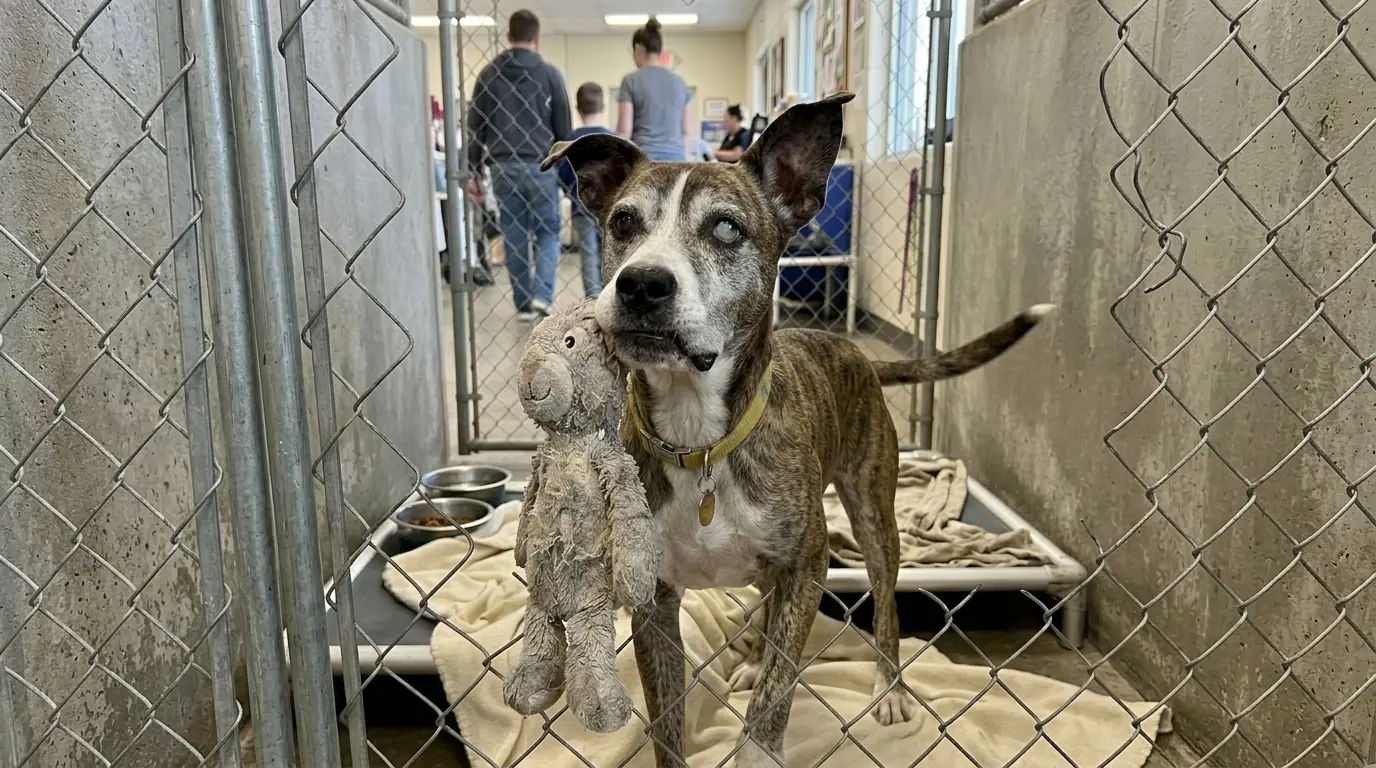
The Blind Dog Who Refused to Let Go of His Tattered Stuffed Lamb
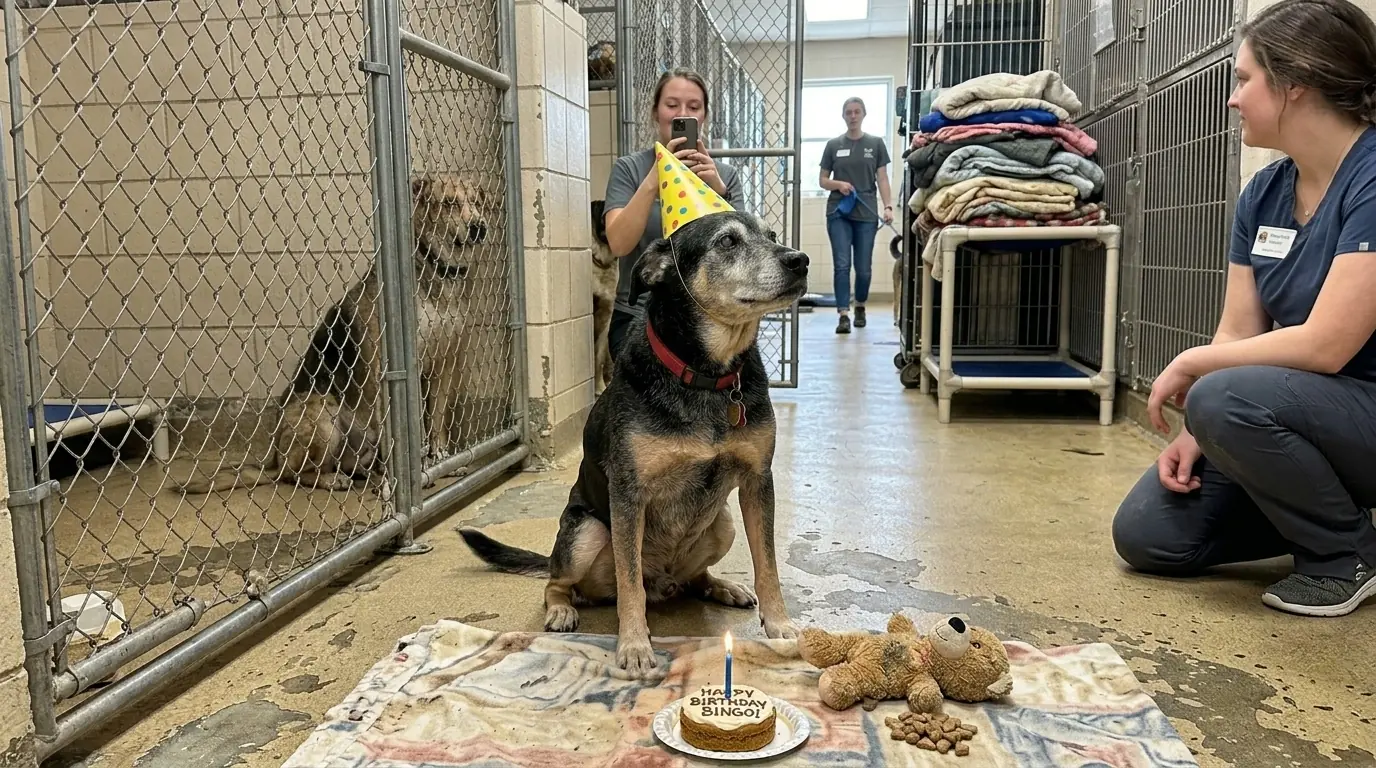
Bingo Celebrates His First Birthday After Spending an Entire Year at the Shelter
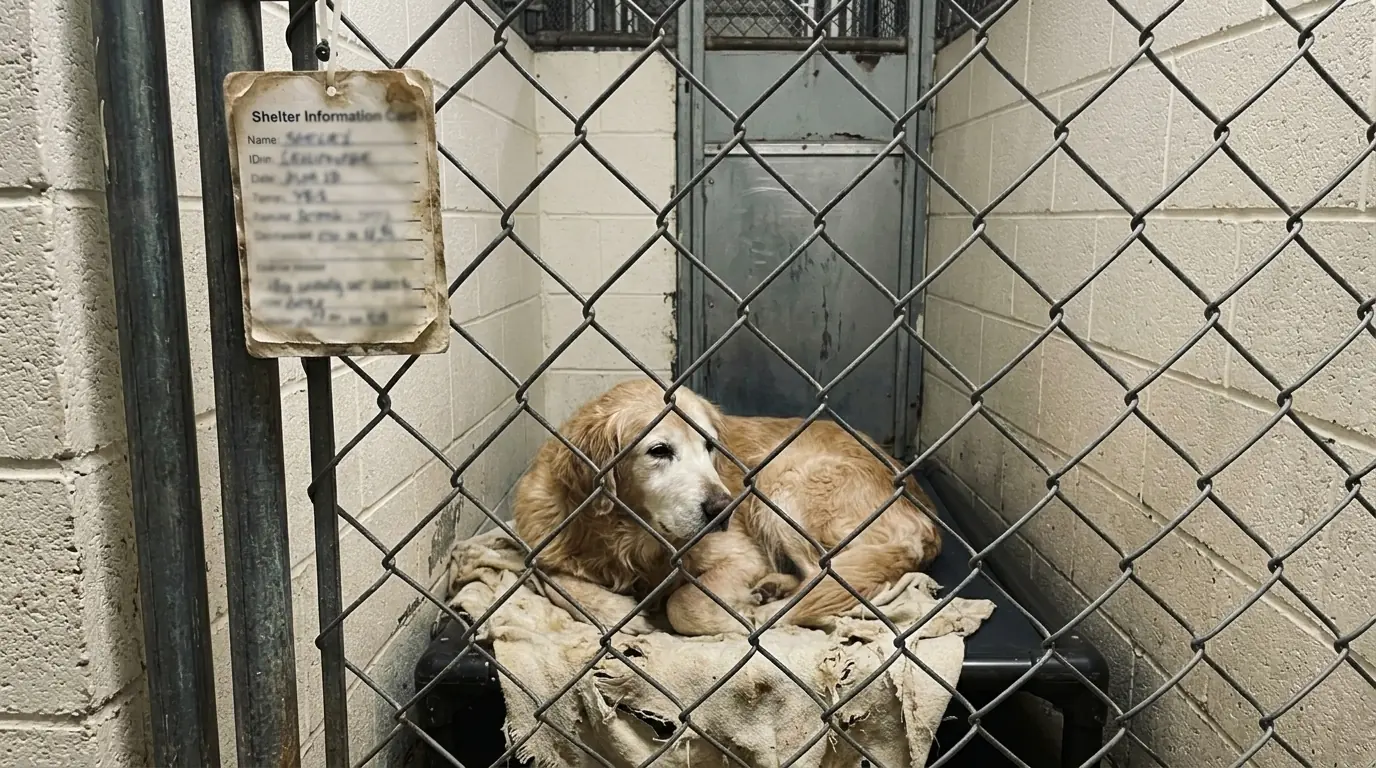
Sam Still Sleeps on the Blanket Left Behind When His Family Moved Away
Big Bear bald eagle Jackie's fight for survival continues as mystery illness remains unknown
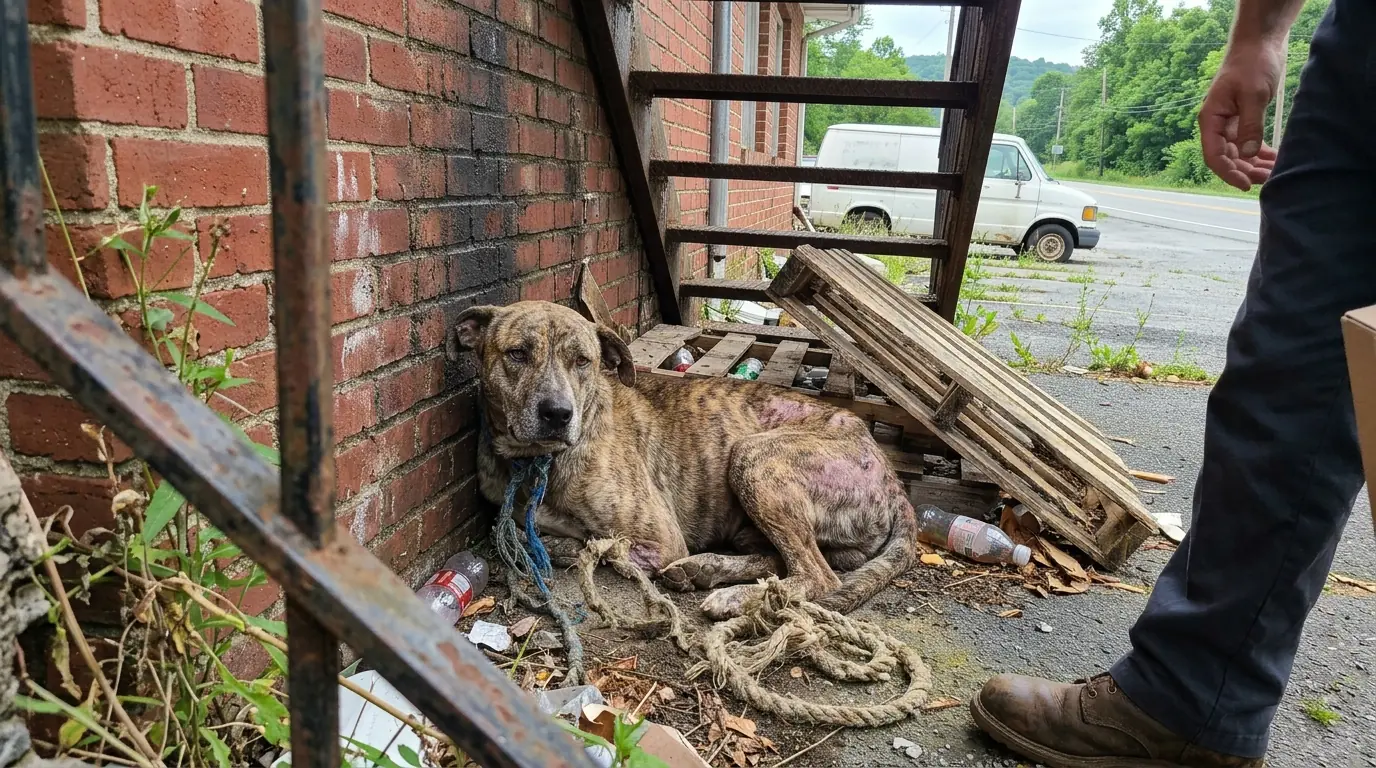
Toby’s Recovery After Being Found Exhausted on a Street Corner