Bella’s Recovery After an Owner Surrender and Medical Crisis
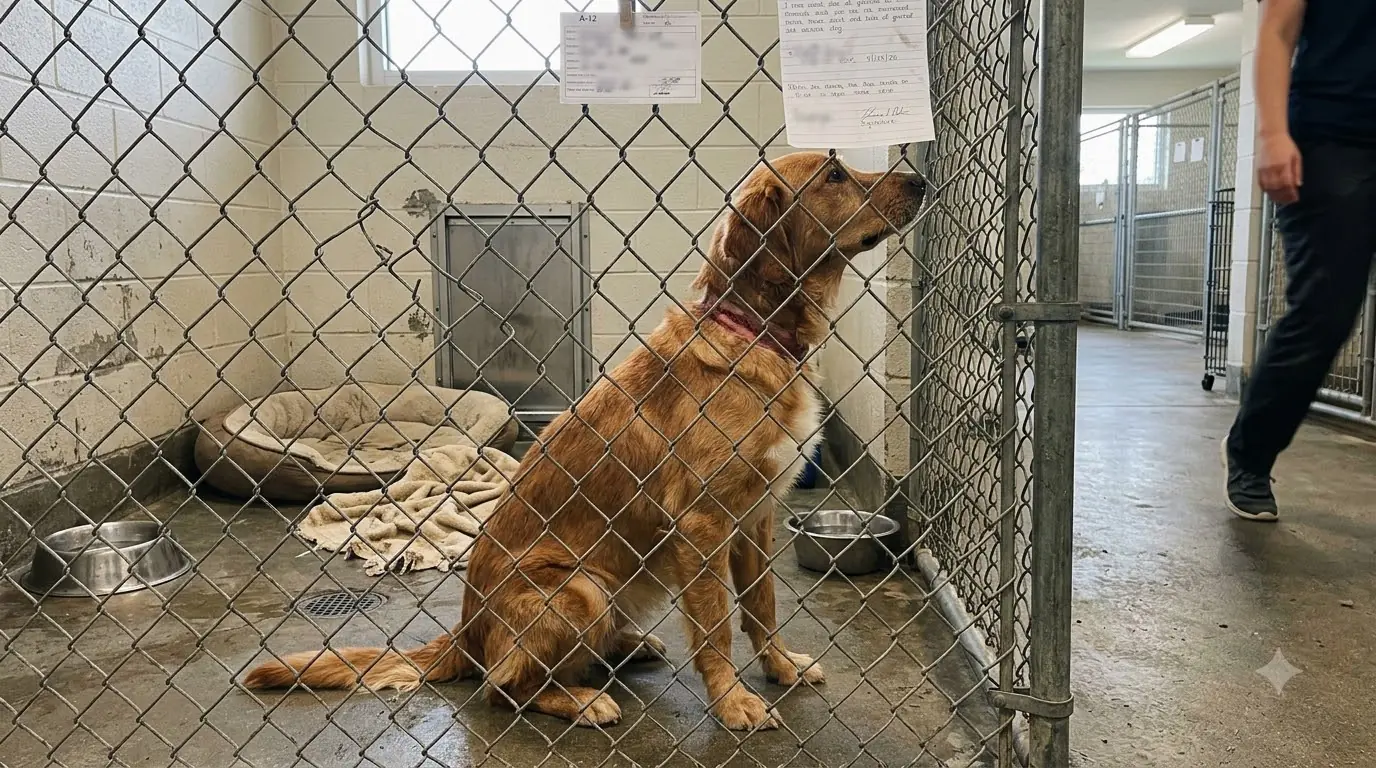
PART 2 — CURRENT CONDITION UPDATE
Bella is now recovering in a medical foster home after being hospitalized for an Addisonian crisis. Her condition has stabilized, and she is eating again, but Addison’s disease will require treatment and monitoring for the rest of her life.
Addison’s disease, also called hypoadrenocorticism, occurs when the adrenal glands do not produce enough of certain essential hormones. These hormones help regulate blood pressure, hydration, electrolyte balance, metabolism, and the body’s response to stress.
The disease can be difficult to recognize because early symptoms often appear vague or intermittent. A dog may seem tired, skip meals, vomit occasionally, lose weight, or improve temporarily before becoming sick again. Emotional or physical stress can then trigger a sudden crisis.
Bella’s initial symptoms could easily have been mistaken for grief and anxiety. She had just lost her familiar home and the person she trusted, so her refusal to eat and reluctance to move did not seem unusual at first. The collapse showed that something more serious was happening.
At the emergency clinic, Bella’s heart rate was slower than expected for a dehydrated, frightened dog. Her blood pressure was low, and her pulses felt weak. Laboratory testing showed the characteristic combination of low sodium and high potassium, along with changes consistent with dehydration.
Severely elevated potassium can interfere with the heart’s electrical activity. Bella was connected to continuous cardiac monitoring while intravenous fluids were started. The fluids were administered at a carefully calculated rate to restore circulation and correct her electrolyte imbalance without changing it too abruptly.
She also received medication to replace the hormones her body could not produce. An injectable steroid was selected because it would support her during the crisis without interfering with the diagnostic test needed to confirm Addison’s disease.
Bella vomited once more during the first hours of hospitalization but did not develop aspiration pneumonia. Medication was given to control nausea, and food was withheld briefly until her circulation and stomach had stabilized.
An ACTH stimulation test was performed after emergency care began. This test measures hormone levels before and after the adrenal glands are stimulated. A healthy adrenal gland responds by producing more cortisol. Bella’s cortisol remained extremely low, confirming the diagnosis.
An abdominal ultrasound showed that both adrenal glands were smaller than expected. No mass or active internal bleeding was found. The appearance supported primary Addison’s disease, in which the adrenal glands themselves have lost much of their normal function.
The exact cause cannot always be determined. In many dogs, the immune system is believed to damage the adrenal tissue. Nothing in Bella’s history suggests that her former family caused the condition, and there is no indication that the surrender itself created the disease. The stress of losing her home may simply have exposed a problem that had been developing quietly.
Bella remained hospitalized until her blood pressure, hydration, heart rhythm, and electrolyte levels improved. During the first night, she was too weak to stand without assistance. A veterinary technician used a support sling to take her outside and remained beside her until she was safely back on the bed.
By the following morning, Bella lifted her head when the technician entered. She accepted a small amount of water and licked several bites of food from a spoon. Those modest actions were important because dogs recovering from an Addisonian crisis may remain nauseated and exhausted even after their laboratory values begin improving.
Her potassium level gradually returned to a safer range, and the abnormal changes on her heart monitor resolved. Her sodium level improved more slowly, as expected. Correcting sodium too rapidly can be dangerous, so the team repeated blood tests throughout the day and adjusted her fluids carefully.
Bella did not require a blood transfusion. Her mild anemia remained stable and may have been influenced by chronic illness and fluid shifts. The veterinary team will repeat a complete blood count after she has recovered further.
Her kidney values appeared elevated during the crisis, but they improved substantially with hydration. This suggests reduced blood flow rather than permanent kidney failure was responsible for much of the change. Her urine is now being monitored to make sure kidney function remains normal.
After several days, Bella could stand independently and walk a short distance without collapsing. She still tired quickly, but her blood pressure remained stable when she moved. Once she could eat, drink, take oral medication, and maintain safe electrolyte values, she was discharged to foster care.
Bella now receives medication to replace both categories of adrenal hormones affected by her disease. One medication helps regulate sodium, potassium, hydration, and blood pressure. Depending on the final long-term plan, this replacement may be given as a scheduled injection or as daily tablets.
She also receives a small daily dose of a steroid that replaces cortisol. The goal is not to give more than her body needs. Excessive steroid medication over time can cause increased thirst, frequent urination, muscle weakness, weight gain, and other complications.
Her doses will be adjusted according to symptoms and repeated blood tests. Dogs with Addison’s disease often need several changes during the first few months before the correct maintenance plan is found. Bella’s current response is encouraging, but her medication requirements may not remain exactly the same.
Stress dosing will be an important part of her future care. Healthy dogs naturally produce more cortisol during stressful events. Bella cannot create that extra amount on her own, so her steroid dose may need to be temporarily increased during illness, surgery, travel, major environmental changes, or other significant stress.
Her foster caregiver has received written instructions explaining when an adjustment may be appropriate and when to contact the veterinarian first. Medication changes will never be improvised without medical guidance.
Missing doses can be dangerous. Bella’s medication is stored in a clearly labeled organizer, and every dose is recorded. Her future family will need to maintain this same consistency and ensure that replacement medicine is always available before the current supply runs out.
Bella’s appetite has returned gradually. During her first evening in foster care, she ate only a few spoonfuls of softened food and then rested. The next morning, she approached the bowl on her own and finished approximately half of the serving.
She now eats two measured meals each day and usually completes both. Warm water is mixed into her food for additional hydration. She has begun waiting quietly in the kitchen while her caregiver prepares the bowl, something she was too weak and nauseated to do at the hospital.
Her water intake is closely observed. Some increased thirst can occur with steroid treatment, but a sudden change could also indicate an incorrect dose or another medical problem. At present, Bella drinks regularly without emptying the bowl excessively.
She has not vomited again since leaving the clinic. Her stool was soft for the first several days but has become more consistent. There has been no blood in her stool, abdominal swelling, or obvious pain after eating.
Bella remains slightly underweight. Her ribs are not sharply visible beneath her coat, but they can be felt too easily, and she has lost muscle around her shoulders and hips. The veterinary team wants her to regain weight slowly as her hormone levels and activity stabilize.
She receives a complete, easily digestible diet rather than numerous supplements. There is no special food that cures Addison’s disease. Consistent nutrition, appropriate medication, and access to fresh water are more important than dramatic dietary changes.
Bella’s strength is improving, though she is not ready for normal exercise. Her first foster-home walks lasted only a few minutes. She moved slowly, stopped often, and leaned toward her caregiver when turning back toward the house.
She now walks to the end of the driveway and spends time smelling the grass before returning. Her steps are more even, and she no longer appears unsteady when lowering her head. The caregiver allows Bella to set the pace and ends each outing before she becomes exhausted.
Her joints were examined because weakness can hide orthopedic pain. X-rays showed mild arthritis in her hips but no fractures or severe structural damage. The veterinarian believes most of her initial difficulty walking came from dehydration, electrolyte imbalance, and muscle loss rather than advanced joint disease.
Pain medication was not added during the crisis because the priority was stabilizing her circulation and kidneys. If stiffness remains after she regains strength, the veterinary team will choose an arthritis plan compatible with her hormone replacement treatment.
Nonslip rugs cover the main paths through the foster home. Bella has a low orthopedic bed and does not need to climb stairs. A support harness remains available, though she has not required it during the past several days.
Her coat is also beginning to improve. When surrendered, it appeared dull and had a heavier-than-normal amount of loose undercoat. Skin examination found dryness and several small areas of irritation but no serious infection or parasites.
Bella is brushed in brief sessions because she becomes restless if grooming lasts too long. She now leans toward the brush along her shoulders and closes her eyes when the fur beneath her ears is gently combed.
Her nails were overgrown and changed the way her feet contacted the floor. They were shortened gradually rather than cut back severely in one visit. This has already made standing on smooth surfaces easier.
Dental examination revealed moderate tartar and inflamed gums. No urgent oral abscess was found, and Bella continues chewing softened food without obvious discomfort. A dental cleaning will be considered only after her Addison’s disease is well controlled.
Any future procedure involving anesthesia will require additional planning. Bella will need appropriate steroid support before, during, and after surgery because her body cannot generate the normal hormonal response to physical stress. Her blood pressure and electrolytes will also need close monitoring.
Emotionally, Bella is still adjusting to the loss of her family. The handwritten note left with her described a dog who slept near the bedroom door, waited beside the kitchen during meals, and became uneasy during thunderstorms. Those details have helped the foster caregiver preserve familiar parts of her routine.
Bella’s blanket was brought from the shelter and placed on top of her new bed. During her first night, she smelled it repeatedly before lying down. She slept facing the front door and raised her head whenever a vehicle passed outside.
She did not bark or pace continuously. Instead, she remained very still, watching the entrance as though she expected the person who surrendered her to return. When the foster caregiver left the room, Bella’s eyes followed until she disappeared.
The family avoids forcing interaction. Bella is invited to sit nearby but is allowed to move away whenever she chooses. She receives gentle attention without being surrounded by multiple people.
During the first few days, Bella accepted petting but did not seek it. She lowered her head while her chest was touched and then returned to her bed. Her posture suggested tolerance rather than relaxation.
That began to change after her physical condition improved. One morning, Bella walked from her bed to the kitchen and stood beside her caregiver without being called. When the caregiver crouched, Bella placed her muzzle beneath one hand and remained there.
Later that week, she followed the caregiver into the living room and lay beside the couch rather than returning to the front door. She slept for nearly an hour with her back turned toward the entrance.
Bella now greets her foster caregiver with a slow wag each morning. She does not jump or become highly excited. She stretches, walks forward, and presses one side of her body against the caregiver’s legs.
She remains sensitive when coats, keys, or bags are picked up. Those objects often signal that someone is leaving, and Bella becomes alert as soon as she sees them. Her caregiver is helping her learn that departures are temporary.
The process begins with very short absences. Bella is given a quiet food activity while the caregiver steps outside for less than a minute. The return is calm and uneventful. The time is increased only if Bella remains relaxed.
She can now stay on her bed while the caregiver collects mail or takes out the trash. She watches the door but does not always stand. On two occasions, she lowered her head before the caregiver returned.
Because significant stress can affect her medical needs, separation training must progress slowly. The goal is not merely to stop unwanted behavior. It is to help Bella feel safe enough that emotional distress does not contribute to another health crisis.
Bella shows little interest in energetic toys, but she enjoys carrying a soft stuffed animal from one room to another. She does not tear or shake it. She places it on her bed and occasionally rests her chin across it.
A food puzzle was introduced to provide gentle mental activity. Bella watched it for several minutes before touching it with her nose. She now solves the simplest sections and then looks toward her caregiver as if waiting for confirmation.
Her interactions with other dogs have been limited while her medication is adjusted. She observed a calm adult dog through a barrier and showed neutral, relaxed body language. She smelled the air, gave one brief tail movement, and returned to her caregiver.
A direct introduction may occur later if her energy and blood values remain stable. Her history with cats and young children is unknown, so no assumptions will be made based only on her gentle behavior with adults.
Bella will return to the clinic soon for repeat electrolyte testing. Her sodium and potassium levels will show whether the current hormone-replacement dose is appropriate. The test will initially be repeated at short intervals and may become less frequent once her values are consistently stable.
Her veterinarian will also review her appetite, body weight, energy, thirst, urination, stool, and response to stress. Laboratory numbers are important, but they must be considered alongside the way Bella feels and functions at home.
If her potassium rises or sodium falls again, her mineral-regulating medication may need adjustment. If she develops excessive thirst, panting, restlessness, or muscle weakness, the steroid dose may be too high or another issue may be developing.
Her foster caregiver keeps an emergency information card with Bella’s diagnosis, medication list, veterinary contacts, and treatment instructions. A copy travels with her whenever she leaves the house. In an emergency, clinicians must know immediately that she cannot mount a normal cortisol response.
Warning signs of another crisis include repeated vomiting, diarrhea, sudden refusal to eat, profound weakness, shaking, collapse, pale gums, or unusual confusion. Bella’s caregivers have been instructed not to wait for symptoms to resolve on their own.
With appropriate treatment, many dogs with Addison’s disease can enjoy active and comfortable lives. The condition is manageable, but it is not cured. Bella’s future depends on lifelong medication, scheduled testing, careful preparation for stressful events, and a family that takes subtle changes seriously.
She is not ready for adoption yet. Her medication dose must be stabilized, her electrolytes must remain safe, and her strength must continue improving. The rescue team also wants time to understand how she behaves once the physical effects of the crisis have fully resolved.
When adoption becomes possible, Bella will need a dependable home that can maintain her medical schedule without interruption. Her family must be prepared for routine veterinary expenses, periodic bloodwork, and the possibility of emergency treatment if she becomes ill.
Bella’s former owner left a note because surrendering her did not erase six years of knowing her. It told us where she liked to sleep, how she asked to go outside, and what frightened her during storms. Those details now help another person make her feel understood.
Her story is not one of simple abandonment or blame. It is the story of a dog who lost her home at the same time an undiagnosed disease reached a dangerous point.
Bella is now eating, walking, and resting comfortably. Her electrolytes are improving, her heart rhythm is stable, and she has begun sleeping without watching the front door through the entire night.
She still carries the old blanket from room to room on difficult days. But each morning, the same caregiver is there to give her medicine, prepare her meal, and sit beside her until she is ready to stand.
Bella’s condition will always require attention. What she no longer has to face is illness, uncertainty, or loss by herself.