BREAKING: Young Seal Found Entangled in Fishing Net — Rescue Team's Rapid Response Sparks Hope for Marine Life
BREAKING: Young Seal Found Entangled in Fishing Net — Rescue Team's Rapid Response Sparks Hope for Marine Life
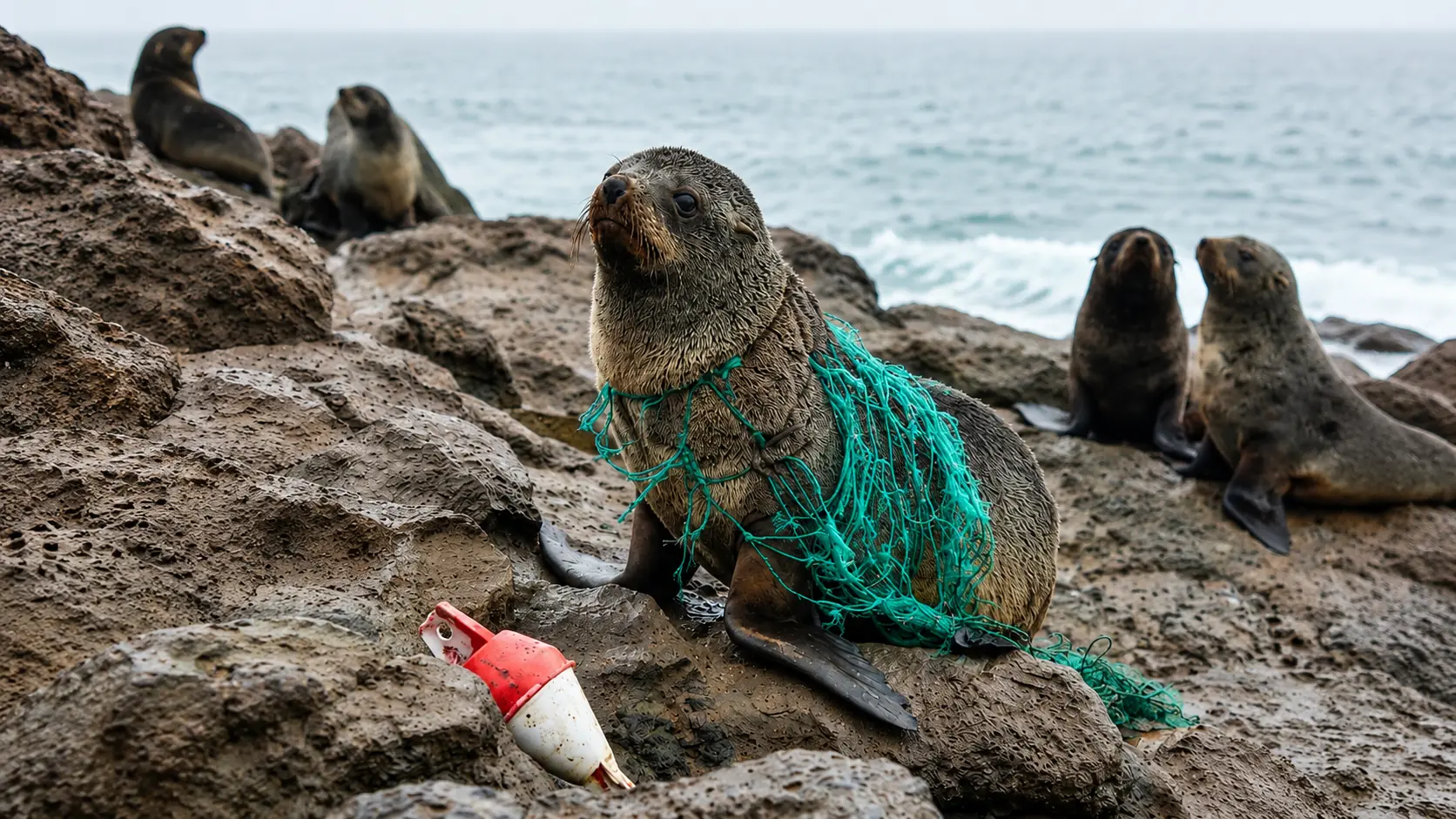
A quiet stretch of coastline became the scene of an urgent wildlife rescue after a young seal was discovered trapped in discarded fishing net, highlighting once again the growing threat that marine pollution poses to ocean animals around the world.
Witnesses reported seeing the seal struggling to move across the rocky shoreline with a large section of green fishing net wrapped tightly around its body. Although the animal remained alert, every movement appeared restricted as the synthetic fibers dug into its fur and threatened to tighten further with each attempt to escape.
Nearby beachgoers immediately contacted local marine wildlife authorities instead of approaching the animal themselves, understanding that frightened seals can become stressed or injured during rescue attempts by untrained individuals.
A Hidden Danger Beneath the Waves
According to marine conservation experts, abandoned fishing gear—often called "ghost gear"—is among the deadliest forms of ocean pollution.
Unlike ordinary litter, lost fishing nets can remain in the ocean for decades, continuing to trap wildlife long after they have been discarded. Seals, sea turtles, dolphins, whales, seabirds, and countless other marine species are at constant risk of becoming entangled.
For young seals especially, even a small piece of net can become life-threatening. As they grow, the material tightens around their bodies, causing severe wounds, infections, restricted movement, starvation, or drowning.
The problem has become increasingly common along coastlines worldwide, where storms, commercial fishing, and illegal dumping leave dangerous debris drifting through important marine habitats.
Rescue Team Arrives Just in Time
Within a short time, a trained marine wildlife rescue team arrived at the scene equipped with protective gloves, rescue blankets, specialized cutting tools, and animal transport equipment.
To minimize stress, rescuers slowly approached while carefully monitoring the seal's behavior. Once the animal was safely restrained, they began cutting away the tangled fishing net strand by strand.
The process required patience and precision.
Several loops had become tightly wrapped around the seal's shoulders and flippers, making it impossible to simply pull the net free. Every cut was made carefully to avoid injuring the already exhausted animal.
After several tense minutes, the final strands were removed.
For the first time in what may have been days, the young seal could move freely again.
A Hopeful Recovery
Following the rescue, wildlife veterinarians performed a complete health examination.
Fortunately, the seal had suffered only minor abrasions and mild exhaustion. There were no broken bones or life-threatening injuries.
After receiving treatment, fluids, and a period of observation, the animal regained its strength remarkably quickly.
Once veterinarians confirmed it was healthy enough to survive on its own, the seal was transported back to a protected section of the coastline.
As the rescue crate was opened, the young seal paused for a brief moment before making its way toward the ocean.
It slipped into the surf, disappeared beneath the waves, then surfaced once more several meters offshore—turning back as if taking one final look before swimming into the open sea.
For everyone who had witnessed the rescue, it was a powerful reminder that even a single phone call can save a life.
A Reminder for All of Us
Every discarded fishing net, plastic rope, bottle, or piece of trash that reaches the ocean has the potential to become a deadly trap for marine wildlife.
Protecting our oceans doesn't always require grand gestures.
Sometimes it begins with properly disposing of waste, reducing single-use plastics, participating in beach cleanups, supporting sustainable fishing practices, and reporting injured wildlife to trained rescue organizations instead of attempting risky rescues alone.
Because for animals like this young seal, one piece of abandoned plastic can mean the difference between life and death.
And thanks to the quick actions of caring witnesses and a dedicated rescue team, this story had the happy ending every wildlife deserves.
Tags:
News in the same category
Pip’s Recovery After Being Rescued From a Storm Drain
Walter’s Recovery After Being Found Beside a Rainy Highway
Murphy’s First Days at the Shelter After Arriving Covered in Mud
Milo’s Quiet Life at the Shelter After Losing His Owner
Rusty’s Recovery After Being Found Near a Dumpster
Benny’s Recovery After Being Found on the Street
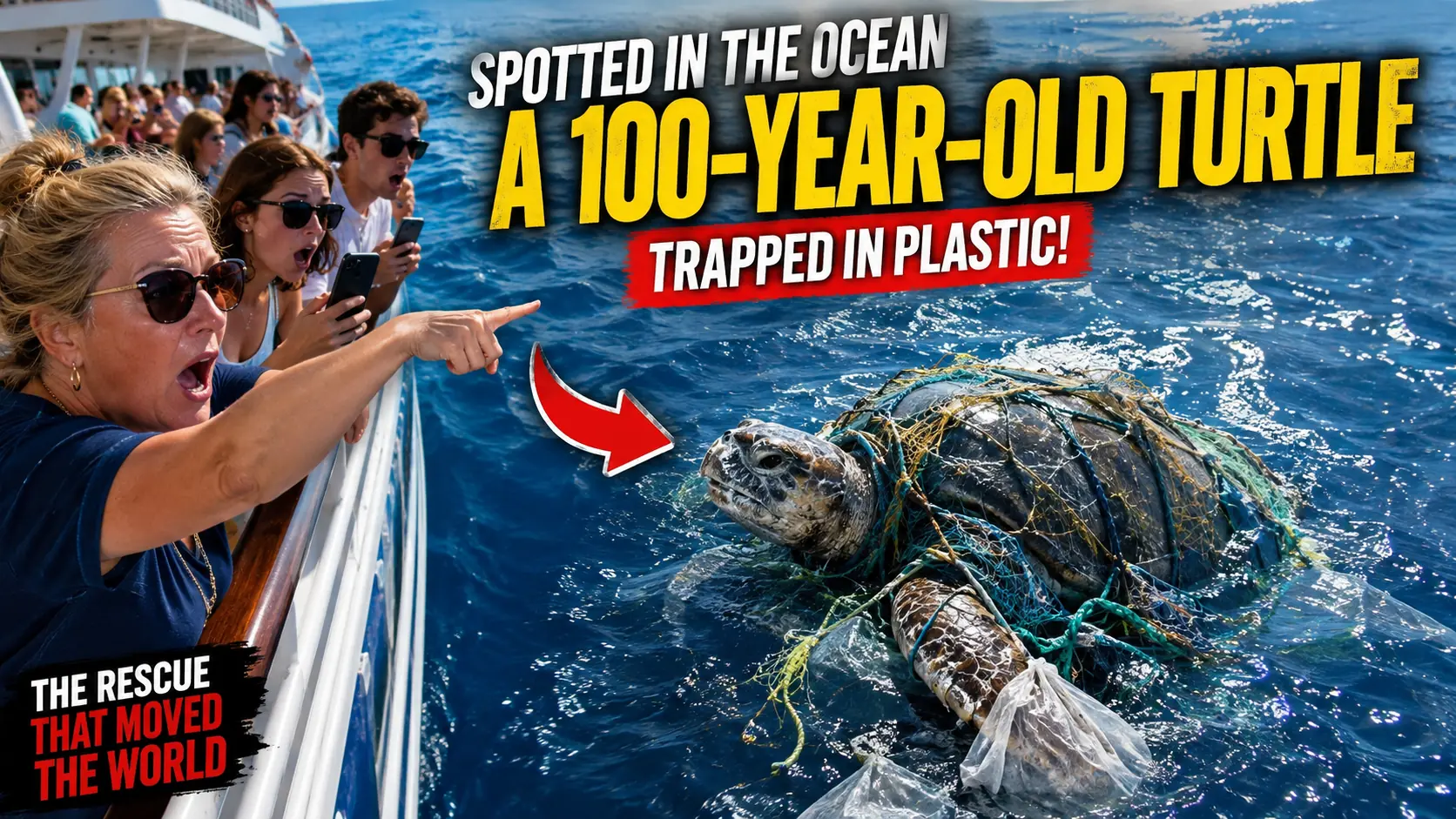
Cruise Tourists Spotted a 100-Year-Old Sea Turtle—Then They Saw What Was Wrapped Around It
Oliver’s Journey After Being Left at the Shelter
Mabel’s Rescue and Her Journey with Seven Puppies
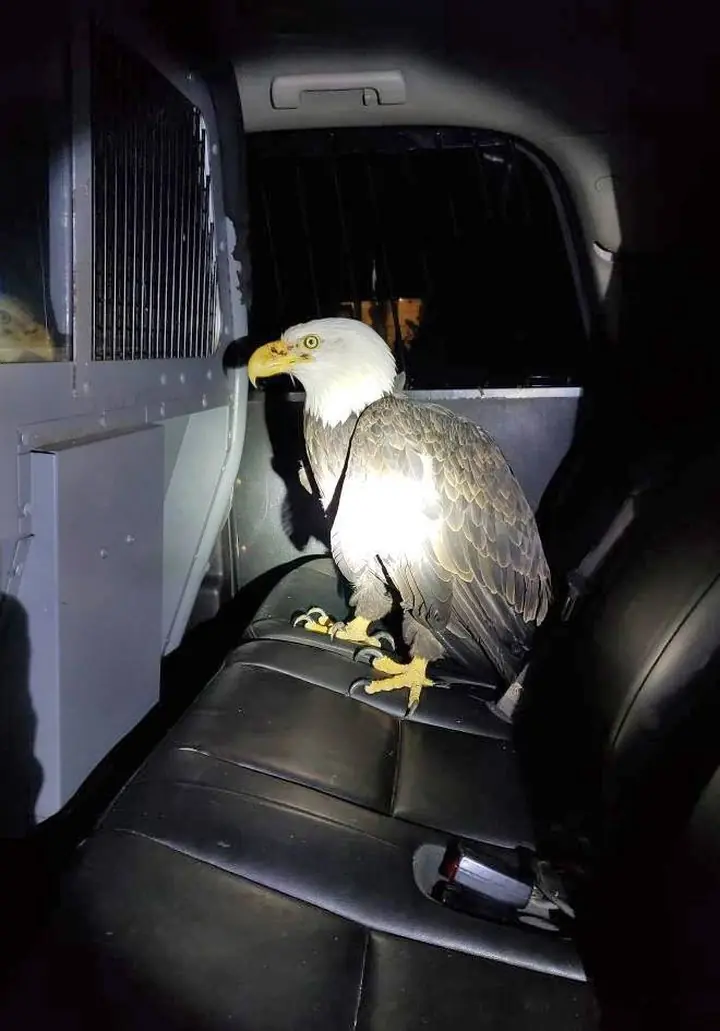
He was injured, sitting quietly in the back of a police car. Here's the latest update on his condition
A SMALL-TOWN POLICE OFFICER BROUGHT AN INJURED BALD EAGLE BACK TO THE STATION
A SMALL-TOWN POLICE OFFICER BROUGHT AN INJURED BALD EAGLE BACK TO THE STATION
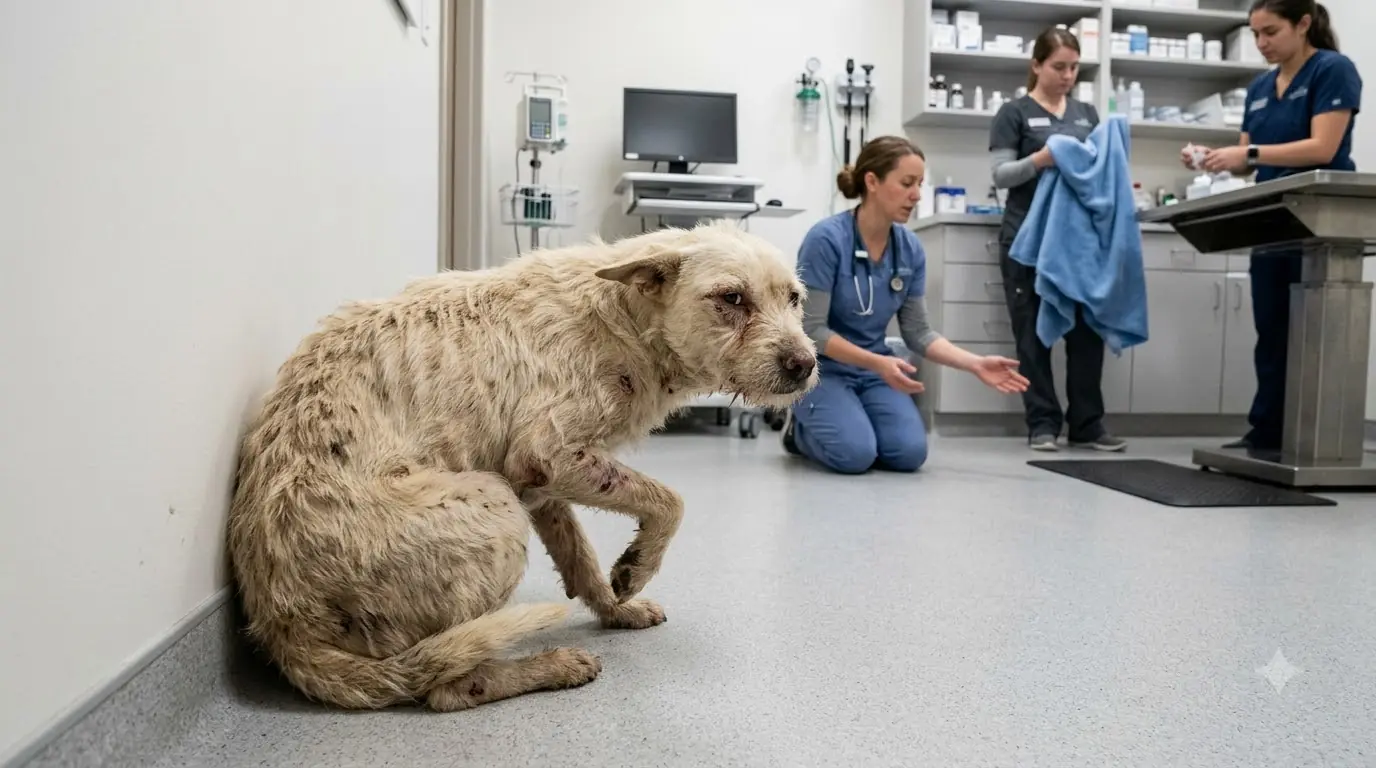
Emergency Veterinary Team Fights to Save Critically Injured Stray Dog Too Frightened to Stand
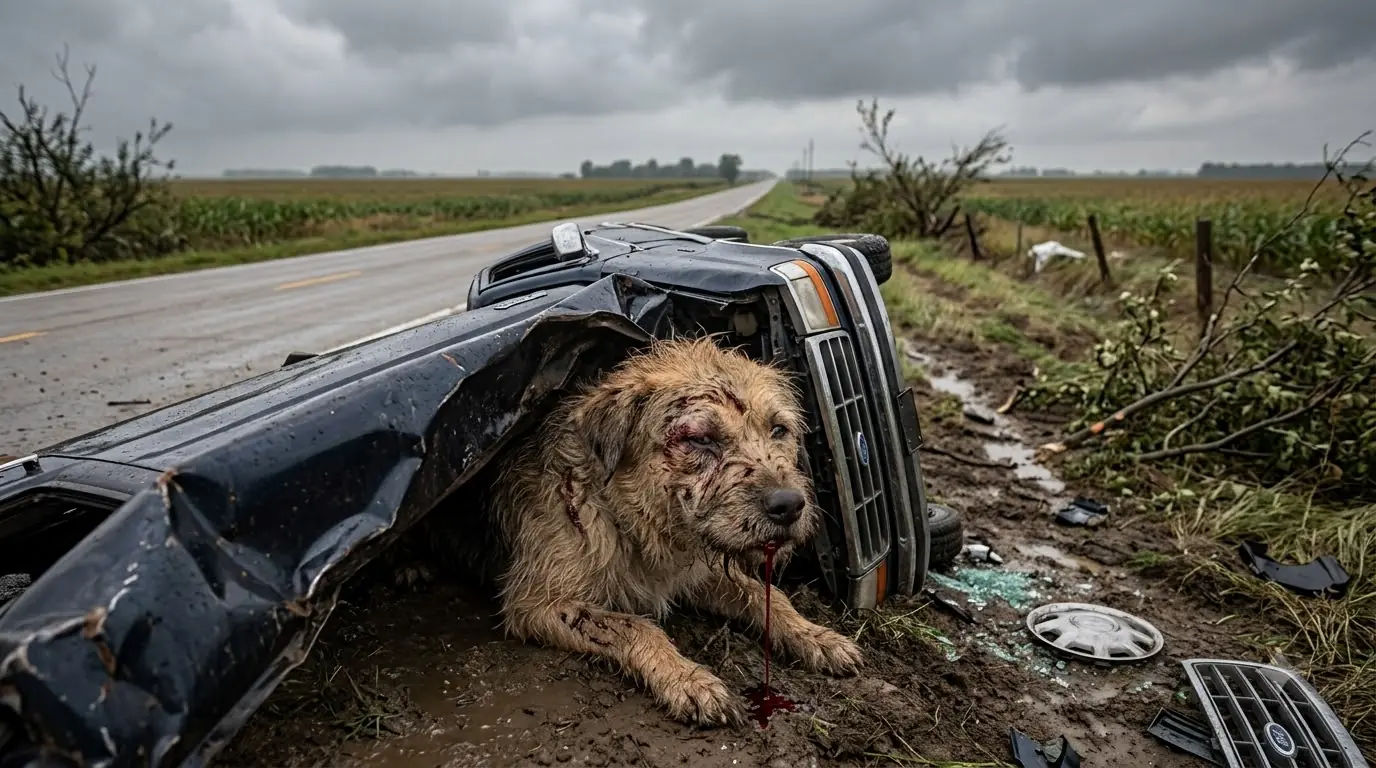
Emergency Highway Rescue Saves Stray Dog Trapped Beneath Overturned Pickup Truck After Violent Storm
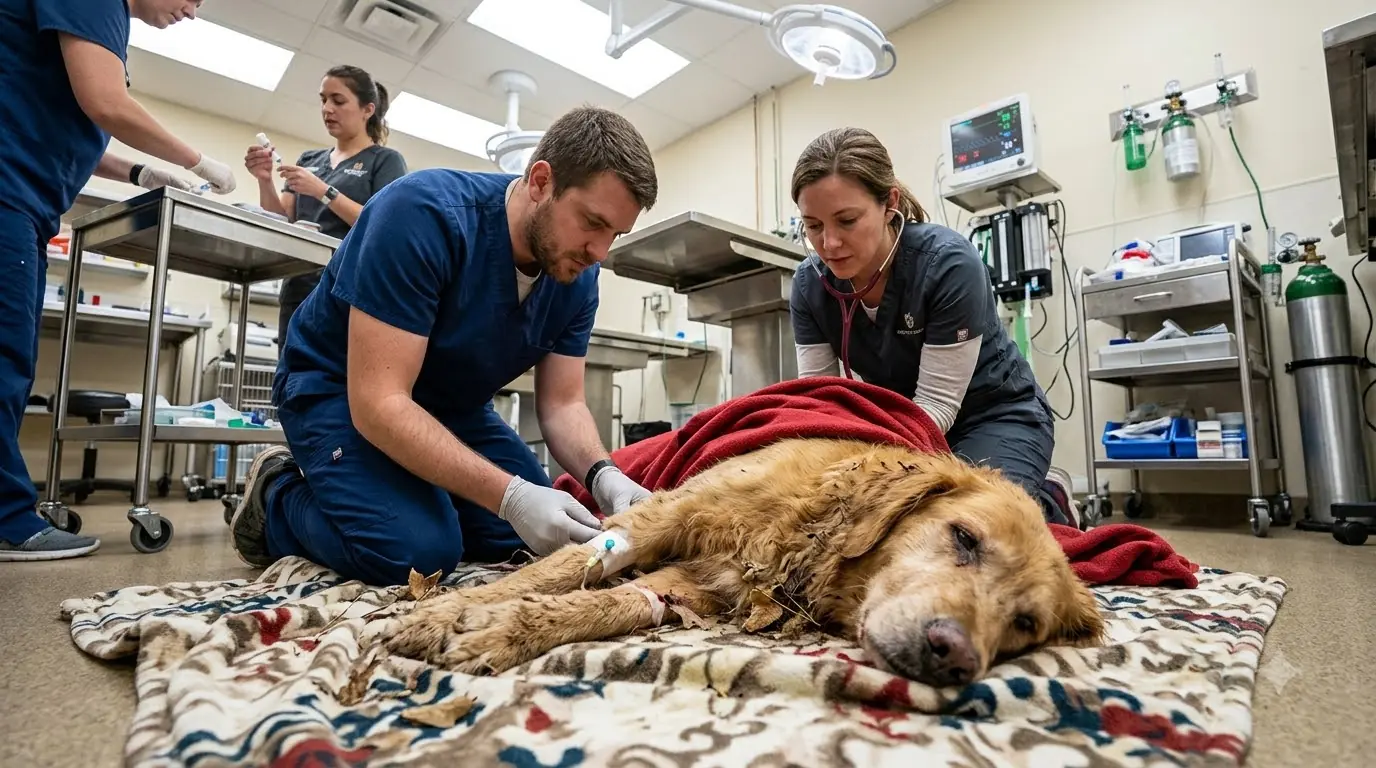
Emergency Veterinary Team Helps Severely Neglected Stray Dog Learn to Trust Again
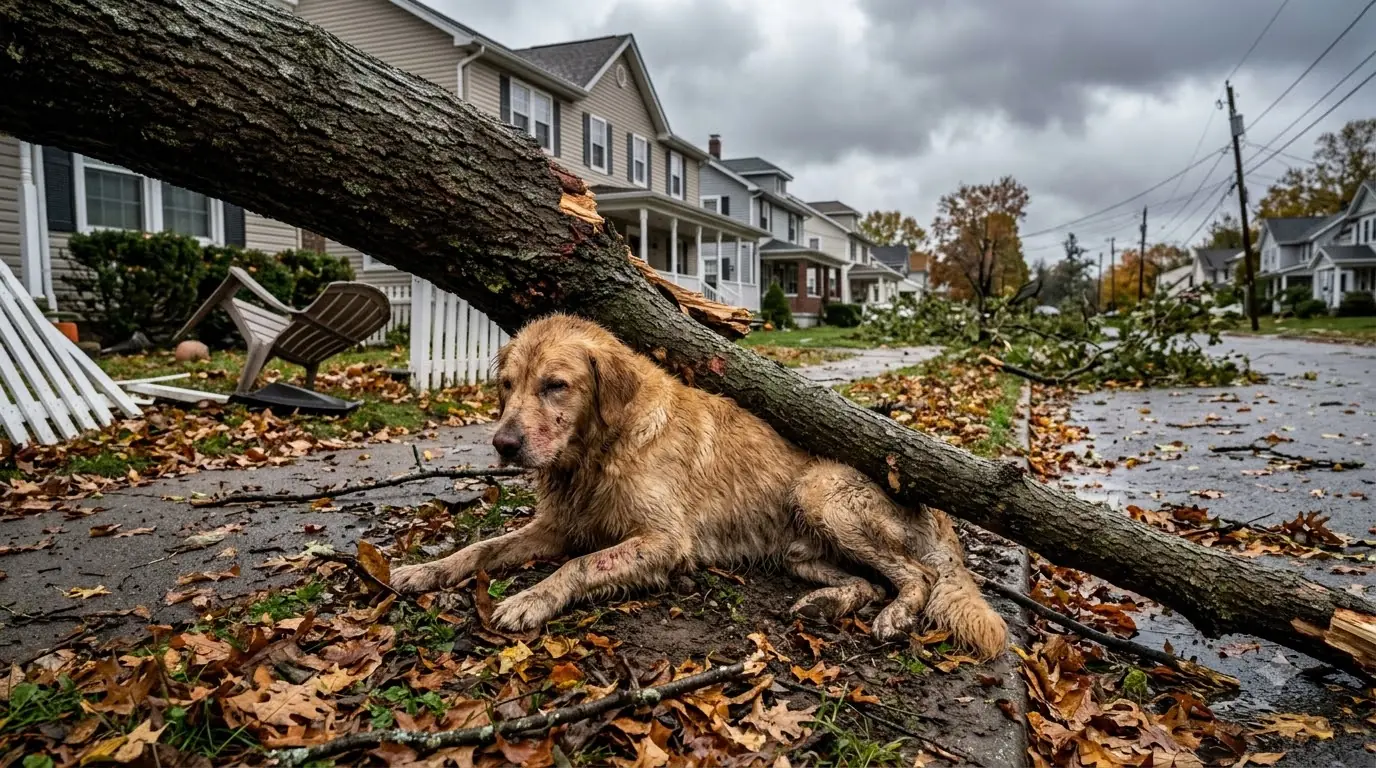
Emergency Storm Rescue Saves Severely Malnourished Stray Dog Trapped Beneath Fallen Oak Tree
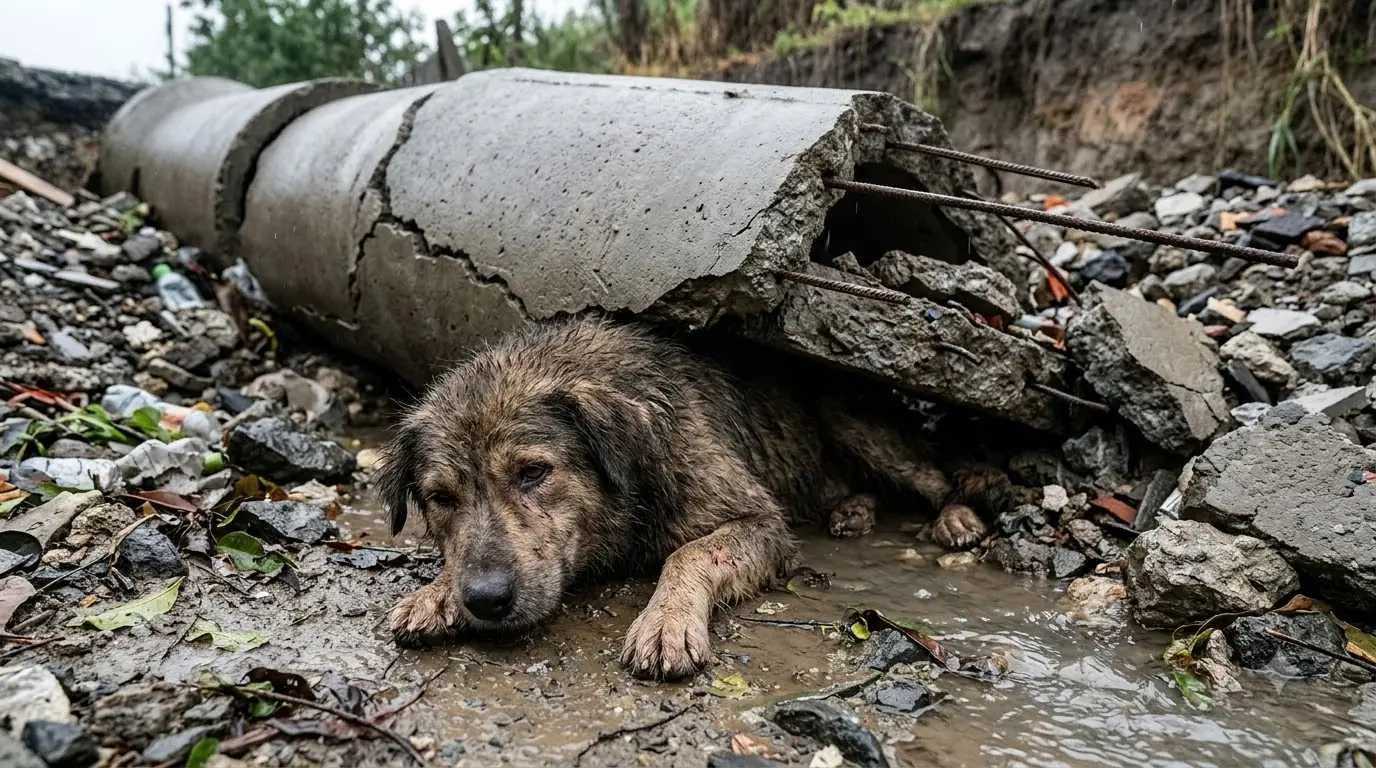
Emergency Disaster Rescue Saves Stray Dog Trapped Beneath Collapsed Concrete Drainage Pipe

Emergency Ice Rescue Saves Starving Stray Dog Trapped in Freezing Pond
News Post
"Dodge Just One Punch," the Boxer Smirked at the Old Janitor — Then the Gym Fell Silent

My Wife Said I Had Trust Issues — Then The Condo Guard Told Me About Her “Massage Therapist”
CHAPTER 2:"Dodge Just One Punch," the Boxer Smirked at the Old Janitor — Then the Gym Fell Silent
CHAPTER 3:"Dodge Just One Punch," the Boxer Smirked at the Old Janitor — Then the Gym Fell Silent

I Told My Husband I Was Working Late — Then He Put The Hotel Receipt Beside My Wedding Ring

"She Can't Speak Chinese," the Millionaire Laughed — Then the Entire Room Stood Up

A Cocky MMA Fighter Offered an Old Farmer $500 to Take Free Punches — Then Everything Changed

I Packed One Suitcase to Leave My Husband... But He Thought I'd Be the One Walking Away With Nothing

A Millionaire Mocked a Black Waitress With a $100K Bet — Her First Words Left Everyone Standing

My Husband Secretly Filed for Divorce the Day Before My Promotion... He Never Expected Me to Become His New CEO

CHAPTER 2: A Millionaire Mocked a Black Waitress With a $100K Bet — Her First Words Left Everyone Standing

My Future Father-in-Law Threw My Engagement Ring Away... He Had No Idea I Secretly Owned Everything He Was Trying to Protect
CHAPTER 3: A Millionaire Mocked a Black Waitress With a $100K Bet — Her First Words Left Everyone Standing

The Champion Shoved the Quiet Reader to the Floor — Then the Entire Gym Went Silent

A Millionaire Bet $100K a Black Waitress Couldn't Speak Chinese — Then the Whole Room Rose to Its Feet

A Poor Black Girl Sang at a Talent Show to Save Her Mom — She Never Knew One Judge Was Her Father
A Poor Black Girl Sang at a Talent Show to Save Her Mom — She Never Knew One Judge Was Her Father

My Husband's Phone Accidentally Played His Secret Voice Message... And It Destroyed Our Marriage

An MMA Kid Paid an Old Farmer $500 for Three Minutes of Free Punches — Then the Farmer Stood Up Straight