Committee members examine his findings with new understanding of their significance. This data will be essential to our federal investigation. Dr. Lawson announces, "Mr. Taylor, the committee would like to fund an expansion of your monitoring system to cover the entire city." As they leave the meeting, Laura Chen joins them. Judge Harmon's attorney called. He wants to make a deal. Robert raises an eyebrow. Already? He must know we have more than we've shown. The dominoes are falling. Laura confirms three more judges with similar ruling patterns have requested leaves of absence. Senator Whitfield's development company stock dropped 30% this morning. Devon takes in this information quietly. His simple science project has triggered a cascade of accountability. What happens now? He asks his father. Justice, Robert answers simply. And perhaps cleaner air for your neighborhood. As Judge Harmon seeks a deal, who else will fall in this widening investigation?
One week later, the judicial ethics committee hearing unfolds in a packed room. Judge Harmon sits with his defense team, looking diminished without his robes. Senator Whitfield watches from the back, surrounded by advisers whispering urgently. When Robert Taylor enters with Devon, the senator slips out a side door. The committee chair calls the hearing to order. We are reviewing evidence of judicial misconduct by Judge William Harmon, including discriminatory sentencing patterns, improper dismissal of environmental cases, and potential corruption involving private development interests. Devon's research is presented first. His rebuilt project stands on a display table. Screens showing clear correlations between air quality violations denied environmental cases and health outcomes across different neighborhoods. This data initially collected for a high school science project revealed a disturbing pattern. The presenter explains environmental protection cases from minority neighborhoods were dismissed at eight times the rate of identical cases from other areas.
Judge Harmon's attorney objects. A student science project hardly constitutes admissible evidence. The committee chair responds firmly. The methodology has been independently verified by three university environmental departments. The data stands. Next, Justice Department investigators present phone records, banking transactions, and ruling patterns that draw a clear picture. Judge Harmon systematically ruled in favor of development interests connected to Senator Whitfield, allowing environmental violations in targeted neighborhoods. During a break, Devon overhears two committee members talking. The pattern is undeniable, one says. But will they actually remove a sitting federal judge? They have to, the other replies. The evidence is too public now. That kid's science project blew the lid off everything.
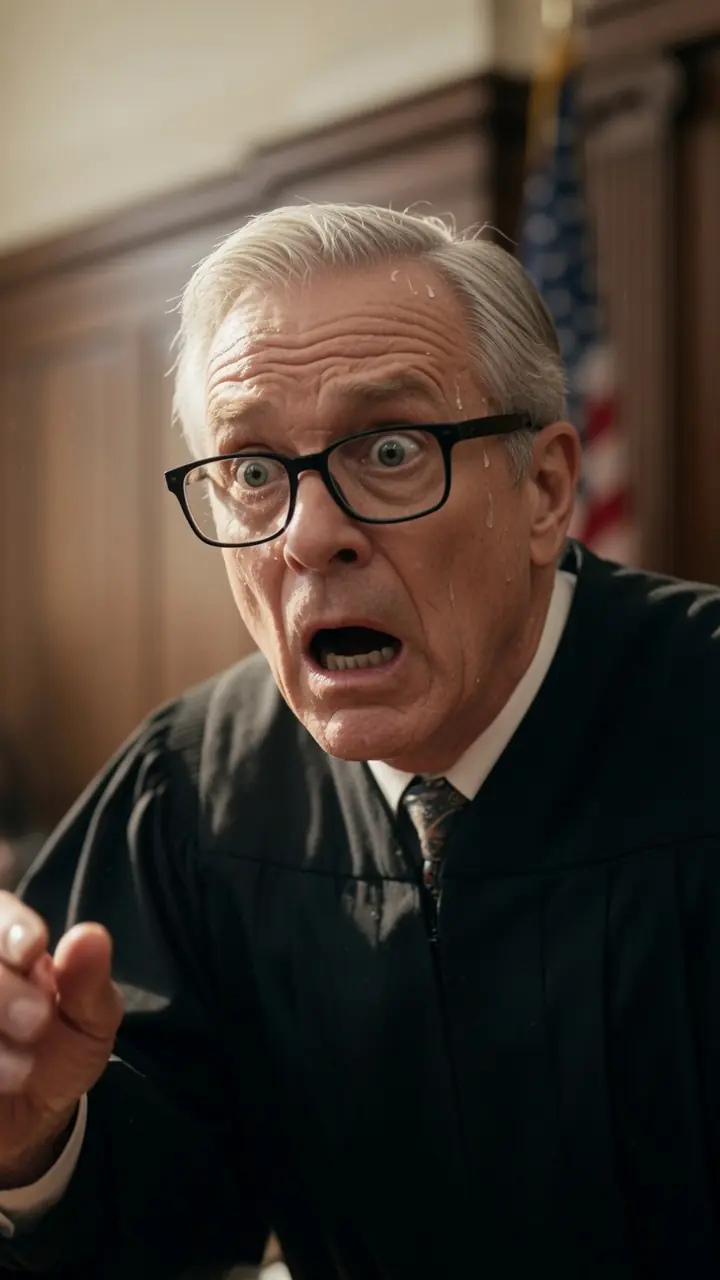
When the hearing resumes, Judge Harmon takes the stand. His arrogance has vanished, replaced by a desperate pragmatism. "I acknowledge some of my rulings may show statistical disparities," he admits carefully. "But there was never intent to discriminate." The questioning is relentless. Justice Department lawyers present case after case where identical circumstances led to wildly different outcomes based solely on neighborhood and racial demographics. And your frequent communication with Senator Whitfield's office before environmental rulings? A committee member asks. Judge Harmon hesitates too long. The senator is an old friend. We discussed various matters, including which environmental cases to dismiss to facilitate his development projects. The judge's attorney interrupts. My client wishes to amend his testimony. A murmur runs through the room. Everyone recognizes what's coming.
Judge Harmon leans forward. I am willing to provide complete information about Senator Whitfield's involvement in exchange for consideration in my case. The committee chair glances at Robert Taylor, who nods slightly. This hearing will recess while Judge Harmon provides his statement to Justice Department officials. As people file out, Devon approaches his father. He's turning on the senator. When powerful people fall, they rarely fall alone, Robert replies. Harmon knows his career is over. Now he's negotiating the terms of surrender. Outside the hearing room, reporters swarm. Devon stays back as his father addresses the press. Today marks an important step toward environmental justice in our communities. When we allow environmental protections to be selectively enforced, we are deciding whose children deserve clean air and whose do not. That is unacceptable in America.
Devon notices Judge Harmon being escorted to a private room, shoulders slumped, the weight of his actions finally visible on his face. Their eyes meet briefly. The judge looks away first. Later that evening, news breaks. Senator Whitfield has resigned, citing health concerns. Three development companies announce emergency board meetings. The EPA launches investigations in 12 cities with similar patterns. At home, Devon watches the coverage with mixed emotions. You never intended any of this, his mother says. No, Devon admits, but I'm not sorry it happened. His father joins them, loosening his tie. Judge Harmon provided names, dates, amounts. The corruption network was larger than we imagined. "Will it make a difference?" Devon asks. "For the neighborhoods like ours?" Robert nods. The EPA is fast-tracking remediation for the affected areas. And your monitoring system is being adopted as a model for community oversight.
Devon considers this. From science project to federal policy, that's how change happens. His father says. One person stands their ground, others follow. With Harmon cooperating, how high will this corruption investigation reach? 3 months later, Devon stands at a podium in Washington DC, addressing the National Conference on Environmental Justice. His rebuilt and enhanced air quality monitoring system is displayed prominently beside him. Environmental justice isn't abstract, Devon tells the audience of scientists, activists, and government officials. It's about who can breathe clean air, who has safe water, and whose children play in toxic soil. The conference room is packed. In the front row sit Robert Taylor and Laura Chen, now heading a new environmental justice task force at the Justice Department. Devon continues, "My project began as simple data collection in my neighborhood. It ended by exposing how environmental protections were selectively enforced to benefit development interests at the expense of minority communities."
Screens behind him show before and after maps of his city. 3 months ago, these red zones had particulate matter levels exceeding federal standards by 300%. Today, with proper enforcement, those levels have dropped by 70%. After his presentation, Devon joins a panel discussion with environmental scientists and legal experts. The Taylor case, as we now call it, has transformed our approach, says EPA Director Harrison. We've launched similar monitoring programs in 30 cities nationwide. The data is revealing similar patterns of selective enforcement. A Justice Department representative adds, "Following Senator Whitfield's indictment, we've opened investigations into similar arrangements in 12 other states." Judge Harmon's testimony has been invaluable. Devon listens, still processing how his science project catalyzed such sweeping changes. During questions, someone asks about the judicial system reforms. The Administrative Office of US Courts has implemented new transparency requirements, explains Judicial Ethics Committee Chair Lopez. All environmental rulings must now include detailed reasoning and are subject to statistical review for potential bias patterns.
After the conference, Devon and his father walk through the National Mall. Senator Whitfield's development company is paying for environmental remediation in all affected neighborhoods, Robert tells him. The settlement includes funding for community health clinics specializing in respiratory conditions. Devon watches children playing nearby. Will it last though these changes? That depends on people like you. Robert says systems only change when someone challenges them. Devon's phone buzzes with a notification. The state university has offered him a full scholarship to study environmental science and law. They want me to expand my monitoring system statewide, Devon says amazed. Robert smiles proudly. From science project to state policy. Not bad for a high school senior. I just wanted to help my neighborhood, Devon says. I never expected all this. That's how change usually happens. Robert replies. Someone refuses to accept injustice, even when they're told to know their place.
As they continue walking, Devon notices a news alert on his phone. Three more judges in different states have been placed on administrative leave pending investigations. It's spreading. Devon observes. Robert nods. What you uncovered wasn't isolated. It was systemic. Sometimes all it takes is one crack in the foundation to reveal structural problems and one person standing their ground. Devon adds, "Exactly." Robert points to the Justice Department building in the distance. "Next week, we're announcing a nationwide environmental justice initiative based partly on your monitoring model, communitydriven data collection, transparent enforcement tracking." As Devon's work spreads nationwide, what powerful interests will resist these changes? One year later, Devon walks through his old neighborhood, now transformed. New trees line streets once barren. Air quality monitors based on his design, but now manufactured professionally, stand at key intersections, their data publicly accessible via smartphone app. He stops outside the federal courthouse where everything began. The building looks the same, but much has changed inside. A new plaque announces the Environmental Justice Review Board established in the wake of the Harmon Whitfield scandal.
Devon enters, passing through security without incident. The guard nods respectfully, recognizing him. In the main hall, a community exhibition showcases environmental data from across the city. School children gather around interactive displays showing air quality improvements over time. Laura Chen, now Environmental Justice Special Council, meets him by a display featuring his original project, Restored and Preserved as a catalyst for change. The touring exhibition opens in Chicago next month. She tells him, "Your story has inspired similar projects in 47 cities. How's the judicial reform progressing?" Devon asks. 17 judges have been reviewed for similar pattern rulings. Five have resigned rather than face investigation. Laura smiles. And Judge Harmon community service. Ironically, part of his plea agreement includes working in the neighborhoods his rulings harmed. They walk to a conference room where Robert Taylor waits with several Justice Department officials and community leaders. Maps on the wall show dramatic improvements in environmental compliance across previously neglected neighborhoods. The data doesn't lie. A health department official reports childhood asthma hospitalizations down 32% in the affected communities. Adult respiratory conditions improving similarly.
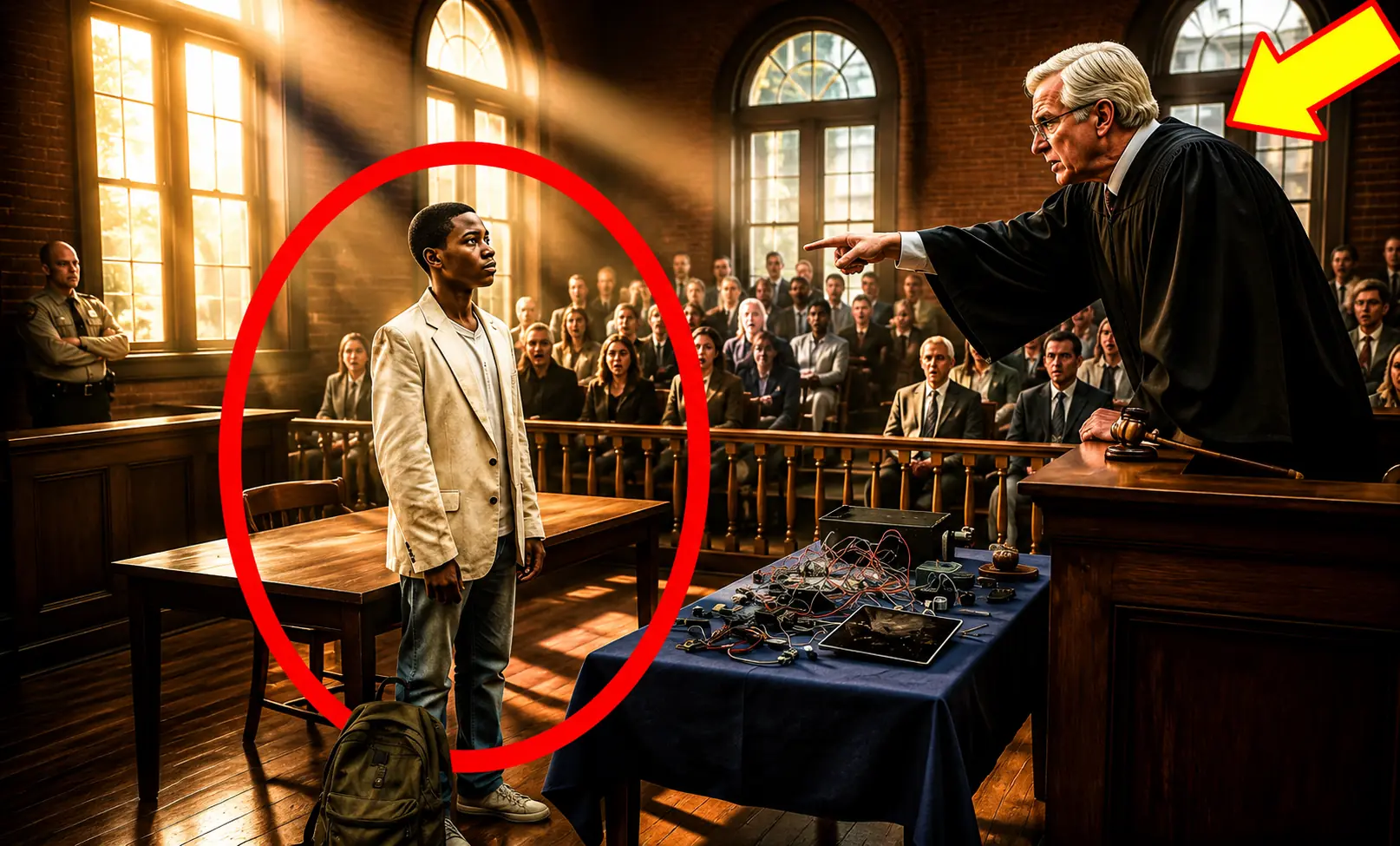
Robert greets his son with a proud embrace. Devon's monitoring system has been adopted as the national standard for community air quality assessment. Devon shakes his head, still processing the impact of his work. It was never about the technology. It was about asking who deserves protection under the law. A community leader stands. We've lived with environmental discrimination for generations. We knew the air was making our children sick, but without data, without proof, our complaints were dismissed. Sometimes justice needs evidence, Robert agrees. But it also needs people willing to stand their ground. After the meeting, Devon and his father walk through the neighborhood where the project began. Children play in a new park built where an illegal dumping site once stood. Elderly residents sit on porches breathing cleaner air. Senator Whitfield's sentencing is tomorrow. Robert mentions his development company has been ordered to fund environmental remediation for the next 20 years.
Devon watches a group of high school students installing a new air monitor. They're continuing the project, expanding it. That's how lasting change works, Robert says. It outlives its creators. They stop at Devon's old school where a banner announces a new environmental science academy named in his honor. Inside, students cluster around monitoring stations, analyzing data, and preparing reports for community action. You know what Judge Harmon told me during his community service? Robert says he said he never thought one person could change a system, especially not someone young. It wasn't just me, Devon replies. It was everyone who spoke up after the first domino fell. As sunset bathes the neighborhood in golden light, Devon looks at how far they've come. The system only works when everyone has equal protection under it. Robert nods. That's the lesson here. Justice isn't automatic. It requires vigilance, evidence, and courage to stand against power when it's abused. Devon smiles at the simple truth that has transformed his life and community. Your place is wherever you choose to make a stand.