Classic Spaghetti Carbonara – Silky, Creamy & Loaded with Crispy Pancetta
Reader Theme:
Font Size:
24px
Classic Spaghetti Carbonara – Silky, Creamy & Loaded with Crispy Pancetta
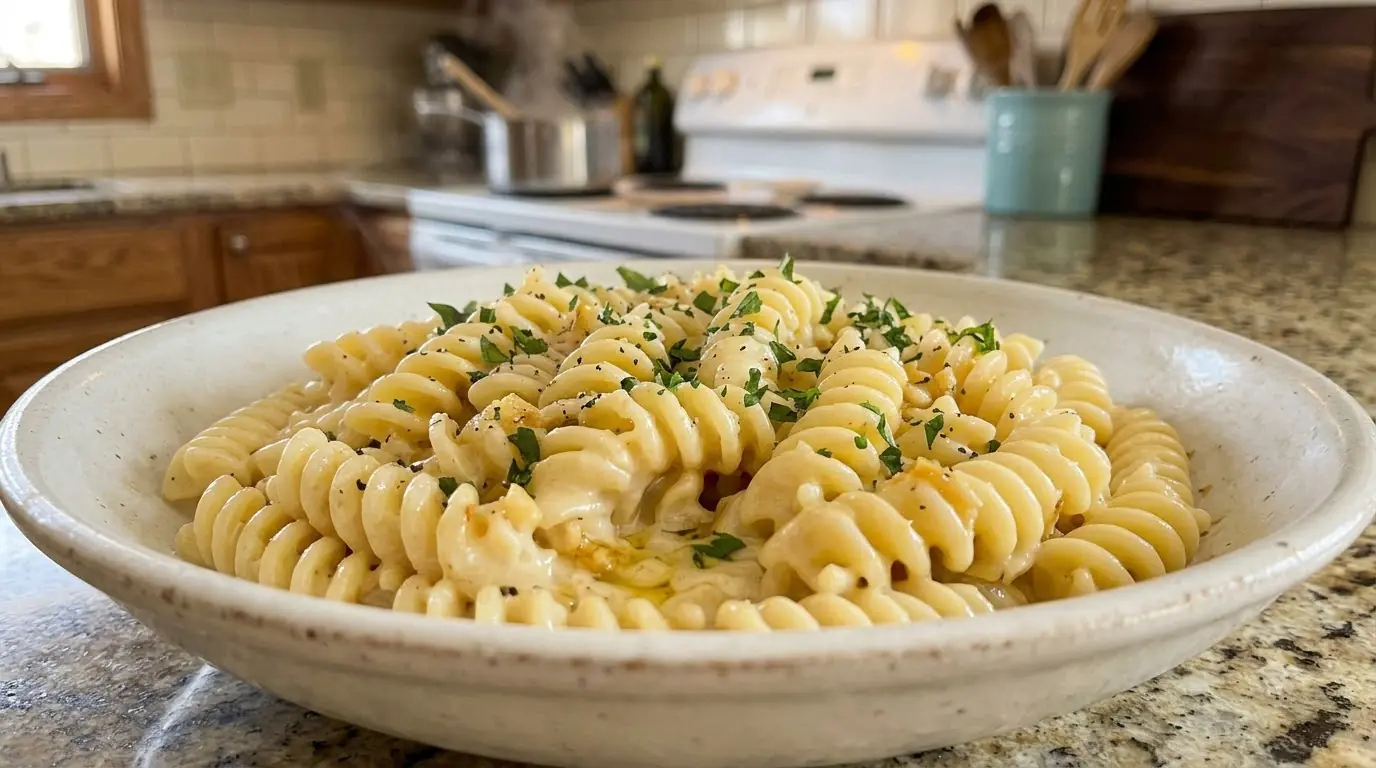
This Classic Spaghetti Carbonara is pure comfort food made with just a handful of ingredients: al dente pasta, crispy pancetta, eggs, freshly grated cheese, and plenty of cracked black pepper. The result is a glossy, intensely savory sauce that clings beautifully to every strand of spaghetti.
The most important thing to know about great carbonara is that its creamy texture doesn't require heavy cream. Instead, eggs and finely grated cheese are emulsified with hot, starchy pasta water, creating a rich sauce without scrambling the eggs.
For an American kitchen, pancetta is an easy-to-find option, while guanciale gives you the more traditional Roman flavor. Either way, temperature control is the secret: toss everything together away from direct heat and serve immediately while the sauce is silky and luxurious.
Ingredients
For the Carbonara
- 12 ounces spaghetti
- 6 ounces guanciale or pancetta, cut into small pieces
- 2 large eggs
- 3 large egg yolks
- 1 cup finely grated Pecorino Romano cheese
- ½ teaspoon freshly cracked black pepper, plus more for serving
- Kosher salt, for the pasta water
- 1–1½ cups reserved pasta water
Optional American-Friendly Substitutions
- Thick-cut bacon instead of pancetta or guanciale
- Parmesan cheese in place of some of the Pecorino Romano
How to Make the Best Carbonara
Step 1 – Make the Egg & Cheese Mixture
In a medium bowl, whisk together the eggs, egg yolks, Pecorino Romano, and black pepper.
The mixture will be thick and paste-like. Set aside while you cook the pasta.
Step 2 – Crisp the Pork
Add the guanciale or pancetta to a large skillet while the skillet is still cold.
Turn the heat to medium and cook for about 6–8 minutes, stirring occasionally, until the fat has rendered and the meat is golden and crisp.
Turn off the heat, leaving the rendered fat in the skillet.
Step 3 – Cook the Spaghetti
Bring a large pot of water to a boil and season it moderately with salt. Pecorino and cured pork are already quite salty, so don't season the water as aggressively as you might for other pasta dishes.
Cook the spaghetti until al dente.
Before draining, reserve at least 1½ cups of hot pasta water.
Step 4 – Combine the Pasta & Pork
Transfer the hot spaghetti directly into the skillet with the crispy pork and rendered fat.
Toss thoroughly until every strand is lightly coated.
Let the skillet sit off direct heat for about 30–60 seconds before adding the eggs.
Step 5 – Create the Silky Carbonara Sauce
Whisk about ¼ cup hot pasta water gradually into the egg-and-cheese mixture.
Pour the mixture over the spaghetti while the skillet remains off the heat.
Immediately toss vigorously with tongs.
Add more pasta water, a tablespoon or two at a time, until the cheese and eggs emulsify into a smooth, glossy sauce.
Step 6 – Serve Immediately
Divide the carbonara between warm bowls.
Top with the crispy pork, extra Pecorino Romano, and plenty of freshly cracked black pepper.
Serve immediately—carbonara is at its absolute best straight from the skillet.
Chef's Tips for Perfect Carbonara
- Don't use direct heat when adding the eggs. This is the single most important rule for avoiding scrambled eggs.
- Use room-temperature eggs so they're easier to emulsify.
- Grate the cheese very finely so it melts smoothly into the sauce.
- Save plenty of pasta water. The starch is essential for creating that glossy restaurant-style consistency.
- Don't drain away the rendered pork fat. It provides much of carbonara's signature flavor.
- Toss vigorously when adding the egg mixture. Constant movement helps create an emulsion instead of scrambled eggs.
- If the sauce is too thick, add warm pasta water gradually.
- If it's too loose, continue tossing—the sauce thickens quickly as it cools.
- Don't oversalt the pasta water because the cured pork and Pecorino are naturally salty.
- Serve immediately. Carbonara doesn't improve by sitting around.
The Secret to Creamy Carbonara Without Cream
The luxurious texture comes from an emulsion of eggs, cheese, rendered pork fat, and starchy pasta water.
The pasta needs to be hot enough to gently cook and thicken the eggs, but not so hot that they scramble. That's why the skillet should be removed from direct heat before the egg mixture goes in.
Add the pasta water gradually while tossing continuously. The sauce should look glossy and fluid—not dry, clumpy, or excessively thick.
Guanciale vs. Pancetta vs. Bacon
Guanciale
The traditional Roman choice. It's cured pork cheek with a rich flavor and plenty of flavorful fat.
Pancetta
An excellent and widely available substitute in American grocery stores. Its flavor is slightly different but works beautifully.
Bacon
Easy to find and delicious, though its smoky flavor makes the finished dish noticeably different from traditional Roman carbonara.
If authenticity is the goal, guanciale and Pecorino Romano are the best combination.
Delicious Variations
American-Style Bacon Carbonara
Replace the guanciale with thick-cut bacon and use a combination of Parmesan and Pecorino.
Mushroom Carbonara
Sauté sliced cremini mushrooms until deeply browned and fold them into the finished pasta.
Chicken Carbonara
Add sliced grilled chicken for a heartier American-style dinner.
Pea & Bacon Carbonara
Fold in thawed peas with the hot pasta for a familiar family-friendly variation.
What to Serve With
- Garlic bread
- Caesar salad
- Arugula salad with lemon
- Roasted asparagus
- Garlic green beans
- Roasted Brussels sprouts
Because carbonara is already rich, a simple crisp salad or roasted green vegetable makes an especially good side.
Storage & Reheating
Refrigerator
Carbonara is best eaten immediately, but leftovers can be refrigerated in an airtight container for up to 3 days.
Freezer
Freezing isn't recommended. The egg-and-cheese emulsion can separate significantly after thawing.
Stovetop Reheating
Place the pasta in a skillet over very low heat with a small splash of water.
Toss gently just until warmed through. Avoid overheating, which can scramble the sauce.
Microwave
Use short 15–20 second intervals at reduced power, stirring between intervals.
Notes
- Traditional Roman carbonara is generally made with guanciale, eggs, Pecorino Romano, black pepper, and pasta—not heavy cream.
- Parmesan can be combined with Pecorino for a slightly milder flavor that may appeal more to American palates.
- Freshly cracked black pepper is a major component of the dish rather than just a garnish, so use it generously.
- Spaghetti is classic, but bucatini, rigatoni, or tonnarelli also work beautifully.
- Carbonara is a dish where timing matters more than complicated technique: have the egg mixture prepared and the cheese grated before the pasta finishes cooking.