Cooper’s Recovery After Arriving at the Shelter on Three Legs
Cooper arrived at the shelter quietly, walking beside an animal control officer on only three legs.
The older brindle dog was missing his left front leg. His remaining limbs looked thin beneath his weathered coat, and every step required him to shift his weight carefully through his shoulders. Although he wore a green collar, there was no identification tag—and a microchip scan revealed nothing that could lead the team to an owner.
Inside the shelter corridor, Cooper kept his head lowered.
He did not resist when a staff member guided him toward an empty kennel, but he appeared nervous around the barking dogs and unfamiliar voices. Whenever someone approached too quickly, he stopped moving and looked toward the nearest open doorway.
The team initially believed his leg had been amputated long ago. The skin beneath his chest was fully closed, and there was no fresh surgical wound. Yet Cooper’s uneven gait suggested that living as a three-legged dog had become increasingly difficult as he grew older.
During his first examination, he remained remarkably patient. He allowed the veterinarian to inspect the amputation site, check his remaining paws, and gently move his joints. His rear legs showed significant muscle loss, while the toes on his remaining front paw had begun spreading under the strain of supporting so much of his weight.
Then the veterinarian found a painful area in Cooper’s right shoulder—the only front shoulder he had left.
If that joint was seriously damaged, his future mobility could be at risk.
X-rays were taken immediately while the shelter team waited to learn whether Cooper would ever be able to move comfortably again.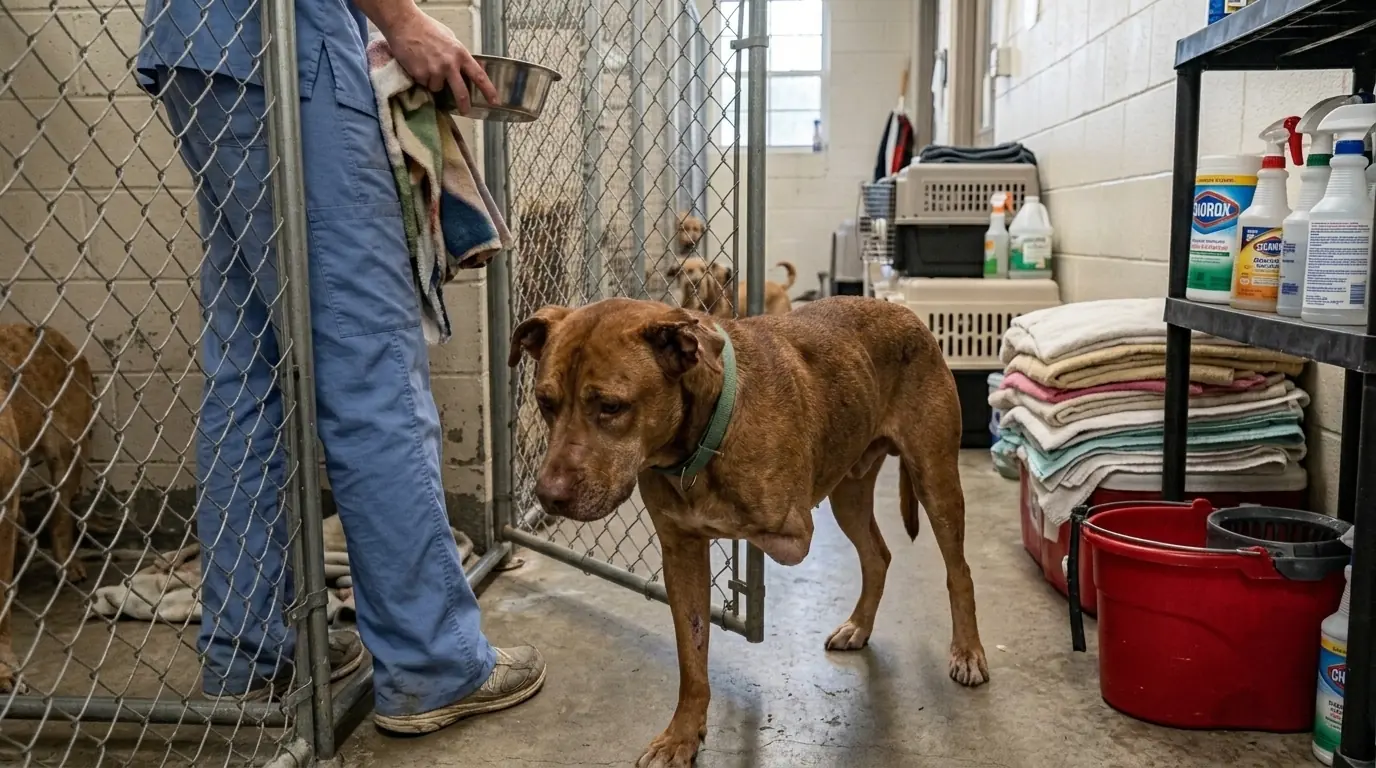
Cooper is now resting in a quieter section of the shelter while the veterinary team works to reduce his pain and protect his remaining limbs.
X-rays showed no fracture in his right shoulder, but they did reveal arthritis and inflammation caused by years of carrying extra weight on that side. His remaining front paw was also sore from repeated pressure, and several of his nails had grown long enough to affect the way he placed his foot.
The good news is that Cooper does not currently need surgery.
His treatment plan includes anti-inflammatory medication, carefully managed exercise, nail care, and a gradual strengthening program for his rear legs. Staff have placed rubber mats along the floor of his kennel so he does not slip on the concrete, and he sleeps on a thick orthopedic bed that supports his shoulder and hips.
Cooper’s missing leg appears to have been amputated long before he reached the shelter. The site is completely healed and shows no signs of infection. Because no medical records or owner information were found, the team may never know what originally happened to him.
For now, his daily activity is intentionally limited.
Cooper takes several brief walks instead of one long outing. A caregiver clips on his leash, allows him time to balance, and follows his pace through a small enclosed yard. He usually walks for only a few minutes before stopping beside the fence. When he becomes tired, he looks back toward the shelter door and waits to return inside.
He was reluctant to eat during his first evening, especially while people remained nearby. The following morning, staff offered him softened food in a raised bowl so he would not have to lean too far forward. Cooper finished most of the meal and took his medication hidden inside a small piece of chicken.
Emotionally, he remains reserved but gentle.
He does not rush toward the kennel gate when visitors pass, and loud barking often causes him to step backward. However, he has begun recognizing the caregiver who handles his morning routine. When she enters with his leash, Cooper lifts his head and slowly moves from his bed to meet her.
A rehabilitation specialist will evaluate whether a custom mobility aid or supportive harness could make longer walks easier. A front-leg prosthesis may not be appropriate because of the age and shape of the healed amputation, so the priority is keeping his existing joints comfortable and strong.
Cooper still tires quickly, and his arthritis will require long-term management. But he is eating consistently, resting more comfortably, and moving without the constant trembling seen when he first arrived.
The three-legged dog who entered the shelter uncertain of every step now has soft flooring beneath his paws, relief for his aching shoulder, and caregivers determined to help him move through life safely.
Tags:
News in the same category
Pip’s Recovery After Being Rescued From a Storm Drain
Walter’s Recovery After Being Found Beside a Rainy Highway
Murphy’s First Days at the Shelter After Arriving Covered in Mud
Milo’s Quiet Life at the Shelter After Losing His Owner
Rusty’s Recovery After Being Found Near a Dumpster
Benny’s Recovery After Being Found on the Street

Cruise Tourists Spotted a 100-Year-Old Sea Turtle—Then They Saw What Was Wrapped Around It
Oliver’s Journey After Being Left at the Shelter
Mabel’s Rescue and Her Journey with Seven Puppies
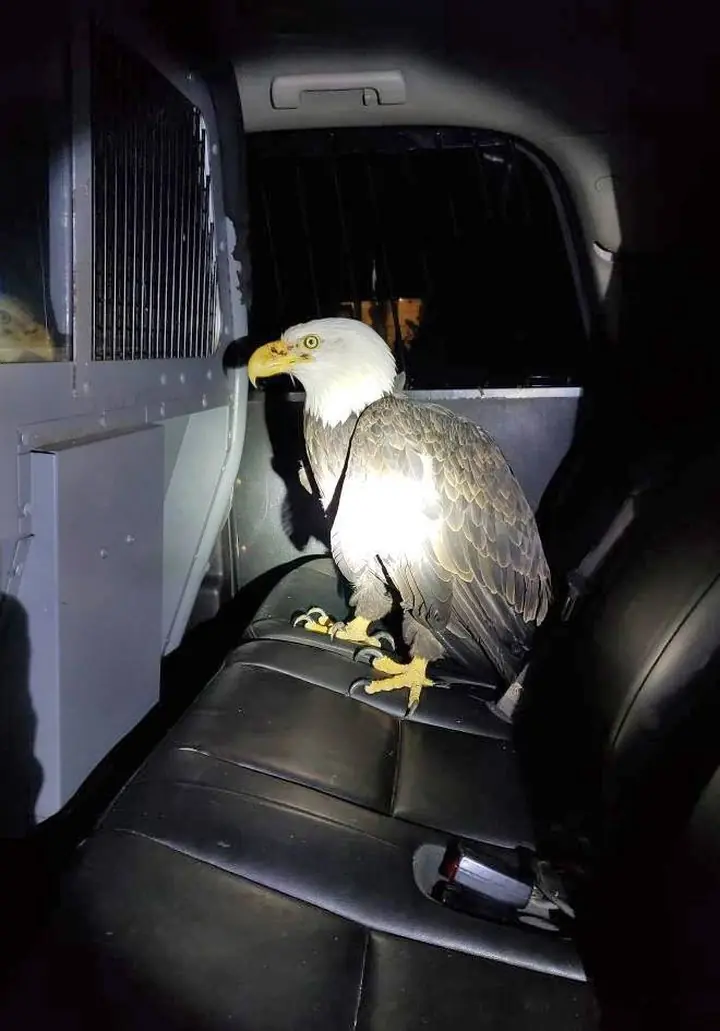
He was injured, sitting quietly in the back of a police car. Here's the latest update on his condition
A SMALL-TOWN POLICE OFFICER BROUGHT AN INJURED BALD EAGLE BACK TO THE STATION
A SMALL-TOWN POLICE OFFICER BROUGHT AN INJURED BALD EAGLE BACK TO THE STATION
Emergency Veterinary Team Fights to Save Critically Injured Stray Dog Too Frightened to Stand
Emergency Highway Rescue Saves Stray Dog Trapped Beneath Overturned Pickup Truck After Violent Storm
Emergency Veterinary Team Helps Severely Neglected Stray Dog Learn to Trust Again
Emergency Storm Rescue Saves Severely Malnourished Stray Dog Trapped Beneath Fallen Oak Tree

Emergency Disaster Rescue Saves Stray Dog Trapped Beneath Collapsed Concrete Drainage Pipe
Emergency Ice Rescue Saves Starving Stray Dog Trapped in Freezing Pond
News Post

"Dodge Just One Punch," the Boxer Smirked at the Old Janitor — Then the Gym Fell Silent
My Wife Said I Had Trust Issues — Then The Condo Guard Told Me About Her “Massage Therapist”
CHAPTER 2:"Dodge Just One Punch," the Boxer Smirked at the Old Janitor — Then the Gym Fell Silent

CHAPTER 3:"Dodge Just One Punch," the Boxer Smirked at the Old Janitor — Then the Gym Fell Silent
I Told My Husband I Was Working Late — Then He Put The Hotel Receipt Beside My Wedding Ring

"She Can't Speak Chinese," the Millionaire Laughed — Then the Entire Room Stood Up
A Cocky MMA Fighter Offered an Old Farmer $500 to Take Free Punches — Then Everything Changed
I Packed One Suitcase to Leave My Husband... But He Thought I'd Be the One Walking Away With Nothing

A Millionaire Mocked a Black Waitress With a $100K Bet — Her First Words Left Everyone Standing

My Husband Secretly Filed for Divorce the Day Before My Promotion... He Never Expected Me to Become His New CEO

CHAPTER 2: A Millionaire Mocked a Black Waitress With a $100K Bet — Her First Words Left Everyone Standing

My Future Father-in-Law Threw My Engagement Ring Away... He Had No Idea I Secretly Owned Everything He Was Trying to Protect
CHAPTER 3: A Millionaire Mocked a Black Waitress With a $100K Bet — Her First Words Left Everyone Standing
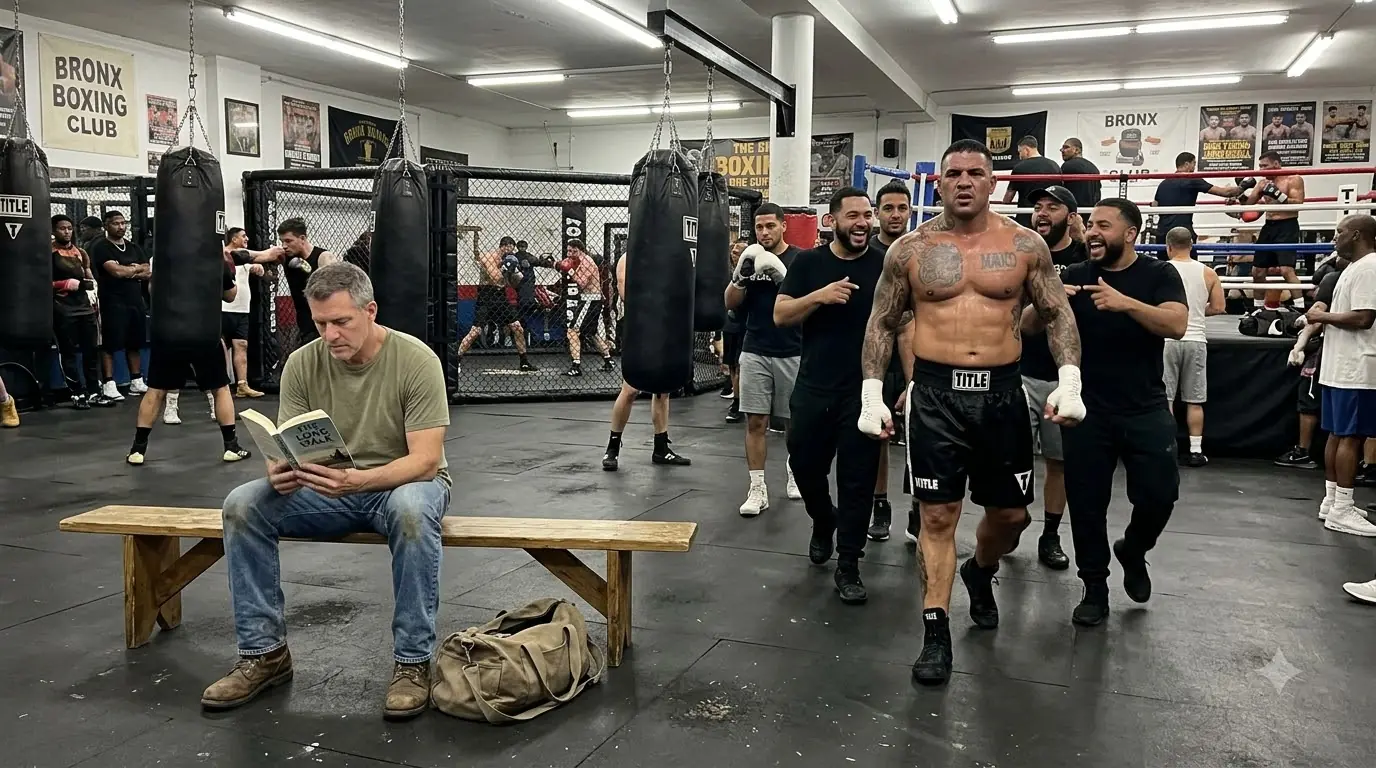
The Champion Shoved the Quiet Reader to the Floor — Then the Entire Gym Went Silent

A Millionaire Bet $100K a Black Waitress Couldn't Speak Chinese — Then the Whole Room Rose to Its Feet

A Poor Black Girl Sang at a Talent Show to Save Her Mom — She Never Knew One Judge Was Her Father
A Poor Black Girl Sang at a Talent Show to Save Her Mom — She Never Knew One Judge Was Her Father

My Husband's Phone Accidentally Played His Secret Voice Message... And It Destroyed Our Marriage

An MMA Kid Paid an Old Farmer $500 for Three Minutes of Free Punches — Then the Farmer Stood Up Straight