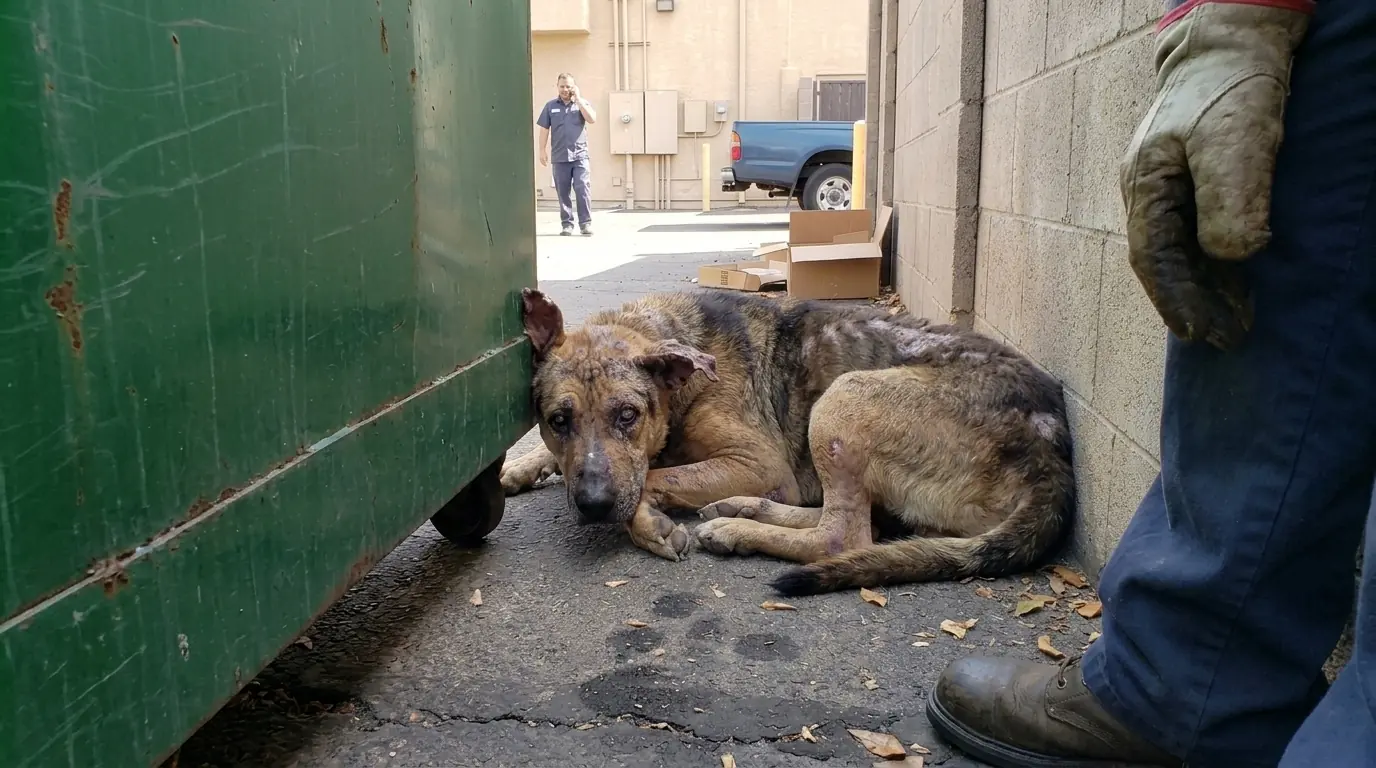
Cruise Tourists Spotted a 100-Year-Old Sea Turtle—Then They Saw What Was Wrapped Around It
BREAKING NEWS: Cruise Tourists Spot a 100-Year-Old Sea Turtle Trapped in Plastic—What Happened Next Left an Entire Coastline in Tears
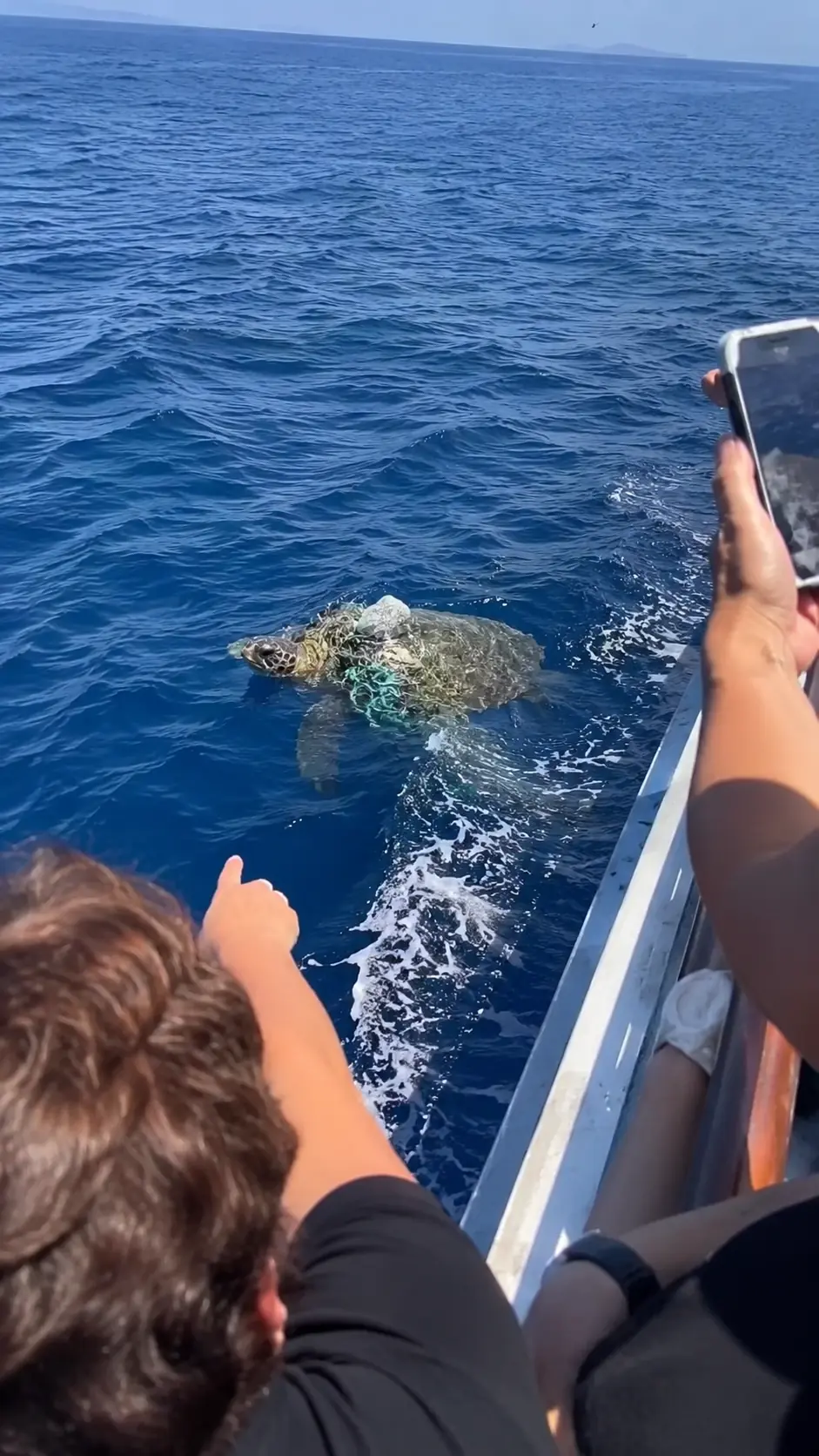
It was supposed to be another ordinary afternoon on the open ocean.
The passengers aboard the luxury cruise ship had gathered along the upper observation deck, cameras pointed toward the endless blue horizon as dolphins occasionally surfaced beside the vessel.
The weather was perfect.
The sea was calm.
No one expected that, within minutes, they would witness a scene that would change hundreds of lives—including their own.
According to crew members, everything began when several passengers noticed what appeared to be a large floating object drifting nearly half a mile off the starboard side of the ship.
At first, many assumed it was nothing more than a pile of fishing equipment or ocean debris.
But one tourist zoomed in with a professional camera.
That's when everyone froze.
It wasn't trash.
It was moving.
Slowly.
Painfully.
Floating just beneath the surface was an enormous sea turtle.
Marine experts later estimated the turtle was well over 100 years old—a giant that had likely survived world wars, changing oceans, commercial fishing, countless storms, and generations of human civilization.
Yet after surviving an entire century...
It was now losing a battle against plastic.
A thick mass of discarded fishing nets, plastic ropes, shopping bags, food packaging, and abandoned nylon lines had become tightly wrapped around its shell, front flippers, and neck.
Every attempt to swim only tightened the deadly trap.
Witnesses said the turtle barely managed to lift its head above the water before sinking again.
Passengers along the railings quickly realized they were watching an animal slowly drowning in front of them.
Many began shouting toward the bridge.
Others started recording.
Several children on board reportedly burst into tears.
Within moments, the captain ordered the cruise ship to slow down.
Crew members contacted nearby maritime authorities while continuously monitoring the turtle's location.
However...
There was one major problem.
The turtle wasn't staying still.
Although exhausted, it continued drifting with the current, disappearing beneath waves before resurfacing hundreds of feet away.
If they lost sight of it, rescuers feared they might never find it again.
That's when something extraordinary happened.
Without being asked...
Nearly every passenger on the observation deck volunteered to help.
Some scanned the horizon using binoculars.
Others coordinated with crew members over handheld radios.
Professional photographers shared high-zoom camera feeds to track the turtle's movements.
Drone operators on board launched small aerial drones to maintain visual contact whenever the turtle submerged.
For nearly forty minutes...
The cruise ship carefully shadowed the struggling animal without creating dangerous waves.
No one returned to lunch.
No one left for the pool.
The entire vacation had come to a standstill.
Every eye remained fixed on the water.
Several elderly passengers quietly prayed.
Children made handmade signs reading:
"Hang On."
"You Can Do It."
"We're Coming."
Then...
The turtle suddenly disappeared.
One minute passed.
Then two.
Then three.
Nothing.
Silence spread across the deck.
Many feared it had finally sunk beneath the surface forever.
Then...
A passenger standing near the bow screamed.
"There!"
Nearly 300 yards ahead, the turtle surfaced again.
But this time...
It barely moved.
Its head rested motionless against the water.
Marine rescue officials, who had finally arrived aboard a fast-response rescue boat, immediately accelerated toward the location.
The rescue itself proved incredibly dangerous.
The tangled plastic wasn't simply wrapped around the turtle.
It had fused together over years.
Old fishing nets intertwined with synthetic rope.
Plastic straps had hardened under years of sunlight.
Abandoned fishing lines had cut deep grooves into the turtle's skin.
Every careless movement risked causing permanent injury.
Rescuers entered the water carefully.
One diver gently supported the turtle from underneath.
Another slowly began cutting away layers of debris one strand at a time.
What shocked everyone was just how much trash had accumulated.
Plastic bags.
Food wrappers.
Fishing line.
Bottle straps.
Broken netting.
Fragments of buckets.
Synthetic rope.
Even sections of old tarp.
Every piece told the same story.
None belonged in the ocean.
The operation lasted nearly two hours.
Passengers watched in complete silence.
Many openly cried.
Several crew members later admitted they had never witnessed anything like it during decades at sea.
Then...
The final strand snapped free.
For the first time in what experts believed may have been years...
The turtle stretched both front flippers completely outward.
It remained still.
Almost as if testing whether it could move again.
Everyone held their breath.
Then, with one slow, powerful stroke...
It swam.
Not quickly.
Not dramatically.
Just freely.
The entire rescue boat erupted in cheers.
The cruise ship answered with long celebratory horn blasts that echoed across the ocean.
Passengers hugged complete strangers.
Crew members wiped away tears.
Children jumped up and down, pointing toward the turtle as it circled slowly around the rescue vessel.
Something remarkable happened next.
Instead of immediately disappearing into deeper water...
The turtle remained nearby.
Witnesses reported that it slowly circled both the rescue boat and the cruise ship several times.
Some believed it was simply regaining strength.
Others felt as though it was acknowledging the people who had refused to abandon it.
Marine biologists caution against assigning human emotions to wild animals.
Still...
No one aboard forgot what they witnessed that day.
Before finally diving beneath the surface, the giant turtle lifted its head one last time.
Sunlight reflected across its weathered shell.
Then it vanished into the deep blue ocean.
Weeks later, marine conservation organizations analyzed the debris removed during the rescue.
The total weight exceeded 80 pounds.
Researchers estimated that much of the material had accumulated over several years.
The story quickly spread across television news, newspapers, and social media around the world.
Millions watched the rescue footage.
Schools began using the video to teach children about marine conservation.
Volunteer beach cleanups saw record participation.
Several cruise companies announced expanded partnerships with ocean conservation organizations, while passengers from the voyage collectively raised thousands of dollars to support sea turtle rehabilitation and ocean cleanup projects.
Marine scientists later explained that sea turtles can live well over a century under favorable conditions.
But even the oldest survivors remain vulnerable to one modern threat they never evolved to face:
Human plastic pollution.
Today, no one knows exactly where that ancient turtle is.
Perhaps it is once again swimming across coral reefs.
Perhaps it is crossing vast stretches of open ocean as it has done for generations.
What is certain is this:
On one ordinary afternoon, a group of strangers refused to sail past suffering.
They chose compassion over convenience.
Patience over panic.
Hope over helplessness.
And because of that decision...
A century-old traveler of the sea was given another chance to continue one of the longest journeys on Earth.
Sometimes the greatest adventure on a cruise isn't the destination.
It's the life you choose to save along the way.
The ocean remembers every piece of plastic we leave behind—but it also remembers every act of kindness we return to it.
Tags:
News in the same category
Benny’s Recovery After Being Found on the Street
Mabel’s Rescue and Her Journey with Seven Puppies
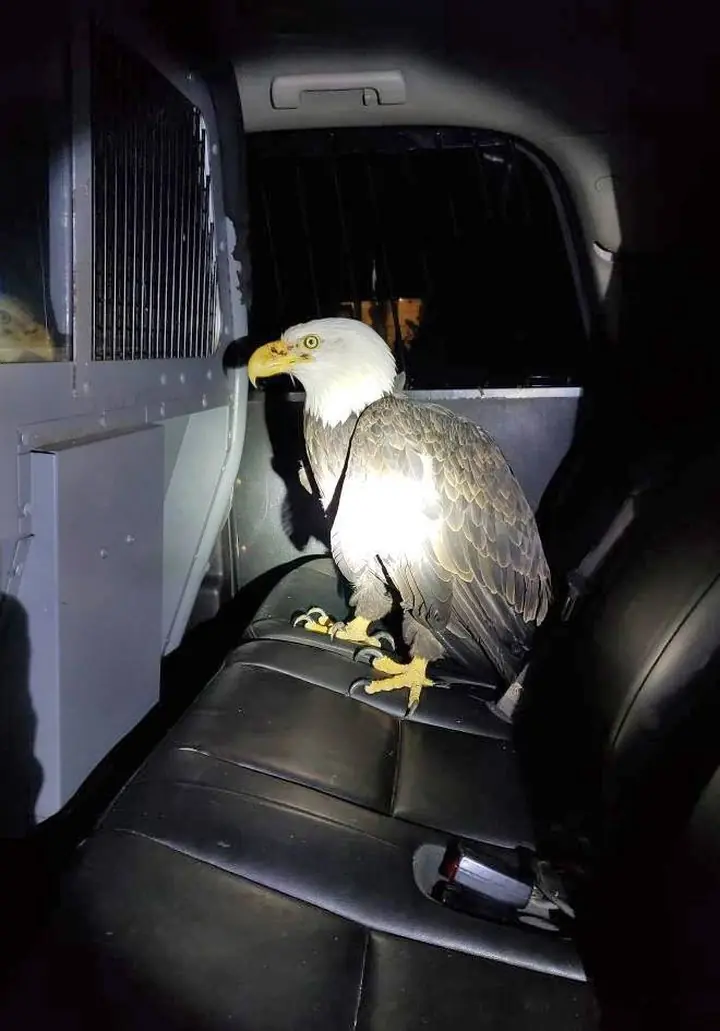
He was injured, sitting quietly in the back of a police car. Here's the latest update on his condition
A SMALL-TOWN POLICE OFFICER BROUGHT AN INJURED BALD EAGLE BACK TO THE STATION
A SMALL-TOWN POLICE OFFICER BROUGHT AN INJURED BALD EAGLE BACK TO THE STATION
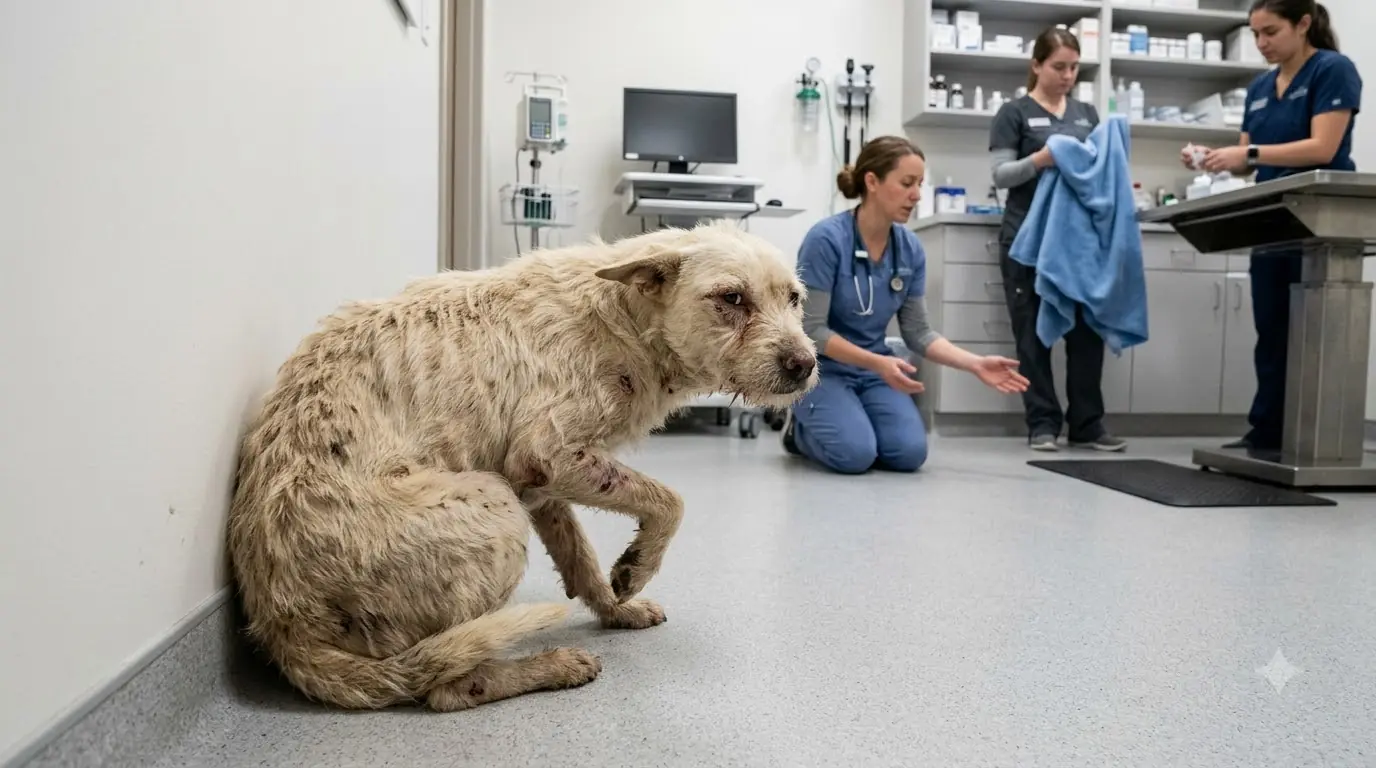
Emergency Veterinary Team Fights to Save Critically Injured Stray Dog Too Frightened to Stand
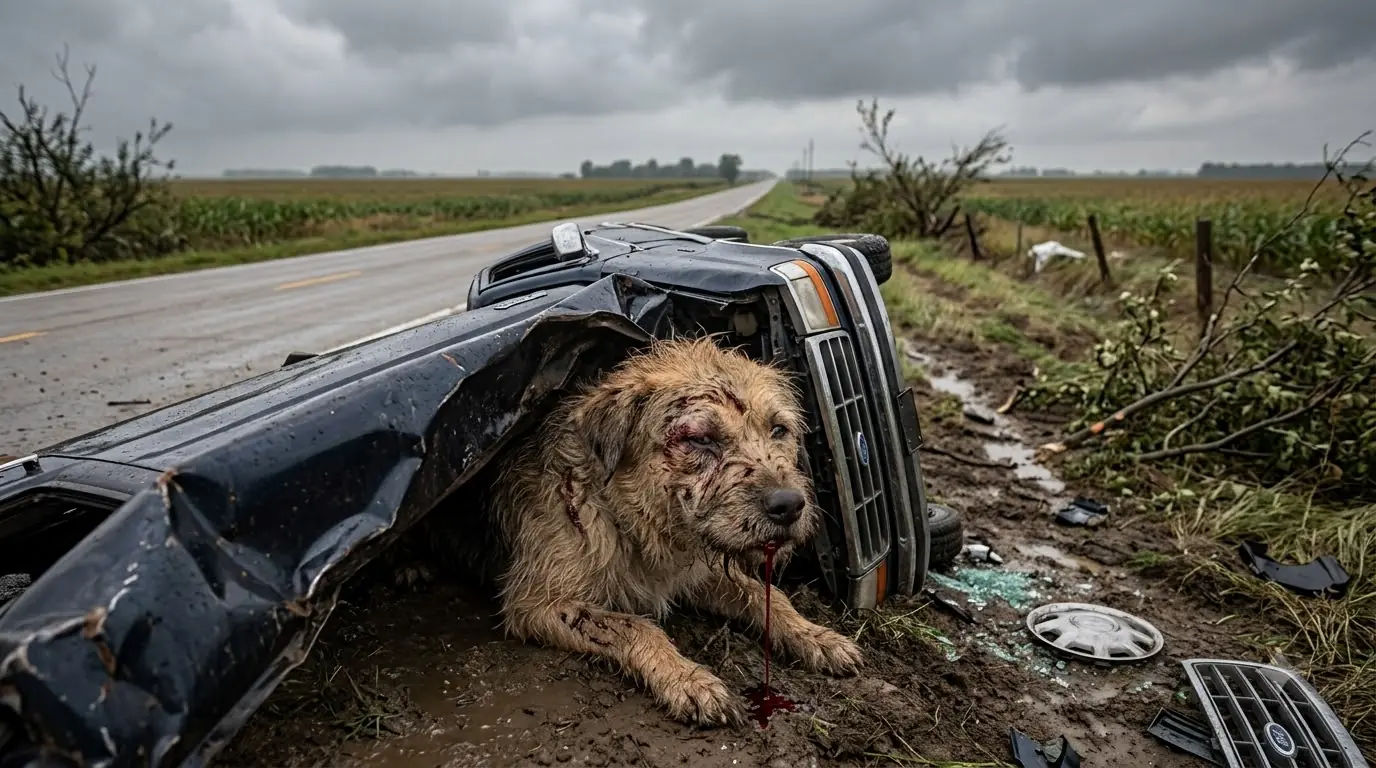
Emergency Highway Rescue Saves Stray Dog Trapped Beneath Overturned Pickup Truck After Violent Storm
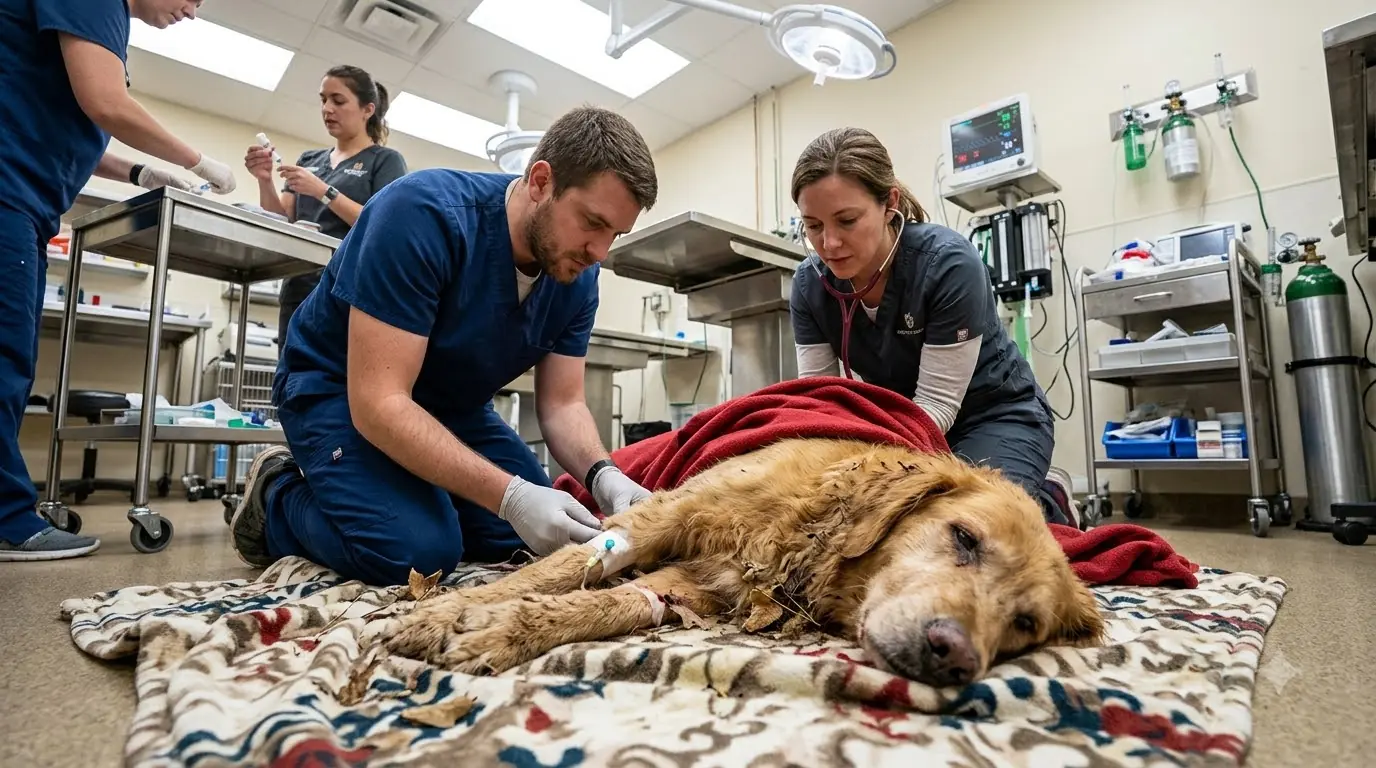
Emergency Veterinary Team Helps Severely Neglected Stray Dog Learn to Trust Again
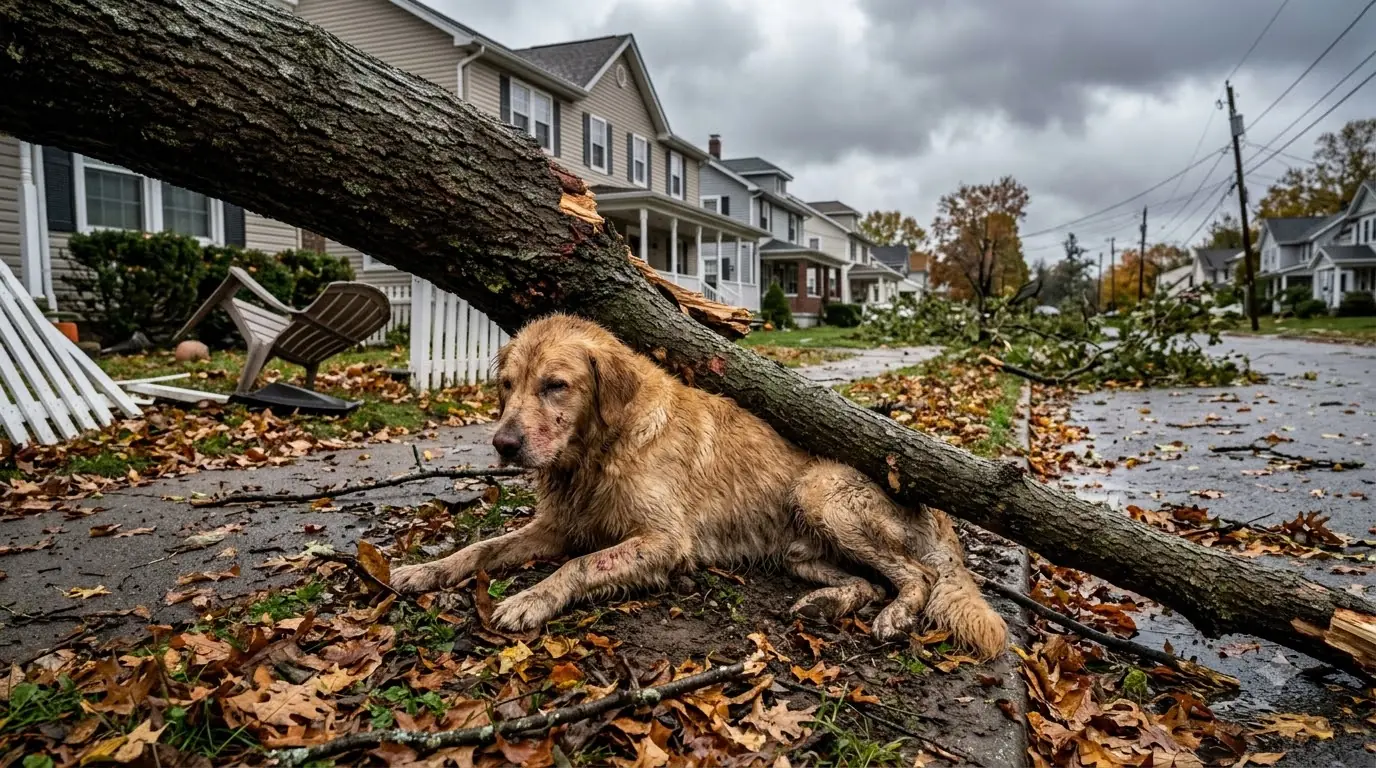
Emergency Storm Rescue Saves Severely Malnourished Stray Dog Trapped Beneath Fallen Oak Tree
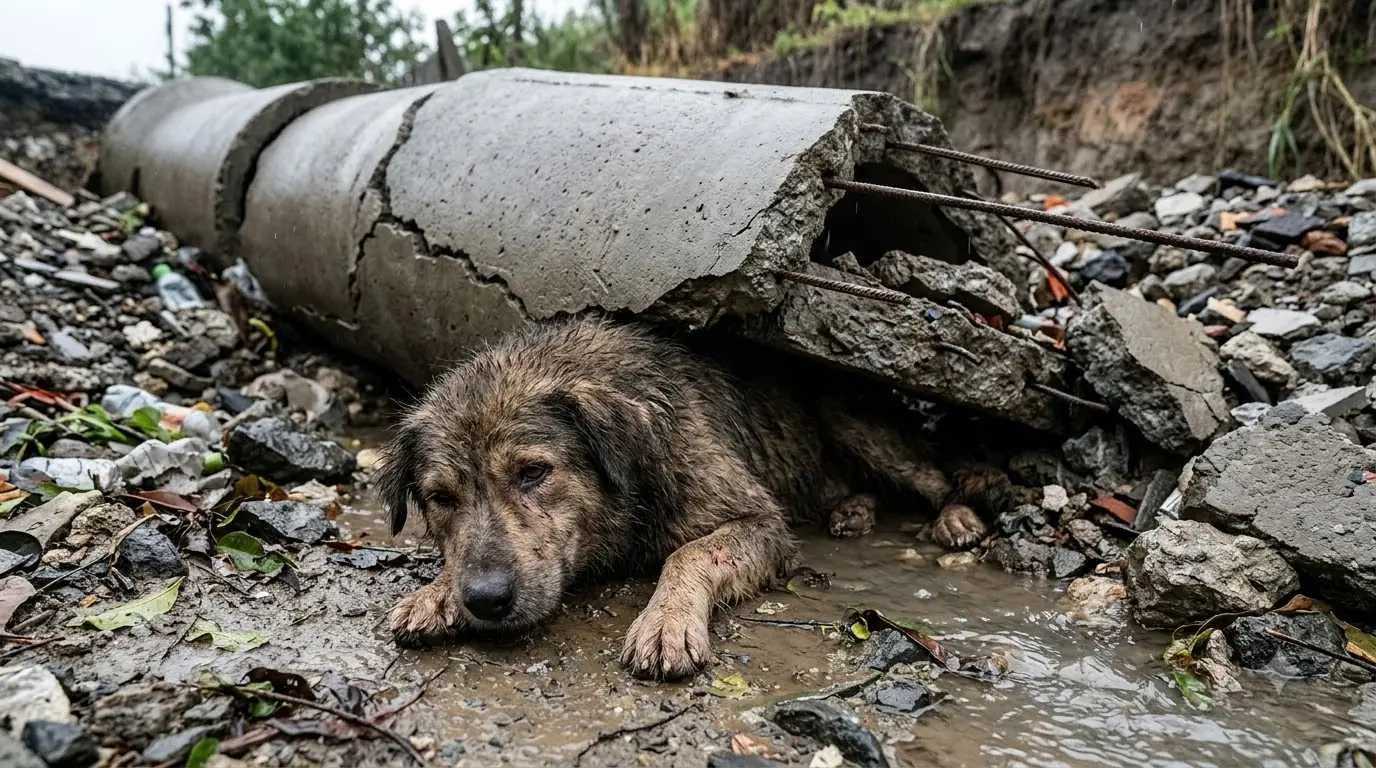
Emergency Disaster Rescue Saves Stray Dog Trapped Beneath Collapsed Concrete Drainage Pipe
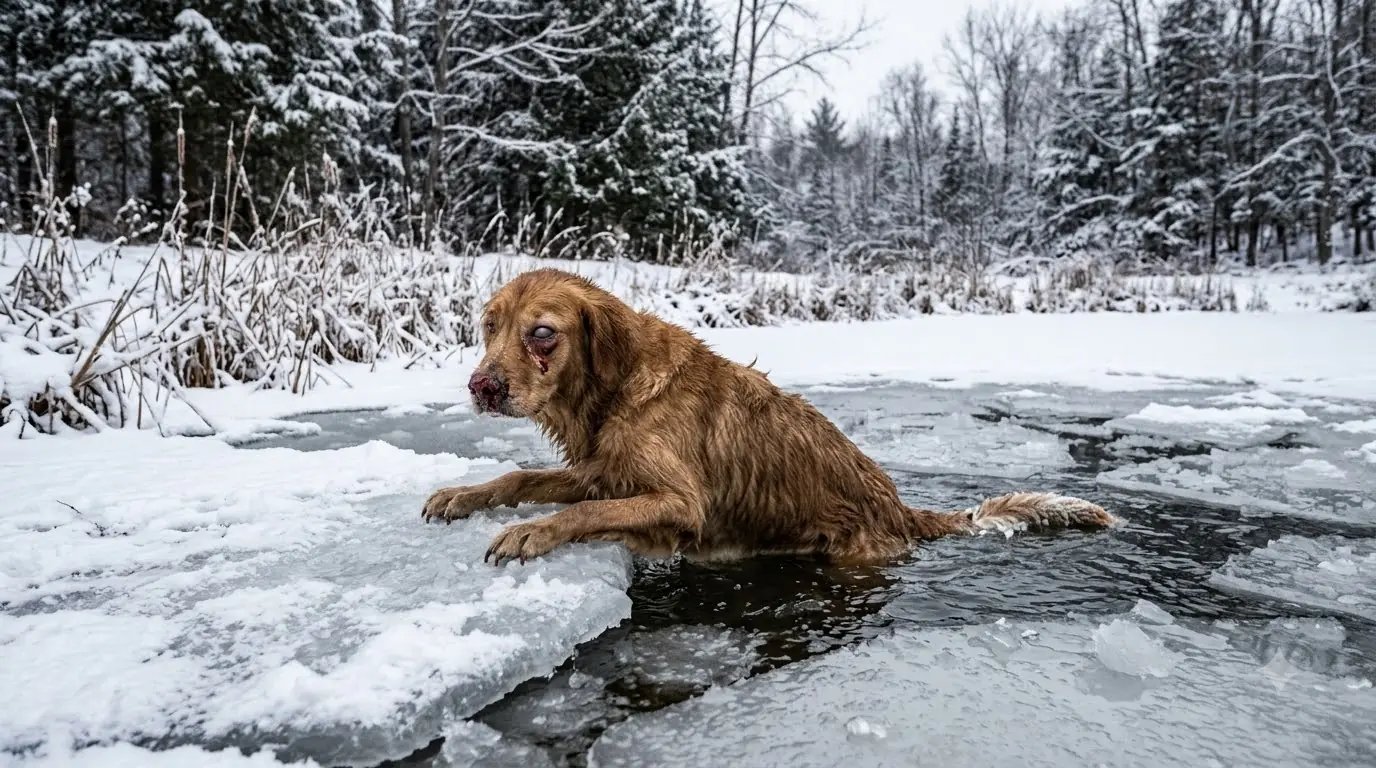
Emergency Ice Rescue Saves Starving Stray Dog Trapped in Freezing Pond
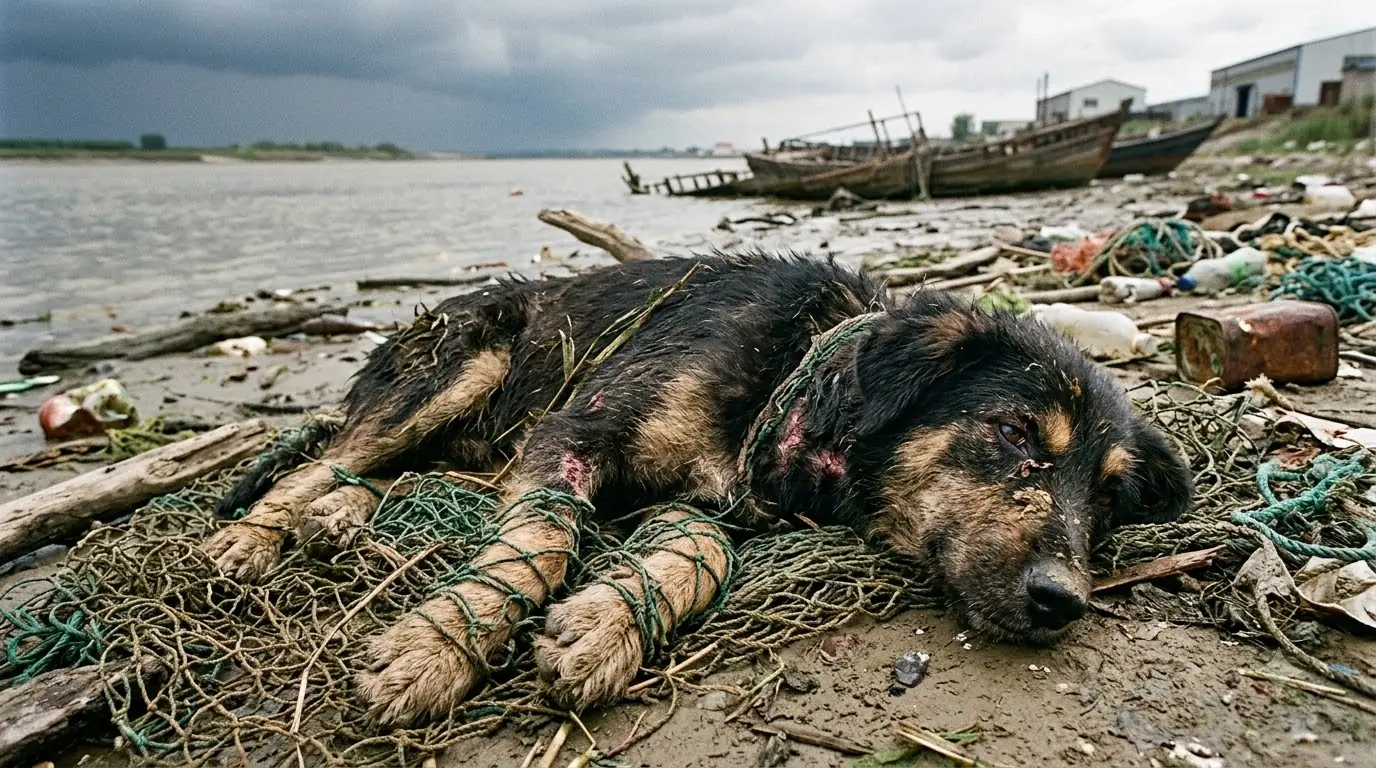
Emergency River Rescue Saves Stray Dog Entangled in Abandoned Fishing Net
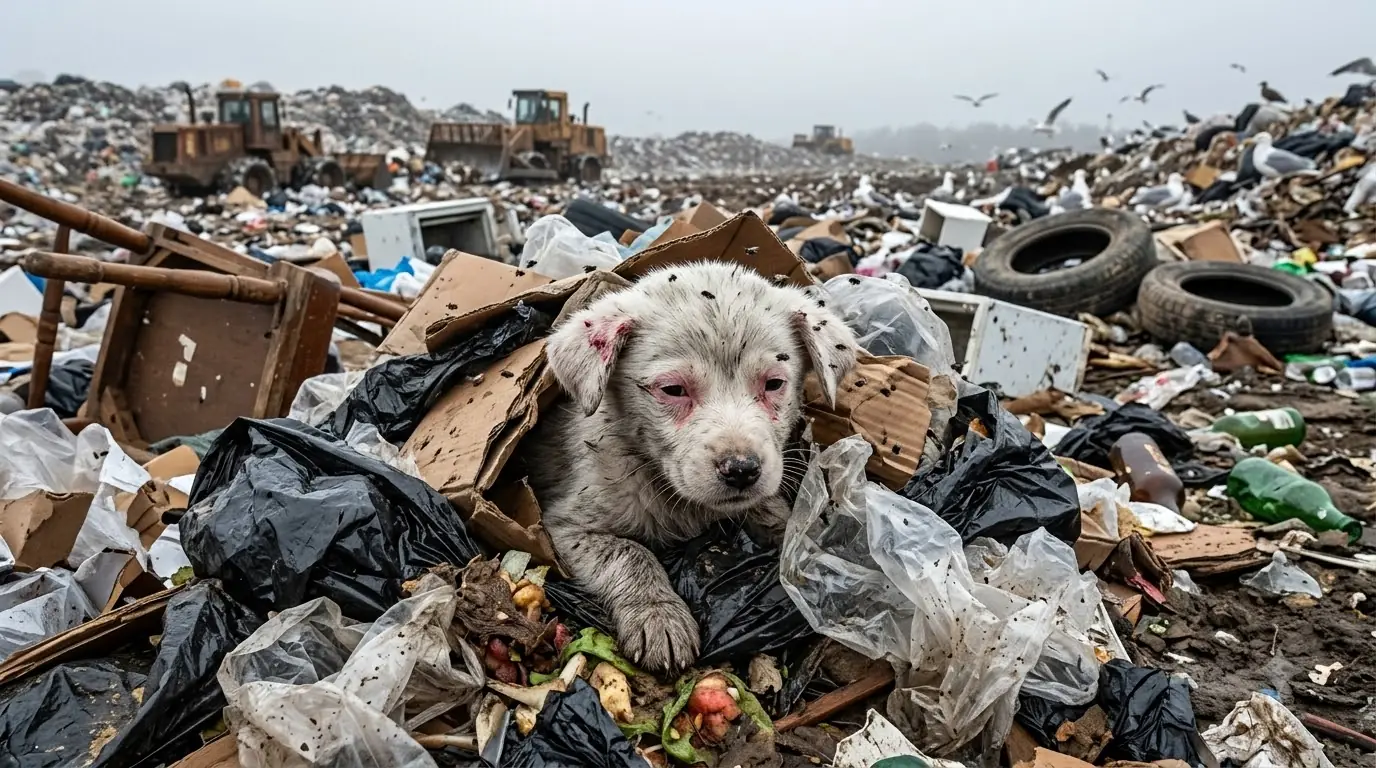
Emergency Animal Rescue Saves Abandoned Puppy Buried Beneath Mountains of Garbage at Massive Landfill
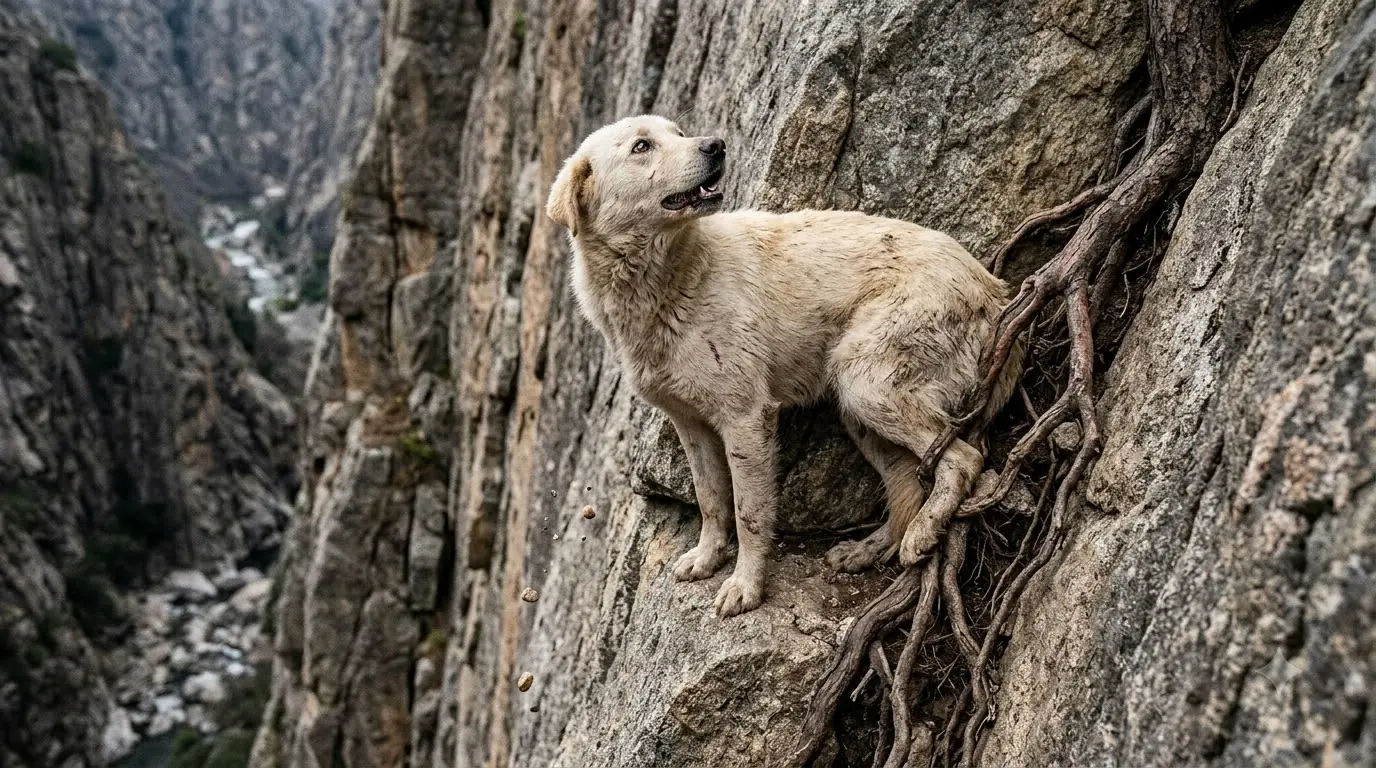
Emergency Cliff Rescue Saves Stray Dog Left Hanging Above a Deep Mountain Ravine
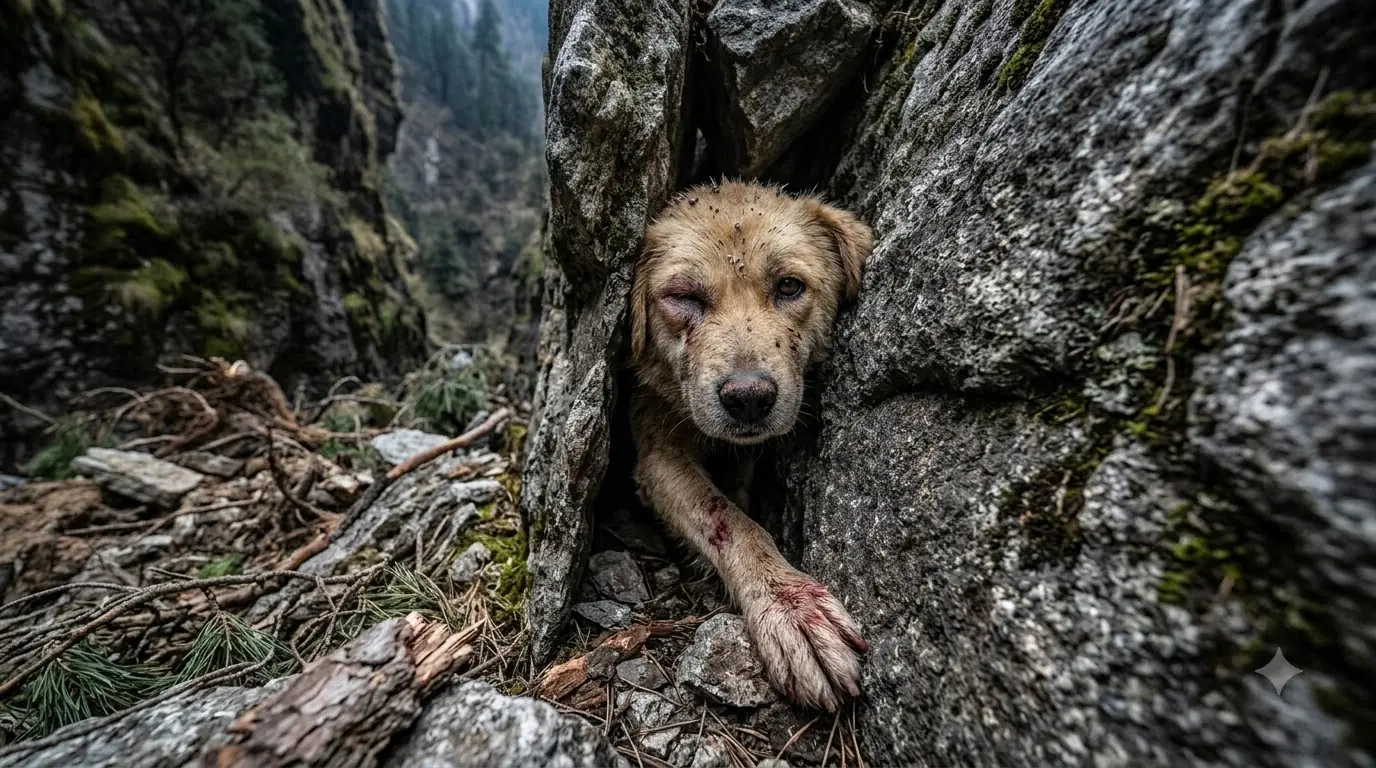
Emergency Mountain Rescue Saves Stray Dog Trapped Between Massive Boulders After Landslide
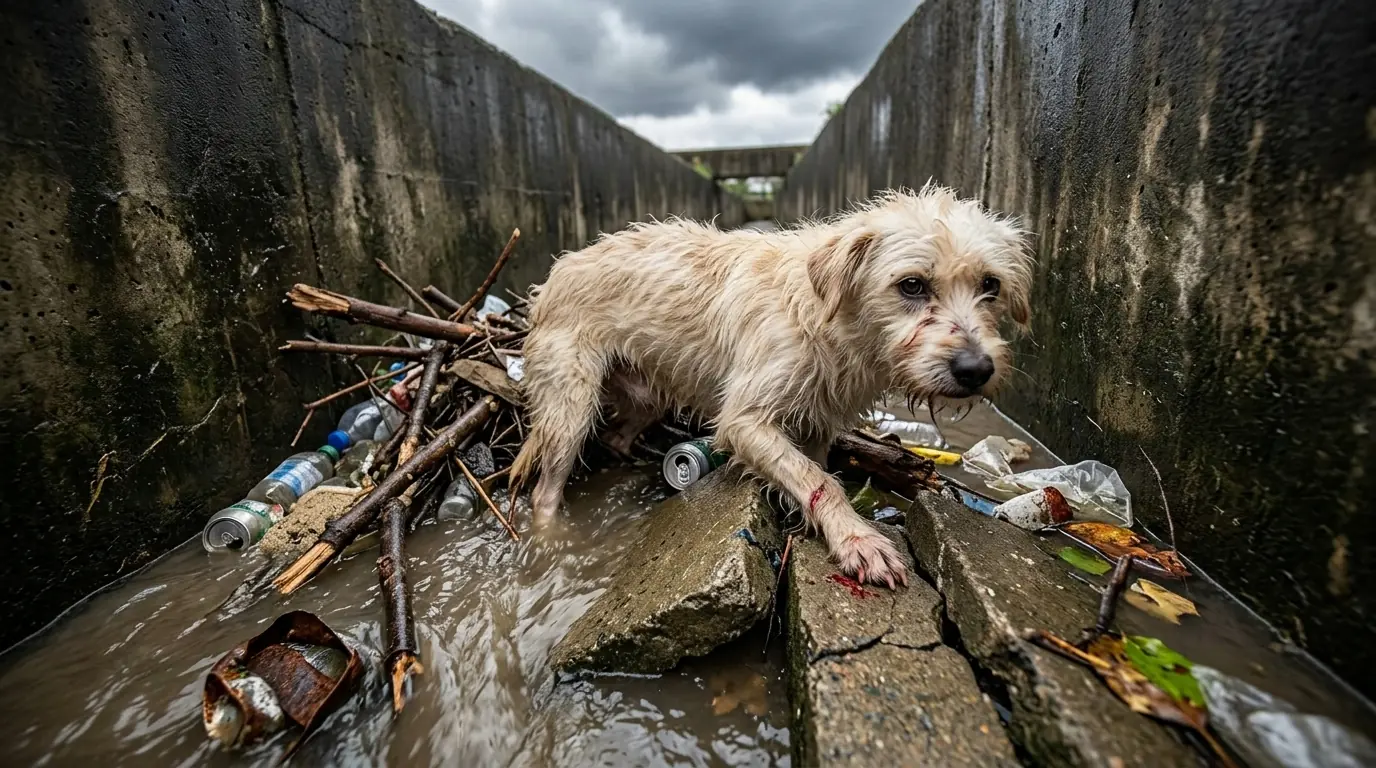
Emergency Flood Rescue Saves Stray Dog Trapped Inside Concrete Drainage Canal

Emergency Animal Rescue Frees Stray Dog Trapped in Rusted Barbed Wire at Abandoned Industrial Site
Emergency Animal Rescue Saves Stray Dog Trapped in Deep Marsh Mud After Days of Fighting to Survive
News Post
Rusty’s Recovery After Being Found Near a Dumpster
Benny’s Recovery After Being Found on the Street
Oliver’s Journey After Being Left at the Shelter
Mabel’s Rescue and Her Journey with Seven Puppies
Die HOA-Nachbarin zerstörte seinen Lamborghini — dann bemerkte er die Kamera
Der arrogante Boxer forderte den alten Hausmeister heraus — dann sprach er eine letzte Warnung aus
Four Inmates Locked the Quiet Black Prisoner in the Shower — Then He Raised His Hands

The Little Girl Begged Him Not to Take Her — Then a Biker Saw Her Hand
Three Neighborhood Bullies Cornered the Quiet Man — Then His Stance Changed
She Destroyed Her Neighbor’s Chicken Coop — Then an Old File Fell Into the Dirt
She Smashed Her Neighbor’s Chicken Coop — Then an Old Property Sign Fell Out
CHAPTER 2: THE 38 HOMES IN THE BARN LOFT
CHAPTER 3: THE COMMUNITY THAT TOOK ITSELF BACK

"One Punch for $10K!" the Champion Taunted a Black Grandma — Then Everything Changed
The Neighborhood Bully Shoved the Quiet Man Into the Street — Then He Recognized His Stance
CHAPTER 2: WHEN THE INSTRUCTOR WOKE UP

My DIL shoved me out of my own son's wedding—then the last man anyone expected walked through the doors

"Hit Me for $10K!" a Champion Mocked a Black Grandma — Then His Trainer Yelled, "STOP!"