Emergency Animal Rescue Frees Stray Dog Trapped in Rusted Barbed Wire at Abandoned Industrial Site
Emergency Animal Rescue Frees Stray Dog Trapped in Rusted Barbed Wire at Abandoned Industrial Site
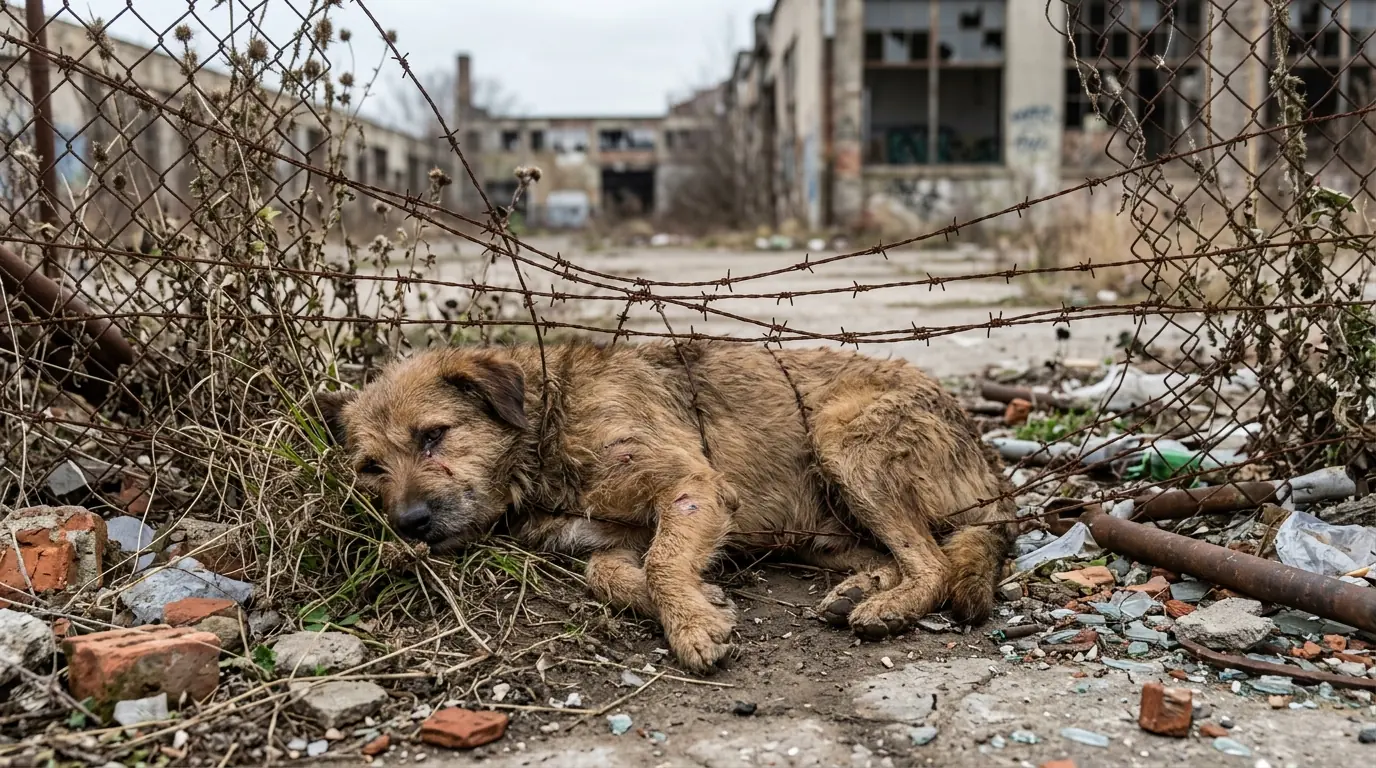
The dog had stopped struggling.
Every movement only tightened the rusted barbed wire wrapped around his body.
Hidden behind an abandoned industrial warehouse, the exhausted stray hung partially suspended in a tangled fence where decades-old barbed wire had twisted around his chest, neck, and both front legs. His dirty brown coat was ripped away in several places, exposing bruised skin streaked with dried blood. One front leg dangled unnaturally beneath him, while his swollen left eye remained nearly closed.
Each shallow breath caused the wire to dig deeper into his skin.
Too frightened to cry loudly, he let out only soft, exhausted whimpers as he watched the empty property around him.
A Rescue Call from an Abandoned Property
A security contractor inspecting the abandoned industrial lot heard faint cries coming from behind several collapsed storage buildings.
Following the sound, he discovered the trapped dog suspended against an old rusted security fence. Thick coils of barbed wire had wrapped around the animal as he apparently attempted to squeeze through an opening in the damaged fence.
Animal rescue volunteers responded immediately.
When they arrived, they quickly realized that pulling on the dog would only tighten the wire further, increasing the risk of severe tissue damage or catastrophic bleeding.
The rescue team first secured the dog's head with a soft blanket to reduce panic before using heavy-duty bolt cutters to remove individual sections of wire one strand at a time.
Each cut released a small amount of pressure.
Nearly fifty minutes later, the final loop surrounding his chest was removed.
Only then could the dog finally be lifted onto a rescue stretcher.
Critical Veterinary Assessment
At the emergency veterinary hospital, stabilization began immediately.
An intravenous catheter was placed to administer warmed balanced crystalloid fluids while emergency technicians monitored heart rate, respiratory rate, oxygen saturation, blood pressure, and body temperature.
His Body Condition Score measured 2.5 out of 9, indicating prolonged malnutrition.
His heart rate remained elevated from severe pain and stress, while pale gums suggested dehydration and mild blood loss.
After sedation, veterinarians carefully clipped away the heavily matted fur surrounding the injuries.
The extent of the damage became immediately apparent.
Wire Injuries Extended Deep Beneath the Fur
Multiple circumferential lacerations surrounded the neck, chest, and both front legs where barbed wire had remained tightly embedded for many hours.
Although several wounds appeared dramatic, careful examination confirmed that the trachea, carotid arteries, and jugular veins had fortunately escaped major injury.
The deepest laceration extended through the skin and subcutaneous tissues along the right shoulder, where rust, dirt, and plant debris had contaminated the wound.
His swollen left eye was diagnosed as severe periocular soft tissue trauma.
Fortunately, fluorescein staining showed no corneal ulceration.
The abnormal position of his left front leg required immediate imaging.
Diagnostic Tests Confirmed Orthopedic Trauma
Digital radiographs revealed a mid-shaft fracture of the left ulna with associated soft tissue swelling but minimal displacement.
Chest radiographs showed no rib fractures or lung injury despite prolonged compression from the wire.
Complete blood count demonstrated moderate dehydration, mild anemia, elevated white blood cell counts, and increased inflammatory markers consistent with contaminated wounds.
Serum chemistry identified low blood protein levels related to starvation, while kidney and liver values remained within normal limits.
Because rusted barbed wire carries significant bacterial contamination, wound cultures were collected before antibiotic therapy was adjusted according to laboratory sensitivity testing.
Emergency Surgery and Wound Repair
Under general anesthesia, surgeons spent nearly two hours cleaning the contaminated injuries.
Every wound underwent extensive irrigation using several liters of sterile saline followed by surgical debridement to remove damaged tissue and embedded rust particles.
The deepest lacerations required layered closure with absorbable sutures beneath the skin and non-absorbable sutures externally.
Several wounds were intentionally left partially open to allow drainage and reduce the risk of trapped infection.
The fractured ulna remained stable enough for external splinting rather than surgical plating.
A custom fiberglass splint was applied to immobilize the limb during healing.
Broad-spectrum intravenous antibiotics were started immediately alongside tetanus-risk wound management protocols appropriate for heavily contaminated soft tissue injuries.
Intensive Hospital Care
Pain control remained the highest priority during the first several days.
Continuous opioid infusion combined with ketamine-based analgesia provided effective relief while allowing the dog to rest comfortably.
Daily bandage changes revealed healthy granulation tissue gradually replacing contaminated wound surfaces.
Veterinary nurses closely monitored circulation to the injured limb, ensuring swelling beneath the splint did not compromise blood flow.
Meanwhile, nutrition specialists introduced a carefully controlled recovery diet rich in high-quality protein to support wound healing and muscle rebuilding.
By the fourth day, his appetite had improved dramatically.
Repeat bloodwork showed declining white blood cell counts and improving hydration, confirming that treatment was successfully controlling infection.
Physical and Emotional Recovery
After two weeks, rehabilitation specialists introduced gentle passive range-of-motion exercises for the unaffected joints while protecting the healing fracture.
Once follow-up radiographs confirmed early bone healing, controlled leash walks gradually replaced cage rest.
His wounds continued improving with every dressing change.
New fur slowly covered areas that had once been stripped bare by the wire.
Perhaps the most remarkable transformation occurred in his behavior.
During his first days in the hospital, he froze whenever anyone reached toward his neck.
Veterinary nurses patiently paired every examination with calm voices, gentle touch, and treats.
Slowly, the fearful dog learned that human hands no longer brought pain.
Soon he greeted caregivers with cautious tail wags and rested peacefully during daily treatments.
A New Life Beyond the Fence
Ten weeks after his rescue, follow-up radiographs confirmed complete healing of the ulnar fracture.
All neck and chest wounds had fully closed, his eye had recovered without permanent vision loss, and his Body Condition Score improved from 2.5/9 to 5/9 through careful nutritional rehabilitation.
Today, the dog lives safely in foster care while waiting for a permanent family.
The abandoned industrial lot, rusted wire, and broken concrete have been replaced by warm bedding, regular meals, long walks, and people who ensure he never faces another day alone.
His recovery demonstrates how rapid technical rescue, advanced wound management, orthopedic care, and patient rehabilitation can transform even the most desperate entanglement into a remarkable story of survival and hope.
Tags:
News in the same category
Benny’s Recovery After Being Found on the Street

Cruise Tourists Spotted a 100-Year-Old Sea Turtle—Then They Saw What Was Wrapped Around It
Mabel’s Rescue and Her Journey with Seven Puppies
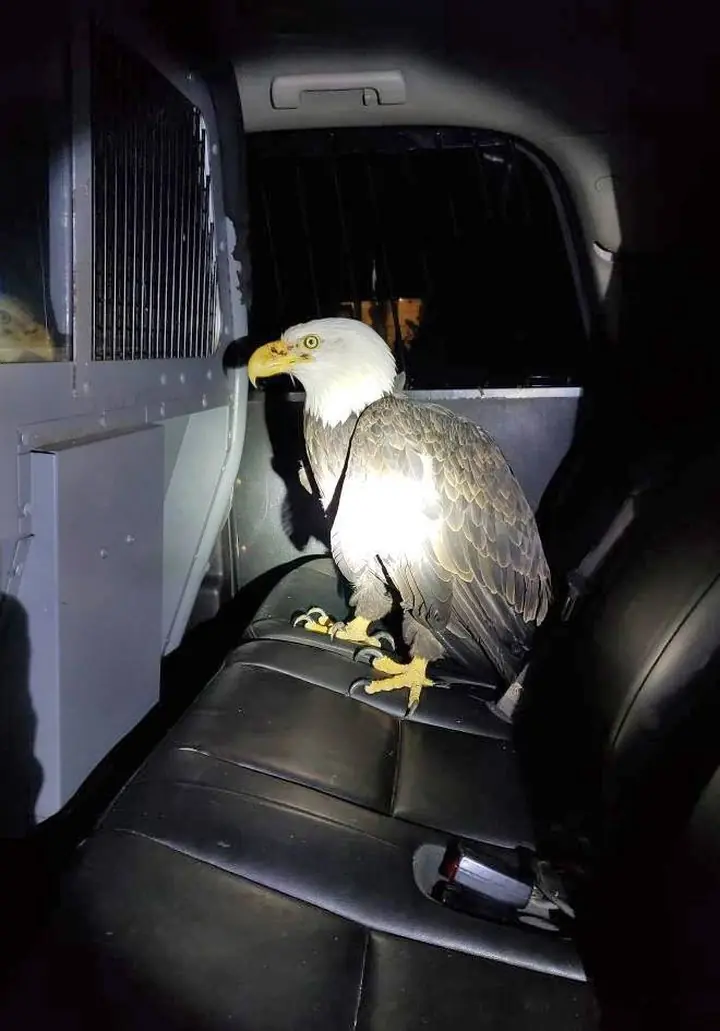
He was injured, sitting quietly in the back of a police car. Here's the latest update on his condition
A SMALL-TOWN POLICE OFFICER BROUGHT AN INJURED BALD EAGLE BACK TO THE STATION
A SMALL-TOWN POLICE OFFICER BROUGHT AN INJURED BALD EAGLE BACK TO THE STATION
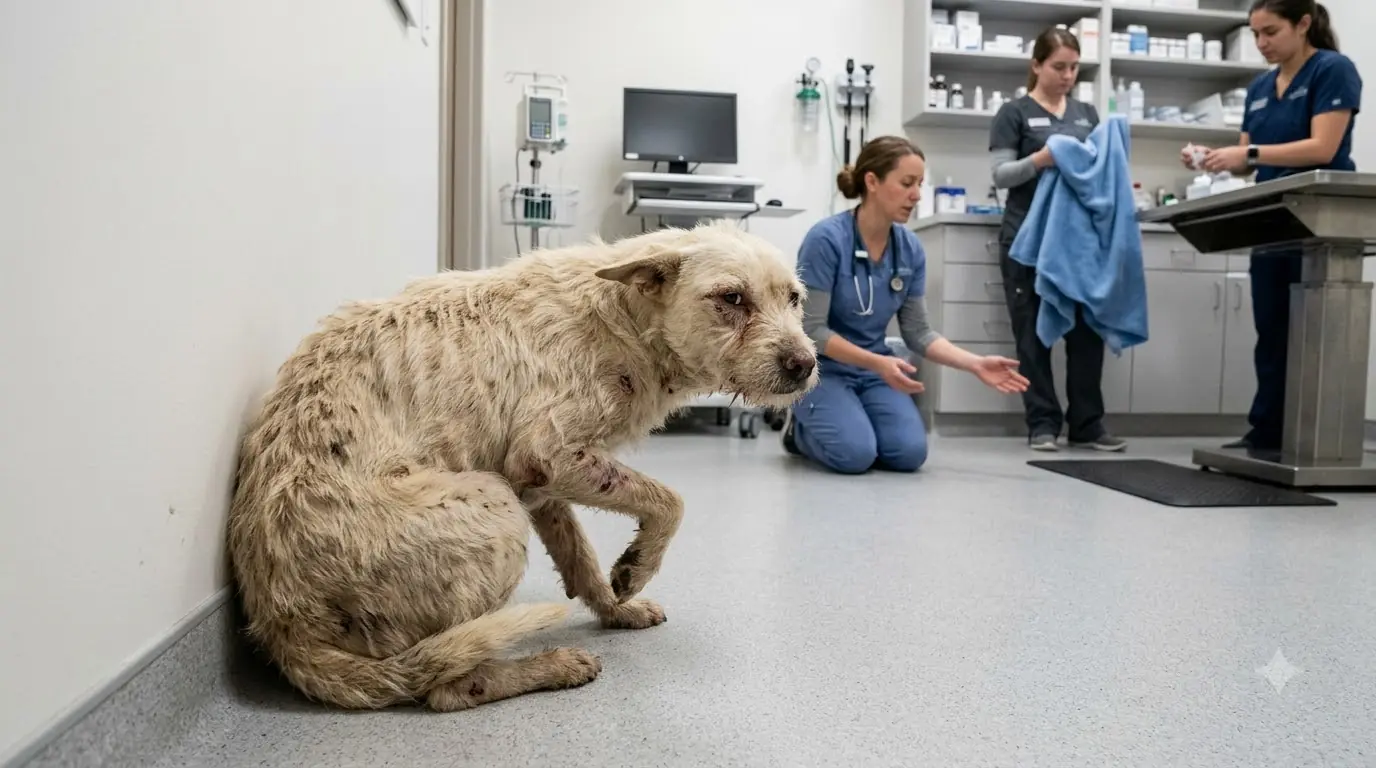
Emergency Veterinary Team Fights to Save Critically Injured Stray Dog Too Frightened to Stand
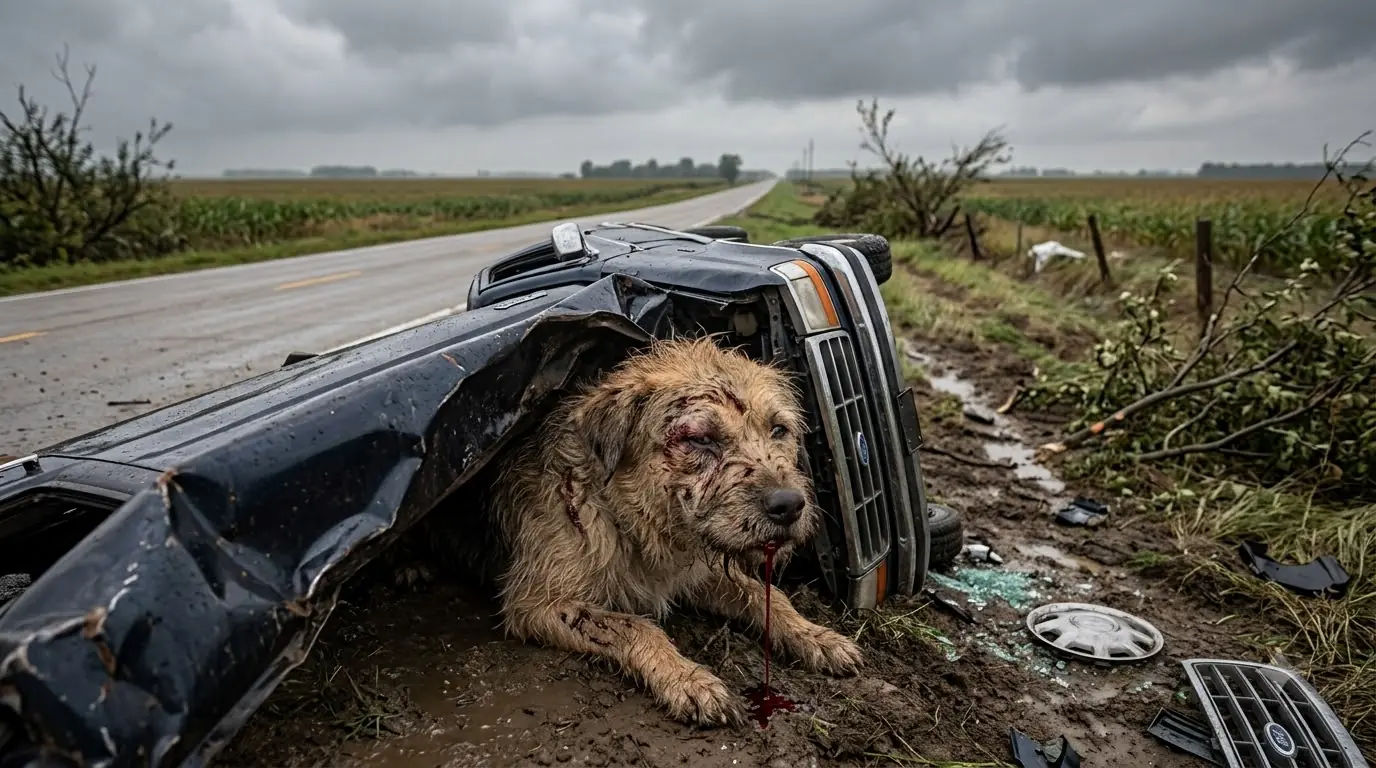
Emergency Highway Rescue Saves Stray Dog Trapped Beneath Overturned Pickup Truck After Violent Storm
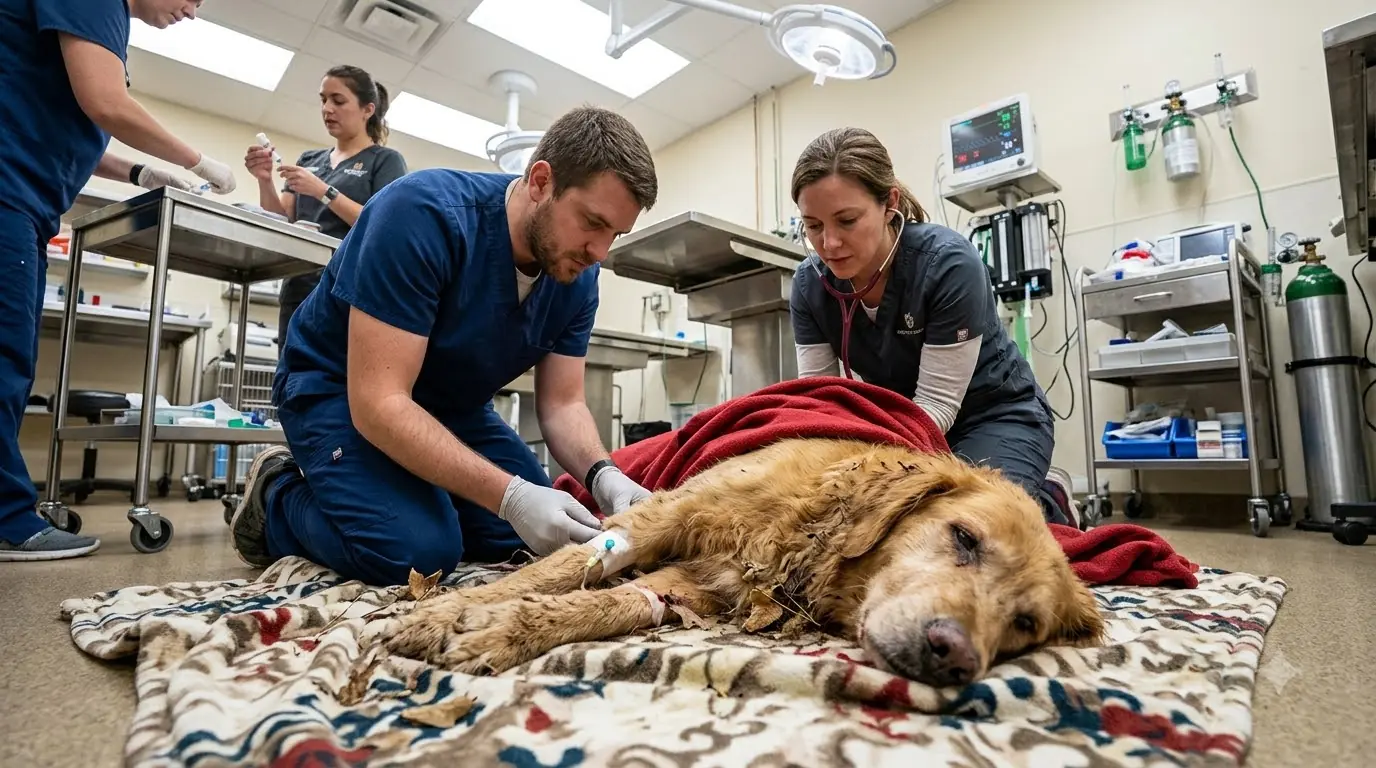
Emergency Veterinary Team Helps Severely Neglected Stray Dog Learn to Trust Again
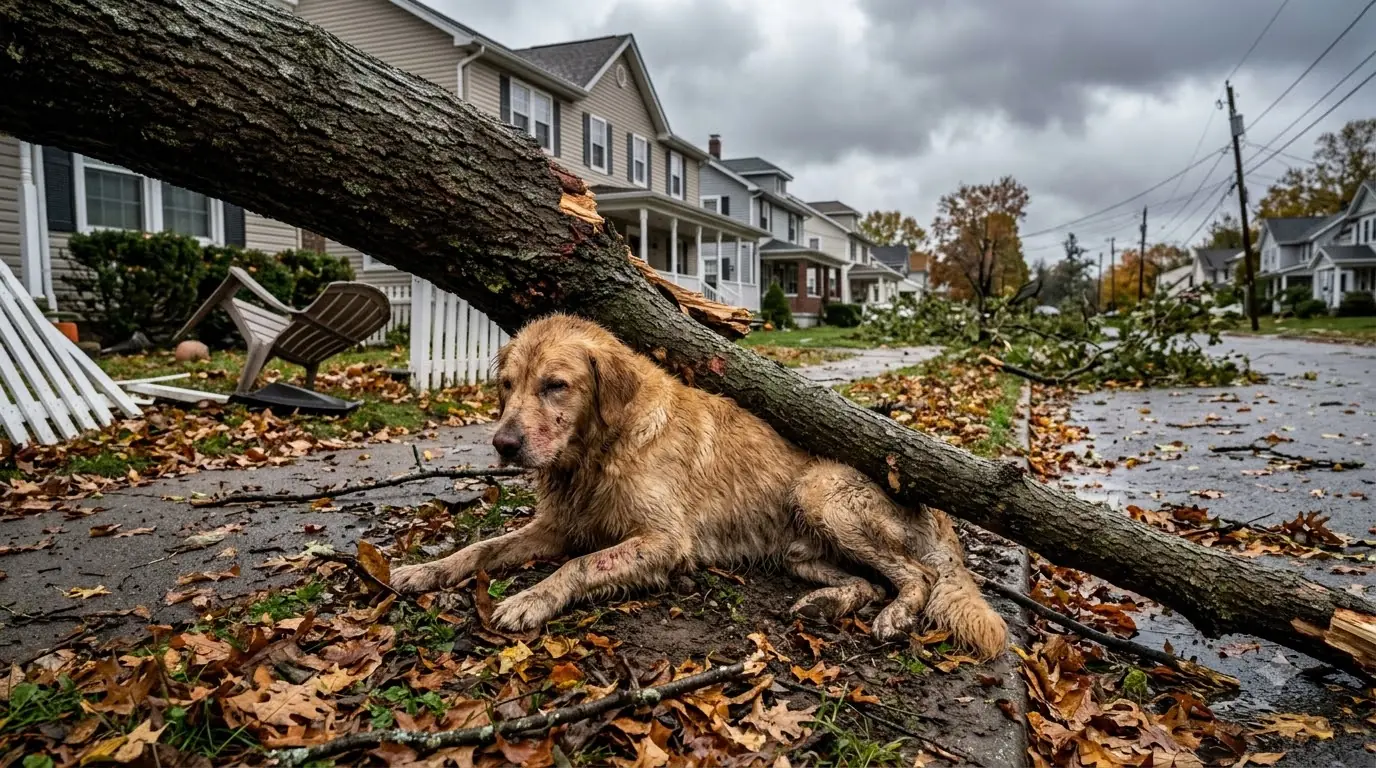
Emergency Storm Rescue Saves Severely Malnourished Stray Dog Trapped Beneath Fallen Oak Tree
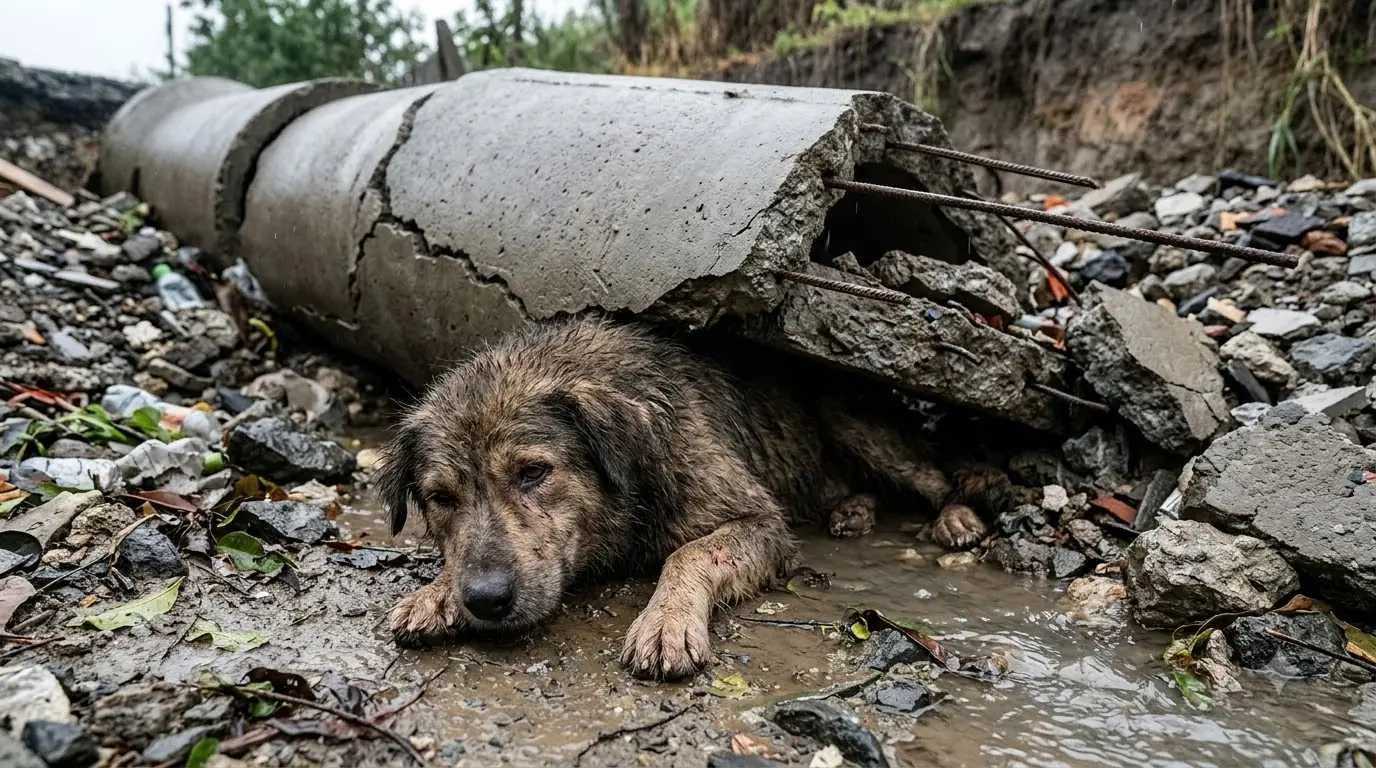
Emergency Disaster Rescue Saves Stray Dog Trapped Beneath Collapsed Concrete Drainage Pipe
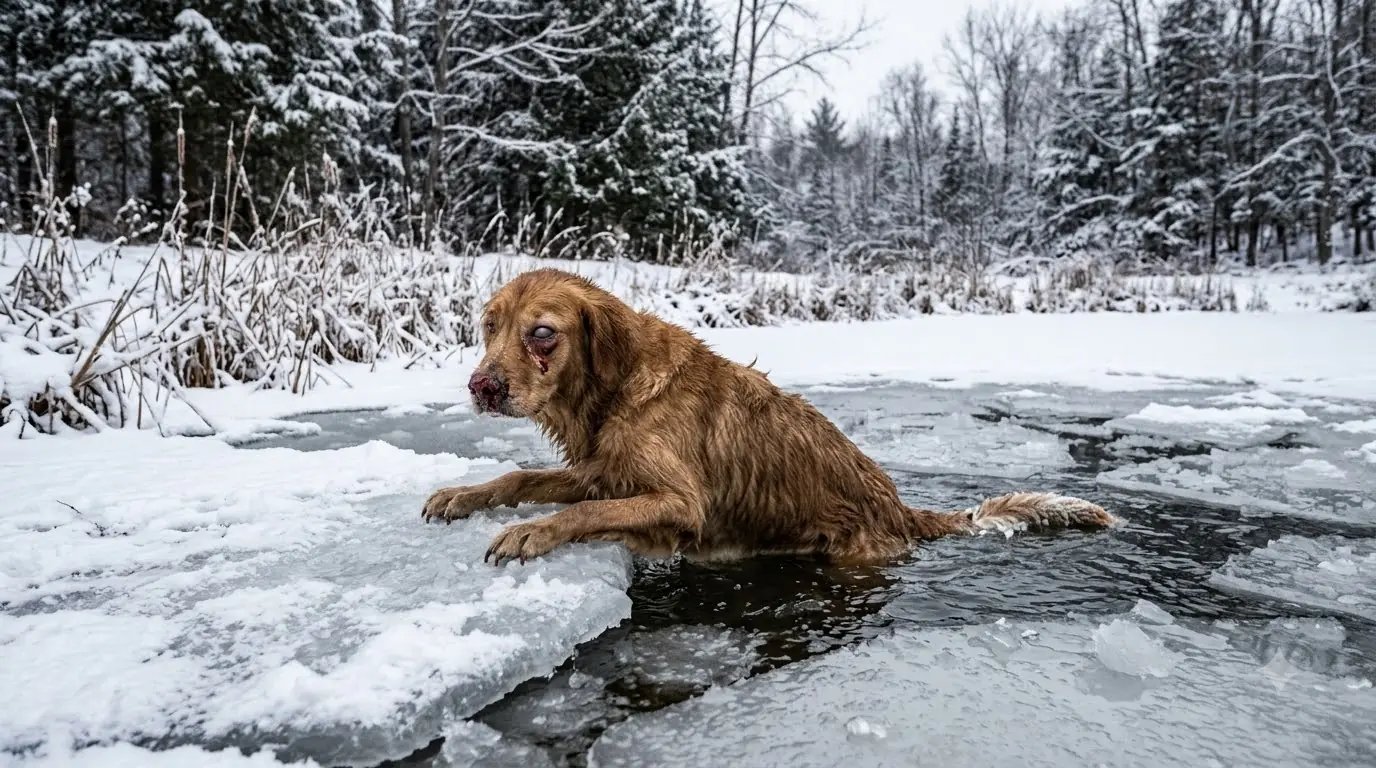
Emergency Ice Rescue Saves Starving Stray Dog Trapped in Freezing Pond
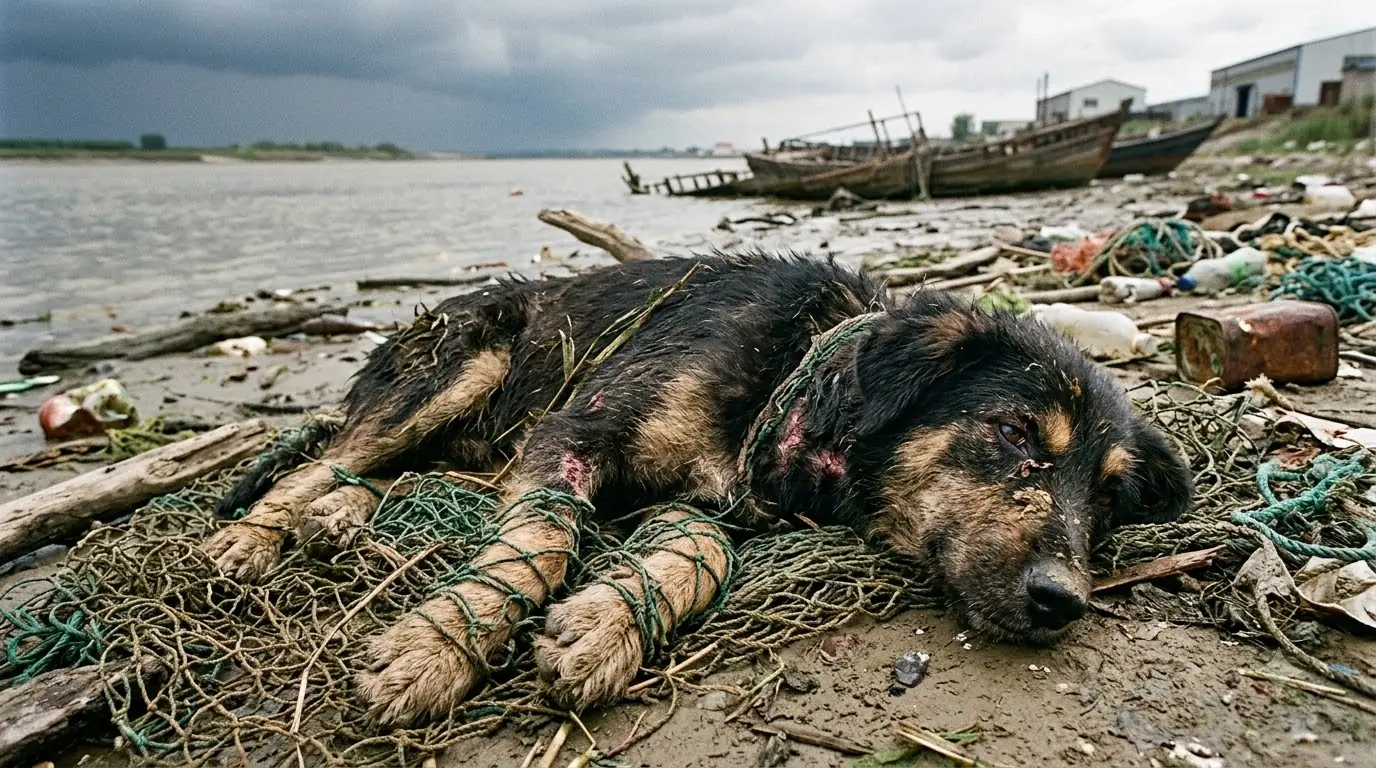
Emergency River Rescue Saves Stray Dog Entangled in Abandoned Fishing Net
Emergency Animal Rescue Saves Abandoned Puppy Buried Beneath Mountains of Garbage at Massive Landfill

Emergency Cliff Rescue Saves Stray Dog Left Hanging Above a Deep Mountain Ravine
Emergency Mountain Rescue Saves Stray Dog Trapped Between Massive Boulders After Landslide
Emergency Flood Rescue Saves Stray Dog Trapped Inside Concrete Drainage Canal
Emergency Animal Rescue Saves Stray Dog Trapped in Deep Marsh Mud After Days of Fighting to Survive
News Post
The Sergeant Tore Up Her Federal Warrant — Then Every Door Locked
The Officers Tried to Arrest Her on Her Own Porch — Then Their Captain Rushed to the Address
Rusty’s Recovery After Being Found Near a Dumpster
Benny’s Recovery After Being Found on the Street
Cruise Tourists Spotted a 100-Year-Old Sea Turtle—Then They Saw What Was Wrapped Around It
Oliver’s Journey After Being Left at the Shelter
Mabel’s Rescue and Her Journey with Seven Puppies

Die HOA-Nachbarin zerstörte seinen Lamborghini — dann bemerkte er die Kamera

Der arrogante Boxer forderte den alten Hausmeister heraus — dann sprach er eine letzte Warnung aus
Four Inmates Locked the Quiet Black Prisoner in the Shower — Then He Raised His Hands

The Little Girl Begged Him Not to Take Her — Then a Biker Saw Her Hand
Three Neighborhood Bullies Cornered the Quiet Man — Then His Stance Changed
She Destroyed Her Neighbor’s Chicken Coop — Then an Old File Fell Into the Dirt
She Smashed Her Neighbor’s Chicken Coop — Then an Old Property Sign Fell Out
CHAPTER 2: THE 38 HOMES IN THE BARN LOFT
CHAPTER 3: THE COMMUNITY THAT TOOK ITSELF BACK

"One Punch for $10K!" the Champion Taunted a Black Grandma — Then Everything Changed
The Neighborhood Bully Shoved the Quiet Man Into the Street — Then He Recognized His Stance
CHAPTER 2: WHEN THE INSTRUCTOR WOKE UP