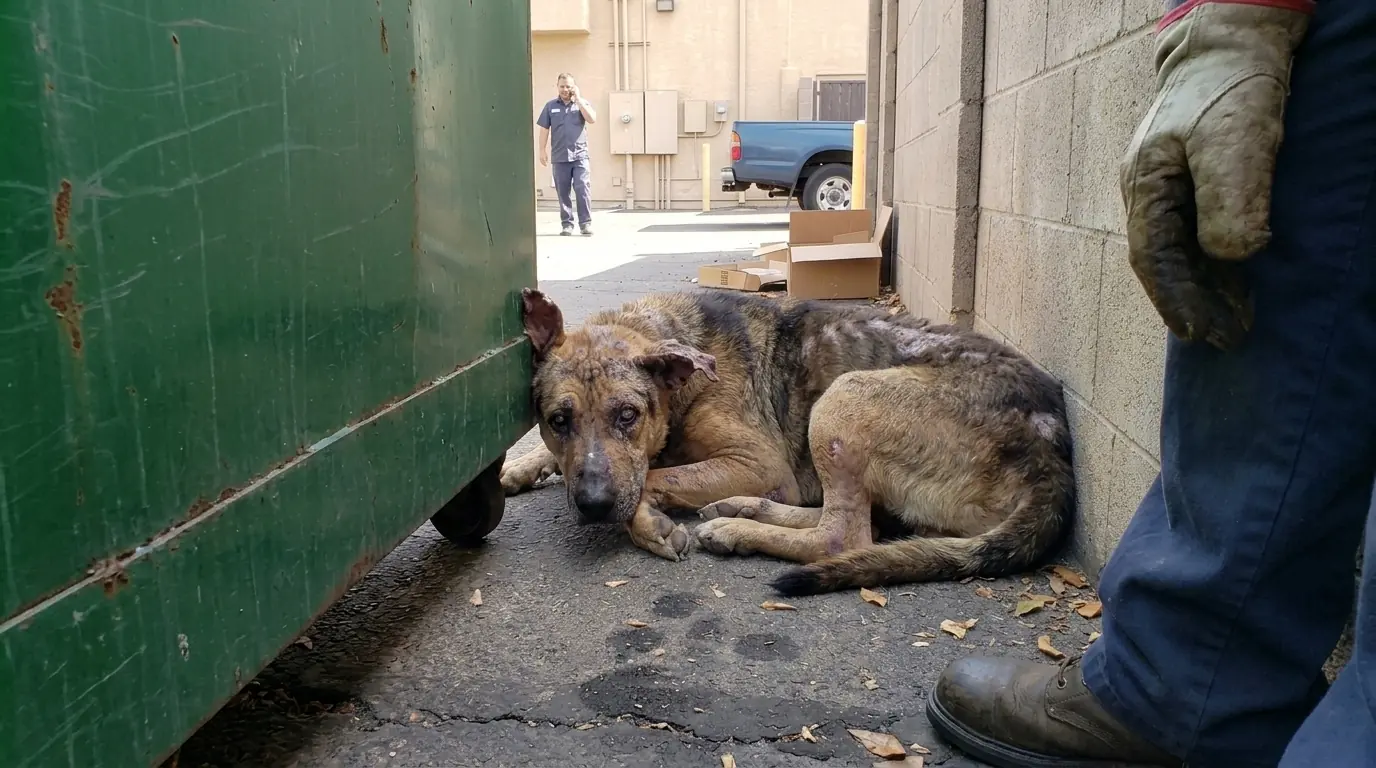
Emergency Cliff Rescue Saves Stray Dog Left Hanging Above a Deep Mountain Ravine
Emergency Cliff Rescue Saves Stray Dog Left Hanging Above a Deep Mountain Ravine
The dog couldn't climb up.
He couldn't climb down.
Halfway down a steep rocky cliff, the frightened stray hung suspended above a deep ravine after his hind leg became tightly tangled in a thick network of exposed tree roots growing from the cliff face. His exhausted body swung helplessly several feet above jagged rocks, with only the twisted roots preventing a fatal fall.
Every gust of wind caused him to sway.
Every small movement sent loose stones tumbling into the canyon below.
His cream-colored fur was torn and soaked with mud, dried blood, and dust after repeatedly scraping against the cliff. One side of his face had swollen dramatically from blunt trauma, while fresh lacerations covered his chest and abdomen. His trapped hind leg hung at an unnatural angle, and every attempt to climb only tightened the roots around the injured limb.
Hours of struggling had left him too weak to continue.
He simply looked upward whenever voices echoed across the canyon.
A Technical Rope Rescue
Two rock climbers heard faint cries while descending a nearby trail and located the trapped dog approximately 25 meters below the cliff edge.
The local mountain rescue team responded together with an emergency veterinary rescue unit.
The situation was immediately classified as high risk.
The cliff consisted of unstable weathered rock, and several sections continued shedding loose stones. Any uncontrolled movement above the dog could trigger additional rockfall directly onto him.
A rope rescue technician established multiple anchor systems using nearby mature trees while another rescuer was lowered toward the dog using a dual-rope rescue system.
A veterinarian descended alongside the technical rescue team carrying emergency medical equipment.
Before attempting to free the trapped limb, the veterinarian administered injectable pain medication and light sedation to reduce panic while preserving normal breathing.
A rescue sling was secured beneath the dog's chest to completely support his body weight before the roots were carefully cut away.
Only after his weight had been transferred safely onto the rescue system was the injured leg released.
The dog was then slowly raised to the top of the cliff before being transported directly to a regional emergency veterinary hospital.
Critical Trauma Assessment
Upon arrival, emergency stabilization began immediately.
Two intravenous catheters were placed while warmed balanced crystalloid fluids were administered to treat dehydration and circulatory shock.
Continuous monitoring included ECG, pulse oximetry, blood pressure, respiratory rate, and body temperature.
His Body Condition Score measured 2 out of 9, indicating severe chronic malnutrition.
His body temperature measured 98.8°F (37.1°C), and his heart rate remained elevated due to pain, exhaustion, and stress.
After carefully cleaning away dried blood and dirt, veterinarians documented multiple traumatic injuries.
Advanced Diagnostics Identified Multiple Fractures
Whole-body digital radiographs revealed a spiral fracture of the left tibia, a fractured calcaneus (heel bone), and two fractured ribs on the right side.
Fortunately, no spinal fractures were identified.
Thoracic ultrasound demonstrated mild pulmonary contusions caused by repeated impacts against the cliff face but showed no evidence of internal bleeding or collapsed lungs.
The swollen left side of his face underwent CT imaging.
The scan revealed severe soft tissue trauma with a non-displaced fracture of the zygomatic arch but no skull fractures involving the brain.
Bloodwork showed moderate dehydration, mild anemia, elevated inflammatory markers, and significantly increased creatine kinase levels resulting from prolonged muscle strain while hanging suspended.
Fortunately, kidney function remained normal.
Emergency Orthopedic Surgery
The fractured tibia required immediate surgical stabilization.
Orthopedic surgeons implanted a locking compression plate secured with multiple titanium screws to restore proper alignment and maximize long-term limb function.
The fractured calcaneus was stabilized using orthopedic pins and tension-band wiring to preserve normal movement of the hock joint.
Every open wound underwent extensive irrigation using sterile saline before contaminated tissue, embedded gravel, and plant material were carefully removed.
Several deep lacerations across the chest required layered surgical closure, while smaller abrasions were managed using advanced antimicrobial wound dressings.
Broad-spectrum intravenous antibiotics were initiated immediately because soil contamination from the cliffside significantly increased infection risk.
Intensive Critical Care
The first 72 hours remained critical.
Continuous opioid infusion provided effective pain control while allowing comfortable breathing despite fractured ribs.
Blood chemistry and complete blood counts were repeated every twelve hours to monitor hydration, infection, and muscle injury.
Fortunately, inflammatory markers steadily declined, and repeat chest ultrasound confirmed that pulmonary bruising continued improving without complications.
Nutrition specialists introduced a high-calorie recovery diet using frequent small meals to safely reverse prolonged starvation while minimizing the risk of refeeding syndrome.
Within four days, he eagerly finished every meal offered.
Rehabilitation Restored His Strength
Strict cage rest continued for six weeks while the repaired fractures healed.
During that period, rehabilitation specialists performed passive range-of-motion exercises to maintain joint flexibility without disturbing orthopedic repairs.
Follow-up radiographs demonstrated excellent early bone healing.
Once weight-bearing restrictions were gradually lifted, underwater treadmill therapy allowed him to rebuild muscle while placing minimal stress on healing bones.
Each week brought visible improvement.
The facial swelling completely resolved, healthy fur returned over previously damaged skin, and the repaired hind limb gradually regained strength.
By the tenth week, he was walking independently with only a slight intermittent limp.
Emotional Recovery
Physical injuries healed more quickly than emotional trauma.
During the first several days, sudden noises caused him to freeze, and he became visibly anxious whenever anyone approached from behind.
Veterinary nurses patiently rebuilt his confidence using reward-based handling, gentle voices, and daily positive interactions.
Soon, he began greeting caregivers with enthusiastic tail wags.
The frightened dog who once dangled helplessly above a deadly ravine now eagerly anticipated every rehabilitation session and every opportunity to spend time with the people who had saved his life.
A Future Above Solid Ground
Twelve weeks after his rescue, follow-up radiographs confirmed complete healing of both orthopedic repairs.
His bloodwork had normalized, all wounds had fully healed, and his Body Condition Score improved from 2/9 to 5/9 through careful nutritional rehabilitation.
Today, he lives safely in foster care while waiting for his forever family.
Instead of hanging helplessly from exposed roots above an endless drop, he now spends his days walking confidently through secure parks, sleeping peacefully indoors, and enjoying a life where every step is taken on solid ground.
His remarkable recovery is a testament to the skill of technical rope rescuers, orthopedic surgeons, veterinary specialists, and rehabilitation teams who refused to let one frightened stray become another forgotten tragedy.
Tags:
News in the same category
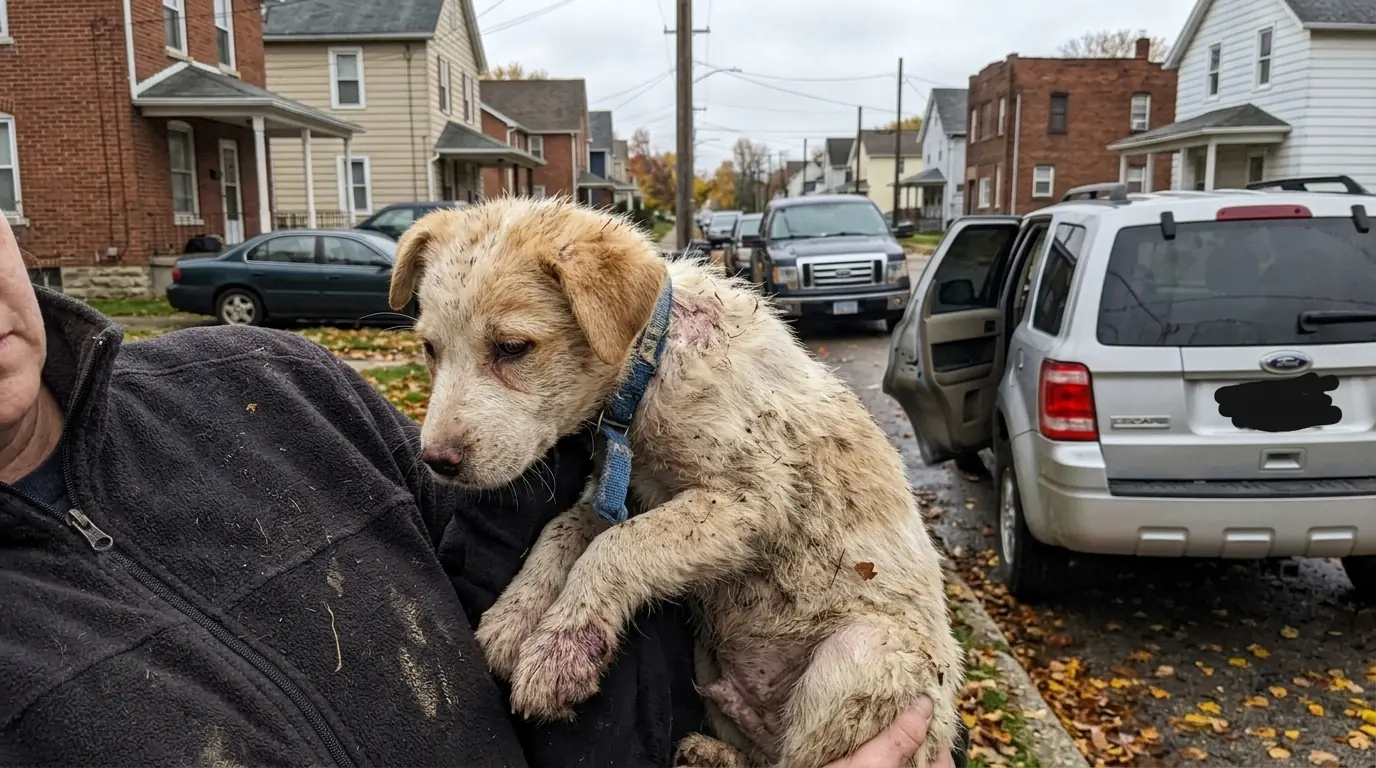
Benny’s Recovery After Being Found on the Street
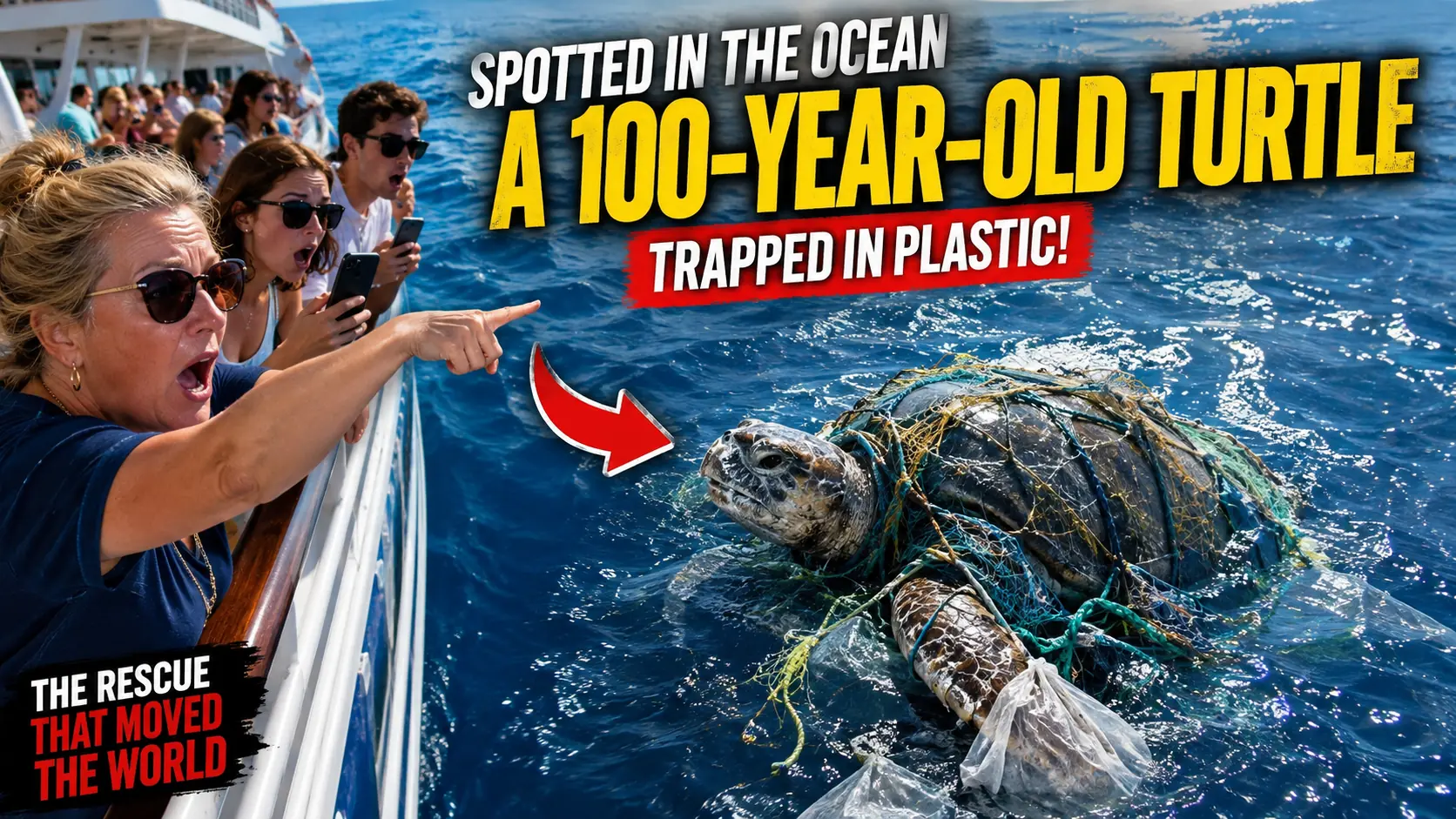
Cruise Tourists Spotted a 100-Year-Old Sea Turtle—Then They Saw What Was Wrapped Around It
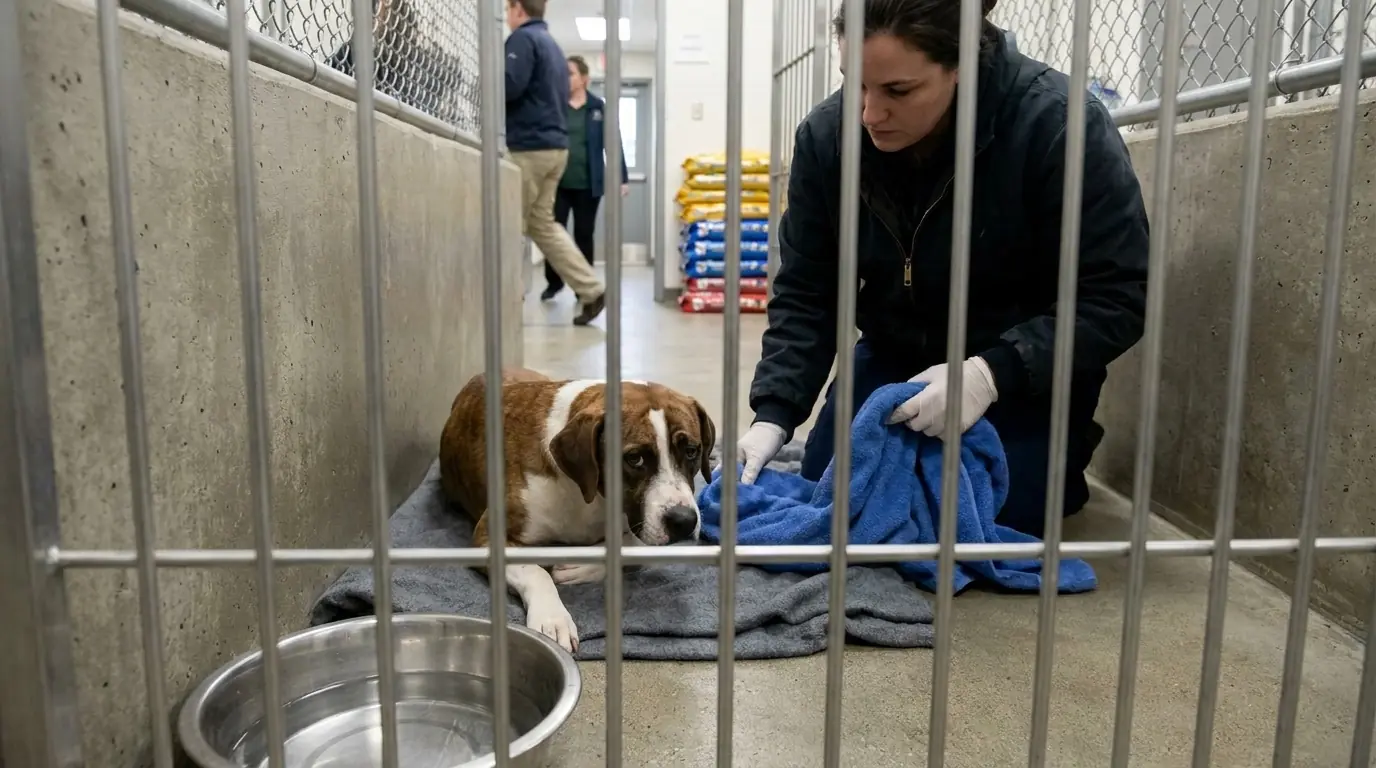
Mabel’s Rescue and Her Journey with Seven Puppies
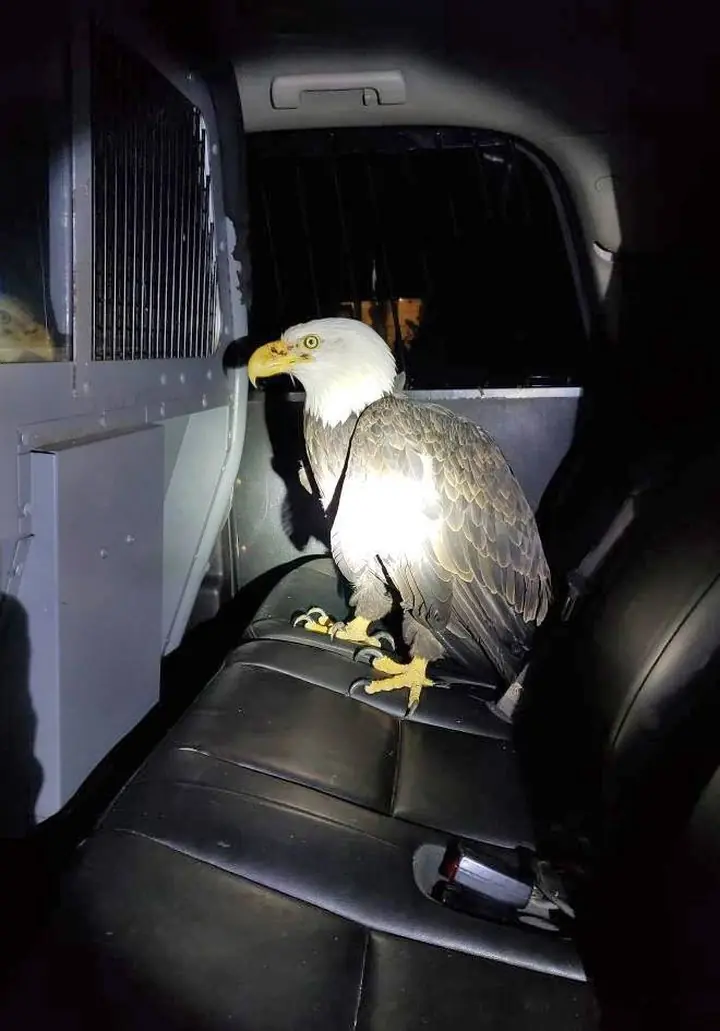
He was injured, sitting quietly in the back of a police car. Here's the latest update on his condition
A SMALL-TOWN POLICE OFFICER BROUGHT AN INJURED BALD EAGLE BACK TO THE STATION
A SMALL-TOWN POLICE OFFICER BROUGHT AN INJURED BALD EAGLE BACK TO THE STATION
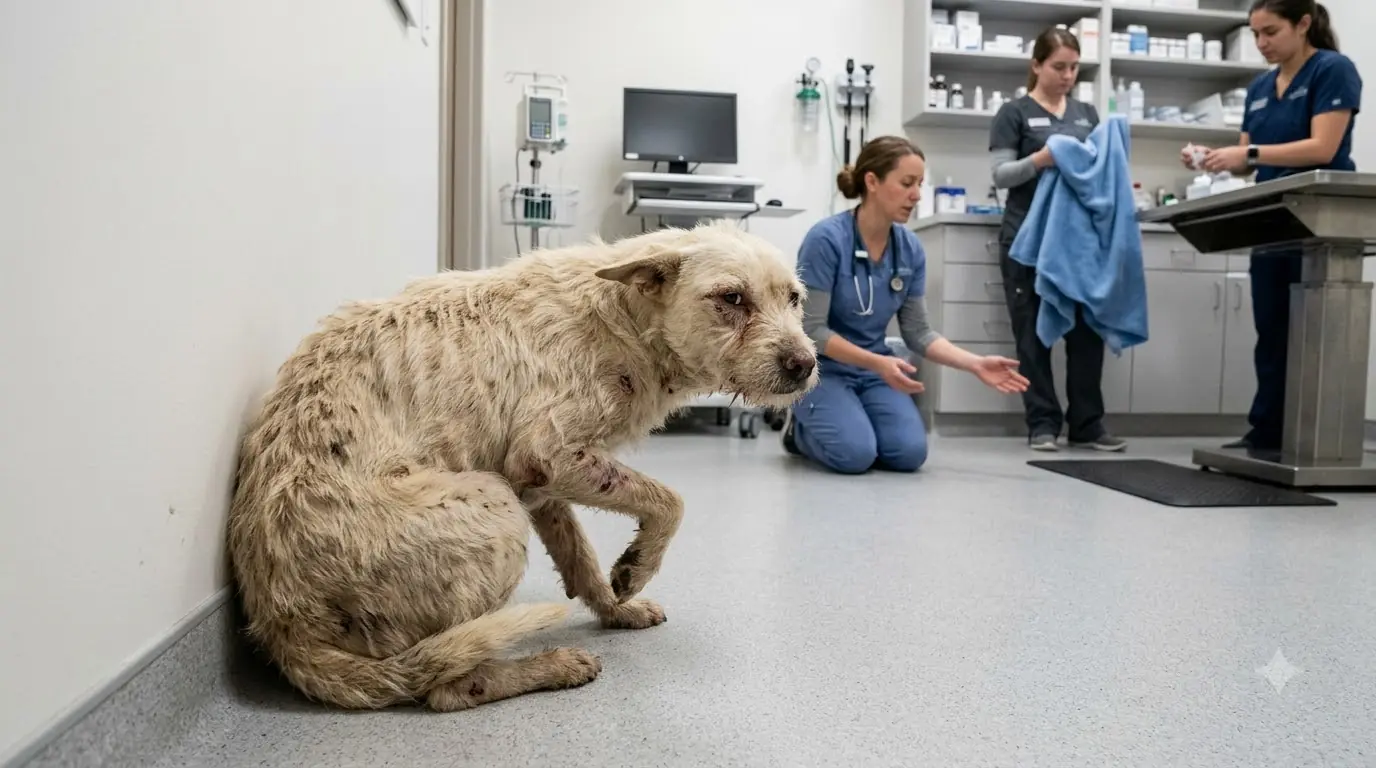
Emergency Veterinary Team Fights to Save Critically Injured Stray Dog Too Frightened to Stand
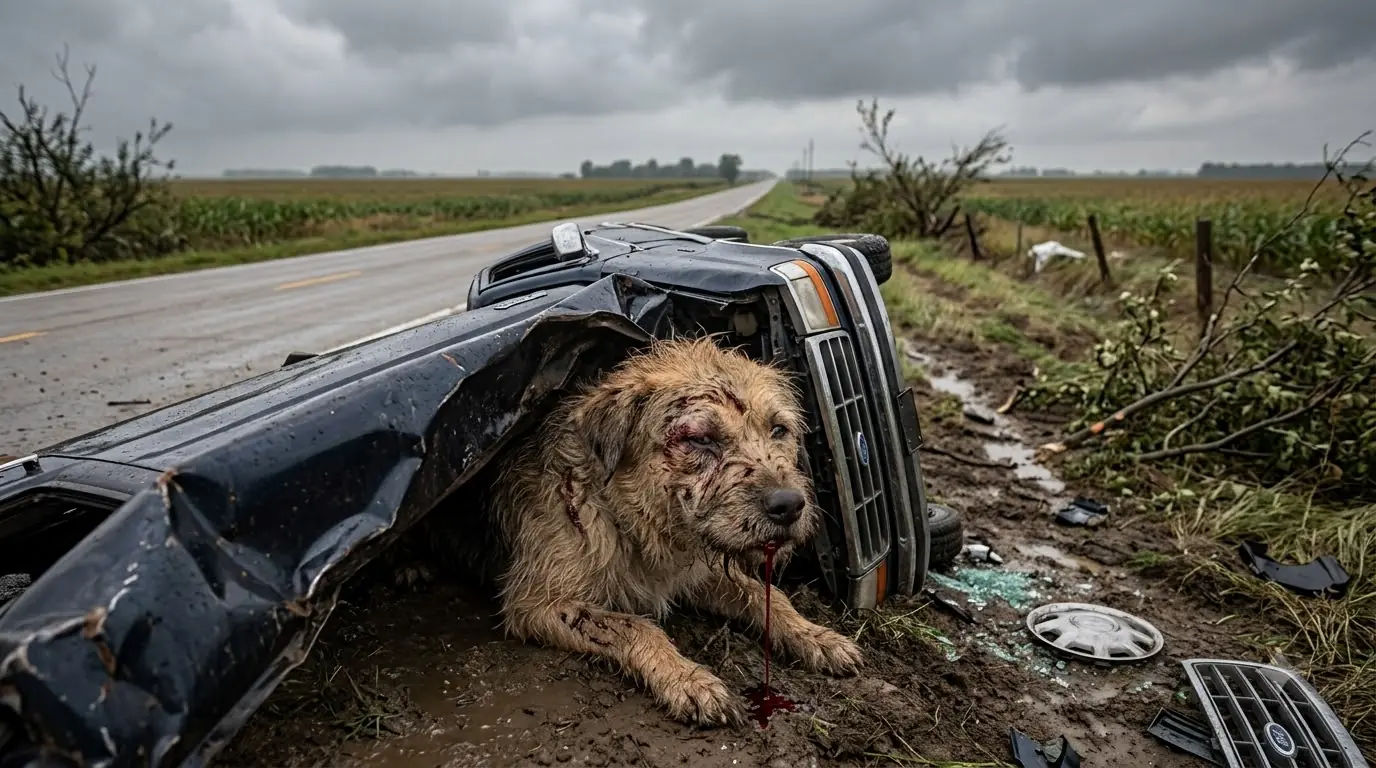
Emergency Highway Rescue Saves Stray Dog Trapped Beneath Overturned Pickup Truck After Violent Storm
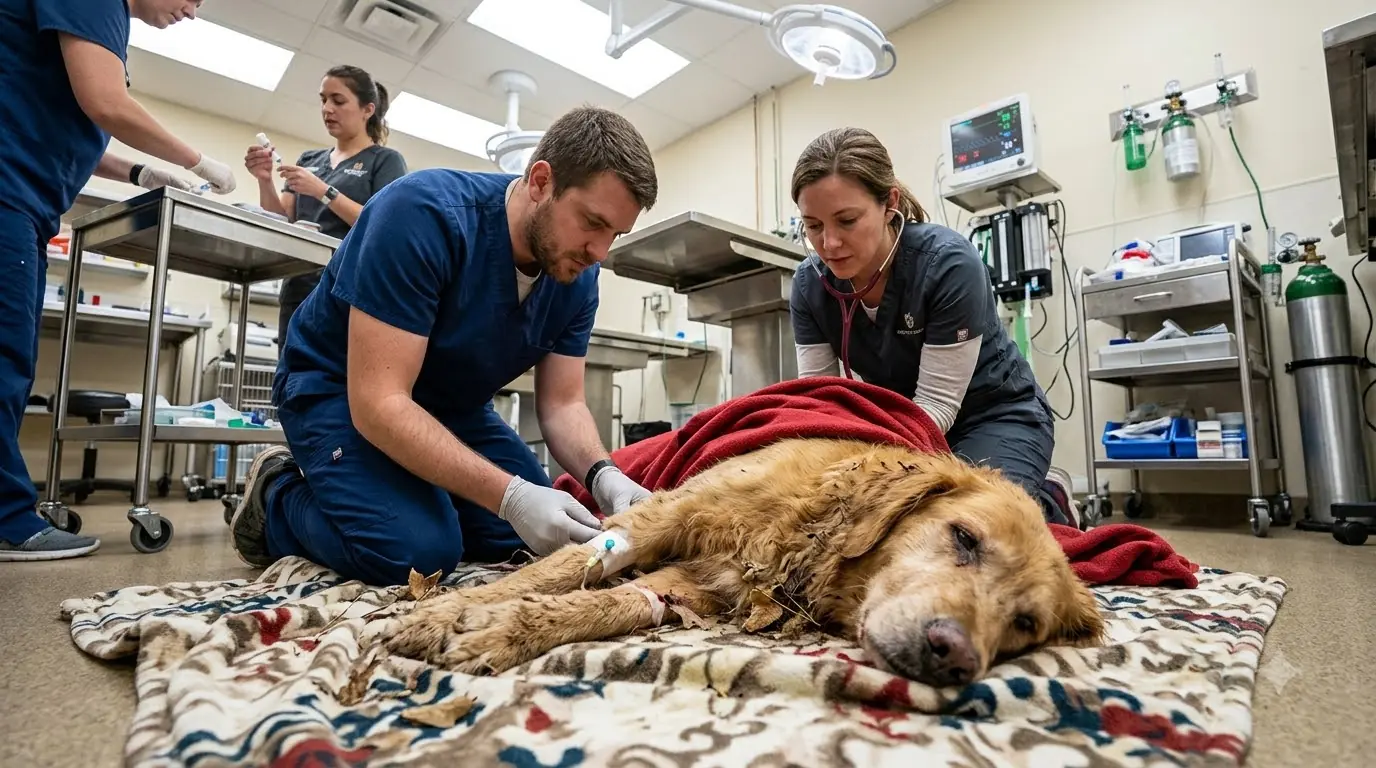
Emergency Veterinary Team Helps Severely Neglected Stray Dog Learn to Trust Again
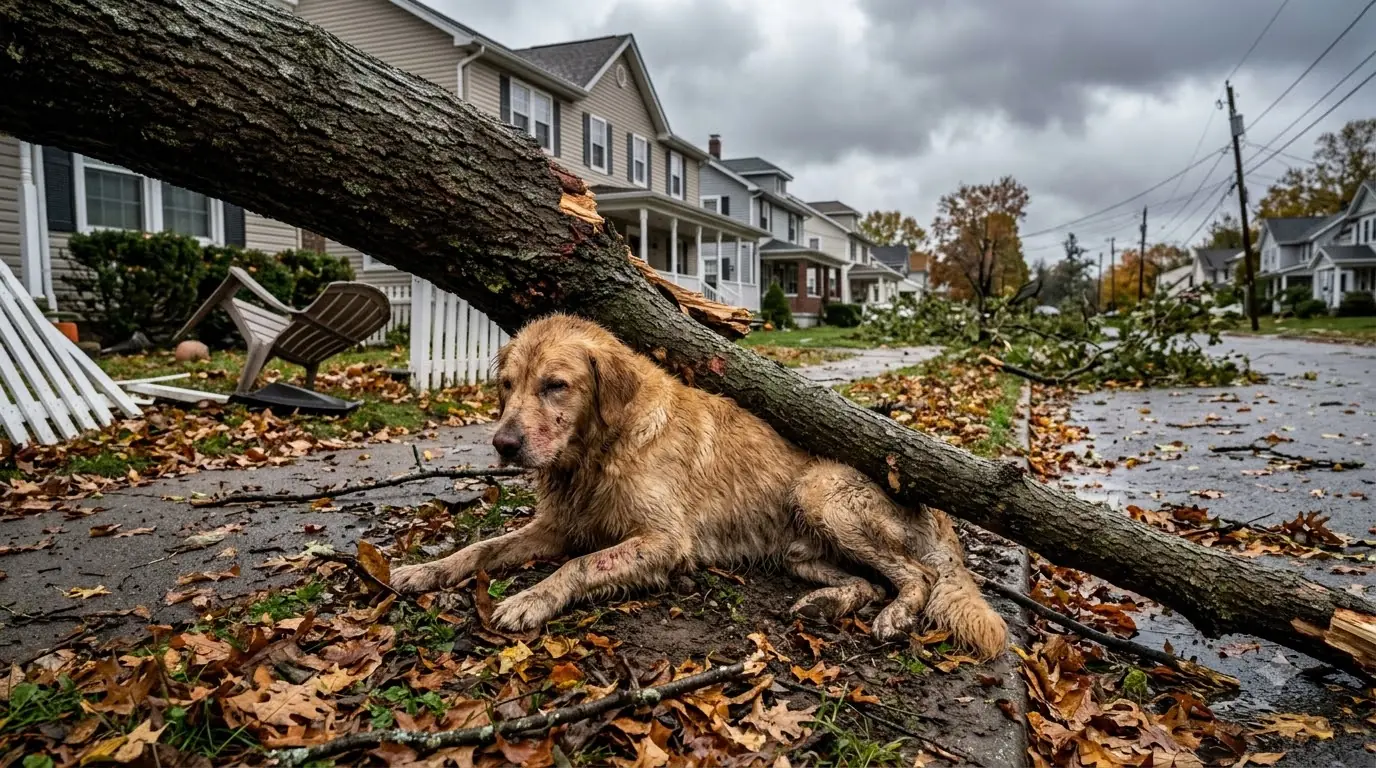
Emergency Storm Rescue Saves Severely Malnourished Stray Dog Trapped Beneath Fallen Oak Tree
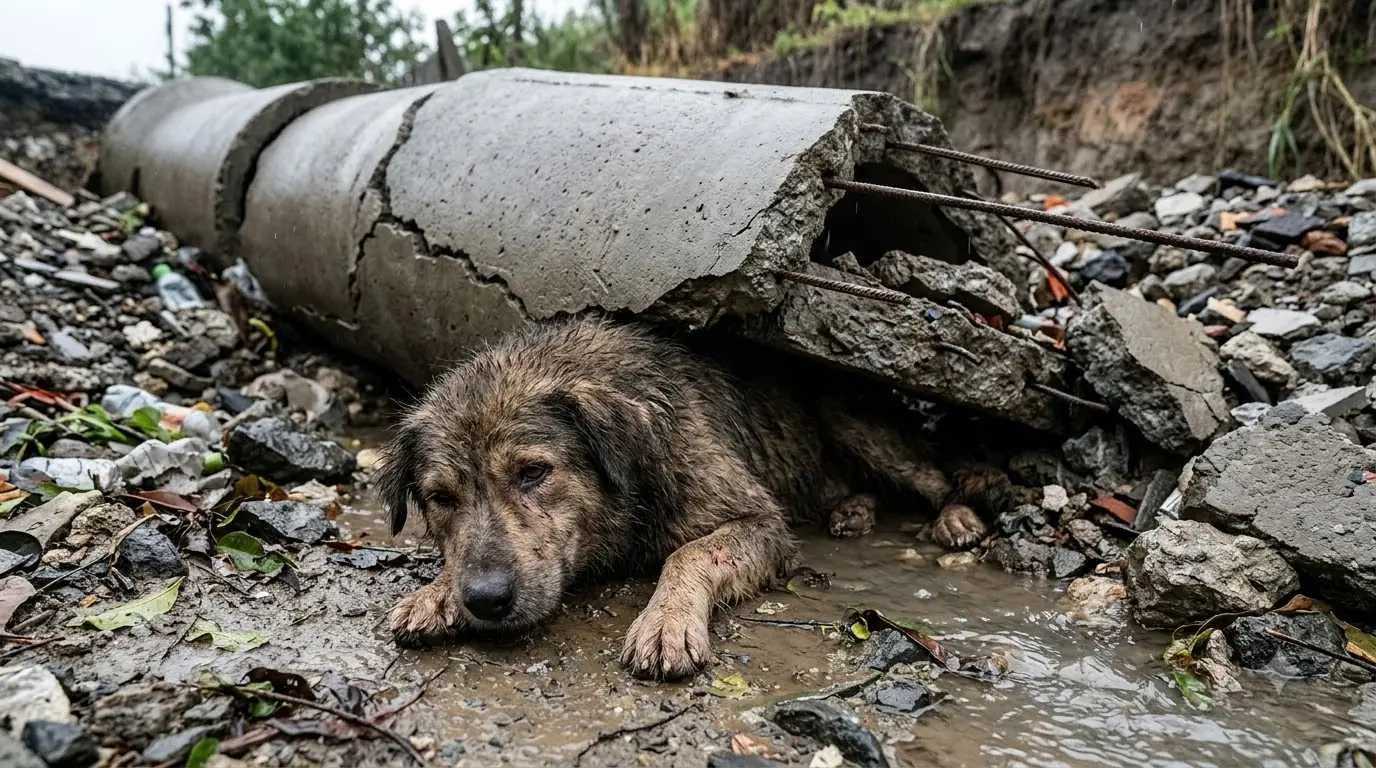
Emergency Disaster Rescue Saves Stray Dog Trapped Beneath Collapsed Concrete Drainage Pipe
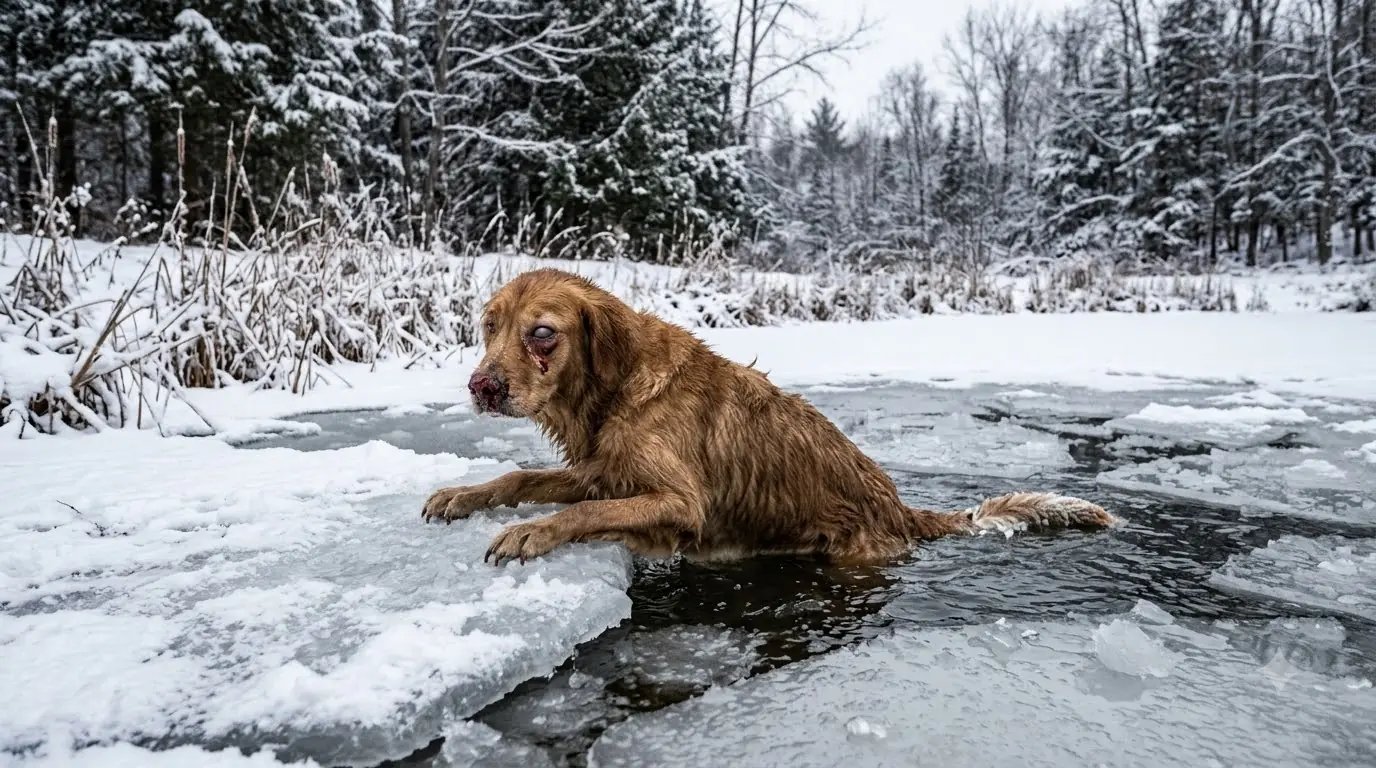
Emergency Ice Rescue Saves Starving Stray Dog Trapped in Freezing Pond
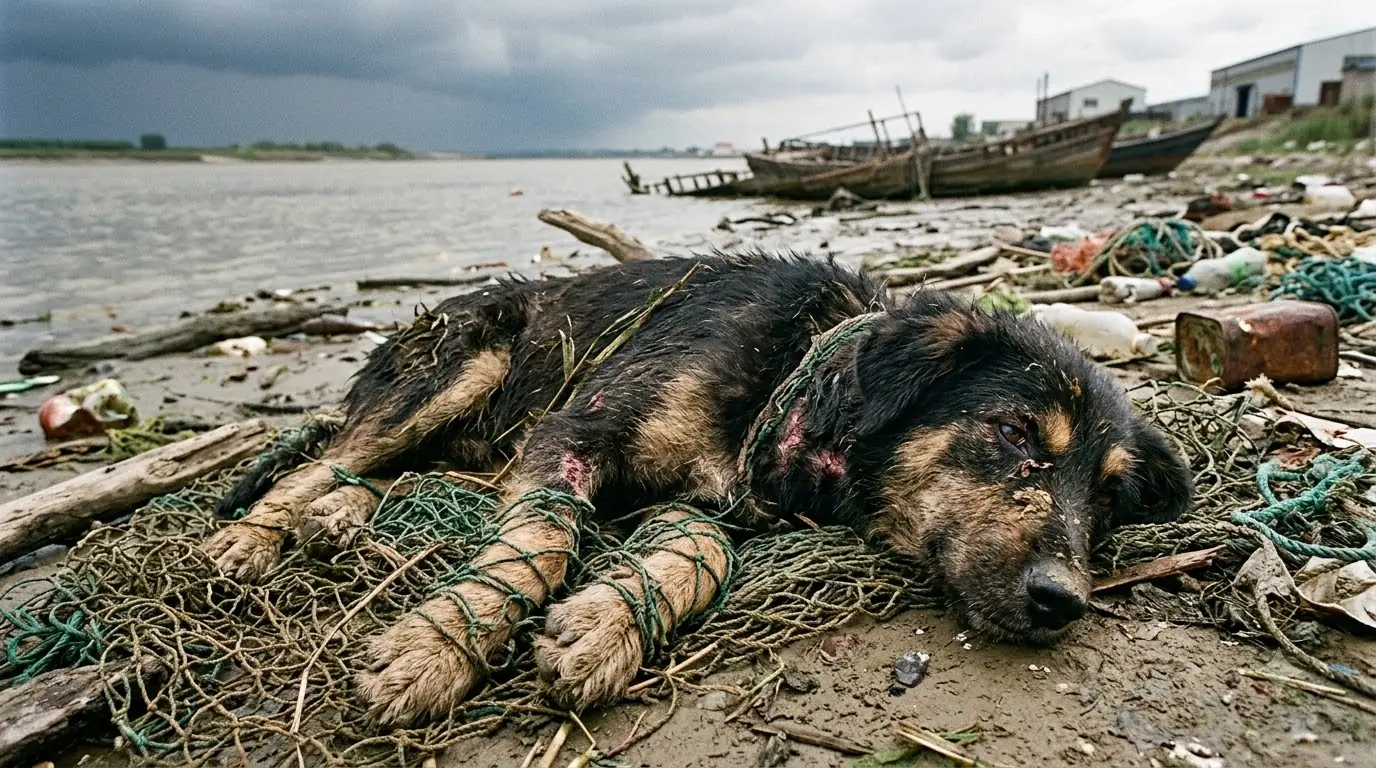
Emergency River Rescue Saves Stray Dog Entangled in Abandoned Fishing Net
Emergency Animal Rescue Saves Abandoned Puppy Buried Beneath Mountains of Garbage at Massive Landfill
Emergency Mountain Rescue Saves Stray Dog Trapped Between Massive Boulders After Landslide
Emergency Flood Rescue Saves Stray Dog Trapped Inside Concrete Drainage Canal
Emergency Animal Rescue Frees Stray Dog Trapped in Rusted Barbed Wire at Abandoned Industrial Site
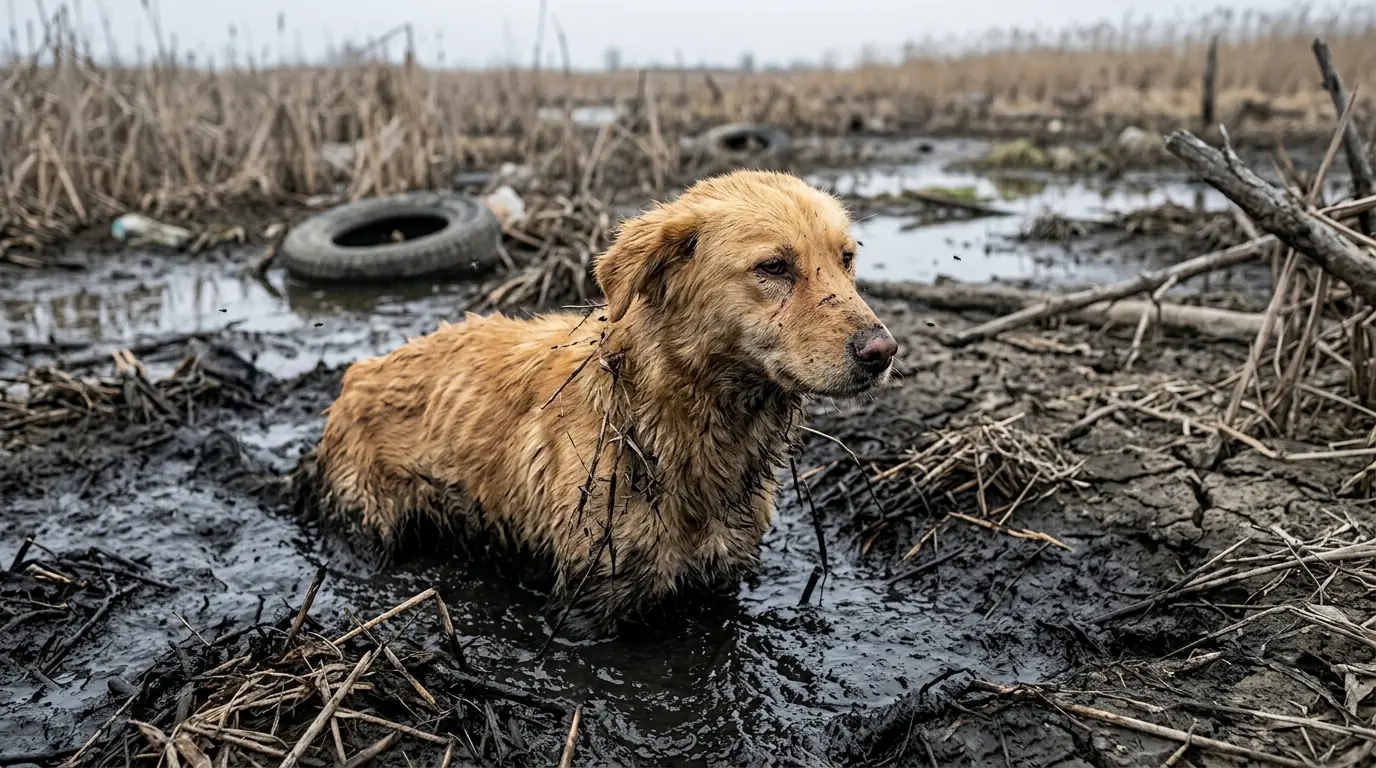
Emergency Animal Rescue Saves Stray Dog Trapped in Deep Marsh Mud After Days of Fighting to Survive
News Post
The Sergeant Tore Up Her Federal Warrant — Then Every Door Locked
The Officers Tried to Arrest Her on Her Own Porch — Then Their Captain Rushed to the Address
Rusty’s Recovery After Being Found Near a Dumpster
Benny’s Recovery After Being Found on the Street
Cruise Tourists Spotted a 100-Year-Old Sea Turtle—Then They Saw What Was Wrapped Around It
Oliver’s Journey After Being Left at the Shelter
Mabel’s Rescue and Her Journey with Seven Puppies

Die HOA-Nachbarin zerstörte seinen Lamborghini — dann bemerkte er die Kamera

Der arrogante Boxer forderte den alten Hausmeister heraus — dann sprach er eine letzte Warnung aus

Four Inmates Locked the Quiet Black Prisoner in the Shower — Then He Raised His Hands

The Little Girl Begged Him Not to Take Her — Then a Biker Saw Her Hand
Three Neighborhood Bullies Cornered the Quiet Man — Then His Stance Changed
She Destroyed Her Neighbor’s Chicken Coop — Then an Old File Fell Into the Dirt
She Smashed Her Neighbor’s Chicken Coop — Then an Old Property Sign Fell Out
CHAPTER 2: THE 38 HOMES IN THE BARN LOFT
CHAPTER 3: THE COMMUNITY THAT TOOK ITSELF BACK

"One Punch for $10K!" the Champion Taunted a Black Grandma — Then Everything Changed
The Neighborhood Bully Shoved the Quiet Man Into the Street — Then He Recognized His Stance
CHAPTER 2: WHEN THE INSTRUCTOR WOKE UP