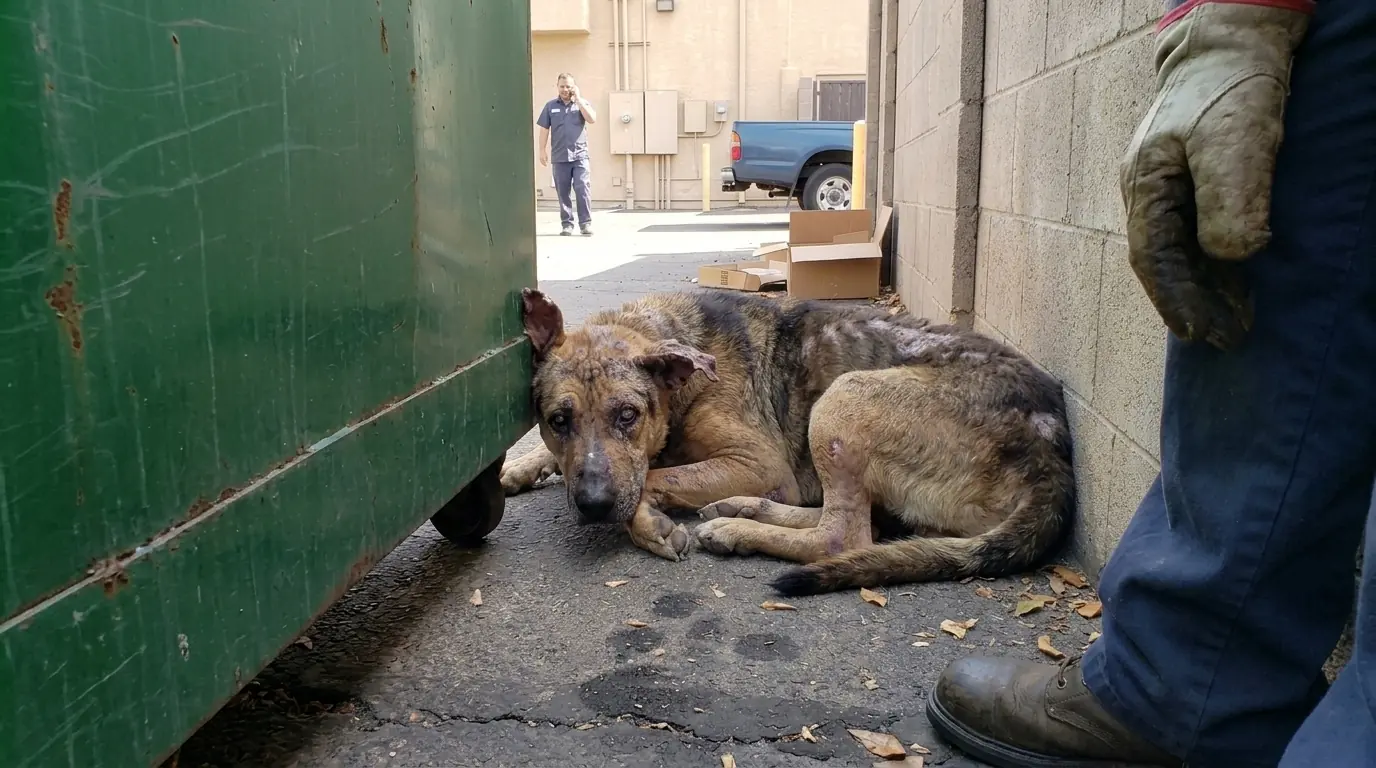
Emergency Disaster Rescue Saves Stray Dog Trapped Beneath Collapsed Concrete Drainage Pipe
Emergency Disaster Rescue Saves Stray Dog Trapped Beneath Collapsed Concrete Drainage Pipe
The rescue team heard faint breathing before they ever saw the dog.
Beneath the shattered remains of a massive concrete drainage pipe, a badly injured stray lay trapped after heavy rain had caused part of the old drainage system to collapse. Thousands of pounds of cracked concrete and twisted steel reinforcement bars pinned his lower body beneath the rubble. Only his head, chest, and one injured front leg remained visible above the debris.
Rainwater continued flowing around him.
Leaves, mud, and floating trash collected against his body while every slow breath caused his exhausted frame to tremble. His dirty brown coat was soaked with muddy water and streaked with dried blood. One front leg had been deeply lacerated by fractured concrete, while bruises and abrasions covered his muzzle, shoulders, and chest. His left eye was nearly swollen shut, and he barely had enough strength to lift his head.
The collapse had turned the drainage channel into a trap.
Every minute mattered.
A Complex Technical Rescue
Residents living nearby heard weak cries several hours after the storm had passed.
When rescue volunteers arrived, they quickly realized that attempting to pull the dog free could be fatal. The fractured concrete pipe remained unstable, and additional movement could shift the remaining sections, crushing the trapped animal.
A technical rescue team and local firefighters were called to assist.
Engineers first evaluated the damaged drainage structure before stabilization began.
Hydraulic struts, inflatable lifting bags, and heavy timber cribbing were carefully positioned beneath the broken pipe to prevent secondary collapse. Only after monitoring confirmed the structure was stable did rescuers begin removing smaller concrete fragments by hand.
Throughout the operation, a veterinarian remained beside the dog's head.
Oxygen was administered through a face mask while intravenous fluids were started through his exposed forelimb. Small doses of opioid analgesia and light sedation reduced pain without compromising his breathing.
Nearly two hours passed before rescuers created enough space to safely free his trapped body.
He was immediately transferred onto a vacuum immobilization mattress and transported to a regional emergency veterinary referral hospital.
Crush Trauma Became the Greatest Concern
Upon arrival, the emergency team prepared for complications commonly associated with prolonged compression injuries.
The dog had remained trapped beneath heavy concrete for several hours, placing him at high risk of crush syndrome, severe muscle injury, and life-threatening electrolyte disturbances.
Two intravenous catheters were placed immediately.
Aggressive balanced crystalloid fluid therapy began before complete diagnostic testing to protect the kidneys from muscle breakdown products released after decompression.
Continuous ECG monitoring was initiated because crush injuries frequently cause dangerous cardiac arrhythmias related to elevated potassium levels.
His Body Condition Score measured 2 out of 9, indicating severe chronic malnutrition.
His rectal temperature measured 99.0°F (37.2°C), while his heart rate remained elevated at 176 beats per minute.
Advanced Imaging Revealed Extensive Injuries
Whole-body digital radiographs and CT imaging identified multiple traumatic injuries.
The lower pelvis had sustained a stable pelvic ring fracture, accompanied by fractures of the left ischium and pubis.
Fortunately, the spine remained intact.
The deeply lacerated right forelimb showed no fractures, although extensive soft tissue damage extended through muscle and fascia.
Thoracic CT demonstrated pulmonary contusions caused by chest compression but no evidence of pneumothorax or major vascular injury.
Abdominal ultrasound revealed bruising around the bladder but no internal bleeding.
Bloodwork reflected the severity of the trauma.
Complete blood count demonstrated moderate anemia, dehydration, and significant leukocytosis.
Serum chemistry revealed creatine kinase levels exceeding 15,000 U/L, elevated AST, hyperkalemia, and mild metabolic acidosis—findings strongly consistent with prolonged crush injury.
Urinalysis detected myoglobin, confirming extensive muscle breakdown.
Emergency Surgery
The orthopedic and soft tissue surgery teams operated immediately.
The extensive forelimb laceration underwent aggressive surgical debridement, with embedded concrete fragments, gravel, and contaminated tissue carefully removed.
Several liters of sterile saline were used to irrigate the wound before layered reconstruction of damaged muscle and skin.
The pelvic fractures remained sufficiently aligned for conservative management using strict cage rest rather than surgical fixation.
Vacuum-assisted negative pressure wound therapy was applied over the largest forelimb injury to accelerate granulation tissue formation and reduce bacterial contamination.
Broad-spectrum intravenous antibiotics were started immediately because exposure to contaminated floodwater and concrete debris significantly increased infection risk.
Intensive Critical Care
For the next seventy-two hours, the dog remained in the intensive care unit.
Electrolytes, blood gases, kidney values, and creatine kinase concentrations were monitored every six hours.
Aggressive fluid therapy maintained excellent urine production, successfully preventing acute kidney injury despite severe muscle damage.
Cardiac rhythm gradually normalized as potassium levels returned to the normal range.
Pulmonary contusions improved with oxygen therapy and careful respiratory monitoring.
Pain control combined continuous opioid infusion, ketamine-based analgesia, and later oral multimodal pain management as his condition stabilized.
Nutritional Recovery
Long before the collapse, the dog had already been starving.
Veterinary nutrition specialists calculated his resting energy requirements and introduced a carefully controlled recovery feeding plan consisting of small, highly digestible meals every four hours.
Daily monitoring prevented refeeding syndrome while allowing healthy weight gain.
Within two weeks, his albumin levels improved, inflammatory markers declined, and healthy muscle mass slowly began returning.
Rehabilitation
After follow-up imaging confirmed stable pelvic healing, rehabilitation specialists introduced passive range-of-motion exercises followed by assisted standing sessions.
Hydrotherapy played a major role in recovery.
The underwater treadmill allowed him to strengthen weakened muscles while minimizing weight-bearing forces on his healing pelvis.
Each week brought measurable progress.
The swollen eye healed completely.
The forelimb wound gradually closed through healthy granulation tissue and reconstructive bandaging.
By the ninth week, he walked independently without assistance.
Although a mild pelvic stiffness remained after prolonged activity, orthopedic specialists expected excellent long-term function.
Emotional Healing
Physical recovery was only part of his journey.
Initially, loud mechanical noises caused him to panic, likely reminding him of the collapsing concrete structure.
Veterinary nurses patiently rebuilt his confidence using calm handling, predictable routines, and positive reinforcement.
Soon, the frightened stray began greeting staff with enthusiastic tail wags.
He eagerly anticipated rehabilitation sessions and quietly rested beside caregivers after each treatment.
The hopeless expression that once filled his swollen eye gradually disappeared.
A Life Beyond the Rubble
Twelve weeks after his rescue, follow-up examinations confirmed complete healing of his pelvic fractures, normal kidney function, fully healed wounds, and excellent overall recovery.
His Body Condition Score improved from 2/9 to 5/9, reflecting successful nutritional rehabilitation.
Today, he lives comfortably in foster care while waiting for a permanent family.
The collapsed drainage pipe that nearly became his grave has been replaced by grassy walks, soft bedding, regular meals, and people who ensured that his story would not end beneath broken concrete.
His remarkable survival highlights the extraordinary impact of coordinated technical rescue, advanced trauma surgery, intensive critical care, and patient rehabilitation—proving that even the most devastating disasters do not have to be the end of hope.
Tags:
News in the same category
Benny’s Recovery After Being Found on the Street
Cruise Tourists Spotted a 100-Year-Old Sea Turtle—Then They Saw What Was Wrapped Around It
Mabel’s Rescue and Her Journey with Seven Puppies
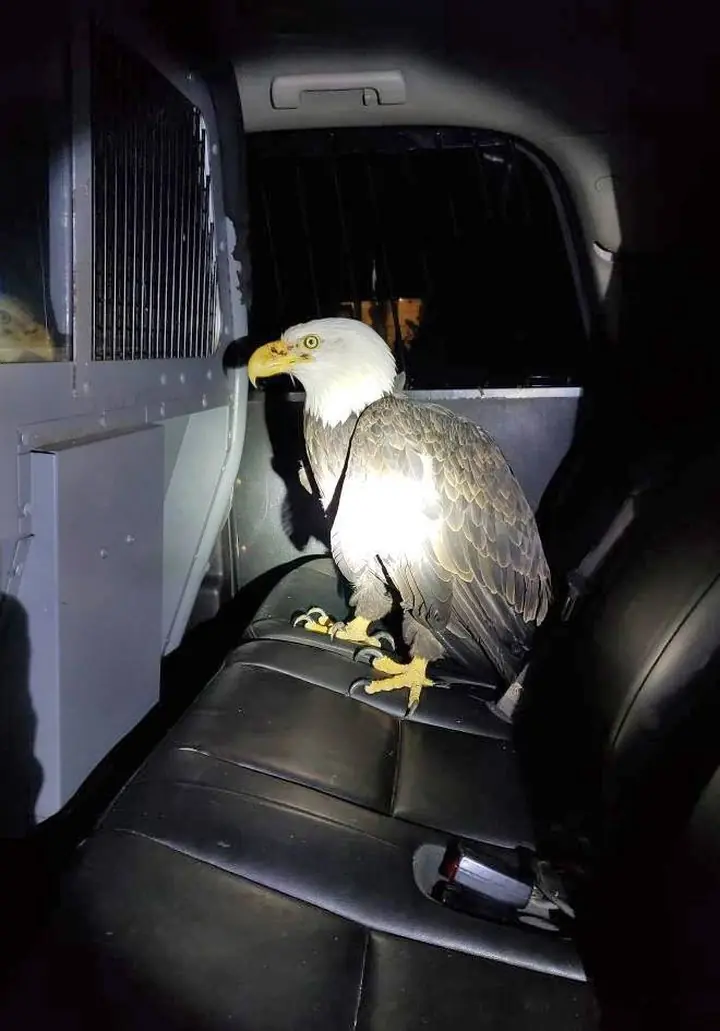
He was injured, sitting quietly in the back of a police car. Here's the latest update on his condition
A SMALL-TOWN POLICE OFFICER BROUGHT AN INJURED BALD EAGLE BACK TO THE STATION
A SMALL-TOWN POLICE OFFICER BROUGHT AN INJURED BALD EAGLE BACK TO THE STATION
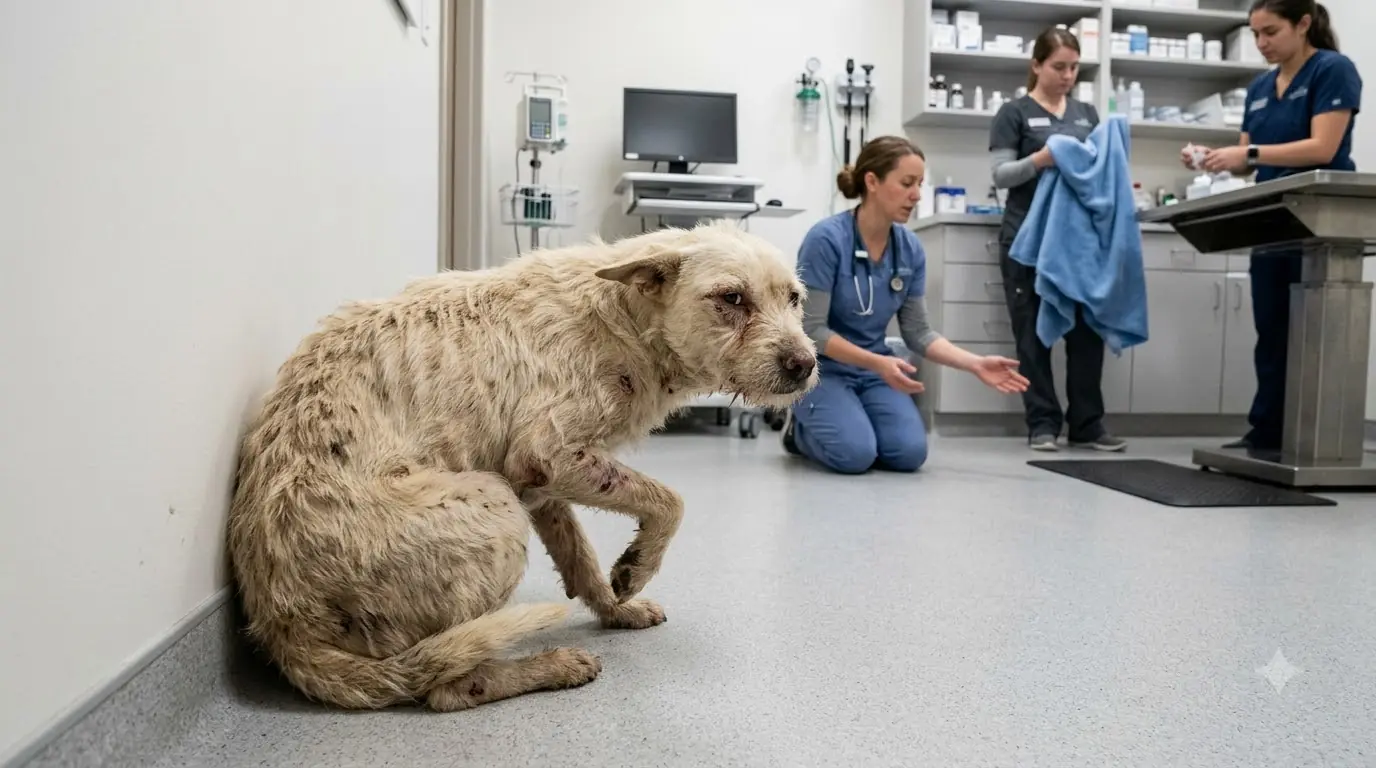
Emergency Veterinary Team Fights to Save Critically Injured Stray Dog Too Frightened to Stand
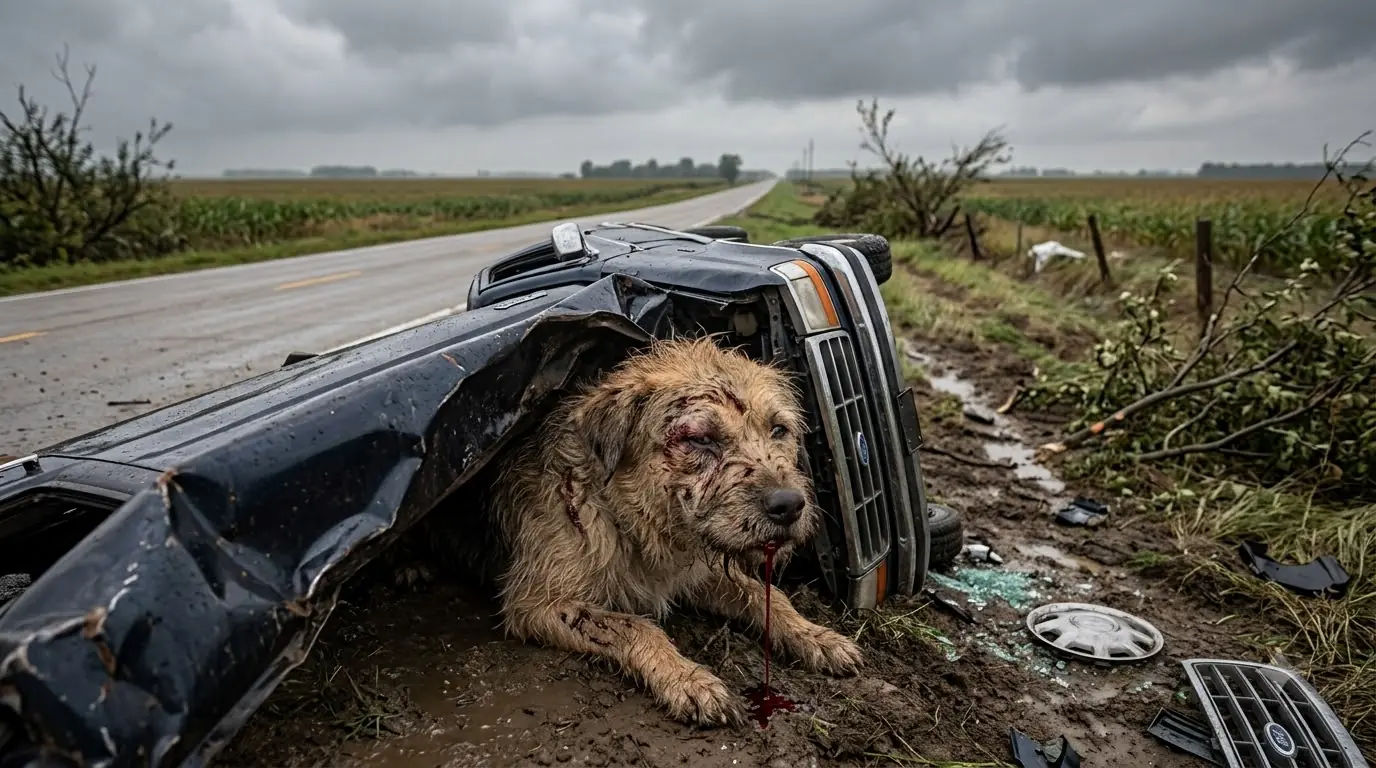
Emergency Highway Rescue Saves Stray Dog Trapped Beneath Overturned Pickup Truck After Violent Storm
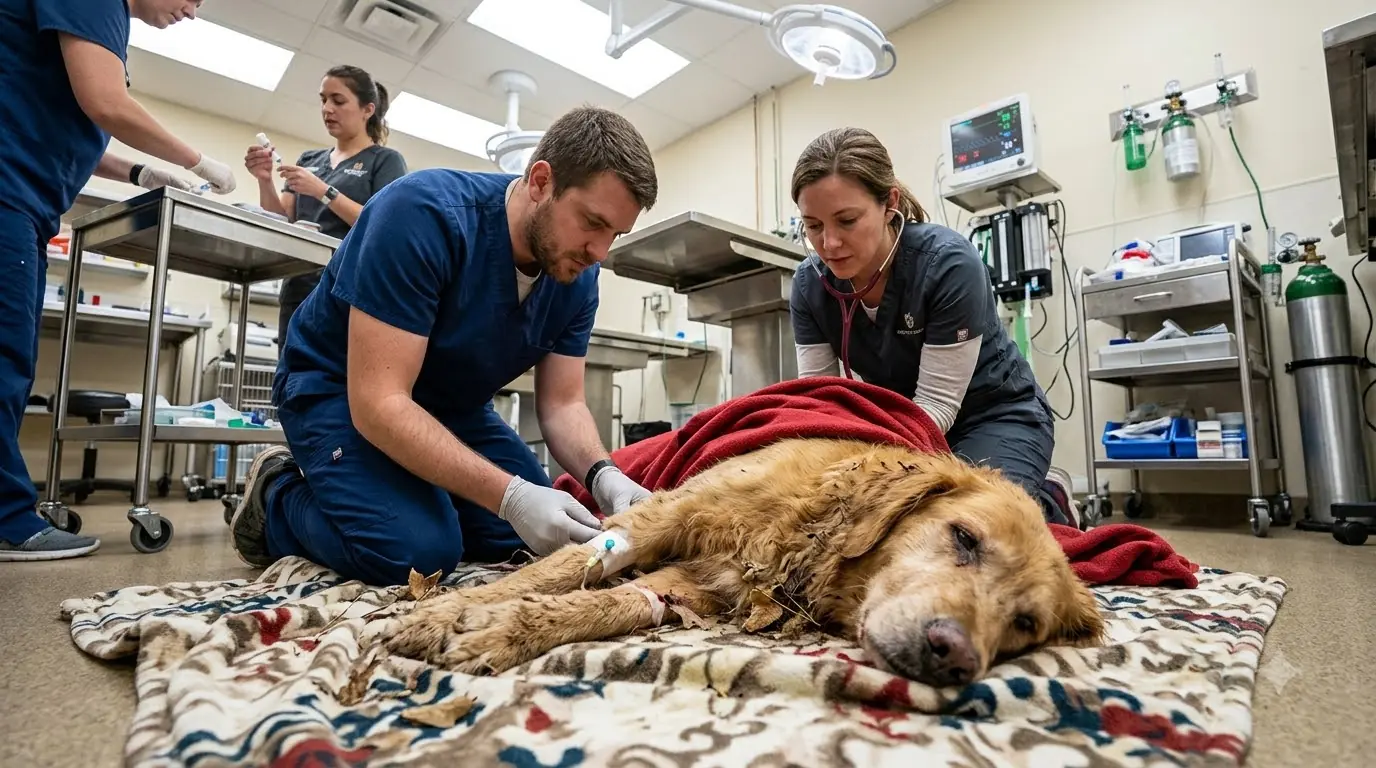
Emergency Veterinary Team Helps Severely Neglected Stray Dog Learn to Trust Again
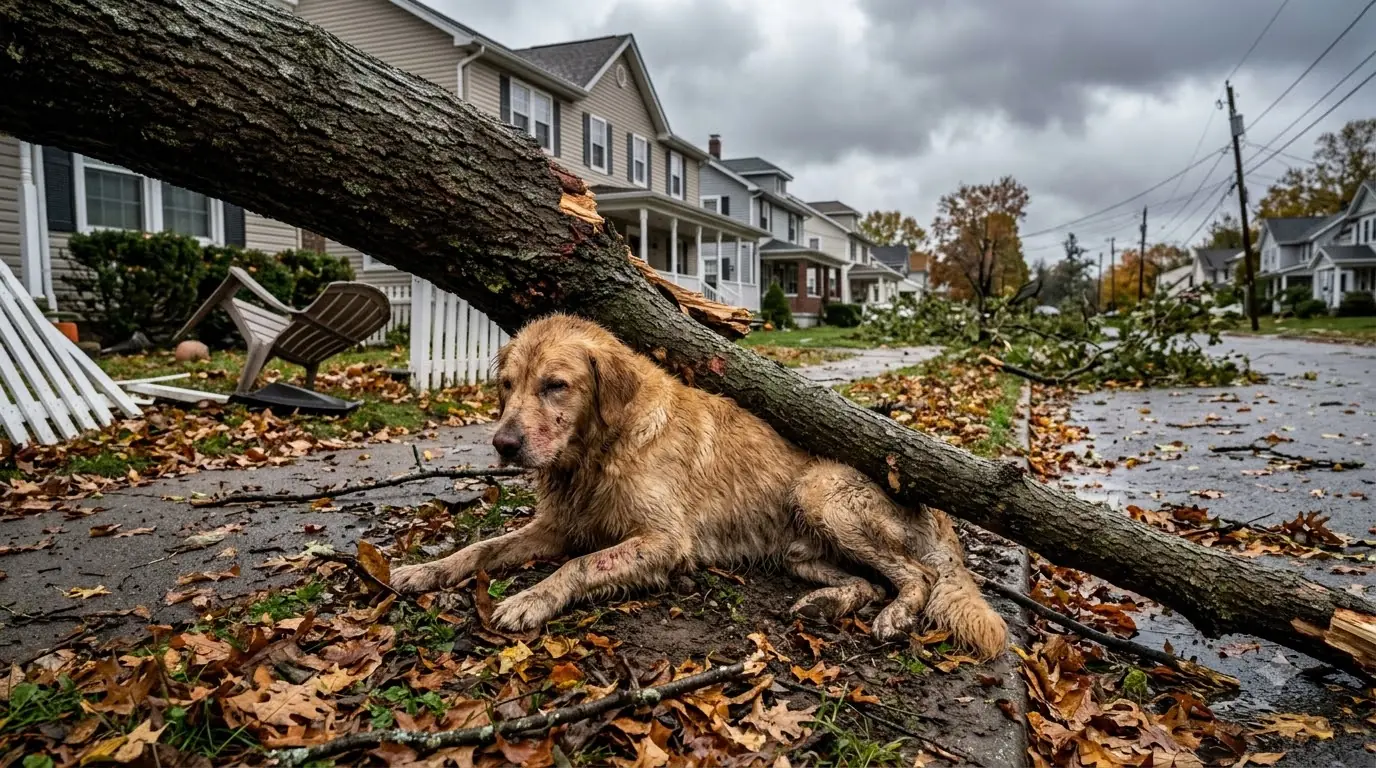
Emergency Storm Rescue Saves Severely Malnourished Stray Dog Trapped Beneath Fallen Oak Tree
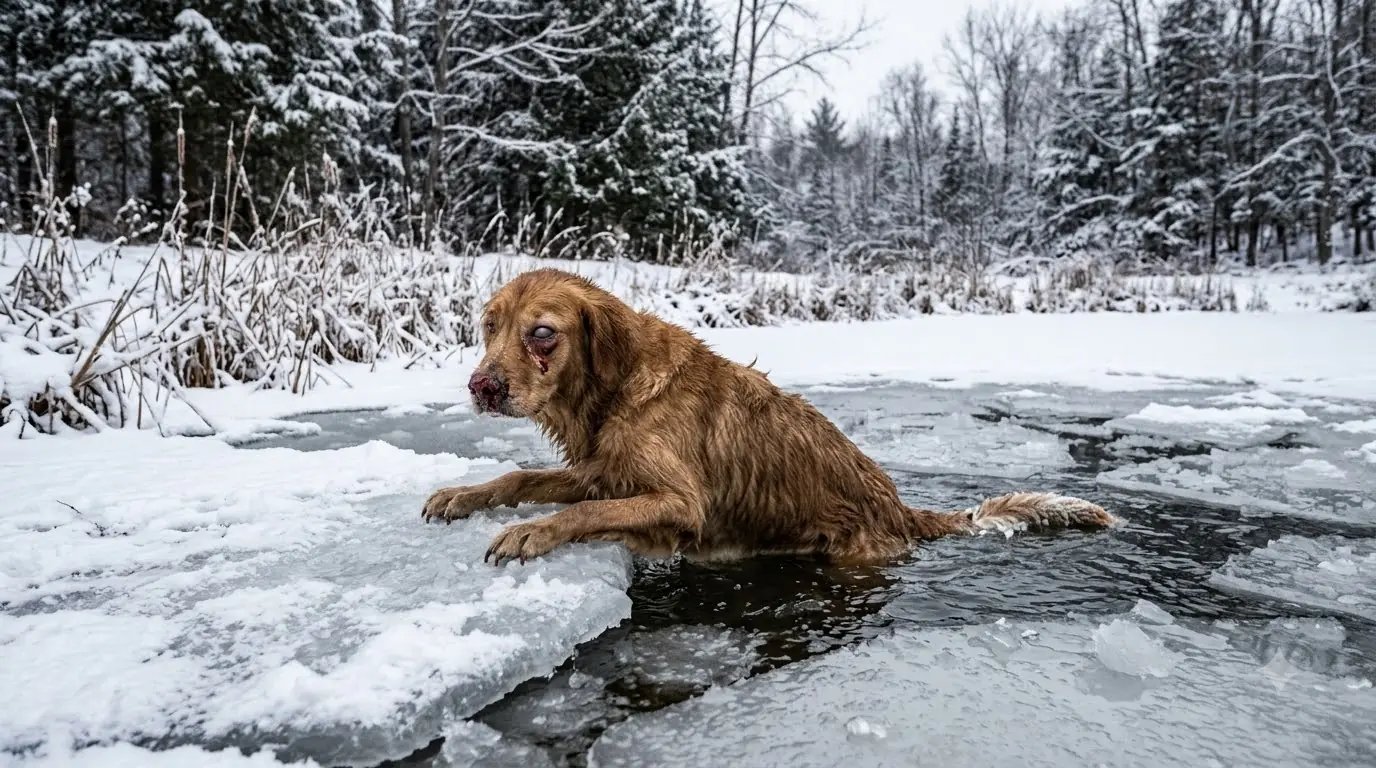
Emergency Ice Rescue Saves Starving Stray Dog Trapped in Freezing Pond
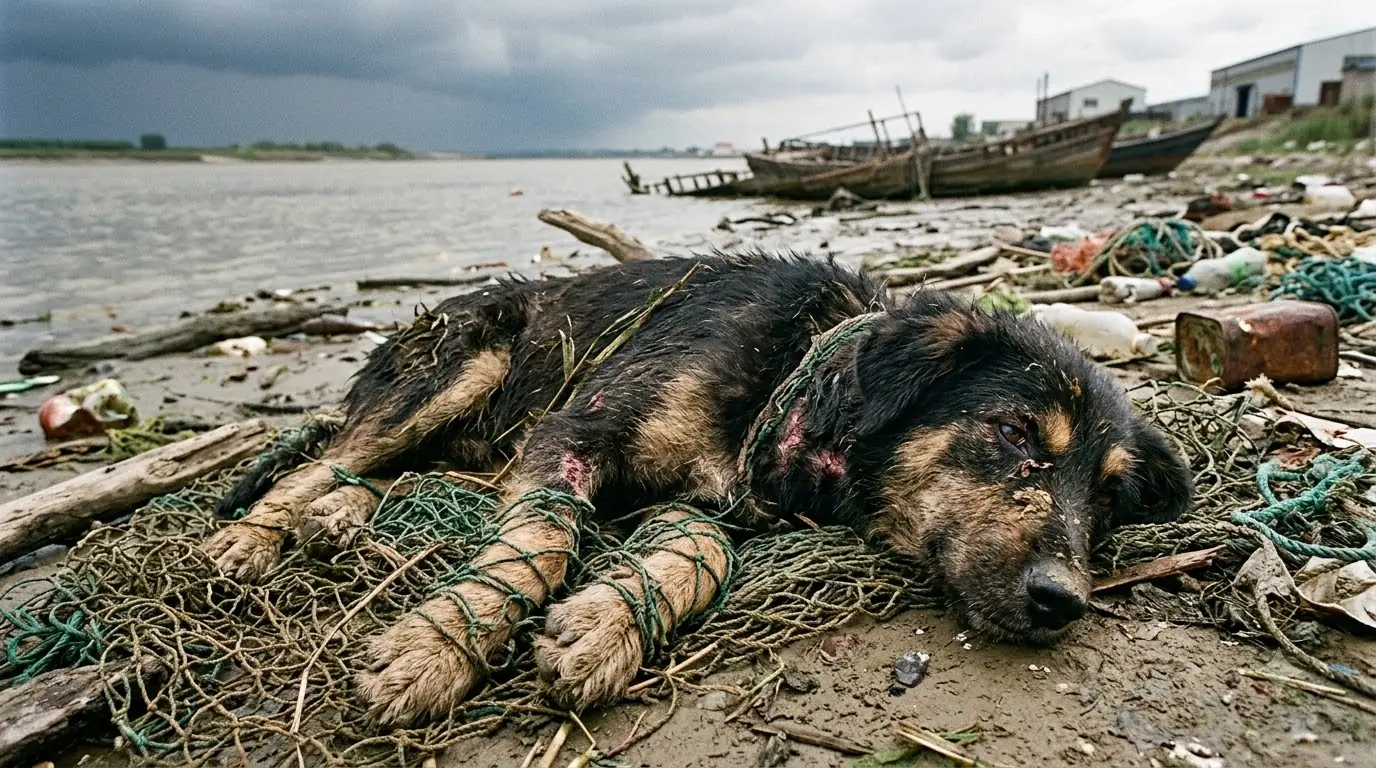
Emergency River Rescue Saves Stray Dog Entangled in Abandoned Fishing Net
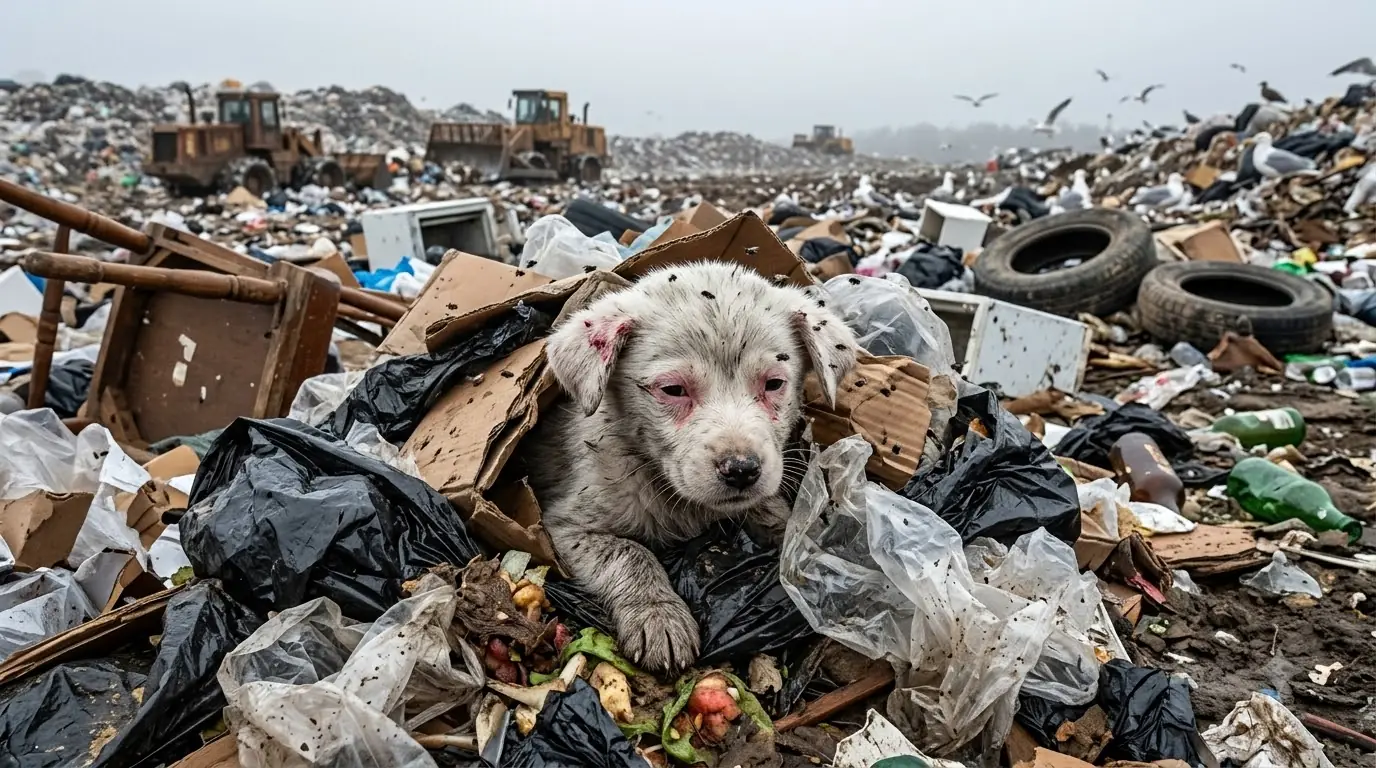
Emergency Animal Rescue Saves Abandoned Puppy Buried Beneath Mountains of Garbage at Massive Landfill

Emergency Cliff Rescue Saves Stray Dog Left Hanging Above a Deep Mountain Ravine
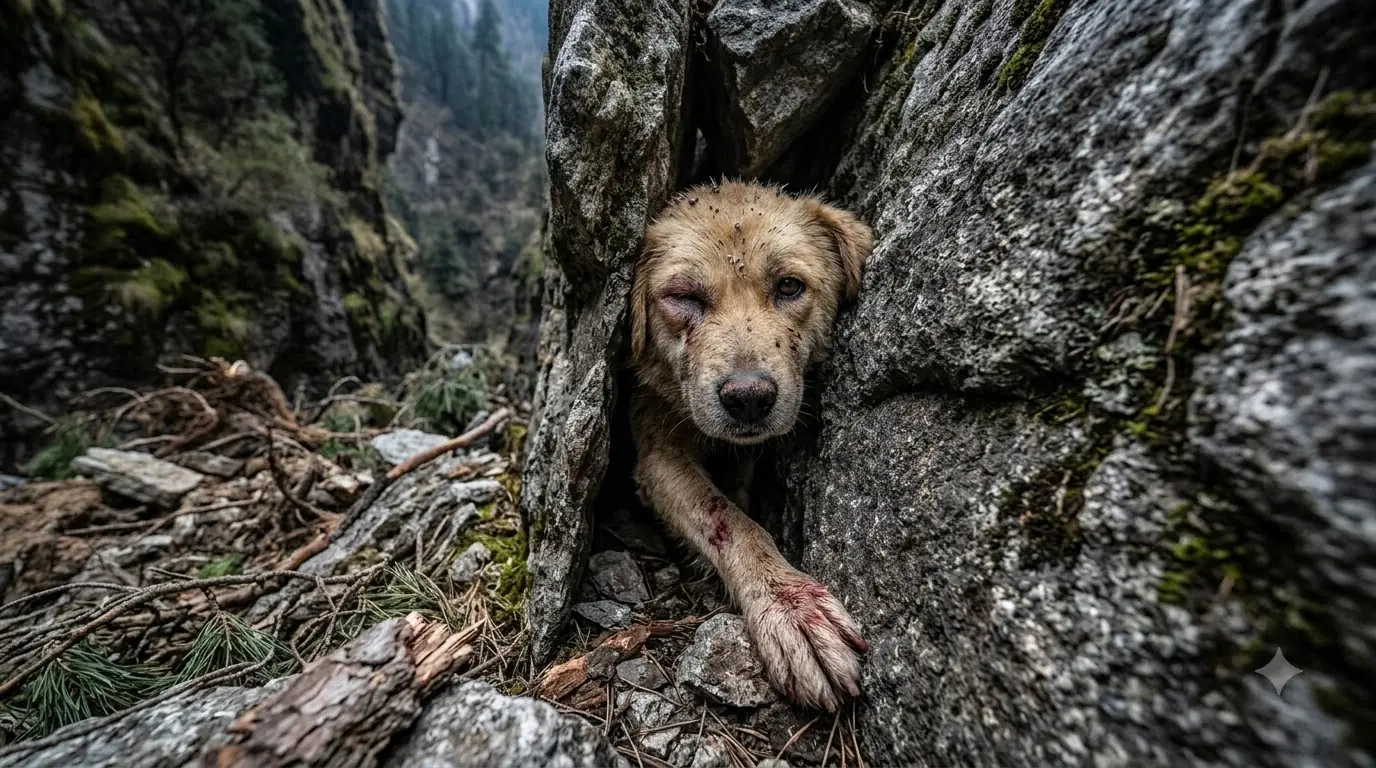
Emergency Mountain Rescue Saves Stray Dog Trapped Between Massive Boulders After Landslide
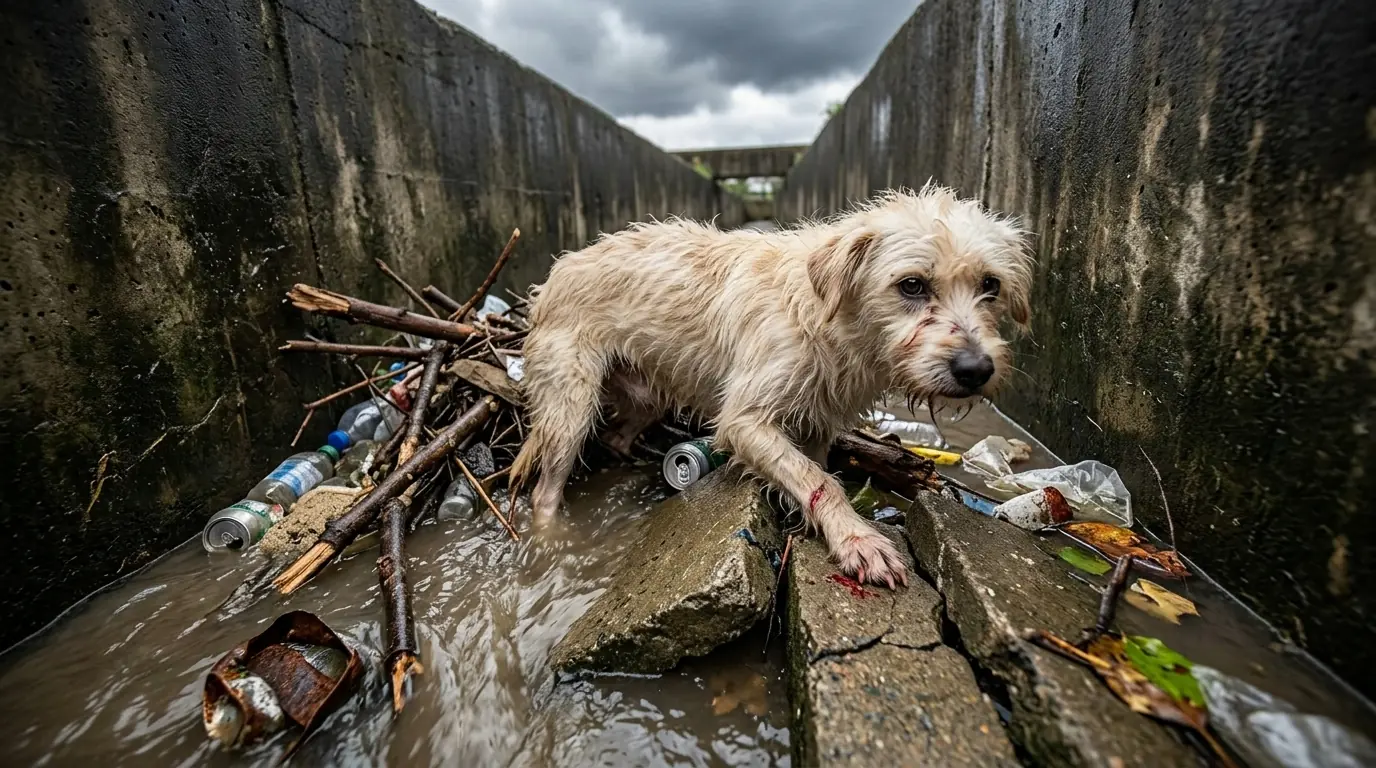
Emergency Flood Rescue Saves Stray Dog Trapped Inside Concrete Drainage Canal
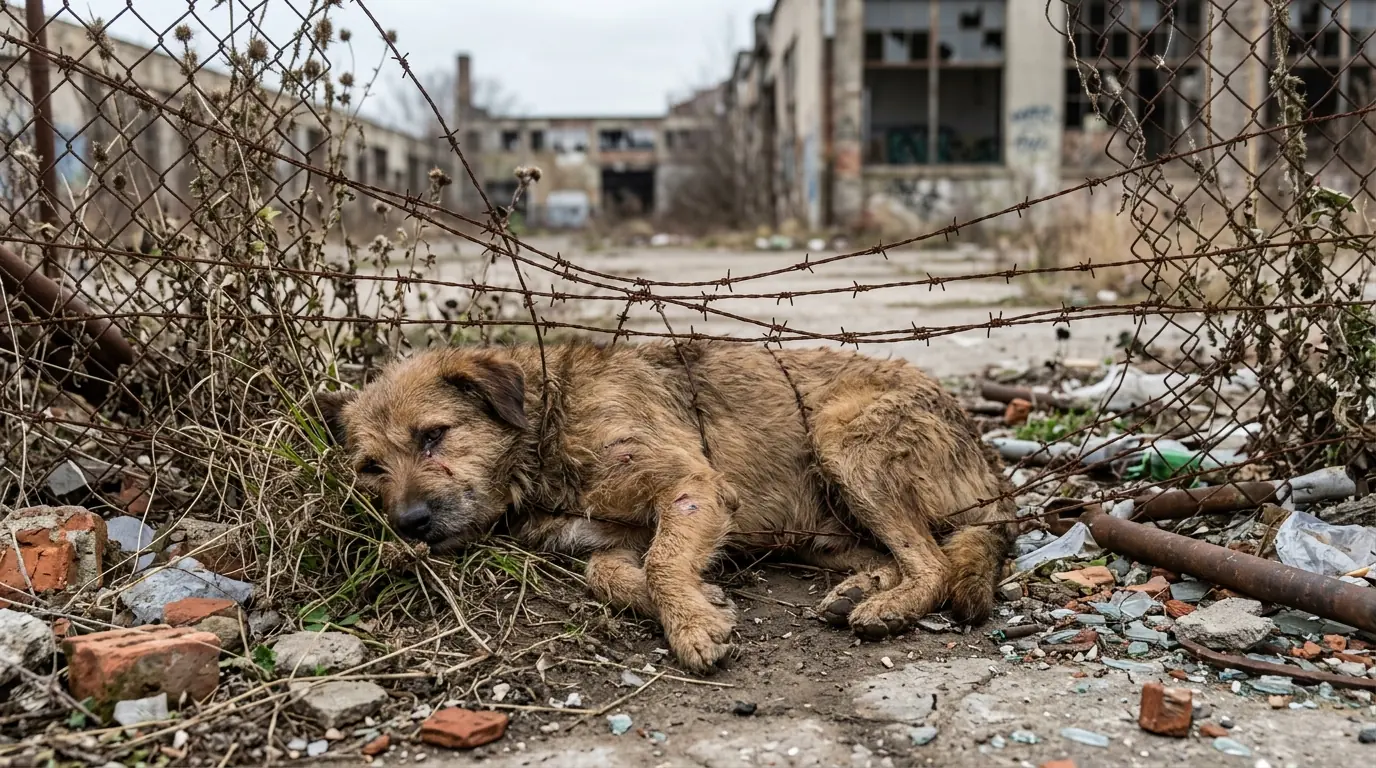
Emergency Animal Rescue Frees Stray Dog Trapped in Rusted Barbed Wire at Abandoned Industrial Site
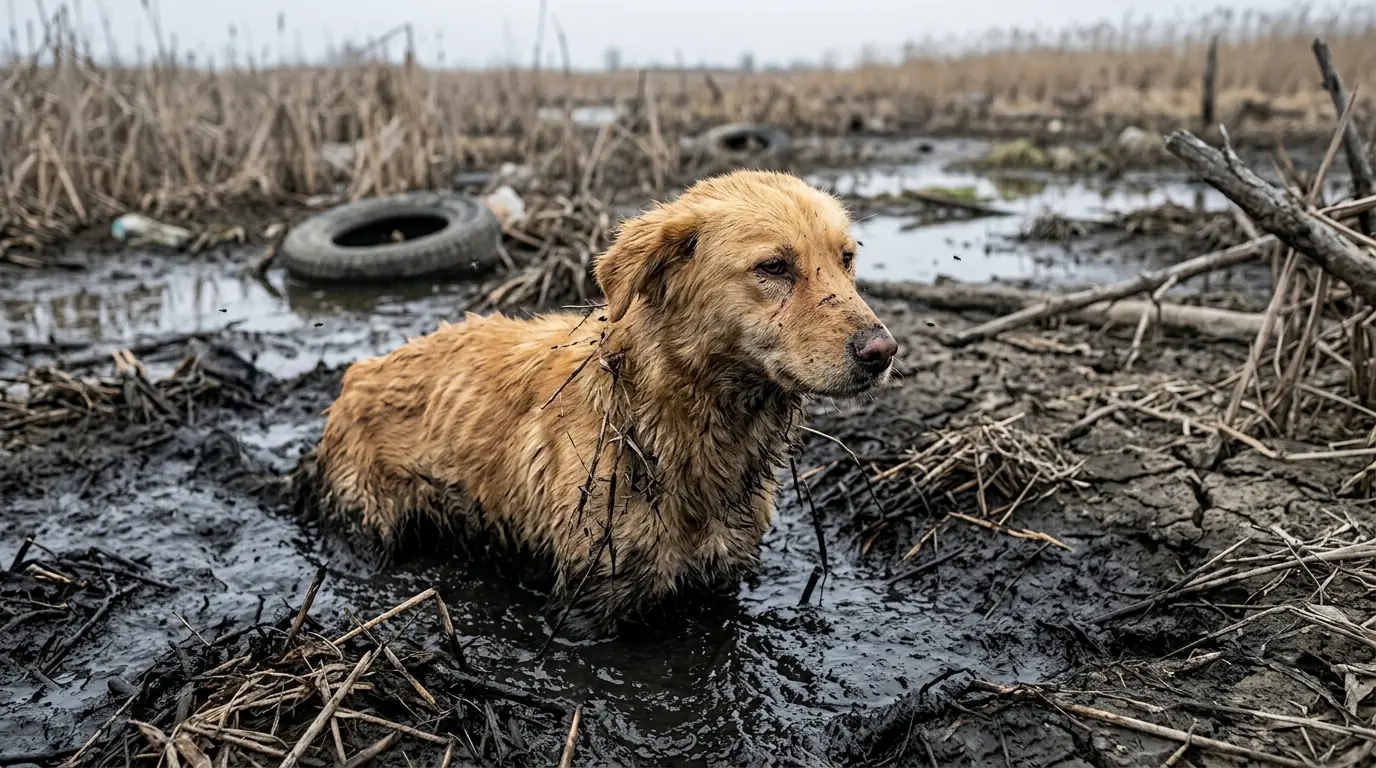
Emergency Animal Rescue Saves Stray Dog Trapped in Deep Marsh Mud After Days of Fighting to Survive
News Post
The Sergeant Tore Up Her Federal Warrant — Then Every Door Locked
The Officers Tried to Arrest Her on Her Own Porch — Then Their Captain Rushed to the Address
Rusty’s Recovery After Being Found Near a Dumpster
Benny’s Recovery After Being Found on the Street
Cruise Tourists Spotted a 100-Year-Old Sea Turtle—Then They Saw What Was Wrapped Around It
Oliver’s Journey After Being Left at the Shelter
Mabel’s Rescue and Her Journey with Seven Puppies

Die HOA-Nachbarin zerstörte seinen Lamborghini — dann bemerkte er die Kamera

Der arrogante Boxer forderte den alten Hausmeister heraus — dann sprach er eine letzte Warnung aus
Four Inmates Locked the Quiet Black Prisoner in the Shower — Then He Raised His Hands

The Little Girl Begged Him Not to Take Her — Then a Biker Saw Her Hand
Three Neighborhood Bullies Cornered the Quiet Man — Then His Stance Changed
She Destroyed Her Neighbor’s Chicken Coop — Then an Old File Fell Into the Dirt
She Smashed Her Neighbor’s Chicken Coop — Then an Old Property Sign Fell Out
CHAPTER 2: THE 38 HOMES IN THE BARN LOFT
CHAPTER 3: THE COMMUNITY THAT TOOK ITSELF BACK

"One Punch for $10K!" the Champion Taunted a Black Grandma — Then Everything Changed
The Neighborhood Bully Shoved the Quiet Man Into the Street — Then He Recognized His Stance
CHAPTER 2: WHEN THE INSTRUCTOR WOKE UP