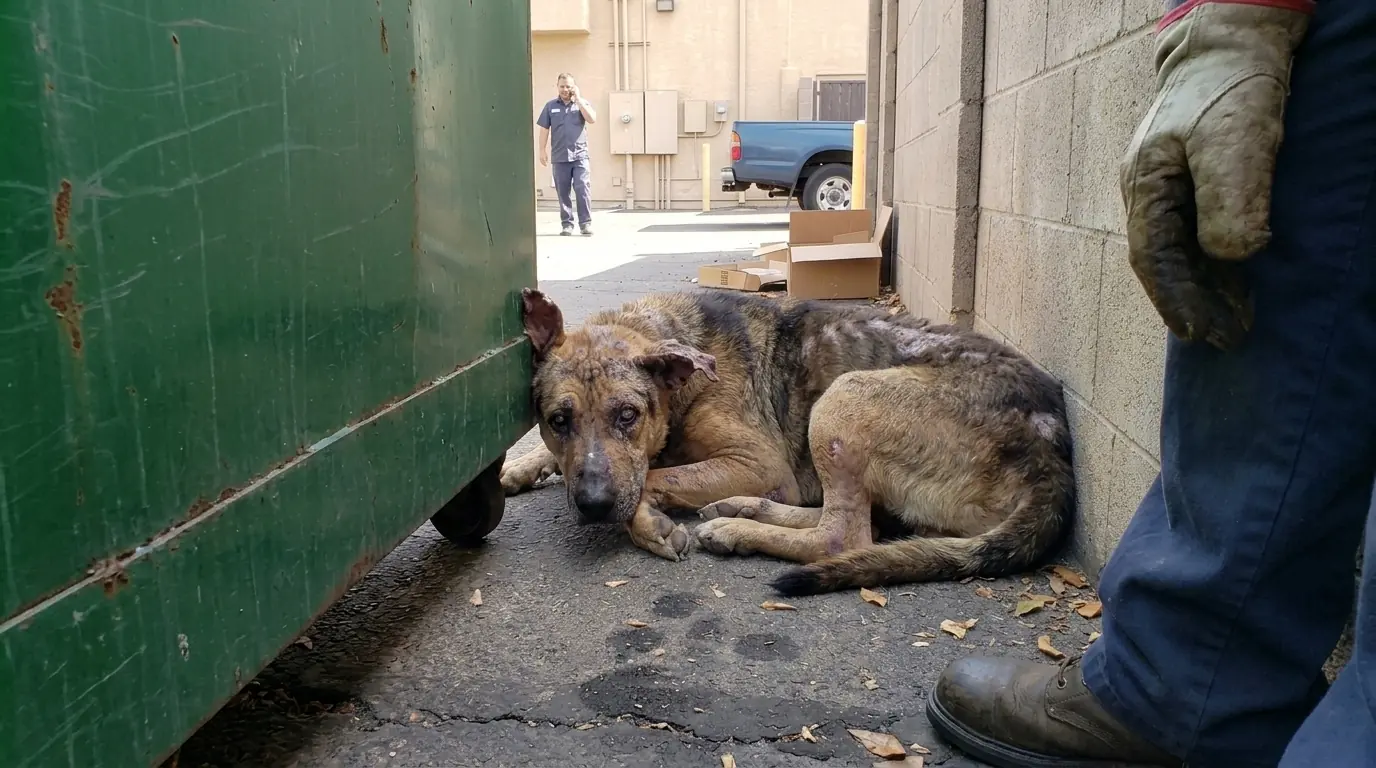
Emergency Highway Rescue Saves Stray Dog Trapped Beneath Overturned Pickup Truck After Violent Storm
Emergency Highway Rescue Saves Stray Dog Trapped Beneath Overturned Pickup Truck After Violent Storm
The first sound the firefighters heard wasn't coming from the truck.
It came from underneath it.
As emergency crews cleared storm debris along a quiet rural highway in the American Midwest, a faint whimper echoed beneath an overturned pickup truck resting on its crushed roof. Hidden beneath the twisted frame was a badly injured stray dog.
Only his head, shoulders, and one trembling front paw could be seen.
The truck's undercarriage had pinned his lower body against the muddy roadside, leaving him completely unable to move. Rainwater continued dripping from the damaged vehicle onto his dirty tan coat, while dried blood mixed with mud around several deep wounds. One eye was swollen nearly shut, and every shallow breath caused his exhausted body to tremble.
He had survived the storm.
Now he needed to survive the wreckage.
A Technical Rescue on an Empty Highway
The pickup had apparently lost control during the previous night's severe thunderstorm, leaving the vehicle overturned beside a long stretch of highway surrounded by cornfields.
Although the driver had already been rescued hours earlier, no one realized an injured stray dog remained trapped beneath the wreckage.
A highway maintenance worker heard weak cries while inspecting the accident scene later that morning.
Animal rescue volunteers joined firefighters and a heavy rescue unit to assess the situation.
The truck remained unstable.
Any attempt to roll it upright without proper stabilization could shift thousands of pounds of metal onto the trapped dog.
Rescuers secured the vehicle using heavy-duty stabilization struts, wheel chocks, and cribbing blocks before positioning hydraulic lifting airbags beneath the frame.
Throughout the operation, a veterinarian remained beside the dog's exposed head.
An intravenous catheter was carefully placed into his visible front leg to begin warmed fluid therapy while oxygen was delivered through a small face mask. Low-dose opioid analgesia was administered to control pain without significantly affecting his blood pressure or breathing.
After nearly ninety minutes of coordinated work, the truck was lifted just high enough for rescuers to slide a rigid rescue board beneath the dog.
He was immediately transported to a regional veterinary trauma center.
Preparing for Crush Injury
The dog arrived in critical condition.
Because his lower body had remained compressed beneath the truck for several hours, veterinarians immediately prepared for crush syndrome, a potentially fatal condition that develops when damaged muscles release toxins into the bloodstream after pressure is removed.
Two large-bore intravenous catheters were placed, and aggressive balanced crystalloid fluid therapy was started before extensive diagnostics.
Continuous ECG monitoring was initiated because crush injuries often produce dangerous cardiac arrhythmias caused by electrolyte disturbances.
His Body Condition Score measured 2 out of 9, indicating severe chronic malnutrition long before the accident.
His rectal temperature measured 99.1°F (37.3°C).
His gums were pale, and capillary refill time was prolonged, suggesting poor circulation related to shock and blood loss.
Trauma Assessment Revealed Multiple Injuries
After carefully removing mud and debris from his coat, the veterinary team documented extensive injuries.
Deep lacerations crossed his chest and right forelimb where twisted metal had torn through the skin. Dirt, rust particles, and small fragments of paint were embedded throughout the wounds.
Whole-body CT imaging and digital radiographs identified a stable pelvic fracture, a fracture of the left femur, and multiple fractures involving the metatarsal bones of the left hind paw.
Fortunately, no spinal fractures were detected.
Thoracic CT revealed mild pulmonary contusions caused by compression beneath the vehicle but showed no evidence of pneumothorax or major internal bleeding.
Ophthalmic examination confirmed severe swelling around the left eye without permanent damage to the globe.
Laboratory Findings
Complete blood count revealed moderate anemia, dehydration, and marked leukocytosis consistent with severe tissue trauma.
Serum chemistry demonstrated creatine kinase levels above 14,000 U/L, elevated AST, mild hyperkalemia, and metabolic acidosis, findings consistent with prolonged muscle compression.
Urinalysis detected myoglobin released from damaged muscle tissue, placing the kidneys at risk if aggressive treatment was delayed.
Fortunately, initial kidney values remained within the normal range.
Emergency Surgery
The orthopedic and soft tissue surgery teams operated the same day.
The fractured femur was stabilized using a locking compression plate and titanium screws to restore normal alignment.
Because the pelvic fracture remained stable, surgeons elected conservative management with strict activity restriction rather than surgical fixation.
The extensive chest and forelimb lacerations underwent meticulous surgical debridement. Contaminated tissue, rust fragments, gravel, and embedded debris were removed before several liters of sterile saline were used to irrigate the wounds.
Negative-pressure wound therapy was applied to the largest soft tissue injury to improve drainage and accelerate healthy granulation tissue.
Broad-spectrum intravenous antibiotics were started immediately because roadside contamination significantly increased the risk of infection.
Intensive Care Saved His Organs
For the first seventy-two hours, the intensive care team focused on preventing complications from crush injury.
Intravenous fluids maintained excellent urine production while blood chemistry, electrolytes, creatine kinase, and kidney function were monitored every six hours.
As muscle enzyme levels gradually declined, the risk of acute kidney injury decreased significantly.
Repeat thoracic imaging demonstrated steady improvement of the pulmonary contusions, allowing oxygen supplementation to be discontinued after two days.
Pain management combined continuous opioid infusion with ketamine-based multimodal analgesia before transitioning to oral medications as his condition stabilized.
Rebuilding a Starved Body
Long before the accident, the dog had clearly been living without adequate nutrition.
Veterinary nutrition specialists introduced a carefully calculated recovery feeding program using small, highly digestible meals every four hours. Electrolytes and phosphorus were monitored closely to prevent refeeding syndrome while allowing safe weight gain.
Within two weeks, his appetite had returned completely.
Healthy muscle slowly replaced the sharp outlines of his ribs and spine.
Learning to Walk Again
Six weeks after surgery, follow-up radiographs confirmed excellent healing of the repaired femur.
Rehabilitation specialists introduced passive range-of-motion exercises followed by underwater treadmill therapy to rebuild strength while minimizing stress on the healing pelvis.
Week after week, his gait improved.
The swollen eye healed completely, his chest wounds closed with healthy scar tissue, and new tan fur gradually covered previously injured skin.
By the tenth week, he could walk independently with only a mild limp after prolonged activity.
A Safe Road Ahead
Physical recovery was remarkable, but emotional healing took patience.
At first, loud engine noises caused him to freeze in fear.
With gentle handling, predictable routines, and positive reinforcement, he slowly regained confidence.
Soon, the frightened dog who had once lain trapped beneath twisted metal began greeting caregivers with wagging tails and eagerly looked forward to his daily rehabilitation walks.
Today, he lives with a foster family while waiting for adoption.
Instead of lying helpless beneath an overturned truck on a deserted highway, he now spends his days exploring safe fields, sleeping on warm blankets, and enjoying the stability every dog deserves.
His recovery is a powerful reminder that coordinated technical rescue, advanced veterinary trauma care, orthopedic surgery, and compassionate rehabilitation can transform even the most desperate roadside disaster into a story of survival, healing, and hope.
Tags:
News in the same category
Benny’s Recovery After Being Found on the Street
Cruise Tourists Spotted a 100-Year-Old Sea Turtle—Then They Saw What Was Wrapped Around It
Mabel’s Rescue and Her Journey with Seven Puppies
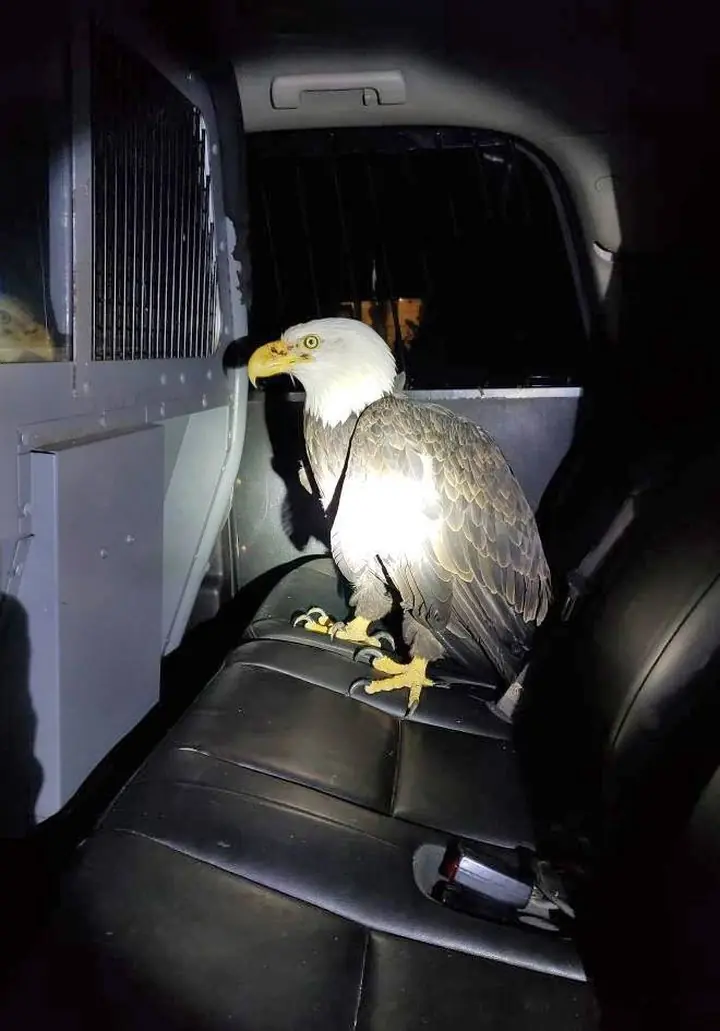
He was injured, sitting quietly in the back of a police car. Here's the latest update on his condition
A SMALL-TOWN POLICE OFFICER BROUGHT AN INJURED BALD EAGLE BACK TO THE STATION
A SMALL-TOWN POLICE OFFICER BROUGHT AN INJURED BALD EAGLE BACK TO THE STATION
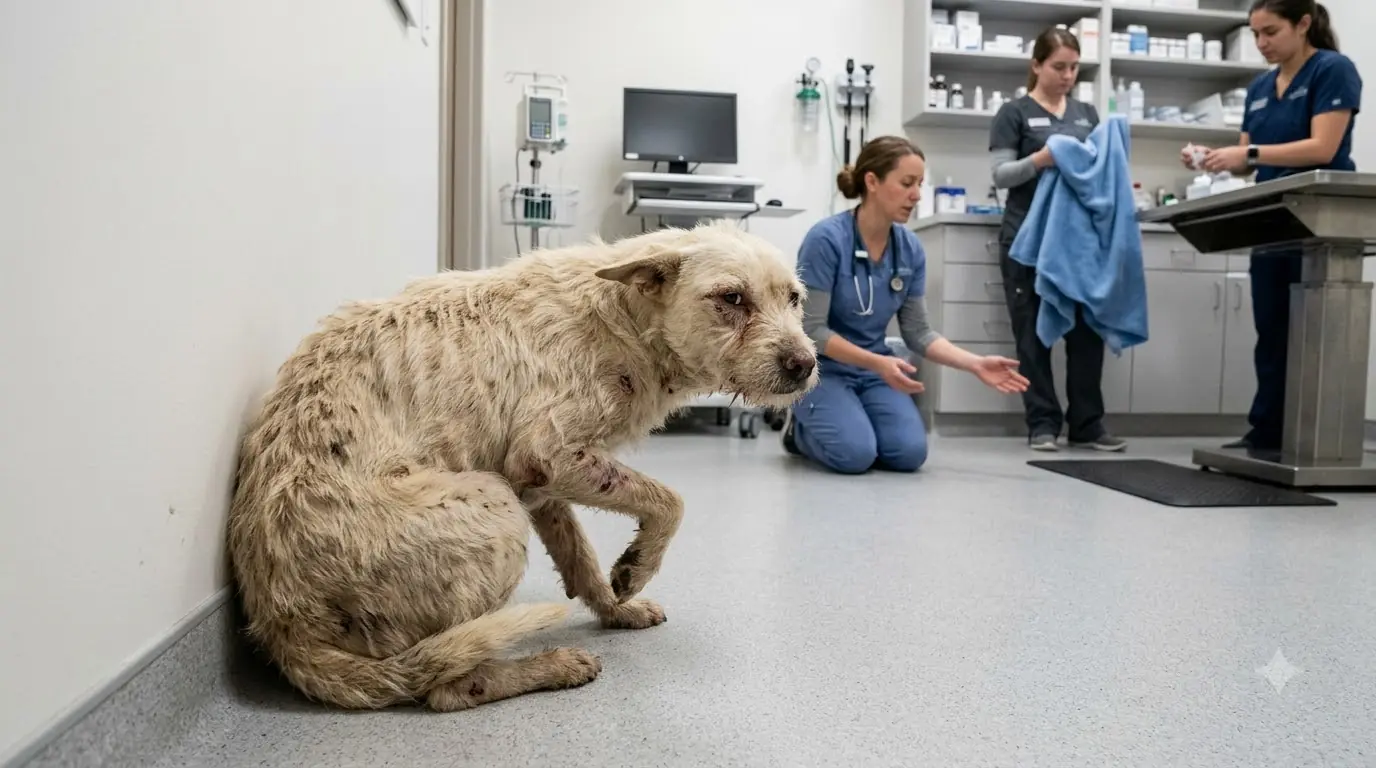
Emergency Veterinary Team Fights to Save Critically Injured Stray Dog Too Frightened to Stand
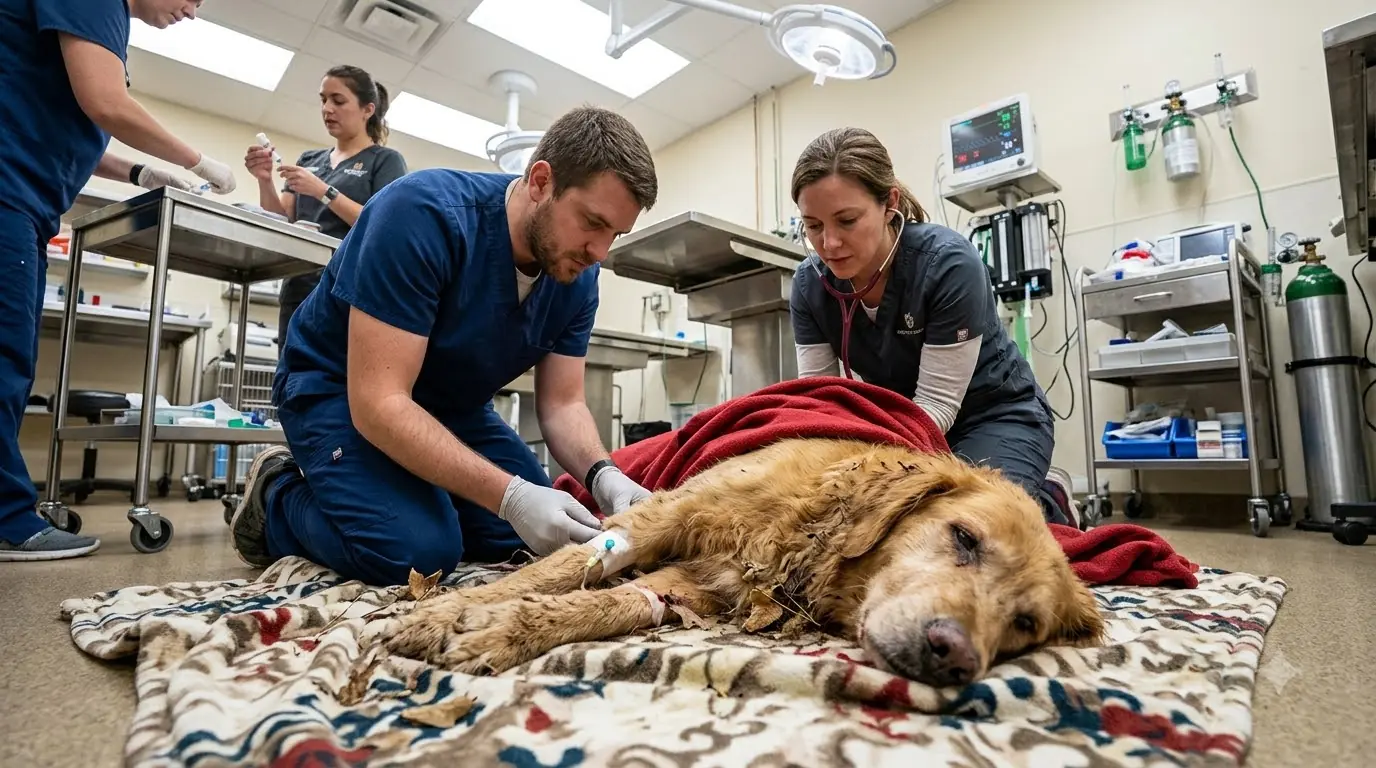
Emergency Veterinary Team Helps Severely Neglected Stray Dog Learn to Trust Again
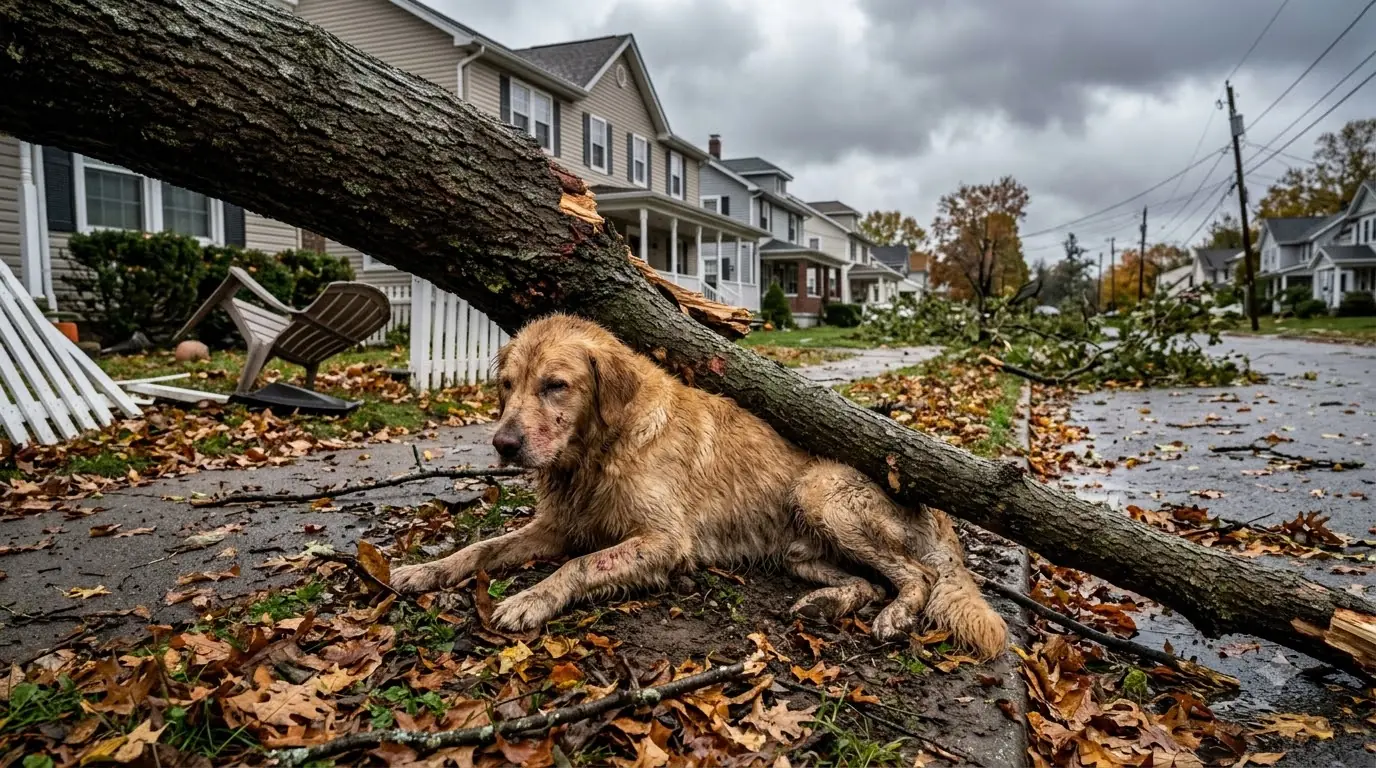
Emergency Storm Rescue Saves Severely Malnourished Stray Dog Trapped Beneath Fallen Oak Tree
Emergency Disaster Rescue Saves Stray Dog Trapped Beneath Collapsed Concrete Drainage Pipe
Emergency Ice Rescue Saves Starving Stray Dog Trapped in Freezing Pond
Emergency River Rescue Saves Stray Dog Entangled in Abandoned Fishing Net
Emergency Animal Rescue Saves Abandoned Puppy Buried Beneath Mountains of Garbage at Massive Landfill

Emergency Cliff Rescue Saves Stray Dog Left Hanging Above a Deep Mountain Ravine
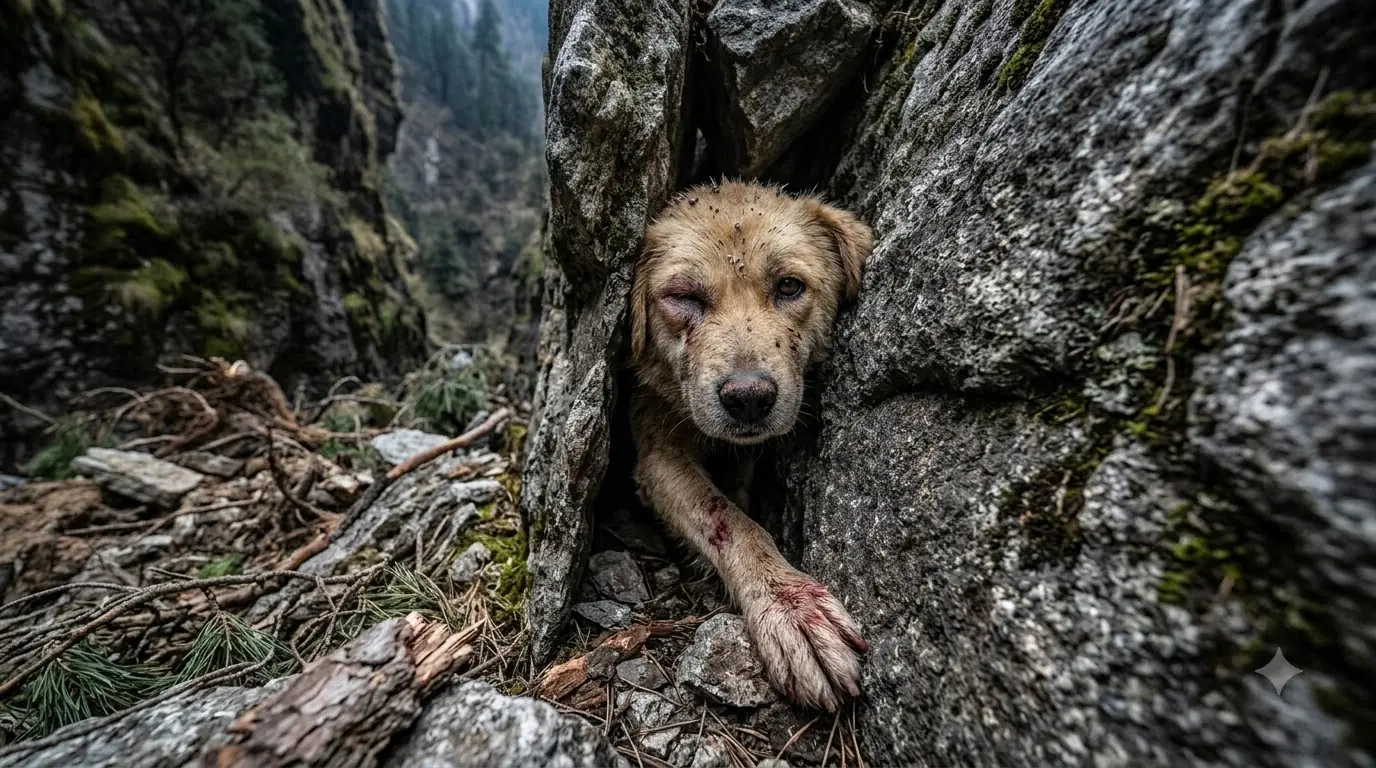
Emergency Mountain Rescue Saves Stray Dog Trapped Between Massive Boulders After Landslide
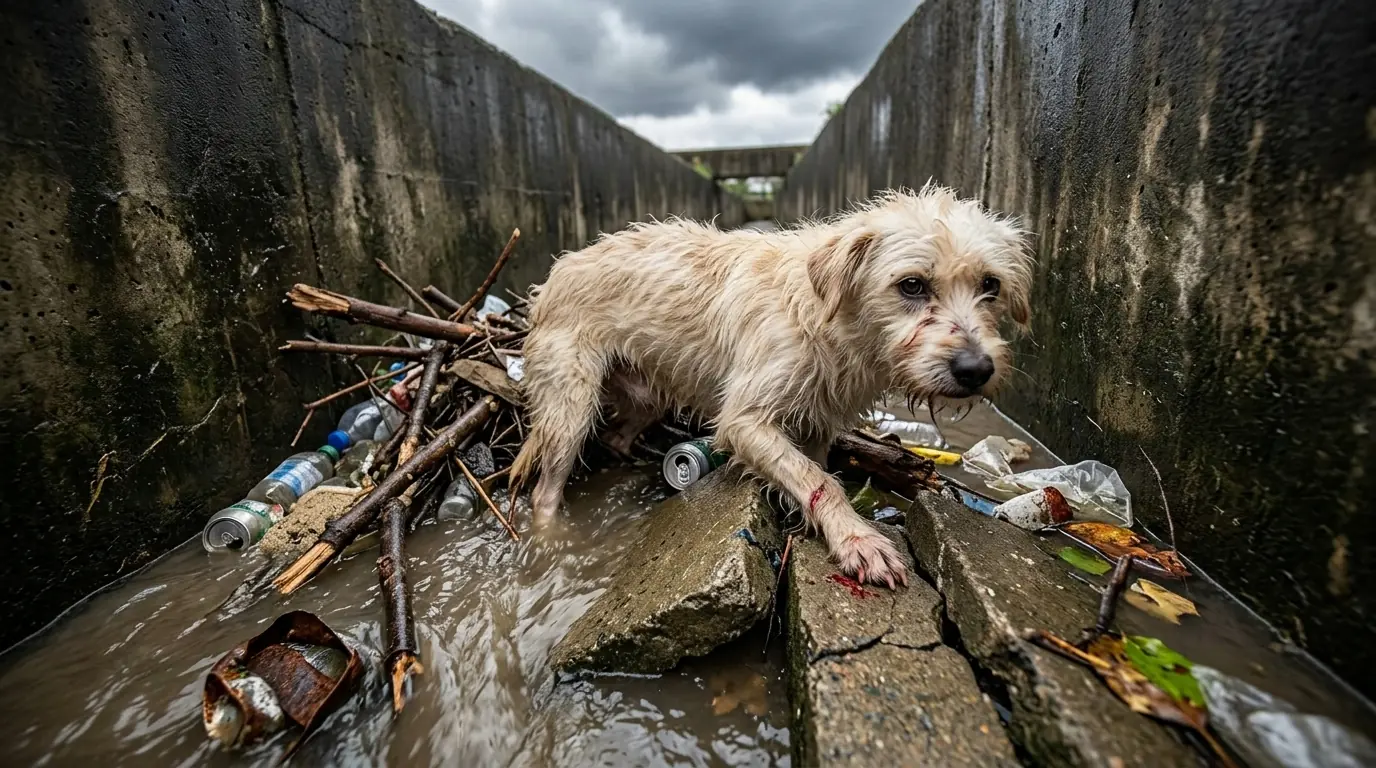
Emergency Flood Rescue Saves Stray Dog Trapped Inside Concrete Drainage Canal
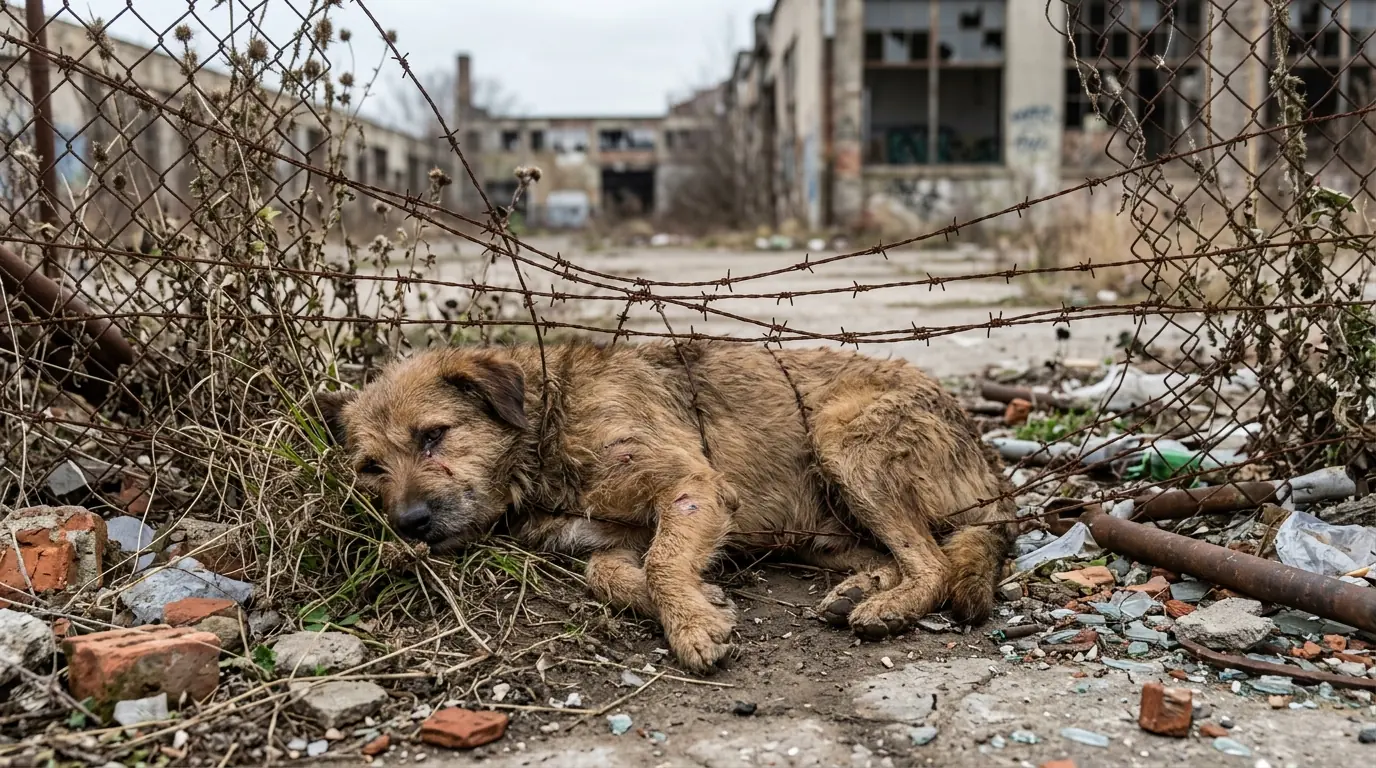
Emergency Animal Rescue Frees Stray Dog Trapped in Rusted Barbed Wire at Abandoned Industrial Site
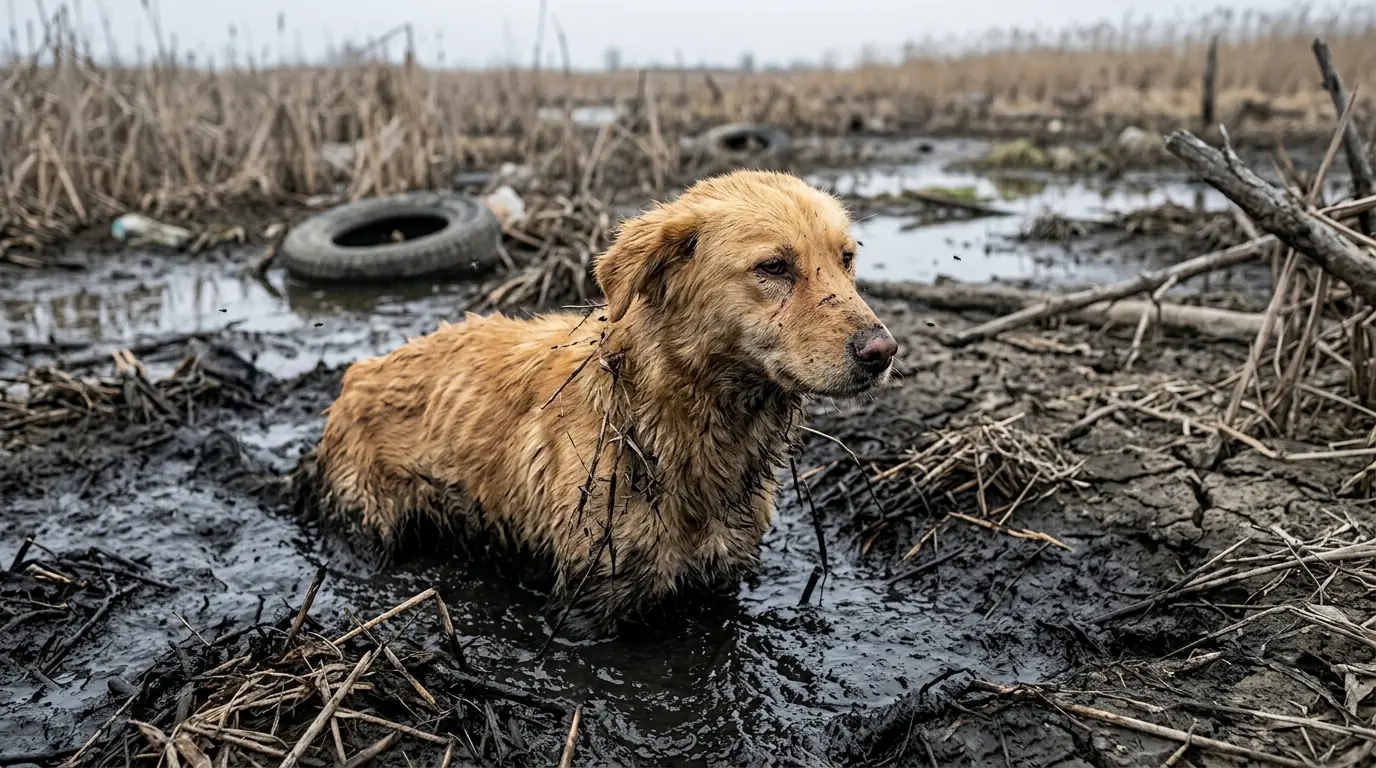
Emergency Animal Rescue Saves Stray Dog Trapped in Deep Marsh Mud After Days of Fighting to Survive
News Post
The Sergeant Tore Up Her Federal Warrant — Then Every Door Locked
The Officers Tried to Arrest Her on Her Own Porch — Then Their Captain Rushed to the Address
Rusty’s Recovery After Being Found Near a Dumpster
Benny’s Recovery After Being Found on the Street
Cruise Tourists Spotted a 100-Year-Old Sea Turtle—Then They Saw What Was Wrapped Around It
Oliver’s Journey After Being Left at the Shelter
Mabel’s Rescue and Her Journey with Seven Puppies

Die HOA-Nachbarin zerstörte seinen Lamborghini — dann bemerkte er die Kamera
Der arrogante Boxer forderte den alten Hausmeister heraus — dann sprach er eine letzte Warnung aus

Four Inmates Locked the Quiet Black Prisoner in the Shower — Then He Raised His Hands
The Little Girl Begged Him Not to Take Her — Then a Biker Saw Her Hand
Three Neighborhood Bullies Cornered the Quiet Man — Then His Stance Changed
She Destroyed Her Neighbor’s Chicken Coop — Then an Old File Fell Into the Dirt
She Smashed Her Neighbor’s Chicken Coop — Then an Old Property Sign Fell Out
CHAPTER 2: THE 38 HOMES IN THE BARN LOFT
CHAPTER 3: THE COMMUNITY THAT TOOK ITSELF BACK

"One Punch for $10K!" the Champion Taunted a Black Grandma — Then Everything Changed
The Neighborhood Bully Shoved the Quiet Man Into the Street — Then He Recognized His Stance
CHAPTER 2: WHEN THE INSTRUCTOR WOKE UP