Emergency Ice Rescue Saves Starving Stray Dog Trapped in Freezing Pond
Emergency Ice Rescue Saves Starving Stray Dog Trapped in Freezing Pond
The dog had stopped trying to climb out.
His front paws still rested on the edge of the broken ice, but they no longer had enough strength to pull his body from the freezing water.
Alone in the middle of a partially frozen pond, the starving stray fought to keep his head above the icy surface. Most of his body remained submerged beneath the dark water, while shattered sheets of ice drifted around him with every weak movement. His soaked golden coat clung tightly to his frail body, exposing every rib beneath his skin.
His body shook uncontrollably.
One eye was swollen from an older untreated injury, and fresh blood stained his cracked nose after countless failed attempts to drag himself onto the ice. Each breath became slower than the last as hypothermia steadily stole his remaining strength.
He no longer cried for help.
He simply stared toward the snow-covered shoreline.
A Rescue Measured in Minutes
A family hiking through a nearby nature reserve noticed unusual movement near the center of the frozen pond.
Through binoculars, they realized a dog was trapped in the icy water.
Emergency animal rescue volunteers responded alongside the local fire department's ice rescue team.
The situation was immediately classified as life-threatening.
The ice surrounding the dog measured less than two inches thick in several areas and continued cracking under its own weight. Walking directly toward him would almost certainly send another rescuer into the freezing water.
Firefighters deployed an inflatable ice rescue sled while two technicians, secured by safety ropes and wearing cold-water rescue suits, crawled across the unstable ice to distribute their weight evenly.
As they reached the dog, one rescuer gently supported his head above the water while the second slid the rescue sled beneath his body.
Within minutes, both rescuers and the exhausted dog were pulled safely back to shore.
The dog was immediately wrapped in insulated thermal blankets and transported to a regional emergency veterinary hospital.
Severe Hypothermia
Upon arrival, the veterinary critical care team focused on one priority.
Keeping him alive.
His rectal temperature measured only 92.8°F (33.8°C), indicating moderate to severe hypothermia.
His heart rate had slowed dramatically, and cardiac monitoring revealed intermittent ventricular arrhythmias commonly associated with dangerously low body temperature.
Warmed intravenous fluids were started immediately through two intravenous catheters.
Supplemental humidified oxygen and active warming systems—including forced warm-air blankets and circulating warm-water pads—were carefully introduced to raise his core temperature gradually.
Veterinarians avoided warming him too quickly, knowing that rapid temperature changes can trigger dangerous cardiovascular complications.
His Body Condition Score measured 1.5 out of 9, confirming prolonged starvation long before he entered the pond.
Cold Water Had Caused Multiple Injuries
Once his temperature stabilized enough for examination, veterinarians documented additional trauma.
His front paw pads were extensively abraded after repeatedly scraping against rough ice.
Several claws had fractured completely.
The cracked nose contained multiple superficial lacerations contaminated with ice and frozen debris.
The swollen right eye showed extensive bruising but fortunately no globe rupture or corneal ulceration.
The greatest concern remained his lungs.
Diagnostic Testing
Thoracic radiographs revealed mild aspiration pneumonia, likely caused by inhaling freezing pond water while struggling to stay afloat.
Diffuse pulmonary infiltrates suggested early inflammation but no severe pulmonary edema.
Whole-body radiographs identified no fractures.
Bloodwork revealed moderate dehydration despite prolonged water exposure, severe hypoglycemia, mild anemia, elevated creatine kinase resulting from prolonged muscle exertion, and mild metabolic acidosis caused by cold exposure.
Electrolyte analysis showed mild hyperkalemia that gradually resolved as circulation improved.
Fortunately, kidney and liver function remained within normal limits.
Intensive Critical Care
The first twenty-four hours remained critical.
Continuous ECG monitoring tracked cardiac rhythm while repeated blood gas analysis evaluated oxygenation and acid-base balance.
Broad-spectrum intravenous antibiotics were started to treat aspiration pneumonia and contaminated wounds.
Pain management remained carefully balanced because hypothermic patients metabolize medications more slowly than normal.
Small amounts of opioid analgesia were administered while body temperature gradually normalized.
His blood glucose was corrected using controlled intravenous dextrose supplementation followed by frequent high-calorie nutritional support.
By the following morning, his core temperature had returned to 100.4°F (38.0°C).
His heart rhythm stabilized completely.
Recovery Begins
The first sign of improvement came when he lifted his head to greet a veterinary nurse carrying breakfast.
He finished every bite.
Repeat chest radiographs performed forty-eight hours later showed improving lung expansion and decreasing inflammation.
The cracked nose healed rapidly with topical wound care.
His damaged paw pads received protective bandaging and specialized hydrogel dressings that encouraged rapid tissue regeneration while reducing discomfort.
Each day, his strength slowly returned.
Rehabilitation
Once pneumonia resolved, rehabilitation specialists introduced short indoor walks to rebuild muscle lost through starvation.
Because prolonged hypothermia often leaves animals weak and stiff, passive range-of-motion therapy restored flexibility while preventing muscle contracture.
Nutrition specialists developed a carefully monitored recovery program rich in highly digestible protein and essential fatty acids.
Within six weeks, he had gained nearly 30 percent of his original body weight.
His once-prominent ribs gradually disappeared beneath healthy muscle.
His golden coat regained its shine.
Learning That Winter Was Over
For several weeks after his rescue, the dog hesitated whenever he encountered water.
Even shallow puddles caused him to stop walking.
Veterinary behavior specialists gently rebuilt his confidence using positive reinforcement and gradual exposure.
Soon, fear gave way to curiosity.
The quiet dog who once fought for his life beneath broken ice began greeting caregivers with joyful tail wags, happily chasing toys across the rehabilitation yard and curling up beside warm fireplaces after every walk.
A Warm Future
Ten weeks after his rescue, follow-up examinations confirmed complete resolution of his pneumonia, full healing of his paw injuries, and normal bloodwork.
His Body Condition Score improved from 1.5/9 to 5/9, and he required no ongoing medication.
Today, he lives safely with a foster family while waiting for adoption.
The frozen pond where he nearly lost his life has become nothing more than a distant memory.
Now, when snow falls outside, he watches it from the warmth of a comfortable home, surrounded by people who made sure he would never have to fight another winter alone.
His remarkable recovery is a testament to rapid technical rescue, advanced critical care medicine, and the unwavering dedication of the rescuers and veterinary professionals who refused to let the cold claim one more forgotten life.
Tags:
News in the same category
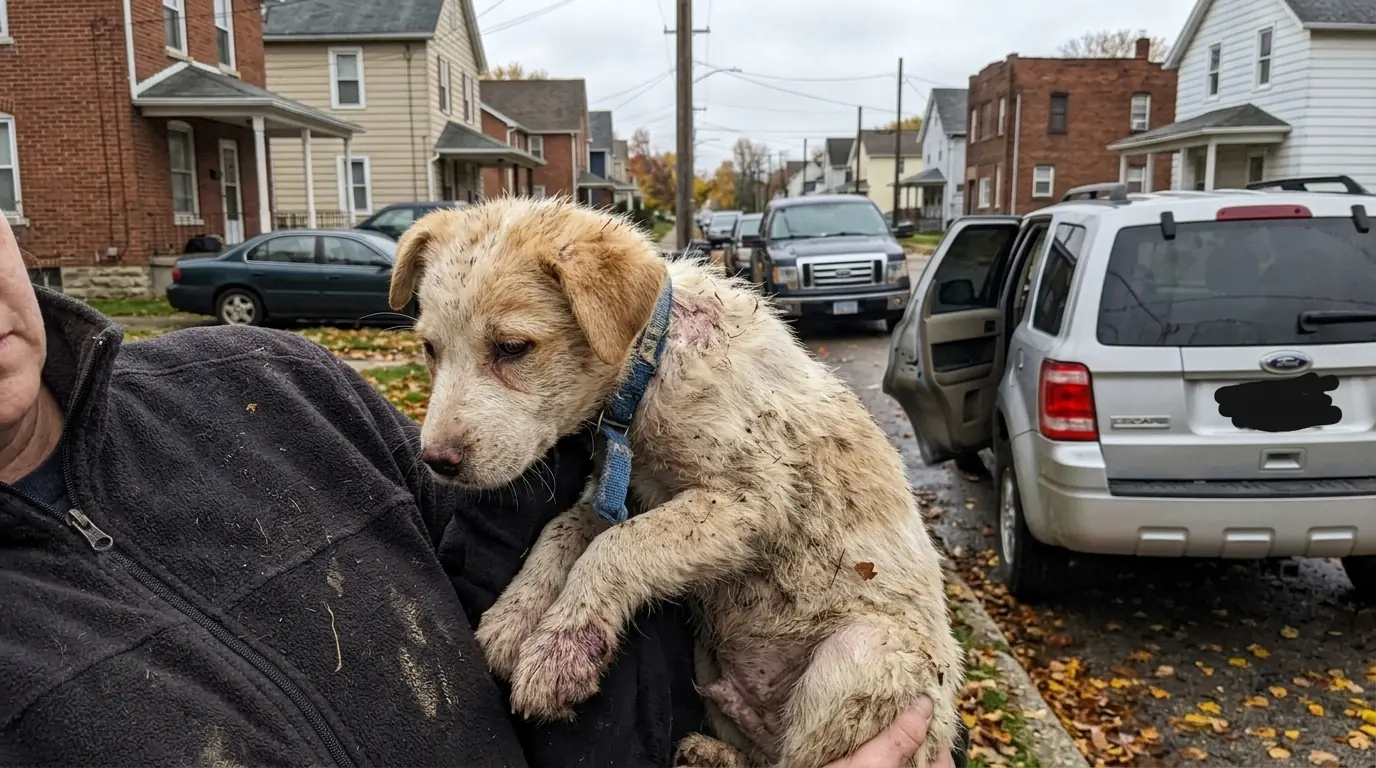
Benny’s Recovery After Being Found on the Street
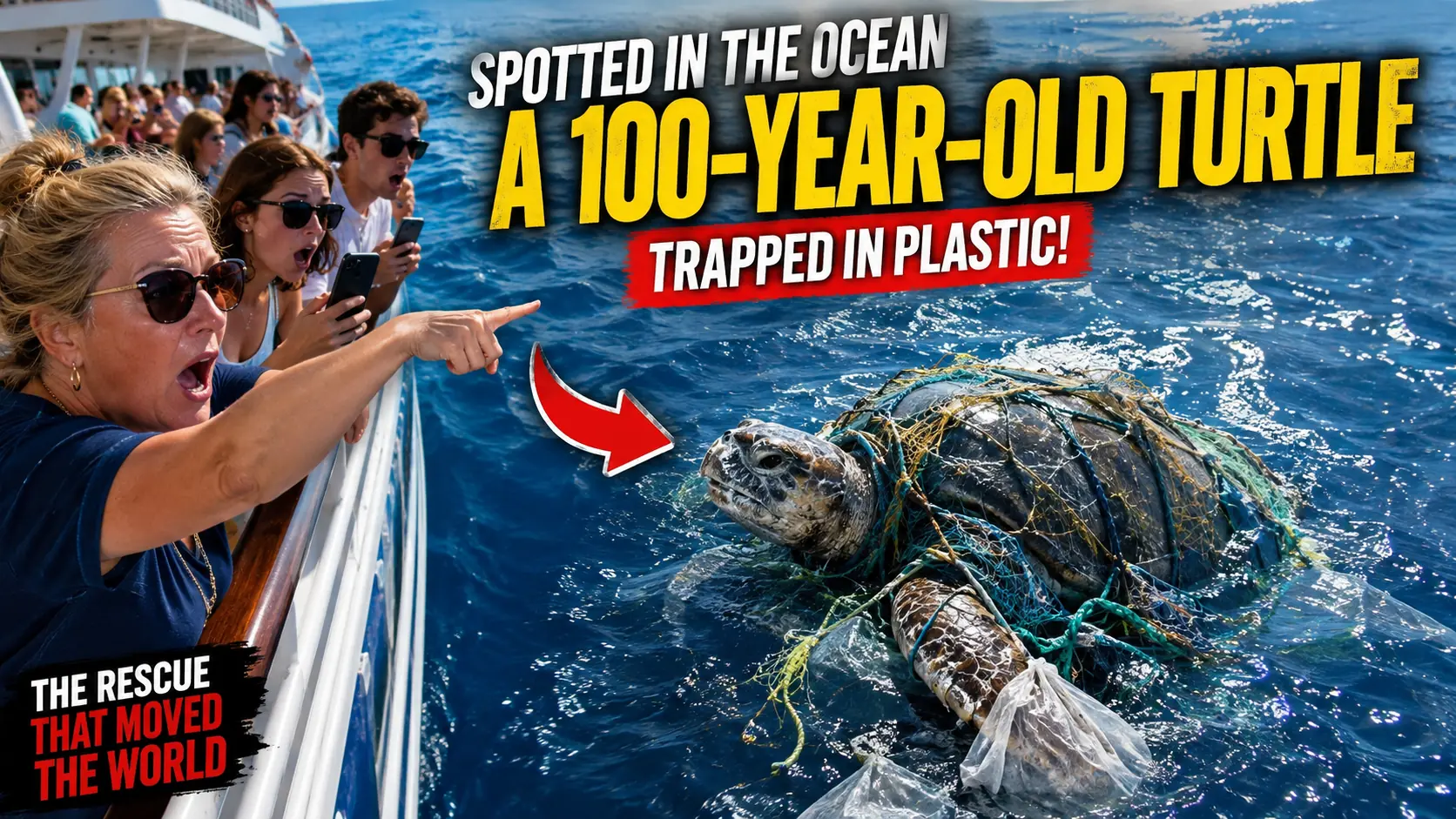
Cruise Tourists Spotted a 100-Year-Old Sea Turtle—Then They Saw What Was Wrapped Around It
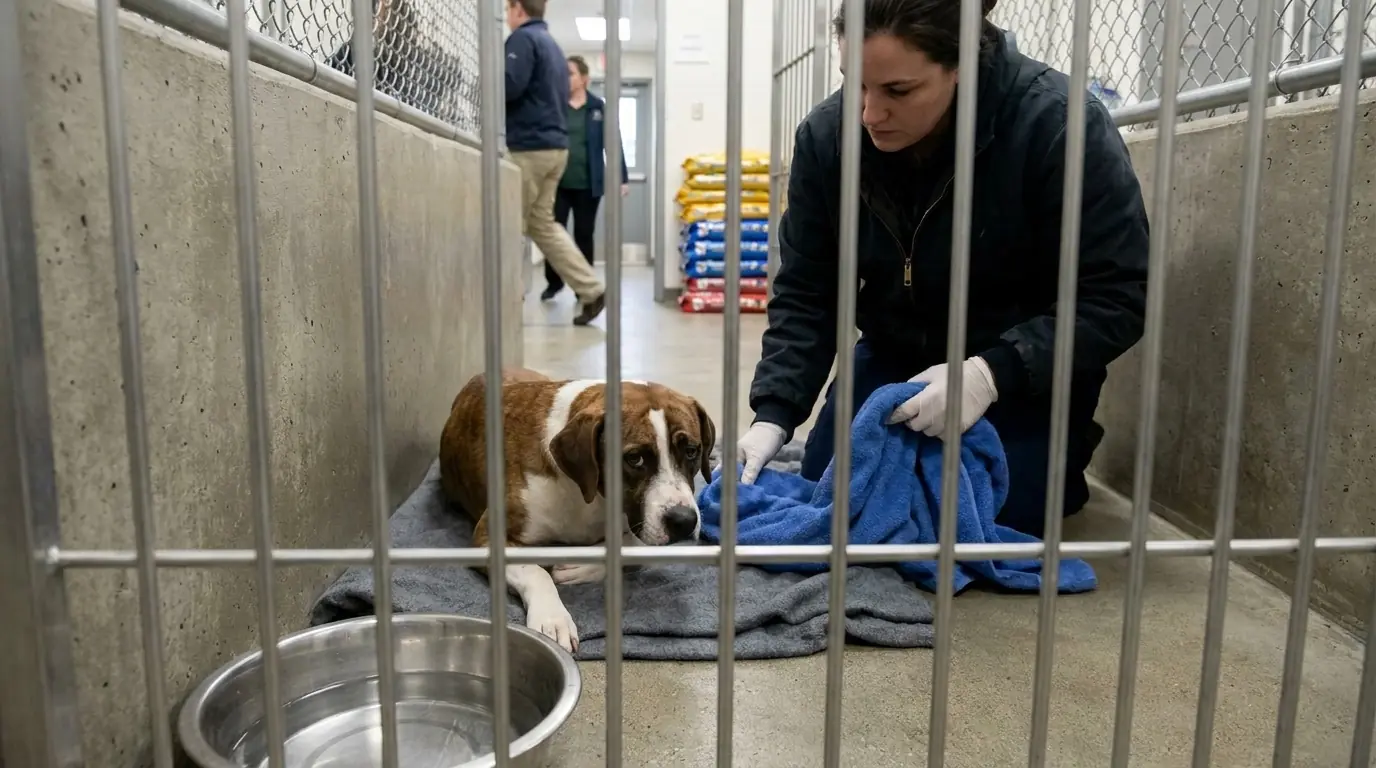
Mabel’s Rescue and Her Journey with Seven Puppies
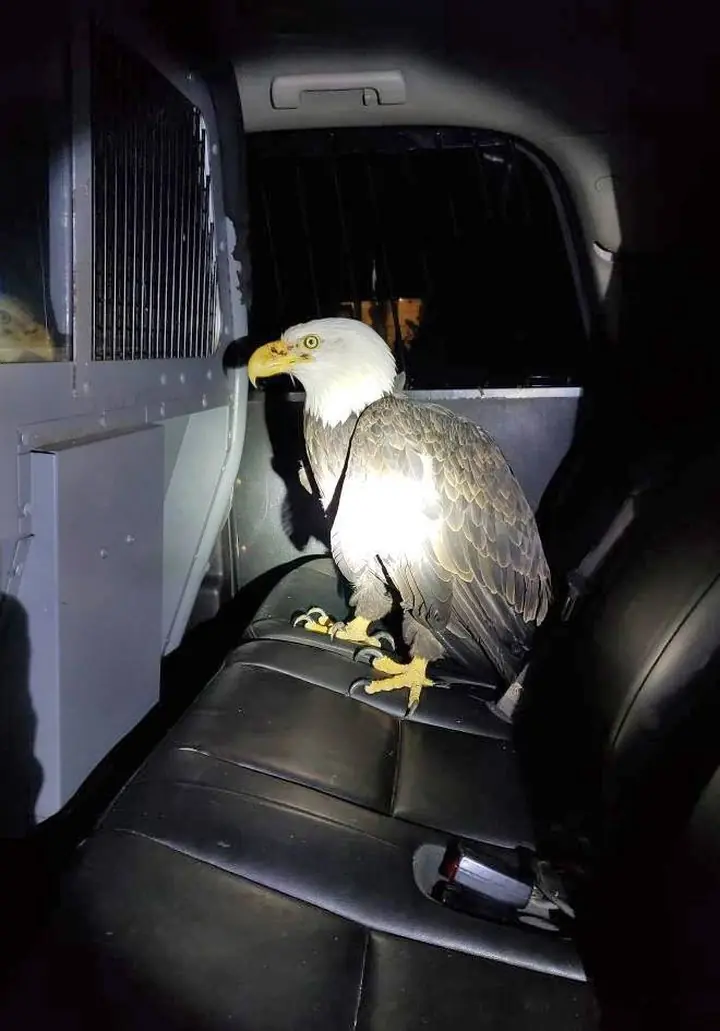
He was injured, sitting quietly in the back of a police car. Here's the latest update on his condition
A SMALL-TOWN POLICE OFFICER BROUGHT AN INJURED BALD EAGLE BACK TO THE STATION
A SMALL-TOWN POLICE OFFICER BROUGHT AN INJURED BALD EAGLE BACK TO THE STATION
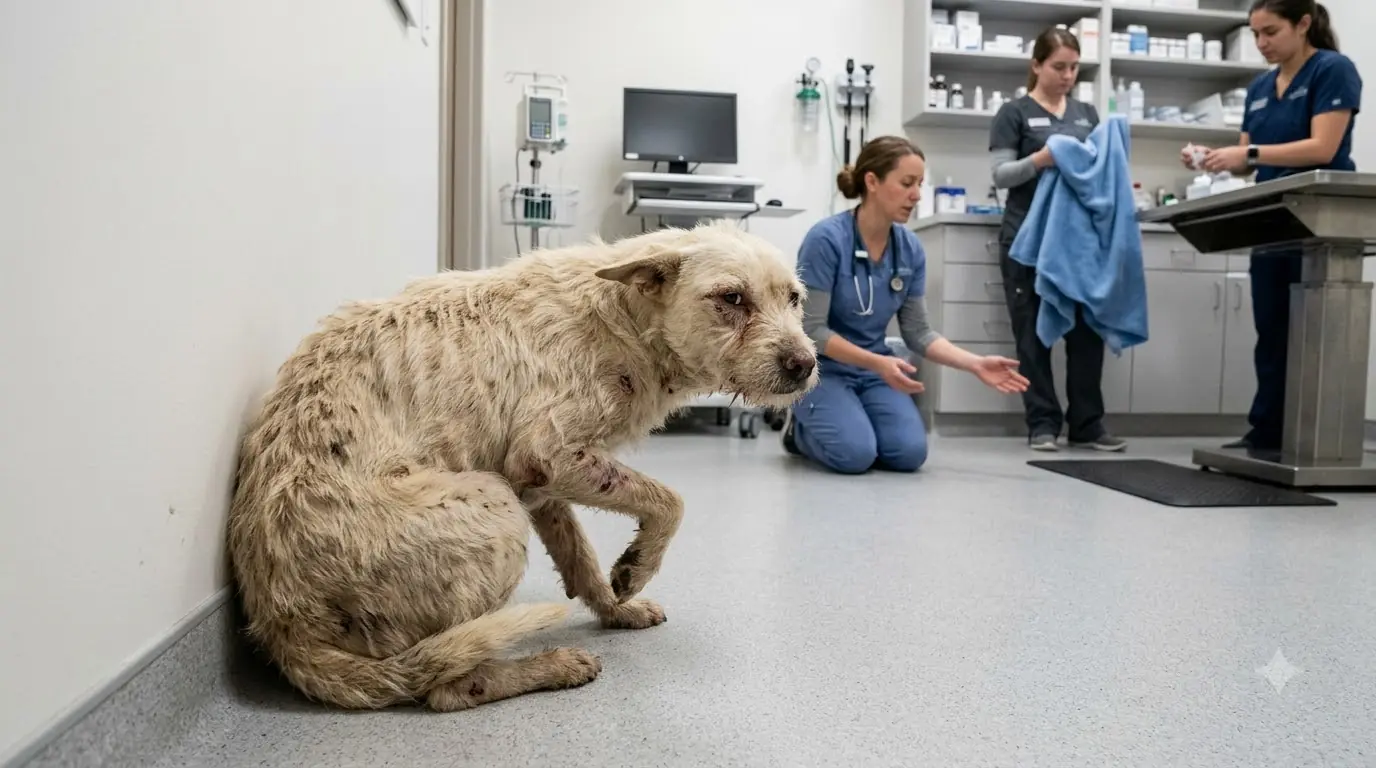
Emergency Veterinary Team Fights to Save Critically Injured Stray Dog Too Frightened to Stand
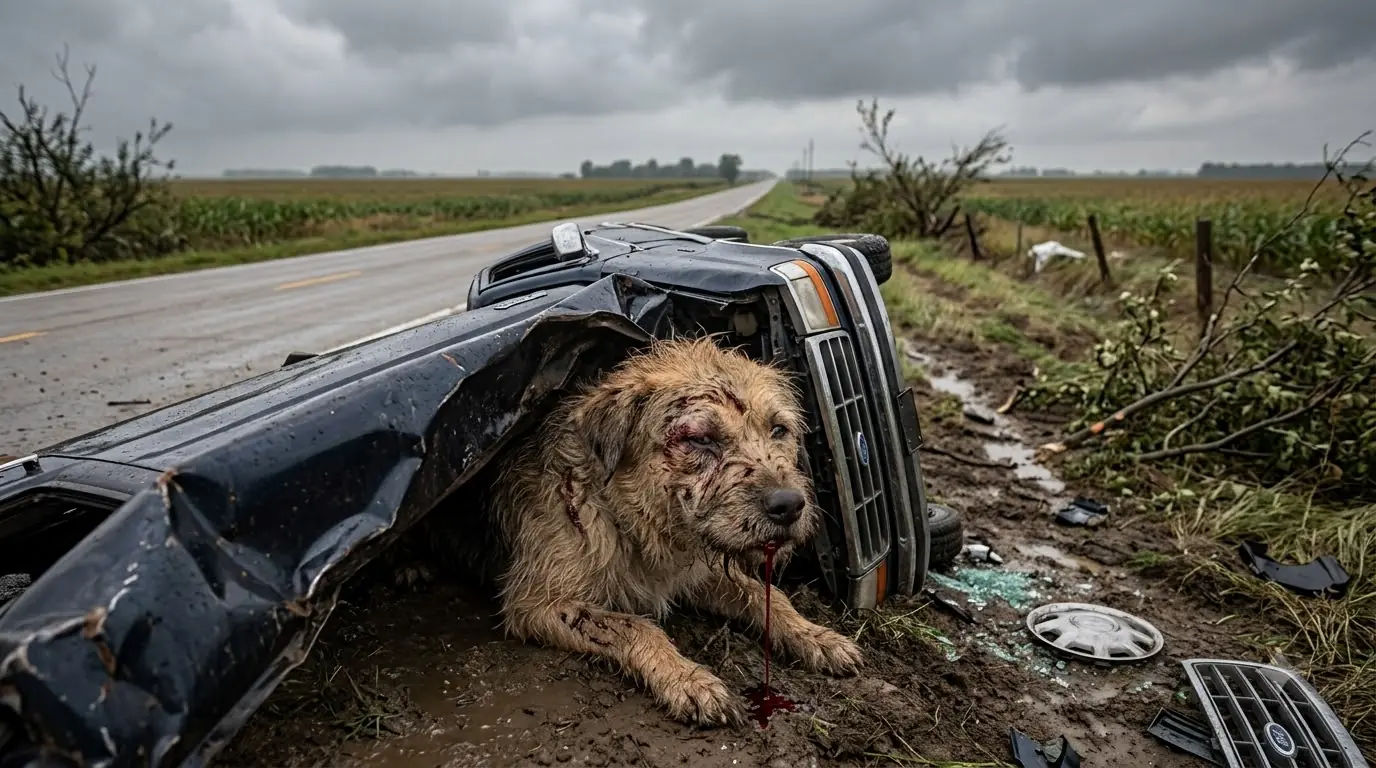
Emergency Highway Rescue Saves Stray Dog Trapped Beneath Overturned Pickup Truck After Violent Storm
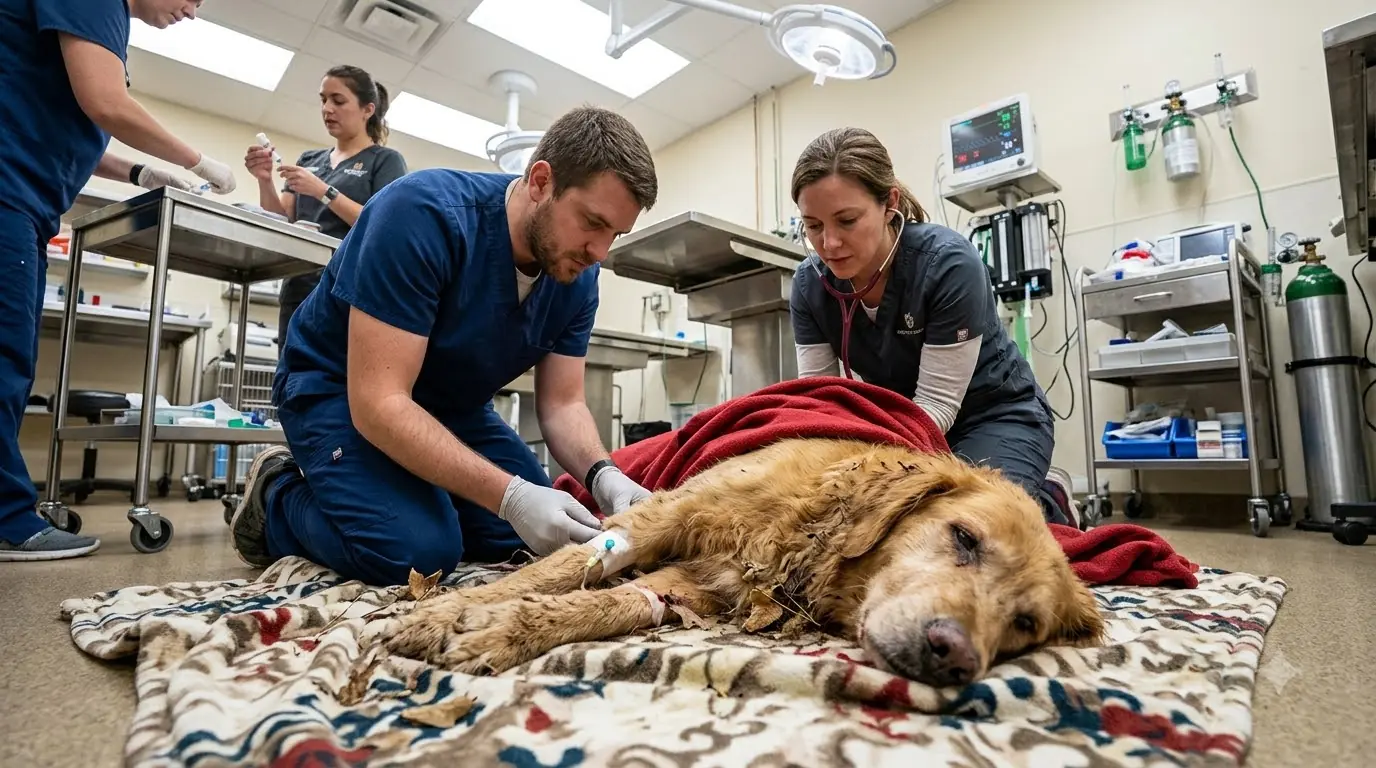
Emergency Veterinary Team Helps Severely Neglected Stray Dog Learn to Trust Again
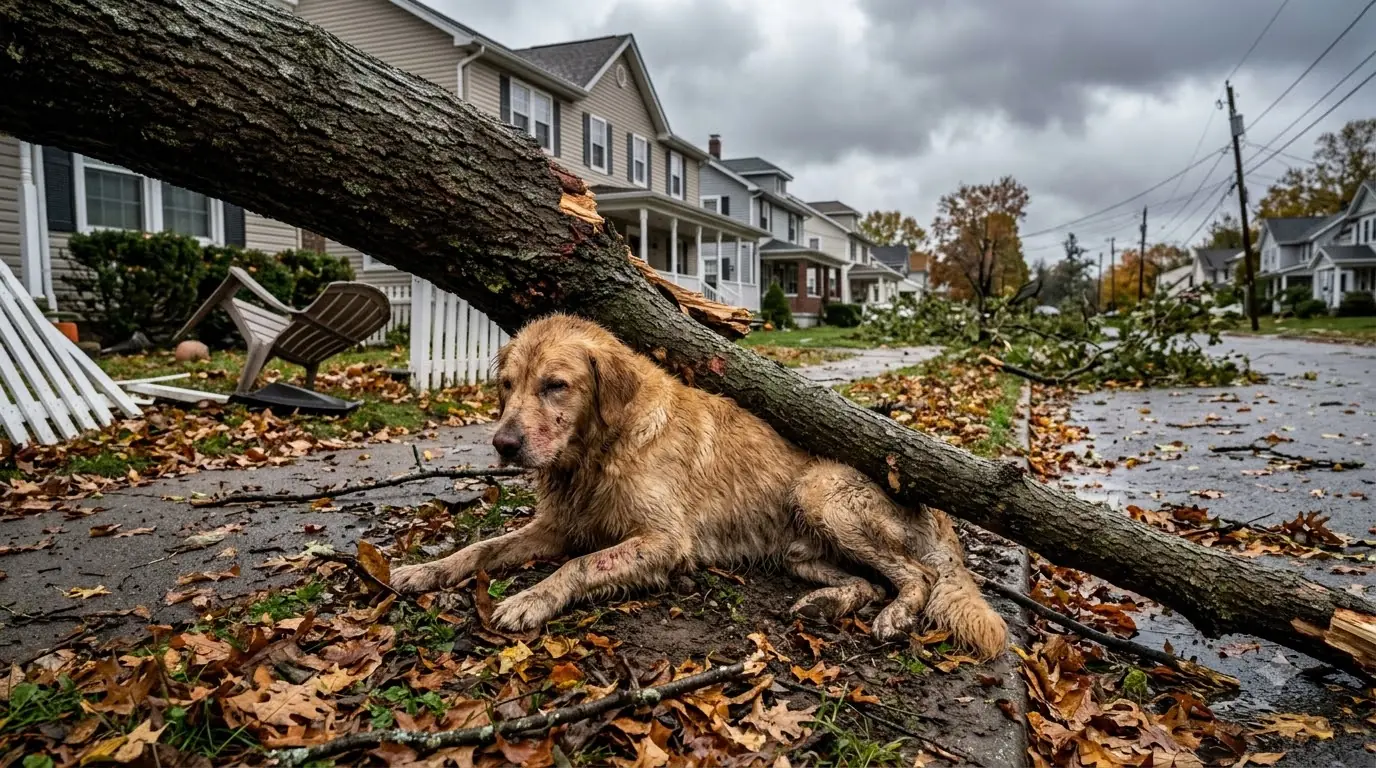
Emergency Storm Rescue Saves Severely Malnourished Stray Dog Trapped Beneath Fallen Oak Tree
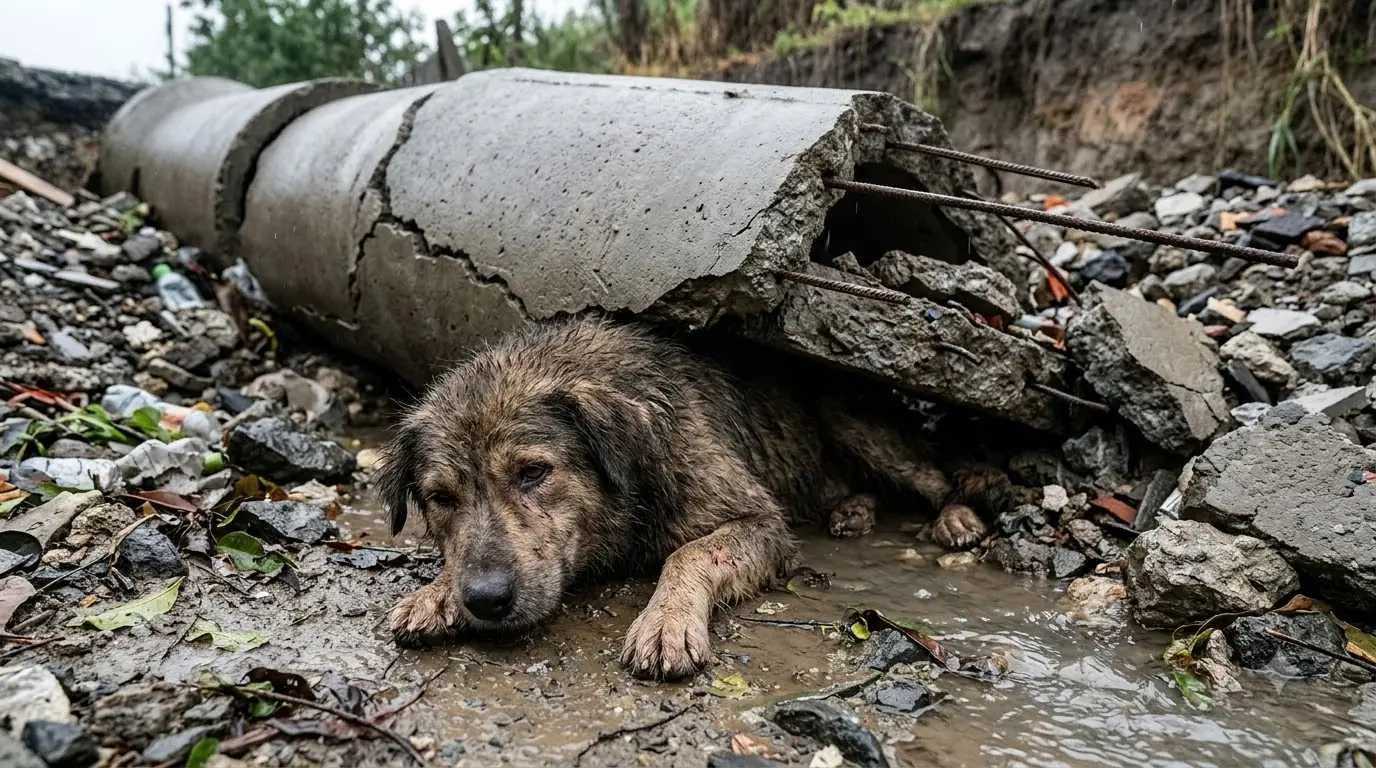
Emergency Disaster Rescue Saves Stray Dog Trapped Beneath Collapsed Concrete Drainage Pipe
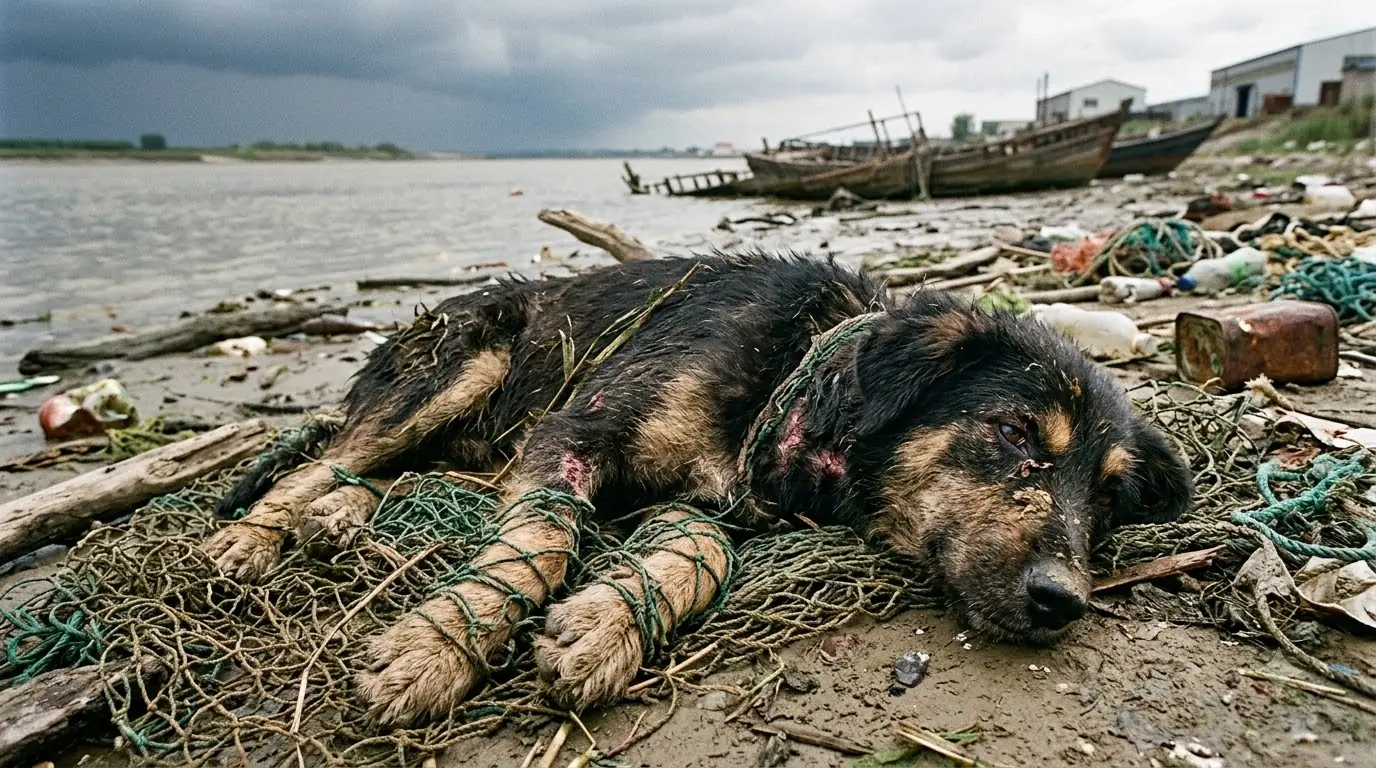
Emergency River Rescue Saves Stray Dog Entangled in Abandoned Fishing Net
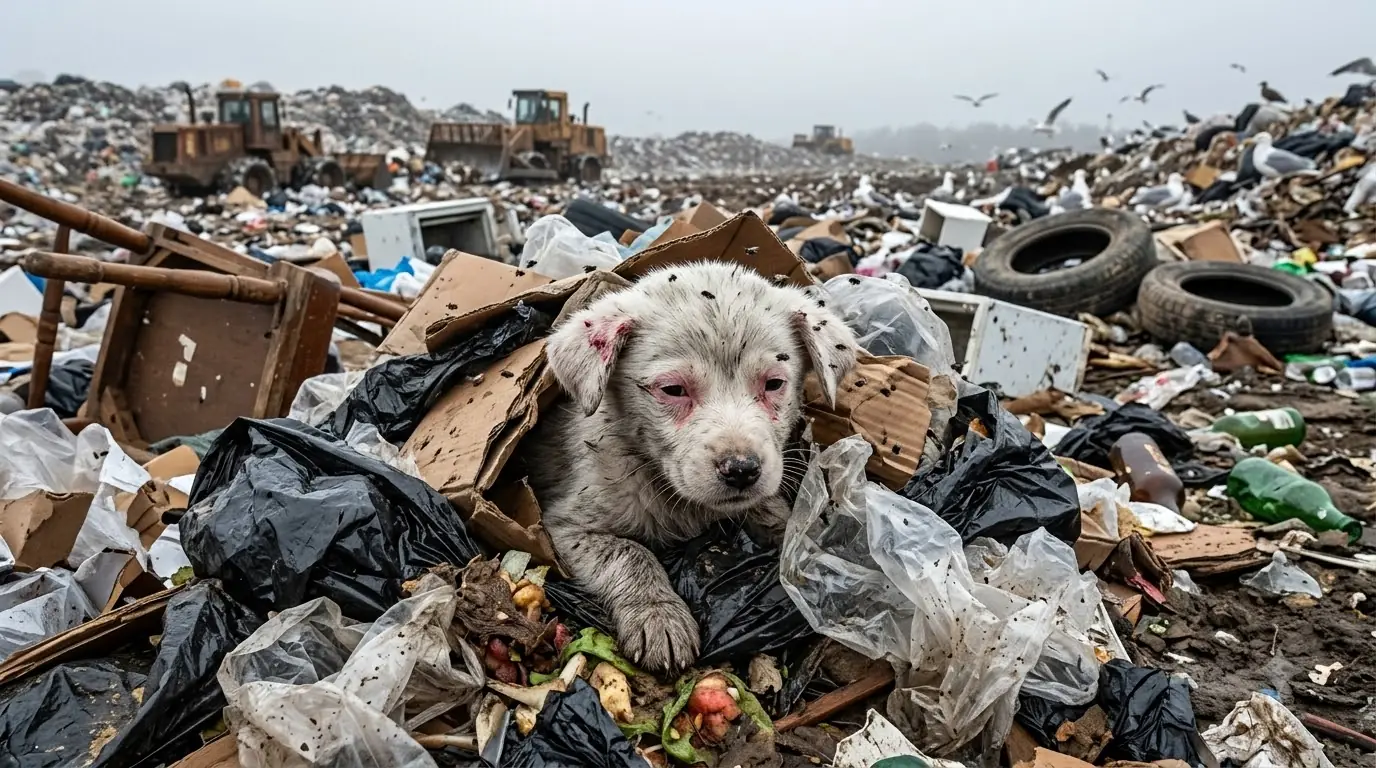
Emergency Animal Rescue Saves Abandoned Puppy Buried Beneath Mountains of Garbage at Massive Landfill
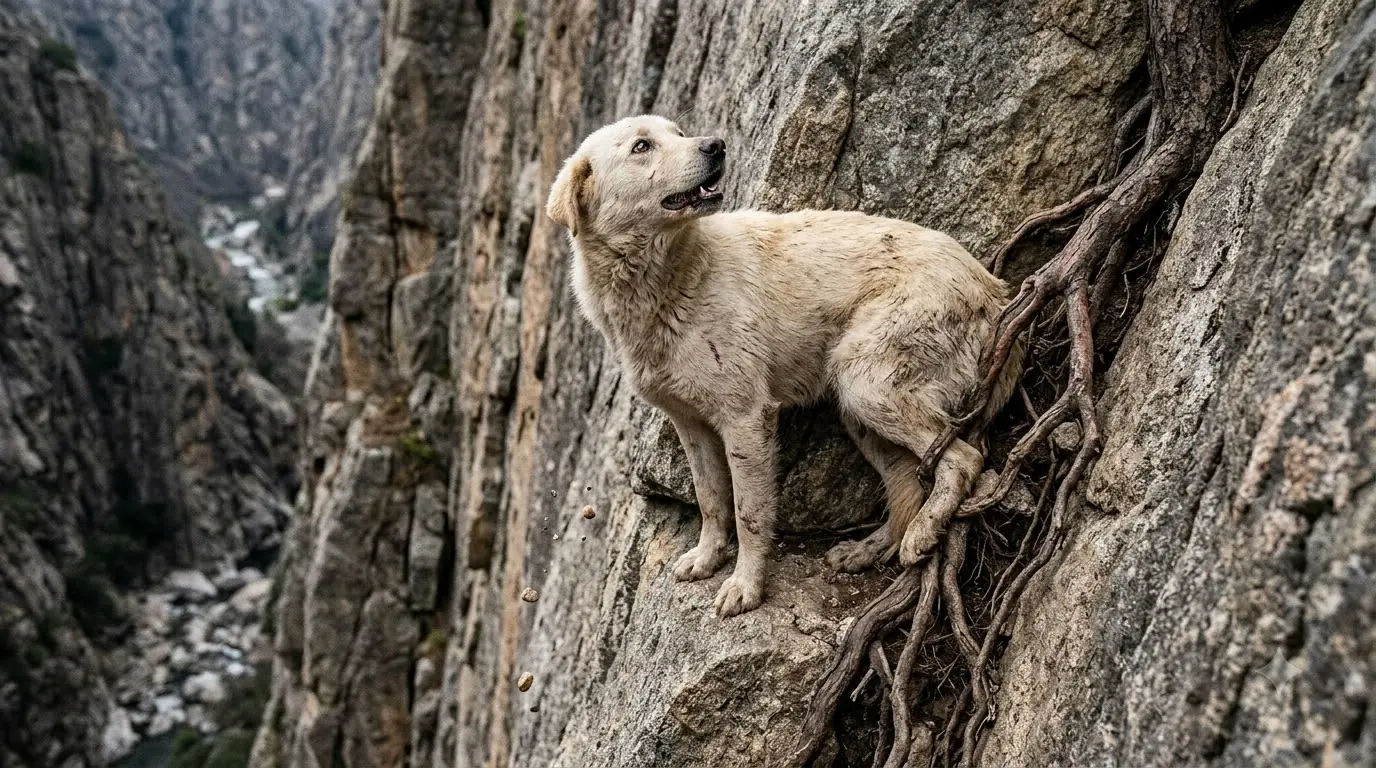
Emergency Cliff Rescue Saves Stray Dog Left Hanging Above a Deep Mountain Ravine
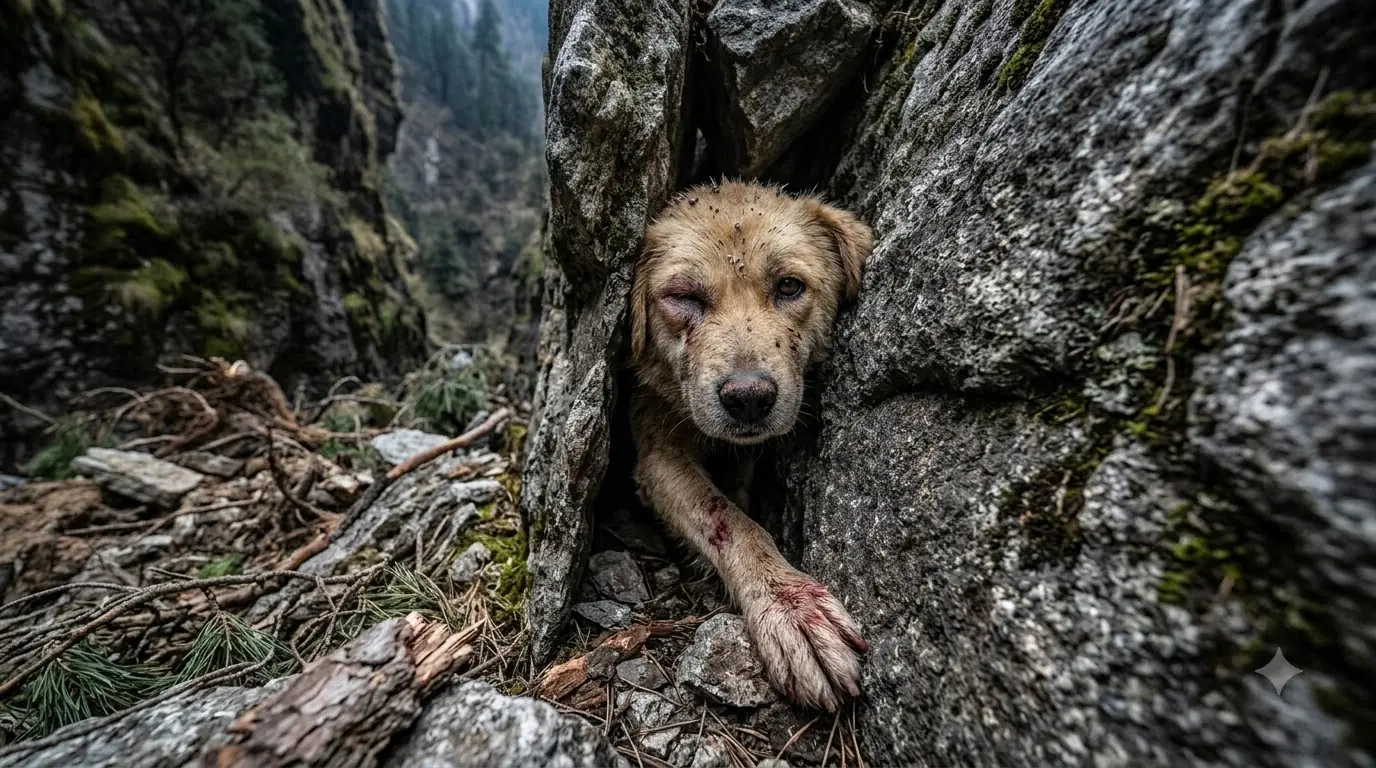
Emergency Mountain Rescue Saves Stray Dog Trapped Between Massive Boulders After Landslide
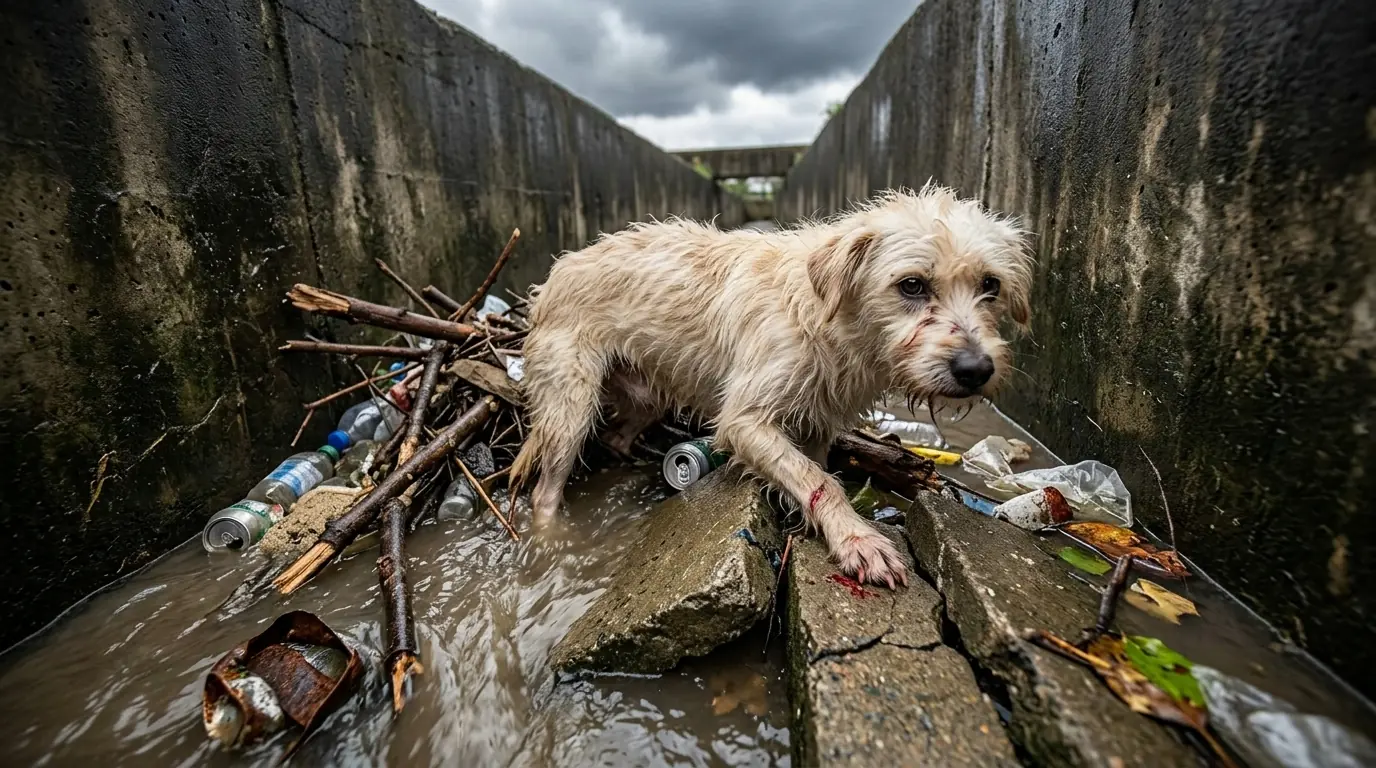
Emergency Flood Rescue Saves Stray Dog Trapped Inside Concrete Drainage Canal
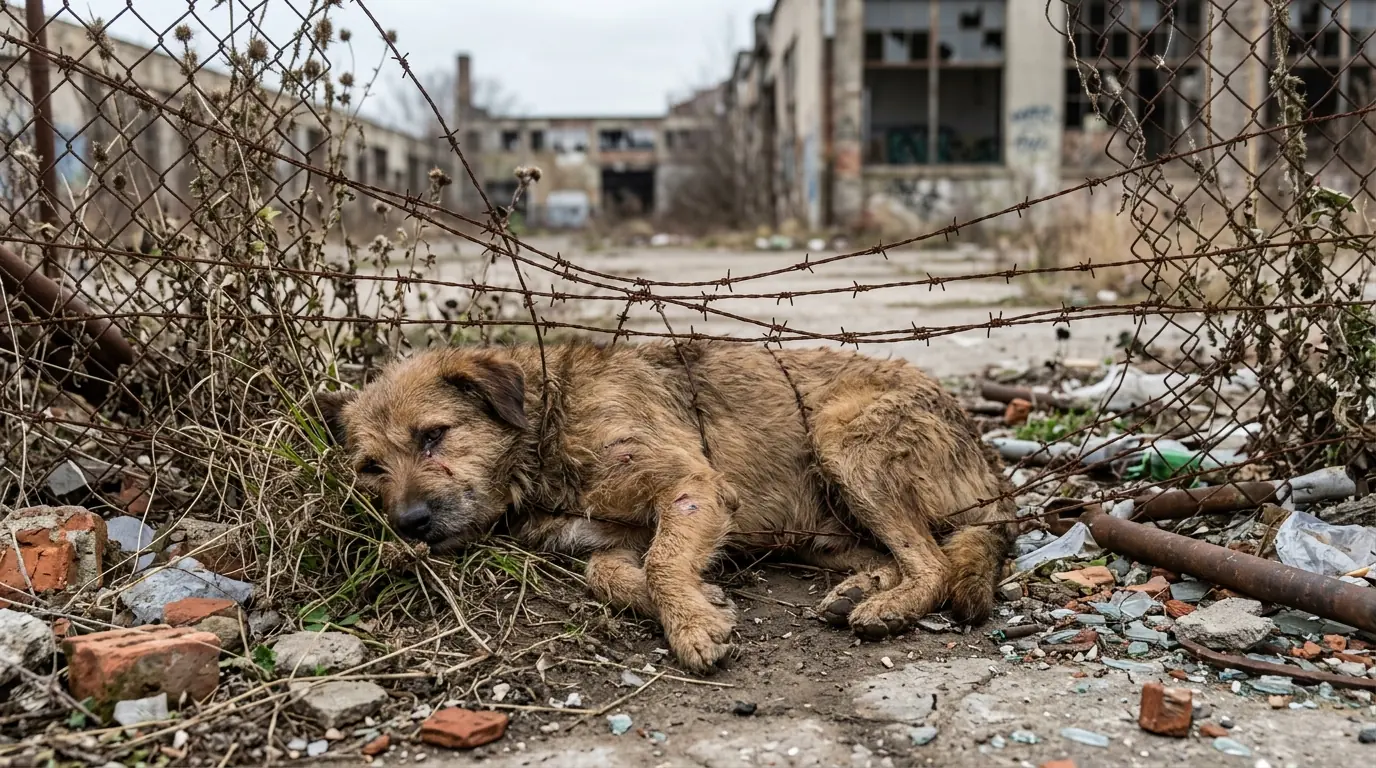
Emergency Animal Rescue Frees Stray Dog Trapped in Rusted Barbed Wire at Abandoned Industrial Site
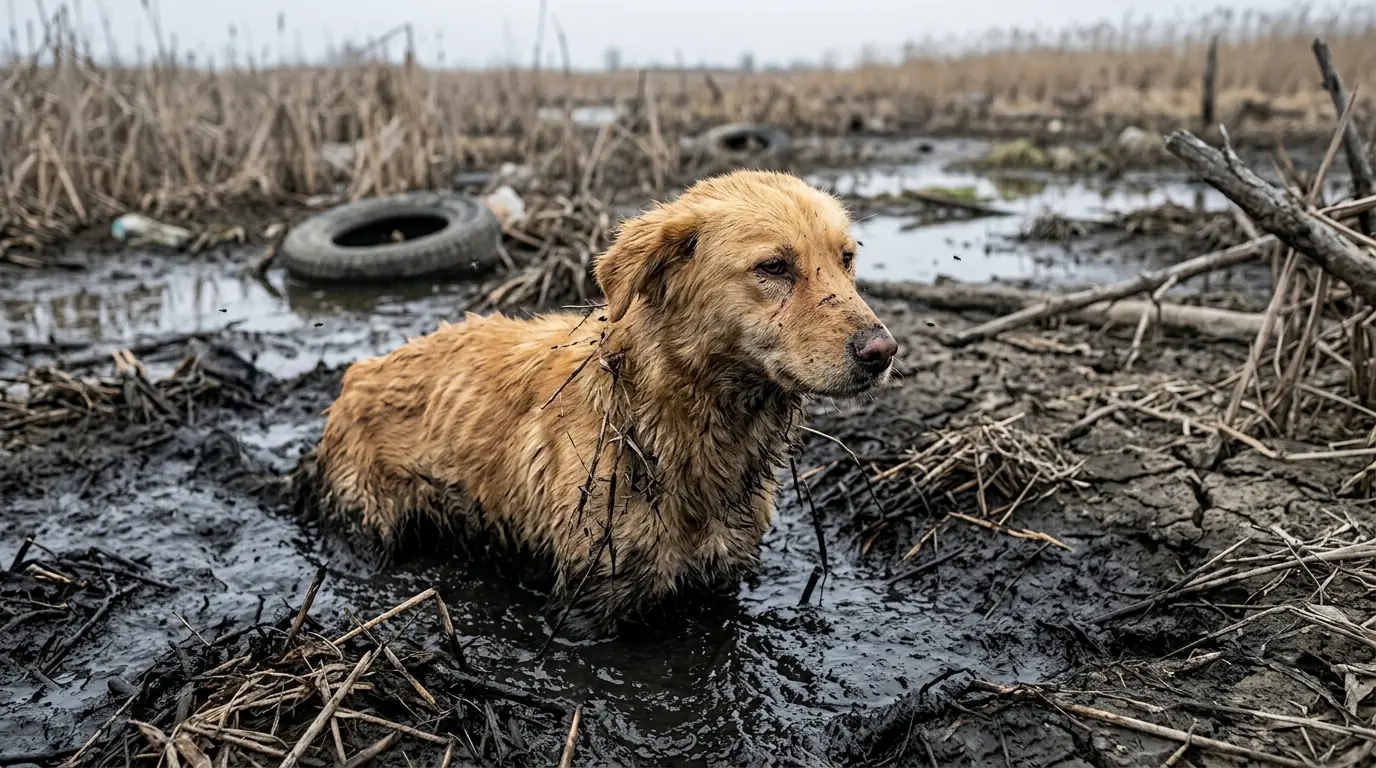
Emergency Animal Rescue Saves Stray Dog Trapped in Deep Marsh Mud After Days of Fighting to Survive
News Post
The Sergeant Tore Up Her Federal Warrant — Then Every Door Locked
The Officers Tried to Arrest Her on Her Own Porch — Then Their Captain Rushed to the Address
Rusty’s Recovery After Being Found Near a Dumpster
Benny’s Recovery After Being Found on the Street
Cruise Tourists Spotted a 100-Year-Old Sea Turtle—Then They Saw What Was Wrapped Around It
Oliver’s Journey After Being Left at the Shelter
Mabel’s Rescue and Her Journey with Seven Puppies

Die HOA-Nachbarin zerstörte seinen Lamborghini — dann bemerkte er die Kamera
Der arrogante Boxer forderte den alten Hausmeister heraus — dann sprach er eine letzte Warnung aus

Four Inmates Locked the Quiet Black Prisoner in the Shower — Then He Raised His Hands

The Little Girl Begged Him Not to Take Her — Then a Biker Saw Her Hand
Three Neighborhood Bullies Cornered the Quiet Man — Then His Stance Changed
She Destroyed Her Neighbor’s Chicken Coop — Then an Old File Fell Into the Dirt
She Smashed Her Neighbor’s Chicken Coop — Then an Old Property Sign Fell Out
CHAPTER 2: THE 38 HOMES IN THE BARN LOFT
CHAPTER 3: THE COMMUNITY THAT TOOK ITSELF BACK

"One Punch for $10K!" the Champion Taunted a Black Grandma — Then Everything Changed
The Neighborhood Bully Shoved the Quiet Man Into the Street — Then He Recognized His Stance
CHAPTER 2: WHEN THE INSTRUCTOR WOKE UP