Garlic & Herb Butter Salmon – Tender, Flaky & Bursting with Fresh Lemon-Garlic Flavor
Reader Theme:
Font Size:
24px
Garlic & Herb Butter Salmon – Tender, Flaky & Bursting with Fresh Lemon-Garlic Flavor
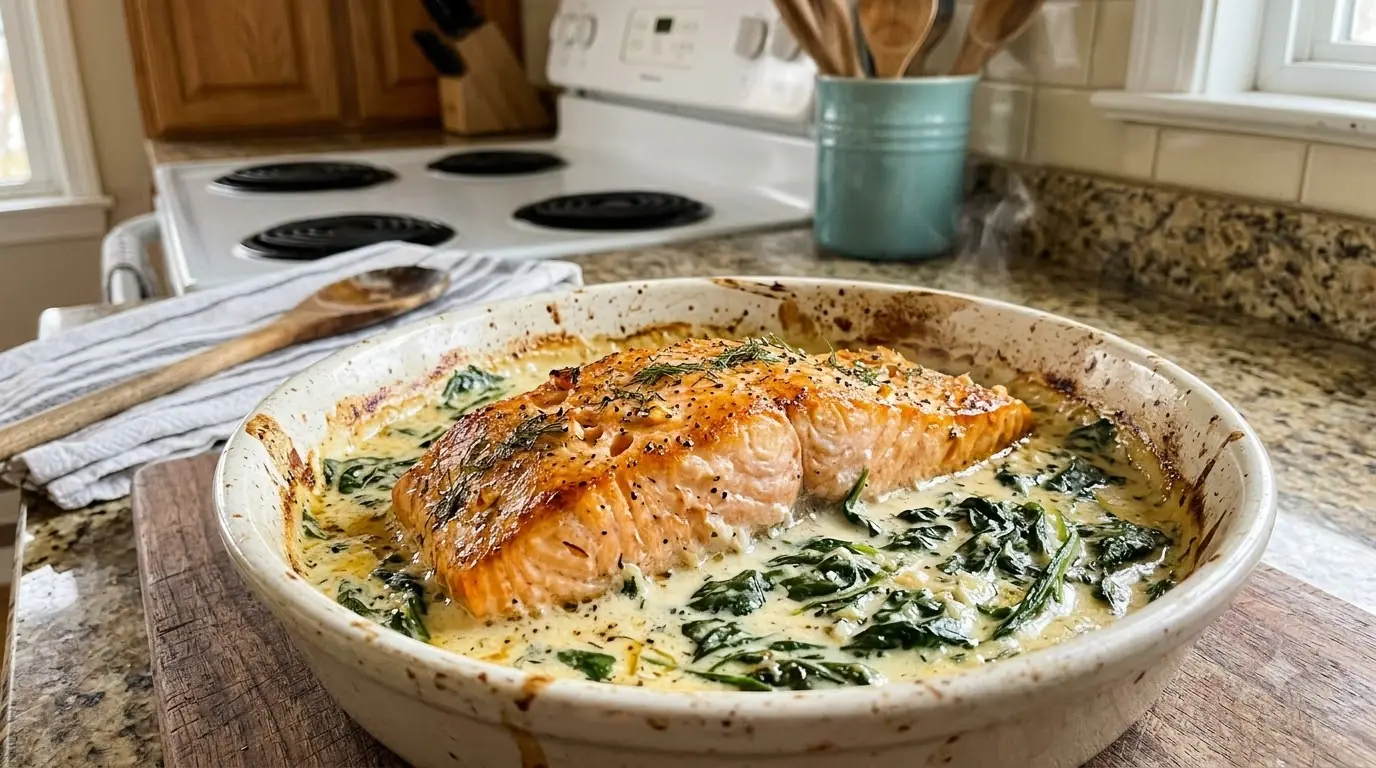
This Garlic & Herb Butter Salmon is the kind of dinner that looks elegant enough for guests but is easy enough to make on a busy weeknight. Tender salmon fillets are coated with buttery garlic, fresh herbs, lemon, and simple seasonings, then baked until beautifully flaky and juicy.
The combination of rich butter, bright lemon, fresh parsley, and aromatic garlic complements the salmon without overpowering it. A quick finish under the broiler gives the surface lightly caramelized edges while keeping the center moist and tender.
Best of all, this recipe comes together in about 25 minutes and pairs with almost anything—from roasted potatoes and asparagus to rice or a crisp salad.
Ingredients
For the Salmon
- 4 salmon fillets, about 6 ounces each
- 2 tablespoons olive oil
- 3 tablespoons unsalted butter, melted
- 4 cloves garlic, finely minced
- 1 tablespoon fresh lemon juice
- 1 teaspoon lemon zest
- 1 tablespoon fresh parsley, finely chopped
- 1 teaspoon fresh dill, chopped
- 1 teaspoon fresh thyme leaves
- ½ teaspoon dried oregano
- ½ teaspoon garlic powder
- ½ teaspoon smoked paprika
- ¾ teaspoon kosher salt
- ½ teaspoon freshly ground black pepper
For Serving
- Fresh lemon wedges
- Chopped fresh parsley
- Fresh dill
- Flaky sea salt, optional
- Extra garlic herb butter, optional
How to Make Garlic & Herb Salmon
Step 1 – Prepare the Salmon
Preheat the oven to 400°F (205°C).
Line a rimmed baking sheet with parchment paper or lightly greased foil.
Pat the salmon fillets thoroughly dry with paper towels. Place them skin-side down on the prepared baking sheet.
Step 2 – Make the Garlic Herb Butter
In a small bowl, combine the melted butter, olive oil, garlic, lemon juice, lemon zest, parsley, dill, thyme, oregano, garlic powder, smoked paprika, salt, and black pepper.
Stir until well combined.
Step 3 – Season Generously
Spoon the garlic herb mixture over each salmon fillet.
Use the back of a spoon or pastry brush to spread it evenly across the top and sides.
Step 4 – Bake
Bake for approximately 10–14 minutes, depending on the thickness of the fillets and your preferred doneness.
The salmon should flake easily with a fork while remaining moist in the center.
Step 5 – Broil for a Beautiful Finish
For lightly browned edges, switch the oven to broil during the final 1–2 minutes.
Watch carefully because both the garlic and butter can brown quickly.
Step 6 – Rest
Remove the salmon from the oven and let it rest for about 3 minutes.
Spoon any garlic-herb butter from the baking sheet back over the salmon.
Step 7 – Finish & Serve
Add a squeeze of fresh lemon juice immediately before serving.
Finish with fresh parsley, dill, cracked black pepper, or a tiny pinch of flaky sea salt.
Serve warm.
Chef's Tips for Perfect Salmon
- Pat the salmon dry. Removing surface moisture helps the seasonings adhere and gives you a better exterior.
- Choose fillets of similar thickness so they finish cooking at approximately the same time.
- Don't overcook salmon. The residual heat will continue cooking it slightly after it leaves the oven.
- For food safety, the USDA recommends cooking fish to an internal temperature of 145°F (63°C).
- Use fresh garlic rather than garlic paste for a cleaner, more aromatic flavor.
- Fresh herbs provide the brightest flavor, although dried herbs work when necessary.
- Don't skip the lemon zest. It gives the salmon strong citrus aroma without adding excessive acidity.
- Add most of the lemon juice immediately before serving for the freshest flavor.
- Broiling is optional, but it creates attractive browned spots and slightly crisp edges.
- If using skin-on salmon, bake it skin-side down and leave the skin attached during cooking to help protect the flesh from direct heat.
The Secret to Moist, Flaky Salmon
The biggest mistake with salmon is simply cooking it too long.
Cooking time depends heavily on the thickness of your fillets, so use the suggested time as a guide rather than an absolute rule.
Start checking early. The flesh should separate easily into moist flakes when gently pressed with a fork.
If you use a thermometer, check the thickest part of the fillet and remember that the temperature will rise slightly while the salmon rests.
Delicious Variations
Honey Garlic Herb Salmon
Add 1½ tablespoons honey to the garlic butter for a sweet-savory glaze that caramelizes beautifully.
Parmesan Herb Salmon
Sprinkle ⅓ cup freshly grated Parmesan over the salmon before baking for a savory cheesy crust.
Cajun Garlic Salmon
Replace the oregano and paprika with Cajun seasoning for a bolder, slightly spicy version.
Dijon Garlic Salmon
Whisk 1 tablespoon Dijon mustard into the garlic herb butter for extra tang and depth.
Garlic Herb Salmon & Asparagus
Arrange asparagus around the salmon, toss with olive oil and seasonings, and roast everything together for an easy sheet-pan dinner.
What to Serve With
- Garlic mashed potatoes
- Roasted baby potatoes
- Steamed jasmine rice
- Rice pilaf
- Roasted asparagus
- Garlic green beans
- Roasted broccoli
- Caesar salad
- Simple garden salad
- Crusty bread
For an easy American-style dinner, pair the salmon with roasted baby potatoes and asparagus.
Make-Ahead Tips
The garlic herb butter can be prepared up to 2 days ahead and stored covered in the refrigerator.
Let it soften slightly before spreading it over the salmon.
For the best texture, cook the salmon shortly before serving rather than baking it hours in advance.
Storage & Reheating
Refrigerator
Store cooked salmon in an airtight container in the refrigerator for up to 3 days.
Freezer
Cooked salmon can be frozen for up to 2–3 months, although freshly cooked salmon will have the best texture.
Oven
Place the salmon in a covered baking dish and warm at 275°F (135°C) until heated through.
Using a lower temperature helps prevent the fish from drying out.
Microwave
Reheat at reduced power in short intervals. Cover the salmon and avoid overheating, as microwaving too aggressively can quickly make it dry.
Notes
- Atlantic salmon provides a rich, buttery texture, while wild salmon varieties generally have a leaner texture and stronger flavor.
- Fresh parsley, dill, and thyme create a bright herb profile that pairs naturally with salmon and lemon.
- If you're using thinner wild salmon fillets, begin checking them earlier because they can cook significantly faster.
- Leftover salmon is excellent served cold or gently reheated in salads, grain bowls, wraps, or pasta.
- This Garlic & Herb Salmon works especially well for quick weeknight dinners, Sunday meals, date nights, Easter gatherings, or an easy dinner when you want something lighter but still satisfying.