I Said Something I Didn’t Mean… Then His Silence Became the Punishment
Reader Theme:
Font Size:
24px
I Said Something I Didn’t Mean… Then His Silence Became the Punishment
PART 1
“I’m sorry. I didn’t know my words would hurt you that much.”
Daniel didn’t answer.
He stood at the kitchen counter with his back to me, slowly rinsing a coffee mug that was already clean.
I watched him for a few seconds, waiting for something.
Anything.
An argument.
A sarcastic comment.
Even a cold “whatever” would have been better than what he had been giving me for the past three days.
Nothing.
“Daniel.”
He turned off the faucet.
Still nothing.
My chest tightened.
“I apologized.”
He dried his hands on a towel, walked past me, and headed toward the hallway.
That was when I finally snapped.
“I’m sorry I didn’t know my words would hurt you so much, but you’re punishing me with your silence now.”
He stopped.
For the first time in three days, he actually looked at me.
His face wasn’t angry.
That somehow made it worse.
He just looked tired.
“You think I’m punishing you?”
“What else am I supposed to think?”
His jaw tightened.
“I’m trying not to say something I can’t take back.”
“And how long is that supposed to last?”
He looked away.
“I don’t know.”
Then he walked upstairs.
I stood in the kitchen alone, feeling more helpless than I had during the argument that started all of this.
Three days earlier, Daniel and I had been getting ready for dinner with my sister and her husband.
We had been married for six years.
Together for eight.
And for most of those years, Daniel had been the person who could make me laugh when I was angry, calm me down when I was overwhelmed, and somehow turn ordinary nights into something I looked forward to.
But the last year had been different.
Not terrible.
Just heavy.
Daniel had lost his management job at a logistics company in February.
He found another position two months later, but it paid less, and I knew that bothered him more than he admitted.
I worked as an office manager for a dental practice, and suddenly I was covering more of the bills.
I told him I didn’t care.
At first, I meant it.
But stress has a way of making people keep score even when they promised they wouldn’t.
That Friday, we were already running late.
Daniel was looking for his wallet.
I was trying to find the earrings my sister gave me.
Then he asked if I had paid the electric bill.
“No,” I said. “I thought you were doing it.”
He looked at me.
“I told you my paycheck doesn’t hit until Monday.”
“And?”
“And I thought you said you’d cover it.”
I sighed harder than necessary.
“I’m covering everything lately.”
His expression changed.
“I didn’t ask you to say it like that.”
“I’m just tired, Daniel.”
“So am I.”
“Yeah, but somehow when you’re tired, I’m the one who has to fix everything.”
He stared at me.
I should have stopped.
Instead, I kept going.
Maybe because I had been frustrated for months.
Maybe because I knew exactly where his insecurities were.
Maybe because during arguments, people sometimes grab the sharpest thing they can find and throw it.
“You know what? Sometimes I feel like I would be better off by myself. At least then I wouldn’t have another person depending on me.”
The room went quiet.
Daniel looked at me as if I had slapped him.
Immediately, I knew I had gone too far.
But pride kept me from taking it back.
He nodded once.
“Okay.”
“Daniel, I’m just frustrated.”
“No. You said what you meant.”
“That’s not what I meant.”
He picked up his wallet from the dresser.
“You literally just said it.”
We went to dinner anyway.
That was probably our first mistake.
My sister, Rachel, noticed immediately that something was wrong.
“You two okay?” she asked while Daniel was in the restroom.
“We had a stupid fight.”
“About?”
“Money.”
She raised an eyebrow.
“You guys never fight about money.”
“We do now.”
Rachel studied my face.
“What did you say?”
I looked away.
That was enough.
“Oh, Emma.”
“I was angry.”
“That doesn’t answer the question.”
I told her.
She leaned back.
“You told a man who just lost a job he had for nine years that you’d be better off without him because he depends on you?”
“When you say it like that, it sounds awful.”
“Because it was awful.”
I stared at my wineglass.
“I apologized afterward.”
“Did you?”
“I said I didn’t mean it.”
“That’s not exactly the same thing.”
Before I could answer, Daniel returned.
The rest of dinner was polite.
That frightened me more than an argument would have.
He laughed at my brother-in-law’s joke.
He asked Rachel about work.
He even put his hand on the small of my back when we walked to the car.
But once we were alone, that hand disappeared.
At home, he changed clothes and went downstairs to sleep on the couch.
“Seriously?” I asked.
“I need some space.”
“Daniel, come on.”
“Please, Emma.”
That was Friday.
Saturday morning, he made coffee.
Only one cup.
Normally he made mine automatically.
Saturday afternoon, I asked whether he wanted to go grocery shopping together.
He said, “You can go.”
Saturday night, I ordered pizza.
He thanked me when I handed him two slices.
Thanked me.
Like I was a roommate.
By Sunday, I was losing my mind.
I apologized again.
“I shouldn’t have said it.”
He nodded.
“I know.”
“That’s it?”
“What do you want me to say?”
“That you forgive me.”
His eyes met mine.
“I’m not ready to say that.”
I felt defensive.
“It was one sentence.”
His expression changed.
“One sentence can tell you a lot.”
“That’s not fair.”
“Neither was what you said.”
I crossed my arms.
“So I’m just supposed to keep begging until you decide I’ve suffered enough?”
He shook his head.
“There. That’s exactly why I don’t want to talk.”
“What does that mean?”
“It means every conversation somehow becomes about how uncomfortable my hurt is making you.”
I didn’t have an answer.
He walked away.
And now, Monday morning, we were doing it again.
Except this time, when I accused him of punishing me with silence, something in his face finally cracked.
That evening, I came home and found him sitting at the dining room table.
There was an envelope in front of him.
My stomach dropped.
“What’s that?”
“Sit down.”
“No.”
“Emma.”
“Are you leaving?”
His eyes closed for a second.
“Can you just sit?”
I pulled out the chair across from him.
My hands were shaking.
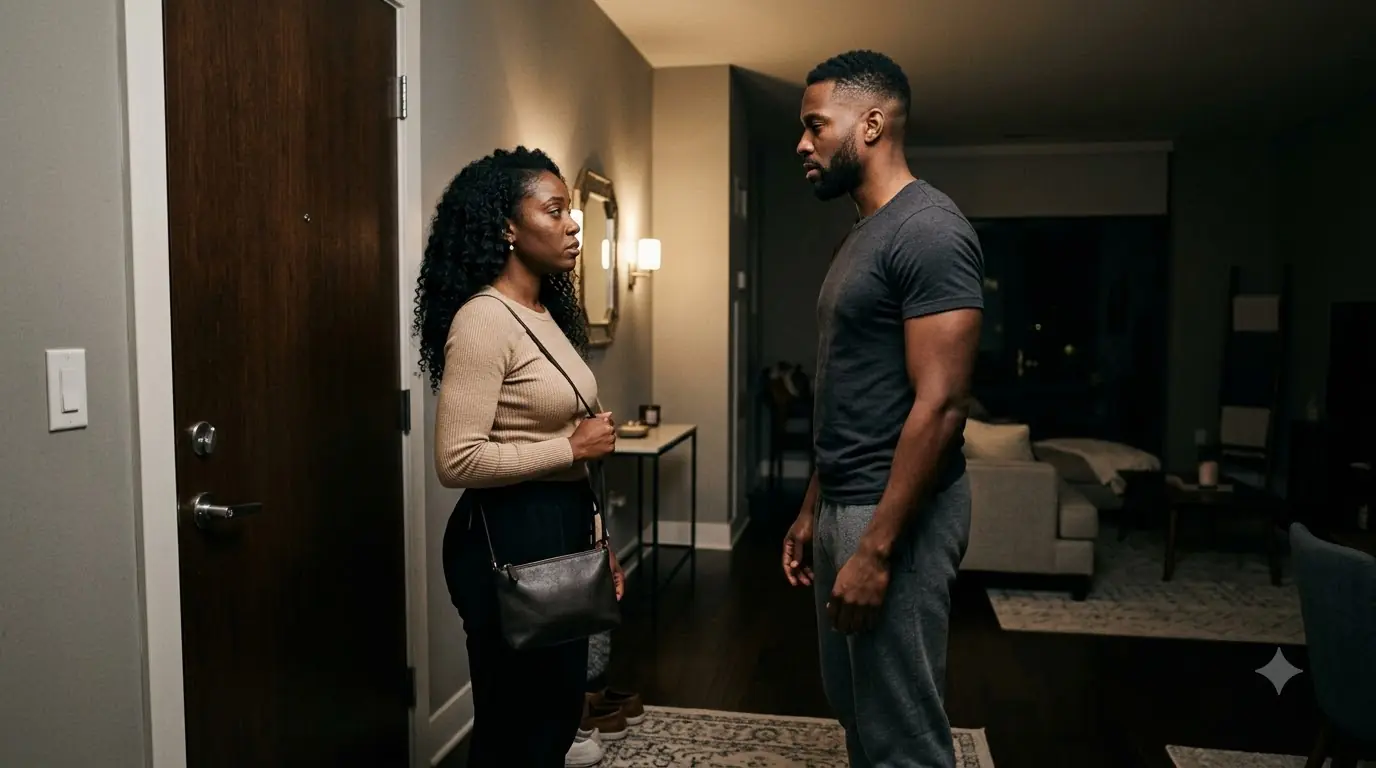
“I’m not filing for divorce,” he said.
I let out a breath I hadn’t realized I was holding.
“But I did call a therapist.”
I blinked.
“For you?”
“For us.”
“Oh.”
He rubbed his palms together.
“I’ve been thinking about things.”
“Because of what I said?”
“Because of what you said. And because of everything before it.”
I felt my stomach twist again.
“What does that mean?”
Daniel stared at the table.
“When I lost my job, I felt like I lost part of myself.”
“I know.”
“No, I don’t think you do.”
I went quiet.
He continued.
“I spent nine years at that company. I thought I was doing everything right. Then one morning, they called twelve of us into a conference room and handed us envelopes.”
“I remember.”
“You remember what happened. I’m talking about what it did to me.”
His voice stayed calm.
That made every word land harder.
“I was embarrassed.”
“Daniel—”
“Please.”
I stopped.
“I was embarrassed that you had to cover the mortgage that first month. I was embarrassed every time you paid for dinner. I was embarrassed when your dad joked that I should enjoy being a kept man.”
“He was kidding.”
“I know.”
He looked at me.
“But it still hurt.”
I looked down.
“I didn’t know.”
“That’s the problem.”
His words were soft.
Not cruel.
Just exhausted.
“You didn’t know because you stopped asking.”
I looked at him.
“What?”
“You stopped asking how I was doing. You asked if I sent applications. You asked if I called recruiters. You asked when my unemployment check was coming. You asked whether I paid this bill or that bill.”
His eyes grew wet.
“But you stopped asking how I was.”
I felt something collapse inside me.
“I thought I was helping.”
“I know.”
That somehow hurt worse.
He took a breath.
“And I wasn’t helping you enough either.”
I frowned.
“You were carrying more. I could see it. You were stressed. You were tired. And instead of admitting that I was scared, I became defensive every time you mentioned money.”
I swallowed.
“So what are you saying?”
“I’m saying your sentence didn’t create the problem.”
He looked at the envelope.
“It exposed it.”
I felt tears gathering.
“Do you really think I’d be better off without you?”
He didn’t answer immediately.
Then he said, “I think part of you has wondered.”
“That was anger.”
“Maybe.”
He looked at me again.
“But I need to know whether it was only anger.”
I stared at him.
And for the first time since Friday, I wasn’t trying to get him to forgive me.
I was trying to understand what I had actually done.
“I don’t want to lose you.”
Daniel’s face tightened.
“That’s not the same question.”
“What?”
“I didn’t ask whether you want to lose me.”
He leaned forward.
“I’m asking whether you still want this marriage.”
My mouth went dry.
“Of course I do.”
“Then why have we been acting like opponents for almost a year?”
I had no answer.
He pushed the envelope toward me.
Inside was a card with a therapist’s name and an appointment time.
Wednesday.
6:30 p.m.
“I already scheduled it,” he said.
I looked up.
“You scheduled marriage counseling without asking me?”
“I didn’t know if you’d agree.”
“That’s not exactly a great way to start communicating.”
“I know.”
For the first time, the corner of his mouth moved.
Not a smile.
Almost.
Then he became serious again.
“I’m going Wednesday whether you come or not.”
The words chilled me.
“What does that mean?”
“It means I need to figure out whether we can repair this.”
“And if we can’t?”
Daniel looked straight at me.
“Then I need to figure out why we’re still pretending.”
I stared at him.
My heart pounded.
For three days, I had thought his silence was the problem.
Sitting there across from him, I finally understood.
The silence was only what happened when two people had spent too long avoiding the truth.
And Wednesday night, whether I was ready or not, that truth was finally going to have a voice.
PART 2
I went.
Of course I went.
But on Wednesday afternoon, I almost convinced myself not to.
At work, I kept staring at the appointment reminder Daniel had forwarded to me.
6:30 p.m.
Every time I looked at it, I felt defensive.
Marriage counseling sounded so dramatic.
We weren’t one of those couples.
At least, that’s what I kept telling myself.
We weren’t screaming every night.
Nobody had cheated.
Nobody had moved out.
We still paid bills together.
Still texted each other about groceries.
Still said “love you” most mornings.
But sometime around five o’clock, I realized how low my definition of a healthy marriage had become.
We weren’t happy.
We were functioning.
Those weren’t the same thing.
The therapist’s name was Dr. Laura Bennett.
Her office was small and warm, with two chairs angled toward a couch.
Daniel had arrived before me.
Of course he had.
He was sitting with his hands clasped, staring at the carpet.
I sat beside him.
Not too close.
Not too far.
Laura looked between us.
“Who wants to start?”
Neither of us spoke.
Finally, Daniel gave a quiet laugh.
“That’s kind of why we’re here.”
Laura smiled slightly.
“Then maybe we start with the silence.”
Daniel looked at me.
I looked at him.
And somehow, that one word opened everything.
I told her about the argument.
I admitted what I said.
Then I immediately started explaining why I said it.
Laura stopped me.
“Before we get to why, can you tell Daniel what you understand he heard?”
I looked at him.
He didn’t help me.
I swallowed.
“That I think he’s a burden.”
His jaw moved.
“That I don’t respect him because he’s making less money.”
Daniel stared at the floor.
“And… that my life might be easier without him.”
Laura asked, “Is that accurate?”
Daniel nodded.
“Yes.”
I felt ashamed.
“I’m sorry.”
He rubbed his thumb across his knuckles.
“I know.”
I hated those two words.
I know.
Not I forgive you.
Not it’s okay.
Just acknowledgment.
Laura turned to him.
“And what do you think Emma was trying to express?”
Daniel was quiet.
“Probably that she’s overwhelmed.”
I looked at him.
He continued.
“That she feels like she has to manage everything.”
Laura looked at me.
“Is that accurate?”
I nodded.
“Yes.”
Something strange happened then.
For the first time, I realized Daniel understood my pain too.
He just didn’t know what to do with it.
Laura asked us when we last felt like a team.
Neither of us answered quickly.
Finally, Daniel said, “Last Christmas.”
I looked at him.
“Really?”
“Yeah.”
“Why?”
He smiled faintly.
“Remember when the furnace broke?”
I laughed despite myself.
Our furnace had stopped working two days before Christmas while my parents were staying with us.
The repair company couldn’t come until the twenty-sixth.
We bought three space heaters.
My dad slept in a sweatshirt.
My mother complained for forty-eight hours.
Daniel and I had laughed through the entire disaster.
That night, after everyone fell asleep, we sat on the kitchen floor drinking cheap wine because the living room was too cold.
“You said it was the worst Christmas ever,” I remembered.
“You said it was your favorite.”
“Because it was funny.”
“No.”
He looked at me.
“You said it was your favorite because everything went wrong and we still felt like us.”
My throat tightened.
I had forgotten that.
Laura didn’t say anything.
She let the memory sit between us.
Then Daniel said, “I miss that.”
I looked down.
“So do I.”
The next few weeks were uncomfortable.
Therapy didn’t magically make us nicer.
If anything, we argued more.
But they were different arguments.
We stopped fighting about the electric bill and started talking about what the electric bill represented.
For me, it represented being responsible for everything.
For Daniel, it represented failure.
One night, Laura gave us an assignment.
Each of us had to say one thing we resented and one thing we feared.
Daniel went first.
“I resent that you started treating my unemployment like a character flaw.”
I flinched.
He continued.
“And I’m afraid you don’t respect me anymore.”
My turn.
“I resent that whenever I tried to talk about how overwhelmed I was, you acted like I was attacking you.”
Daniel nodded.
“And what are you afraid of?”
That answer came too easily.
“I’m afraid I’ll become my mother.”
Daniel looked surprised.
I had never said that out loud.
My parents had been married for thirty-two years.
They were still together.
But my mother had spent most of those years quietly doing everything.
Bills.
Appointments.
Cooking.
Cleaning.
Family plans.
Emotional labor.
My father was kind, loyal, and dependable.
But he let her carry the entire invisible structure of their life.
And sometimes I watched my mother look at him with a kind of exhaustion that terrified me.
“I love my dad,” I said. “But sometimes I think my mom would be less tired alone.”
Daniel went still.
And suddenly we both understood where my sentence had come from.
Sometimes I feel like I would be better off by myself.
It wasn’t really about Daniel.
Not entirely.
It was about a future I was terrified of.
But fear didn’t excuse cruelty.
“I should have told you that,” I said.
“Yes.”
“I didn’t know how.”
Daniel gave a sad smile.
“Neither did I.”
Things slowly got better.
Not dramatically.
There was no movie moment where we kissed in the rain and everything disappeared.
There were awkward conversations.
There were nights when one of us slept facing the wall.
There were mornings when Daniel made two coffees again.
There were small changes.
He started managing the household bills completely.
Not because I demanded it.
Because he realized I had been carrying them mentally for years.
I stopped asking about his salary as if his paycheck determined his value.
We created a joint budget.
We started having one night each week where we weren’t allowed to talk about money, chores, work, or family problems.
And gradually, something familiar returned.
Then, two months after our first counseling session, something happened that threatened everything we had rebuilt.
Daniel got a job offer.
A big one.
Better salary than his old position.
Better benefits.
A leadership role.
There was one problem.
It was in Chicago.
We lived in Cincinnati.
When he told me, I expected him to be excited.
Instead, he looked nervous.
“What did you tell them?” I asked.
“That I needed a few days.”
My stomach tightened.
“You want to take it.”
“I think I do.”
I stared at him.
“And you didn’t talk to me before interviewing?”
His face changed.
“I applied three months ago.”
“Three months?”
“Before therapy.”
That sentence landed hard.
Before therapy.
Back when we were barely speaking.
Back when he thought I might be better off without him.
“Were you planning to leave me?”
Daniel hesitated.
And that hesitation told me everything.
“Oh my God.”
“Emma.”
“You were.”
“No.”
“You were applying for jobs in another state without telling me.”
“I was considering my options.”
“Your options?”
I laughed bitterly.
“So while I was worried our marriage was falling apart, you were making an exit plan?”
“It wasn’t like that.”
“Then what was it like?”
He stood.
“I felt trapped.”
“So did I!”
“I know that now.”
“But you didn’t tell me.”
“No.”
“Why?”
His voice rose for the first time.
“Because I thought you didn’t want me anymore!”
Silence.
There it was.
The real wound.
My sentence had not just hurt him.
It had changed what he believed was possible.
He had started imagining a life without me because he thought I was already imagining one without him.
I stared at him.
“So what now?”
He exhaled.
“I don’t know.”
“You want me to move to Chicago?”
“I want us to decide together.”
“And if I say no?”
He looked at me.
“I don’t know.”
That answer terrified me more than if he had said yes.
We spent two days barely speaking.
But this time, the silence felt different.
Not punishment.
Thinking.
On Friday night, Daniel found me sitting on the back porch.
He sat beside me.
For a while, neither of us spoke.
Then I said, “I hate that job.”
“You haven’t even seen it.”
“I hate what it represents.”
He nodded.
“I know.”
“It feels like proof that you were preparing to leave me.”
“I was preparing for the possibility that our marriage was ending.”
“That’s not better.”
“No.”
He looked down.
“But it’s true.”
I wrapped my arms around myself.
“Do you still want the job?”
“Yes.”
I appreciated the honesty.
Even though it hurt.
“Do you still want me?”
He turned immediately.
“Yes.”
“More than the job?”
“That’s not the question I want us to ask.”
I frowned.
“What does that mean?”
“It means I don’t want either of us making decisions because we’re terrified the other person will leave.”
He took a breath.
“I don’t want to turn down the job and resent you. And I don’t want you moving to Chicago and resenting me.”
“So what do we do?”
“We figure out what we actually want.”
For the next week, we talked.
Really talked.
About my job.
His career.
Our house.
Our families.
Whether we wanted children.
Something we had been postponing for years.
For the first time in a long time, we discussed our future instead of simply assuming we shared one.
And we discovered something surprising.
I wasn’t attached to Cincinnati.
I was attached to stability.
There was a difference.
My dental office job was comfortable, but I had wanted to leave for almost two years.
I was afraid to admit that because I thought Daniel needed me to be the stable one.
He thought I needed Cincinnati.
I thought he needed me to hold everything together.
Both of us had been making sacrifices the other person never asked for.
Those sacrifices had slowly turned into resentment.
Three weeks later, Daniel accepted the job.
Six months after that, we moved to Chicago.
But before we did, something happened that mattered more than the move.
We had one final session with Laura before leaving Cincinnati.
She asked us how we felt about the sentence that brought us there.
I looked at Daniel.
“I still wish I could take it back.”
He shook his head.
“I don’t.”
I stared at him.
“What?”
He smiled.
“I wish you hadn’t said it the way you did.”
“That’s different.”
“It is.”
He reached for my hand.
“But if you hadn’t said it, I don’t know how long we would’ve kept pretending everything was fine.”
My eyes filled.
“So you forgive me?”
He looked at me for a long moment.
“Yes.”
That word felt different than I expected.
Not like victory.
Like relief.
“But,” he said, “I need you to understand something.”
I nodded.
“When I went quiet, I wasn’t trying to punish you.”
“I know that now.”
“I was trying to figure out whether I could trust what you said before the argument more than what you said during it.”
I squeezed his hand.
“And what did you decide?”
“That both mattered.”
I looked at him.
He continued.
“The loving things you said for eight years were real. And the cruel thing you said that night was real too. It came from somewhere.”
My throat tightened.
“But one bad sentence doesn’t automatically define a marriage.”
He paused.
“What matters is whether we’re willing to understand where it came from.”
Months later, after we moved, there were still arguments.
Of course there were.
Daniel left cabinet doors open.
I still tried to control things when I was stressed.
He got defensive sometimes.
I said things too sharply.
We were still ourselves.
But something had changed.
When Daniel became quiet, I stopped assuming he was punishing me.
I asked, “Do you need space, or do you need me to listen?”
When I became overwhelmed, he stopped waiting until I exploded.
He asked, “What are you carrying right now?”
And we learned something neither of us had understood before.
Silence can be cruel when it is used to control someone.
But sometimes silence is simply hurt with no language yet.
An apology matters.
But an apology cannot demand immediate forgiveness.
And love does not mean pretending words don’t leave bruises just because nobody can see them.
One night, almost a year after the argument, Daniel and I were sitting in our new kitchen.
He was paying bills on his laptop.
I was making tea.
I walked behind him and kissed the top of his head.
He looked up.
“What was that for?”
“Nothing.”
He smiled.
Then I remembered that terrible Friday night.
The sentence.
The silence.
The fear that everything was ending.
And I understood something I wish I had known then.
Being sorry doesn’t mean the other person has to stop hurting on your schedule.
But being hurt doesn’t give someone permission to punish you forever either.
Healing begins when one person stops defending the mistake and the other stops using the wound as a weapon.
Daniel reached for my hand.
I gave it to him.
And this time, neither of us needed silence to say what we meant.
News in the same category
He Had Access to Me Whenever He Wanted… Until I Realized That Wasn’t Love
Her Boyfriend Couldn't Stop Looking at Her Sister… So She Finally Asked the Question She Was Afraid to Ask

Black CEO Forced from First Class to Give Seat to White Passenger — He Cancelled $100M Deal
The Rich Kid Called Him “Mop Boy” — Then He Shoved Him in Front of the Whole Gym

Passenger Refuses Seat Next to Black CEO — She Cancels the Entire Flight With One Call

The Champion Humiliated the Old Security Guard — Then He Put His Hands on Him
What if one I stopped calling, stop texting and just disappeared for a while?

Her Father Beat Her Into the Mud — Then the Fourth Strike Never Came

The Black Belt Picked the “Easy” Woman — Then the Whole Gym Went Quiet
He Shoved the Nurse in Front of His Dying Father — Then She Stopped Moving
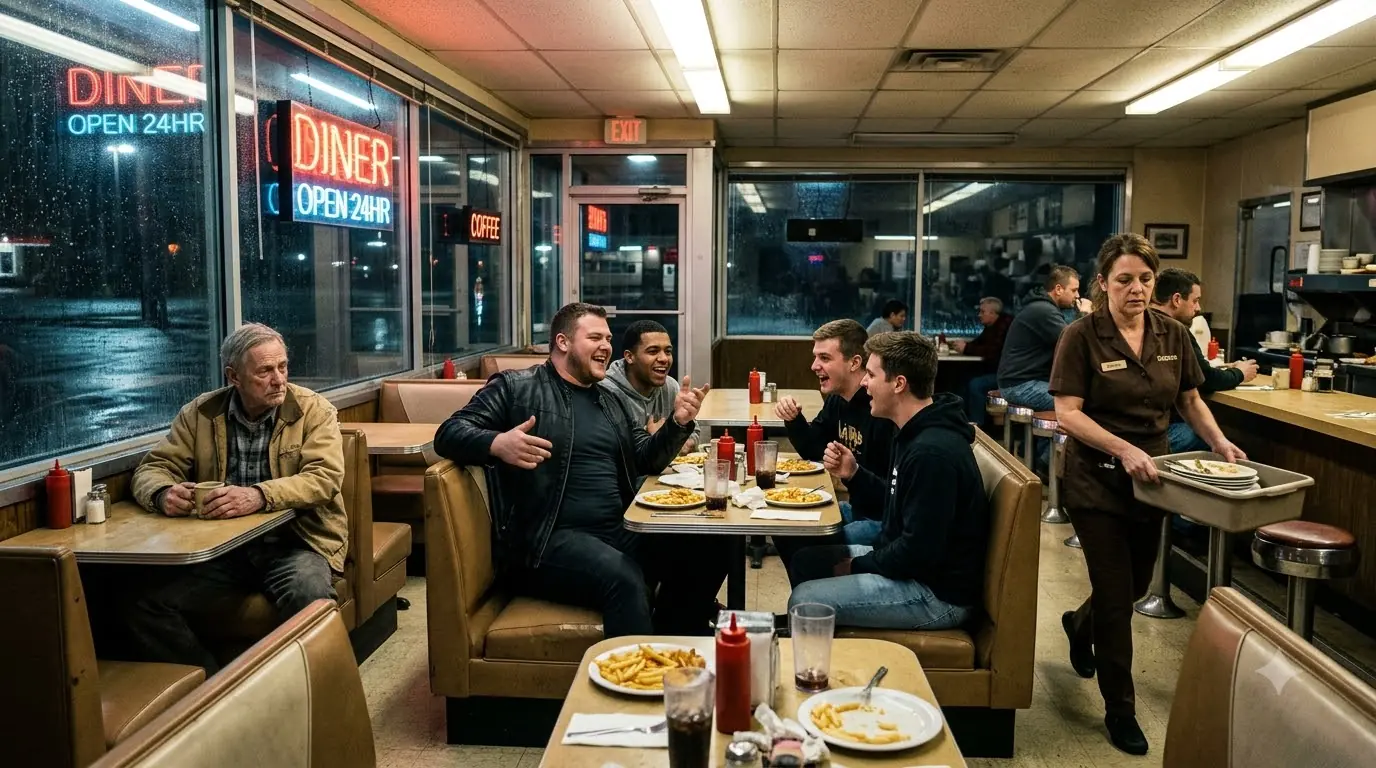
They Humiliated the Old Man in the Diner — Then One of Them Grabbed the Waitress

She Ordered Him to Remove 43 Longhorns — Then He Asked One Quiet Question
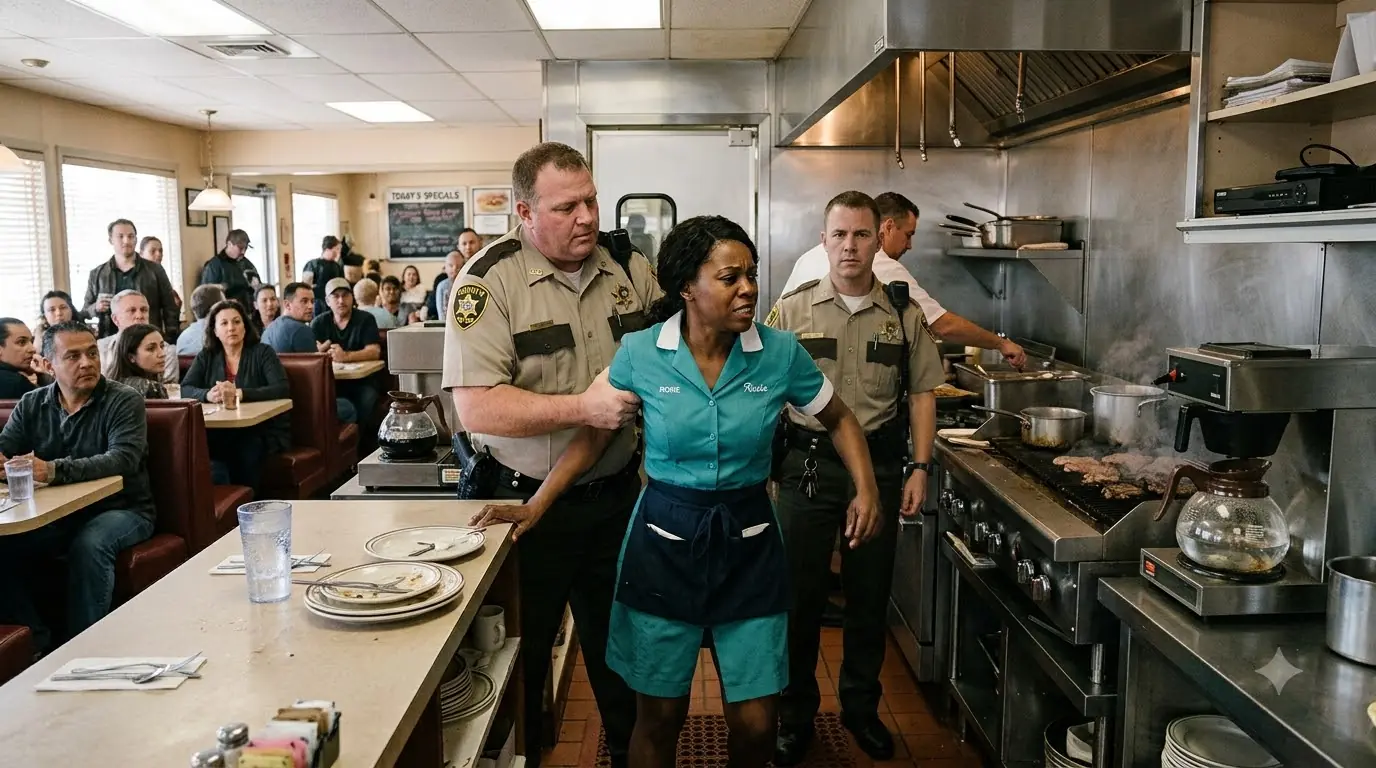
They Shoved the Waitress Into the Counter — Then Someone Walked Through the Diner Door
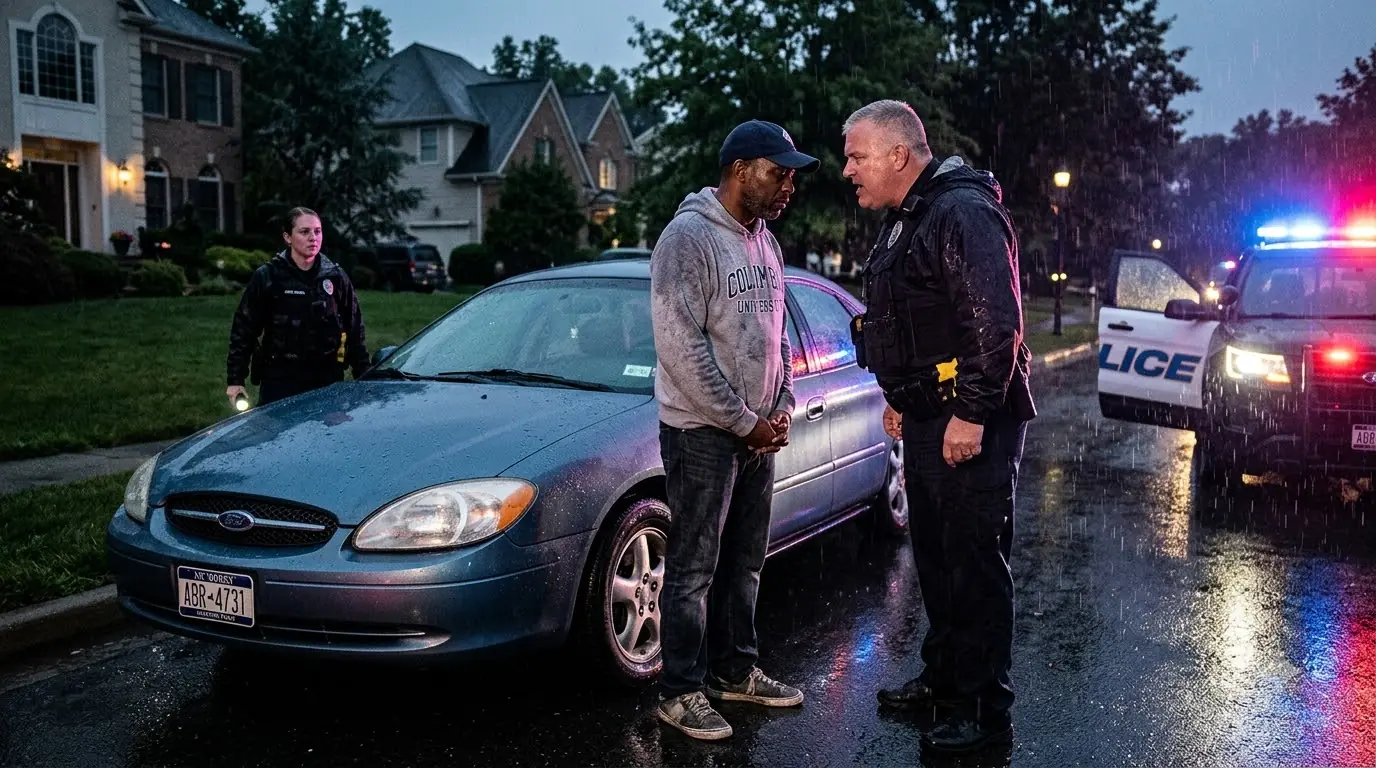
The Cop Slammed Him Into His Own Car — Then the Rookie Started Getting Nervous
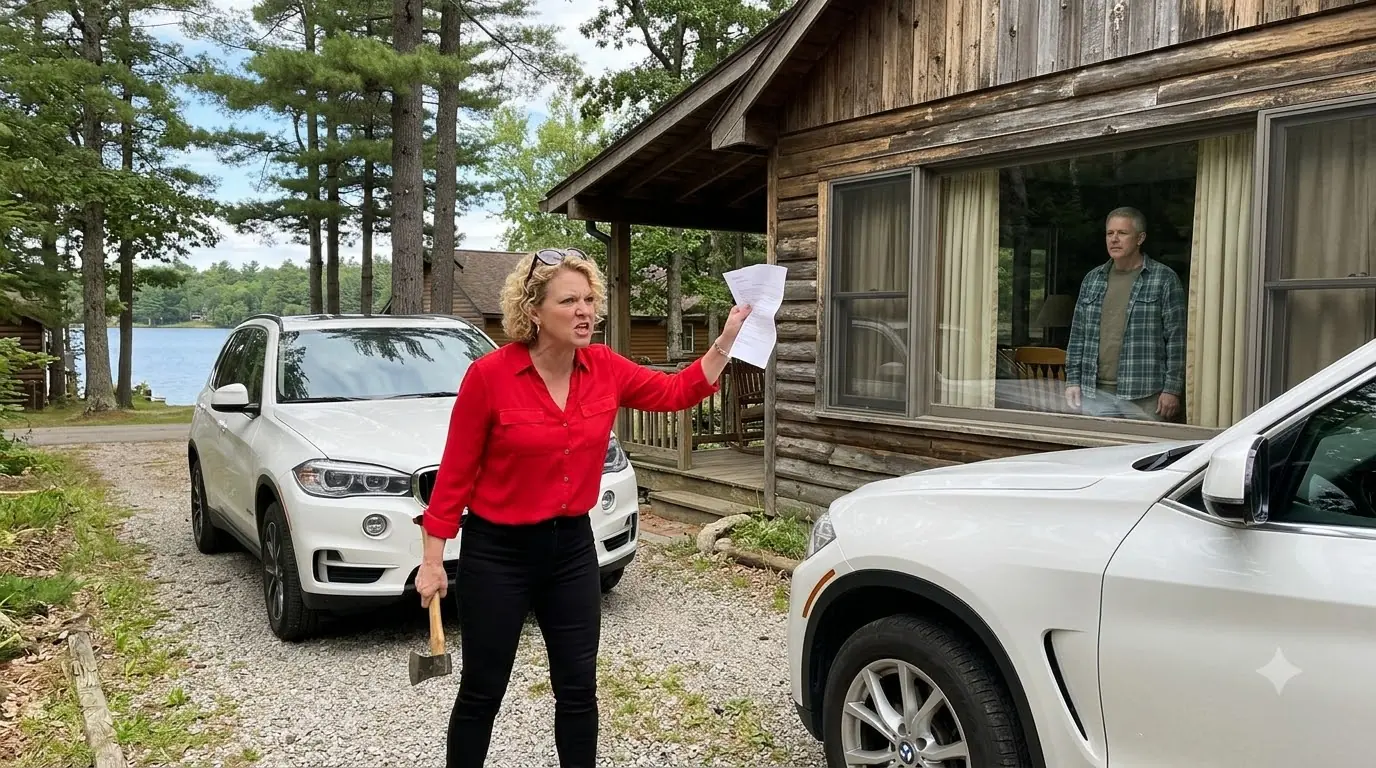
She Threatened to Take His Dock — Then He Looked at the Camera

The Coach Humiliated His Son in Front of the Whole Gym — Then Dad Stepped Onto the Mat
The Cop Forced Him Into the Rain — Then Something on His Phone Changed Everything