I’m 63, and I Stopped Explaining Myself—But There’s One Boundary I Won’t Cross
Reader Theme:
Font Size:
24px
I’m 63, and I Stopped Explaining Myself—But There’s One Boundary I Won’t Cross
There comes a point when explaining every decision becomes exhausting.
Why didn’t you come?
Why didn’t you answer?
Why did you change your mind?
Why don’t you want to do what everyone else is doing?
For years, many people answer those questions as though they’re defending a case in court. They offer detailed reasons, soften every refusal, apologize for needing rest, and sometimes agree to things they never wanted to do simply because disappointing someone feels uncomfortable.
Then something changes.
For some people, it happens after retirement. For others, after raising children, caring for aging parents, losing someone important, recovering from a stressful period, or simply realizing that time feels more valuable than it once did.
You begin asking a different question:
Do I actually want to spend my remaining healthy years living according to everyone else’s expectations?
Setting boundaries can be a healthy part of adulthood. But there’s also an important distinction worth understanding—especially later in life.
Choosing a quiet evening because you genuinely enjoy it is one thing.
Becoming increasingly isolated, inactive, or disconnected because leaving home feels difficult is another.
Healthy aging isn't about saying yes to everyone. It isn't about saying no to everyone, either.
It's about building a life in which your relationships, routines, physical health, and emotional well-being support the person you want to be.
Why We Feel the Need to Explain Ourselves
The habit often starts long before 60.
Many of us were taught—directly or indirectly—that being considerate means being available.
A friend invites you somewhere you don't want to go, so instead of saying, "Thanks, but I'm going to pass," you search for an acceptable excuse.
Someone calls while you're tired, and you answer anyway because ignoring the call feels rude.
A relative asks a personal question, and you feel obligated to provide an answer because saying, "I'd rather not discuss that," seems unfriendly.
Over time, this can create a pattern in which other people's reactions become part of every decision.
You aren't simply deciding whether you want to attend dinner. You're calculating who might be offended, what explanation they'll accept, and whether declining will make you look selfish.
That mental workload is real.
Healthy boundaries can reduce some of it.
A boundary is not necessarily a demand that someone else behave differently. Often, it's simply a decision about what you will do.
"I won't discuss that."
"I'm not available tonight."
"I need some time to think."
"I'm going home early."
Those statements don't require a courtroom-style defense.
The Difference Between a Boundary and a Wall
This distinction matters.
A healthy boundary protects your well-being while still allowing meaningful relationships to exist.
A wall keeps nearly everyone out.
Imagine that a friend regularly calls late at night.
A boundary might be deciding that you don't answer calls after 9 p.m. unless there's an emergency. You can still talk with that friend tomorrow.
A wall might look like gradually stopping communication with almost everyone because interacting with people has become uncomfortable.
From the outside, both behaviors could initially look like "protecting my peace."
But they aren't necessarily doing the same thing for your health.
Human beings need some degree of connection. Research consistently links social connection with physical and psychological well-being, while persistent loneliness and social isolation are associated with poorer health outcomes.
That doesn't mean everyone needs a huge social circle.
Quality matters.
Some people genuinely thrive with a small group of close relationships and plenty of time alone.
The goal isn't maximum social activity.
It's meaningful connection without constant obligation.
Saying No Can Protect Something Valuable
Every yes costs something.
Sometimes it's money.
More often, it's time, energy, attention, or recovery.
Suppose you're invited to a late dinner, but you have an early morning walk planned and know that staying out late disrupts your sleep.
Declining isn't necessarily antisocial.
You may simply be prioritizing something important to your health.
The same applies when your schedule becomes overloaded.
If you're helping grandchildren, volunteering, caring for a spouse, maintaining a home, attending appointments, exercising, and trying to preserve friendships, your calendar can become surprisingly demanding.
Rest is not wasted time.
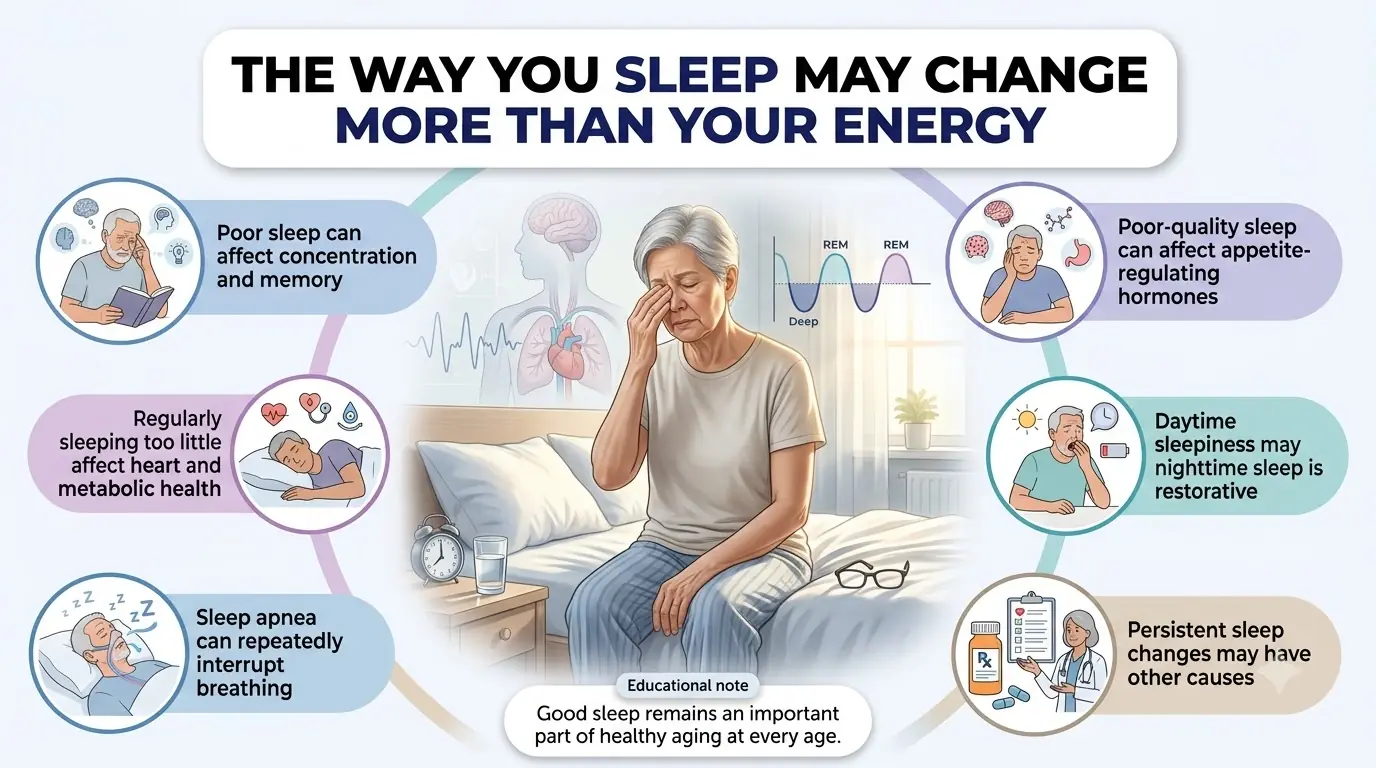
Older adults still need recovery, sleep, downtime, and opportunities to do things simply because they're enjoyable.
The problem begins when saying no stops protecting your life and starts shrinking it.
Ask Yourself: "What Is My No Protecting?"
This may be one of the most useful questions you can ask.
When you decline something, what are you making room for?
Maybe you're saying no to an exhausting obligation so you can sleep properly.
Maybe you're skipping a gathering where you consistently feel uncomfortable so you can spend time with people who treat you well.
Maybe you're declining another volunteer responsibility because you're already stretched thin.
Those can be thoughtful choices.
But imagine a different pattern.
You're saying no to the weekly walking group because getting ready feels like too much trouble.
You stop going to lunch with friends.
You quit the hobby group you once enjoyed.
You avoid traveling because you're worried you won't keep up.
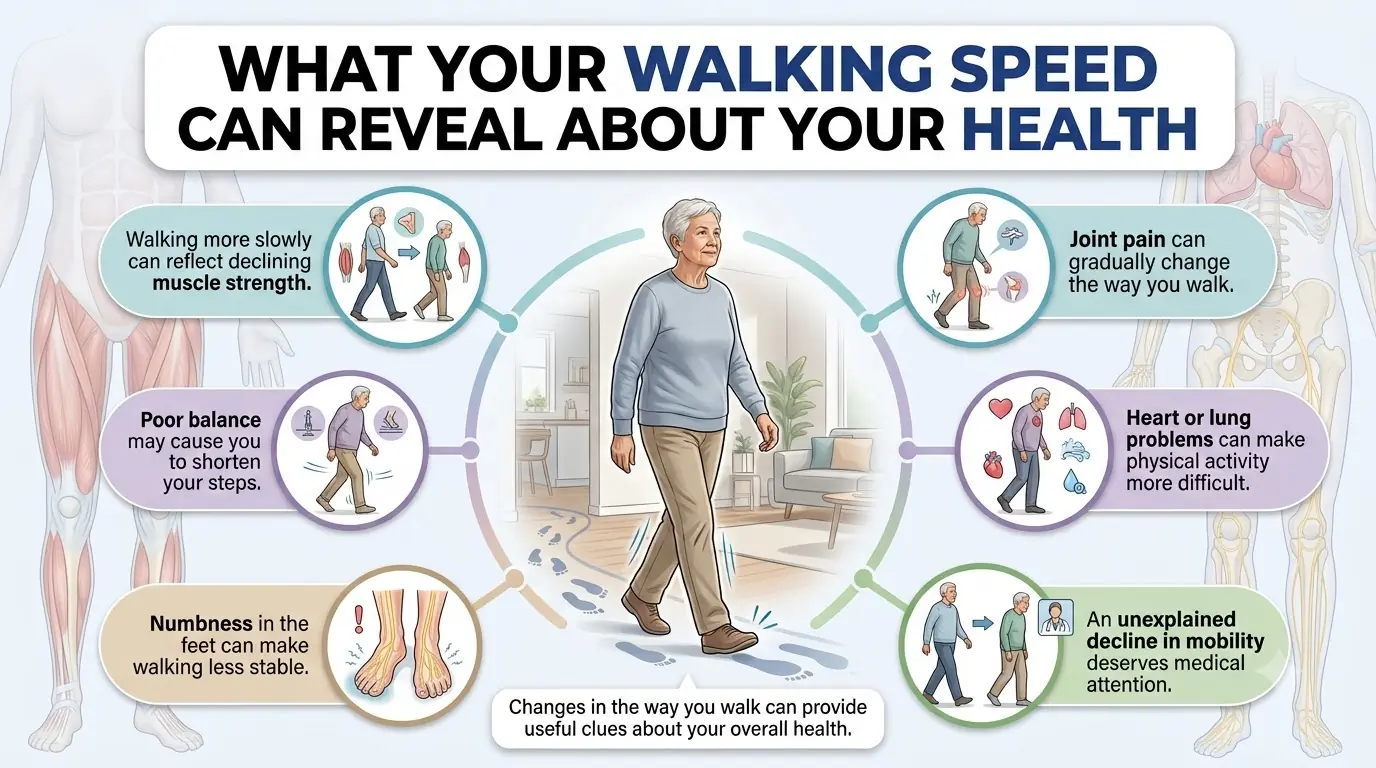
You stop walking around the neighborhood because your balance feels less reliable.
Eventually, you're spending most days sitting at home.
That pattern deserves attention.
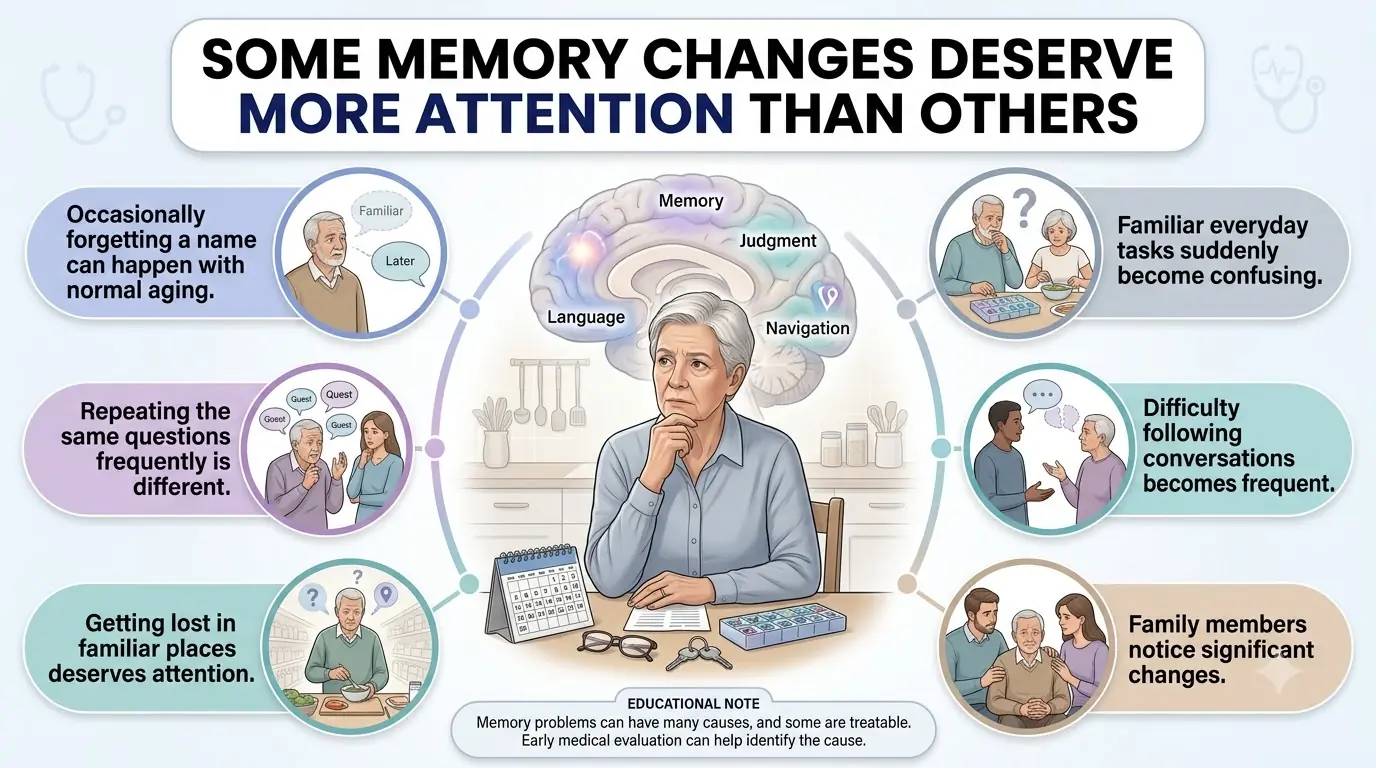
What appears to be a preference for peace could sometimes be related to pain, reduced mobility, hearing difficulties, anxiety, depression, fatigue, medication effects, fear of falling, or another health issue.
That's why context matters.
Solitude and Loneliness Are Not the Same Thing
Being alone isn't automatically unhealthy.
Many people genuinely enjoy solitude.
Reading quietly, gardening, cooking, working on a hobby, listening to music, walking alone, or simply having an evening without conversation can be restorative.
Loneliness is different.
It describes the distressing feeling that your desired level or quality of connection isn't being met.
You can live alone without feeling lonely.
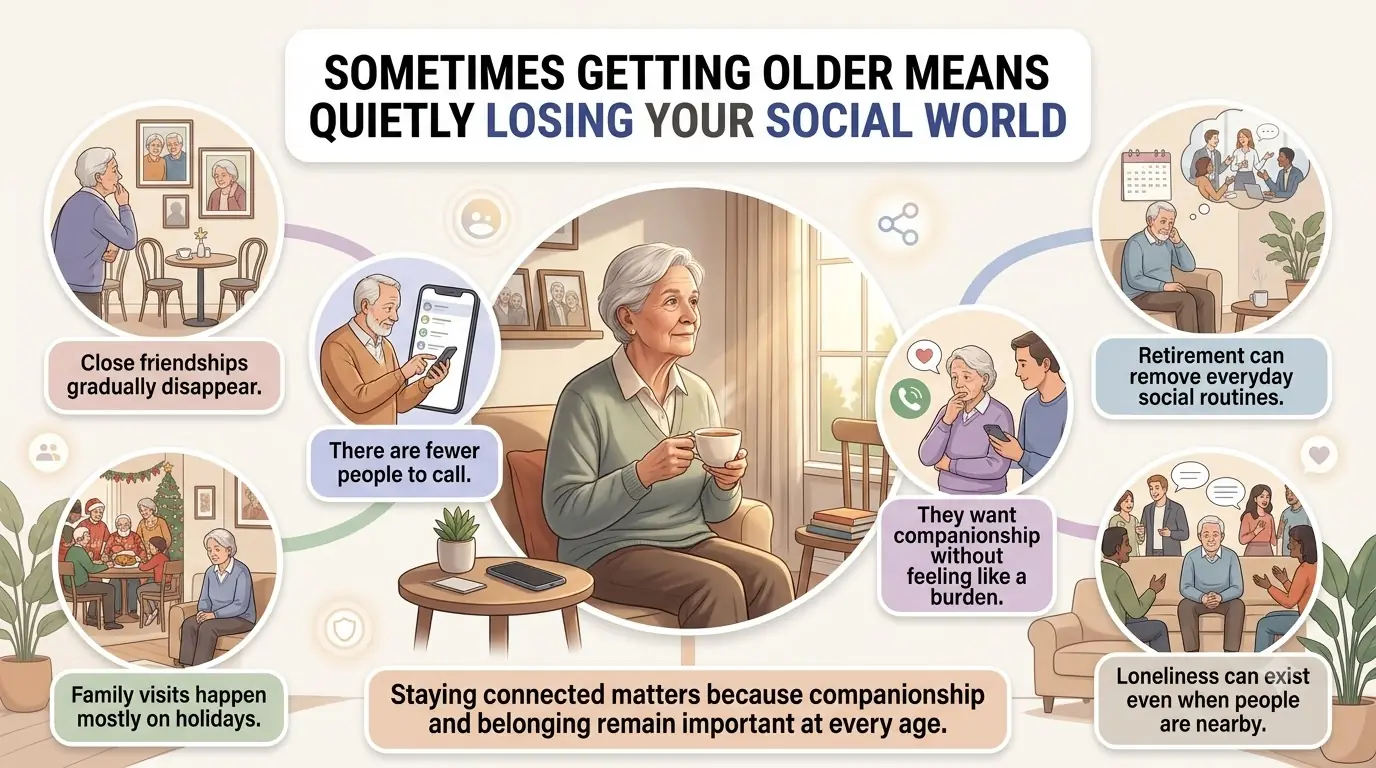
You can also feel deeply lonely while surrounded by people.
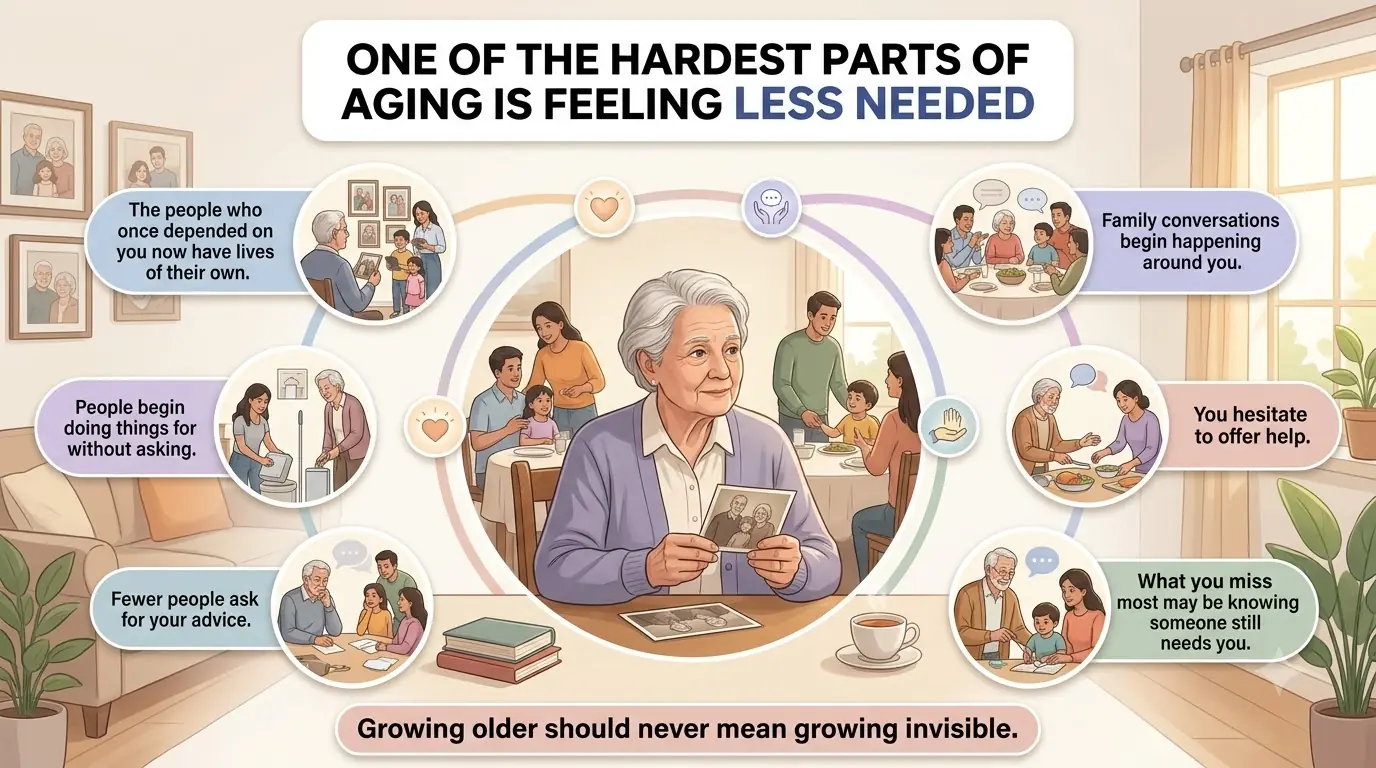
This distinction becomes especially important after major life transitions.
Retirement can remove daily contact with coworkers.
Adult children may live far away.
Friends may move.
A spouse or partner may die.
Health limitations can make transportation or social activities more difficult.
None of this means loneliness is inevitable with age.
It means social connection may require more intentional maintenance than it once did.
When work, school, parenting, and children's activities automatically placed people around you, connection happened almost by accident.
Later in life, you may have to create it deliberately.
Your Social Life Is Also Part of Healthy Aging
When people think about healthy aging, they often picture food and exercise.
Those matter tremendously.
But health is broader.
Meaningful relationships and social participation can support emotional well-being and provide practical benefits too.
A walking partner may help you stay consistent.
A friend may notice when something seems wrong.
A neighbor may check on you after a storm.
A weekly group gives structure to your calendar.
Grandchildren may give you a reason to get down on the floor—and enough motivation to maintain the strength required to get back up.
Social activities can also involve movement without feeling like formal exercise.
Going to a museum, meeting someone for coffee, shopping at a farmers market, volunteering, attending a community event, gardening with neighbors, or walking around a new city all require some combination of standing, walking, balance, endurance, and mobility.
That is one reason preserving physical function matters so much.
Sometimes "I'd Rather Stay Home" Is Exactly the Right Choice
There is nothing medically superior about being busy every night.
A packed calendar is not proof of a healthy life.
If you genuinely prefer reading at home to attending a noisy event, you don't need to transform yourself into an extrovert.
Likewise, you don't have to maintain friendships that consistently leave you feeling belittled, manipulated, or emotionally drained merely because you've known someone for decades.
Growing older doesn't eliminate your right to decide how you spend your time.
In fact, becoming more selective can make room for better experiences.
Instead of attending five social events you barely enjoy, perhaps you have dinner with two close friends.
Instead of joining every committee, you volunteer for one cause that matters to you.
Instead of answering every phone call immediately, you return calls when you have the energy to be present.
That's not withdrawal.
That's intentional living.
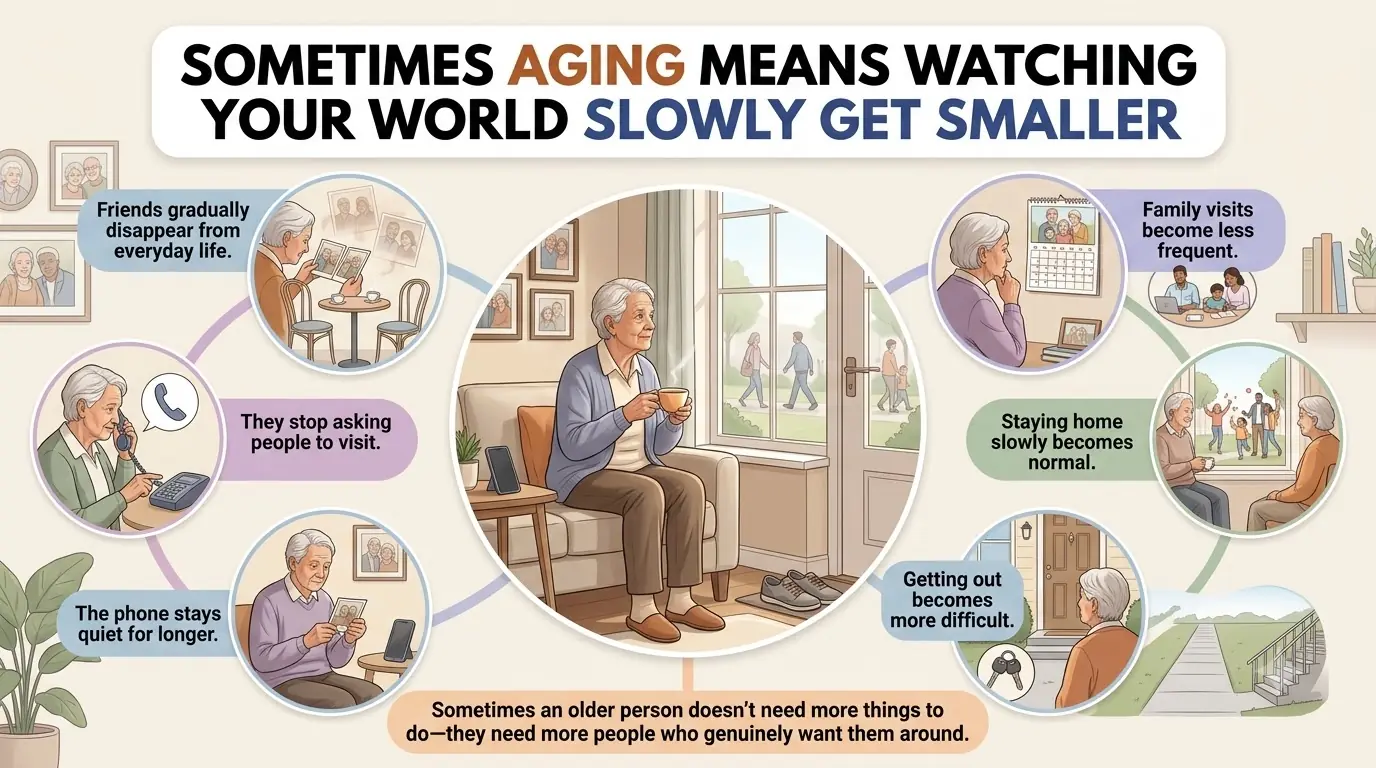
But Watch for the Quiet Shrinking of Your World
There is another side to this conversation.
Sometimes life becomes smaller so gradually that we barely notice.
Perhaps your knee hurts, so you stop taking long walks.
Then you avoid a festival because there's too much walking.
Next you decline a trip because airports seem exhausting.
Eventually, you stop visiting a friend because their apartment requires climbing stairs.
Each decision makes sense individually.
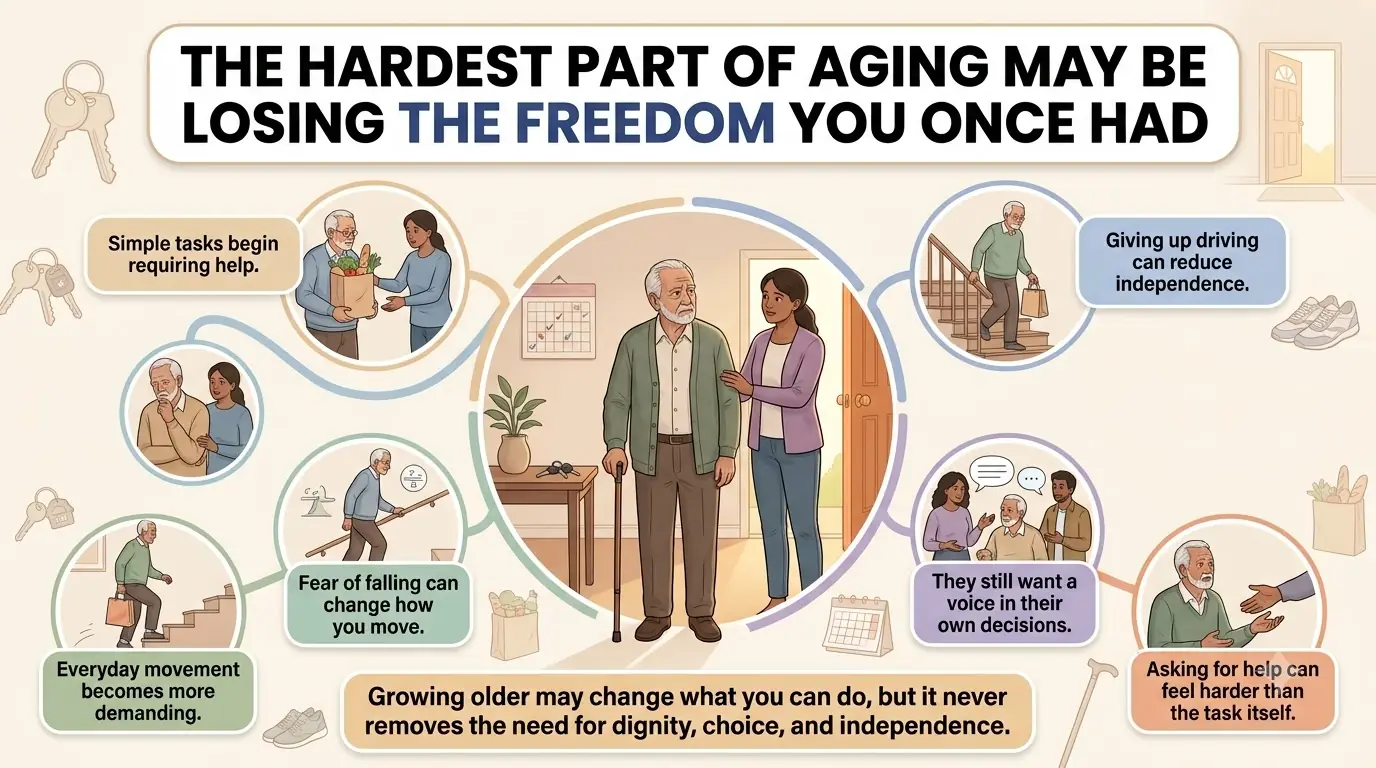
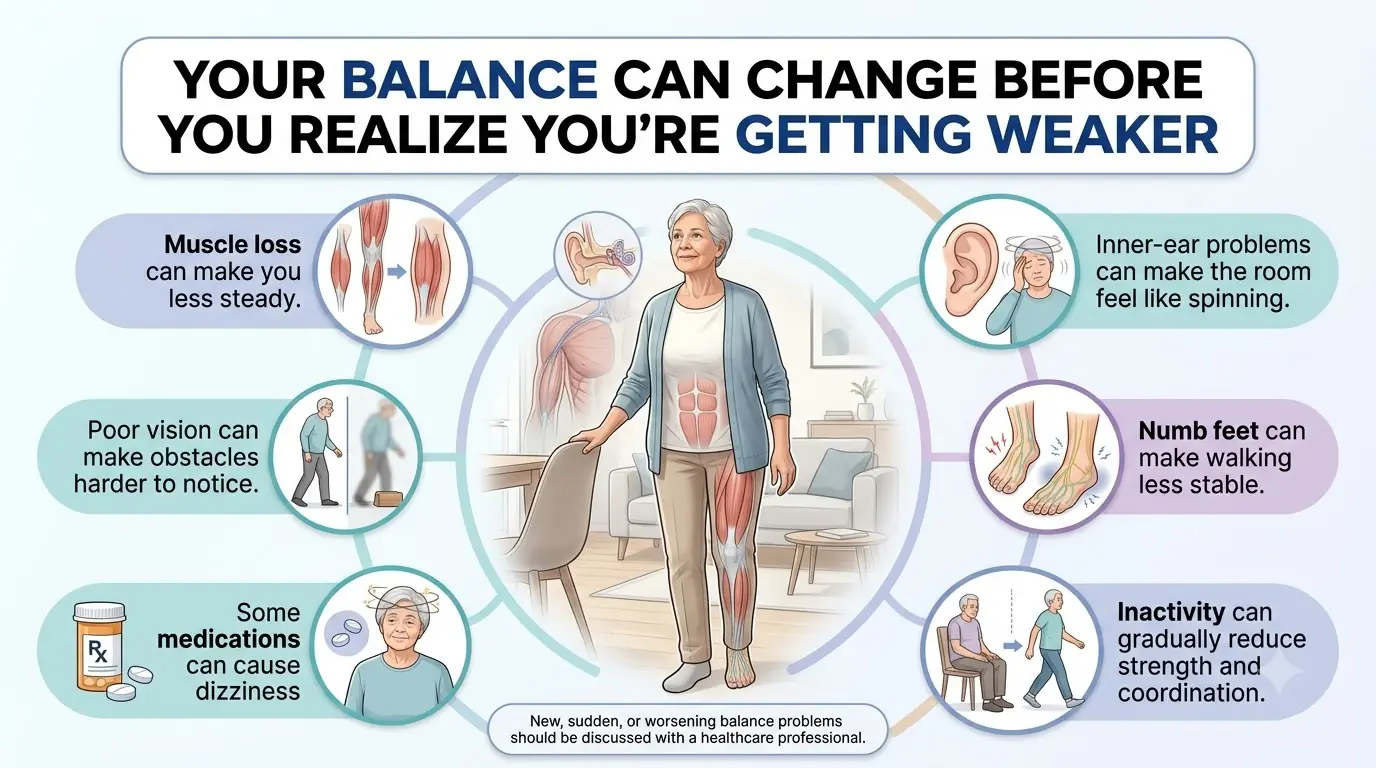
Together, however, they may reveal something important: declining physical capacity is beginning to make decisions for you.
The same can happen after a fall.
Someone slips once and becomes understandably cautious.
They walk less because they're afraid of falling again.
Less activity can contribute to reduced strength and conditioning.
Daily activities may then feel harder, which can reinforce the original fear.
This doesn't mean anyone should simply "push through" pain, dizziness, or instability.
Those symptoms may need medical assessment.
But it does mean that preserving strength, mobility, and balance isn't only about fitness.
It's about preserving choices.
You want "I'm staying home tonight" to remain a preference—not become the only realistic option.
Strength Gives Your Boundaries More Freedom
Think about what independence actually requires.
Getting out of a chair.
Carrying groceries from the car.
Climbing stairs.
Lifting luggage.
Getting something from a high shelf.
Stepping over a curb.
Catching yourself when you stumble.
Getting up from the floor.
Walking through an airport.
None of these activities requires looking like a fitness model.
They require adequate strength, balance, mobility, and cardiovascular capacity.
Age-related changes in muscle are real, but physical decline isn't entirely predetermined. Resistance exercise can help older adults maintain or improve strength and physical function.
That might include weight machines, free weights, resistance bands, body-weight movements, or other forms of progressive resistance training.
The appropriate starting point depends on your current health and ability.
For one person, squatting with a barbell may be appropriate.
For another, repeatedly standing from a sturdy chair may be a meaningful beginning.
The goal isn't proving how young you are.
The goal is maintaining the physical capacity to keep choosing your own life.
Walking Matters—but Strength Deserves Attention Too
Walking is excellent physical activity.
It's accessible, inexpensive, and can support cardiovascular health, endurance, mood, and mobility.
But walking alone doesn't fully replace resistance training.
Muscles need sufficient challenge to maintain strength.
This becomes especially relevant as we age because maintaining muscle and power helps with everyday tasks.
Consider carrying groceries.
Walking helps you get from the parking lot to the kitchen.
Strength helps you carry the bags.
Balance helps you step onto the curb.
Grip strength helps you hold them.
Leg strength helps you climb the stairs.
Healthy function is a team effort.
For many adults, a well-rounded routine includes aerobic activity, muscle-strengthening work, and activities that challenge balance.
People with chronic medical conditions, significant joint problems, cardiovascular concerns, recent surgery, or substantial mobility limitations may need individualized guidance before changing their exercise routine.
Stop Treating Rest and Inactivity as the Same Thing
Rest is essential.
Inactivity is different.
A restful afternoon after a busy morning can support recovery.
Weeks of rarely leaving the chair can gradually reduce conditioning.
This distinction is particularly important for people who have finally reached a stage of life where they don't have to rush everywhere.
Retirement can feel wonderfully liberating.
You no longer have to commute at 7 a.m., stand all day at work, or organize your life around someone else's schedule.
But removing unwanted activity can accidentally remove beneficial activity too.
The answer isn't filling retirement with obligations.
It's building movement into a life you actually enjoy.
Walk while talking with a friend.
Garden.
Dance.
Swim.
Take a class.
Play with grandchildren.
Go sightseeing.
Do resistance training.
Work around the house.
The best activity plan isn't necessarily the fanciest one.
It's one you can safely continue.
You Don't Have to Earn the Right to Rest
There's another unhealthy extreme worth avoiding.
Some people spend decades believing they must be productive every waking minute.
If they sit down, they feel guilty.
If they decline an invitation, they feel selfish.
If they take an afternoon nap after a poor night's sleep, they feel lazy.
Healthy aging doesn't require relentless optimization.
You are allowed to enjoy your life.
You can sit on the porch.
You can read for two hours.
You can watch a movie.
You can spend Saturday doing very little.
The important question is what your overall pattern looks like.
Are rest and activity both present?
Are you maintaining your body while also enjoying it?
Are you connected to people who matter without feeling controlled by everyone's expectations?
That's a much more useful standard than constant busyness.
The Boundary That Matters: Don't Abandon Yourself
There's an irony in spending years learning not to abandon your needs for other people—and then accidentally abandoning your own health in the process.
Protecting your peace should include protecting your future independence.
That means making room for the things your body and mind still need.
Movement.
Sleep.
Nutritious food.
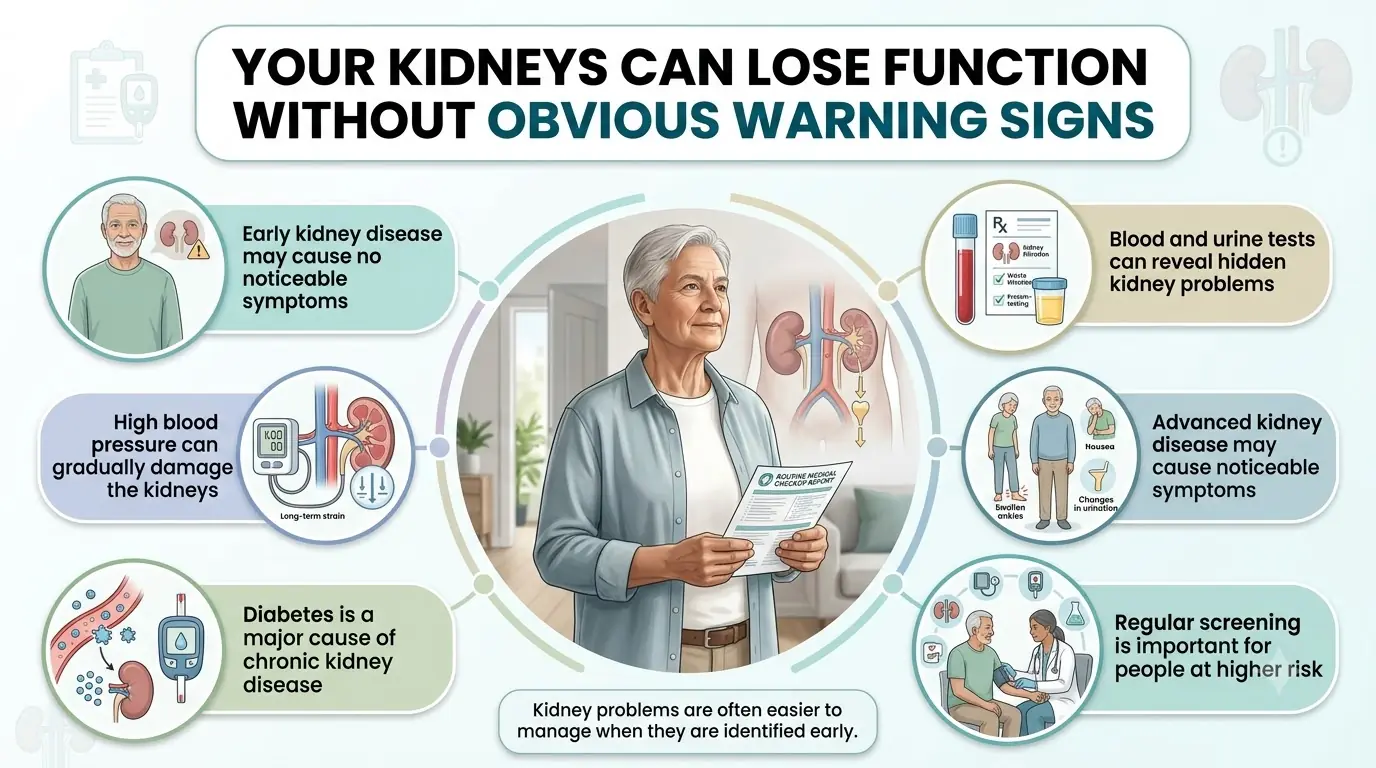
Medical care.
Purpose.
Mental stimulation.
Relationships.
Recovery.
None requires perfection.
You don't need an elaborate morning routine or a refrigerator filled with expensive wellness products.
Basic habits consistently practiced usually matter more than dramatic short-term efforts.
Who Should Pay Extra Attention?
A growing preference for staying home deserves closer attention when it represents a significant change from your normal personality or habits.
Ask yourself what changed.
Are you staying home because you enjoy being there?
Or because walking has become painful?
Have you stopped seeing friends because you prefer solitude?
Or because hearing conversations in restaurants has become frustrating?
Are you declining trips because they genuinely don't interest you?
Or because you're afraid of falling?
Are you ignoring calls because you need boundaries?
Or have you lost interest in people and activities you previously enjoyed?
These are very different situations.
People experiencing major mobility changes, chronic pain, repeated falls, significant fatigue, hearing or vision problems, persistent loneliness, or changes in mood may benefit from discussing them with a healthcare professional.
Sometimes addressing the underlying barrier can reopen parts of life that seemed permanently closed.
When to Talk to a Doctor
Normal preferences don't require medical treatment.
Wanting more privacy, declining invitations, or enjoying solitude can simply reflect personality and priorities.
However, consider mentioning changes at a routine medical appointment if you're noticing a gradual decline in strength, balance, walking ability, stamina, hearing, vision, or ability to perform everyday activities.
More prompt evaluation is appropriate when physical function changes suddenly or substantially, when falls become recurrent, or when symptoms such as persistent dizziness, unexplained weakness, significant shortness of breath, or other concerning changes interfere with daily life.
Persistent sadness, loss of interest in activities you once enjoyed, major changes in sleep or appetite, hopelessness, or increasing social withdrawal also deserve professional attention.
And symptoms that could represent an emergency—such as new chest pain or pressure, severe difficulty breathing, fainting, or sudden signs of stroke such as facial drooping, arm weakness, or difficulty speaking—require urgent emergency care.
Boundaries are valuable.
They should never become a reason to dismiss symptoms that need medical attention.
A Better Way to Think About "No"
Perhaps the most useful version of "no" after 60 isn't simply refusing more things.
It's becoming more deliberate about what deserves a yes.
No to obligations that repeatedly exhaust you.
Yes to adequate sleep.
No to spending every weekend pleasing acquaintances.
Yes to seeing the friend who makes you laugh.
No to pretending your knee doesn't hurt.
Yes to getting it evaluated.
No to believing you're "too old" to become stronger.
Yes to appropriately challenging your muscles.
No to answering every phone call immediately.
Yes to maintaining relationships that matter.
No to living entirely according to other people's expectations.
Yes to protecting the physical and emotional capacity that allows you to keep making your own decisions.
That's a different kind of independence.
The Big Picture: Peace Should Make Your Life Better, Not Smaller
One of the privileges of getting older can be greater clarity about what deserves your time.
You may become less interested in impressing people.
Less willing to tolerate unnecessary drama.
Less concerned about whether everyone agrees with your decisions.
That can be deeply freeing.
But healthy independence is more than freedom from other people's expectations.
It's also having enough physical, emotional, and social capacity to continue choosing what your days look like.
The goal isn't to stay busy.
It isn't to say yes.
It isn't to say no.
And it certainly isn't to become 25 again.
The goal is to remain capable enough that your decisions continue to be genuine decisions.
Stay home because home feels peaceful—not because you're no longer strong enough to go anywhere else.
Take the trip because you want the experience—not because you're afraid to disappoint someone.
Decline the invitation because you'd rather spend the evening differently—not because loneliness, pain, fear, or declining mobility have quietly narrowed your world.
At 63, 70, or 80, you don't owe everyone a detailed explanation for the life that feels right to you.
But you do owe yourself something more valuable:
The opportunity to keep building a life you are physically and emotionally capable of choosing.
Medical disclaimer: This article is for educational purposes only and is not a substitute for individualized medical advice, diagnosis, or treatment. Talk with a qualified healthcare professional about symptoms, health conditions, medications, or significant changes in physical or emotional well-being.