I’M 72—10 BORING THINGS I DO DAILY TO STAY STRONG AND INDEPENDENT
Reader Theme:
Font Size:
24px
I’M 72—10 BORING THINGS I DO DAILY TO STAY STRONG AND INDEPENDENT
Getting older changes what “being in shape” means.
At 25, you might care about how much weight you can lift, how fast you can run, or how you look in a swimsuit. By your 60s and 70s, the questions often become much more practical.
Can you get out of a low chair without pushing yourself up with both hands?
Can you carry your groceries from the car?
Can you climb a flight of stairs without feeling completely drained?
Can you bend down, get back up, and maintain your balance when you stumble?
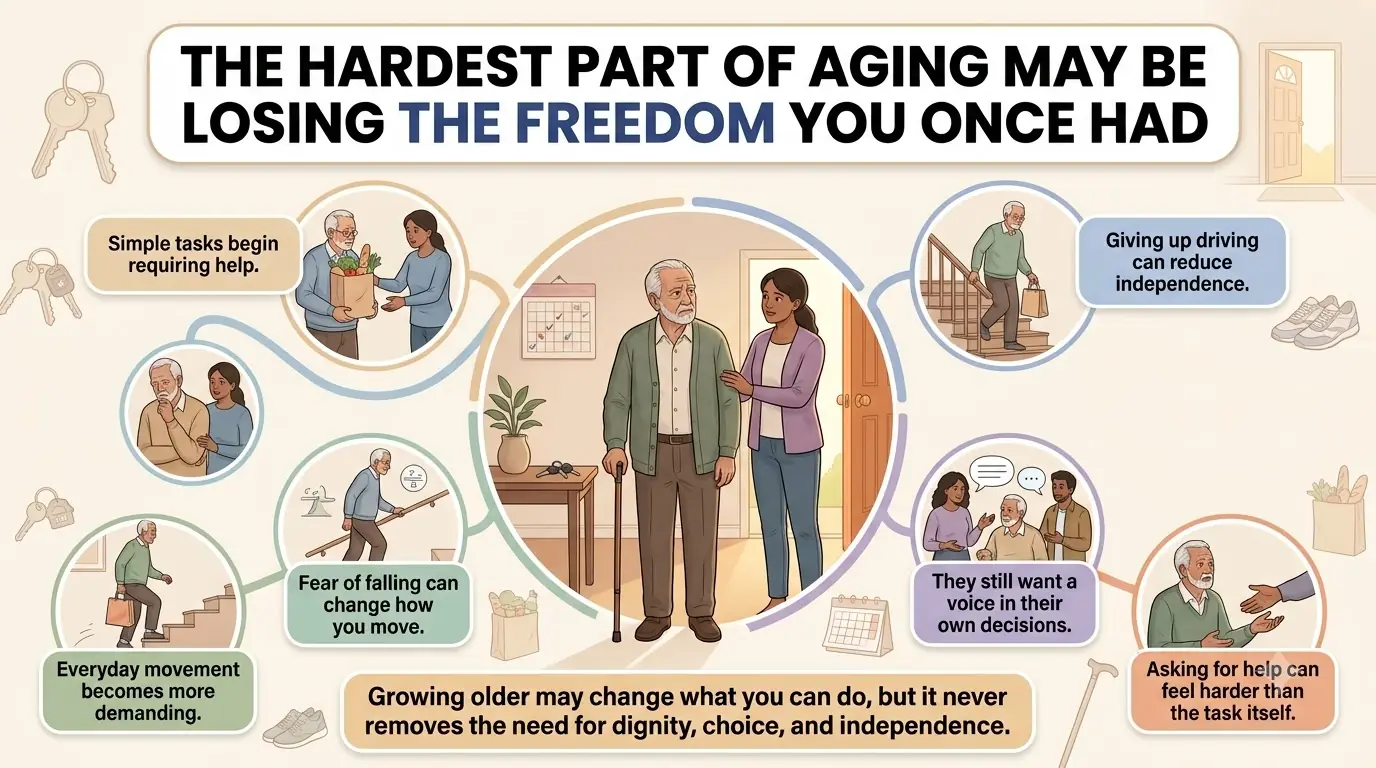
And perhaps most importantly: can you continue living your life on your own terms?
Those questions matter because aging is accompanied by real physiological changes. Muscle mass and strength tend to decline with age, bones can become less resilient, balance may worsen, recovery can take longer, and chronic health conditions become more common.
But aging does not mean you should simply surrender your strength, mobility, or independence.
Many of the habits associated with healthier aging aren't dramatic. They don't require spending two hours in a gym every morning, following an extreme diet, or buying an expensive collection of supplements.
In fact, some of the most useful habits are remarkably boring.
They work because they are realistic enough to repeat.
Here are 10 of them.
1. I DON'T LET MY MUSCLES GO UNUSED
One of the biggest physical concerns as we grow older is losing muscle and strength.
Age-related loss of muscle mass and function is often called sarcopenia. It can make everyday activities progressively harder, from getting out of a chair to carrying groceries.
This is about much more than appearance.
Your muscles help you walk, climb stairs, maintain balance, protect your joints, perform household tasks, and recover when you lose your footing.
That's why resistance exercise becomes especially valuable later in life.
And resistance training doesn't necessarily mean lifting extremely heavy weights.
Depending on your fitness and health, it might involve dumbbells, resistance bands, weight machines, bodyweight exercises, or movements such as controlled chair squats.
The goal isn't to destroy yourself in the gym.
The goal is to regularly give your muscles a reason to remain strong.
For older adults, current physical activity recommendations generally include muscle-strengthening activities at least two days per week, alongside aerobic and balance-focused activity.
If you're new to exercise or have significant health or mobility limitations, getting guidance from a healthcare professional or qualified exercise specialist can help you start safely.
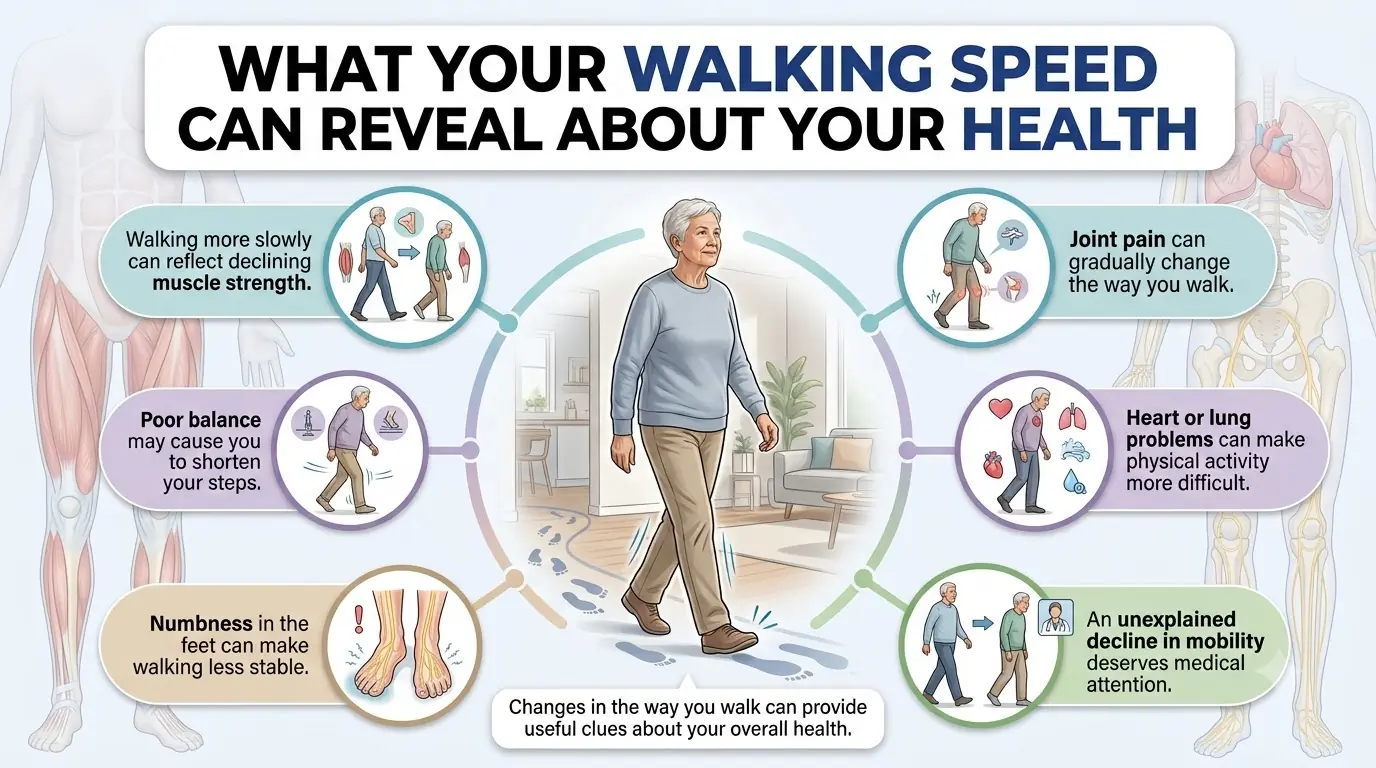
2. I WALK EVEN WHEN IT DOESN'T FEEL LIKE A “WORKOUT”
Walking can seem almost too ordinary to count.
That's exactly why it is so useful.
You don't need special equipment. You don't need a gym membership. And for many people, walking can be incorporated into everyday life.
Regular physical activity supports cardiovascular health, mobility, physical function, mood, and overall health.
The key is consistency.
A ten-minute walk after lunch is still movement.
Walking around the neighborhood is movement.
Parking farther from the entrance is movement.
Taking another lap through the grocery store is movement.
Over time, these small opportunities can contribute to a more active lifestyle.
If you're already active and medically able to do so, gradually increasing your pace or including hills can make walking more challenging.
But don't dismiss easier walking simply because social media doesn't make it look impressive.
The exercise you actually repeat is more valuable than the “perfect” workout you abandon after two weeks.
3. I EAT ENOUGH PROTEIN
One common mistake later in life is eating less overall without paying attention to what is disappearing from the diet.
Protein deserves particular attention because it provides amino acids that the body uses to maintain and repair tissues, including muscle.
Good protein sources can include fish, poultry, eggs, dairy products, beans, lentils, soy foods, nuts, seeds, and lean meats.
Rather than trying to consume nearly all your protein at dinner, it can be practical to include a meaningful protein source throughout the day.
Breakfast is often where people fall short.
Instead of having only toast or coffee, for example, you might add eggs, Greek yogurt, cottage cheese, or another protein-rich food appropriate for your diet.
Individual protein needs vary based on body size, activity, health conditions, and other factors.
People with kidney disease or other medical conditions may need individualized nutrition advice, so dramatic increases in protein intake should be discussed with a clinician or registered dietitian when appropriate.
The larger lesson is simple:
Don't train your muscles while forgetting to feed them.
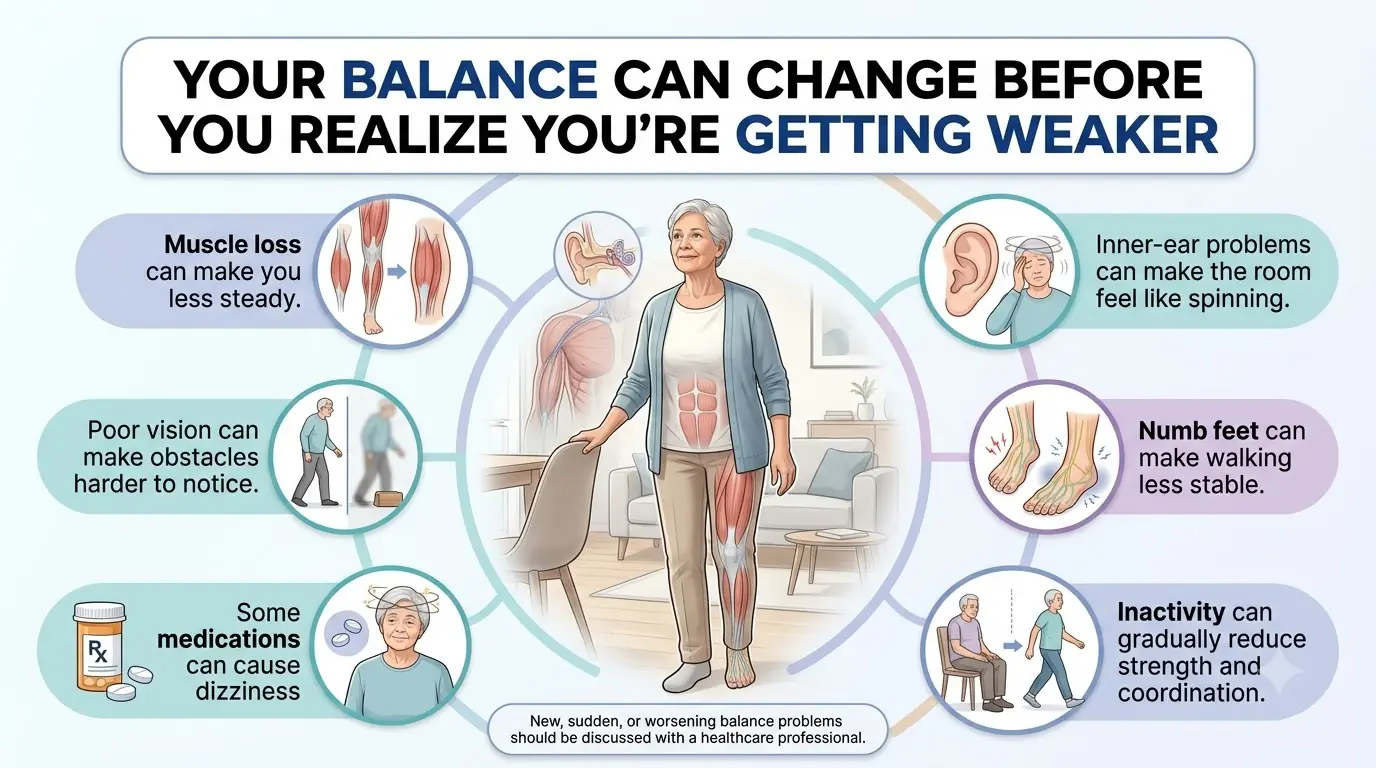
4. I PRACTICE BALANCE BEFORE I DESPERATELY NEED IT
Falls are not a minor issue in older adulthood.
A fall can result in an injury that affects mobility and independence, which is why maintaining balance deserves attention before a serious problem develops.
Balance can be trained.
Simple exercises may include standing with your feet closer together, practicing controlled heel-to-toe walking, or standing on one leg while using a stable support when needed.
Activities such as tai chi can also challenge balance and body control.
The appropriate difficulty depends heavily on the individual.
If you already have balance problems, dizziness, neuropathy, vision problems, previous falls, or significant weakness, don't experiment with difficult balance exercises alone.
A physical therapist can help identify specific weaknesses and develop a safer program.
The goal isn't performing impressive balancing tricks.
It's improving your ability to react when real life catches you off guard.
5. I GET UP FROM THE CHAIR—ON PURPOSE
There's an everyday movement that reveals a surprising amount about functional strength:
Standing up.
Think about how many times you need this ability.
Getting out of bed.
Standing from the couch.
Getting off the toilet.
Rising from a restaurant booth.
Getting out of a car.
Strong legs and hips make all of these tasks easier.
That's why exercises based around the sit-to-stand movement can be extremely practical.
A sturdy chair can sometimes become a simple training tool: sit down under control, then stand back up while maintaining good posture.
The exact exercise should match your ability level and safety needs.
If you need your hands for assistance, that's not something to be embarrassed about. It may simply tell you where your current starting point is.
Functional fitness is not about competing with the person beside you.
It's about making tomorrow's everyday tasks easier.
6. I STOP SITTING FOR HOURS AT A TIME
You can exercise in the morning and still spend most of the rest of your day sitting.
That's why structured workouts aren't the whole picture.
Daily movement matters too.
Television, driving, computers, reading, and other sedentary activities can quietly add up to many hours.
One practical strategy is simply interrupting long periods of sitting.
Stand while talking on the phone.
Walk around the house during television breaks.
Do a small household task.
Take a short walk.
Stretch your legs.
The point isn't that standing up every few minutes is some magical anti-aging treatment.
It isn't.
The point is to build a life in which movement remains normal rather than becoming something that happens only during a scheduled workout.
Your body was designed to move throughout the day.
Give it opportunities to do that.
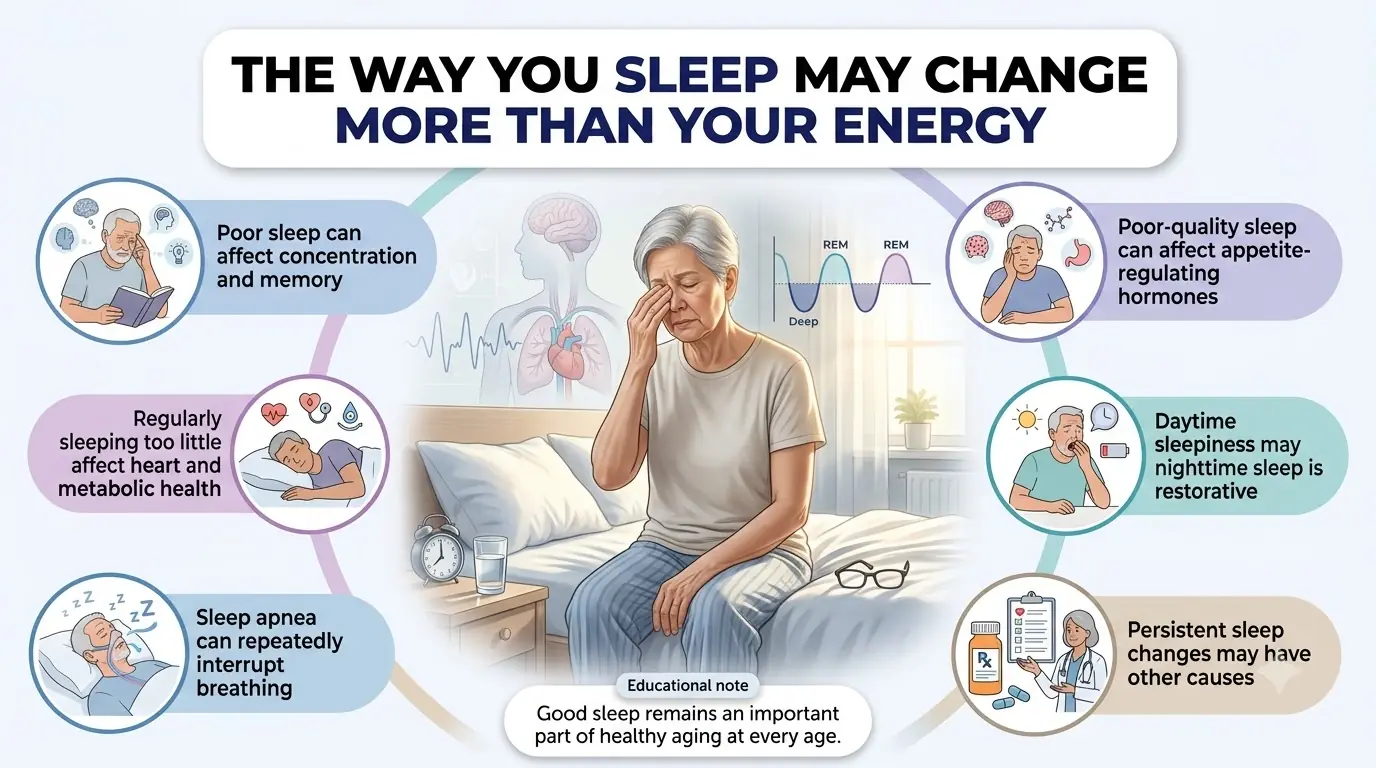
7. I TREAT SLEEP LIKE PART OF MY HEALTH PLAN
Many people focus intensely on exercise and nutrition while treating sleep as optional.
It isn't.
Sleep plays an important role in physical and mental health. Poor sleep can affect mood, attention, energy, and daily functioning.
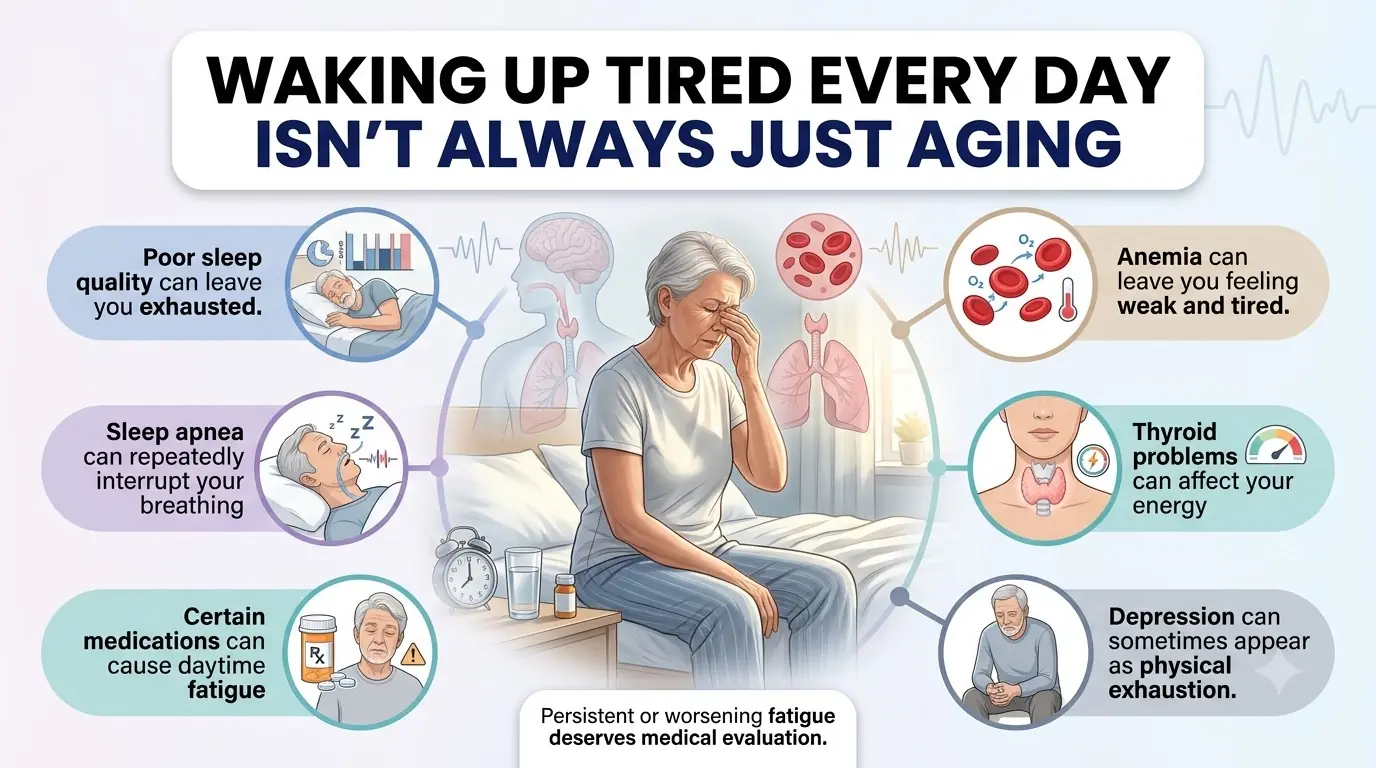
Older adults can experience changes in sleep patterns, and medical issues, medications, pain, sleep apnea, restless legs, and other factors may also interfere with sleep.
Good sleep habits can help.
Try maintaining relatively consistent sleep and wake times.
Keep your bedroom dark, quiet, and comfortable.
Be thoughtful about caffeine late in the day.
Limit habits that repeatedly push bedtime later than intended.
And if you regularly snore loudly, wake up gasping, experience persistent insomnia, or remain unusually sleepy during the day despite adequate time in bed, don't simply write it off as “getting old.”
Talk with your healthcare provider.
Sometimes poor sleep has an identifiable and treatable cause.
8. I EAT LIKE MY HEART AND BRAIN HAVE TO LAST
Healthy aging isn't built around one magical food.
It's built around your overall eating pattern.
Dietary patterns emphasizing vegetables, fruits, whole grains, legumes, nuts, fish, and other minimally processed foods can provide fiber and important nutrients while supporting cardiovascular health.
That's important because your heart and brain don't exist separately from the rest of your aging body.
Blood pressure, cholesterol, blood sugar, smoking, physical activity, and overall diet all influence long-term cardiovascular health.
You don't have to create a perfect menu overnight.
Start with substitutions.
Choose fruit instead of a highly processed dessert sometimes.
Add vegetables to dinner.
Replace some refined grains with whole grains.
Eat beans or lentils more frequently.
Choose unsalted nuts as a snack.
Include fish if it fits your diet.
Small improvements repeated hundreds of times matter more than a supposedly perfect diet followed for six days.
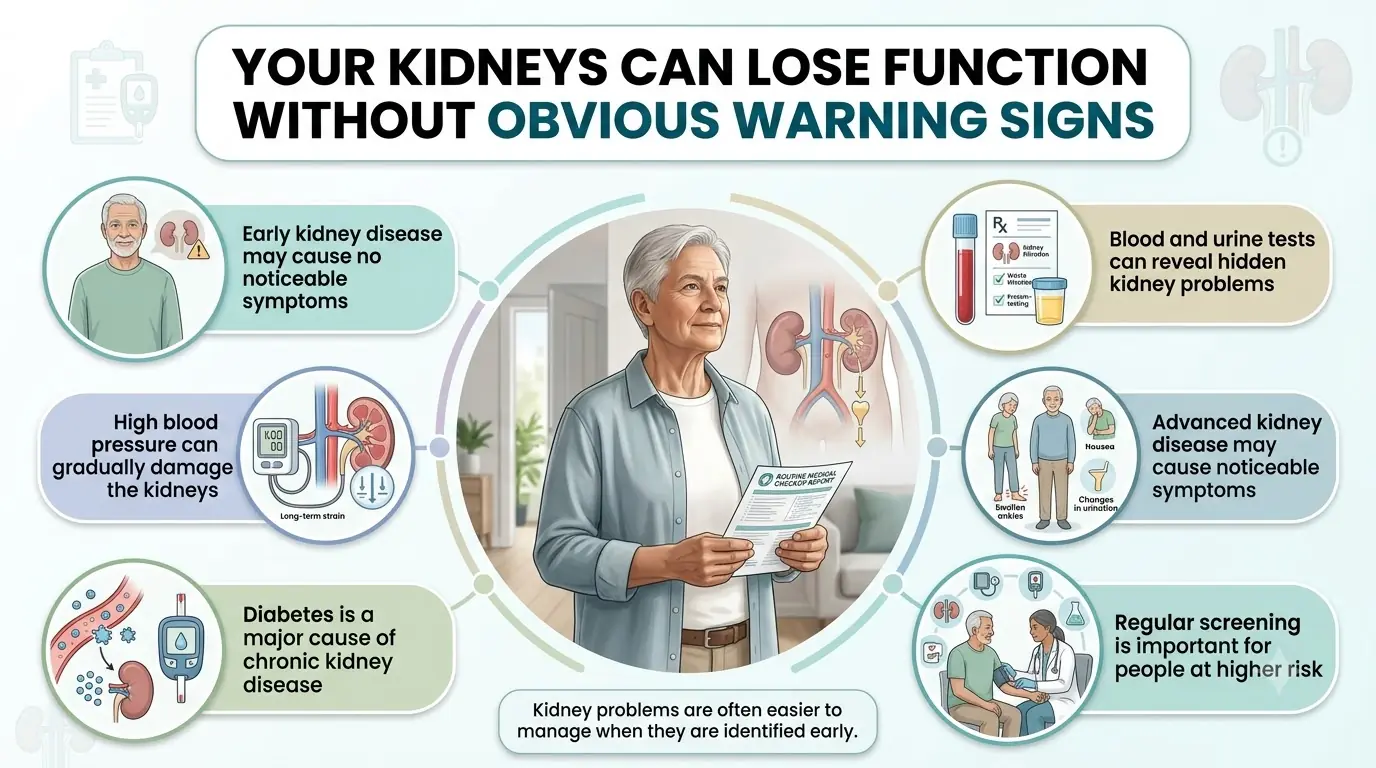
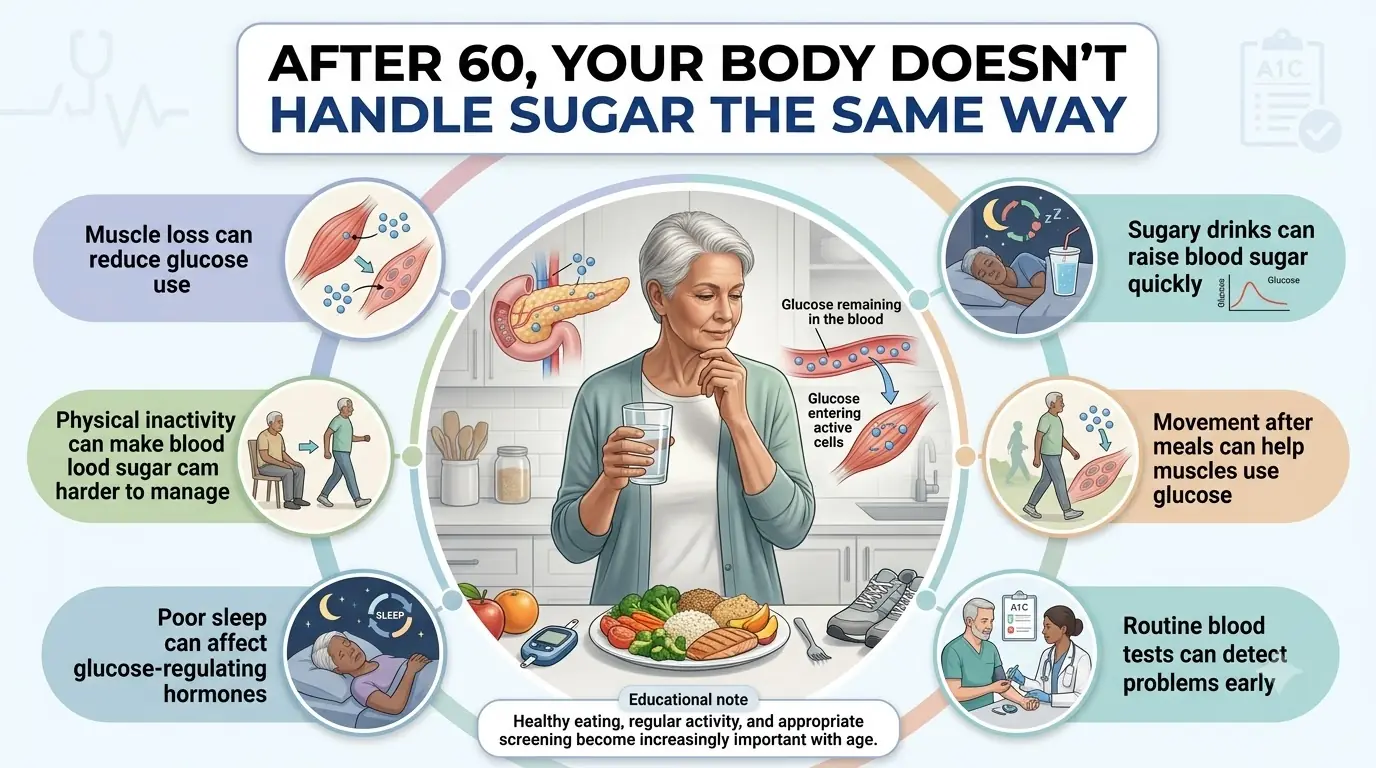
9. I DON'T IGNORE THE “BORING” NUMBERS
Blood pressure isn't exciting.
Neither are cholesterol or blood glucose readings.
But knowing these numbers can be far more valuable than obsessing over the latest longevity trend.
High blood pressure, for example, often causes no obvious symptoms.
Someone can feel completely normal while their cardiovascular risk is quietly increasing.
That's why preventive healthcare matters.
Regular checkups can help identify issues such as hypertension, abnormal cholesterol, diabetes risk, and other conditions that may require lifestyle changes, monitoring, or treatment.
Recommended screenings also vary with age, sex, personal history, family history, and previous test results.
Talk with your clinician about which screenings and vaccinations are appropriate for you.
Healthy aging isn't only about what you do at home.
It's also about catching problems before they become harder to manage.
10. I TRAIN FOR INDEPENDENCE, NOT FOR MY 25-YEAR-OLD BODY
This may be the most important shift of all.
Stop measuring your current body against the body you had decades ago.
Your goal doesn't have to be looking 35 at 72.
A better goal might be being exceptionally capable at 72.
Can you carry your luggage?
Play with your grandchildren?
Walk around a new city on vacation?
Get up from the ground?
Put groceries away?
Work in your garden?
Take the stairs?
Maintain hobbies you enjoy?
Travel?
Live independently?
Those are meaningful measures of fitness.
They also change how you exercise.
Instead of punishing your body because it doesn't look exactly as it did at 30, you begin training it for the life you still want to live.
Strength supports everyday tasks.
Cardiovascular fitness supports endurance.
Balance helps protect mobility.
Flexibility and mobility help you move comfortably.
Nutrition supports the body doing all of it.
Sleep helps you recover.
Preventive healthcare helps identify risks you may not be able to feel.
None of those things sounds revolutionary.
That's the point.
THE REAL SECRET IS THAT THERE ISN'T ONE
The internet loves dramatic transformations.
One supplement.
One superfood.
One morning ritual.
One exercise.
One secret doctors supposedly don't want you to know.
Real healthy aging is less exciting—and much more useful.
It is usually the accumulation of ordinary behaviors practiced consistently.
Move your body.
Challenge your muscles.
Eat nutritious foods.
Get enough protein.
Protect your sleep.
Maintain your balance.
Know your health numbers.
Keep up with preventive care.
Don't smoke.
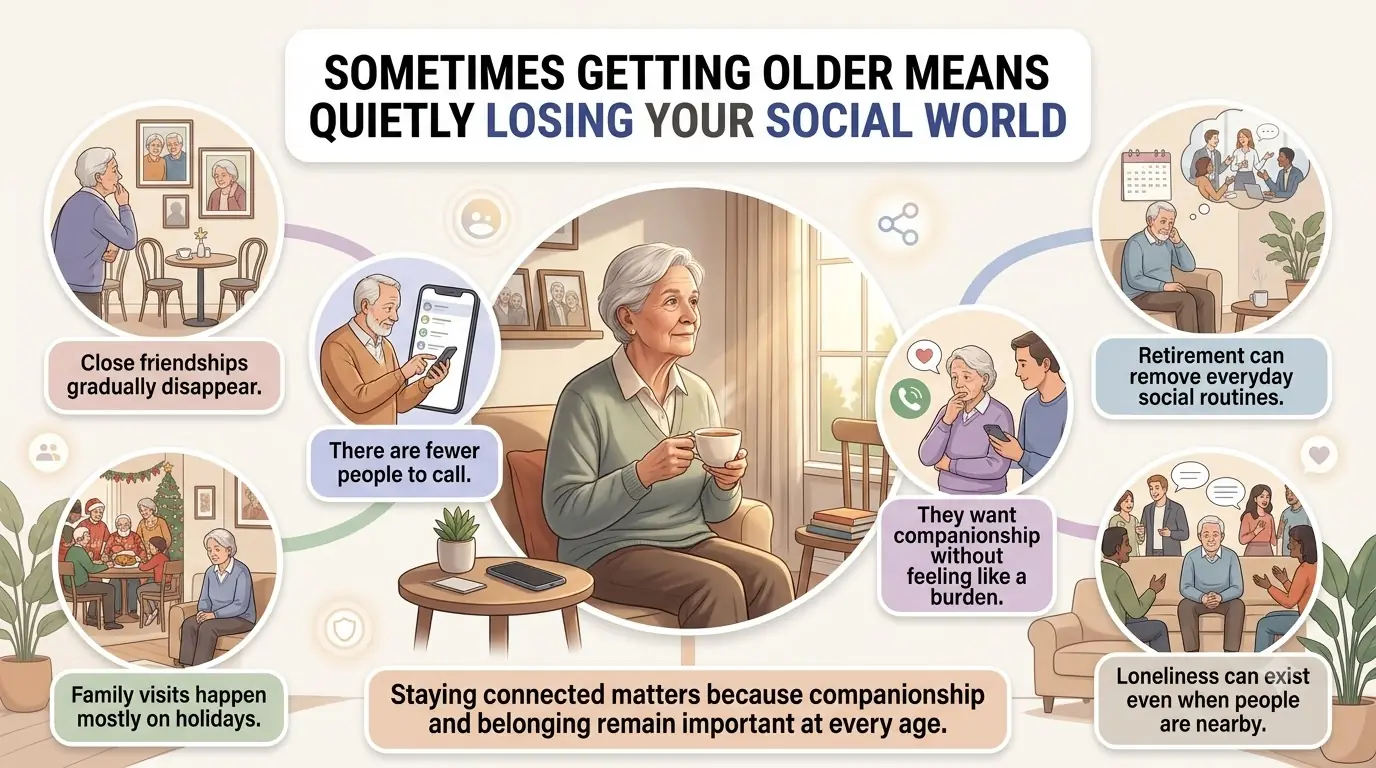
Stay engaged with people and activities that give your life structure and meaning.
No single one of these behaviors guarantees that you'll avoid disease or disability. Genetics, environment, medical history, socioeconomic circumstances, injuries, and plain chance all influence how people age.
But healthy habits can improve the odds of maintaining better physical and mental function.
And that is a far more realistic goal than trying to stop aging entirely.
IF YOU'RE OVER 60 AND FEEL LIKE YOU'VE ALREADY FALLEN BEHIND
This is where many people get discouraged.
Maybe you haven't exercised regularly in years.
Maybe you've gained weight.
Maybe stairs have become harder.
Maybe your knees aren't what they used to be.
Maybe you've noticed that getting off the floor requires more planning than it once did.
It's tempting to think the opportunity has passed.
It hasn't.
The important thing is choosing a starting point appropriate for your current health and abilities.
That might mean a five-minute walk rather than five miles.
It might mean standing from a chair five times rather than doing weighted squats.
It might mean using resistance bands instead of heavy dumbbells.
It might mean seeing a physical therapist before exercising independently.
Progress doesn't have to look dramatic to matter.
For an older adult who has been sedentary, improving the ability to walk comfortably, stand from a chair, carry household objects, or confidently navigate stairs can have enormous practical value.
Don't compare your beginning to someone else's highlight reel.
WHEN SHOULD YOU TALK TO A DOCTOR BEFORE EXERCISING?
Many people can benefit from becoming more physically active, but certain symptoms deserve medical attention.
Talk with a healthcare professional if you have significant medical conditions or concerns about starting a new exercise program.
Seek prompt medical evaluation for concerning symptoms such as new or unexplained chest discomfort, fainting, severe shortness of breath, or other significant symptoms, particularly when they occur with physical activity.
Persistent dizziness, repeated falls, unexplained weakness, or a sudden decline in your ability to perform normal activities also deserves medical attention.
Exercise should challenge you appropriately.
It should not require ignoring warning signs from your body.
WHAT HEALTHY AGING ACTUALLY LOOKS LIKE
Imagine two different goals.
The first is:
“I want to look 35 forever.”
The second is:
“I want to be 75 and still strong enough to live my life.”
The second goal may not generate as many dramatic advertisements.
But it can change how you think about aging.
You stop chasing impossible promises and start protecting things that actually matter.
Strength.
Mobility.
Balance.
Energy.
Cognitive and cardiovascular health.
Social connection.
And independence.
Aging successfully doesn't mean pretending you're younger than you are.
It means doing what you reasonably can to preserve your health and function as the years pass.
And strangely enough, many of the habits that help accomplish that goal are the same “boring” things people have heard about for years.
Walk.
Lift something.
Eat nutritious food.
Sleep.
Get up and move.
See your doctor.
Repeat.
Not flashy.
Not revolutionary.
But unlike most anti-aging shortcuts, these habits have something much more important behind them:
Evidence.
Medical Disclaimer
This article is for educational and informational purposes only and is not a substitute for professional medical advice, diagnosis, or treatment. Individual exercise, nutrition, medication, and screening needs vary. Always consult a qualified healthcare professional regarding personal medical concerns and before making significant changes to your health routine, particularly if you have an existing medical condition or new symptoms.