Lucky’s Recovery After Eight Months in a Shelter Kennel
Reader Theme:
Font Size:
24px
Lucky’s Recovery After Eight Months in a Shelter Kennel
PART 2 — CURRENT CONDITION UPDATE
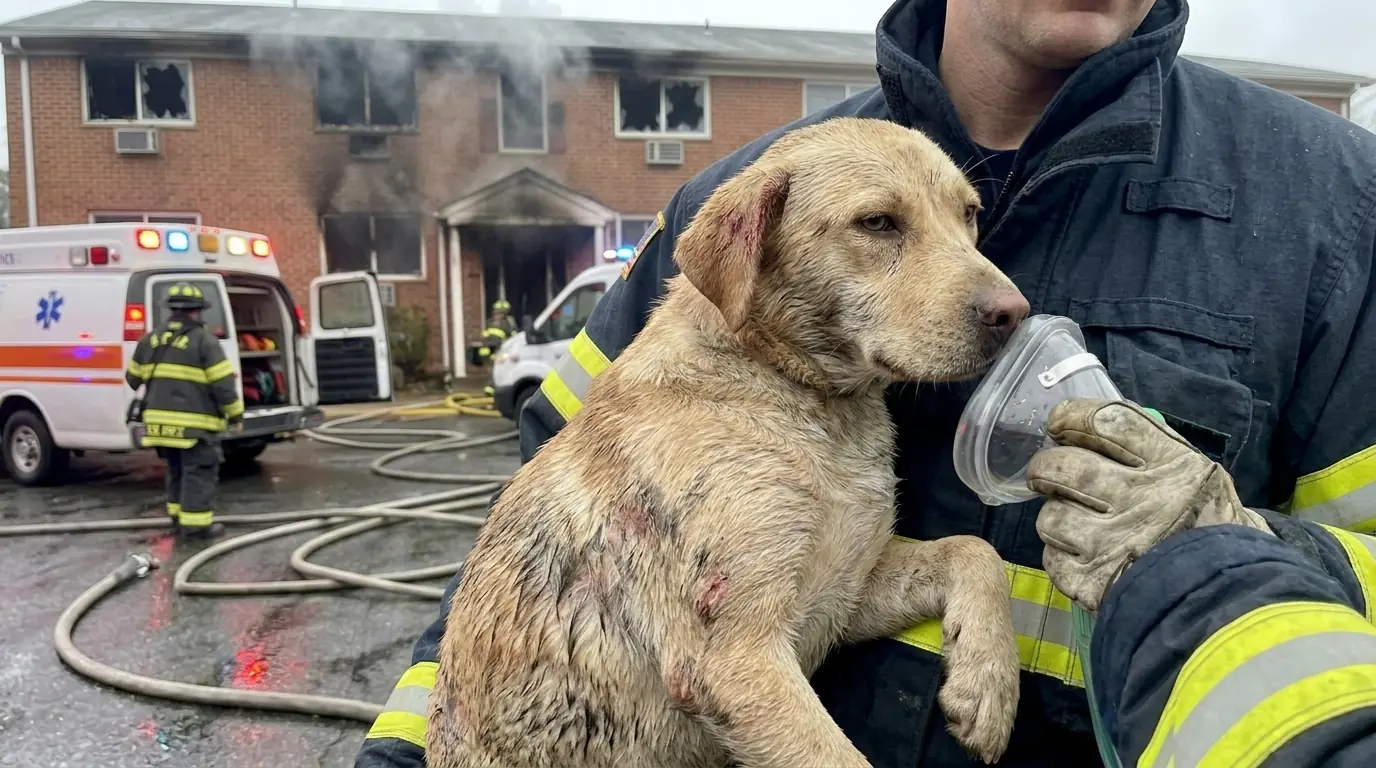
Lucky is now staying in a medical foster home while our veterinary team investigates the enlarged lymph nodes discovered during his first examination. He is stable, eating well, and beginning to relax outside the shelter environment. However, the swelling cannot be dismissed as a minor finding, especially because multiple lymph nodes are affected.
The veterinarian first examined the node beneath Lucky’s jaw, which was noticeably larger on the left side. Two lymph nodes behind his knees were also easier to feel than they should have been. Enlarged lymph nodes can develop for many reasons, including skin infections, dental disease, tick-borne illness, immune-system activity, or cancer. Their presence does not provide a diagnosis by itself.
A fine-needle sample was collected from three of the enlarged nodes. The procedure required only a small needle, and Lucky tolerated it with gentle restraint and a steady supply of treats. The samples were sent to a veterinary pathology laboratory, where the cells will be examined under a microscope. Those results will determine whether additional testing is necessary.
The initial in-clinic evaluation showed a large number of reactive immune cells. This may mean Lucky’s body is responding to inflammation or infection, but it does not completely rule out a more serious condition. The full pathology report is expected to provide clearer information. Until then, the veterinary team is treating the problems that could be contributing to the swelling and watching closely for any changes.
Lucky’s bloodwork showed an elevated globulin level, which often increases when the immune system has been stimulated for an extended period. His red blood cell count was slightly below normal, indicating mild anemia. His white blood cell count was elevated as well, though not at a level that required hospitalization.
His kidney and liver values were within acceptable ranges, and his blood sugar was normal. These findings allow the medical team to use a broader range of medications safely. His urine was adequately concentrated and did not show evidence of a serious infection. Lucky also tested negative for heartworm disease and several common tick-borne illnesses.
A broader infectious-disease panel has been submitted because some less common infections can cause enlarged lymph nodes and abnormal protein levels. The team does not want to assume that the swelling is connected only to his skin. If the pathology report is inconclusive, the next step may be a biopsy that removes a small portion of one lymph node for a more detailed examination.
For now, Lucky is comfortable and does not appear critically ill. He has no fever, difficulty breathing, persistent vomiting, or severe loss of appetite. His abdomen feels normal, and chest X-rays did not reveal an obvious mass. An abdominal ultrasound may still be recommended depending on the pathology results.
Lucky’s chronic skin inflammation is currently the most visible medical issue. The fur along his lower belly and inner legs is thin, and the skin beneath it was red and warm when he arrived. Several areas had become darker and thickened, suggesting that the irritation had been present for much longer than a few weeks.
Skin samples revealed an overgrowth of yeast and bacteria. No mange mites were found, and there were no deep wounds. The veterinarian believes environmental allergies are likely, although sensitivity to certain foods has not been ruled out. Months of scratching and licking probably weakened the protective barrier of his skin, allowing secondary infections to develop.
Lucky received a medicated bath shortly after entering our care. The process was kept calm and brief because he became uneasy when lifted into the tub. A veterinary technician stayed beside him while another person used lukewarm water to rinse the irritated areas. By the end, Lucky stopped trembling and accepted a treat directly from the technician’s hand.
He is now receiving medication for the bacterial infection and an antifungal treatment for the yeast. His foster caregiver wipes his paws after outdoor walks to reduce exposure to pollen and other possible irritants. He also receives regular medicated baths, but they are spaced far enough apart to avoid drying his skin further.
The redness around his belly has already started to fade. Lucky still licks his front paws occasionally, especially in the evening, but he no longer interrupts his sleep to scratch. Several thin areas are beginning to show short new hairs. His skin will be rechecked after treatment, and long-term allergy control will be developed once the active infection has cleared.
His ears were uncomfortable for the same reason. Both ear canals contained dark debris and showed signs of yeast, with the left ear more inflamed than the right. Lucky frequently shook his head during his first two days in foster care and pulled away whenever anyone touched near his ears.
The veterinary team cleaned the canals and prescribed medicated drops. At first, the foster caregiver could apply them only by placing the bottle nearby, offering a treat, and allowing Lucky time to investigate. He now sits on a nonslip mat during treatment and permits each ear to be handled for several seconds.
The change has been noticeable. Lucky shakes his head less frequently and no longer rubs the left side of his face against the carpet. He still watches the medication bottle carefully, but his body remains relaxed enough for the full dose to be given. A follow-up ear swab will confirm whether the yeast and bacteria have been eliminated.
Dental examination revealed moderate tartar, inflamed gums, and one badly worn premolar. The tooth does not appear fractured beneath the gumline, but it may be painful when Lucky chews hard food or toys. A full dental procedure with X-rays has been recommended after the lymph-node investigation is complete.
Until then, his food is softened with warm water, and hard chews have been removed. Lucky eats eagerly and has not dropped food from his mouth. His caregiver checks for swelling, bleeding, excessive drooling, or a sudden change in appetite, none of which has occurred.
Lucky arrived slightly overweight despite having reduced muscle tone. This combination is common in dogs that spend long periods with limited exercise. Extra body weight places stress on his joints, while inactivity weakens the muscles needed to support them.
His right front leg showed mild weakness during the first examination. X-rays revealed an old, healed injury near the wrist but no fresh fracture. The joint has early arthritic changes, and the surrounding muscles are less developed than those in the opposite leg. It is possible that Lucky began shifting his weight years ago to avoid discomfort.
He does not need surgery for the old injury at this time. His care plan includes gradual weight reduction, controlled exercise, and medication for pain when necessary. Because his kidney and liver values are currently normal, the veterinarian was able to prescribe an anti-inflammatory drug at a conservative dose.
Lucky’s foster home has rugs over the smooth floors so his paws do not slide. His walks are short and take place on level ground. The caregiver monitors whether he shortens his stride, holds the paw up, or becomes more tired as the walk continues.
During his first outing, Lucky rushed forward excitedly and then began limping after several minutes. His caregiver immediately shortened the route and allowed him to rest. The exercise plan was adjusted to three slow walks rather than one longer outing.
He is already learning that he does not need to hurry. Lucky now pauses to smell mailbox posts, grass, and shrubs instead of pulling continuously toward the next corner. His limp is less noticeable during these shorter walks, although stiffness sometimes returns after he has been sleeping.
A veterinary rehabilitation specialist has shown his foster caregiver several gentle exercises. These include slow weight shifts while standing, carefully controlled turns, and stepping over very low obstacles. The movements help strengthen his shoulders and improve balance without placing excessive pressure on the damaged joint.
Lucky’s eating plan has also changed. Rather than sharply restricting his food, the team calculated a gradual weight-loss target. He receives measured portions of a veterinary-approved diet, divided into two meals. Small pieces from the same daily allowance are reserved for training and medical treatments.
He initially searched the kitchen after finishing each meal and watched anyone carrying food. Instead of giving him extra treats, his foster caregiver began using a slow-feeding bowl and adding warm water to increase the meal’s volume. Lucky now takes longer to eat and usually settles afterward without continuing to search.
His digestive system has handled the transition well. He has not experienced vomiting or prolonged diarrhea, and his stools have become more consistent. He is drinking normally and has no difficulty urinating. His weight will be checked every two weeks so adjustments can be made without causing rapid loss.
The emotional effects of eight months in a kennel have been more subtle than his medical problems. Lucky appears friendly and outgoing when someone first meets him, but he struggles whenever he believes he may be left behind. He follows his foster caregiver from room to room and becomes alert as soon as keys or shoes are picked up.
During his first night, Lucky paced between the front door and the living room. He would lie down for a few minutes, hear a small sound, and rise again. He did not bark constantly or damage anything, but he could not settle into deep sleep.
His caregiver placed a bed near the bedroom doorway and left a small light on. Lucky eventually curled up there, keeping his head pointed toward the hall. By morning, he had moved closer to the side of the bed and was sleeping with one paw stretched across the blanket.
The foster family is helping him become comfortable with short separations. They do not make dramatic departures or greetings. Lucky is given a safe food puzzle while his caregiver steps into another room for a few seconds, then returns before he becomes distressed.
Those brief periods have gradually increased. Lucky can now remain relaxed in the living room while his caregiver showers or collects mail outside. He still listens closely for the door, but he no longer immediately begins pacing. Longer absences will not be attempted until he consistently feels secure.
He has also shown a strong attachment to soft toys. In the shelter, staff members noticed that Lucky carried donated toys back to his bed without tearing them apart. That behavior has continued in foster care. He selects one toy at a time, carries it carefully by the middle, and places it near whichever person is sitting closest.
One evening, he brought a faded stuffed duck to his caregiver and lowered it at her feet. When she gently rolled it across the rug, Lucky followed it, picked it up, and returned with his tail moving rapidly. It was the first time he had initiated play since leaving the shelter.
Lucky is affectionate, but his caregivers allow him to choose when contact begins. He often approaches with his head lowered and presses one shoulder against a person’s leg. Sudden movement over his head can make him duck, so people kneel beside him and stroke his chest instead.
He now waits near the foster caregiver each morning and gives a soft tail wag when she says his name. He has begun resting on his side in the middle of the living room rather than staying against a wall. When familiar people enter, he retrieves a toy before approaching them.
Lucky has met one calm resident dog through a secure barrier. He displayed loose body language, sniffed briefly, and then moved away without barking. A short parallel walk followed several days later. Both dogs remained leashed with space between them, and Lucky was able to focus on his caregiver.
He has not yet been introduced directly to cats or young children. Shelter records cannot provide a complete history, so all future introductions will be gradual. His friendliness does not remove the need for careful observation, particularly while he is adjusting and receiving medical treatment.
The pathology results from Lucky’s lymph-node samples remain the most important unresolved part of his care. If the nodes are enlarged only because of his skin, ear, or dental inflammation, they may decrease in size as treatment continues. The veterinary team is measuring them regularly to document any changes.
One node behind his knee already feels slightly smaller, though it is too early to interpret that as a definitive sign. The node beneath his jaw has not noticeably changed. Lucky’s temperature, appetite, weight, energy level, and breathing are being recorded each day so that even small changes can be reported promptly.
If pathology identifies lymphoma or another cancer, Lucky will be referred to a veterinary oncologist. Additional testing would determine the stage of the disease and the treatment options available. Chemotherapy, if recommended, would be discussed carefully in terms of comfort, likely benefit, cost, and quality of life.
If the findings are reactive rather than cancerous, the team will continue treating his infections and reassess the lymph nodes after several weeks. Persistent swelling could still require a surgical biopsy. No permanent conclusion will be made until the laboratory evidence is clear.
Lucky is not available for adoption yet. He needs the enlarged lymph nodes investigated, his skin and ears healed, his painful tooth treated, and his exercise tolerance improved. He also deserves time to decompress before being asked to adjust to another unfamiliar environment.
When he is medically cleared, Lucky will need a home that can continue his allergy management, maintain a healthy weight, and give him regular low-impact exercise. A predictable schedule and patient transition will be especially important. His future family must understand that his desire to remain close is not stubbornness; it is the behavior of a dog who has watched people approach his kennel and then leave for months.
For now, Lucky is safe in a home where his name is spoken for reasons other than calling him to the front of a kennel. His medications arrive on schedule, his bowl is filled every morning, and the same person returns after every brief absence.
There are still serious questions to answer, and we will not pretend that a few good days erase the medical uncertainty ahead. Yet Lucky is eating well, sleeping more deeply, walking with greater comfort, and offering his favorite toy to people he is beginning to trust.
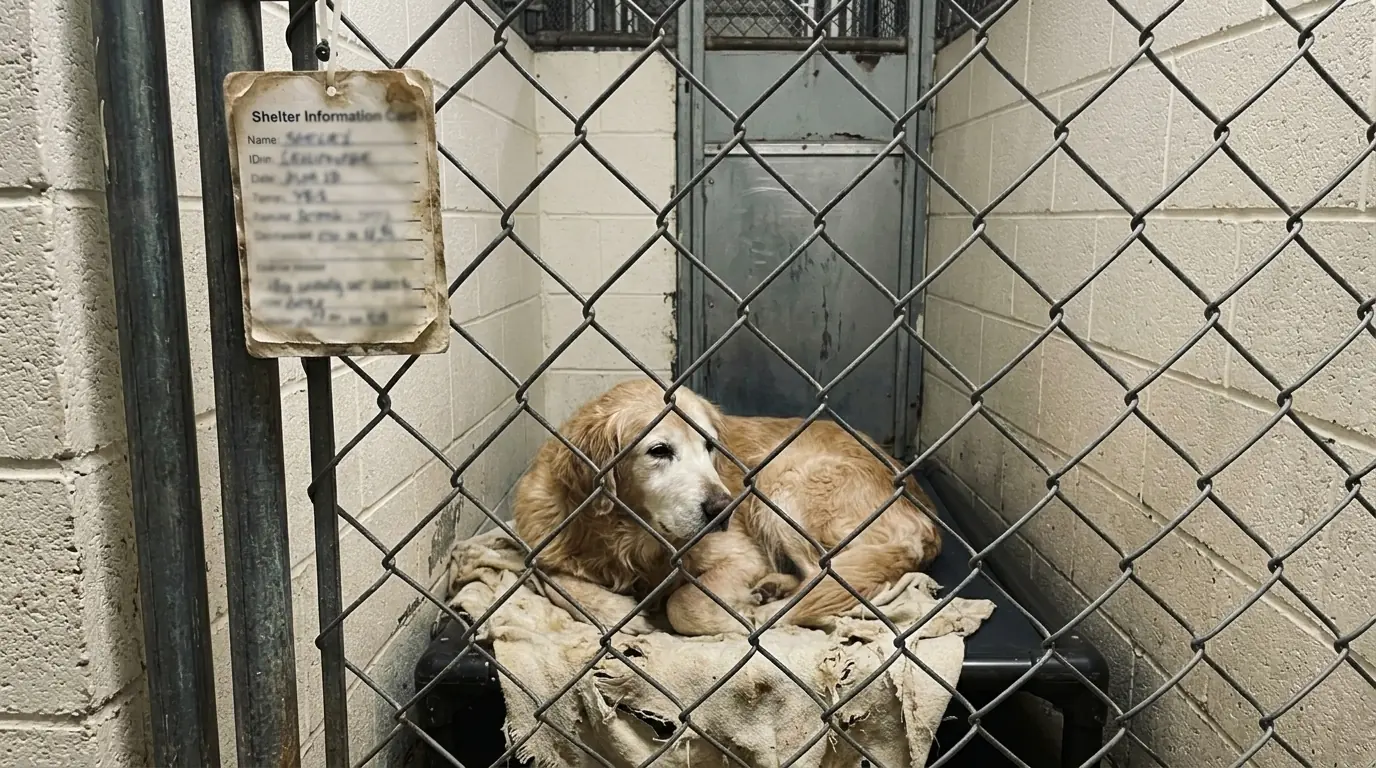
After eight months behind a chain-link door, he no longer has to watch every visitor walk past him. Lucky has a soft bed, attentive veterinary care, and people willing to remain beside him while we wait for the results that will determine his next step.
News in the same category
What's next for Shadow after Jackie's death?
A Starving Dog Was Rescued After Being Trapped Without Food for Days
Captain’s Recovery After Seven Months in a Concrete Kennel
Daily’s Recovery After Losing Her Owner at Age 11
A Frightened Dog Was Found Trapped in a Thorn Bush Beside the Highway
Big Bear's viral eagle Jackie dies after weeks of intensive care
NEW UPDATE: Jackie the eagle endures 'difficult' 24 hours
NEW UPDATE: Vets share 'difficult news' about Big Bear bald eagle Jackie
Jackie the eagle’s caregivers face intense response
Jackie the eagle’s caregivers face intense response

Jackie the bald eagle's recovery takes a worrying turn after latest health update
A Mother Dog Shielded Her Five Puppies Through a Violent Rainstorm
The Blind Dog Who Refused to Let Go of His Tattered Stuffed Lamb
Bingo Celebrates His First Birthday After Spending an Entire Year at the Shelter
Sam Still Sleeps on the Blanket Left Behind When His Family Moved Away
Big Bear bald eagle Jackie's fight for survival continues as mystery illness remains unknown
Toby’s Recovery After Being Found Exhausted on a Street Corner