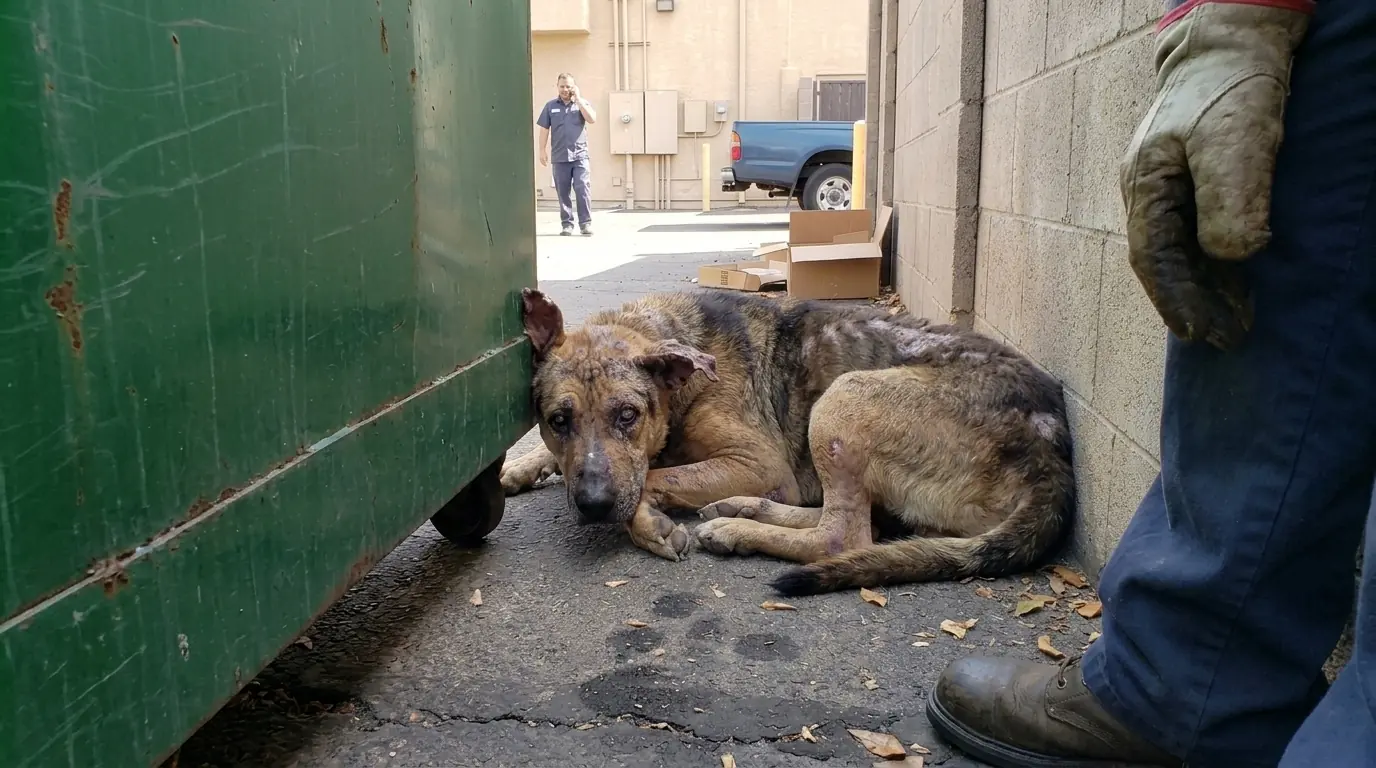
Mabel’s Rescue and Her Journey with Seven Puppies
She had been wandering near an abandoned gas station with seven unborn puppies inside her.
By the time a delivery driver noticed her, the pregnant mother could barely walk. Her ribs showed beneath her dirty fur, her paws were cracked, and her swollen belly nearly touched the ground. She had no collar—only a faded mark around her neck suggesting that someone had once owned her.
We named her Mabel.
When our rescue team arrived, she was hiding beneath a broken wooden pallet, trembling whenever anyone moved closer. It took nearly forty minutes of sitting quietly and offering food before she allowed a volunteer to place a lead around her neck.
Mabel managed only three steps before her back legs collapsed.
We supported her belly with a blanket and carried her into the rescue van. At the shelter, she curled against the kennel wall and stared through the gate, still unsure whether she was finally safe.
Then we noticed an unusual discharge—and Mabel suddenly began panting.
An emergency ultrasound revealed that she was carrying seven puppies, but one had a dangerously weak heartbeat. The veterinary team warned us that both Mabel and her babies could be running out of time.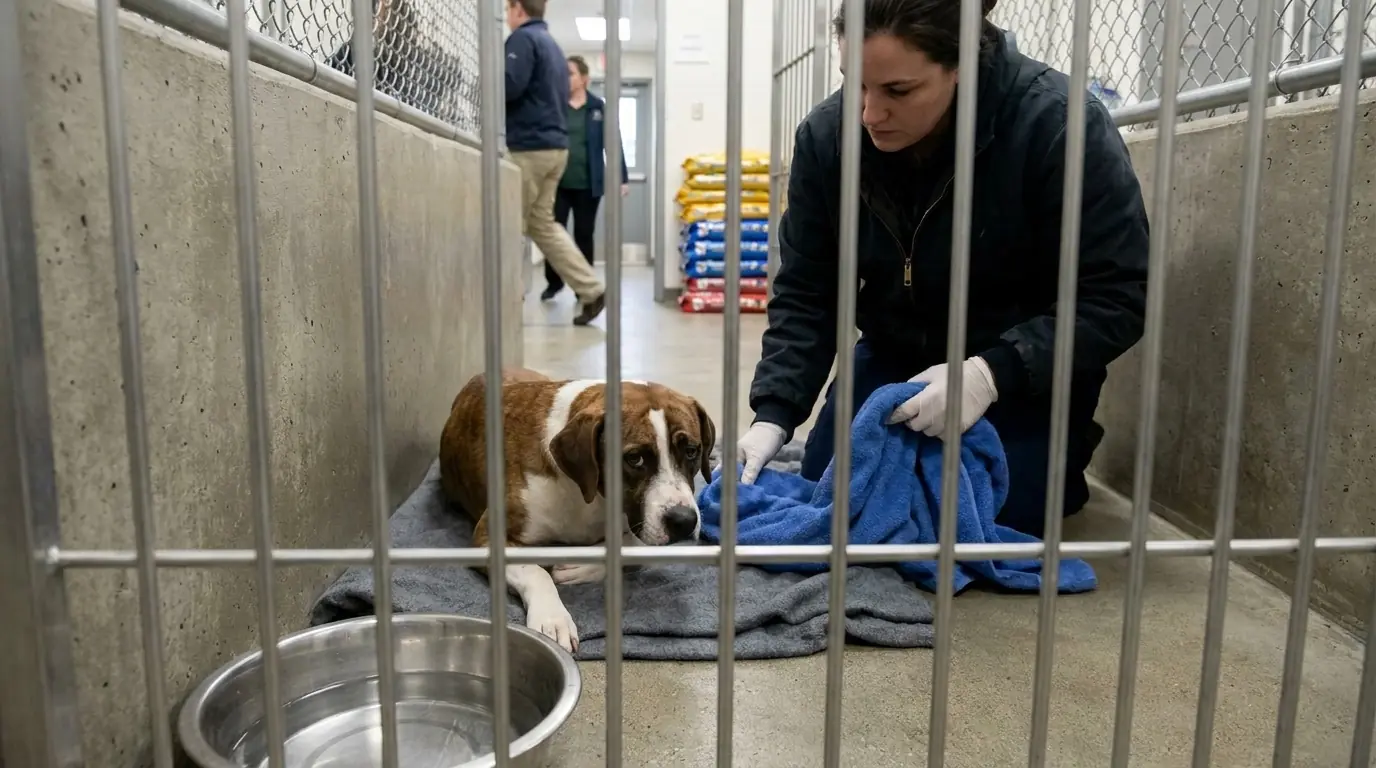
Mabel arrived at the emergency veterinary clinic shortly before eight o’clock that evening.
The medical team had already prepared an examination room for her, but the frightened mother refused to leave the transport crate. Every unfamiliar sound—the rolling carts, ringing phones, closing doors, and distant barking—made her press herself more tightly into the corner.
Instead of pulling her out, the veterinary technicians removed the top of the crate. They placed the lower section directly onto a thick fleece blanket and allowed Mabel to crawl out when she felt ready.
For nearly five minutes, she did not move.
She remained curled around her belly, watching every person in the room. Her ears were pinned back, and her breathing was fast and shallow despite the cool temperature inside the clinic.
Claire, the volunteer who had first approached her at the gas station, sat on the floor several feet away.
She did not reach for Mabel. She simply spoke to her in the same calm voice she had used during the rescue.
“You’re safe, Mabel. No one is going to leave you here.”
Eventually, Mabel lifted her head.
Her eyes moved from Claire to the open crate door. Then, very slowly, she placed one front paw onto the blanket.
Her second paw followed.
When she tried to stand, her hind legs trembled so violently that a technician moved forward to support her. Mabel immediately lowered herself again, but she did not growl or attempt to bite.
She looked exhausted rather than aggressive.
The veterinarian decided to perform the first part of the examination on the floor. Sudden handling could increase Mabel’s stress, and the team wanted to avoid placing unnecessary pressure on her swollen abdomen.
Her body temperature was slightly low.
Her heart rate was elevated, her gums were pale, and the skin over her shoulders returned to position slowly when gently lifted. These were clear signs that she was dehydrated.
Mabel weighed far less than a healthy pregnant dog of her size should have weighed.
Although her abdomen was enormous, the rest of her body appeared painfully thin. Her ribs and hip bones could be felt beneath her coarse fur, and the muscles along her back legs had wasted away.
Her paws told another part of the story.
The pads were dry and deeply cracked, while several nails had been worn down from walking on pavement. Mud, tiny stones, and dried plant material were packed between her toes.
There were also small scratches along her legs and underside.
None appeared life-threatening, but they suggested that she had traveled through brush, drainage ditches, and rough ground while searching for food and somewhere safe to rest.
The faded line around her neck was examined carefully.
It looked as though Mabel had worn a collar for a long time before it was removed or lost. However, she had no microchip, and no matching missing-dog report had been filed in the surrounding counties.
The rescue shared her photograph with local shelters and animal control offices.
For the moment, no one recognized her.
Blood samples were collected while Claire remained close to Mabel’s face. Mabel flinched when the needle entered her leg, but she stayed still after Claire rested a gloved hand beside her nose.
The first results confirmed mild anemia.
Her protein level was also low, likely because she had not received enough food during the final and most demanding stage of her pregnancy.
The veterinarian was especially concerned about the discharge noticed at the shelter.
A small amount can sometimes appear shortly before delivery, but its color and timing can also signal that a puppy is in distress. Combined with Mabel’s panting and tense abdomen, it made an immediate ultrasound necessary.
The team dimmed the lights and brought a portable ultrasound machine into the room.
A small section of fur was carefully clipped from Mabel’s abdomen. She trembled when the clippers started, so the technician switched them off several times and allowed her to settle.
Warm gel was placed against her skin.
As the probe moved across her abdomen, shapes began to appear on the monitor.
There were tiny spines, rounded heads, moving legs, and rapidly beating hearts.
Mabel was carrying seven puppies.
Six of the heartbeats appeared strong and regular. The seventh, belonging to a small puppy positioned close to the birth canal, was noticeably slower.
The puppy also appeared to be lying at an awkward angle.
The veterinarian repeated the measurement twice before turning to the rescue team.
Mabel had already entered the early stages of labor.
Her body was preparing to deliver, but severe exhaustion and dehydration might have weakened the contractions. If the first puppy could not move safely into the birth canal, labor might stop completely.
That would endanger the entire litter.
More importantly, it could place Mabel’s own life at risk.
An intravenous catheter was placed in her front leg so that fluids could be started immediately. The team administered them carefully because giving too much too quickly could place additional strain on her weakened body.
Mabel was also offered a small bowl of soft, calorie-dense food.
She smelled it but turned her face away.
When everyone except Claire stepped out of the room, Mabel finally ate several bites. She drank a little water and then curled around her abdomen again.
The team prepared a quiet maternity area where she could be continuously monitored.
The room was kept warm and dim. Blankets covered the floor, and cameras allowed the staff to observe her without repeatedly entering and disturbing her.
For the first two hours, Mabel mostly rested.
She changed positions several times and occasionally licked her belly. Her panting came and went, but there were no strong contractions.
At approximately eleven thirty, she began pawing at the blankets.
She gathered them beneath her chest, turned in a slow circle, and lay down again. A few minutes later, her abdomen visibly tightened.
The first strong contraction had begun.
Mabel immediately lifted her head and looked toward the door.
She appeared confused by what was happening inside her body. When another contraction came, she tried to stand, but her back legs could not support her.
Claire entered and sat beside her.
This time, Mabel did not move away.
She slowly extended her neck and rested her chin against Claire’s knee. It was the first time since the rescue that she had deliberately sought comfort from a person.
For the next hour, her contractions continued.
Some were weak and separated by long pauses. Others caused her entire body to tense while she breathed rapidly through the discomfort.
Still, no puppy appeared.
The veterinarian checked the fetal heartbeats again.
The six stronger puppies remained stable, but the first puppy’s heartbeat had become slower. The awkward position had not changed, and Mabel’s cervix was not progressing as expected.
Waiting longer carried serious risks.
The veterinarian explained that the first puppy might be blocking the birth canal. If the puppy became trapped, the remaining six would have no way to be delivered naturally.
An emergency cesarean section was recommended.
Surgery was not a simple decision.
Mabel was dehydrated, anemic, underweight, and physically exhausted. Anesthesia carried greater risk for her than it would for a healthy dog.
The medication could also affect the puppies.
However, doing nothing had become more dangerous than operating.
The rescue authorized the surgery, and additional veterinary technicians were called to the clinic. Seven warming stations were prepared, each with clean towels and neonatal supplies.
Every puppy would need immediate attention.
One technician would clear the airway. Another would stimulate breathing, check the heart rate, and keep the puppy warm.
The smallest puppy was expected to require the most help.
While the surgical team prepared, Claire stayed beside Mabel.
Mabel watched as the technicians moved through the room. She trembled when she was lifted onto the examination table, but she no longer tried to escape.
Before the anesthesia was administered, Claire placed her hand near Mabel’s face.
“You found the right people,” she whispered. “We’ll protect them now.”
Mabel’s eyes slowly closed.
The procedure began shortly after one o’clock in the morning.
Once the veterinarian reached the uterus, the reason for the stalled labor became clear. The first puppy was turned sideways and could not enter the birth canal correctly.
He was delivered first.
The tiny male was smaller than his siblings and completely still when he was passed to the neonatal team.
A technician quickly cleared fluid from his mouth and nose. Another rubbed his chest and back with a warm towel.
There was no immediate cry.
The puppy’s heart was beating, but it was dangerously slow.
The team continued working.
After several tense seconds, his front leg moved.
Then his mouth opened, and he took a weak breath.
A thin cry followed.
It was quiet, but everyone in the room heard it.
The remaining puppies were delivered one at a time. Each was placed into a waiting towel and carried immediately to the warming area.
Soon, the room was filled with tiny movements and intermittent squeaks.
All seven puppies were alive.
Two required oxygen and prolonged stimulation before their breathing became regular. The smallest male remained fragile, but his heart rate gradually improved.
The rescue team named him Pip.
His siblings were named Daisy, Clover, Maple, Juniper, Fern, and Moss.
Mabel’s surgery continued while the puppies were stabilized.
The veterinarian found no rupture or major internal injury. However, her uterus had been severely stretched, and the weak contractions would probably not have been strong enough to deliver the litter.
Without surgery, Mabel and all seven puppies might have been lost.
The operation was completed successfully.
Mabel was moved into recovery and covered with warm blankets. Her temperature and breathing were watched constantly as the anesthesia began to wear off.
When she first opened her eyes, she appeared disoriented.
She lifted her head and whimpered softly. Her front paws moved against the blanket as though she were searching for something.
The strongest puppy was placed near her nose.
Mabel smelled him and immediately became more alert.
One by one, the other puppies were brought to her.
She touched each of them with her nose. Then she began licking their faces and pulling them toward the protected space between her front legs.
Even after surgery, hunger, and days of uncertainty, her first instinct was to care for them.
The puppies tried to nurse, but Mabel’s milk supply was limited.
Her body had used nearly all its available energy simply to survive. Producing enough milk for seven puppies would require far more nutrition than she currently had.
The veterinary team created a feeding schedule.
The puppies would nurse from Mabel whenever possible, but volunteers would provide supplemental formula around the clock. Each puppy was weighed before and after feeding to ensure that none were being pushed aside by stronger siblings.
Pip struggled more than the others.
He tired quickly and often stopped nursing after only a few seconds. His body temperature dropped easily, forcing the team to return him to the warming station between feedings.
Still, he continued trying.
Mabel appeared to recognize that he was weaker.
Whenever Pip was placed beside her, she licked him longer than the other puppies. She often used her nose to guide him toward a place where he could nurse without competing with his larger siblings.
During the first twenty-four hours, volunteers worked in shifts.
Mabel received small meals every few hours. The food was warm, soft, rich in calories, and formulated to support a nursing mother.
At first, she would eat only if everyone stepped away.
By the following evening, she accepted several bites directly from Claire’s hand.
That small moment represented an enormous change.
Less than two days earlier, Mabel had hidden beneath a broken pallet whenever a person approached. Now she allowed Claire to sit beside her puppies and help care for them.
Her recovery was not without complications.
On the second day, Mabel developed a mild fever. The team worried about infection following the difficult pregnancy and emergency surgery.
Bloodwork was repeated, and the incision was examined.
Fortunately, the surgical site remained clean. The veterinarian believed the fever was related to inflammation and exhaustion, but Mabel was monitored closely and treated with medication considered safe for nursing puppies.
By the next morning, her temperature had returned to normal.
Her appetite also improved.
She finished an entire bowl of food while a volunteer remained inside the room. Afterward, she drank water and returned to the puppies without showing her previous panic.
Pip gained only a few grams during his first day.
For a puppy his size, however, even that small increase was encouraging. His breathing remained steady, and he became more active during feedings.
On the third morning, he managed to nurse without assistance for almost two full minutes.
Claire recorded the moment for the rescue team.
Pip’s tiny paws pressed rhythmically against Mabel’s belly while she rested her chin beside him. She looked exhausted, but she did not take her eyes off the smallest member of her litter.
The other six puppies continued gaining weight.
Their coats began to look smoother, and their movements grew stronger. Most of their time was spent sleeping in a warm pile against their mother.
Mabel became more comfortable with the clinic staff each day.
She still startled when someone entered quickly, and loud noises made her place her body protectively around the puppies. Yet she no longer pressed herself into the corner or tried to hide.
She learned the routine.
When the door opened in the morning, she watched for the food bowl. When Claire arrived, her tail tapped the blanket once or twice.
The first time it happened, Claire thought she had imagined it.
Then Mabel did it again.
It was not an excited wag. It was a small, cautious movement from a dog who was beginning to believe that familiar footsteps could bring something good.
Five days after the surgery, Mabel was healthy enough to leave the emergency clinic.
She and her puppies were transferred to an experienced foster home. A quiet room had been prepared with a large nesting area, clean blankets, food, water, and enough space for Mabel to move away from the puppies whenever she needed to rest.
The foster family kept the house calm during her first days.
Visitors were limited, and the other animals remained separated. Mabel was allowed to become familiar with one room before being introduced to new sounds or spaces.
At first, she refused to leave the nesting area.
Even when the door was open, she remained beside the puppies. Her foster caregiver placed food and water within reach and sat quietly nearby while reading.
On the second evening, Mabel stood and walked toward the open door.
She stopped at the threshold.
Her nose moved as she examined the unfamiliar hallway. After several seconds, she returned to her puppies.
The following morning, she tried again.
This time, she walked six feet into the hallway before turning around.
Each attempt lasted a little longer.
Her body also began to change.
With regular meals and proper hydration, the sharp outline of her ribs slowly became less visible. The muscles in her back legs remained weak, but she could stand without trembling for short periods.
Her surgical incision healed normally.
The stitches were checked daily, and Mabel allowed her foster caregiver to examine them without pulling away.
The scratches on her legs closed. Her cracked paw pads were treated with veterinary-approved balm, and the dirt trapped between her toes was carefully removed.
After one week, she was taken outside on a leash.
The foster yard was fully enclosed and quiet, but Mabel froze as soon as she saw the open sky. She lowered her body and looked toward the gate as though expecting someone to chase her away.
Her foster caregiver did not pull the leash.
She sat on the grass and waited.
Several minutes passed before Mabel took her first step.
She smelled the ground, then moved slowly toward a patch of sunlight. For the first time since her rescue, she lay outside without hiding beneath anything.
The puppies continued growing.
Daisy and Clover were the largest and often reached Mabel first when it was time to nurse. Maple was vocal whenever she became separated from the others.
Juniper slept almost constantly.
Fern and Moss frequently crawled over each other while searching for the warmest place. Pip remained the smallest, but he was no longer the least active.
By the end of the first week, he had begun pushing between his siblings with surprising determination.
The foster family joked that his tiny cry sounded much larger than his body.
Every puppy was weighed twice a day.
Pip’s progress was slower, but the numbers continued moving in the right direction. He no longer needed supplemental oxygen, and his body temperature remained stable.
At two weeks old, the puppies began opening their eyes.
Pip was the first.
His eyes appeared as two narrow slits at first. By the next day, he was looking toward light and movement, although his vision was still developing.
Mabel watched the foster caregiver handle each puppy during health checks.
In the beginning, she followed every movement closely and became restless if a puppy was carried more than a few feet away. Over time, she learned that each one would be returned safely.
She began using those brief moments to rest.
Sometimes she stretched out on the floor beside the nesting area while the puppies were weighed. She still watched them, but her body no longer remained constantly tense.
Her trust continued developing through ordinary routines.
She learned that the sound of a can opening meant food. She learned that the blue leash meant a short walk in the quiet yard.
She learned that hands could replace blankets, clean her wounds, and touch her puppies without causing harm.
The rescue team continued searching for a previous owner.
No one came forward with reliable information. Several messages claimed that Mabel looked familiar, but none could provide photographs, veterinary records, or identifying details.
Eventually, the rescue stopped publicly sharing the exact foster location.
Whether Mabel had become lost or had been deliberately abandoned remained unknown. What mattered now was ensuring that she would never return to that situation.
Three weeks after the rescue, Mabel initiated play for the first time.
Her foster caregiver rolled a soft fabric toy across the floor. Mabel watched it pass but did not move.
When it was rolled again, she reached out and touched it with one paw.
The third time, she picked it up.
She carried it toward the nesting area and placed it beside her puppies. Then she lay down with her head resting across it.
The moment was simple, but it showed that Mabel was beginning to experience more than survival.
She was becoming curious.
She was learning to relax.
She was discovering that food would return, the door would open again, and the people around her would not disappear without warning.
At four weeks old, the puppies began exploring outside the nesting area.
Their steps were clumsy and uncertain. They stumbled over blankets, collided with one another, and fell asleep wherever they stopped moving.
Mabel followed closely during their first adventures.
If one wandered too far, she gently guided the puppy back with her nose. Pip frequently attempted to move in the opposite direction from everyone else.
He had become the most adventurous of the litter.
His early struggle had not completely disappeared. He remained smaller than his siblings and required additional monitoring, but the veterinarian found no sign of a lasting developmental problem.
His heart sounded normal, his lungs were clear, and his weight gain remained steady.
Mabel’s follow-up bloodwork also showed significant improvement.
Her anemia was resolving, and her protein levels had returned closer to the normal range. She had gained healthy weight without becoming overweight.
The muscles in her back legs were rebuilding through short, gentle walks.
Her coat had also begun to change.
The dull, rough fur around her shoulders became softer and brighter. The thin areas near her neck and hips started filling in.
The most noticeable change, however, was in her expression.
The guarded stare visible during her first night had softened. She made eye contact without immediately turning away, and she sometimes approached familiar volunteers before they called her.
At six weeks, the puppies received another veterinary examination.
All seven were healthy enough to begin the next stage of vaccinations and social development. They met new people in carefully controlled situations and experienced different household sounds, surfaces, and toys.
Mabel remained nearby, but she no longer panicked when someone held one of her puppies.
She often rested in her open crate while the litter played.
For the first time, she appeared comfortable allowing other people to share responsibility for keeping them safe.
The puppies would remain together until they were old enough to be adopted responsibly.
Each potential family would be screened, interviewed, and required to agree to proper veterinary care. The rescue also planned to remain available throughout their lives.
Mabel would not be separated from them suddenly.
Her foster caregiver would gradually give her more time away from the litter as the puppies became independent. She would then be spayed after her body had fully recovered.
Mabel herself would also be available for adoption—but only when she was physically and emotionally ready.
The rescue wanted a quiet home with patient people who understood that trust could not be demanded. Mabel needed someone who would allow her to approach new experiences at her own pace.
She had already received several applications.
For now, she remains with her foster family.
Every morning, she walks into the yard and lies in the same patch of sunlight. Sometimes she watches the gate, but she no longer stares at it as if waiting to be abandoned again.
Instead, she listens for the foster caregiver behind her.
When she hears that familiar voice, her tail begins to move.
Pip often follows her into the yard now, tumbling through the grass on legs that grow stronger each day. The puppy who once entered the world without breathing has become energetic, curious, and surprisingly determined.
His six siblings are thriving beside him.
Mabel still carries traces of what she endured. A sudden metallic noise can make her crouch, and unfamiliar men sometimes cause her to retreat toward the nearest wall.
Those reactions may take time to fade.
Some may never disappear completely.
But recovery is not measured only by the absence of fear. It can also be seen in the decision to step forward despite that fear.
Mabel now walks willingly toward the people she trusts.
She sleeps deeply enough to dream. She accepts food from an open hand, carries toys to her bed, and leaves her puppies with the foster caregiver while she explores the yard.
The frightened mother found beside an abandoned gas station no longer has to search for shelter.
Her seven puppies are alive.
Pip is growing.
And Mabel is finally learning that when she rests, someone else will keep watch.
Tags:
News in the same category
Benny’s Recovery After Being Found on the Street
Oliver’s Journey After Being Left at the Shelter
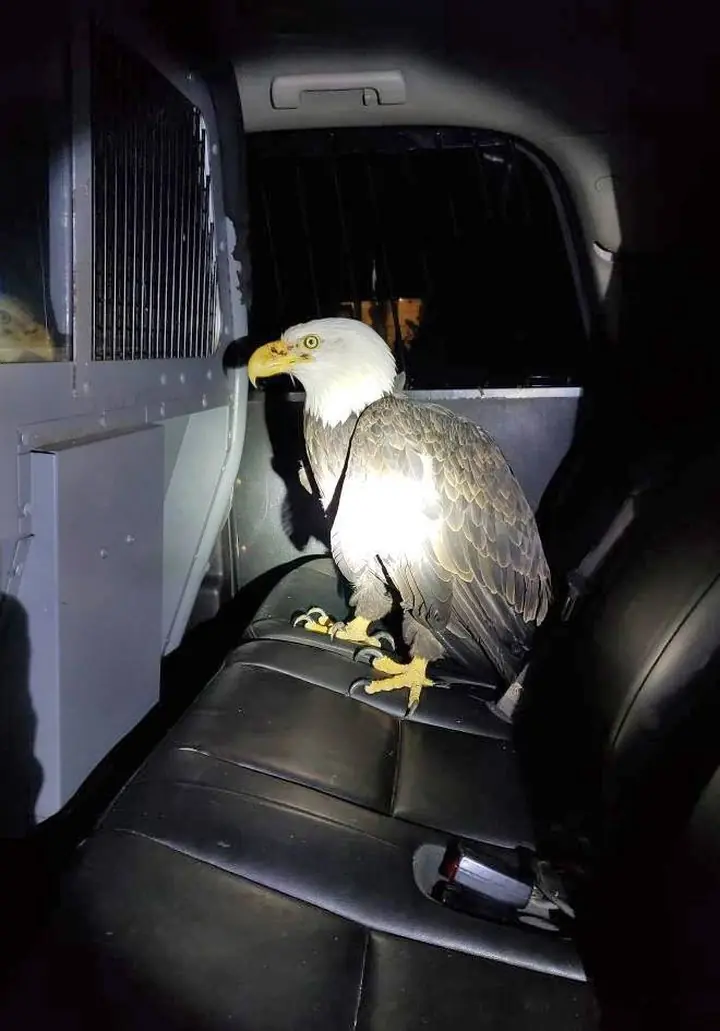
He was injured, sitting quietly in the back of a police car. Here's the latest update on his condition
A SMALL-TOWN POLICE OFFICER BROUGHT AN INJURED BALD EAGLE BACK TO THE STATION
A SMALL-TOWN POLICE OFFICER BROUGHT AN INJURED BALD EAGLE BACK TO THE STATION
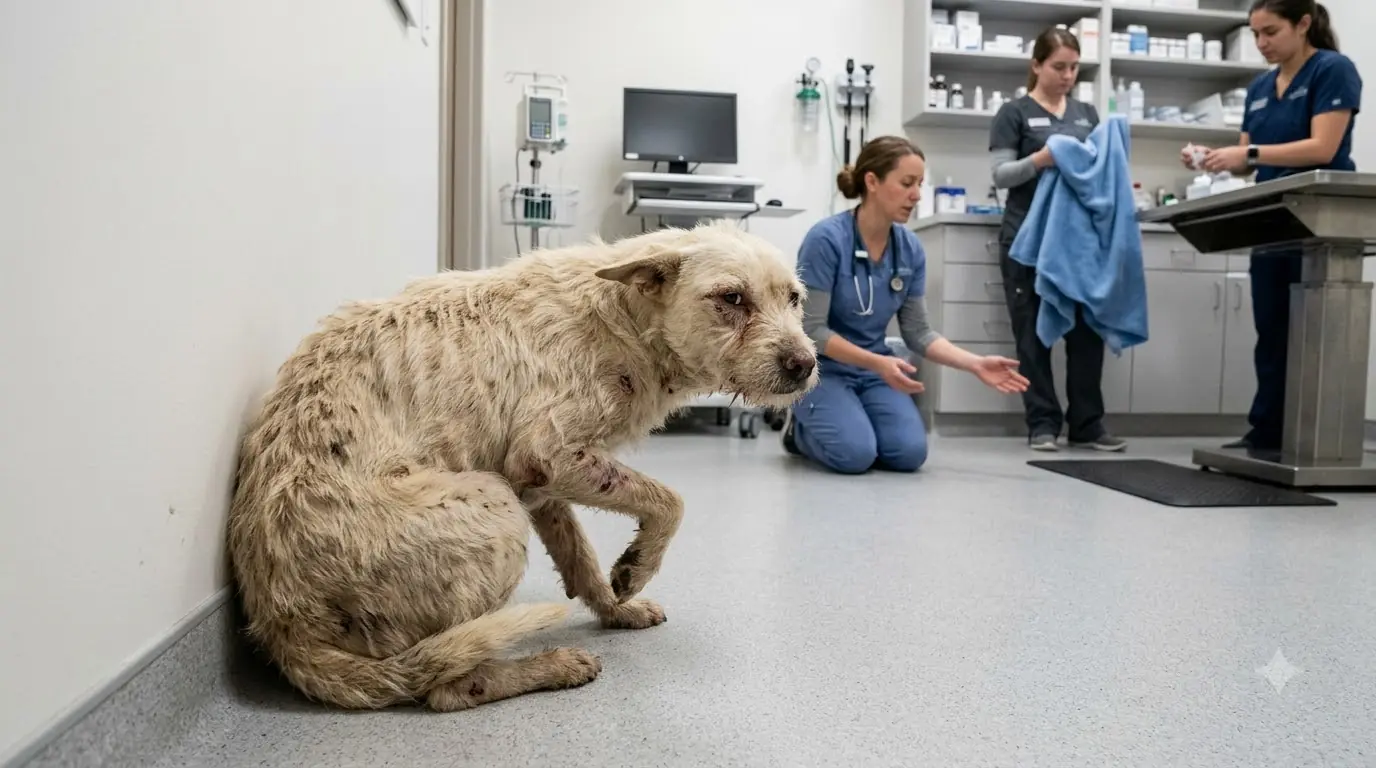
Emergency Veterinary Team Fights to Save Critically Injured Stray Dog Too Frightened to Stand
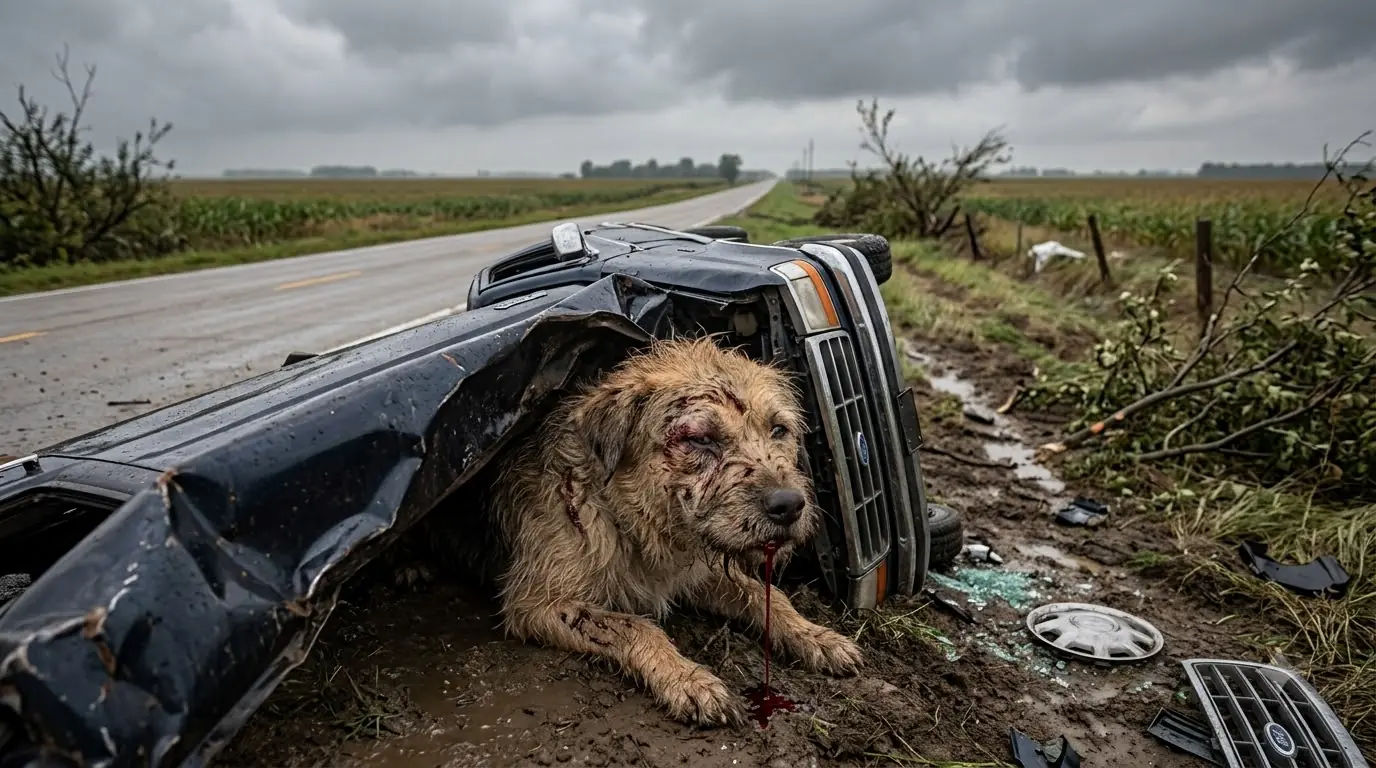
Emergency Highway Rescue Saves Stray Dog Trapped Beneath Overturned Pickup Truck After Violent Storm
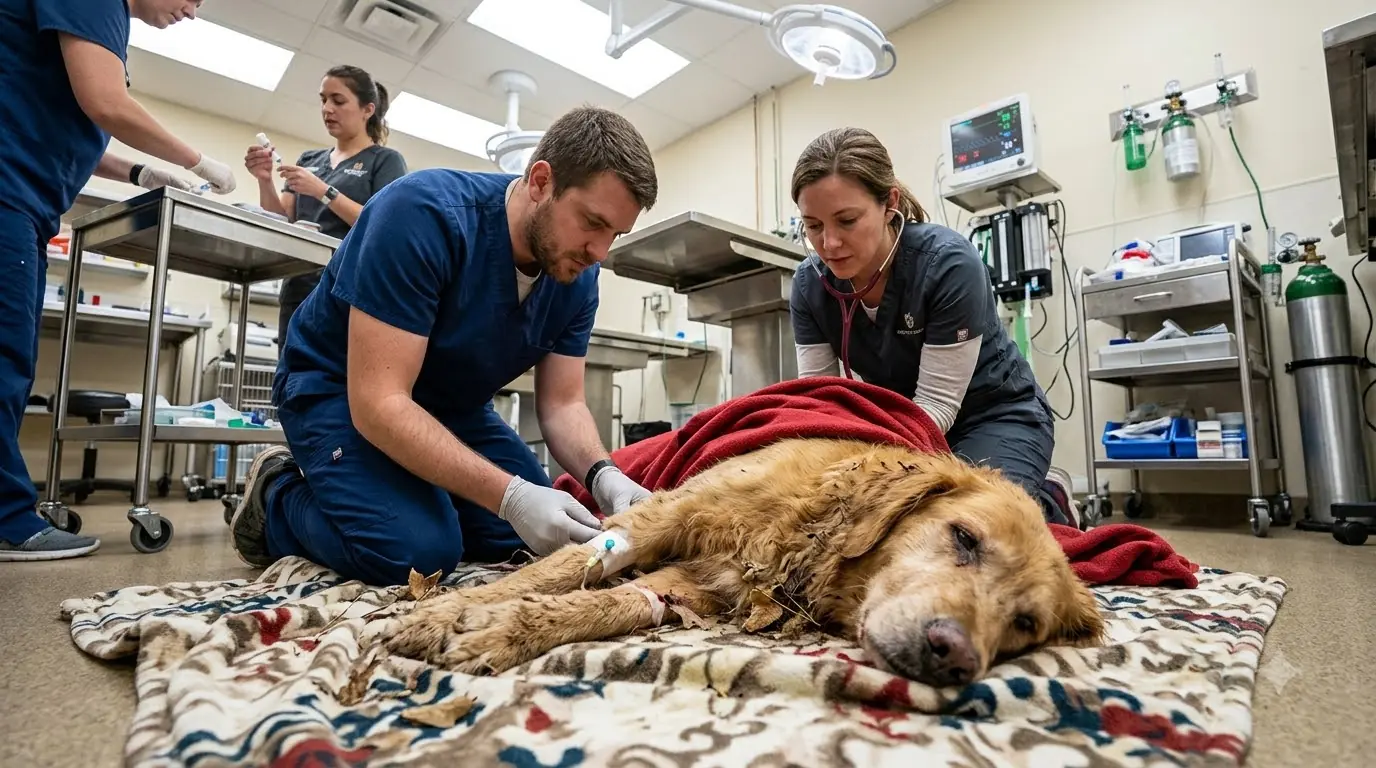
Emergency Veterinary Team Helps Severely Neglected Stray Dog Learn to Trust Again
Emergency Storm Rescue Saves Severely Malnourished Stray Dog Trapped Beneath Fallen Oak Tree
Emergency Disaster Rescue Saves Stray Dog Trapped Beneath Collapsed Concrete Drainage Pipe

Emergency Ice Rescue Saves Starving Stray Dog Trapped in Freezing Pond
Emergency River Rescue Saves Stray Dog Entangled in Abandoned Fishing Net
Emergency Animal Rescue Saves Abandoned Puppy Buried Beneath Mountains of Garbage at Massive Landfill

Emergency Cliff Rescue Saves Stray Dog Left Hanging Above a Deep Mountain Ravine

Emergency Mountain Rescue Saves Stray Dog Trapped Between Massive Boulders After Landslide
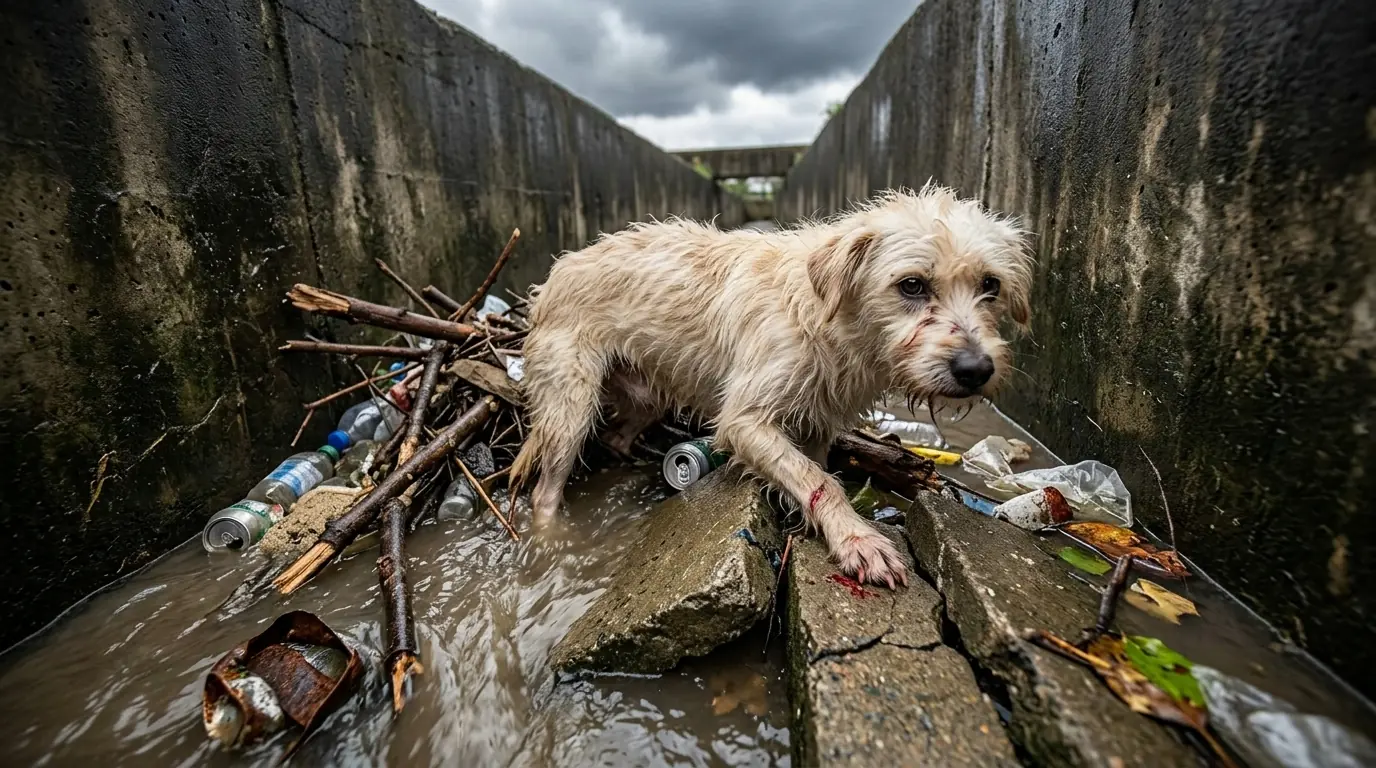
Emergency Flood Rescue Saves Stray Dog Trapped Inside Concrete Drainage Canal
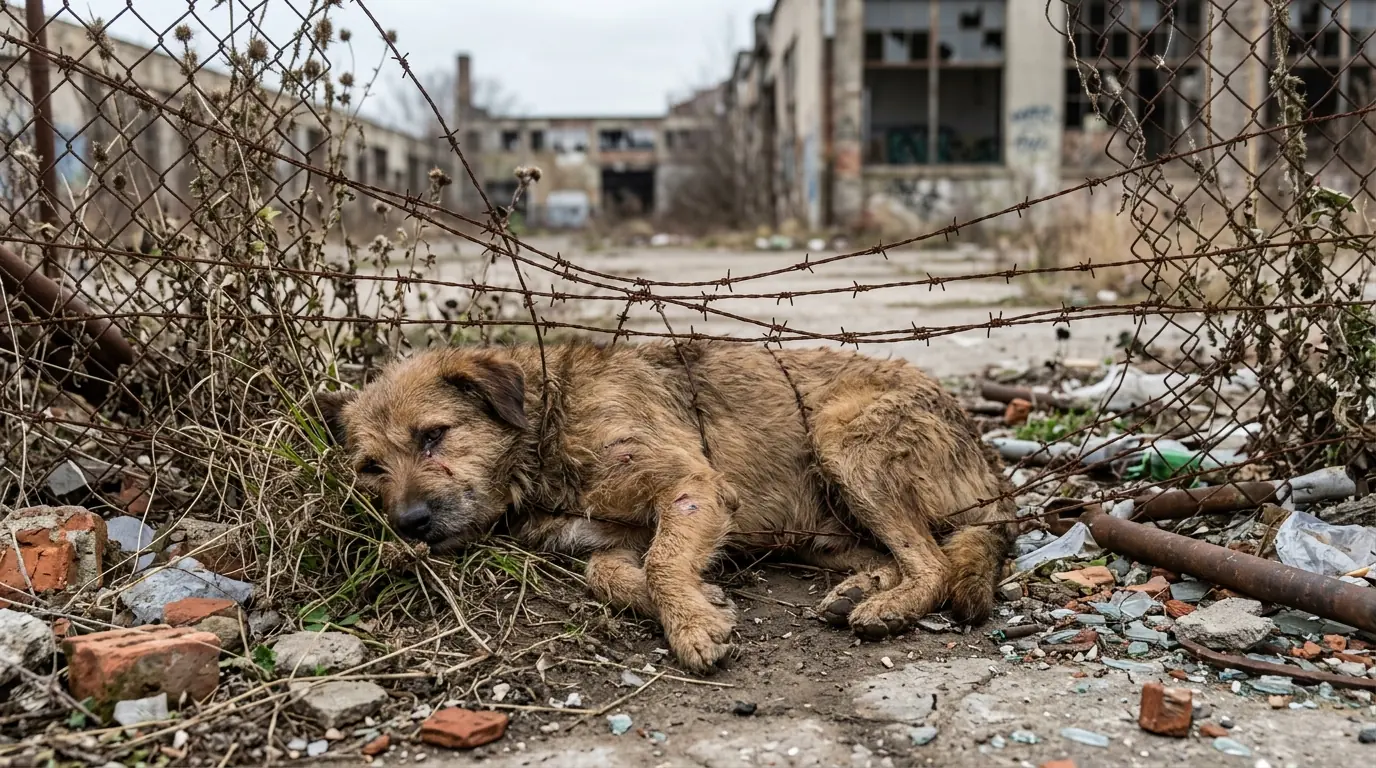
Emergency Animal Rescue Frees Stray Dog Trapped in Rusted Barbed Wire at Abandoned Industrial Site
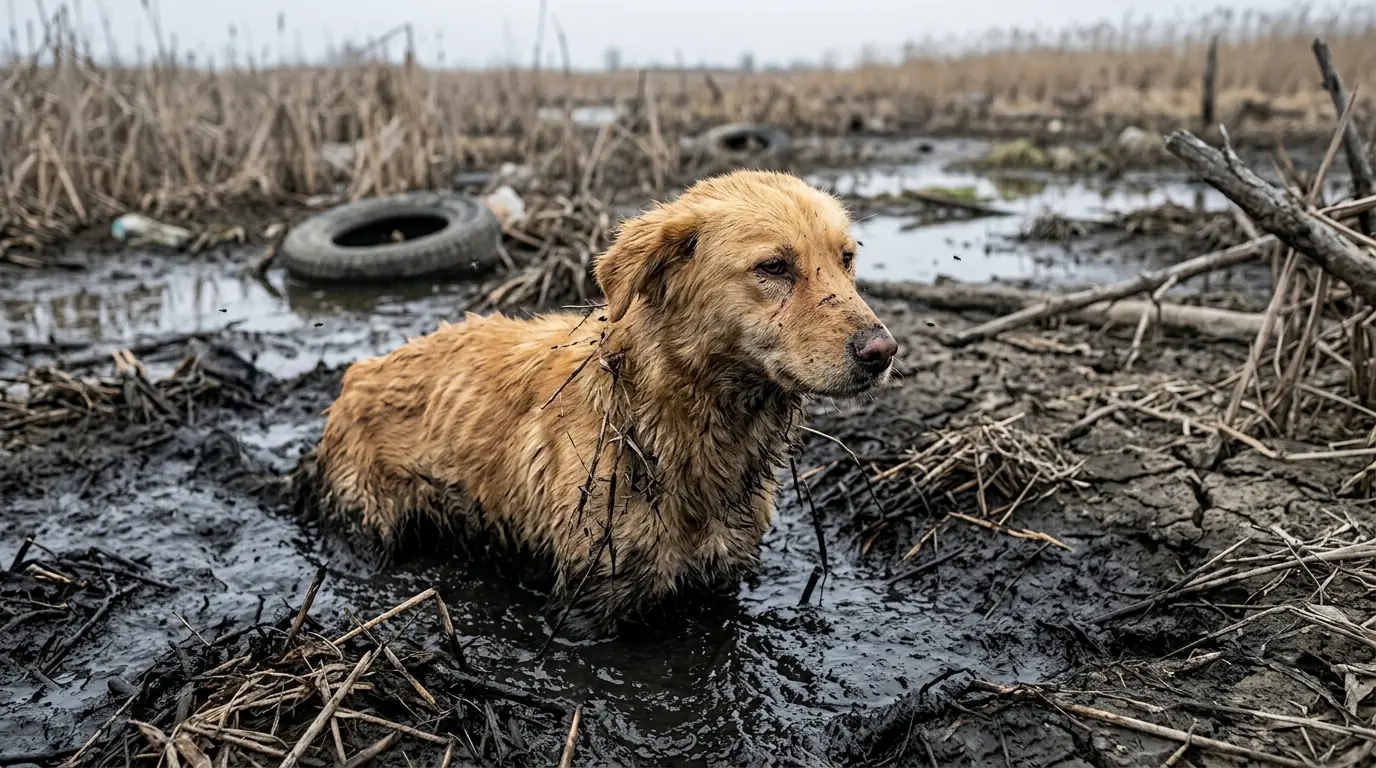
Emergency Animal Rescue Saves Stray Dog Trapped in Deep Marsh Mud After Days of Fighting to Survive
News Post
Rusty’s Recovery After Being Found Near a Dumpster
Benny’s Recovery After Being Found on the Street
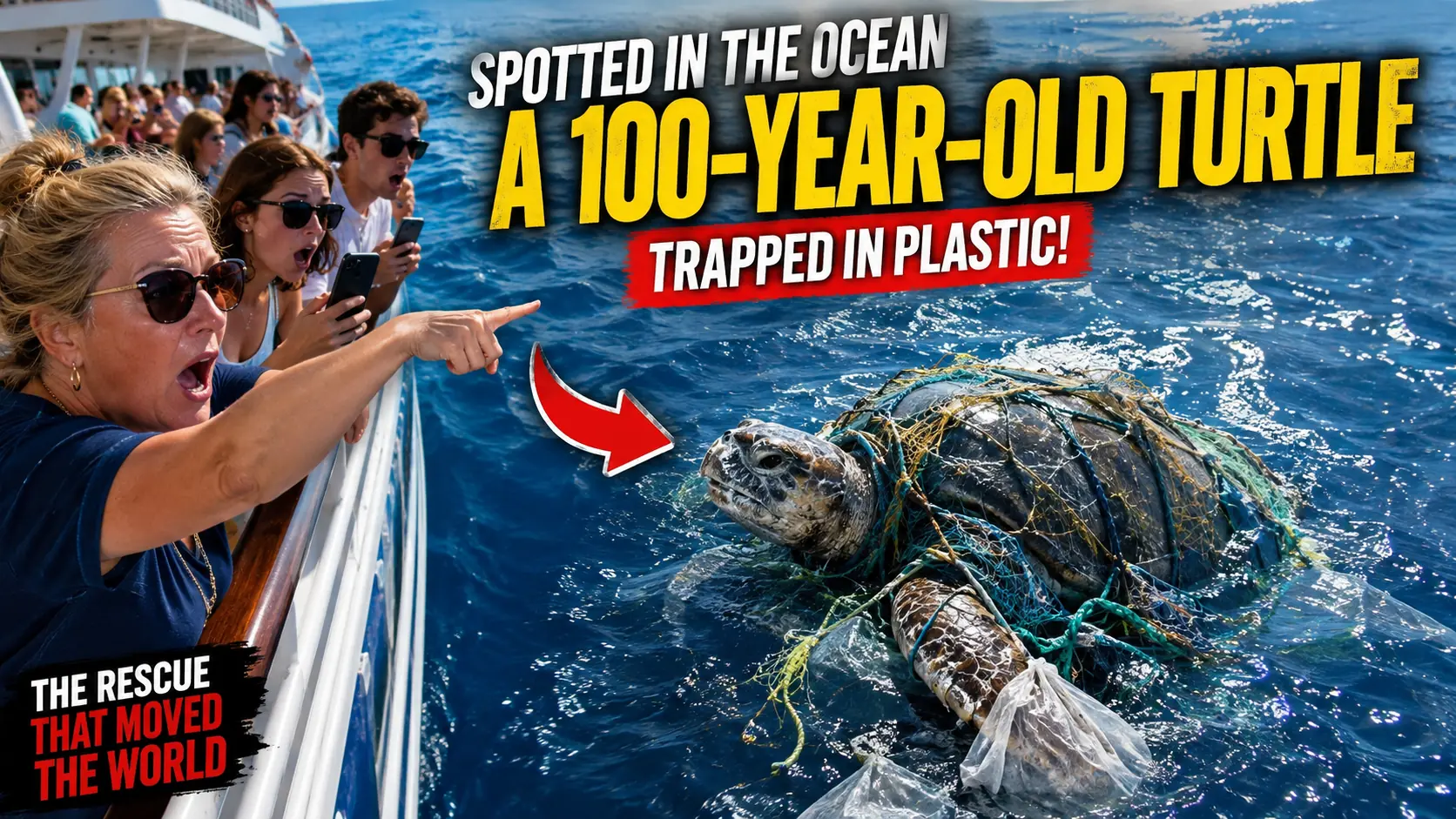
Cruise Tourists Spotted a 100-Year-Old Sea Turtle—Then They Saw What Was Wrapped Around It
Oliver’s Journey After Being Left at the Shelter

Die HOA-Nachbarin zerstörte seinen Lamborghini — dann bemerkte er die Kamera
Der arrogante Boxer forderte den alten Hausmeister heraus — dann sprach er eine letzte Warnung aus

Four Inmates Locked the Quiet Black Prisoner in the Shower — Then He Raised His Hands

The Little Girl Begged Him Not to Take Her — Then a Biker Saw Her Hand
Three Neighborhood Bullies Cornered the Quiet Man — Then His Stance Changed
She Destroyed Her Neighbor’s Chicken Coop — Then an Old File Fell Into the Dirt
She Smashed Her Neighbor’s Chicken Coop — Then an Old Property Sign Fell Out
CHAPTER 2: THE 38 HOMES IN THE BARN LOFT
CHAPTER 3: THE COMMUNITY THAT TOOK ITSELF BACK

"One Punch for $10K!" the Champion Taunted a Black Grandma — Then Everything Changed
The Neighborhood Bully Shoved the Quiet Man Into the Street — Then He Recognized His Stance
CHAPTER 2: WHEN THE INSTRUCTOR WOKE UP

My DIL shoved me out of my own son's wedding—then the last man anyone expected walked through the doors

"Hit Me for $10K!" a Champion Mocked a Black Grandma — Then His Trainer Yelled, "STOP!"