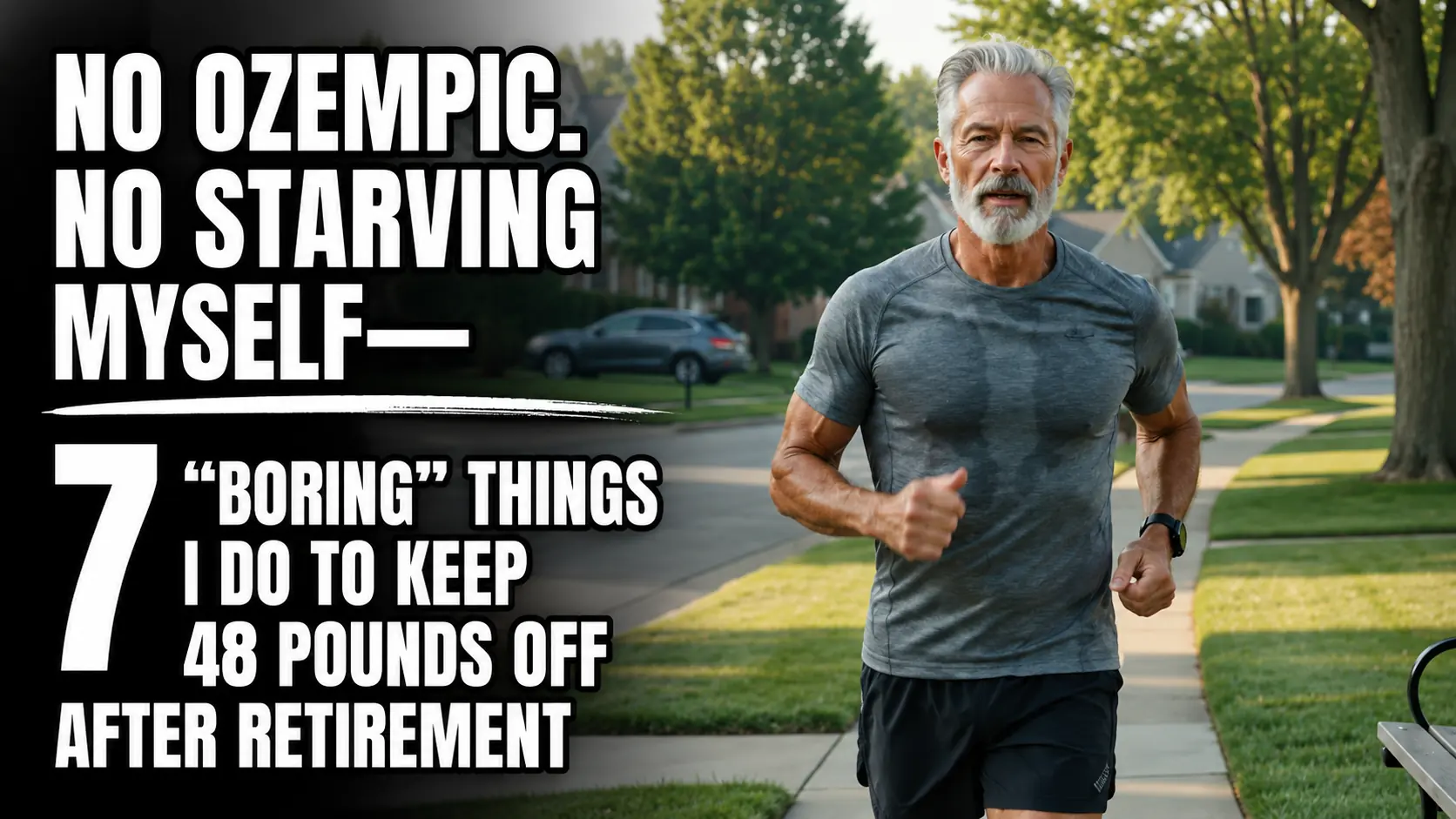
No Ozempic. No Starving Myself—7 “Boring” Things I Do to Keep 48 Pounds Off After Retirement
Reader Theme:
Font Size:
24px
No Ozempic. No Starving Myself—7 “Boring” Things I Do to Keep 48 Pounds Off After Retirement
Losing weight after retirement can feel like you're playing by different rules.
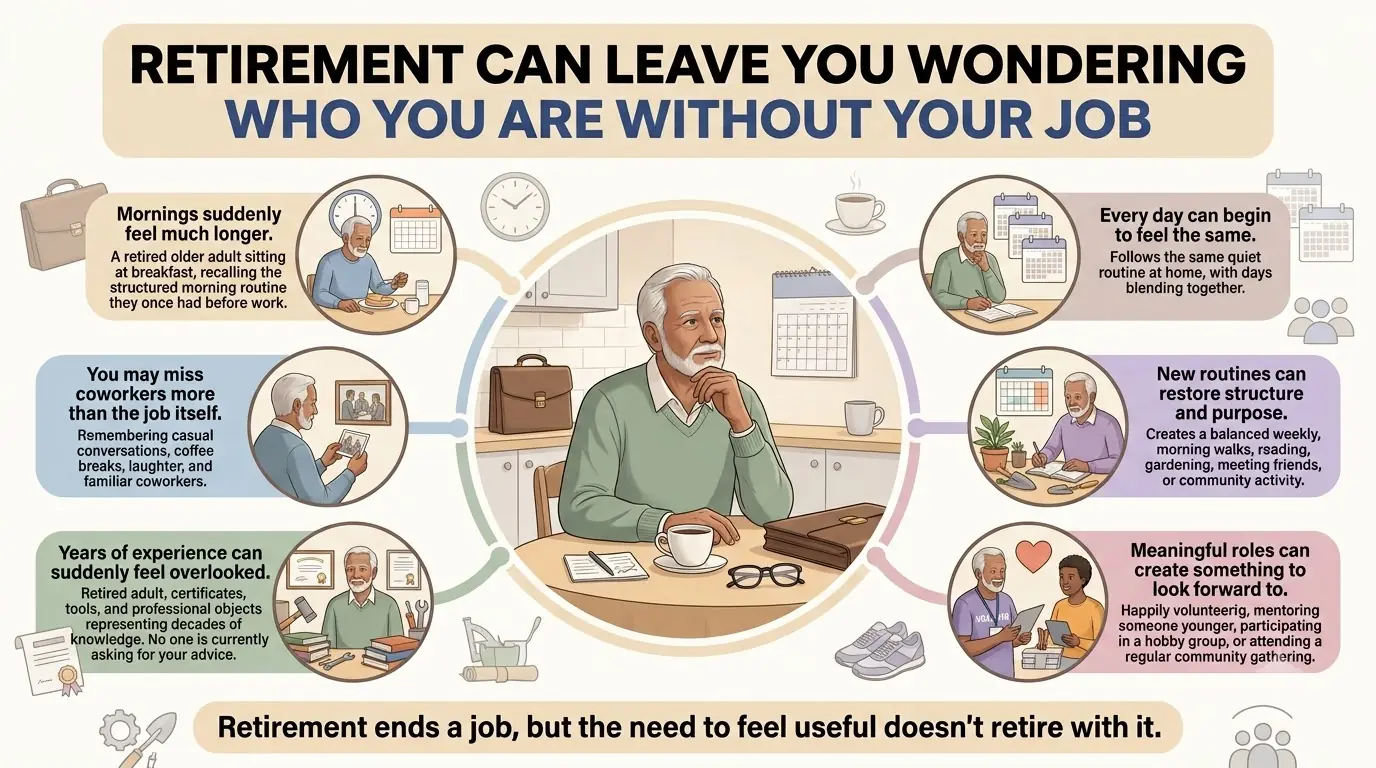
Your schedule changes. You may no longer walk through an office, climb stairs at work, rush between appointments, or move around as much without thinking about it.
At the same time, maintaining muscle becomes increasingly important as you age.
That's why I stopped thinking only about making the number on the scale smaller.
I wanted a routine I could actually live with—one that helped me manage my weight without sacrificing strength, energy, nutrition, or every food I enjoyed.
No single habit caused a specific amount of weight loss, and what worked for one person won't produce the same result for everyone. Body weight is influenced by calorie intake, physical activity, genetics, medications, medical conditions, sleep, environment, and many other factors.
But sustainable habits matter.
Here are seven decidedly unexciting ones that can form a much better foundation than repeatedly starting another extreme diet.
1. I Walk Every Day—But I Don't Pretend Walking Is Magic
Walking became one of my anchors after retirement.
Before retirement, movement happened almost accidentally.
You walk from the parking lot.
Move around the workplace.
Take stairs.
Run errands on the way home.
Once that structure disappears, daily activity can fall without you noticing.
So I deliberately put movement back into my day.
Sometimes I take a brisk walk in the morning. Sometimes I walk after dinner. I park farther away when practical, take stairs when appropriate, and look for opportunities to move instead of automatically choosing the easiest option.
Walking contributes to aerobic physical activity and can increase total daily energy expenditure.
But here's the part that gets oversimplified online:
Walking doesn't automatically cause weight loss.
Body-weight changes ultimately depend heavily on energy balance over time, and people vary considerably in how their appetite and energy expenditure respond to exercise.
That's why I don't treat walking as permission to eat unlimited calories.
I treat it as something valuable in its own right.
It supports cardiovascular fitness.
It helps preserve walking capacity.
It keeps me moving.
And it gives me an activity I can repeat consistently without turning every day into an exhausting workout.
For someone who has been sedentary, even shorter walks can be a reasonable starting point.
The goal isn't to destroy yourself with exercise.
It's to make movement part of retirement rather than allowing retirement to become increasingly sedentary.
2. I Strength Train Because Losing Weight Isn't Enough
This may be the biggest difference between the way I thought about weight at 35 and the way I think about it now.
When I was younger, I wanted the scale to go down.
Now I care about what I'm preserving while it goes down.
Weight loss can include loss of both fat and lean tissue. Older adults already face age-related changes in muscle mass and strength, which makes maintaining muscle particularly important.
Resistance training provides a stimulus that helps maintain or build muscular strength.
Federal physical activity guidelines recommend muscle-strengthening activity involving the major muscle groups on at least two days each week.
That doesn't require bodybuilding.
Depending on your experience and health, a routine could include sit-to-stands or squats, rows, presses, step-ups, hip-hinge movements, resistance-band exercises, machines, or free weights.
I particularly value movements that translate into real life.
Strong legs help me stand from a chair.
Strong hips help with stairs.
A strong back and arms help me carry groceries and luggage.
Grip strength helps me handle everyday objects.
This is why I don't judge progress only by body weight.
If the scale moves slowly while I'm getting stronger, walking more comfortably, and improving my physical capacity, that's meaningful progress too.
For older adults especially, becoming lighter while becoming progressively weaker isn't necessarily the victory it appears to be.
3. I Build Meals Around Foods That Actually Keep Me Fed
Extreme dieting often creates an exhausting cycle.
Restrict.
Get hungry.
Think about food constantly.
Overeat.
Feel guilty.
Restrict again.
I wanted out of that.
So instead of trying to eat as little as possible, I try to make meals satisfying enough that I'm not hunting through the kitchen an hour later.
Protein is one part of that strategy.
Foods such as eggs, Greek yogurt, cottage cheese, fish, poultry, lean meats, beans, lentils, and soy foods can provide protein, depending on your preferences.
Protein also matters for maintaining muscle, especially when combined with resistance training.
Then I pay attention to fiber-rich foods.
Vegetables, fruits, legumes, and whole grains can add volume and nutrients to meals, and fiber can contribute to fullness.
A simple meal might be grilled fish with vegetables and potatoes.
Or eggs with vegetables and whole-grain toast.
Or Greek yogurt with berries and nuts.
Or beans with vegetables and brown rice.
Nothing about those meals is revolutionary.
That's the point.
I don't need food to be revolutionary.
I need it to be something I can eat repeatedly without feeling deprived.
Individual protein and calorie needs vary. People with kidney disease, diabetes, or other medical conditions may need personalized nutrition guidance.
The objective isn't to copy somebody else's plate exactly.
It's to build an eating pattern that provides adequate nutrition while supporting your individual weight goals.
4. I Stopped Drinking So Many of My Calories
Beverages can be surprisingly easy to overlook.
A sweetened coffee in the morning.
A sugary drink with lunch.
Another specialty coffee in the afternoon.
A large sweetened tea.
None feels like a meal.
But calories still count whether you chew them or drink them.
So one of my least exciting habits is making water my default beverage much of the time.
That doesn't mean everyone must drink only water forever.
Coffee and tea can fit into a healthy diet depending on what you add to them, and other beverages can have a place too.
The useful question is:
How many calories am I regularly drinking without really noticing them?
For some people, changing beverages can reduce calorie intake without requiring smaller portions of actual food.
There's another advantage.
It's simple.
You don't need an app.
You don't need a complicated recipe.
You simply become more deliberate about what you're drinking.
However, hydration needs vary, and people with heart failure, kidney disease, or other conditions may have specific fluid recommendations from their healthcare team.
“Drink more water” isn't universally appropriate advice without context.
5. I Made My Kitchen Boring in the Best Possible Way
Willpower is overrated when your environment is constantly asking you to use it.
Imagine your favorite highly palatable snack sitting on the counter every time you walk through the kitchen.
You see it at 9 a.m.
Again at noon.
Again at 3.
Again after dinner.
Eventually you're not making one food decision.
You're making the same decision repeatedly.
So I changed the environment.
Foods I want to eat regularly are easy to find.
Fruit is visible.
Protein-rich foods are available.
Basic ingredients for simple meals are stocked.
Foods I tend to overeat aren't automatically sitting within arm's reach all day.
This doesn't mean banning every enjoyable food.
I still want birthday cake to exist.
I still want restaurant meals.
I still want holidays.
The difference is that I don't need every Tuesday afternoon to behave like a holiday.
Environment can influence eating behavior, which is why changing what is convenient can sometimes be more practical than trying to generate endless discipline.
I also learned to respect portions.
Nuts are nutritious, for example, but they're energy-dense.
Olive oil can be part of a healthy dietary pattern, but pouring it freely still adds substantial calories.
“Healthy” doesn't mean calorie-free.
That's not a reason to fear those foods.
It's a reason to understand them.
6. I Protect My Sleep Because Tired Me Makes Different Decisions
Sleep and body weight have a complicated relationship.
I don't tell myself that sleeping eight hours magically burns fat.
It doesn't.
But inadequate sleep can affect appetite regulation, energy, mood, decision-making, and willingness to exercise.
And I know my own behavior.
When I'm exhausted, I don't crave a long walk and a thoughtfully prepared dinner.
I want convenience.
I move less.
I have less patience.
Food decisions become more impulsive.
So sleep became part of my weight-management routine even though it doesn't look like weight management.
Most adults generally need at least seven hours of sleep, although individual needs vary.
I try to keep my schedule reasonably consistent and give myself an actual opportunity to sleep.
I also stopped assuming that persistent poor sleep is simply inevitable after retirement.
Habitual loud snoring, gasping during sleep, witnessed pauses in breathing, persistent insomnia, morning headaches, or excessive daytime sleepiness can be reasons to talk with a healthcare professional.
Sleep apnea, for example, is a medical condition that deserves appropriate evaluation.
I can't guarantee perfect sleep.
I can stop deliberately treating it as disposable.
7. I Eat Like This Is My Normal Life, Not a Diet With an End Date
This may be the most boring habit of all.
I stopped asking:
“How fast can I lose this weight?”
And started asking:
“Could I realistically live this way next year?”
That question eliminates a lot of bad ideas.
Could I be hungry every afternoon for the rest of my life?
No.
Could I permanently eliminate every food I enjoy?
Probably not.
Could I exercise intensely seven days a week forever?
Unlikely.
Could I walk regularly, strength train a few times each week, eat mostly nutritious foods, manage portions, sleep reasonably well, and enjoy occasional treats without turning them into a week-long event?
That sounds much more realistic.
Weight maintenance is where temporary diets often reveal their weakness.
If the only reason a plan works is that you're willing to tolerate it for six weeks, what happens during year six?
I needed habits that could survive birthdays, holidays, travel, restaurants, stress, and ordinary life.
That meant abandoning perfection.
One restaurant dinner doesn't determine my weight.
Neither does one dessert.
What matters much more is what happens repeatedly.
That's why I return to my normal routine after an unusual meal instead of trying to “punish” myself with starvation or excessive exercise.
No guilt.
No compensation.
Just back to normal.
Why Weight Management Can Feel Different After Retirement
People sometimes say metabolism simply “shuts down” with age.
That's too simplistic.
Body weight is affected by numerous factors, and aging can change several of them.
One important factor is body composition.
Loss of lean tissue can affect energy expenditure, and physical activity may decrease with age or retirement.
Daily routines can change dramatically too.
Think about how much incidental movement a job can create.
Walking into the building.
Moving between rooms.
Taking stairs.
Standing.
Going out for lunch.
Commuting.
Even jobs that involve substantial sitting often impose more structure than retirement.
Remove that structure and a person may unknowingly move less.
At the same time, eating habits may stay exactly the same.
That's a combination worth noticing.
The solution isn't necessarily severe calorie restriction.
It may be rebuilding movement intentionally while adjusting food intake to match your current needs.
The Scale Isn't the Only Thing Worth Protecting
Suppose two people both lose 20 pounds.
One becomes stronger, continues eating adequate nutrition, exercises regularly, and improves physical function.
The other loses weight rapidly while becoming weaker and less active.
Those are not equivalent outcomes.
For older adults, preserving muscle and physical function deserves particular attention.
This is why I track progress beyond weight.
Can I lift more safely than I could six months ago?
Can I walk farther?
Do stairs feel easier?
Can I get out of a chair comfortably?
Can I carry groceries?
How is my waist measurement changing?
How do my clothes fit?
How is my blood pressure?
What does my healthcare professional think about relevant laboratory results?
A bathroom scale gives you one piece of information.
It doesn't grade your entire health.
Why I Don't Starve Myself
Aggressive calorie restriction can be particularly problematic when it makes adequate nutrition difficult or contributes to excessive loss of lean tissue.
Older adults need enough nutrition to support health.
That includes adequate protein, vitamins, minerals, essential fats, and overall energy appropriate to their needs.
Rapid unexplained weight loss is also different from intentional weight management.
If an older adult is losing weight without trying, that deserves attention.
Changes in appetite, dental problems, medication effects, gastrointestinal disease, depression, cancer, thyroid problems, and other medical conditions can contribute to unintentional weight loss.
Don't celebrate an unexplained drop on the scale simply because weight loss is culturally treated as automatically positive.
Context matters.
And What About Ozempic?
Ozempic is the brand name for semaglutide approved in the United States for certain people with type 2 diabetes. Semaglutide is also available under another brand with an indication for chronic weight management in eligible patients.
These medications can be medically appropriate and effective for some people.
Not using one isn't morally superior.
Using one isn't “cheating.”
Prescription weight-management medications should be considered through an individualized conversation with a qualified healthcare professional, taking into account indications, benefits, risks, side effects, other medications, and medical history.
The fact that one person's weight-management story didn't involve medication says nothing about whether another person should use it.
The same principle applies to bariatric surgery.
Obesity is a chronic disease, and evidence-based treatment can include lifestyle intervention, medications, surgery, or combinations of approaches depending on the individual.
There is no prize for choosing the hardest possible path.
Who Should Get Professional Help Before Trying to Lose Weight?
Older adults should be particularly cautious about intentionally losing substantial weight without considering muscle, nutrition, medications, and overall health.
Professional guidance may be especially useful if you have diabetes, kidney disease, cardiovascular disease, a history of eating disorders, substantial frailty, osteoporosis, significant unintentional weight changes, or take medications that influence blood sugar, appetite, fluid balance, or body weight.
Medication doses may sometimes need reassessment as weight or diet changes.
If you're already at a healthy weight, aggressive weight loss may not be appropriate at all.
The goal isn't to make every older adult smaller.
It's to support health and function.
When Weight Loss Is a Warning Sign
Intentional and unintentional weight loss are not the same.
If you're losing weight without trying—particularly if the change is persistent or substantial—talk with your healthcare professional.
The same applies if weight loss occurs alongside persistent fatigue, weakness, loss of appetite, difficulty swallowing, gastrointestinal symptoms, new pain, or other unexplained changes.
Sudden serious symptoms such as chest pain, severe shortness of breath, fainting, or acute neurological symptoms require urgent medical attention regardless of what's happening with your weight.
Don't let a number on the scale distract you from what your body is telling you.
The Goal After Retirement Isn't Just a Smaller Body
This is the part I wish more weight-loss conversations included.
I don't simply want to weigh less.
I want to remain capable.
I want enough leg strength to climb stairs.
Enough balance to walk confidently.
Enough cardiovascular fitness to travel.
Enough muscle to carry groceries.
Enough mobility to get down on the floor and back up.
Enough energy to go somewhere instead of deciding that staying home is easier.
And enough dietary flexibility that eating dinner with family doesn't feel like breaking a rule.
That's why my routine looks boring.
Walking.
Lifting.
Eating protein and plants.
Watching portions.
Drinking mostly calorie-free beverages.
Sleeping.
Repeating.
There's nothing dramatic enough to sell as a secret.
But perhaps that's exactly the point.
The Big Picture
Long-term weight management rarely needs more drama.
It needs a routine that can survive real life.
You don't have to starve yourself.
You don't need to fear carbohydrates.
You don't need to perform punishing workouts every morning.
And you don't need to feel ashamed if lifestyle changes alone haven't been enough and your healthcare professional recommends additional treatment.
Start with the basics that fit your circumstances.
Move more.
Strength train appropriately.
Build satisfying meals around nutrient-dense foods.
Pay attention to portions and beverages.
Protect your sleep.
Create an environment that makes your normal choices easier.
Then think beyond the scale.
Ask yourself what you're actually trying to protect.
Maybe it's the ability to walk around Europe on vacation.
Maybe it's playing with grandchildren.
Maybe it's carrying your own groceries.
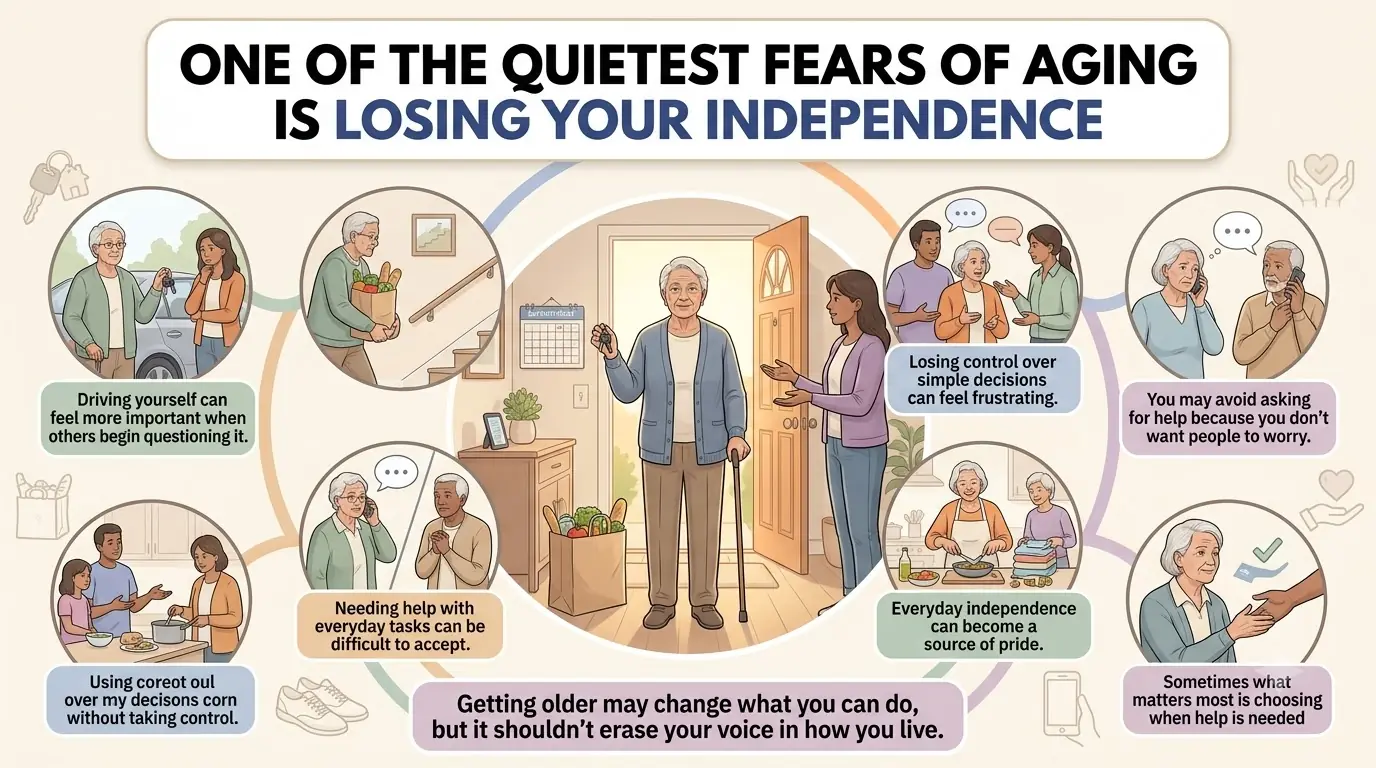
Maybe it's living independently.
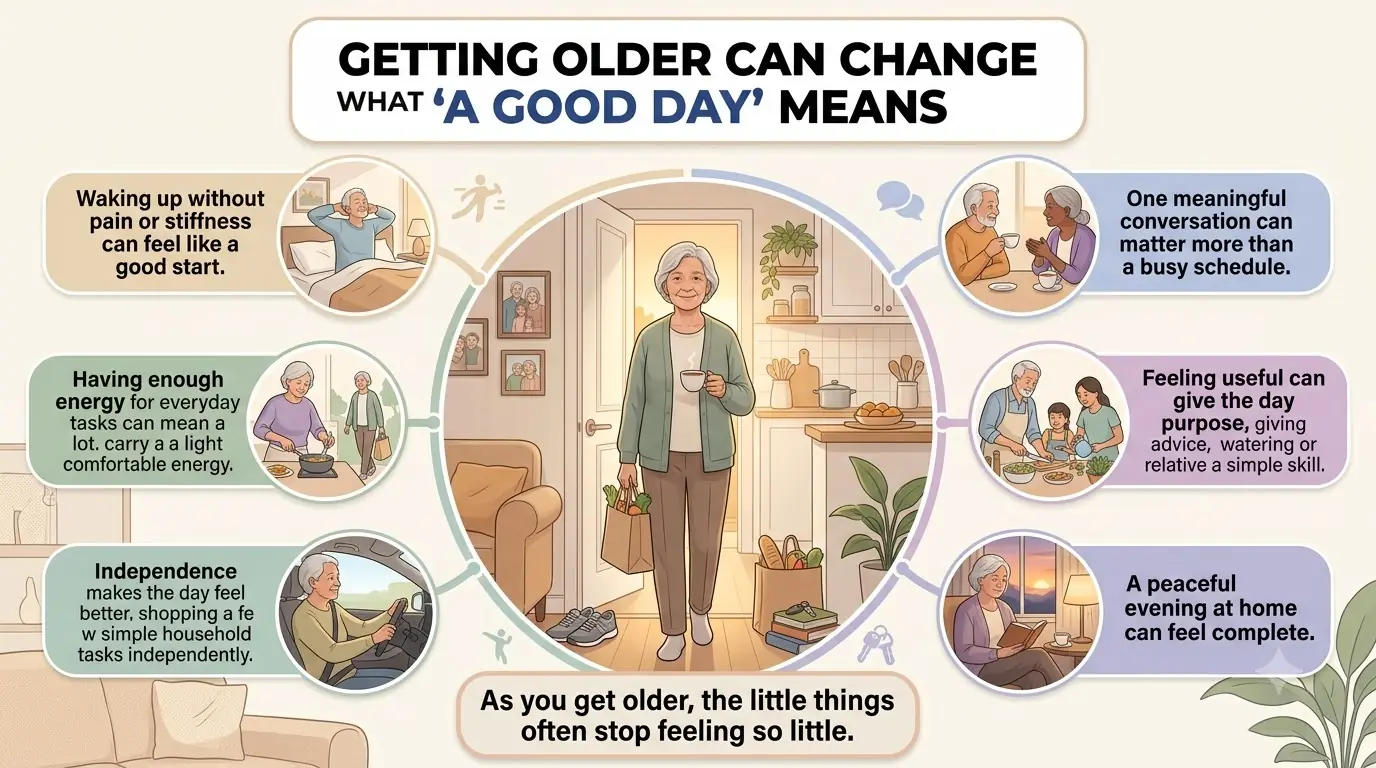
Maybe it's simply feeling strong enough to say yes when someone asks, “Want to go?”
A lower number on the scale can be meaningful for some people.
But the better goal is broader:
Build a body and a lifestyle that help you keep participating in your own life.
That's something worth maintaining long after the “diet” is over.
Medical disclaimer: This article is for general educational purposes only and is not a substitute for individualized medical advice, diagnosis, or treatment. Weight management needs vary according to age, medical history, medications, nutritional status, and other factors. Consult a qualified healthcare professional before making major changes to your diet, exercise routine, or weight-management treatment when appropriate.