
Ollie Is Still Waiting for a Home Nearly a Year After Losing His Mother
Chapter 2
Reader Theme:
Font Size:
24px
His future adopter should expect normal young-dog challenges.
Excitement.
Distraction.
Occasional impatience.
Periods of high energy.
Then sudden exhaustion.
The goal is not perfection.
It is structure.
A regular schedule.
Clear communication.
Appropriate exercise.
Mental enrichment.
And affection that does not disappear.
Ollie's sleep habits are good.
He settles well at night once the shelter becomes quiet.
He has a comfortable bed and blanket, and staff frequently find him sleeping on his side after an active day.
That deep sleep is another positive sign.
He is not living in a constant state of anxiety.
He feels safe here.
That matters.
But safe is still not the same as home.
There is one particular routine that makes that difference clear.
At the end of the day, volunteers leave.
The hallway gets quiet.
Ollie watches.
Sometimes he follows the sound for a moment.
Then he goes back to his bed.
The next morning, people return.
And Ollie greets them with the same excitement.
We hope one day the person returning every morning is not simply another shift change.
We hope it is his person.
The person who knows which bowl belongs to him.
The person who knows how many little circles he makes before settling.
The person who recognizes that head tilt and already knows what sound he is trying to understand.
The person who laughs because Ollie has done it a hundred times before.
That familiarity is what we want for him.
His medical outlook is currently good.
He will continue routine preventive care, wellness checks, vaccinations as recommended, parasite prevention, dental monitoring, and age-appropriate health screening.
There is no major treatment plan standing between Ollie and adoption.
His biggest need now is simply the right home.
Because Ollie lost his mother so early, we also want his future family to understand that affection should be balanced with healthy independence.
It is tempting to compensate for a difficult beginning by never allowing a dog to be alone.
That can create new problems.
Instead, Ollie should learn that being alone for short, appropriate periods is safe.
Someone leaves.
Someone returns.
Nothing terrible happens.
That lesson will help him become confident rather than overly dependent.
The same principle applies to boundaries.
Love does not mean allowing everything.
Ollie will benefit from predictable rules.
Where he sleeps.
When meals happen.
How greetings work.
What behavior earns attention.
That structure is comforting.
It tells a dog what to expect.
And expectation becomes security.
We see glimpses of the dog Ollie could become in a home during quiet enrichment sessions.
A volunteer sits in a room.
Ollie explores.
He circles.
He investigates.
Then eventually he lies down.
If a noise happens behind him, his head comes up.
Tilt.
Listen.
Then he looks at the person.
If they remain calm, he often settles again.
That is exactly the kind of resilience we want to build on.
He does not need to be protected from every new experience.
He needs someone safe beside him while he learns.
Nearly a year is a long time for a young dog to wait.
Ollie has spent most of his life under rescue care.
He has never known the routines of a permanent family in the way we hope he eventually will.
He has never had a kitchen where his bowl stays in the same place for years.
He has never had a favorite corner of a couch.
He has never learned the sound of one person's car arriving home.
He has never had someone say goodnight and still be there the next morning because that is simply how every day works.
Those ordinary things are what we want next.
Ollie does not need someone to replace his mother.
Nobody can do that.
What he needs is someone willing to give him the kind of lasting connection he missed at the beginning.
A person who stays.
A person who notices when he is tired.
A person who knows when the spinning means excitement and when the tilted head means curiosity.
A person who gives him affection without making him afraid it will disappear.
For now, Ollie remains healthy, playful, and hopeful.
He still circles in his kennel when someone approaches.
He still stops.
Tilts his head.
Listens.
Watches.
And waits.
One day, we hope the person standing on the other side of that kennel is not just another visitor.
We hope they open the gate.
Clip on the leash.
And take Ollie somewhere he has never truly had before.
Home.
News in the same category
“Stop — It’s a Trap!” a Homeless Black Girl Warned 15 Bikers — What They Did Next Left the Town in Tears

Prison Bully Picked on the New Black Inmate for Laughs — Then Learned About His Championship Past
Prison Bully Picked on the New Black Inmate for Laughs — Then Learned About His Championship Past

Twin Black Belts Mocked a Quiet Single Dad at the Gym — Unaware of His Hidden Training Past
Milo Is Learning to Trust Again After a Painful Past

Ollie Is Still Waiting for a Home Nearly a Year After Losing His Mother
Benny Is Still Waiting After Two Years at the Shelter
The MMA Fighter Followed the Trucker Into the Storm — Then Threw the First Punch
He Tried to Leave His Ex-Wife With $50,000 — Then Her Lawyer Mentioned a $45 Million Debt
She Mocked Her Friend’s Dress and Fiancé at the Wedding — Then One Guest Bowed to Him
She Showed Up at His Door Soaked in the Rain — Then Asked for One Night

Rosie and Her Puppies Found Refuge at a Church After Being Abandoned
The Black Belt Dropped the Father in Front of His Son — Then the Boy Said Four Words

Prosecutors Seized Her Brother’s Memorial Patch — Then 500 Bikers Surrounded the Courthouse
Waitress Defended a Biker’s Motorcycle From Thieves — His Response Shut Down the Whole Block
The Instructor Mocked the Woman in a Sports Bra — Then He Tried to Humiliate Her in Front of the Class
The Black Belt Mocked Her Clothes and Called Her Weak — Then She Stepped Onto His Mat

A Billionaire Mocked a Black Nurse During Dinner — Until His Bodyguard Saw the Scar and Froze
News Post
Two Winters Later, Four Rescued Dogs Are Still Waiting for Someone to Call Them Family
“Stop — It’s a Trap!” a Homeless Black Girl Warned 15 Bikers — What They Did Next Left the Town in Tears
The 7 Foods I Eat Almost Every Day to Support Healthy Aging at 62
Prison Bully Picked on the New Black Inmate for Laughs — Then Learned About His Championship Past
Prison Bully Picked on the New Black Inmate for Laughs — Then Learned About His Championship Past
Twin Black Belts Mocked a Quiet Single Dad at the Gym — Unaware of His Hidden Training Past
Milo Is Learning to Trust Again After a Painful Past
Ollie Is Still Waiting for a Home Nearly a Year After Losing His Mother
Benny Is Still Waiting After Two Years at the Shelter

Creamy Beef & Potato Skillet – Cheesy, Hearty & Packed with Cozy Comfort-Food Flavor
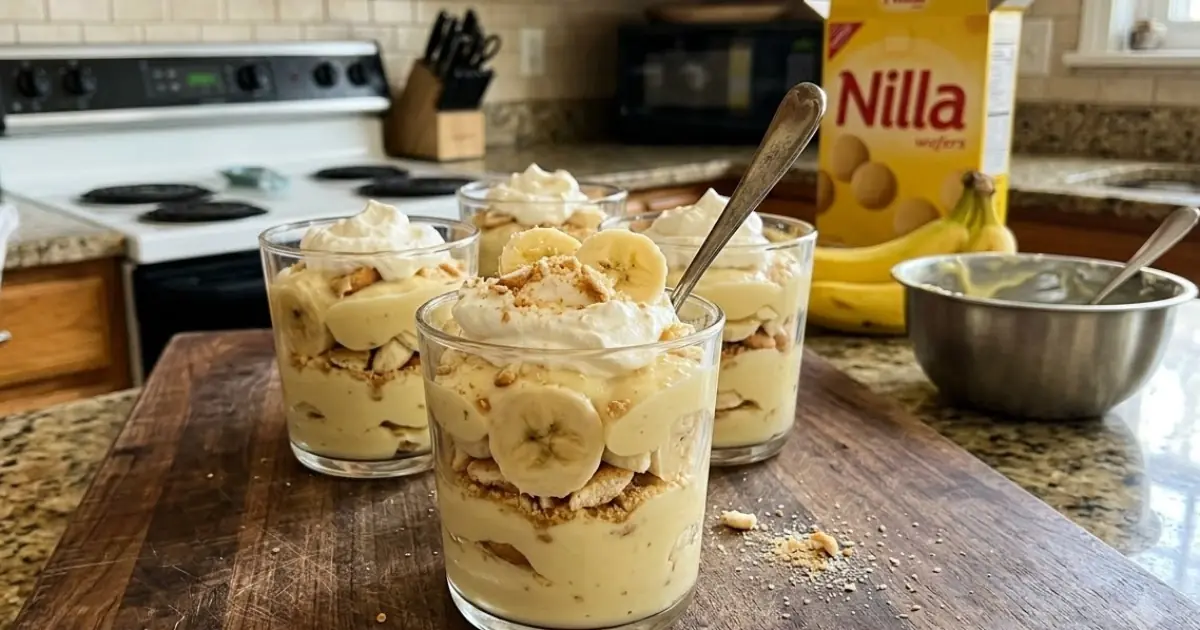
Southern Banana Pudding Cups – Creamy, Dreamy & Layered with Vanilla Wafers
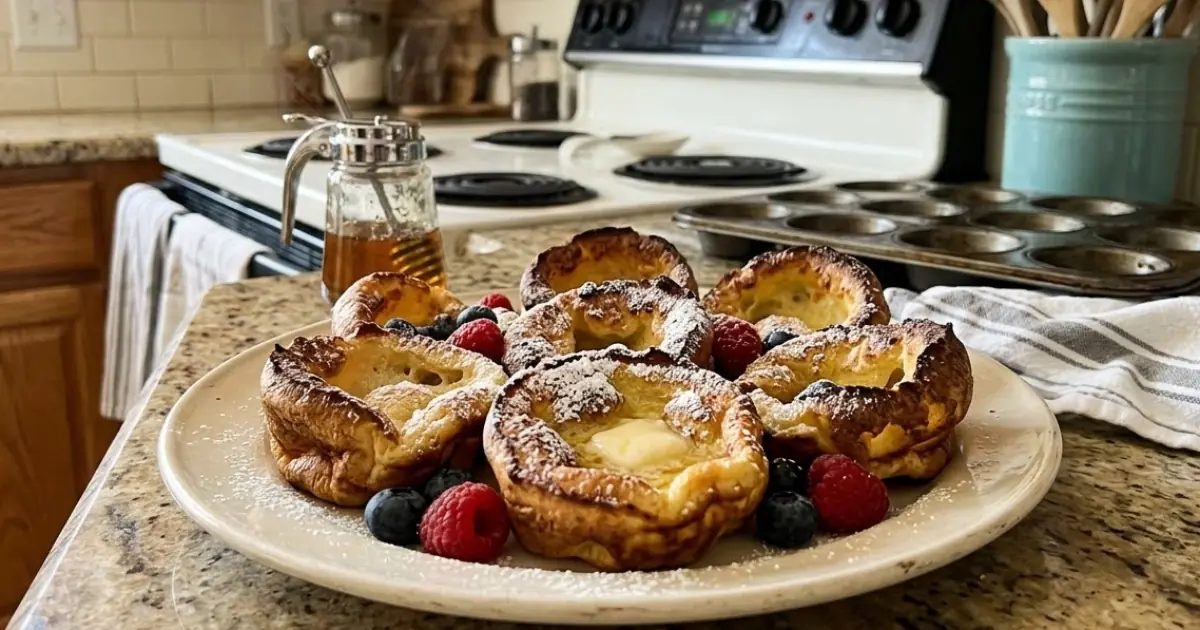
Mini German Pancakes – Puffy, Buttery & Perfect for Brunch
The MMA Fighter Followed the Trucker Into the Storm — Then Threw the First Punch
He Tried to Leave His Ex-Wife With $50,000 — Then Her Lawyer Mentioned a $45 Million Debt
She Mocked Her Friend’s Dress and Fiancé at the Wedding — Then One Guest Bowed to Him
She Showed Up at His Door Soaked in the Rain — Then Asked for One Night
Rosie and Her Puppies Found Refuge at a Church After Being Abandoned
The Black Belt Dropped the Father in Front of His Son — Then the Boy Said Four Words
Prosecutors Seized Her Brother’s Memorial Patch — Then 500 Bikers Surrounded the Courthouse
Ollie Is Still Waiting for a Home Nearly a Year After Losing His Mother
2 Part