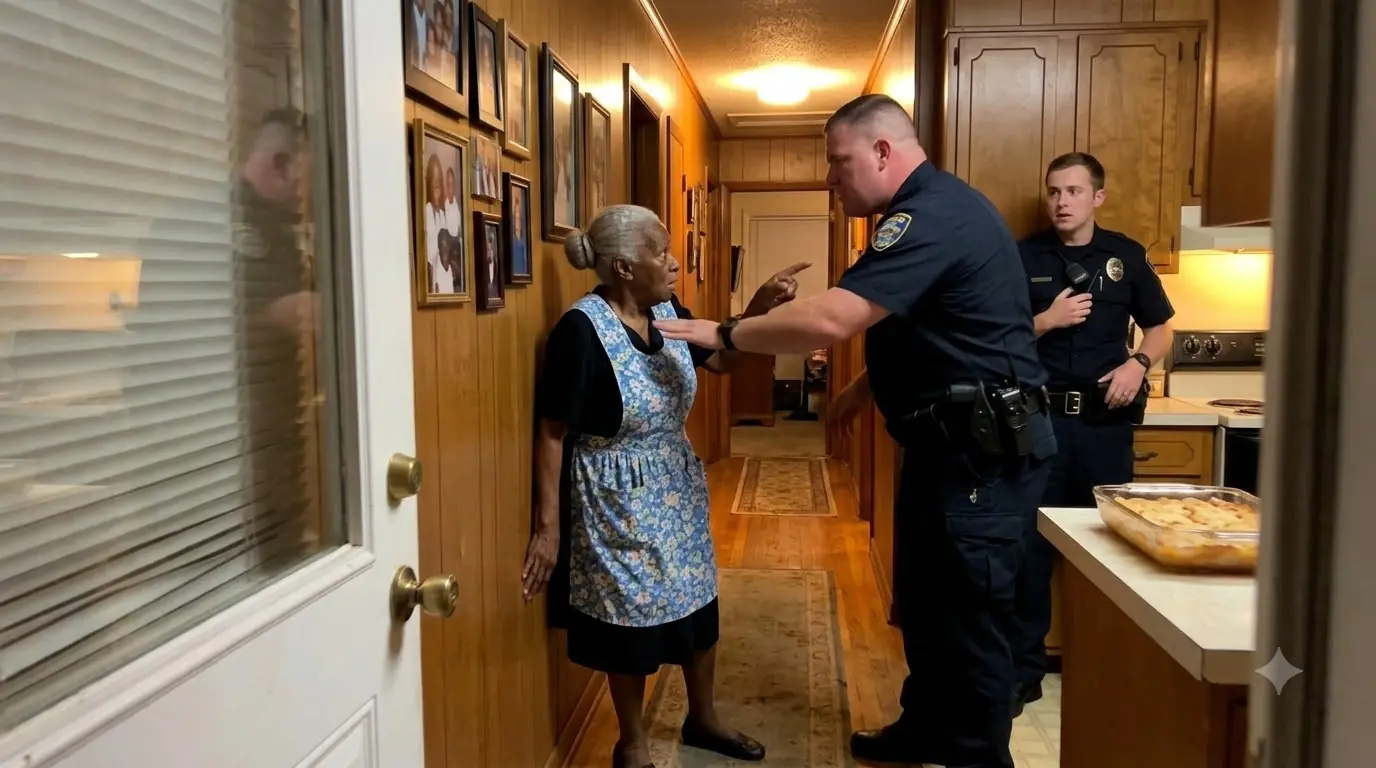
ONE DAY, YOUR PARENTS MAY STOP ASKING YOU TO VISIT
Reader Theme:
Font Size:
24px
ONE DAY, YOUR PARENTS MAY STOP ASKING YOU TO VISIT
There may come a time when your parents stop asking when you're coming over. At first, the change can seem insignificant. They may simply say, “It's okay, I know you're busy,” and quickly move the conversation to something else.
But silence doesn't always mean someone needs less connection. Sometimes people stop asking because asking repeatedly has become uncomfortable. They don't want their adult children to feel pressured, guilty, or obligated to make time for them.
For aging parents, maintaining meaningful family relationships can become particularly important as retirement, changing health, reduced mobility, and shrinking social circles reshape everyday life. Understanding why a parent may stop reaching out can help families stay connected without waiting to be asked.
Why Parents May Ask for Less as They Get Older
Older adults are not all alike. Some genuinely enjoy independence and solitude, while others want frequent family contact.
However, parents may become increasingly reluctant to ask their adult children for time or attention.
They may see how busy you are with:
- Work.
- Children.
- Relationships.
- Household responsibilities.
- Financial pressures.
- Personal commitments.
Rather than becoming another responsibility on your list, they may decide to wait for you to initiate contact.
That doesn't necessarily mean they've stopped wanting to see you.
1. At First, They Keep Asking When You're Free
For many parents, a visit from an adult child isn't simply another event on the calendar.
It's something to anticipate.
They may ask:
“When are you free this weekend?”
“Are you coming over soon?”
“Do you want to have dinner?”
These invitations may seem routine, but they can represent a parent's desire to remain connected to your everyday life.
As children become adults, the relationship changes. Parents can no longer assume they'll see their children every day. Visits and phone calls often become intentional rather than automatic.
That's why making plans—even simple ones—can carry considerable emotional meaning.
2. After Enough Postponed Visits, They May Say, “It's Okay”
Life gets busy, and plans sometimes need to change.
Missing one dinner or postponing one visit doesn't mean you're neglecting your parents.
But when plans are repeatedly delayed, an older parent may gradually adjust their expectations.
Instead of asking when you'll visit, they may begin responding:
“Don't worry about it.”
“Maybe another time.”
“I understand.”
“I know you're busy.”
Sometimes those words mean exactly what they say.
Other times, they may be an attempt to hide disappointment and avoid making you feel guilty.
The most helpful response isn't guilt. It's consistency.
If you have to cancel, try offering another specific time rather than leaving the next visit undefined.
3. They Stop Mentioning How Long It's Been
A parent may know exactly how many weeks have passed since your last visit without ever mentioning it.
They may avoid bringing it up because they don't want the conversation to become uncomfortable.
This can create a misunderstanding.
The adult child thinks:
“They haven't complained, so everything must be fine.”
The parent thinks:
“They're busy. I shouldn't bother them.”
Neither person necessarily intends to create distance.
That's why relationships benefit when both sides initiate contact rather than relying on one person to keep asking.
4. They Fill Their Days With Routines
Routine can be extremely valuable in later life.
Morning coffee, gardening, walking, cooking, reading, watching a favorite program, caring for a pet, or talking with neighbors can provide structure and enjoyment.
These routines shouldn't automatically be interpreted as signs of loneliness.
But routines can sometimes become especially important when social interaction decreases.
A parent who once spent weekends with family may gradually become accustomed to quieter days.
They adapt because people are remarkably capable of adapting.
That doesn't necessarily mean family connection has become less meaningful.
Continuing to invite them to ordinary activities—lunch, errands, children's events, or an afternoon coffee—can help them remain part of everyday family life.
5. They Stop Being the Person Who Always Asks First
Relationships can become emotionally tiring when one person feels responsible for initiating every interaction.
Eventually, an older parent may decide to stop calling or asking for visits.
They may want to see whether someone else will remember.
Or they may simply be trying to protect themselves from another declined invitation.
If a parent who previously called frequently suddenly stops reaching out, don't automatically assume they want more distance.
Call them.
Ask how they've been.
Suggest a specific time to get together.
Sometimes taking the initiative communicates something that words alone cannot: I was thinking about you without needing to be reminded.
6. Their Silence Doesn't Always Mean They Stopped Caring
One of the easiest mistakes to make is interpreting silence as indifference.
A parent who stops asking for visits may still think about their children every day.
They may still look forward to phone calls.
They may still keep track of family milestones.
They may still hope someone will stop by.
They've simply stopped expressing that hope as a request.
Of course, not every quiet parent is lonely or disappointed. Personality, health, energy levels, and individual preferences all influence how often someone reaches out.
That's why the best approach is not to assume.
Ask.
Connection Can Become More Important as Life Changes
Later adulthood can involve significant changes in someone's social world.
Retirement may eliminate daily conversations with coworkers. Friends may move away, become ill, or die. Hearing or mobility difficulties may make social activities harder. Giving up driving can further reduce independence.
Adult children may simultaneously become busier.
This combination can gradually reduce opportunities for meaningful interaction.
Social isolation and loneliness are associated with poorer physical and mental health in older adults, including increased risks of depression and other health problems.
However, loneliness isn't determined simply by how many people someone sees.
The quality of those relationships matters.
Don't Wait Until They Ask
Maintaining connection doesn't require spending every weekend together.
Small, predictable gestures can matter:
- Call on a regular day each week.
- Schedule your next visit before leaving.
- Invite them to ordinary family activities.
- Share photos and updates between visits.
- Ask about their interests, not only their health.
- Occasionally call without needing anything.
- Give them your full attention when you're together.
For families separated by distance, video calls and scheduled phone conversations can provide valuable opportunities to stay involved in each other's lives.
The goal isn't to create guilt or obligation.
It's to make connection intentional.
Ask What They Actually Want
There's another important point: don't assume every older parent wants more visits.
Some people genuinely enjoy considerable independence and solitude.
Instead of deciding what they need, ask directly:
“Are we seeing each other often enough for you?”
“Would you like me to call more?”
“What would you enjoy doing together?”
“How have you been feeling about spending so much time at home?”
These questions respect your parent's autonomy while giving them permission to talk honestly about their needs.
When Withdrawal May Mean Something More
If an older parent suddenly stops calling, visiting others, or participating in activities they previously enjoyed, pay attention.
Persistent withdrawal can sometimes occur with:
- Depression.
- Grief.
- Chronic illness.
- Hearing loss.
- Medication side effects.
- Cognitive changes.
- Mobility difficulties.
Other concerning changes may include persistent sadness, major changes in sleep or appetite, loss of interest in favorite activities, hopelessness, or difficulty managing everyday responsibilities.
These changes shouldn't automatically be dismissed as normal aging.
A healthcare professional can help identify whether an underlying medical or mental health condition is contributing.
Key Takeaways
- Parents may stop requesting visits because they don't want their adult children to feel pressured or guilty.
- Repeatedly saying “I know you're busy” doesn't necessarily mean family time has become less important.
- Healthy routines can provide structure, but they don't replace meaningful relationships.
- When someone stops initiating contact, consider reaching out rather than assuming they want distance.
- Regular, dependable contact can be more meaningful than occasional grand gestures.
- Older adults have different social needs, so ask your parents what kind of connection they actually want.
- Persistent social withdrawal or significant emotional changes may deserve professional evaluation.
Perhaps the most important lesson is simple: sometimes people stop asking long before they stop hoping.
Medical Disclaimer
This article is for general educational purposes and is not intended to diagnose loneliness, depression, or any other medical or mental health condition. Every older adult has different preferences for social interaction and independence. If a parent develops persistent sadness, significant social withdrawal, cognitive changes, or difficulty with everyday functioning, consider discussing these changes with a qualified healthcare professional.
News in the same category
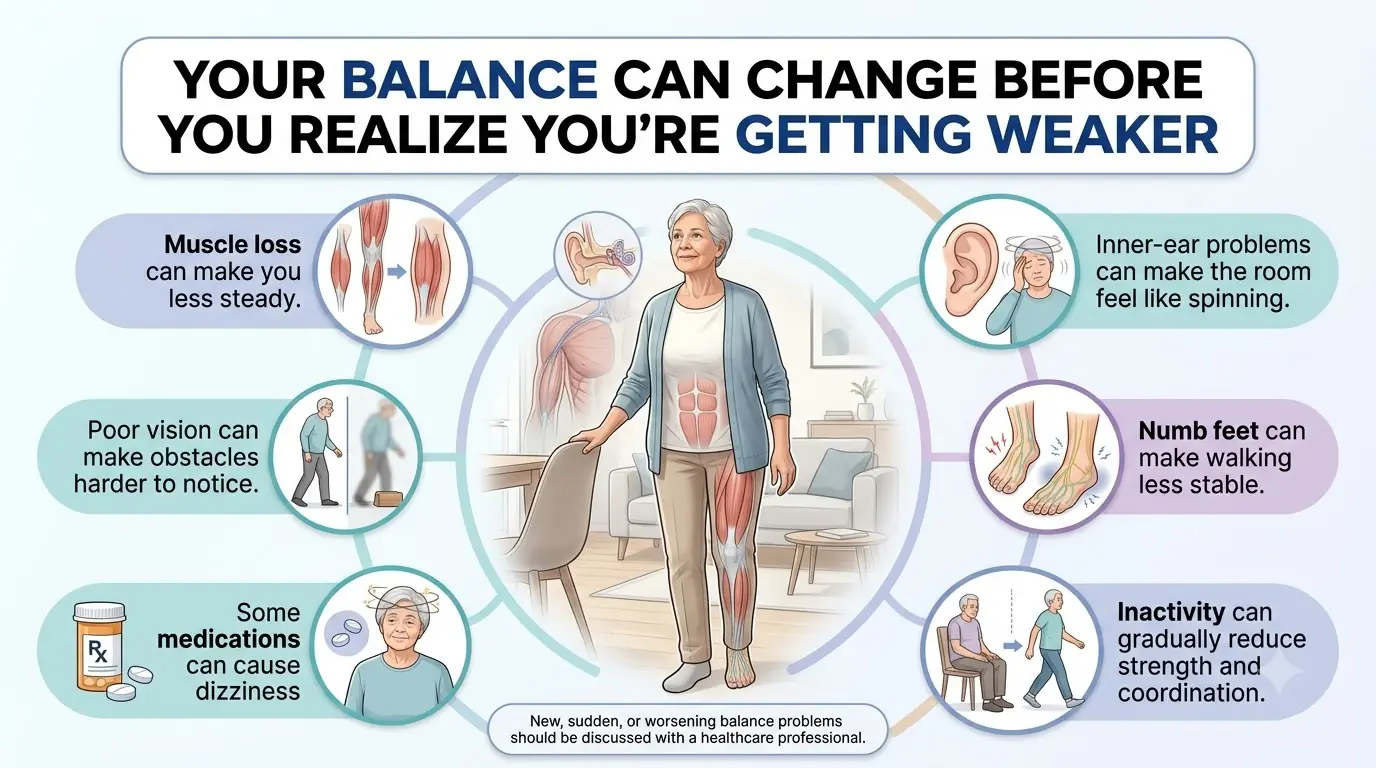
YOUR BALANCE CAN CHANGE BEFORE YOU REALIZE YOU’RE GETTING WEAKER
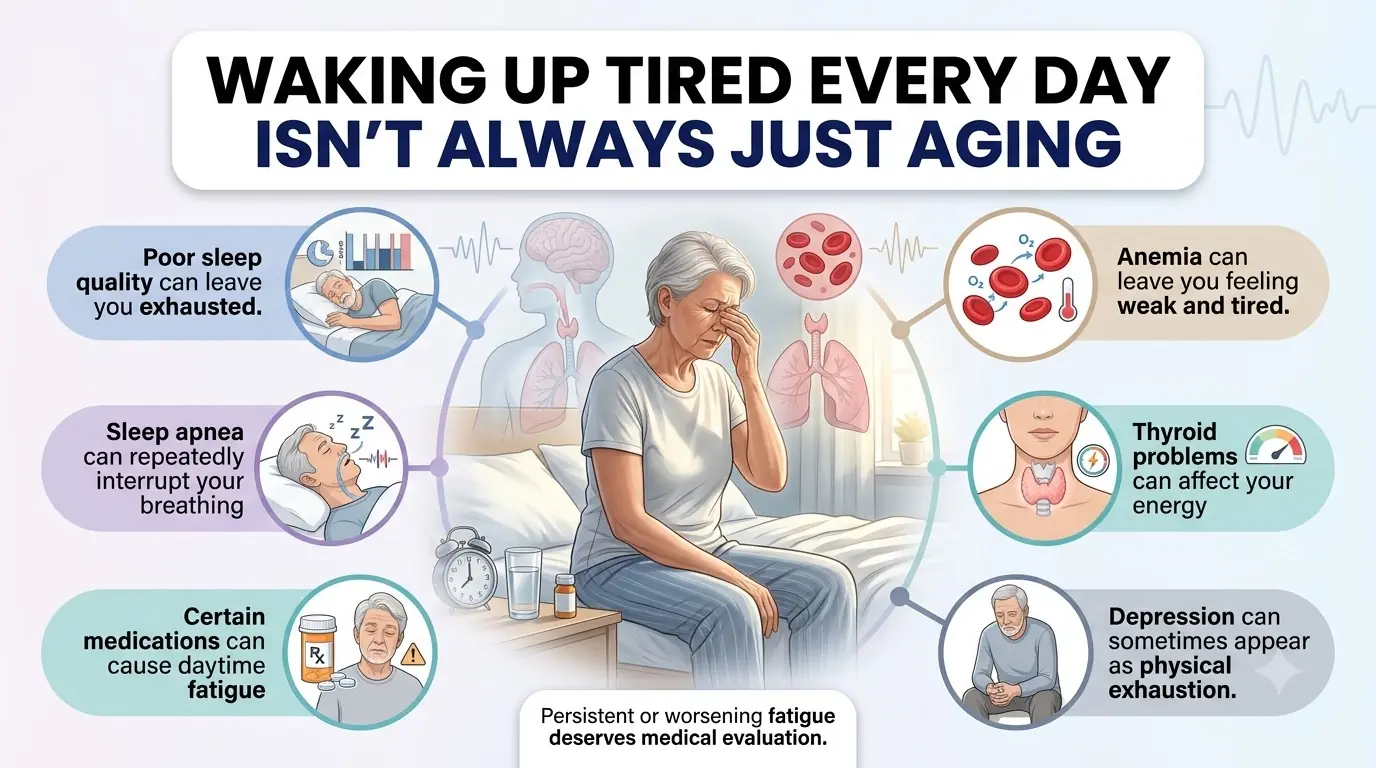
WAKING UP TIRED EVERY DAY ISN’T ALWAYS JUST AGING

YOUR LEGS MAY BE WARNING YOU ABOUT YOUR CIRCULATION
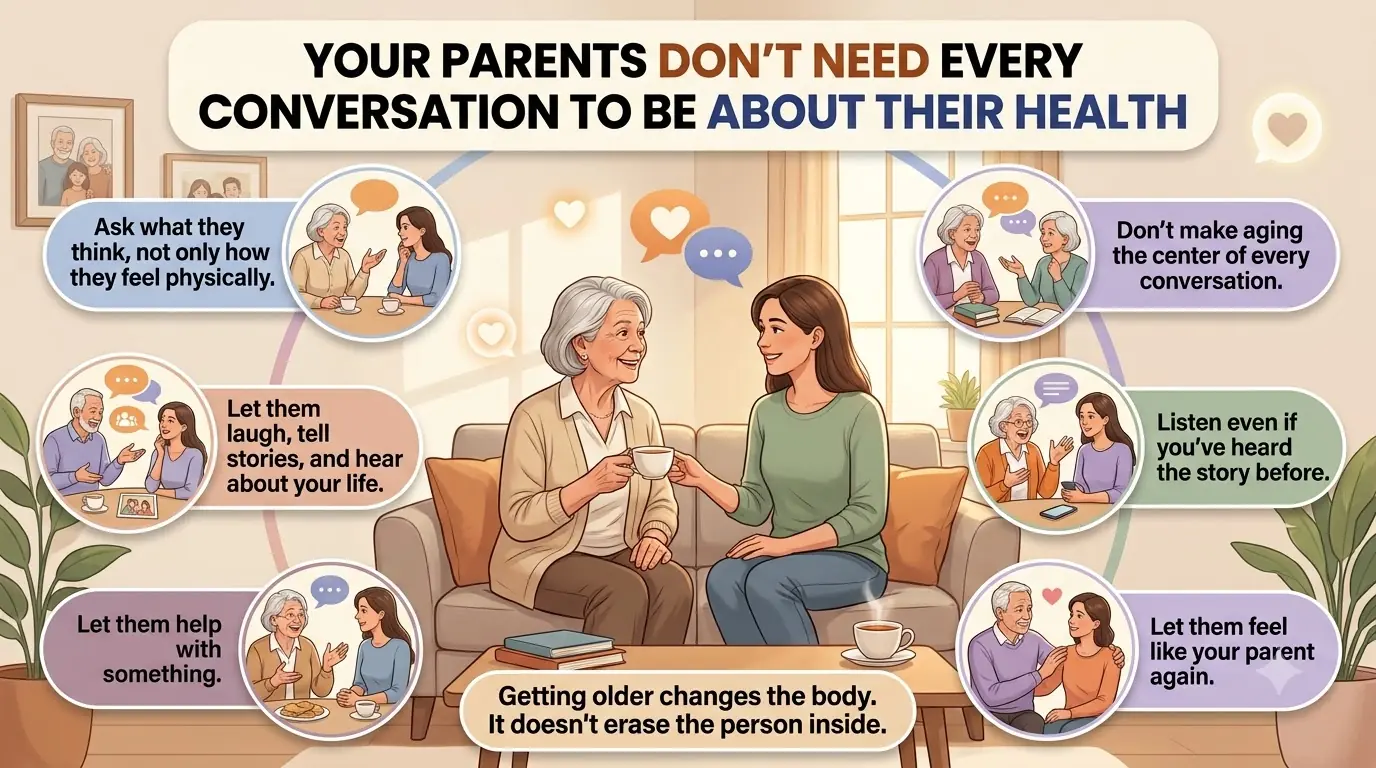
YOUR PARENTS DON'T NEED EVERY CONVERSATION TO BE ABOUT THEIR HEALTH
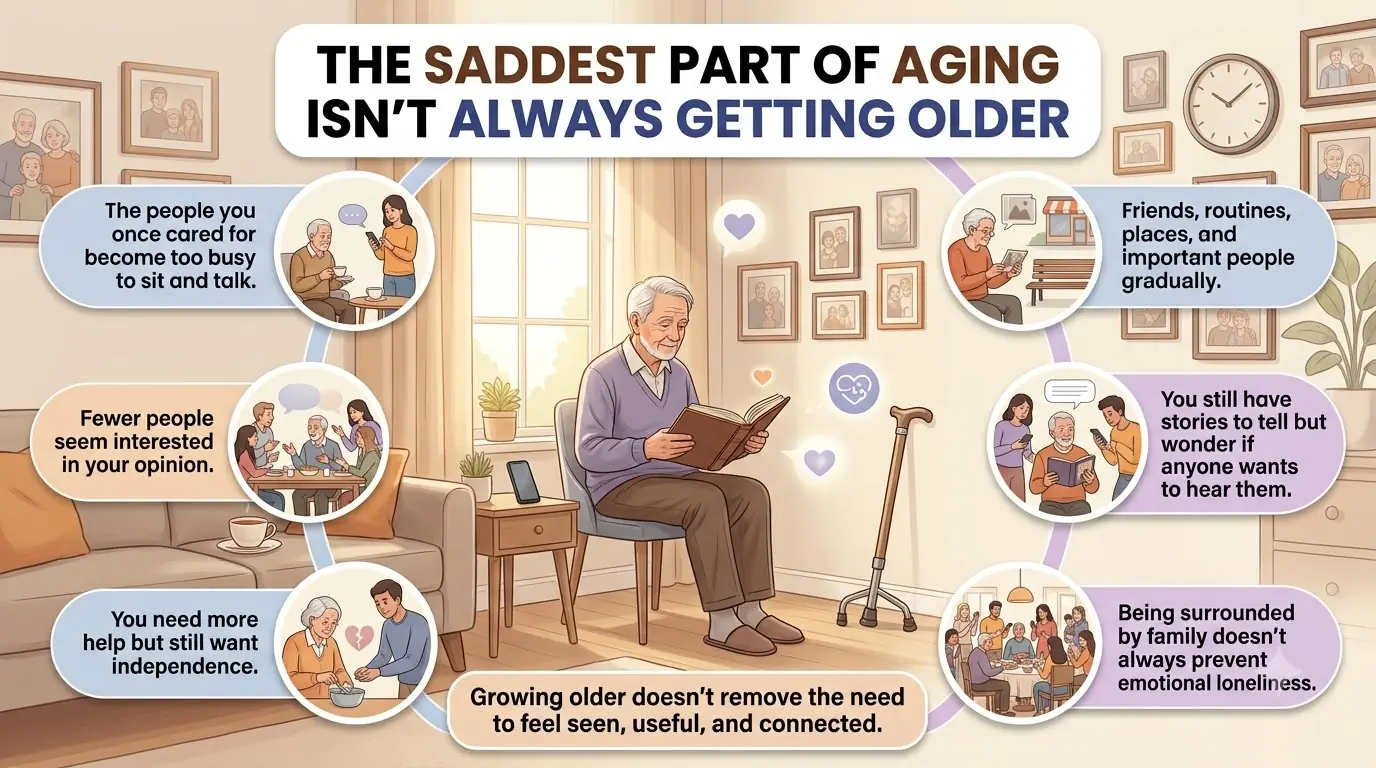
THE SADDEST PART OF AGING ISN'T ALWAYS GETTING OLDER
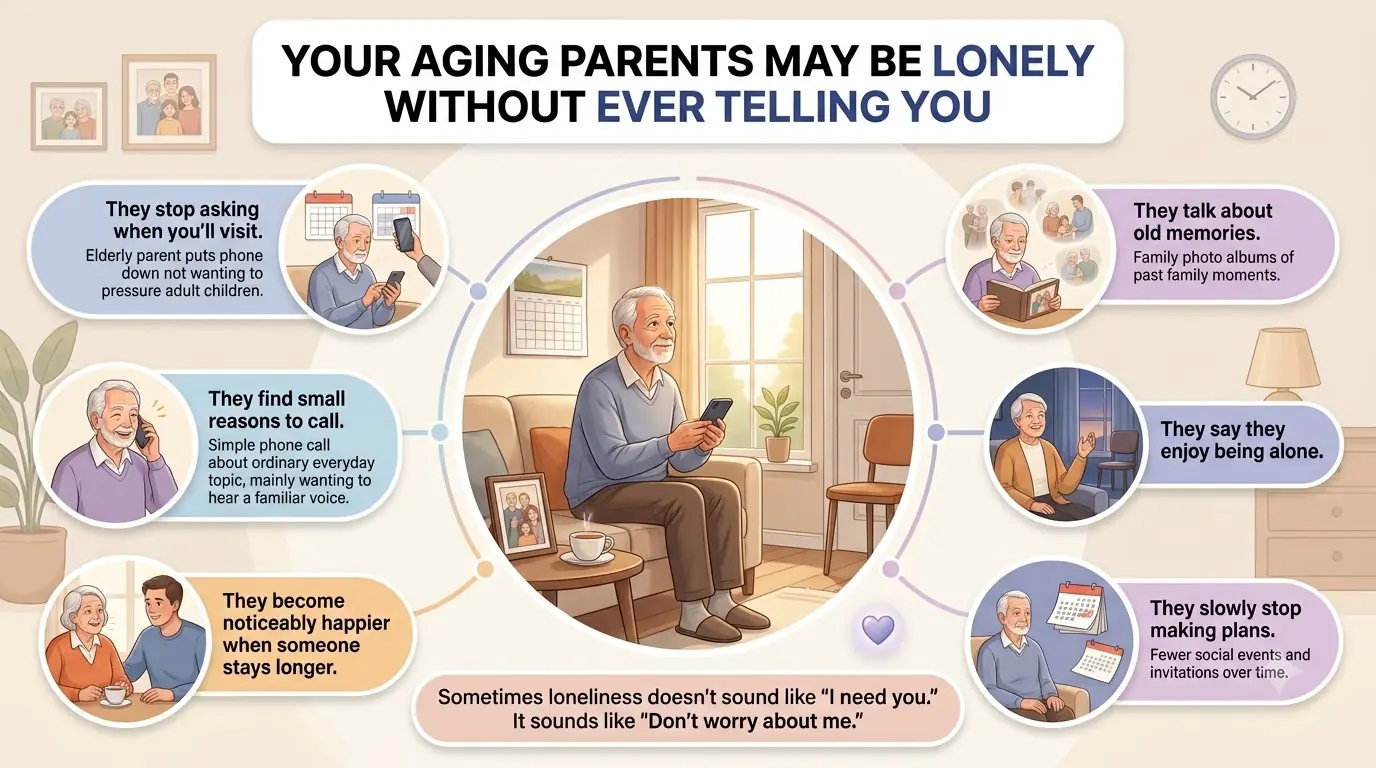
YOUR AGING PARENTS MAY BE LONELY WITHOUT EVER TELLING YOU
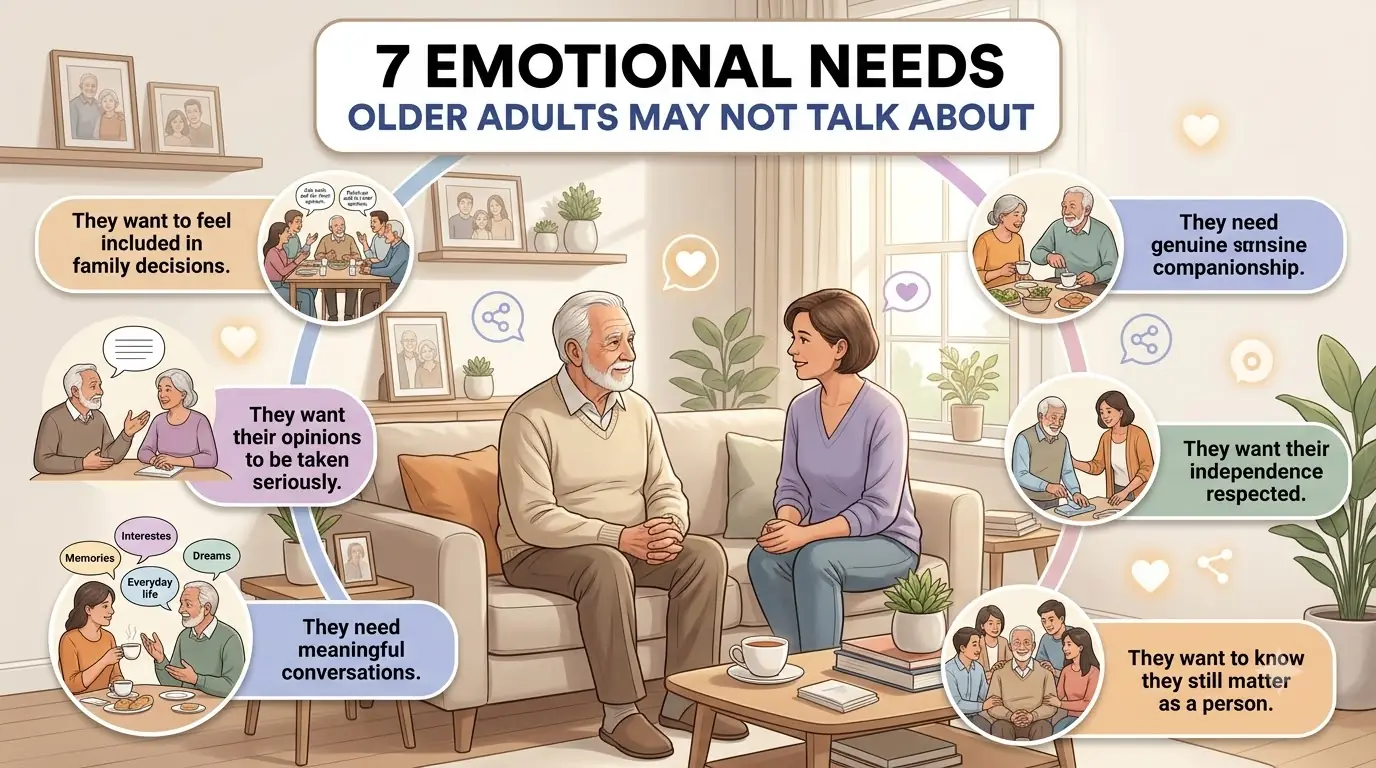
7 EMOTIONAL NEEDS OLDER ADULTS MAY NOT TALK ABOUT
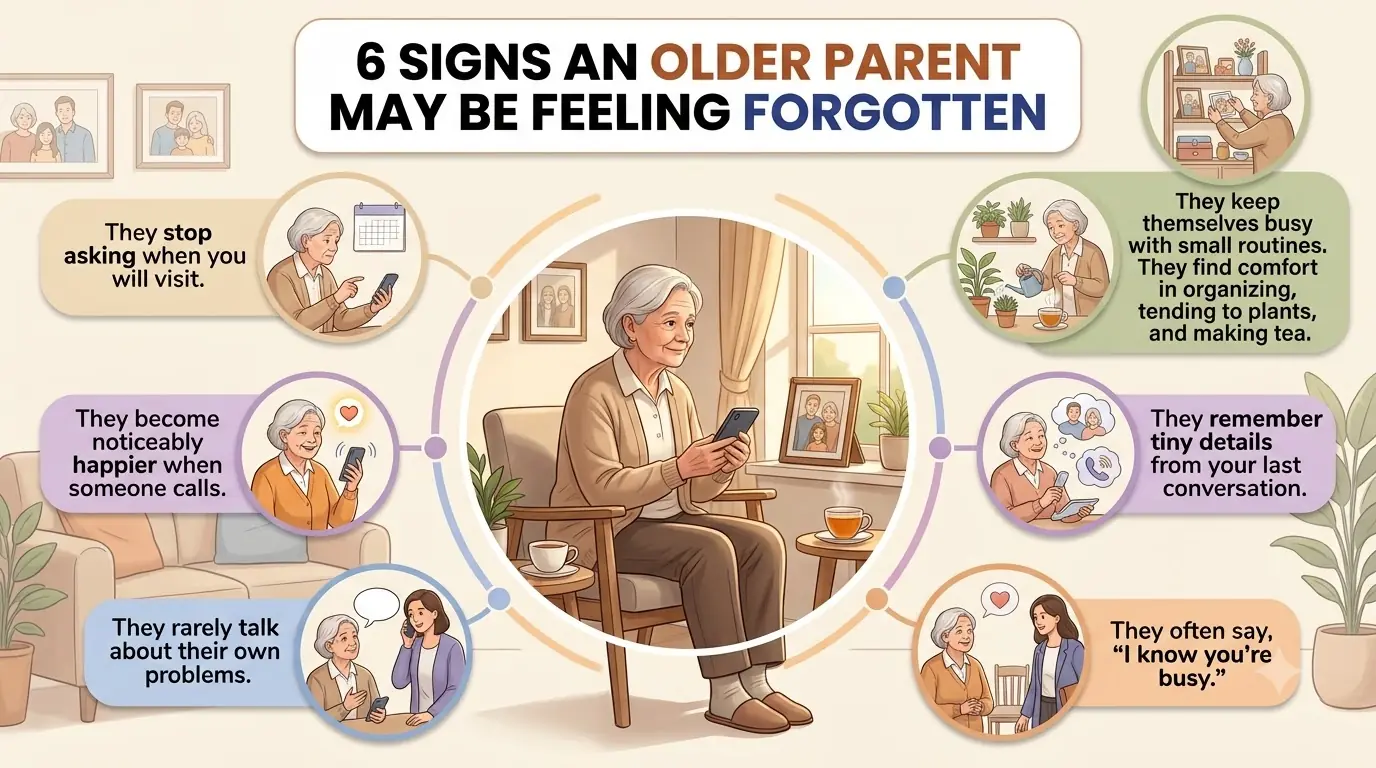
6 SIGNS AN OLDER PARENT MAY BE FEELING FORGOTTEN
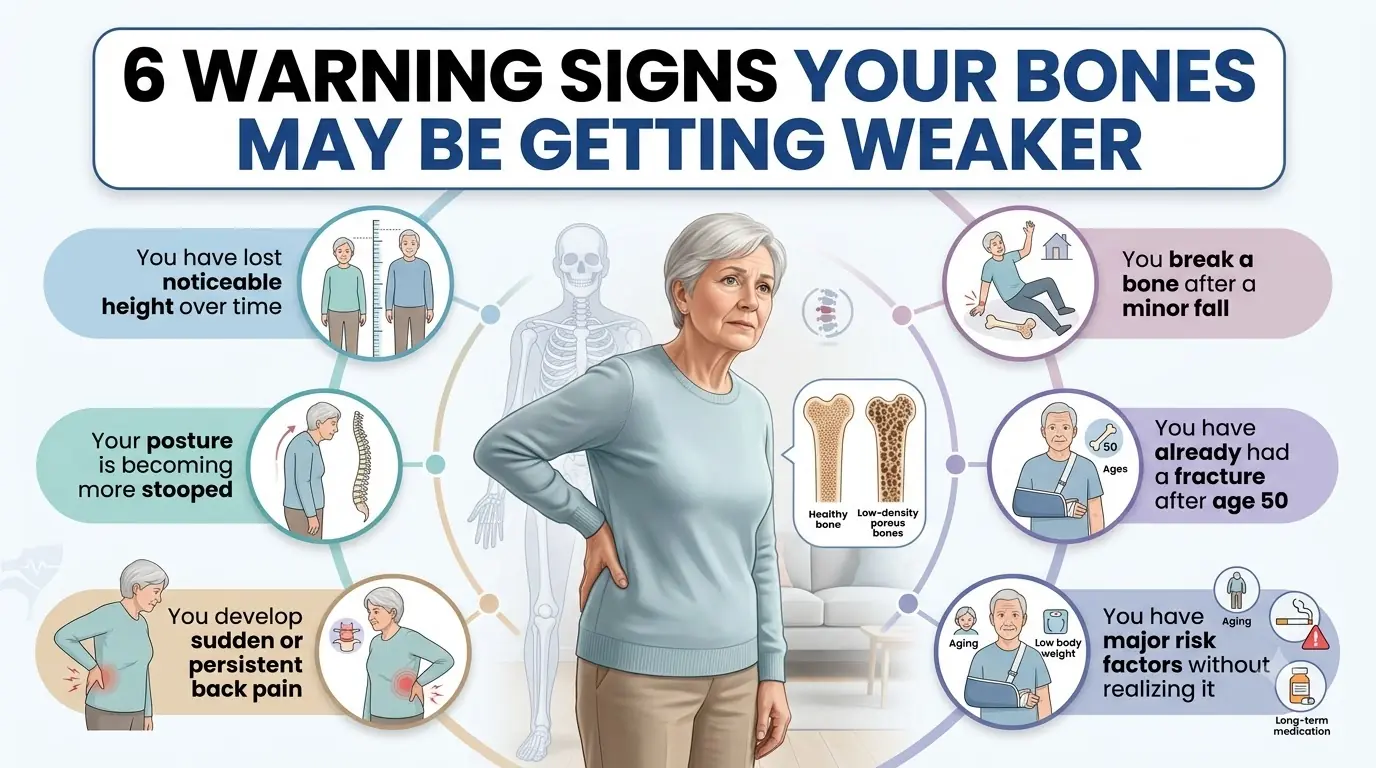
6 WARNING SIGNS YOUR BONES MAY BE GETTING WEAKER
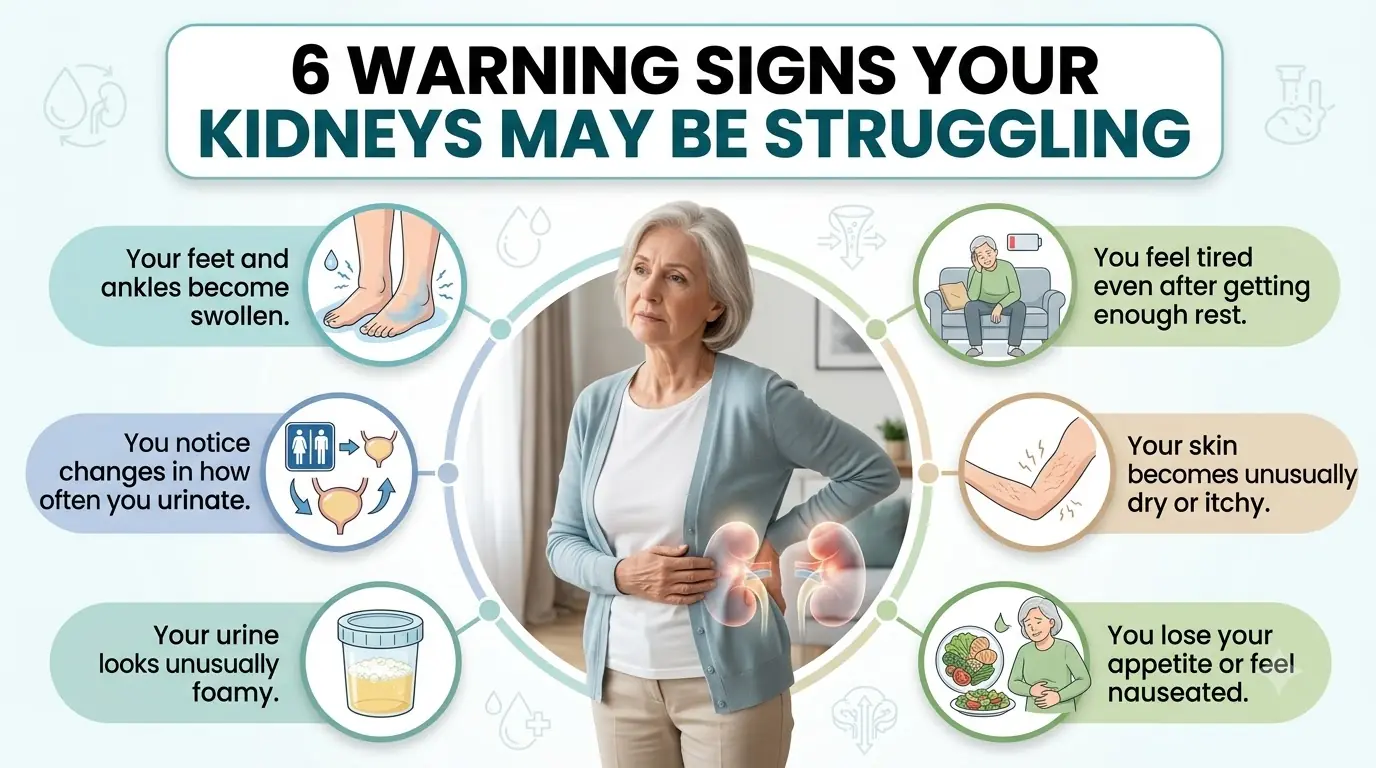
6 WARNING SIGNS YOUR KIDNEYS MAY BE STRUGGLING
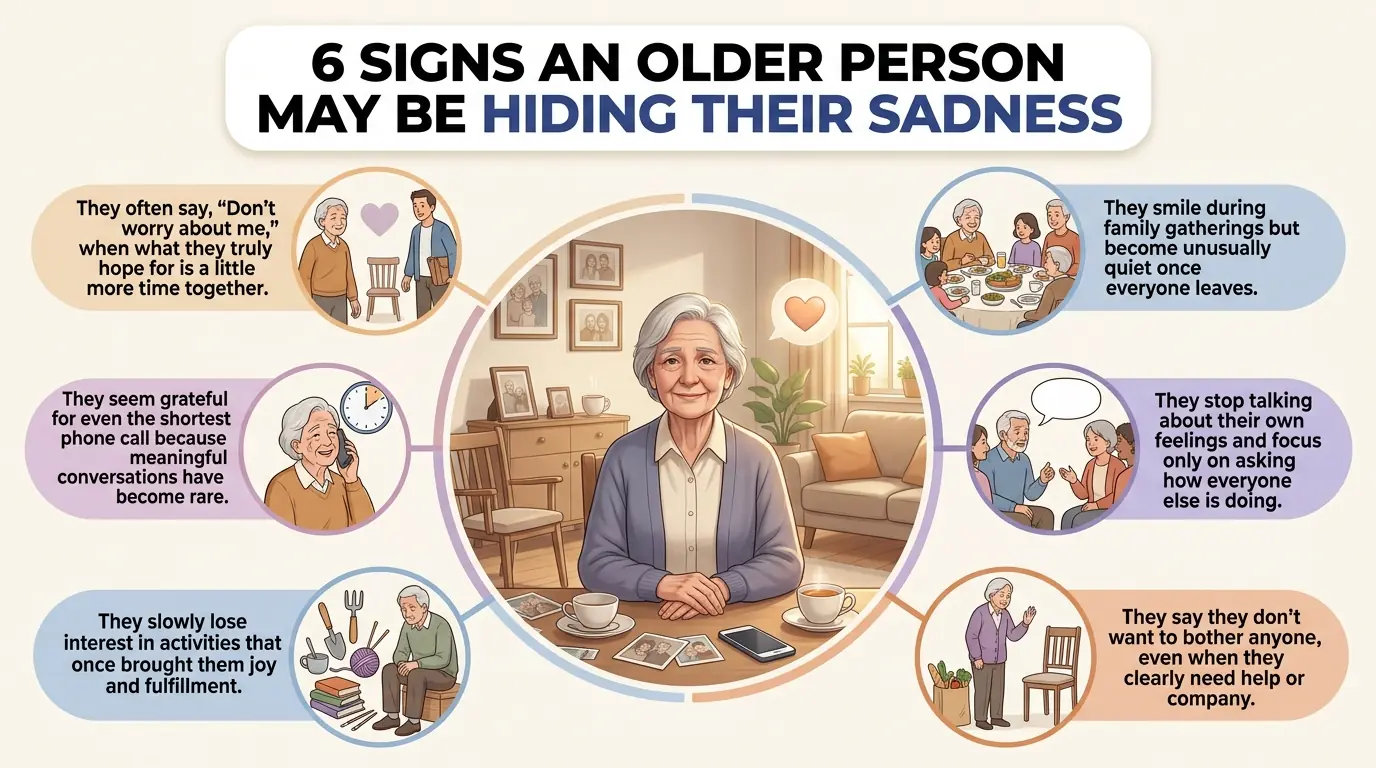
6 SIGNS AN OLDER PERSON MAY BE HIDING THEIR SADNESS
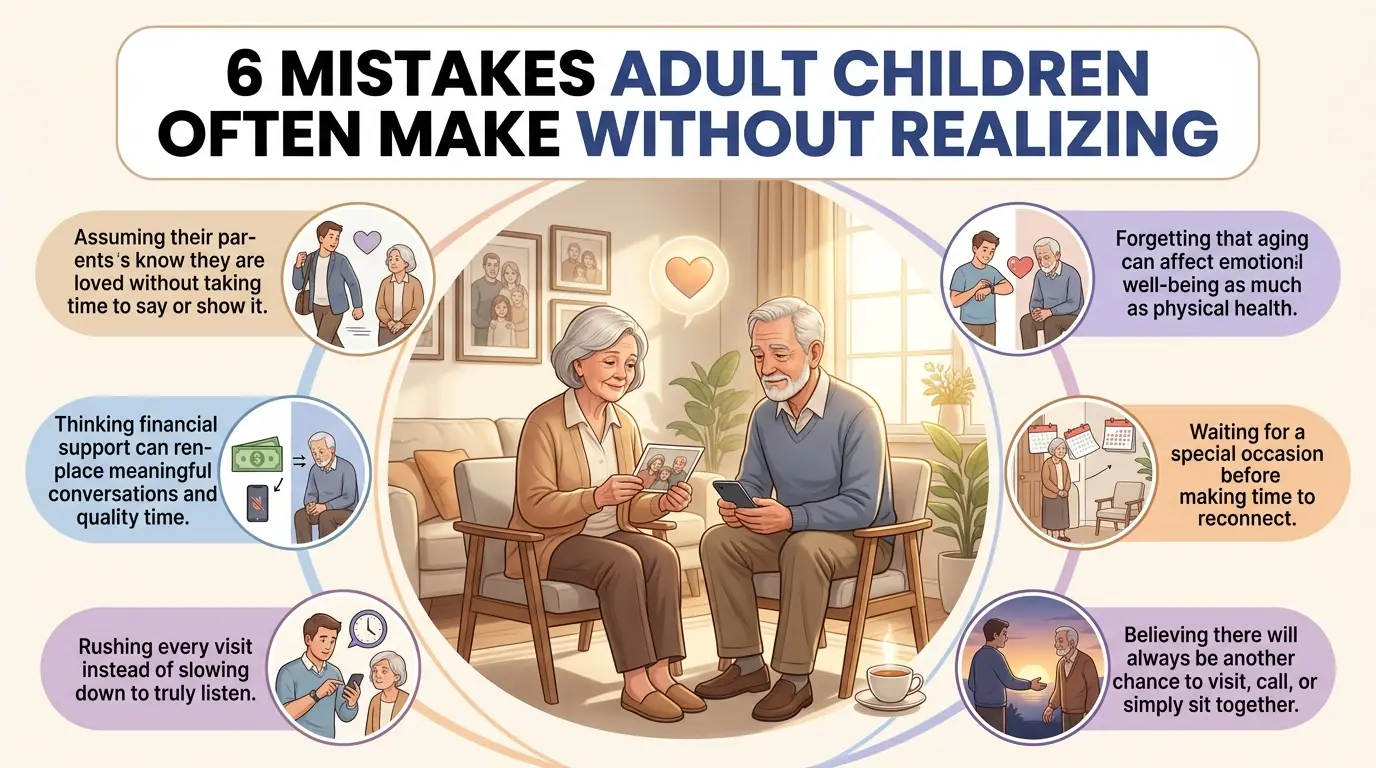
6 MISTAKES ADULT CHILDREN OFTEN MAKE WITHOUT REALIZING
6 WARNING SIGNS YOUR LEGS MAY HAVE POOR CIRCULATION

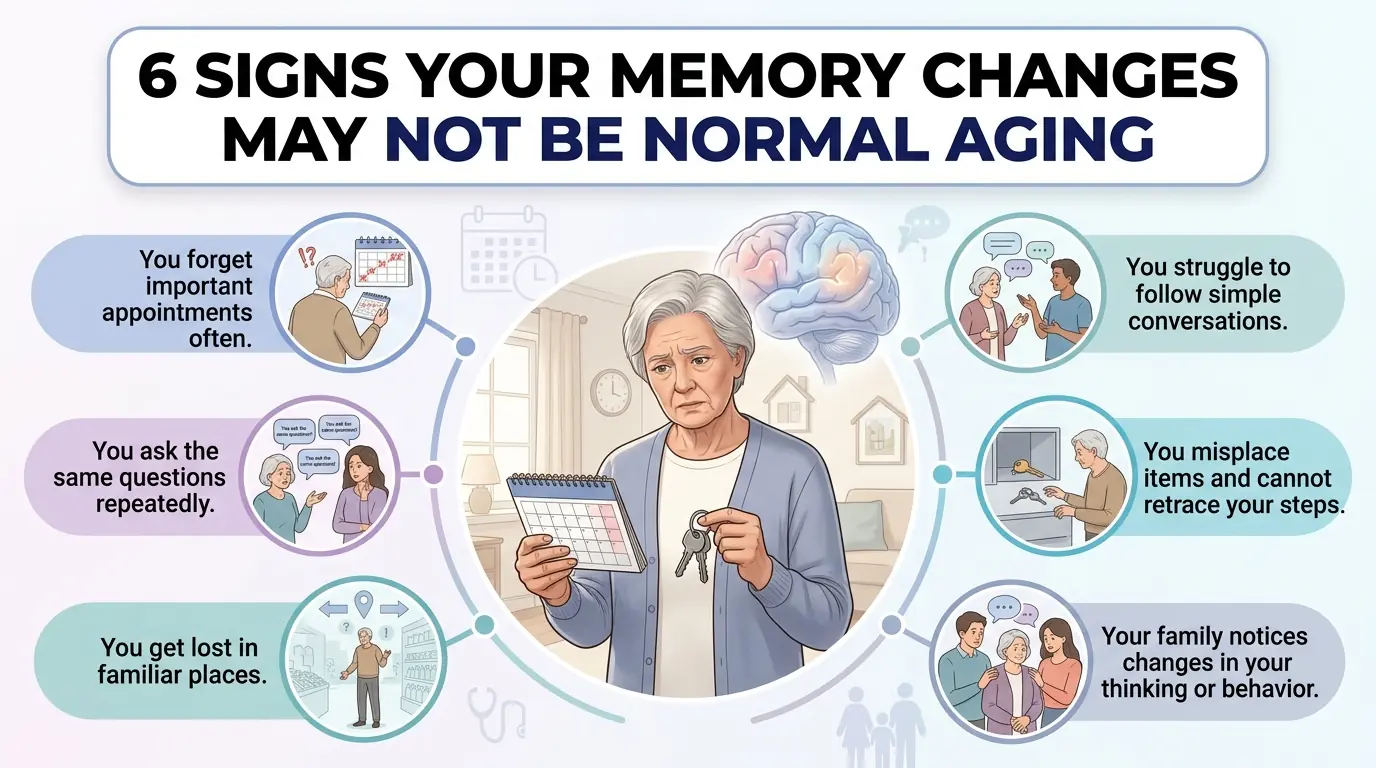
6 SIGNS YOUR MEMORY CHANGES MAY NOT BE NORMAL AGING

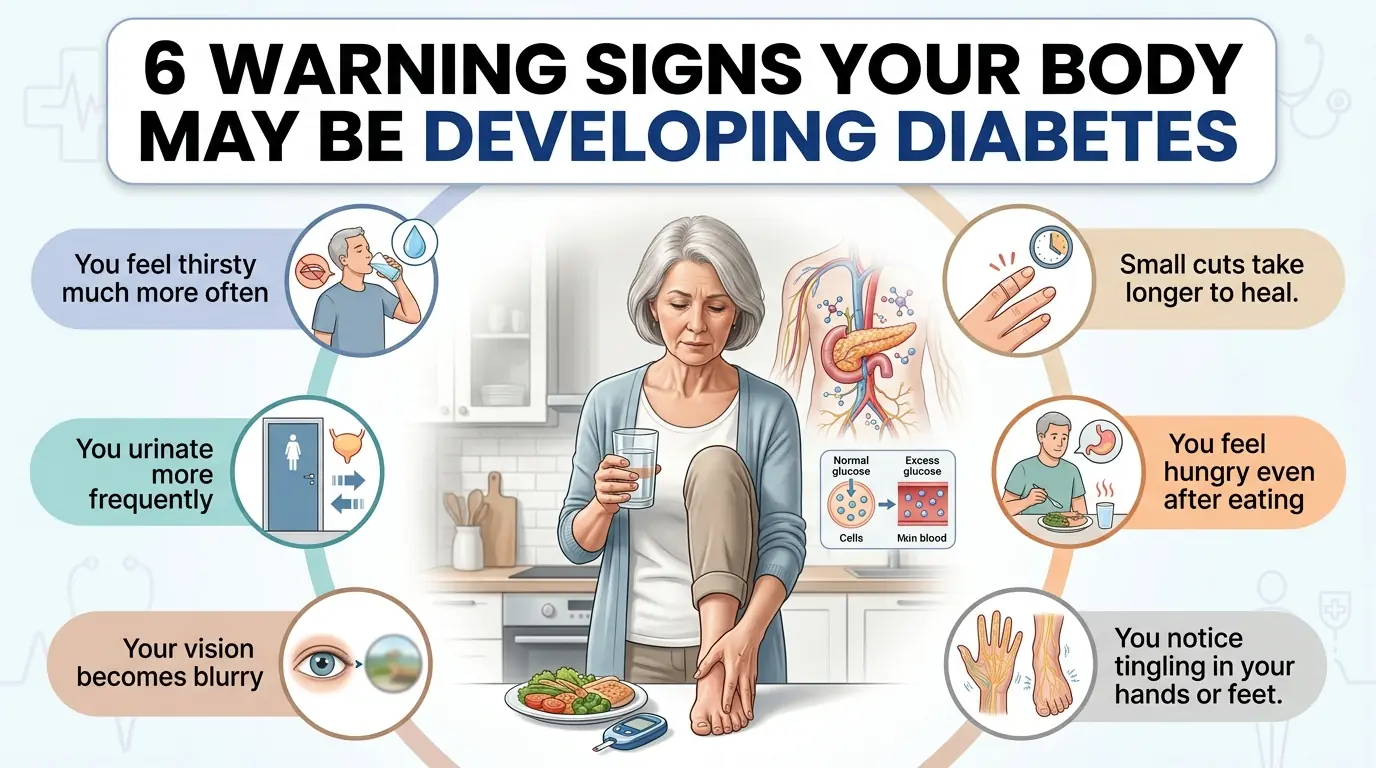
6 WARNING SIGNS YOUR BODY MAY BE DEVELOPING DIABETES
6 WARNING SIGNS YOUR HEART MAY NOT BE GETTING ENOUGH BLOOD