Rex’s Recovery After Six Months Waiting With His Tennis Ball
Reader Theme:
Font Size:
24px
Rex’s Recovery After Six Months Waiting With His Tennis Ball
PART 2 — CURRENT CONDITION UPDATE
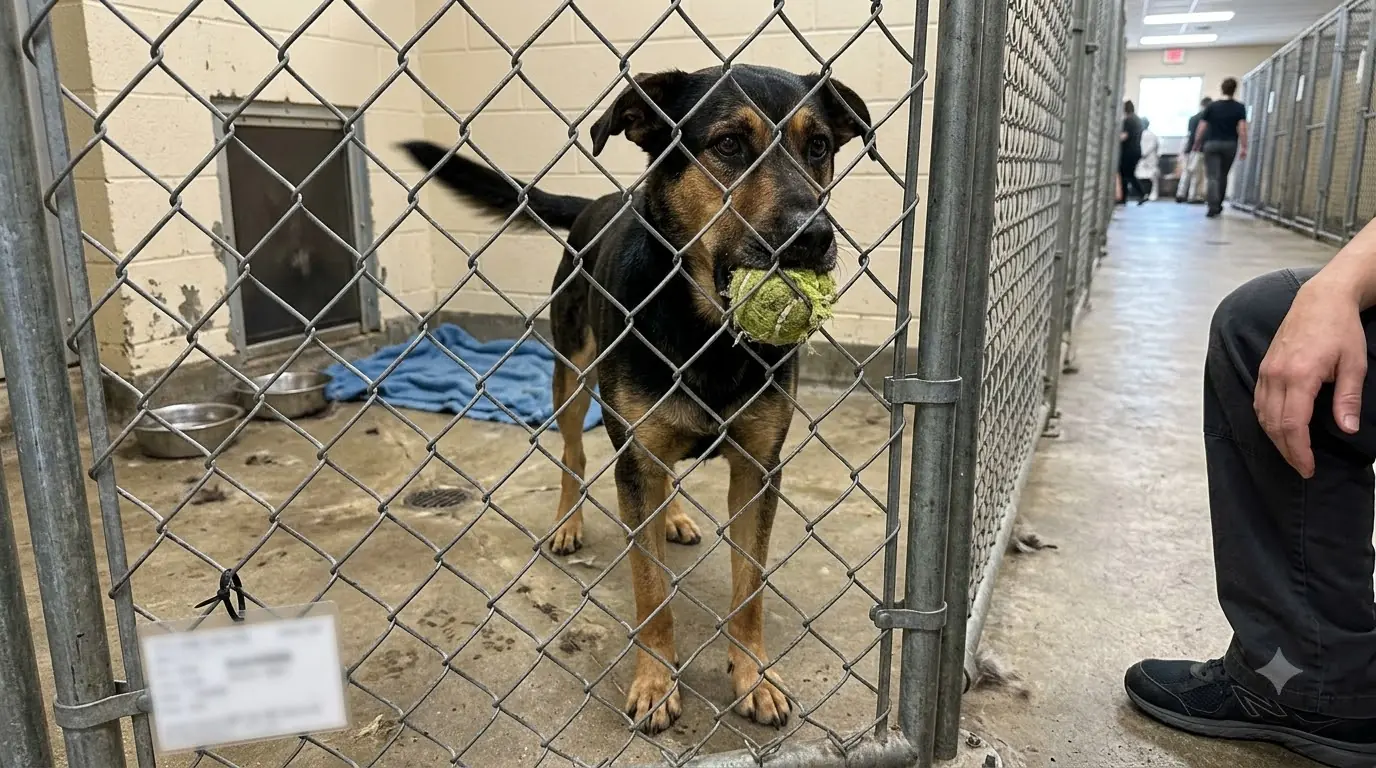
Rex is now living in a quiet medical foster home after being diagnosed with severe subaortic stenosis. He is stable, comfortable, and still eager to interact with people, but his heart condition changes how safely he can exercise and what his long-term care will require.
Subaortic stenosis is a congenital condition in which abnormal tissue forms beneath the aortic valve. The narrowing makes it harder for blood to leave the heart and travel to the rest of the body. To push blood through the restricted opening, the heart’s main pumping chamber must work much harder than normal.
Over time, that extra effort can cause the heart muscle to become abnormally thick. The thickened muscle may require more oxygen while receiving less effective blood flow, especially during running, excitement, or strenuous play. In severe cases, affected dogs can develop weakness, abnormal heart rhythms, fainting, or sudden death.
Rex’s murmur was loud enough to be heard immediately during his first examination. A murmur alone cannot determine the severity of heart disease, so an echocardiogram was scheduled with a veterinary cardiologist.
The ultrasound showed a pronounced obstruction beneath Rex’s aortic valve and increased speed of blood passing through the narrowed area. The muscle of his left ventricle was thicker than normal, confirming that his heart had been working against substantial resistance.
His heart was still contracting effectively, and there was no fluid around his lungs or evidence of congestive heart failure. Those findings were encouraging. However, the degree of narrowing placed Rex in a high-risk category even though he often appeared healthy.
The episodes shelter staff interpreted as exhaustion may have been early signs of reduced blood flow during exertion. Rex never fully lost consciousness in their care, but he occasionally stopped abruptly after chasing his ball, spread his front legs, and lowered himself to the floor.
His cardiologist explained that these incidents could represent near-fainting episodes. Excitement and rapid exercise cause the body to demand more blood and oxygen. Rex’s narrowed outflow tract may prevent his heart from meeting that sudden demand.
A cardiac medication has been started to reduce the heart’s workload and limit excessively rapid rhythms. It cannot remove the obstruction or cure the condition. Its purpose is to help Rex’s heart work more efficiently and reduce some of the risks associated with excitement.
The medication is given at the same times every day. His foster caregiver records each dose and watches for unusual weakness, vomiting, loss of appetite, or a resting heart rate that becomes too slow. So far, Rex has tolerated it without significant side effects.
A 24-hour cardiac monitor was used to check for abnormal rhythms that might not occur during a short clinic visit. Several isolated irregular beats were recorded, but no sustained life-threatening rhythm appeared during the monitoring period.
This was reassuring, though it does not eliminate future risk. The cardiologist may repeat the monitoring after Rex has been on medication longer or if he experiences collapse, unexplained weakness, or a sudden change in exercise tolerance.
Rex does not currently need medication for congestive heart failure because he has no fluid accumulation. Diuretics would not treat the underlying narrowing and could lower his circulating blood volume unnecessarily. Every medication decision is being based on his specific cardiac findings.
Surgical and catheter-based procedures for subaortic stenosis have limited ability to provide a lasting cure. The abnormal tissue may remain difficult to remove completely and can return. Rex’s cardiology team believes careful medical management and controlled activity currently offer the best balance of safety and quality of life.
Controlled activity does not mean complete isolation or permanent confinement. Rex needs movement, enrichment, and contact with people. The challenge is preventing intense exertion and sudden surges of excitement.
He cannot chase a tennis ball across a yard, run beside a bicycle, participate in agility, or engage in prolonged wrestling with another dog. Fetch was once his favorite activity, but repeated sprinting and sharp turns would place unnecessary strain on his heart.
His foster caregiver has adapted the game rather than taking the ball away completely. Rex is asked to remain on a mat while the ball is placed only a few feet away. He walks to collect it, returns at a calm pace, and exchanges it for a treat.
The game lasts only a few repetitions before the ball is put away. Rex initially tried to bounce and pull toward it, but he is learning that calm behavior makes the game continue while frantic movement ends it.
His tennis ball is also used as a comfort object. Rex often carries it from one room to another without asking anyone to throw it. He sleeps with it near the edge of his bed and occasionally places his chin over it.
Because worn tennis-ball material can damage teeth and collect bacteria, his foster caregiver has replaced the damaged shelter ball with a safer veterinary-approved toy of a similar size and texture. The original ball remains stored with his belongings rather than being used for chewing.
Rex’s exercise consists of several short leash walks on level ground. The walks occur during cooler parts of the day, and he wears a comfortable harness rather than equipment that tightens around his neck.
His caregiver monitors his breathing, gum color, pace, and responsiveness. If he slows suddenly, becomes disoriented, spreads his legs for balance, or attempts to lie down, the walk ends immediately.
Rex has not experienced a collapse since leaving the shelter. On his first foster walk, he became overly excited by a squirrel and pulled forward for several steps. His caregiver stopped, increased the distance from the distraction, and waited until his breathing settled.
The family now scans the route before leaving and avoids busy parks, off-leash dogs, and crowded sidewalks. Predictable surroundings help Rex remain calm and reduce abrupt increases in heart rate.
At home, nonslip rugs reduce the risk of injury if he becomes weak. Baby gates prevent him from racing up and down stairs, and furniture is arranged so he cannot build speed through long hallways.
An emergency plan is posted near the front door. If Rex faints, the caregiver has been instructed to keep him on his side, check his breathing and gum color, avoid placing anything in his mouth, and seek immediate veterinary care. Even if he appears to recover quickly, a true collapse requires evaluation.
His resting respiratory rate is measured while he sleeps. Although Rex is not in heart failure, establishing a normal baseline makes it easier to detect changes. His current readings remain steady, and he breathes quietly throughout the night.
Weight management is another important part of his cardiac care. Rex was close to his ideal weight at intake but had reduced muscle from inconsistent activity. Excess weight would force his heart and joints to work harder.
He receives measured meals divided into two servings. Training rewards are taken from his daily food allowance. His body condition is checked regularly so he can rebuild moderate muscle without gaining unnecessary fat.
Rex eats well and has not experienced nausea from his medication. During his first evening in foster care, he carried the ball to the kitchen and dropped it beside his empty bowl. He then sat and watched his caregiver prepare dinner.
A slow feeder prevents him from gulping. He finishes each meal, drinks normally, and settles afterward without pacing. His stool is well formed, and his kidney and liver values remain within normal ranges.
Bloodwork will be repeated periodically because long-term treatment and changes in circulation can affect the way his body handles medication. At present, there is no evidence of kidney failure, liver disease, diabetes, or a serious systemic infection.
Rex’s paw pads were dry and cracked when he left the shelter. Months of standing and turning on concrete likely contributed. One front pad had a shallow split that was tender but not deeply infected.
The paws were cleaned, and a protective treatment was applied. Outdoor walks are limited to grass and smooth paths while the split closes. Rex no longer licks the paw continuously and places full weight on it.
His nails were also slightly overgrown. They were shortened gradually so his feet could contact the ground more naturally. This reduces slipping and makes controlled walking easier.
A skin infection affected his lower belly and inner thighs. The area was red, and several small patches had lost hair. Skin samples revealed bacterial and yeast overgrowth without mites.
Rex receives topical treatment and medicated baths. The baths are kept short because prolonged restraint and excitement are not appropriate for his heart. One caregiver handles him calmly while another completes the washing efficiently.
The redness has decreased, and fine hair is growing over several previously thin spots. He scratches less often and can sleep without repeatedly waking to lick his skin.
Environmental allergies remain possible. If the irritation returns after the infection clears, the veterinarian may recommend allergy testing or a long-term management plan. Any new medication will be reviewed by his cardiologist before it is added.
Rex’s teeth showed wear consistent with carrying and chewing abrasive tennis balls. The tips of several teeth were flattened, and one premolar had a small chip. Dental X-rays showed that the damaged tooth’s root remained healthy, so extraction is not currently required.
Hard balls and abrasive toys have been removed. Rex receives softer items that do not require forceful chewing. His mouth is checked for swelling, bleeding, dropped food, or sensitivity.
A professional dental cleaning may eventually be helpful, but elective anesthesia requires special planning because of his heart condition. The cardiologist will advise the dental team on medication, fluid administration, monitoring, and recovery.
Emotionally, Rex is adjusting to a quieter life after six months in a shelter. His friendly behavior can make him seem immediately confident, but he uses his ball to manage uncertainty.
At the shelter, he picked it up whenever unfamiliar people approached. Holding it appeared to give him a familiar task. Without the ball, he sometimes paced or watched the door more intensely.
His foster family allows him to carry an approved toy whenever he needs it. They do not repeatedly take it away or turn every interaction into a game. This has helped Rex understand that he can keep something valuable without having to defend it.
He has shown no serious resource guarding. If offered a treat, he releases the toy willingly. His caregivers still avoid pulling it directly from his mouth because calm exchanges are safer and strengthen trust.
During his first night, Rex slept with the ball between his front paws. Every time someone moved, he raised his head and tightened his grip. By morning, he had shifted onto one side but kept the ball beneath his chin.
He now sleeps on an orthopedic bed in the living room and leaves the toy several inches away. Sometimes he walks into the kitchen without carrying it, which his caregiver considers a subtle sign that he feels more secure.
Rex follows his foster caregiver closely. If she stands, he assumes something is about to happen and rises immediately. That rapid transition can increase his excitement, so the family is teaching him that ordinary household movement does not always signal a walk or game.
He is rewarded for remaining on his bed while someone crosses the room, opens a cabinet, or walks toward the door. The exercises begin with only a few seconds and end before he becomes restless.
Rex can now watch his caregiver prepare coffee without leaving his bed. His ears remain upright, and his tail may tap the cushion, but his body stays relaxed.
Visitors enter quietly and ignore him until he settles. Excited greetings could be medically dangerous, especially if several people call to him at once. Once his breathing and posture remain calm, he is invited to approach.
Rex usually arrives carrying his ball. He smells the visitor’s clothing, places the toy near their feet, and waits. Visitors are instructed to pick it up slowly and hand it back rather than throwing it.
He enjoys gentle contact along his chest and shoulders. He occasionally leans his full weight against a familiar person but moves away if someone reaches over his head.
One shelter volunteer visited him in the foster home. Rex recognized her voice from the hallway and began moving his tail before she entered the room. He picked up the ball but remained on his bed until she sat down.
When released, he walked directly to her and placed the ball in her lap. He did not jump or race around the room. The calm reunion showed that emotional connection does not have to create unsafe excitement.
Rex has observed another adult dog through a secure barrier. His body remained loose, and he offered a brief play bow before being redirected. Because rough play is not safe for him, any future canine companion would need a calm temperament and controlled introductions.
He has not been tested with cats or young children. A household with frequent running, shouting, or unpredictable activity may be difficult to manage safely. His future placement will prioritize an environment that can balance affection with necessary limits.
Mental enrichment is essential because physical exercise must remain controlled. Rex participates in scent searches, stationary training, food puzzles, and toy-identification games.
He has learned the names of two toys and can select the requested one from a pair. He performs the task at a walk and returns to a mat before receiving a reward.
He also enjoys searching for food hidden beneath cups arranged within a small area. The activity engages his mind without requiring sprinting. Sessions end while he is still calm and attentive.
The next medical step is a repeat cardiology examination after Rex has been on medication long enough for its effect to be evaluated. The cardiologist will listen for changes, review his resting heart rate, and may repeat parts of the ultrasound.
Another cardiac monitor may be used if irregular rhythms remain a concern. If Rex collapses or develops more frequent episodes of weakness, testing will occur sooner.
His long-term prognosis is guarded because severe subaortic stenosis carries risks that cannot be eliminated. Some dogs remain stable for years with careful management, while others develop dangerous arrhythmias or worsening heart changes despite treatment.
No one can promise exactly how much time Rex has. The purpose of his care plan is to reduce avoidable strain, detect complications early, and allow him to enjoy daily life within safe boundaries.
Rex is not ready for adoption yet. His response to medication must be evaluated, his safe exercise level established, and his foster observations reviewed by the cardiologist.
A permanent family will need to give medication consistently, attend specialist appointments, maintain a lean body weight, and recognize signs of collapse or respiratory distress. They must also accept that traditional games of fetch cannot be part of his routine.
That limitation does not mean Rex has lost everything he loves. He still carries his ball, brings it to people, searches for it during scent games, and sleeps with it beside his bed. The relationship surrounding the toy matters more to him than the distance it travels.
After six months behind a kennel gate, Rex is no longer waiting for someone to throw the ball hard enough to exhaust him. He is learning a quieter version of play—one that protects the heart no one knew was struggling.
His condition is serious, but today Rex is eating well, breathing comfortably, walking calmly, and taking his medication without difficulty. His paws are healing, his skin is improving, and no further collapse has occurred.
Every evening, Rex places his tennis ball beside his foster caregiver’s chair and settles at her feet. It is never thrown across the room. It does not need to be.
Someone has finally stayed close enough to hand it back.
News in the same category

Bella’s Recovery After an Owner Surrender and Medical Crisis

A Tiny Dog Was Found Trapped Above Rushing Water Beside a Highway
Nova’s Recovery After Giving Birth to Six Puppies in a Shelter
Iris’s Recovery After Two Years in a Shelter Kennel
Grace’s Recovery After 202 Days in the Shelter

A Mother Dog and Her Five Puppies Were Abandoned in a Cardboard Box
Atlas’s Recovery After Five Months of Watching Visitors Pass
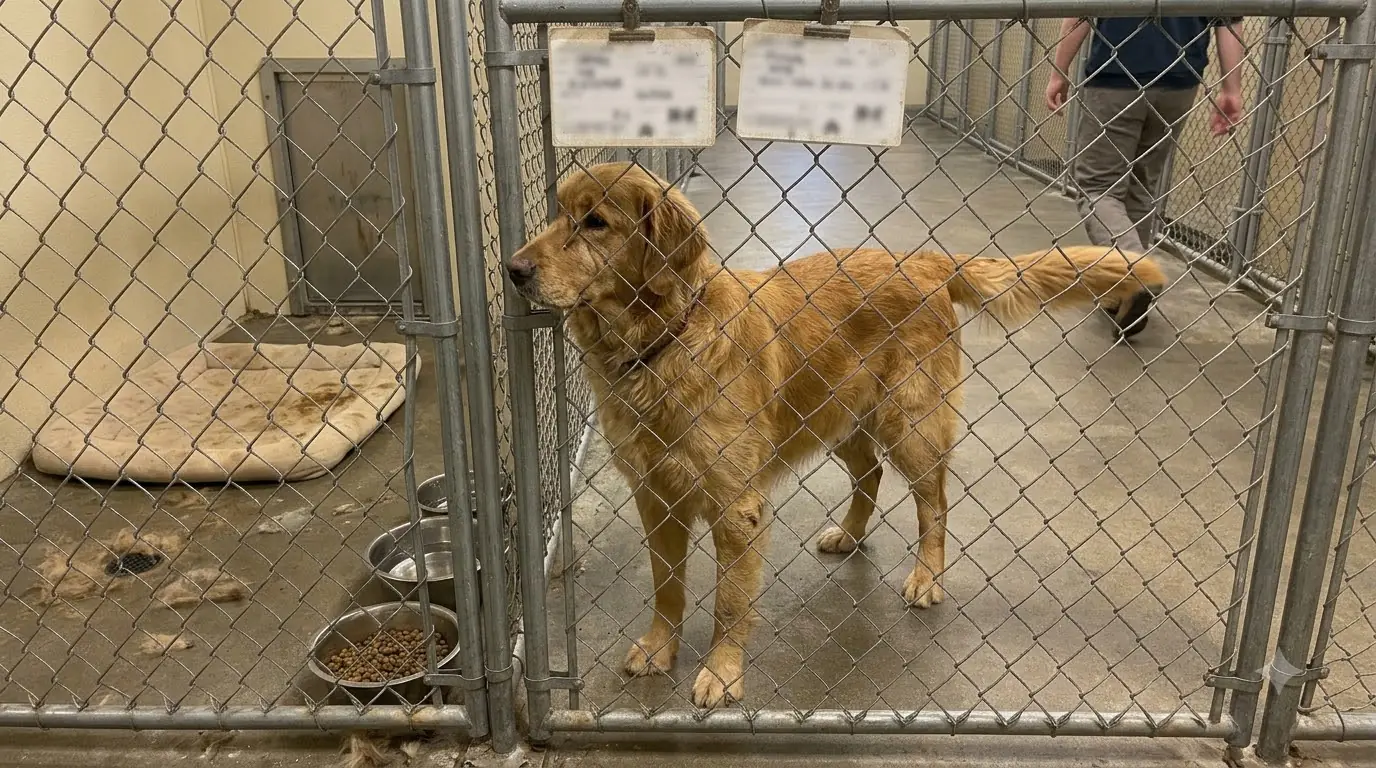
Lucky’s Recovery After Eight Months in a Shelter Kennel

What's next for Shadow after Jackie's death?

A Starving Dog Was Rescued After Being Trapped Without Food for Days
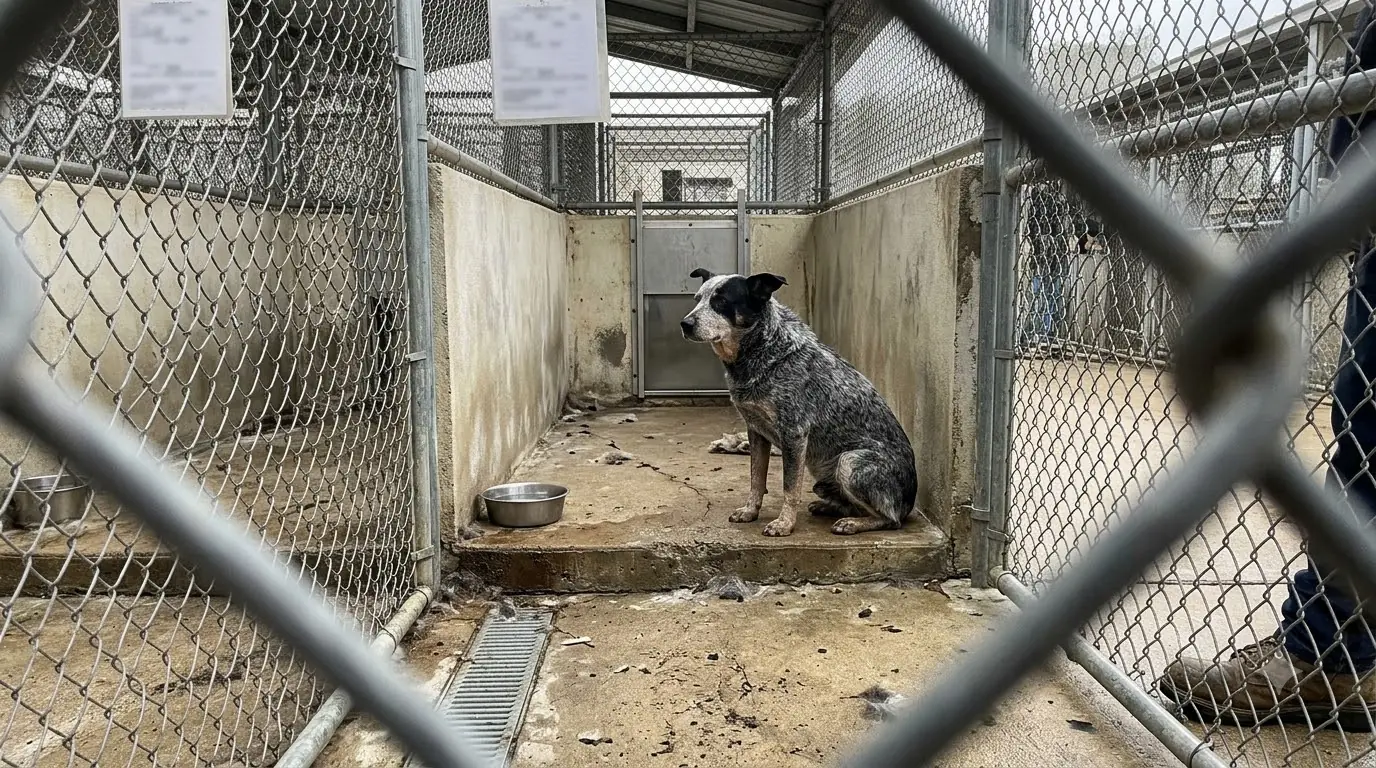
Captain’s Recovery After Seven Months in a Concrete Kennel
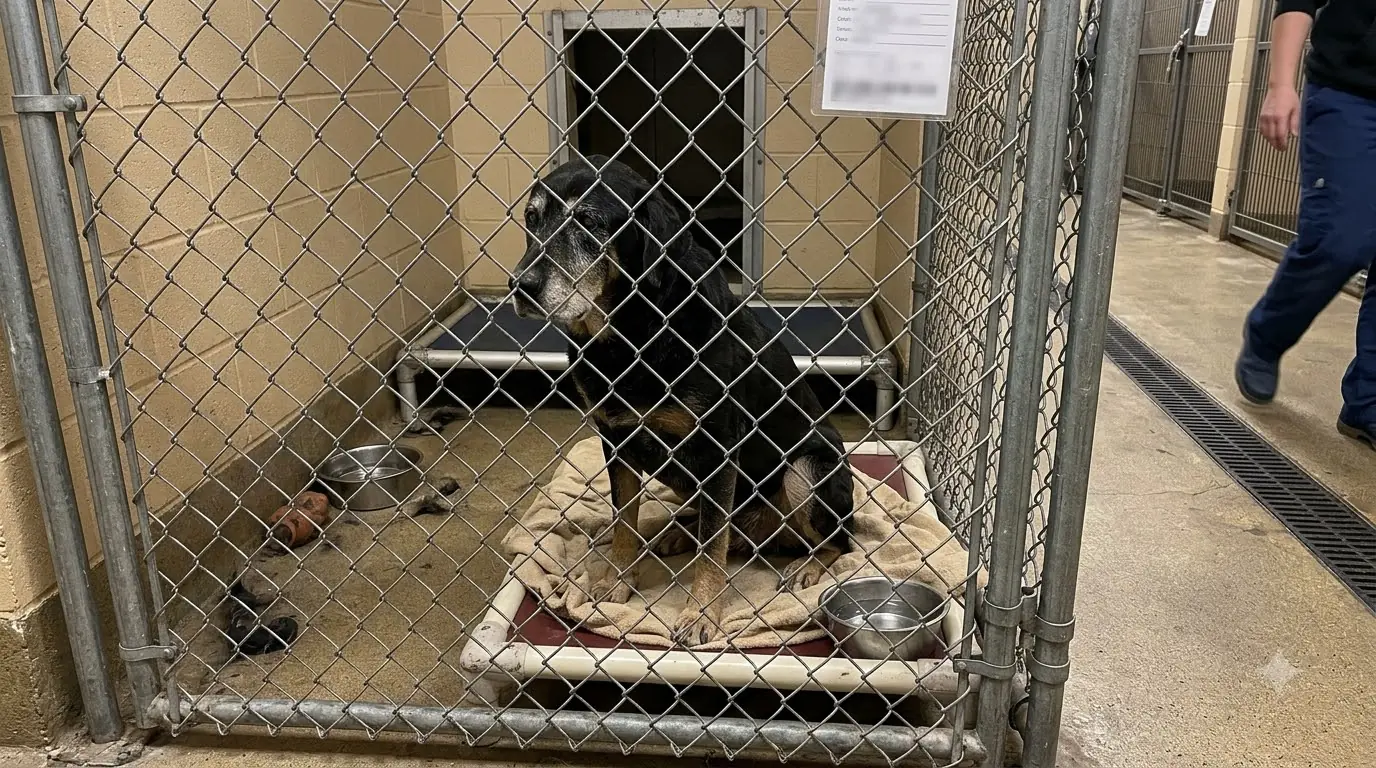
Daily’s Recovery After Losing Her Owner at Age 11

A Frightened Dog Was Found Trapped in a Thorn Bush Beside the Highway
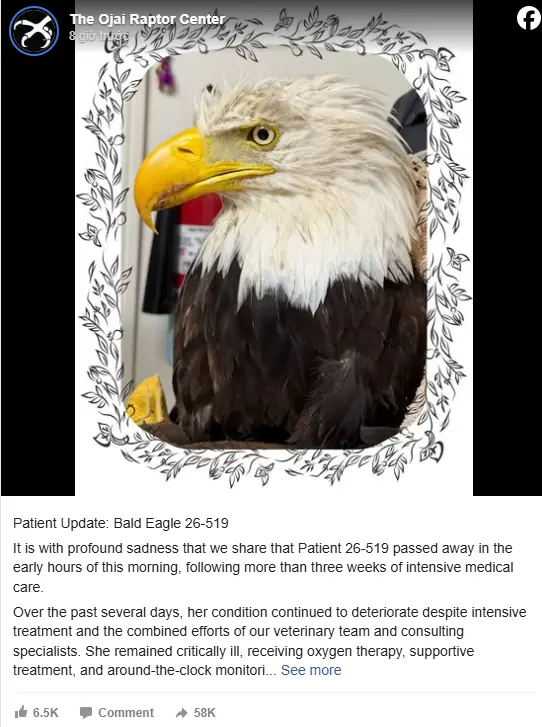
Big Bear's viral eagle Jackie dies after weeks of intensive care
NEW UPDATE: Jackie the eagle endures 'difficult' 24 hours
NEW UPDATE: Vets share 'difficult news' about Big Bear bald eagle Jackie