SOME MEMORY CHANGES DESERVE MORE ATTENTION THAN OTHERS
Reader Theme:
Font Size:
24px
SOME MEMORY CHANGES DESERVE MORE ATTENTION THAN OTHERS
Forgetting someone's name and remembering it later can happen to almost anyone, especially as we get older. But repeatedly asking the same question, becoming lost in a familiar neighborhood, or suddenly struggling with tasks you've performed for years can be different.
Memory naturally changes with age, but significant cognitive decline is not an inevitable part of getting older. More importantly, memory problems don't automatically mean Alzheimer's disease or another form of dementia. Sleep disorders, depression, medication side effects, hearing problems, vitamin deficiencies, thyroid disorders, infections, and other medical conditions can affect memory and thinking.
Understanding which changes are relatively common—and which deserve medical attention—can help older adults and their families seek evaluation at the right time.
What Happens to Memory During Normal Aging?
The brain changes throughout life.
As people get older, it may take slightly longer to retrieve information or learn something new. You might occasionally forget a person's name, misplace your glasses, or walk into a room and briefly forget what you intended to do.
The important distinction is often whether the information eventually comes back and whether the problem interferes with everyday life.
Someone experiencing typical age-related forgetfulness might forget an appointment but remember it later.
Someone experiencing more significant cognitive changes may repeatedly forget the appointment ever existed, even after being reminded.
No single symptom can diagnose dementia, but patterns that worsen or interfere with independence deserve evaluation.
1. Occasionally Forgetting a Name Can Happen With Normal Aging
You're talking about an actor you've watched for decades, but suddenly their name won't come to mind.
Hours later, it appears.
This type of occasional difficulty retrieving a name or word can become more common with age and doesn't necessarily indicate a neurological disease.
Other relatively common experiences can include:
- Occasionally misplacing everyday objects.
- Taking longer to remember a word.
- Forgetting why you entered a room.
- Needing more time to learn unfamiliar technology.
- Occasionally forgetting an appointment but remembering it later.
Frequency and severity matter.
If these lapses are occasional and don't significantly interfere with independence, they may be less concerning than memory problems that are frequent, progressive, or disruptive.
2. Repeating the Same Questions Frequently Is Different
Everyone repeats themselves occasionally.
What's more concerning is repeatedly asking the same question because you genuinely don't remember having asked it before.
For example, someone might ask:
“What time are we leaving?”
Five minutes later, they ask again.
Then they repeat the question shortly afterward.
This pattern can indicate difficulty forming or retaining recent memories.
Family members may also notice someone repeatedly telling the same story without realizing they recently told it.
Persistent repetition doesn't automatically mean dementia, but a clear increase from someone's previous behavior deserves medical evaluation.
3. Getting Lost in Familiar Places Deserves Attention
Occasionally taking a wrong turn while driving somewhere unfamiliar isn't necessarily concerning.
Becoming confused in a neighborhood you've known for years is different.
A person experiencing cognitive difficulties may:
- Forget how to get home.
- Become disoriented in familiar stores.
- Have difficulty following familiar driving routes.
- Forget where they are or why they went somewhere.
Spatial navigation involves several cognitive abilities working together, including memory, attention, and visual processing.
New difficulty navigating familiar environments isn't generally considered a typical consequence of healthy aging.
If this begins happening, discuss it with a healthcare professional—and consider whether driving remains safe until the cause is understood.
4. Familiar Everyday Tasks Suddenly Become Confusing
One of the most important questions when evaluating memory is whether cognitive changes are beginning to interfere with everyday activities.
Tasks someone has performed successfully for years may suddenly become difficult.
Examples include:
- Taking medications correctly.
- Paying bills.
- Managing bank accounts.
- Preparing familiar meals.
- Following a familiar recipe.
- Using household appliances.
- Organizing appointments.
An occasional mistake isn't necessarily concerning.
The warning sign is a noticeable change from the person's previous ability—particularly when mistakes become frequent or create safety problems.
Families may notice these changes before obvious memory loss appears.
5. Difficulty Following Conversations Becomes Frequent
Occasionally losing your train of thought happens to everyone.
Persistent difficulty following ordinary conversations can be more significant.
Someone may:
- Lose track of what others are discussing.
- Struggle to find familiar words repeatedly.
- Stop in the middle of sentences.
- Have difficulty following a television program.
- Become quieter in group conversations.
However, cognitive decline isn't the only possible explanation.
Hearing loss deserves particular attention in older adults.
Someone who cannot clearly hear a conversation may appear confused, forget information they never heard properly, or withdraw from social interaction.
That's why hearing assessment can sometimes be an important part of evaluating apparent cognitive problems.
6. Family Members Notice Significant Changes
Sometimes the person experiencing cognitive changes doesn't recognize them.
Family members, close friends, or caregivers may notice subtle differences first.
They might observe:
- Repeated questions.
- Forgotten conversations.
- Missed bills.
- Poorer judgment.
- Uncharacteristic decisions.
- Difficulty organizing everyday activities.
- Changes in mood or personality.
- Increasing confusion.
A single observation shouldn't be treated as proof of dementia.
However, concerns from several people who know someone well can provide valuable information during a medical evaluation.
The key question is whether there has been a meaningful change from the person's previous level of functioning.
Memory Loss Doesn't Automatically Mean Alzheimer's Disease
This is one of the most important things to understand.
Many conditions can affect memory and concentration.
Possible contributors include:
- Depression.
- Anxiety and severe stress.
- Poor sleep.
- Sleep apnea.
- Hearing loss.
- Medication side effects.
- Excessive alcohol use.
- Vitamin B12 deficiency.
- Thyroid disorders.
- Infections or other illnesses.
- Stroke and other neurological conditions.
Some causes can be treated or managed.
That's one reason early medical evaluation is valuable rather than simply assuming memory loss is caused by aging or Alzheimer's disease.
Mild Cognitive Impairment and Dementia Aren't the Same Thing
Doctors sometimes diagnose mild cognitive impairment (MCI) when a person has noticeable changes in memory or another area of thinking but remains largely independent in everyday activities.
MCI is not the same as dementia.
Some people with MCI remain stable for years, some improve depending on the underlying cause, and others eventually develop dementia.
Dementia describes cognitive impairment severe enough to interfere substantially with independent everyday functioning.
Alzheimer's disease is the most common cause of dementia, but it isn't the only one.
A proper diagnosis therefore requires more than simply noticing forgetfulness.
Who Is More at Risk for Cognitive Decline?
Age is an important risk factor for dementia, but dementia itself isn't considered a normal or inevitable consequence of aging.
Other factors associated with cognitive health can include:
- High blood pressure.
- Diabetes.
- High cholesterol.
- Smoking.
- Physical inactivity.
- Hearing loss.
- Cardiovascular disease.
- Previous stroke.
- Family history and genetics.
Some risk factors cannot be changed, but others can be managed.
Protecting cardiovascular health is particularly important because what's good for the heart is often good for the brain.
How to Support Brain Health as You Age
No lifestyle strategy can guarantee that dementia will be prevented.
However, several habits support overall brain and cardiovascular health.
Consider:
- Staying physically active.
- Managing high blood pressure.
- Keeping diabetes appropriately controlled.
- Treating high cholesterol when necessary.
- Avoiding smoking.
- Getting adequate sleep.
- Addressing hearing or vision problems.
- Eating a balanced, nutrient-rich diet.
- Staying socially connected.
- Continuing mentally engaging activities.
Reading, learning new skills, playing games, participating in hobbies, and socializing can all provide mental stimulation.
Be cautious with supplements marketed as “memory boosters.” Many have limited evidence, and supplements can interact with medications.
What Happens During a Memory Evaluation?
If you or a family member is concerned about memory changes, a healthcare provider may begin by asking when the symptoms started and how they affect everyday life.
Evaluation may include:
- Medical and family history.
- Medication review.
- Physical and neurological examination.
- Brief cognitive testing.
- Hearing assessment when appropriate.
- Blood tests for potentially reversible causes.
- Brain imaging in selected situations.
Family observations can also be valuable because relatives may notice changes the person doesn't recognize.
The goal isn't simply to determine whether dementia is present.
It's to understand why the cognitive changes are happening.
When Should You See a Doctor?
Arrange an evaluation if you or someone you know:
- Repeatedly asks the same questions.
- Gets lost in familiar places.
- Frequently forgets recent conversations.
- Has increasing difficulty managing medications or finances.
- Struggles with familiar everyday tasks.
- Develops significant changes in judgment or behavior.
- Experiences memory problems that are progressively worsening.
Earlier evaluation may identify treatable causes and, when a progressive cognitive disorder is present, provide more time to discuss treatment, safety, support, and future planning.
When Memory or Confusion May Be an Emergency
Sudden confusion is different from gradually worsening memory loss.
Seek urgent medical attention if confusion appears suddenly, particularly when accompanied by:
- Facial drooping.
- Weakness or numbness on one side.
- Difficulty speaking or understanding speech.
- Sudden vision problems.
- Severe dizziness or loss of balance.
- A sudden severe headache.
These symptoms can occur with stroke or other medical emergencies.
Sudden confusion in an older adult can also result from infection, medication problems, metabolic disturbances, or other acute illnesses and deserves prompt evaluation.
Key Takeaways
- Occasional difficulty remembering a name can occur with normal aging, particularly when the information comes back later.
- Frequently repeating the same questions may indicate problems with recent memory.
- Getting lost in familiar surroundings isn't considered a typical part of healthy aging.
- Increasing difficulty managing medications, finances, cooking, or other familiar tasks deserves attention.
- Hearing loss and several treatable medical conditions can sometimes appear to be cognitive decline.
- Family members may notice significant changes before the affected person recognizes them.
- Memory problems do not automatically mean Alzheimer's disease.
- Early medical evaluation can help identify the cause and determine appropriate treatment or support.
Medical Disclaimer
This article is for educational purposes only and is not a substitute for professional medical advice, diagnosis, or treatment. Memory and thinking changes can have many causes, including potentially treatable medical conditions. If you or a loved one develops persistent or worsening cognitive changes, consult a qualified healthcare professional for appropriate evaluation. Sudden confusion or new neurological symptoms require urgent medical attention.
News in the same category
WAKING UP TIRED EVERY DAY ISN’T ALWAYS JUST AGING
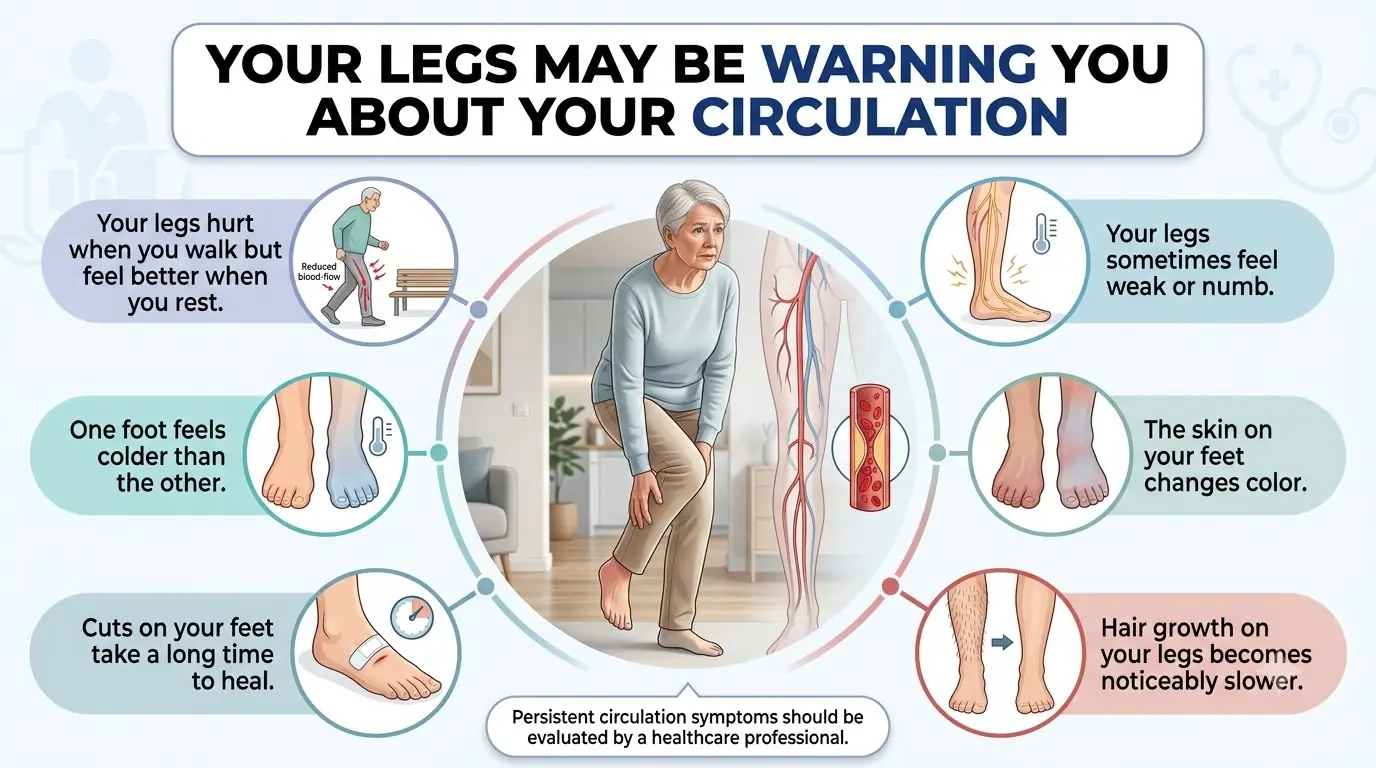
YOUR LEGS MAY BE WARNING YOU ABOUT YOUR CIRCULATION
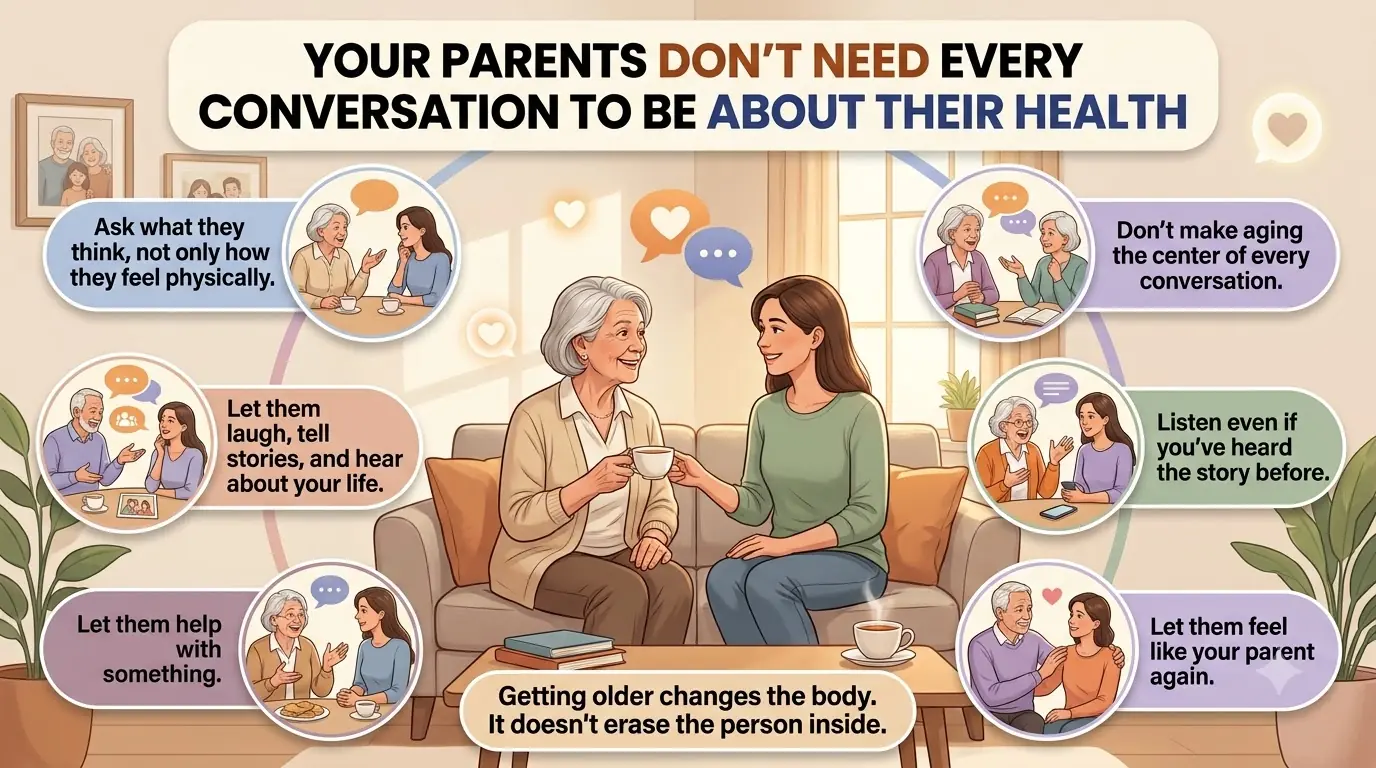
YOUR PARENTS DON'T NEED EVERY CONVERSATION TO BE ABOUT THEIR HEALTH
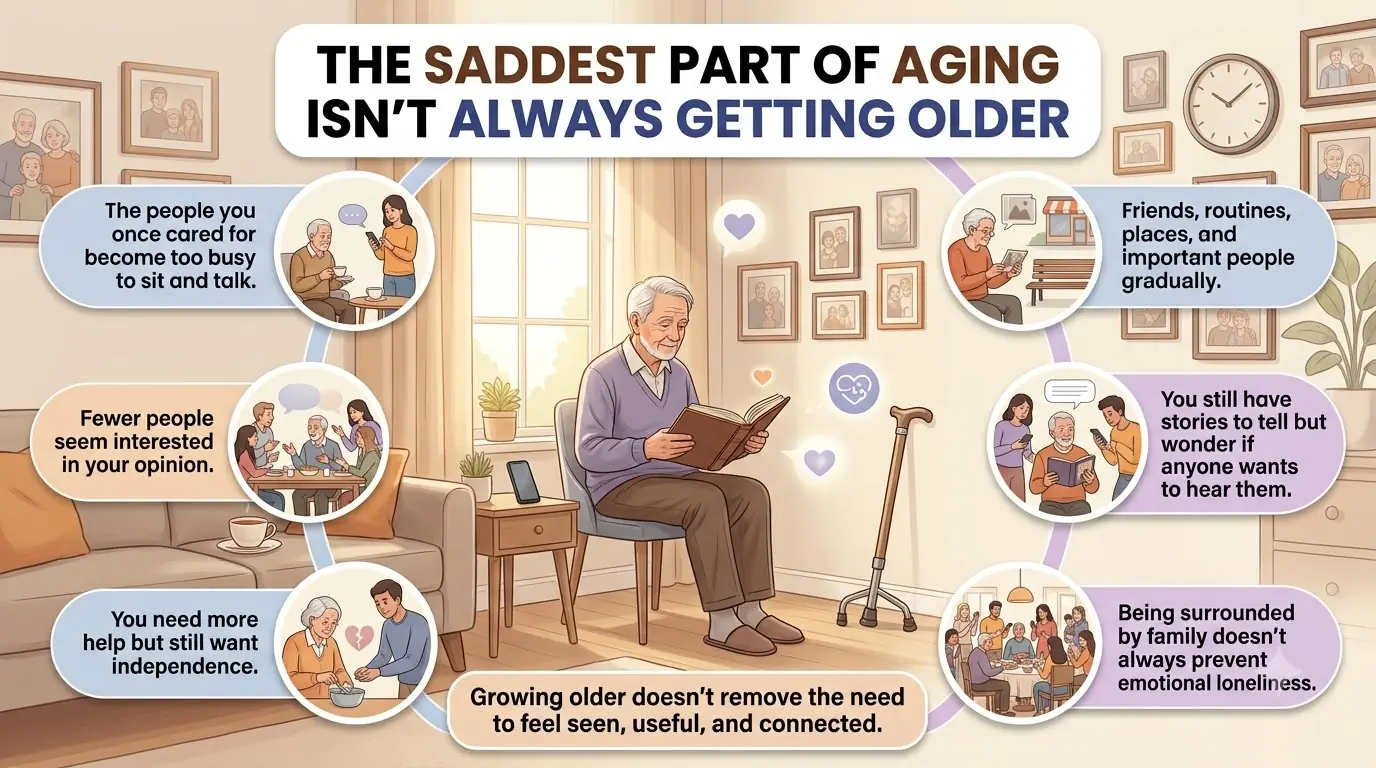
THE SADDEST PART OF AGING ISN'T ALWAYS GETTING OLDER
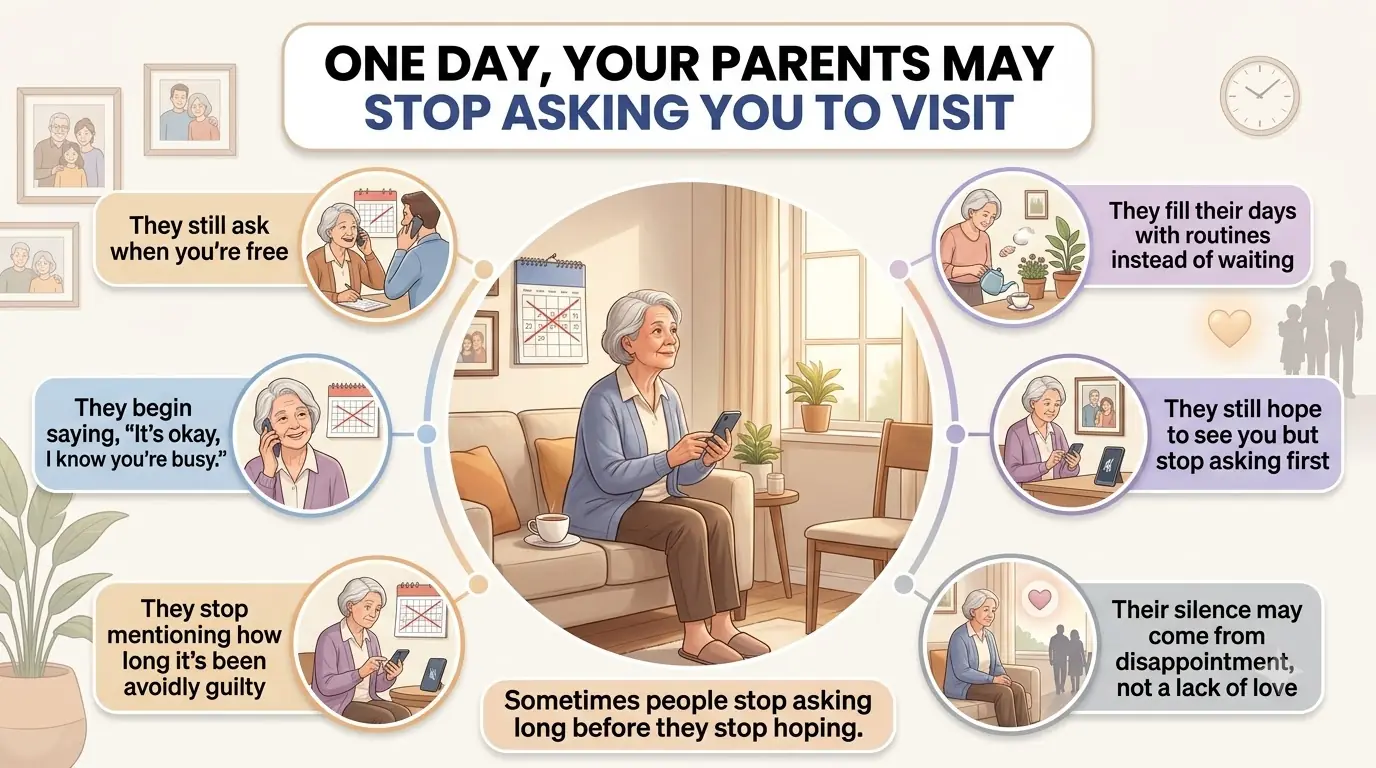
ONE DAY, YOUR PARENTS MAY STOP ASKING YOU TO VISIT
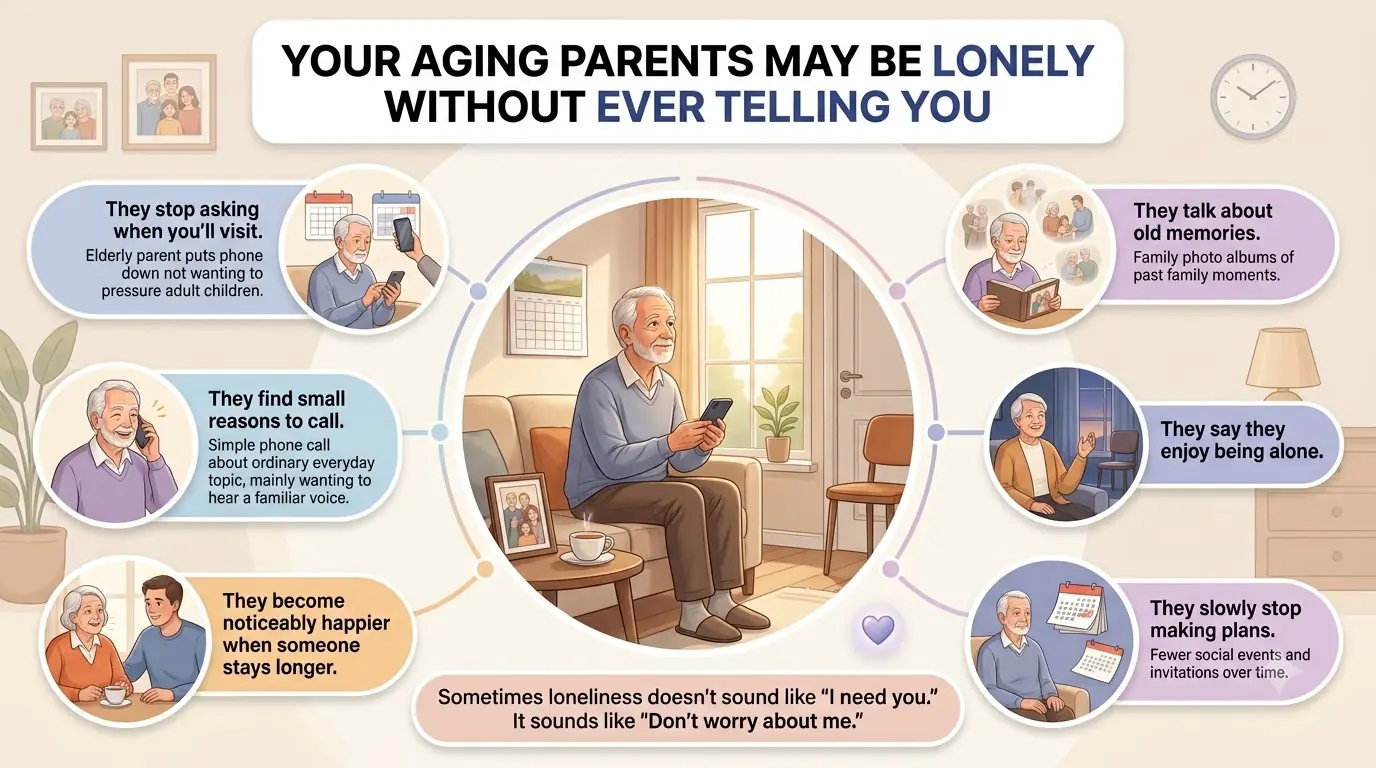
YOUR AGING PARENTS MAY BE LONELY WITHOUT EVER TELLING YOU
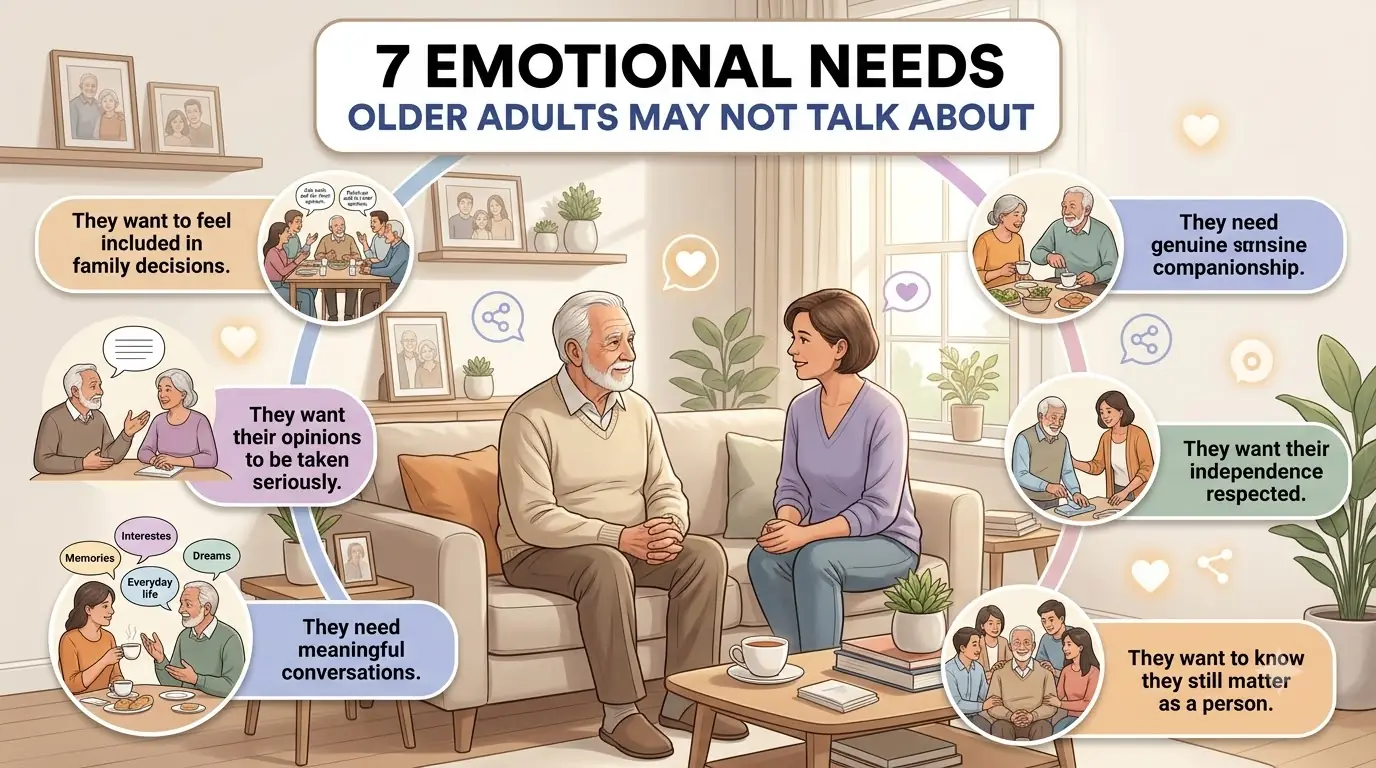
7 EMOTIONAL NEEDS OLDER ADULTS MAY NOT TALK ABOUT
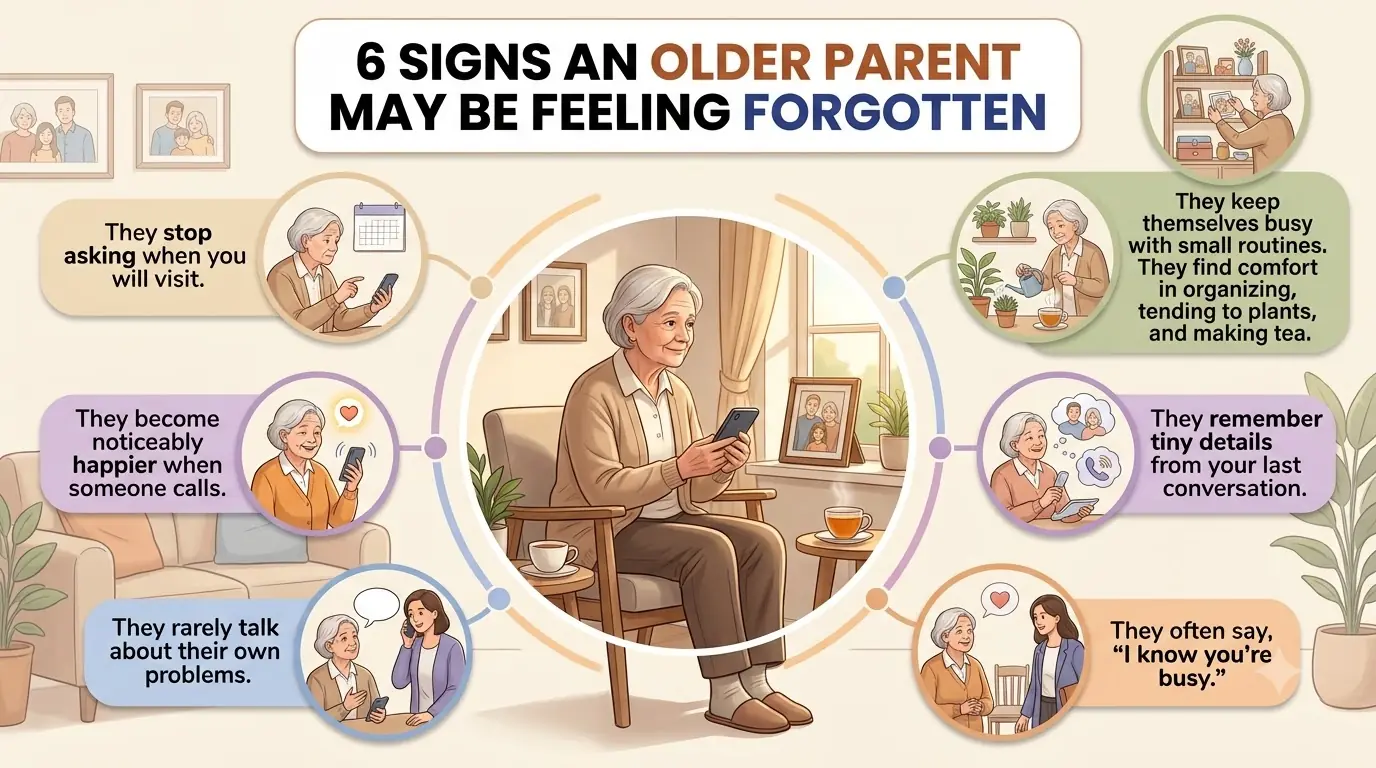
6 SIGNS AN OLDER PARENT MAY BE FEELING FORGOTTEN
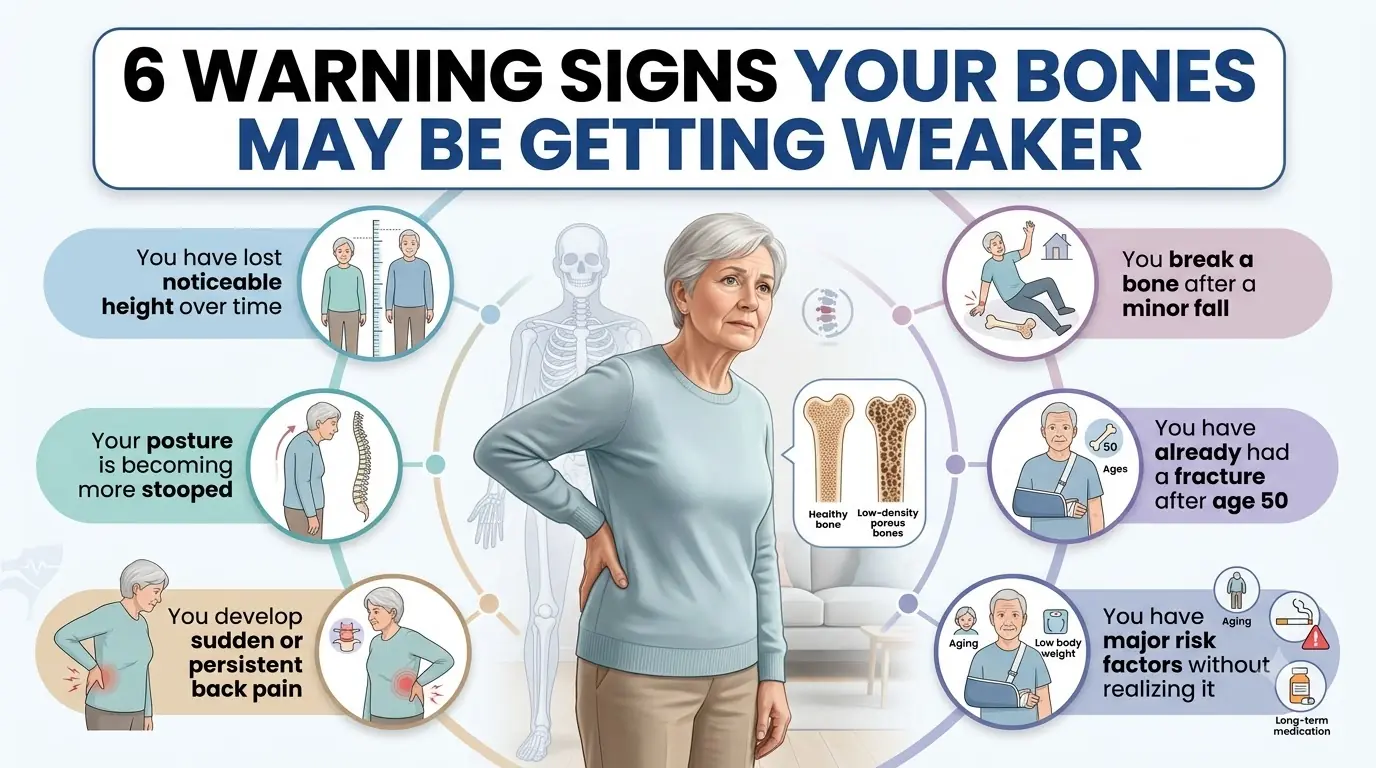
6 WARNING SIGNS YOUR BONES MAY BE GETTING WEAKER
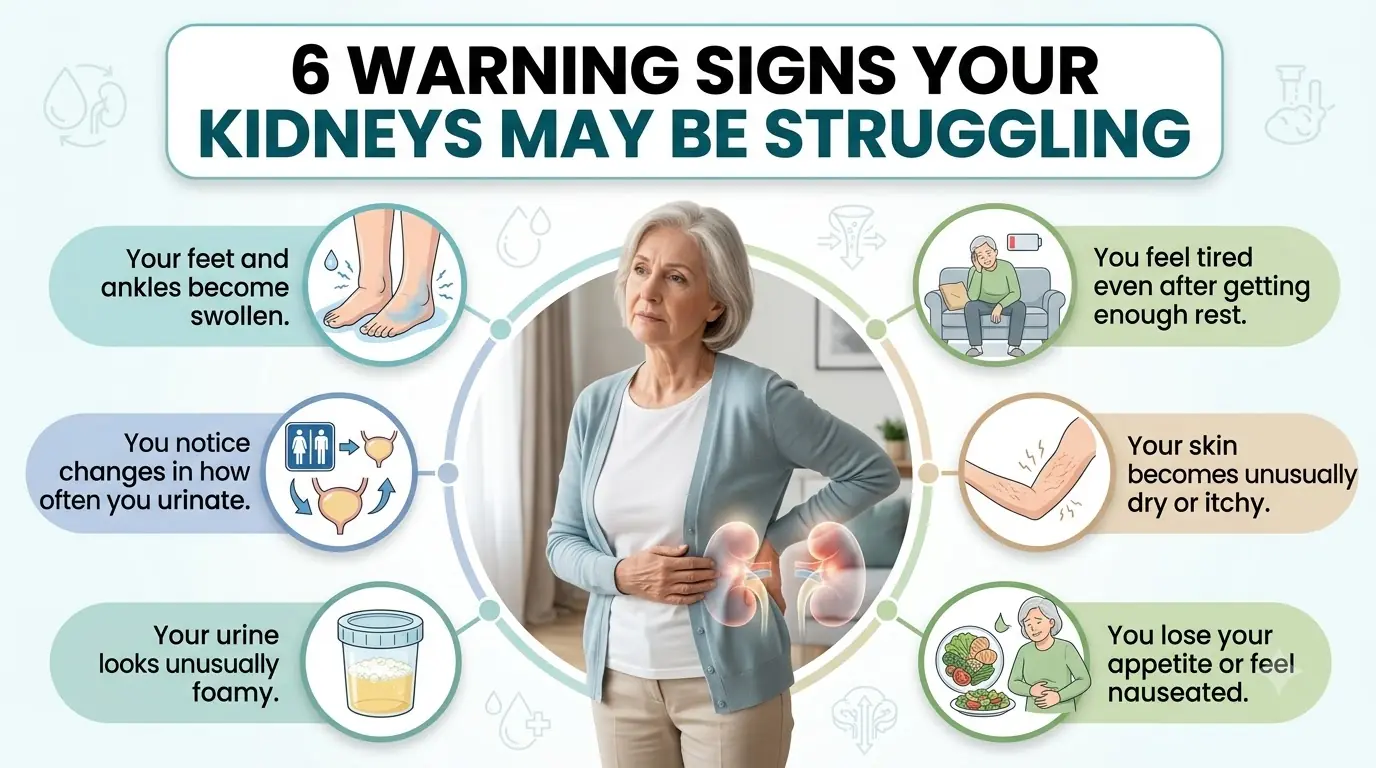
6 WARNING SIGNS YOUR KIDNEYS MAY BE STRUGGLING
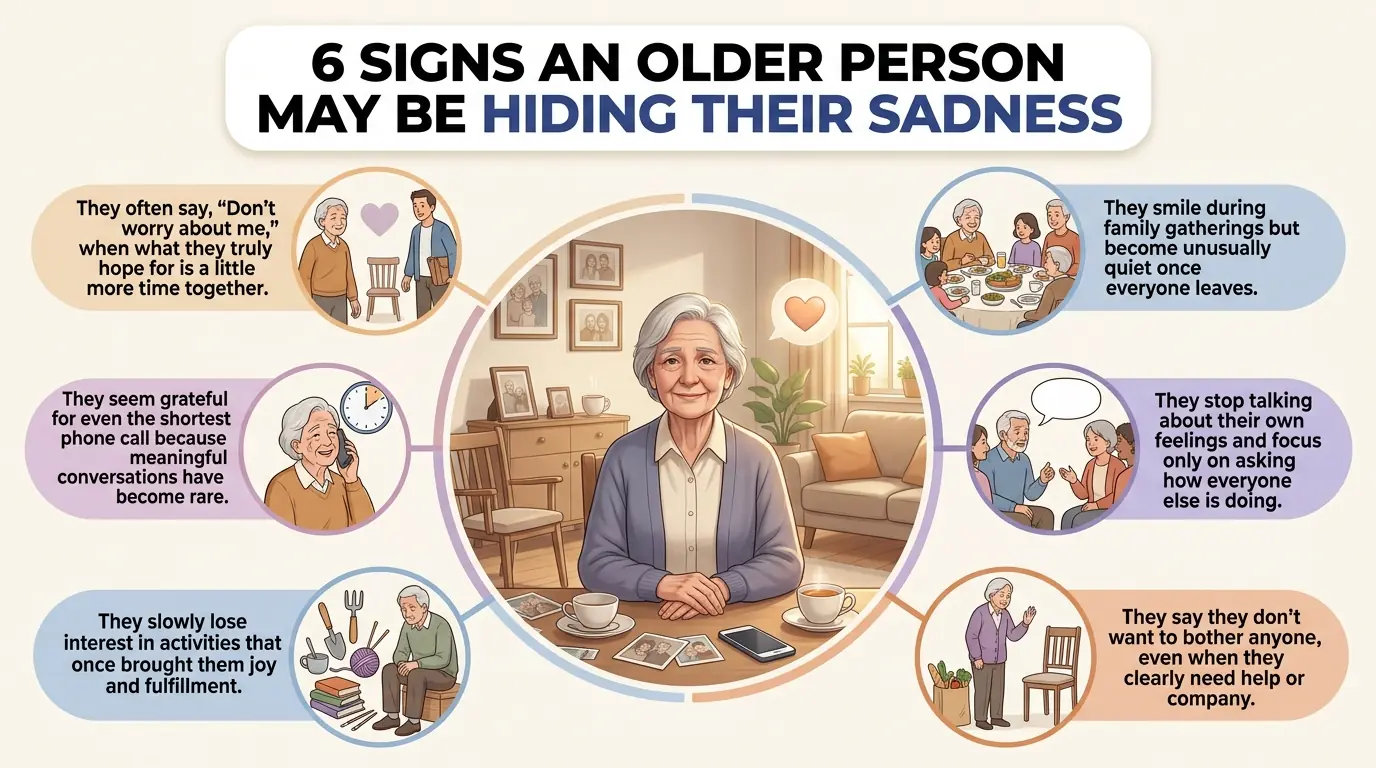
6 SIGNS AN OLDER PERSON MAY BE HIDING THEIR SADNESS
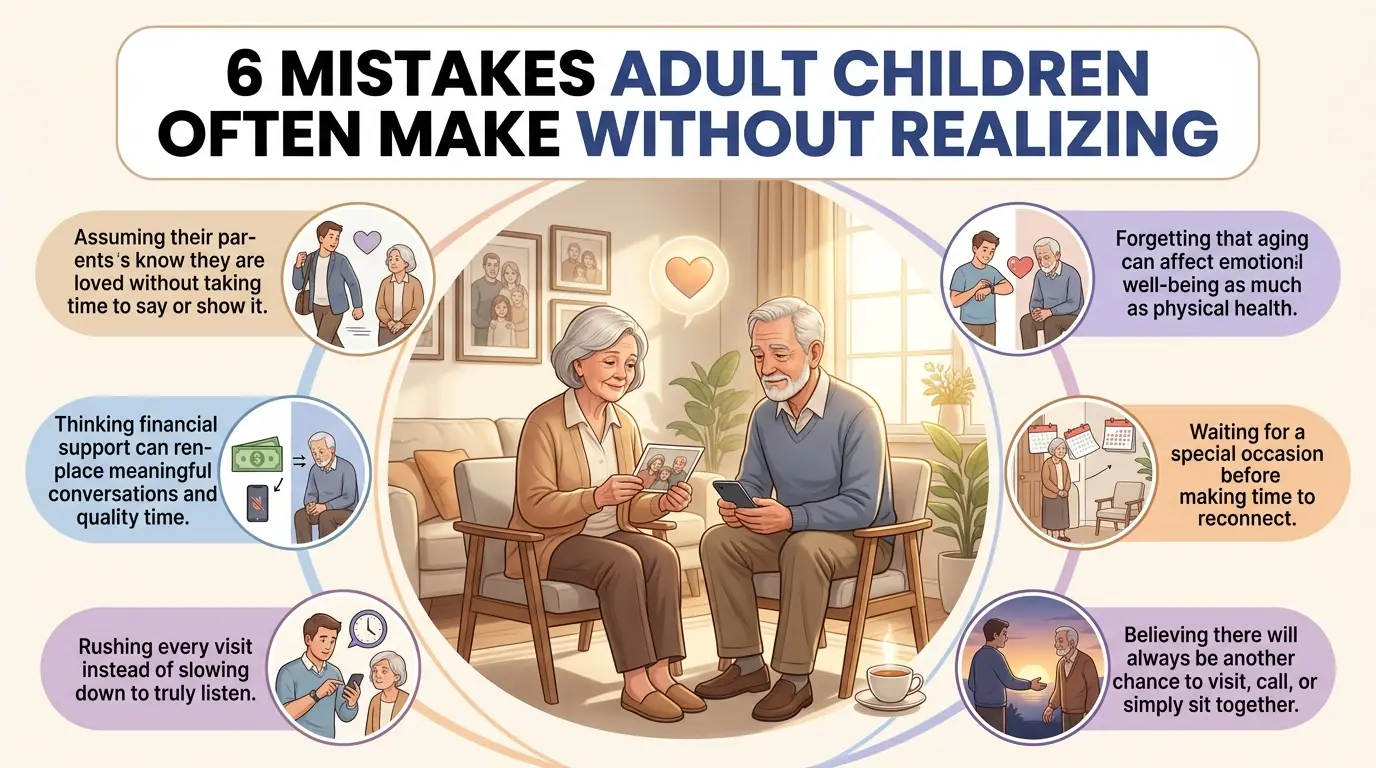
6 MISTAKES ADULT CHILDREN OFTEN MAKE WITHOUT REALIZING
6 WARNING SIGNS YOUR LEGS MAY HAVE POOR CIRCULATION
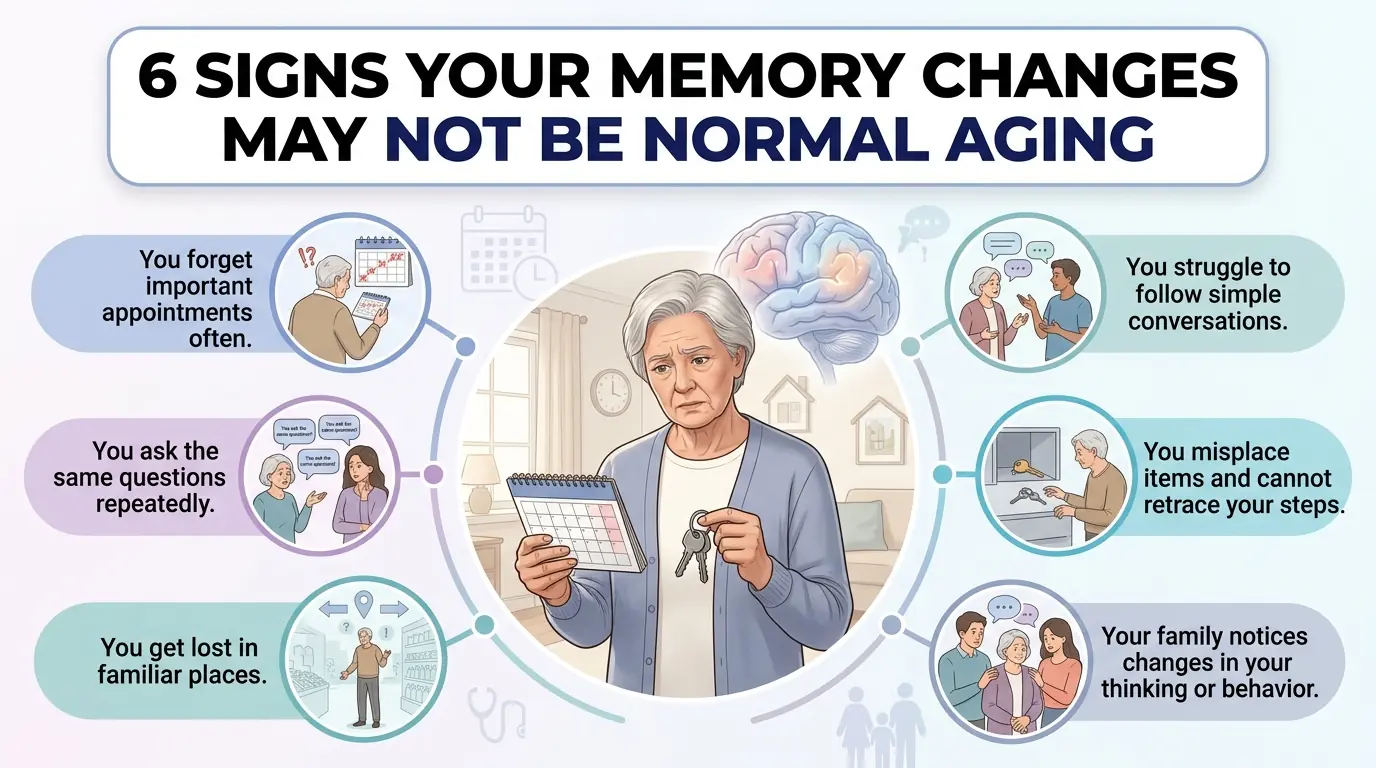
6 SIGNS YOUR MEMORY CHANGES MAY NOT BE NORMAL AGING
6 WARNING SIGNS YOUR BODY MAY BE DEVELOPING DIABETES
6 WARNING SIGNS YOUR HEART MAY NOT BE GETTING ENOUGH BLOOD
7 SIGNS YOUR ELDERLY PARENT MAY NEED MORE EMOTIONAL SUPPORT