THE HARDEST PART OF AGING MAY BE LOSING THE FREEDOM YOU ONCE HAD
Reader Theme:
Font Size:
24px
THE HARDEST PART OF AGING MAY BE LOSING THE FREEDOM YOU ONCE HAD
Independence is easy to take for granted when everyday tasks require little thought. You get into the car when you want to go somewhere, climb the stairs without planning around them, run errands on your own, and make decisions without needing another person's assistance.
As people grow older, illness, changes in strength and balance, vision problems, joint pain, or other physical limitations can gradually make some of those activities more difficult. For many older adults, the emotional impact isn't simply frustration about what the body can no longer do. It can be the uncomfortable feeling that they are losing control over how they live their own lives.
Support from family and caregivers can be essential, particularly when safety is involved. But helping an older adult doesn't have to mean taking away every choice. Preserving dignity, autonomy, and meaningful participation in decisions can be an important part of healthy aging.
Why Independence Matters So Much as We Age
Independence is about more than performing tasks without assistance.
It includes being able to make choices about your own life: what you eat, where you go, when you wake up, how you spend your time, who you see, and what kind of help you receive.
These choices contribute to a person's sense of identity and control.
That's why a seemingly small loss of independence can carry significant emotional weight.
Needing someone else to drive to the grocery store, for example, isn't only a transportation problem. It can mean having to organize your day around another person's schedule and ask permission—or at least assistance—for something you once did whenever you wanted.
Understanding this perspective can change how families approach caregiving.
1. Simple Tasks May Suddenly Require Help
Opening a heavy container, carrying groceries, changing a light bulb, cleaning the house, preparing meals, or getting in and out of the bathtub may once have required almost no thought.
Later in life, these activities can become more challenging.
Possible reasons include:
- Muscle weakness.
- Arthritis.
- Balance difficulties.
- Reduced vision.
- Chronic pain.
- Neurological conditions.
- Recovery from illness or surgery.
Needing assistance doesn't necessarily mean someone has lost the ability to participate.
Instead of automatically taking over, families can ask:
“Which part would you like help with?”
Perhaps an older parent can still prepare dinner but needs someone to carry heavy groceries. Maybe they can manage their home independently but need help with physically demanding maintenance.
Providing targeted assistance can preserve more independence than doing everything for them.
2. Giving Up Driving Can Feel Like Losing Freedom
Few changes symbolize lost independence as strongly as giving up the car keys.
Driving provides immediate access to the outside world.
It allows someone to visit friends, attend appointments, shop, go to restaurants, participate in religious or community activities, and simply leave home when they feel like it.
When driving is no longer safe, stopping may be necessary.
But the emotional consequences shouldn't be underestimated.
Someone who stops driving may suddenly depend on family, friends, public transportation, community services, or ride programs for basic activities.
They may begin declining invitations simply because arranging transportation feels inconvenient or embarrassing.
If driving needs to stop, creating a transportation plan can help preserve independence.
The question shouldn't only be:
“How do we stop Mom or Dad from driving?”
It should also be:
“How will Mom or Dad continue going where they want to go?”
3. Stairs, Long Walks, and Errands Can Become More Demanding
Physical function often changes gradually.
An older adult may not suddenly become unable to walk through a large store. Instead, they may notice that they need more breaks than before.
Stairs become tiring.
Parking farther away becomes frustrating.
Carrying bags becomes difficult.
Eventually, someone may begin avoiding activities that require too much physical effort.
This matters because reduced activity can contribute to further loss of strength and endurance.
A difficult cycle can develop:
Physical activity becomes harder, so the person moves less. Moving less contributes to additional weakness, which makes activity even harder.
Appropriate physical activity can help interrupt this cycle.
Depending on someone's health and abilities, walking, resistance exercises, balance training, swimming, cycling, or physical therapy may help maintain function.
The goal isn't to force someone to perform activities that are unsafe. It's to preserve as much ability as reasonably possible.
4. Fear of Falling Can Change the Way Someone Lives
Falls are a legitimate concern for older adults.
A serious fall can cause fractures, head injuries, hospitalization, and reduced independence.
But fear of falling can create problems even when a fall never occurs.
Someone may begin:
- Walking more slowly.
- Avoiding stairs.
- Refusing invitations.
- Staying home more often.
- Holding onto furniture.
- Avoiding exercise.
- Limiting everyday activities.
This caution can feel protective.
Unfortunately, excessive inactivity can contribute to muscle weakness and poorer balance, potentially increasing future fall risk.
Instead of simply telling an older person to “be careful,” it can be more useful to address specific risk factors.
These may include poor lighting, loose rugs, unsuitable footwear, vision problems, medication side effects, muscle weakness, or balance difficulties.
A healthcare professional or physical therapist can help evaluate fall risk and recommend appropriate strategies.
5. Having Other People Make Decisions Can Be Frustrating
As someone begins needing more assistance, family members may gradually take over decisions.
Often, this comes from genuine concern.
Adult children may start deciding:
“You shouldn't go there.”
“You need to move.”
“You can't do that anymore.”
“This is what we're going to do.”
Sometimes safety concerns make difficult decisions necessary.
But when an older adult can still understand and participate in decisions, their preferences deserve serious consideration.
Ask:
“What would you prefer?”
“What worries you about this option?”
“What kind of help would make you comfortable?”
“How can we make this safer without taking it away completely?”
Autonomy doesn't mean ignoring risk.
It means involving the person whose life is being affected.
6. Asking for Help Can Feel Harder Than the Task Itself
Imagine spending decades being capable and independent.
Perhaps you were the person everyone else called when they needed help.
Then one day, you need to ask your child to drive you somewhere.
Another day, you need help carrying something.
Eventually, you may need assistance bathing, dressing, preparing meals, or managing other personal activities.
The practical task may be relatively simple.
Asking can be emotionally difficult.
Some older adults may worry about becoming a burden. Others may feel embarrassed or frustrated by needing assistance with something they once did easily.
This is why the way help is offered matters.
Respectful assistance preserves as much control as possible.
Instead of assuming, ask.
Instead of rushing, allow time.
Instead of focusing only on what someone can no longer do, recognize what they can still do independently.
Independence Doesn't Have to Mean Doing Everything Alone
There's an important distinction between independence and complete self-sufficiency.
People of every age depend on others.
We rely on doctors, mechanics, coworkers, family members, friends, and countless other people.
Accepting assistance doesn't automatically eliminate independence.
An older adult can receive substantial help while still maintaining control over many aspects of life.
For example, someone may no longer drive but still choose where they want to go.
They may need help preparing meals but still decide what they want to eat.
They may need assistance managing medications but still participate in discussions about their treatment.
The goal is often supported independence—providing necessary assistance while preserving choice wherever safely possible.
Small Choices Can Carry Enormous Meaning
When caregiving becomes focused on efficiency, it's easy to start making every decision for someone.
But ordinary choices can help preserve autonomy.
Whenever possible, allow older adults to choose:
- What they wear.
- What they eat.
- When they participate in activities.
- Who assists them.
- How their home is arranged.
- Which hobbies they continue.
- When family visits.
- What daily routines they prefer.
Not every choice can always be accommodated.
Safety, finances, cognitive ability, and medical needs sometimes create limitations.
But the principle remains important:
Don't remove choices simply because making the decision yourself would be faster.
How Families Can Help Without Taking Over
Supporting an aging parent often requires balance.
Too little assistance can create unnecessary risk. Too much assistance can unintentionally reduce independence.
A helpful approach is to identify what the person can still safely do and build support around those abilities.
Consider:
- Asking before helping.
- Offering options rather than commands.
- Breaking difficult tasks into manageable parts.
- Using assistive devices when appropriate.
- Making the home safer rather than automatically restricting activity.
- Encouraging appropriate physical activity.
- Including the person in medical and family discussions.
- Allowing extra time for tasks instead of immediately taking over.
Sometimes a small adaptation can preserve an activity that might otherwise be abandoned.
Grab bars, better lighting, appropriate footwear, mobility aids, hearing devices, or modifications to frequently used spaces may make everyday activities safer and easier.
Maintaining Strength Can Help Preserve Freedom
Physical strength has a direct relationship with many everyday activities.
Strong legs and core muscles help with:
- Standing from a chair.
- Walking.
- Climbing stairs.
- Maintaining balance.
- Carrying everyday objects.
- Recovering from a stumble.
Age-related muscle loss can contribute to declining function, but some loss of strength can be reduced or improved through appropriate resistance exercise.
Older adults can benefit from strength training when it's adapted to their abilities and health.
Adequate nutrition, including sufficient protein, is also important for maintaining muscle.
People with significant medical conditions, mobility limitations, or a history of falls may benefit from professional guidance before beginning a new exercise program.
Watch for a Sudden Loss of Independence
Gradual changes can occur with aging, but a rapid decline deserves particular attention.
If someone who was previously independent suddenly struggles to walk, dress, prepare food, manage medications, or perform familiar activities, don't automatically assume they're simply “getting older.”
Sudden functional decline can occur with:
- Infection.
- Medication side effects.
- Stroke.
- Dehydration.
- Acute illness.
- Injury.
- Delirium.
- Other medical problems.
A significant unexplained change should be medically evaluated.
When Should You Talk With a Healthcare Professional?
Consider seeking professional guidance if an older adult develops:
- Repeated falls or near-falls.
- Increasing difficulty walking.
- Significant muscle weakness.
- New dizziness.
- Persistent pain limiting activity.
- Difficulty performing everyday tasks.
- Significant memory or judgment problems.
- A sudden decline in independence.
A healthcare professional may review medications, vision, hearing, strength, balance, medical conditions, and other factors affecting daily function.
Occupational therapists can also help people find safer ways to perform everyday activities, while physical therapists can address mobility, strength, and balance.
When It May Be an Emergency
Seek urgent medical attention for a sudden loss of strength, balance, mobility, or ability to perform normal activities—especially when accompanied by facial drooping, one-sided weakness, difficulty speaking, severe dizziness, confusion, chest pain, fainting, or severe shortness of breath.
Sudden functional changes can indicate a serious medical problem and shouldn't be attributed to aging without evaluation.
Key Takeaways
- Loss of independence can be one of the most emotionally difficult aspects of aging.
- Needing help with one activity doesn't mean an older adult needs someone to take over everything.
- Giving up driving can significantly affect freedom, social connection, and access to everyday activities.
- Pain, weakness, balance problems, and fear of falling can gradually reduce mobility.
- Appropriate exercise and environmental modifications can help preserve function in many older adults.
- Older people should remain involved in decisions affecting their lives whenever they are able to participate.
- Asking for help can be emotionally difficult, particularly for someone who has spent decades caring for others.
- Supporting independence means balancing safety with autonomy rather than automatically choosing one over the other.
Growing older may change what someone can do independently. It never removes their need for dignity, choice, respect, and a meaningful say in their own life.
Medical Disclaimer
This article is for general educational purposes and is not a substitute for professional medical advice, diagnosis, or treatment. Changes in strength, mobility, balance, or independence can have many causes and shouldn't automatically be attributed to normal aging. Persistent or worsening changes should be discussed with a qualified healthcare professional, while sudden loss of mobility, strength, balance, or normal function may require urgent medical evaluation.
News in the same category
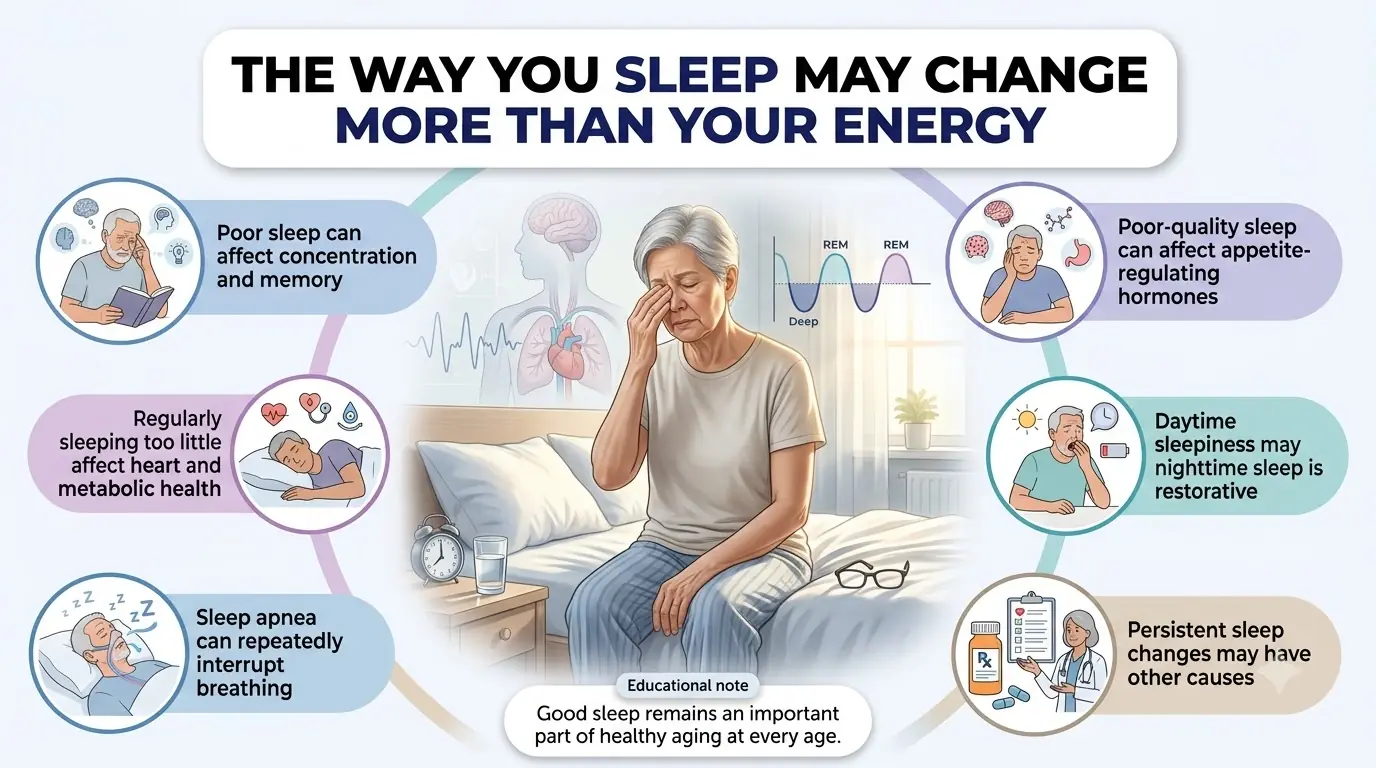
THE WAY YOU SLEEP MAY CHANGE MORE THAN YOUR ENERGY
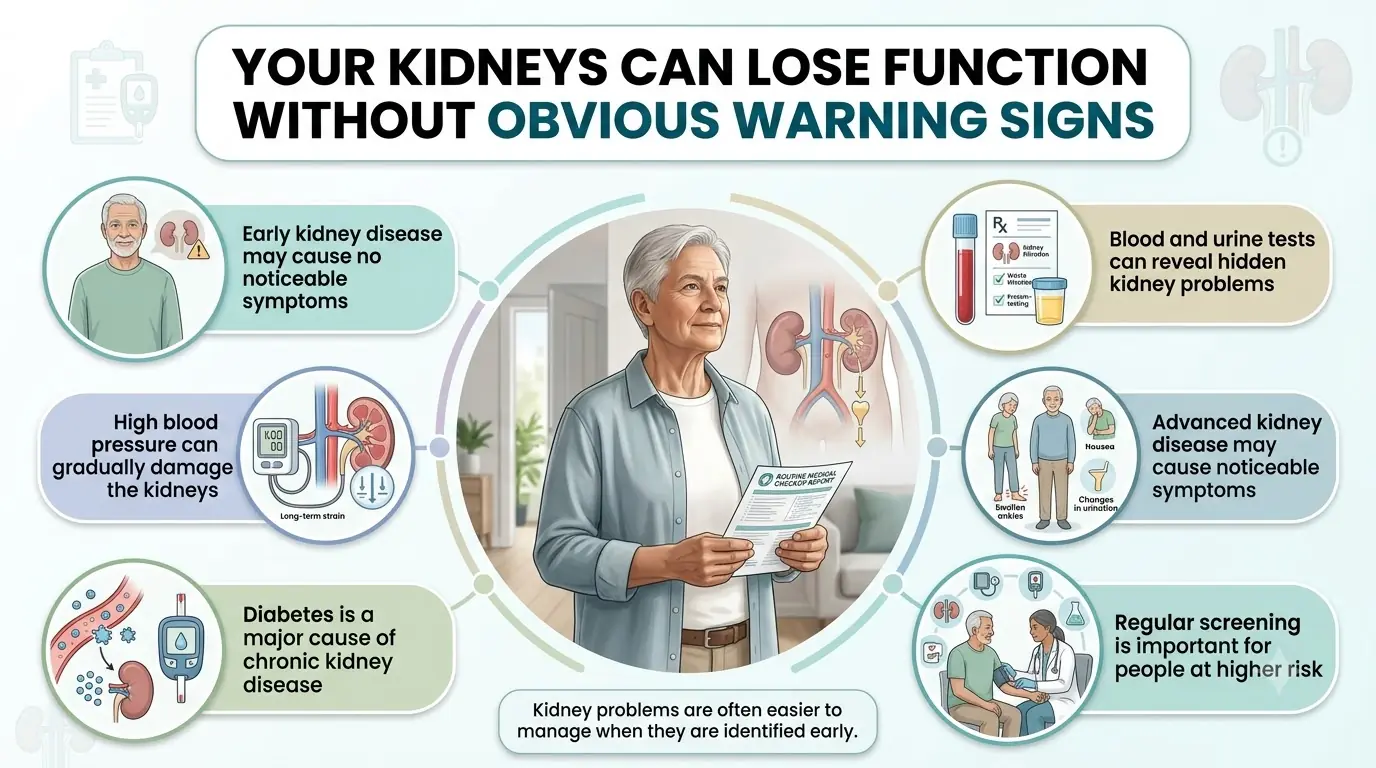
YOUR KIDNEYS CAN LOSE FUNCTION WITHOUT OBVIOUS WARNING SIGNS
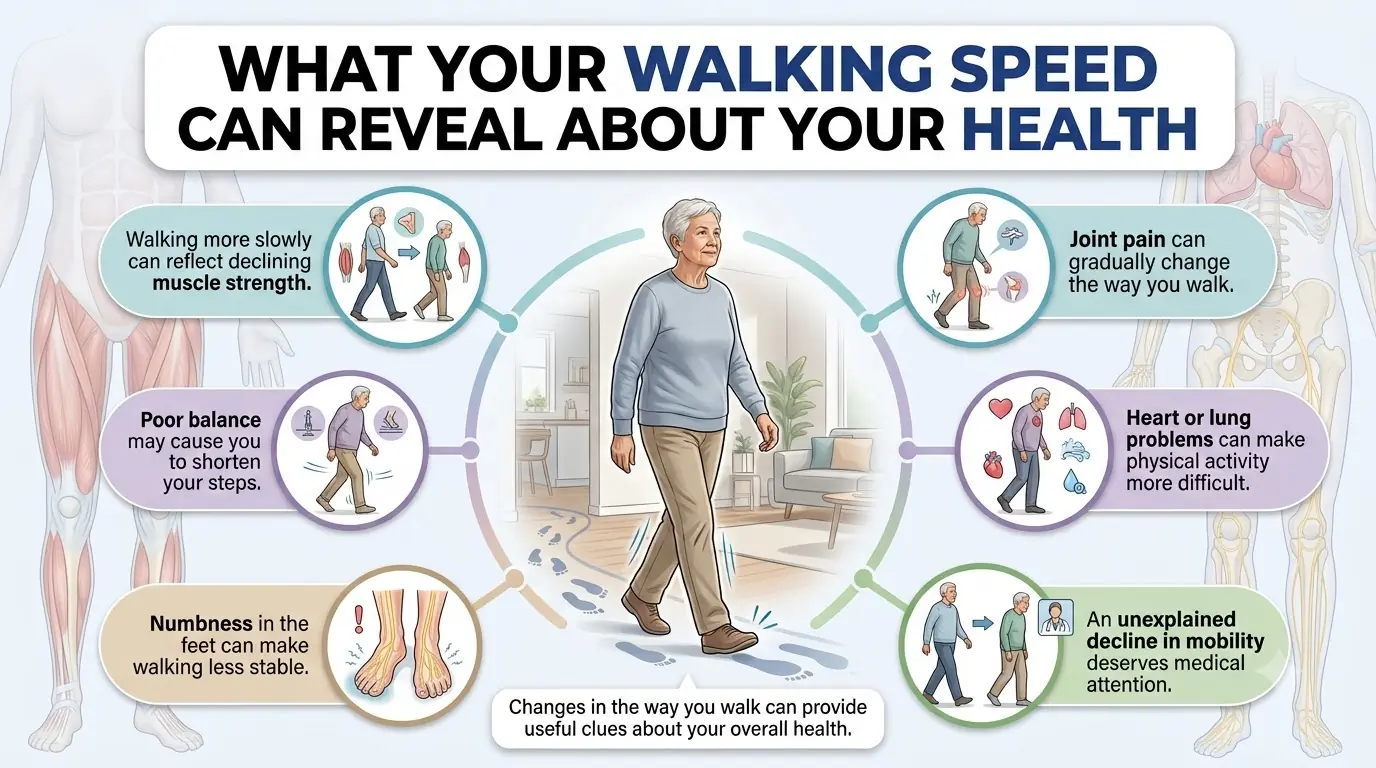
WHAT YOUR WALKING SPEED CAN REVEAL ABOUT YOUR HEALTH
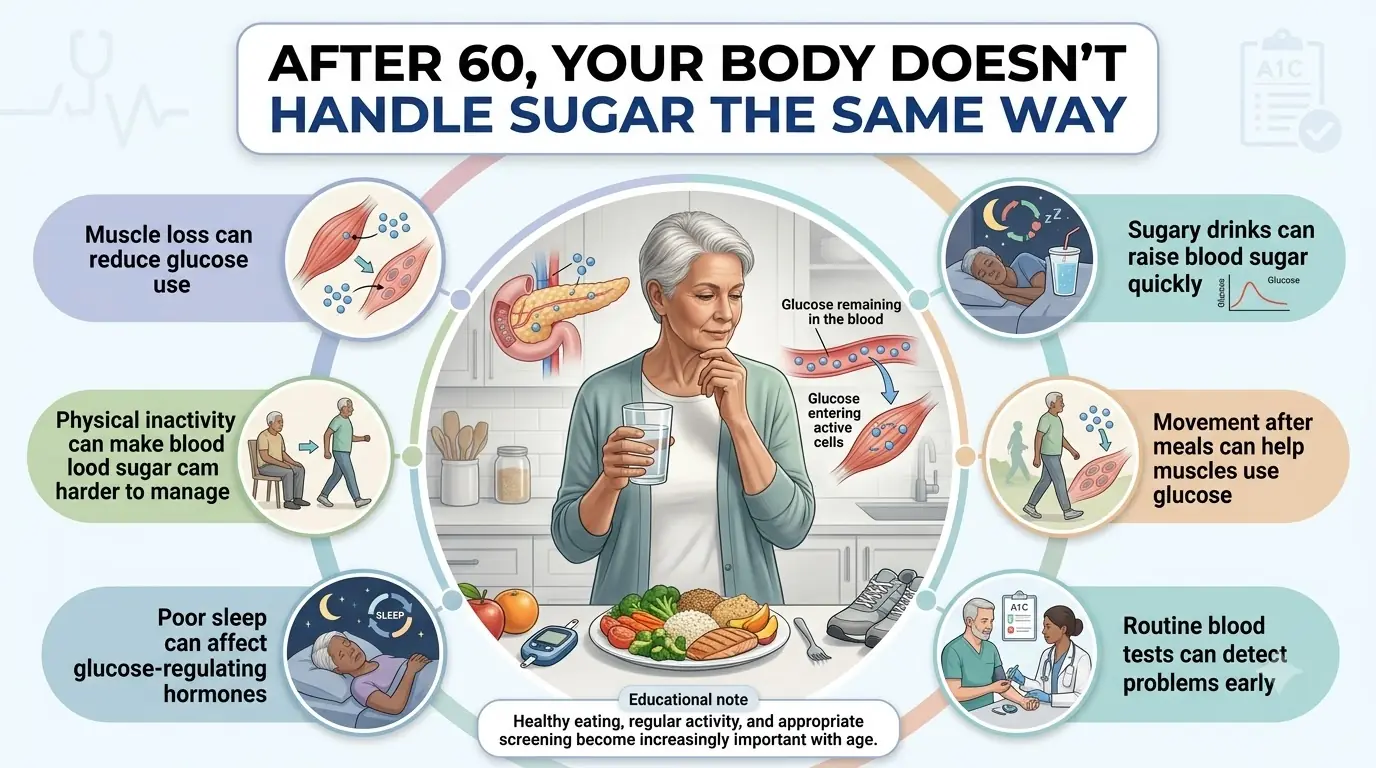
AFTER 60, YOUR BODY DOESN’T HANDLE SUGAR THE SAME WAY
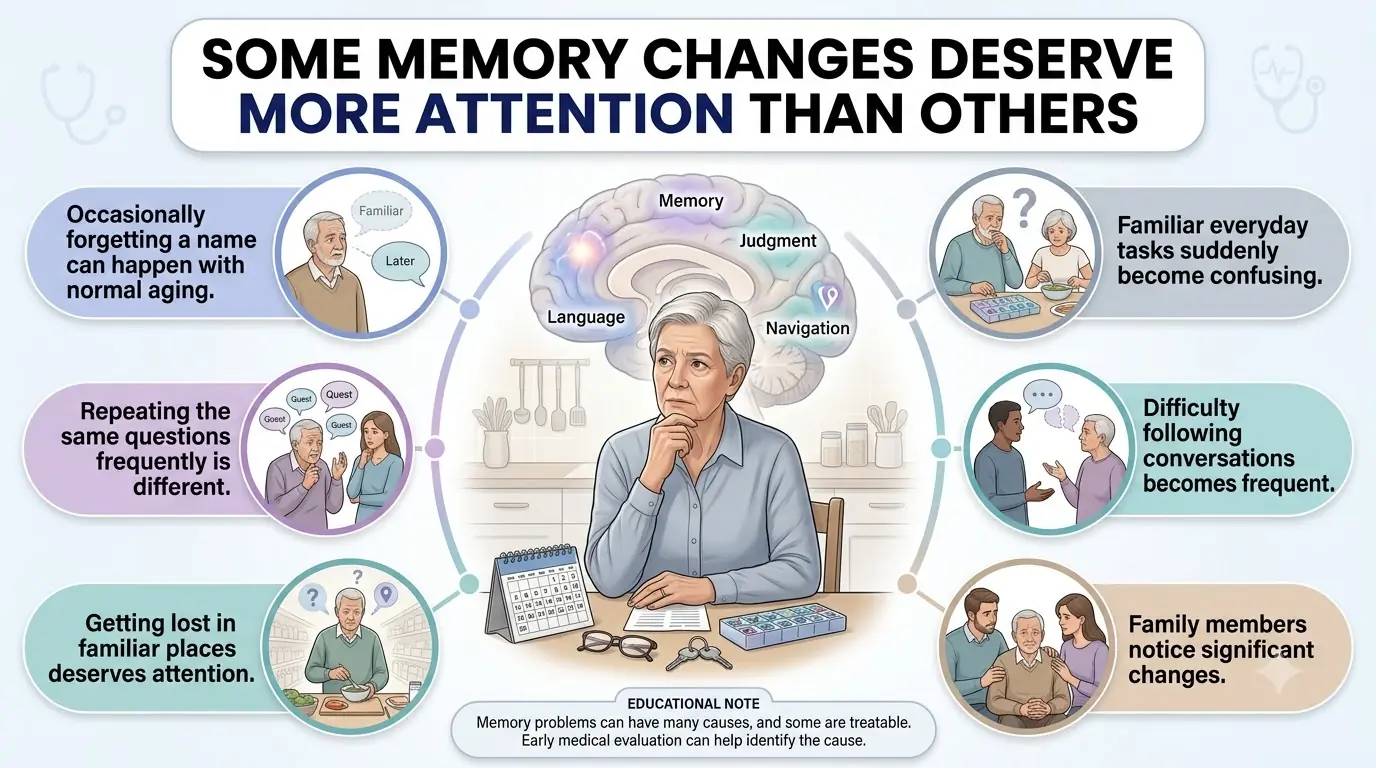
SOME MEMORY CHANGES DESERVE MORE ATTENTION THAN OTHERS
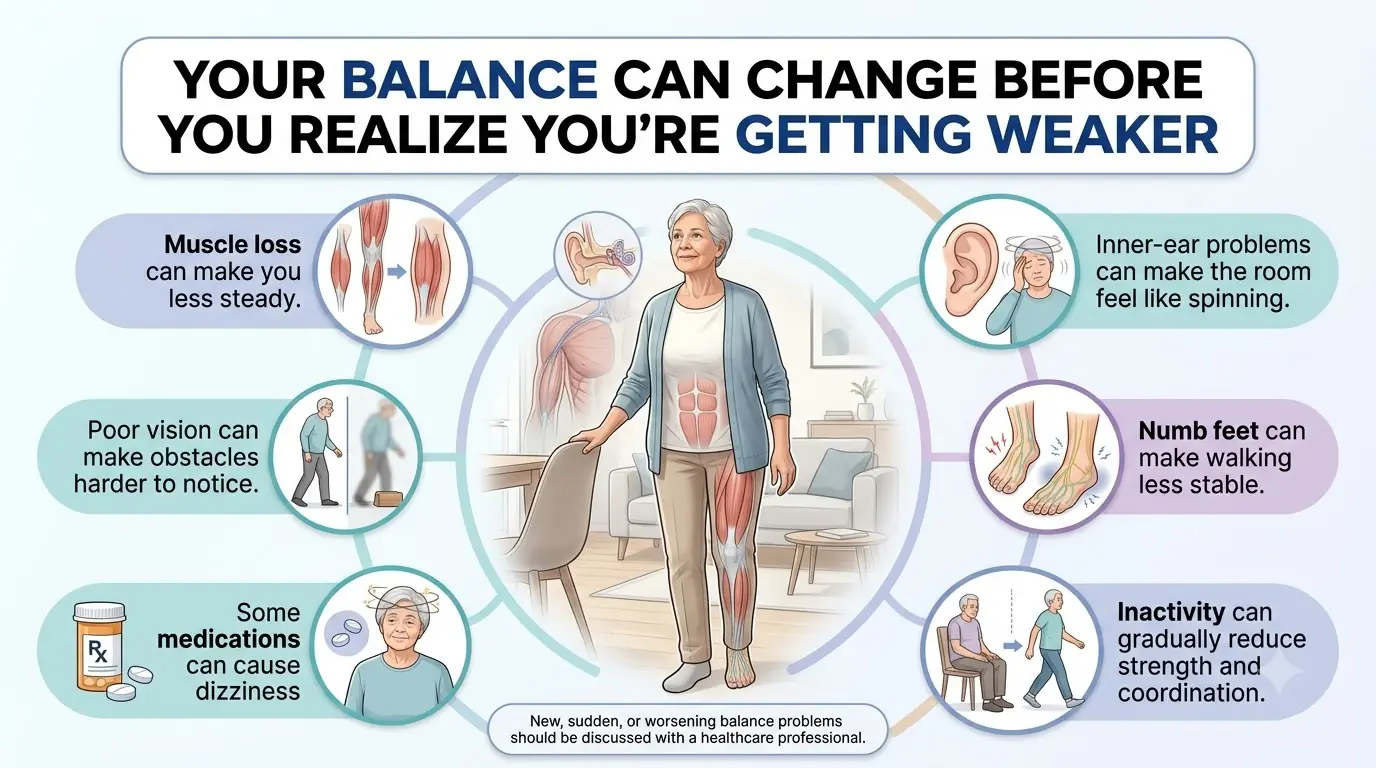
YOUR BALANCE CAN CHANGE BEFORE YOU REALIZE YOU’RE GETTING WEAKER
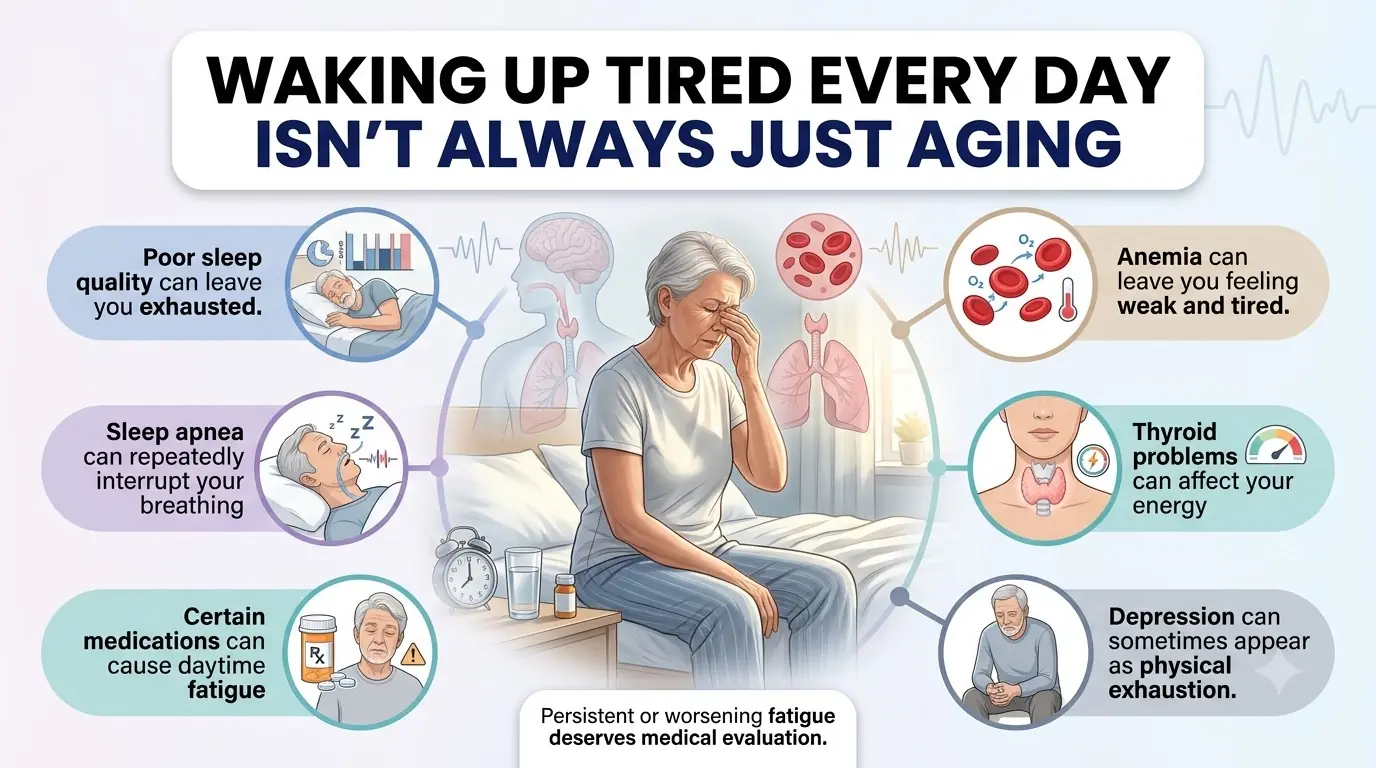
WAKING UP TIRED EVERY DAY ISN’T ALWAYS JUST AGING
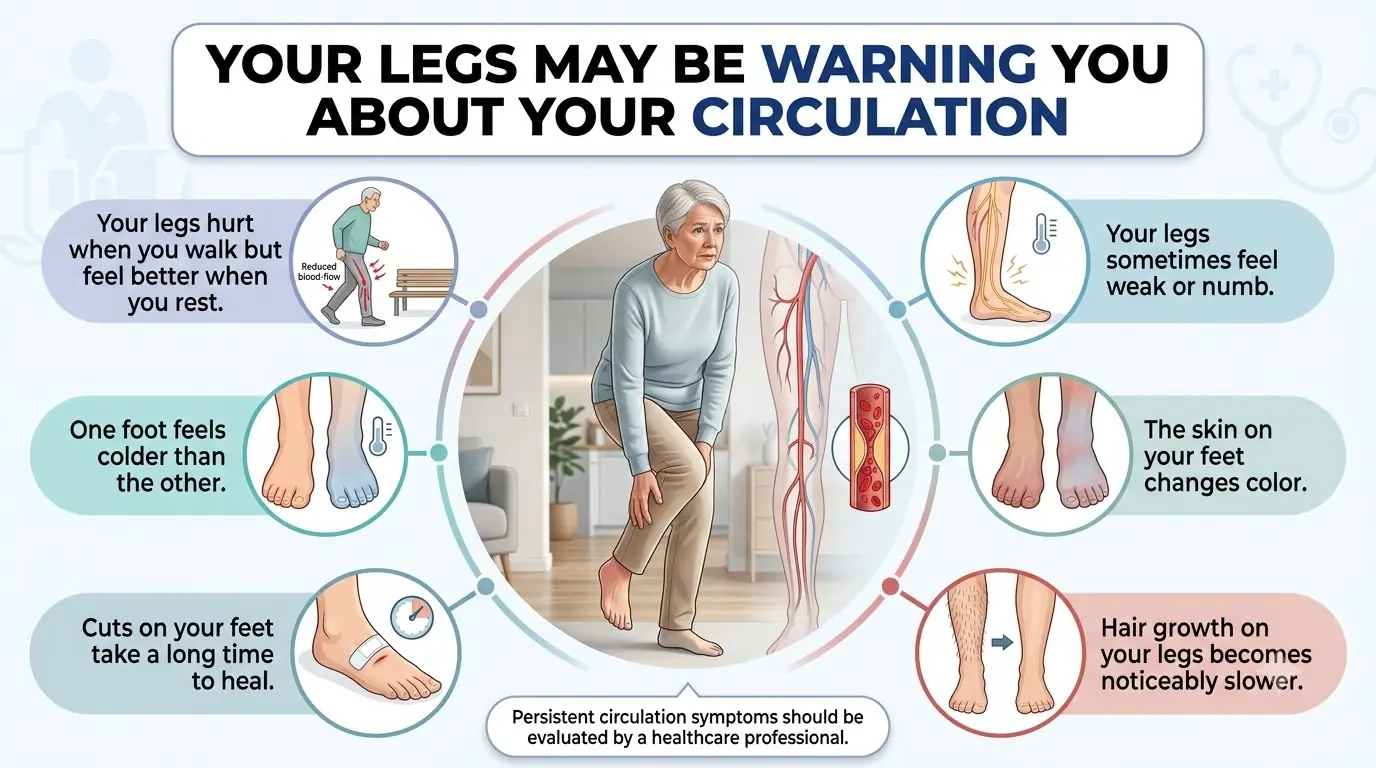
YOUR LEGS MAY BE WARNING YOU ABOUT YOUR CIRCULATION
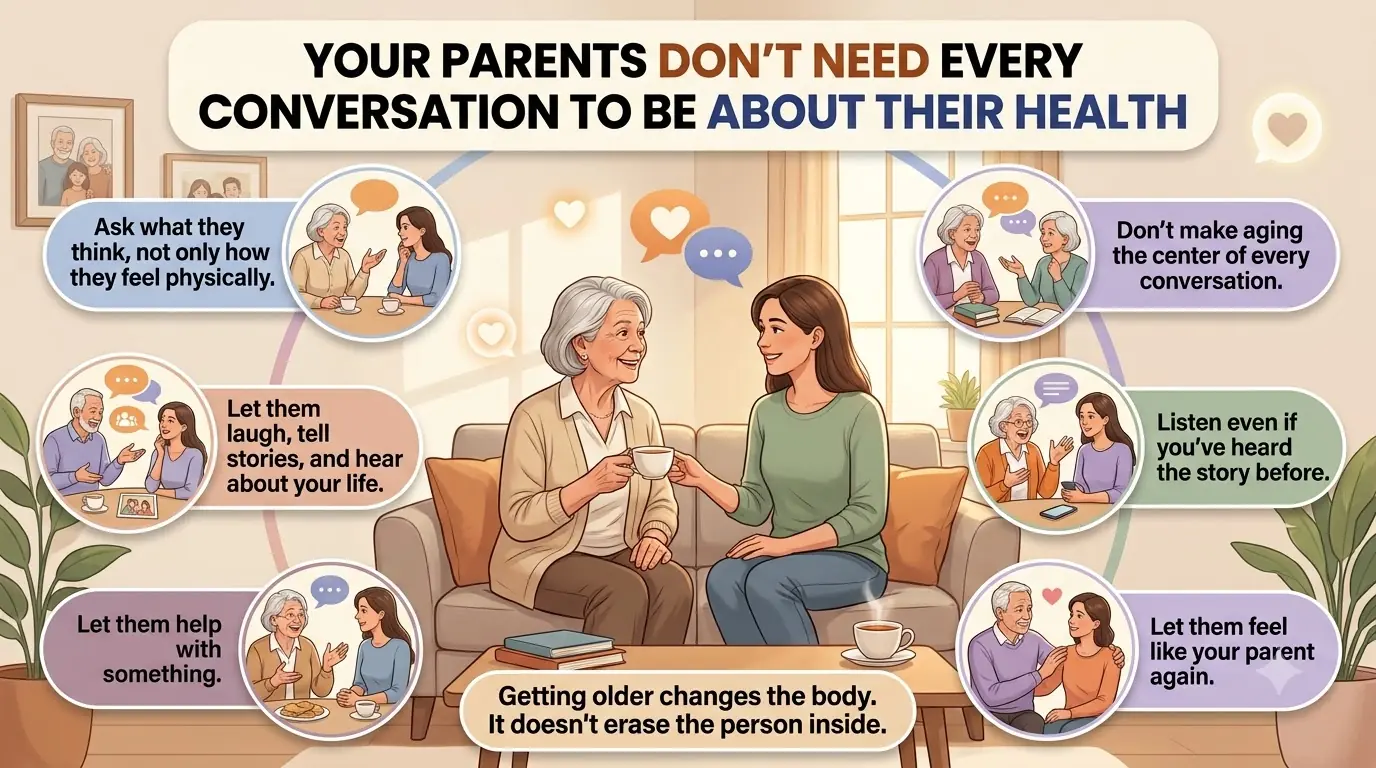
YOUR PARENTS DON'T NEED EVERY CONVERSATION TO BE ABOUT THEIR HEALTH
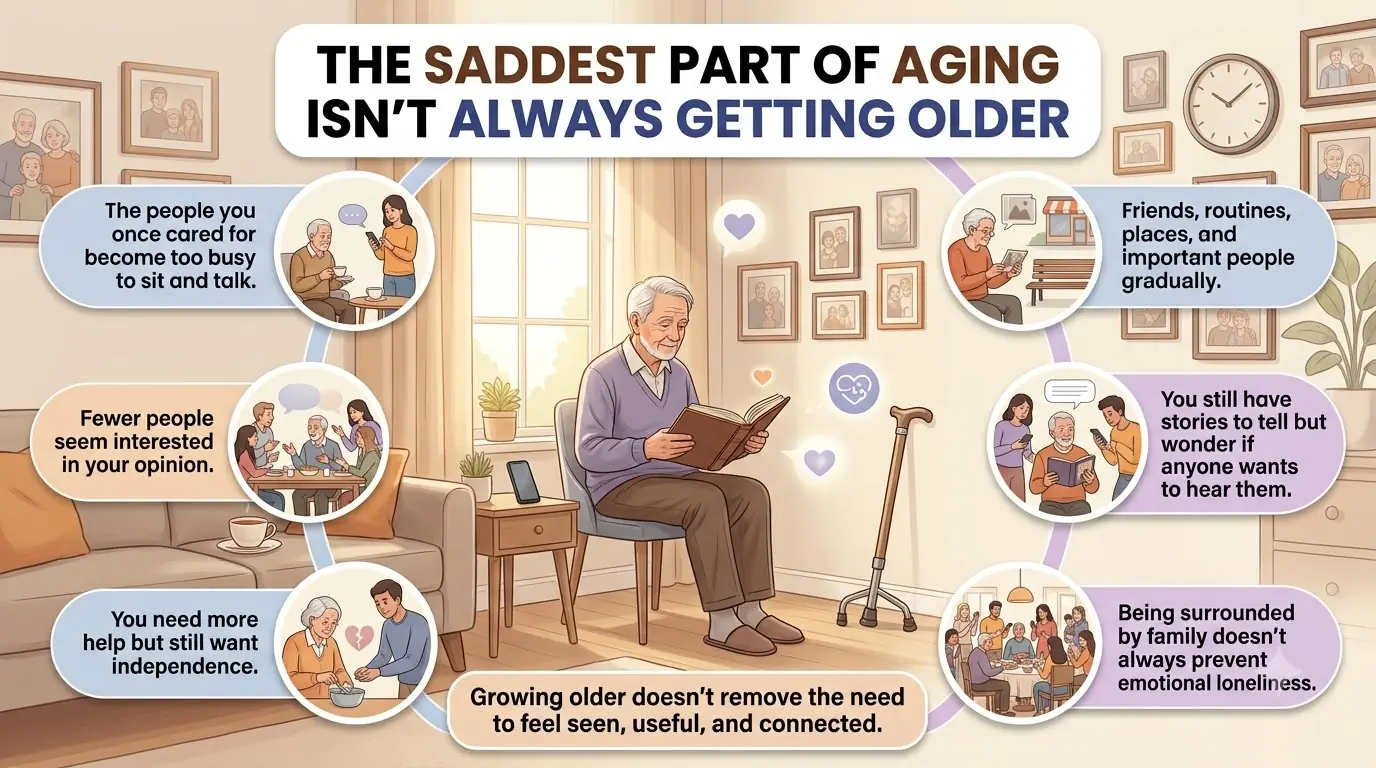
THE SADDEST PART OF AGING ISN'T ALWAYS GETTING OLDER
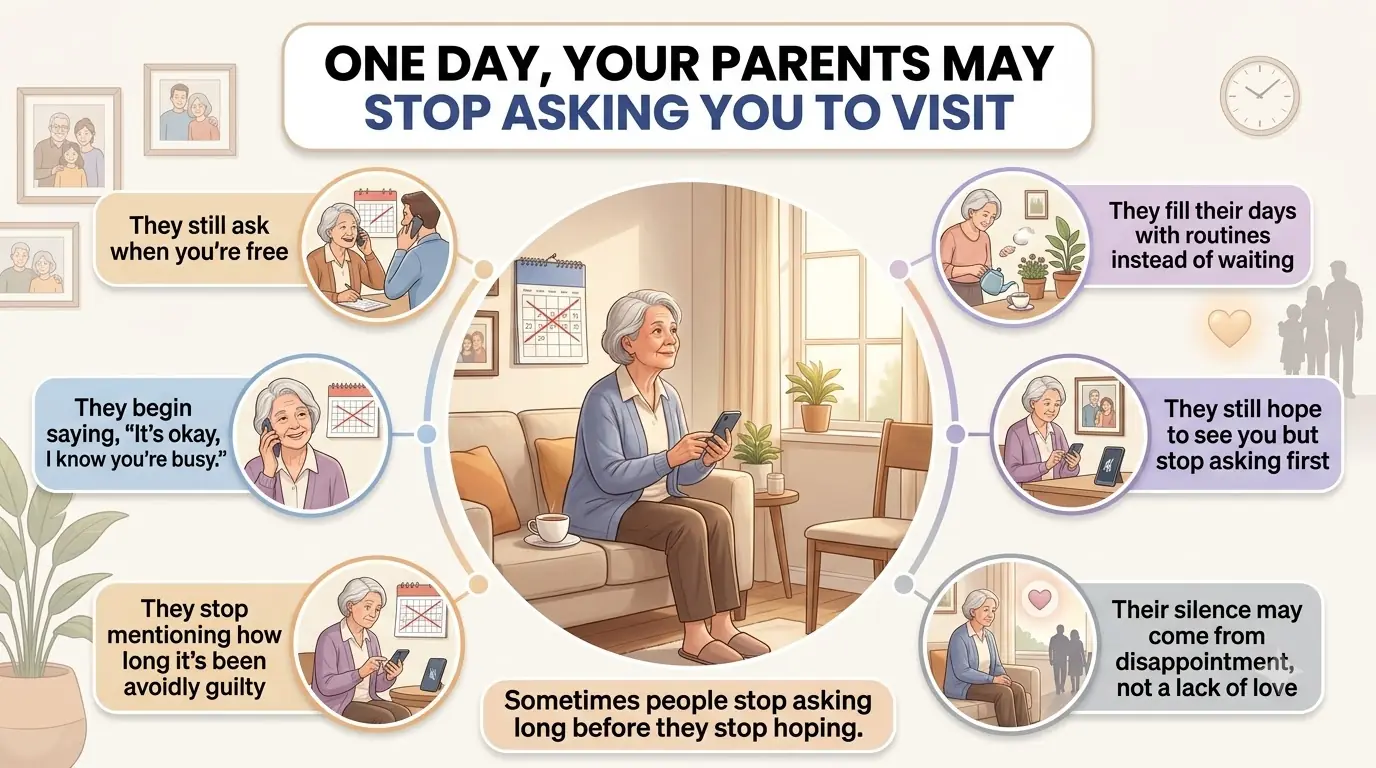
ONE DAY, YOUR PARENTS MAY STOP ASKING YOU TO VISIT
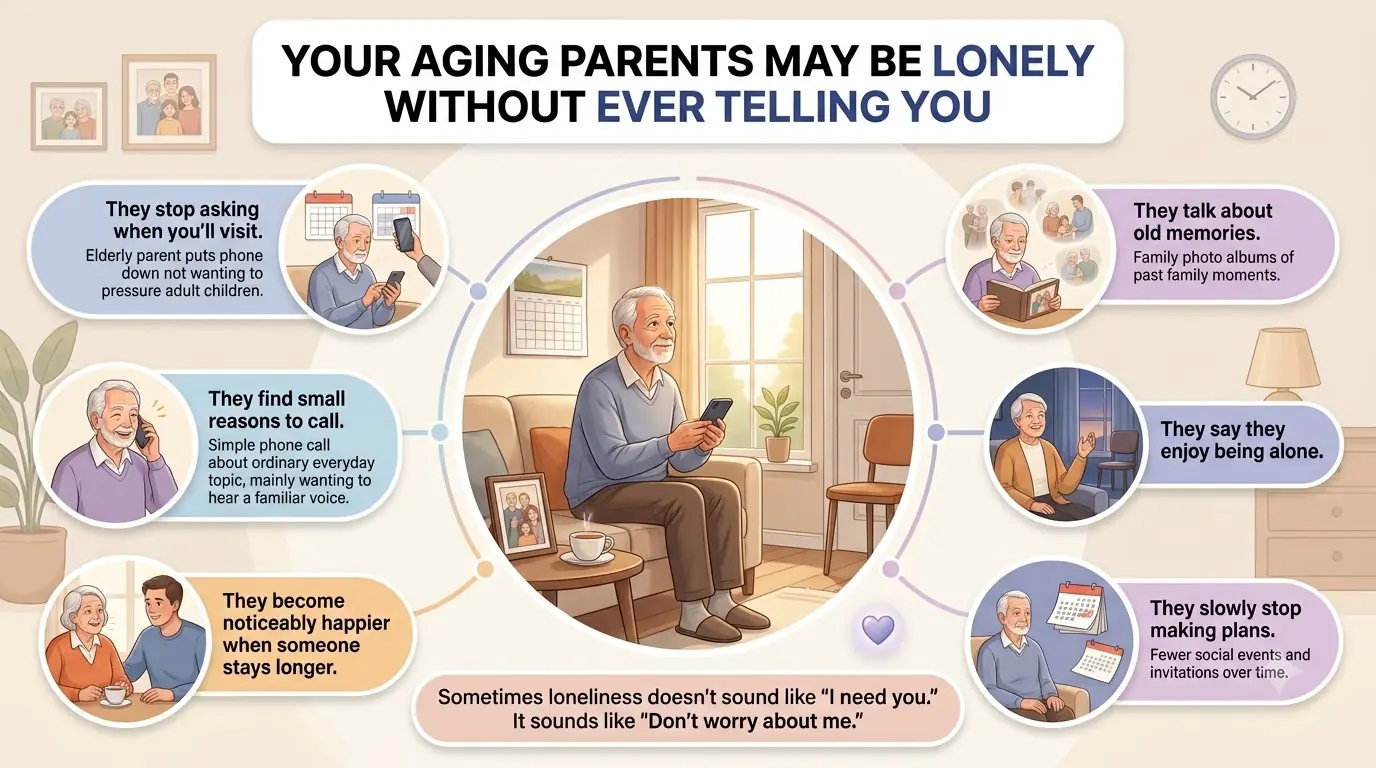
YOUR AGING PARENTS MAY BE LONELY WITHOUT EVER TELLING YOU
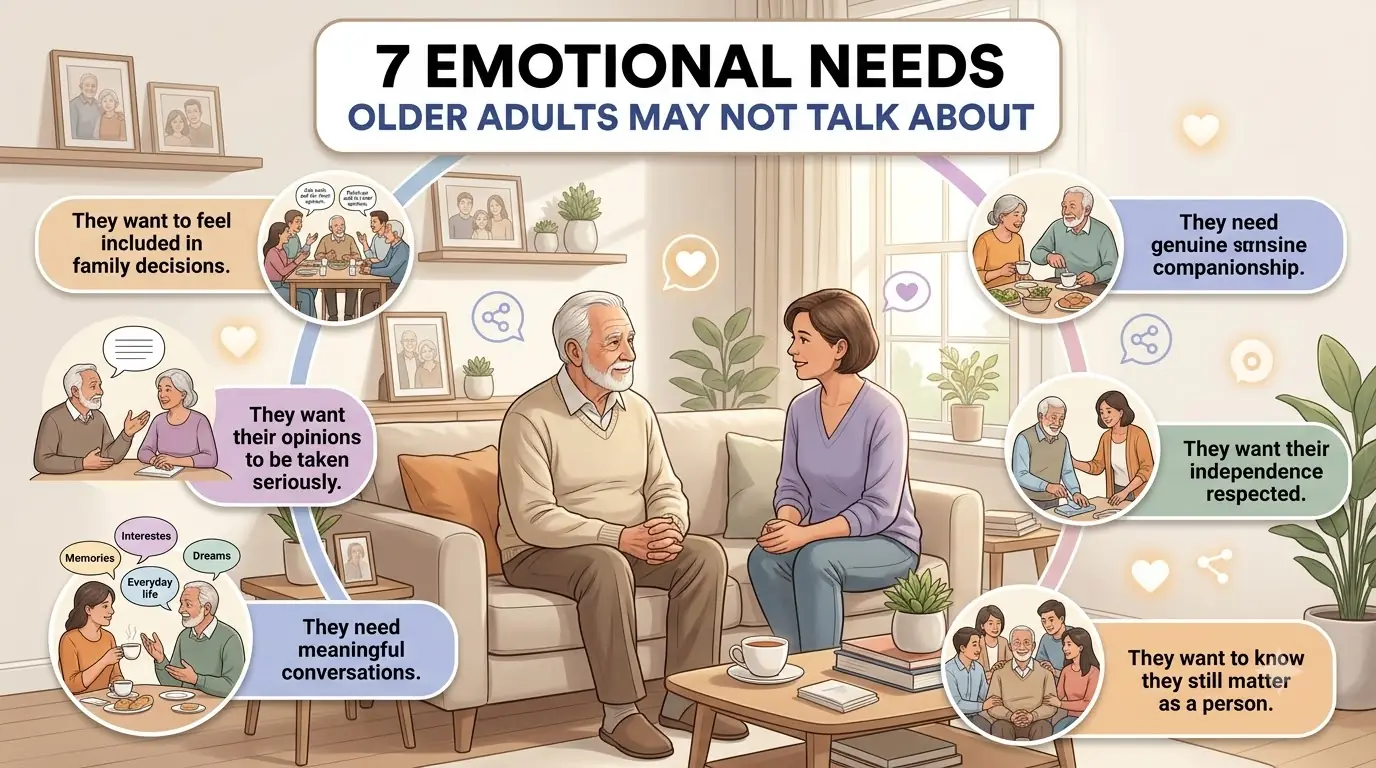
7 EMOTIONAL NEEDS OLDER ADULTS MAY NOT TALK ABOUT
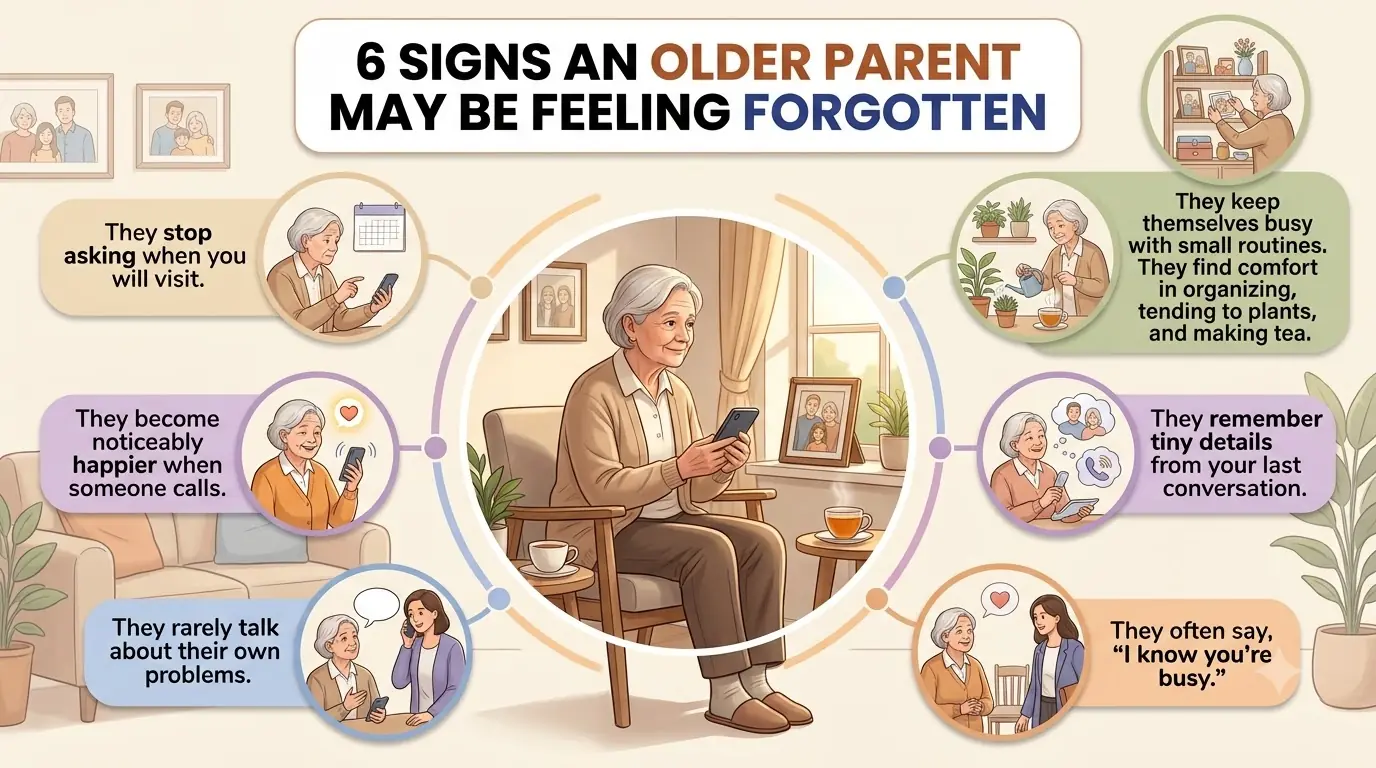
6 SIGNS AN OLDER PARENT MAY BE FEELING FORGOTTEN
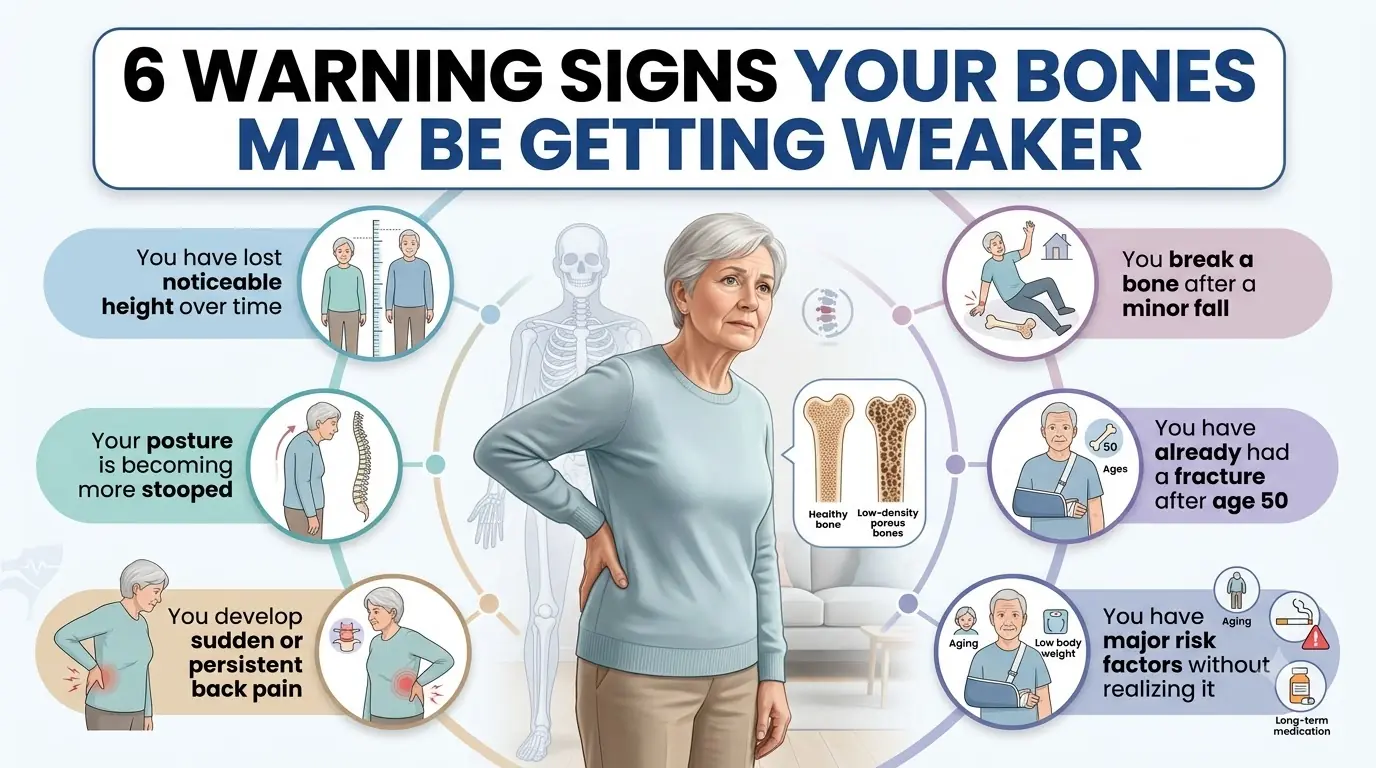
6 WARNING SIGNS YOUR BONES MAY BE GETTING WEAKER
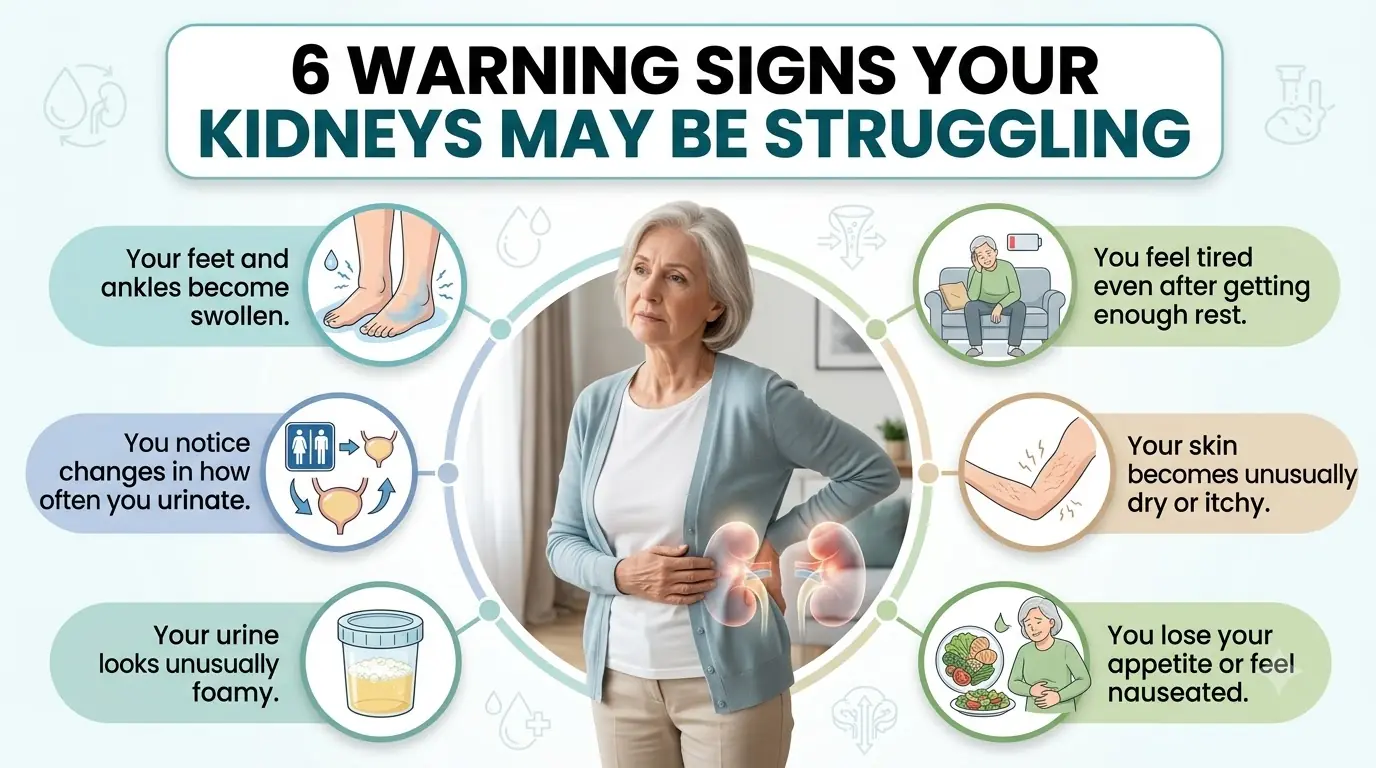
6 WARNING SIGNS YOUR KIDNEYS MAY BE STRUGGLING
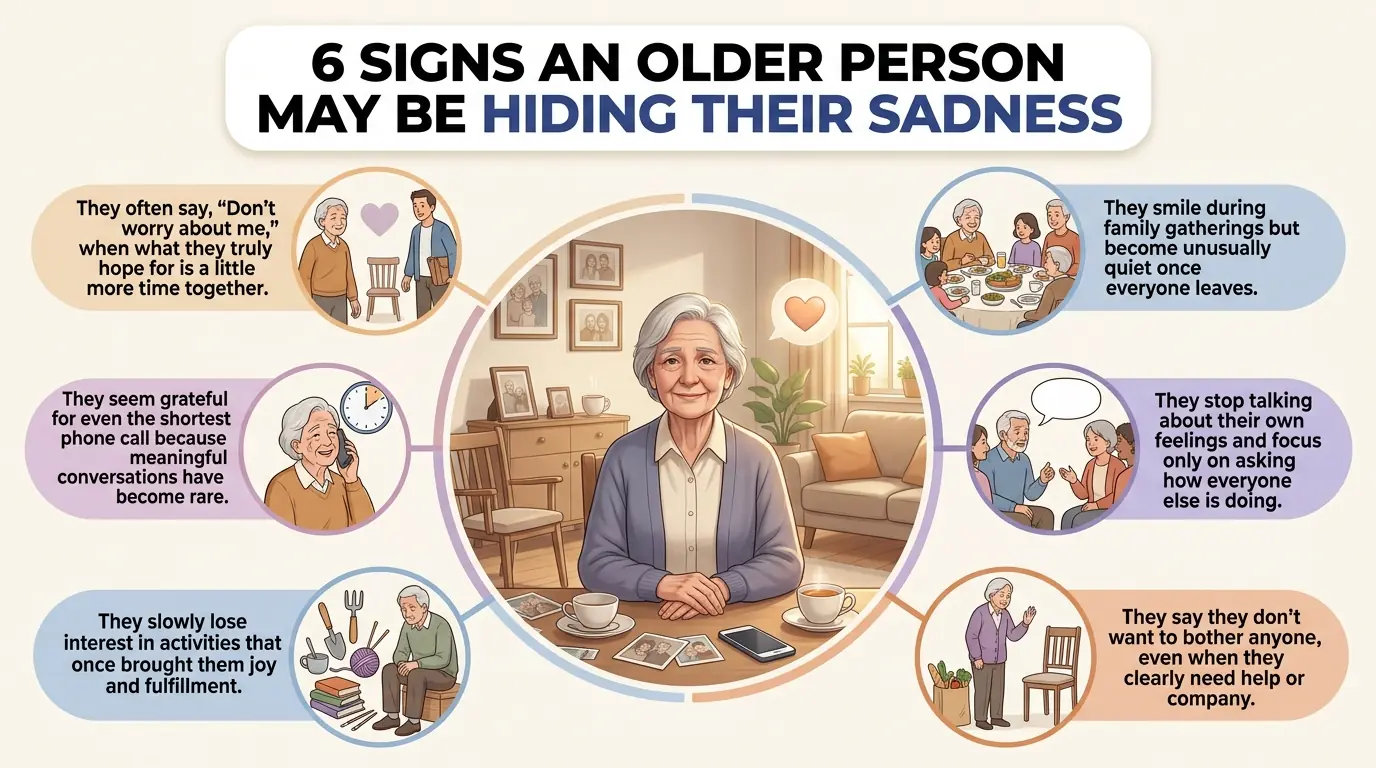
6 SIGNS AN OLDER PERSON MAY BE HIDING THEIR SADNESS