THE SADDEST PART OF AGING ISN'T ALWAYS GETTING OLDER
Reader Theme:
Font Size:
24px
THE SADDEST PART OF AGING ISN'T ALWAYS GETTING OLDER
Growing older is often discussed in terms of physical changes: weaker muscles, slower movement, health problems, or the need for more medical care. But for many older adults, some of the most difficult changes aren't physical at all. They involve relationships, independence, identity, and the feeling that the world they once knew is gradually changing around them.
Retirement can alter daily routines. Children build busy lives of their own. Friends may move away, become ill, or pass away. Familiar neighborhoods change, and activities that once provided purpose may become harder to continue.
None of these experiences are inevitable, and aging can also bring satisfaction, wisdom, meaningful relationships, and new experiences. Still, understanding the emotional challenges that can accompany later life can help families support older loved ones in ways that go beyond physical care.
Growing older doesn't remove the need to feel seen, useful, respected, and connected.
The Emotional Side of Aging Often Goes Unnoticed
Families naturally become concerned about an older person's physical well-being.
They ask:
“Did you take your medication?”
“How was your doctor's appointment?”
“Are you eating enough?”
“Do you need help getting groceries?”
These questions matter. But when conversations revolve almost entirely around health and practical needs, something important can disappear: genuine human connection.
Older adults remain people with opinions, interests, memories, hopes, frustrations, and a desire to contribute.
Supporting healthy aging means paying attention to those needs too.
1. The People They Once Cared for Become Busy
For decades, parents may organize much of their lives around their children.
They prepare meals, drive to school, attend activities, help during difficult moments, celebrate accomplishments, and make countless ordinary sacrifices.
Eventually, those children grow up.
Careers, marriages, children, household responsibilities, and financial pressures begin filling their schedules.
This transition is normal. Adult children aren't doing something wrong simply because they have busy lives.
But from an aging parent's perspective, the change can sometimes feel dramatic.
Someone who once heard about every detail of their child's day may now receive a short phone call once in a while.
That is why small moments can become meaningful.
A relaxed conversation, shared meal, or unexpected visit can remind an older parent that they remain part of your life rather than someone standing outside it.
2. They Have Experience but Feel Like Nobody Wants Their Opinion
Older adults may have decades of professional and personal experience, yet gradually notice that fewer people ask what they think.
Sometimes family members begin making decisions for them rather than with them.
This may happen with good intentions, particularly when health or safety becomes a concern.
But unnecessarily excluding someone from decisions can affect their sense of autonomy and dignity.
Being respected doesn't mean everyone must agree.
It means being allowed to participate.
Ask questions such as:
“What do you think?”
“What would you prefer?”
“How would you like to handle this?”
Even when assistance is necessary, older adults should remain involved in decisions about their lives whenever possible.
3. They Need Help but Still Want Independence
One of the most complicated transitions in later life can be accepting assistance.
Tasks that once felt effortless—driving, shopping, maintaining a home, managing medications, or preparing meals—may become more difficult.
Family members naturally want to help.
But there is an important difference between supporting someone and taking over their life.
When possible, ask before stepping in.
Instead of saying:
“You can't do that anymore.”
Consider:
“Would it help if I did this part with you?”
Small choices can preserve a sense of control.
Choosing meals, clothing, activities, schedules, and how assistance is provided may seem minor, but these decisions can represent something much larger: independence.
4. Familiar People and Places Gradually Disappear
Aging often involves experiencing repeated changes and losses.
A longtime friend may pass away.
A favorite store may close.
A spouse may die.
A familiar neighborhood may change.
Someone may have to stop driving or move away from a home where they lived for decades.
Individually, each change can be difficult. Together, they may create a profound sense that the familiar world is disappearing.
This is one reason reminiscing can become meaningful.
Old photographs, family stories, familiar music, recipes, and traditions can help people maintain connections to important parts of their identity.
But remembering the past shouldn't mean giving up on the future.
New routines, friendships, hobbies, and experiences can remain meaningful at any age.
5. They Have Stories but Wonder Whether Anyone Wants to Listen
You may have heard the same family story many times.
Your parent remembers exactly where everyone was sitting, what happened next, and how they felt decades ago.
It's easy to respond:
“You've told me this before.”
But repeated stories aren't necessarily meaningless.
Older adults may revisit memories because those experiences remain central to who they are. Reminiscing can also be an enjoyable form of social connection.
Instead of immediately stopping a familiar story, occasionally ask something you haven't asked before.
“What happened afterward?”
“How did you feel about that at the time?”
“What was Grandpa like when you were young?”
You might discover details you've never heard.
More importantly, attentive listening communicates that the person telling the story still matters.
6. Family Can Be Nearby and Someone Can Still Feel Alone
Loneliness isn't simply the absence of people.
Someone can live alone and feel socially fulfilled, while another person can sit at a crowded family table and feel invisible.
What matters is whether relationships provide the connection someone actually wants.
An older adult may feel emotionally isolated when conversations happen around them rather than with them, particularly if hearing difficulties, cognitive changes, or generational differences make participation harder.
They may gradually become quieter during gatherings.
Small adjustments can help:
- Sit close enough for them to hear.
- Include them in conversations.
- Ask for their opinion.
- Avoid constantly interrupting them.
- Put phones away occasionally.
- Spend some one-on-one time together.
Presence and connection aren't always the same thing.
Why Purpose Still Matters
One emotional need that can be overlooked in later life is the desire to remain useful.
Retirement, grown children, or increasing physical limitations can remove roles that once provided a strong sense of purpose.
Older adults may suddenly find themselves receiving help far more often than giving it.
Look for opportunities that allow them to contribute.
They might:
- Teach a grandchild something.
- Share a recipe.
- Help plan a family event.
- Give advice about an area they know well.
- Volunteer.
- Care for plants or pets.
- Pass along family history.
Purpose doesn't have an expiration date.
Feeling that other people still benefit from your presence can remain meaningful throughout life.
How Families Can Support Emotional Well-Being
Supporting an older loved one doesn't necessarily require dramatic changes.
Consistency is often more valuable.
Consider:
- Calling regularly without needing anything.
- Visiting when realistically possible.
- Including them in everyday family activities.
- Asking about subjects other than health.
- Listening without rushing.
- Respecting their choices whenever safely possible.
- Helping them maintain friendships and hobbies.
- Asking for their advice.
- Creating future plans they can anticipate.
Most importantly, ask what they want rather than assuming what they need.
Some older adults want frequent contact. Others strongly value solitude and independence. Healthy support respects those individual differences.
When Emotional Changes Shouldn't Be Dismissed as Aging
Sadness, loneliness, and grief can occur at any age. However, persistent changes shouldn't automatically be considered a normal part of getting older.
Pay attention if an older adult develops:
- Persistent sadness or hopelessness.
- Loss of interest in activities.
- Significant withdrawal from friends or family.
- Major changes in sleep or appetite.
- Difficulty concentrating.
- Unusual personality or behavioral changes.
- Increasing problems with memory or everyday tasks.
Depression is not an inevitable consequence of aging.
Medical conditions, medication effects, hearing loss, chronic pain, grief, and cognitive disorders can also affect mood and social behavior. A healthcare professional can help determine what may be contributing.
Key Takeaways
- Some of the hardest parts of aging can involve changes in relationships, independence, identity, and purpose rather than physical aging itself.
- Busy adult children can remain meaningfully connected through small, consistent interactions.
- Older adults still benefit from having their opinions heard and their choices respected.
- Providing assistance doesn't have to mean removing independence.
- Losing familiar people, places, and routines can have a significant emotional impact.
- Listening to an older person's stories can reinforce identity and connection.
- Being surrounded by people doesn't automatically prevent loneliness.
- Growing older never eliminates the human need to feel respected, useful, loved, and included.
Medical Disclaimer
This article is for general educational purposes and is not intended to diagnose or treat loneliness, depression, cognitive decline, or any other medical or mental health condition. Aging experiences vary considerably from person to person. Persistent sadness, social withdrawal, loss of interest, significant behavioral changes, or declining everyday functioning should be discussed with a qualified healthcare professional.
News in the same category
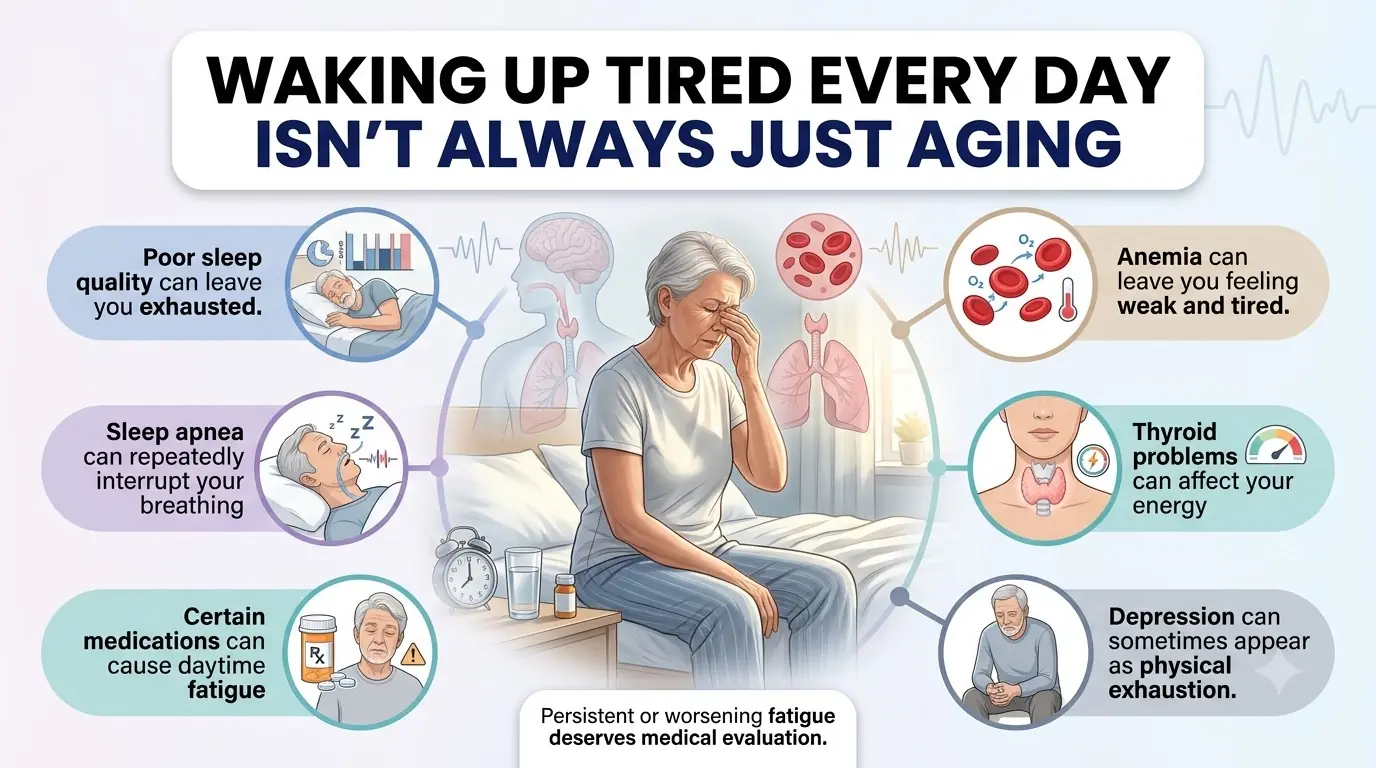
WAKING UP TIRED EVERY DAY ISN’T ALWAYS JUST AGING
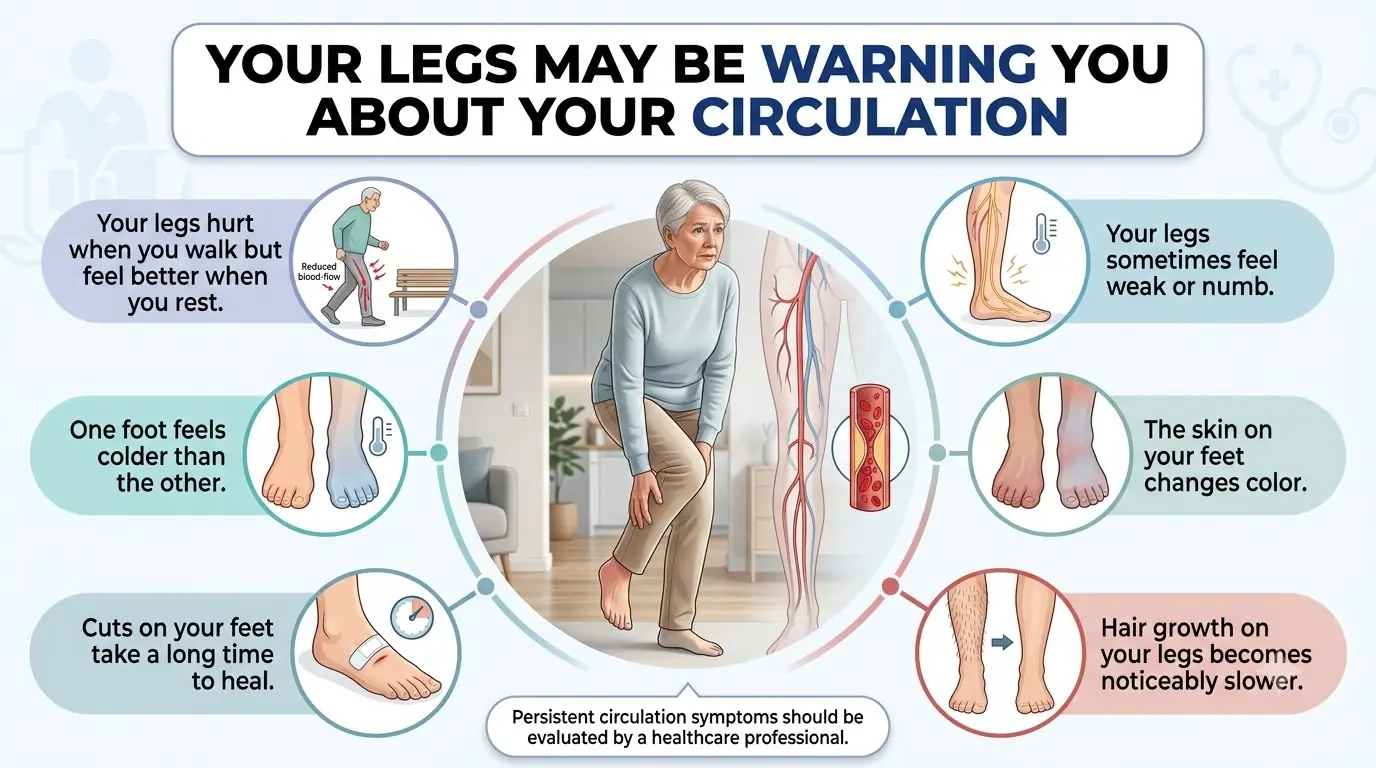
YOUR LEGS MAY BE WARNING YOU ABOUT YOUR CIRCULATION
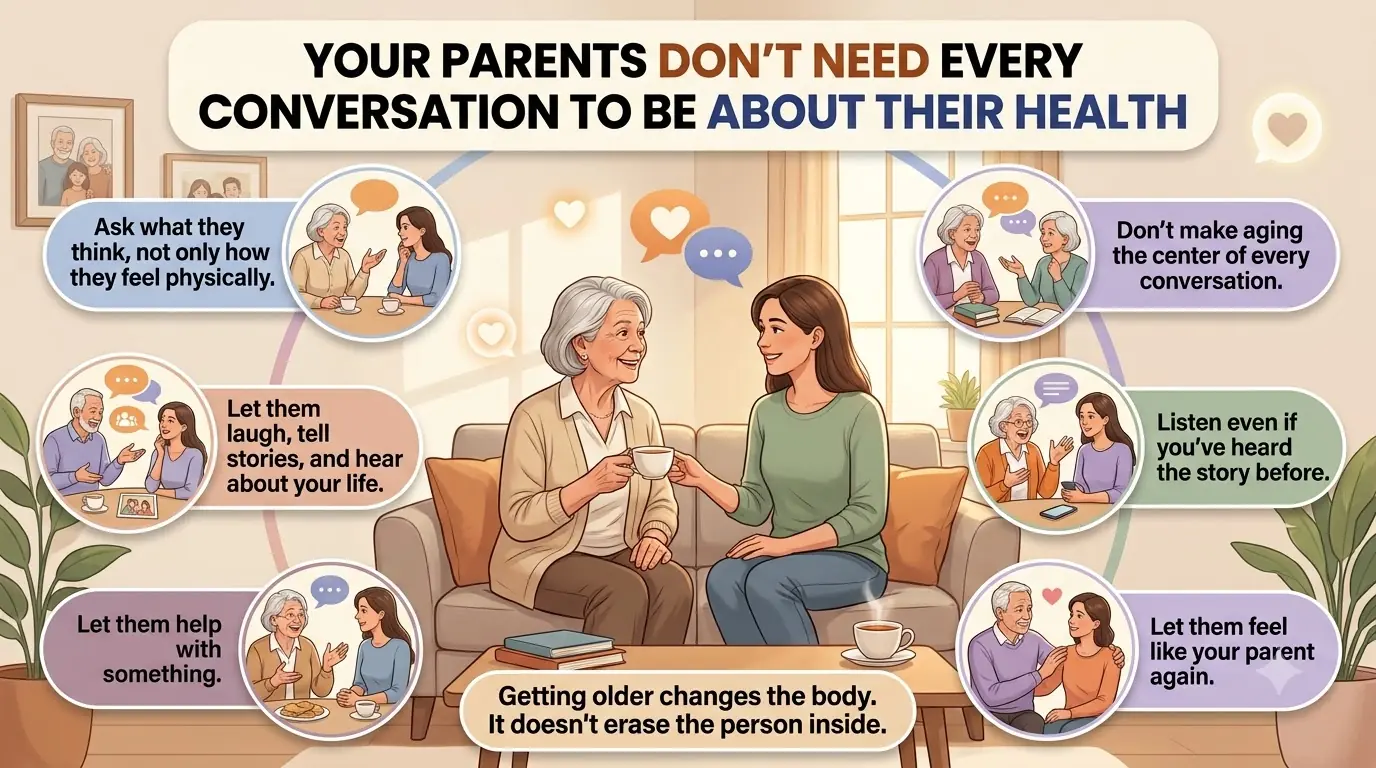
YOUR PARENTS DON'T NEED EVERY CONVERSATION TO BE ABOUT THEIR HEALTH
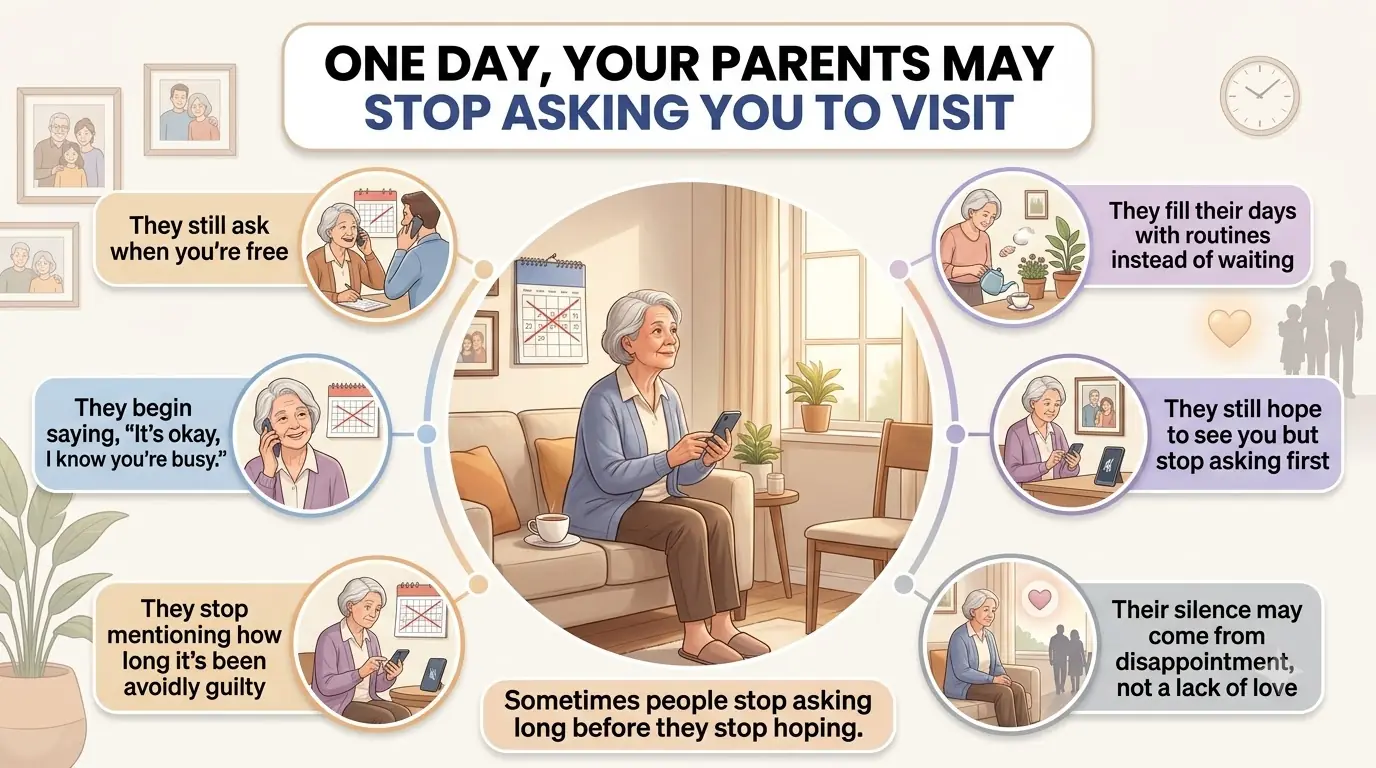
ONE DAY, YOUR PARENTS MAY STOP ASKING YOU TO VISIT
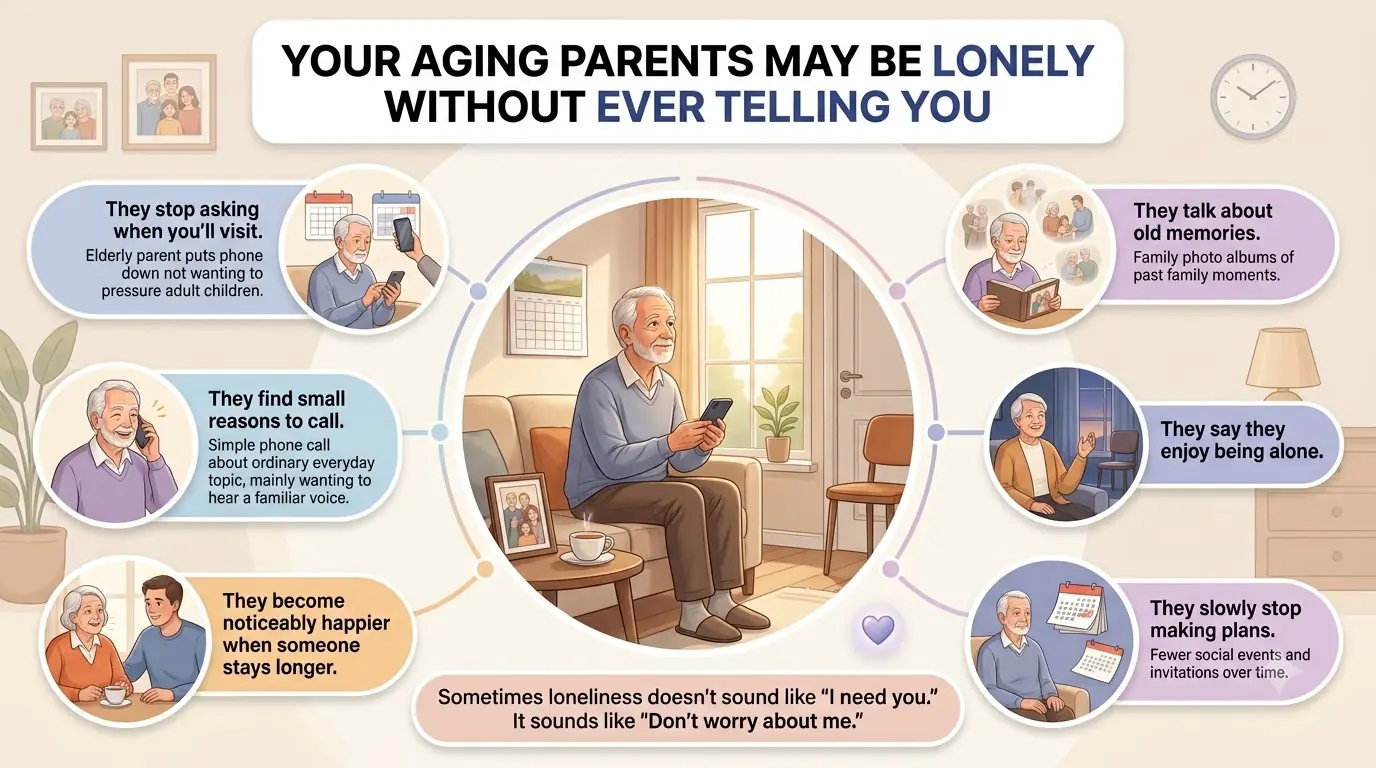
YOUR AGING PARENTS MAY BE LONELY WITHOUT EVER TELLING YOU
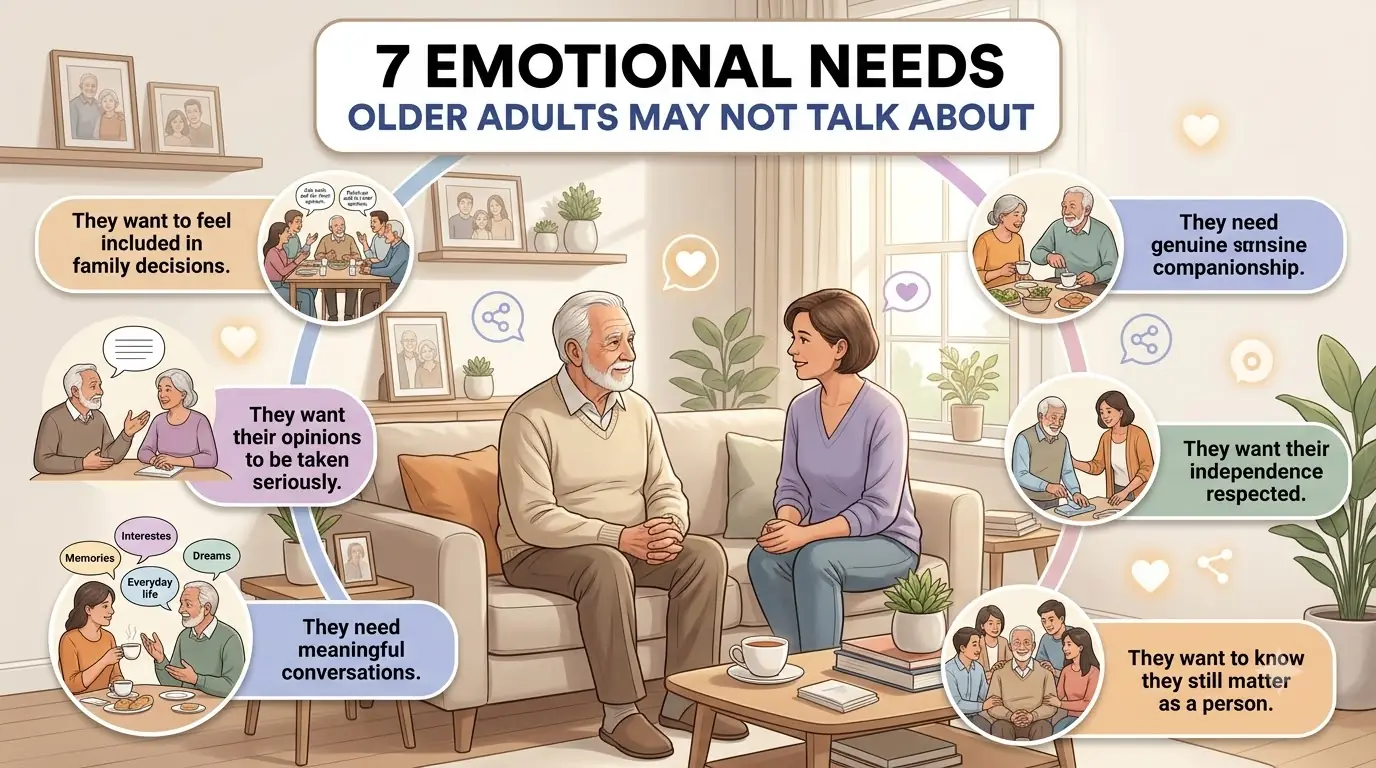
7 EMOTIONAL NEEDS OLDER ADULTS MAY NOT TALK ABOUT
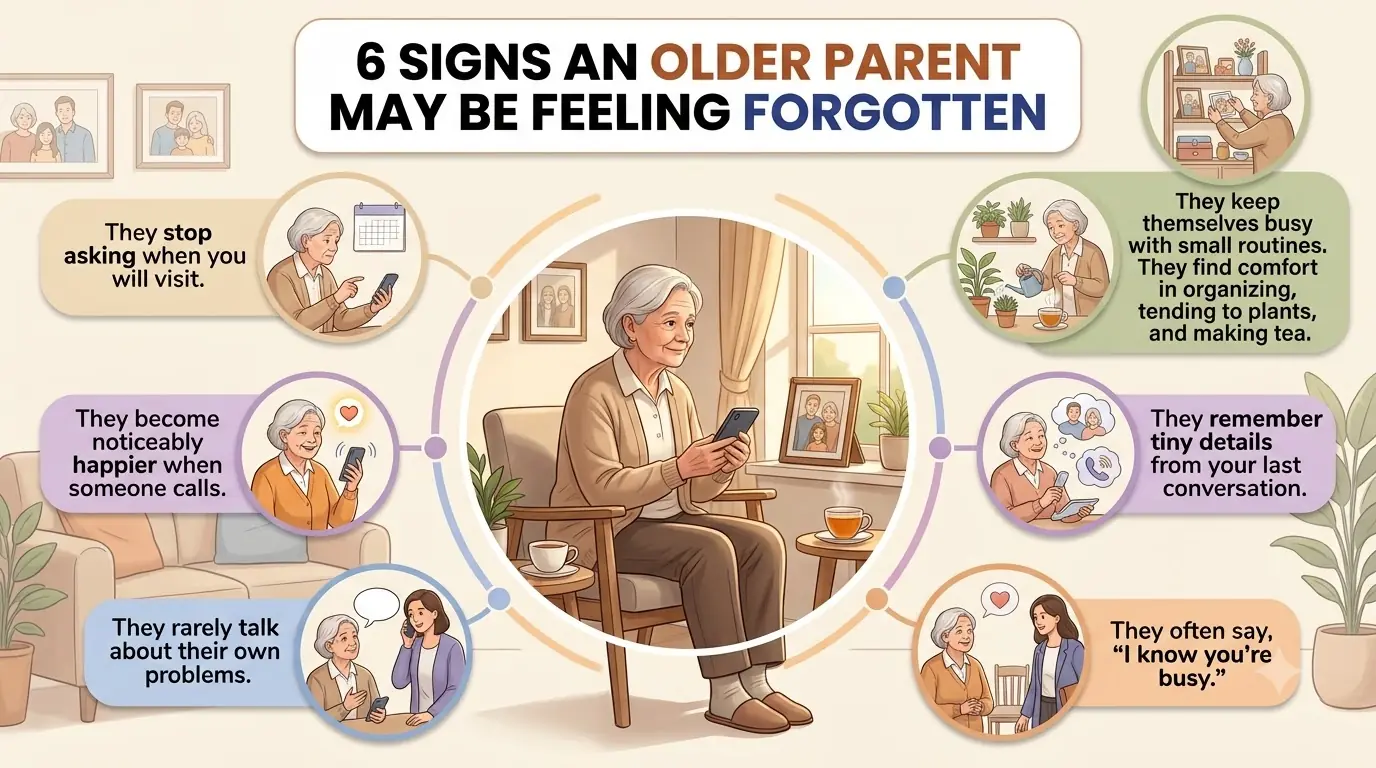
6 SIGNS AN OLDER PARENT MAY BE FEELING FORGOTTEN
6 WARNING SIGNS YOUR BONES MAY BE GETTING WEAKER
6 WARNING SIGNS YOUR KIDNEYS MAY BE STRUGGLING
6 SIGNS AN OLDER PERSON MAY BE HIDING THEIR SADNESS
6 MISTAKES ADULT CHILDREN OFTEN MAKE WITHOUT REALIZING
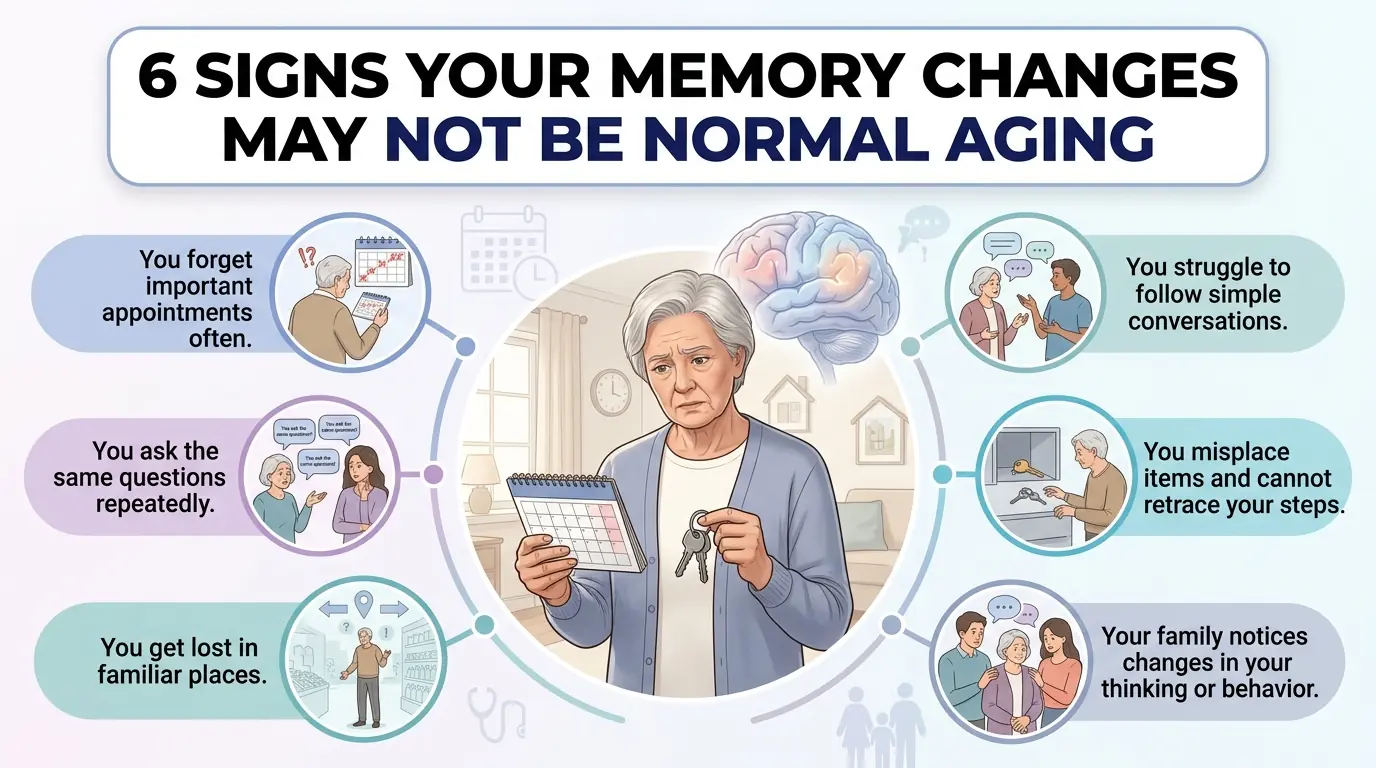
6 WARNING SIGNS YOUR LEGS MAY HAVE POOR CIRCULATION
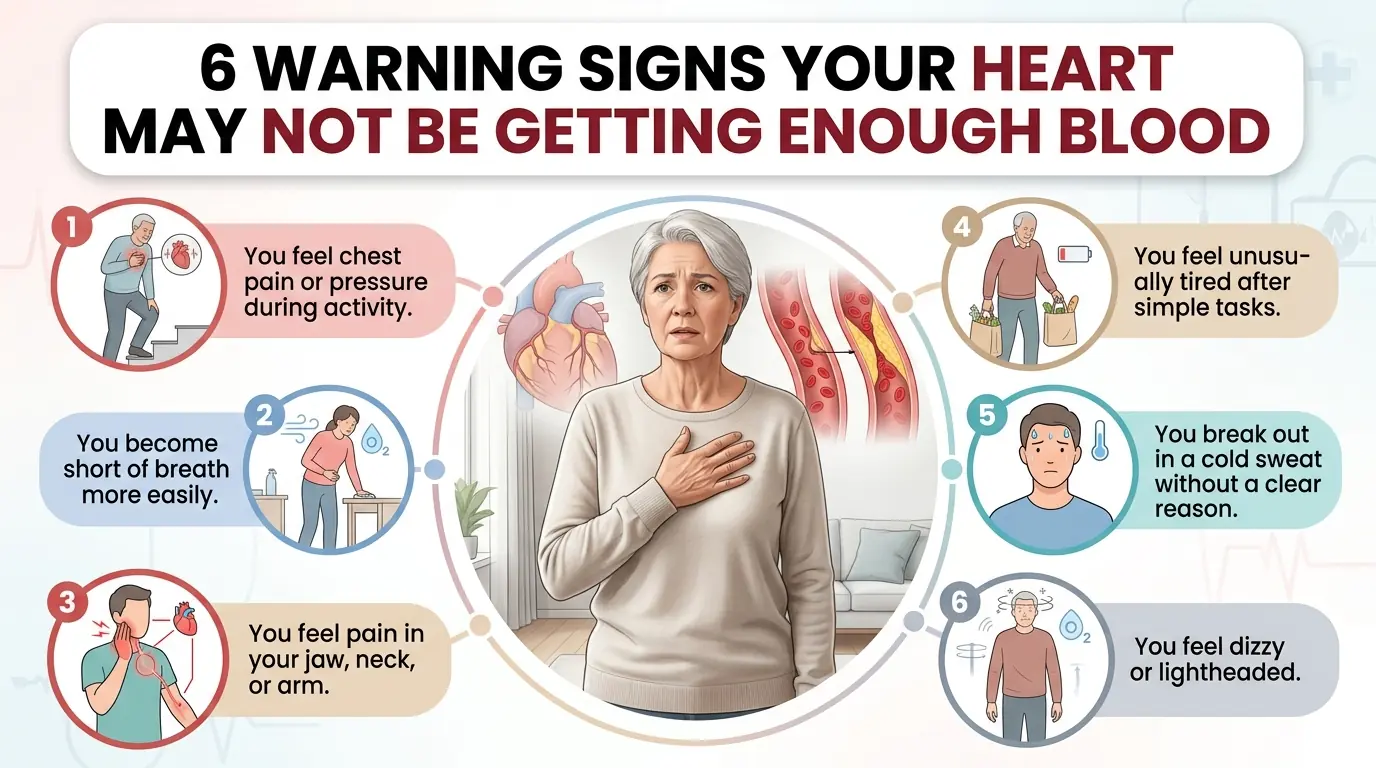
6 SIGNS YOUR MEMORY CHANGES MAY NOT BE NORMAL AGING
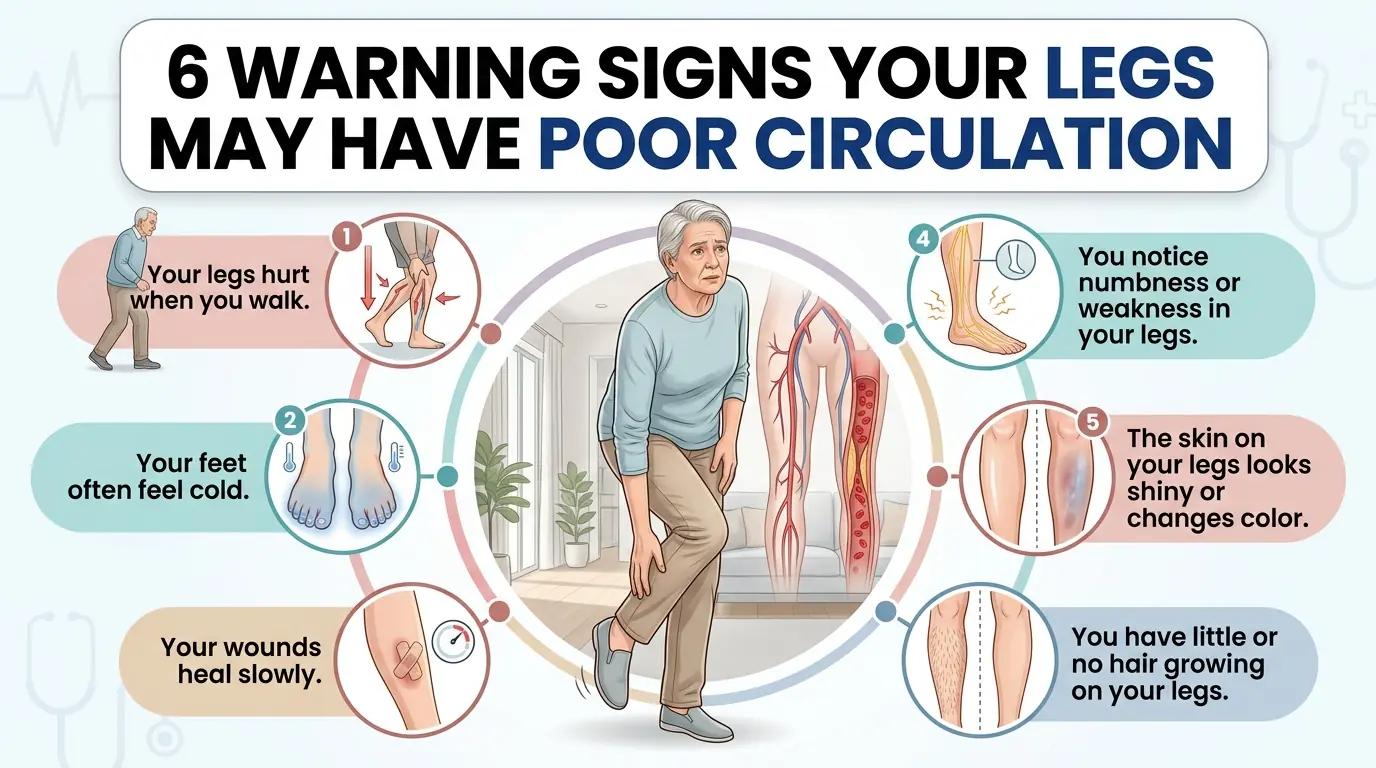
6 WARNING SIGNS YOUR BODY MAY BE DEVELOPING DIABETES
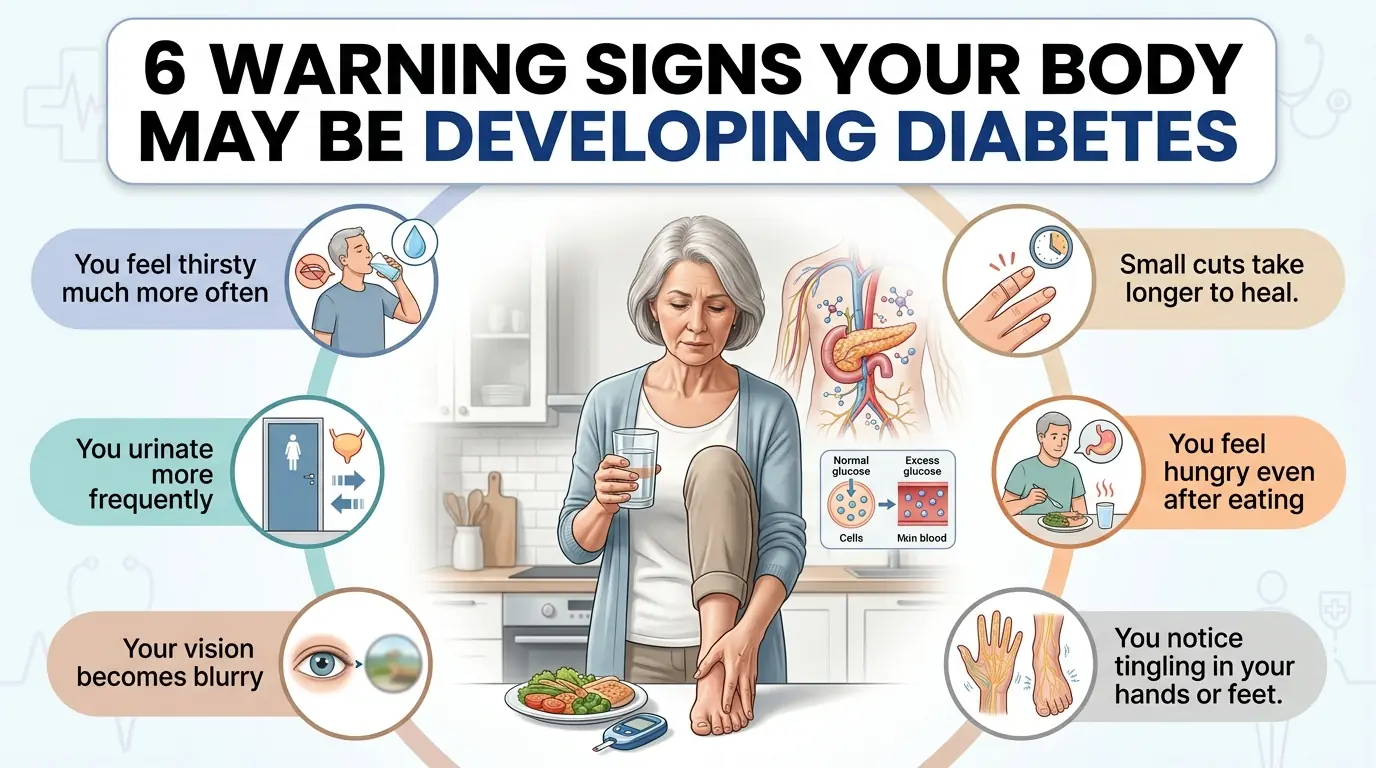
6 WARNING SIGNS YOUR HEART MAY NOT BE GETTING ENOUGH BLOOD
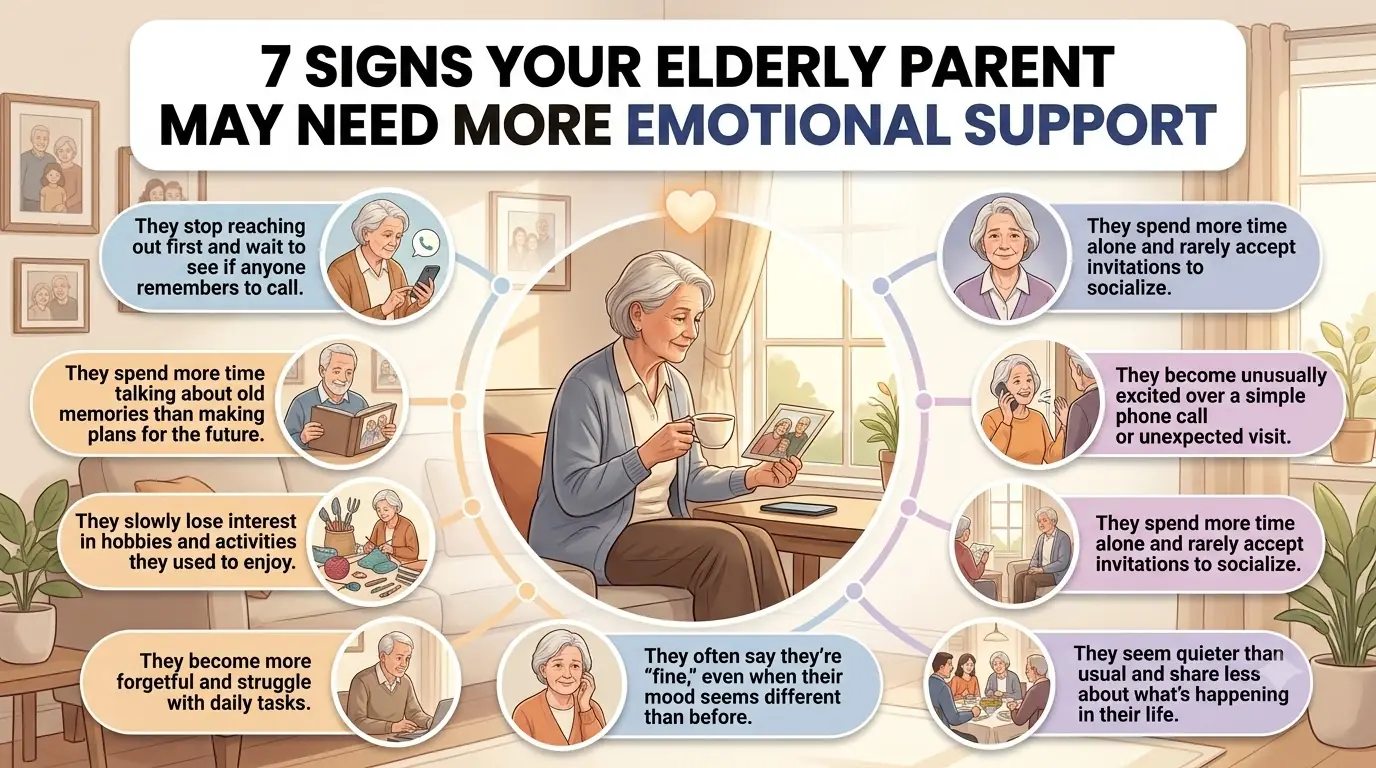
7 SIGNS YOUR ELDERLY PARENT MAY NEED MORE EMOTIONAL SUPPORT