THE WAY YOU SLEEP MAY CHANGE MORE THAN YOUR ENERGY
Reader Theme:
Font Size:
24px
THE WAY YOU SLEEP MAY CHANGE MORE THAN YOUR ENERGY
Sleep is often treated as something that simply determines whether you feel tired the next morning. In reality, sleep supports many important functions throughout the body, including attention, memory, cardiovascular health, metabolism, appetite regulation, and emotional well-being.
As people get older, sleep patterns can change. Sleep may become lighter, nighttime awakenings may become more frequent, and some people find themselves going to bed and waking earlier than they did when they were younger. But persistent poor-quality sleep, severe daytime sleepiness, or major changes in sleeping patterns shouldn't automatically be dismissed as normal aging.
Sometimes the problem is behavioral. Other times, medications, chronic pain, sleep apnea, depression, or another medical condition may be interfering with restorative sleep.
Understanding what happens when sleep quality declines can help you recognize when a few restless nights have become something worth addressing.
Why Is Sleep So Important for Healthy Aging?
While you sleep, your body isn't simply “turned off.”
Your brain moves through several stages of sleep, including rapid eye movement (REM) sleep and non-REM sleep. These stages perform different functions and repeat in cycles throughout the night.
Adequate, good-quality sleep supports processes involved in:
- Learning and memory.
- Attention and concentration.
- Immune function.
- Hormone regulation.
- Cardiovascular health.
- Metabolism.
- Emotional regulation.
- Physical recovery.
The amount of sleep someone needs varies, but quality matters alongside quantity.
You can spend many hours in bed and still wake exhausted if your sleep is repeatedly interrupted.
1. Poor Sleep Can Affect Concentration and Memory
After a bad night of sleep, you may notice that concentrating takes more effort.
You might forget small details, lose your train of thought, have difficulty learning new information, or feel mentally slower than usual.
Sleep plays an important role in memory processing. During sleep, the brain helps organize and consolidate information acquired while you're awake.
Poor sleep can therefore temporarily affect cognitive performance.
This becomes especially relevant for older adults because sleep problems can sometimes resemble—or worsen—other cognitive difficulties.
Someone who is chronically sleep-deprived may appear forgetful or distracted even when the primary problem is inadequate sleep.
That doesn't mean persistent memory problems should simply be blamed on sleep. Increasing forgetfulness, confusion, or difficulty performing familiar everyday activities deserves medical evaluation.
But when evaluating cognitive complaints, sleep quality is an important part of the picture.
2. Regularly Sleeping Too Little May Affect Heart and Metabolic Health
An occasional short night is unlikely to determine your long-term health.
The bigger concern is a persistent pattern of inadequate sleep.
Regularly getting insufficient sleep has been associated with cardiovascular and metabolic problems, including increased risks related to high blood pressure, obesity, type 2 diabetes, and heart disease.
Sleep interacts with systems that regulate blood pressure, stress hormones, glucose metabolism, and inflammation.
Poor sleep may also indirectly affect health.
When you're exhausted, you're often less likely to exercise and may find it harder to maintain healthy eating habits.
The relationship works both ways. Medical problems can interfere with sleep, while chronic sleep disruption can make some health conditions harder to manage.
That's one reason persistent sleep problems deserve more attention than simply trying to compensate with extra coffee.
3. Sleep Apnea Can Interrupt Breathing Without You Realizing It
One important cause of poor-quality sleep is obstructive sleep apnea.
During obstructive sleep apnea, the upper airway repeatedly narrows or closes during sleep. Breathing decreases or temporarily stops, and the brain briefly activates to reopen the airway.
These episodes may occur many times during the night.
The surprising part is that you may have no memory of them.
Instead, clues can include:
- Loud snoring.
- Gasping or choking during sleep.
- Someone noticing pauses in your breathing.
- Morning headaches.
- Dry mouth after waking.
- Difficulty concentrating.
- Excessive daytime sleepiness.
- Waking without feeling refreshed.
Not everyone who snores has sleep apnea, but loud snoring combined with witnessed breathing pauses or significant daytime sleepiness deserves medical attention.
Untreated sleep apnea is also associated with cardiovascular problems, making appropriate diagnosis and treatment important.
4. Poor-Quality Sleep Can Influence Appetite
Have you ever noticed that after a terrible night's sleep, highly palatable foods seem especially appealing?
Sleep and appetite are connected through complex hormonal and brain signaling systems.
Insufficient sleep can affect hormones involved in hunger and fullness while also influencing areas of the brain involved in food choices and reward.
As a result, chronic sleep restriction may make maintaining healthy eating habits more difficult for some people.
This doesn't mean poor sleep automatically causes weight gain. Body weight is influenced by many factors, including diet, activity, genetics, medications, health conditions, and environment.
But sleep is one part of metabolic health that shouldn't be ignored.
Improving sleep may make other healthy habits easier to maintain.
5. Daytime Sleepiness Can Be a Clue That Sleep Isn't Restorative
Feeling slightly sleepy after a late night is understandable.
Regularly struggling to stay awake during ordinary daytime activities is different.
Excessive daytime sleepiness can indicate that nighttime sleep isn't providing adequate restoration.
You may notice yourself:
- Falling asleep while watching television.
- Frequently dozing while reading.
- Needing multiple naps.
- Struggling to concentrate.
- Feeling exhausted despite spending enough time in bed.
Sleep apnea is one possible explanation, but it isn't the only one.
Insufficient sleep, certain medications, depression, other sleep disorders, and medical conditions can also contribute.
Severe sleepiness becomes particularly concerning when it affects driving.
If you're struggling to remain awake behind the wheel, don't drive until the problem has been appropriately addressed.
6. Persistent Sleep Changes Can Be Related to Medications or Health Conditions
Sometimes the problem isn't your bedtime routine.
A medical condition or medication may be interfering with sleep.
Potential contributors include:
- Chronic pain.
- Depression or anxiety.
- Restless legs syndrome.
- Sleep apnea.
- Frequent nighttime urination.
- Heart or lung conditions.
- Certain neurological disorders.
- Medication side effects.
Some medications may cause daytime drowsiness, while others can make falling or staying asleep more difficult.
Timing can matter too.
If your sleep changed shortly after starting a medication or changing a dose, tell your healthcare provider or pharmacist.
Don't stop prescribed medication on your own. A professional can determine whether the medication may be contributing and whether an adjustment is appropriate.
How Does Sleep Normally Change With Age?
Some sleep changes are common as people grow older.
Older adults may:
- Go to sleep earlier.
- Wake earlier.
- Experience lighter sleep.
- Wake more frequently during the night.
- Spend less time in certain stages of deep sleep.
However, poor sleep shouldn't automatically be considered inevitable with aging.
Frequently waking because of pain, breathing problems, urinary symptoms, medication effects, or another medical condition may indicate something that can be addressed.
Similarly, feeling exhausted every day despite adequate opportunity to sleep isn't something you simply have to accept because you're older.
How Much Sleep Do Older Adults Need?
Sleep needs vary between individuals.
For most adults, including older adults, roughly seven to nine hours of sleep per night is generally considered an appropriate range, although individual needs differ.
More important than chasing an exact number is considering how you function during the day.
Ask yourself:
Do I wake feeling reasonably refreshed?
Can I stay alert during normal daytime activities?
Do I regularly need long naps because I'm exhausted?
Does sleepiness interfere with my concentration, mood, or daily life?
Those answers can sometimes reveal more than simply counting hours in bed.
Habits That Can Support Better Sleep
Good sleep habits won't cure every sleep disorder, but they provide an important foundation.
Keep a Consistent Schedule
Try to go to bed and wake at approximately the same times each day.
A regular schedule helps reinforce your body's sleep-wake rhythm.
Get Daytime Light
Natural daylight—particularly earlier in the day—helps regulate your internal body clock.
Stay Physically Active
Regular physical activity can support sleep quality as well as cardiovascular, metabolic, and muscle health.
Choose activities appropriate for your health and physical abilities.
Be Careful With Caffeine
Caffeine can remain in the body for hours.
If you have difficulty sleeping, consider reducing caffeine later in the day.
Limit Alcohol Near Bedtime
Alcohol may initially make you feel sleepy, but it can disrupt sleep later in the night and worsen some sleep-related breathing problems.
Create a Sleep-Friendly Bedroom
A quiet, dark, comfortable sleeping environment can make it easier to maintain uninterrupted sleep.
Don't Automatically Reach for a Sleeping Pill
When sleep becomes difficult, taking an over-the-counter sleep aid may seem like an easy solution.
But some sleep medications can cause side effects, particularly in older adults.
Depending on the product, these can include:
- Daytime drowsiness.
- Confusion.
- Dizziness.
- Problems with balance.
- Increased fall risk.
Some medications can also lose effectiveness with regular use or create dependence.
If insomnia persists, talk with a healthcare professional rather than relying indefinitely on sleep aids.
For chronic insomnia, cognitive behavioral therapy for insomnia (CBT-I) is an evidence-based treatment that helps address behaviors and thought patterns that interfere with sleep.
Who Is More Likely to Have Sleep Problems?
Sleep difficulties can affect anyone, but certain circumstances may increase the likelihood.
Pay particular attention to sleep if you:
- Snore loudly.
- Have witnessed pauses in breathing.
- Have chronic pain.
- Take multiple medications.
- Experience frequent nighttime urination.
- Have depression or anxiety.
- Have restless or uncomfortable legs at night.
- Consume substantial caffeine or alcohol.
- Have an irregular sleeping schedule.
Older adults taking several medications may particularly benefit from periodic medication review.
When Should You See a Doctor?
Consider discussing your sleep with a healthcare professional if:
- You regularly struggle to fall or stay asleep.
- You wake exhausted despite adequate time in bed.
- You experience significant daytime sleepiness.
- Someone notices you stop breathing during sleep.
- You frequently wake gasping or choking.
- Sleep problems interfere with your everyday activities.
- Your sleep pattern changes significantly without an obvious explanation.
Keeping a sleep diary before your appointment can help.
Record your bedtime, estimated sleep time, awakenings, morning wake time, naps, caffeine and alcohol use, and daytime symptoms.
If sleep apnea is suspected, a healthcare professional may recommend a sleep study.
When Sleepiness Becomes a Safety Issue
Severe sleepiness isn't merely uncomfortable.
It can become dangerous when driving, operating equipment, cooking, or performing activities where a lapse in attention could cause injury.
If you repeatedly struggle to stay awake while driving, stop driving and seek medical evaluation.
Similarly, sudden extreme sleepiness accompanied by confusion, fainting, weakness, difficulty speaking, severe shortness of breath, or other acute symptoms requires prompt medical attention.
Key Takeaways
- Sleep affects much more than how energetic you feel the next morning.
- Poor-quality sleep can temporarily interfere with concentration, learning, and memory.
- Chronic insufficient sleep is associated with cardiovascular and metabolic health problems.
- Sleep apnea can repeatedly interrupt breathing without fully waking you.
- Inadequate sleep can influence appetite regulation and food choices.
- Excessive daytime sleepiness can indicate that nighttime sleep isn't restorative.
- Medications and underlying health conditions can significantly affect sleep.
- Some sleep patterns change with age, but persistent exhaustion and severe sleep disruption shouldn't automatically be dismissed as normal aging.
- Healthy sleep remains an important part of physical, cognitive, and emotional well-being throughout life.
Medical Disclaimer
This article is for educational purposes only and is not a substitute for professional medical advice, diagnosis, or treatment. Sleep problems can have many causes, including lifestyle factors, medications, sleep disorders, and underlying medical conditions. If you experience persistent insomnia, excessive daytime sleepiness, witnessed pauses in breathing, or significant changes in your normal sleep pattern, consult a qualified healthcare professional for appropriate evaluation.
News in the same category
WHAT YOUR WALKING SPEED CAN REVEAL ABOUT YOUR HEALTH
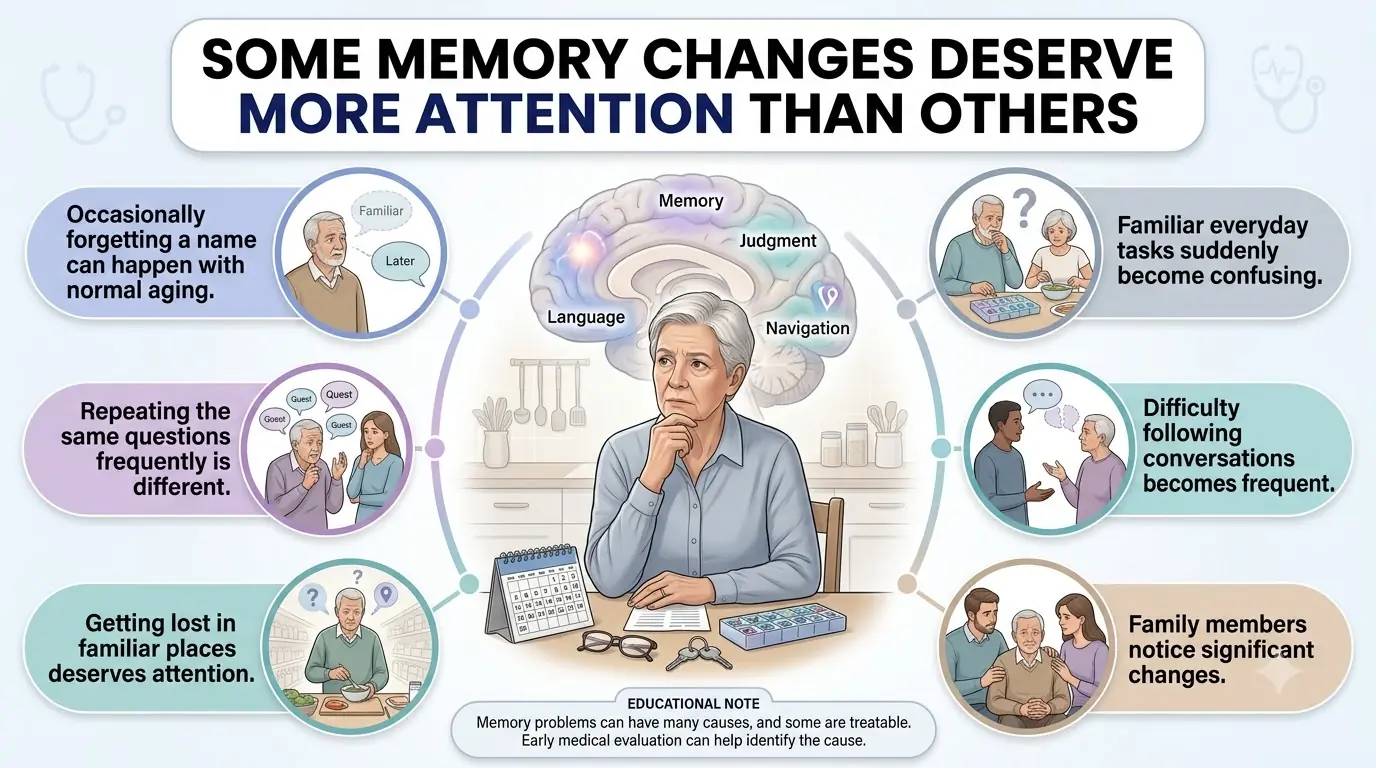
SOME MEMORY CHANGES DESERVE MORE ATTENTION THAN OTHERS
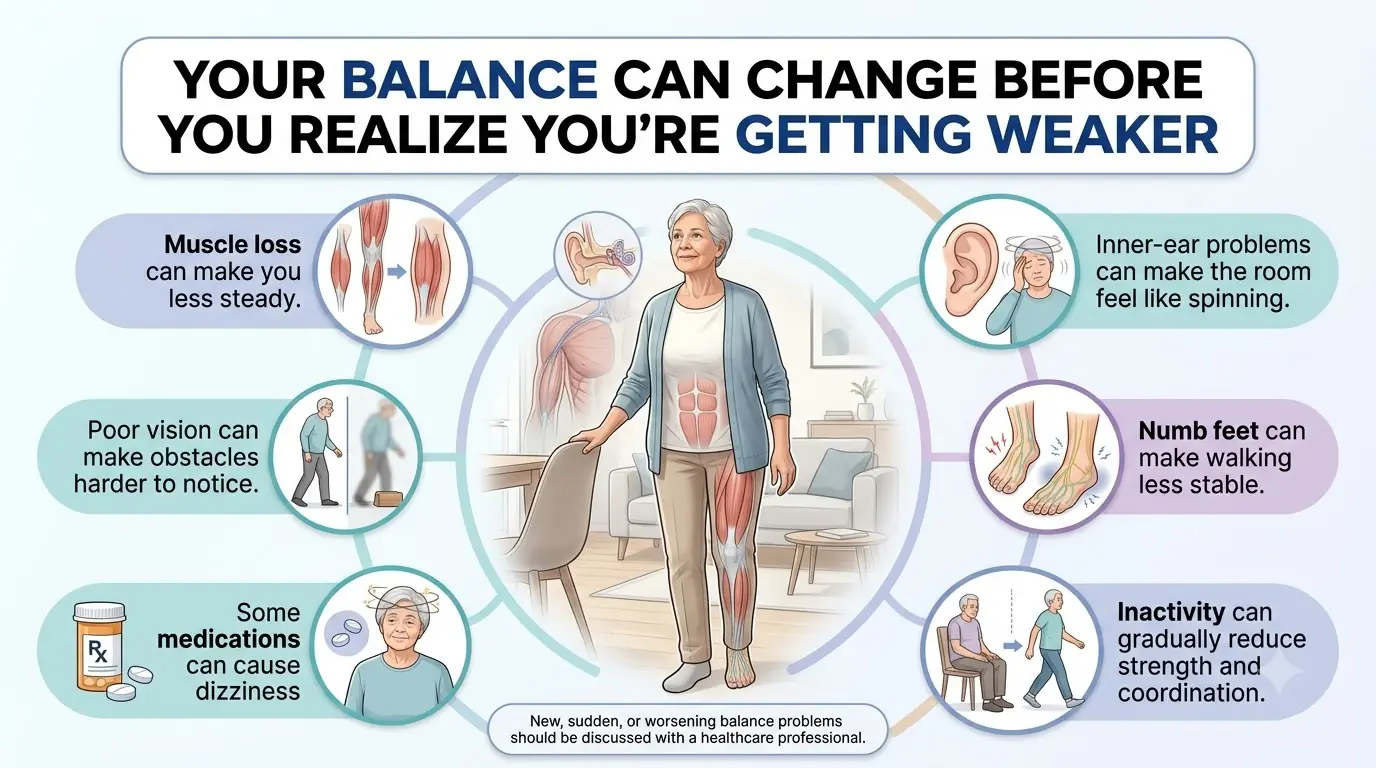
YOUR BALANCE CAN CHANGE BEFORE YOU REALIZE YOU’RE GETTING WEAKER
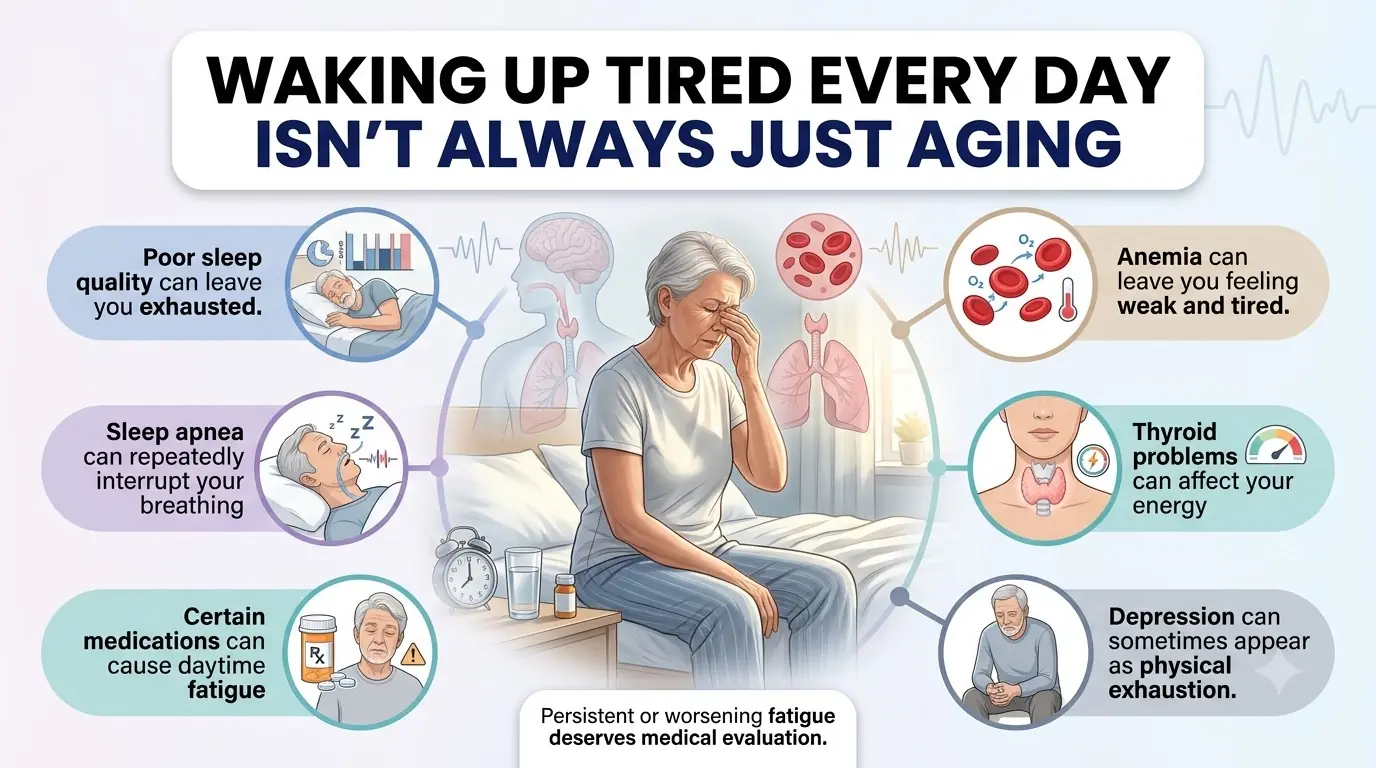
WAKING UP TIRED EVERY DAY ISN’T ALWAYS JUST AGING
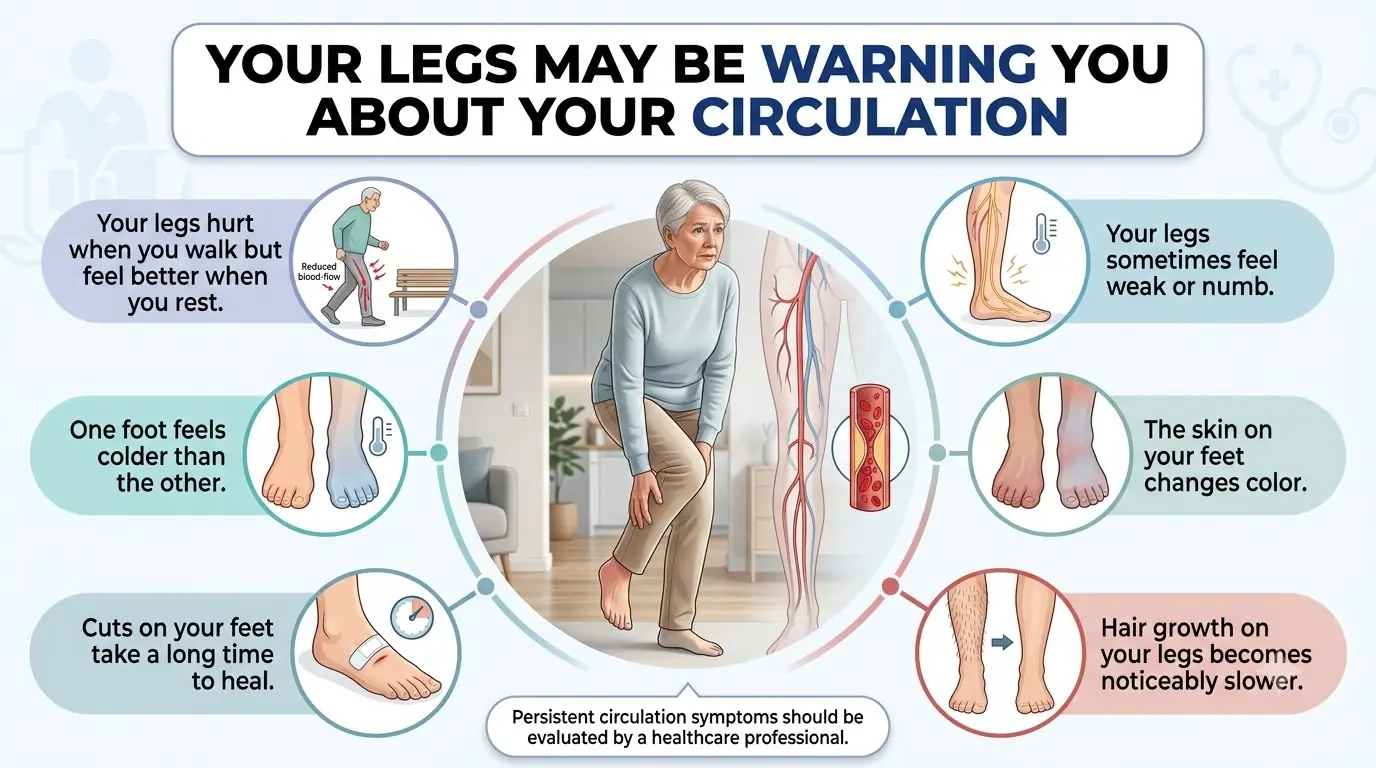
YOUR LEGS MAY BE WARNING YOU ABOUT YOUR CIRCULATION
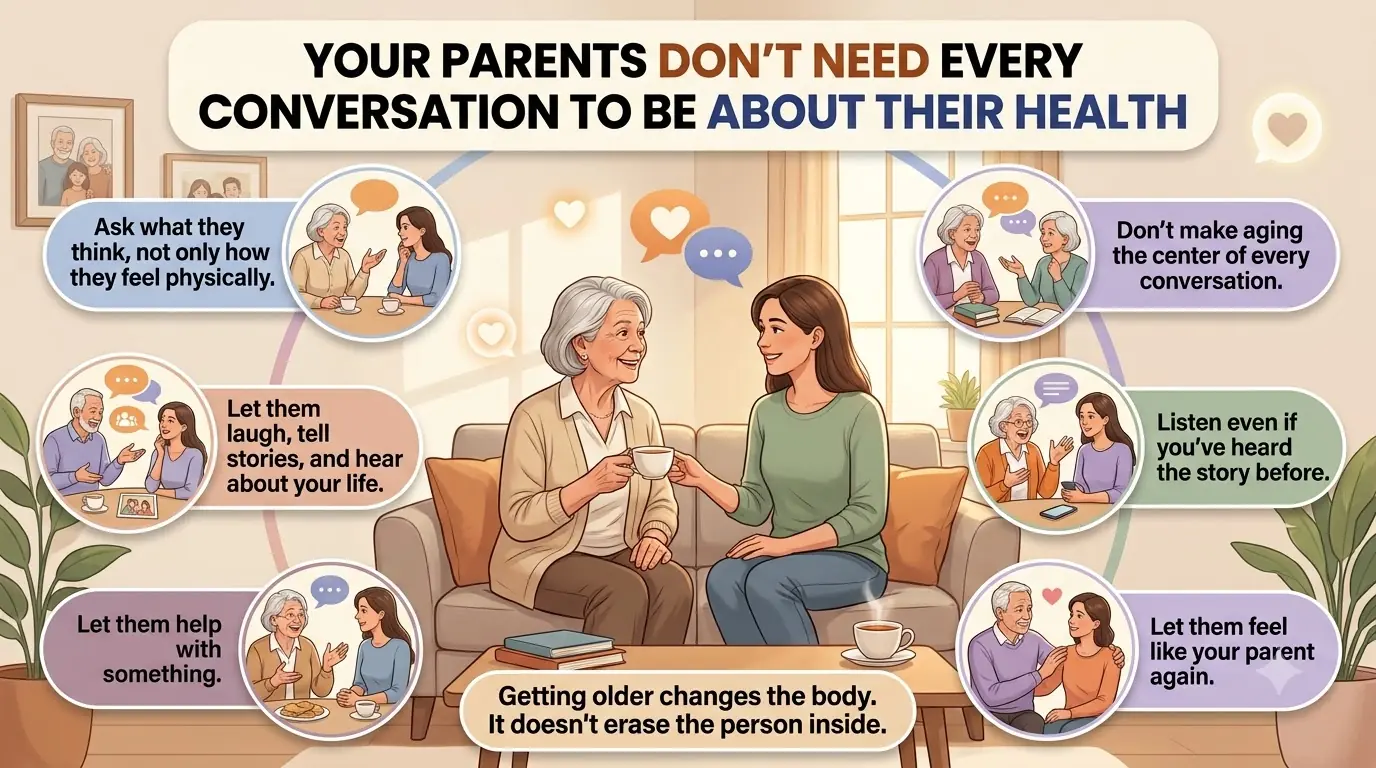
YOUR PARENTS DON'T NEED EVERY CONVERSATION TO BE ABOUT THEIR HEALTH
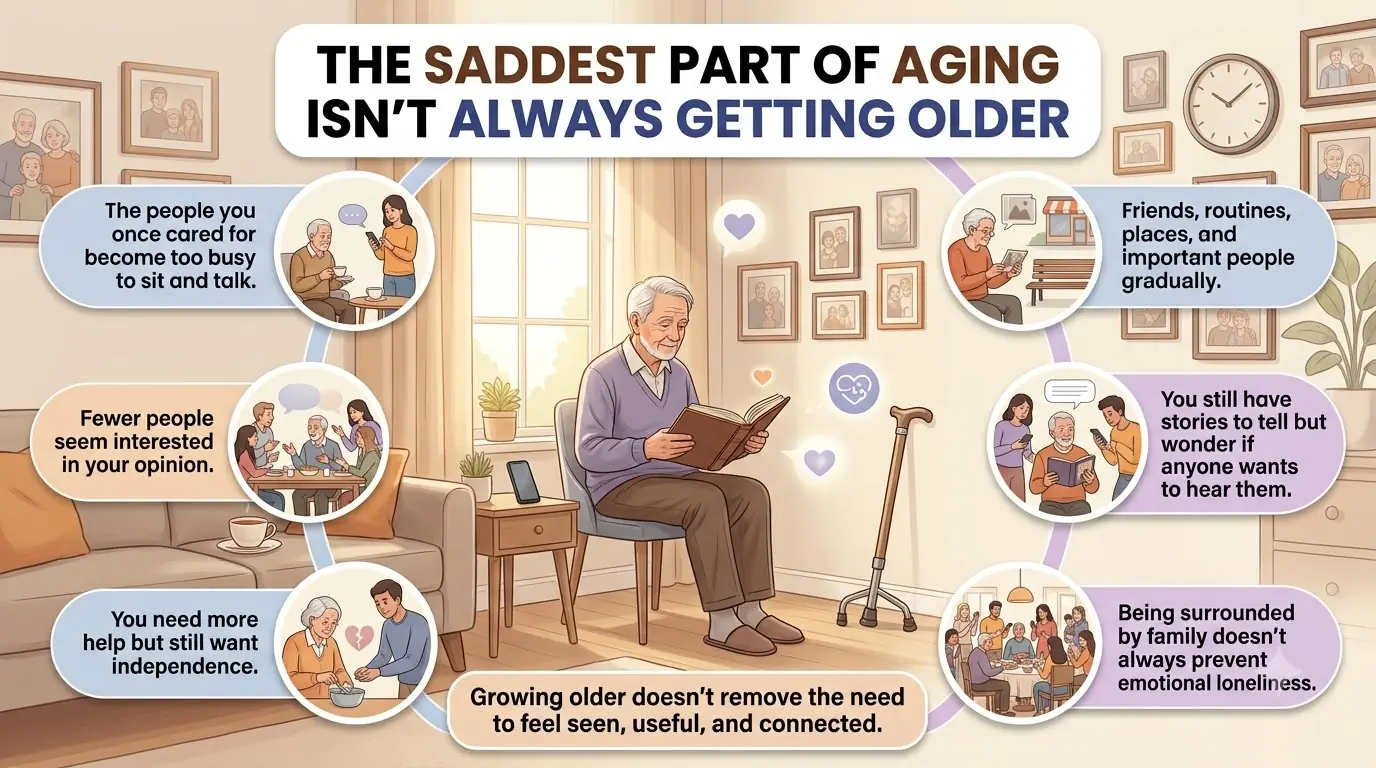
THE SADDEST PART OF AGING ISN'T ALWAYS GETTING OLDER
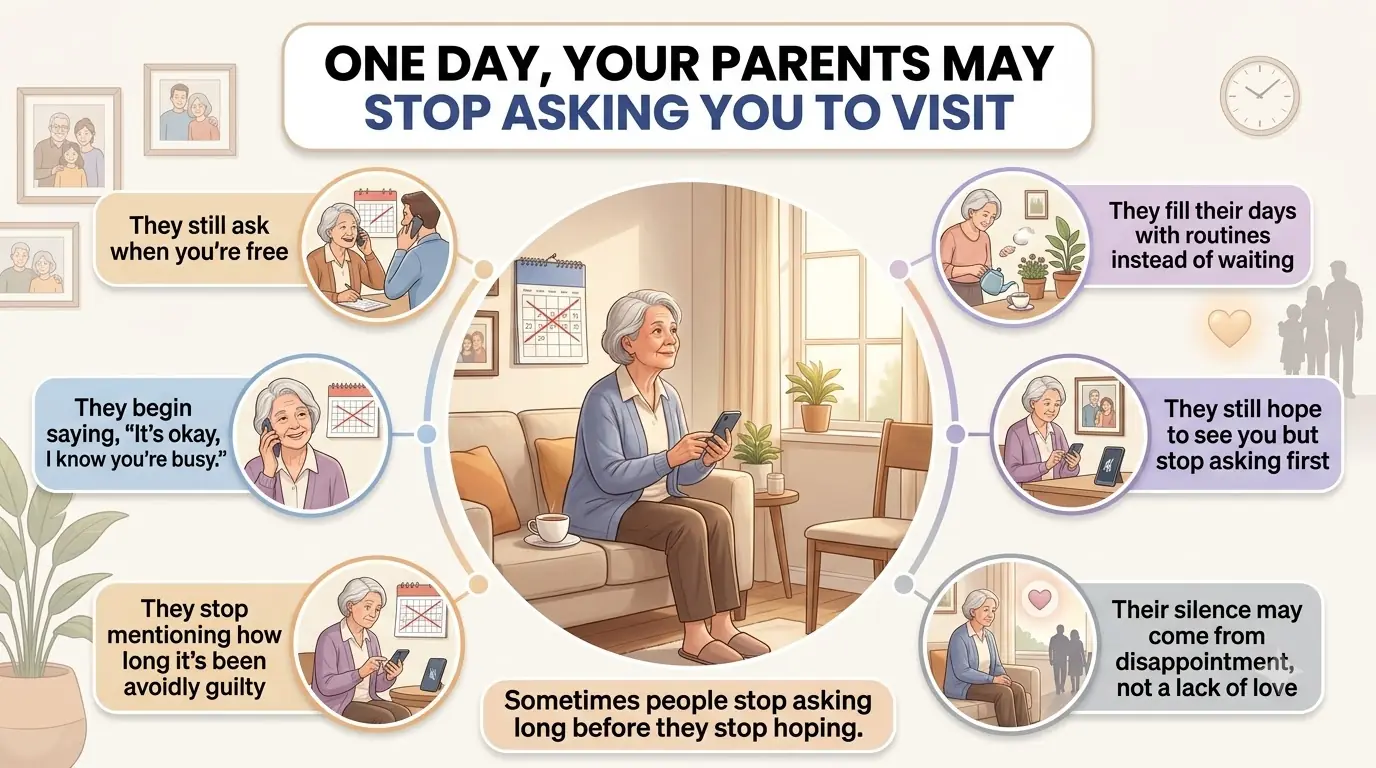
ONE DAY, YOUR PARENTS MAY STOP ASKING YOU TO VISIT
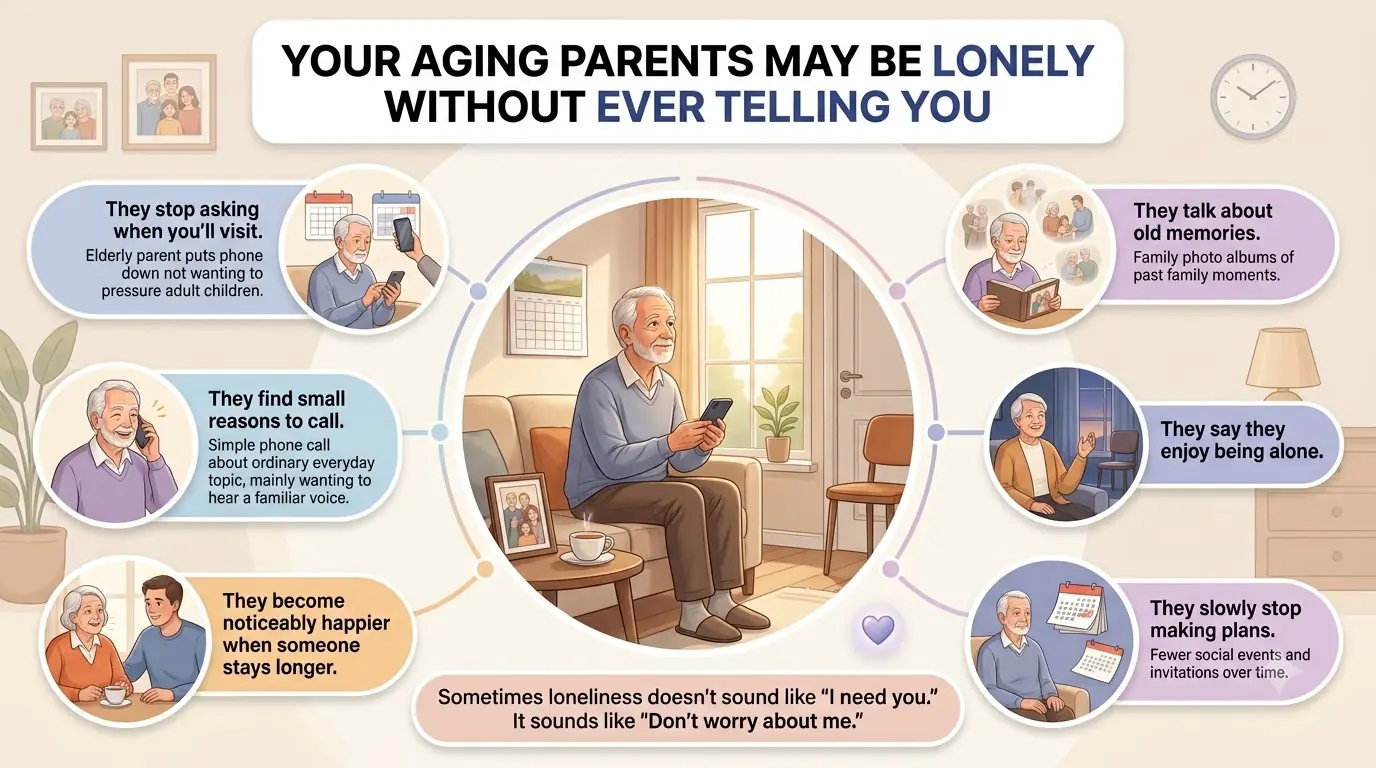
YOUR AGING PARENTS MAY BE LONELY WITHOUT EVER TELLING YOU
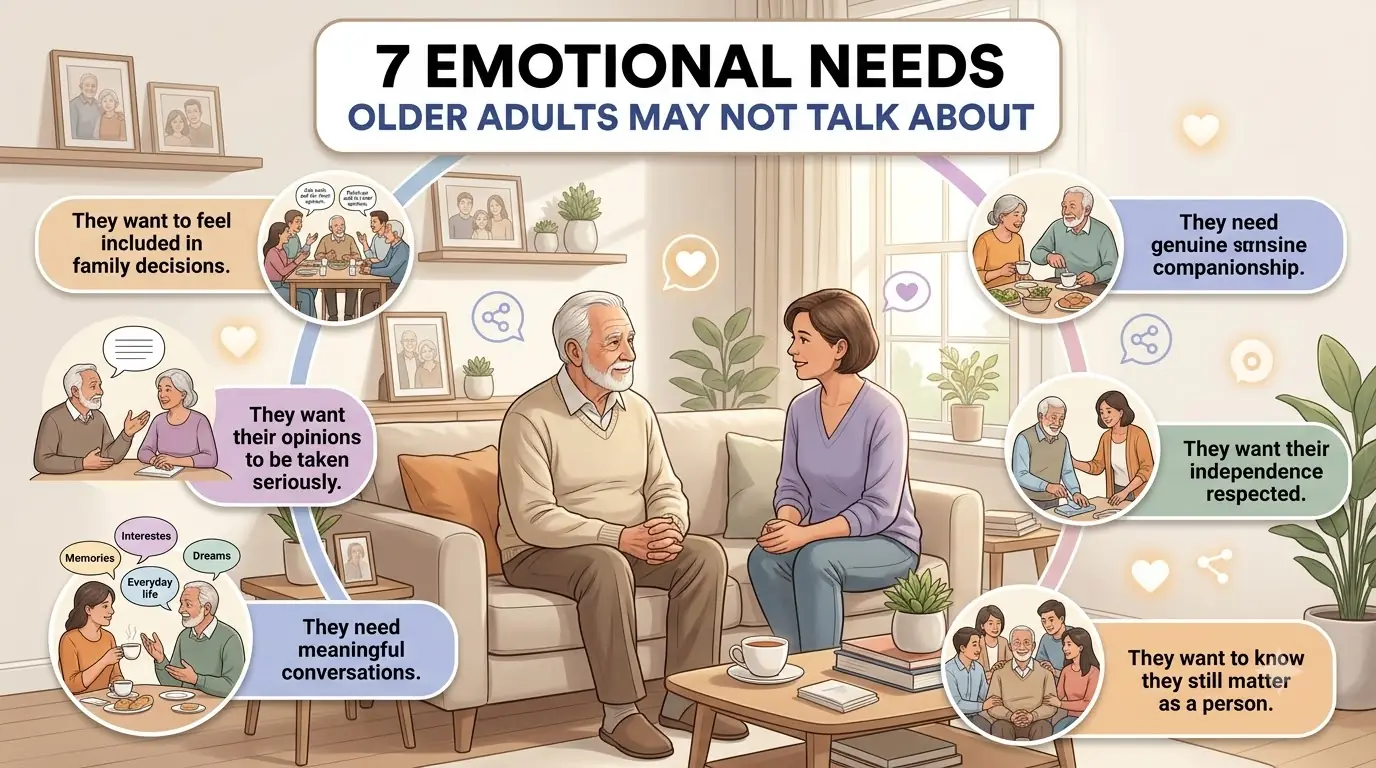
7 EMOTIONAL NEEDS OLDER ADULTS MAY NOT TALK ABOUT
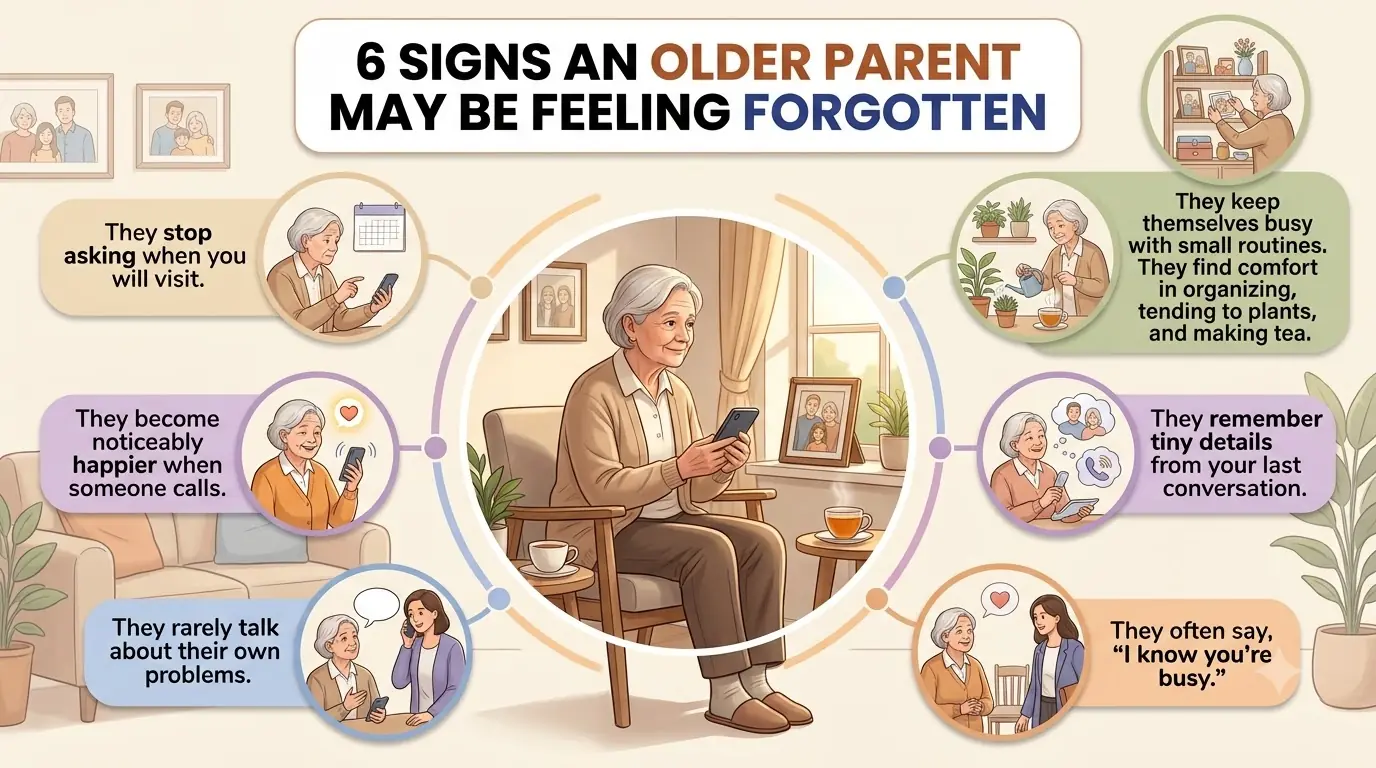
6 SIGNS AN OLDER PARENT MAY BE FEELING FORGOTTEN
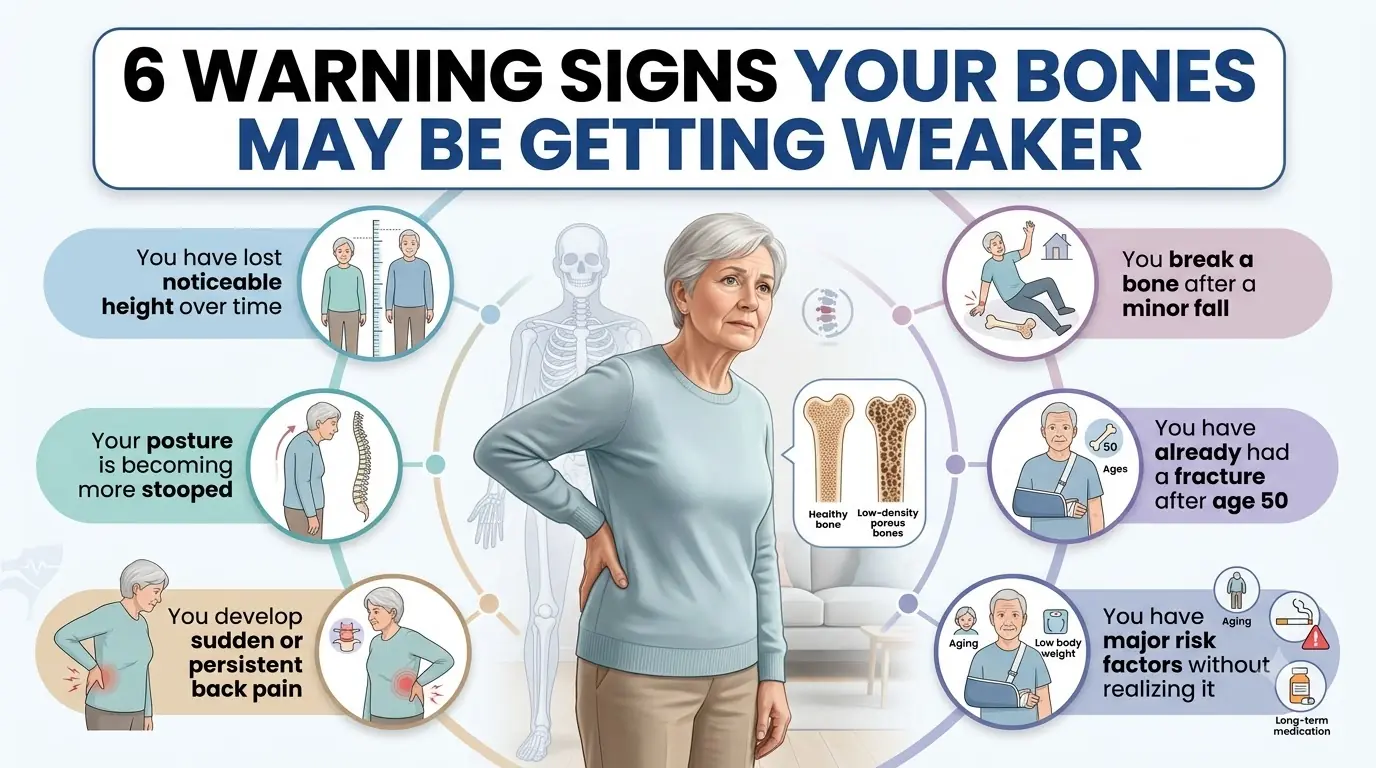
6 WARNING SIGNS YOUR BONES MAY BE GETTING WEAKER
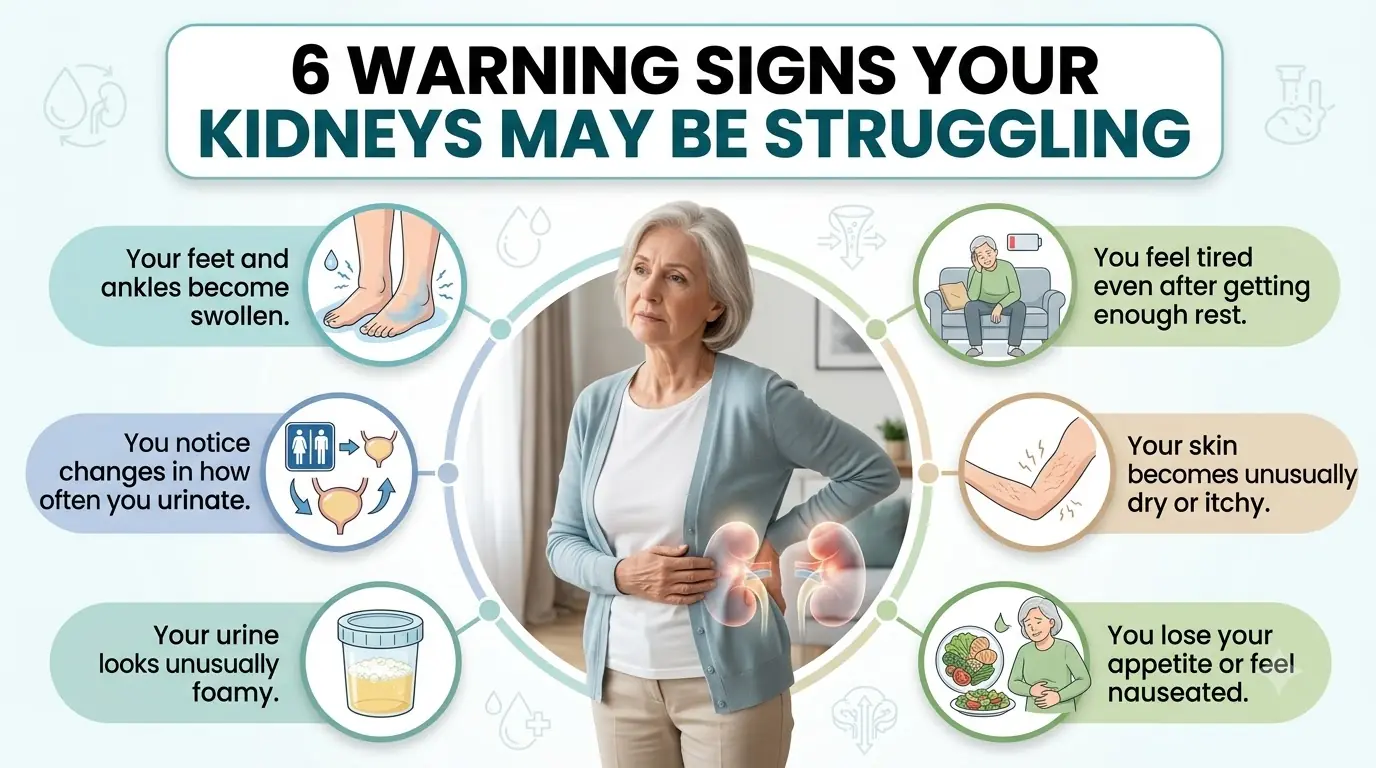
6 WARNING SIGNS YOUR KIDNEYS MAY BE STRUGGLING
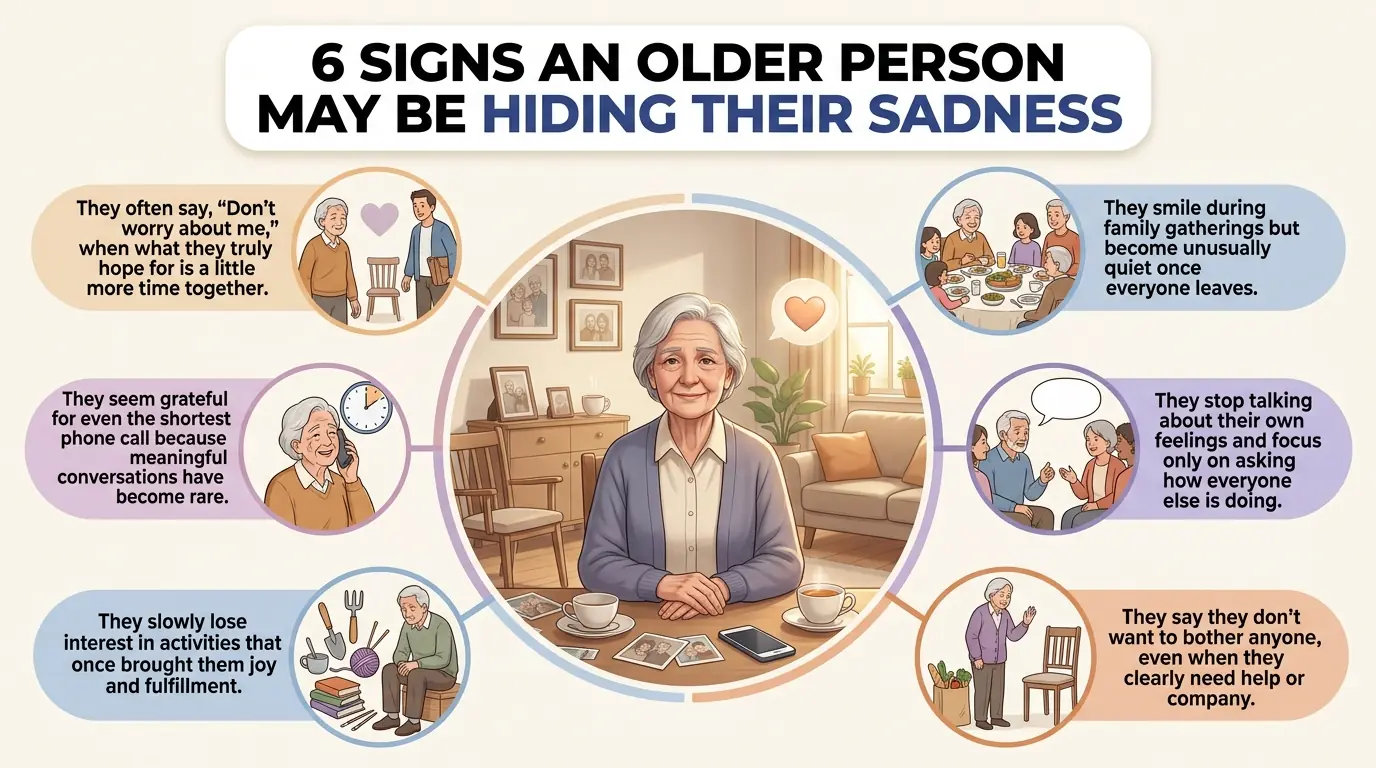
6 SIGNS AN OLDER PERSON MAY BE HIDING THEIR SADNESS
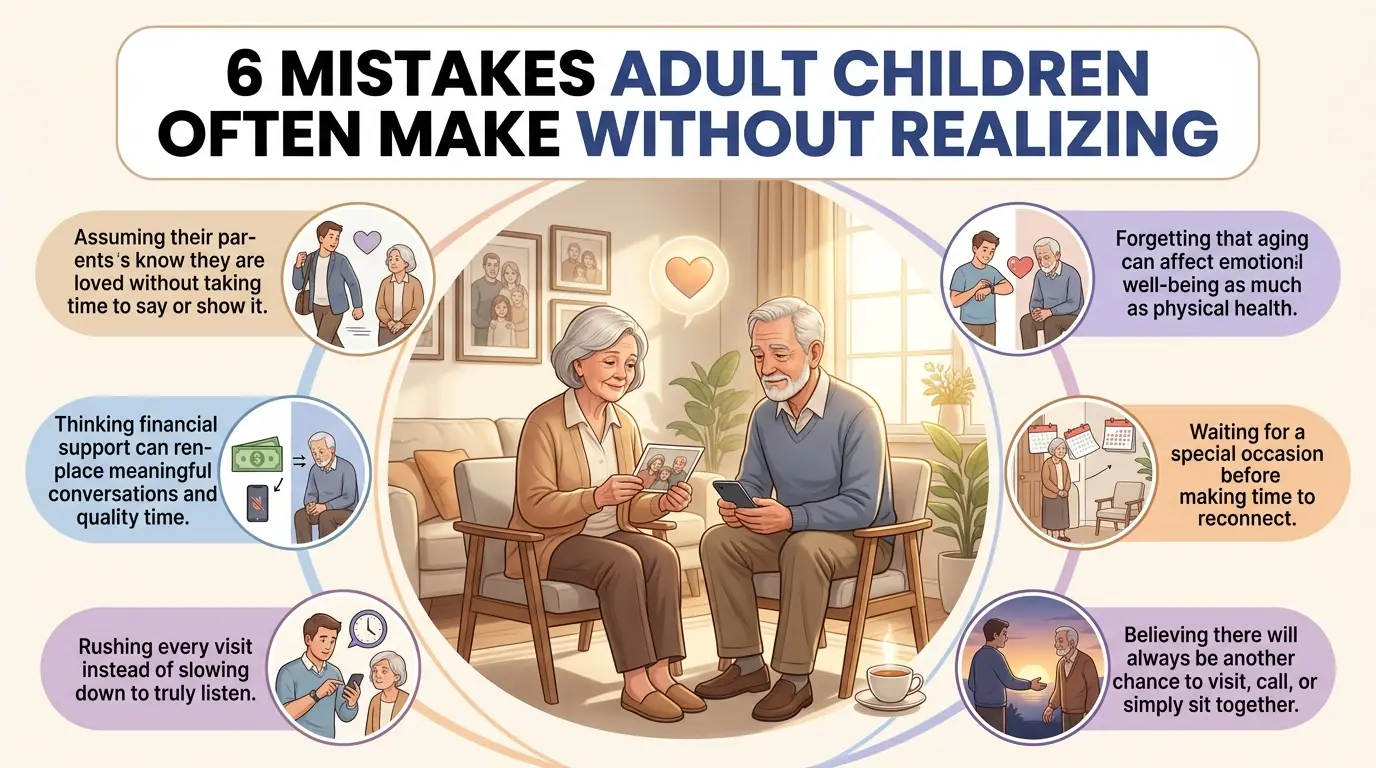
6 MISTAKES ADULT CHILDREN OFTEN MAKE WITHOUT REALIZING
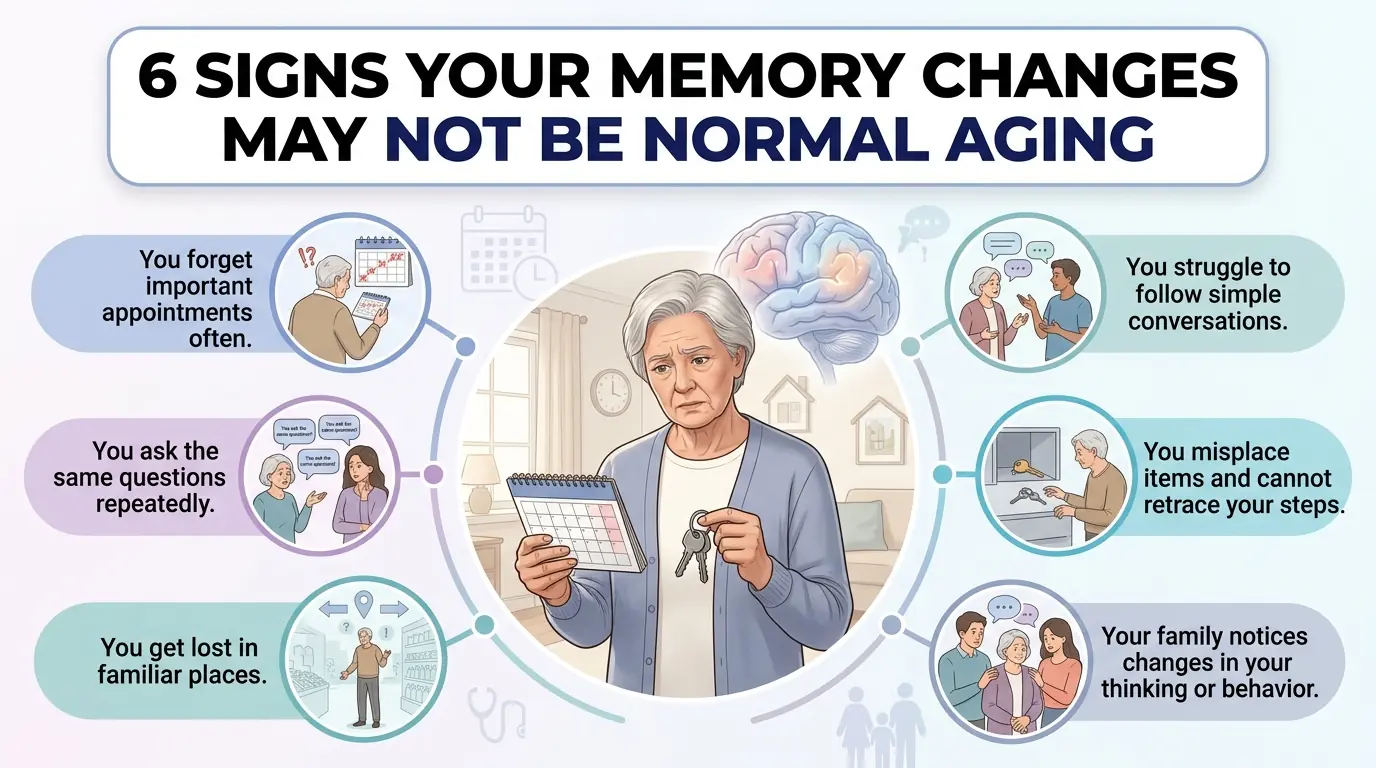
6 WARNING SIGNS YOUR LEGS MAY HAVE POOR CIRCULATION