WAKING UP TIRED EVERY DAY ISN’T ALWAYS JUST AGING
Reader Theme:
Font Size:
24px
WAKING UP TIRED EVERY DAY ISN’T ALWAYS JUST AGING
Feeling a little slower in the morning can become more common with age, but waking up exhausted every day shouldn't automatically be dismissed as “just getting older.” If you've spent seven or eight hours in bed yet still wake feeling as though you barely slept, something may be interfering with your sleep—or affecting your energy in another way.
Persistent fatigue can have many causes. Poor-quality sleep, sleep apnea, medication side effects, anemia, thyroid disorders, depression, chronic medical conditions, and lifestyle factors can all play a role. In older adults, several causes may occur at the same time.
The important point is that fatigue is a symptom, not a diagnosis. Identifying what's causing it can sometimes uncover a treatable problem and significantly improve daily functioning and quality of life.
Why Can You Wake Up Tired After Sleeping All Night?
The number of hours you spend in bed isn't the same as the amount of restorative sleep you receive.
During a normal night, the brain cycles through different stages of sleep. Deep sleep and rapid eye movement (REM) sleep contribute to physical restoration, memory, learning, and emotional regulation.
If these cycles are repeatedly interrupted—even when you don't remember waking—you may feel exhausted the following morning.
But sleep isn't the only factor.
Your body also needs adequate oxygen delivery, healthy hormone function, proper nutrition, and good mental health to maintain normal energy levels.
Here are six important reasons persistent morning fatigue deserves attention.
1. Poor Sleep Quality Can Leave You Exhausted
You can spend eight hours in bed and still get poor-quality sleep.
Frequent awakenings may prevent your body from spending enough uninterrupted time in restorative sleep stages.
Common causes include:
- Chronic pain.
- Needing to urinate frequently.
- An uncomfortable bedroom.
- Alcohol close to bedtime.
- Irregular sleep schedules.
- Restless legs.
- Noise or light.
- Certain medications.
Some people don't even remember waking repeatedly during the night.
Instead, the main clue is how they feel the next morning.
If you consistently wake unrefreshed, consider keeping a sleep diary for a couple of weeks. Record when you go to bed, when you wake, nighttime awakenings, caffeine and alcohol intake, naps, and how rested you feel in the morning.
Patterns can provide useful information for your healthcare provider.
2. Sleep Apnea Can Repeatedly Interrupt Your Breathing
Sleep apnea is an important and sometimes overlooked cause of persistent morning fatigue.
The most common form, obstructive sleep apnea, occurs when the upper airway repeatedly becomes narrowed or blocked during sleep.
Breathing may briefly decrease or stop, causing oxygen levels to fall. The brain responds by partially waking the person so normal breathing can resume.
This cycle can happen repeatedly throughout the night.
You may not remember these awakenings at all.
Possible warning signs include:
- Loud snoring.
- Gasping or choking during sleep.
- Witnessed pauses in breathing.
- Morning headaches.
- Dry mouth upon waking.
- Difficulty concentrating.
- Excessive daytime sleepiness.
Sleep apnea becomes increasingly important with age and is associated with health problems such as high blood pressure and cardiovascular disease.
If someone tells you that you repeatedly stop breathing during sleep, discuss it with a healthcare professional.
3. Certain Medications Can Cause Daytime Fatigue
Medications become another important consideration, particularly for older adults who take several prescriptions.
Some medicines can cause drowsiness directly. Others may interfere with normal sleep or contribute to dizziness and reduced alertness.
Examples can include certain:
- Antihistamines.
- Sleep medications.
- Anti-anxiety medicines.
- Antidepressants.
- Pain medications.
- Blood pressure medications.
- Seizure medications.
This doesn't mean you should stop taking a medication because you feel tired.
Never discontinue a prescribed medicine without discussing it with your healthcare provider.
Instead, if fatigue began after starting a new medication or changing a dose, mention the timing to your doctor or pharmacist.
Sometimes adjusting the dose, timing, or medication can help—but these decisions should be made professionally.
4. Anemia Can Leave You Feeling Weak and Tired
Anemia occurs when your blood doesn't have enough healthy red blood cells or hemoglobin to carry oxygen effectively throughout the body.
Without adequate oxygen delivery, everyday activities may suddenly require much more effort.
Symptoms can include:
- Persistent fatigue.
- Weakness.
- Shortness of breath during activity.
- Dizziness.
- Headaches.
- Pale skin.
- A rapid heartbeat in some cases.
There are many different causes of anemia.
Iron deficiency is one possibility, but anemia may also be related to vitamin B12 or folate deficiency, chronic kidney disease, inflammation, blood loss, or other medical conditions.
This distinction is important because treatment depends on the cause.
Don't automatically start taking iron simply because you're tired. A healthcare provider can use blood tests to determine whether anemia is present and investigate why.
5. Thyroid Problems Can Affect Your Energy
Your thyroid is a small gland in the neck that produces hormones involved in regulating metabolism and many other bodily functions.
When the thyroid doesn't produce enough thyroid hormone, the condition is called hypothyroidism.
Fatigue is one of its common symptoms.
Other possible symptoms include:
- Feeling unusually cold.
- Constipation.
- Dry skin.
- Weight gain.
- Muscle weakness or aches.
- Slower thinking.
- Changes in mood.
These symptoms often develop gradually and can easily be mistaken for normal aging.
A blood test can help determine whether thyroid function is abnormal.
Because fatigue has so many possible causes, thyroid testing may be considered as part of a broader medical evaluation depending on your symptoms and history.
6. Depression Can Sometimes Feel Like Physical Exhaustion
Depression doesn't always look like obvious sadness.
For some people—particularly older adults—the most noticeable symptoms may be physical.
They may experience:
- Persistent fatigue.
- Sleeping too much or too little.
- Difficulty getting out of bed.
- Loss of motivation.
- Reduced concentration.
- Changes in appetite.
- Less interest in activities they previously enjoyed.
An older adult might say, “I'm just tired,” rather than describing themselves as depressed.
Grief, social isolation, chronic illness, pain, reduced independence, and major life transitions can also affect emotional well-being.
Persistent exhaustion accompanied by loss of interest, withdrawal, or significant changes in sleep or appetite deserves professional attention.
Depression is a medical condition and is not an inevitable part of getting older.
Other Reasons You May Wake Up Tired
These six causes aren't the only possibilities.
Persistent fatigue can also be associated with:
- Chronic pain.
- Diabetes.
- Heart or lung disease.
- Kidney disease.
- Infections.
- Vitamin deficiencies.
- Restless legs syndrome.
- Excessive alcohol consumption.
- Inadequate nutrition.
- Physical inactivity.
Sometimes there isn't one single explanation.
For example, an older adult might have mild sleep apnea, take a sedating medication, and wake several times to use the bathroom. Together, these factors can significantly reduce sleep quality.
That's why persistent fatigue is best evaluated rather than self-diagnosed.
Who Is More Likely to Experience Persistent Fatigue?
Anyone can experience fatigue, but certain circumstances increase the likelihood of an underlying problem.
Pay particular attention if you:
- Snore loudly or have witnessed breathing pauses during sleep.
- Take multiple medications.
- Have a history of anemia.
- Have thyroid disease.
- Have chronic heart, lung, or kidney conditions.
- Experience persistent pain.
- Have recently experienced major emotional stress or loss.
- Have significant changes in mood or motivation.
A sudden change from your normal energy level may be especially important.
What Can You Do to Improve Sleep Quality?
Good sleep habits won't correct every medical cause of fatigue, but they provide an important foundation.
Try to:
- Keep consistent sleeping and waking times.
- Create a quiet, dark, comfortable bedroom.
- Limit caffeine later in the day.
- Avoid heavy meals immediately before bedtime.
- Limit alcohol, especially close to bedtime.
- Stay physically active during the day when medically appropriate.
- Get exposure to natural daylight.
- Avoid spending excessive time awake in bed.
- Discuss persistent nighttime pain or frequent urination with your healthcare provider.
Try not to rely automatically on over-the-counter sleep aids. Some products can cause significant side effects in older adults and may contribute to confusion, falls, or daytime drowsiness.
Ask a healthcare professional before using sleep medications regularly.
When Should You See a Doctor?
Occasional fatigue after a stressful week or poor night's sleep is usually understandable.
Medical evaluation becomes more important when fatigue:
- Happens nearly every day.
- Persists for several weeks.
- Is getting progressively worse.
- Interferes with normal activities.
- Occurs despite apparently adequate sleep.
- Is accompanied by unexplained weight loss.
- Comes with shortness of breath or weakness.
- Is associated with major mood or behavioral changes.
- Causes excessive daytime sleepiness.
Your healthcare provider may review your sleep patterns, medications, medical history, and mental health.
Depending on your symptoms, blood tests may be used to look for anemia, thyroid problems, blood sugar abnormalities, or other conditions. A sleep study may be recommended if sleep apnea is suspected.
When Fatigue May Be an Emergency
Seek urgent medical attention if sudden or severe weakness or fatigue occurs with symptoms such as chest pain, severe shortness of breath, fainting, new confusion, difficulty speaking, or weakness on one side of the body.
These symptoms may indicate a serious medical condition requiring immediate evaluation.
Key Takeaways
- Waking up tired every day should not automatically be blamed on aging.
- Spending enough hours in bed doesn't guarantee restorative sleep.
- Sleep apnea can repeatedly interrupt sleep without you realizing it.
- Some medications can contribute to fatigue or daytime drowsiness.
- Anemia reduces the blood's ability to deliver oxygen and can cause significant weakness and fatigue.
- An underactive thyroid may cause tiredness, sluggishness, and other subtle symptoms.
- Depression can sometimes present primarily as low energy rather than obvious sadness.
- Persistent fatigue deserves medical evaluation, especially when it represents a significant change from your usual energy level.
Medical Disclaimer
This article is for educational purposes only and is not a substitute for professional medical advice, diagnosis, or treatment. Persistent fatigue can have many causes, ranging from sleep problems and medication effects to medical or mental health conditions. If you regularly wake feeling exhausted despite adequate time for sleep, or your fatigue is persistent or worsening, consult a qualified healthcare professional for appropriate evaluation.
News in the same category
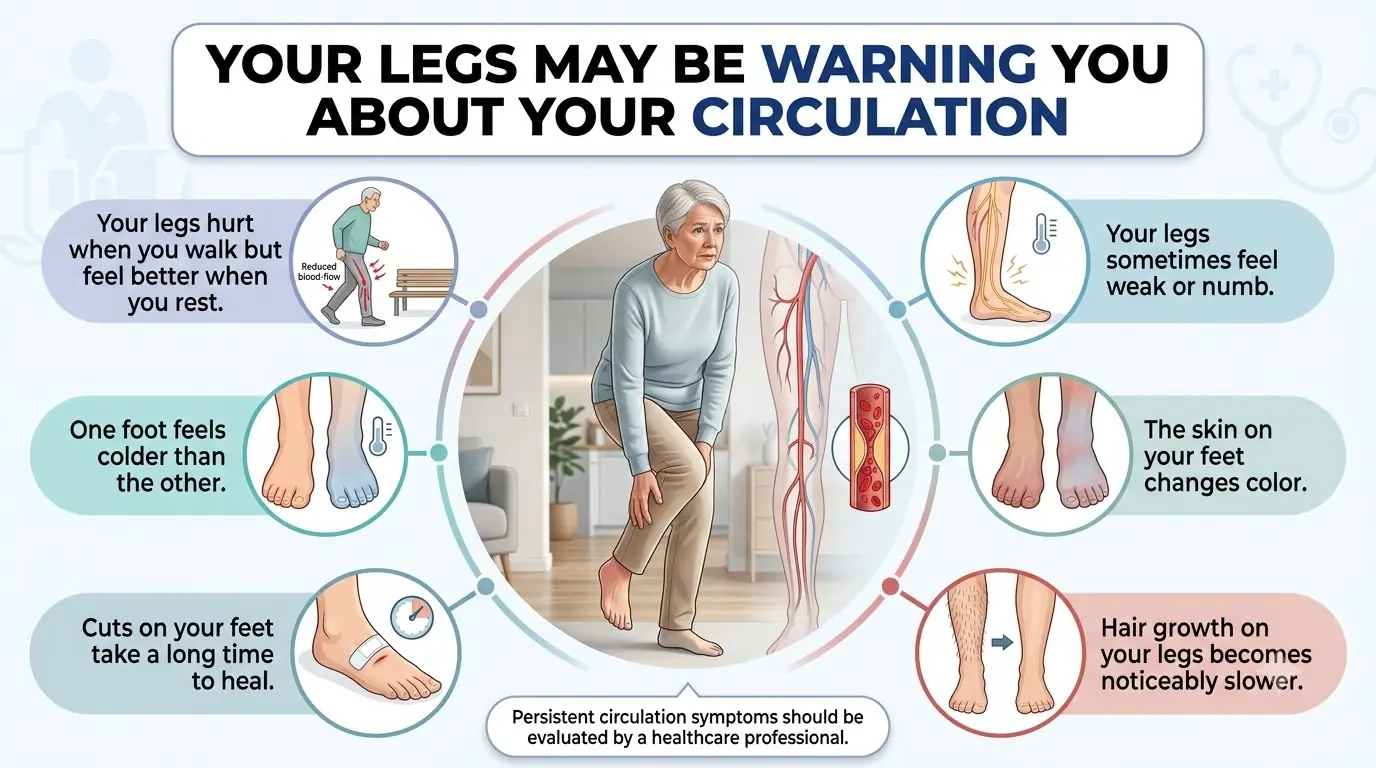
YOUR LEGS MAY BE WARNING YOU ABOUT YOUR CIRCULATION
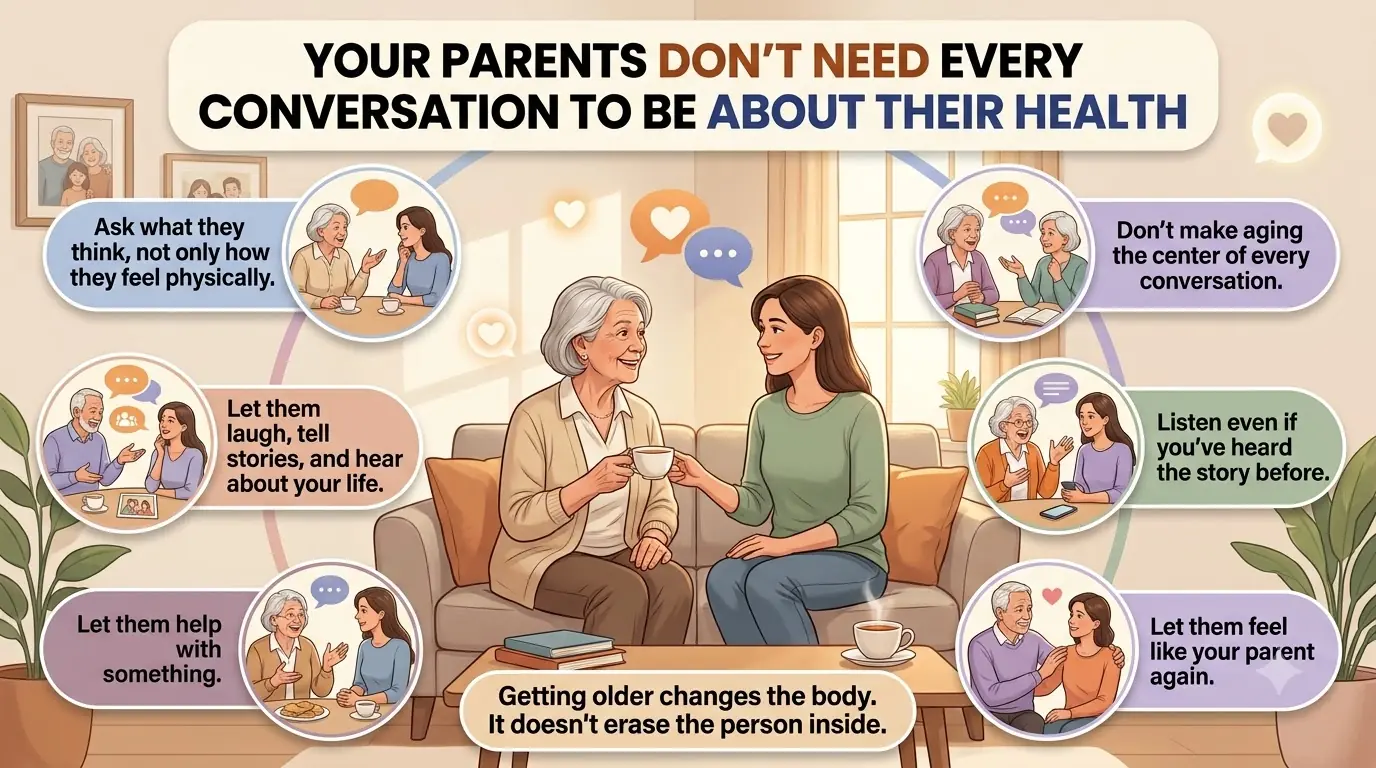
YOUR PARENTS DON'T NEED EVERY CONVERSATION TO BE ABOUT THEIR HEALTH
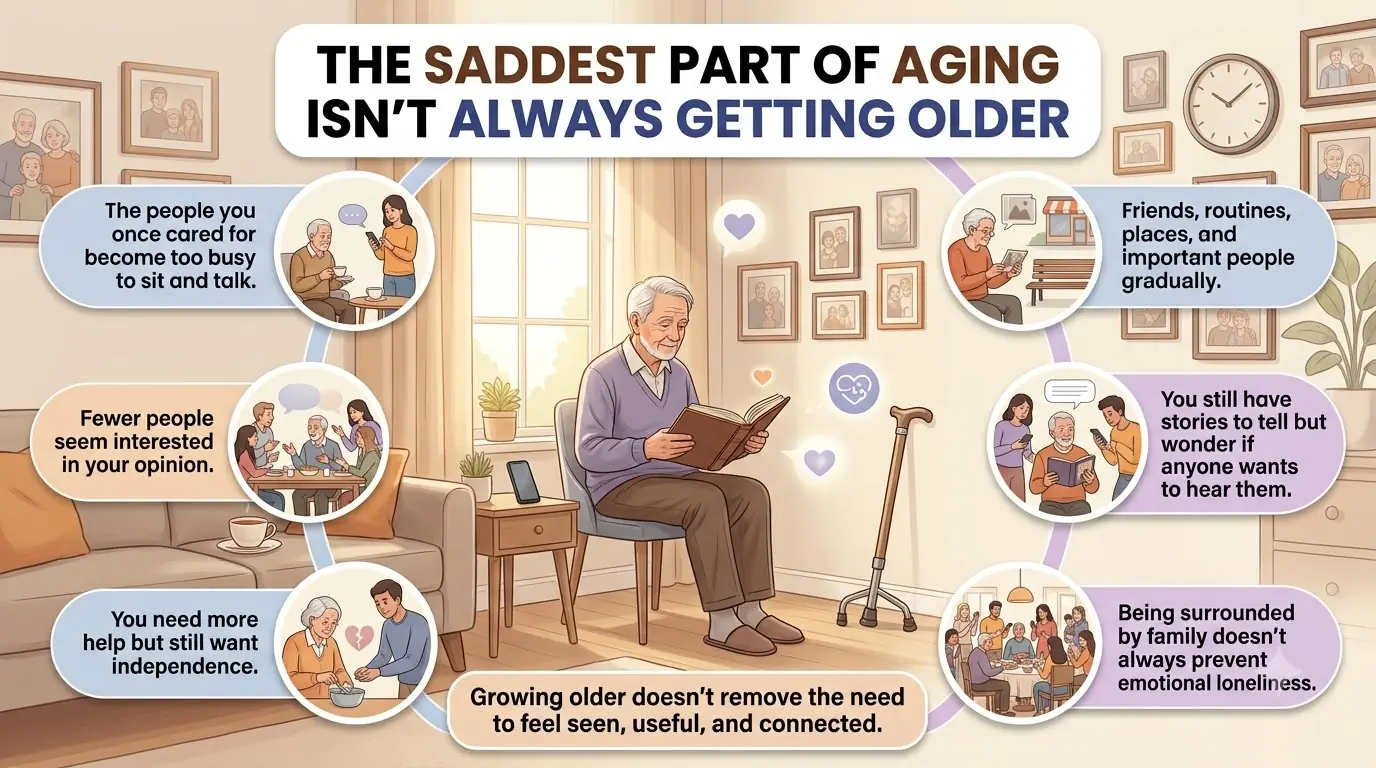
THE SADDEST PART OF AGING ISN'T ALWAYS GETTING OLDER
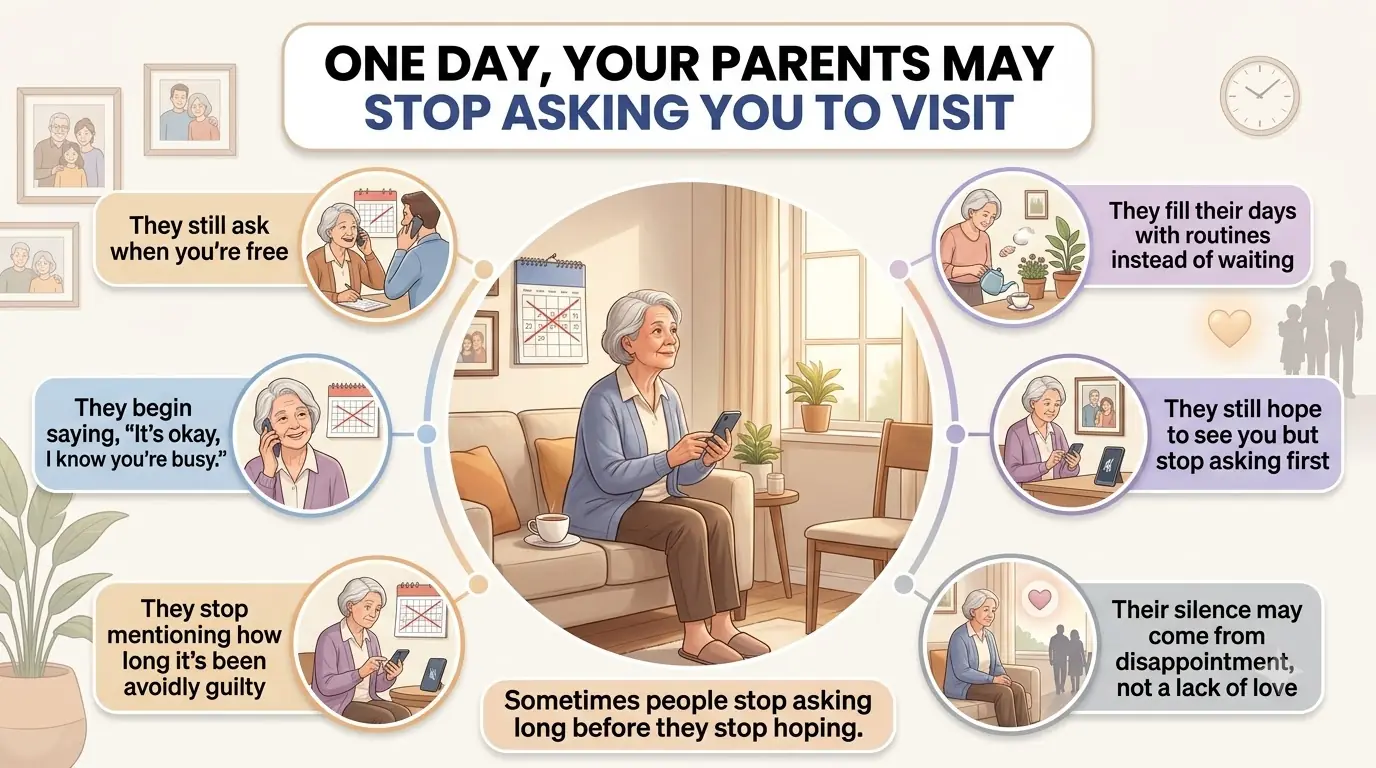
ONE DAY, YOUR PARENTS MAY STOP ASKING YOU TO VISIT
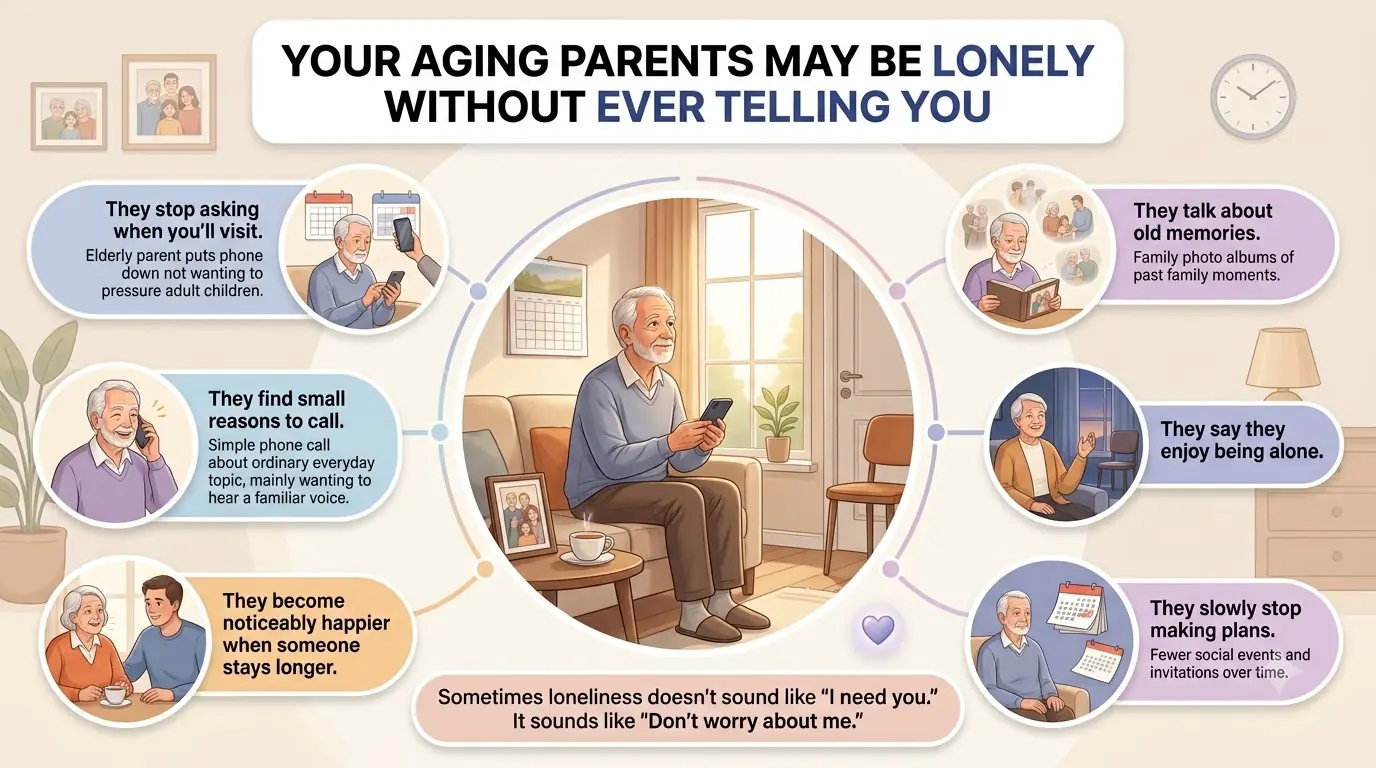
YOUR AGING PARENTS MAY BE LONELY WITHOUT EVER TELLING YOU
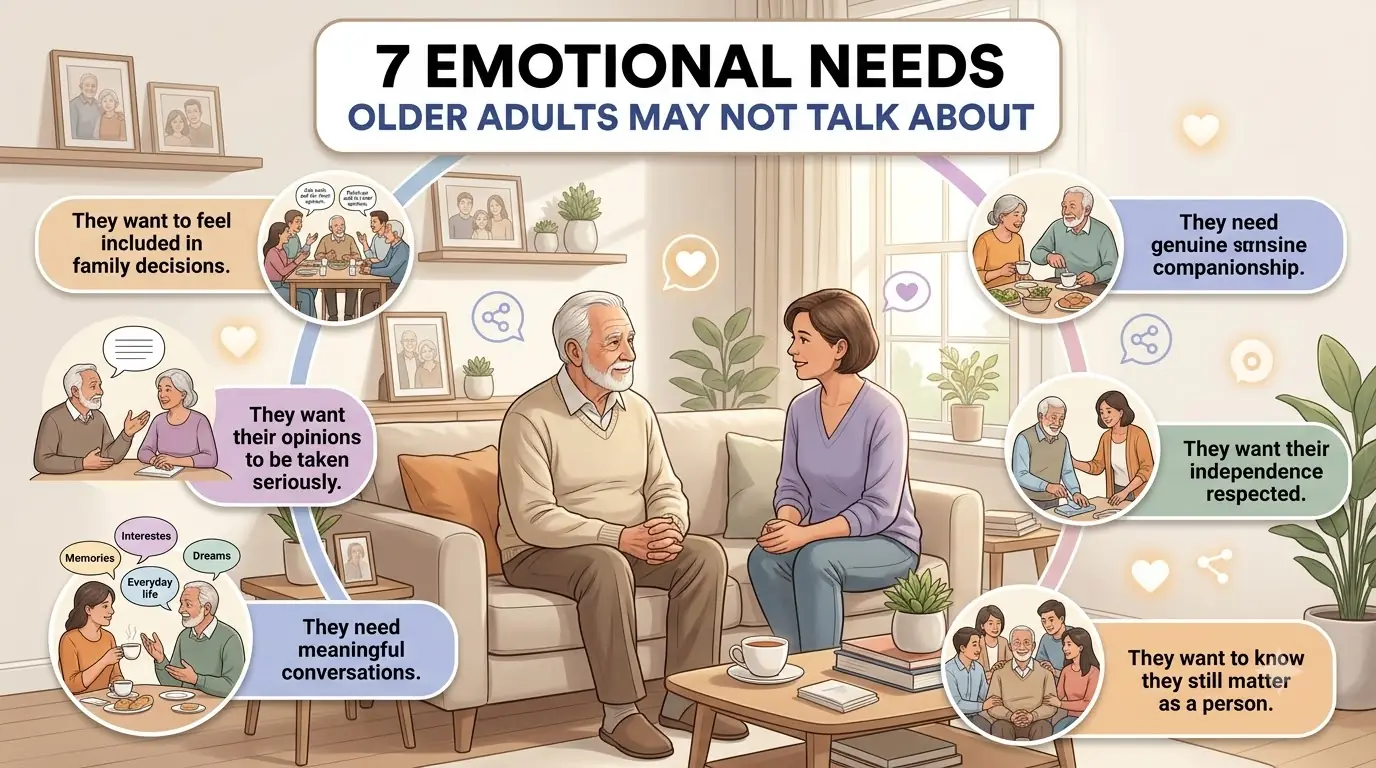
7 EMOTIONAL NEEDS OLDER ADULTS MAY NOT TALK ABOUT
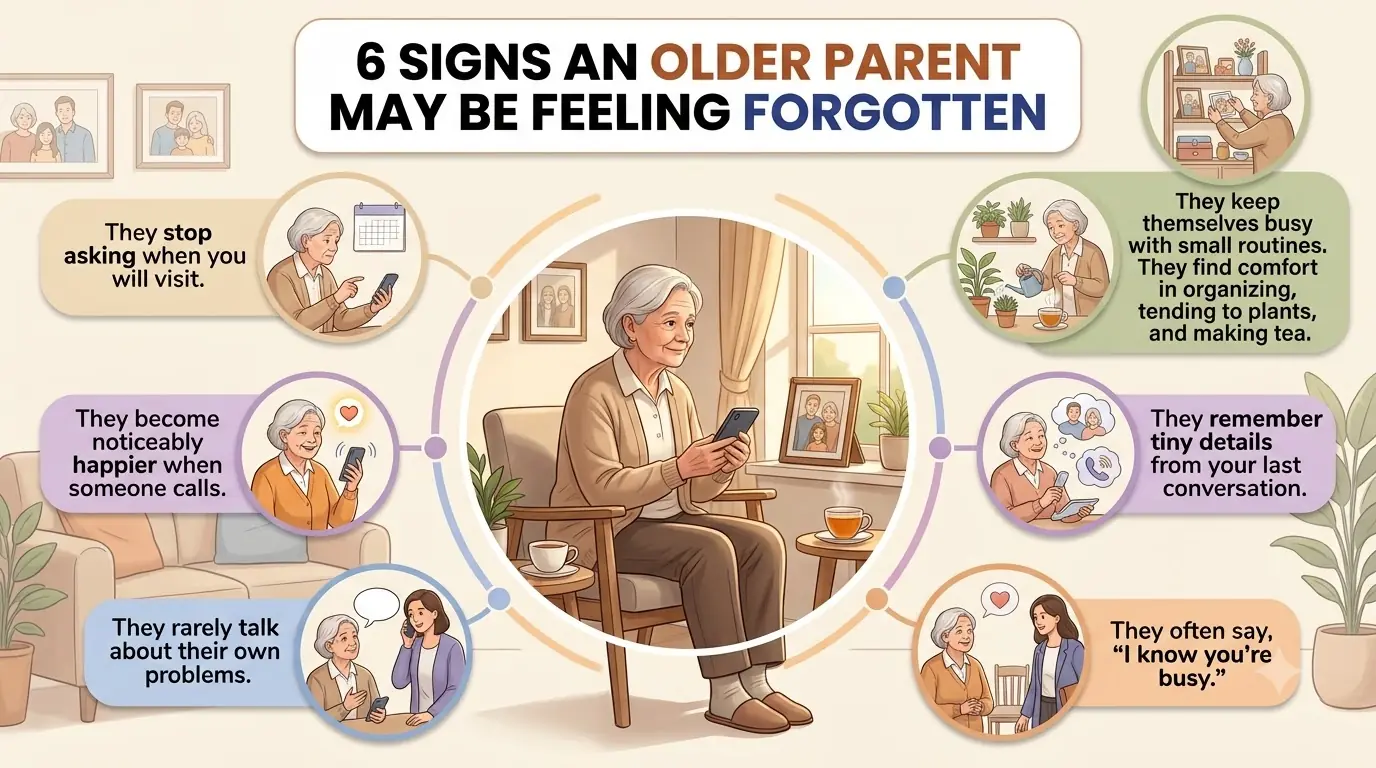
6 SIGNS AN OLDER PARENT MAY BE FEELING FORGOTTEN
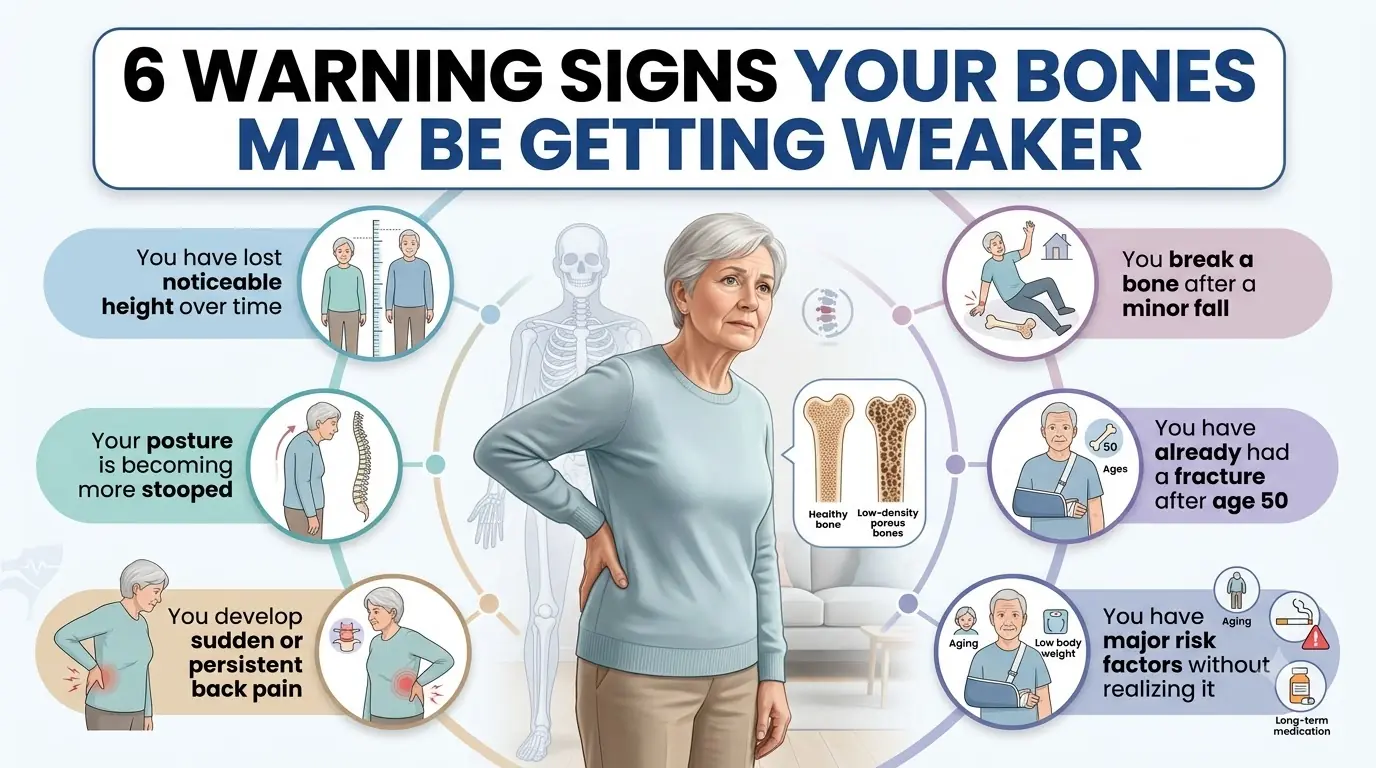
6 WARNING SIGNS YOUR BONES MAY BE GETTING WEAKER
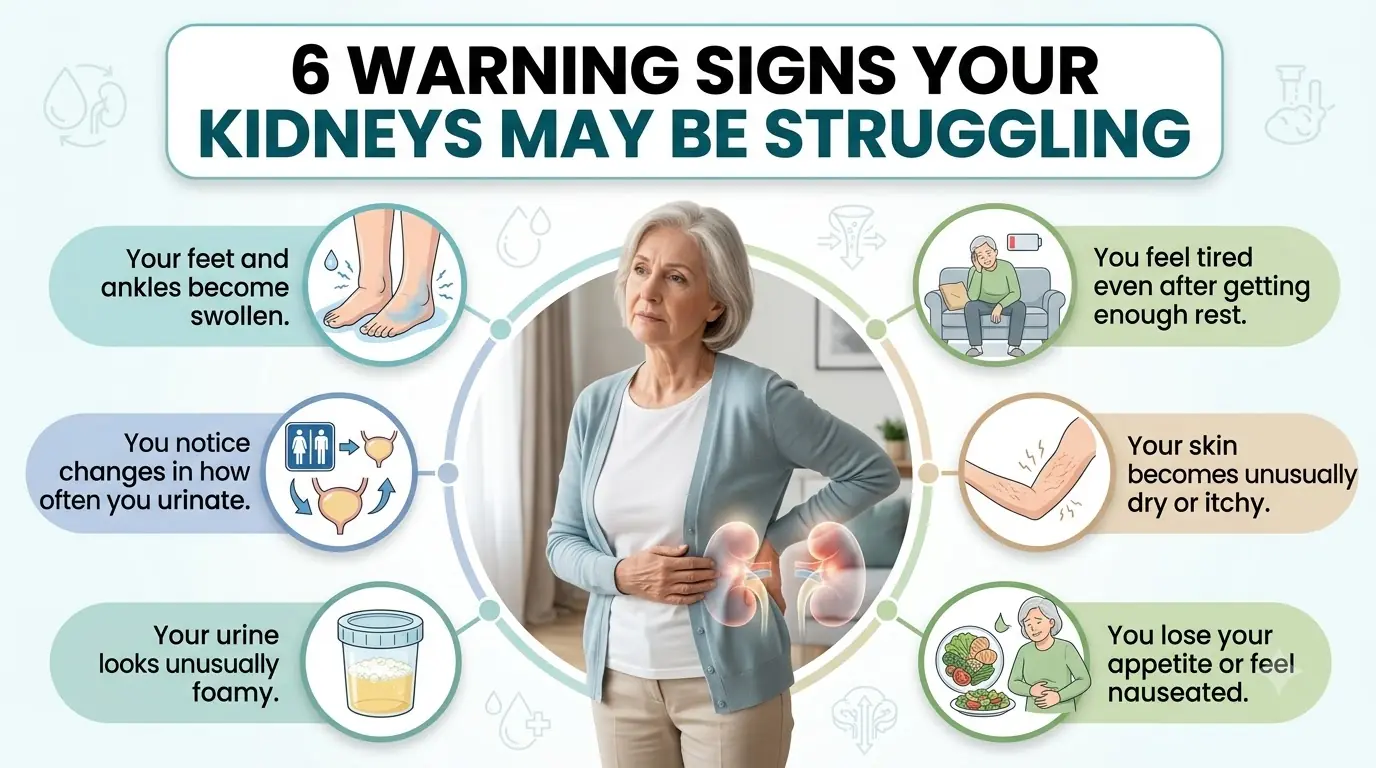
6 WARNING SIGNS YOUR KIDNEYS MAY BE STRUGGLING
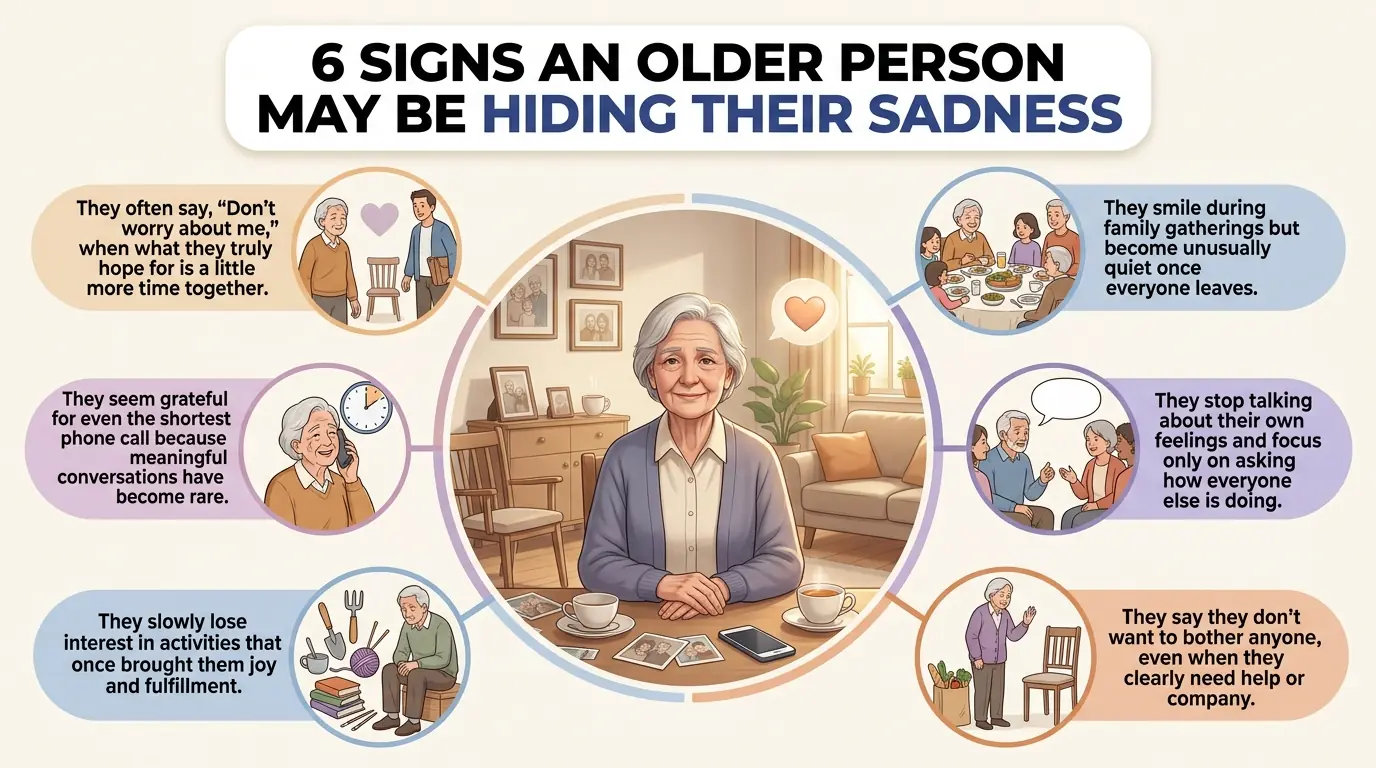
6 SIGNS AN OLDER PERSON MAY BE HIDING THEIR SADNESS
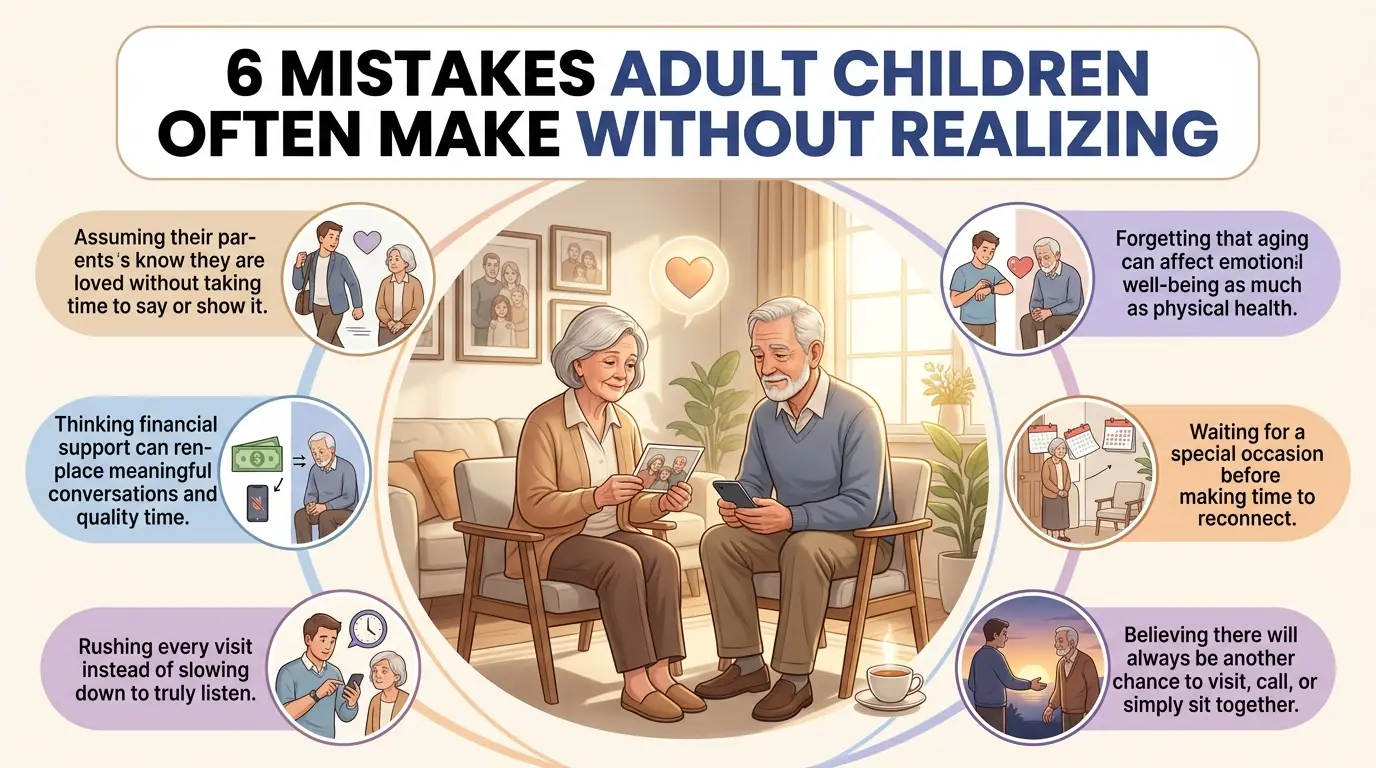
6 MISTAKES ADULT CHILDREN OFTEN MAKE WITHOUT REALIZING
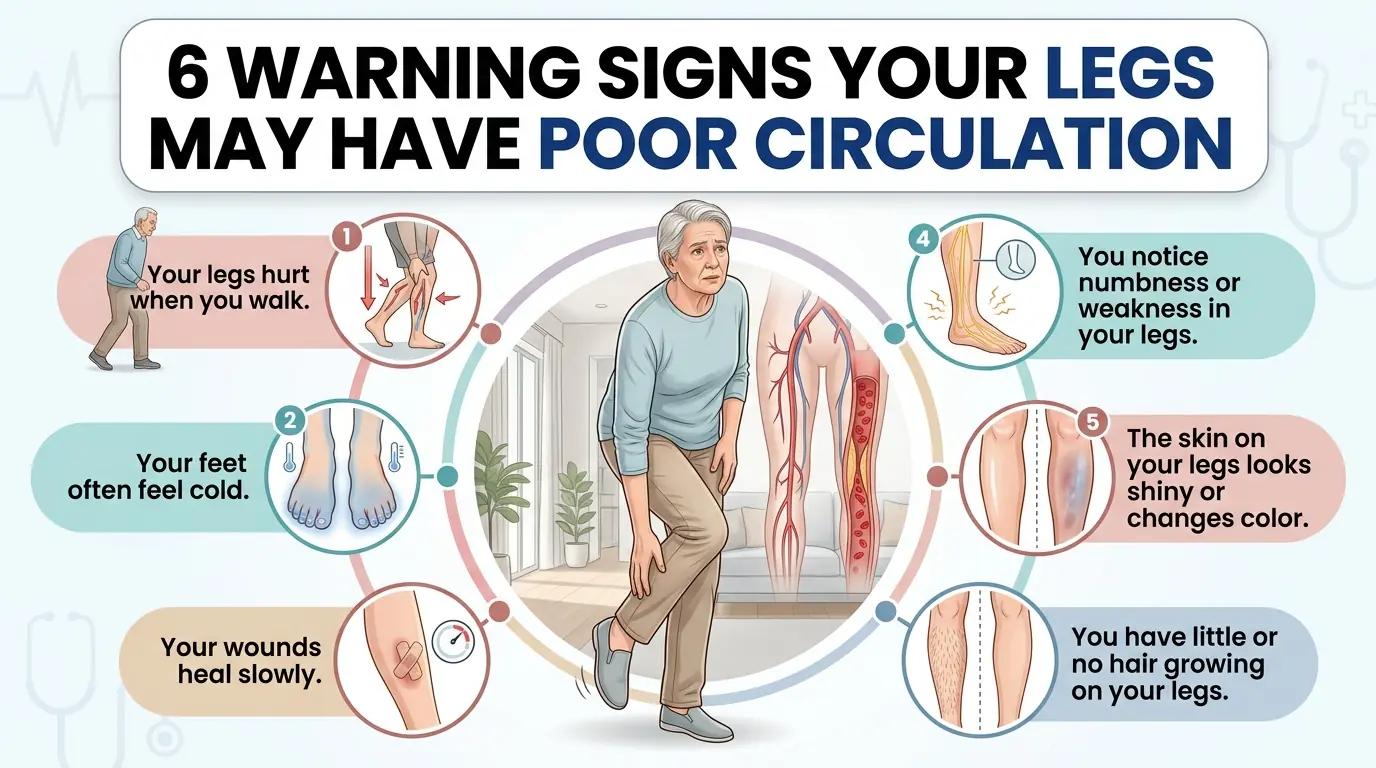
6 WARNING SIGNS YOUR LEGS MAY HAVE POOR CIRCULATION
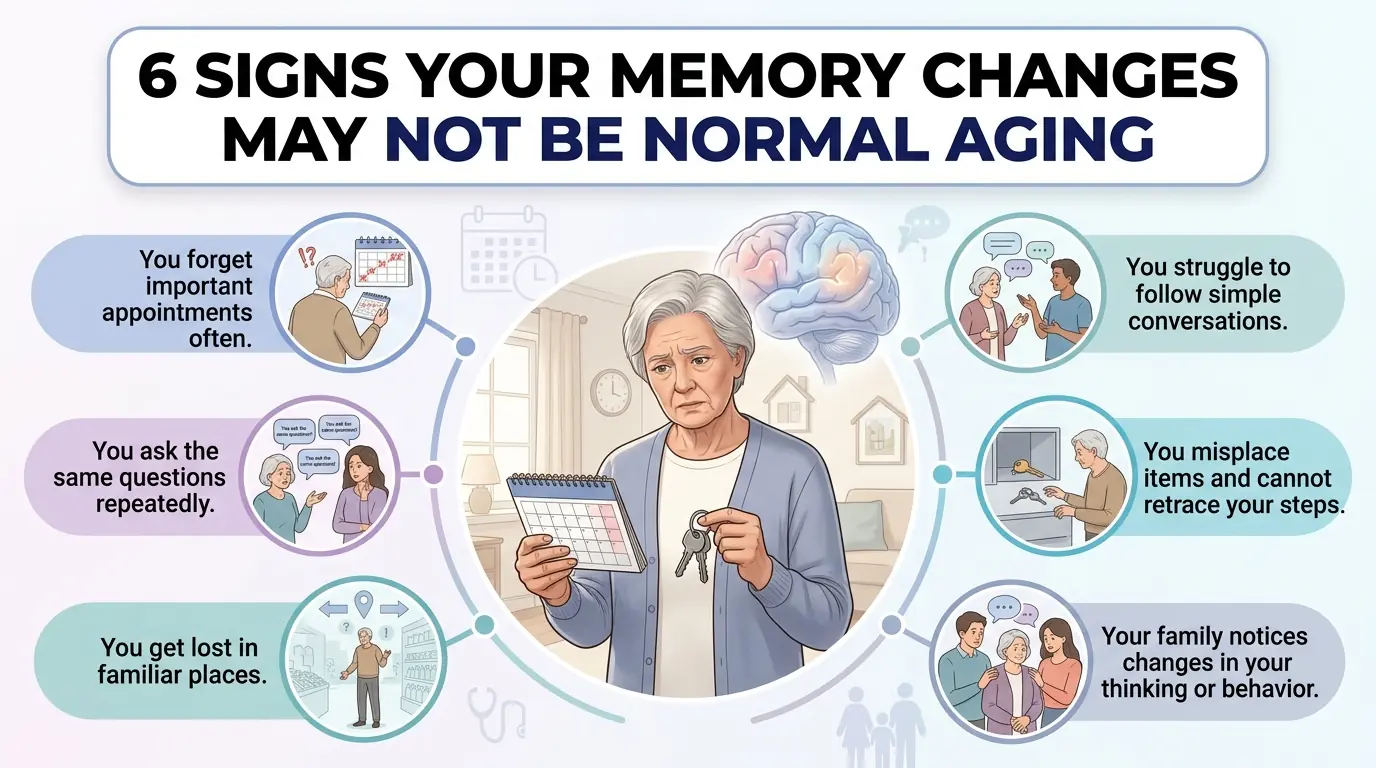
6 SIGNS YOUR MEMORY CHANGES MAY NOT BE NORMAL AGING
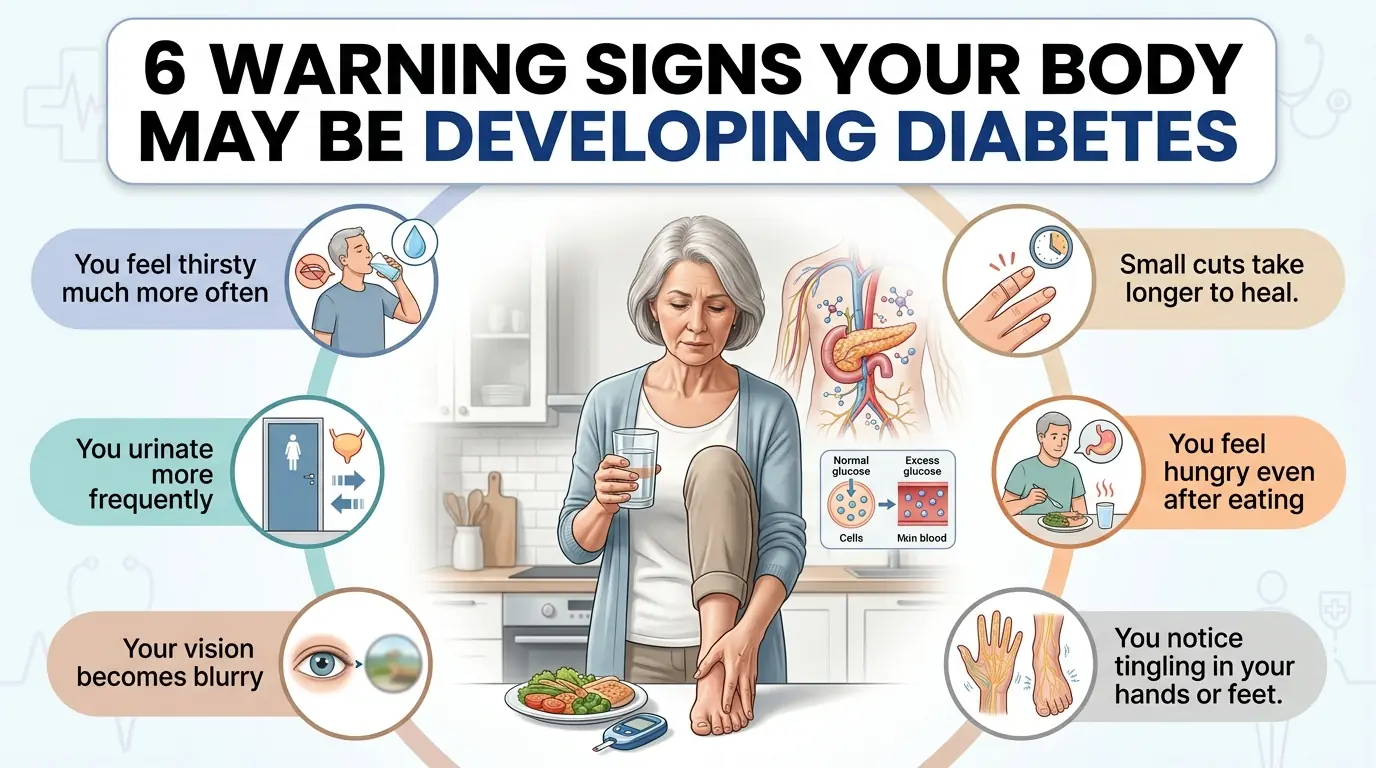
6 WARNING SIGNS YOUR BODY MAY BE DEVELOPING DIABETES
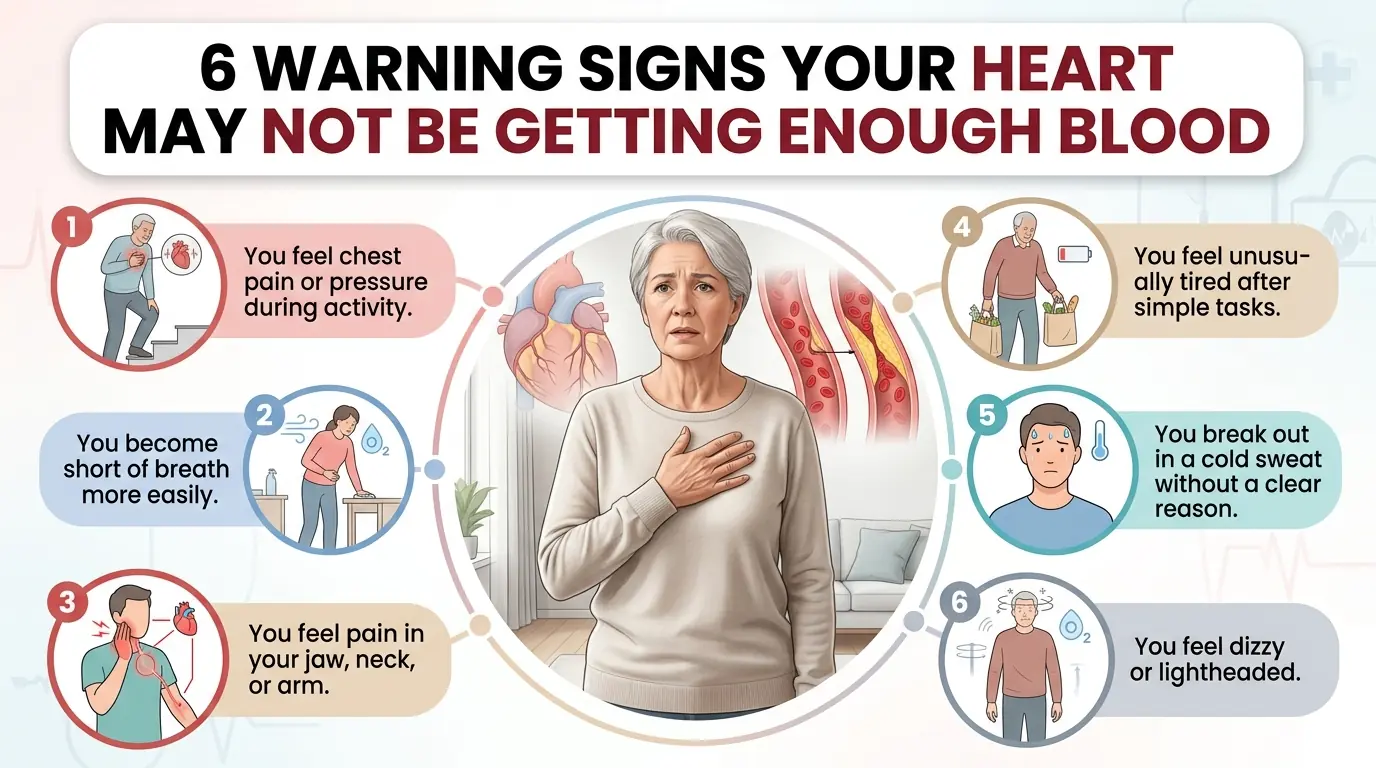
6 WARNING SIGNS YOUR HEART MAY NOT BE GETTING ENOUGH BLOOD
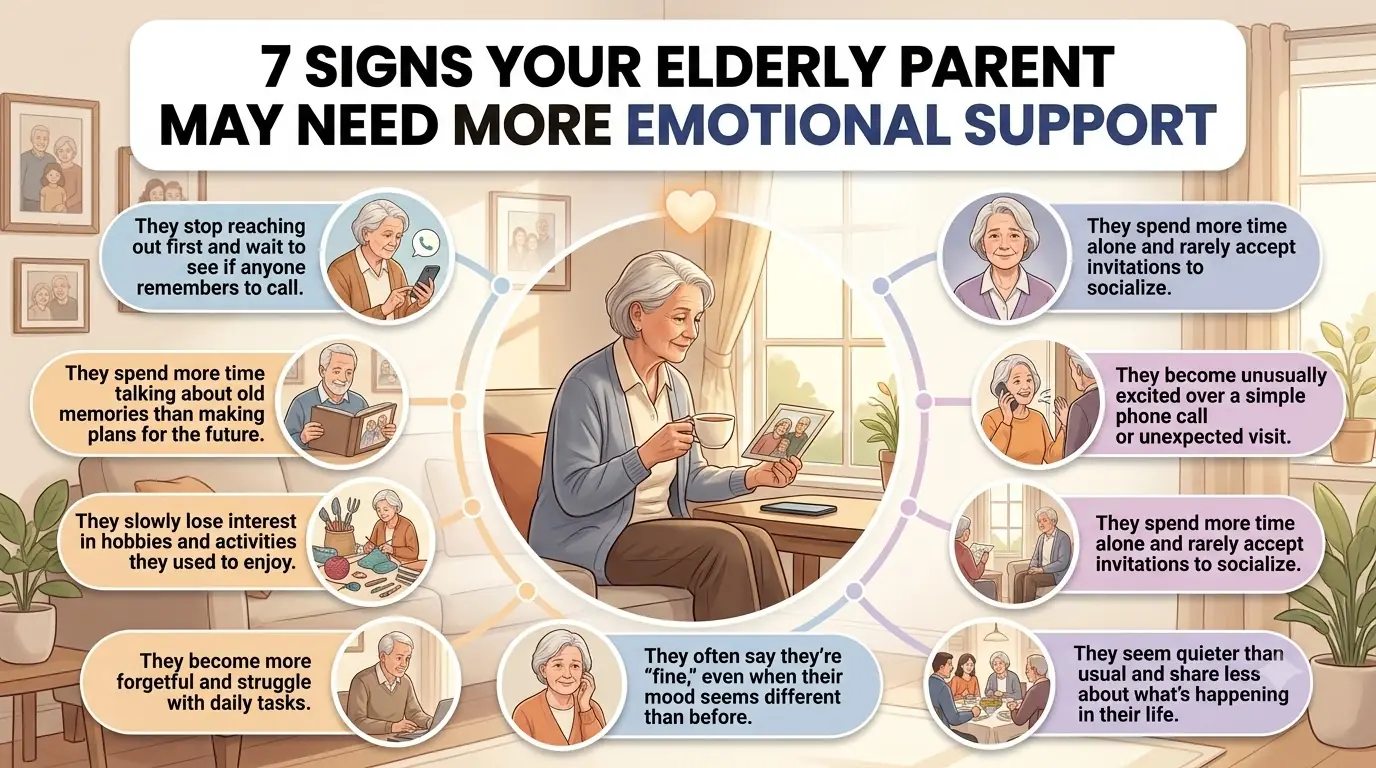
7 SIGNS YOUR ELDERLY PARENT MAY NEED MORE EMOTIONAL SUPPORT