YOUR AGING PARENTS MAY BE LONELY WITHOUT EVER TELLING YOU
Reader Theme:
Font Size:
24px
YOUR AGING PARENTS MAY BE LONELY WITHOUT EVER TELLING YOU
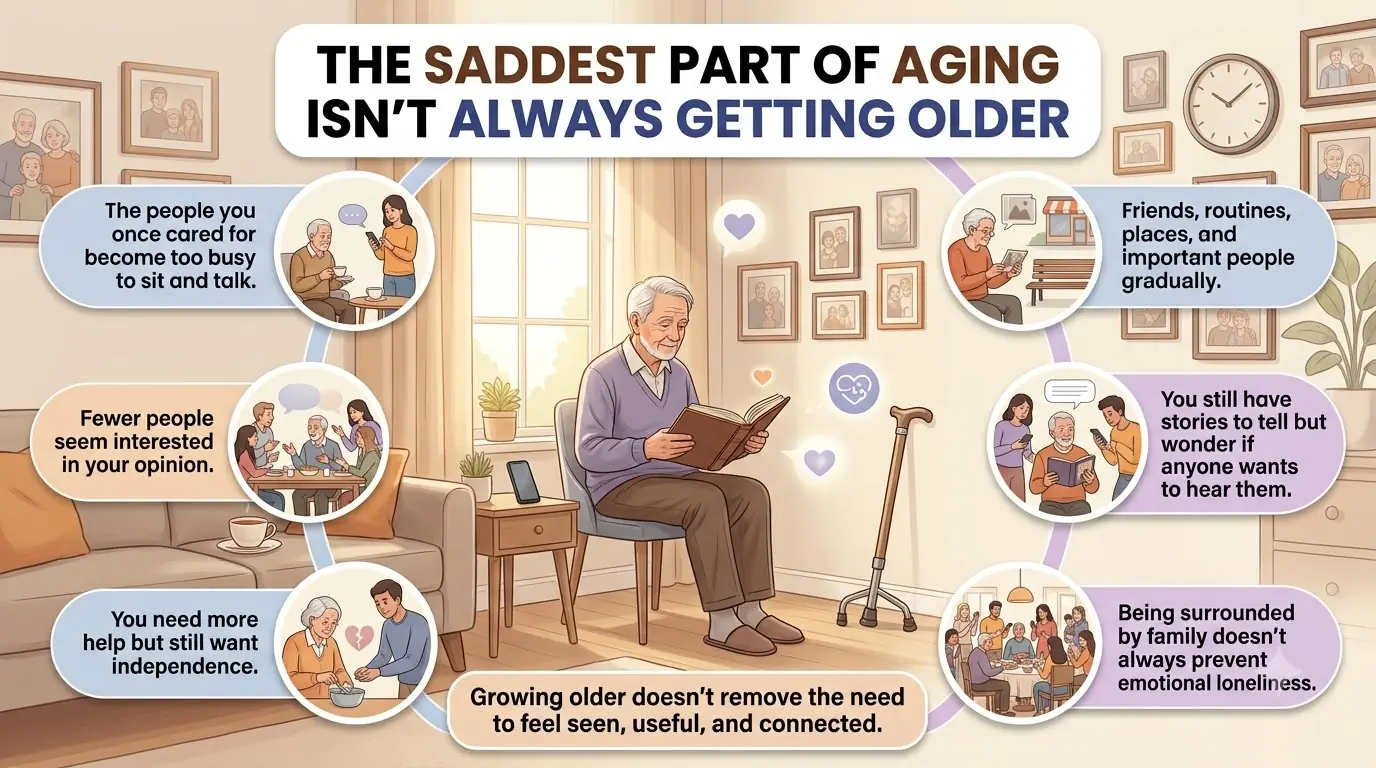
Loneliness doesn't always look like sadness. An aging parent may smile during a visit, tell you everything is fine, and insist that you shouldn't worry about them. Yet behind those reassuring words, they may be experiencing long stretches of isolation that they rarely discuss.
Growing older can bring major changes to a person's social world. Retirement may remove daily contact with coworkers. Friends and spouses may become ill or pass away. Driving can become more difficult, mobility may decline, and adult children often become increasingly occupied with careers and families of their own.
None of this means that loneliness is inevitable with age. But it does mean that families should pay attention to subtle changes in behavior—especially when an older parent rarely asks directly for companionship.
Sometimes loneliness doesn't sound like “I need you.” It sounds like “Don't worry about me.”
Why Loneliness Can Be Difficult to Recognize
Loneliness and social isolation are related, but they aren't exactly the same.
Social isolation refers to having relatively little social contact or interaction. Loneliness is the subjective feeling that the relationships or connections you have aren't meeting your emotional needs.
Someone can live alone and feel perfectly content. Another person can be surrounded by family and still feel deeply lonely.
Older adults may be especially reluctant to talk about loneliness because they don't want their children to feel guilty or responsible. Some may also value independence and find it uncomfortable to admit that they want more companionship.
As a result, the clues can be surprisingly subtle.
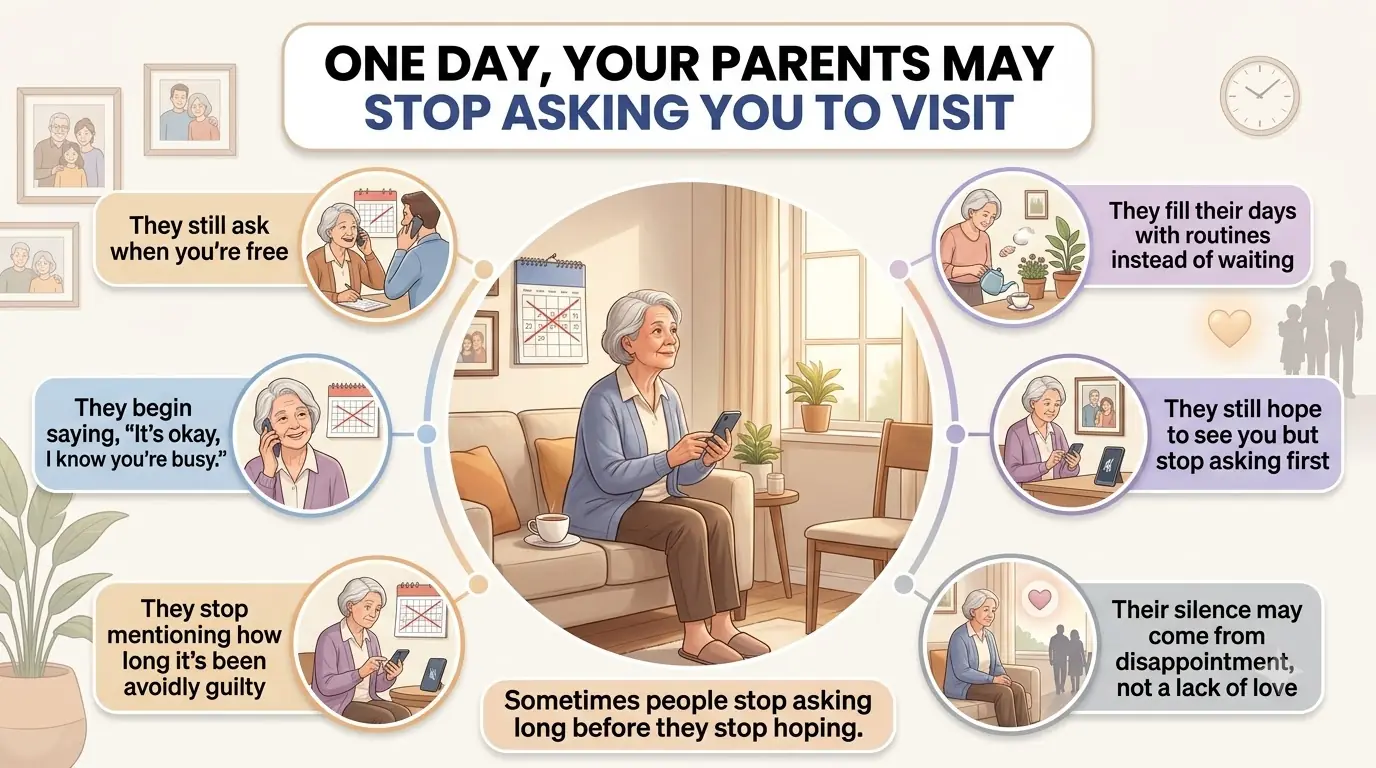
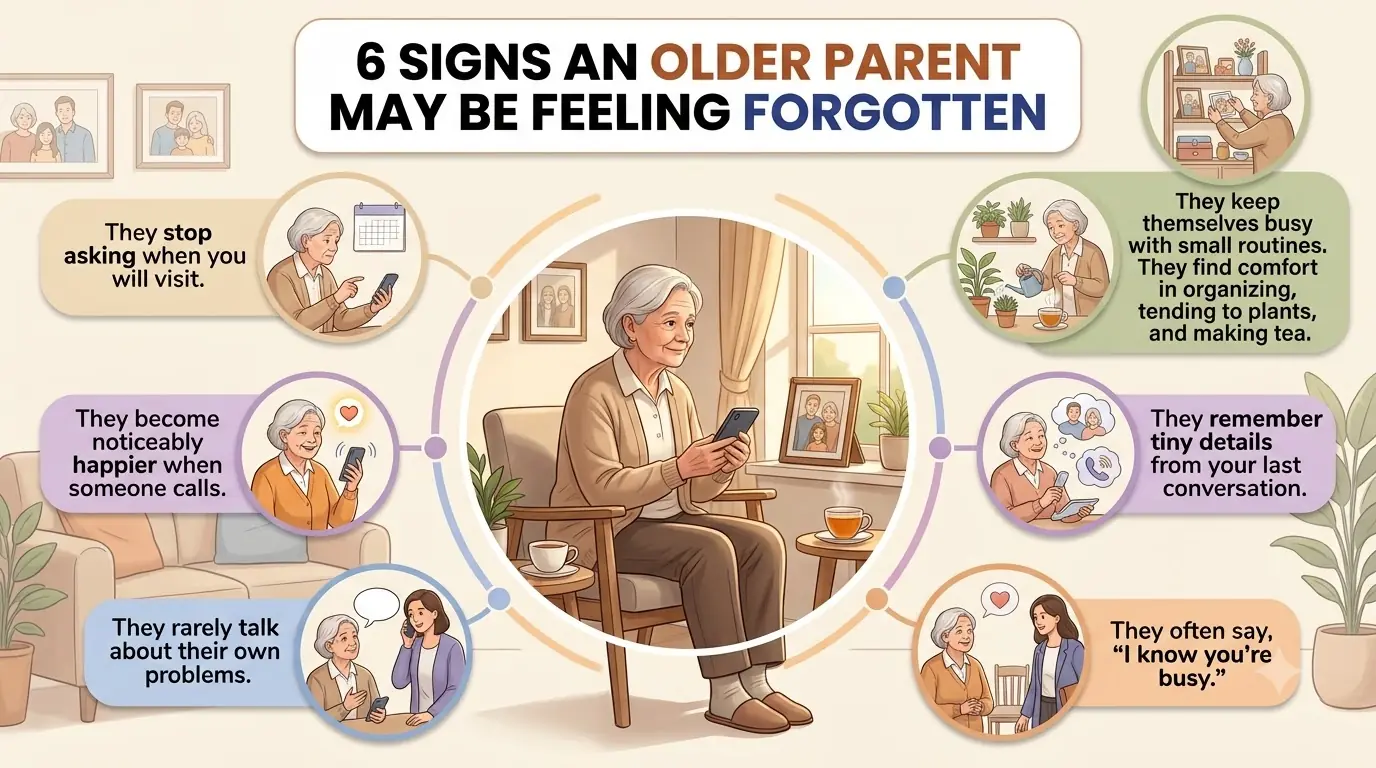
1. They Stop Asking When You'll Visit
Perhaps your parent used to ask when you were coming over.
Then, gradually, they stopped.
They may say:
- “Whenever you have time.”
- “There's no rush.”
- “I know you're busy.”
- “Don't change your plans for me.”
It's easy to interpret these responses as evidence that they don't mind being alone.
Sometimes that's true. But sometimes an older parent stops asking because repeatedly requesting visits can make them feel needy or leave them disappointed when schedules don't work out.
Instead of waiting for them to ask, take the initiative when you can.
A concrete plan—“I'll come by Sunday afternoon”—can feel very different from “I'll visit when things calm down.”
2. They Find Small Reasons to Call
A parent may call to ask a question they could probably answer themselves.
Perhaps they want to tell you something minor about the weather, ask about a television program, mention what they ate for lunch, or check on something that doesn't seem particularly urgent.
The subject of the conversation may not always be the real reason for the call.
Sometimes they simply want to hear a familiar voice.
If these calls happen frequently, try not to automatically treat them as interruptions. You don't need to have a long conversation every time, but a few minutes of genuine attention can provide meaningful connection.
When you're genuinely too busy to talk, consider telling them when you'll call back—and following through.
Reliability can be reassuring.
3. They Become Noticeably Happier When Someone Stays Longer
A short visit may unexpectedly turn into a long conversation.
When you prepare to leave, your parent may suddenly remember another story, offer you more food, ask another question, or find another reason for you to stay.
This doesn't necessarily mean they're lonely. They may simply enjoy your company.
But if someone spends much of their time alone, an ordinary afternoon with another person can become an important part of their week.
Try occasionally allowing visits to unfold without constantly watching the clock.
You don't necessarily need an activity planned. Drinking coffee, preparing a meal, looking through photographs, or simply sitting together can provide meaningful companionship.
4. They Talk About Old Memories More Often
Reminiscing is a normal and potentially meaningful part of aging.
Older adults may enjoy talking about childhood, marriage, raising children, former careers, vacations, or family traditions because those experiences remain important parts of their identity.
Talking about the past isn't automatically a sign of loneliness.
However, if an older parent talks almost exclusively about previous relationships and experiences while showing little interest in anything ahead, it may be worth checking how they're feeling about their current life.
You can listen to their memories while also helping create new things to anticipate.
That might be:
- Sunday lunch.
- A grandchild's visit.
- A regular weekly phone call.
- A community activity.
- A short family outing.
People benefit from having meaningful experiences behind them—and meaningful experiences still ahead.
5. They Say They Enjoy Being Alone
Some older adults genuinely prefer substantial amounts of solitude.
That preference should be respected.
But enjoying solitude and experiencing unwanted loneliness aren't mutually exclusive. Someone can appreciate quiet mornings while still finding long evenings difficult.
Instead of assuming what your parent needs, ask.
You might say:
“How have your days been lately?”
“Do you feel like you're getting enough time with other people?”
“Is there anyone you'd like to see more often?”
These questions allow them to describe their own experience rather than forcing a label like “lonely” onto them.
Pay attention to behavior as well.
If someone says they enjoy being alone but has simultaneously stopped seeing friends, abandoned favorite activities, and become increasingly withdrawn, there may be more going on.
6. They Slowly Stop Making Plans
One subtle change families may notice is that an older parent stops initiating plans.
They may no longer suggest dinner, invite people over, arrange outings, or talk about upcoming activities.
Sometimes there are practical explanations.
Driving may have become difficult. Walking may be painful. Hearing loss may make social gatherings exhausting. Money may be tighter after retirement.
But emotional factors can also contribute.
After hearing “I'm busy” enough times, someone may simply stop asking.
Rather than assuming they no longer want to participate, continue offering invitations without pressure.
Being included matters—even when they occasionally decline.
Other Signs an Older Adult May Be Socially Isolated
There isn't one behavior that proves someone is lonely.
Instead, look for patterns or changes from their usual personality and routine.
Possible signs include:
- Spending substantially more time alone.
- Calling family much more—or much less—than before.
- Losing interest in hobbies.
- Declining invitations repeatedly.
- Becoming unusually quiet.
- Changes in sleep or appetite.
- Neglecting personal care.
- Expressing feelings of uselessness or hopelessness.
These changes can also occur with depression, grief, chronic illness, hearing loss, medication effects, or cognitive impairment.
Persistent changes therefore deserve attention rather than assumptions.
Why Social Connection Matters for Healthy Aging
Human relationships contribute to emotional well-being throughout life.
Research has associated chronic loneliness and social isolation with increased risks of several health problems, including depression, cognitive decline, cardiovascular disease, and premature mortality.
However, simply surrounding someone with people isn't necessarily the solution.
The quality of relationships matters.
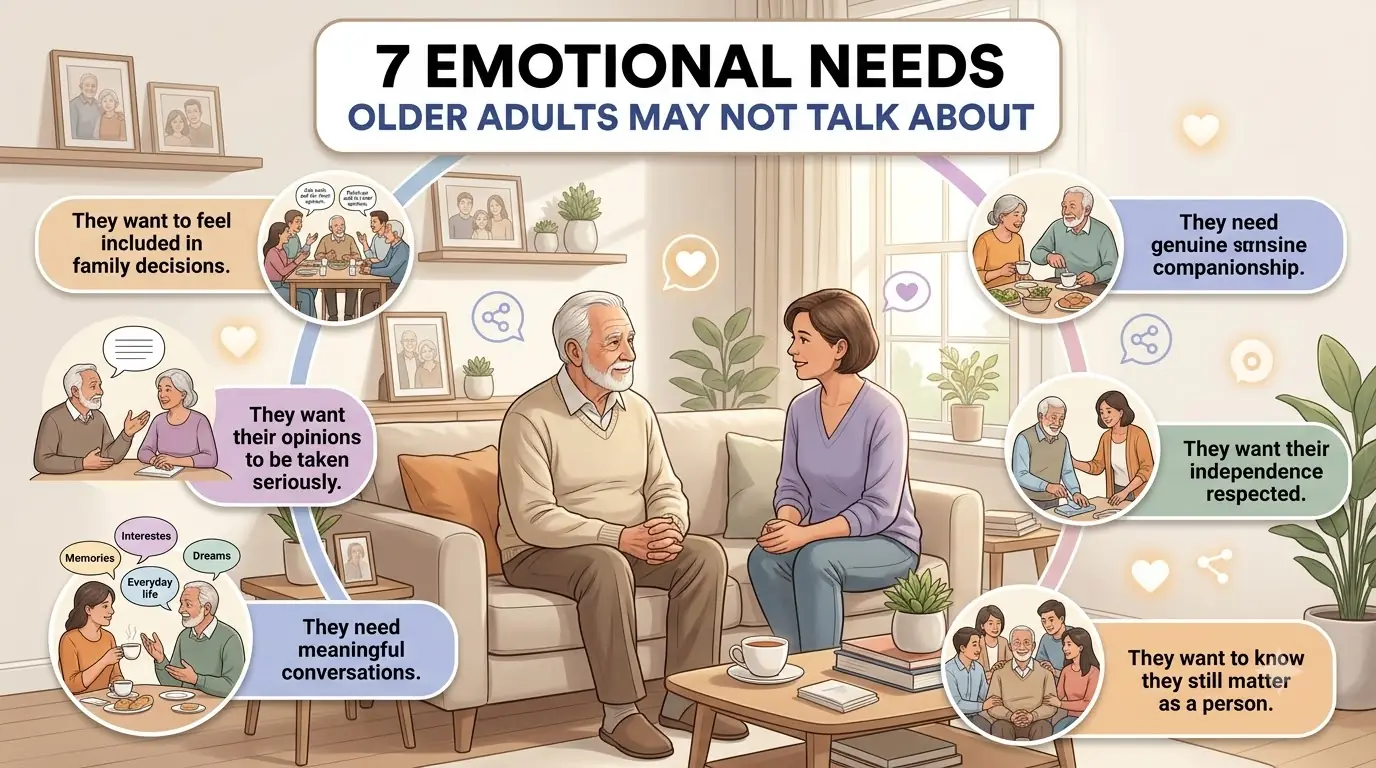
A person may benefit more from one meaningful conversation with someone they trust than from attending a crowded gathering where they feel invisible.
The goal should be genuine connection—not simply increasing the number of social interactions.
How Adult Children Can Help
Supporting an aging parent doesn't mean becoming responsible for every aspect of their social life.
Small, predictable actions can help maintain connection while respecting independence.
Consider:
- Establishing a regular day to call.
- Visiting when realistically possible.
- Inviting them to ordinary family activities.
- Asking about their interests rather than only their health.
- Helping them stay connected with friends.
- Encouraging hobbies, volunteering, or community activities they actually enjoy.
- Using video calls when distance makes visits difficult.
- Giving them your full attention when you're together.
Ask what kind of contact they prefer.
One parent may enjoy daily calls, while another may prefer a longer conversation once a week. Emotional support works best when it respects the individual's personality and wishes.
Don't Let Every Conversation Become a Health Check
As parents age, conversations can easily revolve around medications, blood pressure, doctor's appointments, and physical symptoms.
Those subjects are important.
But your parent is still the same person who had interests, opinions, friendships, ambitions, and stories long before anyone began asking about medications.
Talk about other things too.
Ask what they're reading. Discuss a movie. Ask their opinion. Tell them something funny that happened during your day. Ask about a family story you've never heard.
Connection often grows from ordinary conversation.
When Loneliness May Be Something More
Occasional loneliness is part of the human experience. Persistent emotional and behavioral changes, however, may indicate depression or another health problem.
Consider encouraging medical evaluation if your parent develops:
- Persistent sadness or hopelessness.
- Loss of interest or pleasure in activities.
- Significant withdrawal from others.
- Major changes in sleep or appetite.
- Unexplained fatigue.
- Difficulty concentrating.
- Significant personality changes.
- Memory problems that interfere with everyday activities.
Depression is not an inevitable part of aging, and symptoms shouldn't simply be dismissed because someone is older.
Medical conditions, medications, hearing or vision problems, grief, and cognitive disorders can also contribute to social withdrawal.
Identifying the underlying cause can help determine what kind of support will actually be useful.
Key Takeaways
- Older parents may experience loneliness without directly telling their families.
- Stopping requests for visits doesn't necessarily mean they no longer want companionship.
- Small phone calls may sometimes be attempts to maintain connection.
- Reminiscing is normal, but losing interest in future activities may deserve attention when accompanied by other changes.
- Someone can enjoy solitude and still experience unwanted loneliness.
- Continuing to include older parents in everyday family life can reinforce connection and belonging.
- Quality and consistency often matter more than elaborate gestures.
- Persistent withdrawal or major emotional changes should be discussed with a healthcare professional.
Medical Disclaimer
This article is for general educational purposes and is not intended to diagnose loneliness, depression, or any other medical or mental health condition. Older adults vary greatly in how much social interaction they want or need, and the behaviors described above can have many explanations. If an aging parent develops persistent sadness, social withdrawal, cognitive changes, or significant changes in everyday functioning, consider discussing these concerns with a qualified healthcare professional.
News in the same category
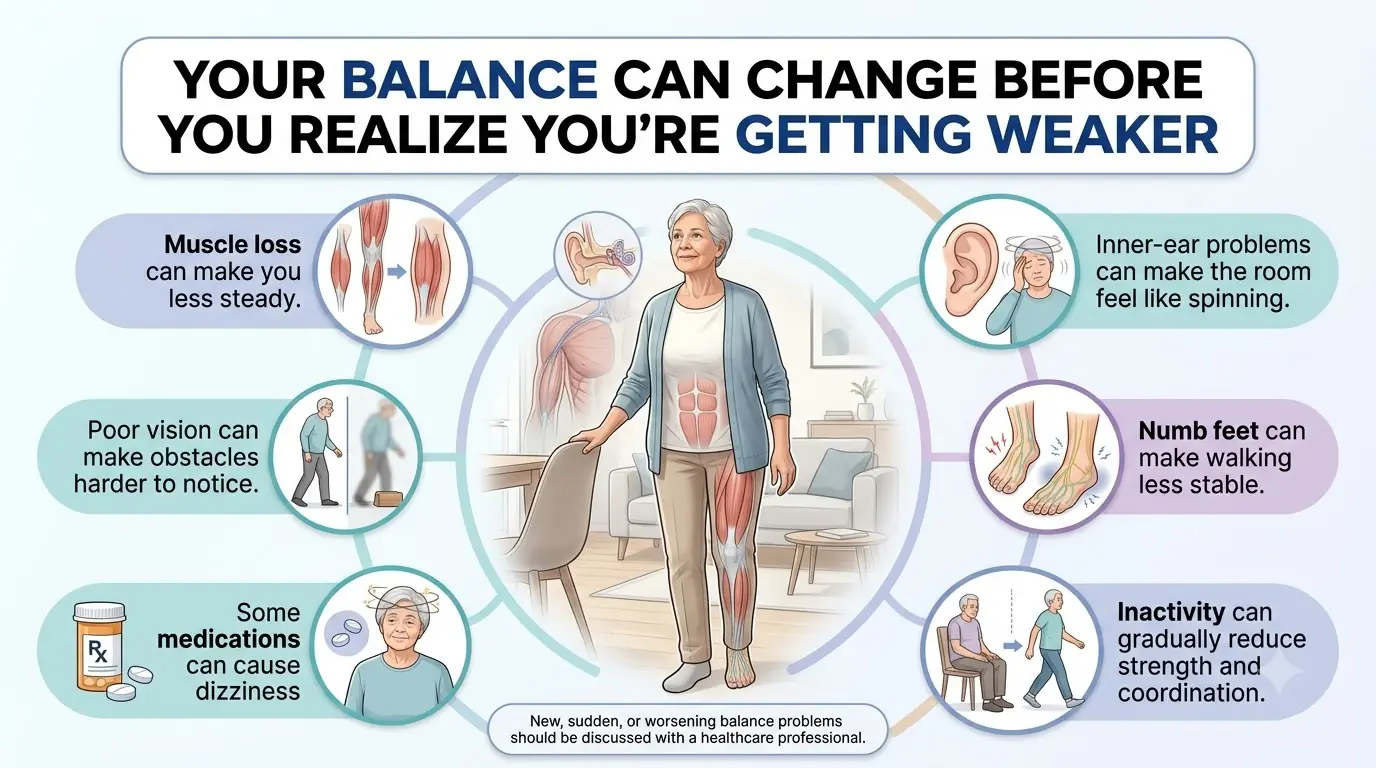
YOUR BALANCE CAN CHANGE BEFORE YOU REALIZE YOU’RE GETTING WEAKER
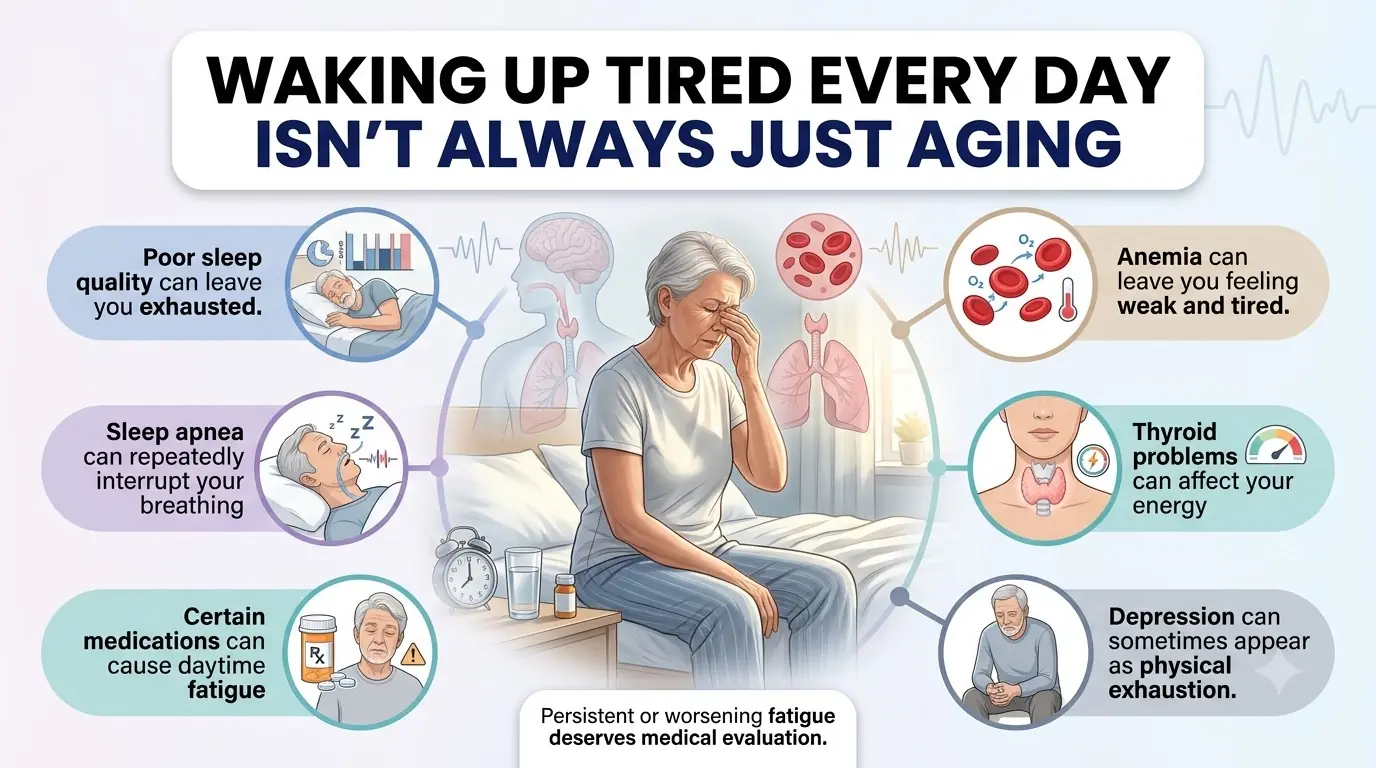
WAKING UP TIRED EVERY DAY ISN’T ALWAYS JUST AGING
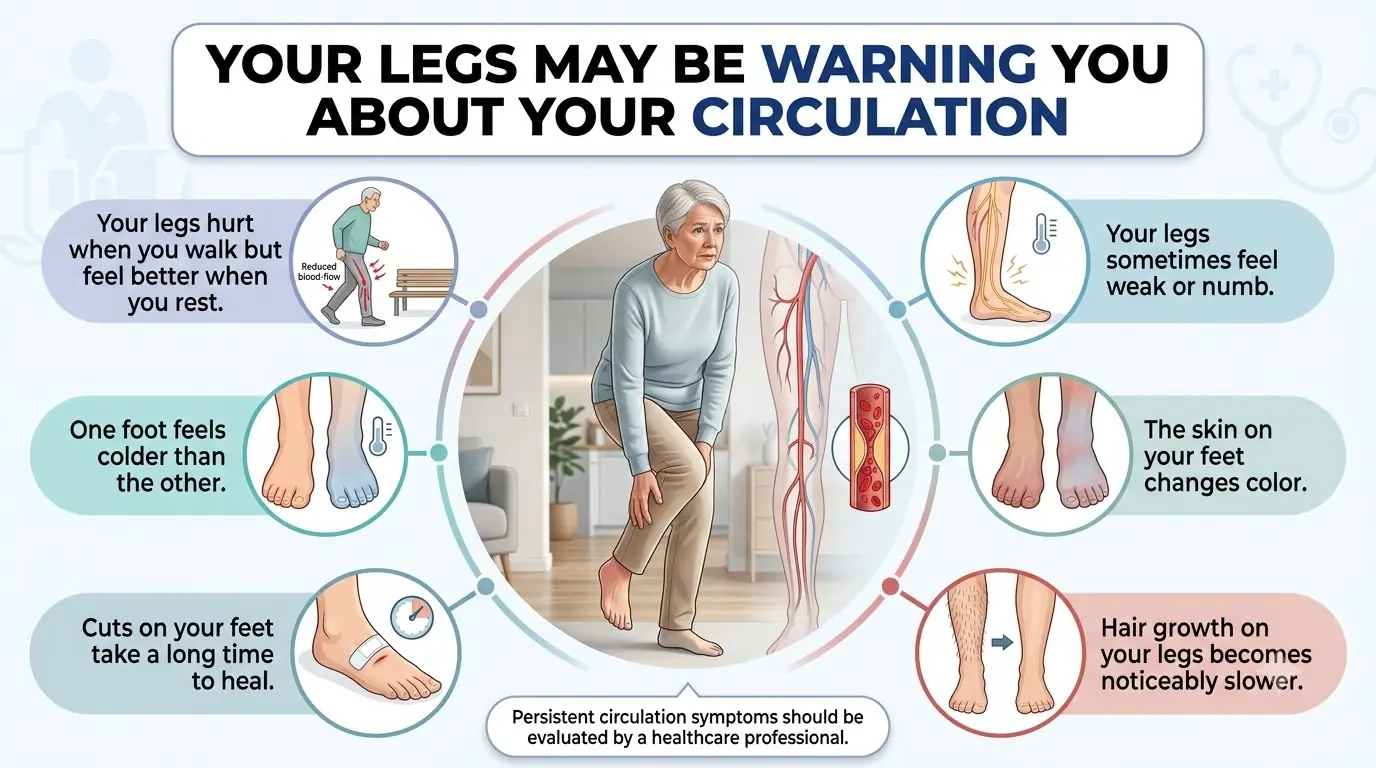
YOUR LEGS MAY BE WARNING YOU ABOUT YOUR CIRCULATION
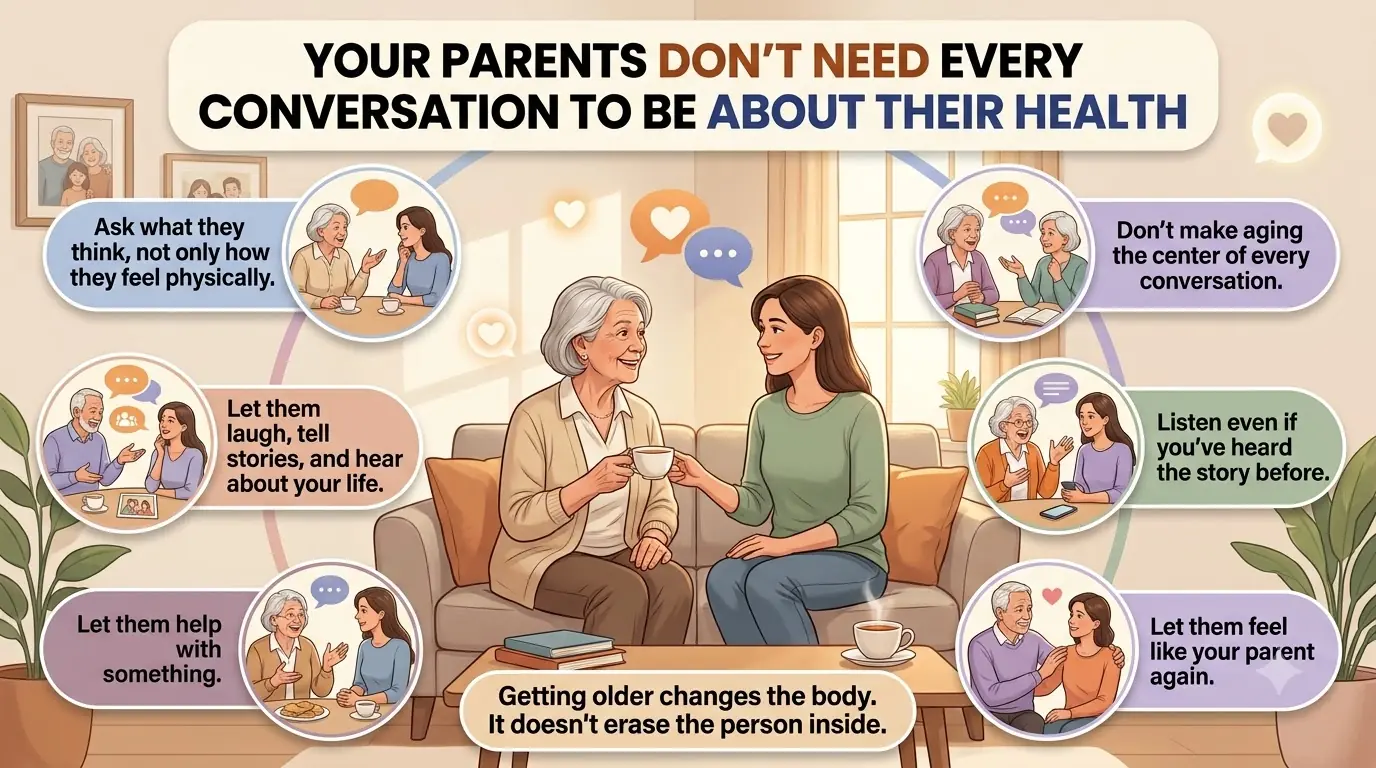
YOUR PARENTS DON'T NEED EVERY CONVERSATION TO BE ABOUT THEIR HEALTH
THE SADDEST PART OF AGING ISN'T ALWAYS GETTING OLDER
ONE DAY, YOUR PARENTS MAY STOP ASKING YOU TO VISIT
7 EMOTIONAL NEEDS OLDER ADULTS MAY NOT TALK ABOUT
6 SIGNS AN OLDER PARENT MAY BE FEELING FORGOTTEN
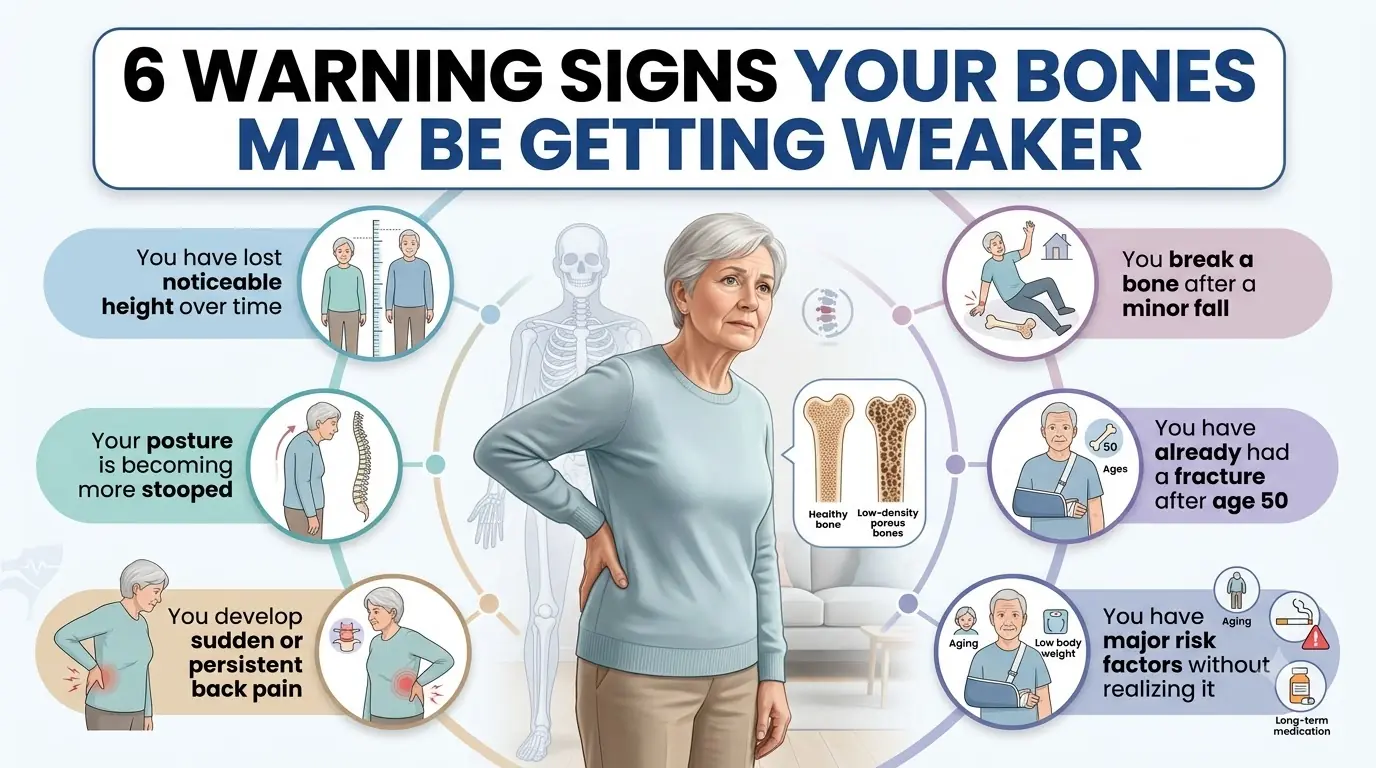
6 WARNING SIGNS YOUR BONES MAY BE GETTING WEAKER
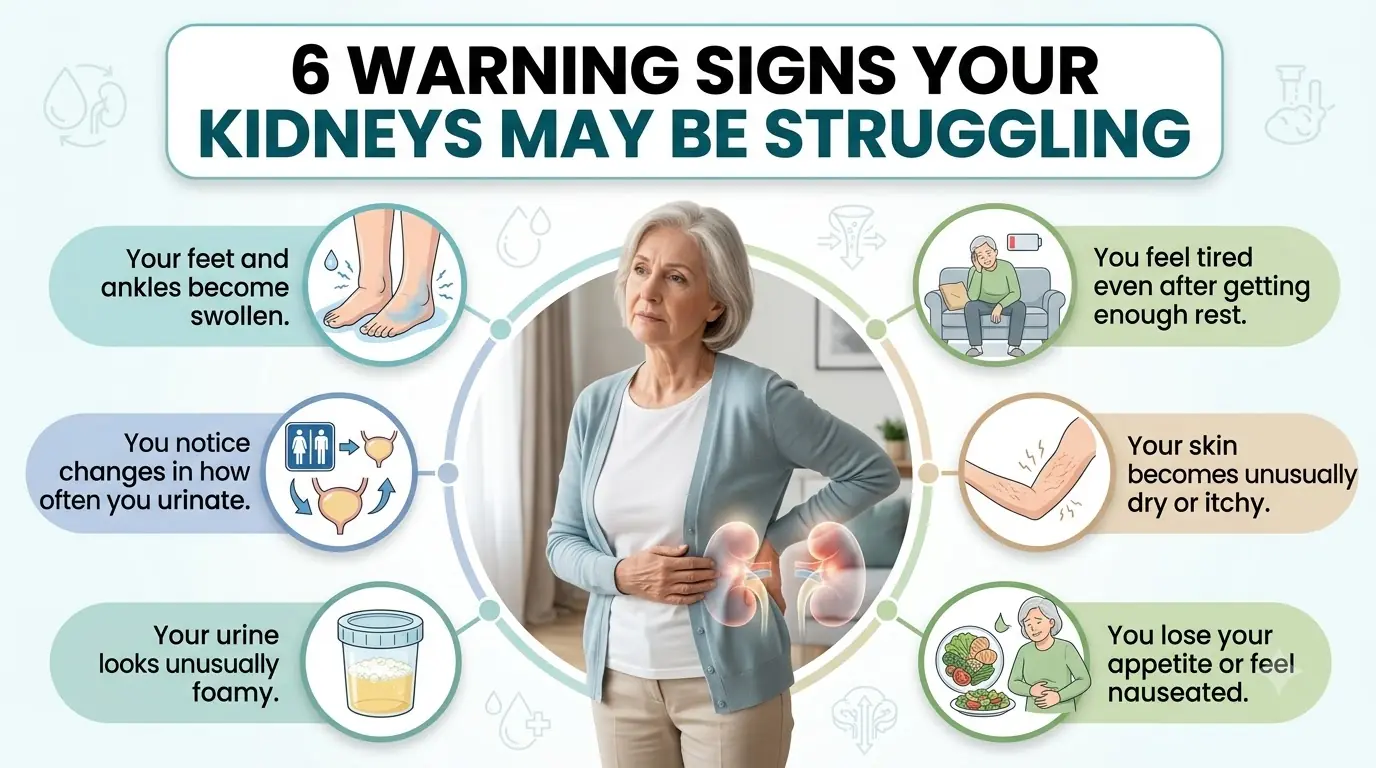
6 WARNING SIGNS YOUR KIDNEYS MAY BE STRUGGLING
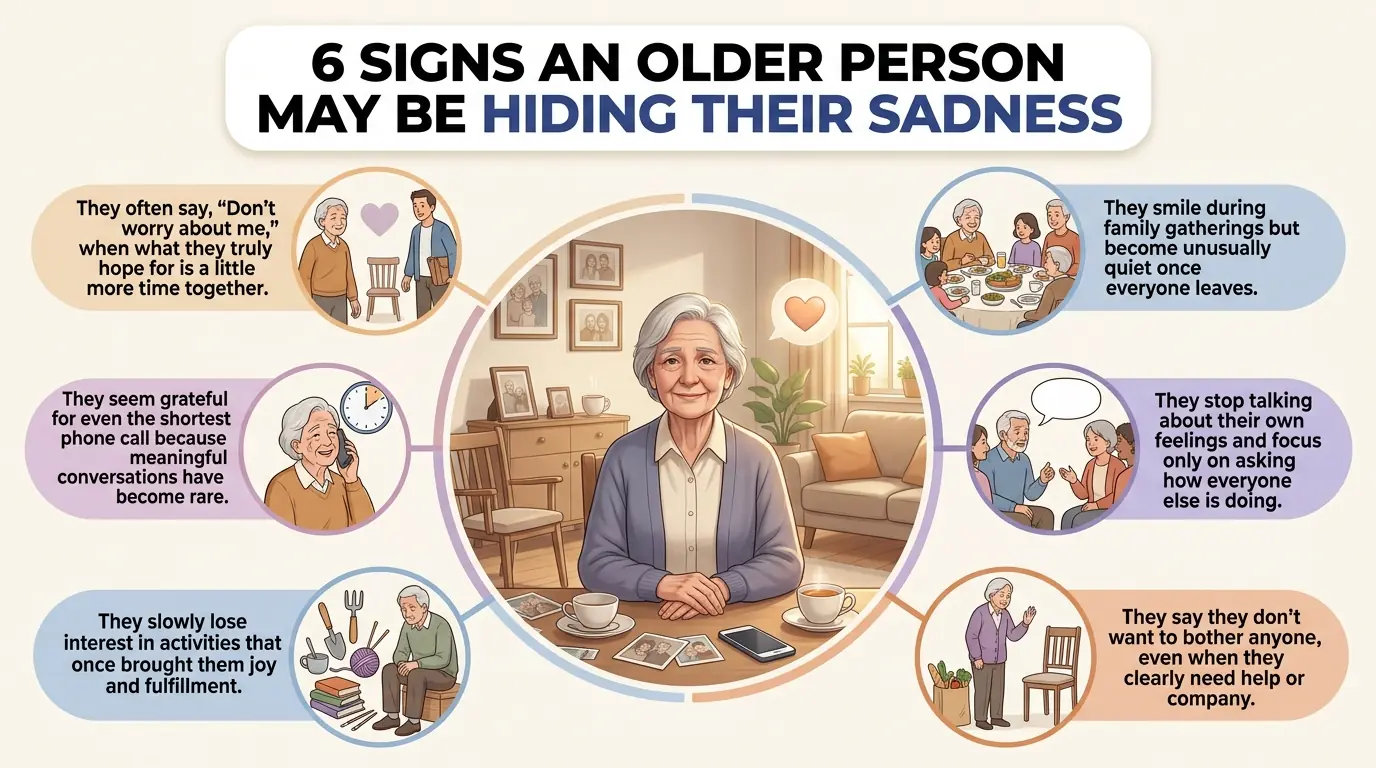
6 SIGNS AN OLDER PERSON MAY BE HIDING THEIR SADNESS
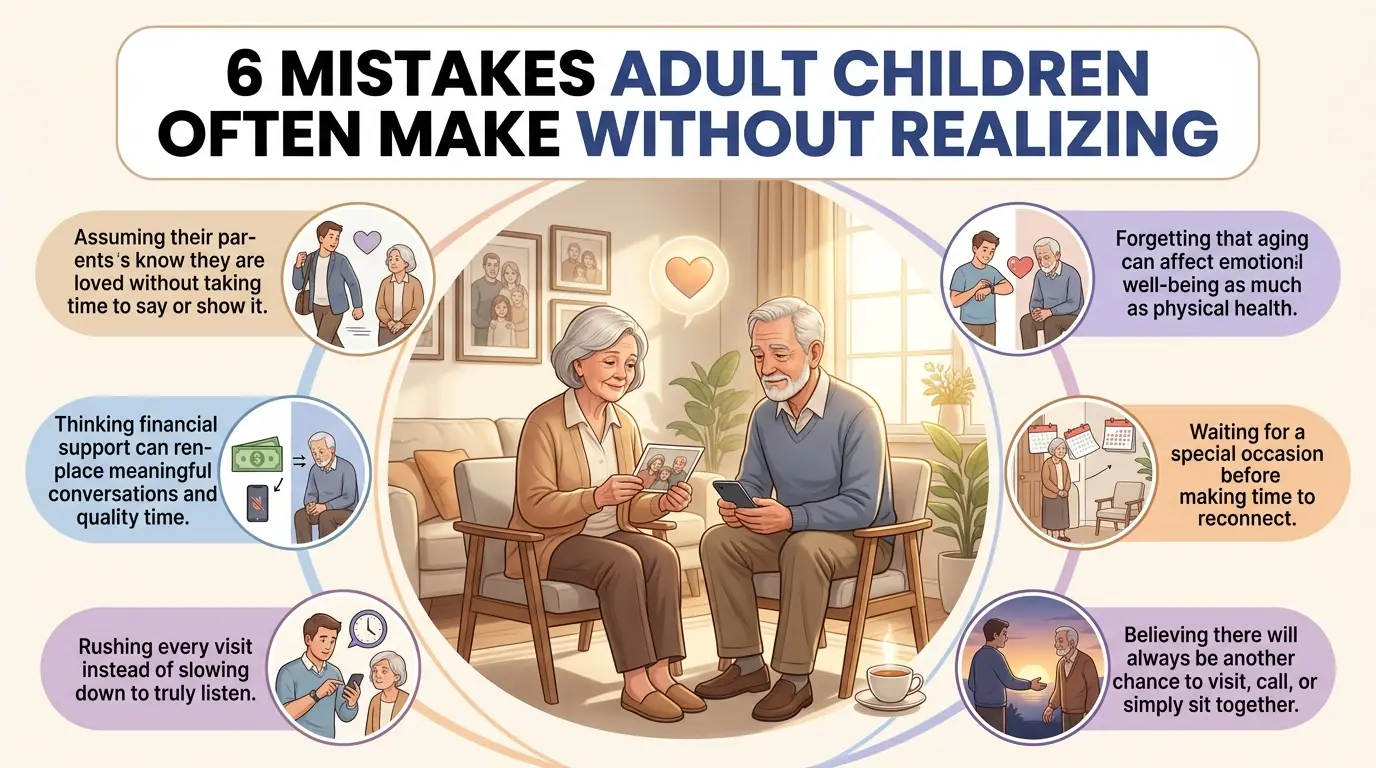
6 MISTAKES ADULT CHILDREN OFTEN MAKE WITHOUT REALIZING
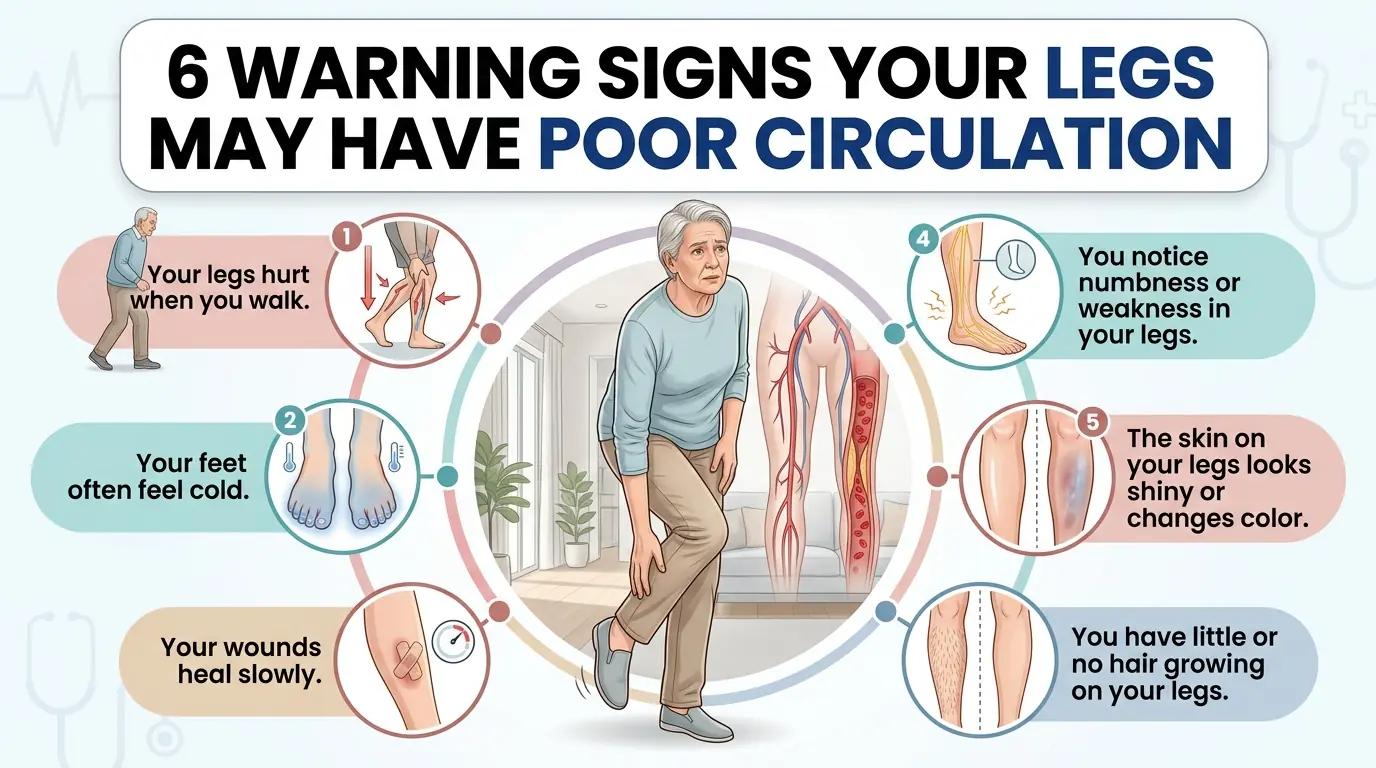
6 WARNING SIGNS YOUR LEGS MAY HAVE POOR CIRCULATION
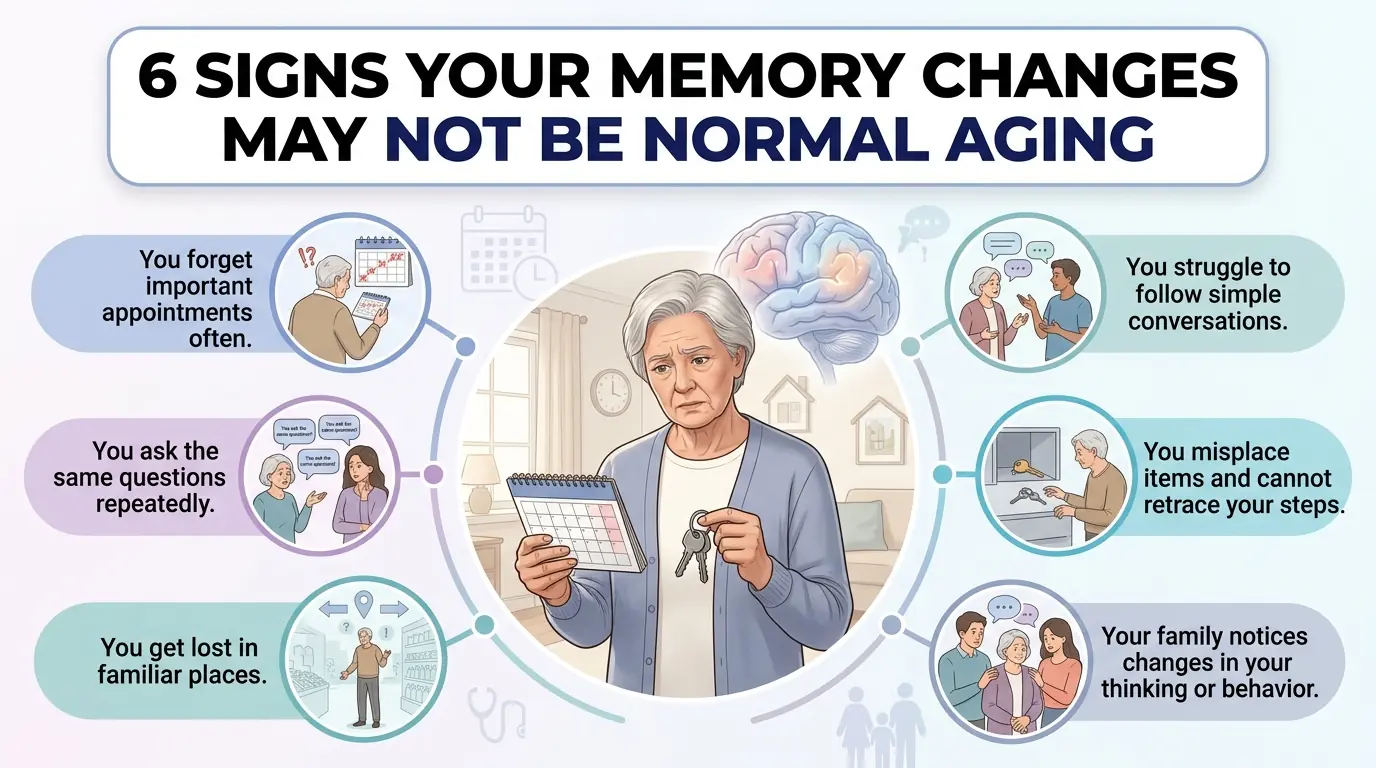
6 SIGNS YOUR MEMORY CHANGES MAY NOT BE NORMAL AGING
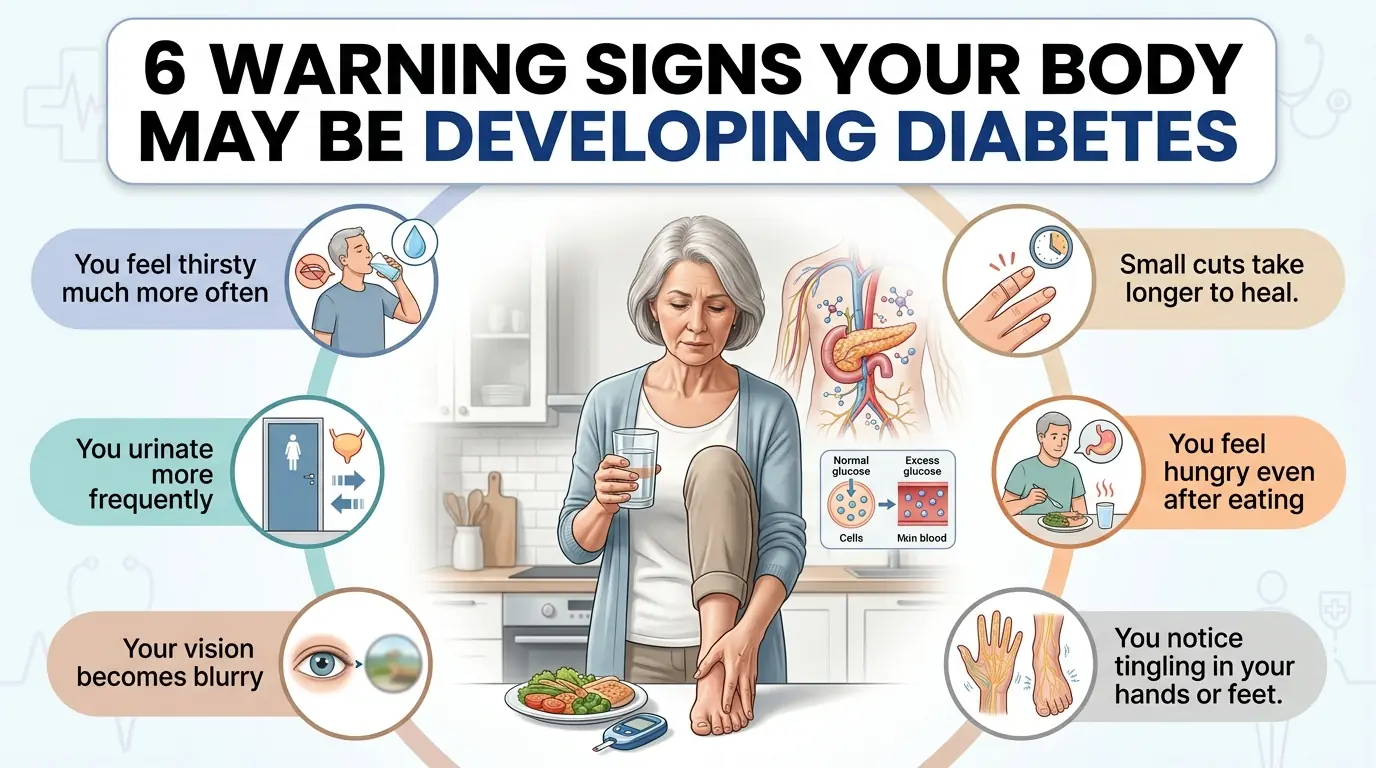
6 WARNING SIGNS YOUR BODY MAY BE DEVELOPING DIABETES
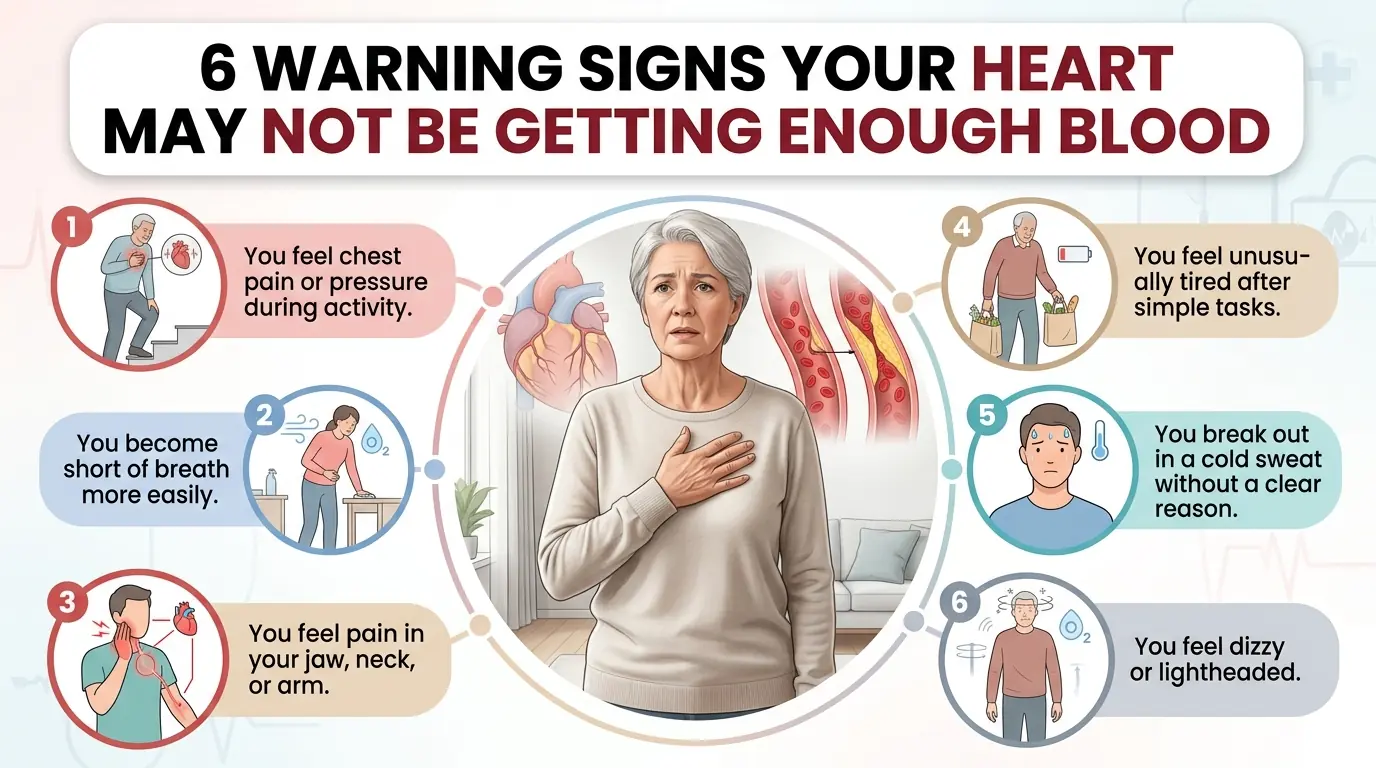
6 WARNING SIGNS YOUR HEART MAY NOT BE GETTING ENOUGH BLOOD