YOUR BALANCE CAN CHANGE BEFORE YOU REALIZE YOU’RE GETTING WEAKER
Reader Theme:
Font Size:
24px
YOUR BALANCE CAN CHANGE BEFORE YOU REALIZE YOU’RE GETTING WEAKER
Balance often changes gradually. You may first notice that you feel less steady on stairs, hesitate before stepping off a curb, or reach for furniture when walking through a room. These changes are easy to dismiss as normal aging, but they can sometimes reflect declining muscle strength, vision problems, medication side effects, inner-ear disorders, nerve problems, or reduced physical activity.
The good news is that many contributors to poor balance can be identified and treated. Strength training, vision care, medication review, and balance-focused exercise can all help reduce fall risk and preserve independence.
New, sudden, or rapidly worsening balance problems should always be medically evaluated.
Why Does Balance Change With Age?
Good balance depends on several body systems working together.
Your brain constantly receives information from:
- Your eyes.
- Your inner ears.
- Sensory nerves in your feet and joints.
- Your muscles and joints.
The brain combines this information to determine where your body is in space and then tells your muscles how to keep you upright.
If one part of this system becomes less reliable, balance may suffer.
This is why balance problems aren't caused by aging alone. They often result from several smaller changes occurring at the same time.
1. Muscle Loss Can Make You Less Steady
Age-related muscle loss, known as sarcopenia, can gradually reduce strength in the legs, hips, and core.
These muscles are essential for:
- Standing up from a chair.
- Climbing stairs.
- Correcting yourself after a stumble.
- Walking on uneven surfaces.
- Maintaining upright posture.
As muscle strength declines, the body has less ability to react quickly when balance is challenged.
You may notice:
- Difficulty getting out of low chairs.
- Slower walking speed.
- Needing a railing on stairs.
- Feeling less stable when turning.
Regular resistance exercise can help preserve and even rebuild strength at older ages.
2. Poor Vision Can Make Obstacles Harder to Notice
Vision plays a major role in balance.
Your eyes help your brain understand where you are in relation to your surroundings. If vision becomes blurry or depth perception declines, it may become harder to judge steps, curbs, rugs, or uneven ground.
Common age-related eye problems can include:
- Cataracts.
- Glaucoma.
- Macular degeneration.
- Changes in prescription needs.
Low lighting can make these problems even more noticeable.
Regular eye exams, appropriate glasses, and good lighting around the home can help reduce fall risk.
3. Some Medications Can Cause Dizziness
Many medications can affect balance, especially when several are taken together.
Depending on the medication, side effects may include:
- Dizziness.
- Drowsiness.
- Lower blood pressure.
- Slower reaction time.
- Blurred vision.
Examples can include certain:
- Blood pressure medications.
- Sleep aids.
- Sedatives.
- Anti-anxiety medications.
- Antidepressants.
- Pain medications.
Older adults may be particularly sensitive to these effects because the body often processes medications differently with age.
Never stop a prescribed medication on your own. Instead, ask your healthcare provider or pharmacist to review your medications if balance problems begin or worsen.
4. Inner-Ear Problems Can Make the Room Feel Like It Is Spinning
Your inner ear contains structures that help your brain detect movement and position.
When this system is disrupted, you may develop vertigo, which can feel as though you or the room is spinning.
Inner-ear problems can also cause:
- Nausea.
- Unsteadiness.
- Difficulty walking.
- Symptoms triggered by turning the head or changing position.
One common cause is benign paroxysmal positional vertigo, or BPPV, which can cause brief episodes of spinning when you roll over in bed or tilt your head.
Because dizziness has many possible causes, recurring vertigo should be evaluated rather than self-diagnosed.
5. Numb Feet Can Make Walking Less Stable
Your feet constantly send information to your brain about pressure, position, and the surface beneath you.
If sensation is reduced, the brain receives less accurate information about where your feet are.
This can make balance more difficult, especially in the dark or on uneven ground.
Numbness may occur with conditions such as:
- Diabetes.
- Peripheral neuropathy.
- Vitamin B12 deficiency.
- Certain neurological disorders.
- Some medications.
You may notice:
- Tingling.
- Burning.
- Reduced sensation.
- Feeling as though you're walking on cushions.
- Difficulty knowing exactly where your feet are without looking.
Persistent numbness should be discussed with a healthcare professional.
6. Inactivity Can Gradually Reduce Strength and Coordination
One of the most overlooked causes of declining balance is simply moving less.
When physical activity decreases, the body can gradually lose:
- Muscle strength.
- Joint mobility.
- Coordination.
- Reaction speed.
- Confidence while walking.
This can create a cycle.
Someone feels slightly unsteady, so they move less. Moving less causes further weakness, which makes them even more unsteady.
Appropriate exercise can help break that cycle.
Depending on your health and mobility, useful activities may include:
- Walking.
- Strength training.
- Tai chi.
- Supervised balance exercises.
- Chair exercises.
- Physical therapy.
The safest program depends on your individual health and fall risk.
Other Causes of Balance Problems
Balance changes may also occur because of:
- Dehydration.
- Low blood pressure.
- Anemia.
- Stroke.
- Parkinson's disease.
- Arthritis.
- Foot problems.
- Hearing disorders.
- Heart rhythm abnormalities.
- Neurological conditions.
Sometimes more than one factor is involved.
For example, an older adult may have mild neuropathy, weaker leg muscles, and a medication that causes dizziness. Together, those factors can significantly increase fall risk.
Why Falls Matter More After 60
Falls become increasingly important with age because they can cause:
- Hip fractures.
- Wrist fractures.
- Head injuries.
- Loss of confidence.
- Reduced mobility.
- Loss of independence.
After one fall, some people become afraid of falling again and begin avoiding activity.
Unfortunately, reducing activity can cause additional muscle loss and make future falls more likely.
This is why preventing falls often involves maintaining movement rather than avoiding it completely.
How to Improve Balance Safely
Several practical steps can help reduce fall risk.
Consider:
- Perform regular strength and balance exercises.
- Have your vision checked regularly.
- Review medications with your healthcare provider.
- Wear supportive, properly fitting shoes.
- Keep floors clear of clutter.
- Remove loose rugs when possible.
- Install adequate lighting.
- Use handrails on stairs.
- Stay appropriately hydrated.
- Have persistent foot numbness or dizziness evaluated.
If you're already experiencing significant balance difficulties, working with a physical therapist may be especially helpful.
Who Is Most at Risk?
Balance problems become more common among people who:
- Have experienced previous falls.
- Have significant muscle weakness.
- Take multiple medications.
- Have poor vision.
- Have diabetes or peripheral neuropathy.
- Have inner-ear disorders.
- Spend very little time physically active.
- Have neurological conditions.
Having several risk factors can substantially increase the likelihood of falls.
When Should You See a Doctor?
Arrange a medical evaluation if you notice:
- Increasing difficulty walking.
- Frequent stumbling.
- Recurring dizziness or vertigo.
- New numbness in your feet.
- Multiple falls or near-falls.
- Balance problems interfering with everyday activities.
When Balance Problems May Be an Emergency
Seek immediate medical attention if balance suddenly becomes severely impaired, especially when accompanied by:
- Facial drooping.
- Weakness or numbness on one side.
- Difficulty speaking.
- Double vision or sudden vision loss.
- Severe headache.
- New confusion.
Sudden balance problems can sometimes be a sign of stroke and require urgent treatment.
Key Takeaways
- Balance depends on your muscles, vision, inner ears, nerves, and brain working together.
- Age-related muscle loss can make it harder to recover from a stumble.
- Poor vision and certain medications can significantly increase fall risk.
- Inner-ear disorders may cause vertigo and unsteadiness.
- Numbness in the feet can reduce awareness of body position.
- Inactivity can gradually weaken strength, coordination, and confidence.
- Regular strength and balance exercises can help preserve function and independence.
- New, sudden, or worsening balance problems should be evaluated by a healthcare professional.
Medical Disclaimer
This article is for educational purposes only and is not intended to replace professional medical advice, diagnosis, or treatment. Balance problems can have many different causes, including medication effects, inner-ear conditions, nerve disorders, vision problems, and neurological disease. If you experience persistent or worsening balance problems, recurrent falls, or new dizziness, consult a qualified healthcare professional. Sudden severe balance loss with other neurological symptoms requires immediate emergency medical attention.
News in the same category
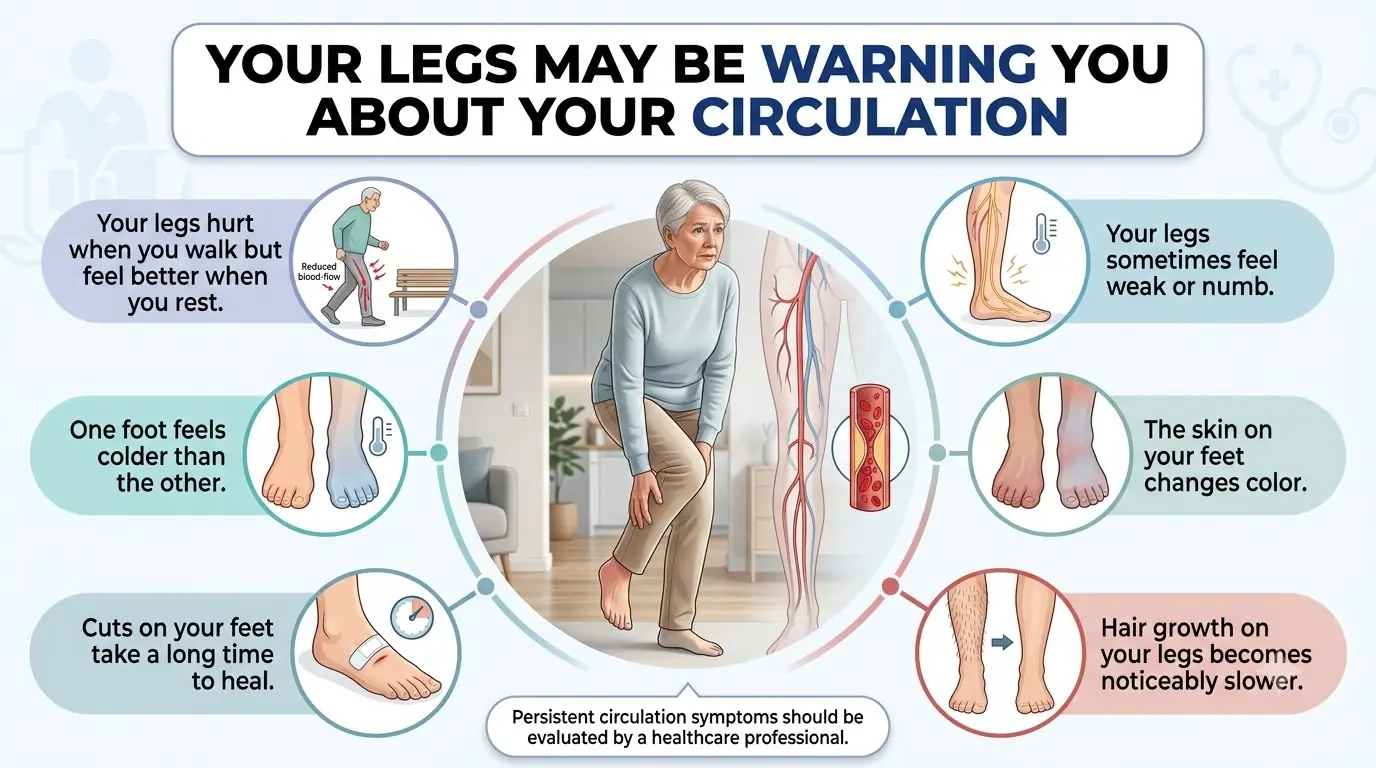
YOUR LEGS MAY BE WARNING YOU ABOUT YOUR CIRCULATION
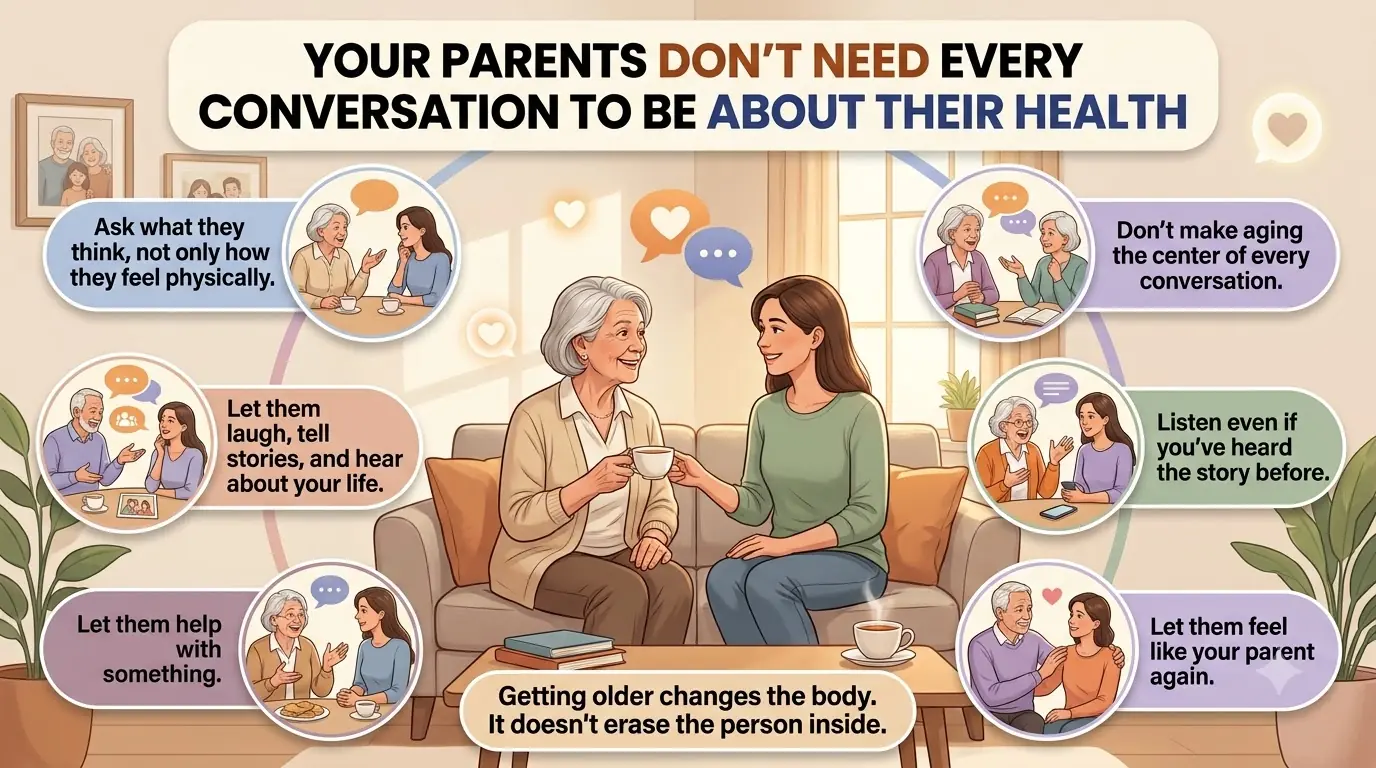
YOUR PARENTS DON'T NEED EVERY CONVERSATION TO BE ABOUT THEIR HEALTH
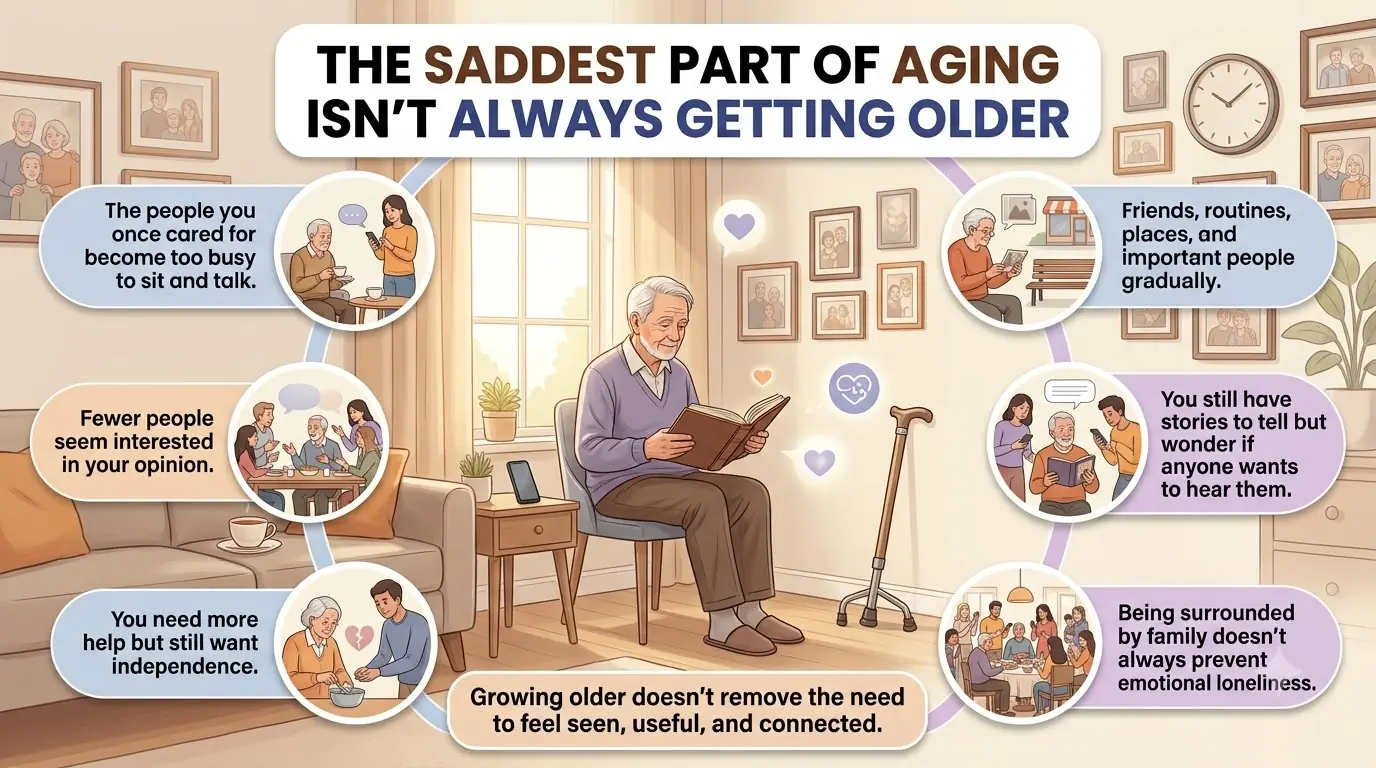
THE SADDEST PART OF AGING ISN'T ALWAYS GETTING OLDER
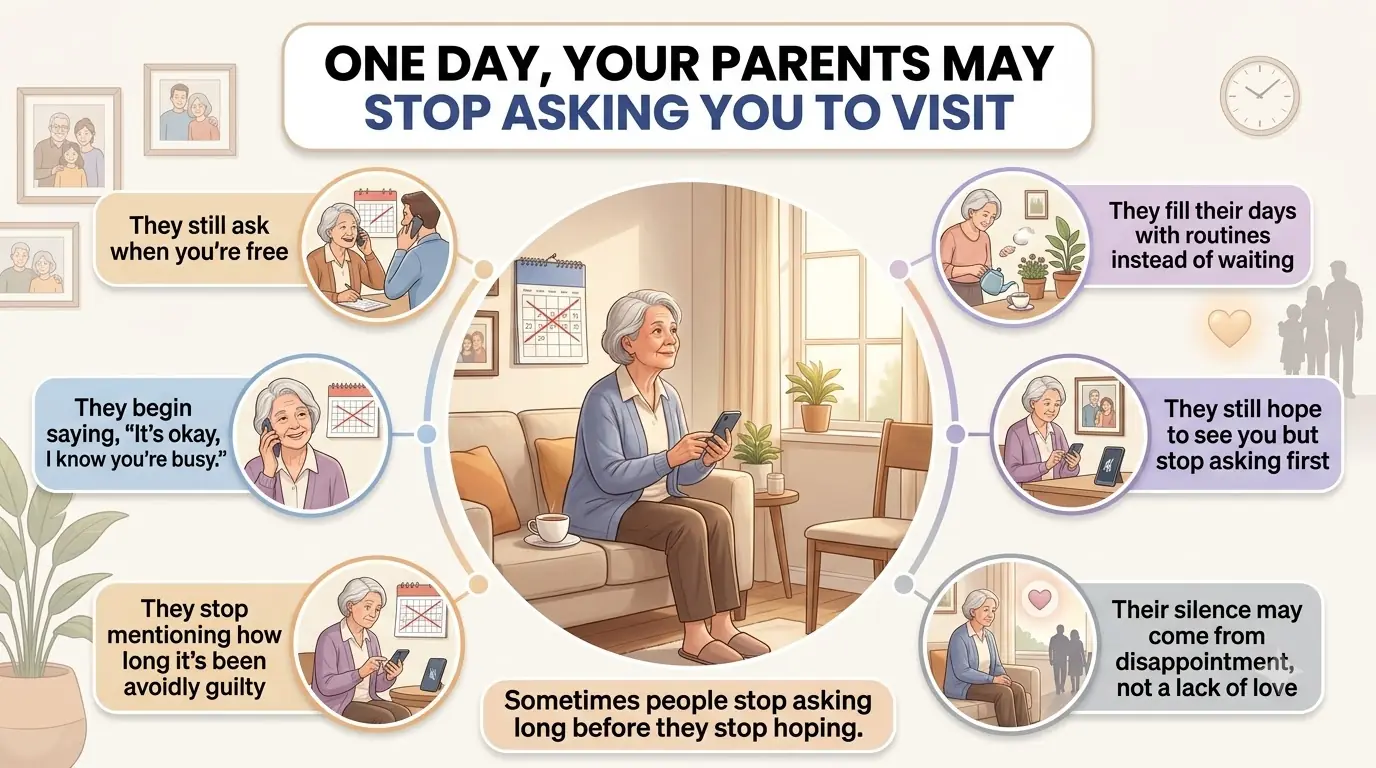
ONE DAY, YOUR PARENTS MAY STOP ASKING YOU TO VISIT
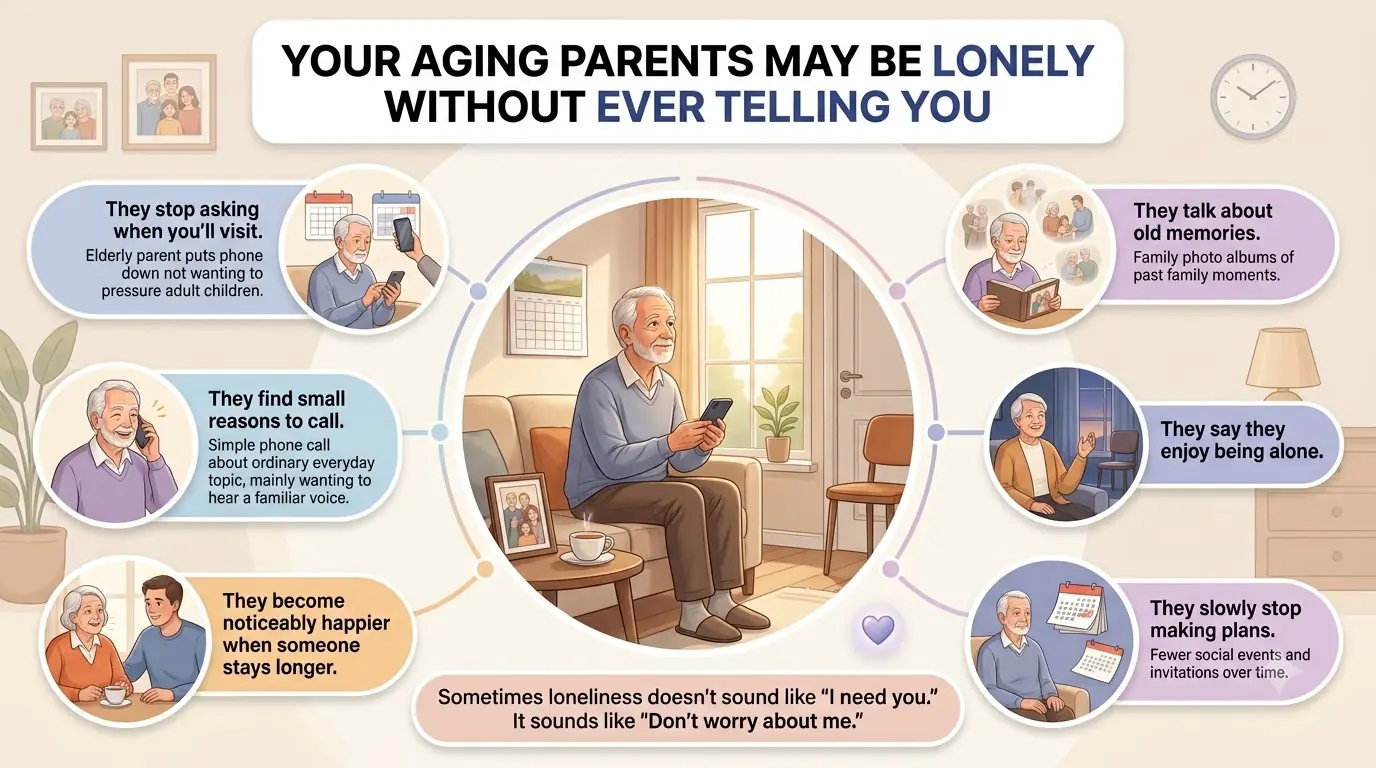
YOUR AGING PARENTS MAY BE LONELY WITHOUT EVER TELLING YOU
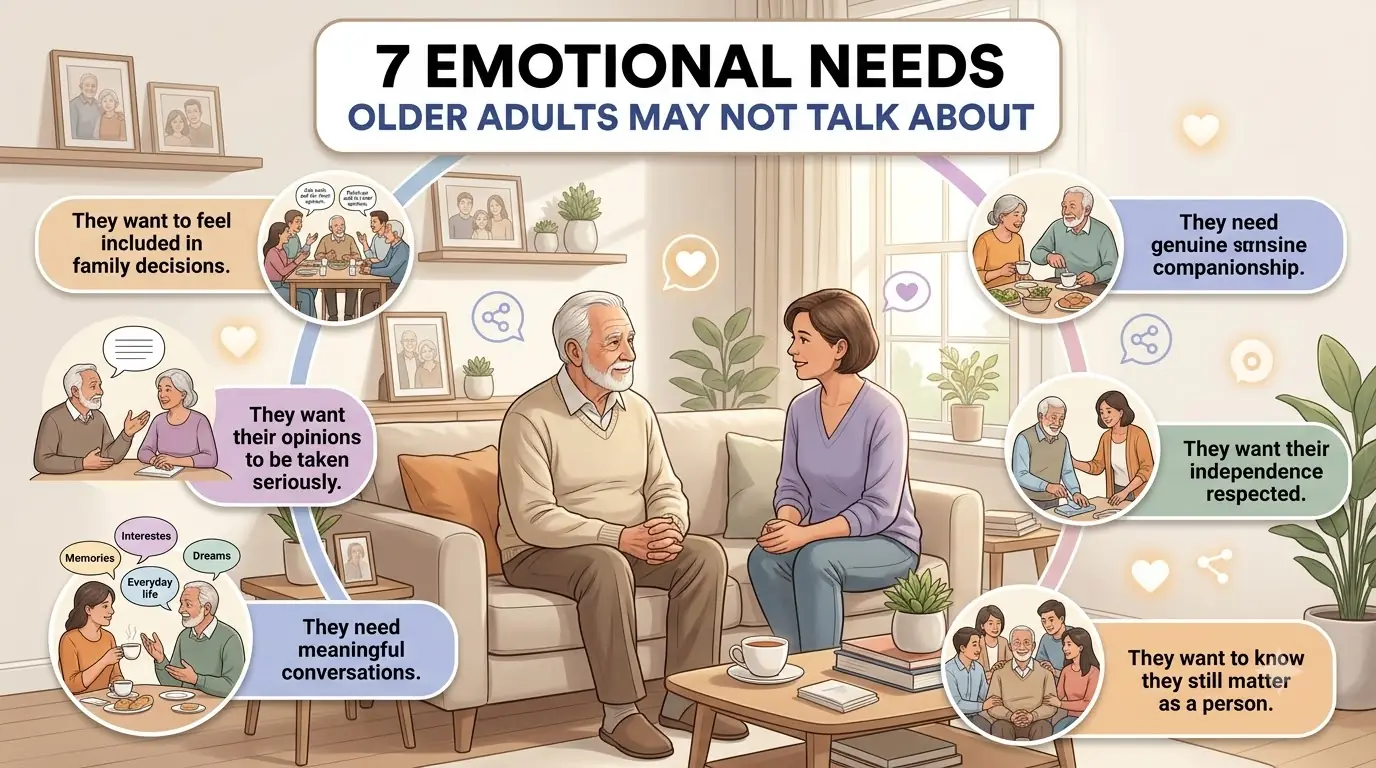
7 EMOTIONAL NEEDS OLDER ADULTS MAY NOT TALK ABOUT
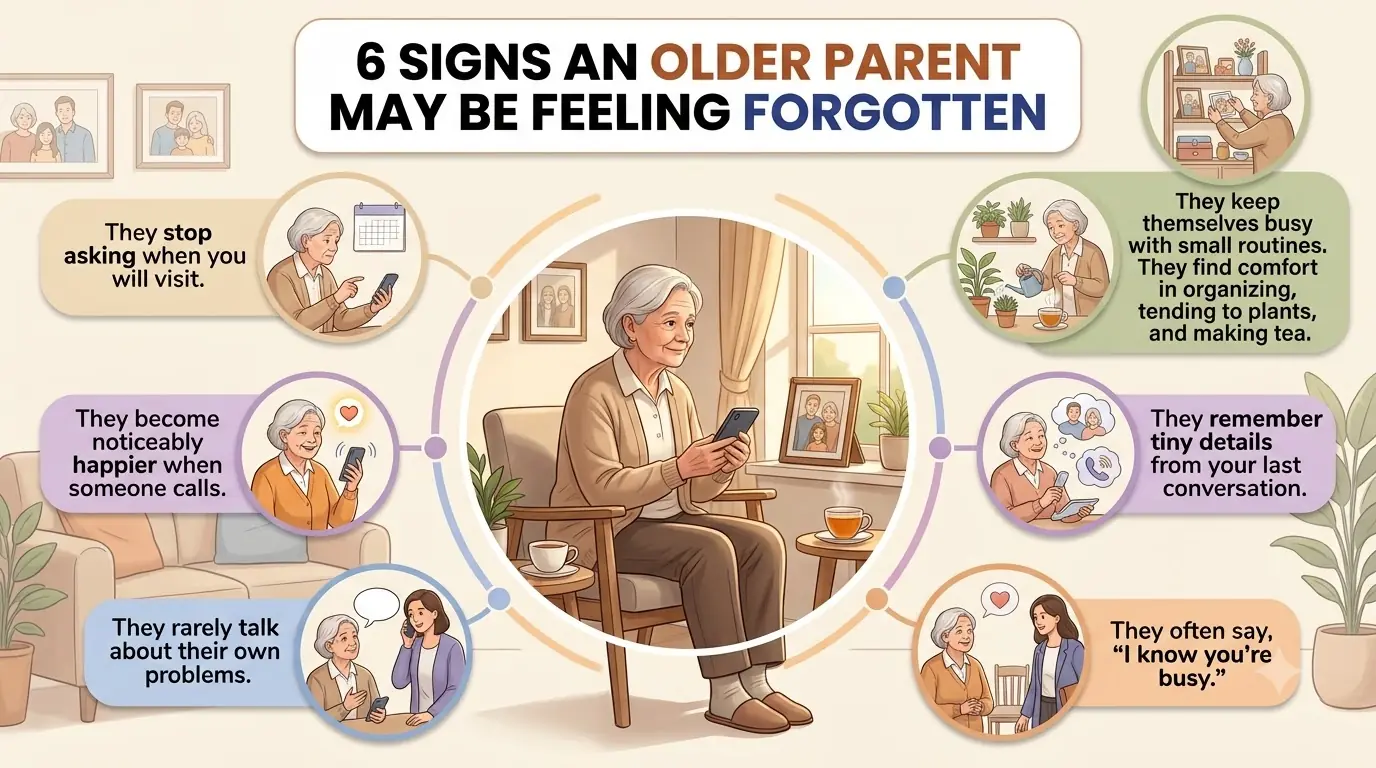
6 SIGNS AN OLDER PARENT MAY BE FEELING FORGOTTEN
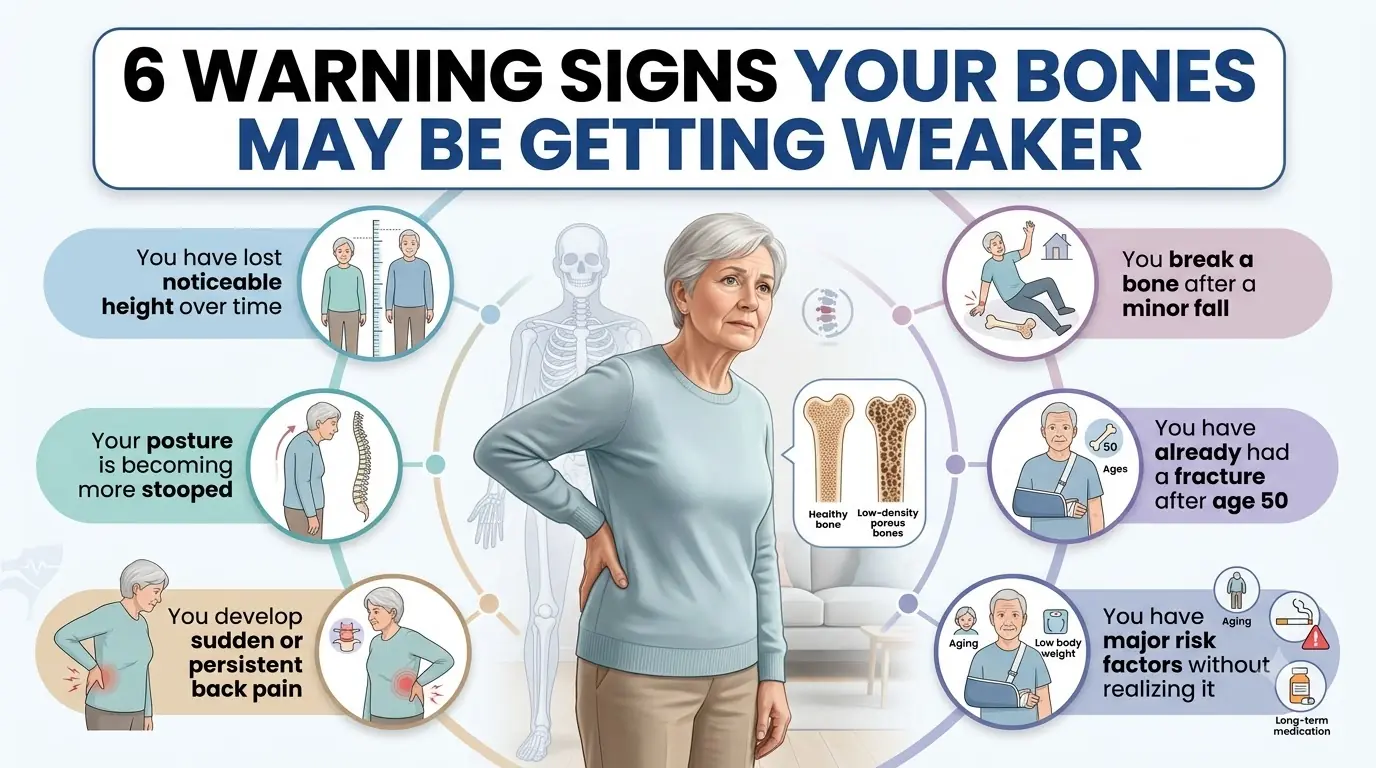
6 WARNING SIGNS YOUR BONES MAY BE GETTING WEAKER
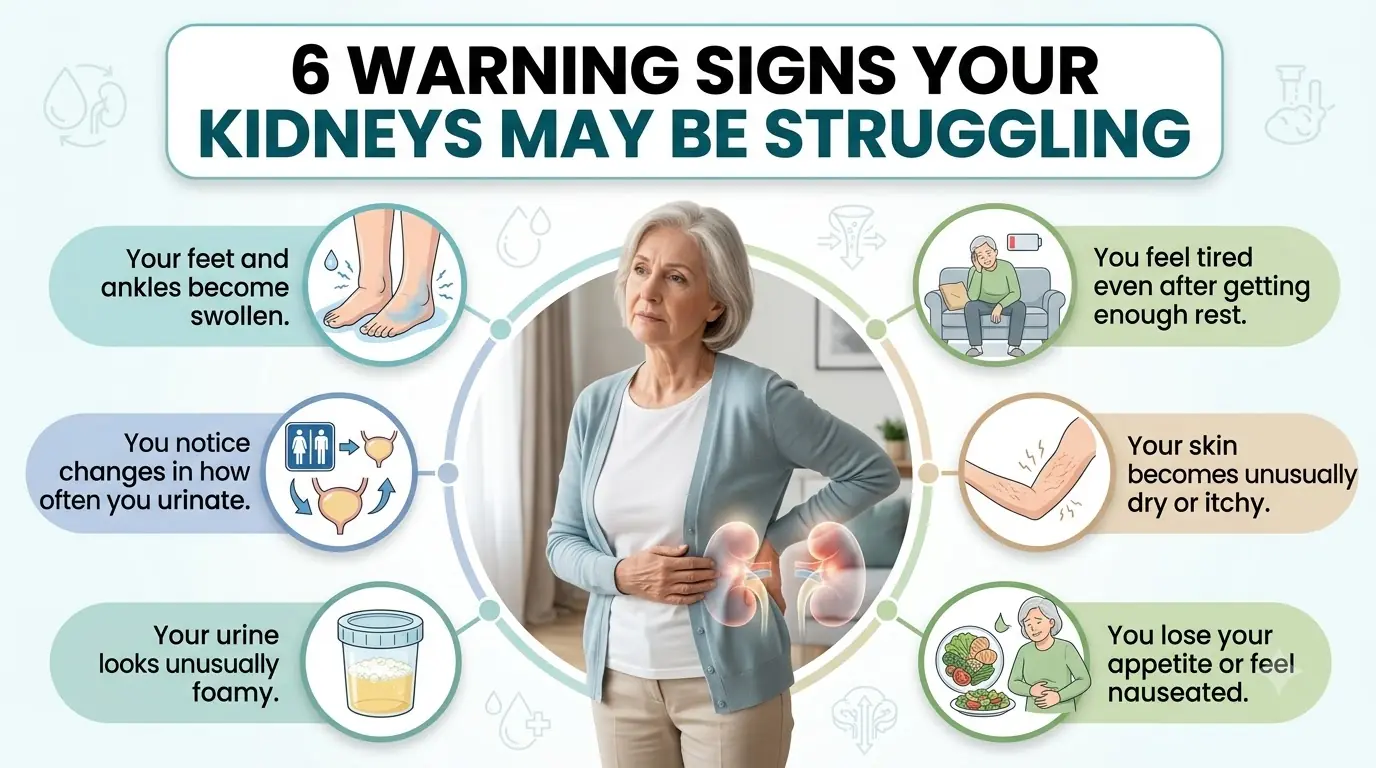
6 WARNING SIGNS YOUR KIDNEYS MAY BE STRUGGLING
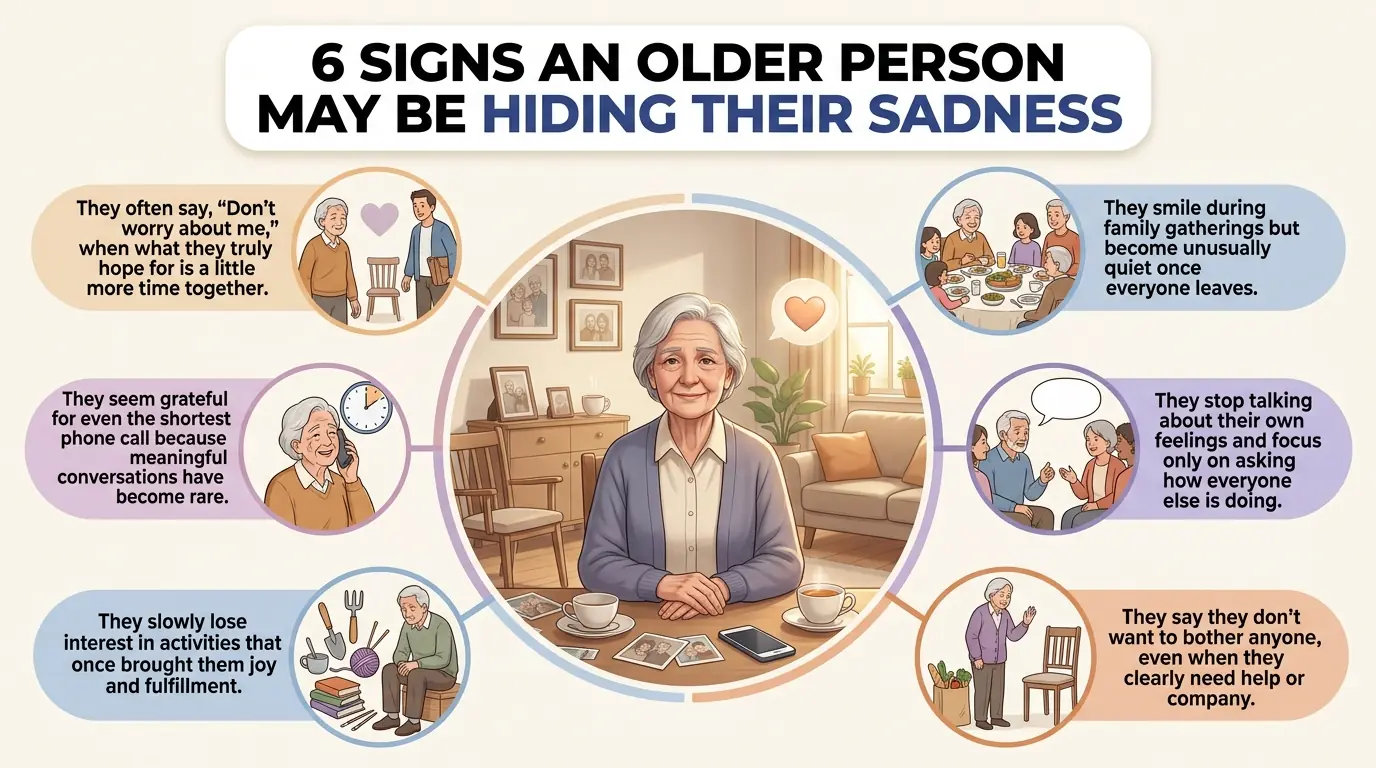
6 SIGNS AN OLDER PERSON MAY BE HIDING THEIR SADNESS
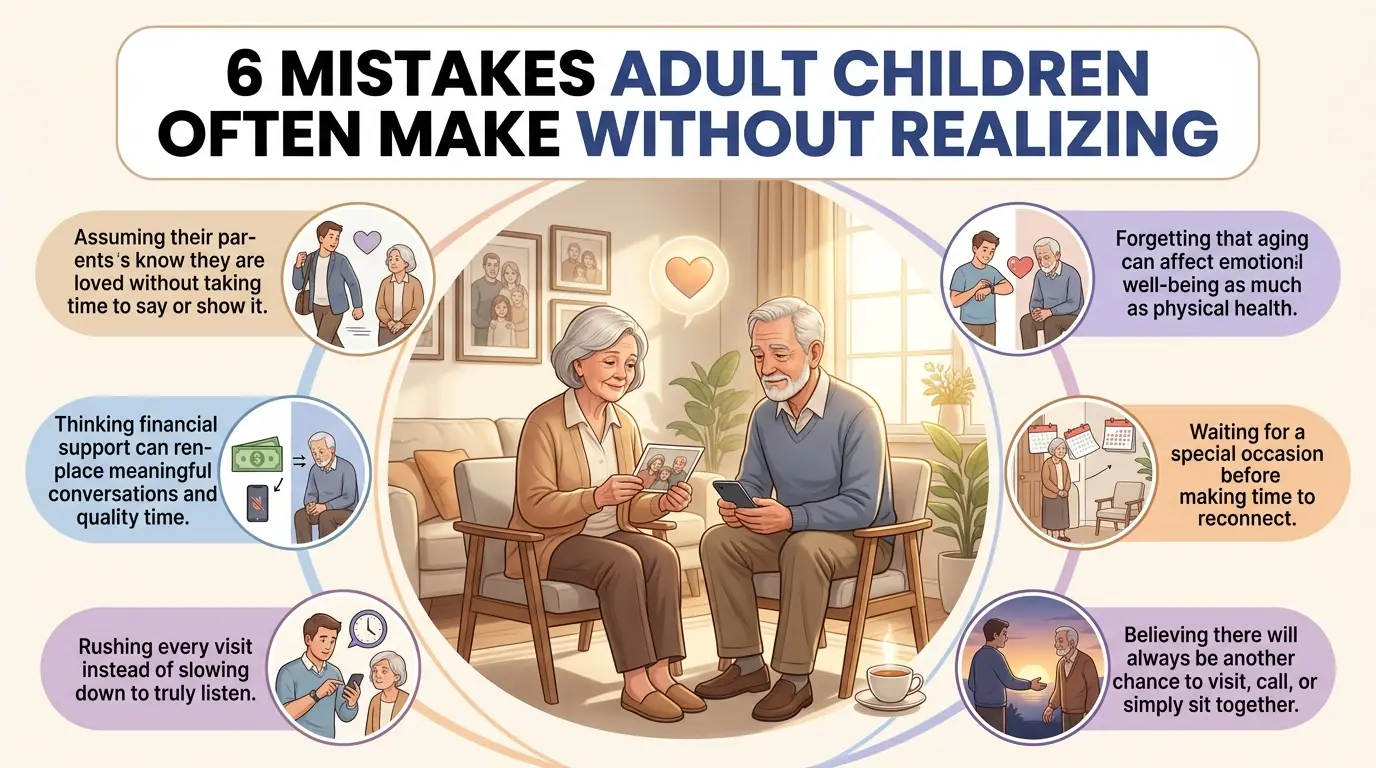
6 MISTAKES ADULT CHILDREN OFTEN MAKE WITHOUT REALIZING
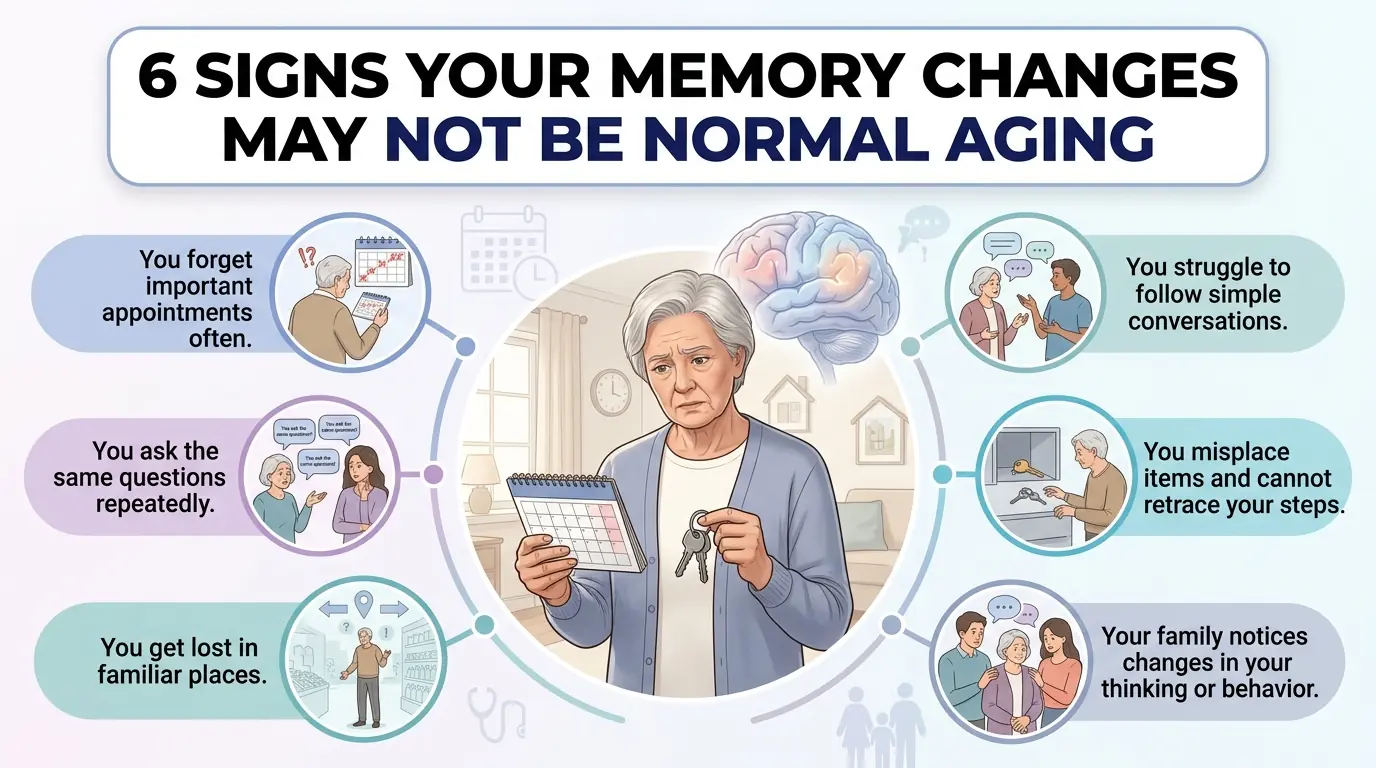
6 WARNING SIGNS YOUR LEGS MAY HAVE POOR CIRCULATION
6 SIGNS YOUR MEMORY CHANGES MAY NOT BE NORMAL AGING
6 WARNING SIGNS YOUR BODY MAY BE DEVELOPING DIABETES
6 WARNING SIGNS YOUR HEART MAY NOT BE GETTING ENOUGH BLOOD
7 SIGNS YOUR ELDERLY PARENT MAY NEED MORE EMOTIONAL SUPPORT