YOUR KIDNEYS CAN LOSE FUNCTION WITHOUT OBVIOUS WARNING SIGNS
Reader Theme:
Font Size:
24px
YOUR KIDNEYS CAN LOSE FUNCTION WITHOUT OBVIOUS WARNING SIGNS
Kidney disease can be surprisingly quiet. Your kidneys may gradually lose some of their ability to filter blood without causing pain or other obvious symptoms. In fact, many people with early chronic kidney disease feel completely normal and discover the problem only after routine blood or urine testing.
This makes early detection especially important. Diabetes and high blood pressure—two common conditions in older adults—are also major causes of chronic kidney disease. When kidney damage is identified early, appropriate treatment and management of underlying risk factors may help slow its progression and reduce the risk of complications.
Waiting for symptoms isn't the best way to know whether your kidneys are healthy. For people at increased risk, regular medical care and appropriate screening can reveal problems long before they can be felt.
What Do Your Kidneys Actually Do?
Most people know that the kidneys produce urine, but their role is much larger.
These two bean-shaped organs continuously filter your blood and help maintain the body's internal balance.
Healthy kidneys help:
-
Remove waste products from the blood.
-
Eliminate excess water through urine.
-
Balance sodium, potassium, and other electrolytes.
-
Help regulate blood pressure.
-
Support healthy red blood cell production.
-
Maintain mineral balance important for healthy bones.
When kidney function declines significantly, these processes can become disrupted.
Waste and excess fluid may accumulate, blood pressure may become harder to control, and problems such as anemia and abnormal mineral balance can develop.
1. Early Chronic Kidney Disease Often Causes No Symptoms
One of the most important things to understand about chronic kidney disease, or CKD, is that early disease frequently produces few or no noticeable symptoms.
Your kidneys have considerable functional reserve.
This means kidney function can decline without immediately causing obvious changes in how you feel.
You may still:
-
Eat normally.
-
Exercise normally.
-
Urinate normally.
-
Have normal-looking urine.
-
Feel generally healthy.
For this reason, relying on symptoms alone can allow kidney disease to remain undetected.
Some people don't develop noticeable symptoms until kidney function has declined substantially.
This is why testing becomes particularly important for people with risk factors.
2. High Blood Pressure Can Gradually Damage Your Kidneys
High blood pressure and kidney disease have a particularly close relationship.
Your kidneys contain networks of tiny blood vessels responsible for filtering the blood. Persistently elevated blood pressure can gradually damage these delicate vessels.
Over time, the kidneys may become less effective at filtering waste and excess fluid.
The relationship can also work in the opposite direction.
Kidney disease can make blood pressure more difficult to control because the kidneys play an important role in regulating fluid balance and blood pressure.
This can create a damaging cycle:
High blood pressure harms the kidneys, and declining kidney function can contribute to worsening blood pressure.
Keeping blood pressure appropriately controlled is therefore one of the most important ways to protect kidney health.
3. Diabetes Is Another Major Cause of Chronic Kidney Disease
Diabetes is a leading cause of chronic kidney disease.
When blood glucose remains elevated over long periods, it can damage the small blood vessels involved in kidney filtration.
The kidney's filtering structures may eventually begin allowing abnormal amounts of protein—particularly albumin—to leak into the urine.
Importantly, this can happen before you notice symptoms.
People with diabetes should work with their healthcare team to manage:
-
Blood glucose.
-
Blood pressure.
-
Cholesterol.
-
Other cardiovascular risk factors.
Kidney monitoring is also an important part of routine diabetes care.
Good management doesn't guarantee that kidney disease will never develop, but it can substantially reduce risk and may slow progression when kidney damage is already present.
4. Blood and Urine Tests Can Reveal Problems You Cannot Feel
Because early kidney disease is often silent, laboratory testing is essential.
Two types of tests are particularly useful.
Blood Testing
A blood test measures creatinine, a waste product produced by normal muscle activity.
Healthcare professionals use creatinine along with factors such as age and sex to estimate the estimated glomerular filtration rate (eGFR).
The eGFR provides an estimate of how effectively your kidneys are filtering blood.
A persistently reduced eGFR can indicate chronic kidney disease.
Urine Testing
A urine test can measure albumin, a protein that normally remains primarily in the bloodstream.
A commonly used test is the urine albumin-to-creatinine ratio (UACR).
Abnormal amounts of albumin in urine may indicate kidney damage—even when filtration appears relatively preserved.
These tests provide information that symptoms alone cannot.
5. Advanced Kidney Disease May Cause Noticeable Symptoms
As kidney function becomes more impaired, symptoms may eventually appear.
Possible symptoms include:
-
Swelling in the feet or ankles.
-
Persistent fatigue.
-
Loss of appetite.
-
Nausea.
-
Changes in urination.
-
Difficulty concentrating.
-
Persistent itching.
-
Shortness of breath in some cases.
Swelling can occur when the kidneys have difficulty maintaining normal sodium and fluid balance.
Fatigue may have several causes. Advanced kidney disease can contribute to anemia, and the accumulation of waste products can also make people feel weak or unwell.
Nausea and reduced appetite can occur when kidney function becomes severely impaired and waste products accumulate in the bloodstream.
However, these symptoms aren't specific to kidney disease.
Heart disease, liver problems, medications, anemia, thyroid disorders, and many other conditions can cause similar symptoms.
Testing is necessary to determine the cause.
6. Regular Screening Matters If You're at Higher Risk
Not everyone needs kidney testing at exactly the same frequency.
However, monitoring becomes particularly important for people with risk factors.
You may be at increased risk if you:
-
Have diabetes.
-
Have high blood pressure.
-
Have cardiovascular disease.
-
Have a family history of kidney disease.
-
Have previously experienced acute kidney injury.
-
Have certain chronic medical conditions.
-
Take medications that may affect kidney function.
Age can also influence kidney function, but kidney disease should never simply be assumed to be an unavoidable consequence of getting older.
Your healthcare provider can determine how often kidney testing is appropriate based on your individual medical history.
Why Early Detection Matters
Chronic kidney disease usually develops over time.
Although existing kidney damage may not always be reversible, identifying CKD early creates opportunities to address factors that can accelerate progression.
Treatment may involve:
-
Better blood pressure control.
-
Improved diabetes management.
-
Appropriate medications.
-
Reducing excessive dietary sodium.
-
Avoiding tobacco.
-
Managing cardiovascular risk factors.
-
Reviewing medications that may affect the kidneys.
-
Regular monitoring of kidney function.
Certain prescription medications can also slow kidney disease progression in appropriate patients, particularly those with diabetes, albumin in the urine, or other specific risk factors.
Treatment should always be individualized by a healthcare professional.
Your Urine Can Look Normal Even When Kidney Disease Is Present
A common misconception is that kidney disease always causes obvious changes in urine.
It doesn't.
Someone with early CKD may have urine that looks completely normal.
Conversely, temporary changes in urine appearance don't necessarily indicate kidney disease.
For example, urine concentration can vary depending on hydration, while temporary bubbles can appear because of the force of urination.
Persistent very foamy urine can sometimes occur when significant protein is present, and visible blood in the urine always deserves medical attention.
But neither should be used as a substitute for laboratory testing.
How to Help Protect Your Kidneys
Several everyday habits can support kidney and cardiovascular health.
Keep Blood Pressure Under Control
If you have hypertension, take prescribed medications consistently and follow your healthcare provider's treatment plan.
Manage Diabetes
Keeping blood glucose within your individualized target range can help protect the small blood vessels in your kidneys.
Limit Excess Sodium
Eating large amounts of sodium can contribute to high blood pressure and fluid retention.
Choosing more minimally processed foods can make reducing sodium easier.
Stay Physically Active
Regular physical activity supports healthy blood pressure, blood sugar, cardiovascular health, and body weight.
Don't Smoke
Smoking damages blood vessels and increases cardiovascular risk.
Stay Appropriately Hydrated
Most healthy people can follow their thirst and normal fluid needs.
More water isn't always better. People with advanced kidney disease, heart failure, or certain other medical conditions may actually need individualized fluid recommendations.
Be Careful With Certain Pain Relievers
Nonsteroidal anti-inflammatory drugs (NSAIDs) such as ibuprofen and naproxen can affect blood flow within the kidneys.
Occasional use may be appropriate for many people, but frequent or high-dose use can increase the risk of kidney injury—particularly in people who already have kidney disease, dehydration, heart failure, or other risk factors.
Don't stop prescribed medications without medical advice.
Instead, ask your healthcare provider or pharmacist whether the medications and over-the-counter products you use are appropriate for your kidney health.
Be Skeptical of “Kidney Detox” Products
Healthy kidneys don't need special detox drinks or cleanses to perform their normal filtering function.
Some herbal products and supplements can even be harmful to the kidneys or interact with prescription medications.
“Natural” doesn't automatically mean kidney-safe.
If you have kidney disease—or are at increased risk—discuss supplements with your healthcare provider before using them.
Who Should Pay Particular Attention to Kidney Health?
Kidney monitoring is especially important if you have diabetes or high blood pressure.
It may also deserve additional attention if you have:
-
Cardiovascular disease.
-
A history of kidney injury.
-
Abnormal urine protein.
-
A family history of kidney disease.
-
Recurrent kidney problems.
-
Multiple conditions affecting the blood vessels.
Because early disease may be invisible, screening based on risk can be more useful than waiting for warning signs.
When Should You See a Doctor?
Talk with a healthcare professional about kidney testing if you have significant risk factors or haven't had appropriate screening.
Medical evaluation is also important if you develop:
-
Persistent swelling in your feet or ankles.
-
Significant changes in urination.
-
Blood in your urine.
-
Persistently very foamy urine.
-
Unexplained fatigue.
-
Persistent nausea or loss of appetite.
-
Unexplained itching.
-
Worsening blood pressure control.
These symptoms can have many causes, so they should be properly evaluated rather than assumed to indicate kidney disease.
When Kidney Problems May Be an Emergency
Seek urgent medical attention if you suddenly produce very little or no urine, develop severe shortness of breath, become confused, experience rapidly worsening swelling, or have severe persistent vomiting.
Sudden loss of kidney function—known as acute kidney injury—can develop rapidly and requires prompt medical care.
Key Takeaways
-
Chronic kidney disease can develop without obvious symptoms, particularly during its early stages.
-
High blood pressure can gradually damage the small blood vessels responsible for kidney filtration.
-
Diabetes is another major cause of chronic kidney disease.
-
Normal-looking urine doesn't guarantee that kidney function is normal.
-
Blood tests such as creatinine and eGFR help assess filtration, while urine testing can identify abnormal protein leakage.
-
Swelling, fatigue, nausea, and changes in urination are more likely to occur as kidney disease becomes more advanced.
-
People with diabetes, high blood pressure, cardiovascular disease, and other risk factors should discuss appropriate kidney screening with their healthcare provider.
-
Early identification can create opportunities to manage risk factors and slow the progression of kidney disease.
Medical Disclaimer
This article is for educational purposes only and is not a substitute for professional medical advice, diagnosis, or treatment. Chronic kidney disease may cause few or no symptoms in its early stages, and only appropriate medical testing can determine whether kidney damage or reduced kidney function is present. If you have diabetes, high blood pressure, cardiovascular disease, or other kidney risk factors, speak with a qualified healthcare professional about appropriate screening and monitoring.
News in the same category
WHAT YOUR WALKING SPEED CAN REVEAL ABOUT YOUR HEALTH
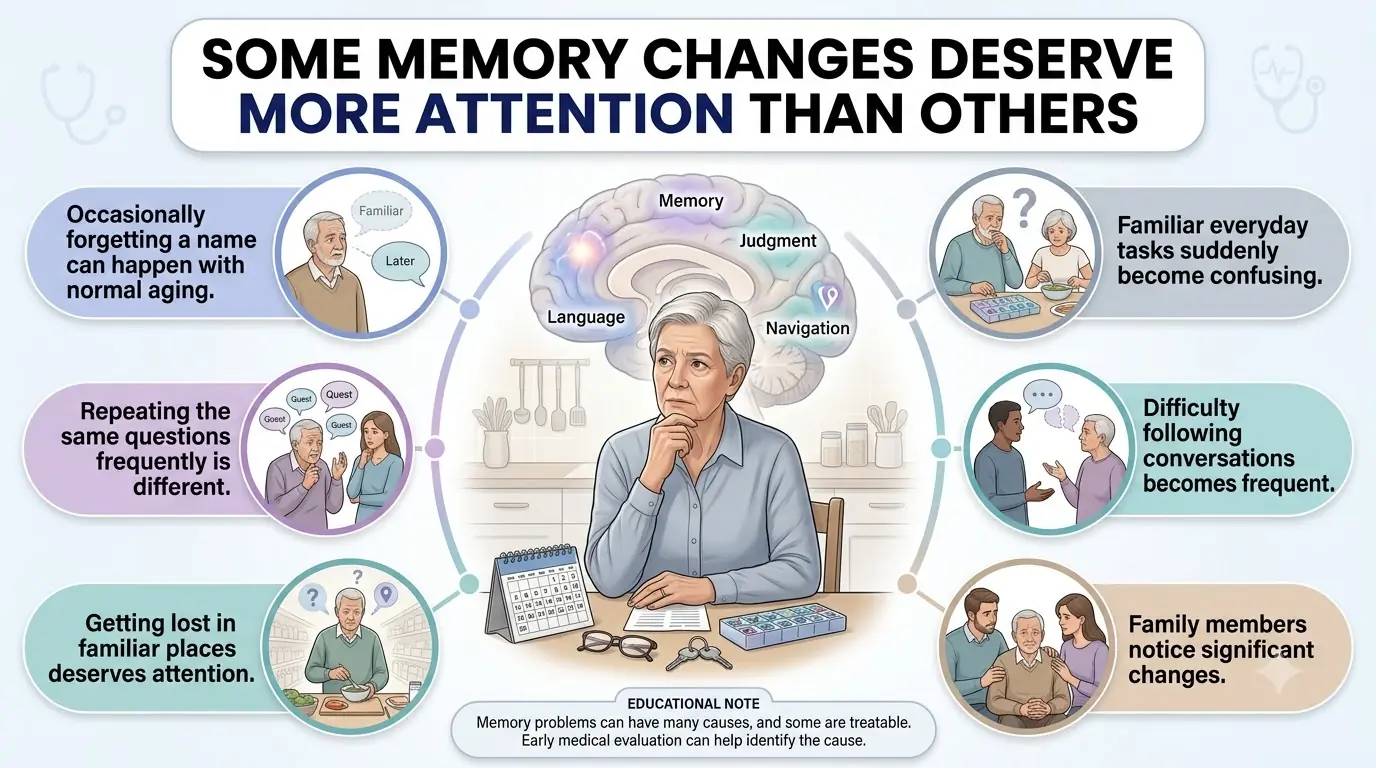
SOME MEMORY CHANGES DESERVE MORE ATTENTION THAN OTHERS
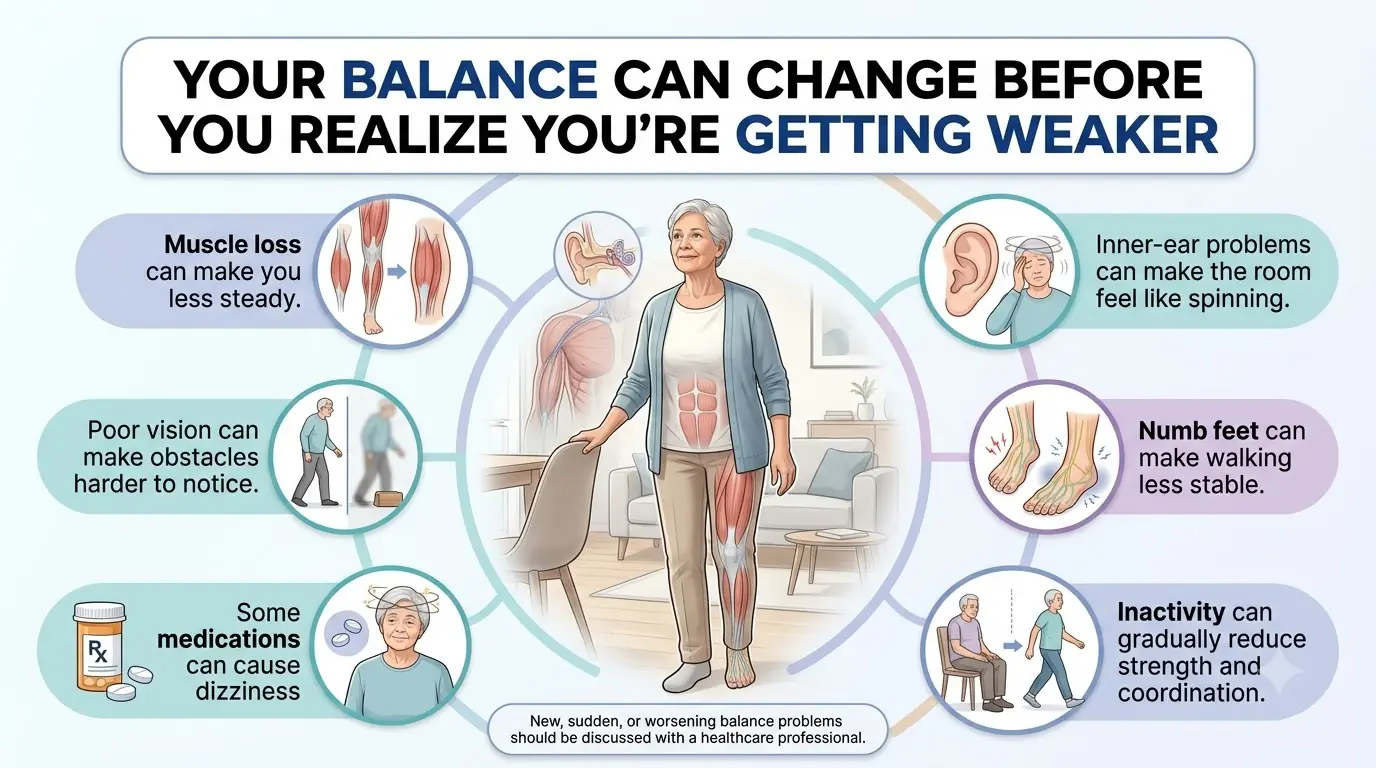
YOUR BALANCE CAN CHANGE BEFORE YOU REALIZE YOU’RE GETTING WEAKER
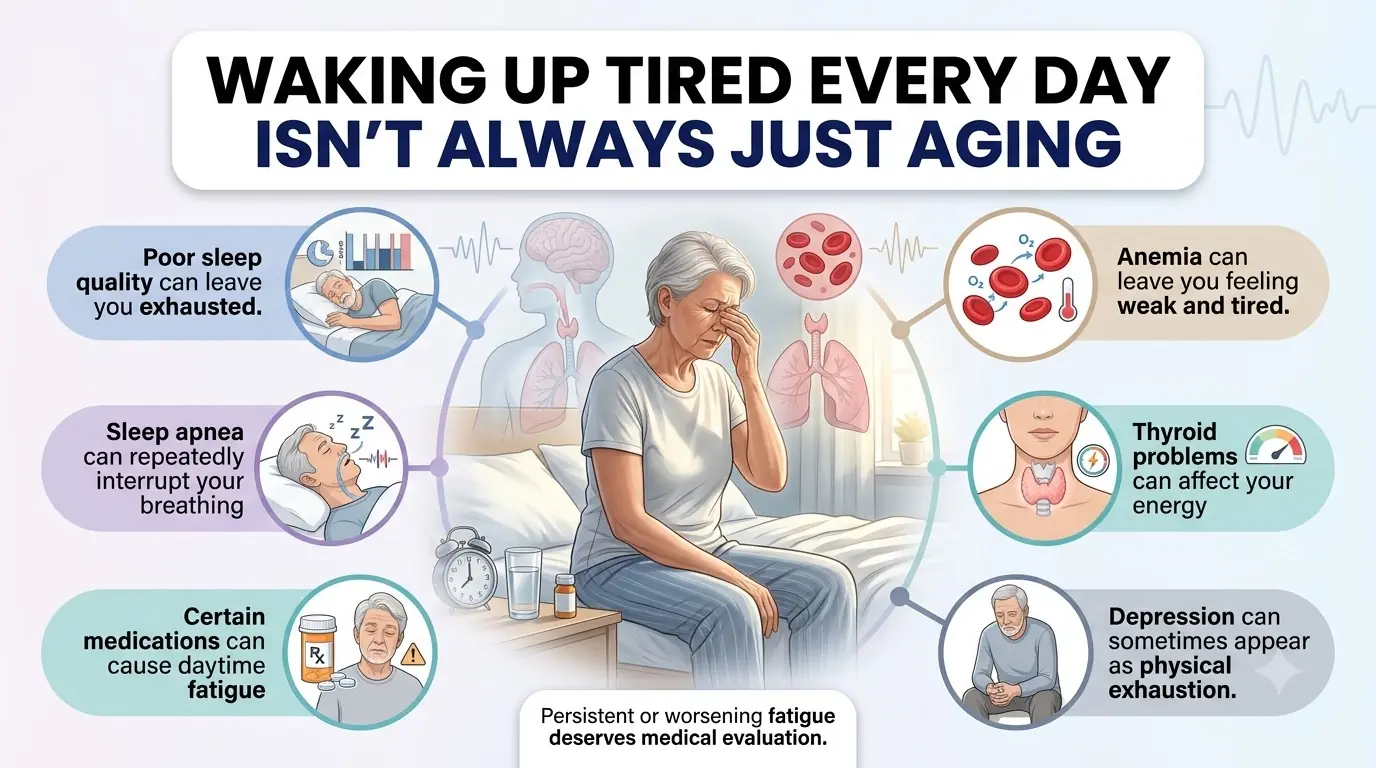
WAKING UP TIRED EVERY DAY ISN’T ALWAYS JUST AGING
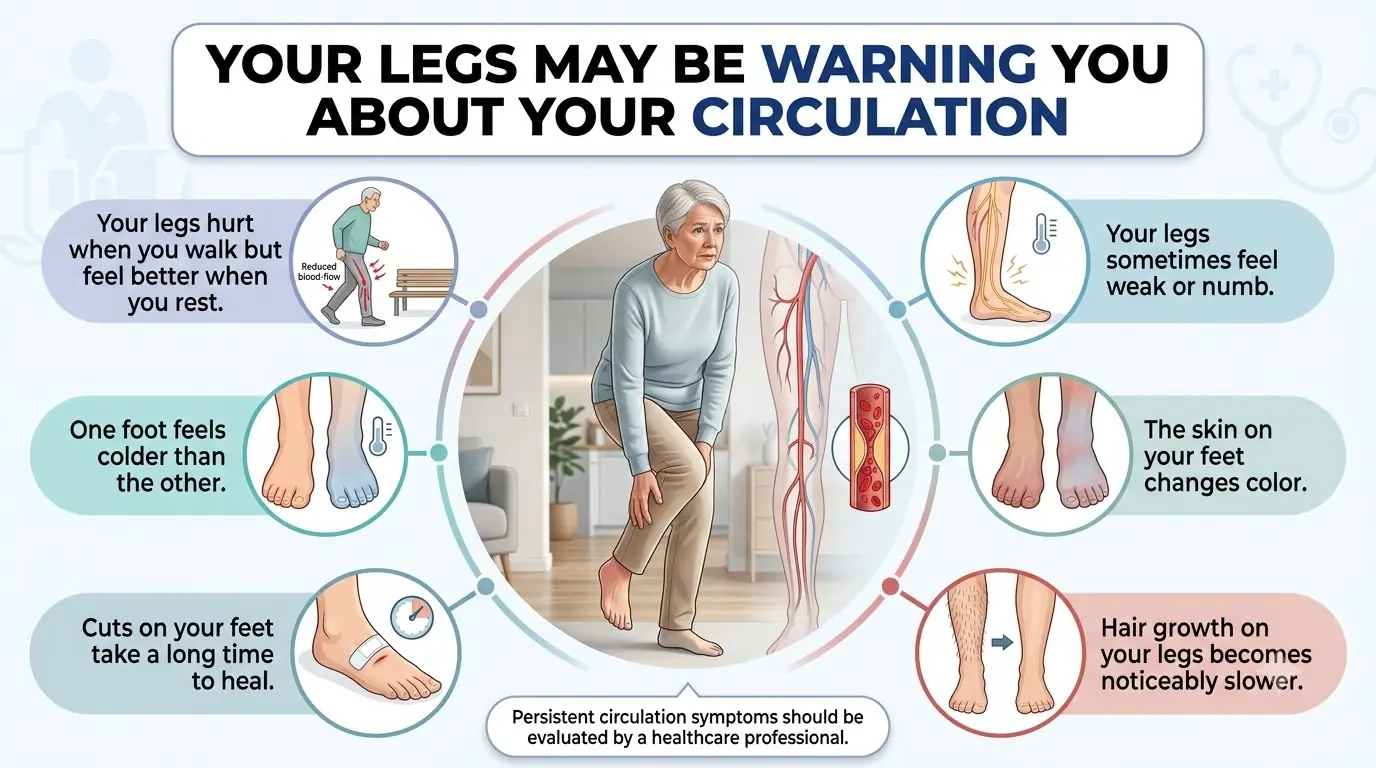
YOUR LEGS MAY BE WARNING YOU ABOUT YOUR CIRCULATION

YOUR PARENTS DON'T NEED EVERY CONVERSATION TO BE ABOUT THEIR HEALTH
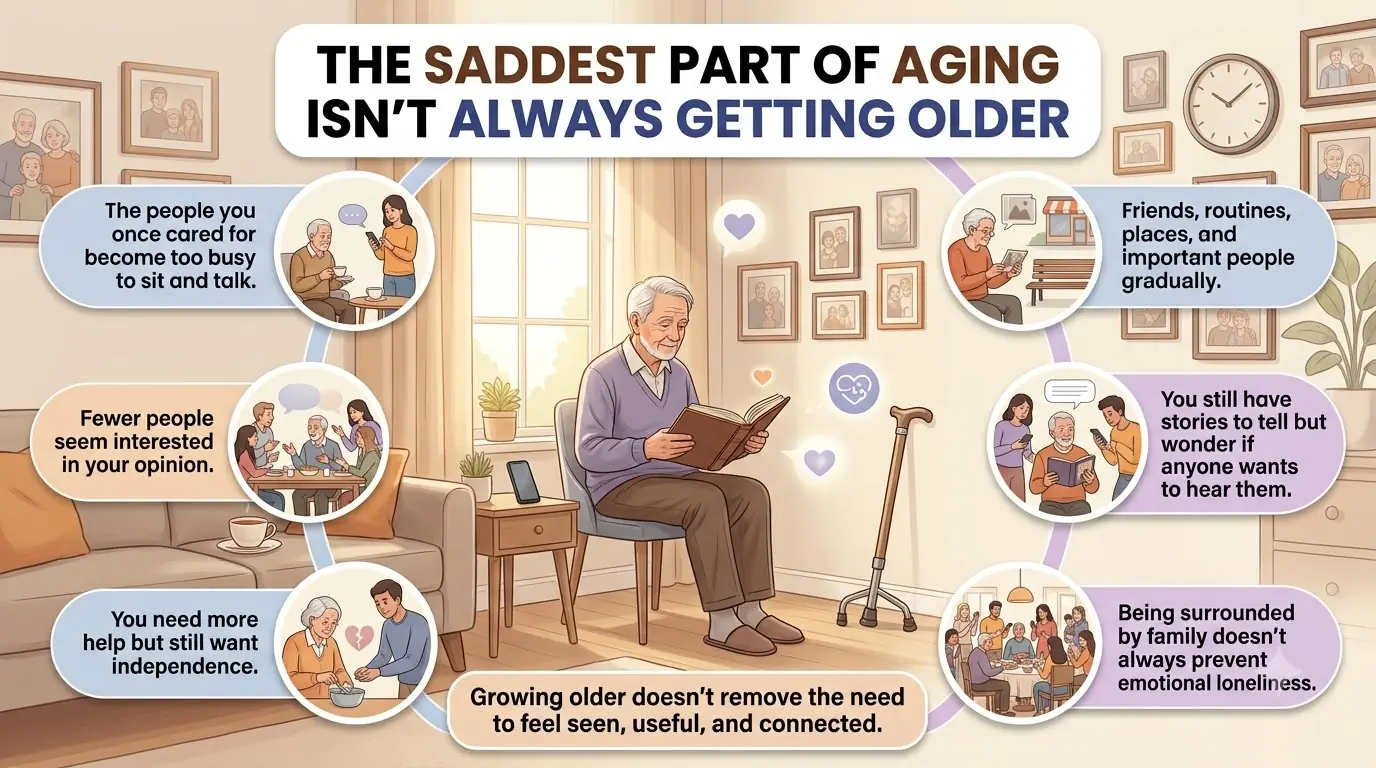
THE SADDEST PART OF AGING ISN'T ALWAYS GETTING OLDER
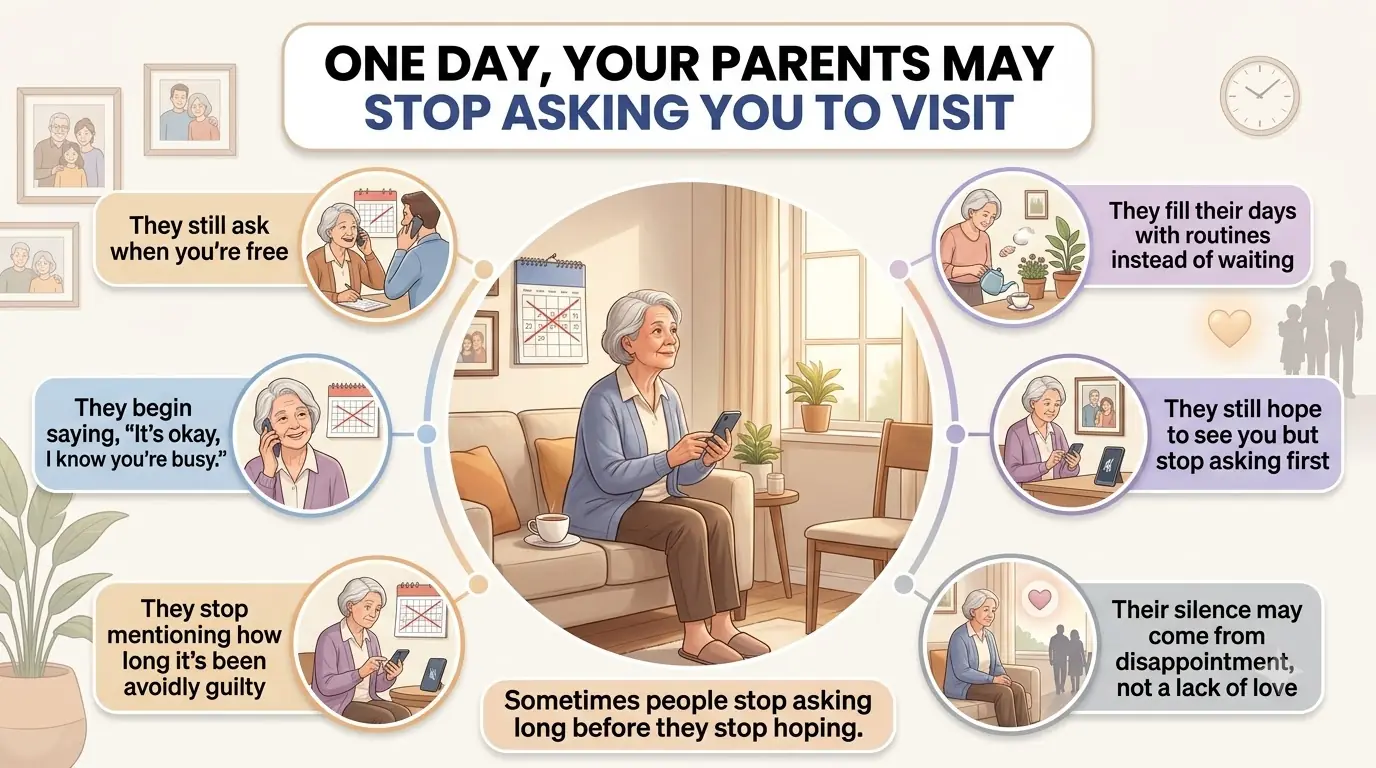
ONE DAY, YOUR PARENTS MAY STOP ASKING YOU TO VISIT
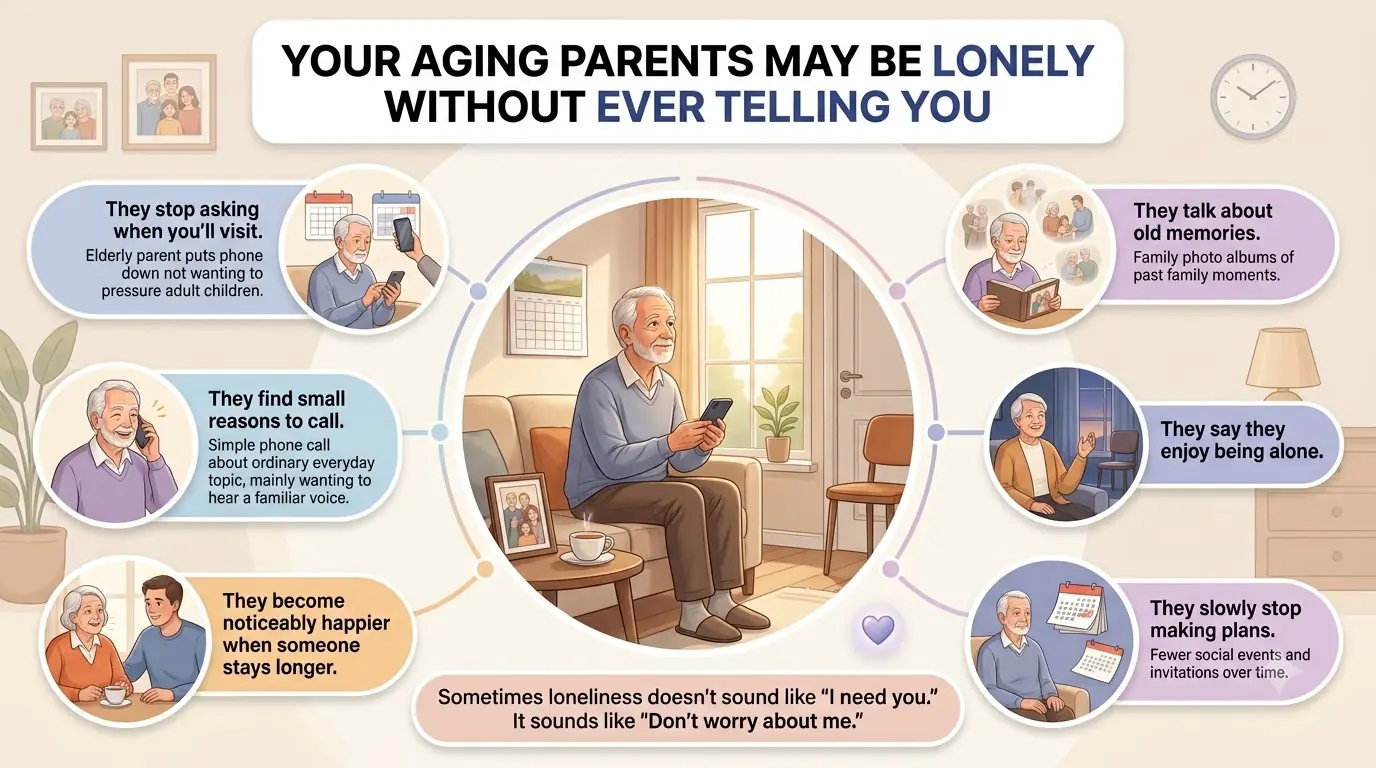
YOUR AGING PARENTS MAY BE LONELY WITHOUT EVER TELLING YOU
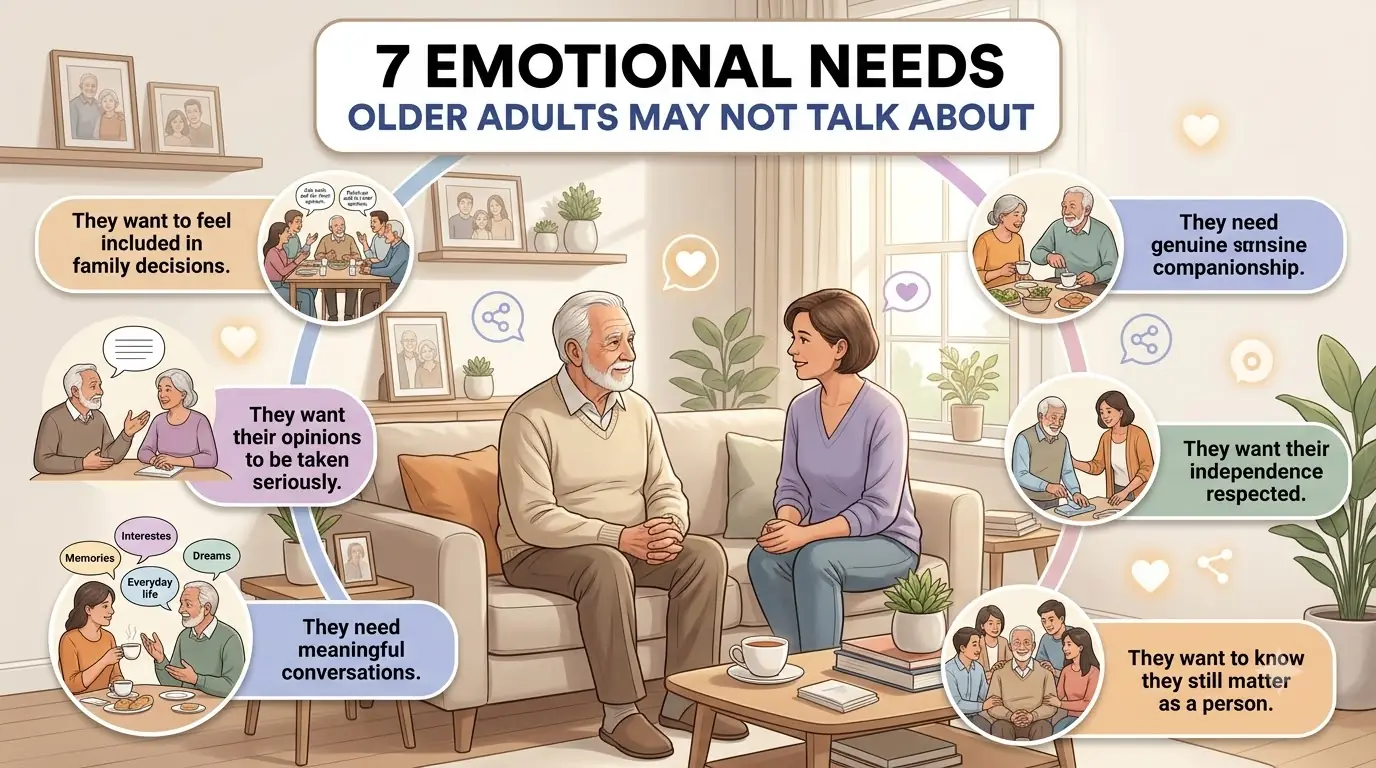
7 EMOTIONAL NEEDS OLDER ADULTS MAY NOT TALK ABOUT
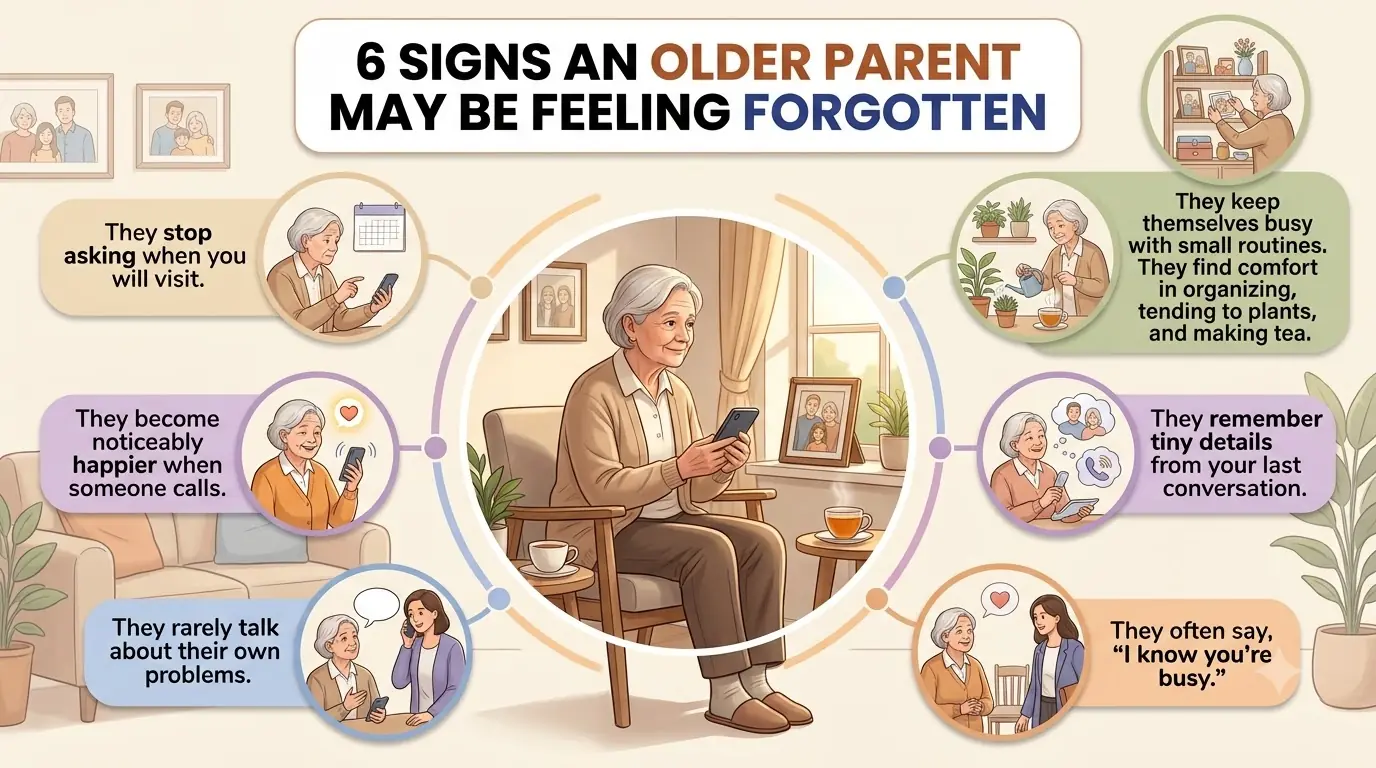
6 SIGNS AN OLDER PARENT MAY BE FEELING FORGOTTEN
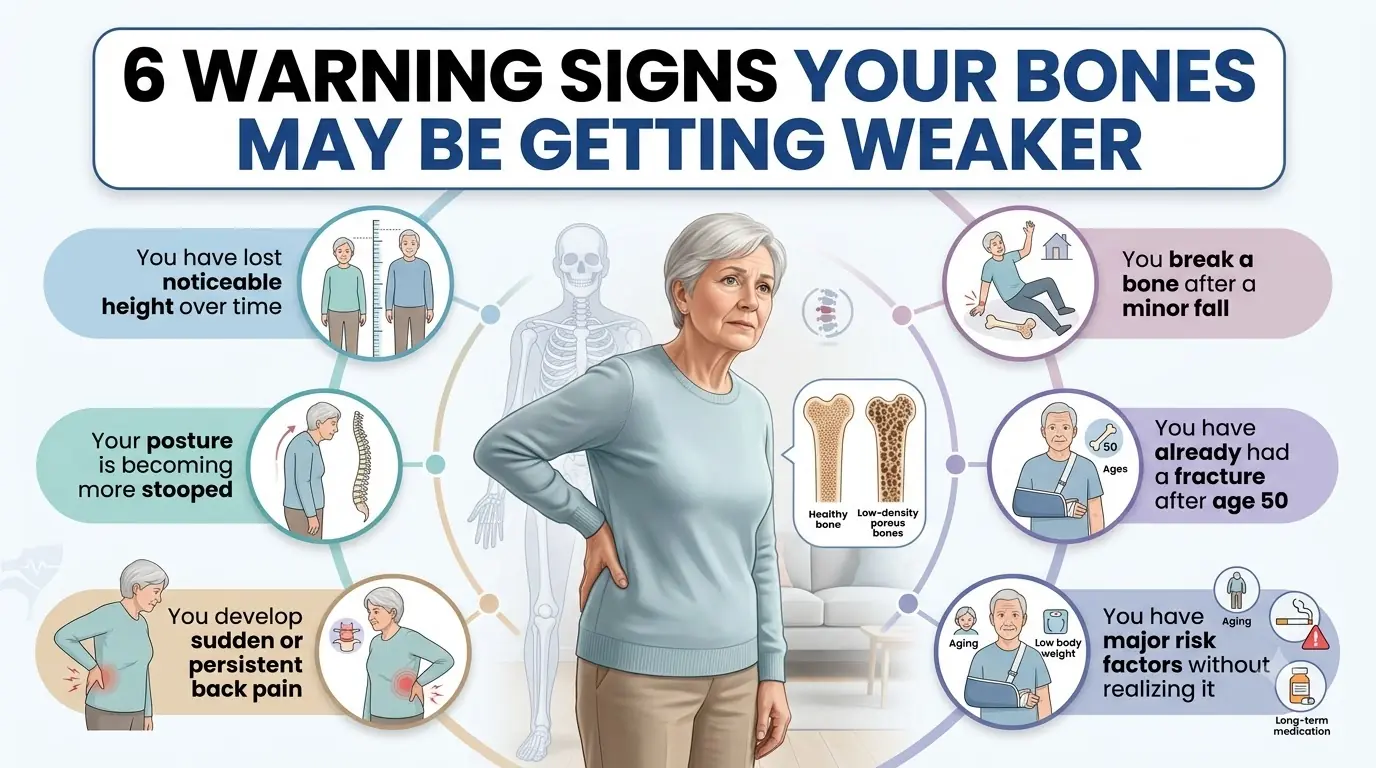
6 WARNING SIGNS YOUR BONES MAY BE GETTING WEAKER
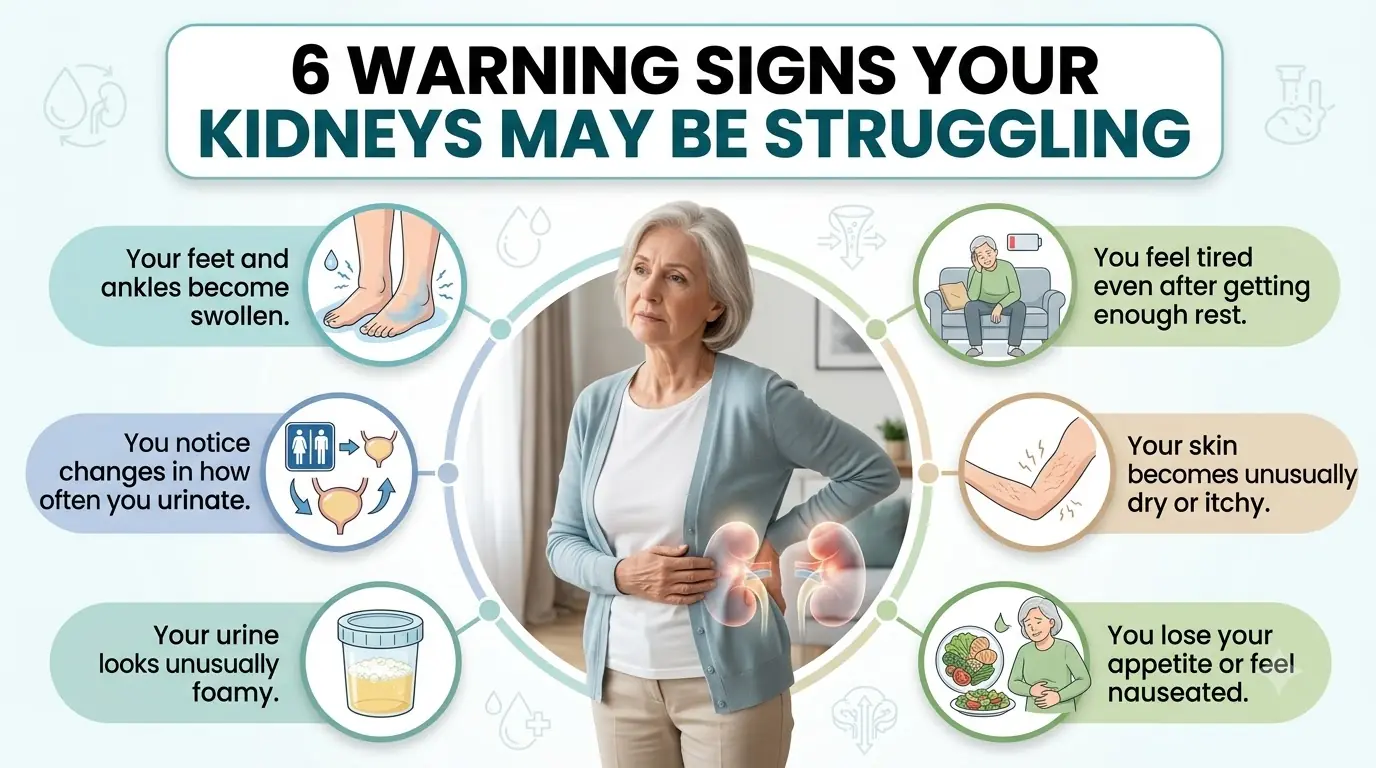
6 WARNING SIGNS YOUR KIDNEYS MAY BE STRUGGLING
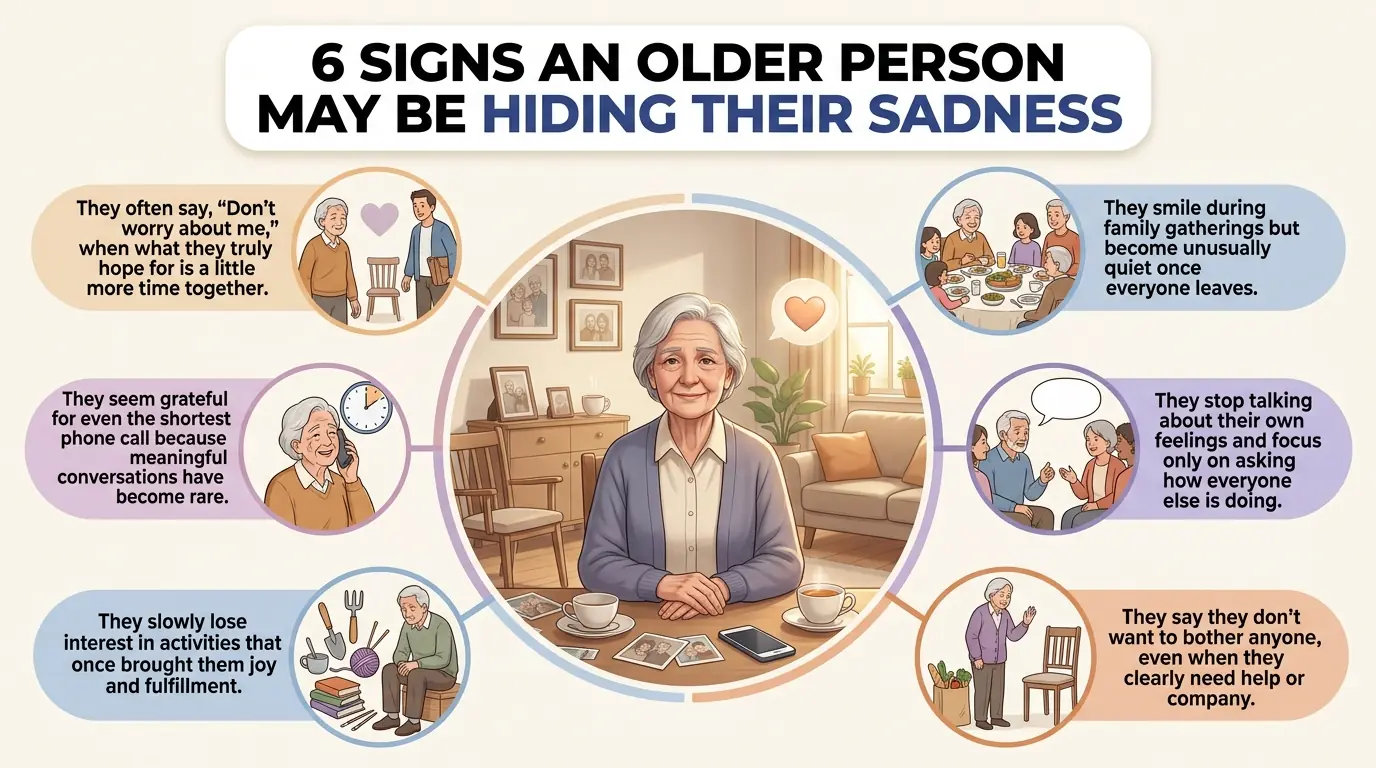
6 SIGNS AN OLDER PERSON MAY BE HIDING THEIR SADNESS
6 MISTAKES ADULT CHILDREN OFTEN MAKE WITHOUT REALIZING
6 WARNING SIGNS YOUR LEGS MAY HAVE POOR CIRCULATION