YOUR PARENTS DON'T NEED EVERY CONVERSATION TO BE ABOUT THEIR HEALTH
Reader Theme:
Font Size:
24px
YOUR PARENTS DON'T NEED EVERY CONVERSATION TO BE ABOUT THEIR HEALTH
As parents grow older, conversations with their adult children can gradually change. Questions that once centered on work, family, travel, hobbies, or everyday life may slowly be replaced by questions about medications, doctor appointments, blood pressure, mobility, and whether they're eating properly.
Those conversations matter. Paying attention to an aging parent's health can be an important expression of love and responsibility. But when health becomes the main subject every time you talk, an older parent may begin to feel as though aging has become their defining characteristic.
They are still the same person who raised a family, developed opinions, made mistakes, celebrated successes, laughed at jokes, built relationships, and accumulated decades of experiences.
Getting older changes the body. It doesn't erase the person inside.
Aging Is Only One Part of Their Identity
Later life can bring significant physical changes. Some older adults need help managing medications, transportation, medical appointments, finances, or everyday activities.
It's understandable that families become focused on these practical concerns.
But there's a difference between caring about someone's health and allowing their health to dominate the relationship.
Imagine if most conversations you had with someone began with:
“How is your blood pressure?”
“Did you take your medication?”
“Does your knee still hurt?”
“When is your next doctor's appointment?”
Eventually, you might begin to feel more like a patient than a person.
Older adults continue to have emotional, intellectual, and social needs. Maintaining conversations about ordinary life can help preserve a sense of identity and connection.
1. They Still Want Someone to Ask What They Think
Aging doesn't eliminate opinions.
Your parents may still have thoughts about family decisions, current events, relationships, work, money, books, movies, food, or countless other subjects.
Yet older adults sometimes notice that people gradually stop asking for their perspective.
Instead, conversations increasingly happen around them.
Family members may even begin making decisions on their behalf without first asking what they prefer.
Whenever possible, ask:
“What do you think?”
“What would you prefer?”
“What would you do?”
You don't have to agree with every answer.
Simply listening communicates something important: your perspective still matters.
2. They Still Want to Laugh and Share Everyday Life
Not every conversation needs a serious purpose.
Older parents may want to hear about the funny thing their grandchild said, what happened at your workplace, a movie you watched, where you're thinking about traveling, or what you're making for dinner.
They may want to tell jokes.
They may want to complain about something trivial.
They may want to tell you about a neighbor you've never met.
These ordinary conversations help relationships feel normal.
When communication revolves entirely around medical concerns, interactions can unintentionally become clinical.
Sometimes the most meaningful phone call is the one where nothing important happens.
You simply talk.
3. They May Still Want to Help You
As parents age, the direction of caregiving can begin to reverse.
Adult children may start driving their parents to appointments, helping around the house, organizing medications, or handling other responsibilities.
Receiving help may be necessary, but always being the person receiving assistance can sometimes affect someone's sense of independence and purpose.
Older parents may still want opportunities to contribute.
Perhaps they can:
- Give advice about something they know well.
- Teach a grandchild a skill.
- Share a family recipe.
- Help prepare a meal.
- Care for plants.
- Help plan a family gathering.
- Tell you how they handled a problem years ago.
You don't need to invent meaningless tasks simply to make someone feel useful.
Instead, recognize the abilities and knowledge they genuinely still have.
Sometimes asking for help communicates respect more effectively than offering it.
4. They Don't Want Aging to Become Their Entire Identity
Your parent isn't simply “an elderly person.”
They're still someone with a personality, preferences, history, relationships, interests, and values.
They may still think of themselves as:
A teacher.
A mechanic.
A mother.
A father.
A gardener.
A traveler.
A musician.
A friend.
A grandparent.
A person who loves baseball, cooking, history, movies, or terrible jokes.
Physical abilities may change, but identity doesn't disappear simply because someone gets older.
Ask about the subjects that once interested them.
Discuss things happening outside their home.
Share your own experiences.
Treating someone as a whole person can help prevent the relationship from becoming defined entirely by caregiving.
5. They Want You to Listen Even When You've Heard the Story Before
Older parents sometimes repeat familiar stories.
You may know exactly how the story ends before they reach the second sentence.
It's tempting to say:
“You already told me this.”
Sometimes repetition is simply normal conversation. People of every age retell favorite stories, particularly memories that carry emotional meaning.
Those stories may represent important parts of your parent's identity.
Instead of immediately stopping them, occasionally listen again—or ask something new.
“What happened afterward?”
“How old were you?”
“What did Grandma think?”
“How did that change things for you?”
You may discover details you never heard before.
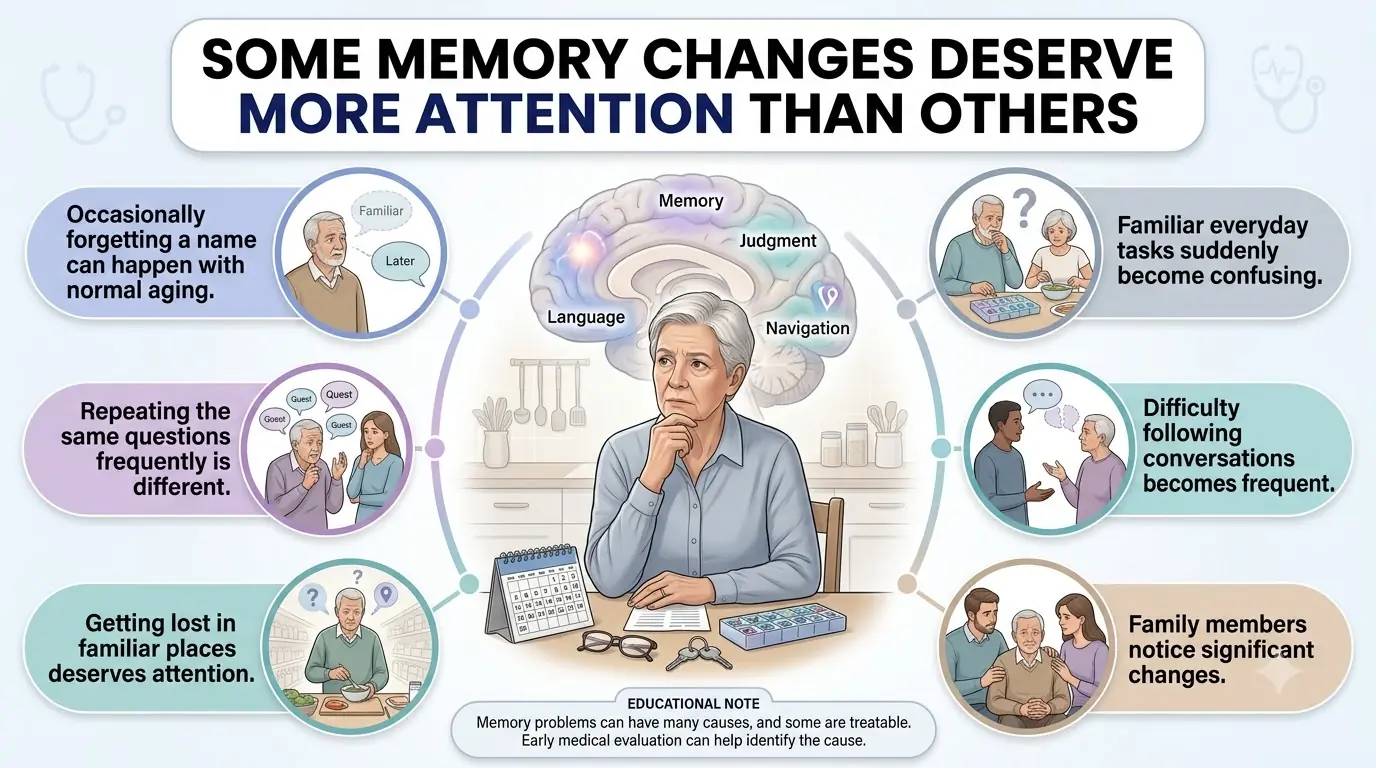
Of course, rapidly increasing repetition or repeatedly forgetting recent conversations can sometimes indicate a memory problem and deserves medical attention.
But familiar storytelling alone shouldn't automatically be treated as cognitive decline.
6. Sometimes They Just Want to Feel Like Your Parent Again
Perhaps this is one of the most easily overlooked changes in aging families.
For most of your life, your parent may have been the person who helped you.
They gave advice.
They worried about you.
They solved problems.
They asked whether you were eating properly.
Then, gradually, the roles begin to shift.
You start reminding them about medications.
You drive them places.
You worry about whether they might fall.
You organize appointments.
These changes may be necessary, but they can also alter the emotional balance of the relationship.
Occasionally, allow them to occupy their familiar role again.
Ask for advice.
Tell them what's happening in your life.
Let them worry about you a little.
Ask how they would handle a problem.
Sometimes your parent doesn't want another caregiver.
They simply want to feel like your parent.
Talk About More Than Appointments and Medications
Health conversations shouldn't disappear. They simply don't need to occupy every interaction.
Try asking questions such as:
- “What have you been watching lately?”
- “What do you think about this?”
- “What was your first job like?”
- “What's something you wish you'd known at my age?”
- “What do you want to do this weekend?”
- “What should we cook when I visit?”
- “What was Grandpa really like when you were young?”
You can also simply tell them about your day.
Connection doesn't always require profound conversation.
Ordinary life is often enough.
Respect Their Independence Whenever Possible
Emotional well-being is closely connected to autonomy.
When someone needs assistance, families may naturally begin taking over tasks to keep them safe.
But whenever circumstances allow, involve your parent in decisions affecting their own life.
Ask what kind of help they want.
Offer choices.
Avoid automatically doing something they can safely do themselves.
Supporting independence doesn't mean ignoring genuine safety concerns. It means balancing assistance with respect for the person's preferences and abilities.
The goal is not simply to keep someone safe.
It's to help them continue living a life that feels like their own.
Don't Assume What They Need—Ask Them
Every older adult is different.
Some parents want daily phone calls.
Others prefer considerable independence.
Some love talking about memories.
Others would rather discuss what's happening tomorrow.
Some appreciate frequent health reminders.
Others find them frustrating.
Ask directly:
“Do you feel like I worry about your health too much?”
“What would you like us to talk about more?”
“Is there anything you'd like us to do together?”
“What kind of help would actually be useful?”
These conversations can reveal needs that assumptions never will.
When Changes in Conversation May Signal a Health Problem
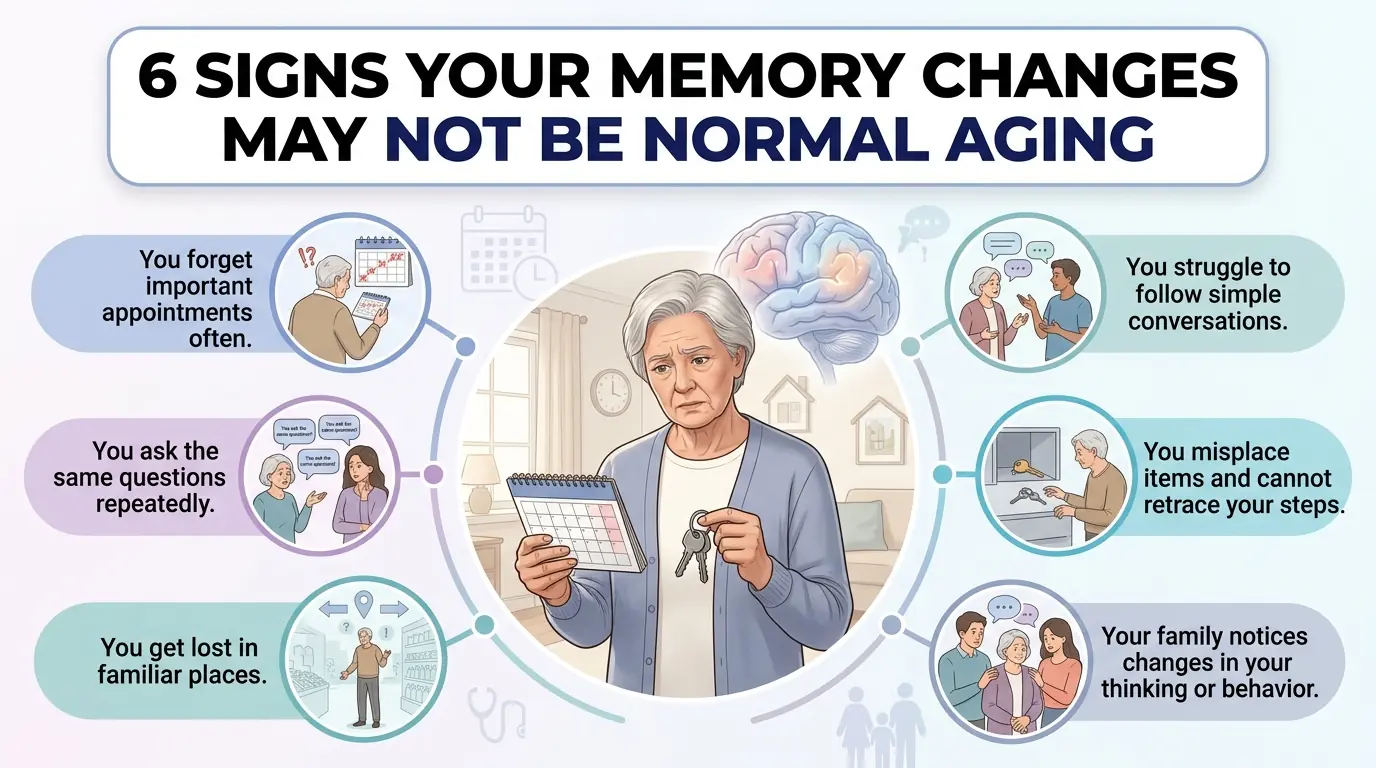
While ordinary storytelling and occasional forgetfulness can occur with healthy aging, significant changes in communication deserve attention.
Talk with a healthcare professional if an older parent develops:
- Increasing difficulty finding familiar words.
- Frequently forgetting recent conversations.
- Repeatedly asking identical questions.
- Difficulty following ordinary discussions.
- Sudden confusion.
- Significant personality or behavioral changes.
- Problems performing familiar everyday tasks.
Hearing loss can also make older adults appear withdrawn or confused during conversations, so hearing evaluation may be appropriate.
Sudden difficulty speaking, understanding language, facial weakness, or weakness on one side of the body can indicate a stroke and requires emergency medical attention.
Key Takeaways
- Caring about an older parent's health is important, but health doesn't need to dominate every conversation.
- Older adults still want their opinions, interests, experiences, and ideas to be valued.
- Ordinary conversations, humor, and everyday stories help preserve emotional connection.
- Giving older parents genuine opportunities to contribute can support a sense of purpose.
- Aging should not become someone's entire identity.
- Listening—even when you've heard a story before—can communicate patience and respect.
- When caregiving roles change, remember that your parent may still want opportunities to feel like your parent.
- Sometimes the best conversation has nothing to do with aging at all.
Getting older changes the body. It doesn't erase the person inside.
Medical Disclaimer
This article is for general educational purposes and is not a substitute for professional medical or mental health advice, diagnosis, or treatment. Changes in communication, memory, mood, or behavior in older adults can have many causes. If an older loved one develops persistent or sudden cognitive, emotional, or functional changes, consult a qualified healthcare professional for appropriate evaluation.
News in the same category
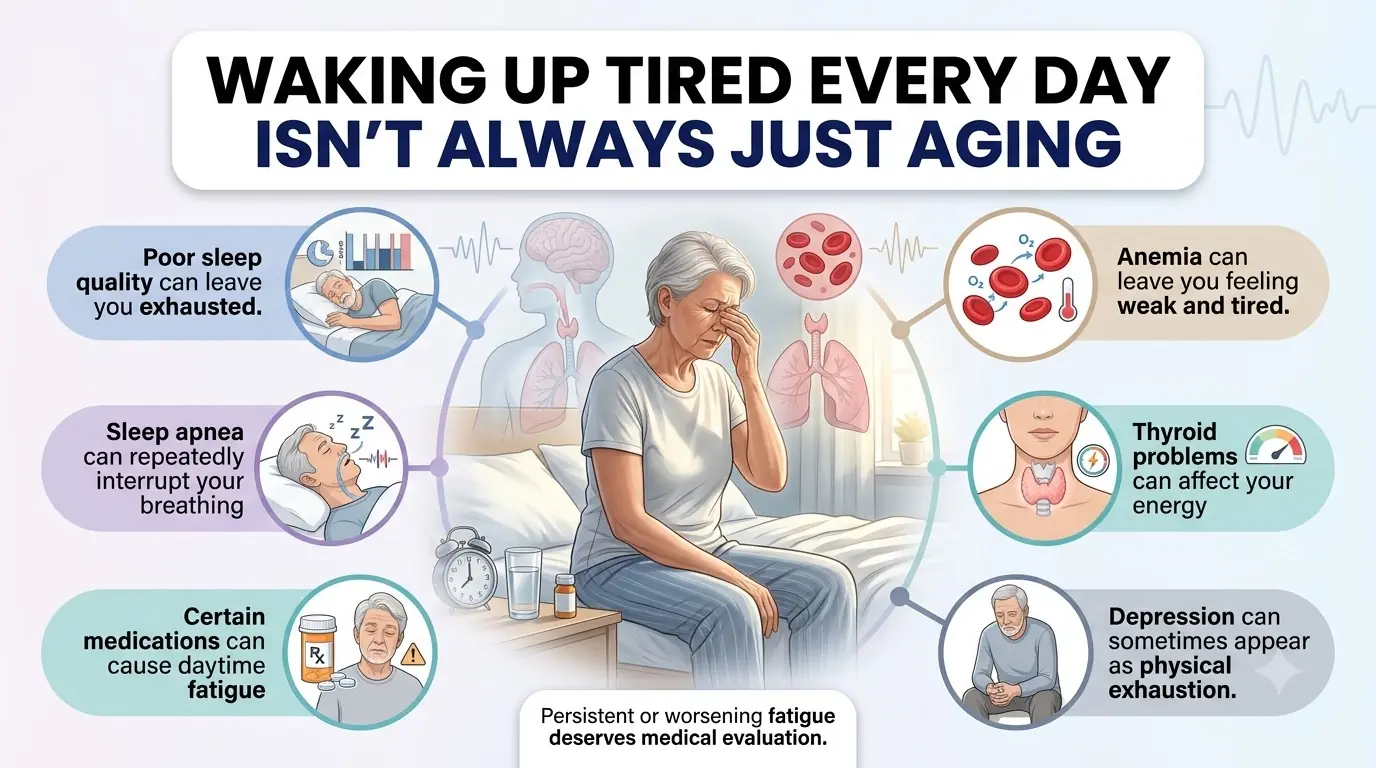
WAKING UP TIRED EVERY DAY ISN’T ALWAYS JUST AGING
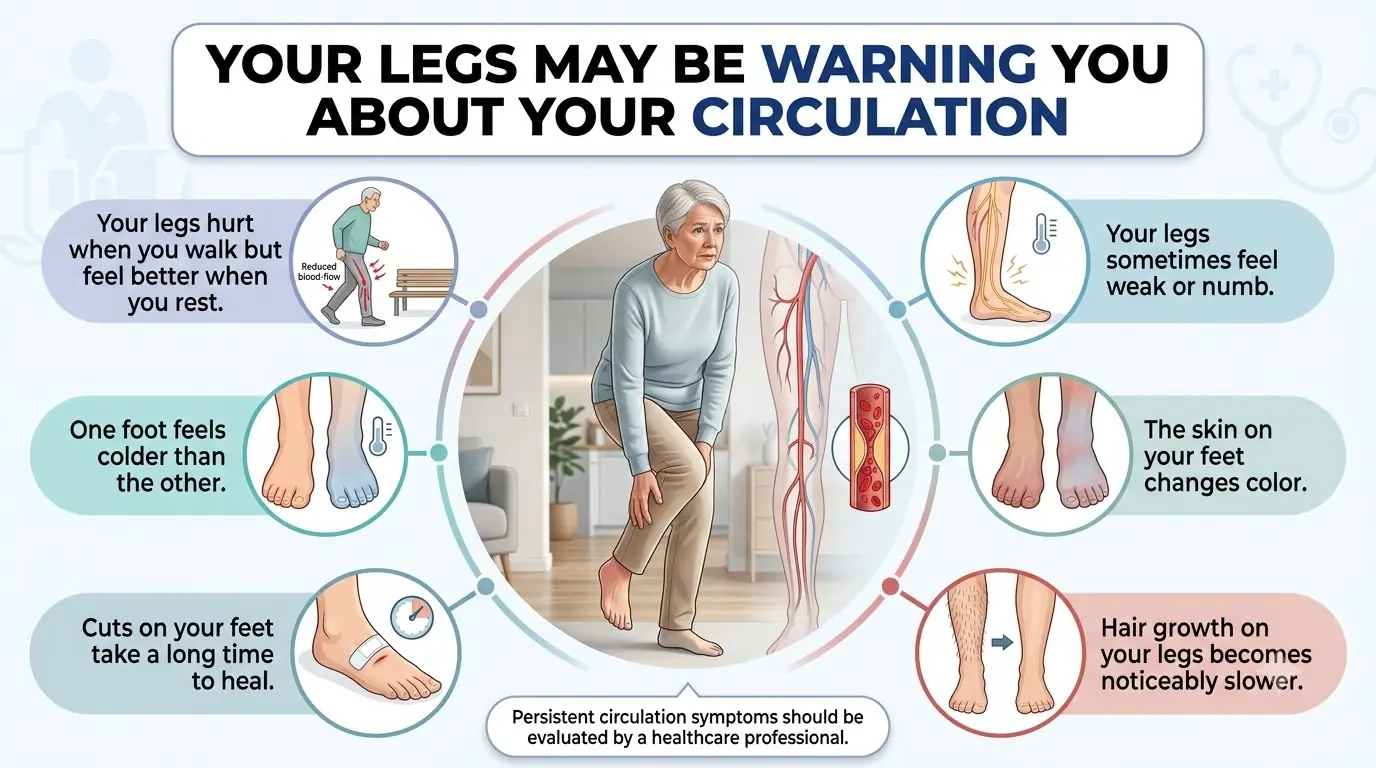
YOUR LEGS MAY BE WARNING YOU ABOUT YOUR CIRCULATION
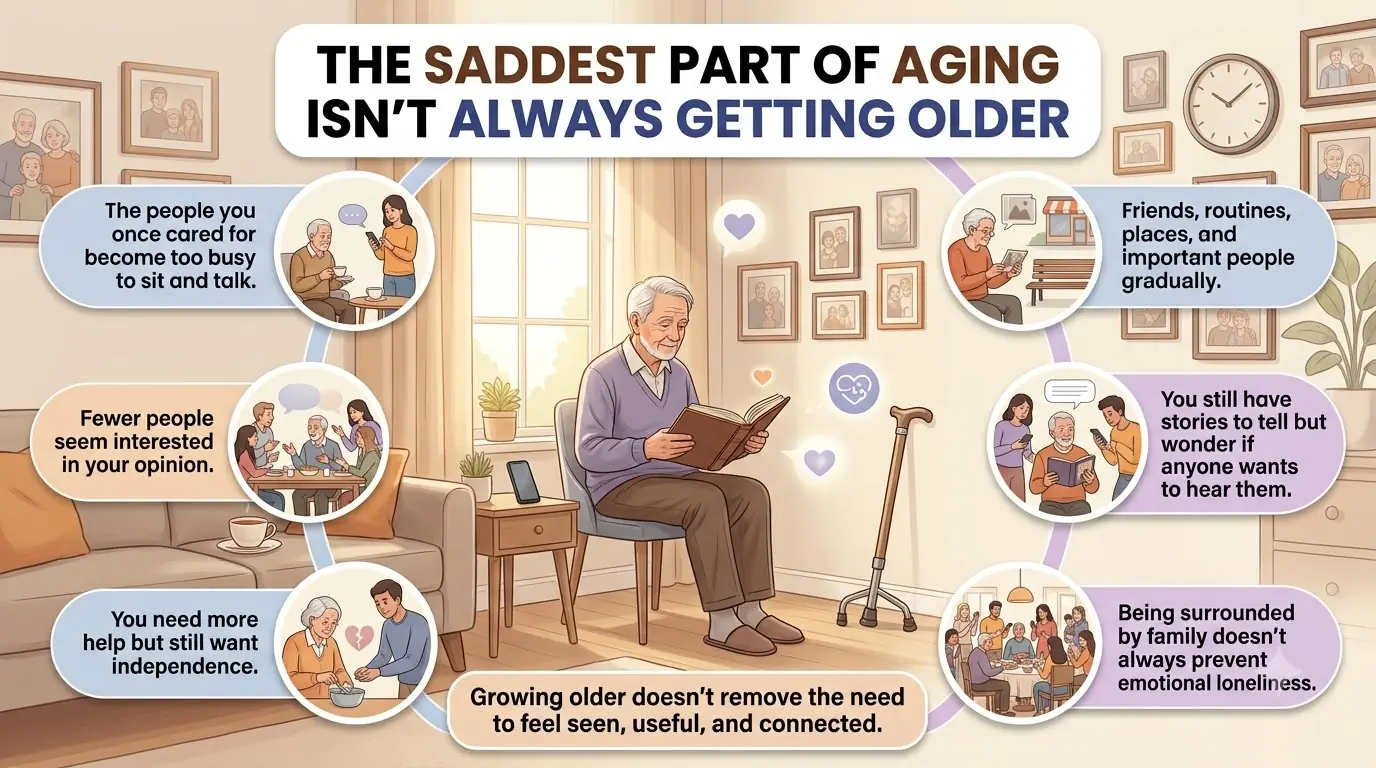
THE SADDEST PART OF AGING ISN'T ALWAYS GETTING OLDER
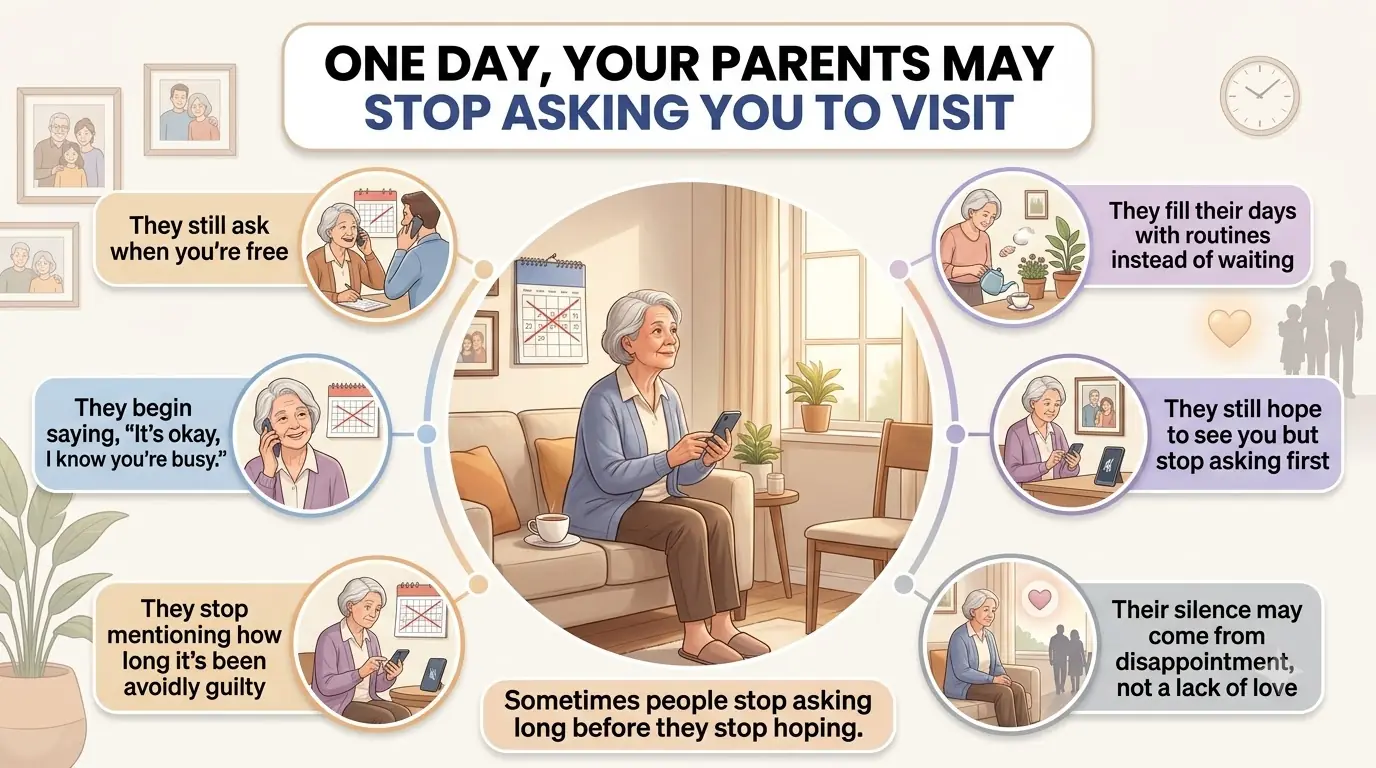
ONE DAY, YOUR PARENTS MAY STOP ASKING YOU TO VISIT
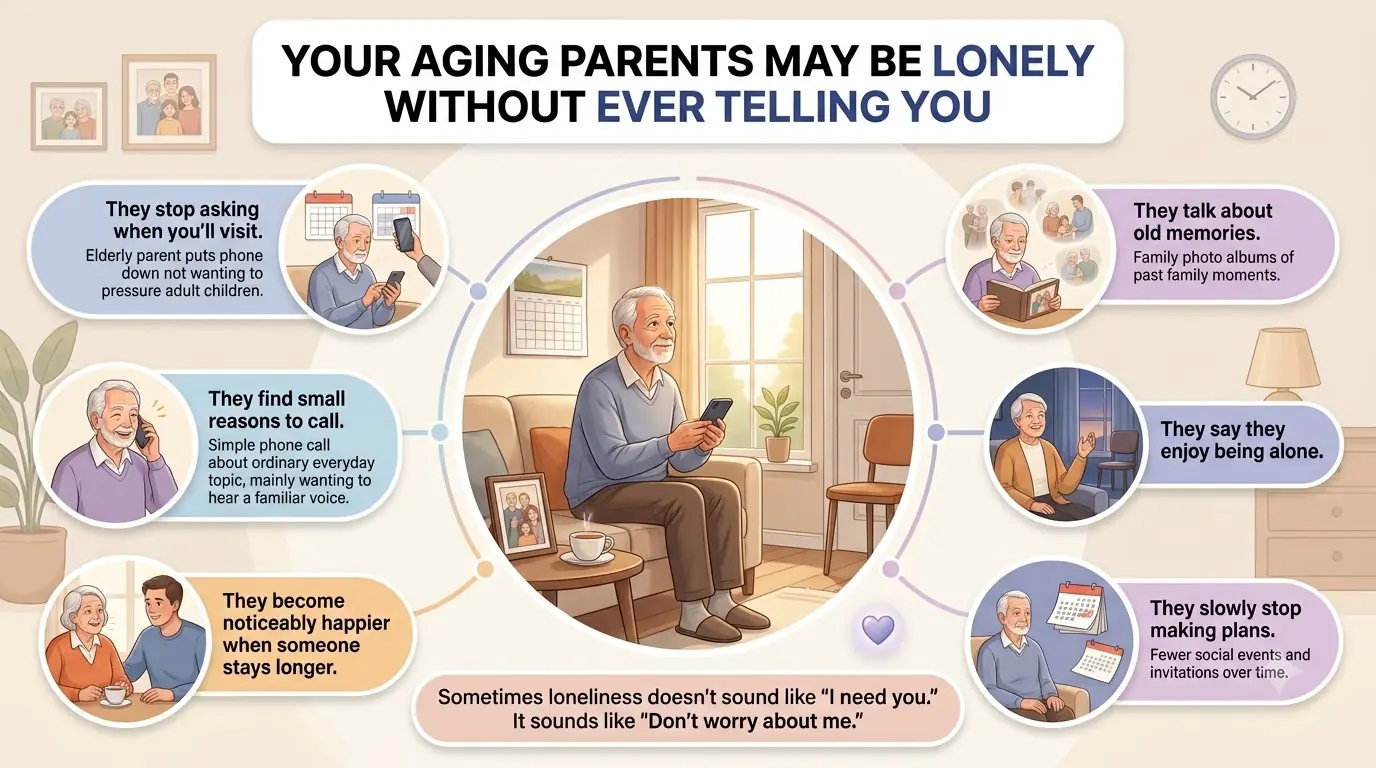
YOUR AGING PARENTS MAY BE LONELY WITHOUT EVER TELLING YOU
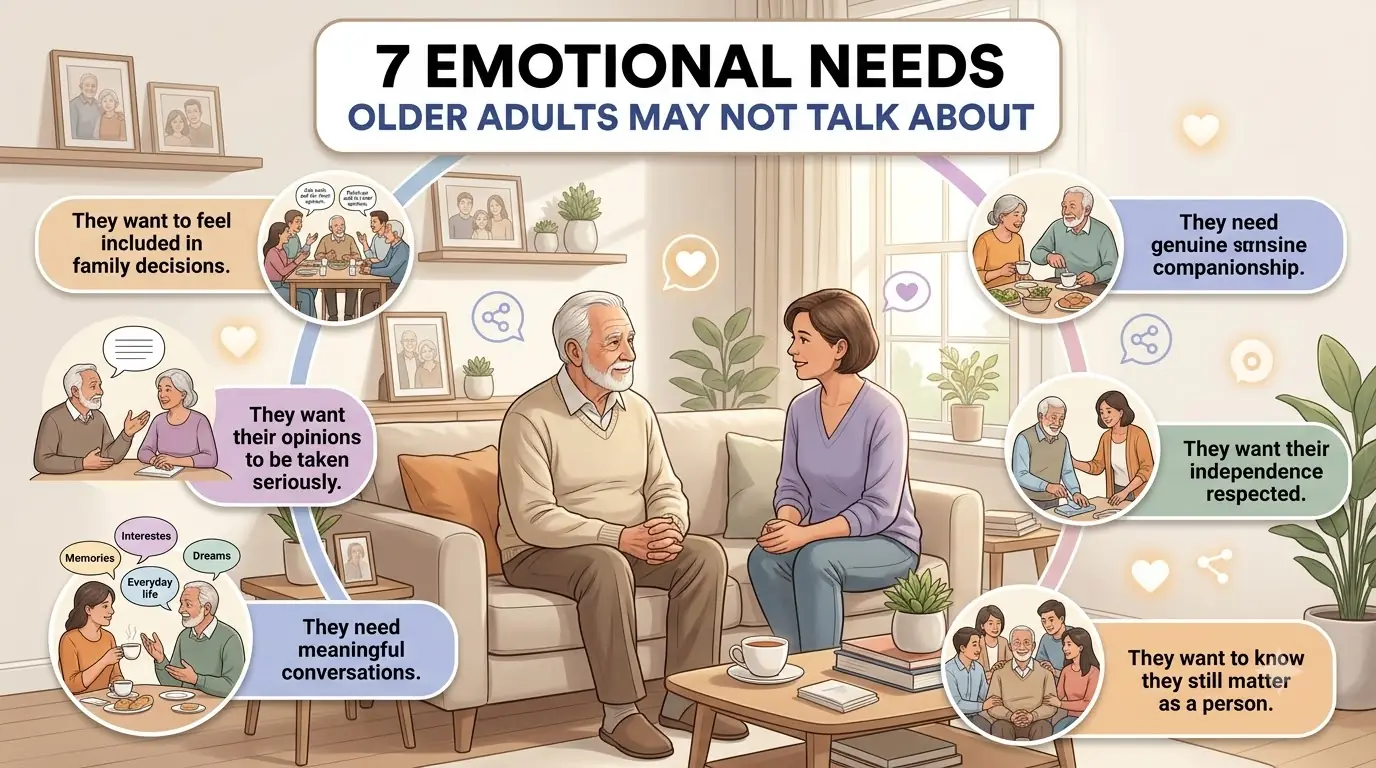
7 EMOTIONAL NEEDS OLDER ADULTS MAY NOT TALK ABOUT
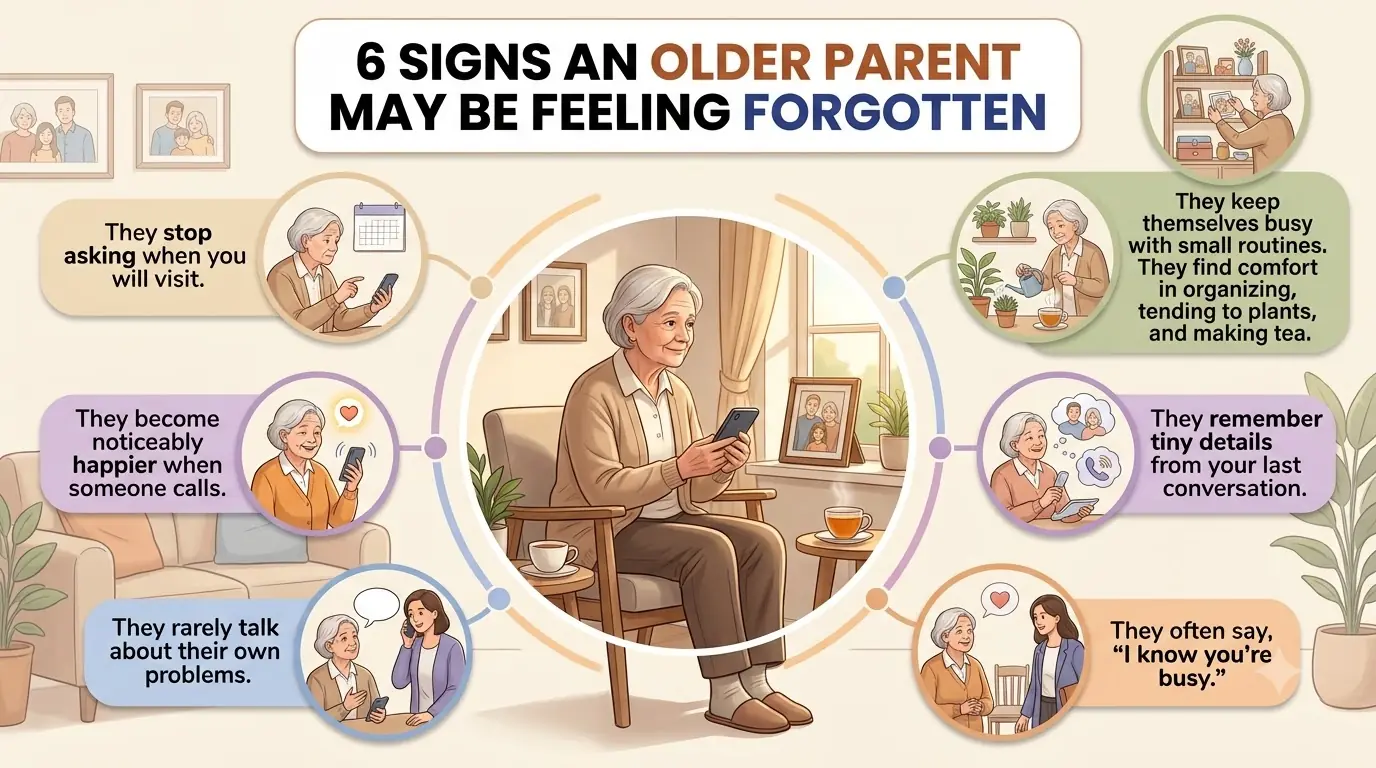
6 SIGNS AN OLDER PARENT MAY BE FEELING FORGOTTEN
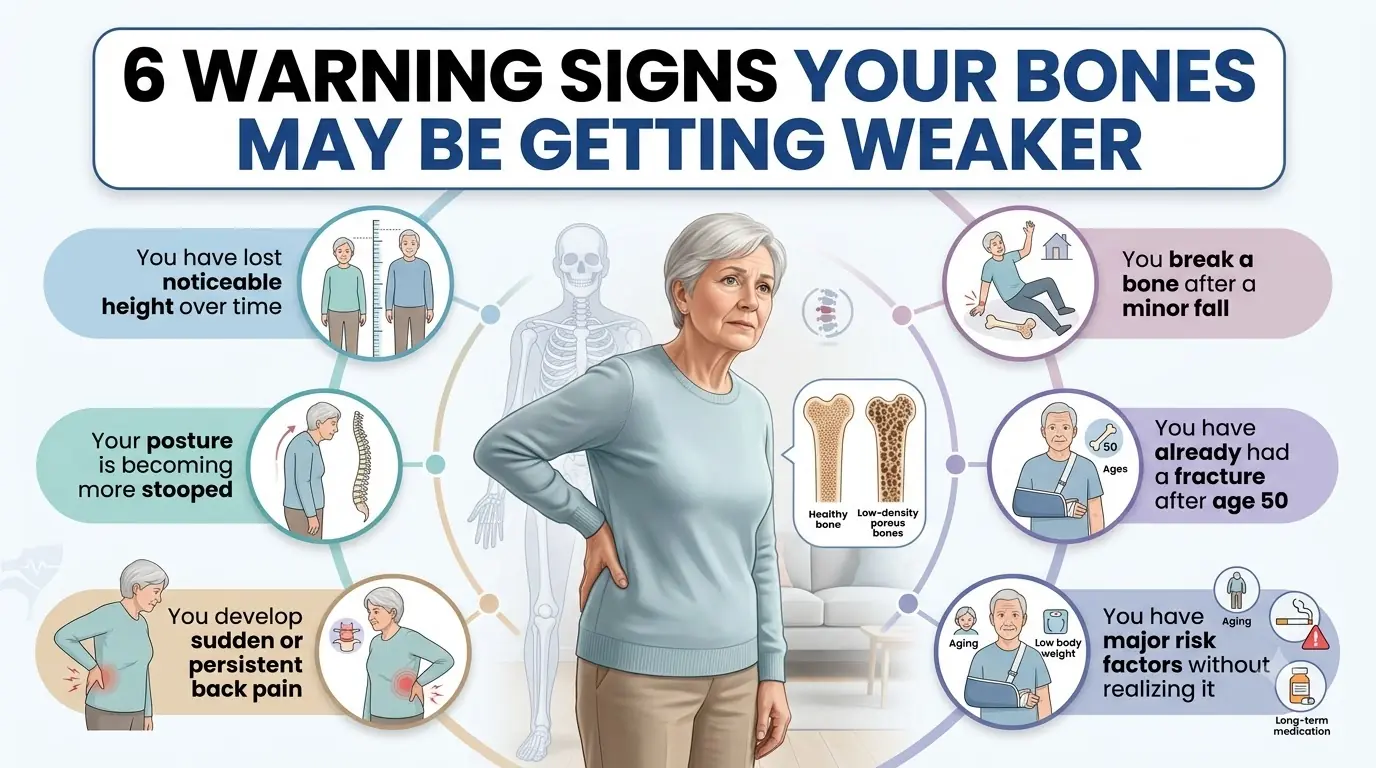
6 WARNING SIGNS YOUR BONES MAY BE GETTING WEAKER
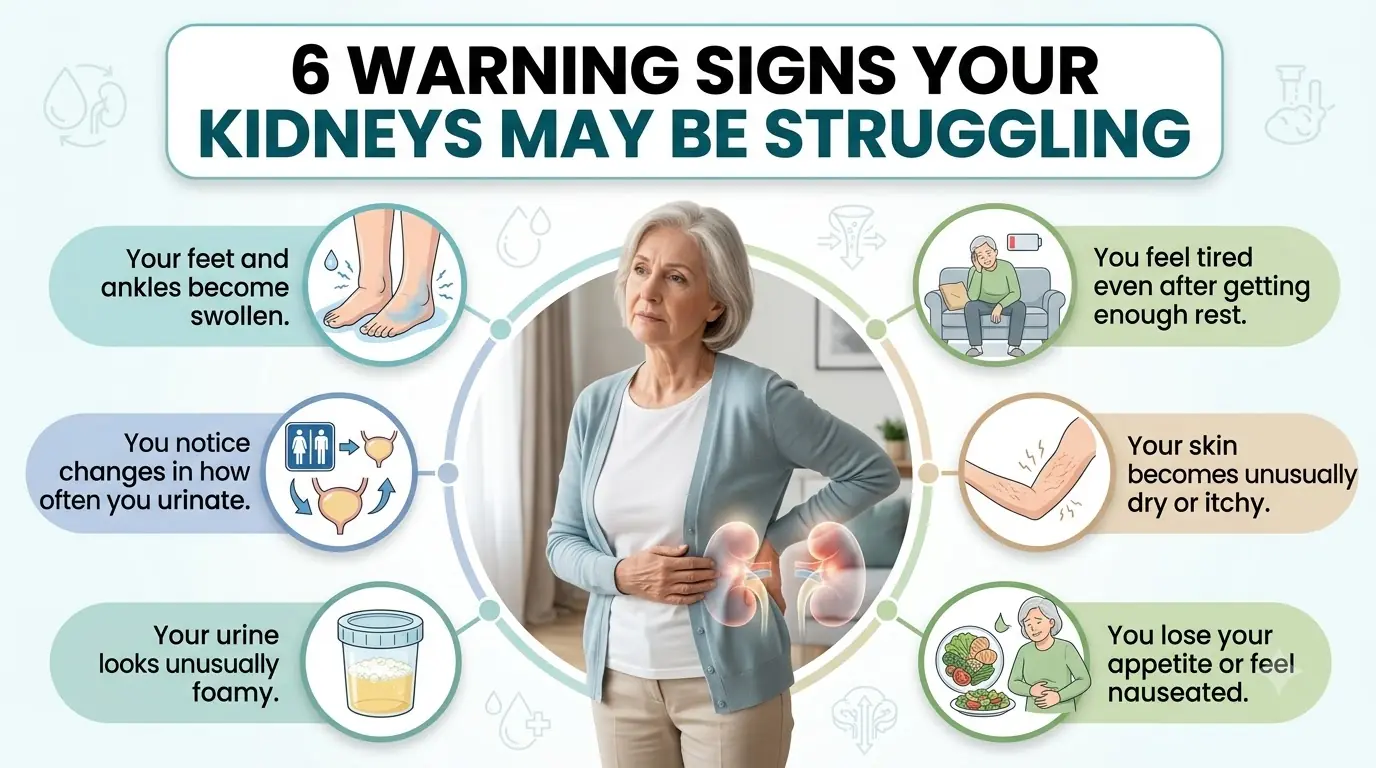
6 WARNING SIGNS YOUR KIDNEYS MAY BE STRUGGLING
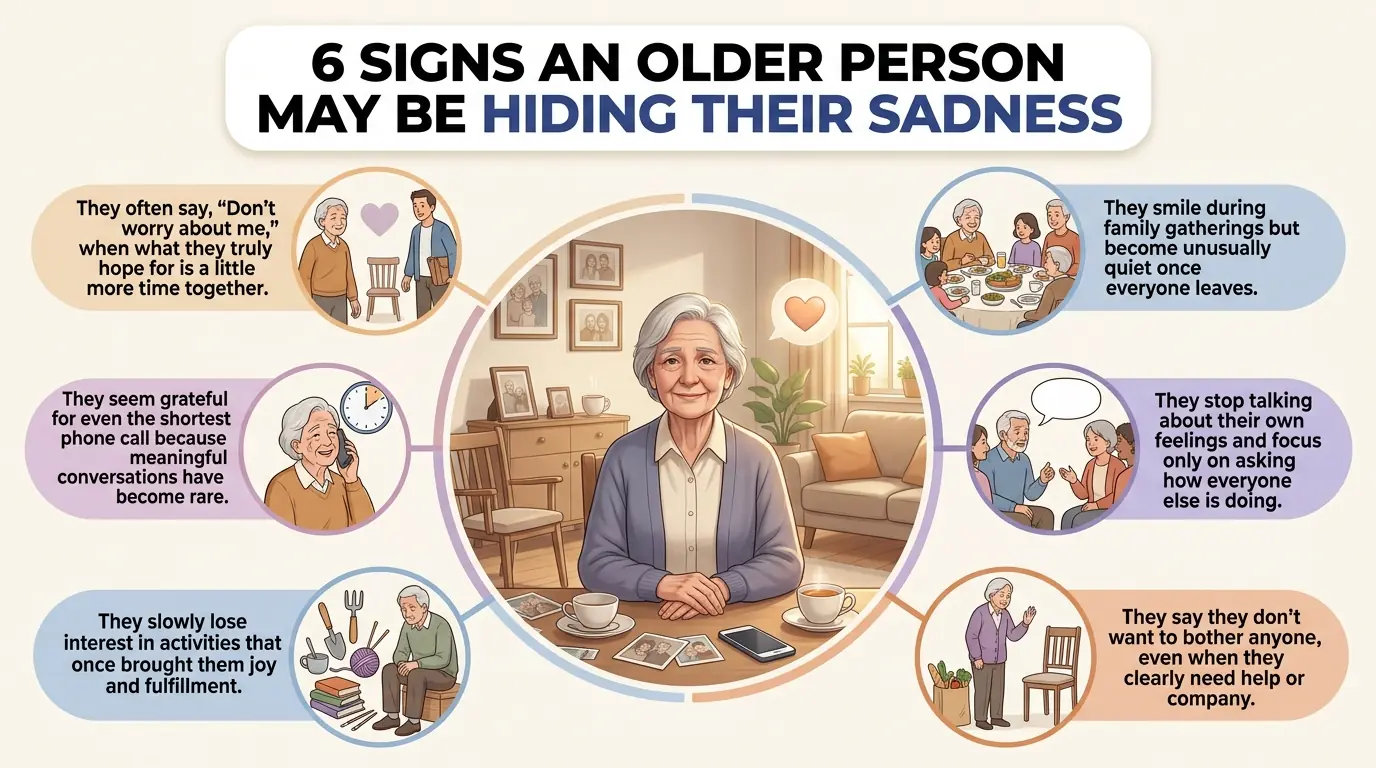
6 SIGNS AN OLDER PERSON MAY BE HIDING THEIR SADNESS
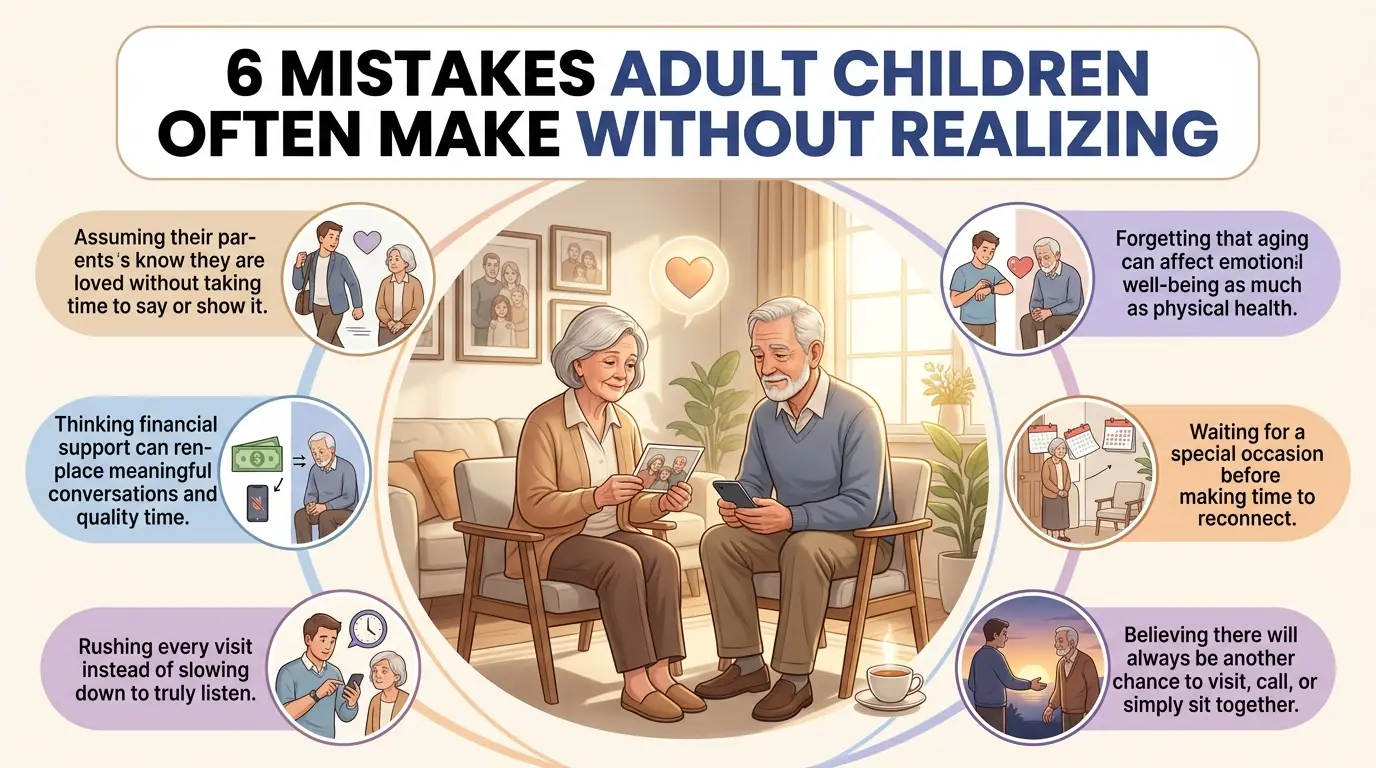
6 MISTAKES ADULT CHILDREN OFTEN MAKE WITHOUT REALIZING
6 WARNING SIGNS YOUR LEGS MAY HAVE POOR CIRCULATION
6 SIGNS YOUR MEMORY CHANGES MAY NOT BE NORMAL AGING
6 WARNING SIGNS YOUR BODY MAY BE DEVELOPING DIABETES
6 WARNING SIGNS YOUR HEART MAY NOT BE GETTING ENOUGH BLOOD
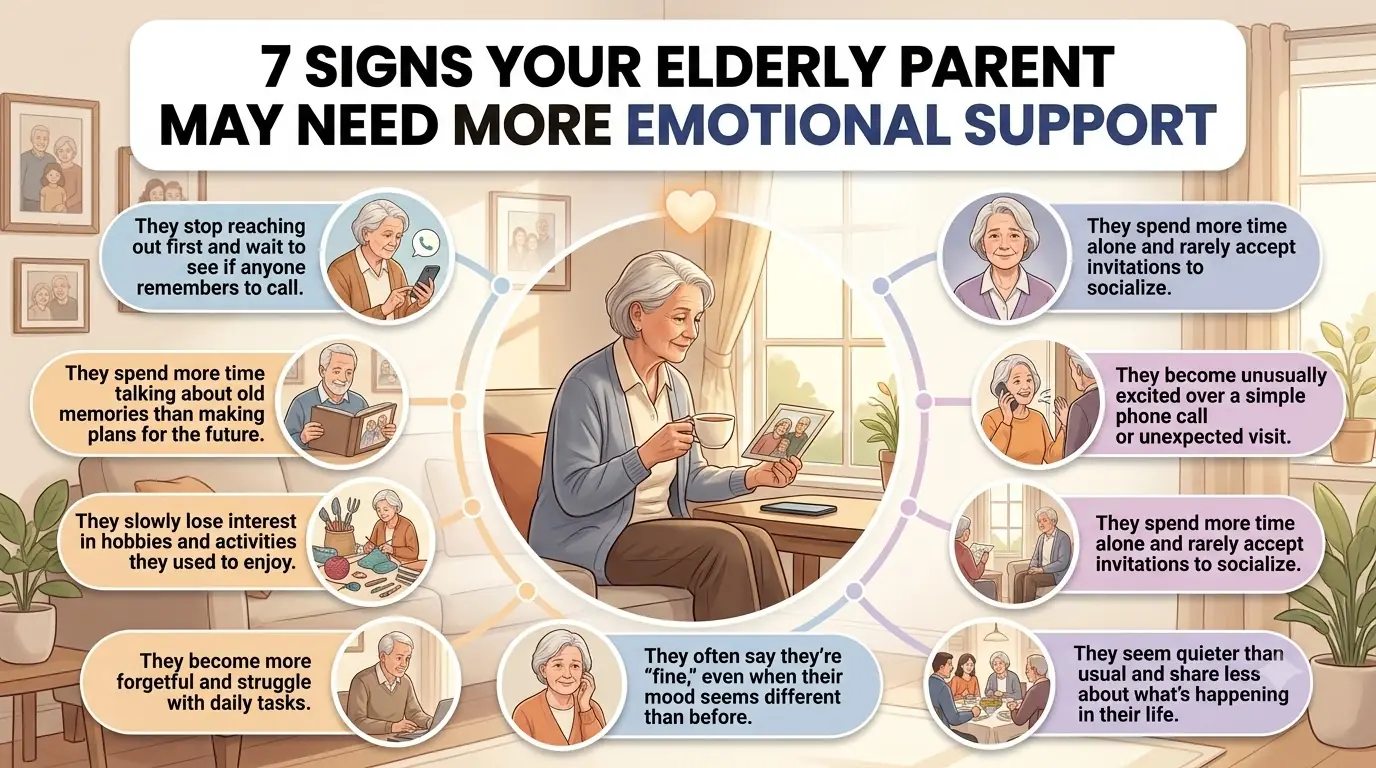
7 SIGNS YOUR ELDERLY PARENT MAY NEED MORE EMOTIONAL SUPPORT