6 MISTAKES ADULT CHILDREN OFTEN MAKE WITHOUT REALIZING
Reader Theme:
Font Size:
24px
6 MISTAKES ADULT CHILDREN OFTEN MAKE WITHOUT REALIZING
As parents grow older, the relationship between parents and their adult children naturally changes. Careers, raising children, and busy schedules often leave less time for family. While most adult children deeply love their parents, everyday habits can unintentionally create emotional distance without anyone realizing it.
Many older parents don't complain when they feel lonely or overlooked. Instead, they quietly adjust their expectations, convincing themselves that their children are simply busy. The good news is that meaningful connection doesn't require expensive gifts or elaborate plans. Often, the smallest moments have the greatest impact.
Understanding these common mistakes can help strengthen your relationship while there's still time to create new memories together.
Why Emotional Connection Matters as Parents Age
Growing older often brings major life changes, including retirement, health concerns, the loss of lifelong friends or a spouse, and reduced independence. During this stage of life, emotional support becomes just as important as physical care.
Research has shown that strong family relationships and regular social interaction are associated with better mental health, lower rates of depression, improved cognitive function, and a higher quality of life in older adults.
Feeling loved isn't just about knowing someone cares—it's about experiencing that love through everyday actions.
1. Assuming Your Parents Know They Are Loved Without Saying It
Love often goes unspoken within families.
Many adult children assume their parents already know how much they care, so they rarely say the words or express affection openly.
While parents may understand your love, hearing simple phrases like:
- "I love you."
- "I appreciate everything you've done."
- "I'm grateful you're my parent."
can mean more than you realize.
Small gestures—such as a hug, a thoughtful message, or an unexpected visit—often communicate love more powerfully than assumptions ever can.
2. Thinking Financial Support Can Replace Time Together
Helping parents financially can be generous and important.
However, emotional connection cannot be replaced by money.
Many older adults would gladly trade expensive gifts for:
- A shared meal.
- A relaxed conversation.
- A walk together.
- Watching a favorite movie.
- Simply sitting together without distractions.
While financial assistance may solve practical problems, quality time often fulfills emotional needs that money cannot.
3. Rushing Every Visit Instead of Truly Listening
Modern life often leaves little free time.
As a result, visits may become hurried, with conversations squeezed between errands, work calls, or checking phones.
Older parents often value being listened to more than receiving advice.
Giving them your full attention—even for twenty uninterrupted minutes—shows respect, interest, and genuine care.
Sometimes they don't need solutions.
They simply need someone willing to listen patiently.
4. Forgetting That Emotional Health Matters Too
Families naturally pay attention to medications, doctor appointments, and physical health.
But emotional well-being is just as important.
Many older adults experience:
- Loneliness.
- Grief.
- Anxiety.
- Loss of purpose.
- Fear of losing independence.
These feelings often remain hidden because they don't want to worry their children.
Asking, "How have you been feeling emotionally?" can open conversations that might never happen otherwise.
5. Waiting for a Special Occasion to Reconnect
Birthdays, holidays, and anniversaries are wonderful opportunities to spend time together.
But meaningful relationships are built during ordinary days.
Waiting for the "right" occasion may unintentionally leave long stretches without meaningful contact.
A simple Tuesday afternoon phone call or an unexpected weekend visit often means just as much—sometimes even more—than a holiday celebration.
Consistency is usually more meaningful than occasional grand gestures.
6. Believing There Will Always Be Another Chance
One of the most common regrets people express later in life is wishing they had spent more ordinary moments with the people they loved.
It's easy to assume there will always be another weekend to visit, another holiday to celebrate, or another phone call to make.
But none of us can predict how much time we have together.
Choosing to call today, visit this week, or simply sit together for a while may become a memory both you and your parent will treasure.
The best time to strengthen your relationship is often now—not someday.
Small Gestures Often Matter Most
Supporting an aging parent doesn't require dramatic changes.
Simple, consistent actions can strengthen your relationship:
- Call regularly, even for a few minutes.
- Visit without waiting for a special occasion.
- Listen without checking your phone.
- Ask about their memories, hopes, and feelings.
- Invite them to family activities.
- Tell them you appreciate them.
- Say "I love you" while you still can.
These moments often become the memories that matter most.
When Emotional Changes May Need Professional Support
Occasional loneliness is a normal part of life, but persistent emotional changes deserve attention.
Encourage your parent to speak with a healthcare provider if they experience:
- Ongoing sadness.
- Withdrawal from family and friends.
- Loss of interest in favorite activities.
- Significant changes in sleep or appetite.
- Feelings of hopelessness.
- Memory or thinking changes that interfere with daily life.
Early support can improve emotional well-being and overall quality of life.
Key Takeaways
- Love should be expressed through both words and actions, not simply assumed.
- Quality time and meaningful conversations cannot be replaced by financial support.
- Listening patiently helps older parents feel respected and valued.
- Emotional well-being deserves the same attention as physical health.
- Don't wait for birthdays or holidays to reconnect—ordinary moments often become the most meaningful memories.
- Making time today may prevent regrets tomorrow.
Medical Disclaimer
This article is for educational purposes only and is not intended to replace professional medical advice, diagnosis, or treatment. Persistent changes in mood, social withdrawal, or emotional distress in older adults may be related to depression, cognitive impairment, or other medical conditions. If you are concerned about an aging parent's emotional or mental health, consult a qualified healthcare provider or mental health professional for appropriate evaluation and support.
News in the same category
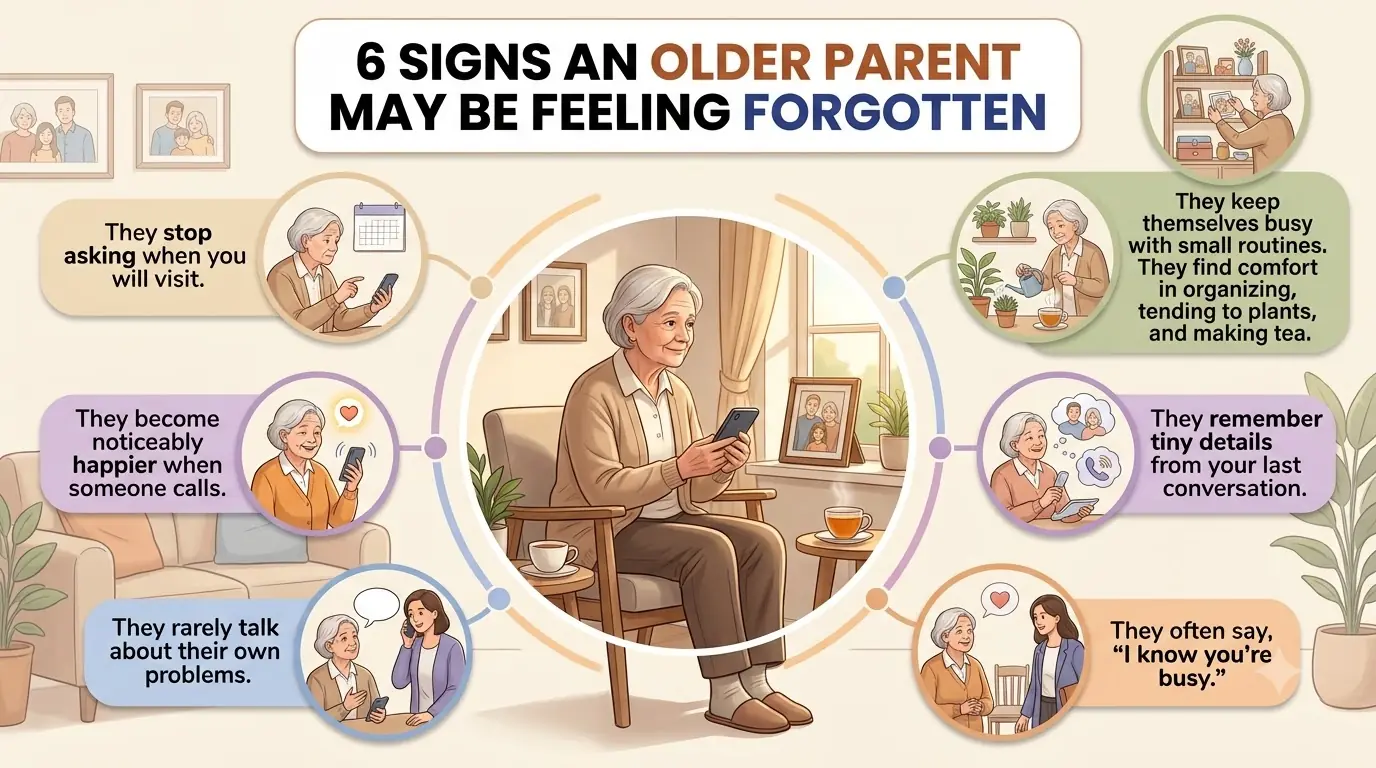
6 SIGNS AN OLDER PARENT MAY BE FEELING FORGOTTEN

6 WARNING SIGNS YOUR BONES MAY BE GETTING WEAKER

6 WARNING SIGNS YOUR KIDNEYS MAY BE STRUGGLING
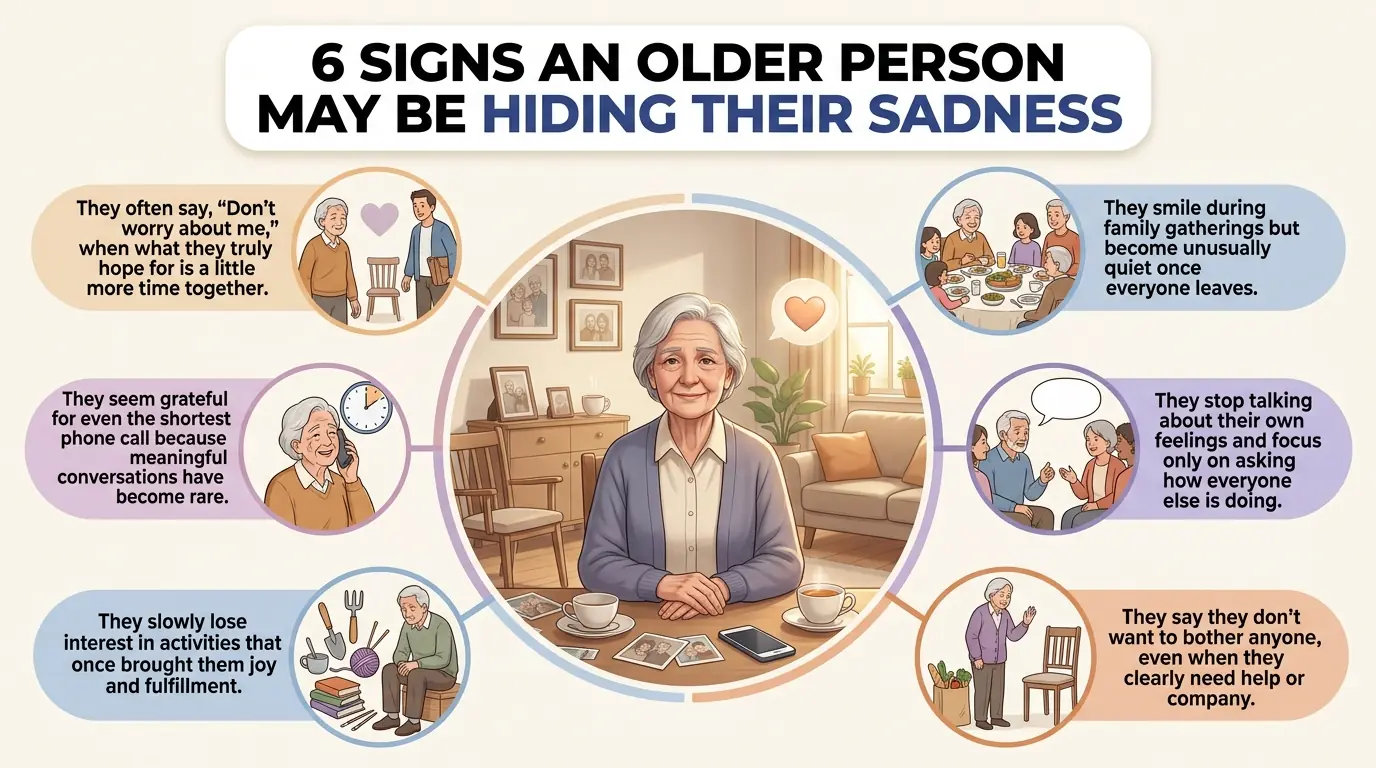
6 SIGNS AN OLDER PERSON MAY BE HIDING THEIR SADNESS
6 WARNING SIGNS YOUR LEGS MAY HAVE POOR CIRCULATION
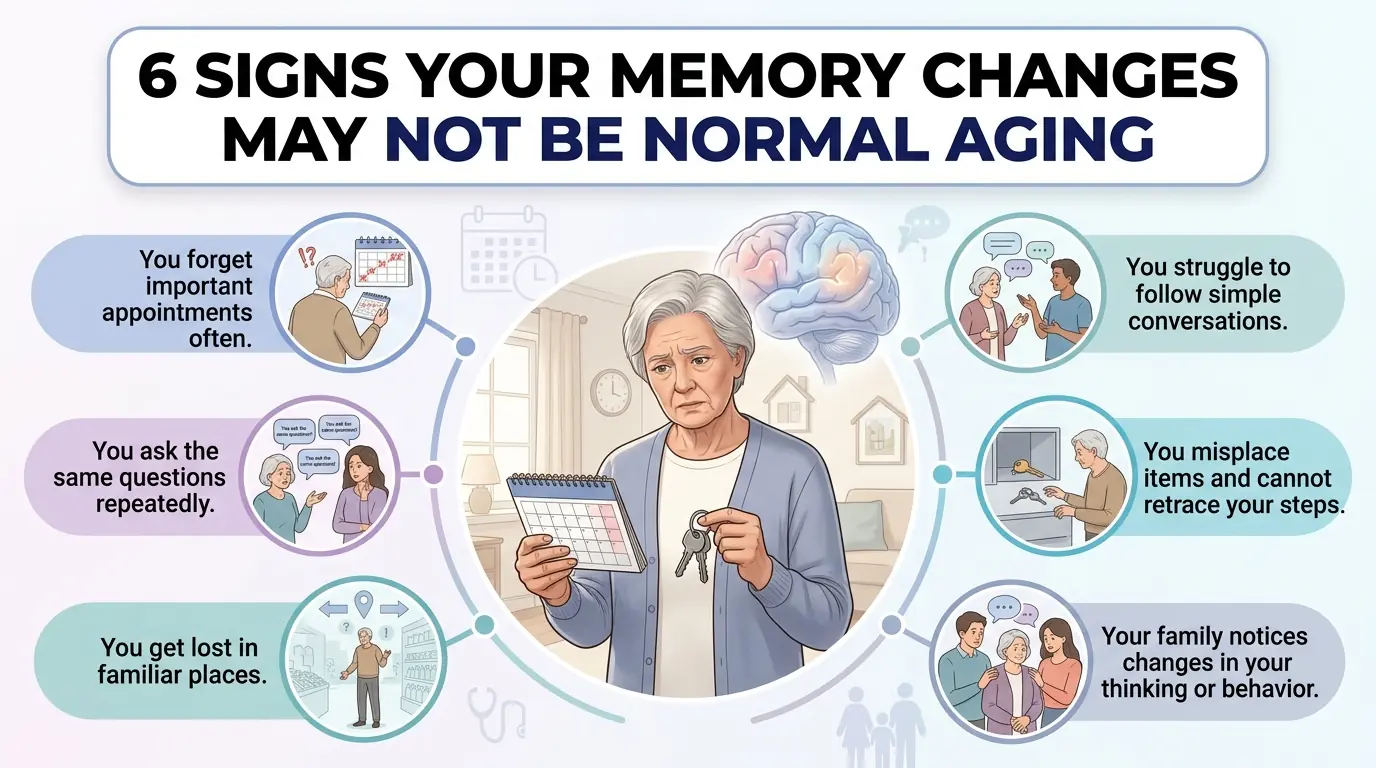
6 SIGNS YOUR MEMORY CHANGES MAY NOT BE NORMAL AGING

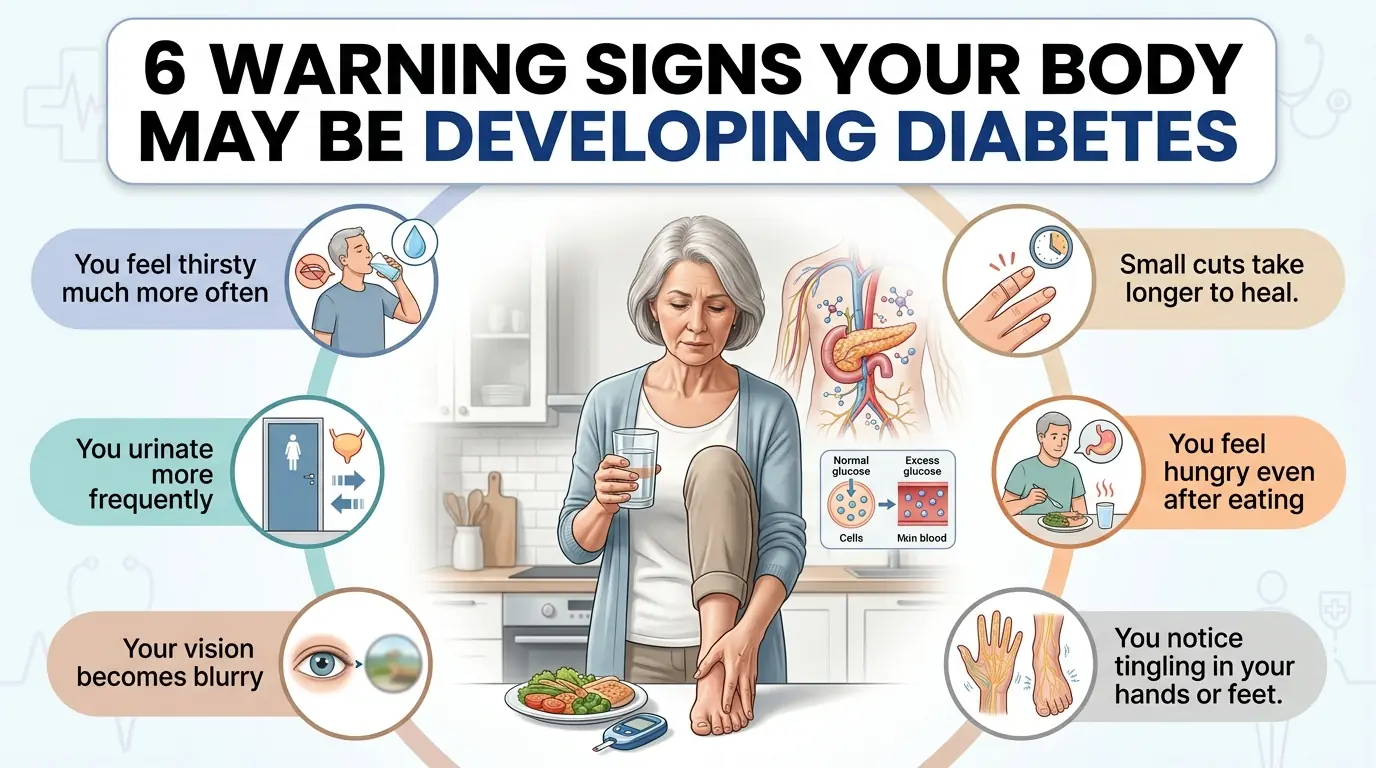
6 WARNING SIGNS YOUR BODY MAY BE DEVELOPING DIABETES
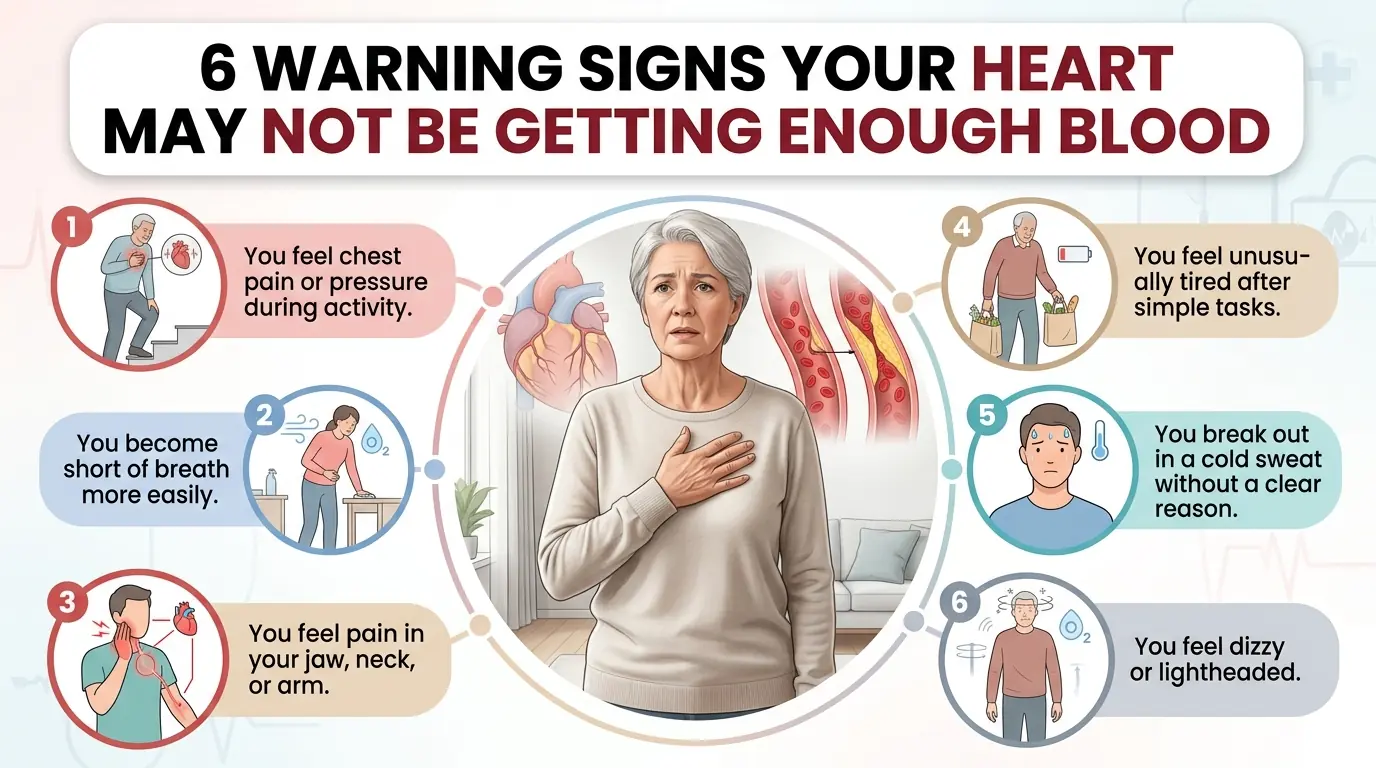
6 WARNING SIGNS YOUR HEART MAY NOT BE GETTING ENOUGH BLOOD
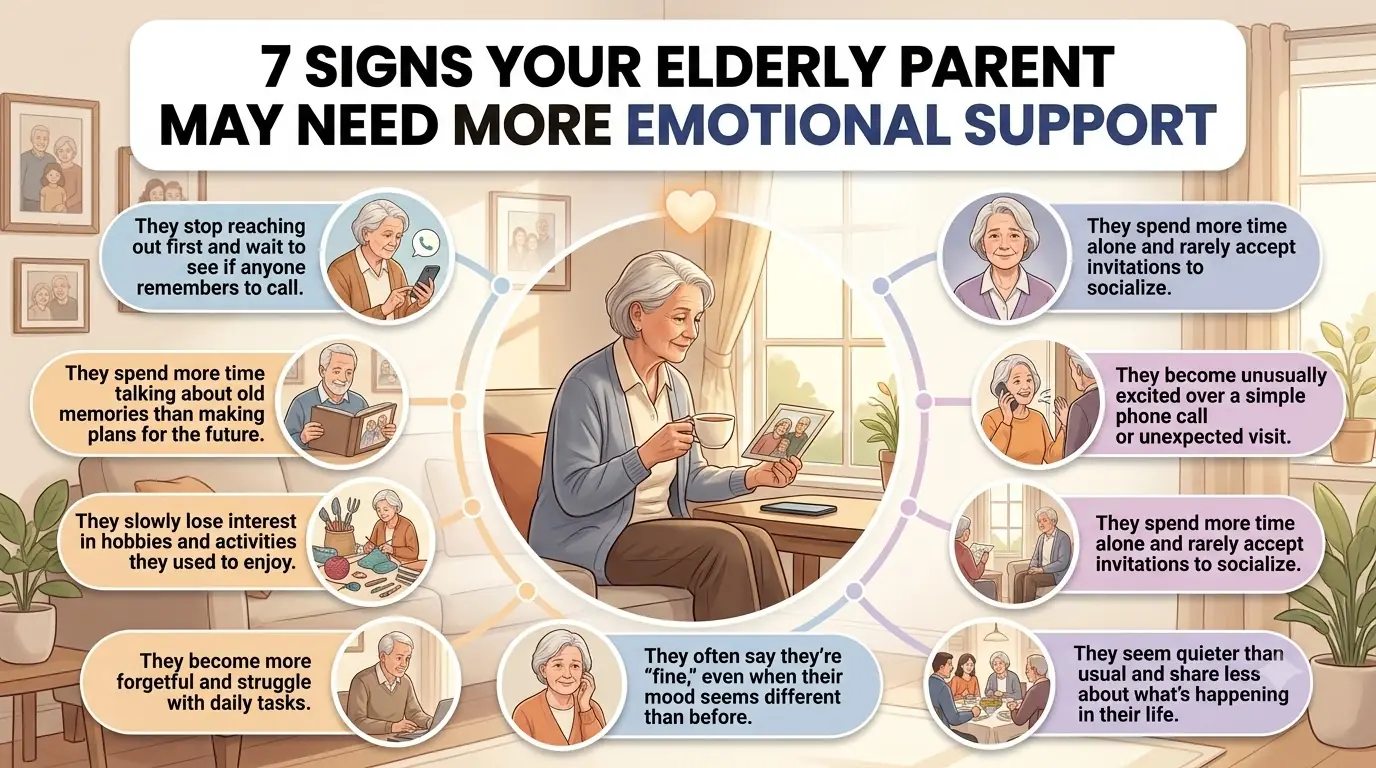
7 SIGNS YOUR ELDERLY PARENT MAY NEED MORE EMOTIONAL SUPPORT

6 WARNING SIGNS YOUR BODY MAY BE LOW IN MAGNESIUM
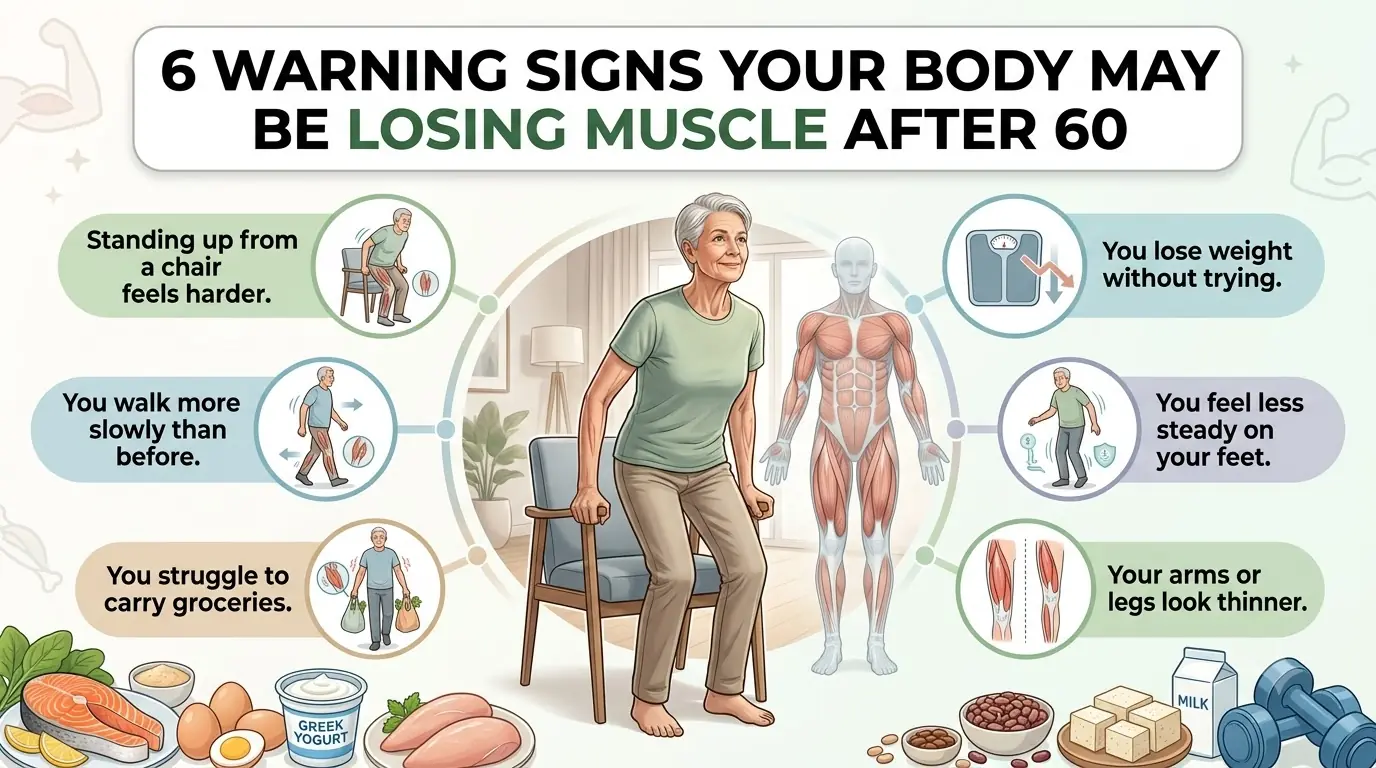
6 WARNING SIGNS YOUR BODY MAY BE LOSING MUSCLE AFTER 60

6 SIGNS YOUR BODY MAY NEED MORE PROTEIN AFTER 60

6 WARNING SIGNS YOUR ARTERIES MAY BE CLOGGED

"She Doesn't Speak Chinese," A Millionaire Bet $100K a Black Waitress Couldn't Speak Chinese
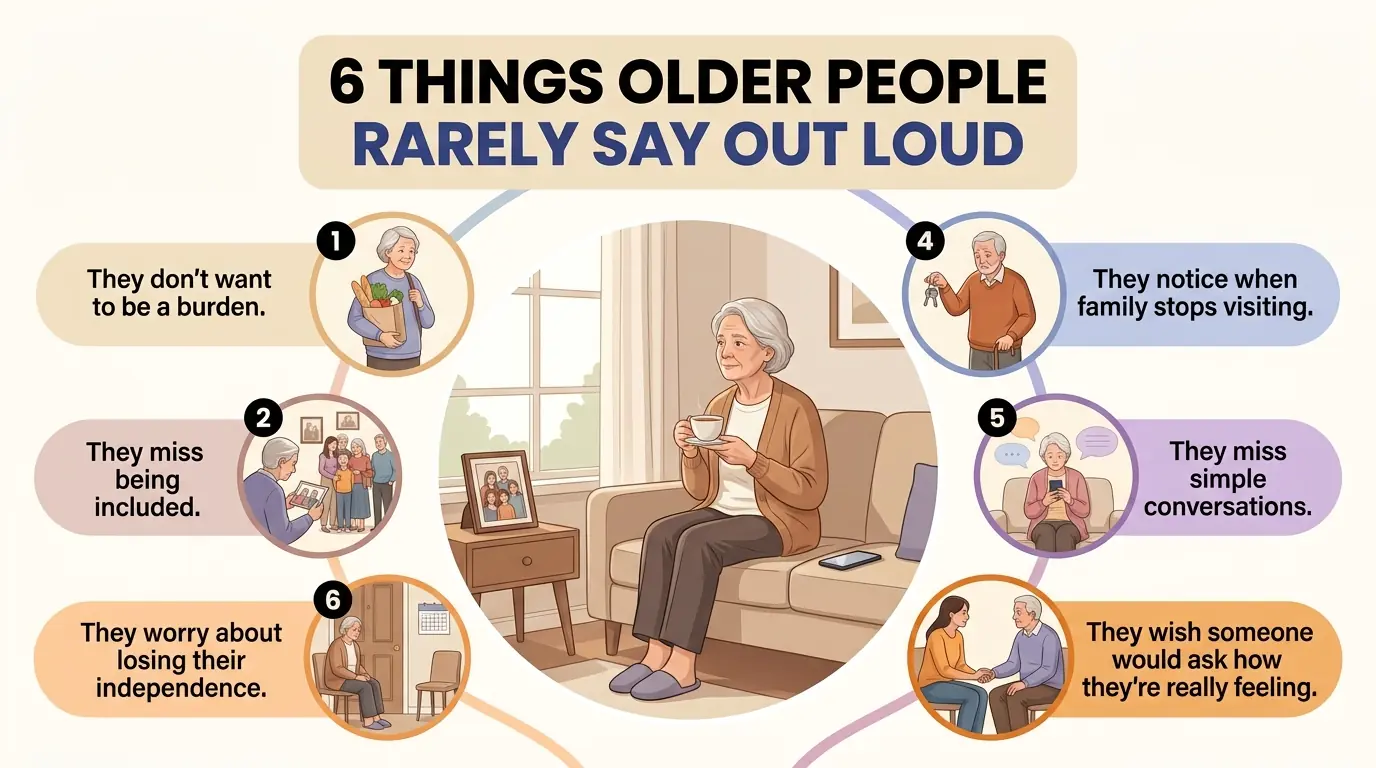
6 THINGS OLDER PEOPLE RARELY SAY OUT LOUD

6 WARNING SIGNS YOUR BODY MAY HAVE TOO MUCH INFLAMMATION
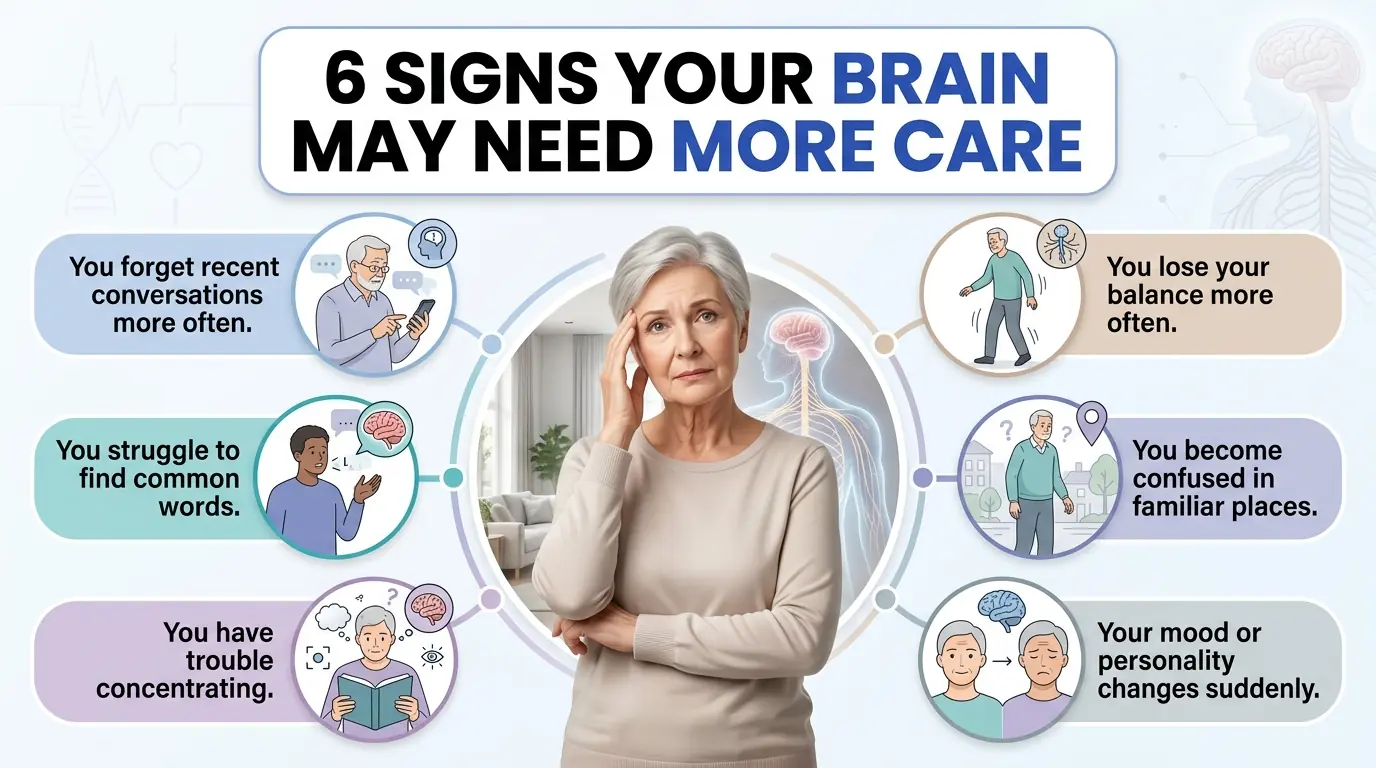
6 SIGNS YOUR BRAIN MAY NEED MORE CARE