6 SIGNS AN OLDER PERSON MAY BE HIDING THEIR SADNESS
Reader Theme:
Font Size:
24px
6 SIGNS AN OLDER PERSON MAY BE HIDING THEIR SADNESS
Not all sadness is easy to recognize. Many older adults become skilled at hiding their emotional pain because they don't want to worry their family, appear weak, or feel like they're becoming a burden. Instead of talking about loneliness or heartbreak, they often continue smiling, saying they're "fine," and carrying on with their daily routines.
Growing older can bring retirement, the loss of loved ones, declining health, and major life changes that affect emotional well-being. While occasional sadness is a normal part of life, persistent emotional distress should never be dismissed as "just getting older." Learning to recognize these quiet signs can help families offer support when it's needed most.
Sometimes, the greatest act of kindness is simply noticing what isn't being said.
Why Older Adults Often Hide Their Emotions
Many older adults were raised in a generation that valued resilience and self-reliance. Expressing sadness or asking for emotional support wasn't always encouraged, and many still believe they should handle difficult feelings on their own.
Others worry that sharing their struggles will place additional stress on their children or loved ones. As a result, emotional pain often appears through subtle changes in behavior rather than direct conversations.
Recognizing these changes can open the door to meaningful support before loneliness or depression becomes more severe.
1. They Smile During Family Gatherings but Become Quiet Once Everyone Leaves
Your parent or loved one may appear cheerful while surrounded by family, laughing, telling stories, and enjoying the moment.
But after everyone goes home, the silence can feel overwhelming.
Many older adults put on a brave face during visits because they don't want others to worry. Once the house is quiet again, feelings of loneliness may become much more noticeable.
A short phone call the following day can sometimes mean just as much as the family gathering itself.
2. They Stop Talking About Their Own Feelings
Some older adults gradually stop sharing what's happening in their own lives.
Instead, every conversation revolves around questions like:
- "How are the kids?"
- "How's work going?"
- "Is everyone healthy?"
While showing interest in family is natural, consistently avoiding conversations about their own emotions may be a way of protecting others from worry.
Gently asking open-ended questions—and giving them time to answer—may encourage them to share more honestly.
3. They Say They Don't Want to Bother Anyone
One of the most common phrases older adults use is:
"I don't want to be a burden."
They may decline offers of help, avoid asking for company, or insist they can manage everything alone, even when they're struggling.
You may notice they:
- Apologize for calling.
- Say they're "doing fine" despite obvious challenges.
- Refuse help with everyday tasks.
- Avoid mentioning loneliness.
Reassuring them that spending time together is something you want—not something you have to do—can make a meaningful difference.
4. They Slowly Lose Interest in Activities They Once Loved
A person who once enjoyed gardening, reading, cooking, attending church, playing cards, or meeting friends may gradually lose interest in these activities.
This change can happen for many reasons, including:
- Loneliness.
- Depression.
- Chronic illness.
- Reduced mobility.
- Grief.
Rather than assuming they're simply slowing down, ask whether they'd enjoy doing those activities together or help them find new ways to stay engaged.
5. They Become Deeply Grateful for Small Conversations
When meaningful social interaction becomes rare, even a brief phone call or unexpected visit can feel incredibly important.
They may:
- Keep talking long after you expected the conversation to end.
- Mention your call several days later.
- Become emotional over a simple visit.
- Express gratitude that seems much bigger than the gesture itself.
Often, it's not the length of the conversation they remember—it's the feeling of being remembered.
6. They Often Say, "Don't Worry About Me"
Many parents use this phrase because they genuinely don't want to add to their children's responsibilities.
But sometimes, those words hide a very different hope.
What they may truly be wishing for isn't advice, money, or gifts.
They may simply want:
- A little more time together.
- Someone to listen.
- A shared meal.
- A quiet afternoon visit.
- A reminder that they still matter.
Looking beyond the words can help you understand what they're unable—or unwilling—to say directly.
Other Signs They May Need Emotional Support
Some older adults experiencing emotional distress may also show:
- Changes in sleep patterns.
- Poor appetite.
- Withdrawal from friends or family.
- Increased irritability.
- Less interest in personal care.
- Frequent expressions of hopelessness.
- Memory or concentration problems related to depression.
These symptoms may have emotional or medical causes and should not be ignored.
How You Can Help
Supporting an older loved one doesn't require extraordinary effort.
Small, consistent acts of kindness often matter most:
- Call regularly, even if only for a few minutes.
- Visit without waiting for a special occasion.
- Ask how they're feeling emotionally.
- Listen without rushing or interrupting.
- Encourage social activities and hobbies.
- Include them in family events whenever possible.
- Remind them that they are loved and appreciated.
Being emotionally present is often the greatest gift you can give.
When Should You Seek Professional Help?
Encourage your loved one to speak with a healthcare provider if they experience:
- Persistent sadness lasting more than two weeks.
- Withdrawal from family and friends.
- Loss of interest in activities they once enjoyed.
- Significant changes in sleep or appetite.
- Feelings of hopelessness or worthlessness.
- Memory or thinking changes that interfere with daily life.
Depression is not a normal part of aging, and many older adults benefit from appropriate treatment and support.
Key Takeaways
- Many older adults hide their sadness because they don't want to worry or burden their families.
- Smiling in public doesn't always reflect how someone feels when they're alone.
- Avoiding conversations about their own emotions and losing interest in favorite activities may be subtle signs of emotional distress.
- Deep gratitude for small acts of kindness often reflects how meaningful human connection has become.
- Regular conversations, attentive listening, and spending time together can make a profound difference in an older person's emotional well-being.
- Early recognition and compassionate support may help prevent loneliness from progressing to depression.
Medical Disclaimer
This article is for educational purposes only and is not intended to replace professional medical advice, diagnosis, or treatment. Persistent sadness, social withdrawal, loss of interest in daily activities, or significant changes in mood or behavior in older adults may indicate depression or another medical condition. If you are concerned about an older loved one's emotional health, consult a qualified healthcare provider or mental health professional for a comprehensive evaluation and appropriate support.
News in the same category
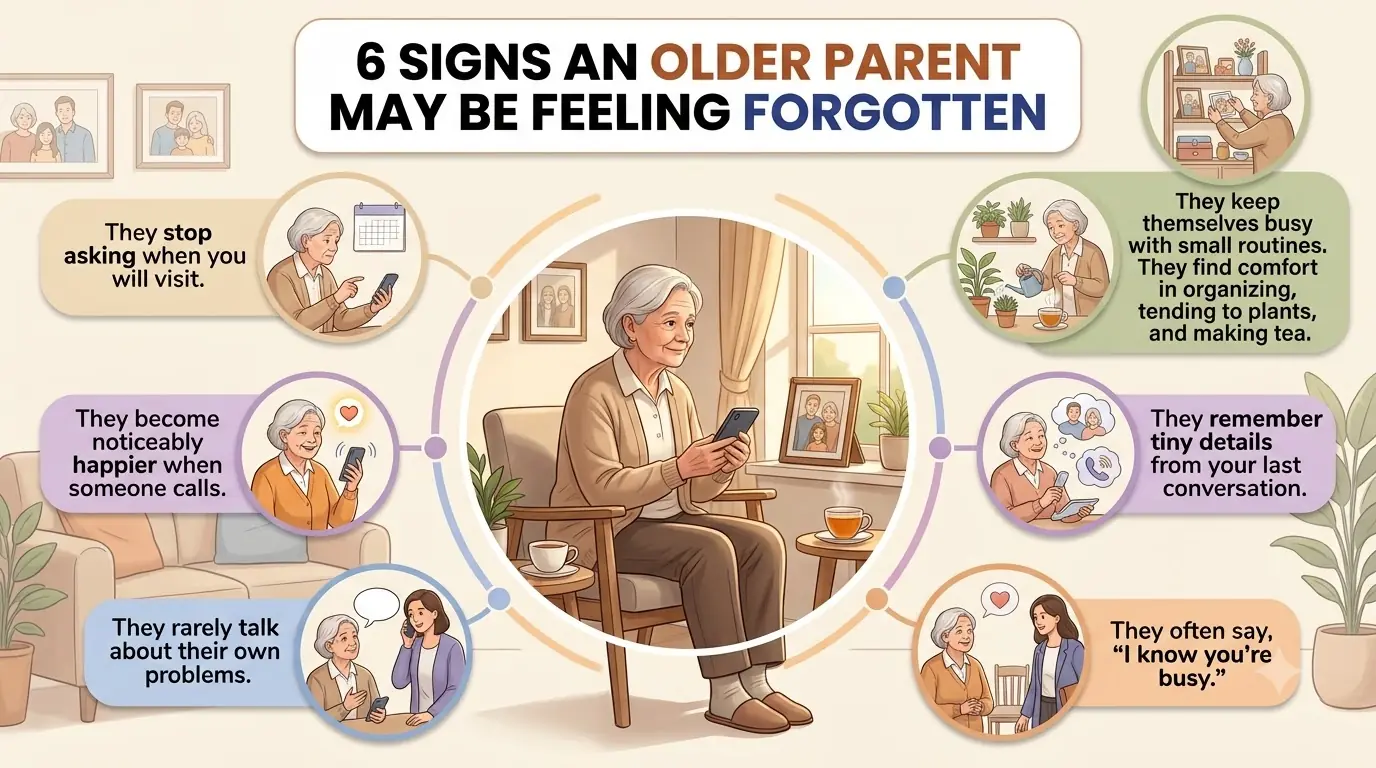
6 SIGNS AN OLDER PARENT MAY BE FEELING FORGOTTEN
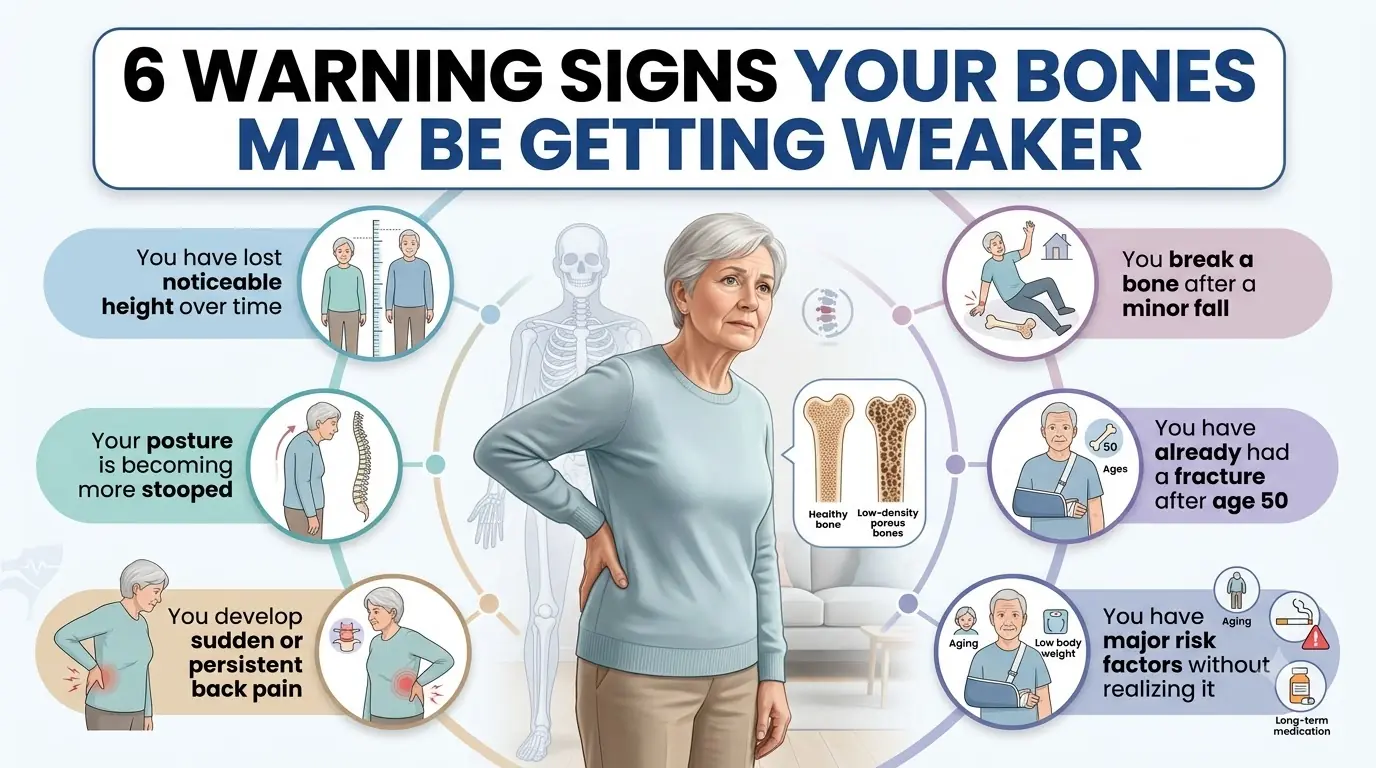
6 WARNING SIGNS YOUR BONES MAY BE GETTING WEAKER
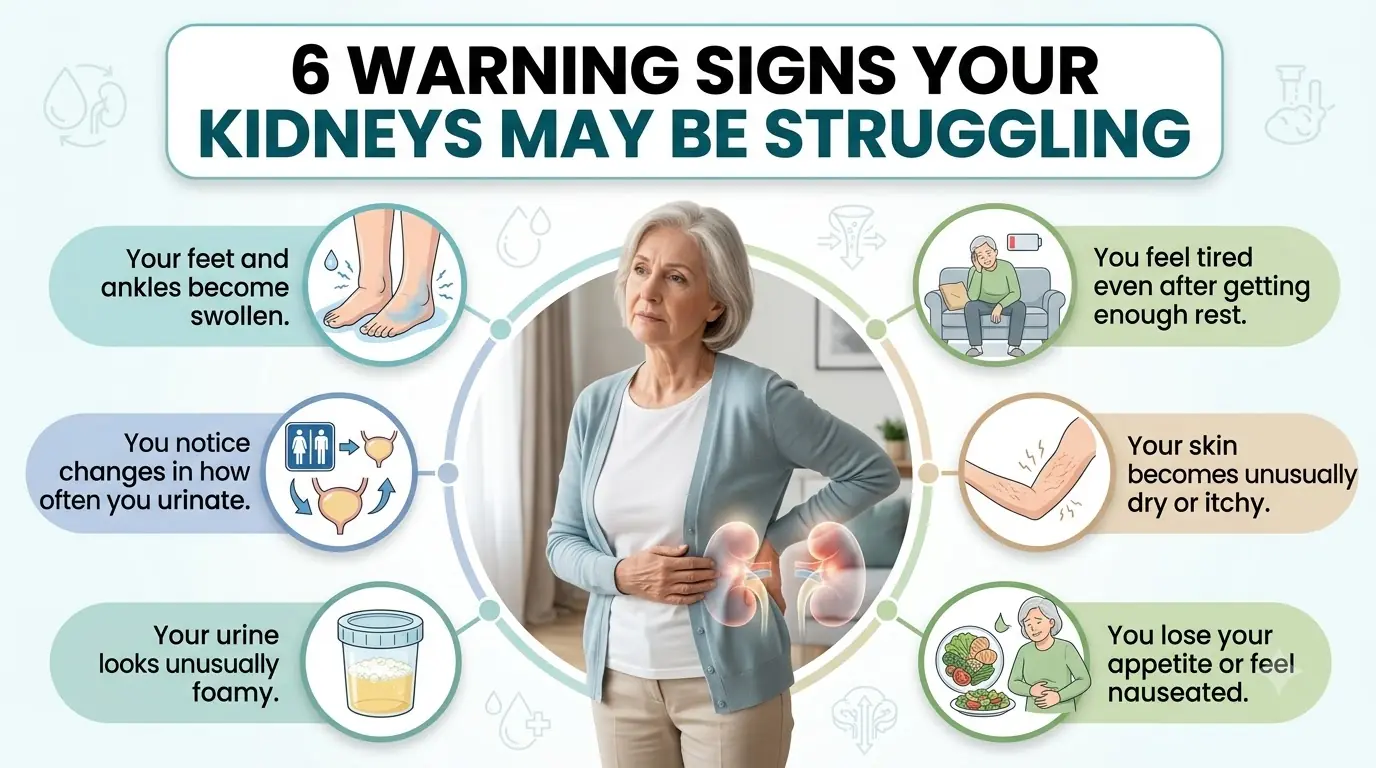
6 WARNING SIGNS YOUR KIDNEYS MAY BE STRUGGLING
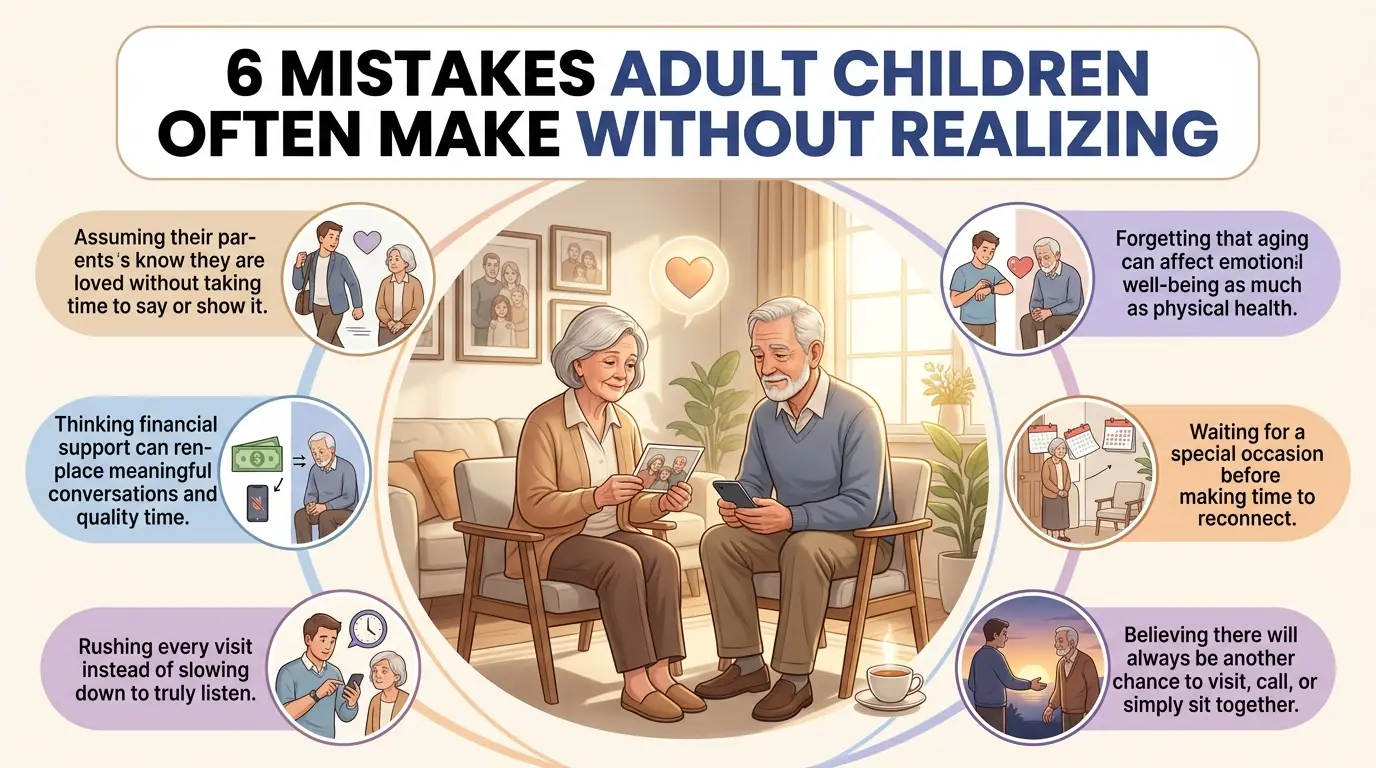
6 MISTAKES ADULT CHILDREN OFTEN MAKE WITHOUT REALIZING
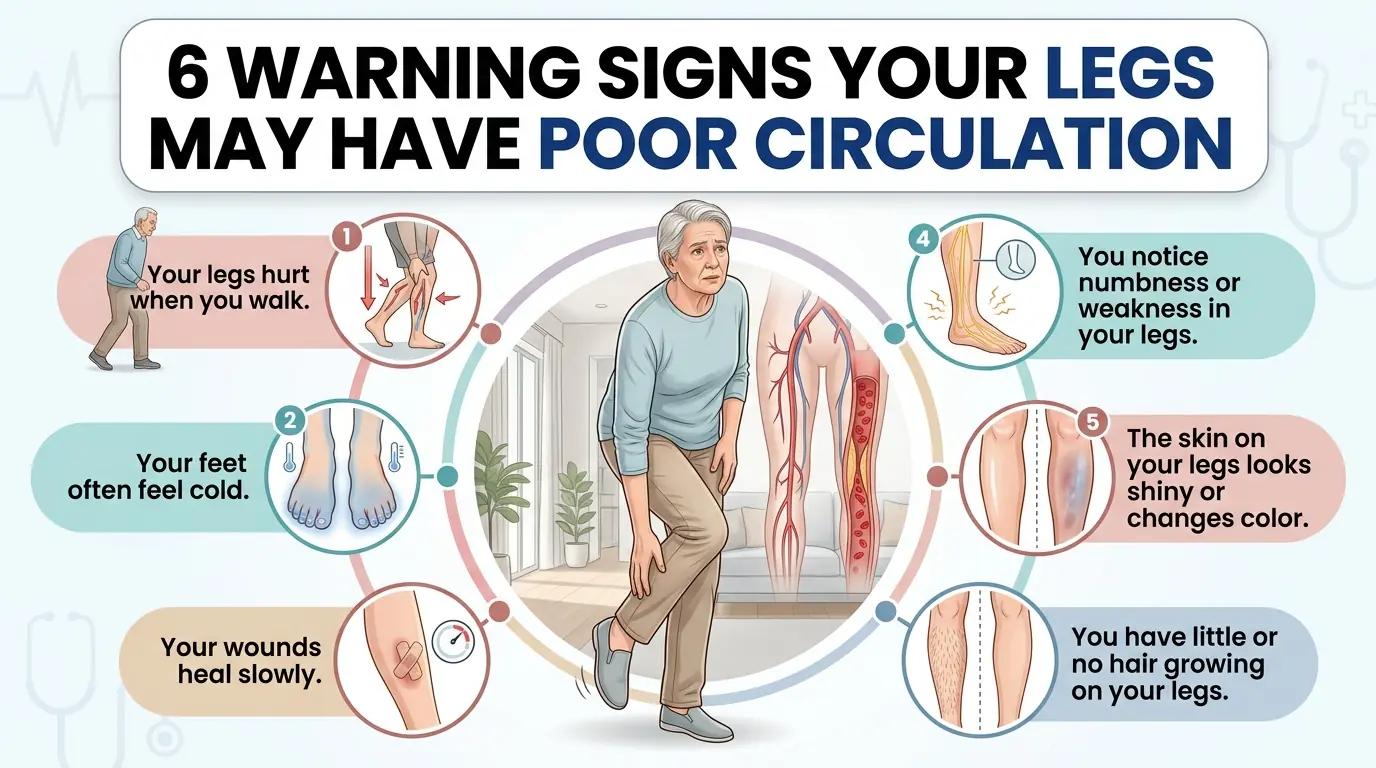
6 WARNING SIGNS YOUR LEGS MAY HAVE POOR CIRCULATION
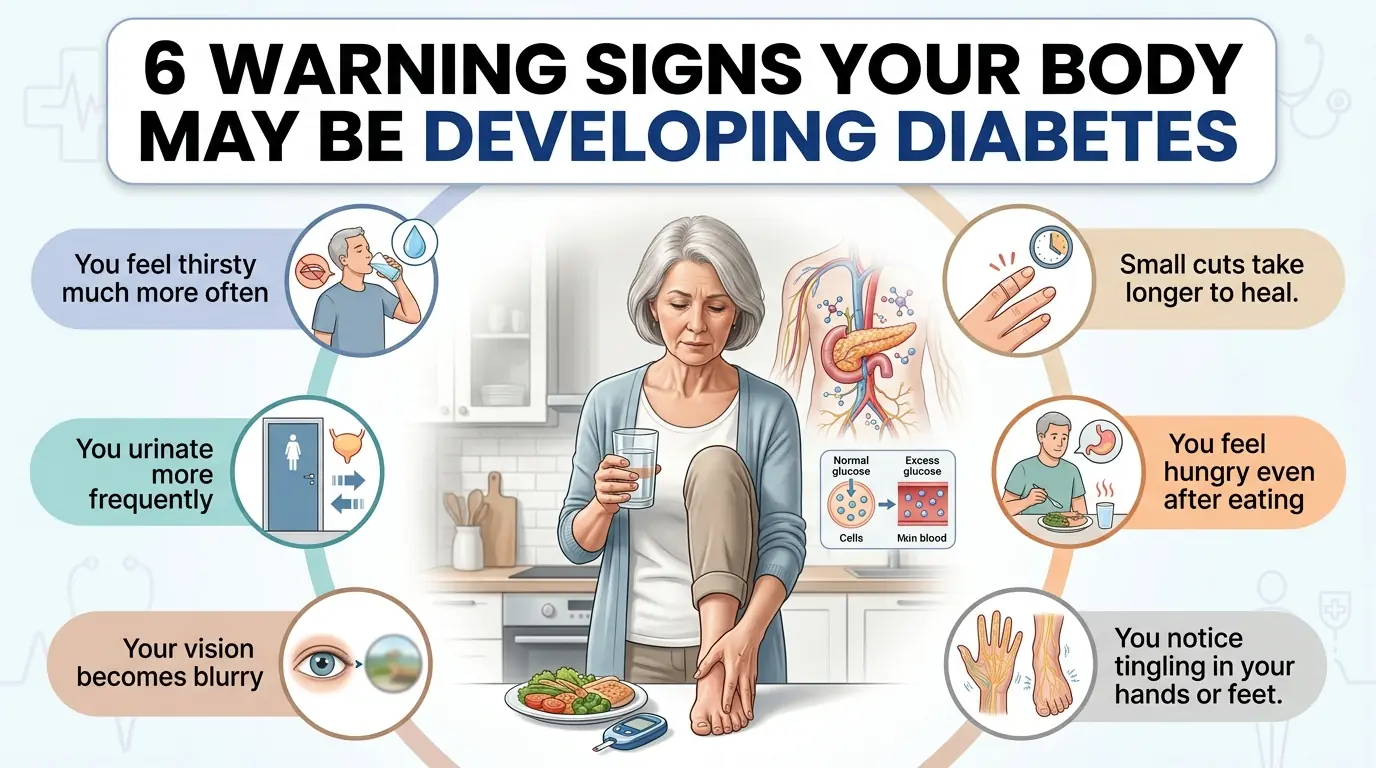
6 WARNING SIGNS YOUR BODY MAY BE DEVELOPING DIABETES
6 WARNING SIGNS YOUR HEART MAY NOT BE GETTING ENOUGH BLOOD
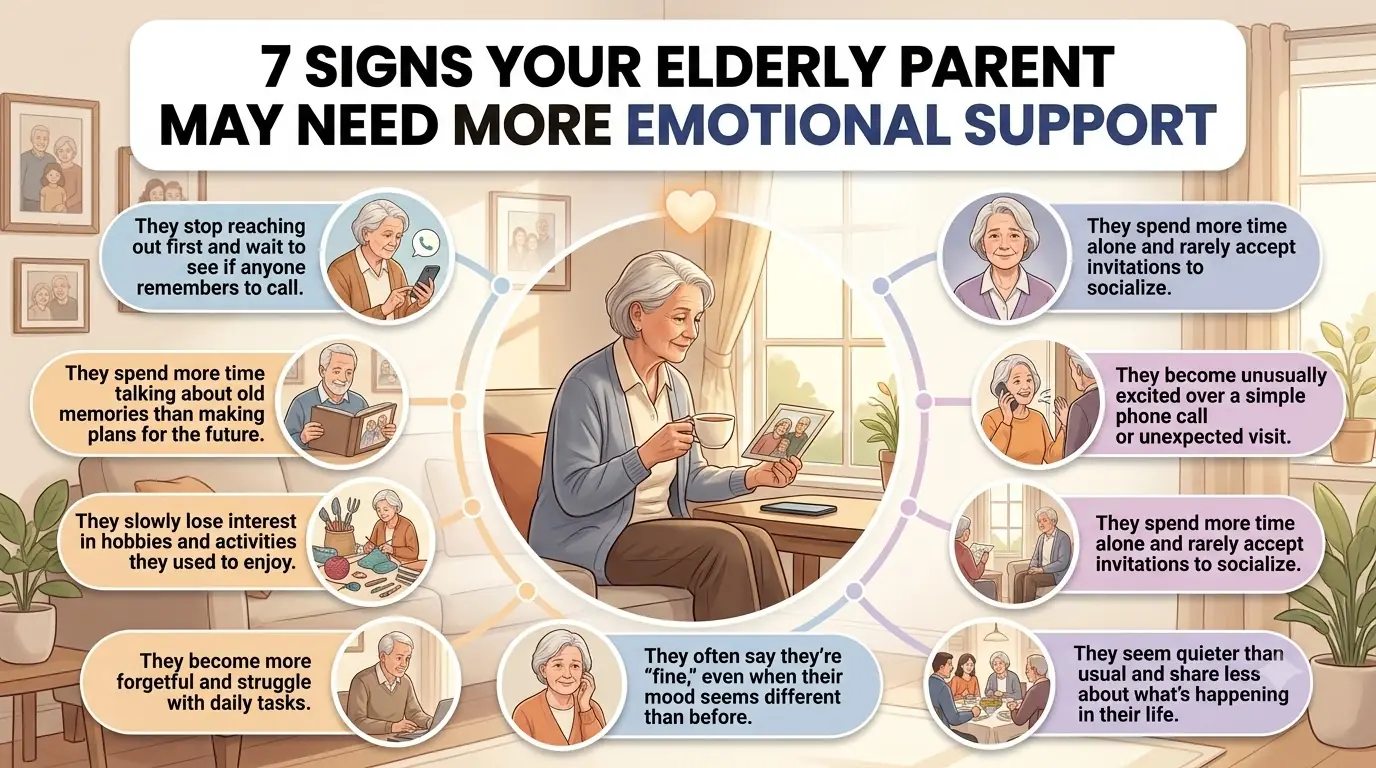
7 SIGNS YOUR ELDERLY PARENT MAY NEED MORE EMOTIONAL SUPPORT
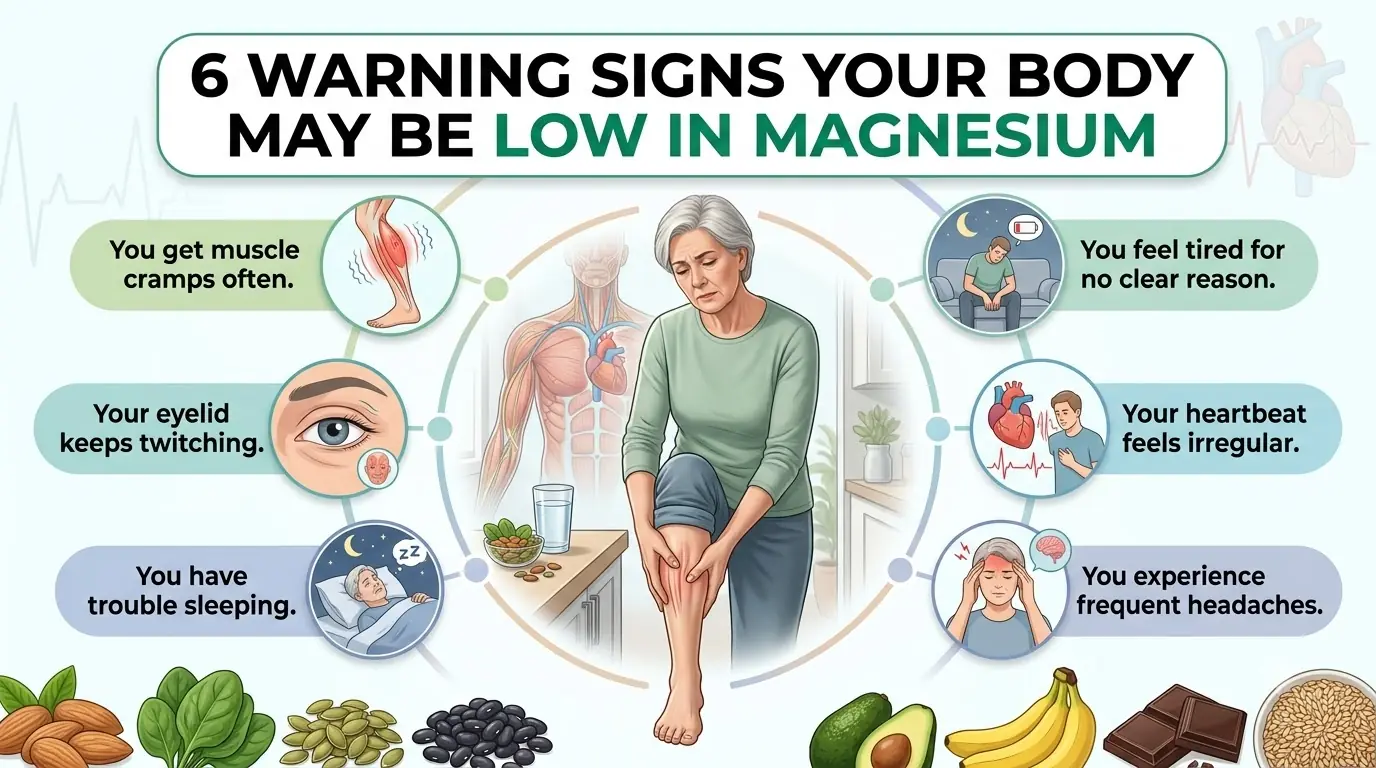
6 WARNING SIGNS YOUR BODY MAY BE LOW IN MAGNESIUM
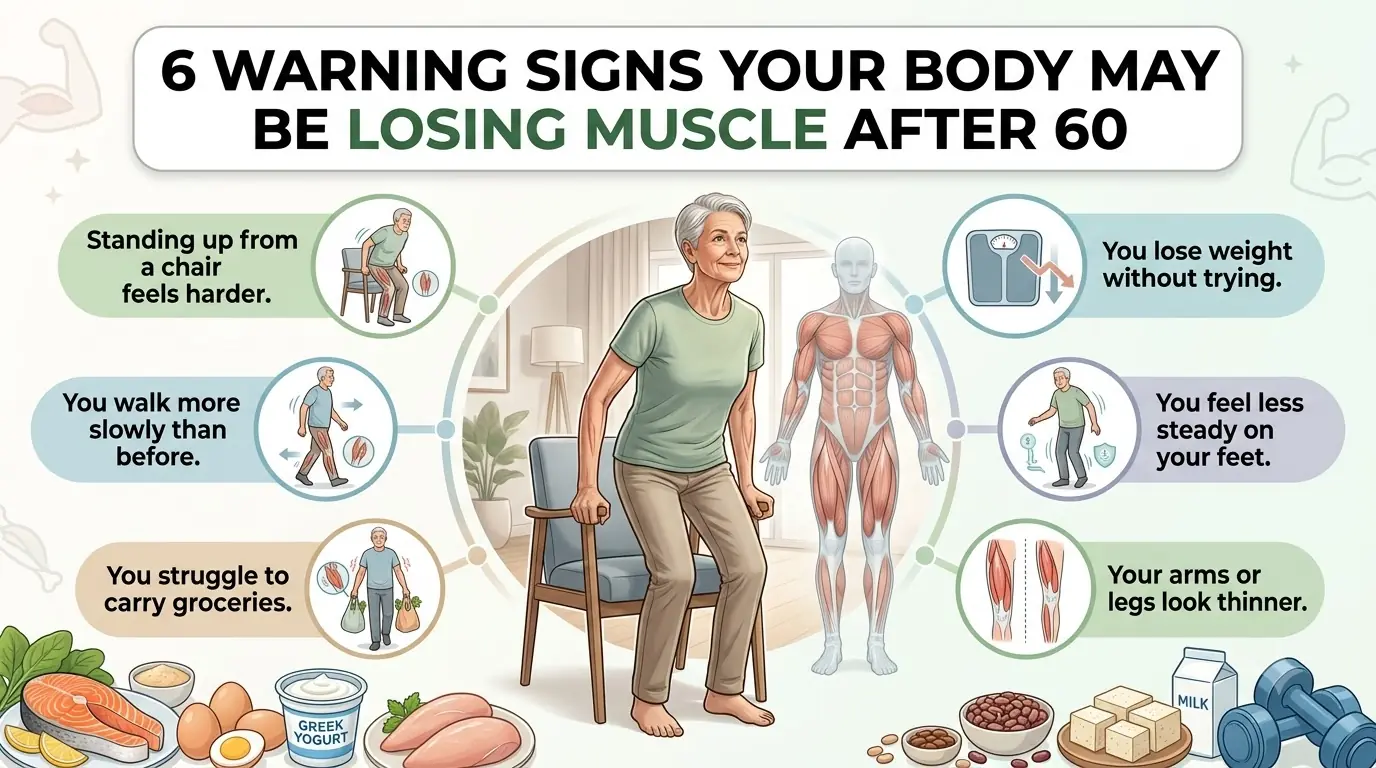
6 WARNING SIGNS YOUR BODY MAY BE LOSING MUSCLE AFTER 60
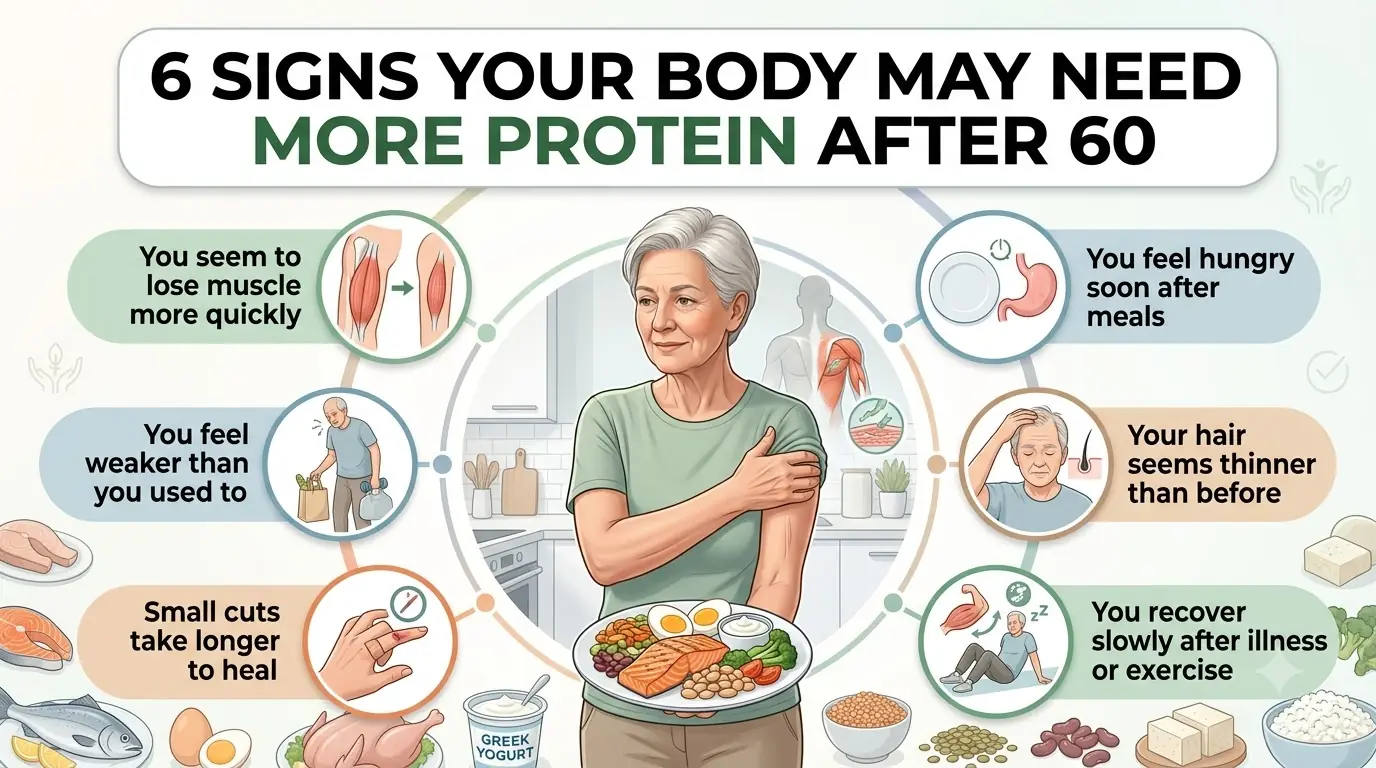
6 SIGNS YOUR BODY MAY NEED MORE PROTEIN AFTER 60
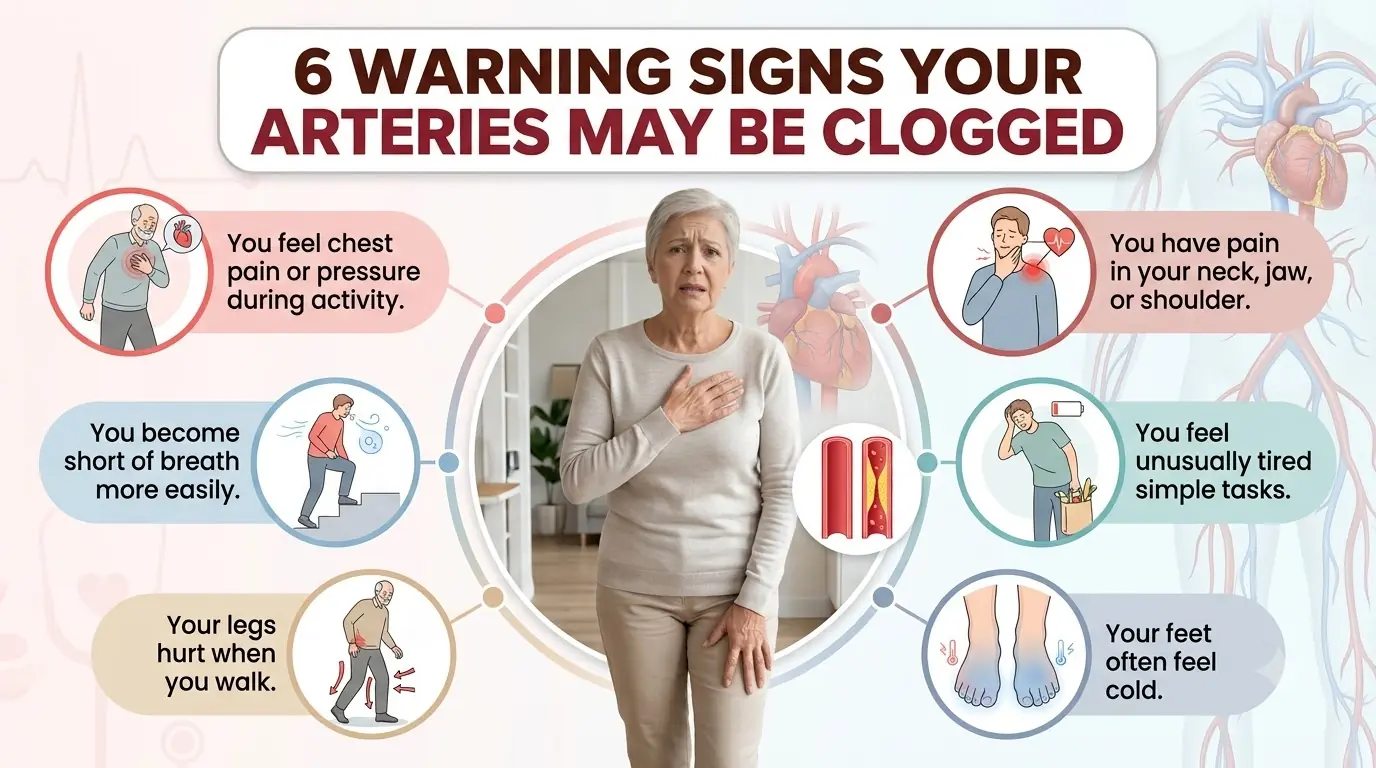
6 WARNING SIGNS YOUR ARTERIES MAY BE CLOGGED

"She Doesn't Speak Chinese," A Millionaire Bet $100K a Black Waitress Couldn't Speak Chinese
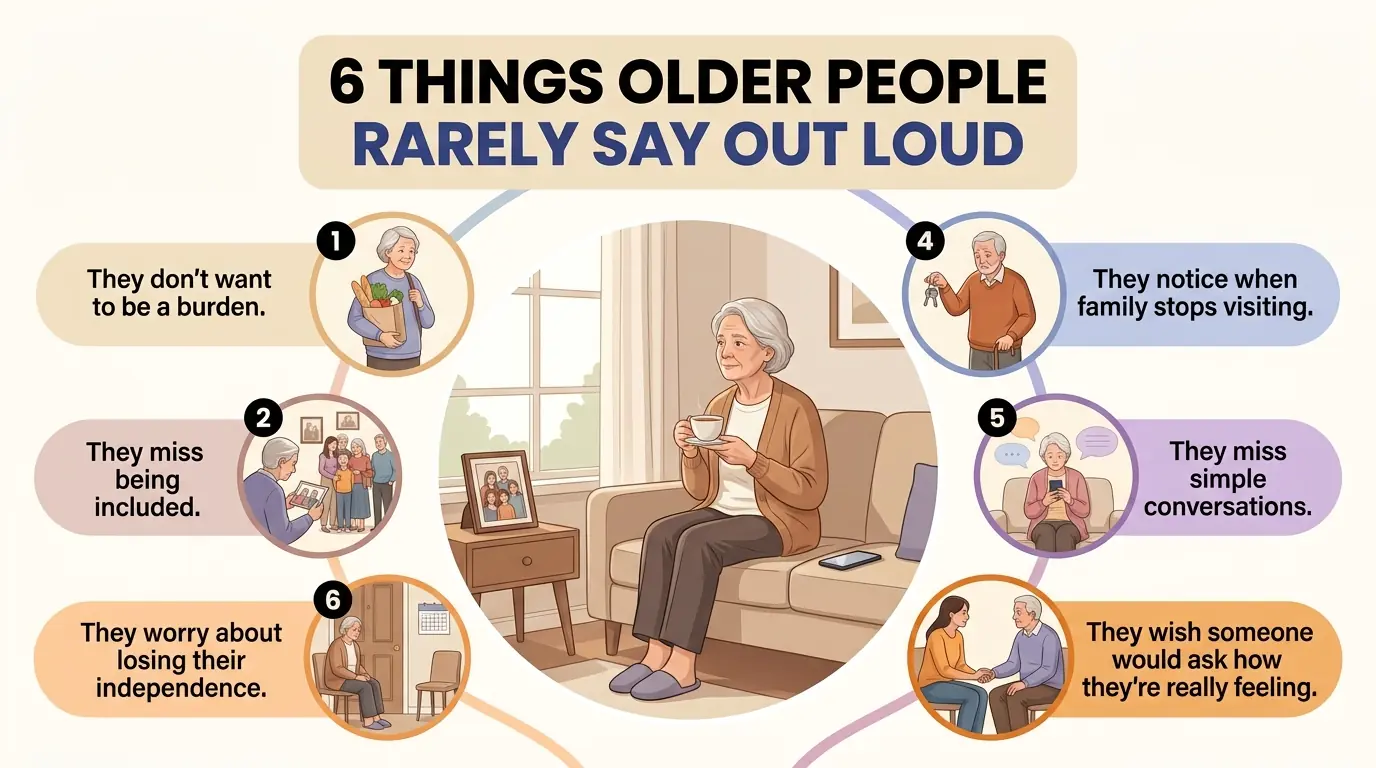
6 THINGS OLDER PEOPLE RARELY SAY OUT LOUD
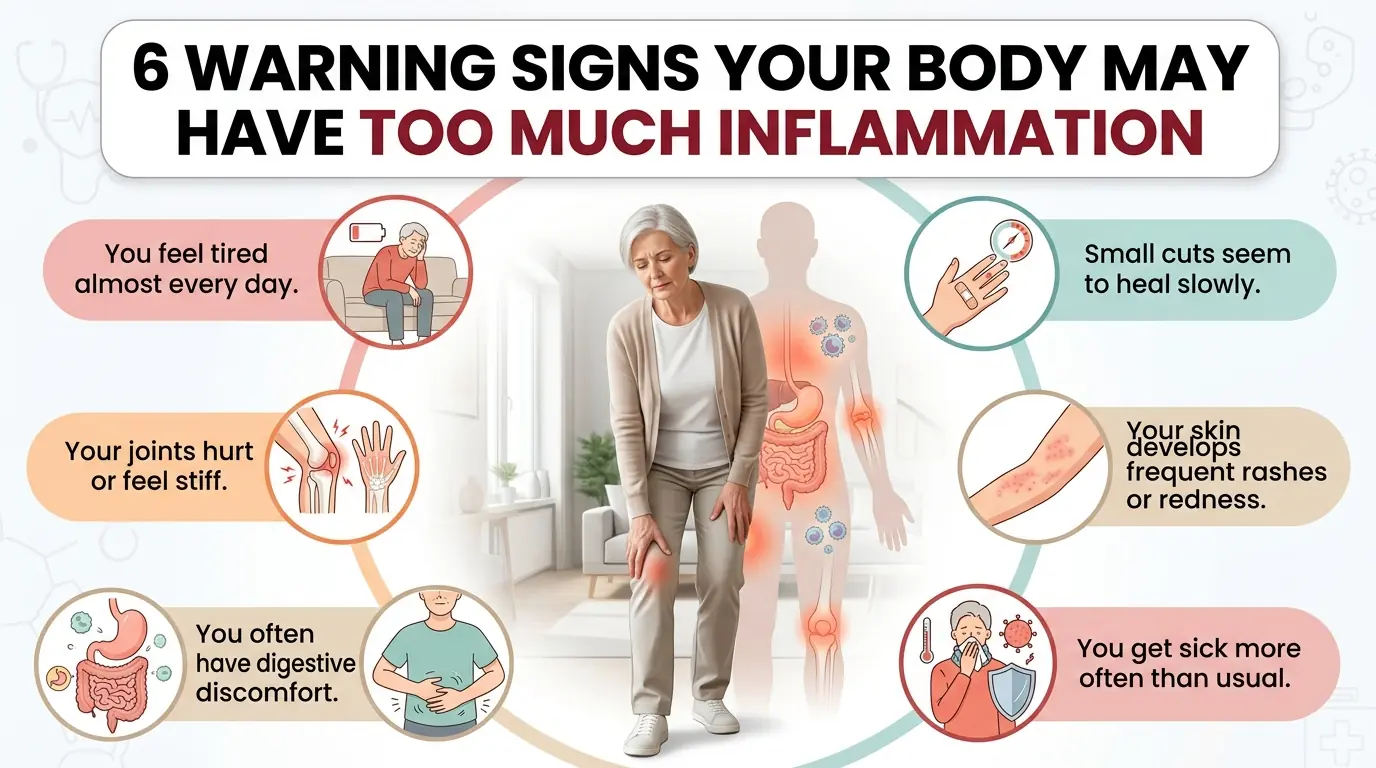
6 WARNING SIGNS YOUR BODY MAY HAVE TOO MUCH INFLAMMATION
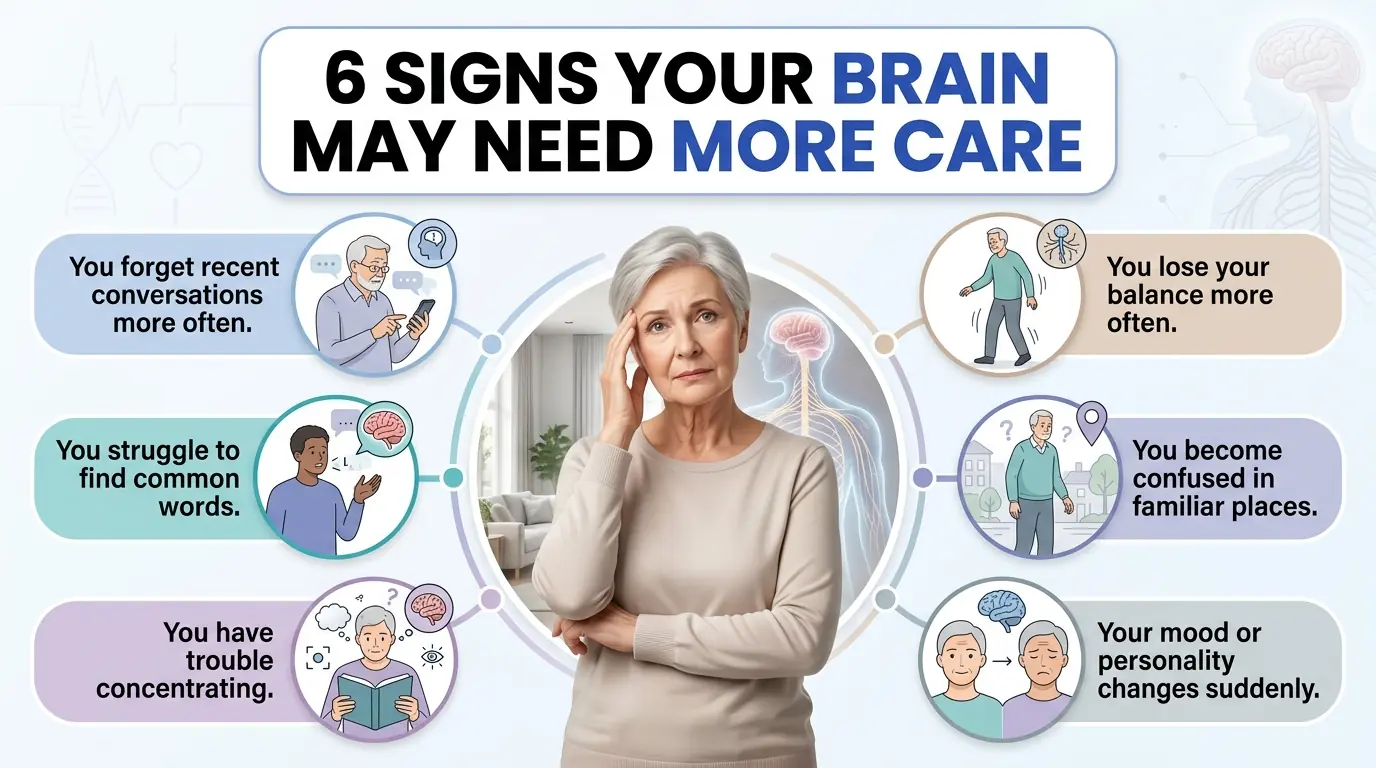
6 SIGNS YOUR BRAIN MAY NEED MORE CARE