6 WARNING SIGNS YOUR ARTERIES MAY BE CLOGGED
Reader Theme:
Font Size:
24px
6 WARNING SIGNS YOUR ARTERIES MAY BE CLOGGED
Your arteries are responsible for carrying oxygen-rich blood from your heart to every part of your body. Over time, these blood vessels can become narrowed or blocked by a buildup of fatty deposits called plaque, a condition known as atherosclerosis. Because this process often develops slowly over many years, many people don't notice symptoms until blood flow has already been significantly reduced.
Clogged arteries increase the risk of heart attack, stroke, and peripheral artery disease. Fortunately, your body may provide warning signs before a serious event occurs. Recognizing these symptoms early and seeking medical evaluation can help prevent life-threatening complications.
While these symptoms don't always mean your arteries are blocked, they should never be ignored—especially if they are new, persistent, or worsening.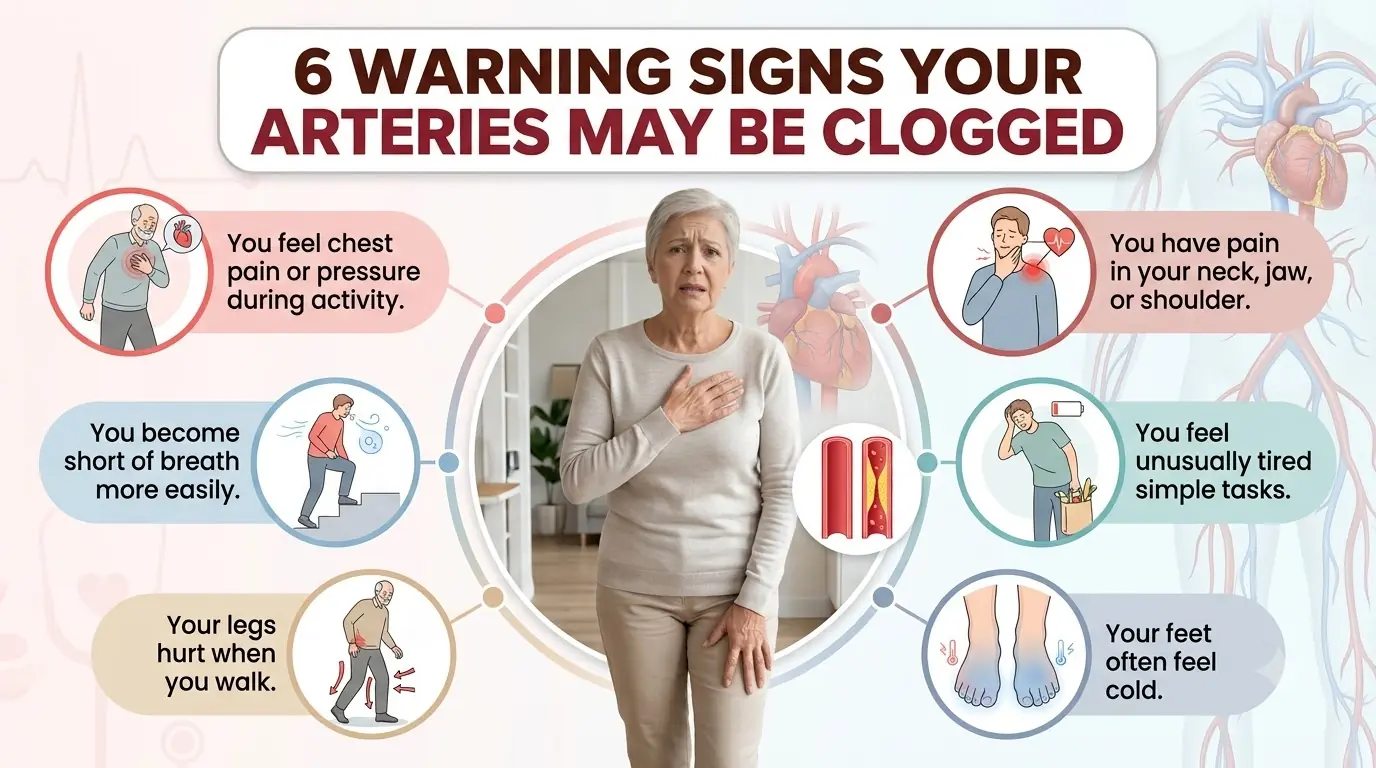
What Does It Mean to Have Clogged Arteries?
Healthy arteries are flexible and allow blood to flow freely throughout the body.
Over time, cholesterol, fats, calcium, and inflammatory cells can accumulate inside the artery walls, forming plaque. As plaque grows, the arteries become narrower, reducing the amount of oxygen-rich blood that reaches important organs and muscles.
This process can affect arteries supplying the:
- Heart (coronary artery disease)
- Brain (carotid artery disease)
- Legs (peripheral artery disease)
- Kidneys and other organs
In some cases, plaque can suddenly rupture, causing a blood clot that completely blocks blood flow and leads to a heart attack or stroke.
1. You Feel Chest Pain or Pressure During Activity
One of the most common symptoms of narrowed coronary arteries is angina, a type of chest discomfort caused by reduced blood flow to the heart muscle.
People often describe it as:
- Pressure
- Tightness
- Squeezing
- Heaviness
- Burning
The discomfort typically occurs during physical activity, emotional stress, or after a heavy meal because the heart requires more oxygen during these times.
If the arteries cannot deliver enough blood, chest discomfort may develop and often improves with rest.
Chest pain should always be taken seriously, particularly if it is new, worsening, or lasts more than a few minutes.
2. You Become Short of Breath More Easily
When narrowed arteries reduce blood flow to the heart, the heart may struggle to pump enough oxygen-rich blood throughout the body.
As a result, you may notice:
- Becoming winded while climbing stairs.
- Difficulty keeping up with activities you once handled easily.
- Shortness of breath during light exercise.
- Needing to stop and rest more often.
Sometimes, shortness of breath may be the only warning sign of heart disease, particularly in women and older adults.
Persistent or worsening breathing difficulty deserves prompt medical evaluation.
3. Your Legs Hurt When You Walk
Pain in the legs during walking may be a symptom of peripheral artery disease (PAD), which occurs when plaque narrows the arteries supplying the legs.
This pain, called claudication, often:
- Begins after walking a certain distance.
- Affects the calves, thighs, or buttocks.
- Improves after several minutes of rest.
- Returns when walking resumes.
Many people mistakenly attribute leg pain to aging or arthritis, delaying diagnosis.
Peripheral artery disease is an important warning sign because it also increases the risk of heart attack and stroke.
4. Your Feet Often Feel Cold
Reduced circulation may cause your feet or lower legs to feel noticeably colder than the rest of your body.
You might also notice:
- Pale or bluish skin.
- Slow-healing sores on the feet.
- Reduced hair growth on the legs.
- Weak pulses in the feet.
Although cold feet can have many causes—including cold weather, nerve disorders, or thyroid disease—persistent changes in circulation should be evaluated, especially if they affect only one leg or occur with pain while walking.
5. You Feel Unusually Tired After Simple Tasks
Persistent fatigue isn't always related to poor sleep.
When arteries become narrowed, the heart must work harder to pump blood throughout the body. Reduced oxygen delivery to muscles and organs may leave you feeling exhausted after activities that once felt easy.
You may notice:
- Fatigue after climbing a few stairs.
- Needing frequent breaks during household chores.
- Reduced exercise tolerance.
- Feeling drained after routine daily activities.
Because fatigue has many possible causes, persistent symptoms should be evaluated in combination with your medical history and other warning signs.
6. You Have Pain in Your Neck, Jaw, or Shoulder
Heart-related pain isn't always felt in the center of the chest.
Some people experience discomfort that spreads to the:
- Neck.
- Jaw.
- Shoulder.
- Upper back.
- Left or right arm.
Women, older adults, and people with diabetes are more likely to have these less typical symptoms.
Pain that occurs during activity and improves with rest—or develops together with chest pressure, nausea, sweating, or shortness of breath—requires immediate medical attention.
Other Symptoms That May Occur
Depending on which arteries are affected, reduced blood flow may also cause:
- Dizziness.
- Weakness.
- Erectile dysfunction in men.
- Slow-healing wounds on the feet.
- Sudden vision changes.
- Numbness or weakness affecting one side of the body.
Some people have no symptoms until a heart attack or stroke occurs, making prevention especially important.
Who Is Most at Risk?
Your risk of developing clogged arteries is higher if you:
- Have high blood pressure.
- Have high LDL ("bad") cholesterol.
- Have diabetes.
- Smoke or use tobacco.
- Are overweight or obese.
- Are physically inactive.
- Have chronic kidney disease.
- Have a family history of early heart disease.
- Are over age 65.
Managing these risk factors can significantly reduce your risk of cardiovascular disease.
How to Help Protect Your Arteries
Healthy lifestyle habits can slow the progression of atherosclerosis and reduce the risk of heart attack and stroke.
Experts recommend:
- Eating a heart-healthy diet rich in vegetables, fruits, legumes, whole grains, nuts, and fish.
- Limiting saturated fats, trans fats, sodium, and added sugars.
- Exercising for at least 150 minutes each week.
- Maintaining a healthy weight.
- Avoiding smoking and secondhand smoke.
- Controlling blood pressure, cholesterol, and blood sugar.
- Taking prescribed medications exactly as directed.
Regular checkups can help detect risk factors before symptoms develop.
When Should You See a Doctor?
Schedule an appointment with your healthcare provider if you experience:
- Chest discomfort during physical activity.
- Increasing shortness of breath.
- Leg pain while walking.
- Persistent cold feet.
- Unexplained fatigue.
- Recurrent pain in the jaw, neck, shoulder, or arm.
Seek emergency medical care immediately if you develop:
- Severe chest pain or pressure lasting more than a few minutes.
- Chest pain spreading to the jaw, shoulder, arm, or back.
- Sudden shortness of breath.
- Cold sweats.
- Nausea or vomiting with chest discomfort.
- Sudden weakness, facial drooping, or difficulty speaking.
These symptoms may indicate a heart attack or stroke and require immediate treatment.
Key Takeaways
- Clogged arteries develop gradually as plaque builds up inside blood vessels.
- Chest pain or pressure during activity is one of the most common warning signs.
- Shortness of breath, unusual fatigue, and leg pain while walking may also indicate reduced blood flow.
- Cold feet and pain in the neck, jaw, or shoulder can sometimes be symptoms of cardiovascular disease.
- Managing blood pressure, cholesterol, diabetes, and other risk factors can help protect your arteries.
- Early medical evaluation can identify artery disease before it leads to serious complications such as heart attack or stroke.
Medical Disclaimer
This article is for educational purposes only and is not intended to replace professional medical advice, diagnosis, or treatment. Symptoms such as chest pain, shortness of breath, or pain radiating to the jaw or arm should never be ignored. If you suspect a heart attack or stroke, seek emergency medical care immediately. Early treatment can save heart muscle, preserve brain function, and improve long-term outcomes.
News in the same category
6 SIGNS AN OLDER PARENT MAY BE FEELING FORGOTTEN
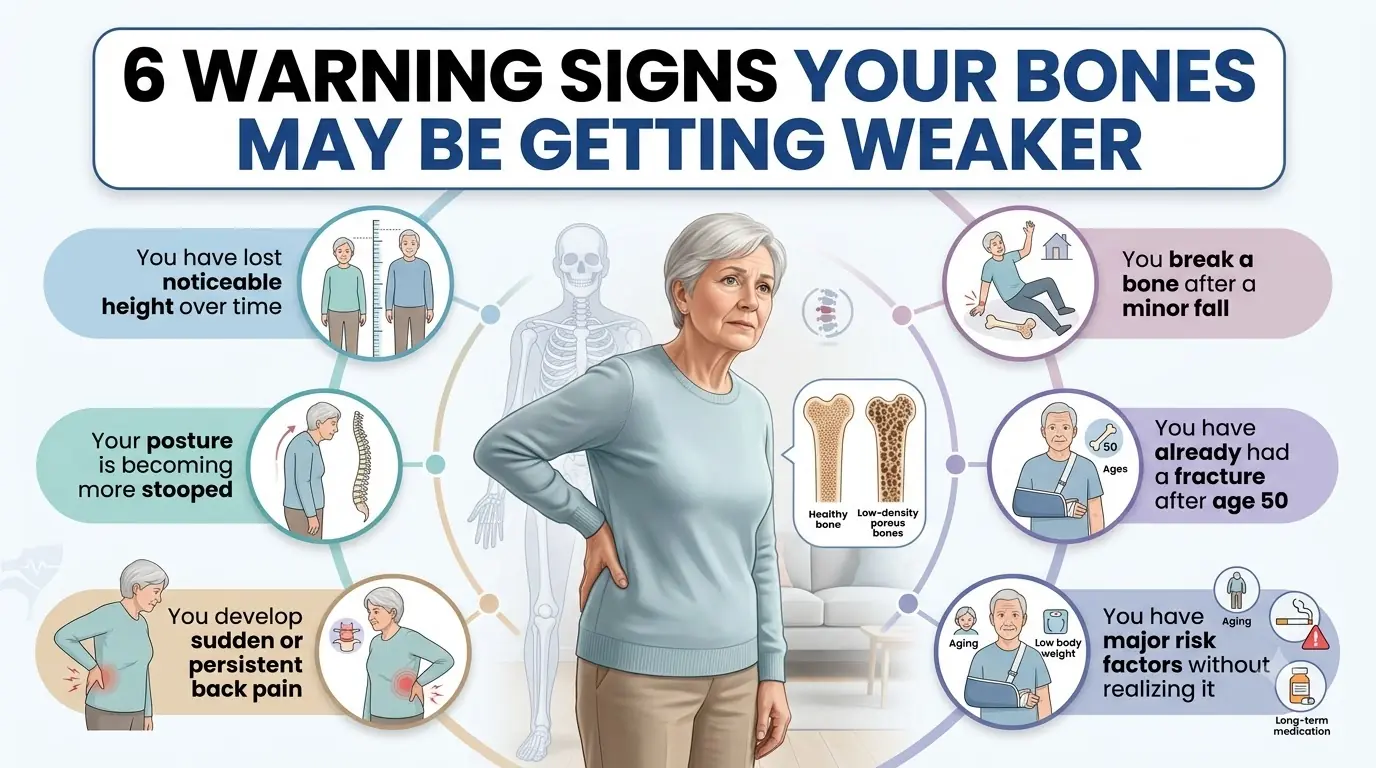
6 WARNING SIGNS YOUR BONES MAY BE GETTING WEAKER
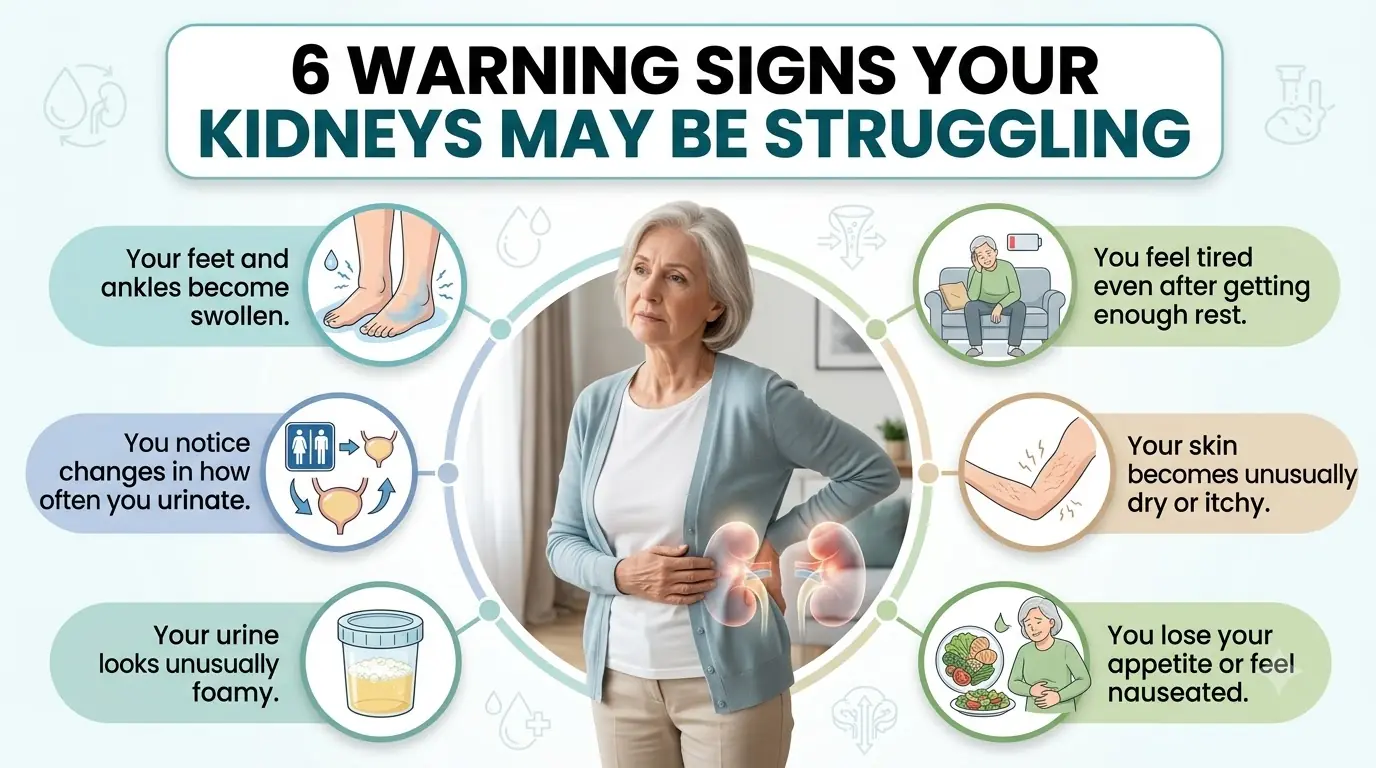
6 WARNING SIGNS YOUR KIDNEYS MAY BE STRUGGLING
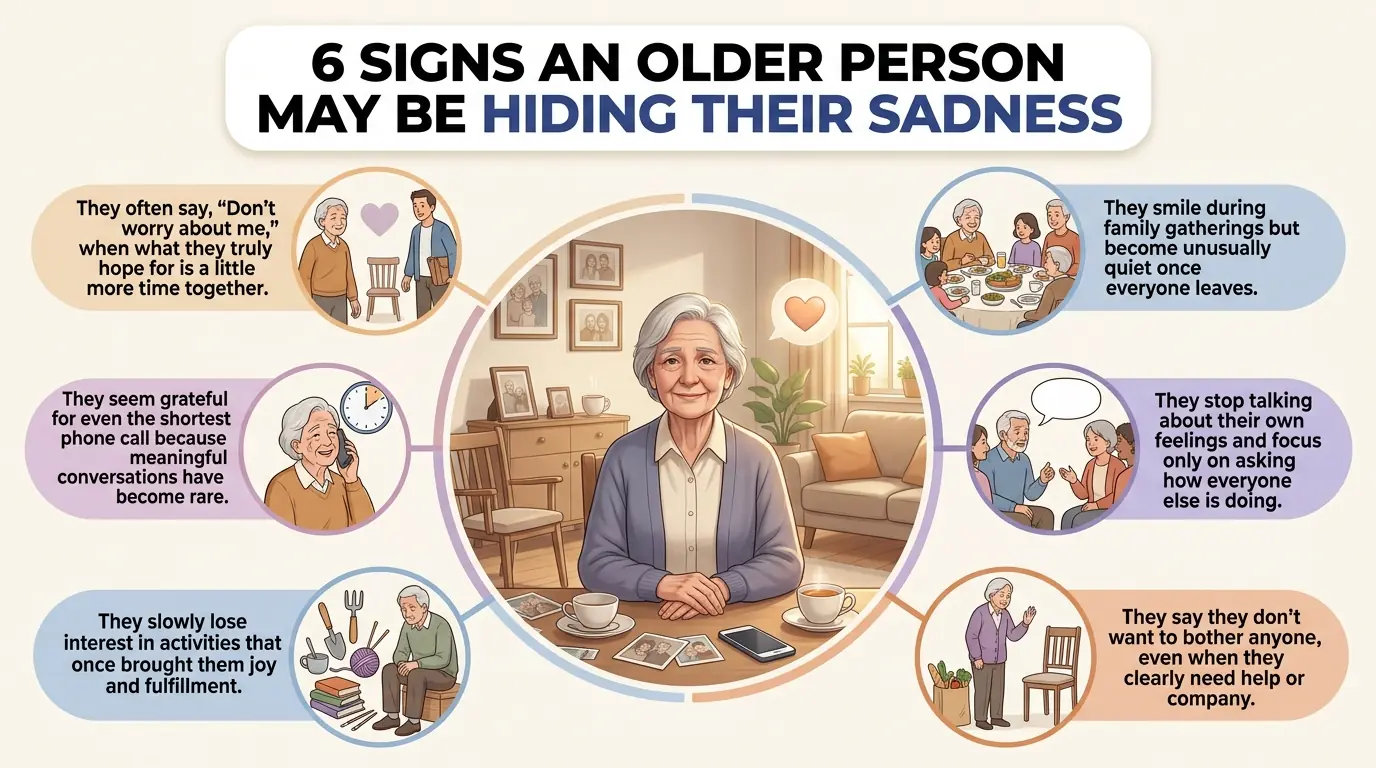
6 SIGNS AN OLDER PERSON MAY BE HIDING THEIR SADNESS
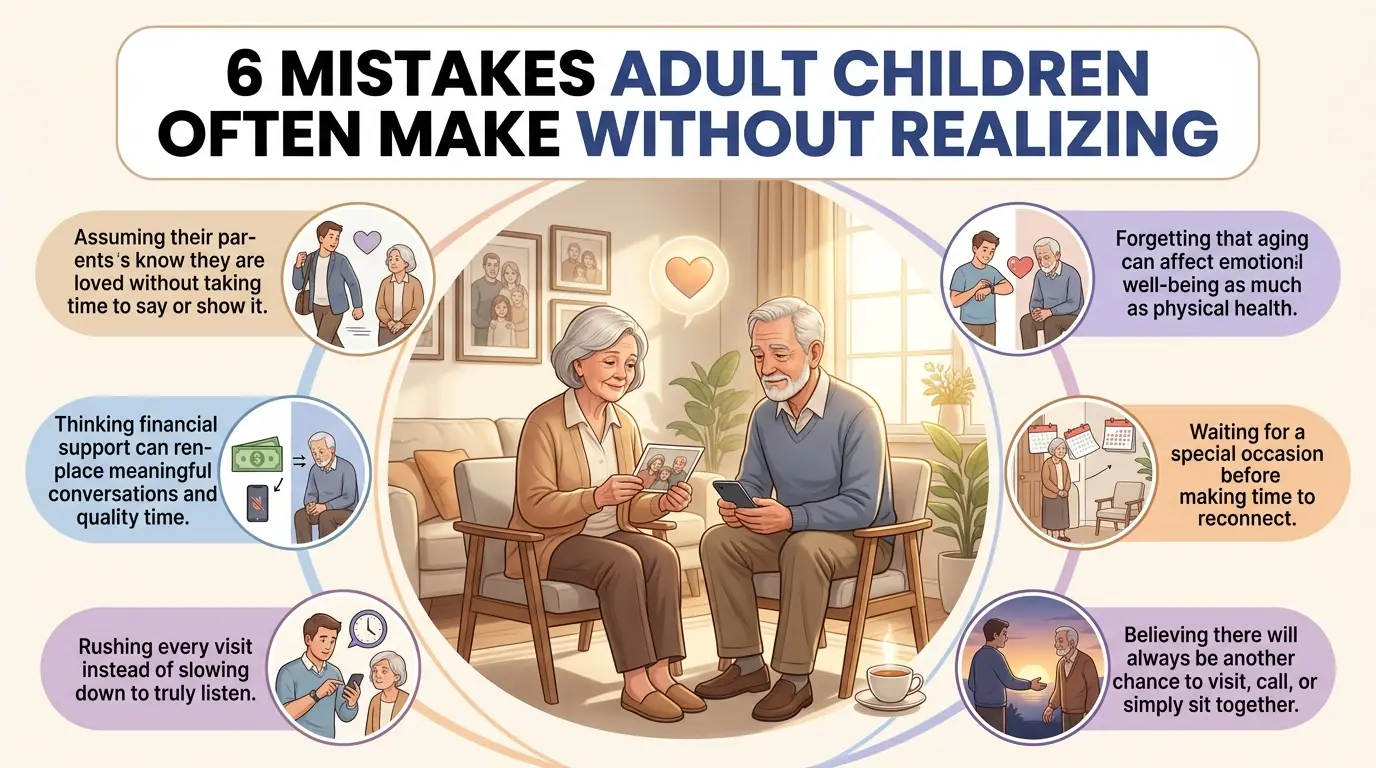
6 MISTAKES ADULT CHILDREN OFTEN MAKE WITHOUT REALIZING
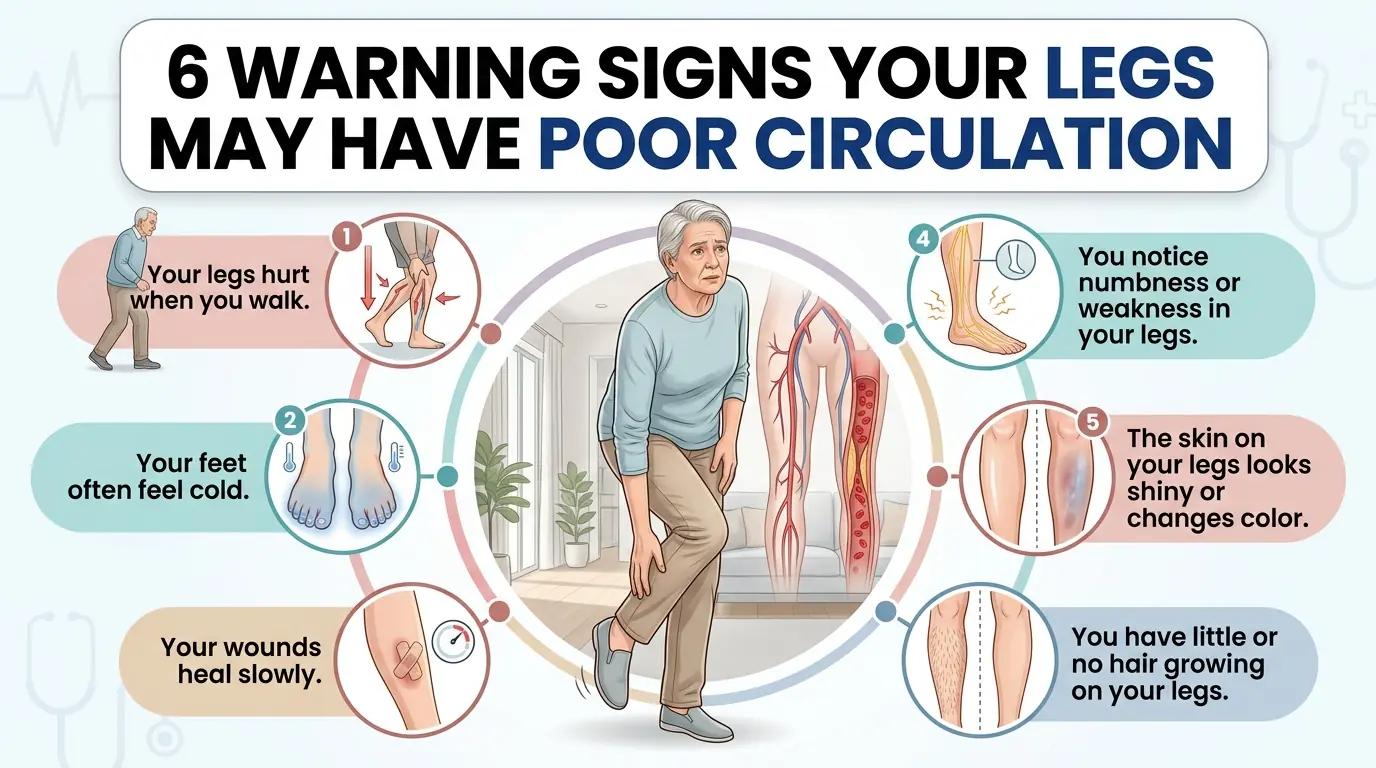
6 WARNING SIGNS YOUR LEGS MAY HAVE POOR CIRCULATION
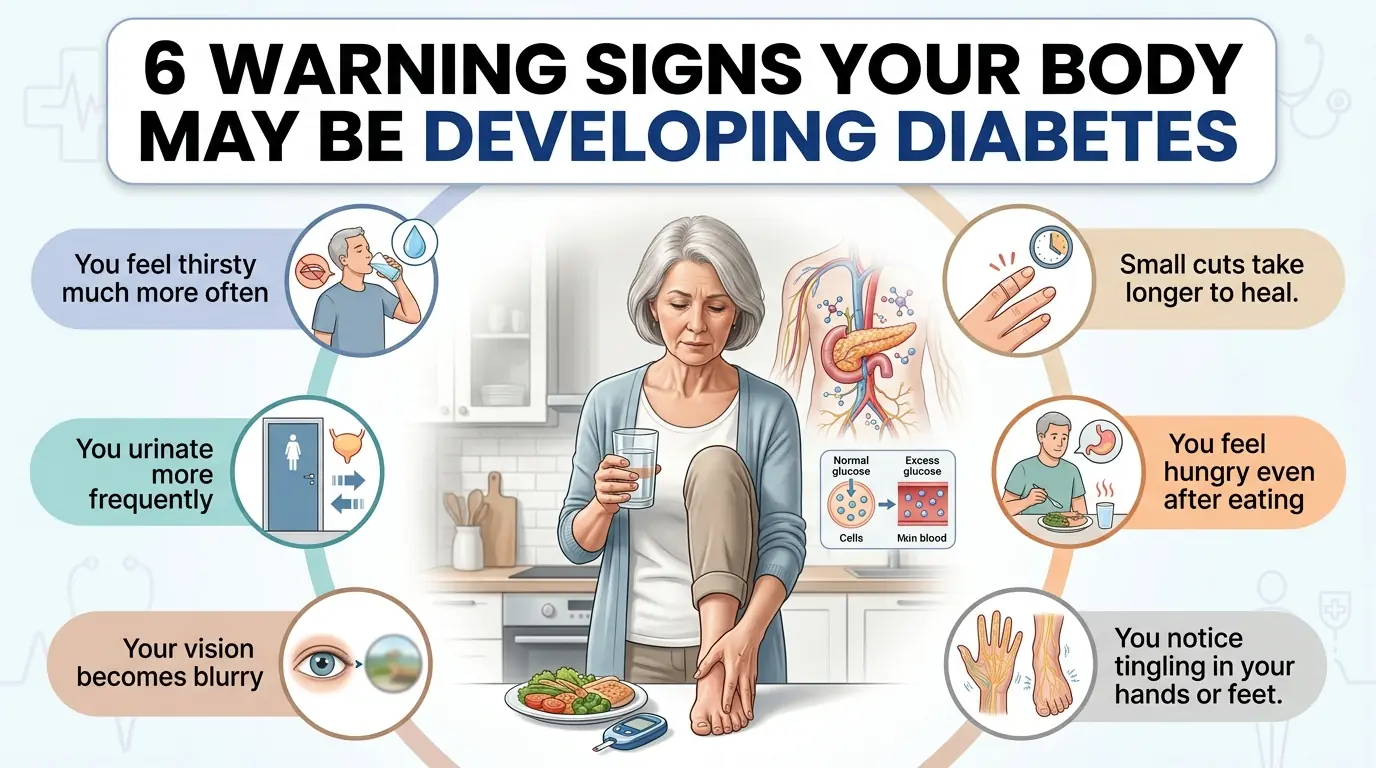
6 WARNING SIGNS YOUR BODY MAY BE DEVELOPING DIABETES
6 WARNING SIGNS YOUR HEART MAY NOT BE GETTING ENOUGH BLOOD
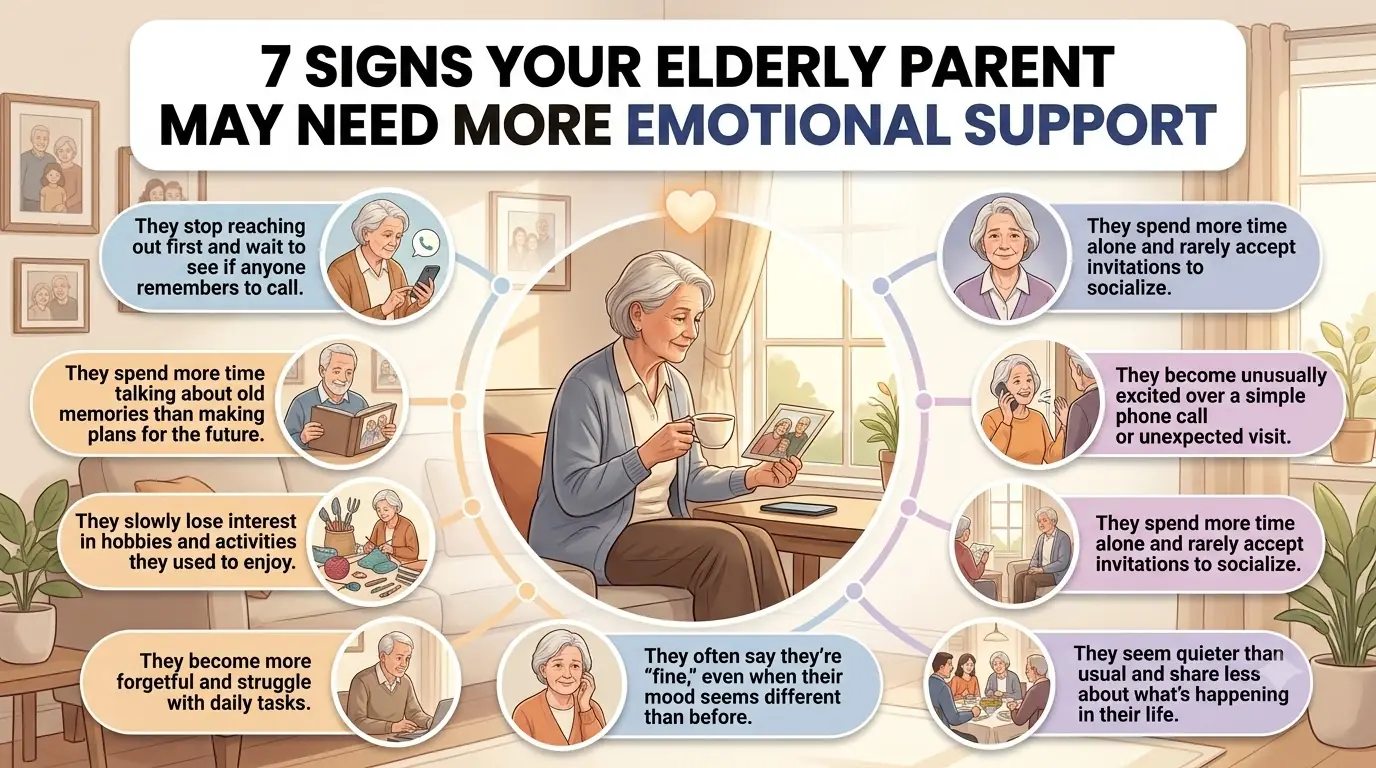
7 SIGNS YOUR ELDERLY PARENT MAY NEED MORE EMOTIONAL SUPPORT
6 WARNING SIGNS YOUR BODY MAY BE LOW IN MAGNESIUM
6 WARNING SIGNS YOUR BODY MAY BE LOSING MUSCLE AFTER 60
6 SIGNS YOUR BODY MAY NEED MORE PROTEIN AFTER 60

"She Doesn't Speak Chinese," A Millionaire Bet $100K a Black Waitress Couldn't Speak Chinese
6 THINGS OLDER PEOPLE RARELY SAY OUT LOUD
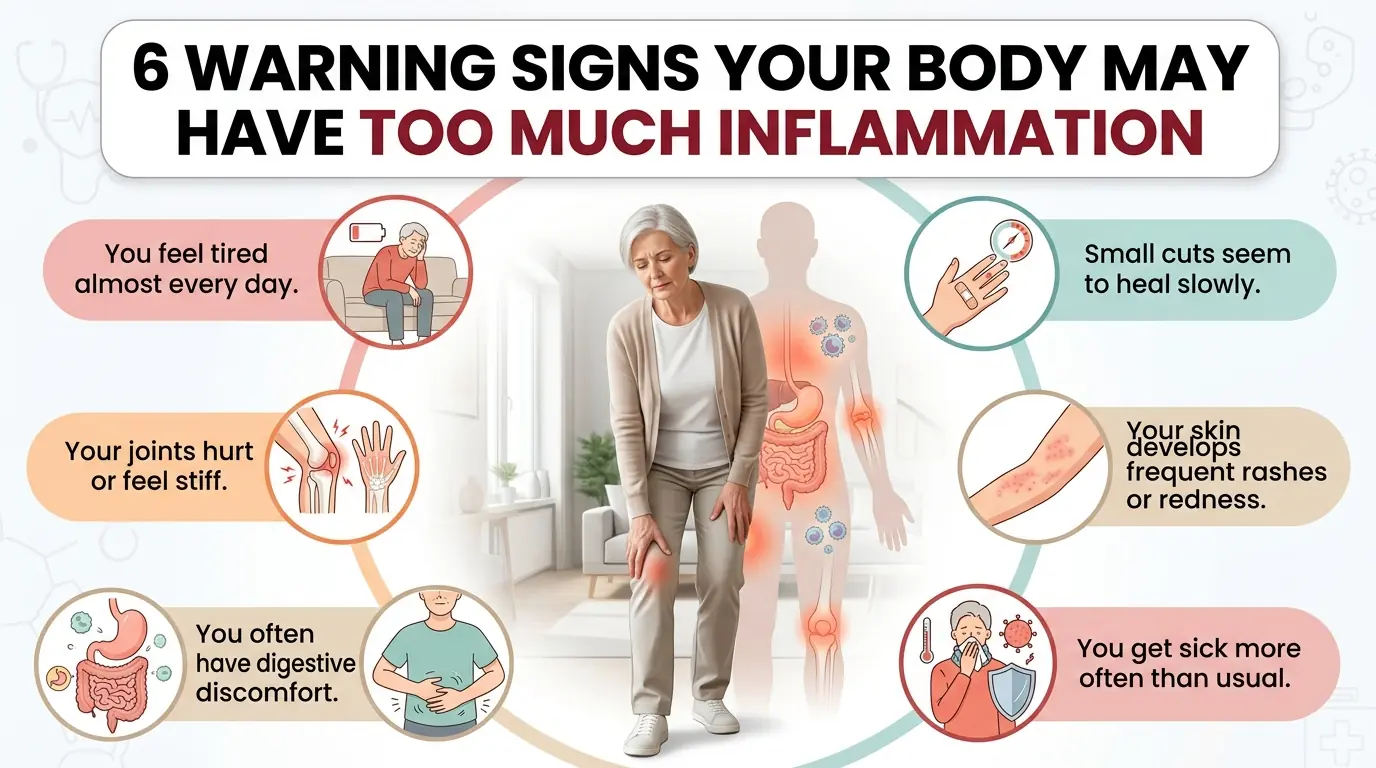
6 WARNING SIGNS YOUR BODY MAY HAVE TOO MUCH INFLAMMATION
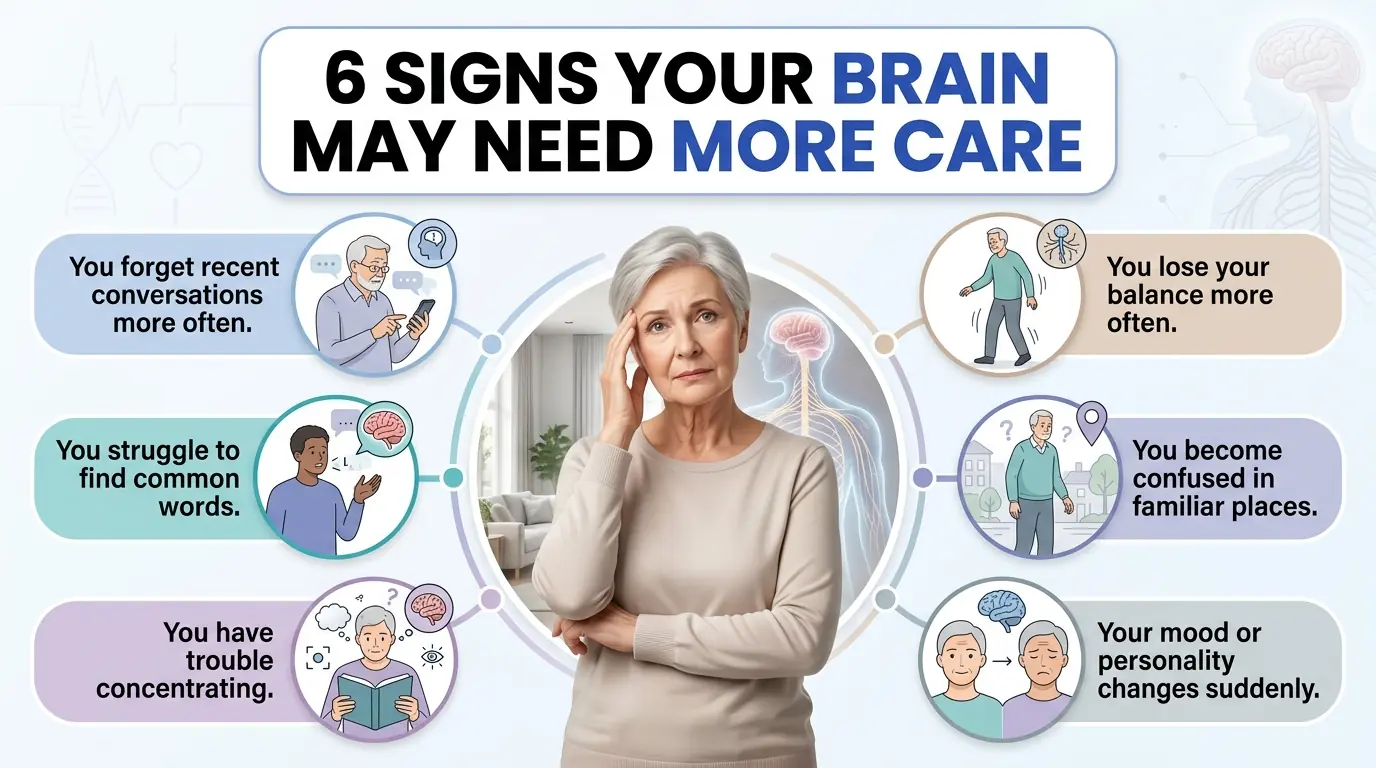
6 SIGNS YOUR BRAIN MAY NEED MORE CARE