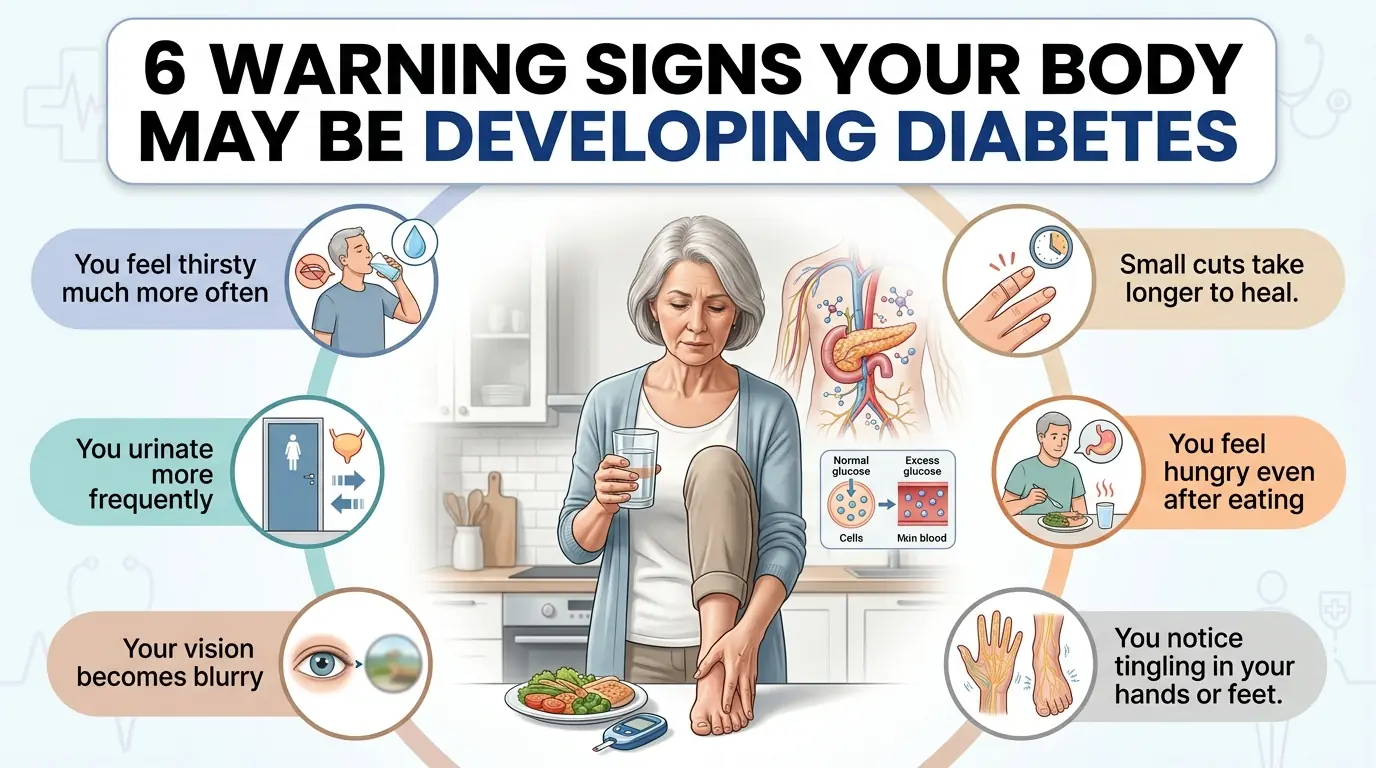
6 WARNING SIGNS YOUR BODY MAY BE DEVELOPING DIABETES
Reader Theme:
Font Size:
24px
6 WARNING SIGNS YOUR BODY MAY BE DEVELOPING DIABETES
Diabetes often develops gradually, and many people don't realize they have it until symptoms become difficult to ignore. In fact, millions of adults live with prediabetes or type 2 diabetes without knowing it because the early warning signs can be subtle and easy to mistake for everyday fatigue, stress, or aging.
When blood sugar remains higher than normal over time, it can begin affecting many parts of the body, including the eyes, nerves, kidneys, heart, and blood vessels. The good news is that recognizing these early symptoms and seeking medical evaluation can lead to earlier diagnosis and treatment, helping reduce the risk of long-term complications.
If you've noticed several of the following changes, it's worth discussing them with your healthcare provider.
What Is Diabetes?
Diabetes is a condition in which the body has difficulty regulating blood sugar (glucose).
Normally, the hormone insulin helps move glucose from the bloodstream into the body's cells, where it is used for energy. In diabetes, the body either doesn't produce enough insulin or can't use it effectively. As a result, glucose builds up in the blood instead of entering the cells.
Persistently high blood sugar can gradually damage blood vessels, nerves, and organs throughout the body if left untreated.
1. You Feel Thirsty Much More Often
One of the earliest signs of diabetes is excessive thirst.
When blood sugar becomes too high, your kidneys work harder to remove the excess glucose through urine. This process pulls additional water from the body, increasing fluid loss and leaving you feeling thirsty.
You may notice:
- Drinking much more water than usual.
- A dry mouth that doesn't seem to improve.
- Feeling thirsty throughout the day, even after drinking fluids.
Persistent excessive thirst should always be discussed with your healthcare provider.
2. You Urinate More Frequently
Frequent urination often occurs alongside increased thirst.
As your kidneys filter excess glucose from the bloodstream, they produce more urine to remove it.
You may notice:
- Going to the bathroom much more often.
- Waking several times during the night to urinate.
- Passing larger amounts of urine than usual.
While frequent urination has many possible causes, it is one of the classic early symptoms of diabetes.
3. Your Vision Becomes Blurry
High blood sugar can temporarily affect the amount of fluid inside the eye's natural lens.
As the lens changes shape, it becomes harder to focus, leading to blurred vision.
You may notice:
- Difficulty reading.
- Trouble focusing on distant objects.
- Vision that seems to change from day to day.
These changes may improve once blood sugar is brought under better control, but persistent blurry vision should always be evaluated by an eye care professional and your healthcare provider.
4. Small Cuts Take Longer to Heal
Healthy wound healing depends on good circulation, a strong immune system, and healthy blood vessels.
Persistently elevated blood sugar can interfere with these processes, making cuts, scrapes, and sores heal more slowly.
Slow healing may also increase the risk of infection.
People with diabetes are especially encouraged to check their feet regularly for:
- Cuts.
- Blisters.
- Redness.
- Swelling.
- Sores that don't heal.
Prompt treatment of foot injuries can help prevent serious complications.
5. You Feel Hungry Even After Eating
You may expect high blood sugar to reduce hunger, but the opposite often happens.
Although plenty of glucose is circulating in the bloodstream, the body's cells cannot use it effectively when insulin isn't working properly.
As a result, the brain receives signals that the body still needs energy, leading to increased hunger.
You may notice:
- Feeling hungry soon after meals.
- Eating larger portions than usual.
- Frequent cravings.
- Difficulty feeling satisfied after eating.
Persistent increased hunger together with excessive thirst or frequent urination should prompt medical evaluation.
6. You Notice Tingling in Your Hands or Feet
Over time, persistently high blood sugar can damage nerves, particularly in the hands and feet.
This condition, called diabetic peripheral neuropathy, often develops gradually.
Early symptoms may include:
- Tingling.
- Pins-and-needles sensations.
- Numbness.
- Burning pain.
- Increased sensitivity to touch.
Although nerve symptoms usually occur after diabetes has been present for some time, they can occasionally be one of the first signs that prompts diagnosis.
Early blood sugar control may help reduce the risk of further nerve damage.
Other Symptoms That May Occur
Some people developing diabetes also experience:
- Persistent fatigue.
- Dry mouth.
- Frequent infections.
- Unexplained weight loss.
- Itchy skin.
- Darkened areas of skin around the neck or underarms (often associated with insulin resistance).
Not everyone develops noticeable symptoms, which is why regular screening is important for people at increased risk.
Who Is Most at Risk?
Your risk of type 2 diabetes is higher if you:
- Are age 45 or older.
- Are overweight or obese.
- Have a family history of diabetes.
- Have high blood pressure.
- Have high cholesterol.
- Are physically inactive.
- Have prediabetes.
- Had gestational diabetes during pregnancy.
- Have polycystic ovary syndrome (PCOS).
Knowing your risk factors can help you and your healthcare provider decide when screening is appropriate.
How to Lower Your Risk of Diabetes
Healthy lifestyle habits can significantly reduce the risk of developing type 2 diabetes.
Experts recommend:
- Eat plenty of vegetables, fruits, legumes, whole grains, and other high-fiber foods.
- Limit sugary drinks and highly processed foods.
- Stay physically active for at least 150 minutes each week.
- Maintain a healthy body weight.
- Get enough quality sleep.
- Avoid smoking.
- Attend regular medical checkups and diabetes screenings if you're at increased risk.
Small, consistent lifestyle changes can make a meaningful difference over time.
When Should You See a Doctor?
Schedule an appointment with your healthcare provider if you experience:
- Excessive thirst.
- Frequent urination.
- Blurred vision.
- Slow-healing wounds.
- Persistent increased hunger.
- Tingling or numbness in your hands or feet.
Your healthcare provider may recommend blood tests such as a fasting blood glucose test or an A1C test to determine whether diabetes or prediabetes is present.
Seek emergency medical care immediately if high blood sugar is accompanied by:
- Severe weakness.
- Confusion.
- Difficulty breathing.
- Persistent vomiting.
- Fruity-smelling breath.
- Loss of consciousness.
These symptoms may indicate a serious diabetes-related emergency.
Key Takeaways
- Diabetes often develops gradually, and early symptoms can be easy to overlook.
- Excessive thirst and frequent urination are among the most common warning signs.
- Blurred vision, slow-healing wounds, increased hunger, and tingling in the hands or feet may also indicate elevated blood sugar.
- Maintaining a healthy diet, staying physically active, and managing your weight can help lower the risk of type 2 diabetes.
- Early diagnosis and treatment are essential for preventing long-term complications affecting the eyes, kidneys, nerves, heart, and blood vessels.
Medical Disclaimer
This article is for educational purposes only and is not intended to replace professional medical advice, diagnosis, or treatment. If you notice symptoms that may suggest diabetes or have concerns about your blood sugar, consult a qualified healthcare provider for appropriate testing and personalized medical advice. Early diagnosis and treatment can help prevent serious complications and support long-term health.
News in the same category
6 SIGNS AN OLDER PARENT MAY BE FEELING FORGOTTEN
6 WARNING SIGNS YOUR BONES MAY BE GETTING WEAKER
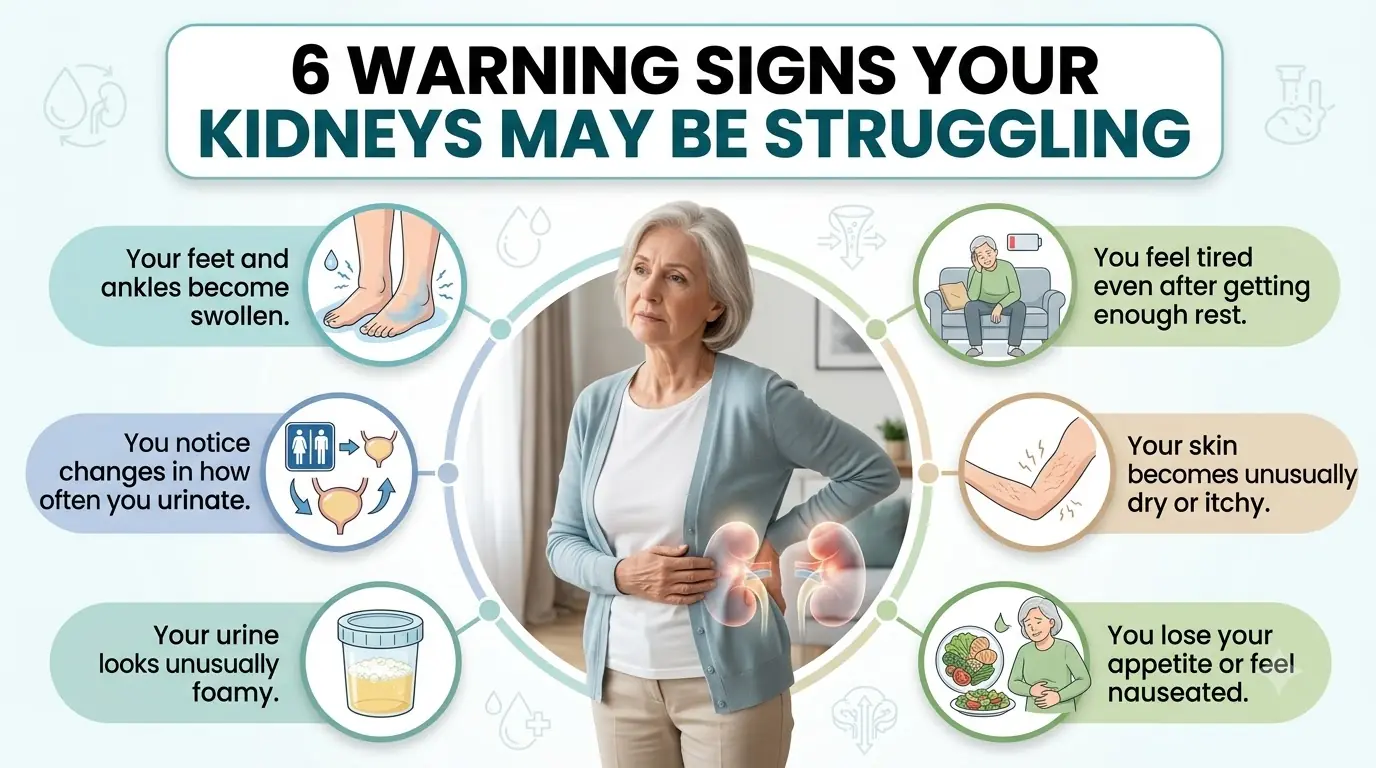
6 WARNING SIGNS YOUR KIDNEYS MAY BE STRUGGLING
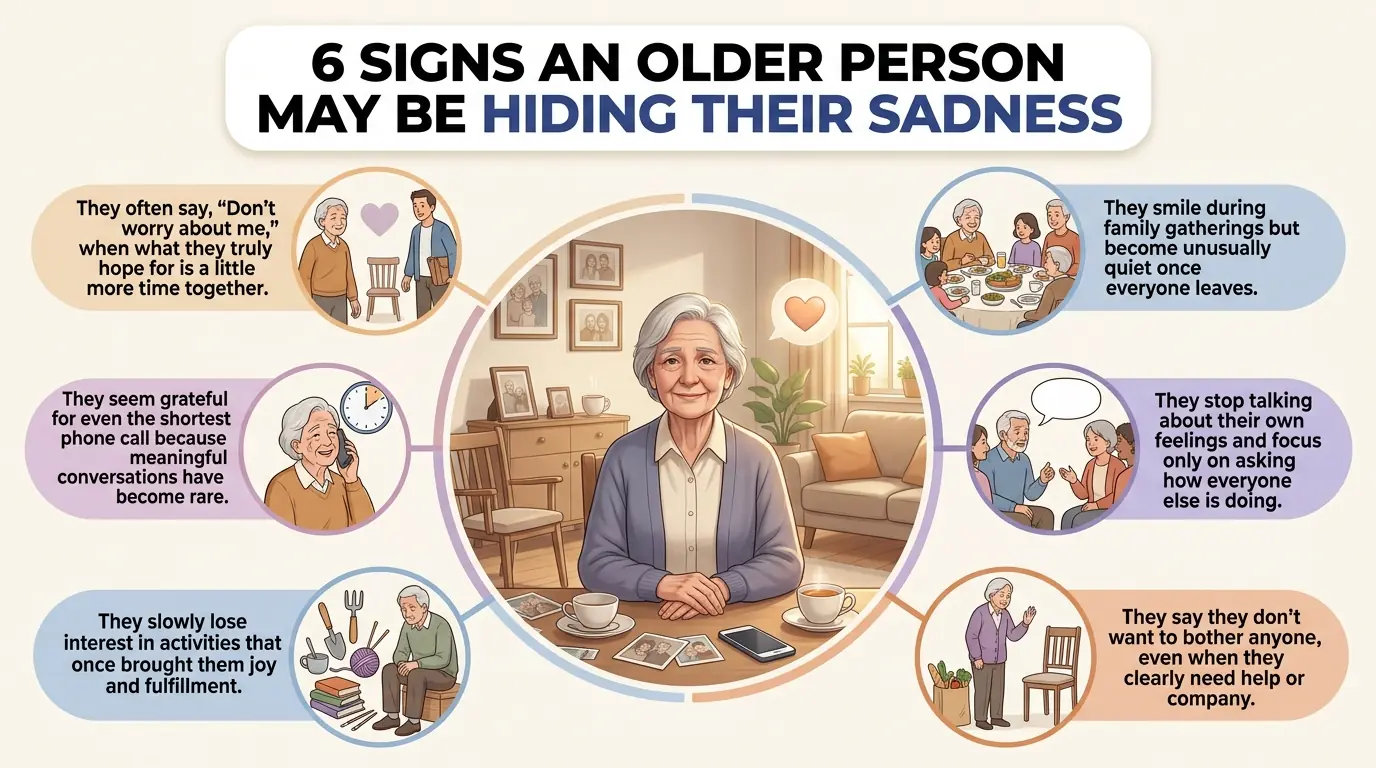
6 SIGNS AN OLDER PERSON MAY BE HIDING THEIR SADNESS
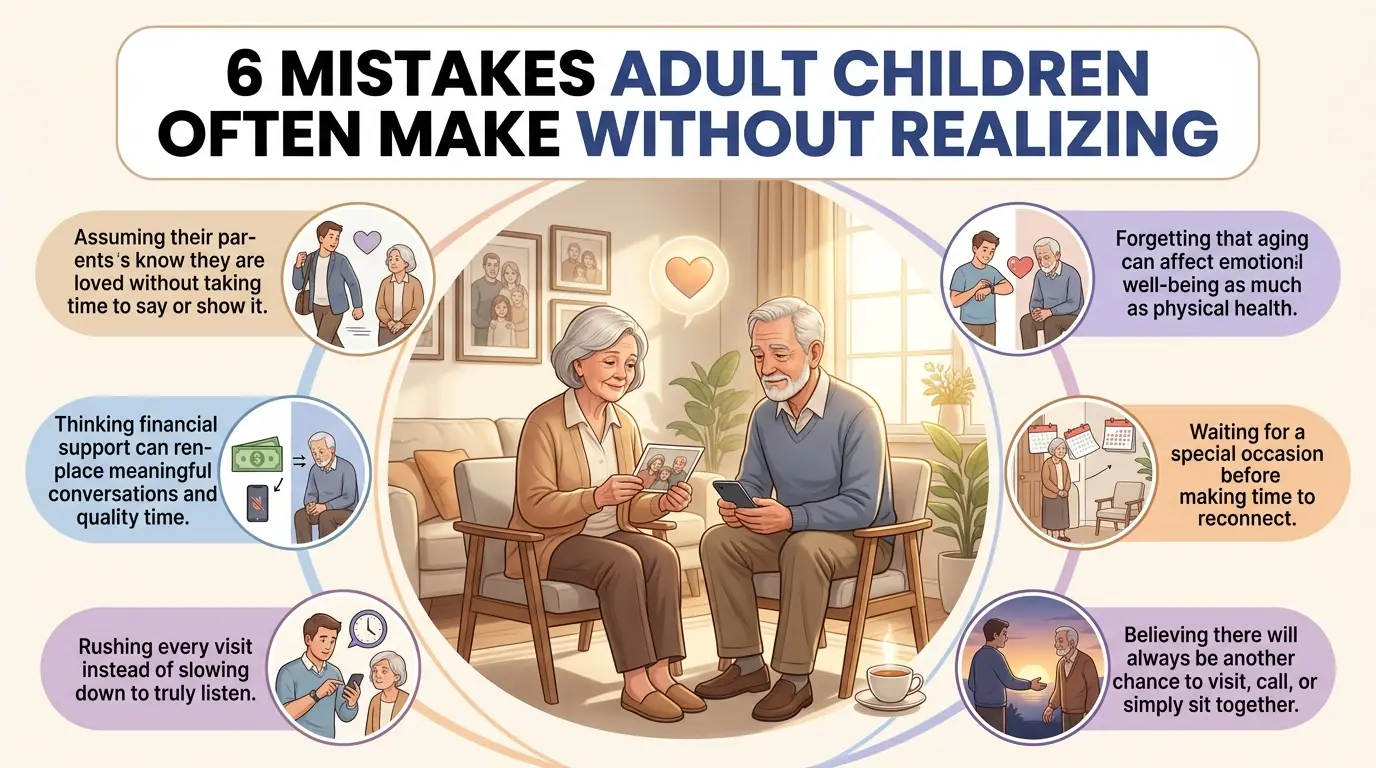
6 MISTAKES ADULT CHILDREN OFTEN MAKE WITHOUT REALIZING
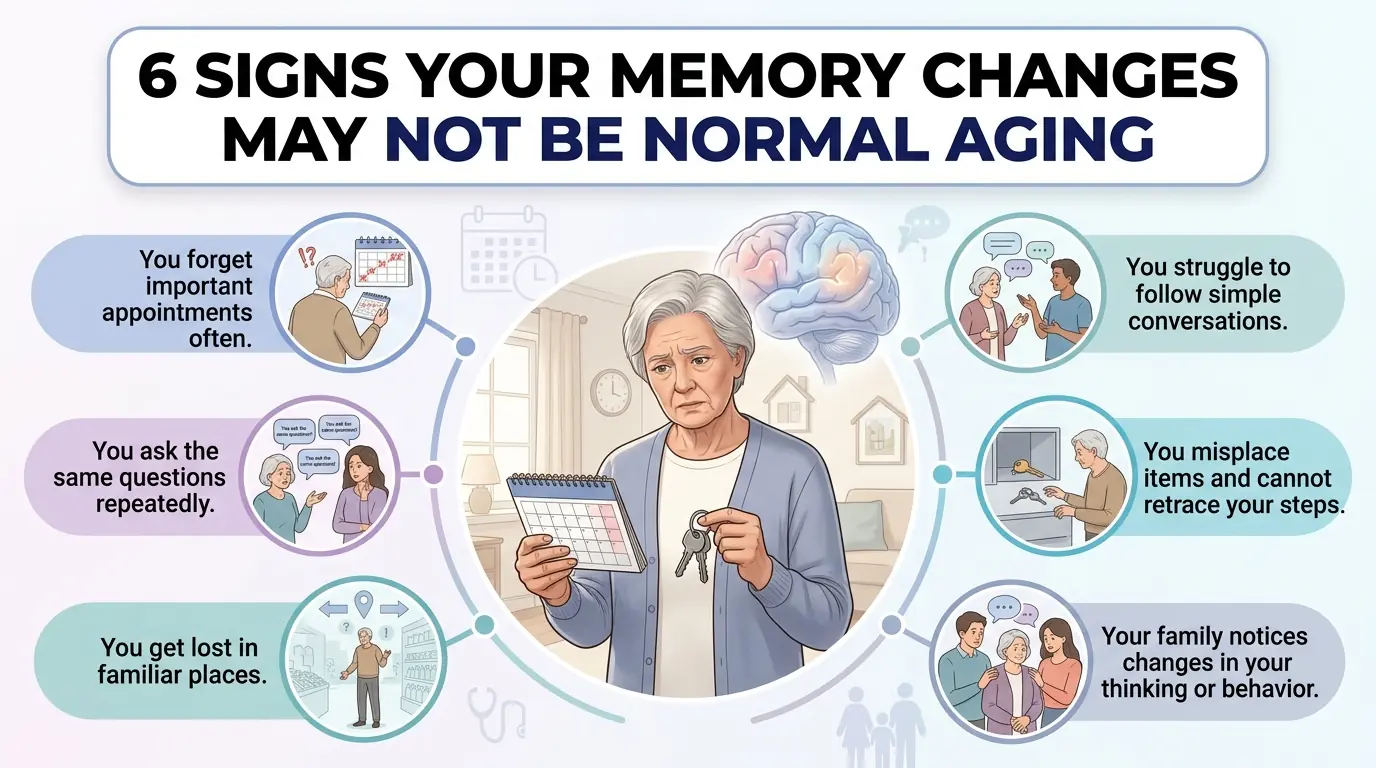
6 WARNING SIGNS YOUR LEGS MAY HAVE POOR CIRCULATION
6 WARNING SIGNS YOUR HEART MAY NOT BE GETTING ENOUGH BLOOD
7 SIGNS YOUR ELDERLY PARENT MAY NEED MORE EMOTIONAL SUPPORT
6 WARNING SIGNS YOUR BODY MAY BE LOW IN MAGNESIUM
6 WARNING SIGNS YOUR BODY MAY BE LOSING MUSCLE AFTER 60
6 SIGNS YOUR BODY MAY NEED MORE PROTEIN AFTER 60
6 WARNING SIGNS YOUR ARTERIES MAY BE CLOGGED

"She Doesn't Speak Chinese," A Millionaire Bet $100K a Black Waitress Couldn't Speak Chinese
6 THINGS OLDER PEOPLE RARELY SAY OUT LOUD
6 WARNING SIGNS YOUR BODY MAY HAVE TOO MUCH INFLAMMATION
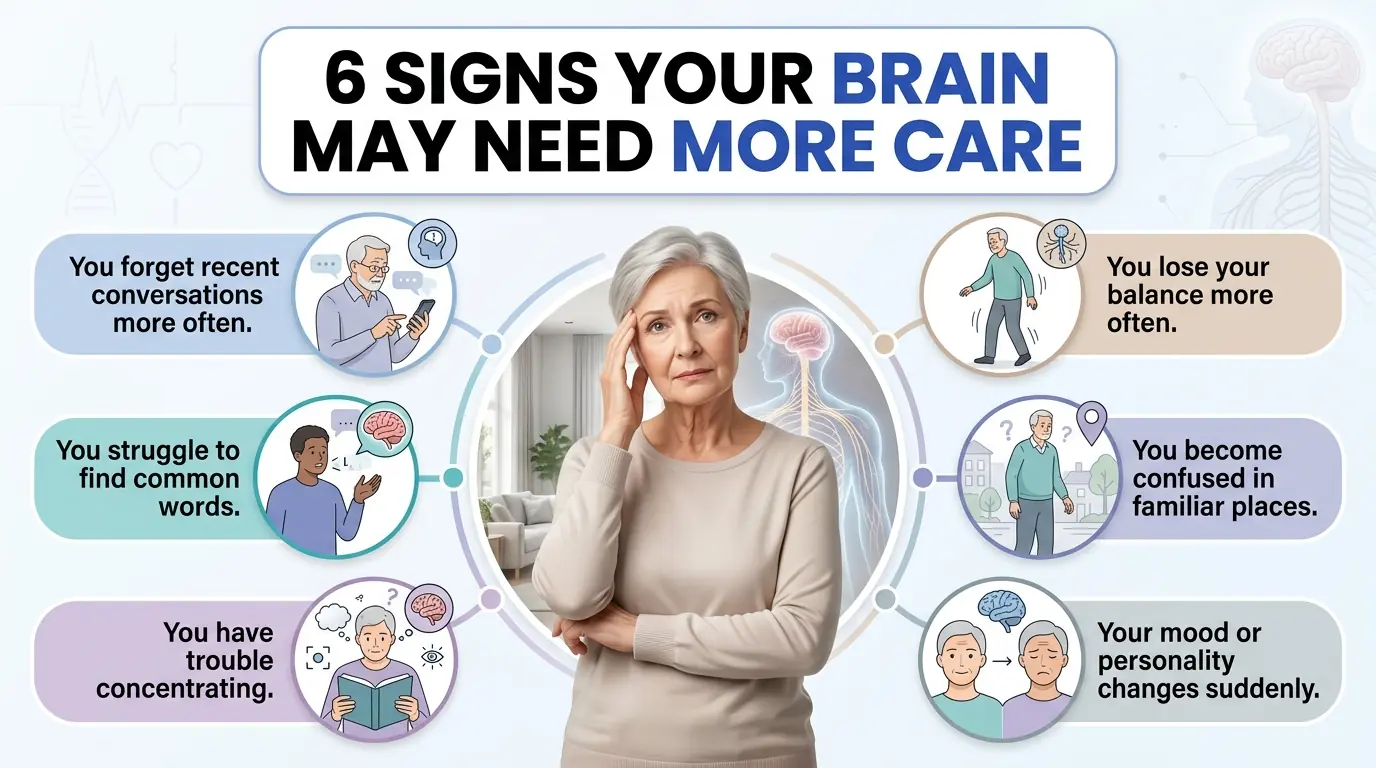
6 SIGNS YOUR BRAIN MAY NEED MORE CARE