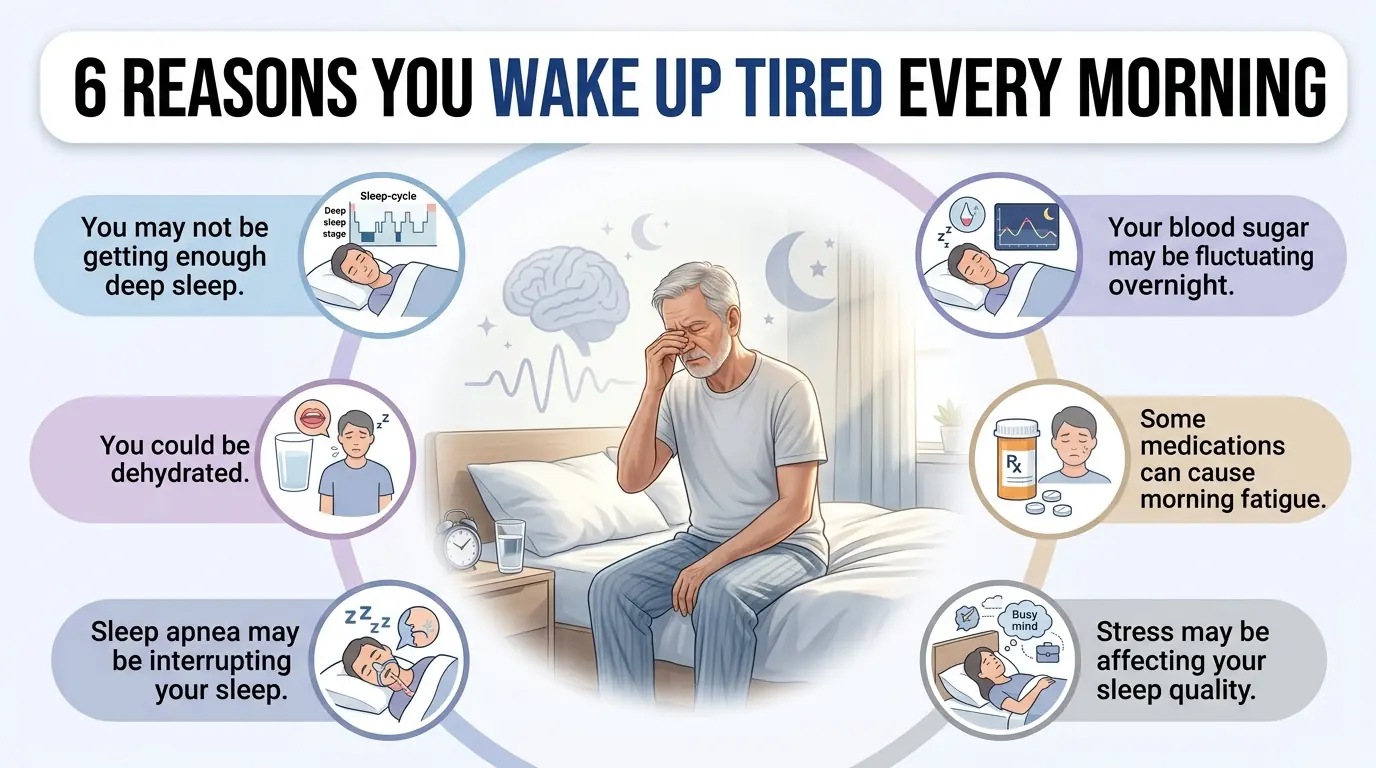
6 WARNING SIGNS YOUR BODY MAY BE LOW IN MAGNESIUM
Reader Theme:
Font Size:
24px
6 WARNING SIGNS YOUR BODY MAY BE LOW IN MAGNESIUM
Magnesium is an essential mineral involved in more than 300 biochemical reactions throughout the body. It helps regulate muscle and nerve function, supports a healthy heart rhythm, contributes to bone strength, and plays an important role in energy production. Despite its importance, many adults consume less magnesium than recommended through their diet.
A mild magnesium deficiency may not cause noticeable symptoms at first. However, as magnesium levels decline, your body may begin sending subtle signals that are easy to overlook or mistake for other health conditions. While these symptoms don't always mean you're low in magnesium, persistent or unexplained changes deserve medical attention.
Understanding the possible warning signs can help you recognize when it's time to discuss magnesium testing or your overall nutrition with a healthcare provider.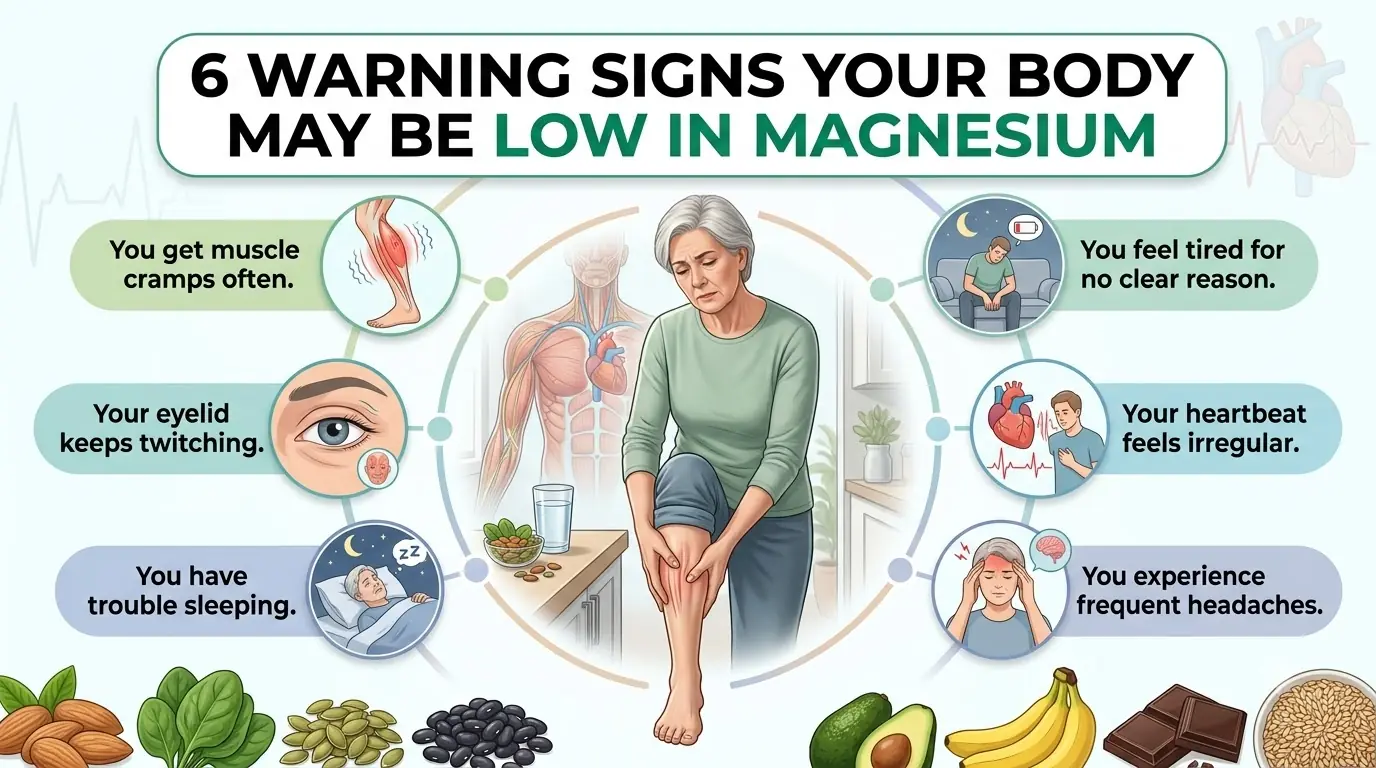
What Is Magnesium?
Magnesium is a mineral found naturally in many foods and is essential for the normal function of muscles, nerves, bones, and the cardiovascular system.
It helps:
- Support normal muscle contraction and relaxation.
- Maintain healthy nerve function.
- Regulate heart rhythm.
- Produce energy from food.
- Build and maintain healthy bones.
- Support normal blood sugar regulation.
Because the body cannot produce magnesium on its own, it must come from food or, when appropriate, supplements recommended by a healthcare professional.
1. You Get Muscle Cramps Often
Frequent muscle cramps are one of the symptoms most commonly associated with low magnesium levels.
Magnesium helps muscles relax after they contract. When magnesium is too low, muscles may become more prone to cramping or tightness.
You may notice:
- Leg cramps during the night.
- Painful calf cramps after activity.
- Tight muscles without obvious injury.
However, muscle cramps are very common and can also result from dehydration, overuse, potassium imbalance, certain medications, or circulation problems.
Persistent or severe cramping should be medically evaluated.
2. Your Eyelid Keeps Twitching
An eyelid that twitches repeatedly can be annoying and sometimes raises concerns about magnesium.
Muscle twitches may occasionally occur in people with low magnesium, but they are more commonly caused by:
- Stress.
- Fatigue.
- Too much caffeine.
- Eye strain.
- Lack of sleep.
If twitching continues for several weeks, spreads to other muscles, or is accompanied by weakness, seek medical evaluation.
3. You Have Trouble Sleeping
Magnesium contributes to normal nerve and muscle function and is involved in processes that help regulate sleep.
Some people with inadequate magnesium intake report:
- Difficulty falling asleep.
- Frequent nighttime awakenings.
- Feeling less refreshed in the morning.
Research suggests magnesium may support healthy sleep in some individuals, particularly older adults or those with low magnesium levels. However, sleep problems have many possible causes, including stress, sleep apnea, medications, and other medical conditions.
Persistent insomnia should be discussed with your healthcare provider.
4. You Feel Tired for No Clear Reason
Fatigue is another symptom that may occur with magnesium deficiency.
Because magnesium is involved in energy production inside cells, low levels may contribute to:
- Low energy.
- General weakness.
- Feeling sluggish throughout the day.
However, fatigue is one of the least specific symptoms in medicine and may also result from anemia, thyroid disease, depression, poor sleep, chronic illness, or nutritional deficiencies.
Blood testing and a complete medical evaluation may be needed to determine the underlying cause.
5. Your Heartbeat Feels Irregular
Magnesium helps regulate the electrical signals that coordinate your heartbeat.
In some cases, significant magnesium deficiency may contribute to abnormal heart rhythms, also called arrhythmias.
You may notice:
- Fluttering sensations.
- Skipped beats.
- A racing heartbeat.
- An irregular pulse.
Heart palpitations have many possible causes, including caffeine, anxiety, thyroid disorders, certain medications, and heart disease.
Any new, persistent, or severe irregular heartbeat should be evaluated promptly by a healthcare professional.
6. You Experience Frequent Headaches
Some research suggests that magnesium may play a role in certain types of headaches, particularly migraine.
People with migraines may be more likely to have lower magnesium levels than those without migraines.
Although magnesium supplements are sometimes recommended for migraine prevention in selected individuals, they should only be used under the guidance of a healthcare provider.
Frequent headaches may also result from:
- Dehydration.
- Stress.
- Poor sleep.
- Vision problems.
- High blood pressure.
- Other neurological conditions.
If headaches become severe, sudden, or progressively worse, seek medical evaluation.
Who Is Most at Risk for Magnesium Deficiency?
Certain people have a higher risk of developing low magnesium levels, including those who:
- Are over age 60.
- Have type 2 diabetes.
- Have Crohn's disease or celiac disease.
- Have chronic diarrhea.
- Have alcohol use disorder.
- Take certain medications, including long-term diuretics or proton pump inhibitors.
- Have kidney conditions that increase magnesium loss.
A balanced diet usually provides adequate magnesium for most healthy adults.
How to Get More Magnesium Naturally
Many nutritious foods are naturally rich in magnesium.
Good dietary sources include:
- Pumpkin seeds.
- Almonds and cashews.
- Spinach and other leafy greens.
- Black beans.
- Lentils.
- Avocados.
- Whole grains.
- Peanuts.
- Dark chocolate (in moderation).
Eating a varied diet rich in whole foods is the safest way to support healthy magnesium intake.
Magnesium supplements should only be started after discussing them with your healthcare provider, particularly if you have kidney disease or take prescription medications.
When Should You See a Doctor?
Schedule an appointment with your healthcare provider if you experience:
- Persistent muscle cramps.
- Ongoing muscle twitching.
- Chronic fatigue.
- Frequent headaches.
- Difficulty sleeping that doesn't improve.
- Recurrent heart palpitations.
Seek immediate medical care if you develop:
- Chest pain.
- Fainting.
- Severe dizziness.
- Difficulty breathing.
- A rapid or irregular heartbeat accompanied by weakness or loss of consciousness.
These symptoms may indicate a serious medical condition requiring urgent evaluation.
Key Takeaways
- Magnesium is essential for healthy muscles, nerves, heart rhythm, and energy production.
- Frequent muscle cramps and eyelid twitching may sometimes be associated with low magnesium levels.
- Fatigue, sleep difficulties, irregular heartbeats, and frequent headaches can have many causes, including magnesium deficiency.
- Magnesium-rich foods such as leafy greens, beans, nuts, seeds, and whole grains can help support healthy magnesium levels.
- Do not assume symptoms are caused by magnesium deficiency without proper medical evaluation.
- Always speak with your healthcare provider before starting magnesium supplements, especially if you have kidney disease or take prescription medications.
Medical Disclaimer
This article is for educational purposes only and is not intended to replace professional medical advice, diagnosis, or treatment. Magnesium deficiency can only be properly evaluated through a medical assessment, and symptoms may have many different causes. If you have persistent symptoms or are considering magnesium supplements, consult a qualified healthcare provider for personalized advice and appropriate testing.
News in the same category
6 SIGNS AN OLDER PARENT MAY BE FEELING FORGOTTEN
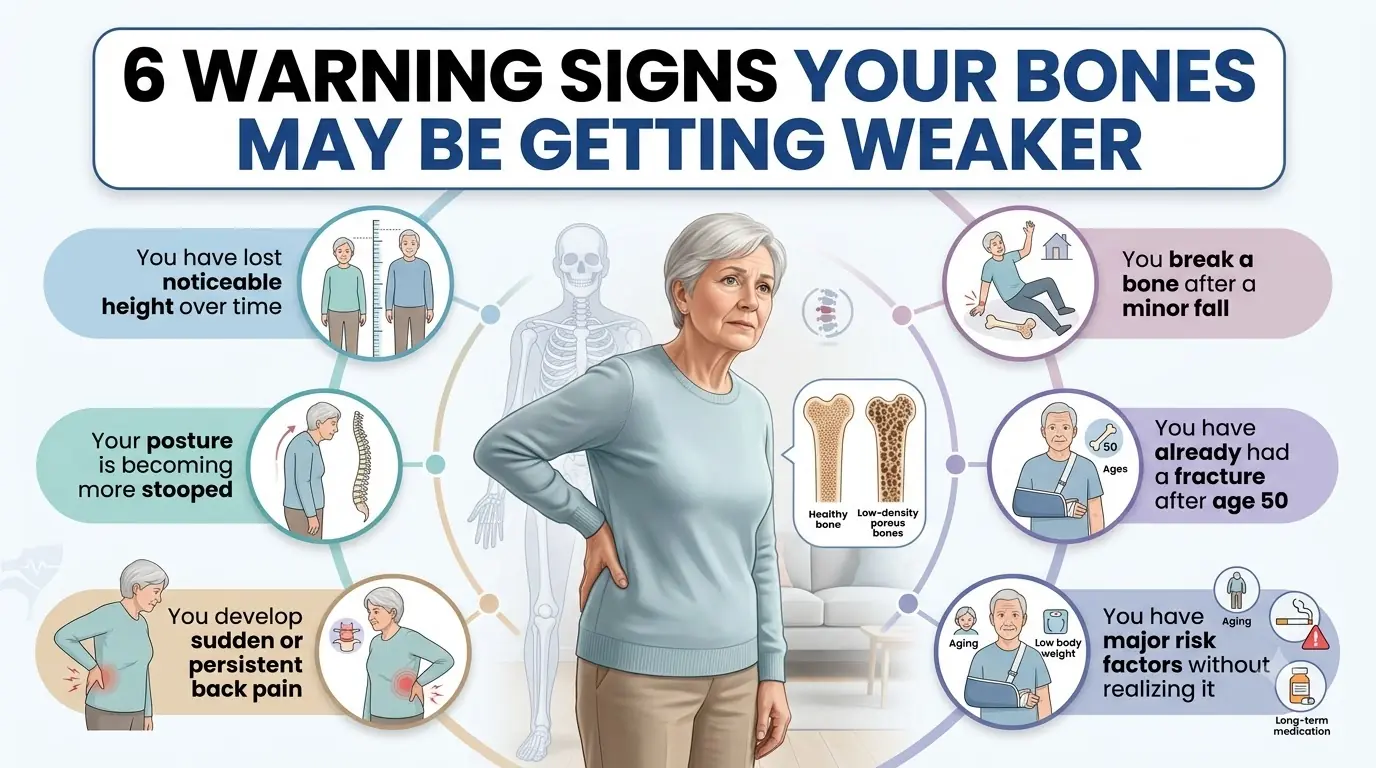
6 WARNING SIGNS YOUR BONES MAY BE GETTING WEAKER
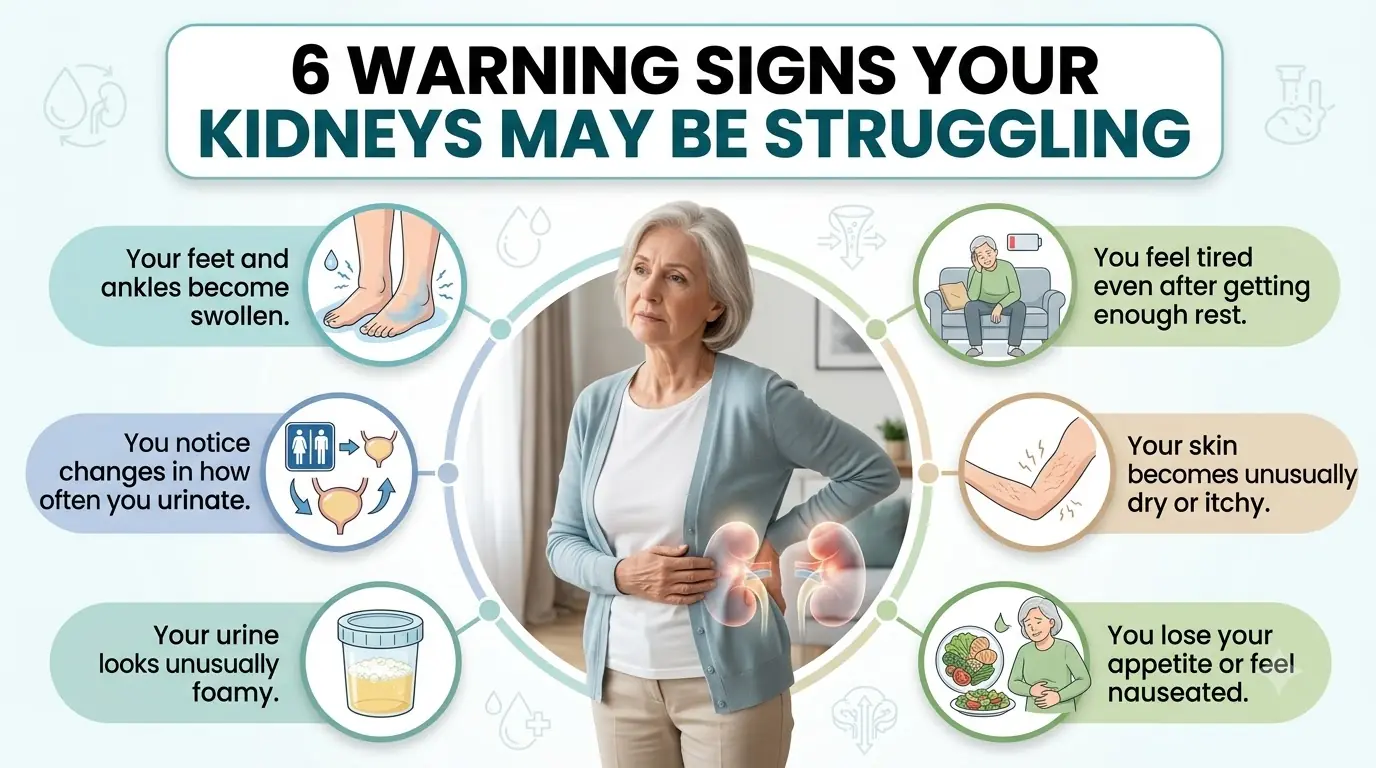
6 WARNING SIGNS YOUR KIDNEYS MAY BE STRUGGLING
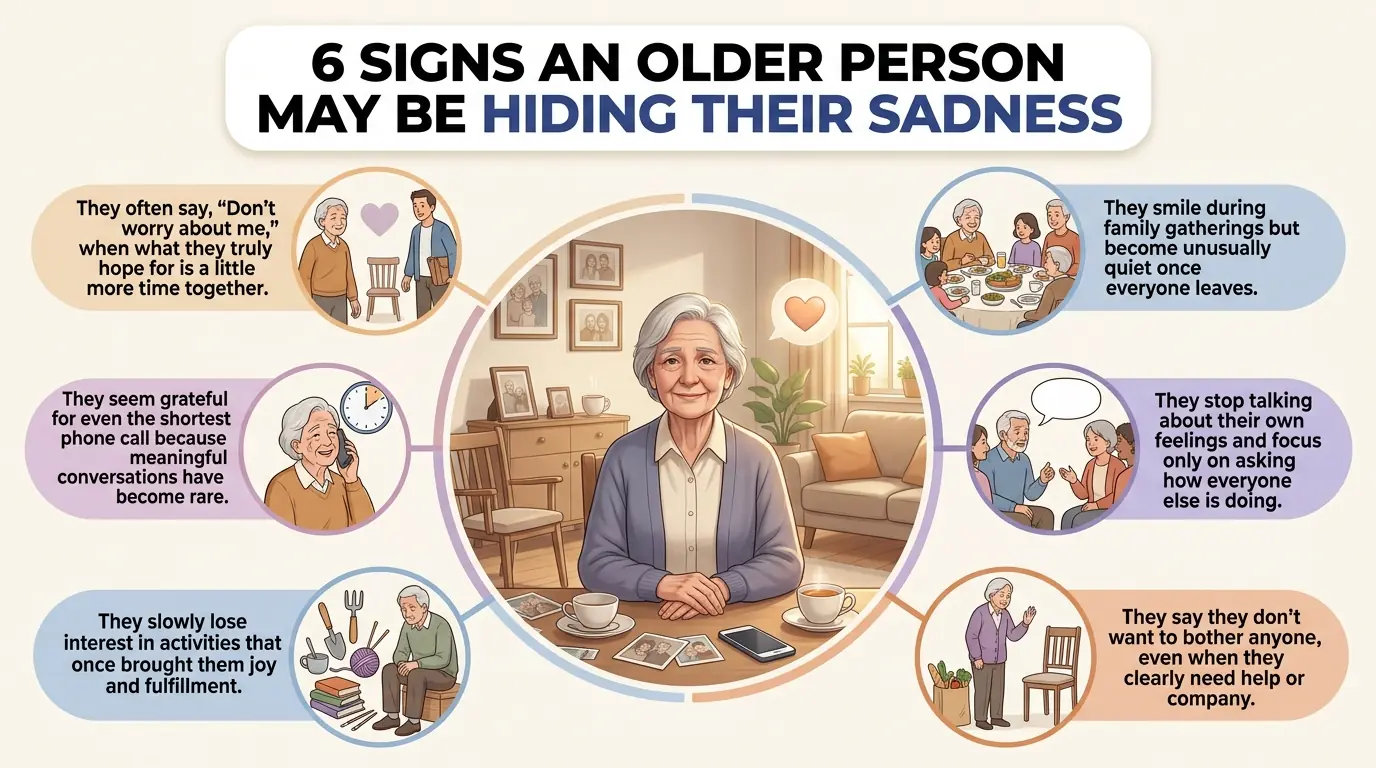
6 SIGNS AN OLDER PERSON MAY BE HIDING THEIR SADNESS
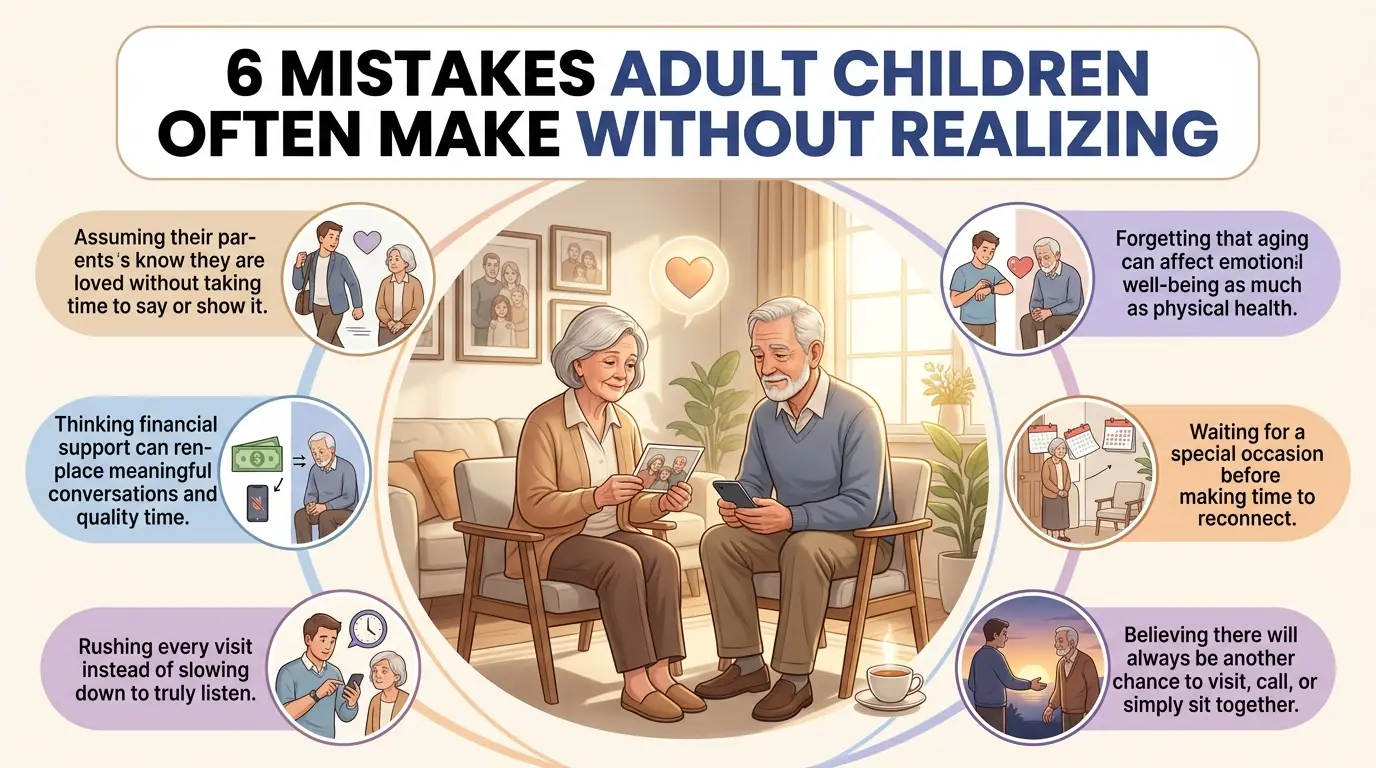
6 MISTAKES ADULT CHILDREN OFTEN MAKE WITHOUT REALIZING
6 WARNING SIGNS YOUR LEGS MAY HAVE POOR CIRCULATION
6 WARNING SIGNS YOUR BODY MAY BE DEVELOPING DIABETES
6 WARNING SIGNS YOUR HEART MAY NOT BE GETTING ENOUGH BLOOD
7 SIGNS YOUR ELDERLY PARENT MAY NEED MORE EMOTIONAL SUPPORT
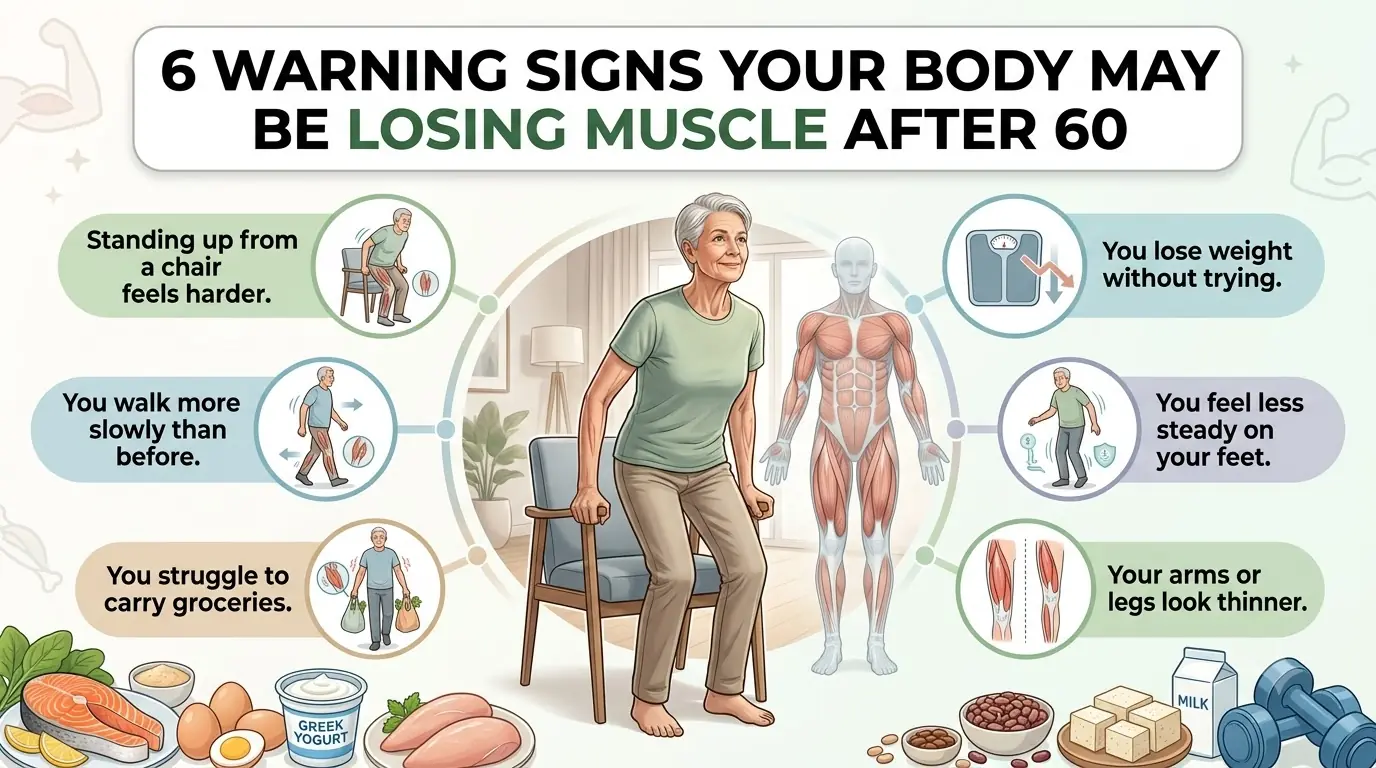
6 WARNING SIGNS YOUR BODY MAY BE LOSING MUSCLE AFTER 60
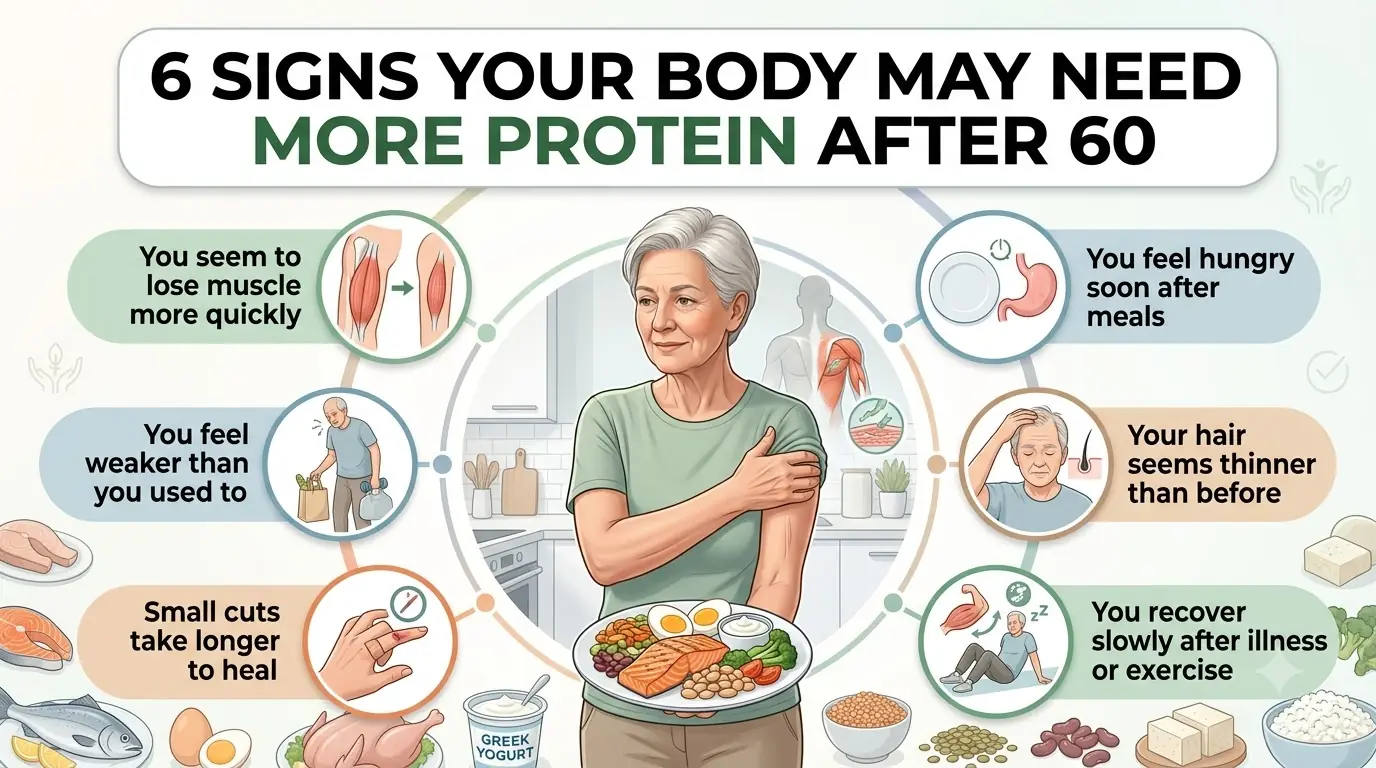
6 SIGNS YOUR BODY MAY NEED MORE PROTEIN AFTER 60
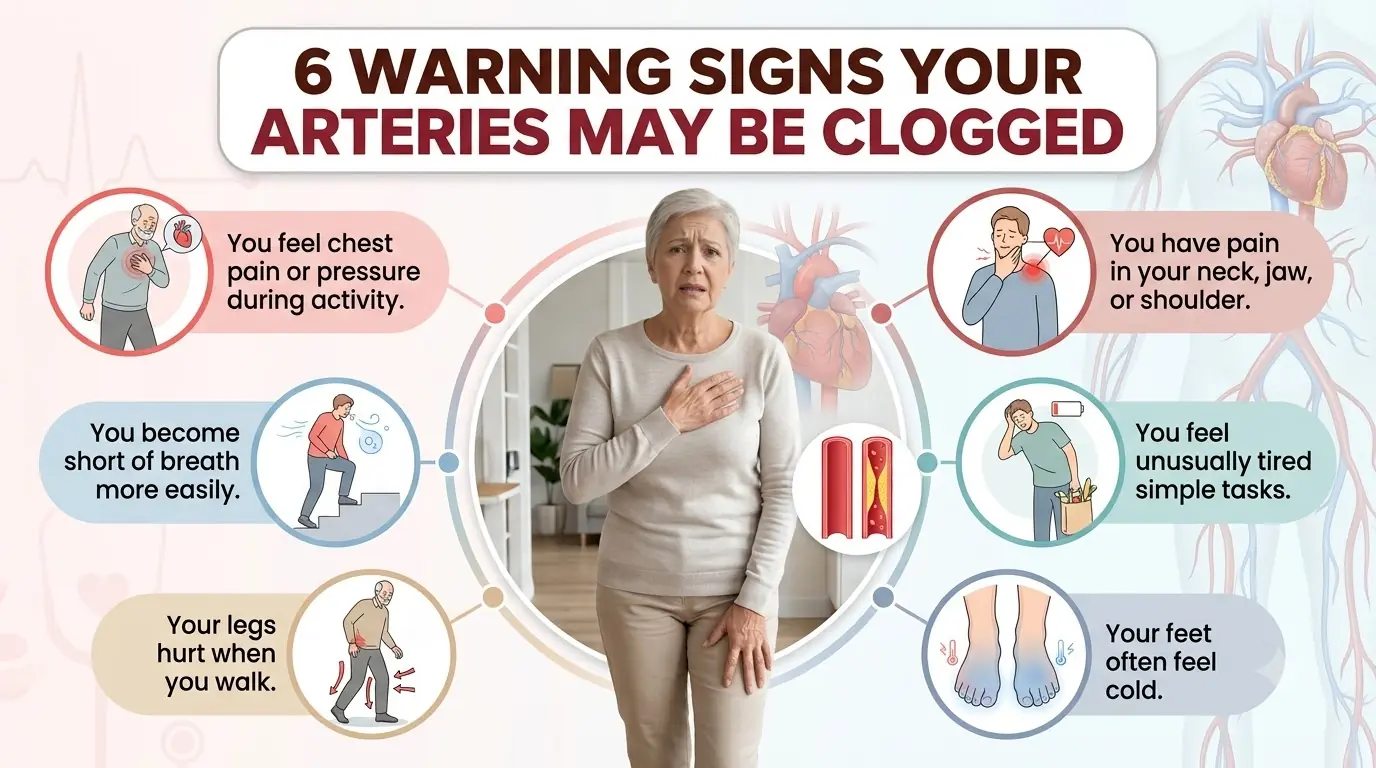
6 WARNING SIGNS YOUR ARTERIES MAY BE CLOGGED

"She Doesn't Speak Chinese," A Millionaire Bet $100K a Black Waitress Couldn't Speak Chinese
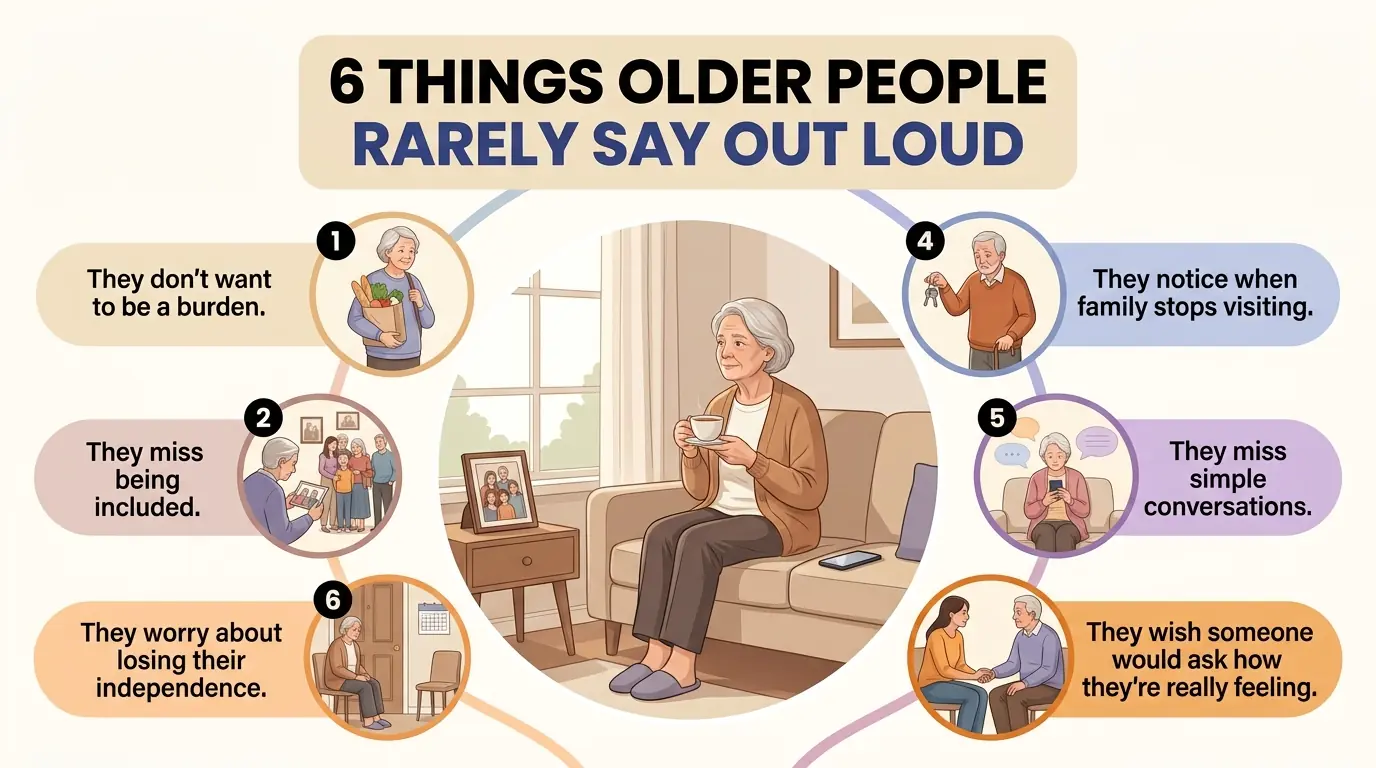
6 THINGS OLDER PEOPLE RARELY SAY OUT LOUD
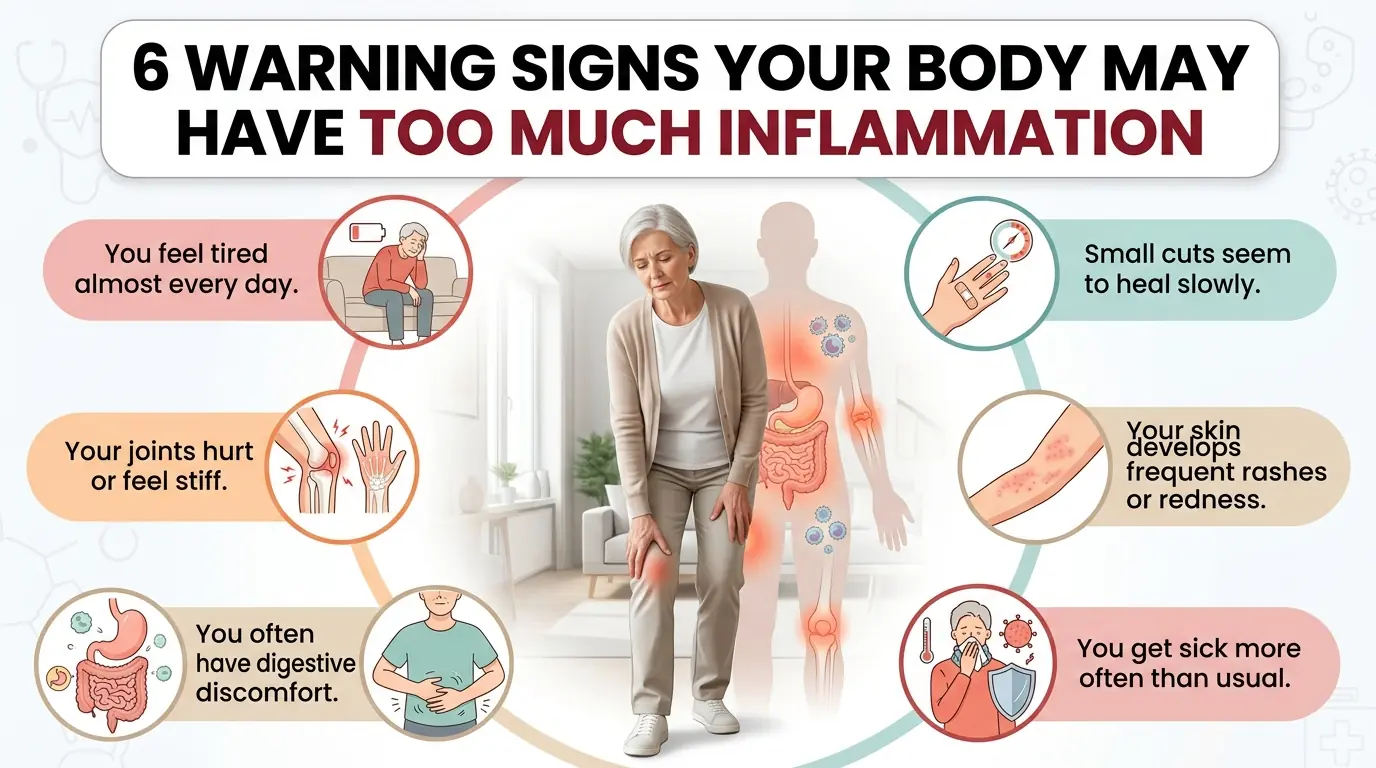
6 WARNING SIGNS YOUR BODY MAY HAVE TOO MUCH INFLAMMATION
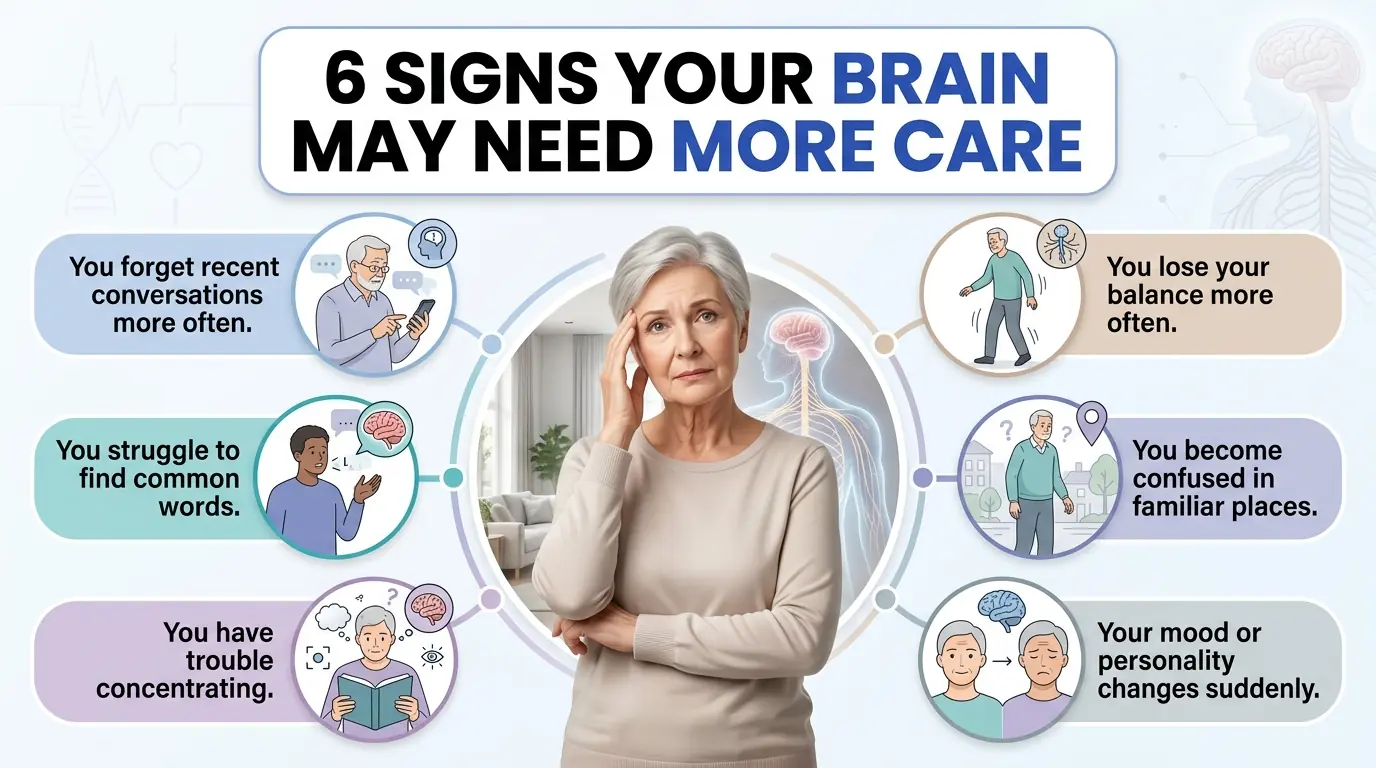
6 SIGNS YOUR BRAIN MAY NEED MORE CARE