6 WARNING SIGNS YOUR BODY MAY HAVE TOO MUCH INFLAMMATION
Reader Theme:
Font Size:
24px
6 WARNING SIGNS YOUR BODY MAY HAVE TOO MUCH INFLAMMATION
Inflammation is a natural part of your body's defense system. When you get a cut or develop an infection, inflammation helps your immune system protect you and begin the healing process. But when inflammation becomes chronic and persists for weeks, months, or even years, it may begin to affect healthy tissues and contribute to a variety of long-term health problems.
Chronic inflammation has been linked to conditions such as heart disease, type 2 diabetes, arthritis, inflammatory bowel disease, and certain autoimmune disorders. Because the symptoms can be subtle and develop gradually, many people don't realize that ongoing inflammation may be affecting their health.
While these warning signs don't necessarily mean you have chronic inflammation, persistent symptoms should be evaluated by a healthcare professional to identify the underlying cause.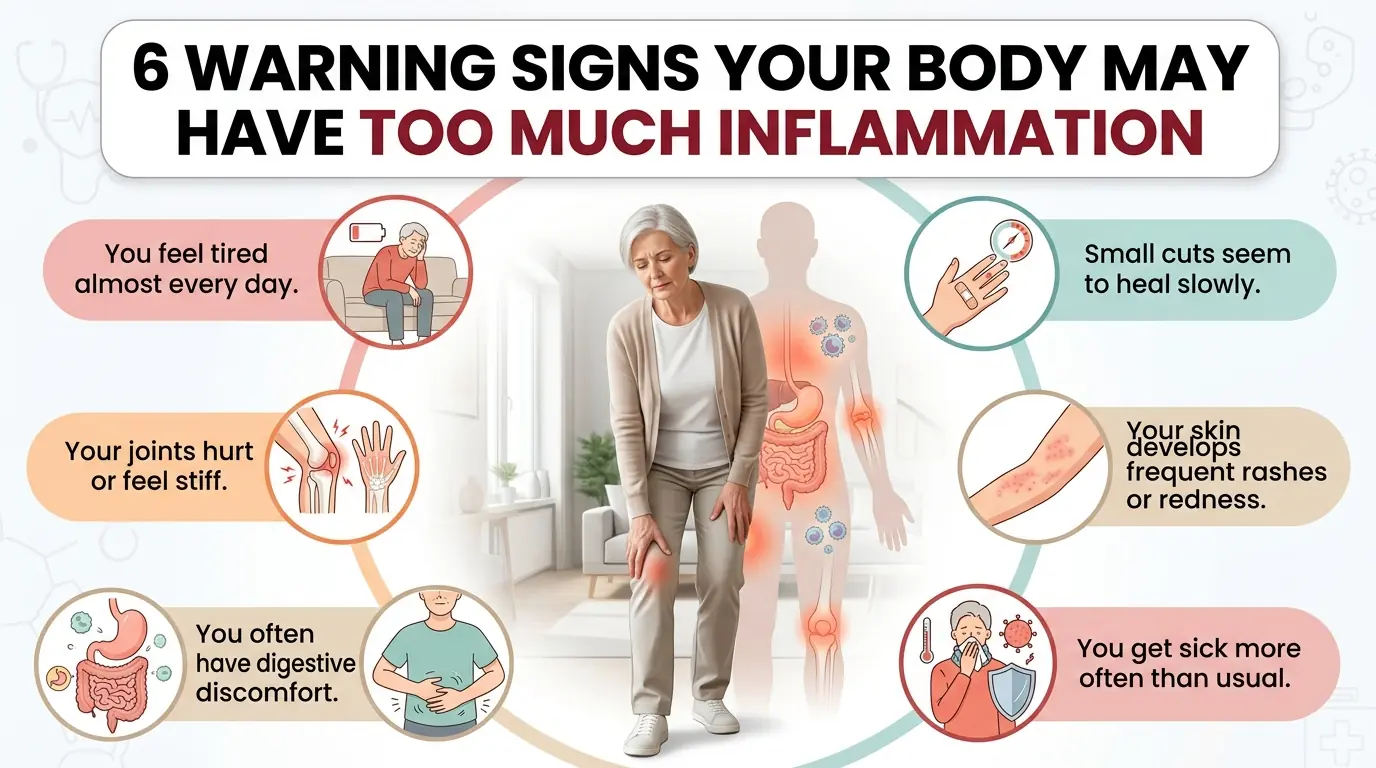
What Is Chronic Inflammation?
Inflammation is your immune system's response to injury, infection, or harmful substances.
Acute inflammation is short-term and beneficial. For example, if you sprain your ankle, the swelling and redness are signs that your body is working to repair damaged tissue.
Chronic inflammation, however, occurs when the immune system remains activated for an extended period, even when there is no injury or infection that needs to be treated. Over time, this prolonged inflammatory response may contribute to tissue damage and increase the risk of chronic disease.
The goal isn't to eliminate inflammation completely—it's an essential part of good health—but to identify and treat persistent inflammation when appropriate.
1. You Feel Tired Almost Every Day
Persistent fatigue is one of the most common symptoms associated with chronic inflammatory conditions.
Inflammation involves the release of chemical messengers called cytokines, which can influence the brain and make you feel tired, even after getting enough sleep.
You may notice:
- Low energy throughout the day.
- Feeling exhausted after routine activities.
- Difficulty concentrating.
- Reduced motivation.
Because fatigue has many possible causes—including anemia, thyroid disorders, sleep problems, depression, and medication side effects—it should always be evaluated in the context of your overall health.
2. Your Joints Hurt or Feel Stiff
Joint pain and stiffness may occur for many reasons, including aging, injury, or overuse.
However, inflammation is also a major feature of several joint conditions, including rheumatoid arthritis and other inflammatory diseases.
You may notice:
- Morning stiffness lasting longer than 30 minutes.
- Swollen or tender joints.
- Pain affecting multiple joints.
- Symptoms that improve with movement but worsen after inactivity.
Persistent joint symptoms deserve medical evaluation, particularly if swelling or warmth is present.
3. You Often Have Digestive Discomfort
Your digestive system contains a large portion of your immune system, making gut health closely connected to inflammation.
Ongoing inflammation affecting the digestive tract may contribute to symptoms such as:
- Bloating.
- Abdominal discomfort.
- Diarrhea.
- Constipation.
- Changes in bowel habits.
Digestive symptoms are extremely common and often have causes unrelated to inflammation, such as food intolerances or irritable bowel syndrome. However, persistent symptoms should be evaluated to rule out inflammatory bowel disease or other medical conditions.
4. Small Cuts Seem to Heal Slowly
Inflammation plays an important role in wound healing.
Normally, inflammation occurs briefly after an injury and then gradually resolves as healing progresses.
When chronic inflammation or certain underlying medical conditions interfere with this process, wounds may take longer to heal than expected.
Slow healing can also occur with:
- Diabetes.
- Poor circulation.
- Nutritional deficiencies.
- Certain medications.
If cuts, scrapes, or sores consistently heal slowly or become infected, it's important to discuss this with your healthcare provider.
5. Your Skin Develops Frequent Rashes or Redness
The skin is often one of the first places where inflammatory conditions become visible.
Depending on the underlying cause, inflammation may lead to:
- Red patches.
- Persistent rashes.
- Dry, irritated skin.
- Itching.
- Swelling.
Common inflammatory skin conditions include eczema, psoriasis, and certain autoimmune diseases.
While many rashes are mild and temporary, recurring or unexplained skin changes should be medically evaluated.
6. You Get Sick More Often Than Usual
A healthy immune system maintains a careful balance between responding to infections and avoiding unnecessary inflammation.
Chronic inflammation may be associated with changes in immune system function, although the relationship is complex.
If you notice:
- Frequent respiratory infections.
- Repeated sinus infections.
- Slow recovery from common illnesses.
- Infections occurring more often than usual.
it's worth discussing these symptoms with your healthcare provider, particularly if they're new or persistent.
Other Symptoms That May Occur
Depending on the underlying condition, chronic inflammation may also be associated with:
- Low-grade fever.
- Muscle aches.
- Unexplained weight changes.
- Swollen lymph nodes.
- Brain fog.
- Sleep disturbances.
These symptoms are not specific to inflammation and may occur in many different medical conditions.
Who Is Most at Risk?
The likelihood of chronic inflammation may be higher among people who:
- Have obesity.
- Smoke.
- Have type 2 diabetes.
- Have autoimmune diseases.
- Have inflammatory bowel disease.
- Experience chronic stress.
- Sleep poorly on a regular basis.
- Live a physically inactive lifestyle.
Some chronic infections and genetic factors may also contribute.
How to Help Reduce Chronic Inflammation
Healthy lifestyle habits may help support a normal inflammatory response and improve overall health.
Research suggests these strategies may be beneficial:
- Eat a diet rich in fruits, vegetables, legumes, whole grains, nuts, and fatty fish.
- Limit highly processed foods, sugary beverages, and excessive alcohol.
- Exercise regularly.
- Maintain a healthy weight.
- Get 7 to 9 hours of quality sleep each night.
- Manage stress through relaxation techniques, mindfulness, or physical activity.
- Avoid smoking and exposure to tobacco smoke.
If you have an inflammatory medical condition, follow your treatment plan and attend regular follow-up appointments.
When Should You See a Doctor?
Schedule an appointment with your healthcare provider if you experience:
- Fatigue lasting several weeks.
- Persistent joint pain or swelling.
- Ongoing digestive symptoms.
- Slow-healing wounds.
- Recurrent unexplained skin rashes.
- Frequent infections.
Seek immediate medical attention if symptoms are severe, rapidly worsening, or accompanied by high fever, difficulty breathing, severe abdominal pain, or other emergency warning signs.
Key Takeaways
- Inflammation is a normal part of healing, but chronic inflammation may contribute to long-term health problems.
- Persistent fatigue and joint stiffness can sometimes be signs of inflammatory conditions.
- Ongoing digestive symptoms or frequent skin rashes may also be associated with inflammation.
- Slow wound healing and frequent infections deserve medical evaluation.
- A healthy diet, regular exercise, quality sleep, stress management, and avoiding smoking may help support a healthy inflammatory response.
- Persistent symptoms should always be evaluated by a healthcare professional to identify the underlying cause.
Medical Disclaimer
This article is for educational purposes only and is not intended to replace professional medical advice, diagnosis, or treatment. Chronic inflammation is associated with many different medical conditions, and symptoms alone cannot determine the cause. If you experience persistent or worsening symptoms, consult a qualified healthcare provider for appropriate evaluation, diagnosis, and personalized treatment.
News in the same category
6 SIGNS AN OLDER PARENT MAY BE FEELING FORGOTTEN
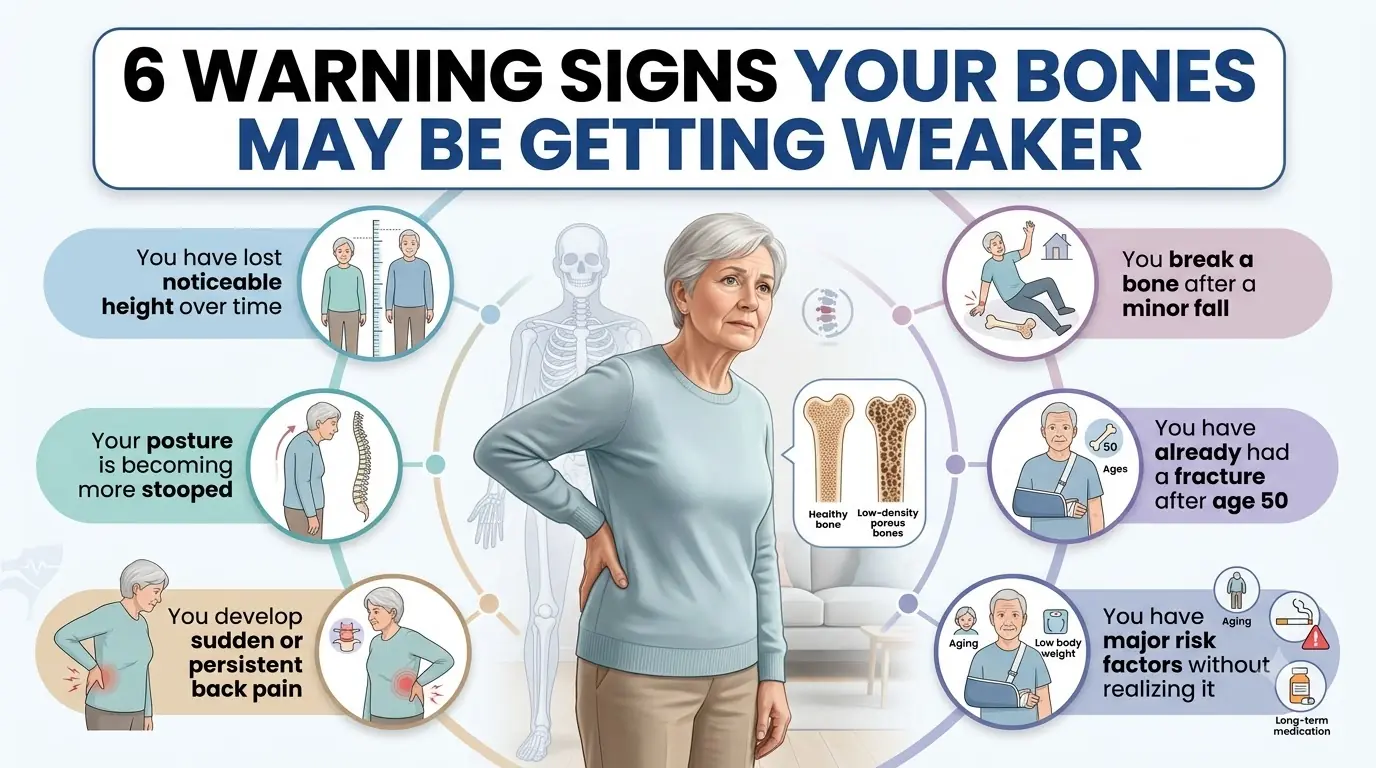
6 WARNING SIGNS YOUR BONES MAY BE GETTING WEAKER
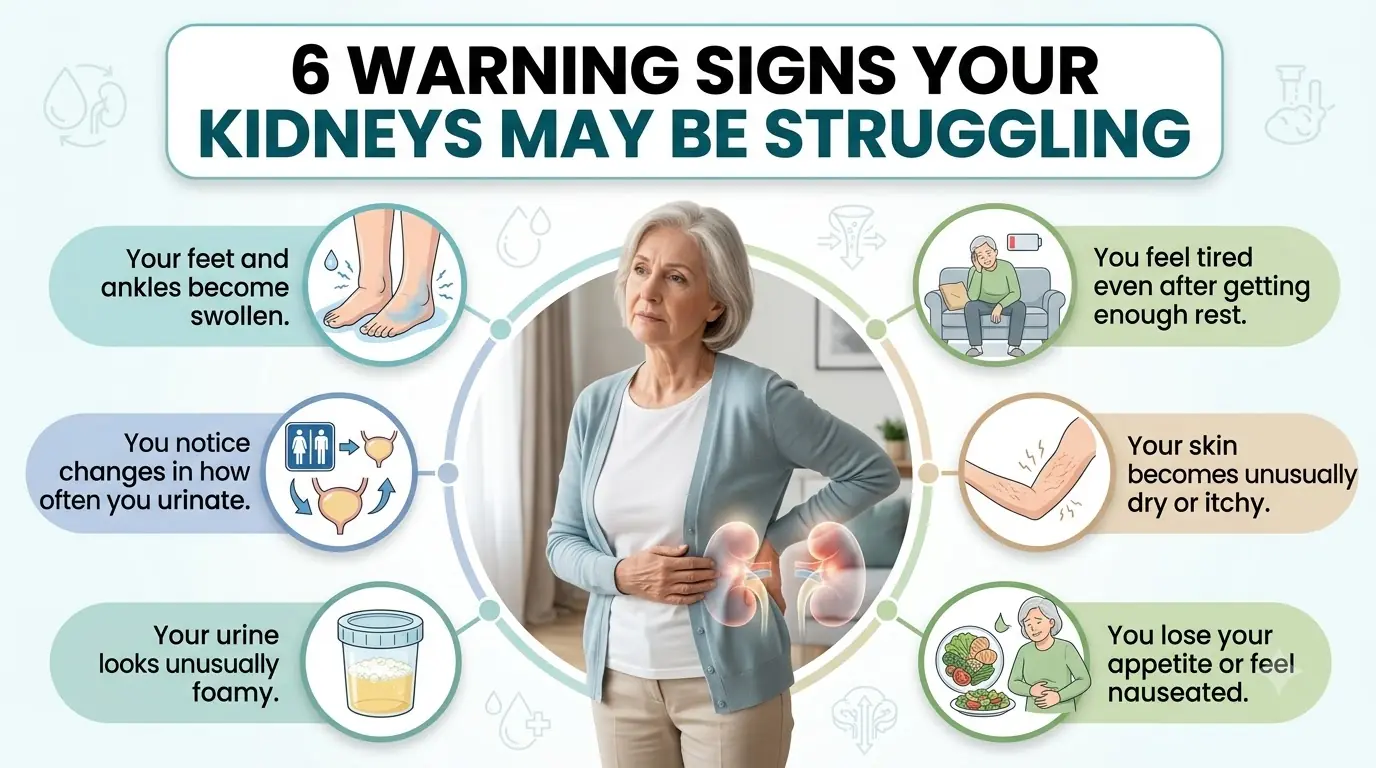
6 WARNING SIGNS YOUR KIDNEYS MAY BE STRUGGLING
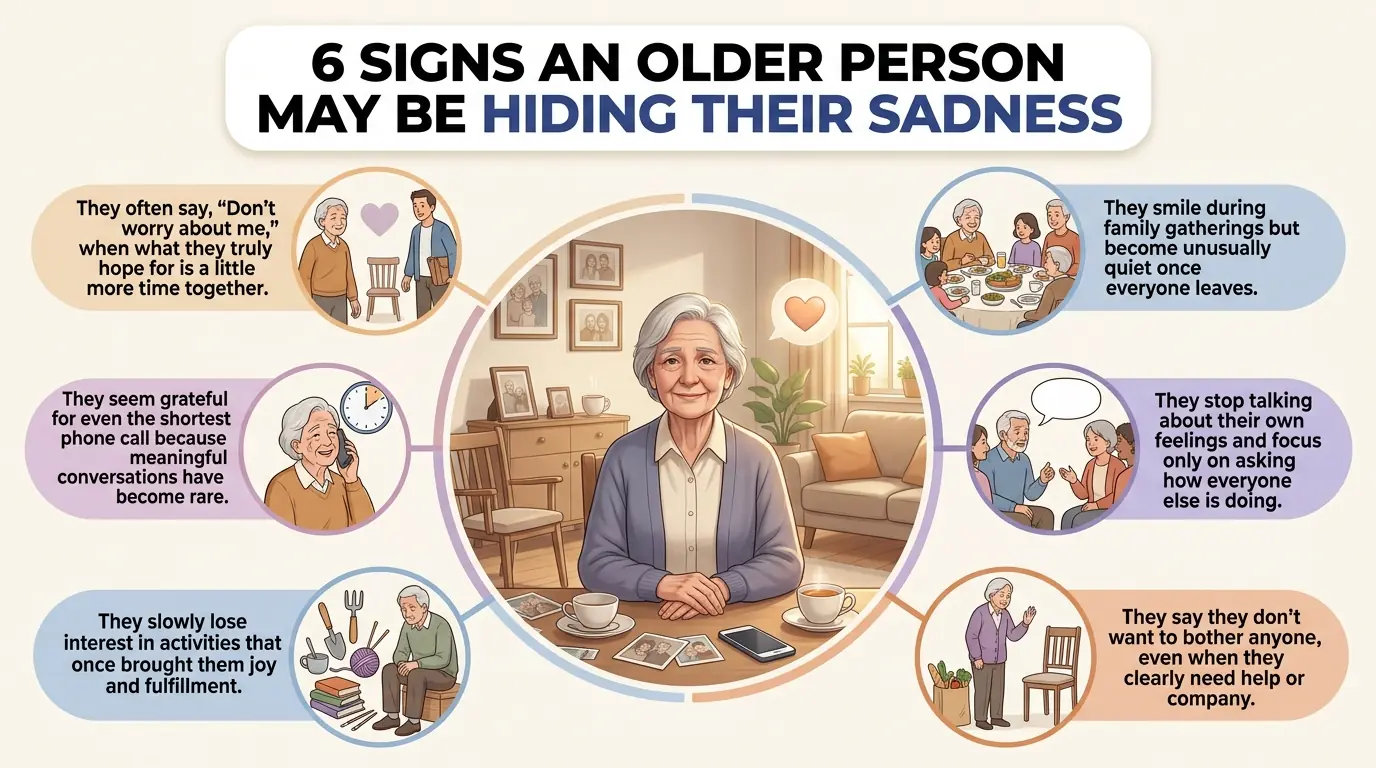
6 SIGNS AN OLDER PERSON MAY BE HIDING THEIR SADNESS
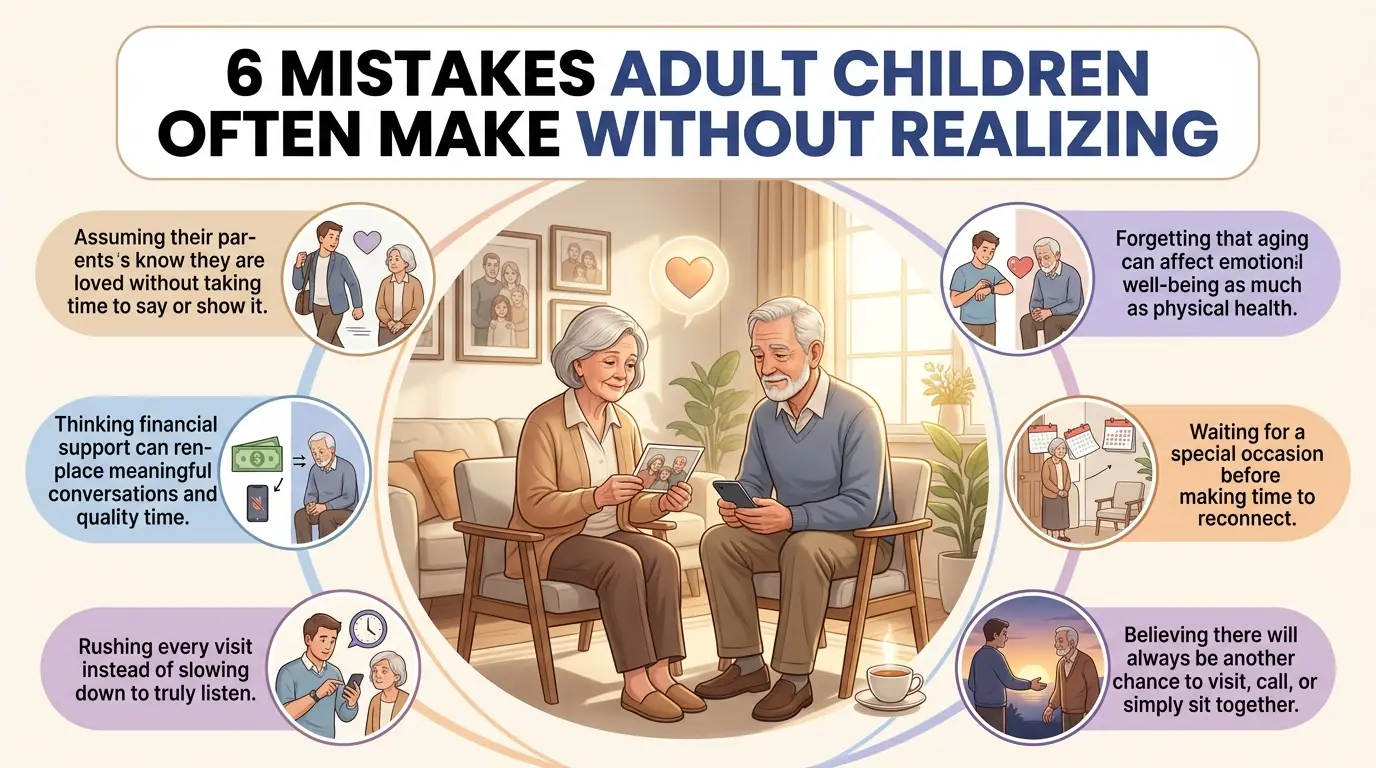
6 MISTAKES ADULT CHILDREN OFTEN MAKE WITHOUT REALIZING
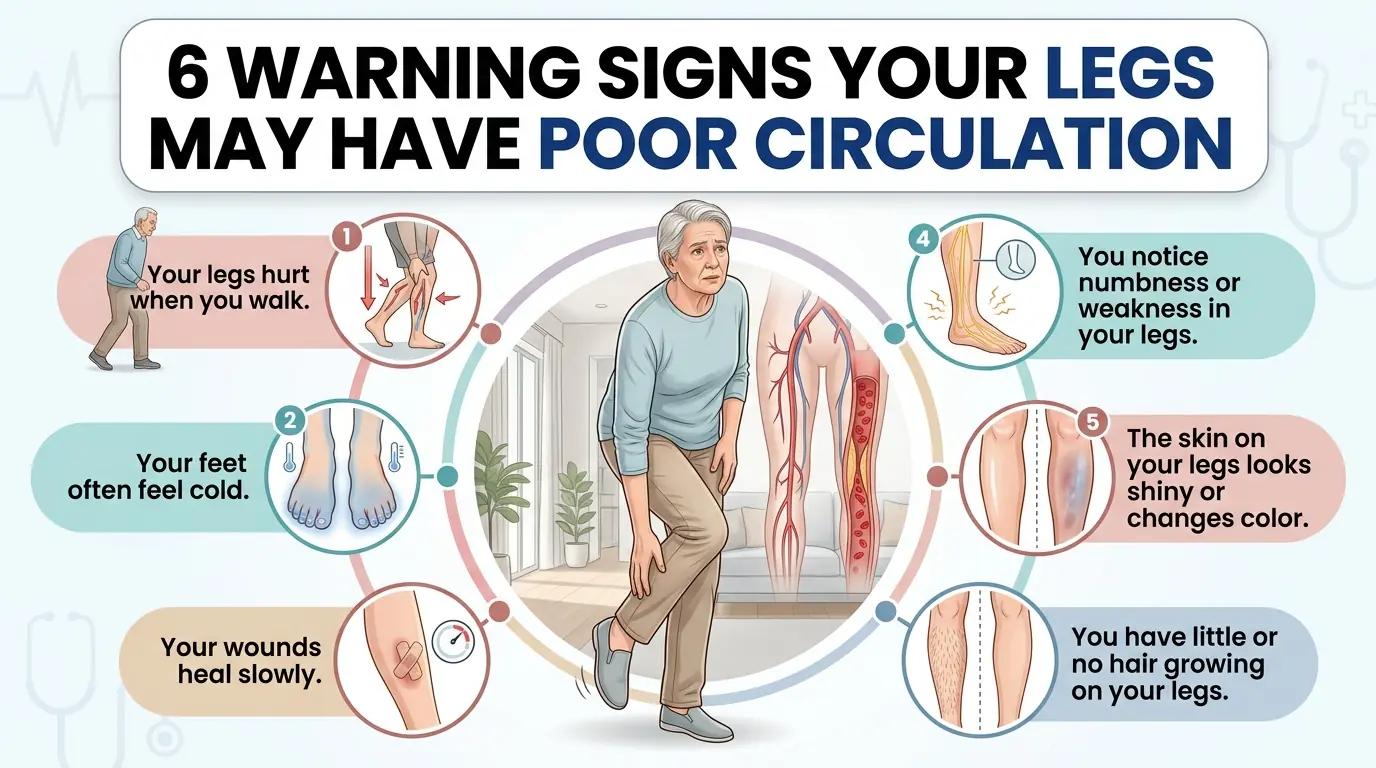
6 WARNING SIGNS YOUR LEGS MAY HAVE POOR CIRCULATION
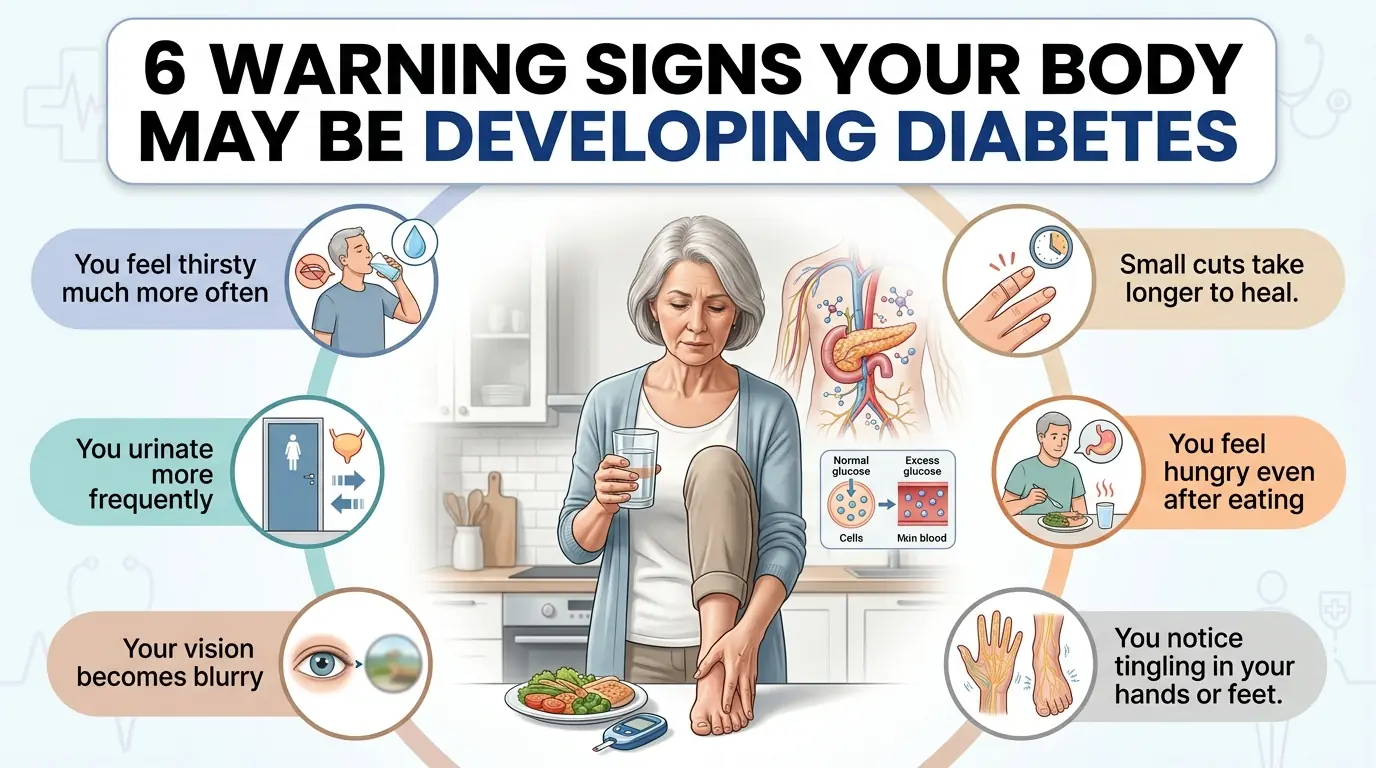
6 WARNING SIGNS YOUR BODY MAY BE DEVELOPING DIABETES
6 WARNING SIGNS YOUR HEART MAY NOT BE GETTING ENOUGH BLOOD
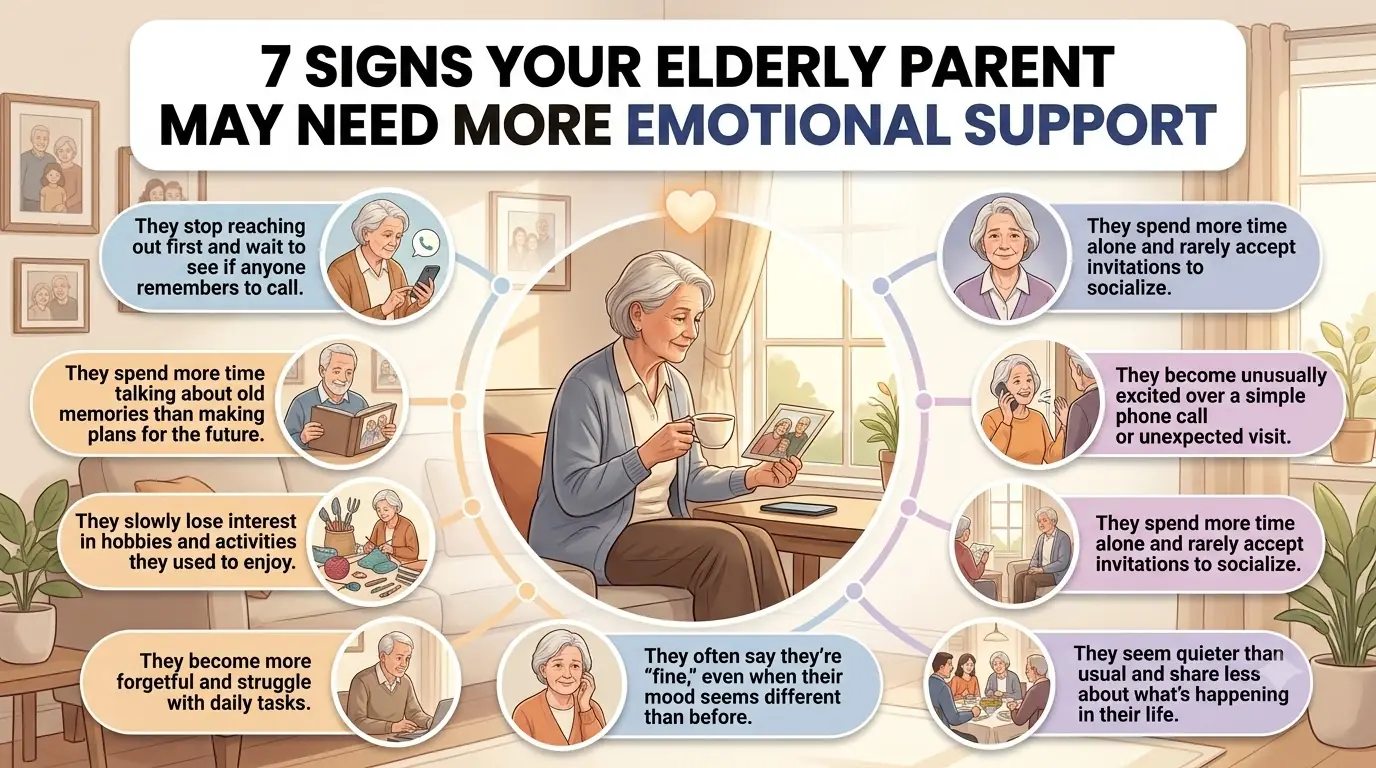
7 SIGNS YOUR ELDERLY PARENT MAY NEED MORE EMOTIONAL SUPPORT
6 WARNING SIGNS YOUR BODY MAY BE LOW IN MAGNESIUM
6 WARNING SIGNS YOUR BODY MAY BE LOSING MUSCLE AFTER 60
6 SIGNS YOUR BODY MAY NEED MORE PROTEIN AFTER 60
6 WARNING SIGNS YOUR ARTERIES MAY BE CLOGGED

"She Doesn't Speak Chinese," A Millionaire Bet $100K a Black Waitress Couldn't Speak Chinese
6 THINGS OLDER PEOPLE RARELY SAY OUT LOUD
6 SIGNS YOUR BRAIN MAY NEED MORE CARE